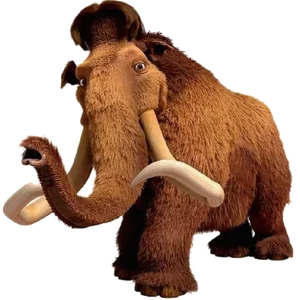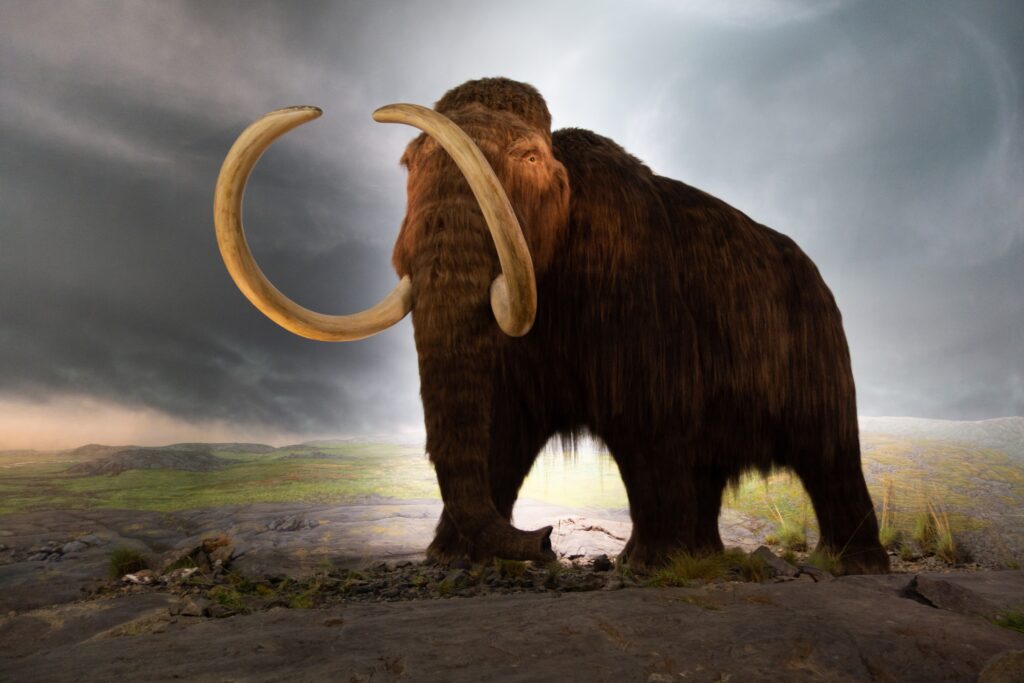
If your main image of a woolly mammoth comes from animated movies and cute plush toys, you’re working with a wildly watered‑down version of reality. The real animals were closer to walking fortresses than fluffy elephants, sculpted by ice, wind, and brutal cold into something that almost feels mythical. Yet every frozen tusk, strand of hair, and scrap of DNA is telling us a very real, very surprising story.
What fascinates me most is how each new discovery keeps making mammoths stranger, not simpler. Far from being just “hairy elephants,” they were fine‑tuned survival machines with engineering tricks built into their blood, bones, skin, and even their stomachs. The more you learn, the more those cartoon mammoths start looking like stick‑figure sketches beside a Renaissance painting. Let’s dig into what these giants were actually like.
Meet the real mammoth: an ice age heavyweight that dwarfs the cartoons
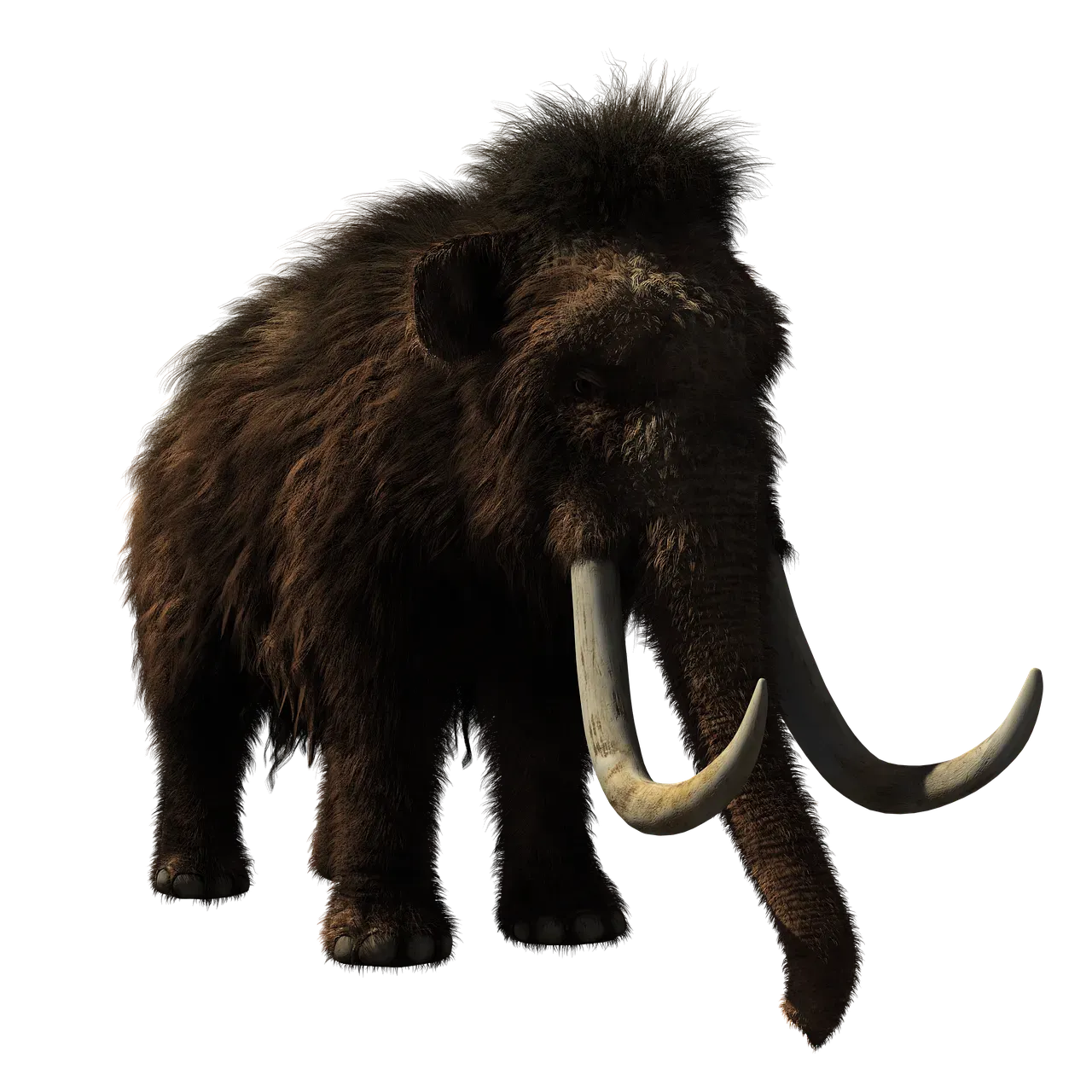
Animated mammoths are usually drawn like slightly oversized elephants with extra fur, but many real woolly mammoths were absolute tanks. Adult males of the largest populations could stand around four meters at the shoulder and weigh several tonnes, putting them on par with or above today’s biggest African elephants. Their skulls were higher and more domed, their backs formed a distinctive hump, and their entire frame looks, in the fossils, like it was built under the instruction: “overbuild everything.”
In cave art created by early humans, mammoths are not cute; they’re looming, hulking presences with massive heads and sweeping tusks. When paleontologists map muscle attachment scars on their bones, they see evidence of powerful necks and shoulders that had to support not just the skull, but also huge tusks and thick winter fat. Picture something broader and more compact than an elephant, with a front end that feels like a living snowplow rather than a gentle grazing giant from a family film.
Fur, fat and frost-proof skin: they were literally wrapped for the Arctic
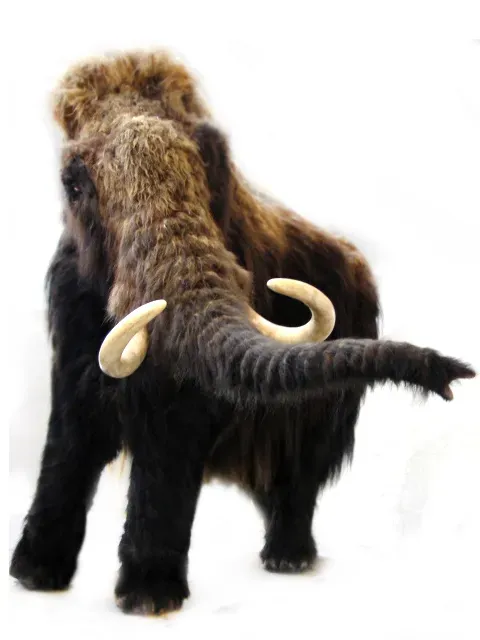
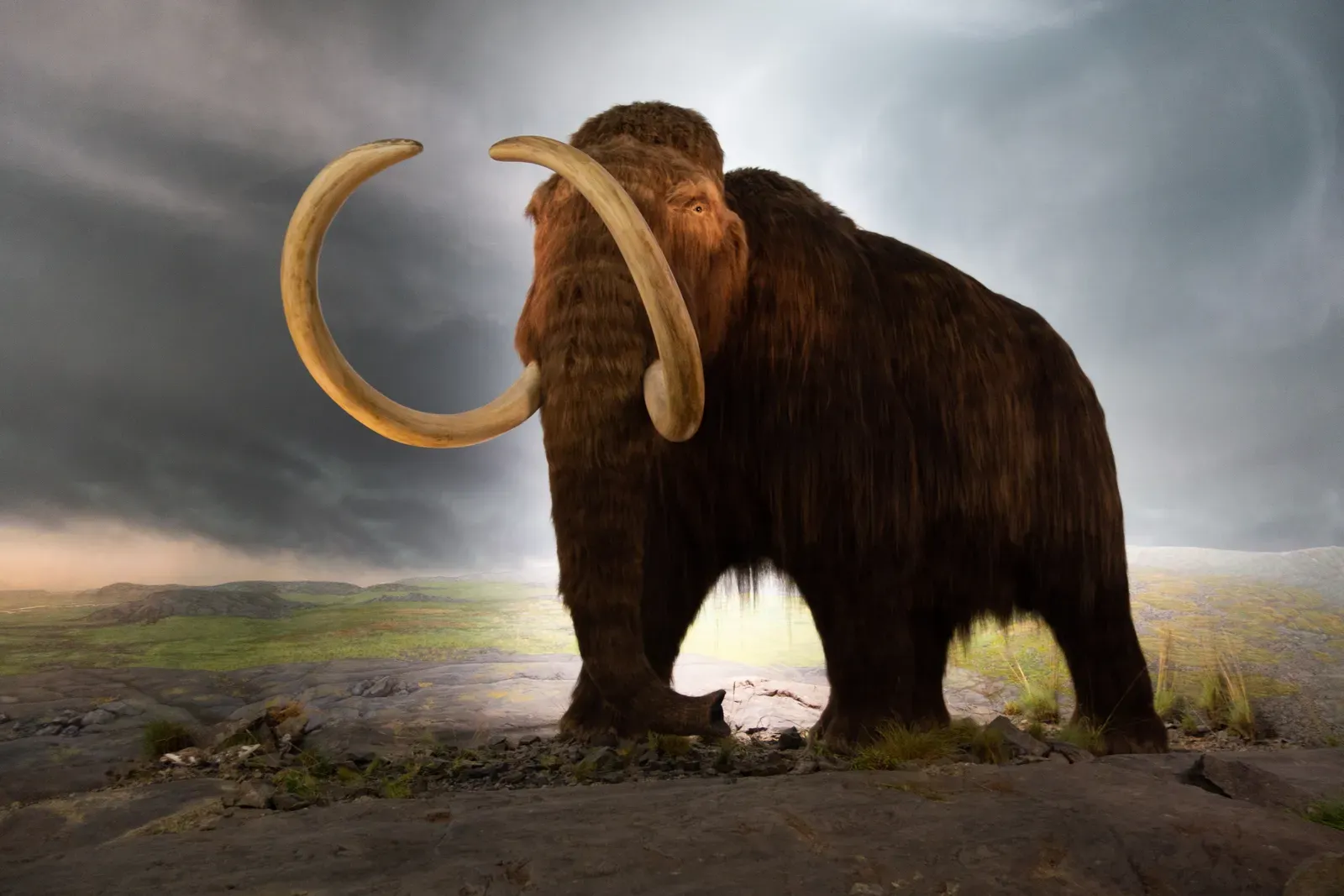
The “woolly” in woolly mammoth isn’t an exaggeration; it is, if anything, too modest. These animals carried a dense double coat: a shorter, wool‑like underfur close to the skin and a curtain of longer guard hairs that in some specimens reach more than a meter in length. Frozen carcasses recovered from Siberian permafrost show hair that ranges from rich reddish browns to paler blondish tones, like a living shag rug built to shrug off blizzards.
Under that fur sat a thick layer of insulating fat that sometimes reached many centimeters in depth, plus skin that was darker and likely more pigmented than most artists’ soft brown interpretations. Their ears and tails were noticeably smaller than those of modern elephants, a clever way to reduce heat loss in subzero winds. When you put all of that together, the real animal was less “big fluffy friend” and more “bio‑engineered cold‑weather tank,” wrapped in layer after layer of insulation.
Those insane tusks were tools, weapons and life-long diaries
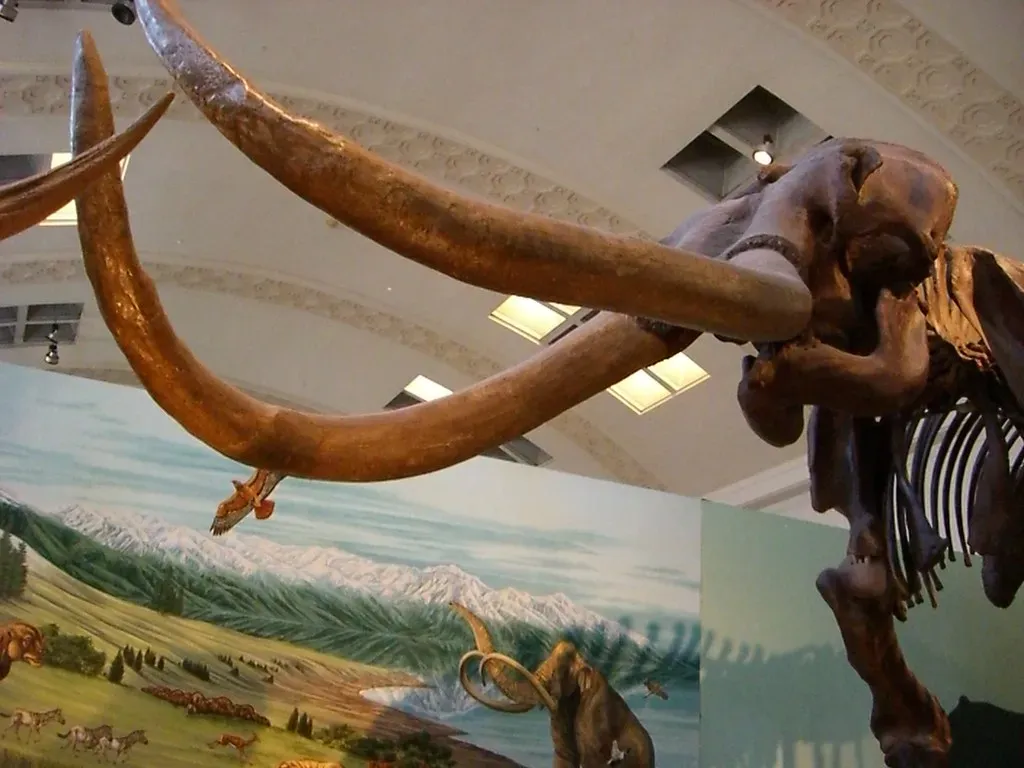
In movies, tusks are mostly visual comedy props, but in reality mammoth tusks are some of the most remarkable structures in the fossil record. They could grow into giant spirals more than four meters long, curving in elegant arcs that look almost sculpted on purpose. These tusks were denser and more massive than they appear on screen; an adult’s pair could weigh several hundred kilograms combined, turning the animal’s head into a heavily armed battering ram.
What’s even more extraordinary is that tusks recorded the animal’s life like tree rings, laying down layers of dentine that capture changes in diet, stress, and movement. By slicing tusks and analyzing the chemistry, scientists can trace migration routes, identify periods of starvation, and even spot the nutritional chaos of the final months before death. We also know from wear patterns and broken tips that mammoths likely used their tusks for scraping snow off vegetation, jousting with rivals, and defending themselves from predators and perhaps desperate human hunters.
Inside the mammoth body: cold-adapted blood, lungs and bones
The hair and fat get all the attention, but the real magic of mammoth survival lived on the inside. Studies of mammoth DNA have revealed changes in the genes that code for hemoglobin, the protein that carries oxygen in blood. These tweaks appear to help mammoth blood release oxygen effectively even at low temperatures, almost like a built‑in “winter mode” that kept their muscles supplied in deep cold where other animals would struggle.
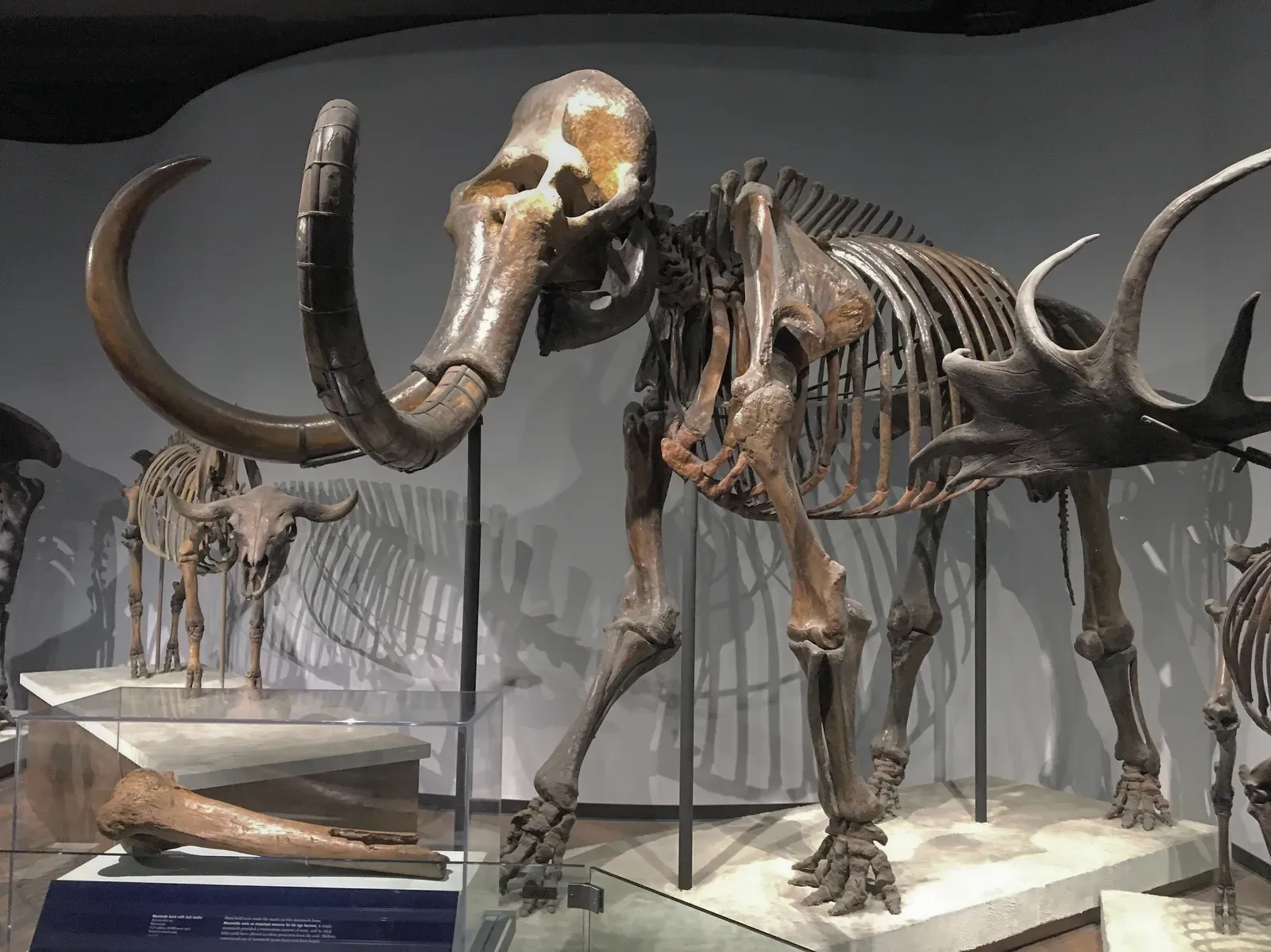
Their skeletons also tell a story of load‑bearing engineering. Their limb bones are thick and subtly reshaped compared with modern elephants, supporting more weight while spreading out pressure over frozen, often uneven ground. Massive lung capacity and a large nasal region, including that long trunk, likely helped warm and humidify air before it reached delicate tissues. Put simply, every level of their biology, from circulatory system to skeleton, shows signs of being tuned not just for survival in the cold, but for thriving in it.
What they really ate and how they shaped the Ice Age landscape
Animated mammoths are usually shown snacking on generic green plants, but the real Ice Age menu was rougher and more surprising. Isotope studies, preserved dung, and plant remains from stomach contents show they fed heavily on tough grasses, sedges, and low shrubs, essentially acting like enormous lawn mowers across the mammoth steppe. This steppe was a cold but relatively dry grassland stretching across northern Eurasia and North America, more open and windswept than the dense spruce forests we imagine in the far north today.
Mammoths did not just live on this landscape, they helped create and maintain it. By trampling young trees, scraping away snow with tusks, and tearing up vegetation as they fed, they likely suppressed forest growth and kept open grassland ecosystems in place. Their movements recycled nutrients, and their dung fertilized plants, making them ecosystem engineers long before humans started talking about land management. So the next time you picture a mammoth, imagine not just a giant animal, but an environmental force reshaping everything around it.
Brains, family life and voices: social giants, not lonely wanderers
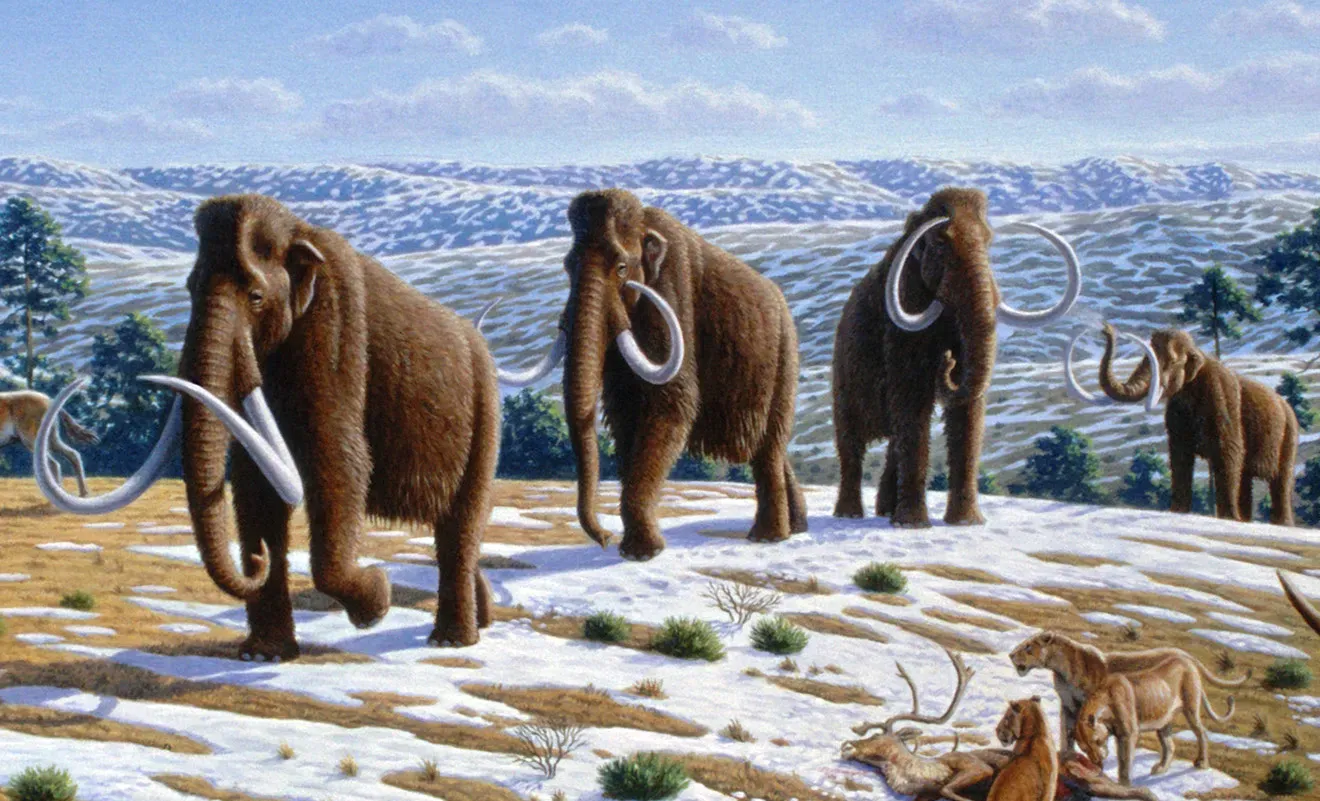
Woolly mammoths had brain sizes and skull structures broadly comparable to modern elephants, and that alone is a big clue to their behavior. Today’s elephants show complex social structures, memory, emotional bonds, and long‑term learning, and the safest assumption is that mammoths were no less sophisticated. Trackways and fossil sites hint at group movements, and there is evidence of herds including young, adults, and likely older “matriarch” figures that may have guided migrations and survival strategies.
While we can’t hear their exact calls, their anatomy suggests a vocal range that might have included low rumbles, trumpets, and possibly infrasonic sounds that could travel long distances through the ground and air. If you imagine a dark Arctic night with the distant vibration of mammoth calls rolling like thunder across the snow, you’re probably closer to the truth than the chatty, sitcom‑style dialogue of animated films. Their emotional lives likely included grief, play, and long‑term bonds, making their extinction feel less like the loss of a “type of animal” and more like the disappearance of entire cultures of intelligent giants.
Frozen time capsules: what preserved carcasses and DNA really show
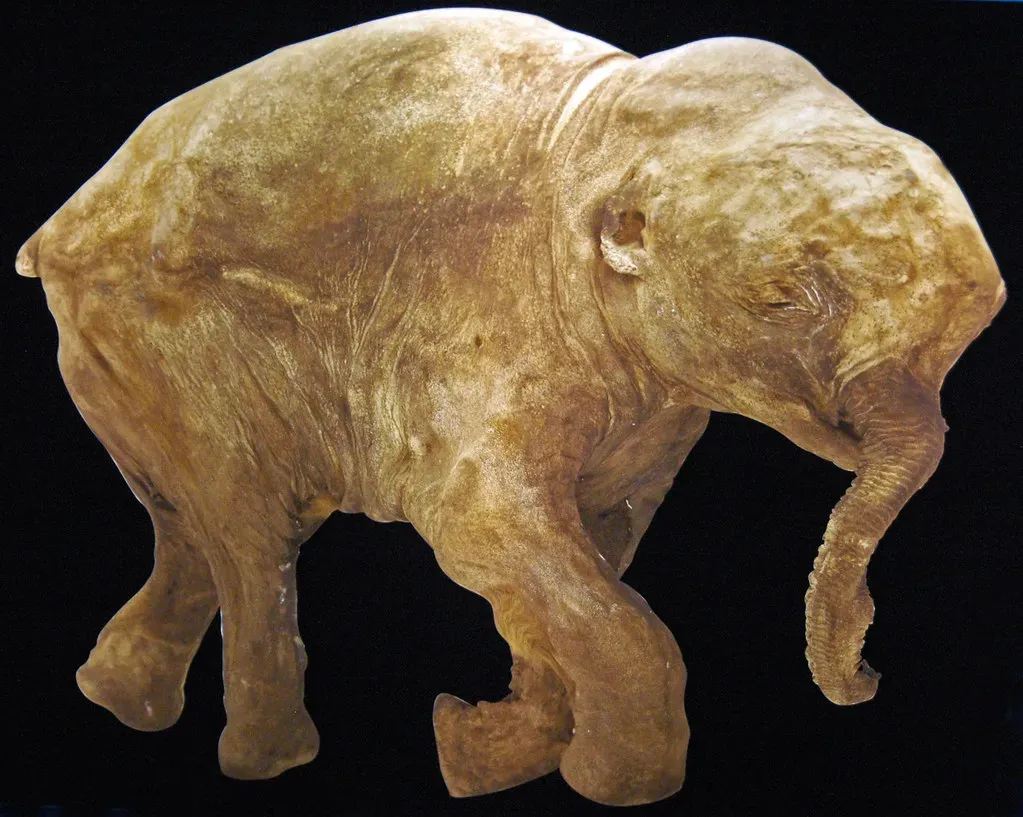
One of the most mind‑bending things about mammoths is how much of them is still physically here. Siberian permafrost and other Arctic regions have yielded bodies with skin, hair, muscles, and even partially intact organs, all flash‑frozen for thousands of years. Some carcasses are so well preserved that you can see the texture of their foot pads, the folds in their skin, and the individual hairs of their coat, turning an animal that went extinct thousands of years ago into something that feels eerily fresh.
From these remains, scientists have extracted DNA and built increasingly detailed genetic maps of woolly mammoths. This has fueled serious, if controversial, attempts to use gene editing and cloning‑adjacent techniques to create mammoth‑like elephants. Whatever you think about “de‑extinction,” it underlines just how close these animals still are to us in biological terms. They are gone, but not erased, and the idea that a creature we once hunted could one day walk beside us again says as much about our species as it does about theirs.
Why the real mammoth story matters more than the animated myth
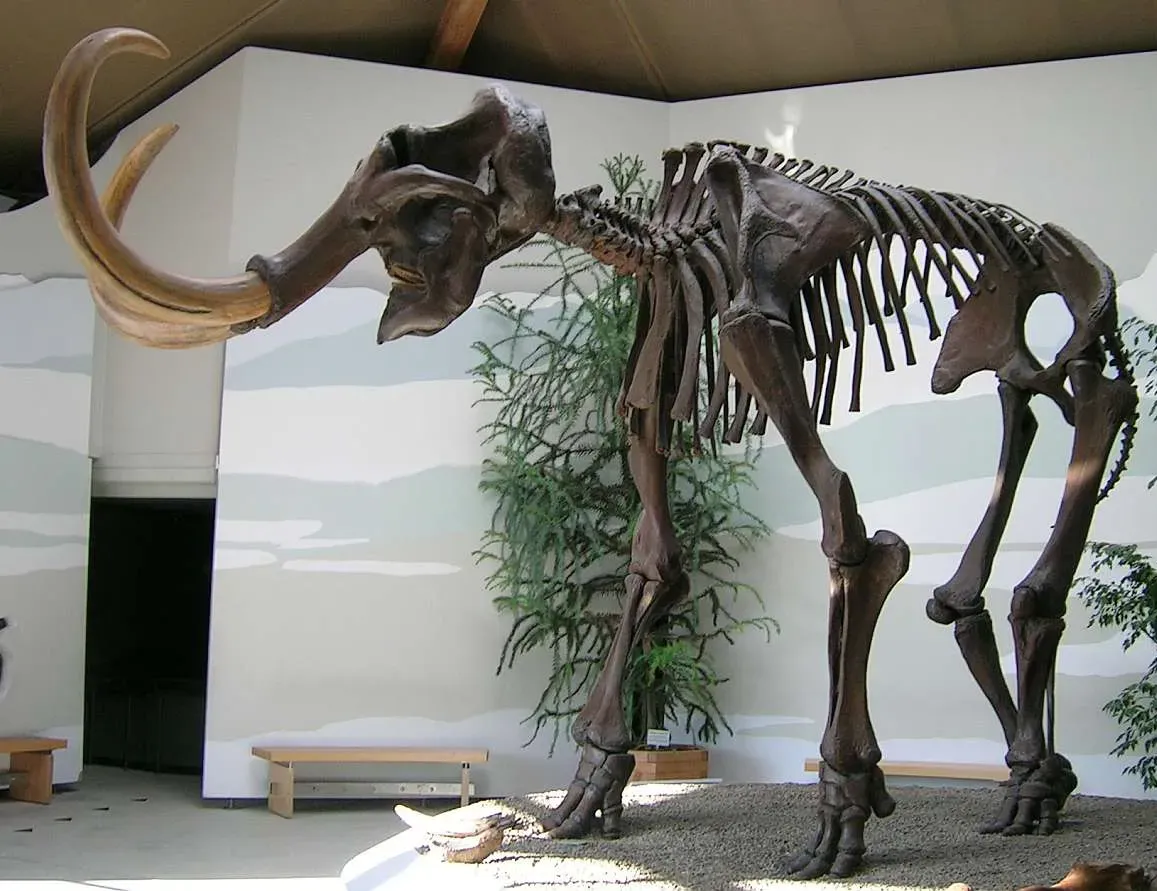
It is tempting to treat mammoths as lovable side characters in human prehistory, but the real story is harsher and more unsettling. These were brilliant examples of evolution’s ability to fine‑tune life to extreme environments, and they survived repeated climate swings and predators long before we entered the picture in force. Their disappearance lines up with a messy mix of rapid warming, changing vegetation, shrinking habitat, and hunting pressure from people who were getting better at working together and using advanced tools.
My own view is that reducing mammoths to cuddly mascots lets us dodge the uncomfortable part: creatures this extraordinary can vanish, and our species can be part of that process. The real mammoth, with its cold‑adapted blood, ecological influence, and social complexity, is a much more powerful symbol than any cartoon. It is a reminder that evolution can build masterpieces and that those masterpieces are fragile when the rules of the world shift too fast. When you picture a mammoth now, do you still see a goofy animated sidekick, or a lost giant that once thundered across a frozen world we barely remember?