Every now and then, a discovery bursts out of the ground and completely rewrites what we thought we knew about prehistoric life. It might be a tiny fossilized feather, a giant skull, or a set of stone tools in the “wrong” place or time – but the effect is the same: suddenly, the past feels alive, dramatic, and full of surprises. Prehistory is not a quiet, dusty story; it is a series of shocks that keep forcing scientists to start the story over.
What follows are ten discoveries that did exactly that – finds so sensational that they changed textbooks, stirred fierce arguments, and made even seasoned researchers stop and say: wait, what? Some are famous giants, others are quieter game‑changers, but all of them pushed our understanding of life before written history into stranger, richer territory. As you read, notice how often the “impossible” turned out to be buried just a few feet below someone’s boots.
1. Lucy: The Tiny Hominin Who Reframed Human Origins
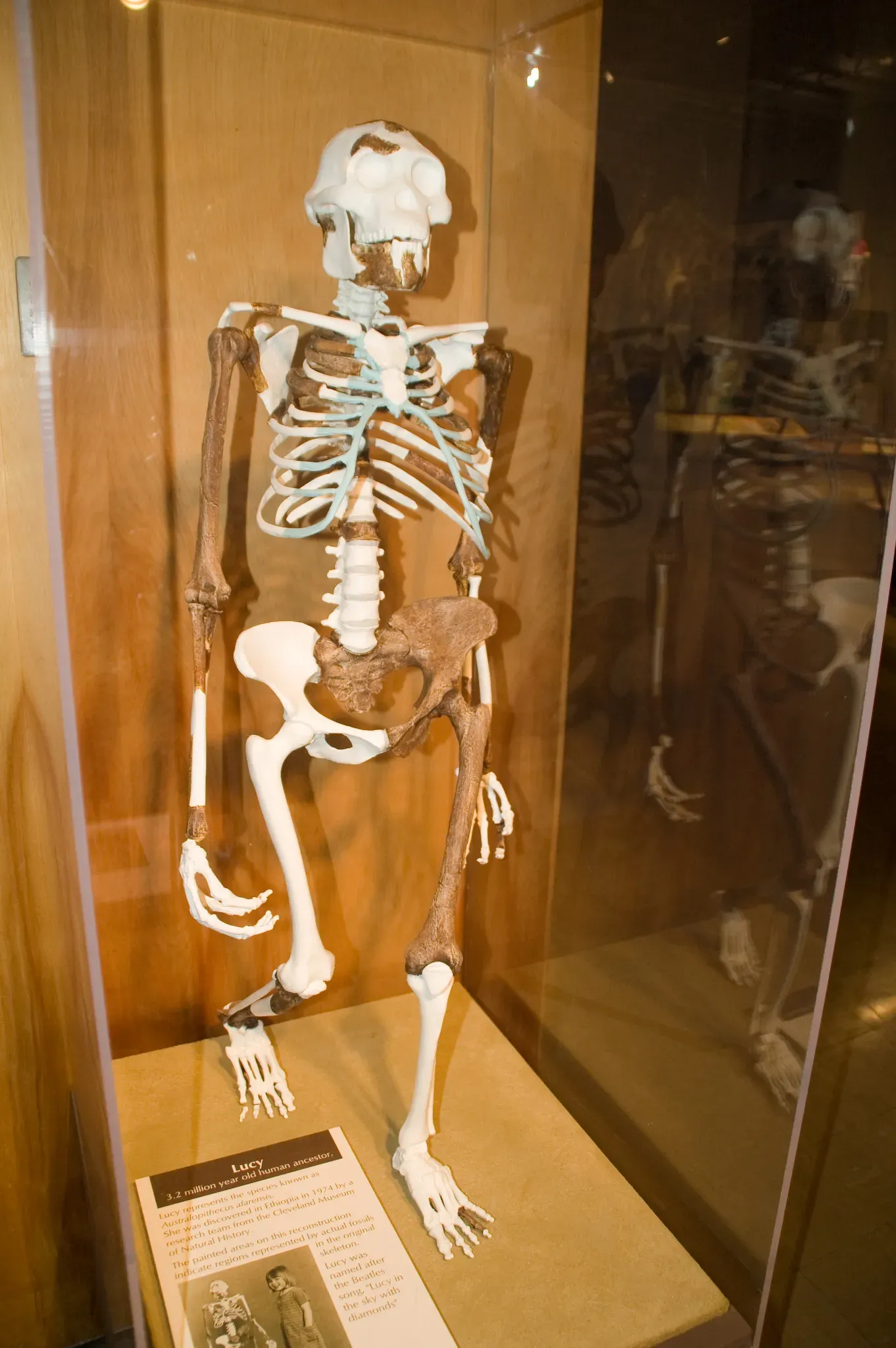
Imagine finding a skeleton that is both disarmingly small and unimaginably important. That is what Lucy, an Australopithecus afarensis from more than three million years ago, turned out to be. Her partial skeleton showed a creature that still had a small brain but clear adaptations for walking upright, placing bipedalism deep in our family tree long before the big, bulky human brain came along.
Lucy forced scientists and the public to peel apart a lazy assumption: that intelligence led the way and the body followed. Instead, she showed that our ancestors were striding around on two legs while still very apelike from the neck up. That simple but uncomfortable idea rewired the story of human evolution and kicked off decades of heated debate about exactly when, how, and why humans started walking the way we do today.
2. The First Feathered Dinosaurs From China
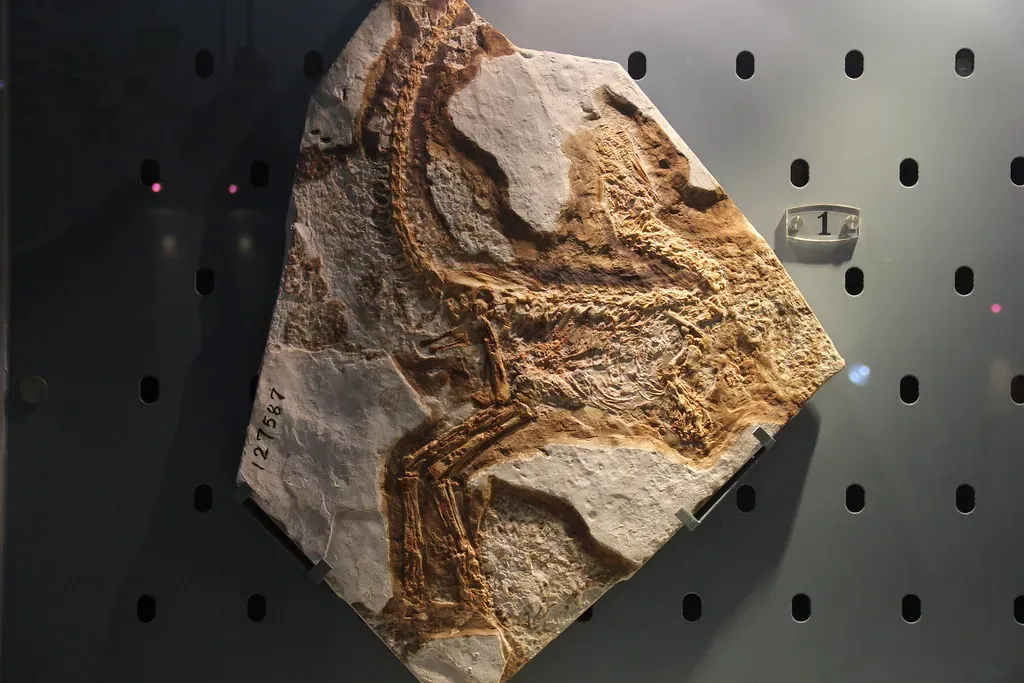
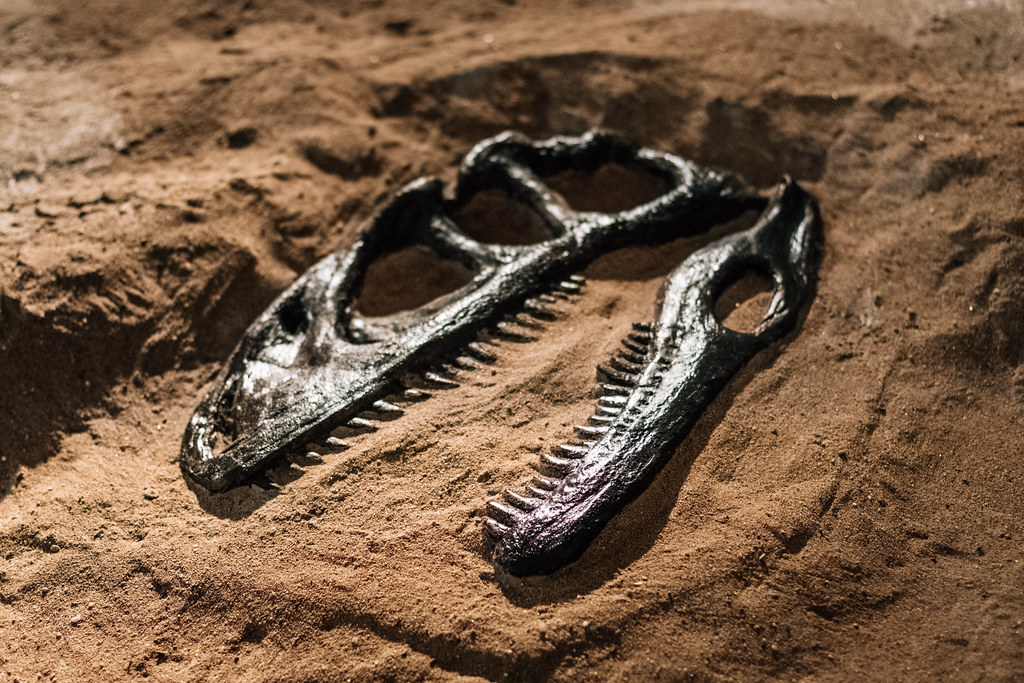
For generations, the image of dinosaurs was dominated by gray, scaly giants that looked a bit like oversized lizards. Then exquisitely preserved fossils from northeastern China revealed something radically different: dinosaurs with feathers, downy fuzz, and complex plumage. Some of these animals were small and birdlike, others were classic raptor shapes suddenly wearing what looked suspiciously like proto‑wings.
This was not just a cosmetic tweak; it was a full‑on revolution. Feathers meant insulation, display, and eventually flight, showing that birds are not just “descended from” dinosaurs – they are dinosaurs. Overnight, children’s books, museum murals, and scientific diagrams were outdated. The new picture is stranger, more colorful, and far more dynamic, and it came from a handful of finely layered rocks that preserved soft tissue most paleontologists never expected to see.
3. The Chicxulub Crater and the Day the Dinosaurs Died
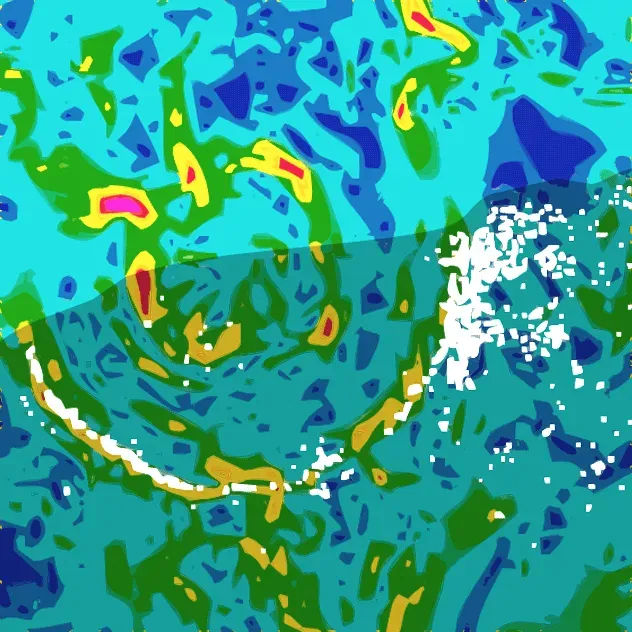
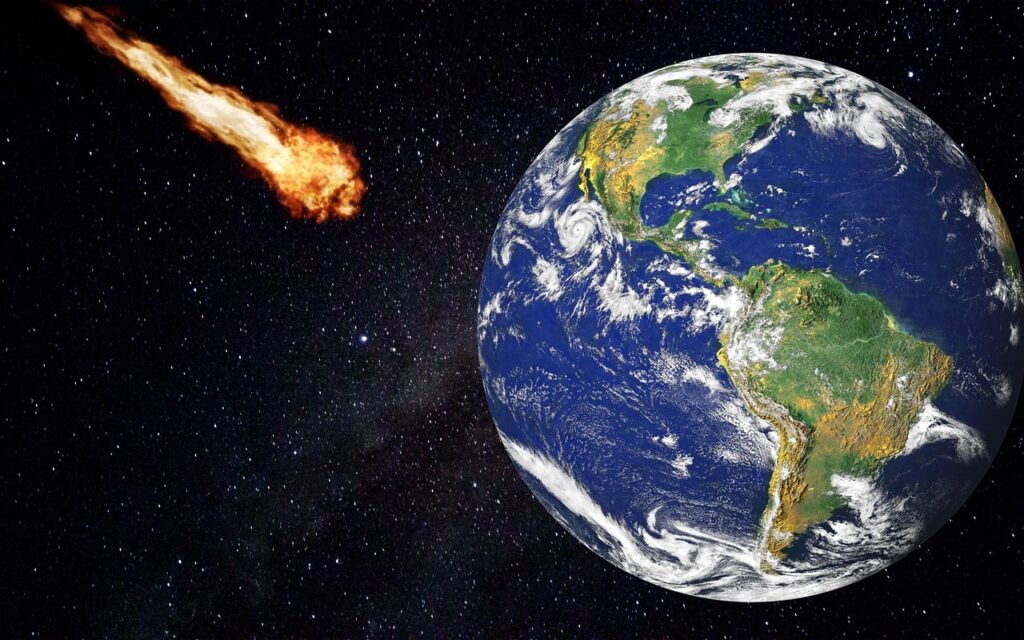
For a long time, the extinction of the non‑avian dinosaurs was framed as a slow fade: climate shifts, volcanic eruptions, maybe a few bad breaks. Then evidence converged on something much more dramatic – a massive impact crater buried under the Yucatán Peninsula. The Chicxulub crater, more than one hundred miles across, pointed to an asteroid strike so intense it would have triggered tsunamis, wildfires, and a planet‑wide darkness.
Finding the crater was like finally discovering the smoking gun at a crime scene that had gone cold after sixty‑six million years. It did not settle every detail of the extinction debate, but it showed that one catastrophic day likely played a starring role in wiping out the majority of Earth’s species at that time. It is hard not to feel a chill when you realize that our entire modern world exists because a space rock happened to hit in a devastatingly “effective” way.
4. Laetoli Footprints: Frozen Steps From Deep Time
There is something haunting about seeing footprints, because they capture a moment rather than a skeleton. At Laetoli in Tanzania, early human relatives walked across fresh volcanic ash more than three and a half million years ago, leaving tracks that hardened and then were buried. When those footprints were uncovered, they showed a surprisingly modern‑looking gait, with weight transfer and toe‑off patterns that felt uncannily familiar.
Unlike bones, which can feel abstract and technical, these footprints hit harder on an emotional level. You can literally trace each step of individuals strolling across a landscape that no longer exists, maybe chatting, maybe looking for food, utterly unaware that each footfall would one day be studied like a sacred text. They make human evolution less of a distant chart and more of an unbroken trail – one that, in a way, we are still walking.
5. Ötzi the Iceman: A Time Capsule in the Alps
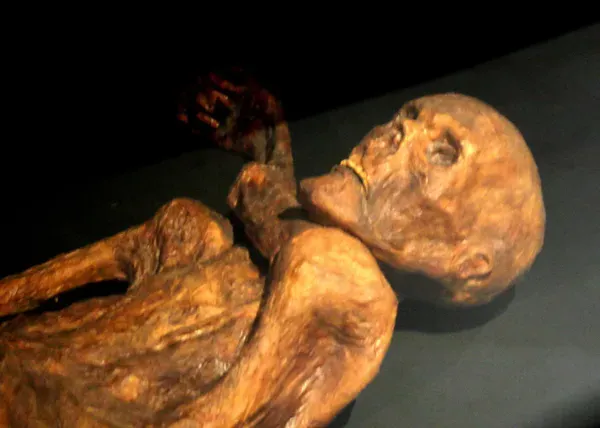
When hikers in the Alps stumbled on what looked like a weathered body in melting ice, nobody initially realized they were meeting a man from more than five thousand years ago. Ötzi the Iceman, as he came to be known, was astonishingly well preserved: clothing, tools, tattoos, stomach contents, even the pollen trapped inside him survived. It was as if someone had paused time on a Copper Age afternoon and quietly tucked him into a freezer.
The level of detail researchers could pull from Ötzi was almost unsettling. They reconstructed his last meals, mapped his health problems, traced his movements shortly before death, and even inferred aspects of his social world from his weapons and gear. Unlike a bare skeleton, Ötzi feels like a specific person with preferences, struggles, and bad luck, and that humanizes prehistory in a way that no chart or museum label ever could.
6. The Burgess Shale and the Explosion of Weird Life
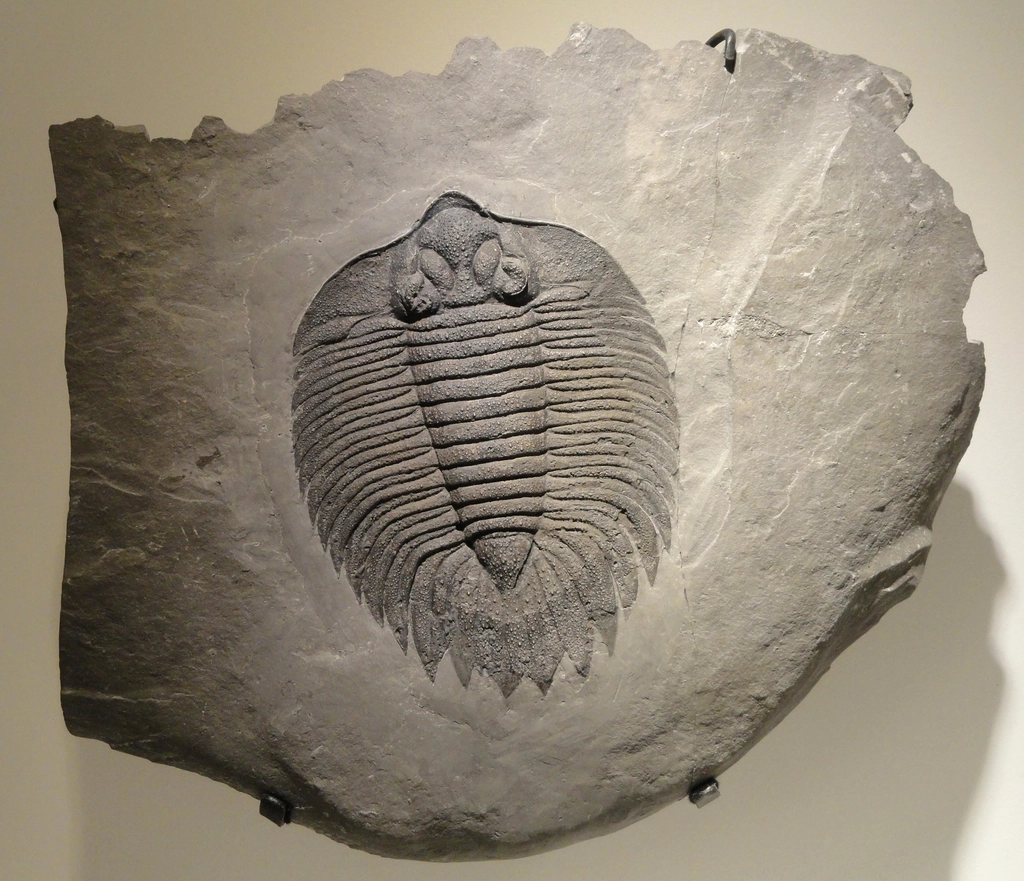
High in the Canadian Rockies, the Burgess Shale preserves a slice of life from the Cambrian period that looks almost alien. Tiny soft‑bodied creatures, bizarre multi‑limbed predators, and odd, flattened forms that seem to defy modern categories are all pressed into paper‑thin rock layers. Before this site was studied in detail, many people imagined early animal life as simple and dull, like a slow ramp up to the complexity of the present.
The Burgess Shale shredded that comforting picture. It revealed that early animal ecosystems were already messy, experimental, and wildly diverse, with lots of evolutionary “dead ends” that left no direct descendants. The shocking takeaway is that our own body plan is just one of many that were tested by evolution, and not necessarily the most obvious outcome. It is hard not to wonder how different Earth would look if some of those odd Cambrian creatures had become the dominant line instead.
7. Giant Sauropods: Reconstructing the Long‑Necked Titans
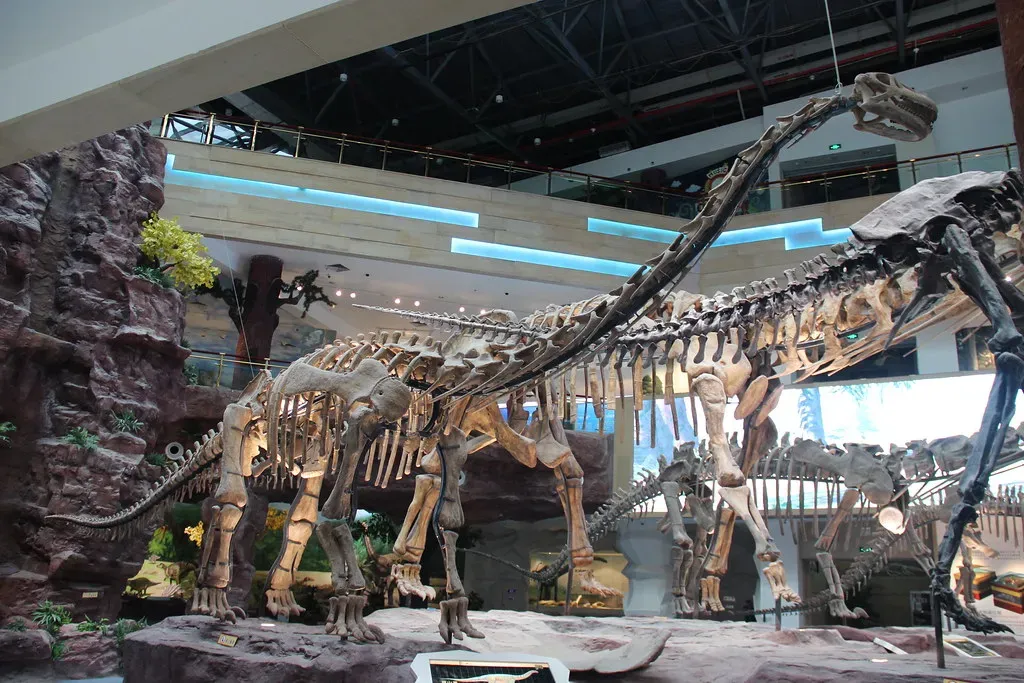
The first reasonably complete skeletons of enormous sauropod dinosaurs, like Diplodocus and Brachiosaurus, were almost too big for people to believe. Early reconstructions struggled with the sheer scale: how could an animal that long and heavy even stand, let alone walk, eat enough, or pump blood from its heart up a neck longer than a bus? Some scientists initially doubted these giants could have lived entirely on land at all.
Over time, better fossils and more rigorous biomechanics painted a more plausible, and even more impressive, picture. These animals had lightweight, air‑filled bones, powerful hearts, and specialized postures that let them move efficiently despite their size. The sensational part is not just their bigness, but the fact that evolution repeatedly produced sauropods in different dinosaur groups, suggesting that going huge was a winning strategy when the conditions were right. It makes our largest modern animals, like elephants and whales, feel modest by comparison.
8. Neanderthal DNA and the Surprise Inside Us
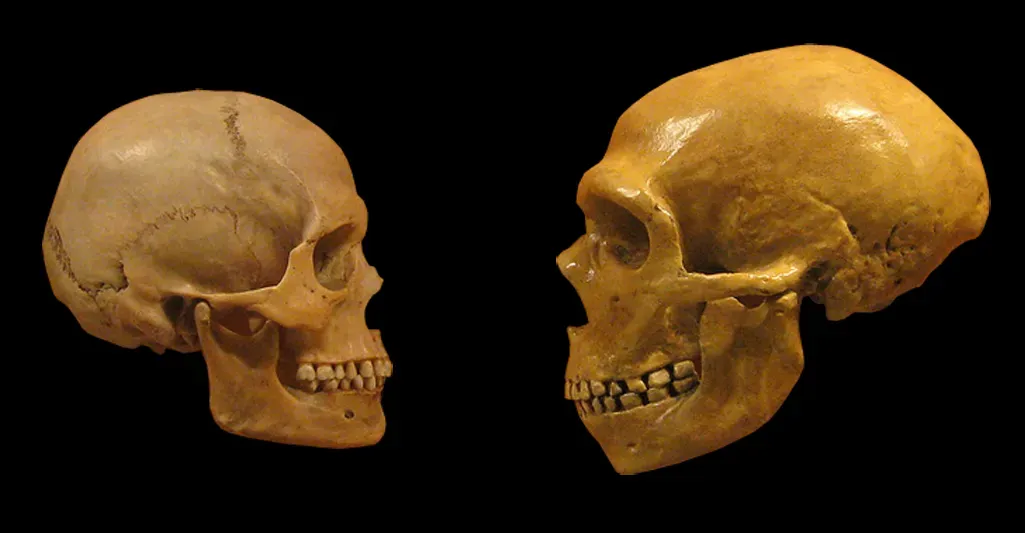
For decades, Neanderthals were painted as the brutish cousins who lost some vague evolutionary race to “modern” humans. Then ancient DNA analysis changed everything. When scientists sequenced Neanderthal genomes and compared them to living humans, they found that many people outside Africa carry a small but real percentage of Neanderthal ancestry, a genetic echo of ancient interbreeding.
This discovery punched a hole straight through the neat, linear story of human evolution. Instead of one species cleanly replacing another, we see a tangled, messy network of interactions: contact, competition, exchange, and yes, children. Traits linked to immunity, skin, and even some health conditions today can be traced back to this prehistoric mingling. In a quiet but profound way, Neanderthal DNA turned them from “them” into part of “us.”
9. Oldest Stone Tools: Pushing Technology Further Back
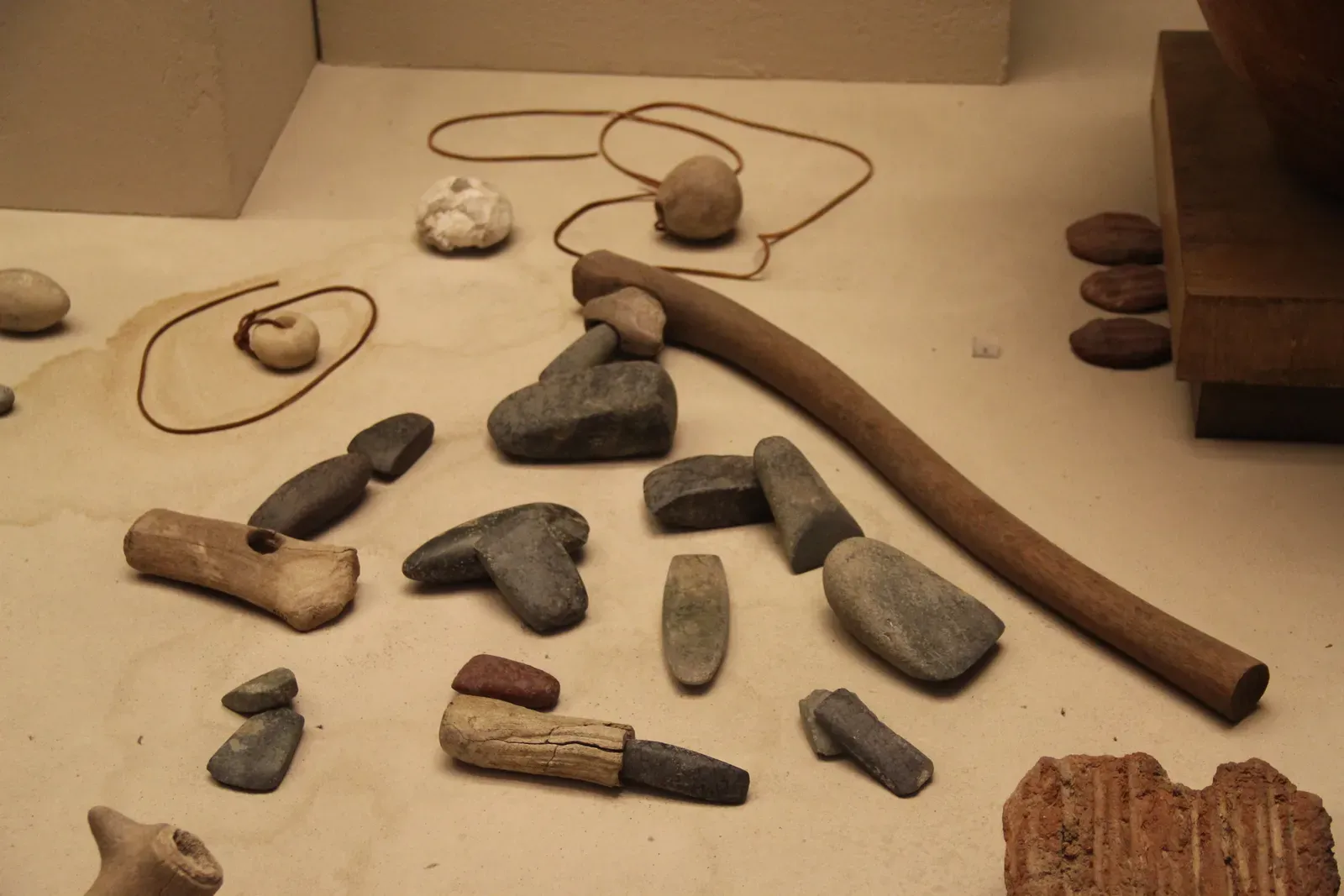
Stone tools used to be strongly associated with our own genus, Homo – evidence, people thought, of a cognitive leap that set us apart. Then older and older tool sites began turning up, some approaching three and a half million years in age. In some cases, these tools may predate Homo entirely, suggesting earlier hominins were already capable of deliberately shaping stone for cutting and pounding.
That finding might not grab headlines like a dinosaur skeleton, but it is arguably just as radical. If more primitive ancestors were already tinkering with technology, then the line between “smart apes” and “early humans” becomes fuzzier than many textbooks admit. It challenges the idea that there was a single magical breakthrough and instead paints technological evolution as a slow, experimental climb with plenty of missteps and side branches.
10. Early Cave Art and the Birth of Symbolic Minds
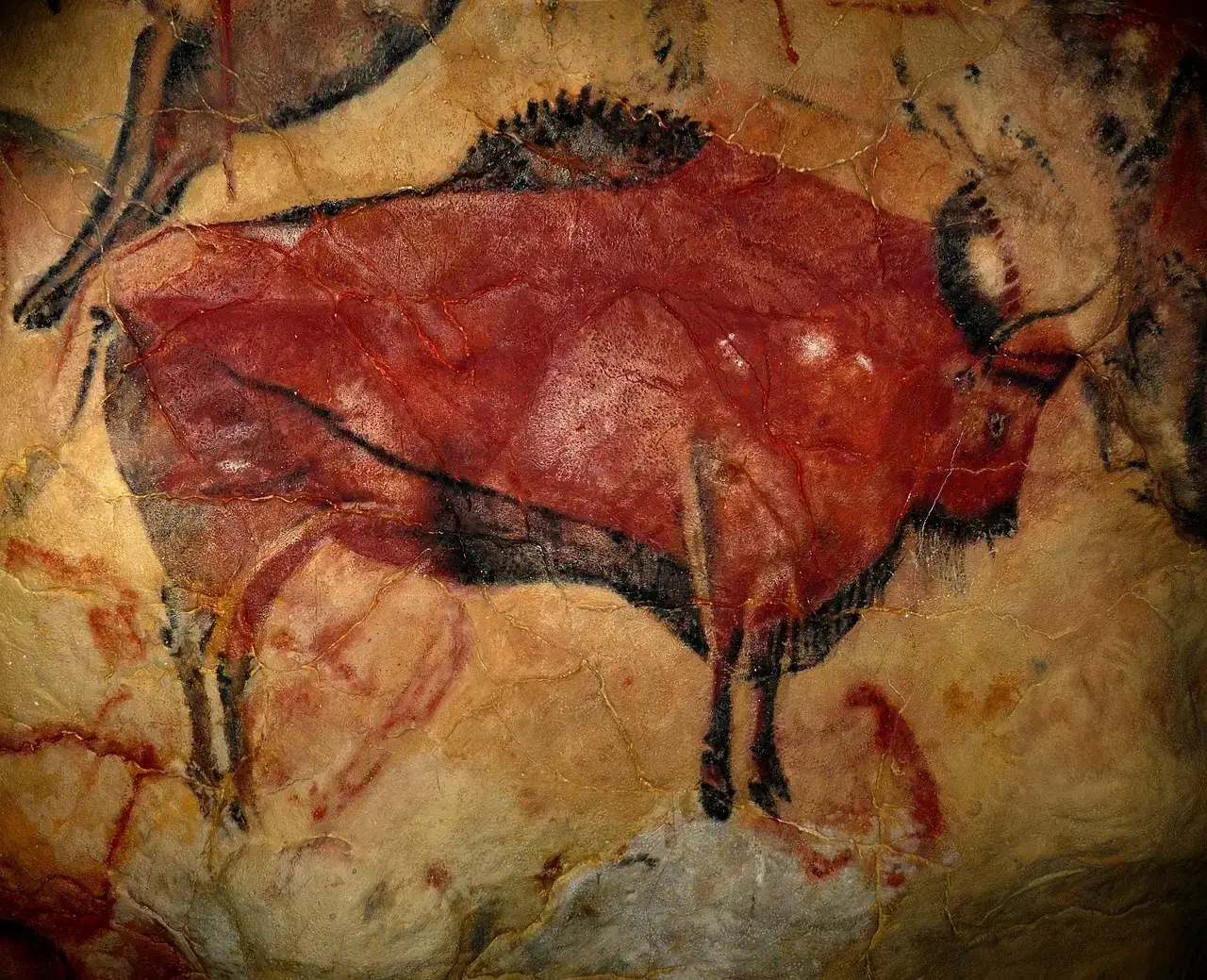
When researchers first began to recognize prehistoric cave art in Europe, many assumed it represented a late and sudden flowering of human creativity. Over time, though, older sites surfaced, along with evidence of symbolic behavior in Africa and other regions: carvings, pigments, beads, and geometric markings that go back tens of thousands of years before the better‑known paintings. The timeline for the “first art” has been steadily drifting further into the past.
What makes this so sensational is not just the age of the art, but what it implies: minds capable of abstraction, storytelling, and shared meaning long before agriculture or cities existed. Standing in a cave and looking at a painted animal from thirty or forty thousand years ago is like catching someone else’s dream halfway through. It is one of the clearest signals that prehistoric humans were not half‑formed versions of us – they were us, thinking and feeling in ways we still recognize.
Conclusion: Prehistory Is Stranger, and Closer, Than We Like to Admit
Looking across these discoveries, a pattern jumps out: every time we think we have prehistory neatly sorted, the ground quite literally shifts under our feet. New fossils, new methods, and new sites keep dragging intelligence, art, technology, and catastrophe further back or sideways in ways that frustrate tidy narratives. In my view, that constant disruption is not a flaw; it is the most exciting thing about studying the deep past.
These finds are sensational not because they give us final answers, but because they force us to admit how provisional our stories really are. They show that human uniqueness is less absolute than we once believed, that evolution is more experimental, and that the line between past and present is thinner than it looks. The next big shock is almost certainly already buried somewhere, waiting for a storm, a bulldozer, or a lucky hiker to bring it to light – and when it does, will it confirm what you expected, or overturn it all over again?