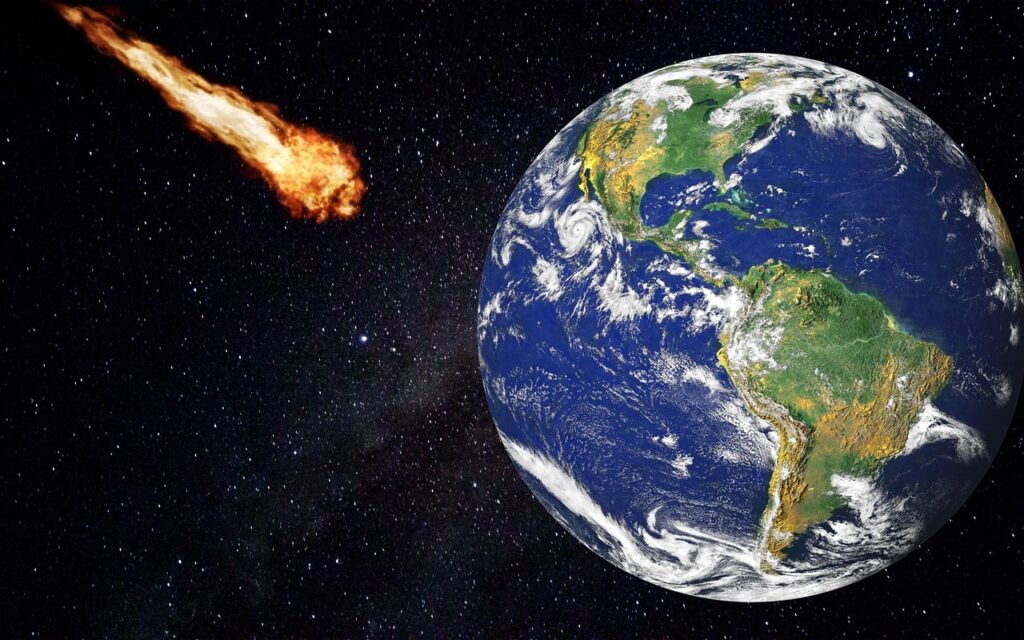
The idea that the first continents on Earth rose far earlier than scientists once believed sounds like a small adjustment on a very long timeline. But it is not a minor tweak; it is a rewrite of the opening chapter of our planet’s story. If pieces of continental crust were already sticking out of a global ocean when Earth was still very young, then the environments that shaped our rocks, our atmosphere, and eventually life itself were very different from the calm, slowly cooling world many of us grew up imagining. I still remember first learning that Earth was once a molten ball that gradually developed scattered continents over billions of years, as if someone carefully laid land down piece by piece. Now, with new evidence pushing continental formation back by hundreds of millions of years, that gentle story feels almost naive. The new picture is wilder, more chaotic, and oddly more hopeful: a world that became complex sooner, with solid ground, water, and chemical diversity arriving quicker than expected. Let’s walk through what is actually changing in the science – without the hype, but with all the wonder it deserves.
How Old Are Continents, Really? The Timeline Just Got Pushed Back
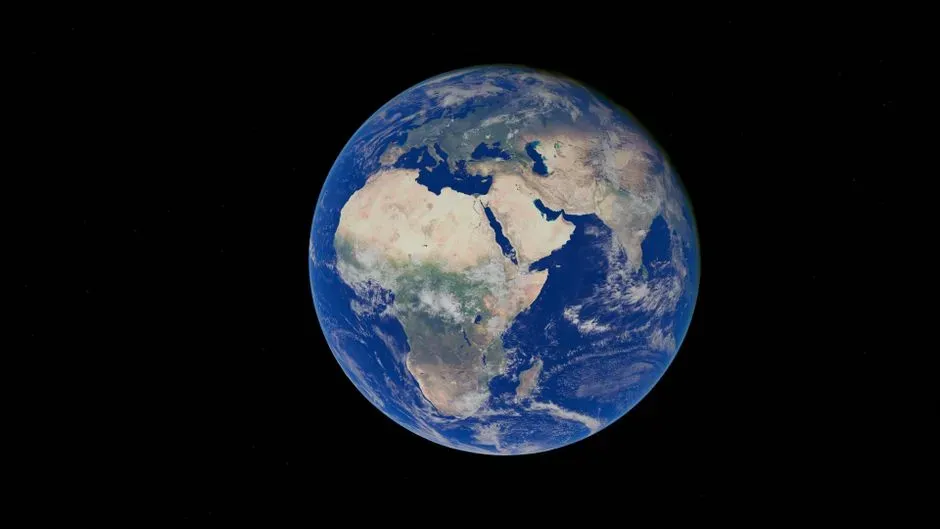
For a long time, the standard storyline in geology textbooks placed the emergence of stable, long‑lived continents roughly about three billion years ago, when large slabs of thick continental crust began to survive the planet’s internal restlessness. Earlier than that, Earth was widely imagined as dominated by oceanic crust, with maybe a few unstable proto-continents that didn’t last very long. It was a simple timeline: molten Earth, cooling crust, late-growing continents. Recent studies of extremely ancient rocks, however, have been quietly shifting that timeline backward. Some tiny mineral grains and deeply altered rock formations now point to bits of continental crust already existing more than four billion years ago, not just three. That is a difference of hundreds of millions of years – comparable to the span of time between the dinosaurs and us. It suggests Earth’s surface was showing signs of complexity and structure surprisingly early, when the planet itself was still recovering from violent impacts and intense internal heat.
The Tiny Crystals That Changed a Big Story: Zircons and Ancient Clues
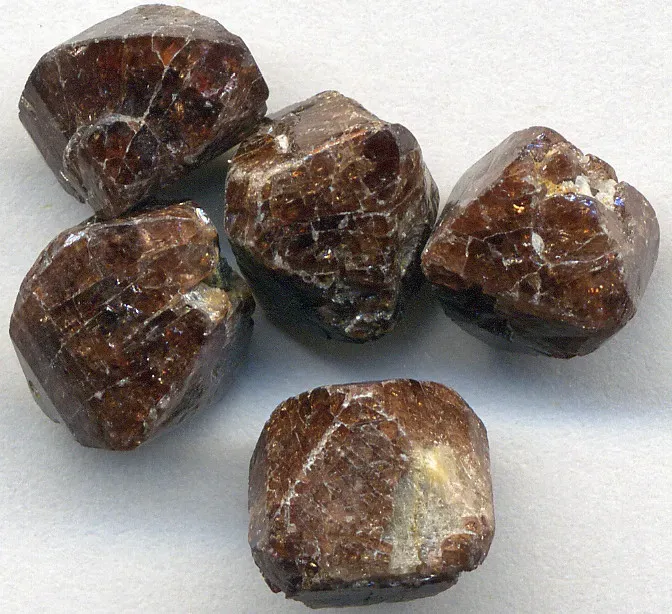
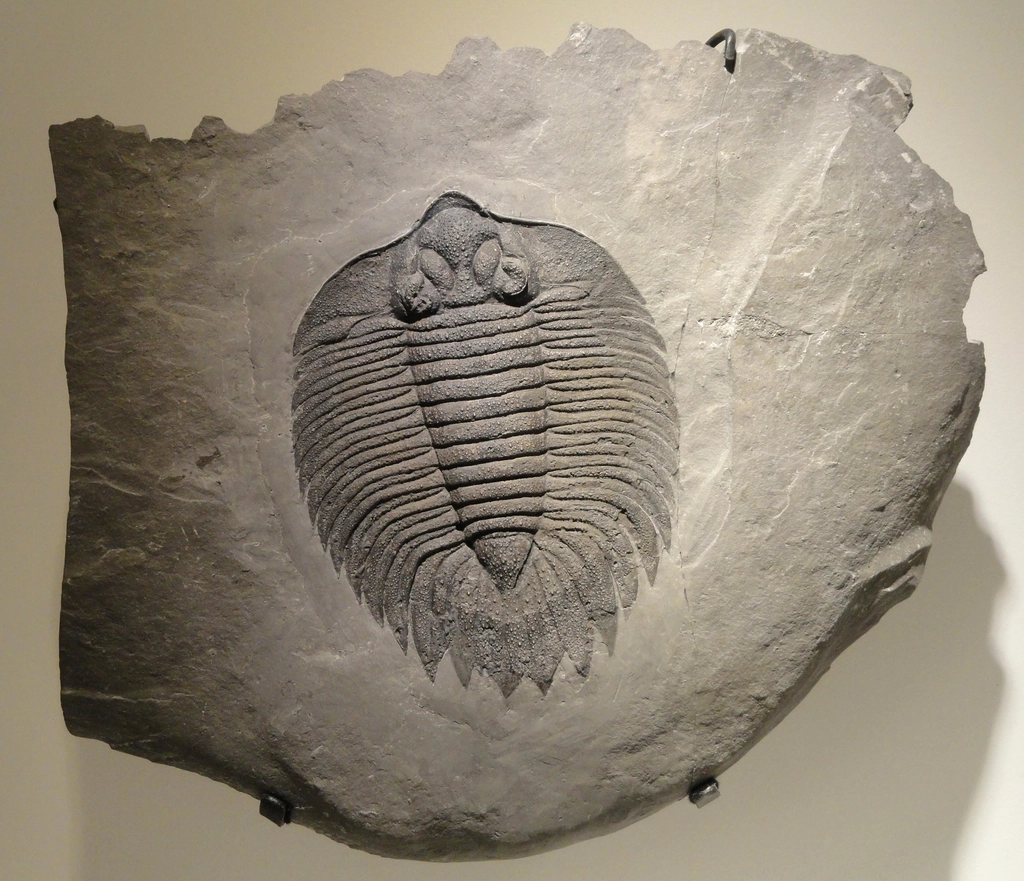
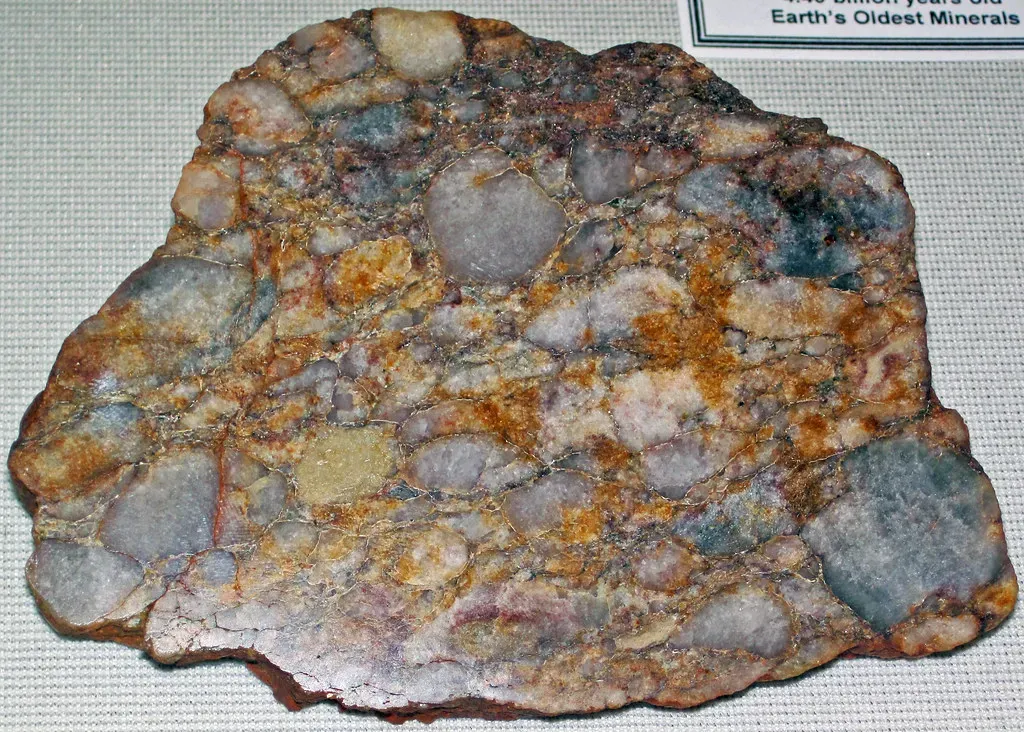
One of the most surprising heroes in this story is a tiny, tough mineral called zircon. These crystals, often no larger than a grain of sand, can endure heat and pressure that would erase most other geological evidence. Inside them, atoms of uranium slowly decay into lead in a predictable way, turning zircon into a natural time capsule that can tell us when the crystal formed. Some zircons have been dated to around four and a half billion years old, nearly as old as Earth itself. What makes this so striking is not just their age, but what their chemistry says about the environment where they formed. Many ancient zircons show signs that they crystallized in relatively cool, wet conditions, likely in thicker, more buoyant crust similar to modern continental crust, not in the thin, dense crust at the bottom of deep oceans. In plain language, those little crystals are whispering that some form of continental-like land was already forming at a time when many models still picture Earth as almost entirely oceanic and hellish.
From a Water World to a Patchwork of Early Land: Rethinking Ancient Earth
Popular science has often painted early Earth as a pure water world, a global ocean with maybe a few volcanic islands popping above the surface now and then. That picture is cinematic and easy to imagine, but the new evidence of early continental crust forces us to adjust it. Instead of a lonely ocean planet, we might have to envision a patchwork world: rafts or blocks of higher, lighter crust poking above sea level, surrounded by vast, hot, restless oceans. This shift in thinking matters because land is not just scenery; it is a chemical and physical engine. Early landmasses would have changed the way rain fell, how rivers flowed, and how rocks weathered and broke down. They would have reshaped how elements like carbon, phosphorus, and silicon cycled between rock, water, and air. Even if those first continents were smaller and more fragmented than today’s giants, their mere presence would have made Earth’s surface far more varied, and that variety is fuel for planetary change.
What Earlier Continents Mean for the Origins of Life
When people talk about the origin of life, they often split into two camps: those who favor deep-ocean hydrothermal vents, and those who argue for shallow pools on land, where wet‑dry cycles and mineral surfaces could concentrate the building blocks of life. If continents were latecomers, it tilts the story heavily towards the deep-ocean side. But if Earth had patches of continental crust and exposed land hundreds of millions of years earlier, that balance changes in a big way. Earlier land means earlier shorelines, tidal flats, volcanic fields, and rocky basins where water could collect and evaporate. These sorts of environments offer unique advantages for chemistry, especially repeated cycles of drying and refilling that can help small organic molecules grow into more complex structures. It does not prove that life began on land, but it definitely strengthens the case that land-based and coastal environments were not a late bonus; they might have been present right from the early chapters of life’s story, running in parallel with deep-sea possibilities instead of waiting patiently in the wings.
Plate Tectonics: Was the Engine of Continents Running Sooner Than We Thought?
![Plate Tectonics: Was the Engine of Continents Running Sooner Than We Thought? ([4], Public domain)](https://nvmwebsites-budwg5g9avh3epea.z03.azurefd.net/dinoworld/a3b2503e5874410327a03ed1c8b271c9.webp)
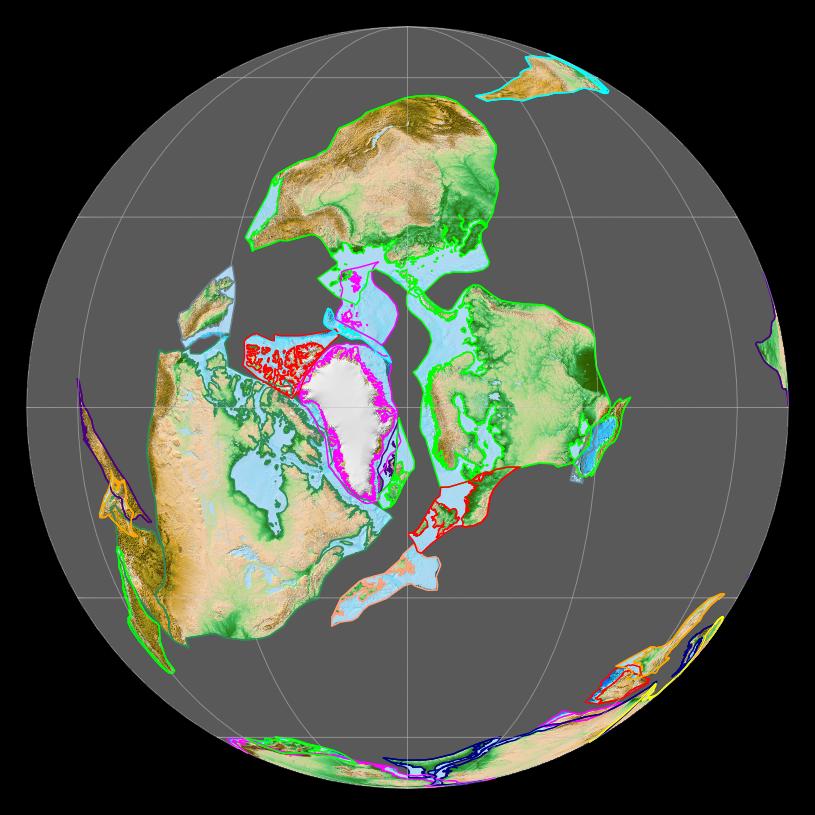
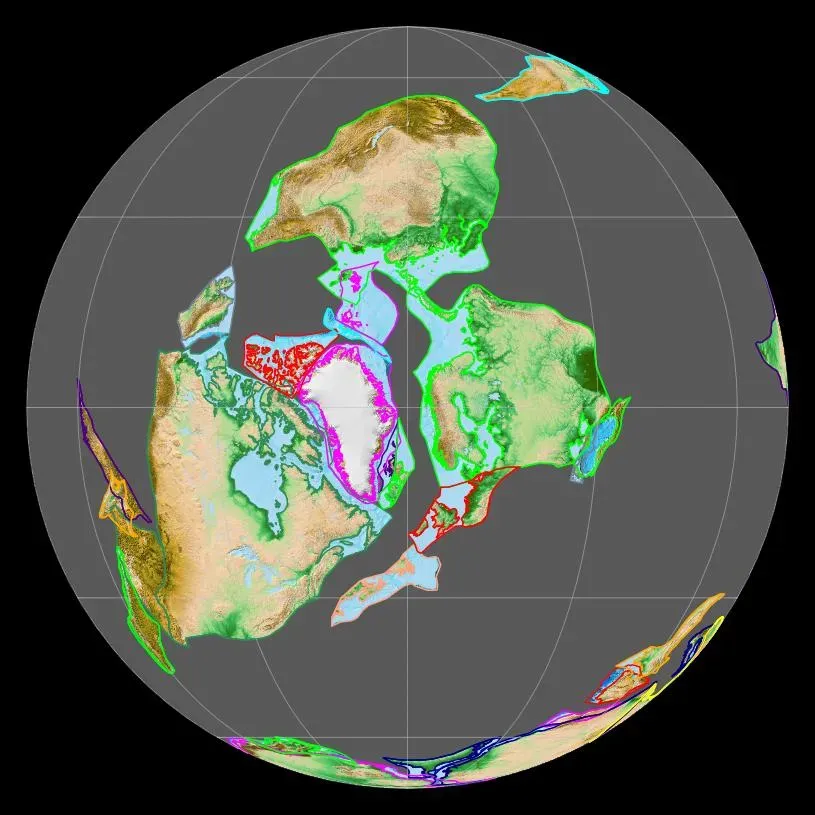
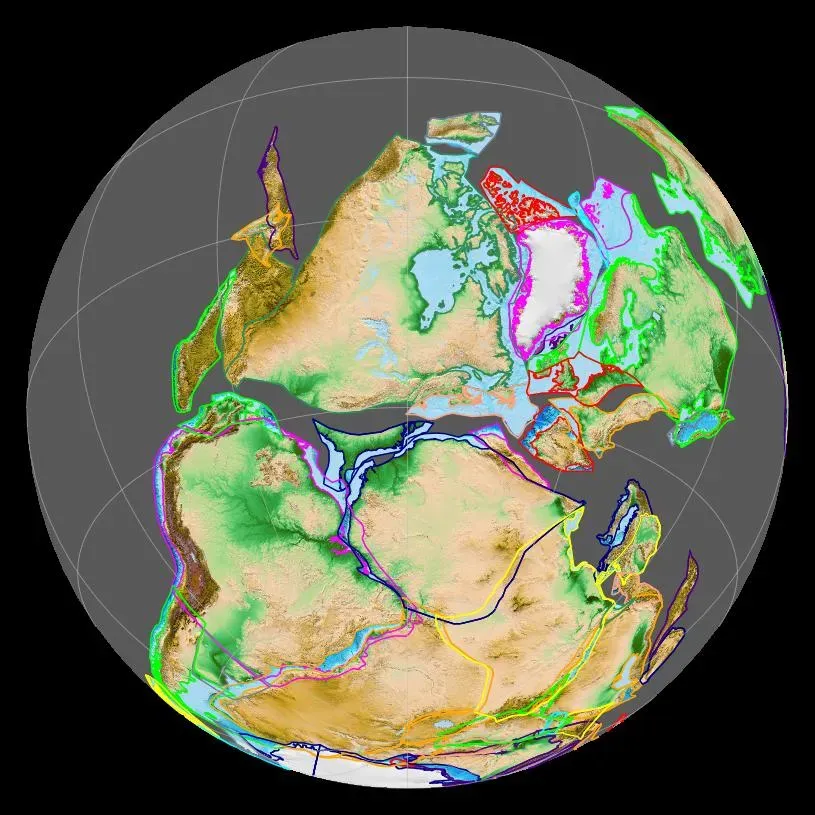
Continents do not just appear and sit still; they are welded, torn apart, and reshaped by the slow ballet of plate tectonics. For years, there has been a fierce, sometimes frustrating debate about when modern-style plate tectonics really kicked in. Some geologists argued that the early Earth was too hot and too soft inside to sustain rigid plates grinding past each other, and that a different style of crustal movement dominated for a long time. If large, stable pieces of continental crust existed earlier than once thought, it hints that something like plate tectonics could have started earlier as well, or at least that the crust was already organizing itself in more complex ways. Early continents might have formed along subduction zones where one plate dived beneath another, as happens today, or through other types of crustal thickening driven by internal convection and impacts. We still do not have a single, neat answer, and in my view, we should be suspicious of anyone who claims we do. But the trend in the data is nudging the scientific community toward a picture where Earth became geologically sophisticated surprisingly quickly.
Ancient Rocks, Modern Tools: How Scientists Are Reconstructing a Lost World
One reason this story is only now coming into focus is simply that we are getting better at listening to what ancient rocks are trying to tell us. Techniques for isolating zircon grains, measuring tiny chemical differences, and modeling the formation of crust have all improved dramatically in the last couple of decades. Scientists can now slice a crystal thinner than a human hair and analyze different zones within it, revealing how conditions changed even during the crystal’s own lifetime. At the same time, computer simulations of the young Earth have become more realistic, allowing geologists to test how different levels of heat, water, and internal mixing might lead to the formation of early continents. None of these methods is perfect; they come with assumptions and uncertainties. But when separate lines of evidence – field mapping, lab analysis, and numerical models – start pointing in the same direction, the picture becomes harder to ignore. It feels a bit like reconstructing a vanished city from a few surviving bricks and a faded map, and suddenly realizing the city was built much earlier than the old guidebooks said.
Why This Matters for Understanding Other Planets (And Our Own Future)
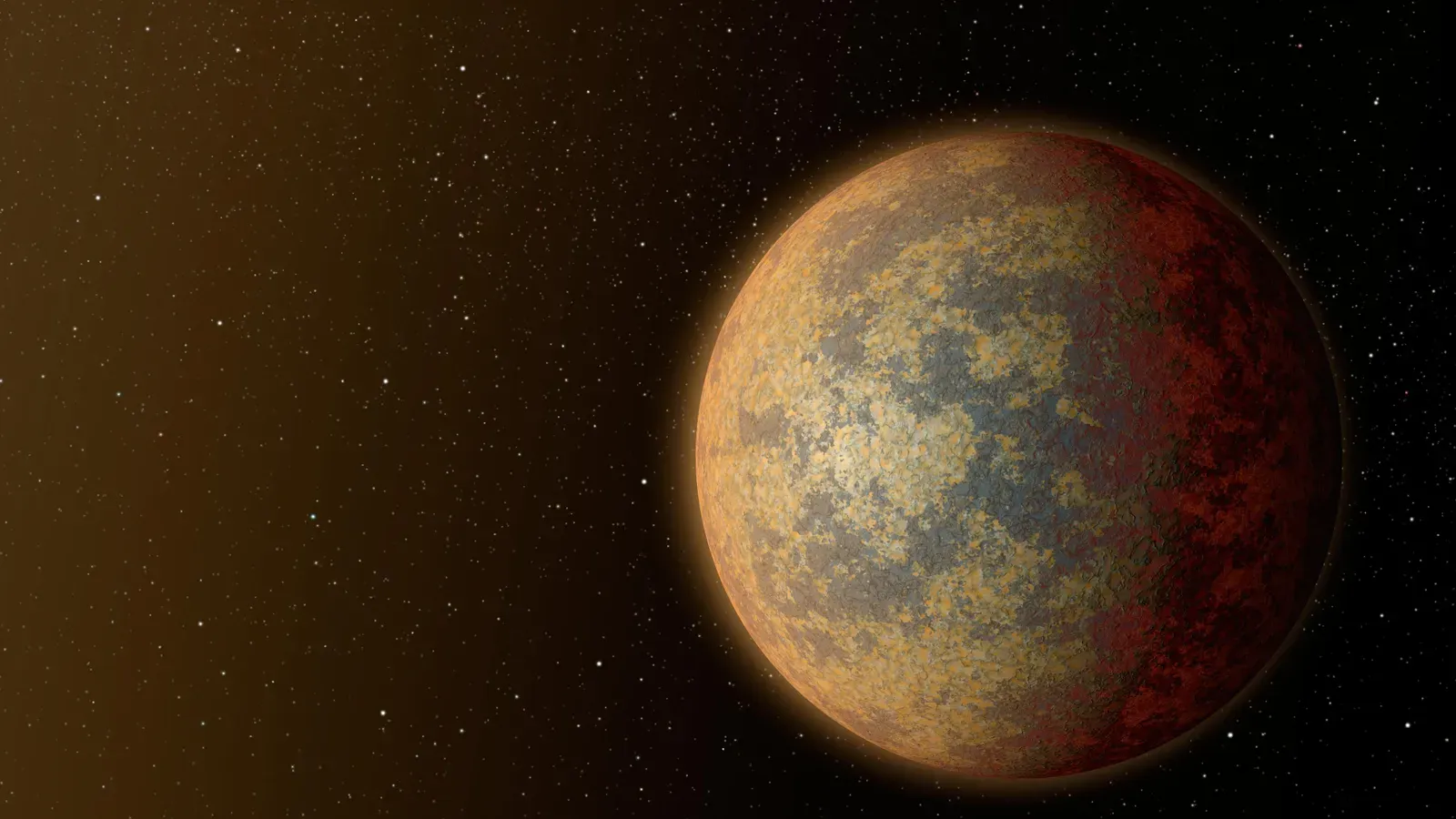
You might reasonably ask: if these events are billions of years behind us, why should we care whether continents formed a bit earlier or later? One powerful reason is that Earth is currently our only known template for a life-bearing planet. The timing of continent formation affects how we think about other rocky worlds, from Mars and Venus to exoplanets orbiting distant stars. If complex crust and landmasses can appear early on a hot, young planet, then maybe the window for life to get started on other worlds is wider than we once assumed. There is also a strangely modern angle to this ancient story. The same processes that once raised the first continents now continue to recycle carbon, shape climates, and build the landscapes we live on. Understanding how quickly Earth settled into a state with continents, oceans, and a working carbon cycle tells us how resilient – or fragile – this system might be in the long run. To me, there is something grounding about realizing that the continents we stand on are part of a much longer, more dynamic story than most of us were ever taught.
Conclusion: An Earlier Dawn for Continents, and a Sharper View of Our Planet
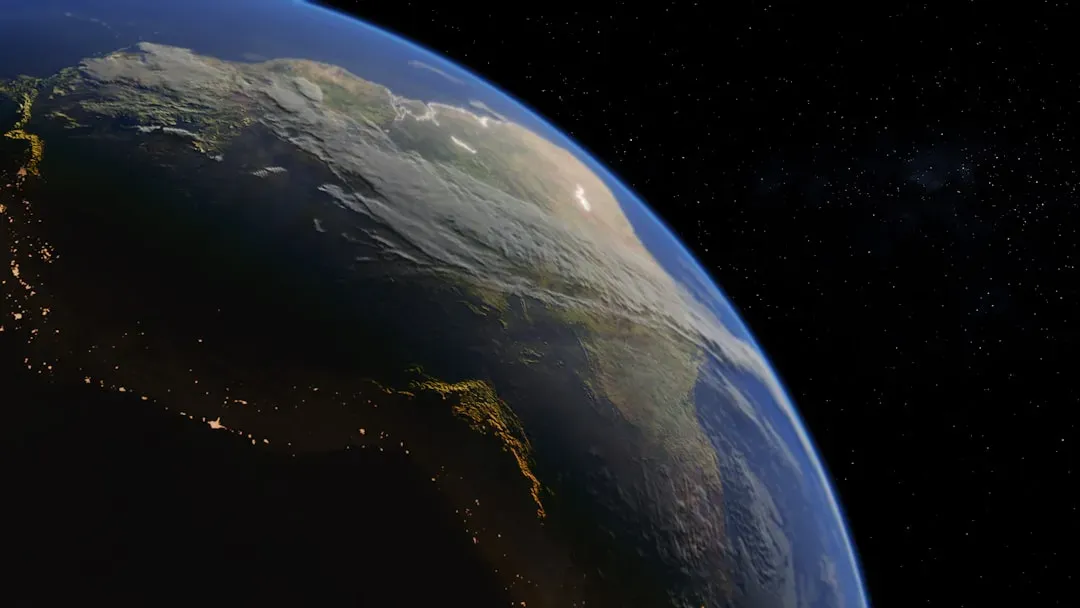
If the new evidence holds – and so far, it is building rather than fading – then the first continents did not stroll onto the scene late and leisurely. They arrived early, in a violent, hot, still-forming world, and started reshaping Earth’s surface and chemistry sooner than we thought. That makes our planet’s story less like a slow, smooth documentary and more like a messy, energetic drama where complexity emerges under pressure and chaos instead of after everything calms down. My own opinion is that this revision is not just a technical detail for specialists; it changes how we emotionally relate to Earth’s past. A world that became structured and diverse early on feels more hospitable, more full of possibility, and maybe even more familiar than the endless ocean sphere many of us used to picture. It reminds us that stability and habitability can grow out of turmoil, not just from quiet and order. When you look at the ground beneath your feet now, does it feel any different knowing its ancestors may have risen far earlier than anyone expected?