Every so often, a fossil comes out of the ground and calmly destroys a dozen neat textbook diagrams in one blow. These are the moments paleontologists live for and secretly dread: the thrill of seeing something no human has ever witnessed… and the headache of rewriting everything you thought you knew. Some of the most shocking finds of the past few decades have done exactly that, turning dinosaurs into feathery technicolor animals, pushing the origins of life back in time, and proving that nature’s imagination is way wilder than ours.
In this article, we’ll look at ten fossil discoveries that genuinely blindsided experts. These are not just “cool bones” – they are fossils that forced people to say, sometimes out loud, that their old ideas were wrong. From a whale that walked on land to a dinosaur with a tail weapon straight out of science fiction, each one cracked open a new way of thinking about evolution, behavior, or deep time itself. By the end, you might find that your own picture of prehistoric life feels a little shaky too – in the best possible way.
The First Feathery Dinosaur That Changed Everything
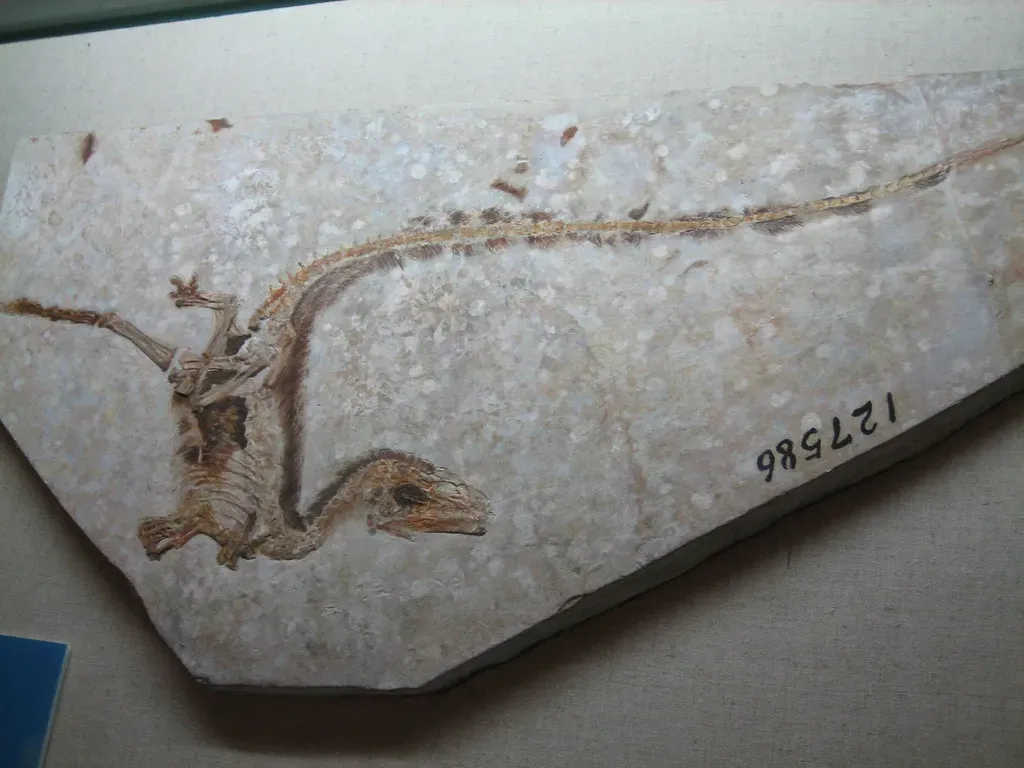
Imagine spending your career teaching that dinosaurs were giant, scaly reptilian brutes, only to have a fossil show up basically wearing a bird’s outfit. That is what happened when exquisitely preserved feathered dinosaurs from northeastern China, especially from the Yixian and related formations, stunned the scientific world. Species like Sinosauropteryx and other early finds preserved delicate filaments and more complex feathers that left almost no wiggle room: many non‑avian dinosaurs were not naked, but covered in plumage.
This was more than a cosmetic update; it smashed the mental wall between “dinosaurs” and “birds.” These fossils made it brutally obvious that birds are not just relatives of dinosaurs, they are living dinosaurs, the only surviving branch of a once‑dominant group. They also forced a rethink of dinosaur metabolism, insulation, and even color, since some feather structures turned out to preserve pigment‑bearing organelles. Overnight, traditional scaly movie monsters started to look as outdated as an old black‑and‑white TV.
Archaeopteryx and the Shocking “Missing Link” With Teeth
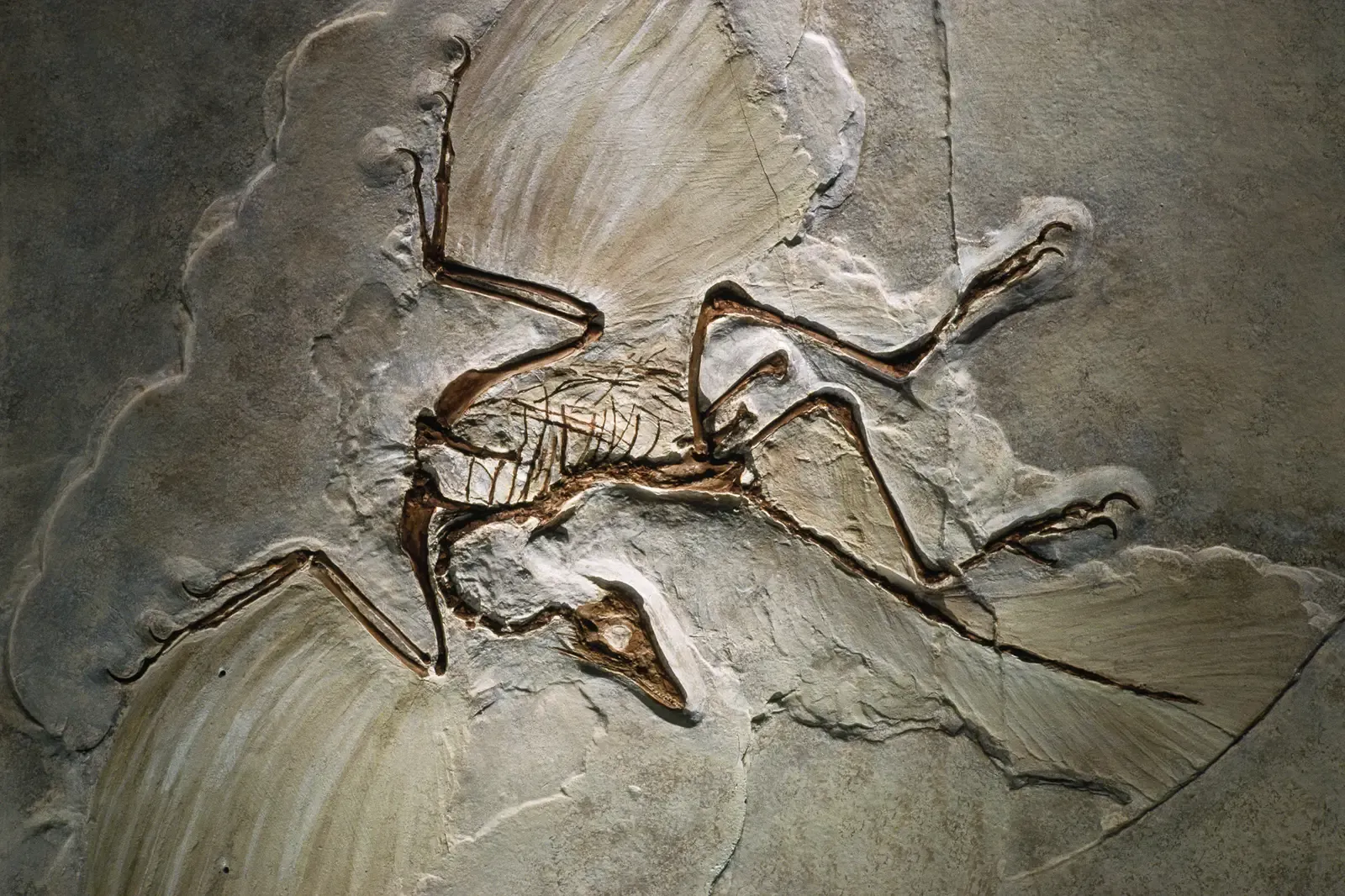
Long before feathered dinosaurs became almost routine news, one fossil was already haunting paleontology like a ghost in the attic: Archaeopteryx. Discovered in the 1800s in the fine limestone of Solnhofen, Germany, it looked like a bizarre mashup – full wings and feathers like a bird, but teeth, claws on its wings, and a long bony tail like a small dinosaur. When it was first described, it hit Victorian scientists like a lightning bolt, showing an animal halfway between the creatures of the air and the reptiles of the ground.
What dumbfounded paleontologists then, and still impresses researchers now, is how boldly transitional Archaeopteryx is. It does not politely fit into a neat pigeonhole. Instead, it reveals that evolution really does tinker step by tiny step, turning one type of creature into another over vast stretches of time. Even today, debates simmer about how well it could fly, how it hunted, and exactly where it perches on the dinosaur–bird family tree. But nobody doubts the punchline: the line between dinosaur and bird is a blurry gradient, not a sharp cutoff.
A Whale With Legs That Walked Onto the Fossil Record
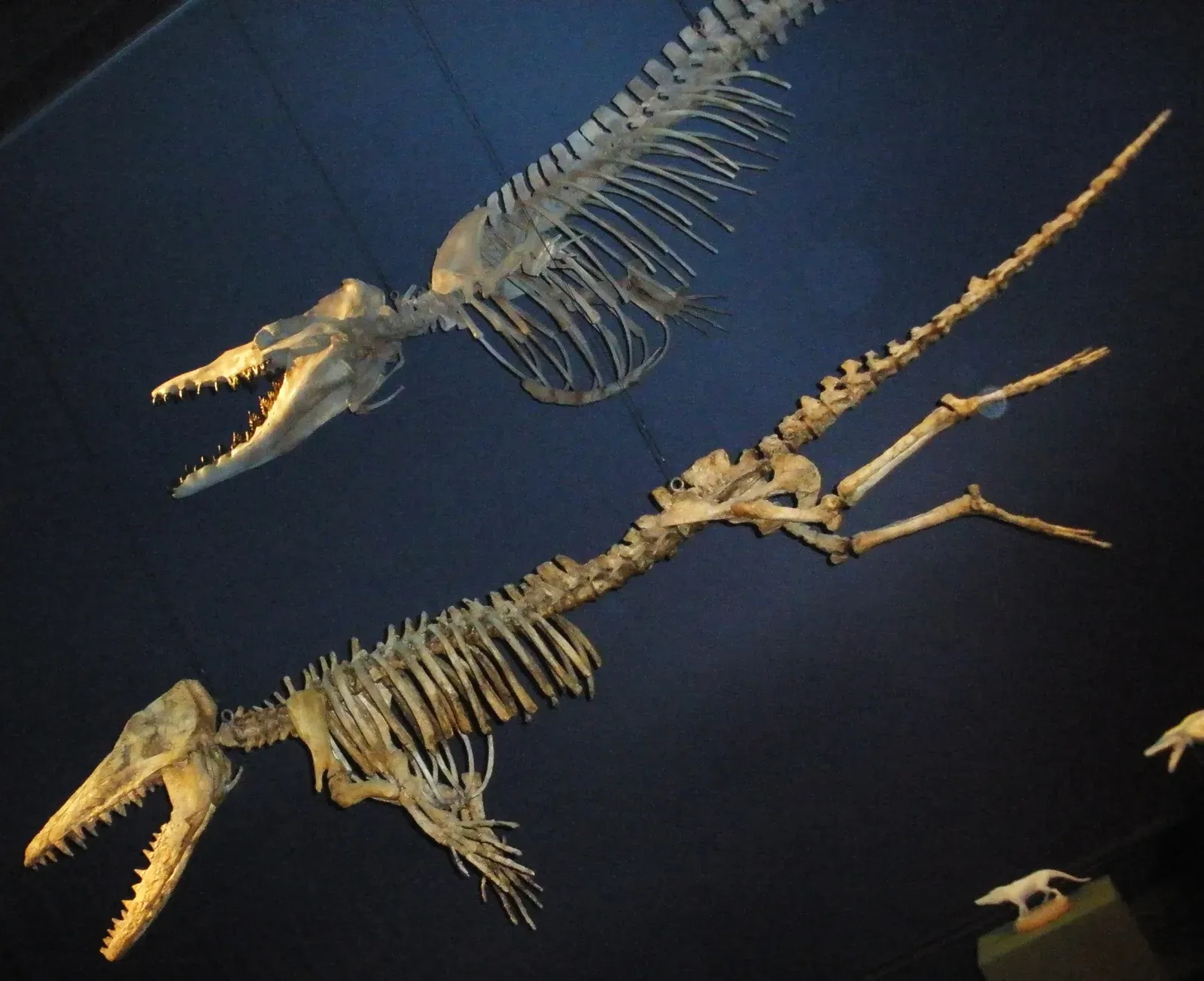
Few things feel more delightfully wrong than seeing a whale fossil… with legs. Early whale ancestors like Ambulocetus and Pakicetus looked nothing like today’s streamlined giants of the ocean. Some had heavy limbs and could probably haul themselves on land, a bit like a crocodile trying to become a seal. When these fossils were first pieced together, they did more than surprise people – they nailed down an evolutionary story that had once sounded almost ridiculous: that whales descended from land‑dwelling hoofed mammals.
These “walking whales” have features that read like a checklist of transition: ears developing for underwater hearing, changes in the skull and teeth, and limb bones shifting from weight‑bearing pillars to paddling tools. For paleontologists, they turned a hand‑wavy idea into a tangible narrative you can literally hold in your hands, bone by bone. If you ever needed a dramatic visual for how radical evolution can be over tens of millions of years, a wolf‑ish mammal morphing into a blue whale’s ancestor is hard to beat.
The Tiny Hominin From Flores: “Hobbits” of the Ice Age
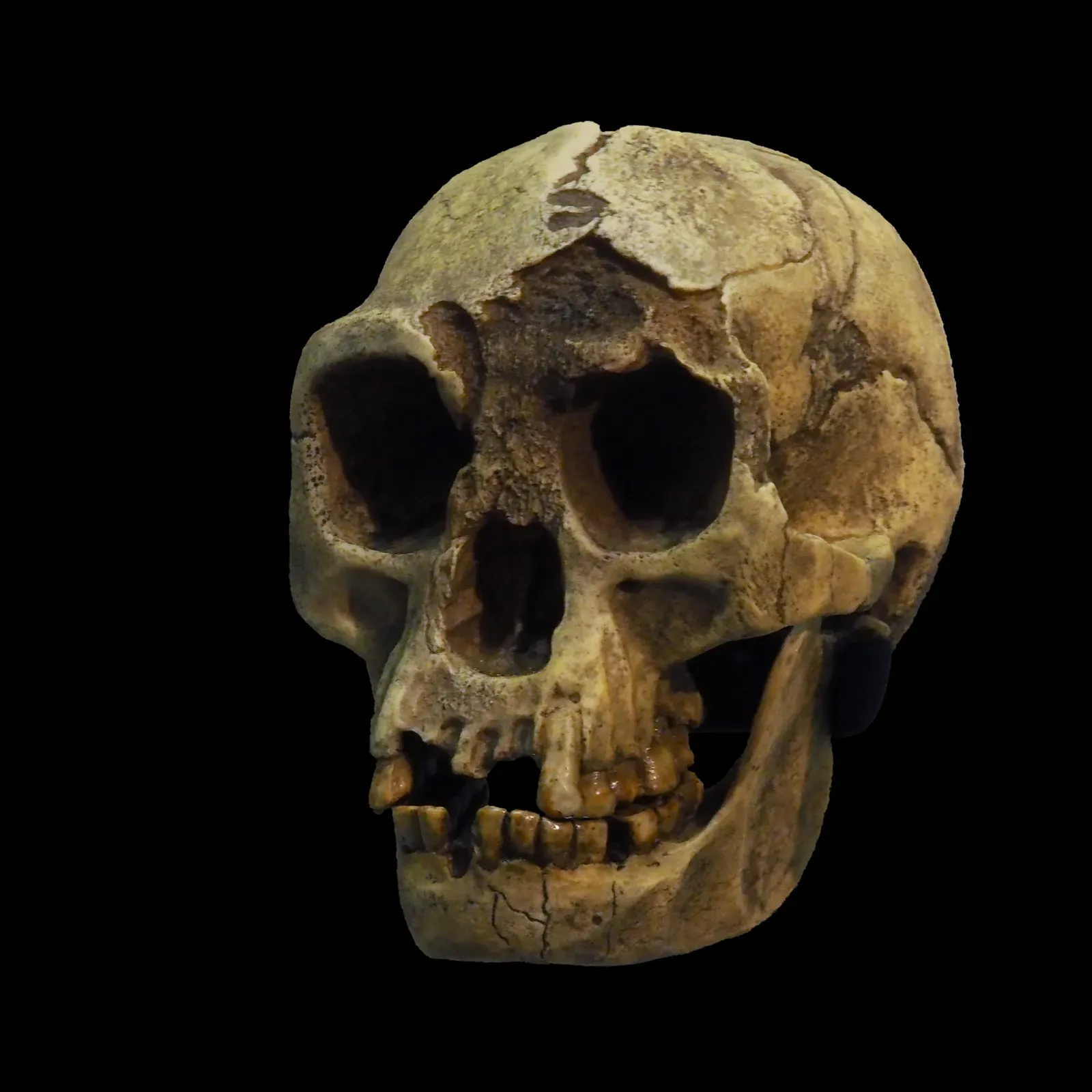
When researchers uncovered small human‑like bones in a cave on the island of Flores in Indonesia in the early 2000s, they expected to find remains of our own species. Instead, they met Homo floresiensis – an adult hominin barely over a meter tall, with a brain about the size of a chimpanzee’s, living surprisingly recently in geological terms. The shock was immediate and intense. For many paleoanthropologists, it was like discovering a parallel branch of humanity that had quietly persisted while our ancestors were spreading across the globe.
What made it truly mind‑bending was how late these “hobbits” seem to have survived, overlapping in time with modern humans in nearby regions. Their anatomy was a strange cocktail: some traits looked surprisingly primitive, others more advanced, hinting at a complicated evolutionary history. The discovery shredded the neat story that human evolution was a single straight line marching ever onward to big‑brained Homo sapiens. Instead, it painted a messier, more interesting picture of multiple human‑like species experimenting with different ways of being human at the same time.
Dakotaraptor and the Raptor Bigger Than Your Nightmares
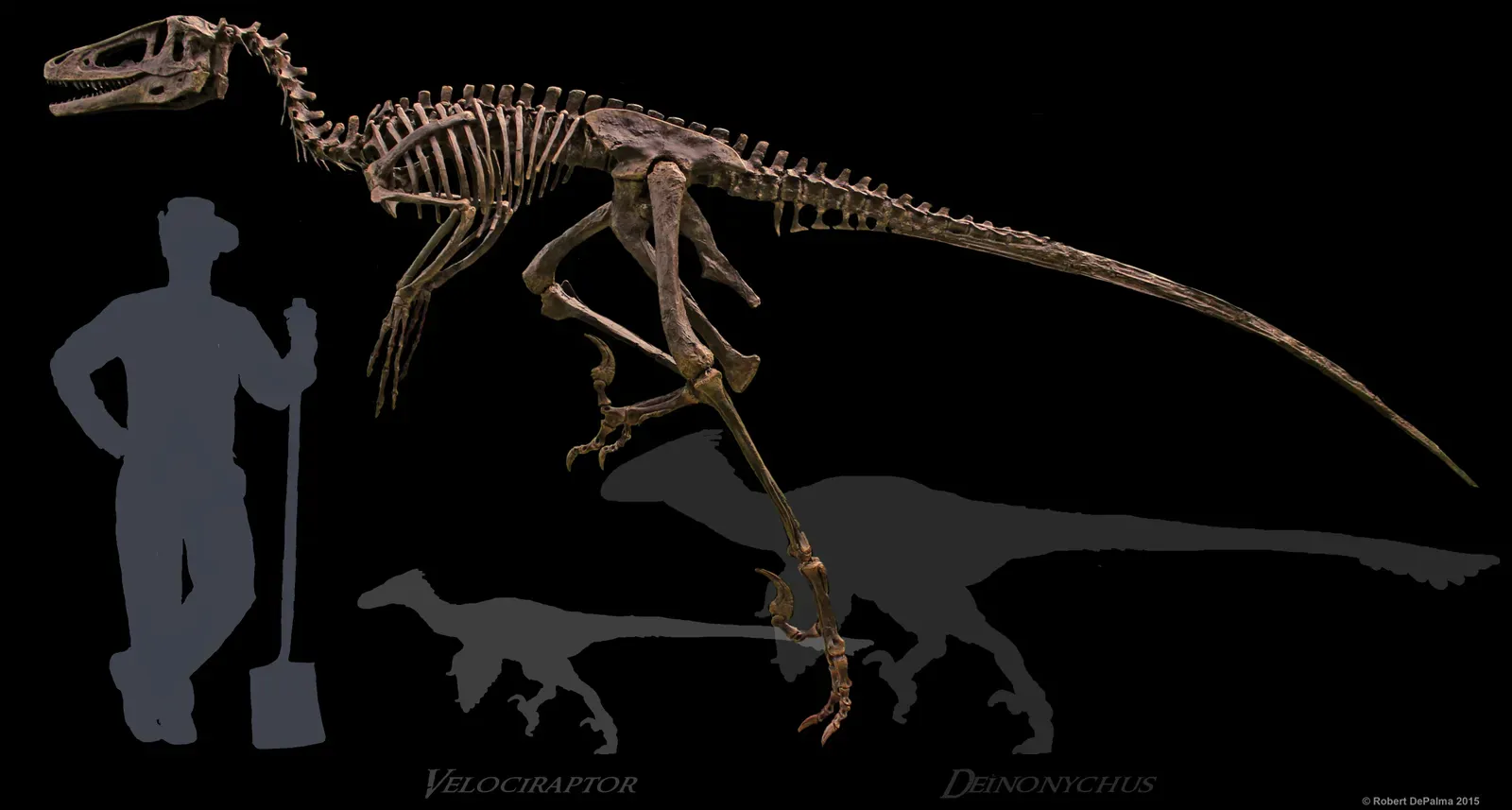
For years, raptors were imagined as dog‑sized, fast, and clever – nasty enough, but not huge. Then came large dromaeosaurs like Dakotaraptor from the Late Cretaceous of North America, which took that image, scaled it up, and added robust killing claws that would make a horror‑movie designer jealous. This animal stretched several meters long and likely weighed as much as a big cat or more, making it a far more intimidating predator than the nimble little hunters popularized in early films.
The fossil evidence also suggested that even at this larger size, it retained the suite of features associated with agile, active hunters: powerful hind limbs, a stiffened tail for balance, and arm bones that likely supported wing‑like structures. For paleontologists, this meant that the raptor “blueprint” was flexible enough to scale up into a top predator niche, not just a small‑game specialist. It forced a fresh look at Late Cretaceous ecosystems and who might have been competing with whom at the top of the food chain.
Spinosaurus: The Semi‑Aquatic Dinosaur Nobody Saw Coming
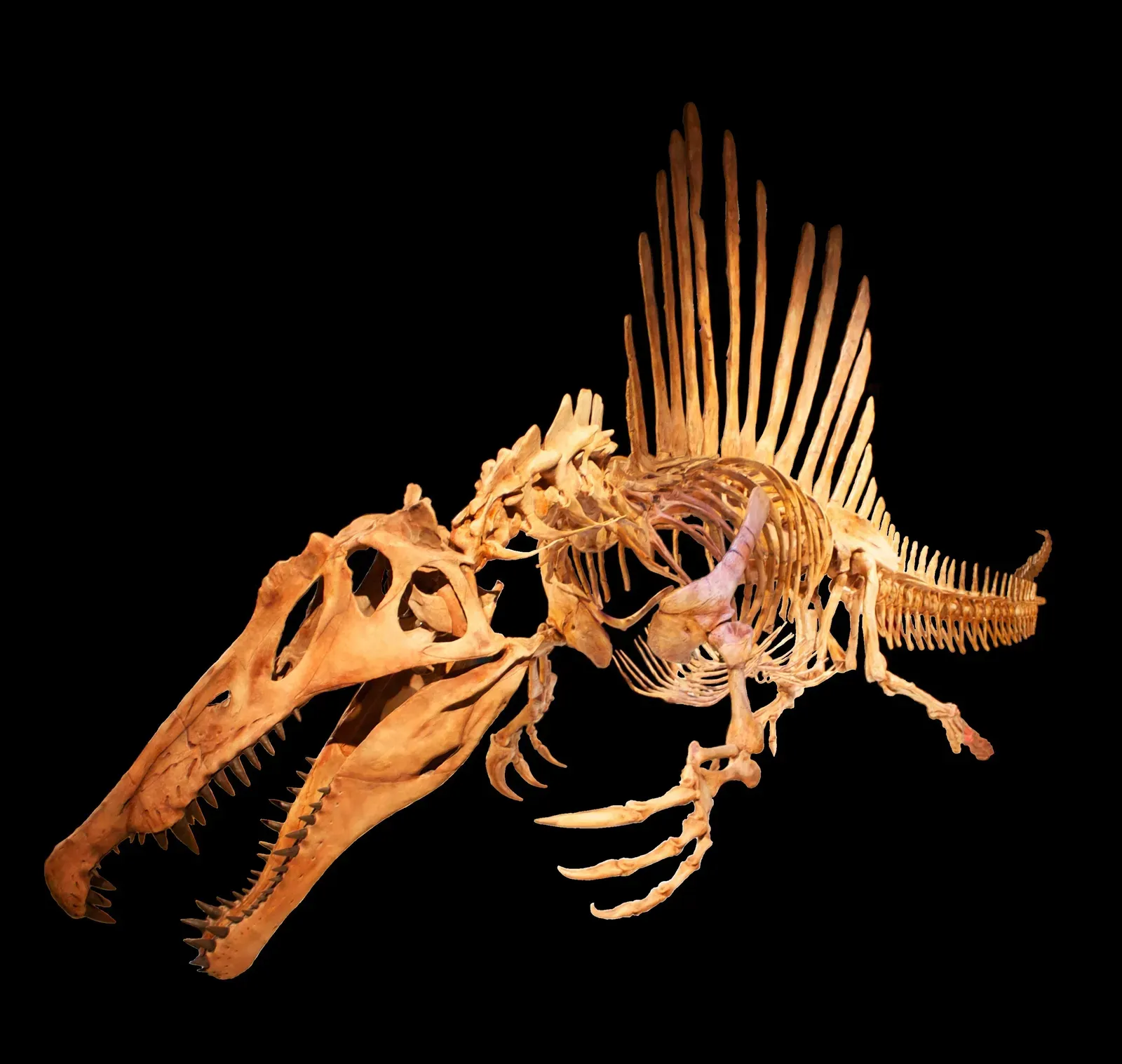
Spinosaurus was originally known as a weird sail‑backed carnivore, already odd enough on its own. But as more fossils turned up in North Africa, including partial skeletons with shortened hind limbs and dense bones, a new picture emerged that floored many experts: a giant predatory dinosaur built not for sprinting on land like a T. rex, but for a semi‑aquatic lifestyle. Suddenly, this animal looked more like a monstrous mashup of heron, crocodile, and sail‑boat than the usual land‑stalking theropod.
The idea that a dinosaur could be heavily adapted for swimming, with a long crocodile‑like snout full of conical teeth and a body possibly used for propulsion in water, scrambled familiar categories. For decades, the mental model was that non‑avian dinosaurs ruled the land while reptiles like mosasaurs and plesiosaurs dominated the seas. Spinosaurus muscled into that narrative and said, in effect, that dinosaurs were more ecologically adventurous than previously assumed. It is one of those fossils that make you realize how much of prehistoric life is still hidden – and how wrong our old assumptions can be.
Ankylosaur Tail Clubs and the Battle Tank From Hell
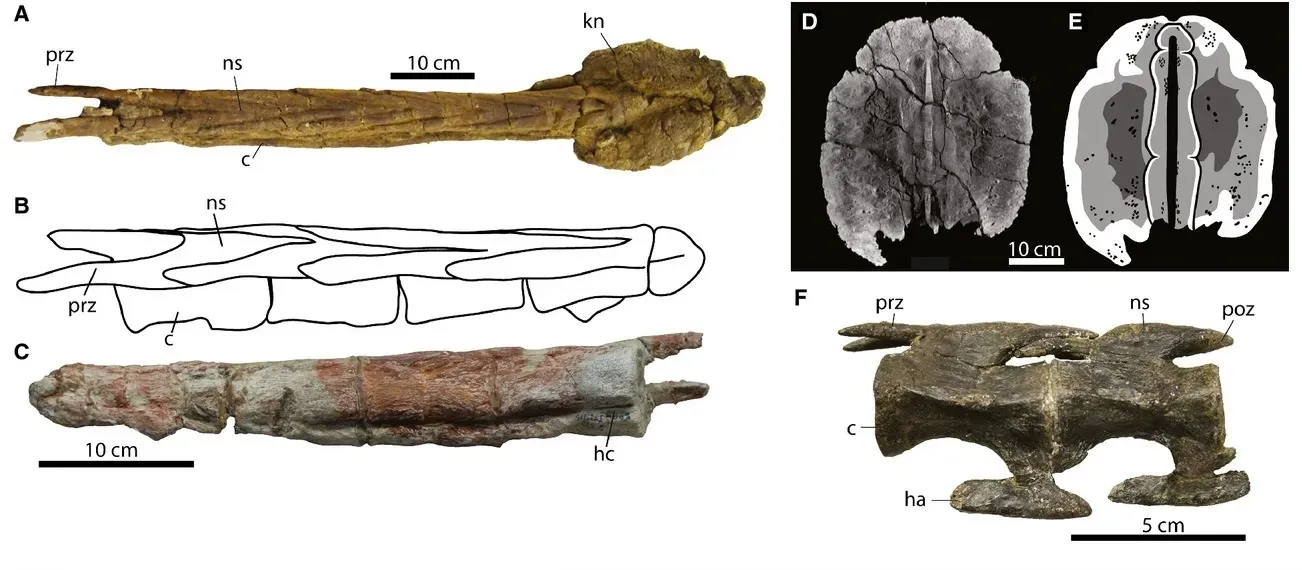
Armored dinosaurs called ankylosaurs were already impressive: low‑slung bodies covered in bony plates, like living tanks trundling through the Cretaceous. But the discovery and detailed study of massive tail clubs on some species truly stunned researchers when they ran the numbers. These clubs were not decorative; biomechanical analysis showed they could deliver bone‑shattering blows powerful enough to seriously injure or even cripple a large predator such as a tyrannosaur. This was not just defense by armor – it was offense by blunt‑force trauma.
For paleontologists, that realization flipped ankylosaurs from passive victims into actively dangerous opponents. The structure of the tail vertebrae, the reinforced tendons, and the growth of that huge bony knob at the end all tell a story of evolutionary arms races. It paints a vivid picture of life‑and‑death encounters where a charging carnivore risked broken legs or ribs if it misjudged its target. In one fossilized world, the underdog was literally swinging back with a prehistoric baseball bat.
Mammoth Steppe Time Capsules in Siberian Permafrost
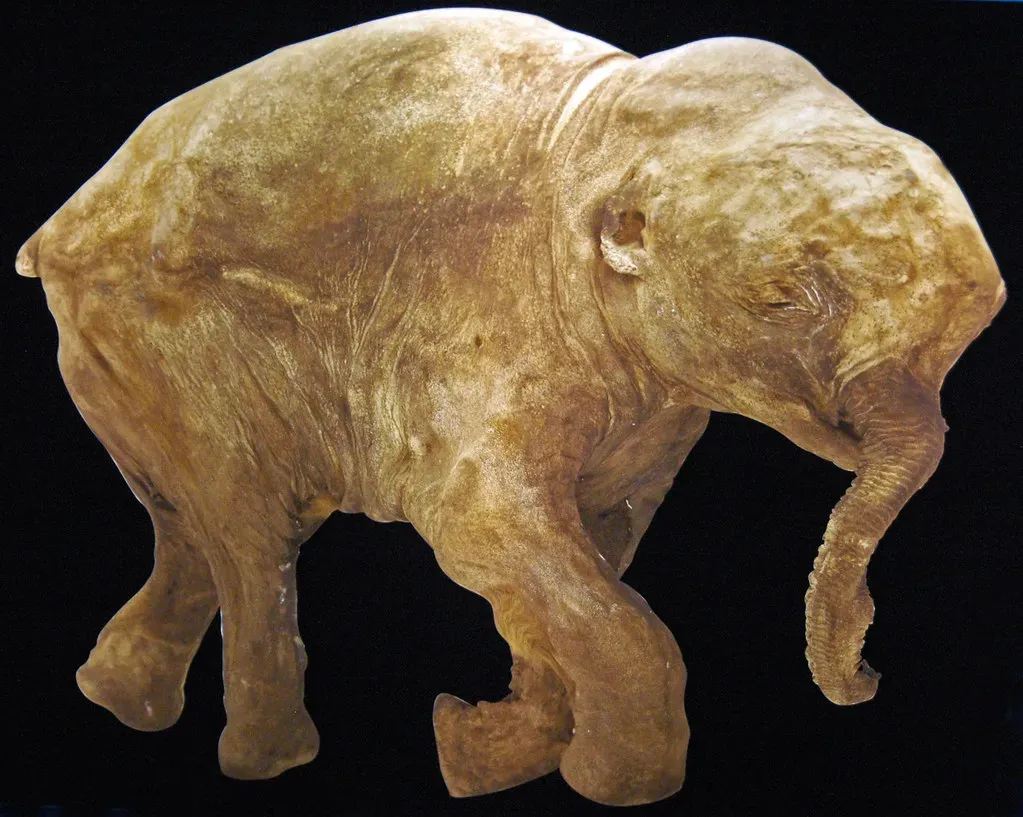
Most fossils are dry bones and impressions in rock, but the frozen remains of mammoths, woolly rhinoceroses, and other Ice Age animals pulled from Siberian permafrost felt almost disrespectfully well preserved. Some bodies still had hair, skin, and even soft tissues and stomach contents. For paleontologists used to working with stone‑hard fragments, holding a tens‑of‑thousands‑of‑years‑old trunk or seeing preserved eyelashes was as emotional as it was scientific. It was like shaking hands with the past instead of just dusting off its skeleton.
These finds dumbfounded researchers because they opened doors nobody expected to walk through: detailed studies of ancient diets, pathogens, and even partial genetic material. The level of preservation allowed scientists to reconstruct not just what these animals looked like, but what kind of plants they were eating shortly before they died and how they might have coped with bitter climates. It made the Ice Age feel shockingly close, more like an interrupted chapter than a sealed ancient book, and raised unsettling questions about how those ecosystems collapsed as climates shifted.
The Burgess Shale and the Explosion of Weird Life
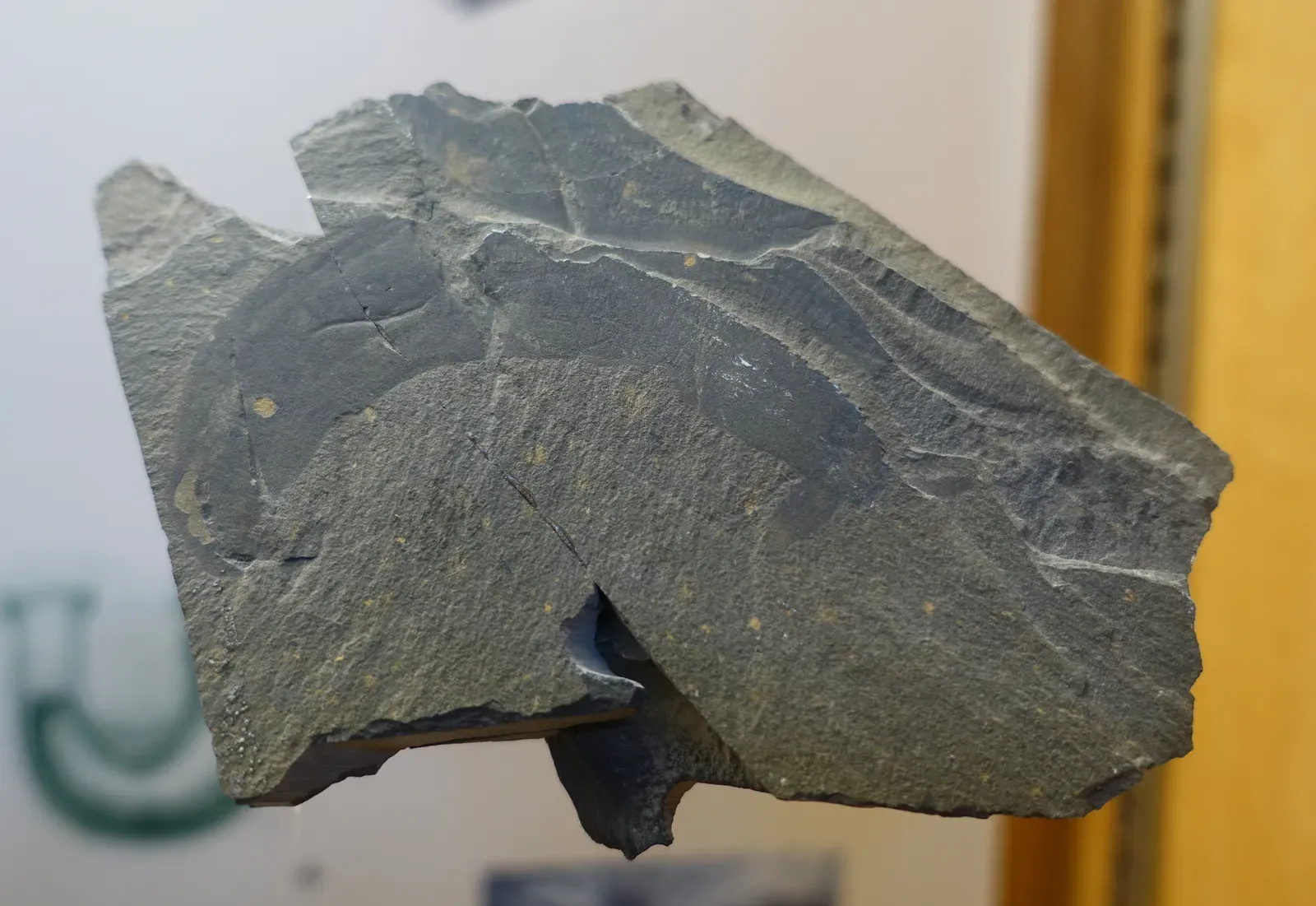
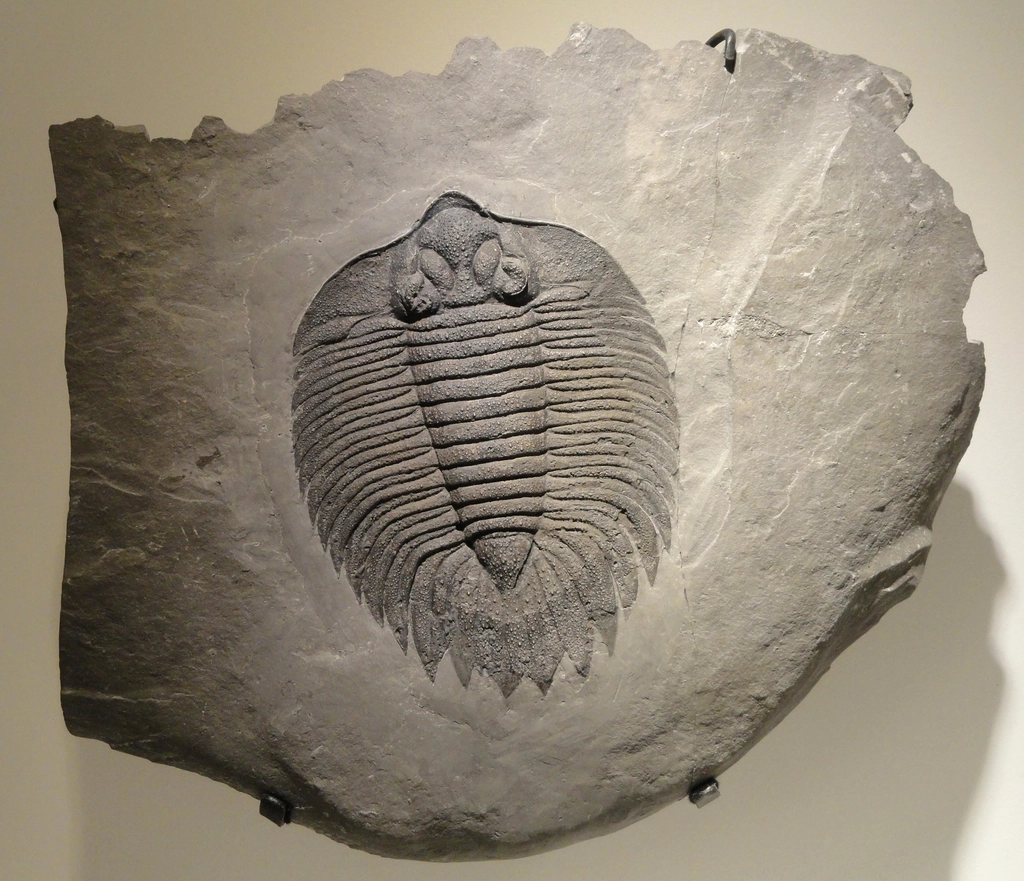
When fossils from the Burgess Shale in Canada were first carefully described in the twentieth century, they seemed almost like a prank. Soft‑bodied creatures with body plans that looked nothing like modern animals crowded the slate: spiny, tentacled, fin‑fringed beings that defied easy labels. For paleontologists used to orderly groups like trilobites and brachiopods, this chaotic carnival of forms from the Cambrian period was overwhelming. It suggested that early animal evolution was far stranger and more experimental than anyone had guessed.
What made it truly shocking was the implication that many of these body plans had no direct modern descendants. In other words, entire ways of being an animal seem to have flourished and then vanished without leaving clear survivors. The Burgess Shale forced scientists to dial up their sense of humility: evolution was not just gradually improving a handful of designs, it was throwing wild ideas at the wall to see what stuck. Our current living fauna may represent only a narrow sliver of what was once biologically possible.
Microscopic Life in Rocks Older Than Imagined
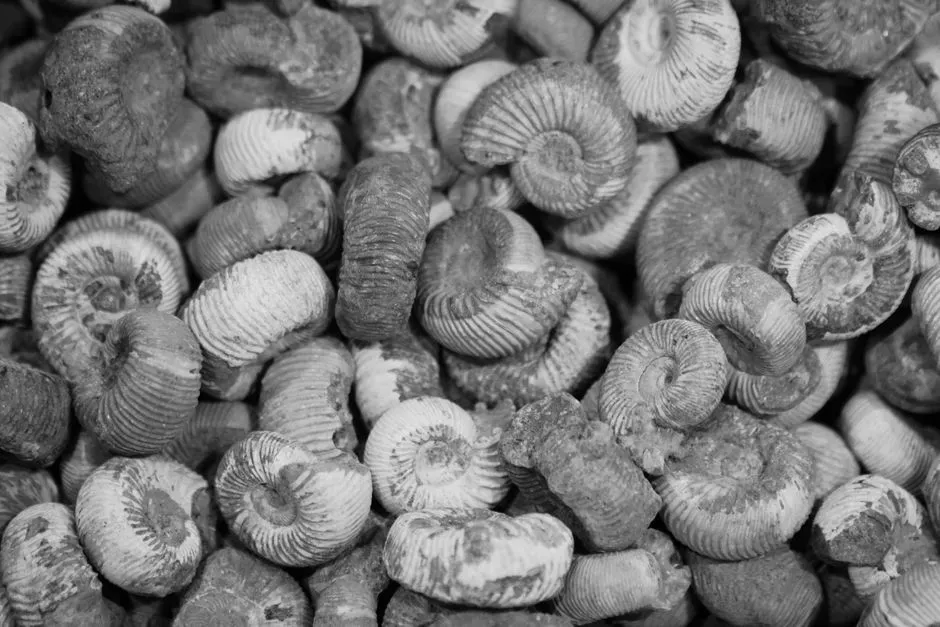
Not all earth‑shaking fossils are big or charismatic. Some of the most radical are microscopic traces of life locked in rocks more than three billion years old. When researchers identified probable microfossils and stromatolitic structures pushing the origin of life far back into the Archean eon, it shook up assumptions about how quickly life could arise on a hostile young planet. Suddenly, life looked less like a late accident and more like a surprisingly early and persistent feature of Earth.
These ancient traces dumbfounded many scientists because they forced hard questions about habitability and the likelihood of life elsewhere in the universe. If microbes were already building layered structures and leaving chemical fingerprints so soon after the planet cooled enough for liquid water, maybe life does not need as much time or comfort as we once believed. It is humbling to realize that while we marvel at dinosaurs and mammoths, the real long‑term champions of Earth’s history are microscopic organisms quietly surviving almost everything the planet throws at them.
Conclusion: Fossils as Nature’s Most Ruthless Fact‑Checkers
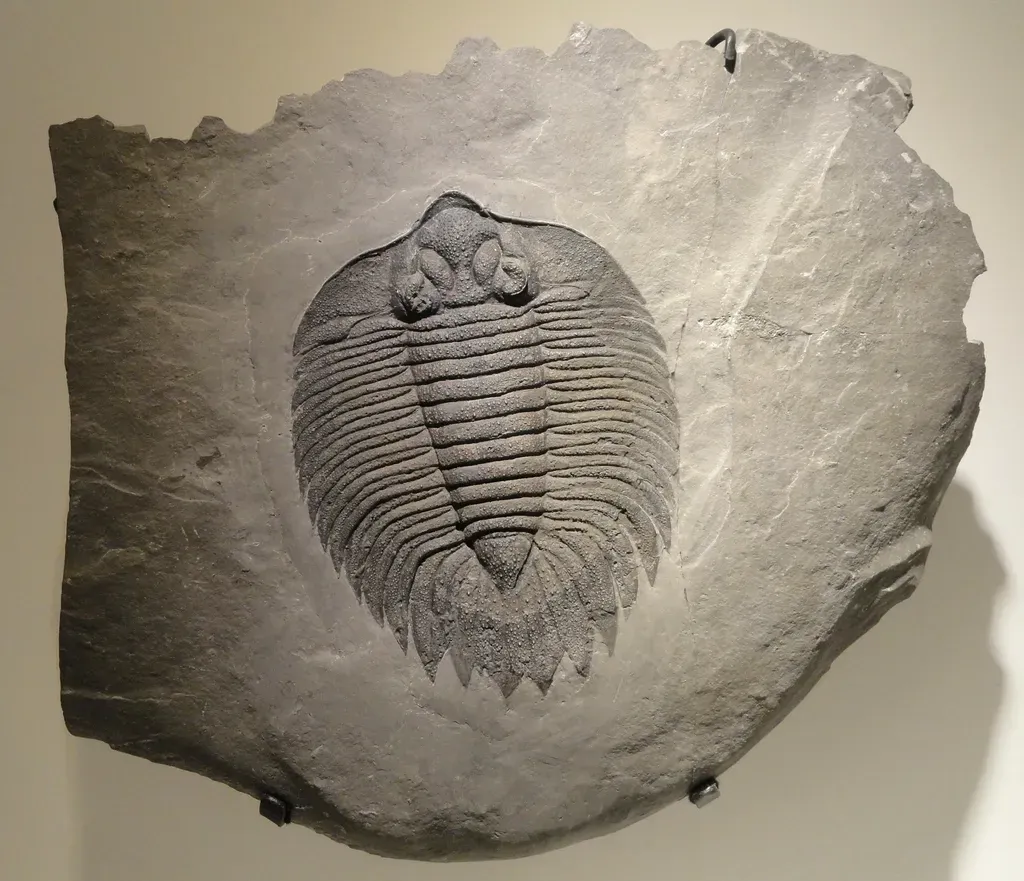
What ties all these discoveries together is not just their shock value, but the way they act as ruthless reality checks. Fossils have a way of showing up at the exact point where human imagination runs out and then casually stepping beyond it. A feathered dinosaur, a walking whale, a tiny “hobbit” hominin – these are nature’s reminders that our favorite stories about the past are always provisional. Personally, I think that is the best part of paleontology: the constant risk of being proven gloriously wrong.
If anything, these ten finds argue that our current picture of prehistory is still just a rough sketch. There are probably creatures stranger than Spinosaurus and ecosystems wilder than the mammoth steppe still waiting underground, ready to upend the next generation’s textbooks. The bold opinion I keep coming back to is this: any confident, tidy version of Earth’s history is almost certainly incomplete. The rock record is not finished with us yet – so the real question is, what discovery will blindside us next?