For as long as most of us can remember, the story went like this: dinosaurs ruled a thriving world, an asteroid slammed into Earth, and almost overnight their reign ended in chaos and fire. It is a clean, dramatic narrative – the kind that sticks in your mind from school textbooks and documentaries. But in the past few years, that story has started to fray around the edges, and the new picture is subtler, stranger, and honestly more haunting.
Growing lines of evidence suggest that some dinosaur groups may already have been struggling long before the asteroid hit. Instead of one sudden knockout punch, it is starting to look more like a boxer who was already on wobbly legs when the final blow landed. That does not make the impact less devastating, but it does change what we think killed the dinosaurs – and what it takes to wipe out life on a planetary scale.
A Crumbling Empire: Were Dinosaurs Already Past Their Prime?
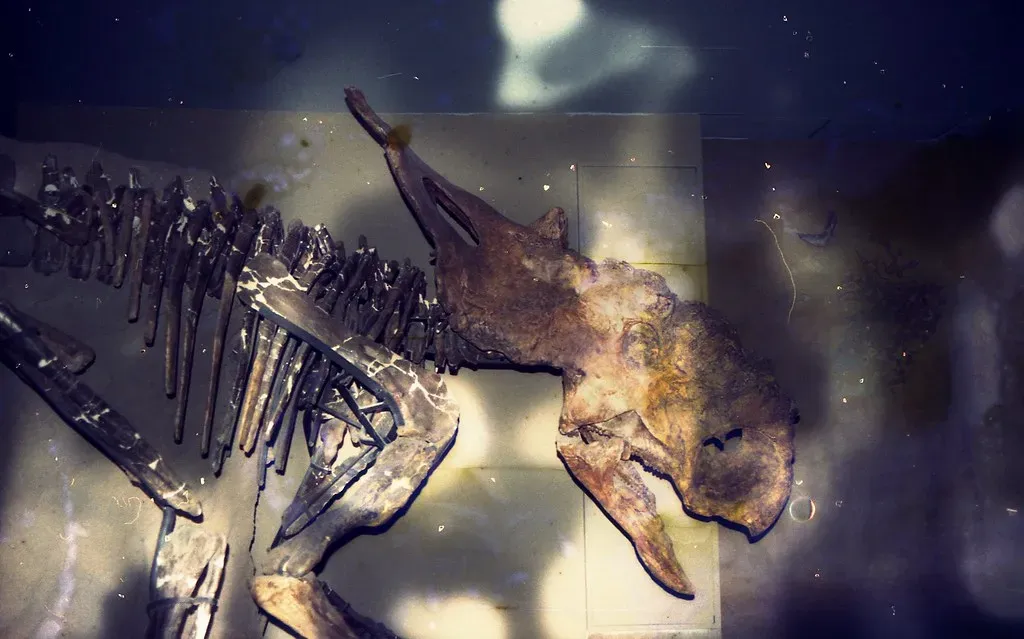
Here is the surprising twist: several studies of dinosaur fossils from the Late Cretaceous hint that certain groups were already in decline millions of years before the infamous impact. When researchers track the diversity of species over time, they see some major lineages – particularly large plant‑eating dinosaurs like some hadrosaurs and sauropods – plateauing or dropping rather than expanding. Instead of a constantly rising curve of new species, the graph for some families flattens and even dips as the end of the Cretaceous approaches.
That picture clashes with the old idea that dinosaurs were at an absolute peak when the asteroid arrived. It suggests a world where some branches of the dinosaur family tree were thinning out, even as others remained relatively stable or still diversified. Think of a forest where certain kinds of trees are already dying back, leaving gaps in the canopy, while hardier species hold on. The asteroid, in that analogy, did not come for a lush, untouched forest – it came for one that might already have been under stress.
Reading the Fossil Record: How Scientists Detect a Decline
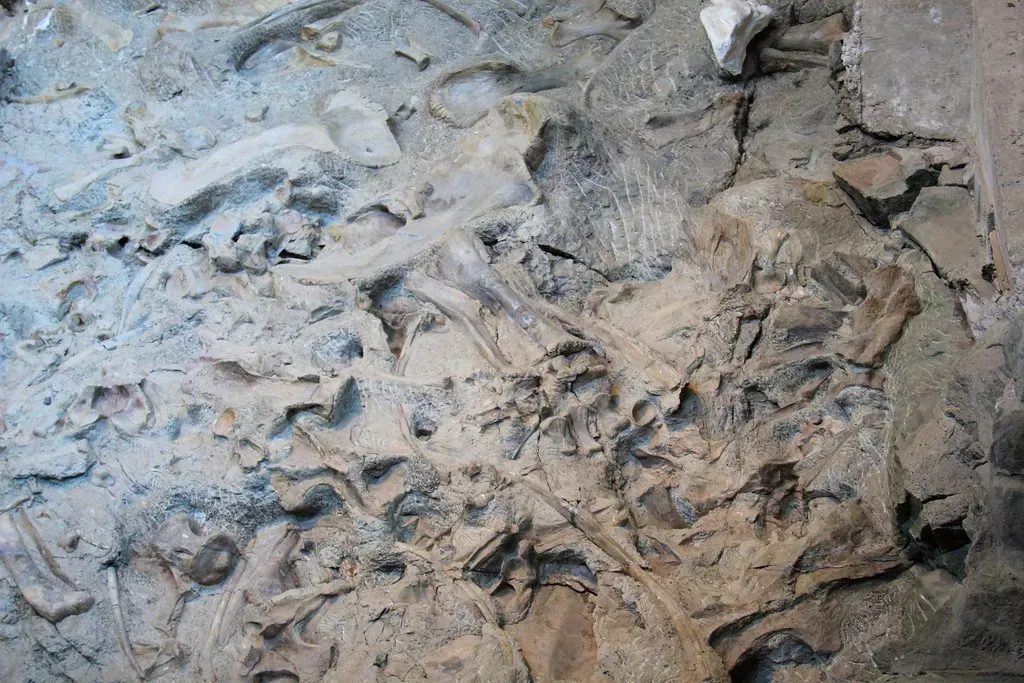
Of course, fossils do not come with neat labels saying “this group is struggling.” Paleontologists have to tease that story out of patchy, biased remains buried in rock. To do that, they rely on statistical models that track how many new species appear versus how many disappear through time, while trying to correct for the fact that some rocks preserve fossils better than others and some regions have been studied much more intensely.
When these models are applied to large dinosaur databases, some show that extinction rates in certain groups may have climbed while the rate of new species emerging slowed down toward the end of the Cretaceous. That kind of imbalance is exactly what you would expect in a group that is losing its grip. The methods are not perfect – the fossil record is like a shredded book with most pages missing – but when multiple approaches start painting similar patterns, scientists pay attention. It is less about one magic fossil and more about the overall trend written across thousands of bones.
Winners, Losers, and Survivors: Not All Dinosaurs Followed the Same Path
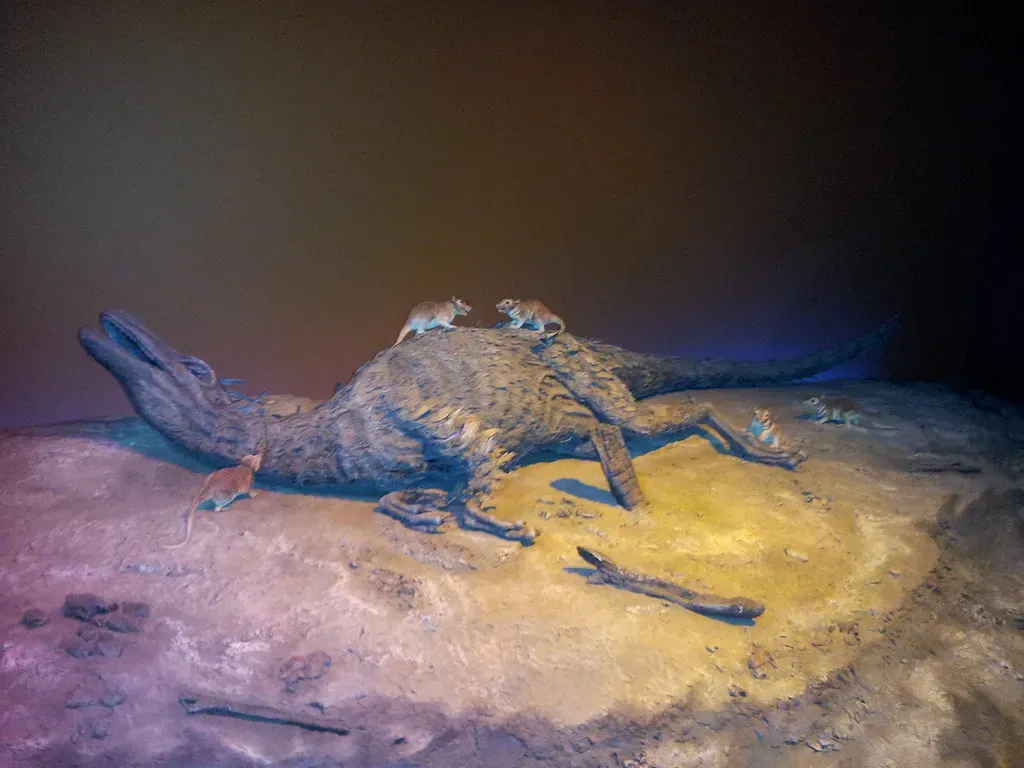
One of the most striking things about this research is that it breaks the myth of dinosaurs as a single, uniform group. Some lineages, especially certain big herbivores and large carnivores that relied on them, seem to show signs of long‑term decline. Others, including some smaller, bird‑like theropods, appear more stable or even successful as the end approached. The age of dinosaurs, it turns out, was not a single story but a patchwork of very different fortunes.
This uneven pattern echoes what we see in modern ecosystems during times of stress. When climates shift or habitats vanish today, some animals crash while others adapt and even thrive. That same kind of ecological sorting probably happened at the end of the Cretaceous. The twist is that one branch of those small, feathered theropods did more than just hang on – they made it through the extinction and became the birds we know now. So while we talk about the “end of the dinosaurs,” the reality is that one part of that dynasty is still flying over our heads.
Changing Worlds: Climate, Volcanoes, and a Planet Under Stress
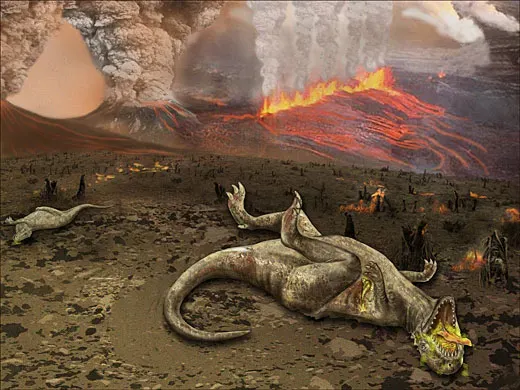
If some dinosaurs were already struggling, the obvious question is: why? The Late Cretaceous was not a calm, unchanging backdrop. There is evidence that global climates were shifting, with long‑term cooling trends in some regions and changes in sea levels that reshaped coastlines and inland seas. When you are a giant animal that depends on vast areas of vegetation or specific nesting grounds, those slow‑burn changes can chip away at your stability long before any asteroid enters the scene.
On top of that, some researchers point to massive volcanic activity, especially in what is now India, that may have pumped huge amounts of gases into the atmosphere over long periods. That could have altered climate and ocean chemistry in ways that stressed food webs from the bottom up. Imagine living in a house while the foundation is slowly sagging: day to day, everything seems mostly fine, but small cracks appear in the walls. By the time something dramatic happens – like an earthquake – the damage hits much harder because the structure was already compromised.
The Asteroid as the Final Blow, Not the Whole Story
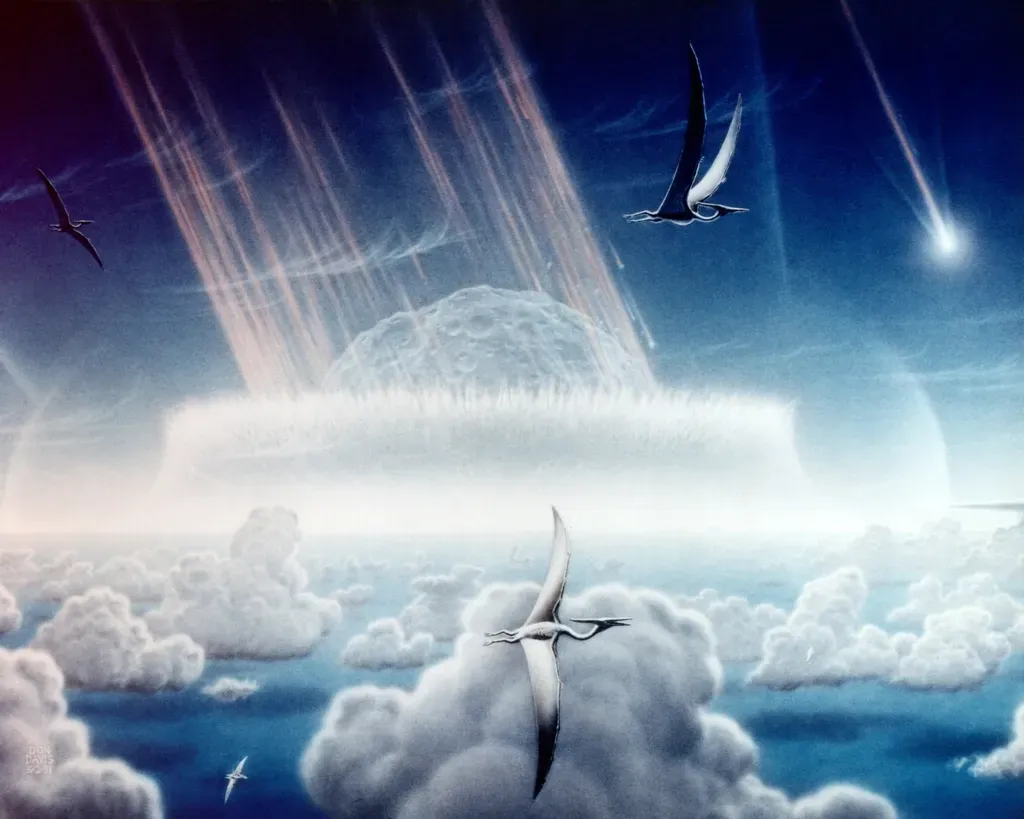
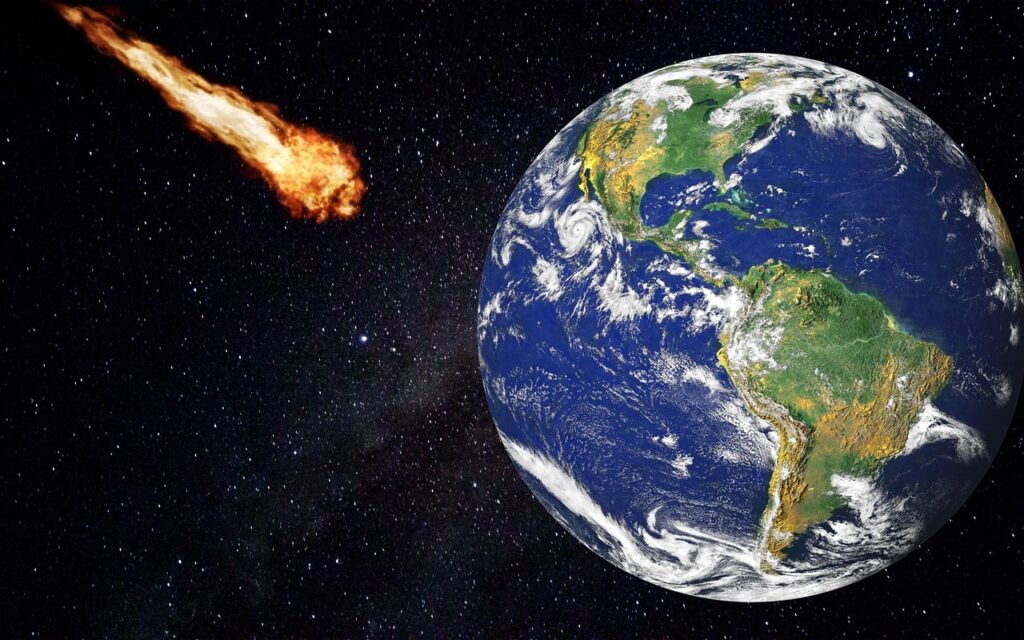
None of this lets the asteroid off the hook. The impact that carved out the Chicxulub crater was a cataclysm on a scale that is hard to wrap your mind around: shock waves, mega‑tsunamis, unimaginable wildfires, and a dust‑choked sky that likely plunged the world into a kind of prolonged twilight. Even a perfectly healthy biosphere would have been pushed to the brink. For large, specialized animals like many non‑avian dinosaurs, it was a nightmare combination of immediate destruction and long‑term environmental whiplash.
But if certain dinosaur groups were already in trouble – fewer species, shrinking ranges, narrower ecological roles – they would have been much more vulnerable when that asteroid hit. It is the difference between shoving someone who is standing firmly on both feet and shoving someone who is already trying not to fall. In my view, the most compelling picture is one where the extinction of the dinosaurs was both a slow erosion and a sudden catastrophe: long‑term pressures weakening the system, followed by an impact that finished the job in spectacular fashion.
Why This Debate Matters for Understanding Mass Extinctions
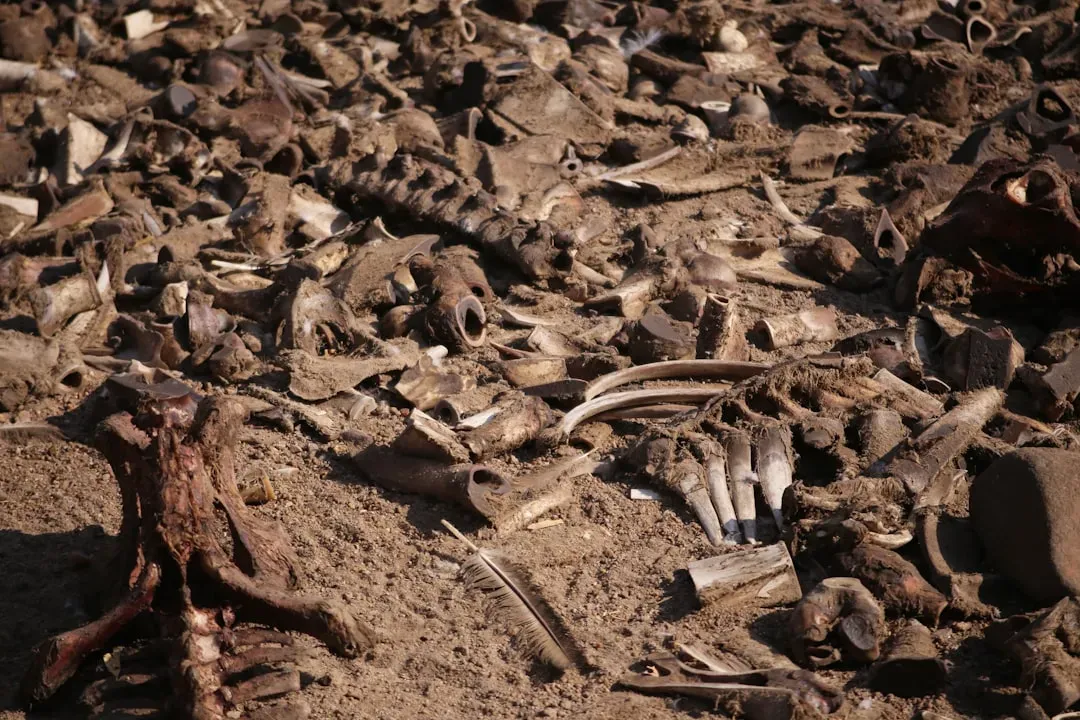
It is tempting to see this as a nerdy argument about whether the asteroid was ninety percent responsible or “only” the final push. But the deeper question is how mass extinctions really work, and that matters far beyond dinosaur fandom. If many global extinctions are triggered only after ecosystems are already stressed by gradual changes, then the warning signs in the fossil record start to look eerily relevant to our own time.
Modern species are not being threatened by a single giant space rock; they are facing climate change, habitat loss, pollution, and invasive species all at once. The dinosaur story, revised in this slower‑plus‑sudden way, feels uncomfortably familiar: a world where many creatures are still technically present, but fewer, more fragile, and boxed into tighter corners – until something big pushes them over the edge. Learning how that played out sixty‑six million years ago is not just about curiosity; it is a way of understanding how close we might be to breaking points ourselves.
The Human Side of a Scientific Plot Twist
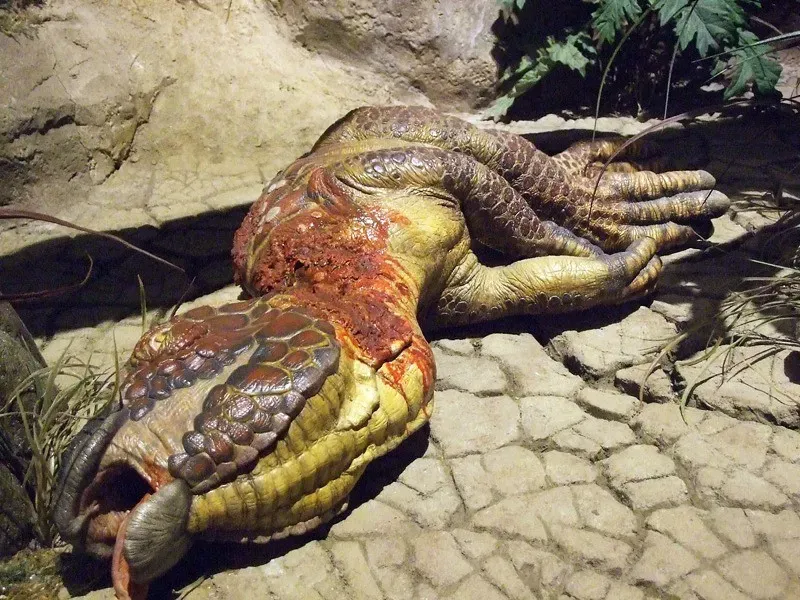
On a more personal note, I remember the first time I came across the idea that some dinosaurs were already declining before the impact. It felt a bit like someone had quietly rewritten the last chapter of a favorite book from childhood. Part of me resisted it, because the simple asteroid‑kills‑everything story is undeniably satisfying. But the more I read, the more I realized that the messy version – the one with slow‑burn changes, uneven declines, and a final blow – actually feels more like the real world.
Science often works like that. It trades in comforting, clean narratives for complicated, sometimes frustrating ones that better match the evidence. The evolving story of dinosaur extinction reminds me that nature rarely ties things up in a neat bow. Instead, it layers causes on top of each other, mixes slow and fast, and leaves us to piece together what happened from scattered clues. In a way, that makes the dinosaurs’ fate even more poignant: they were not just victims of bad cosmic luck, but of a world that was already slipping out from under their feet.
Opinionated Conclusion: A Messier, More Honest Story of the Dinosaurs’ End
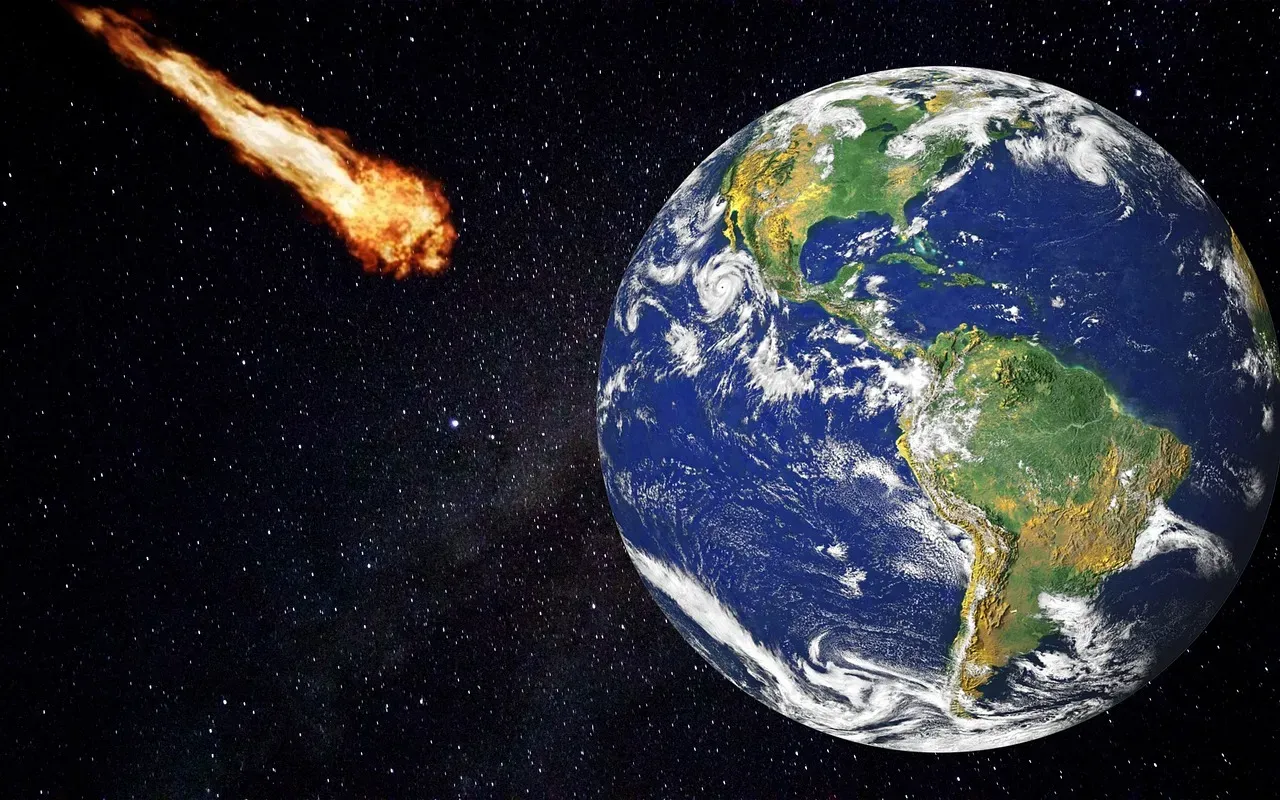
If I had to pick a side, I would say this: clinging to the idea that a single asteroid, acting on a thriving, unstoppable dinosaur empire, is what ended their reign does not hold up anymore. The growing body of evidence for pre‑impact declines in at least some groups makes the old, clean narrative feel too tidy to be true. The more realistic view is that dinosaurs were living through a period of mounting environmental and ecological stress, and the asteroid arrived as the worst possible disaster at the worst possible time.
That messier explanation may lack the simplicity of the story many of us grew up with, but it has something more important: it fits how nature really works, and it mirrors the kind of layered crises we see on Earth today. To me, the dinosaurs’ extinction is no longer just a tale of sudden cosmic doom – it is a cautionary story about what happens when a powerful, dominant group rides out slow‑burn changes without realizing how fragile things have become. The asteroid may have been unavoidable; the vulnerability leading up to it was not. When you look around at our own species and our changing planet, are you sure we are as different from those dinosaurs as we like to believe?