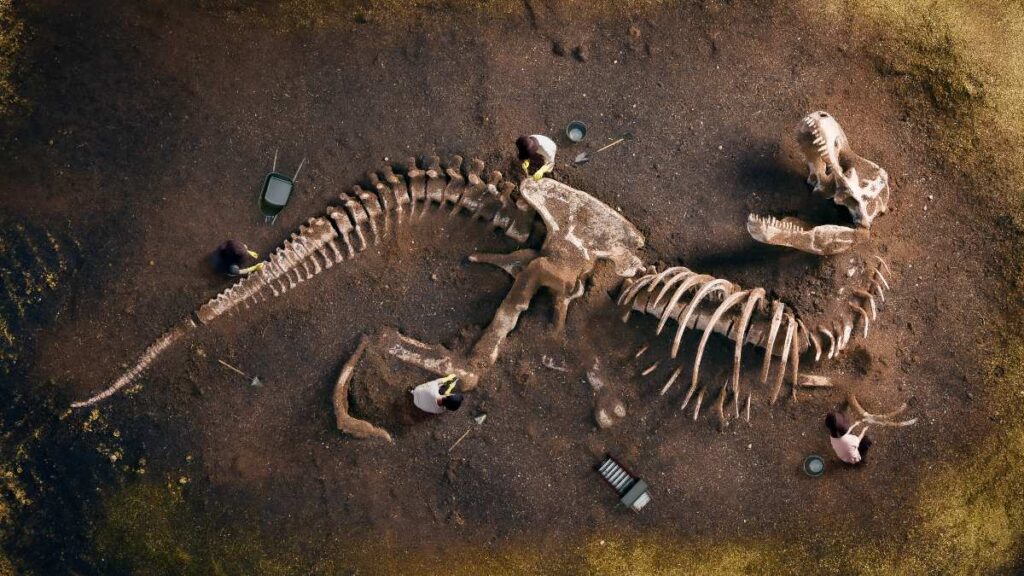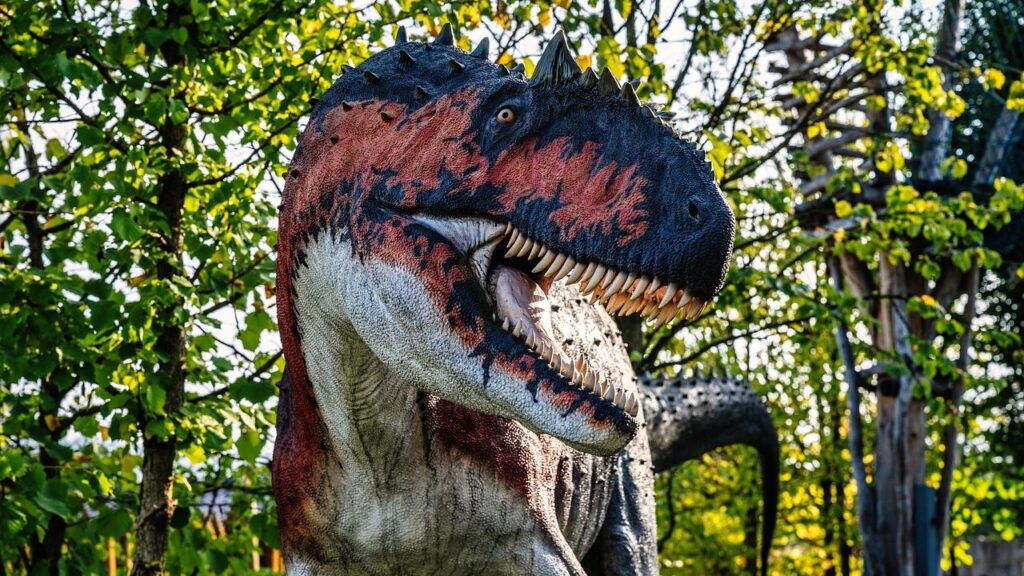
You probably think fossils are just dusty bones locked in stone, telling us who lived and who died. But here’s the twist: those bones, burrows, bite marks and bizarre body shapes are actually whispering stories about how ancient creatures thought, fought, flirted and survived. The more scientists look, the more it seems that personality – bold, shy, stubborn, social – is not a modern invention at all, but something life has been experimenting with for hundreds of millions of years.
In a strange way, the prehistoric world is like a massive, unskippable personality quiz that was running long before humans showed up. Different creatures evolved different strategies that map surprisingly well onto the traits we still talk about today: leaders and lurkers, sprinters and planners, loners and loyalists. As we walk through some of the most iconic ancient animals, you might find one that mirrors your dominant trait so closely it feels eerie. And the best part? The rock record is our receipt that these behaviours were real, not just imagination.
The Bold Risk-Taker: Are You a Velociraptor at Heart?
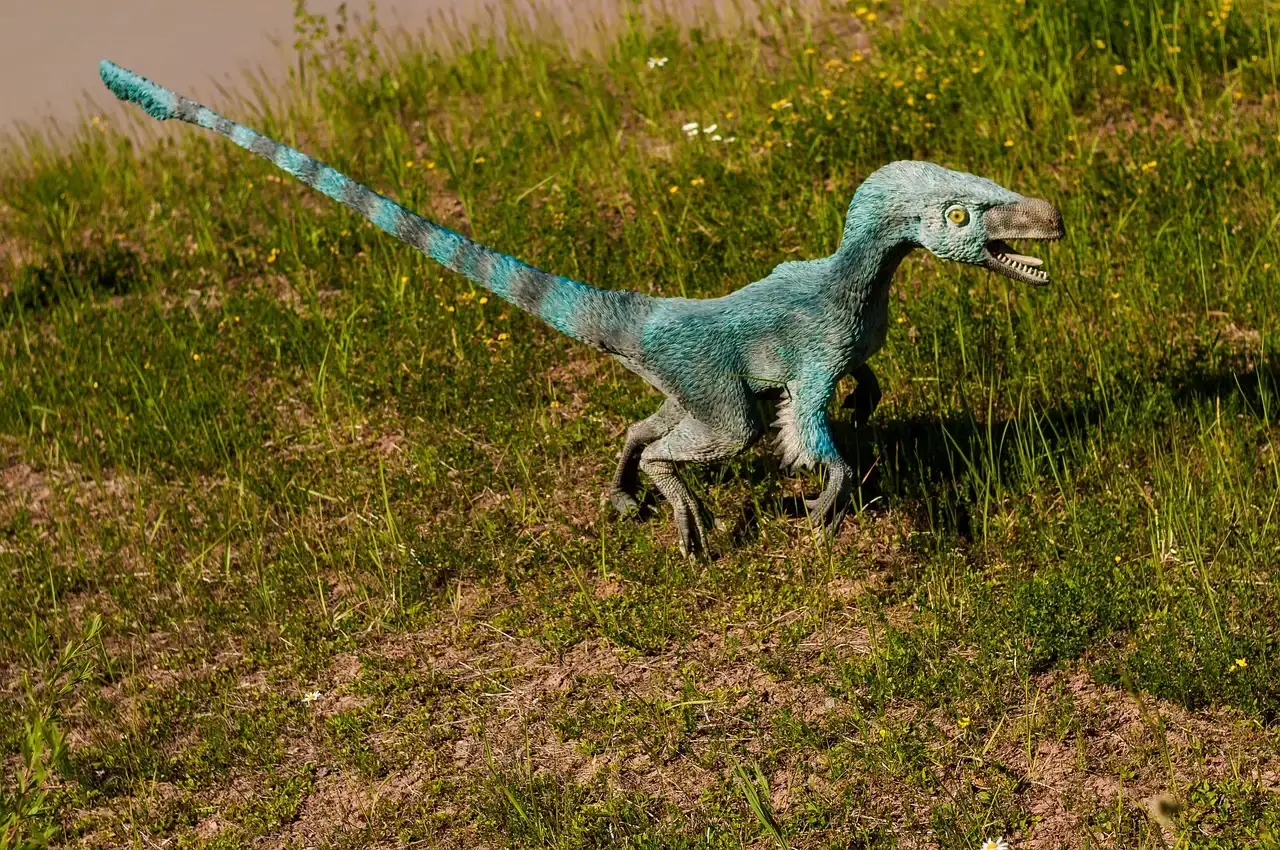
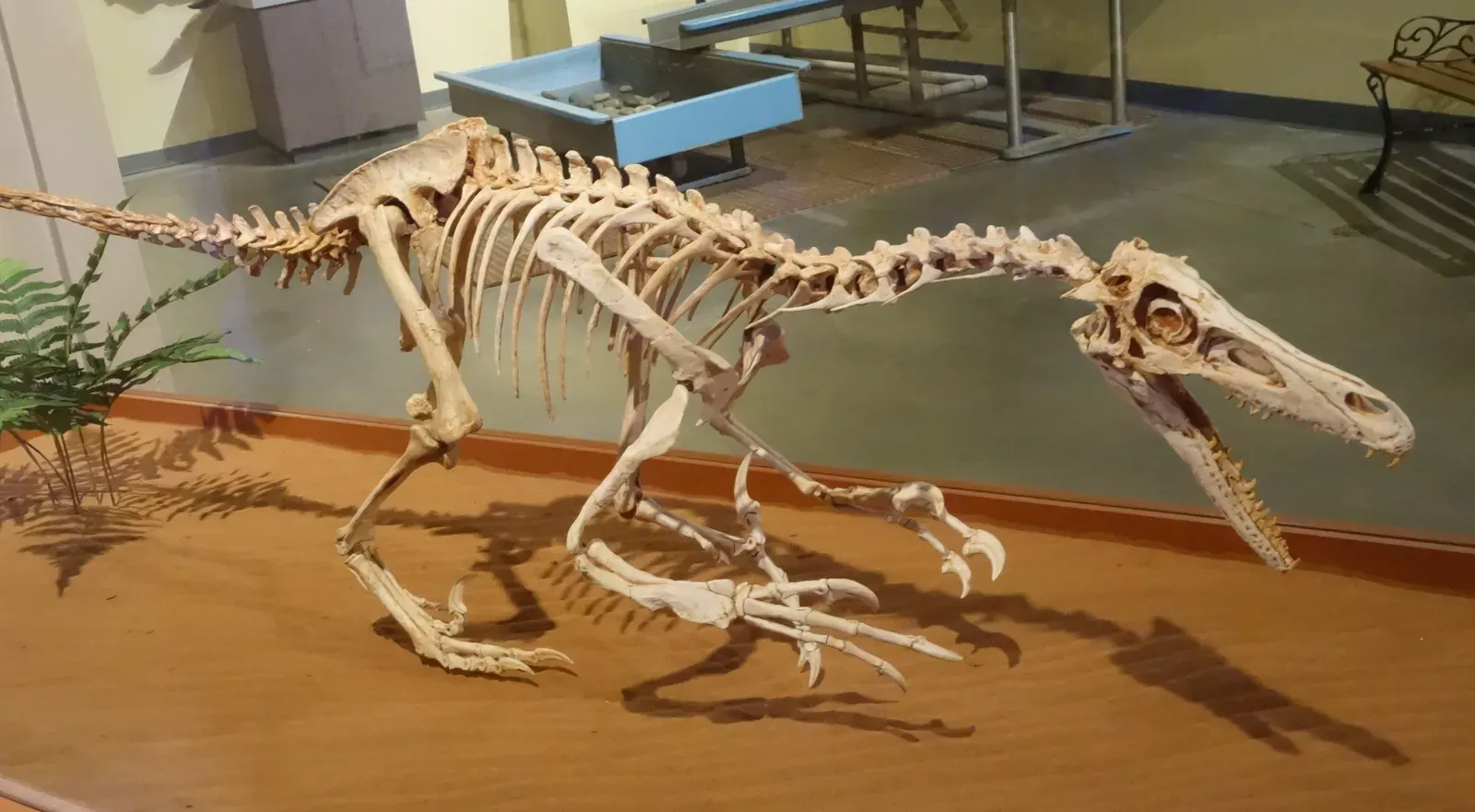
If you’re the kind of person who jumps at opportunities before they’re fully defined, the fossil record has a raptor with your name on it. Velociraptors and their close relatives had long, stiffened tails, blade-like clawed hands and that signature sickle claw on the second toe – a setup that screams agility, speed and calculated aggression. Their light, birdlike skeletons show they were built not as tanks, but as tactical strikers, trading armour for mobility.
Evidence from related species found in groups and with concentrated bite marks on prey bones suggests coordinated attacks and pack-like behaviour in at least some raptor-line dinosaurs, or at minimum, intense competition around kills. That kind of lifestyle rewards boldness: hesitate and you go hungry. If your dominant trait is taking risks, pushing into new projects, or speaking up when everyone else stays quiet, you’re living the same strategy: move fast, commit, and deal with the fallout later.
The Patient Strategist: Does Your Personality Match a Crocodile’s Ancient Ancestors?
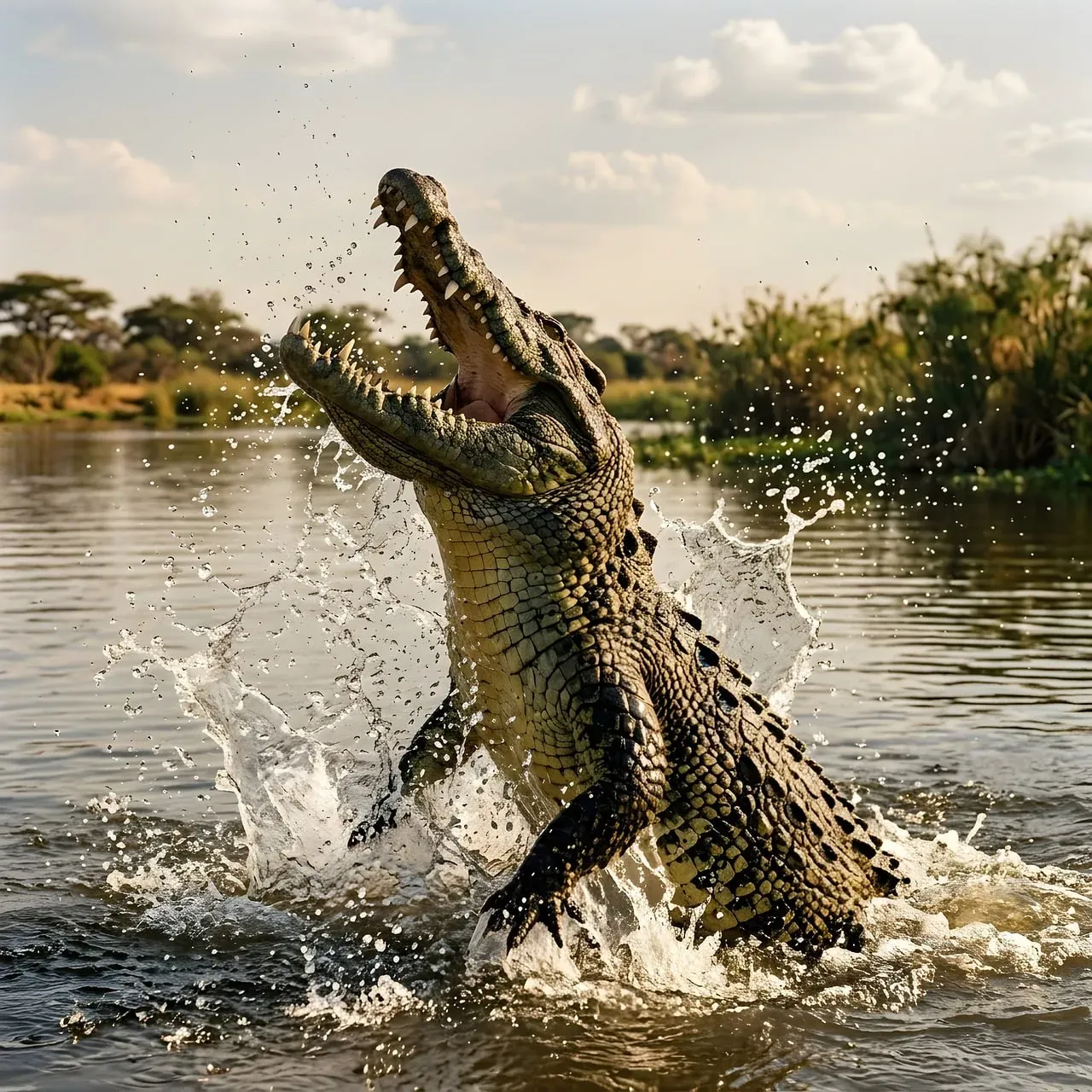
Fossilised trackways and preserved river-channel deposits reveal that these animals often chose locations where prey had limited escape options, like narrow passages or water edges. That means they relied not just on power, but on patience and positional strategy. If your dominant trait is to observe, plan and then strike only when the odds are stacked in your favour – whether in a negotiation, job move or personal decision – you’re essentially running a crocodilian playbook refined over tens of millions of years.
The Loyal Group Player: Are You Basically a Duck-Billed Dinosaur?
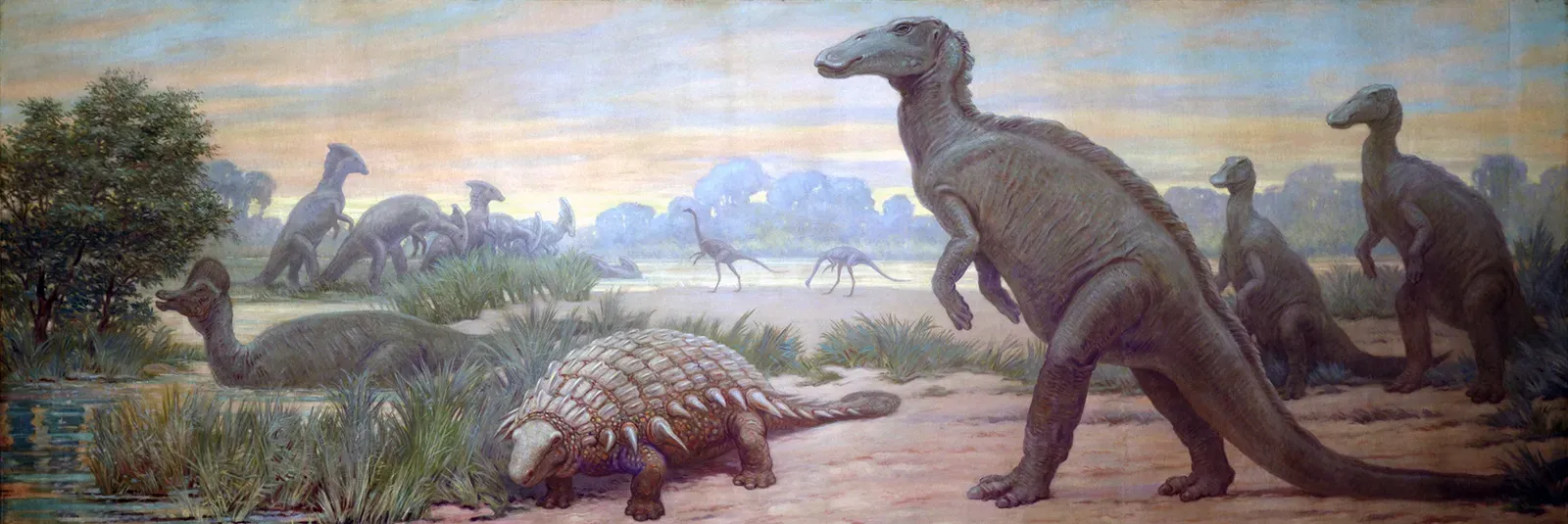
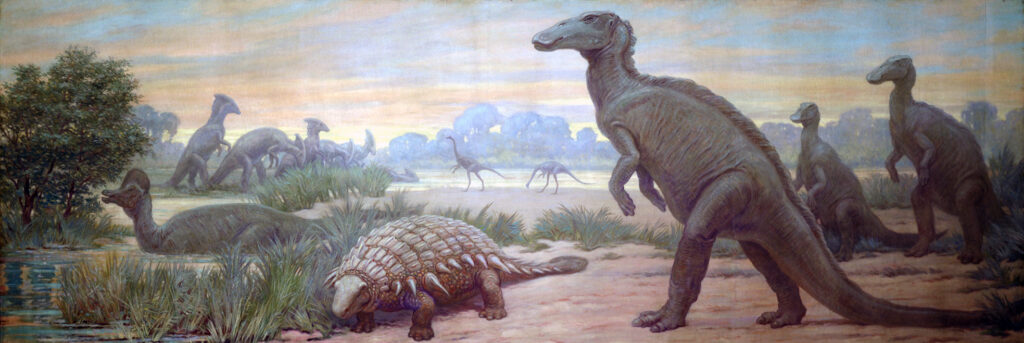
If you thrive in groups, remember birthdays, and feel safest as part of a loyal circle, your prehistoric spirit animal might be a hadrosaur – the duck-billed dinosaur. Large bonebeds containing hundreds to thousands of individuals of various ages suggest that many of these dinosaurs lived in herds, moving and possibly migrating together. That kind of social structure doesn’t happen by accident; it reflects a lifestyle where safety and success are built on sticking together.
Nests, eggs and juvenile skeletons found near adult remains hint at group-level care or at least shared nesting grounds, meaning that the young were not just left to fate. This implies coordination, repeated site use and social awareness. If you’re the friend who organises group chats, plans trips, or keeps a team glued together at work, you’re doing what hadrosaurs did: leaning on numbers, communication and community as a dominant survival trait.
The Lone Wolf Visionary: Why Spinosaurus Mirrors the Independent Mind
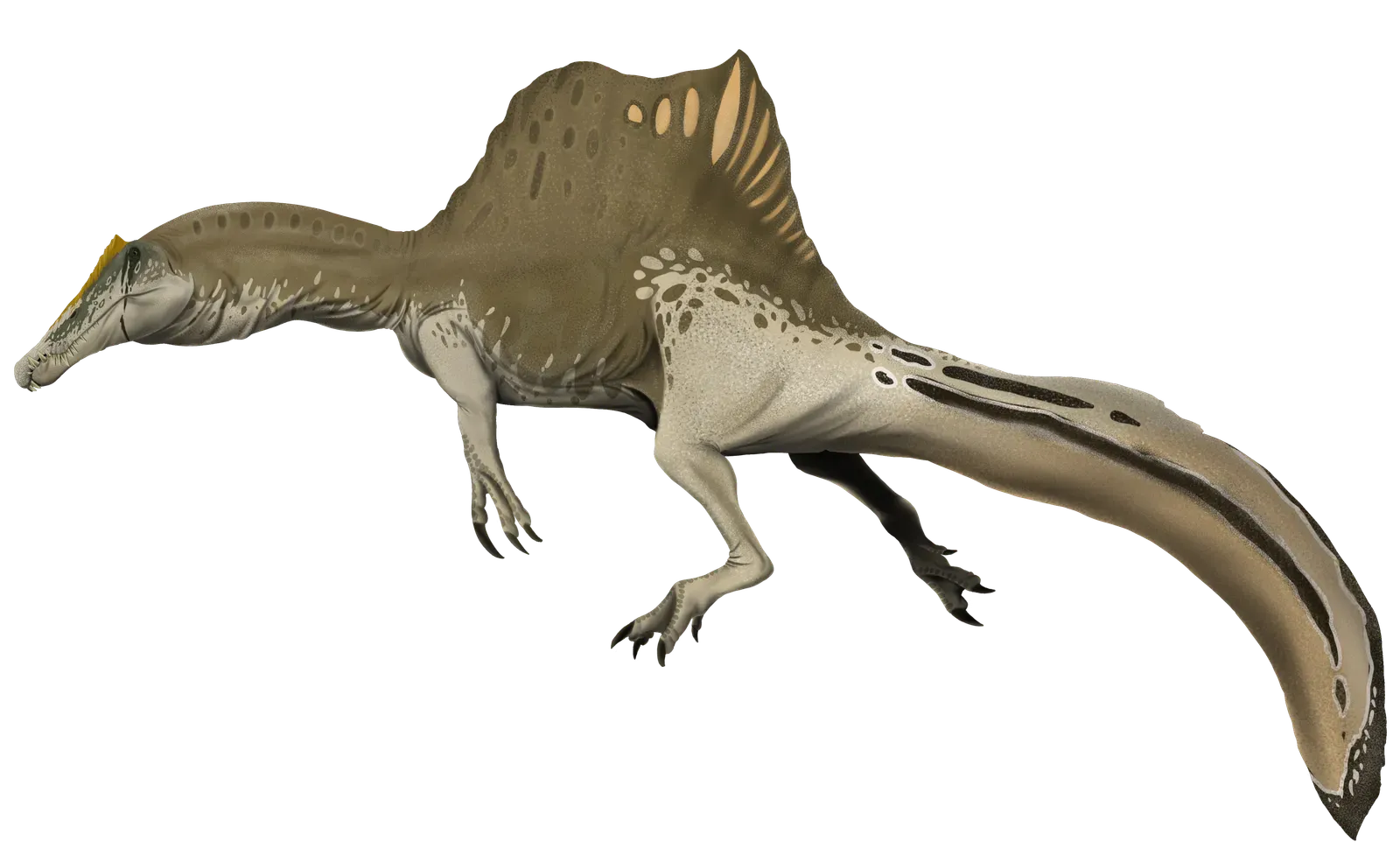
Some people are wired to go off-script, choosing unusual careers, hobbies or lifestyles that make others raise an eyebrow. Spinosaurus, with its towering sail-like spine, crocodile-like skull and possible semi-aquatic habits, may have occupied a niche unlike any other large predator of its time. Instead of dominating open land like a classic big theropod, it seems to have spent much of its life in and around water, targeting fish and other aquatic prey.
This unusual body design – elongated jaws, conical teeth, dense bones that may have aided in buoyancy control – suggests an animal that stepped out of the usual top-predator template to thrive in a very different way. If your dominant personality trait is independence, preferring to forge your own path rather than fit into standard roles, you’re echoing the same pattern: find a strange niche and own it so completely that competition barely matters.
The Calm, Grounded Protector: Do You Resonate With the Giant Sauropods?
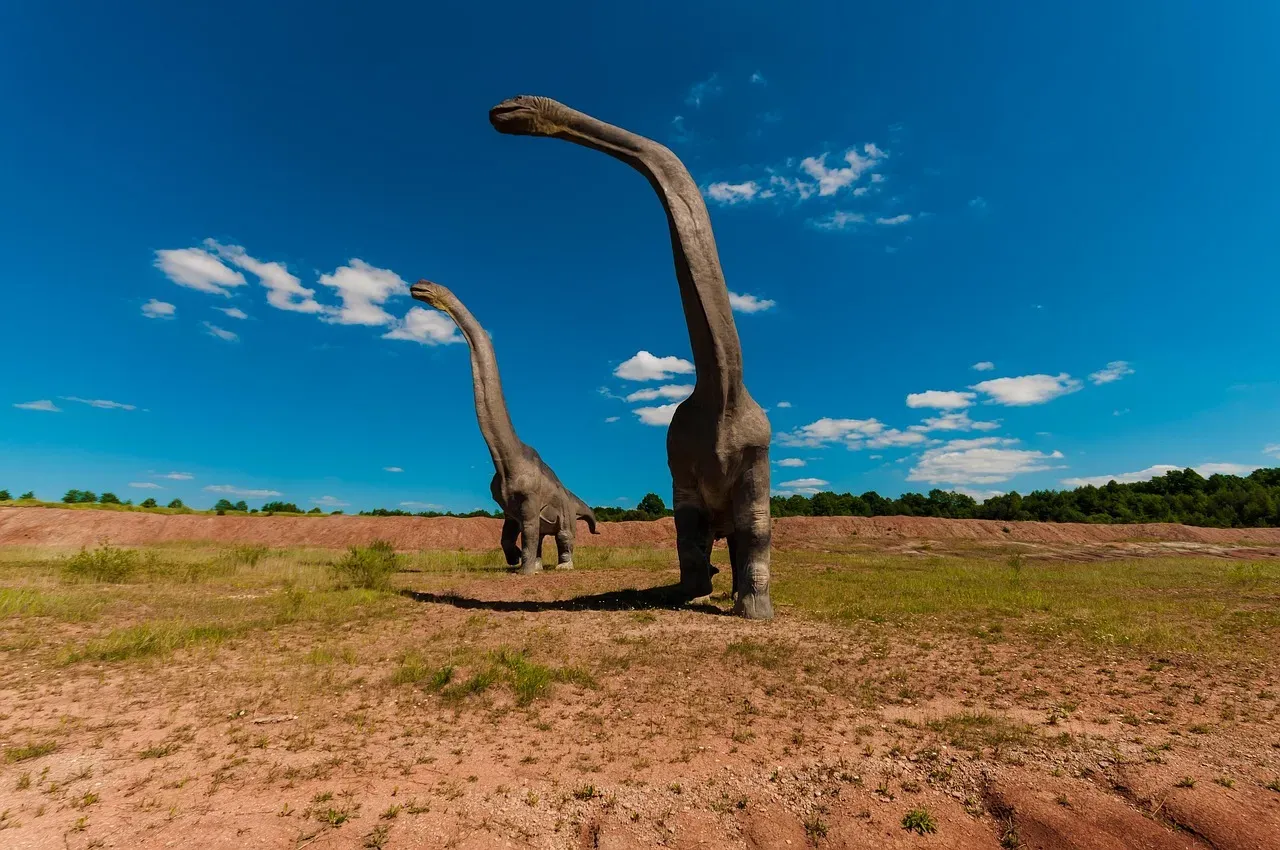
If your presence feels like a stabilising force – calm, steady and quietly reassuring – you might share a trait profile with the great sauropods, those long-necked, long-tailed plant eaters that turned forests into buffets. Their massive size alone was a kind of passive defence; adult sauropods were likely safe from all but the boldest or best-coordinated predators. The fossil record, with extensive trackways of multi-age groups, hints that they moved in herds where juveniles benefited from the shield of gigantic adults.
These animals lived slow in some senses: growing large, following food, and relying on their physical presence rather than speed or trickery. But slow doesn’t mean weak; it means durable. If your dominant trait is being unshakable under pressure – the one people lean on in a crisis – you resemble these prehistoric giants. You might not make the flashiest move, but your sheer reliability changes the entire landscape for those around you.
The Hyper-Curious Problem-Solver: Are You Basically a Small Feathered Dinosaur With a Laptop?
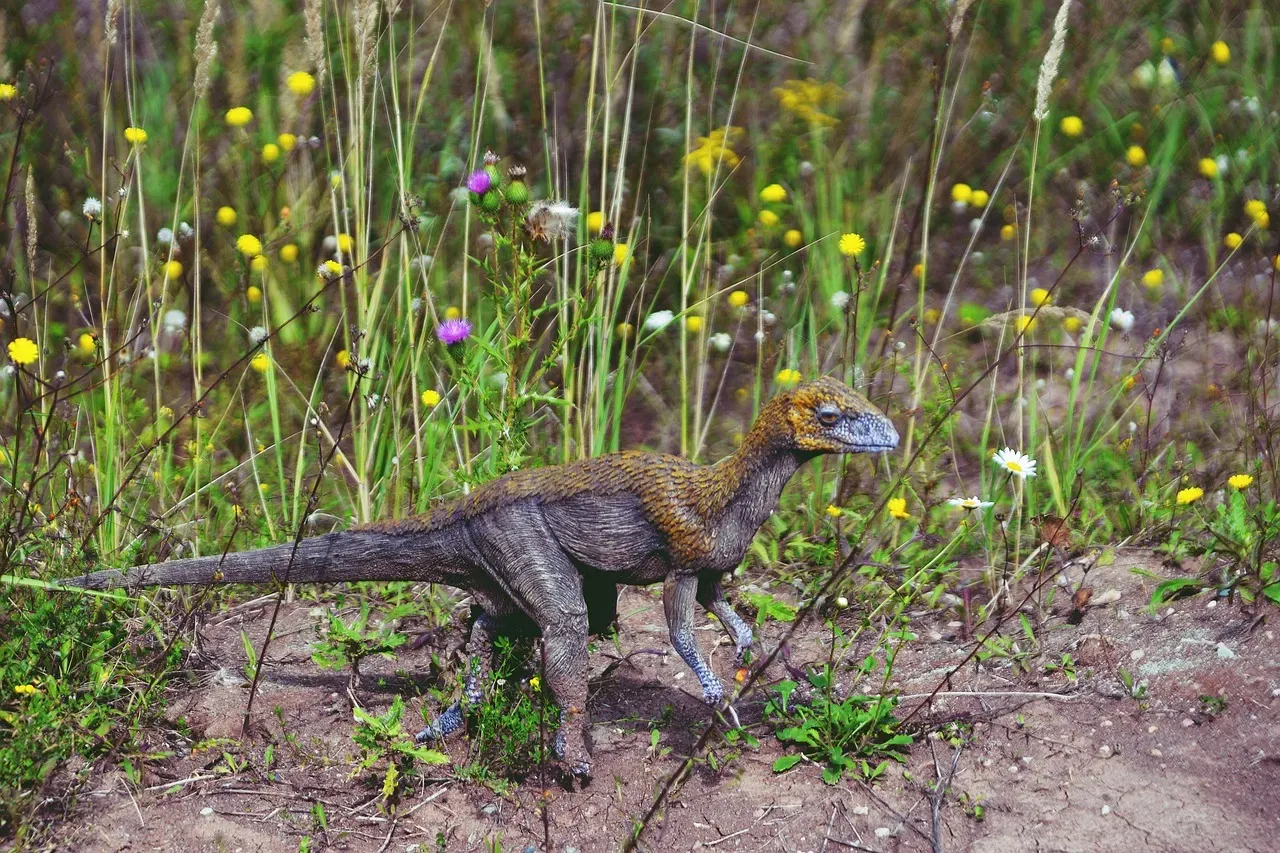
Some of the most revealing fossils are not from the biggest dinosaurs but the smaller, birdlike ones that show adaptations for quick movement, complex behaviour and possibly high intelligence. Species with relatively large braincases for their body size, grasping hands, forward-facing eyes and lightweight skeletons suggest creatures that needed to process information quickly, explore their environment and learn fast to eat and not get eaten.
In modern animals, similar combinations of traits often correlate with curiosity, exploratory behaviour and tool use. While we can’t watch these ancient creatures solve puzzles, their anatomy strongly implies a life spent investigating, chasing, and adapting on the fly. If your dominant personality trait is relentless curiosity – the type of person who pulls things apart to see how they work or falls down deep research rabbit holes – you’re living a mental style that evolved long before search engines existed.
The Silent Grinder: Why Trilobites Are the Prehistoric Patron Saints of Consistency
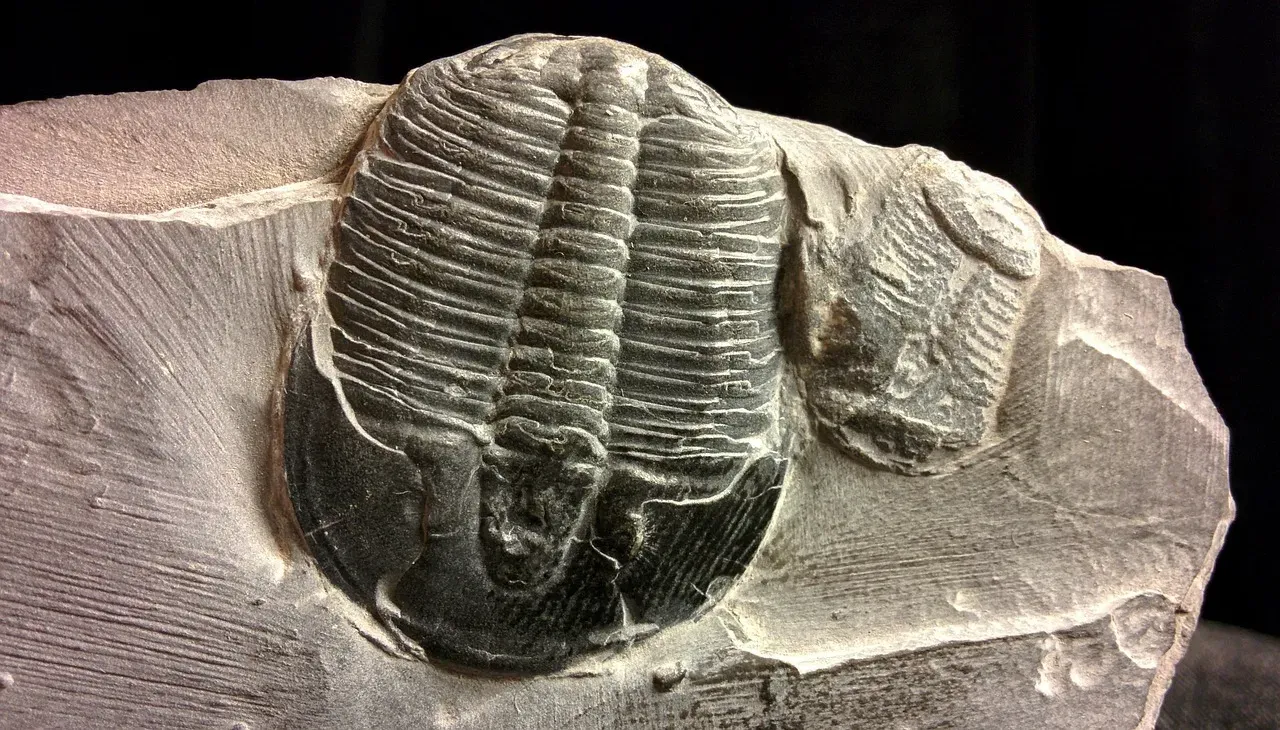
If you’re not loud, flashy or always in the spotlight, but you just keep showing up and doing the work, trilobites are your ancestors in spirit. These ancient arthropods roamed the oceans for an incredibly long stretch of Earth’s history, diversifying into countless shapes and sizes. Their fossil record is so rich and continuous that they’re used to mark entire slices of geological time, a sign of just how consistently they inhabited global seas.
Their hard exoskeletons, repeated moulting, and slow, steady adaptation to new environments show a strategy built on persistence rather than drama. Trilobites didn’t conquer the world overnight; they endured it year after year, era after era, quietly refining their design. If your dominant trait is consistency – showing up at the gym, at your job, for your family, even when nobody is cheering – you’re mirroring the low-key, long-game survival template the trilobites practically perfected.
The Social Engineer: Do Ancient Hominins Reflect the Relationship-Builder in You?
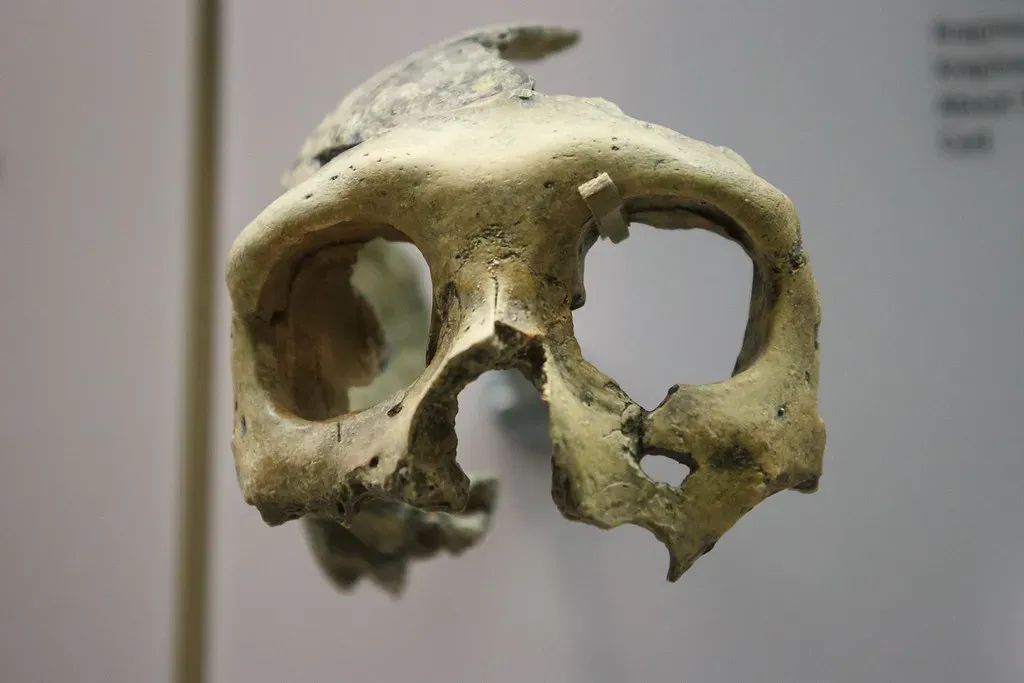
Fast forward closer to our own branch of the tree, and the fossil and archaeological record of early hominins and humans reveals something striking: social complexity becomes as important as muscles or teeth. Changes in skull shape, brain volume and especially tools, art and symbolic objects found alongside skeletons hint that social life, alliances and culture became critical for survival. It wasn’t just about who could fight, but who could connect, coordinate and communicate.
If your dominant personality trait is building networks – remembering who knows whom, smoothing conflicts, or sensing group dynamics – you’re tapping into a deeply ancient strategy. The evidence of shared shelters, repeated use of camp sites, and care for injured or older individuals in the fossil record suggests that managing relationships was literally a survival skill. In other words, social intelligence is not a soft extra; it is as prehistoric and hard-tested as fangs or claws.
The Adaptive Shapeshifter: Why Ammonites Mirror People Who Reinvent Themselves
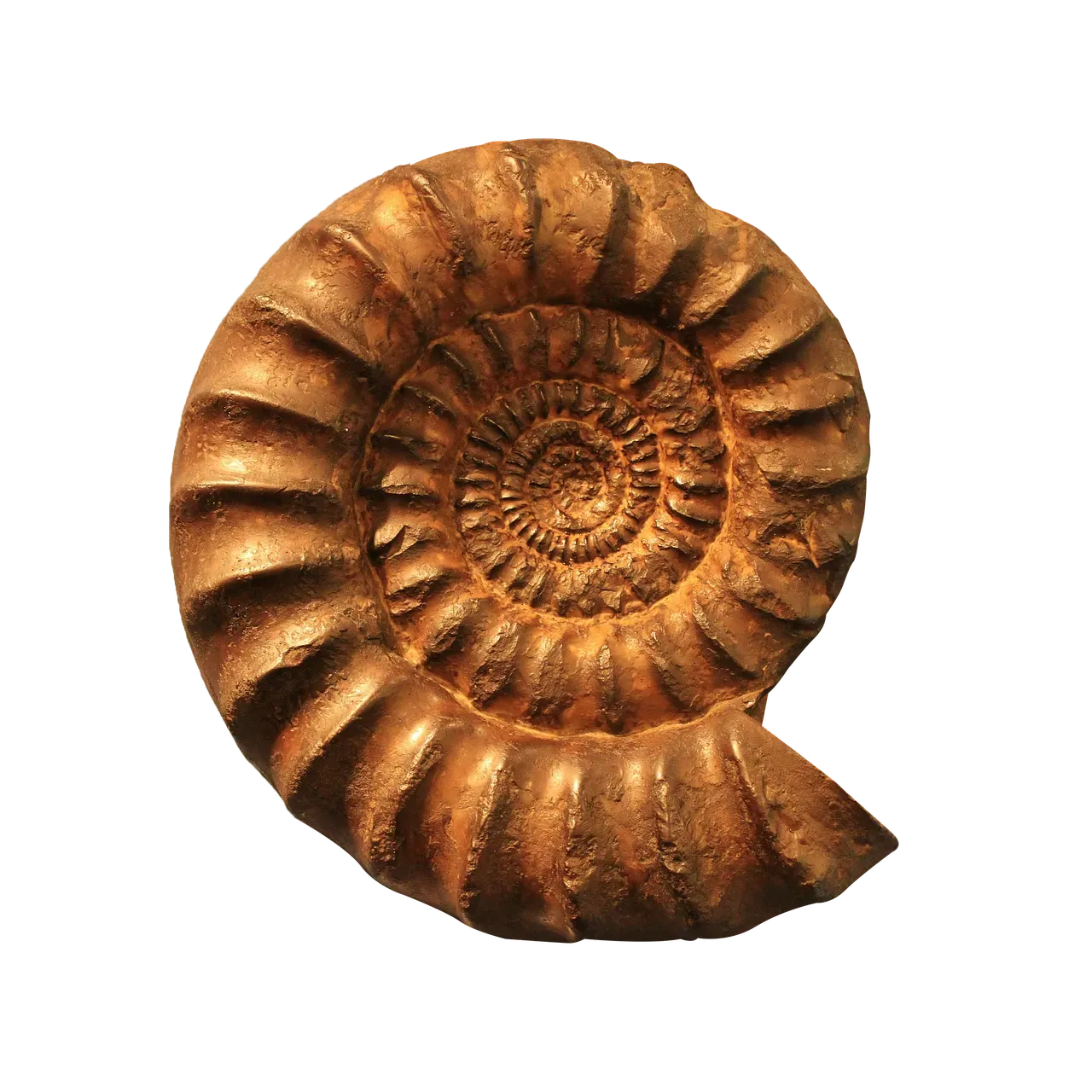
Some people seem to reinvent themselves every few years, switching careers, cities or identities like they’re changing shells. That is exactly what ammonites did – except they literally built their shells in chambers over time. These spiral-shelled marine animals, related to modern squids and octopuses, show up in a huge variety of shapes and sizes across the fossil record, often tracking changes in sea level, temperature and environment.
The way their shells changed over generations tells a story of flexibility. Lineages that survived big environmental shifts often did so by tweaking shell form, size and lifestyle rather than stubbornly clinging to one design. If your dominant trait is adaptability – pivoting when life throws you a curve, learning new skills, reshaping your identity – your life strategy echoes the quiet brilliance of ammonites: keep the core pattern, but never be afraid to remodel the outer structure.
The Night Thinker: Do You Share a Mindset With Early Mammals in a World of Giants?
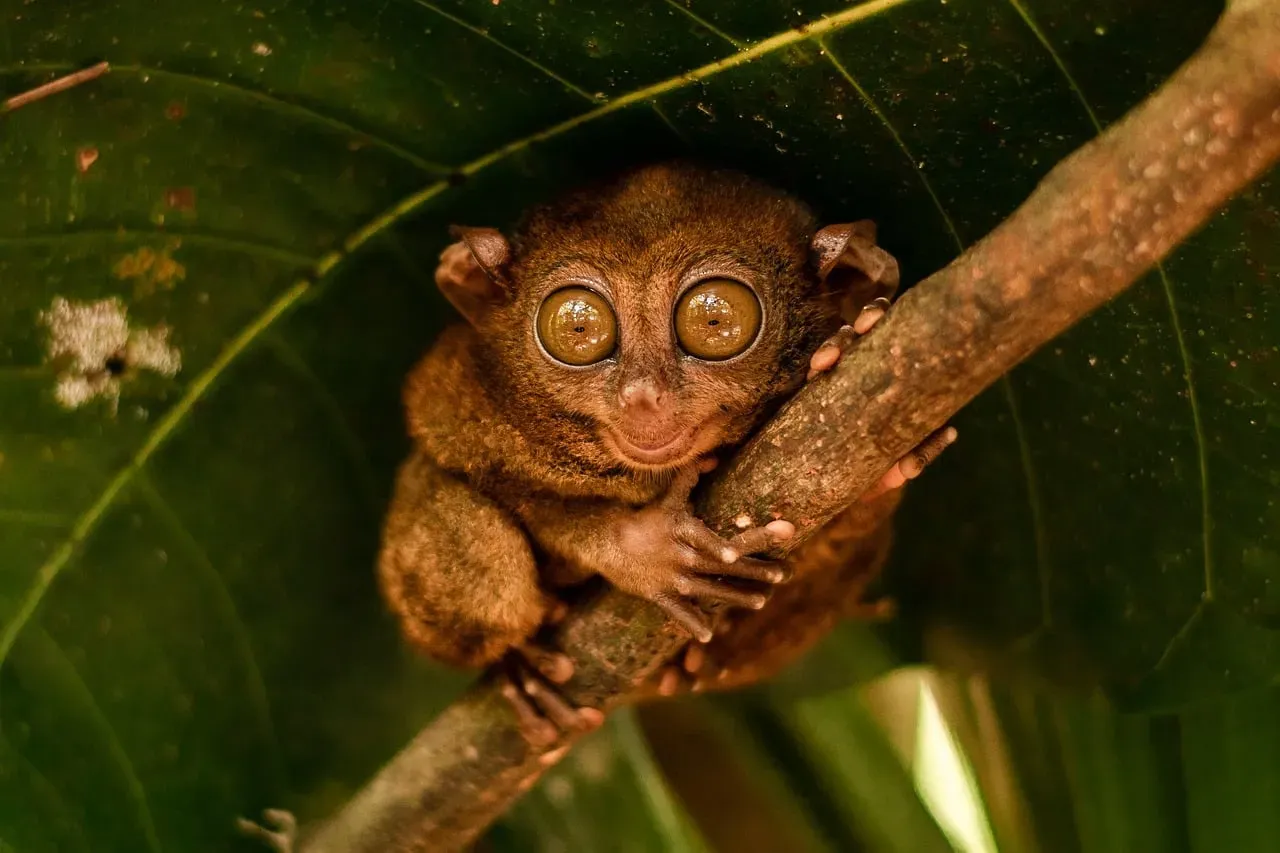
In the age of dinosaurs, the earliest mammals were mostly small, often nocturnal creatures surviving in the shadows of giants. Their fossils, along with details of their teeth, inner ears and limb bones, suggest animals tuned for sensitive hearing, quick movements and flexible diets. Instead of competing head-on with towering reptiles, they shifted into different time slots and niches, avoiding direct clashes and thriving in the overlooked hours.
If your dominant personality trait is introspection – thinking deeply when the world is quieter, working best late at night, or preferring subtle manoeuvres over bold confrontation – you’re repeating that ancient strategy. These early mammals didn’t dominate by size or spectacle; they did it by occupying spaces and times others ignored. That low-profile, high-awareness approach laid the groundwork for the eventual rise of mammals, including us.
Why the Fossil Record Actually Deserves a Personality Credit – And What That Means About You
When you line up these prehistoric lives next to human traits, a pattern pops out: behaviour is written into anatomy, and anatomy is written into rock. Herds leave layered bonebeds; ambush predators leave body plans built for stillness and sudden power; social cooperation leaves traces in shared nesting grounds and repeated campsite use. The fossil record will never give us a perfect video of the past, but it gives enough consistent clues that scientists can reconstruct behaviour with surprising confidence and nuance.
My own opinion is that we underestimate how old our personalities really are. When you recognise yourself in a daring raptor, a patient crocodile, or a quietly enduring trilobite, you’re not just playing a mental game; you’re noticing that the ways we move through life are echoes of strategies that worked again and again over deep time. Your dominant trait – bold, cautious, social, independent, adaptable – is not a random quirk. It is one more experiment in a very long series that started long before humans and will keep unfolding as long as life keeps changing. So, if you had to pick, which prehistoric creature feels the most like you now?