
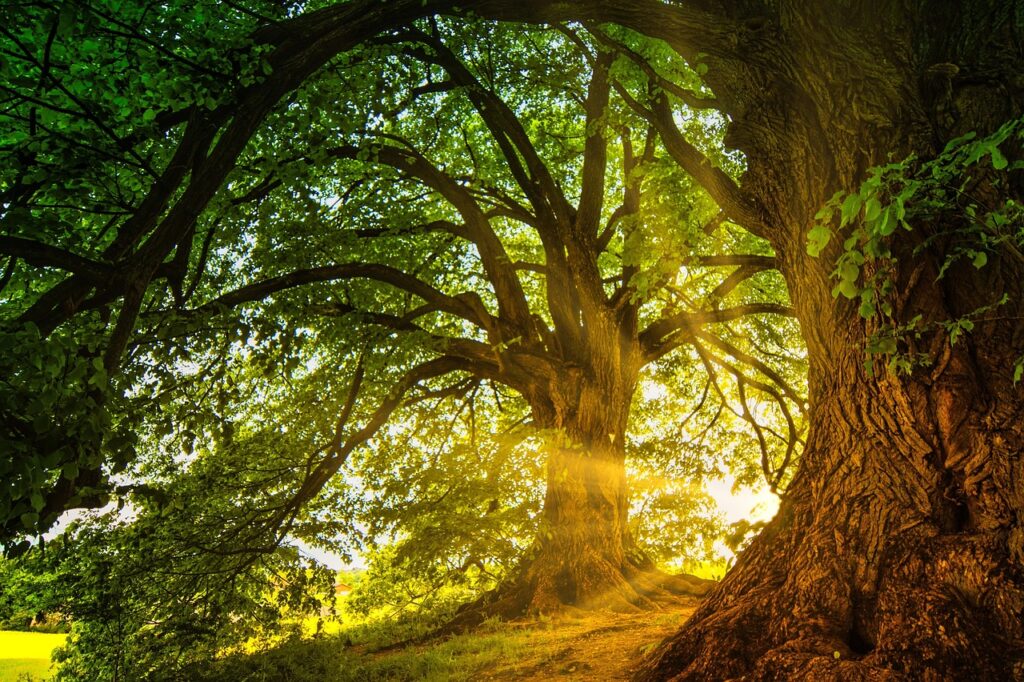
Imagine walking through a forest so ancient that dinosaurs were still hundreds of millions of years in the future. The ground beneath your feet is muddy, the air is heavy with humidity, and the tallest life forms around you are strange, spindly trees with no flowers, no fruit, and not a single bird in the sky. This is the world researchers are now uncovering: a landscape from deep time where forests were only just beginning to reshape the planet in ways that still define life today.
Recent findings from exceptionally well‑preserved fossil sites show that forests appeared earlier and were more complex than scientists once believed. That might sound like a small adjustment to the timeline, but it completely changes the story of how Earth’s atmosphere, climate, and ecosystems evolved. When trees arrived, they did not just decorate the landscape; they rewired the planet’s entire system. And it happened sooner than we thought.
A 390-Million-Year-Old Forest Hidden in Plain Sight
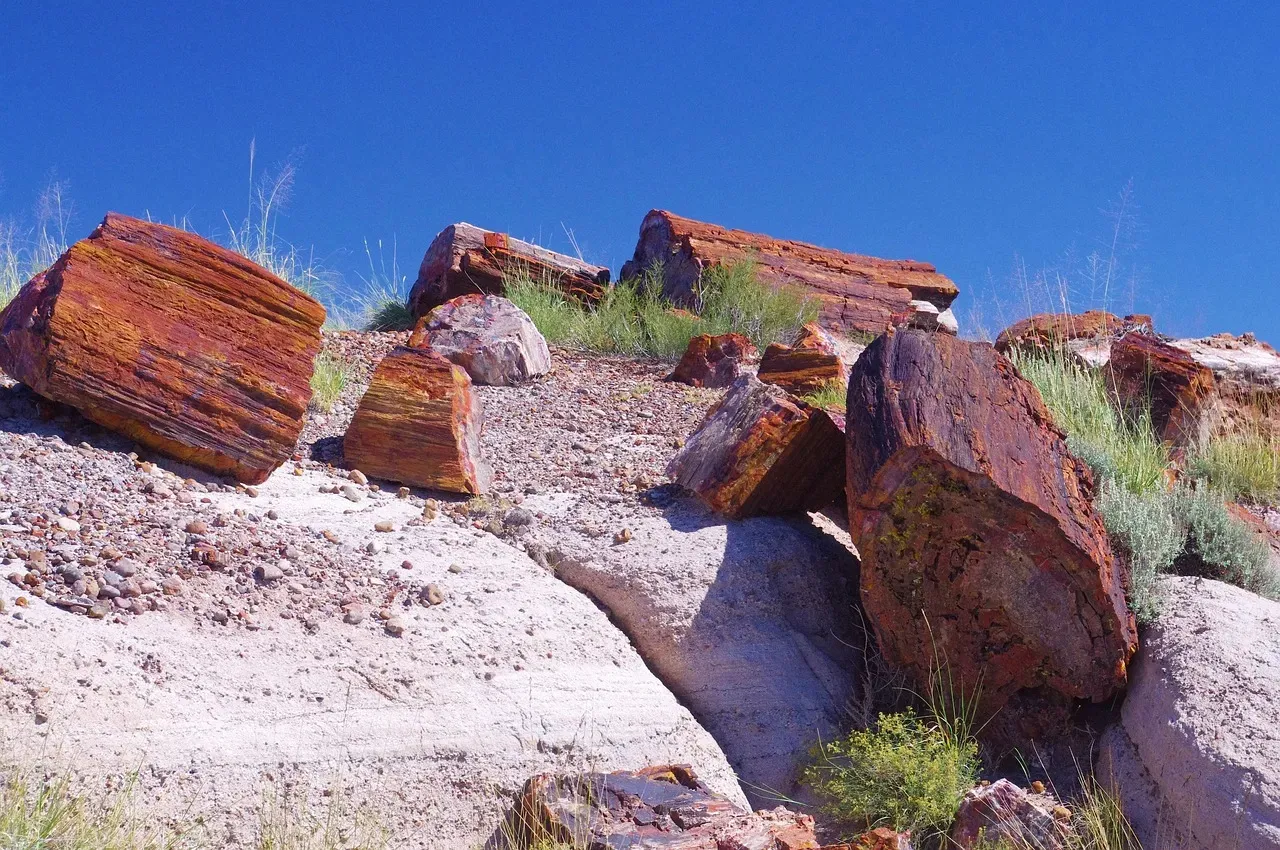
One of the most striking discoveries comes from ancient quarry sites and rock exposures where researchers have mapped an entire fossil forest floor, tree stumps and all. These rocks date back to the Devonian Period, roughly around three hundred ninety million years ago, a time often called the “Age of Fishes” but increasingly recognized as the age when land really woke up. Instead of scattered plant patches, scientists found evidence of an organized forest with tree-sized plants rooted in place.
What makes this so wild is that you can literally trace where individual trees once stood, like a stone snapshot of a living woodland. The underground root systems, the spacing between trunks, and the surrounding sediments all point to a structured ecosystem rather than a random collection of plants washed together by floods. In other words, this was a functioning forest community long before forests were supposed to exist at that level of complexity.
Devonian Trees: Nothing Like the Ones in Your Backyard
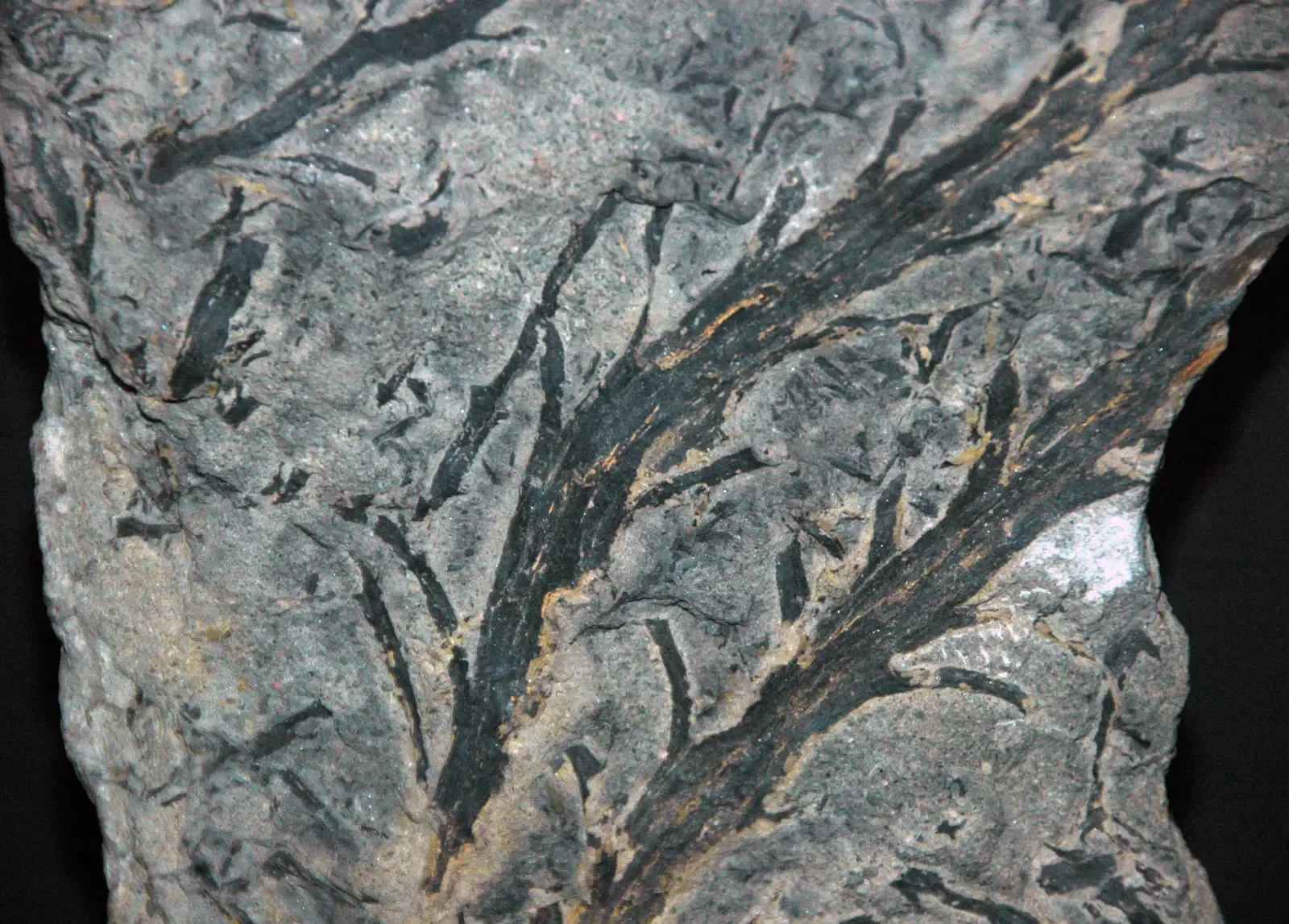
When you think “tree,” you probably picture a solid trunk of wood, leafy branches, maybe flowers or cones. Devonian trees broke almost all of those rules. Many of them looked more like oversized ferns or giant horsetails, with narrow, column-like trunks and crown-like tops. Some lacked true leaves and complex root systems, relying instead on repeated branching and shallow anchoring structures to stay upright in soft, waterlogged soils.
These early trees were experiments in architecture, testing what it meant to be tall on land. They produced spores instead of seeds and had vascular systems that were still evolving, but they could already reach significant heights and cast shade. Compared to modern oaks or pines, they might seem alien, yet they played the same core ecological role: capturing sunlight high above the ground and feeding energy into a growing web of life below.
How Early Forests Rewrote Earth’s Atmosphere
The biggest twist in this story is not just that trees showed up earlier, but that their planetary impact began earlier too. As these ancient forests spread, they pulled carbon dioxide out of the atmosphere through photosynthesis and locked some of that carbon away in soils and sediments. Over millions of years, that gradual drawdown helped shift Earth from a hot, greenhouse-dominated world toward cooler conditions more favorable to complex land life.
At the same time, trees pumped oxygen into the air at unprecedented scales. The combination of extensive root systems, decaying plant matter, and evolving soils created powerful carbon sinks. By pushing back the date when such forests existed, scientists are effectively moving up the start time for these large-scale atmospheric changes. That suggests trees were quietly engineering the planet’s air far earlier than many models had assumed.
Roots That Broke the Ground – and the Rock Cycle
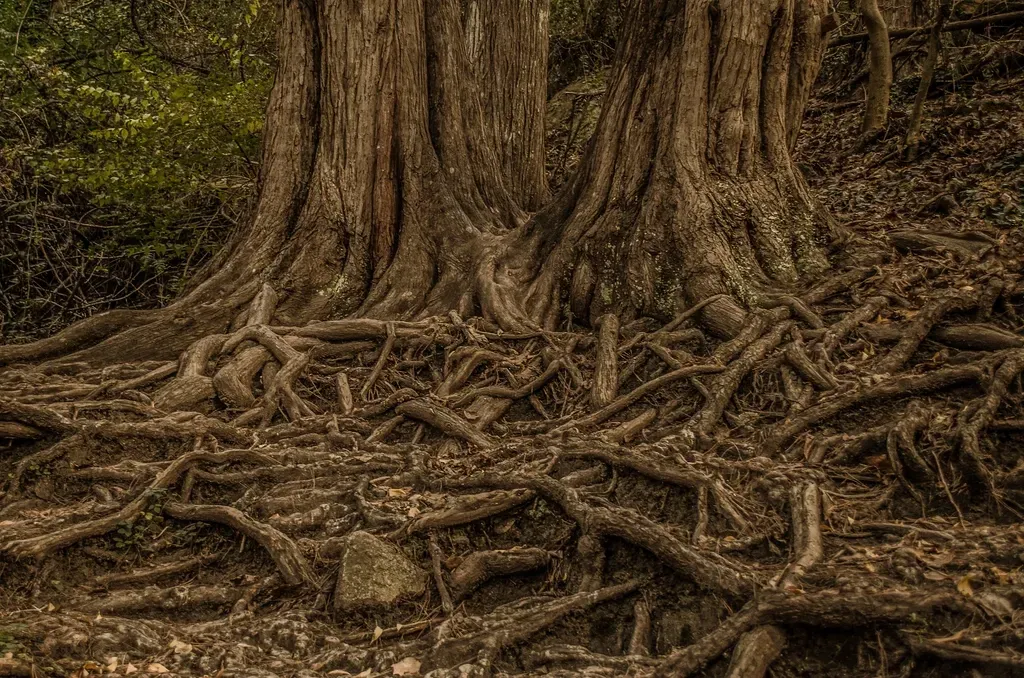
Early forests did something incredibly dramatic below the surface: they put serious roots into the ground. Those roots physically broke apart rocks, expanded cracks, and chemically weathered minerals. When water flowed through these newly fractured rocks, it carried dissolved ions and sediments into rivers and eventually to the oceans, altering global cycles of nutrients like phosphorus and calcium.
This might sound overly technical, but it plays out in a very real way. By increasing rock weathering, tree roots effectively sped up the natural processes that remove carbon dioxide from the atmosphere over long timescales. Weathered minerals helped form carbonates in the oceans, trapping carbon in stone. So while we tend to focus on forests as green lungs above ground, these early trees were also powerful geologic agents, reshaping landscapes and driving long-term climate trends from below.
Ancient Forests and the Boom (and Bust) of Marine Life
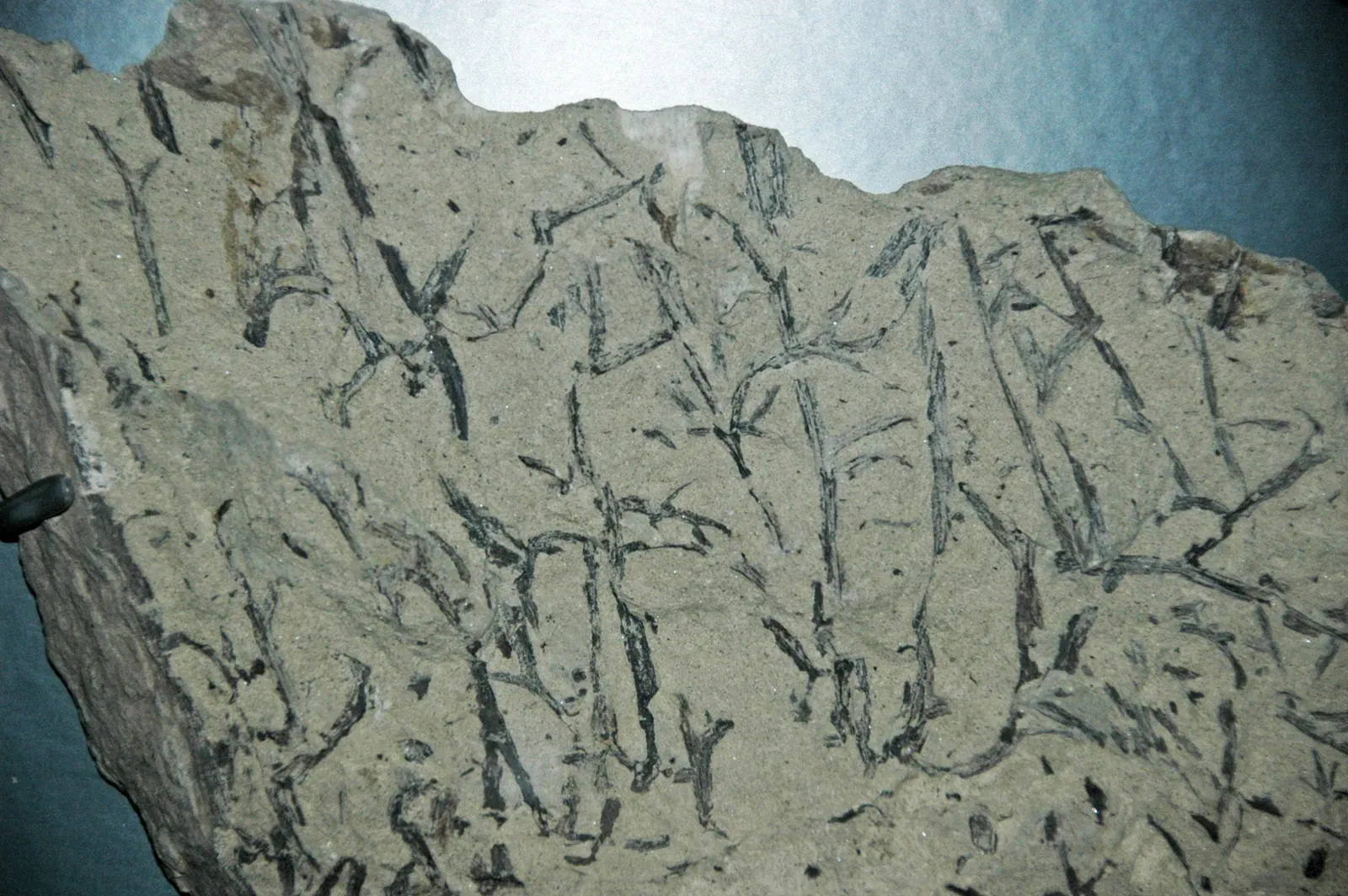
There is a fascinating, slightly unsettling connection between the rise of forests on land and crises in the oceans. As forests expanded and weathering intensified, more nutrients washed into ancient seas. Those nutrient pulses could have fueled explosive growth of marine life in some regions, but they also may have triggered oxygen-depleting events when that organic matter decayed, stressing or even killing off marine ecosystems.
Some scientists suspect that the spread of large, rooted plants on land played a role in major extinction events in the late Devonian, when many marine species vanished. The idea is not that trees were villains, but that they were powerful enough to unintentionally tip the balance of Earth’s systems. Forests changed erosion rates, sediment delivery, and nutrient loads so much that the oceans had to adapt, sometimes violently. It is a sobering reminder that life can be its own climate force multiplier.
Reconstructing a Lost World from Stone Clues
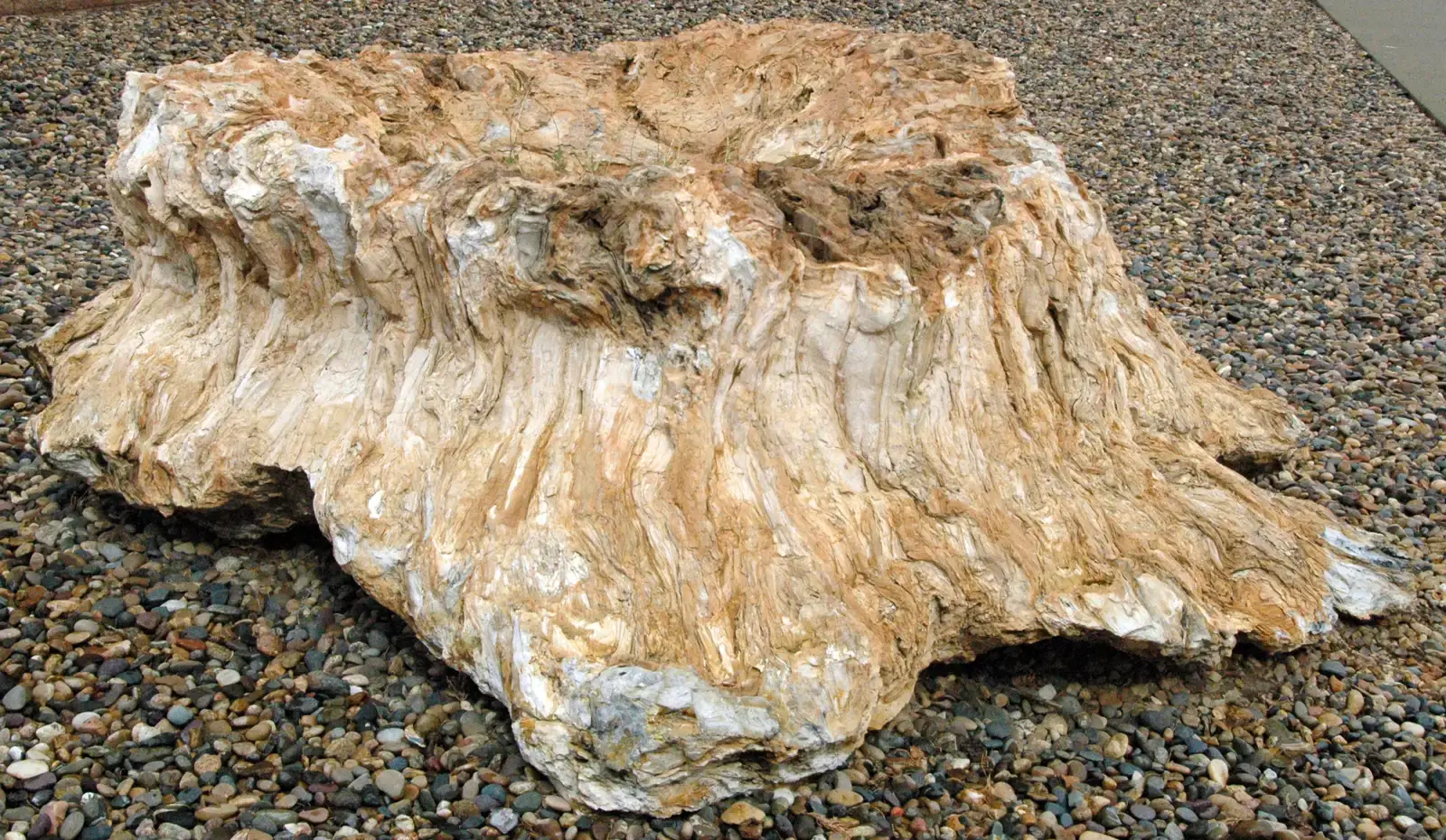
One of the reasons these discoveries feel so thrilling is how much detective work they demand. Scientists are often working with fragmentary fossils: a stump here, a root cast there, a delicate imprint of bark preserved in rock. By carefully mapping the positions of these remains, analyzing the surrounding sediments, and comparing them with living plant forms, researchers can piece together entire paleoenvironments from what looks like rubble to the untrained eye.
These fossil forests are not just pretty finds; they are datasets. They reveal tree densities, community structures, flood patterns, soil stability, and even how often these landscapes burned. Every new site adds another piece to the puzzle, showing whether early forests were patchy and localized or already spreading into extensive networks. The more we see, the clearer it becomes that forests were not a late flourish, but a foundational stage in Earth’s land story.
Why Earlier Forests Change Our Climate Narratives Today
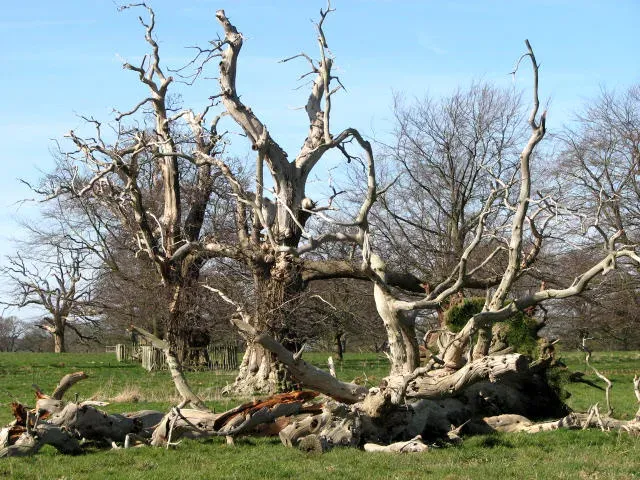
So why should anyone in 2026 care that forests appeared earlier than expected hundreds of millions of years ago? Because it sharpens how we think about feedback loops between life and climate. If ancient trees could nudge the planet toward cooling over geologic timescales simply by growing, dying, and rooting into rock, it underscores just how tightly biology and atmosphere are intertwined. Forests are not passive scenery; they are active climate tools.
It also helps calibrate our models of Earth’s long-term carbon cycle. When we try to understand how fast the planet can naturally absorb carbon dioxide, or how landscapes respond to warming, we lean on the deep-time record. Pushing back the timeline of complex forests means revisiting assumptions about how early and how strongly land plants began to shape global conditions. In a world wrestling with human-driven climate change, those insights are more than academic; they frame the backdrop to our current crisis.
Modern Forests, Ancient Lessons: A Personal Take
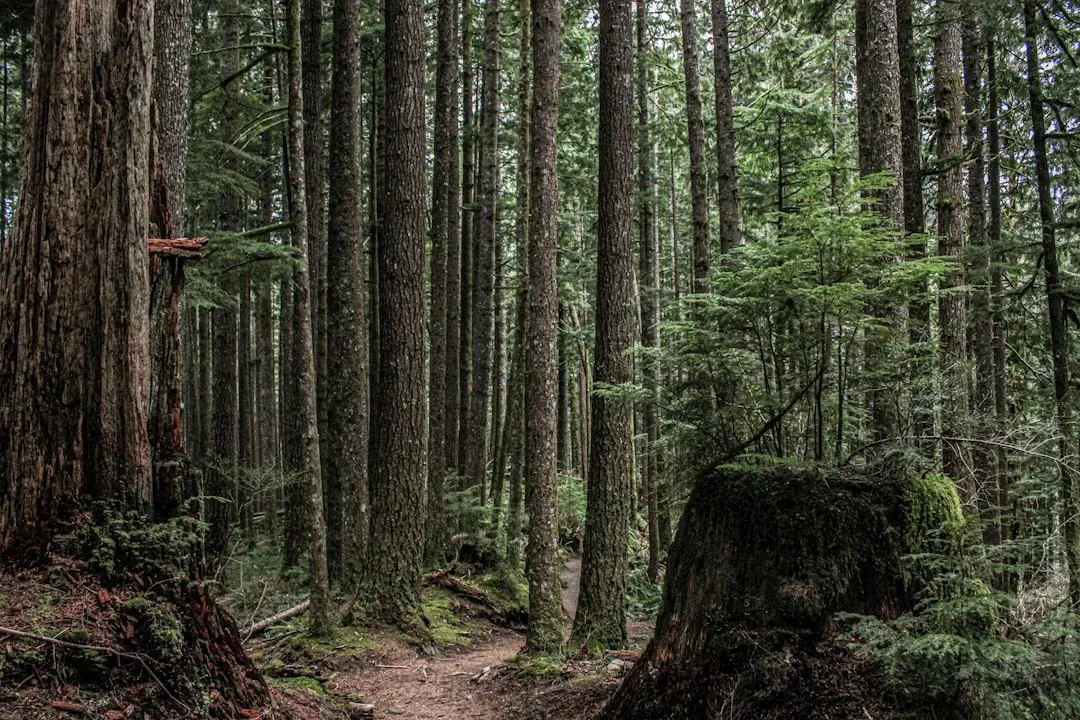
Standing in a modern forest, it is tempting to see it as something fragile and recent, constantly under threat from logging, fire, and development. But these new findings remind us that forests as a concept are incredibly old and stubbornly transformative. They have survived mass extinctions, shifting continents, and wild swings in climate, and in every era they have rewritten the rules of the game for life on land. That mix of resilience and power is honestly one of the things that makes me feel both hopeful and uneasy.
My own bias is clear: I think we still underestimate forests, even now. We treat them like landscape decoration or carbon offsets on a ledger, when in reality they are planet-scale engineers that have been altering air, rock, water, and life since long before humans existed. Learning that they started doing this work earlier than expected only strengthens that view. If trees could transform an ancient, alien Earth, what might our choices about forests do to the one we live on today?
Conclusion: Trees Have Been in Charge Longer Than We Thought
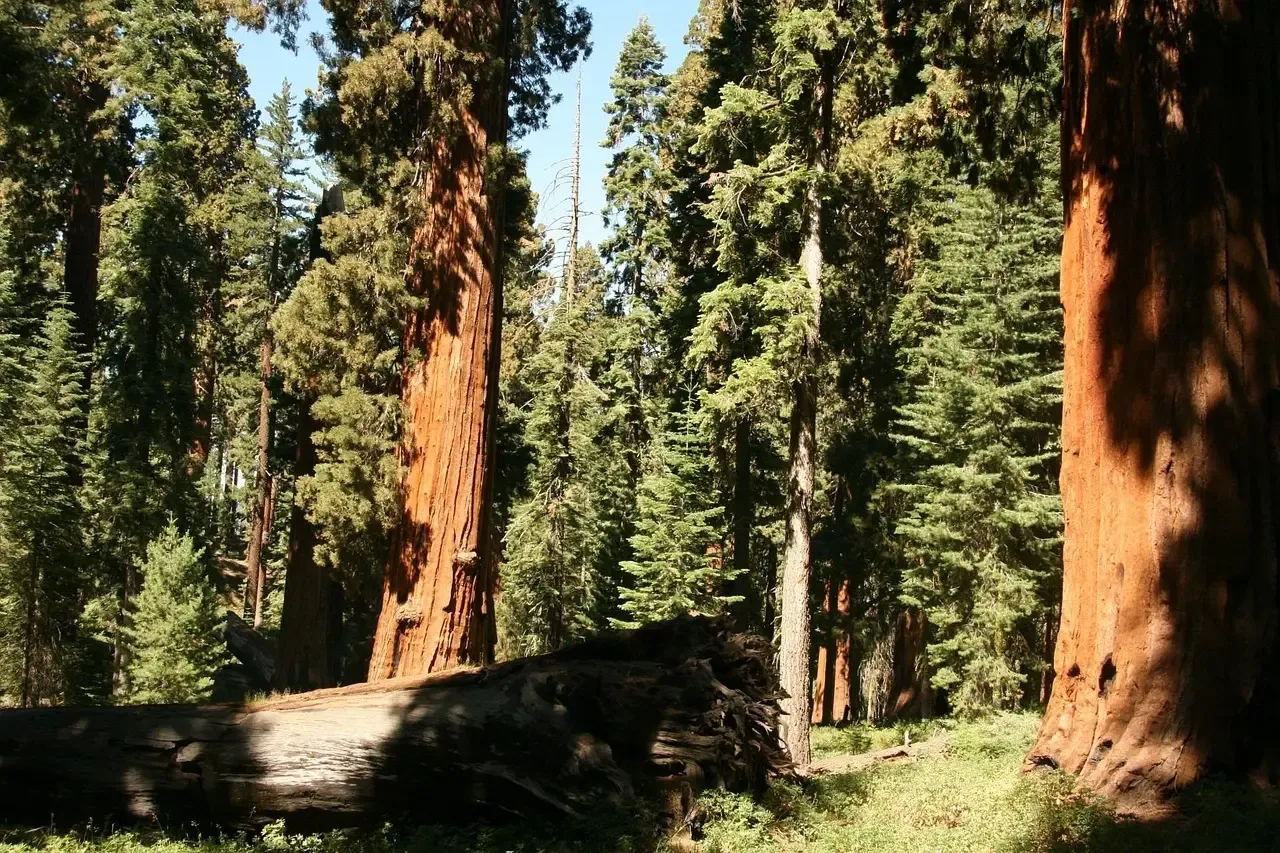
The discovery of one of Earth’s oldest known forests is more than a neat fossil headline; it is a quiet revolution in how we understand life’s role on a planetary stage. These early trees were not background extras but leading characters, already cooling the climate, reshaping rocks, feeding soils, and nudging oceans into new states far earlier than our old timelines allowed. Moving their debut up in Earth history gives them an even bigger part in the story of how a rocky world became a living one.
In my view, this should change how we talk about forests today. They are not just resources to manage or habitats to protect; they are the latest chapters in a four-hundred-million-year experiment in planetary engineering. The uncomfortable truth is that we are now coauthoring that experiment at breakneck speed, clearing and altering forests faster than even deep time has seen. If trees have been quietly steering Earth for so long, maybe the real question is not whether we can control them, but whether we are wise enough to stop fighting against their influence and finally work with it. Did you expect the planet’s real long-term engineers to be trees?