

Imagine walking through a humid Cretaceous forest, fern fronds brushing your sides, dragonfly-sized insects buzzing past, and something massive moving in the trees just out of sight. In that world, survival was not about having the latest gadget or the best coffee order, it came down to raw instinct, strategy, and a ruthless kind of grace. Now picture this: if your personality today were dropped into that primeval chaos, what kind of prehistoric predator would you have been – and would you actually make it to the end of the Cretaceous?
Astrology obviously does not dictate paleontology, but it can be a playful lens on temperament, instinct, and how we respond under pressure. When you match those patterns with what we know about real dinosaur and marine reptile behavior from fossil evidence, some surprisingly fitting pairings appear. We are talking hunting strategy, social structure, territorial swagger, and even emotional vibe, translated into claws, teeth, and armor plates. Let’s walk through the zodiac, drop each sign into the late Mesozoic, and see who would rule, who would scrape by, and who would become somebody else’s lunch.
Aries – The Impulsive Apex: Tyrannosaurus rex
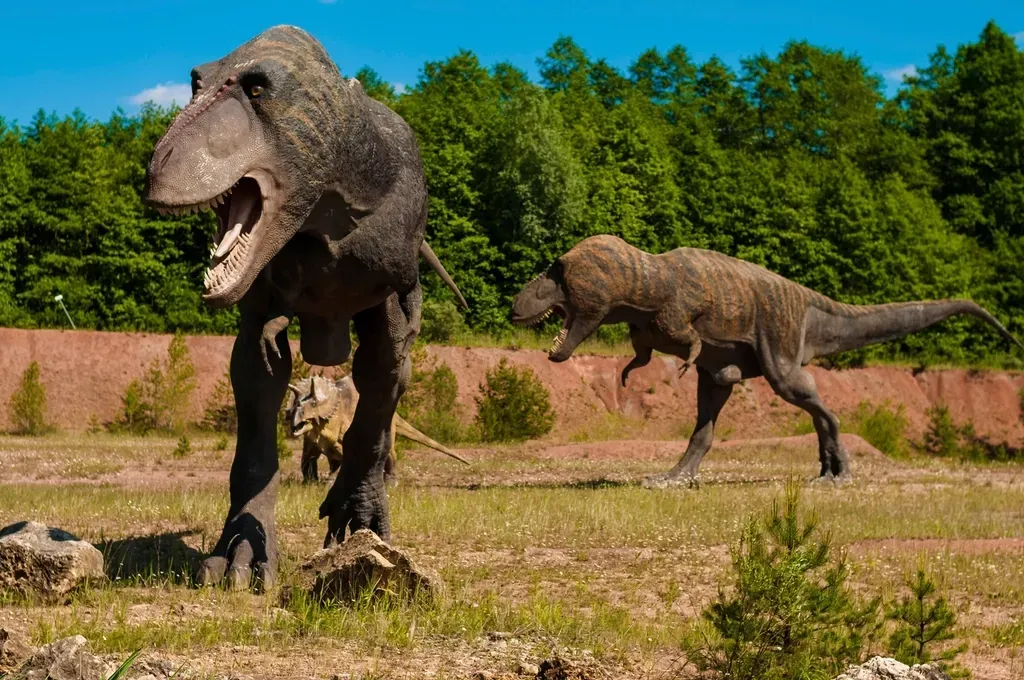
Fiery, competitive, and allergic to waiting, Aries is pure Tyrannosaurus rex energy. T. rex was a late Cretaceous apex predator in what is now North America, with an enormous skull, bone-crushing bite, and a build that says: I don’t wait for opportunities, I make them. Like an Aries in a heated argument, T. rex probably relied on burst attacks, short but explosive chases, and overwhelming force rather than subtle plotting. The fossils show thick, heavily healed bones, hinting at rough lives filled with fights, injuries, and remarkable recovery – very on brand for a sign that tends to barrel forward and deal with consequences later.
Would an Aries-T. rex survive the Cretaceous? For a while, absolutely. This combo thrives in chaos, adapts fast, and refuses to back down from a challenge, which fits life at the top of a food chain that is constantly shifting. But when the asteroid-level catastrophe hits at the end of the Cretaceous, raw courage and aggression are not enough. Large-bodied apex predators were especially vulnerable to food chain collapse. So yes, Aries would dominate their era – but go down swinging when the sky falls, a dramatic exit that kind of fits their flair for intensity.
Taurus – The Unbothered Tank: Ankylosaurus
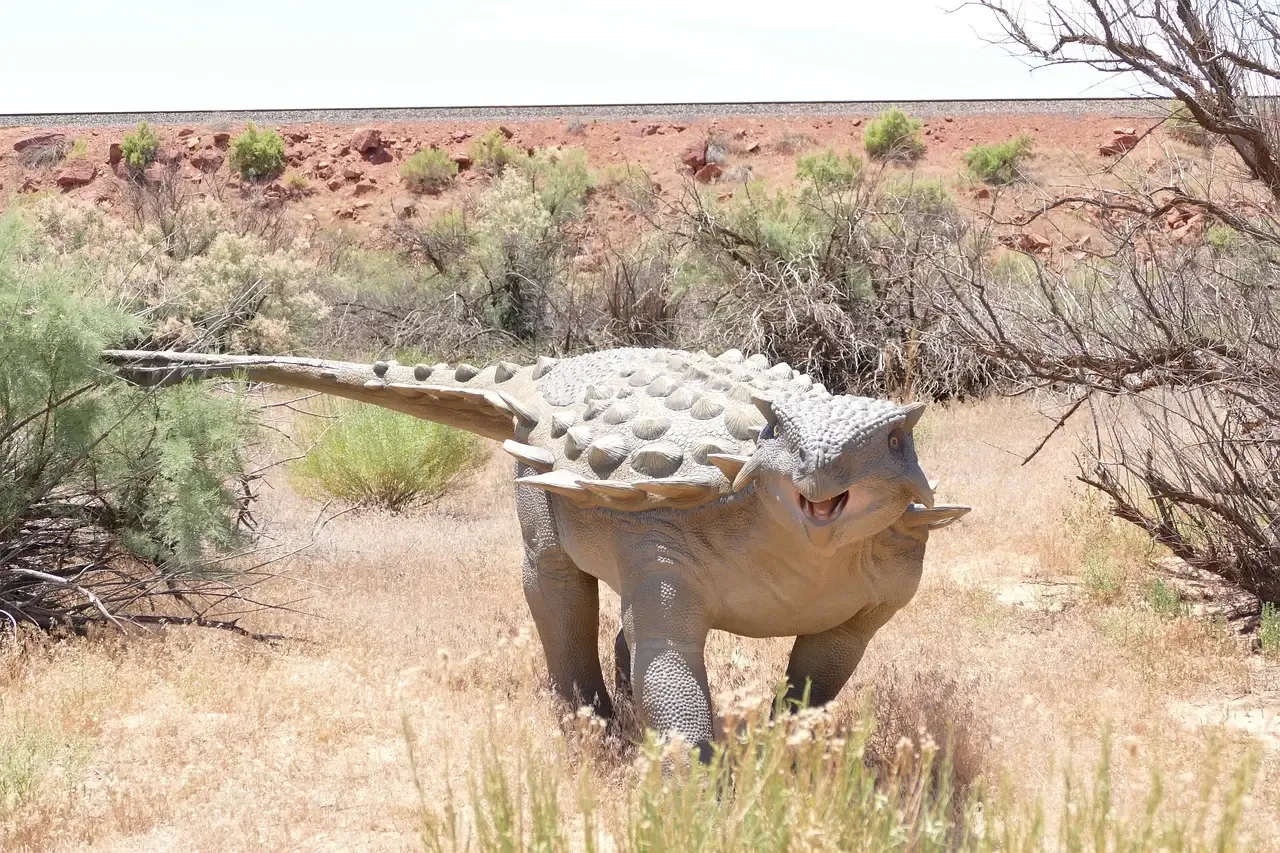
Taurus loves comfort, stability, and a good boundary, and there is no dinosaur more firmly in its do-not-disturb bubble than Ankylosaurus. This heavily armored herbivore moved low to the ground, covered in bony plates and spikes with a massive tail club that could shatter bone. It was not interested in chasing anyone; it just existed like a living tank, focused on steady grazing and smacking anything foolish enough to push it. That quiet, stubborn resilience matches Taurus perfectly: not dramatic, not flashy, but almost impossible to push around.
In terms of Cretaceous survival, a Taurus-Ankylosaurus has a surprisingly strong case. When things get dangerous, Taurus tends to hunker down, conserve energy, and protect what matters. That is exactly the Ankylosaurus strategy – low mobility, high defense, and a lifestyle built around endurance instead of risk-taking. During the mass extinction, its size and specialized diet would still be a problem, but among the larger dinosaurs, this type of slow, defensive creature may have persisted longer than the glamorous apex hunters. If any big dinosaur matches Taurus’s ability to just keep going, it is this armored bruiser.
Gemini – The Quick-Witted Pack Hunter: Velociraptor (with a Reality Check)
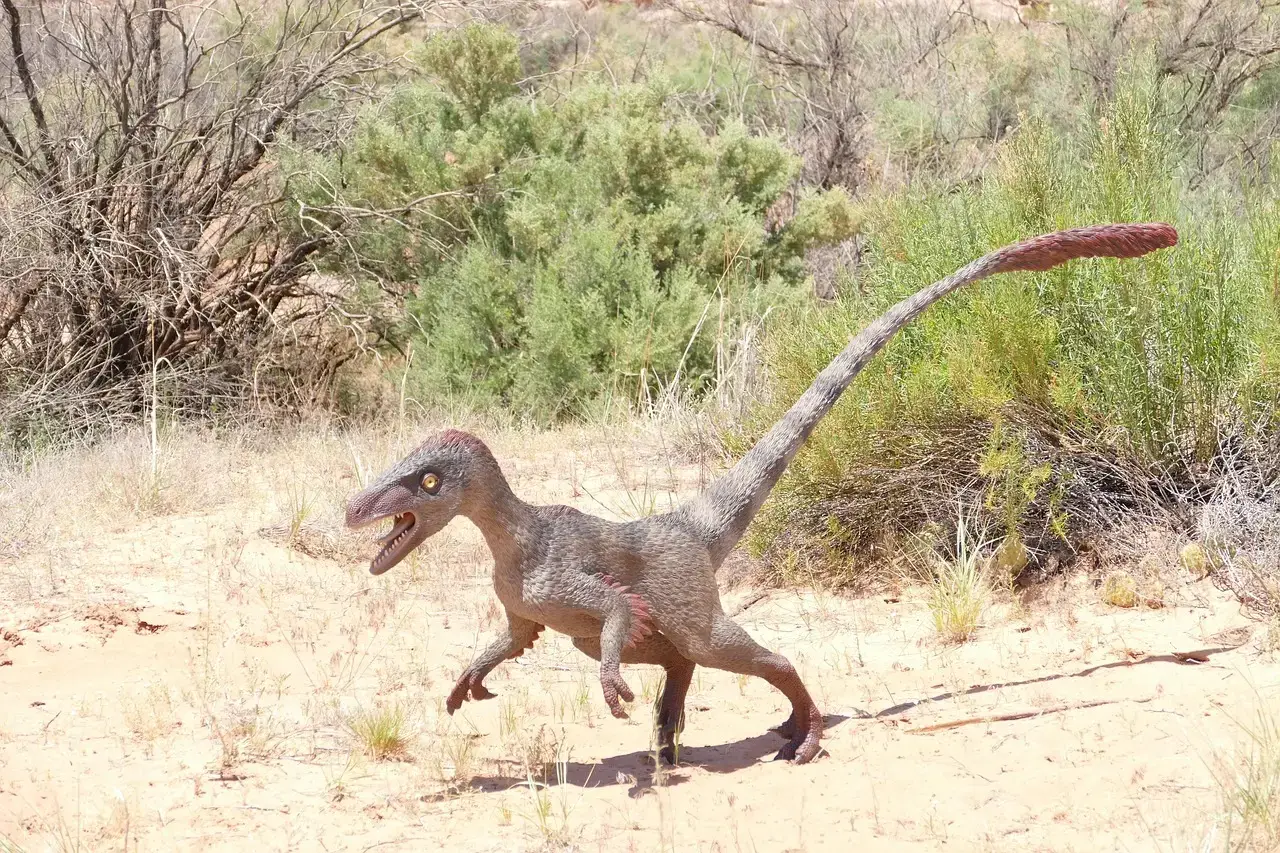
Gemini is curious, alert, and constantly scanning its surroundings, which makes Velociraptor a natural pairing – as long as we drop the movie myth and stick to the real animal. Actual Velociraptor was smaller than the Hollywood version, more like a wolf-sized, feathered predator with a sickle-shaped claw on each foot and a lightweight build. Its body was made for agility over brute strength, with a skull and teeth better suited to slicing than crushing. That nimble, thinking-on-your-feet quality feels very Gemini: quick reactions, fast decisions, and the constant sense that the mind is three steps ahead.
Would a Gemini-Velociraptor survive the Cretaceous? There is a decent chance. Smaller predators that could hunt in groups, scavenge when needed, and shift strategies had an edge over giant specialists. Gemini also loves options and improvisation, and a dinosaur that may have relied on cooperation, speed, and cunning would be well placed to exploit whatever opportunities existed in a stressed ecosystem. Ultimately, size and environmental collapse would still be harsh, but if any sign manages to slip into a new niche, adapt, and stretch the rules for survival, it is clever, nervous, endlessly adaptable Gemini.
Cancer – The Fiercely Protective Giant: Therizinosaurus
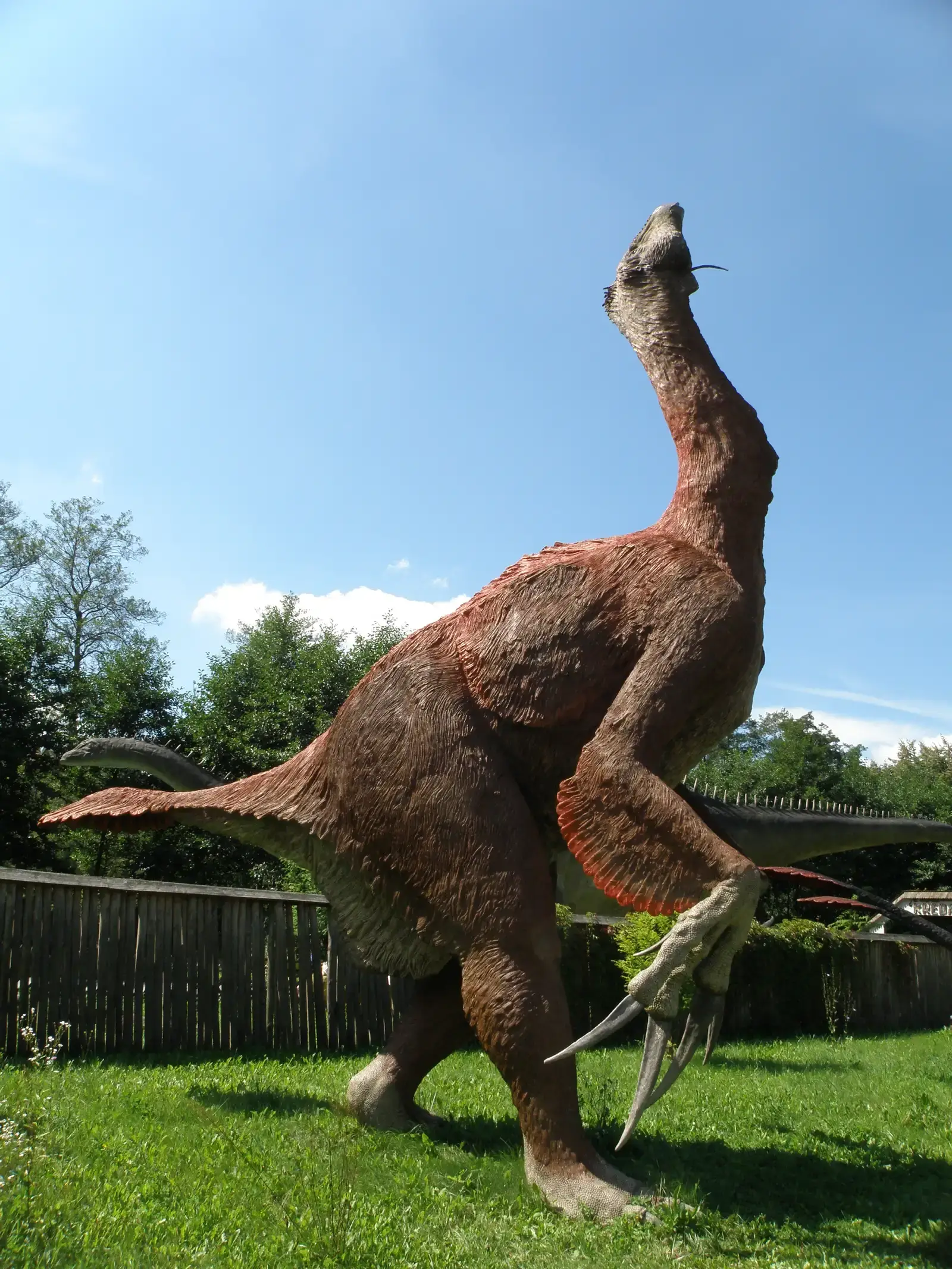
Cancer is often described as soft and sensitive, but in nature, the most nurturing creatures tend to be the ones you really do not want to threaten. Enter Therizinosaurus: a bizarre, late Cretaceous theropod with huge claws, a bulky body, and likely a mostly herbivorous diet despite its fearsome arms. It looked like a cross between a giant bird and a nightmare sloth, probably moving more slowly and deliberately than classic predators. That combination of gentler feeding habits, possible nesting behavior, and serious defensive hardware is extremely Cancer: emotionally deep, oriented toward care, but terrifying if you threaten their home or family.
In a Cretaceous landscape, a Cancer-Therizinosaurus would not survive by being the most aggressive hunter. It would endure by choosing good territory, protecting nesting sites, and using its claws as a last-resort deterrent rather than a daily weapon. During the mass extinction crunch, big-bodied herbivores still face major risks, but Cancer’s instinct to prioritize shelter, safety, and group cohesion could buy precious extra time. This is the sign-dinosaur pairing most likely to live quietly on the margins, avoiding unnecessary fights and focusing on what it can actually control, at least until the environment becomes completely unrecognizable.
Leo – The Dramatic Showstopper: Giganotosaurus
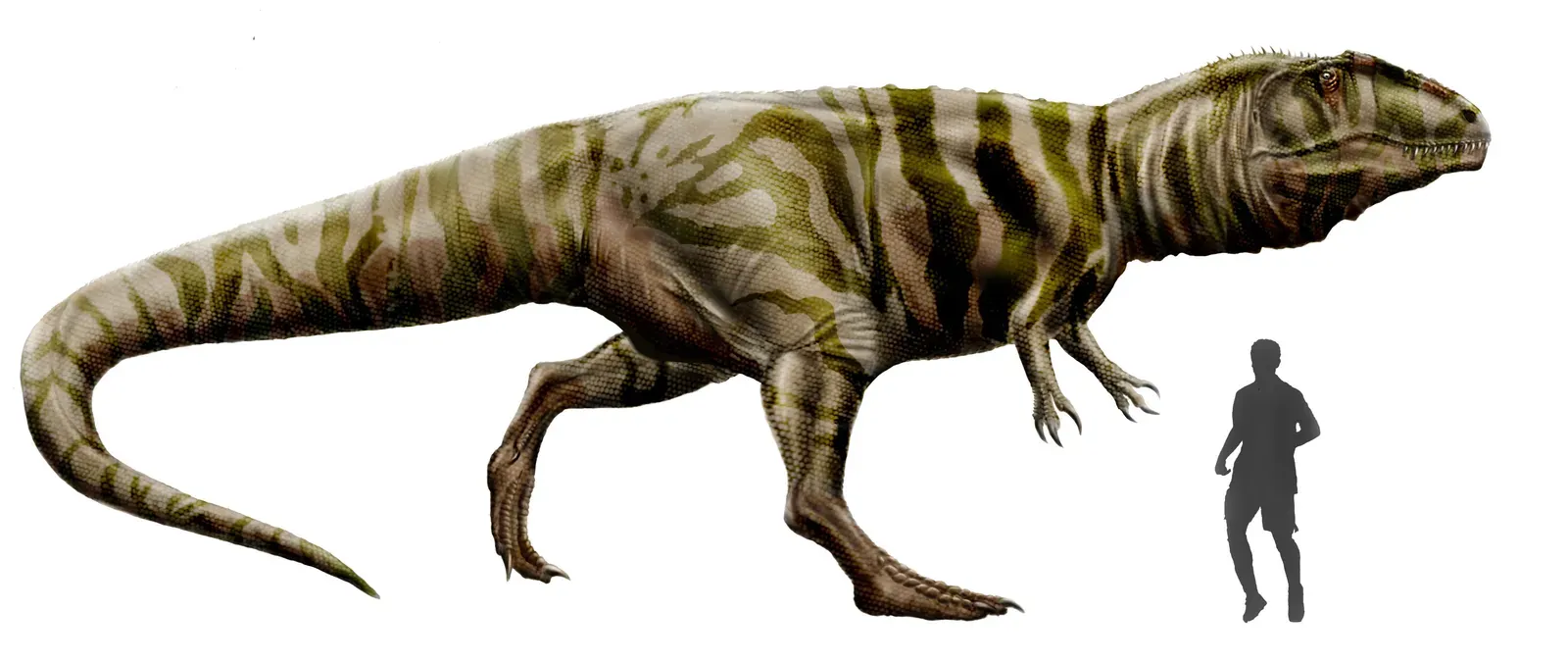
Leo wants scale, drama, and presence, and there are few dinosaurs that fit that bill better than Giganotosaurus, a giant theropod from what is now South America. Roughly comparable in size to or slightly larger than T. rex, it would have been a dominating visual presence in its ecosystem. Long jaws, powerful legs, and a build suggestive of a fast, large predator feel very Leo: not just strong, but impressive. In a world where visibility meant intimidation, this animal would have commanded instant attention, just like a Leo entering a room with the volume turned all the way up.
As for survival, a Leo-Giganotosaurus is a classic case of high status, high risk. Life at the top of the food chain works until the system underneath starts to crumble. Large carnivores require stable populations of big herbivores, and when the climate shifts, vegetation dies back, or prey moves, these regal hunters become extremely vulnerable. Leo’s instinct to dominate and maintain a pride-like territory would work brilliantly in stable times but feel increasingly futile as resources vanish. In the end, this pairing probably burns bright and then vanishes, remembered less for endurance and more for sheer spectacle.
Virgo – The Methodical Stalker: Troodon (or a Similar Small Theropod)
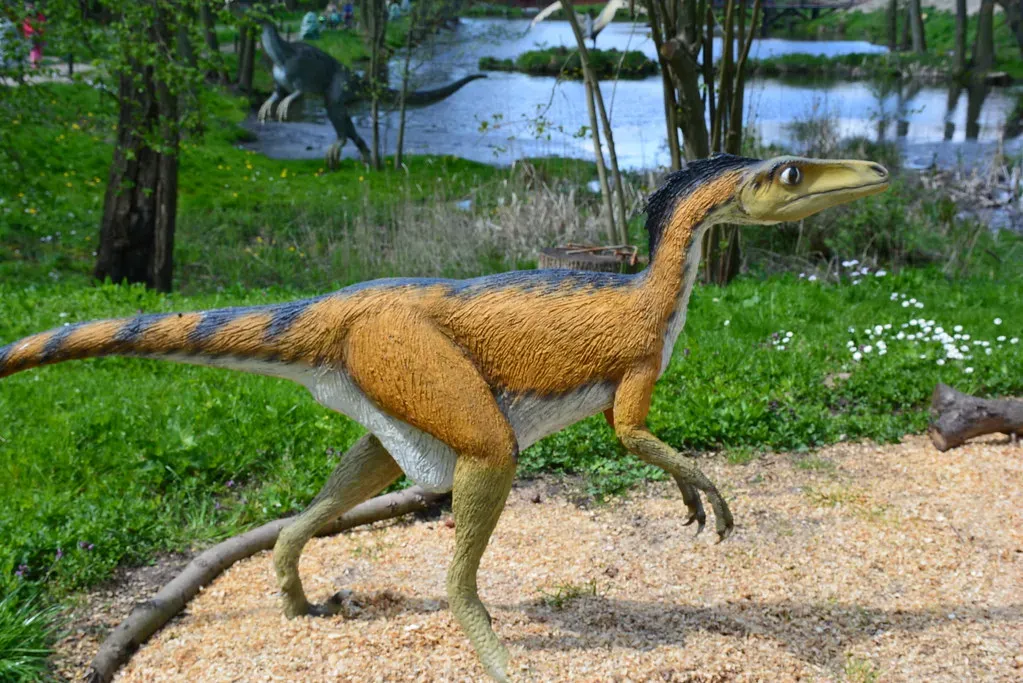
Virgo is analytical, detail-oriented, and quietly observant, so we are pairing it with Troodon or a comparable small, relatively brainy theropod. Fossil evidence suggests Troodon had a larger brain-to-body ratio than many other dinosaurs, keen senses, and a build suited to nimble, possibly nocturnal hunting. Imagine a predator that notices every movement in the underbrush and carefully tests opportunities instead of charging blindly. That meticulous, almost overthinking energy is deeply Virgo: constantly scanning for information, making quiet adjustments, and surviving through awareness and precision.
In a collapsing Cretaceous ecosystem, a Virgo-Troodon has one of the better shots at survival, at least for a while. Smaller body size means lower energy needs, a flexible diet is likely, and a cautious temperament would limit unnecessary risks. Virgo’s tendency to optimize and adapt routines fits with an animal that could shift from active hunting to scavenging or insect-catching depending on what the environment allowed. Even if it ultimately succumbs to the same global pressures as larger species, this is the sign-dinosaur pairing that probably lasts longer than most, quietly persisting in the margins until conditions become too harsh even for the careful and clever.
Libra – The Graceful Coastal Hunter: Pteranodon
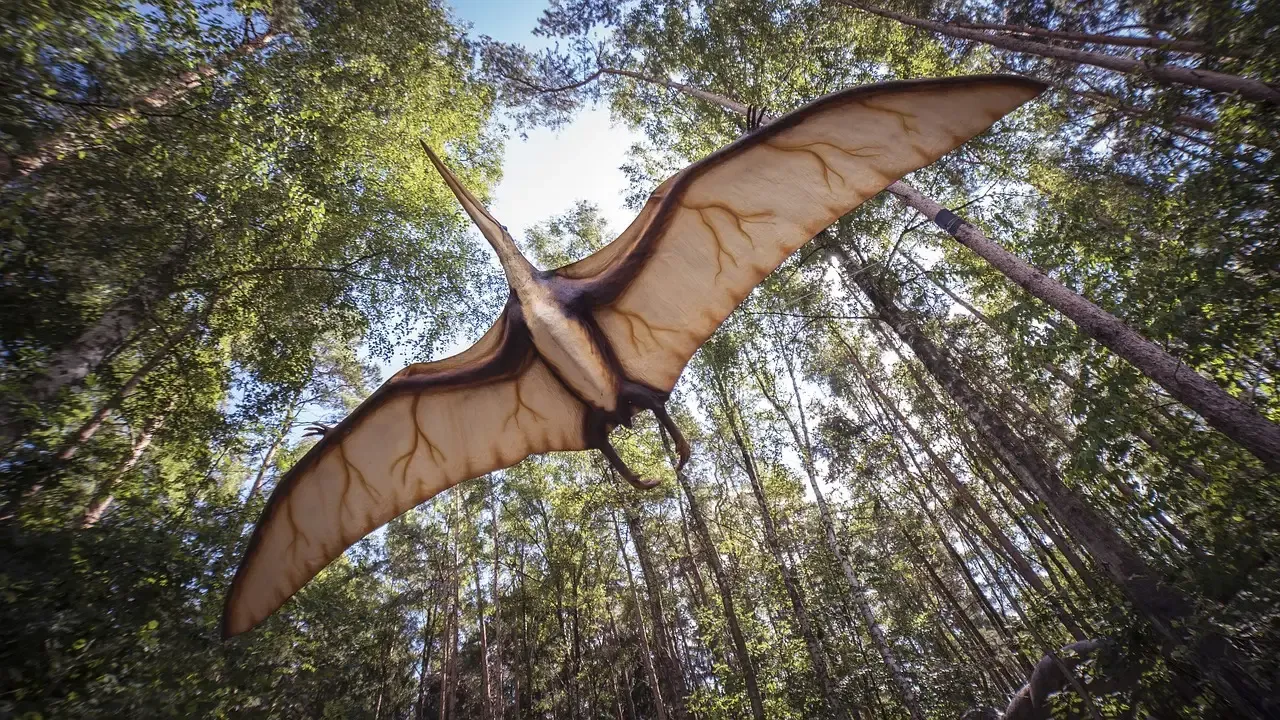
Libra craves balance, aesthetics, and harmony, and in the Cretaceous, that feels like life lived along coastlines and open skies. Pteranodon, a large pterosaur with an elegant crest and vast wingspan, is an almost poetic match. It likely spent much of its time gliding over shallow seas, diving for fish, and riding thermal currents with minimal effort. That sense of weightless grace and reliance on finely tuned environmental conditions resonates with Libra’s love of equilibrium and beauty. This is not a bruiser; it is an artist of the air, thriving when the winds and waters are just right.
From a survival standpoint, a Libra-Pteranodon is both advantaged and extremely vulnerable. The ability to travel long distances over water and exploit marine food sources is a huge plus in unstable times. However, reliance on stable coastlines, predictable climate patterns, and abundant fish becomes a massive liability when global weather patterns swing violently. Libras tend to avoid extreme conflict and prefer mediation, and in a world where the actual problem is the sky darkening and ecosystems crashing, there is nothing to negotiate with. This pairing may do well up until the environmental scale tips too far, and then it faces a rapid, unforgiving decline.
Scorpio – The Relentless Deep Predator: Mosasaurus
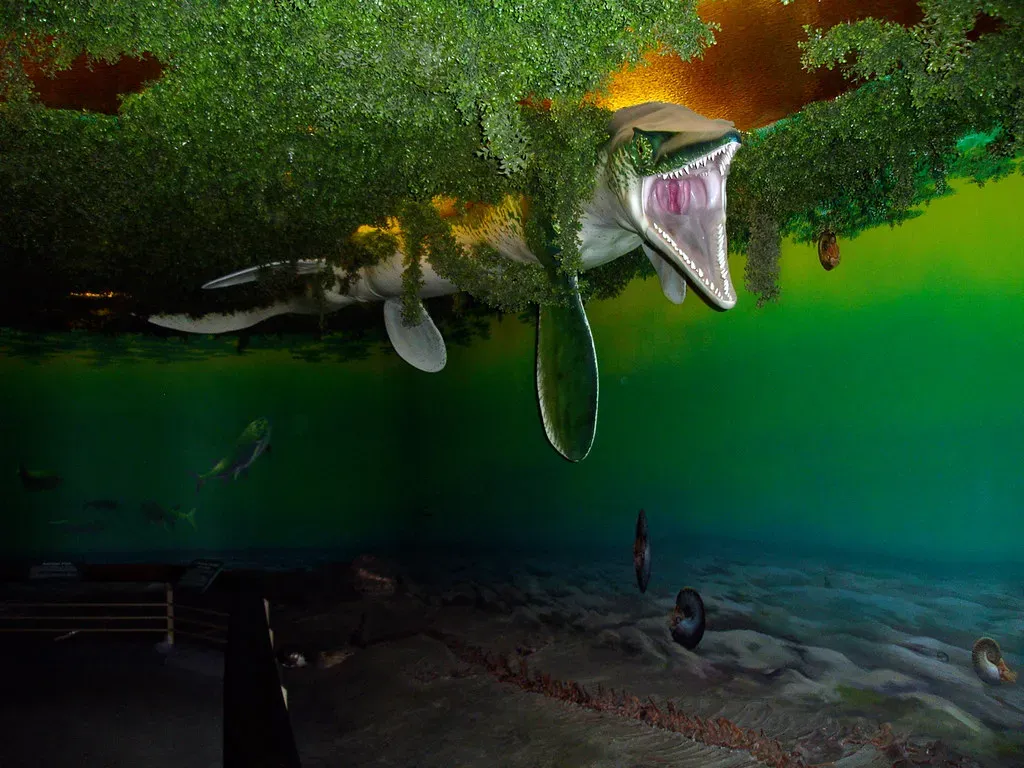
Scorpio energy is intense, secretive, and drawn to the deep end of everything, so we are taking it underwater with Mosasaurus, a gigantic marine reptile that dominated Cretaceous seas. Think enormous, streamlined body, powerful tail, and jaws loaded with conical teeth designed to seize and crush prey, including other marine reptiles. This creature is not about surface drama; it is about silent approach and total commitment once the attack begins. That is classic Scorpio: mysterious, patient, and absolutely all-in when the moment calls for it, with a presence that can feel both magnetic and terrifying.
Would a Scorpio-Mosasaurus survive the Cretaceous catastrophe? In some ways, marine life had a slightly different experience of the extinction event, but large top predators in the ocean were hammered as marine food webs unraveled. Scorpio’s emotional toughness and willingness to face darkness head-on fit the psychological profile of a survivor, but biology still sets hard limits. As plankton declined and fish populations crashed, enormous marine reptiles like Mosasaurus became increasingly unsustainable. In a strange way, this pairing is a lesson in Scorpio’s biggest truth: you can outlast many storms through intensity and resilience, but you cannot bargain with a broken system forever.
Sagittarius – The Restless Runner: Gallimimus
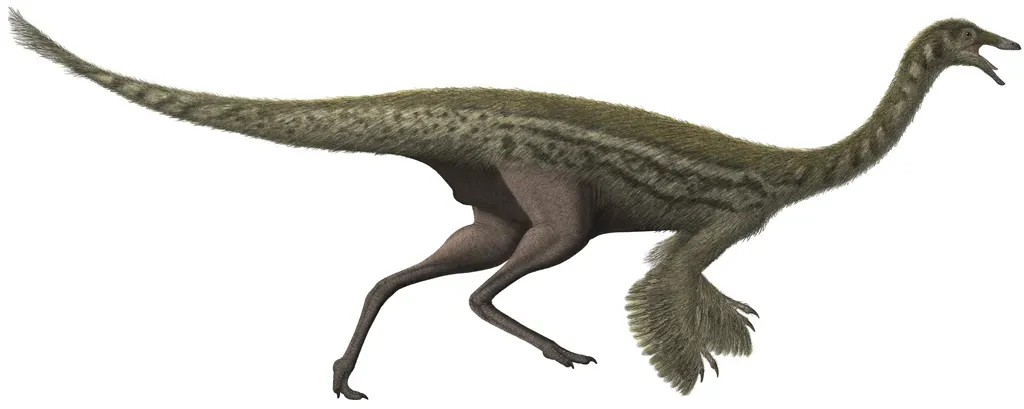
Sagittarius is all about movement, exploration, and open horizons, and Gallimimus is that vibe on two legs. This ostrich-like dinosaur from the late Cretaceous was built for speed, with long legs, a lightweight frame, and a likely omnivorous diet that gave it plenty of flexibility. Imagine it sprinting across floodplains, dodging larger predators, and constantly seeking new feeding grounds. That roaming, opportunistic style aligns beautifully with Sagittarius: always chasing the next open space, the next chance, the next horizon, rarely staying in one place long enough to stagnate.
In an extinction scenario, a Sagittarius-Gallimimus has a real, if limited, survival edge. Speed lets it escape local threats, and a varied diet widens its options. Sagittarius also tends to be optimistic and willing to move on rather than cling to a dying situation, which maps nicely onto a dinosaur that will simply run until it finds a better patch of land. Still, mass extinction does not care how fast you are; when resources vanish across entire continents, there is nowhere left to outrun the crisis. But if any sign-dinosaur pairing embodies the idea of making the absolute most of whatever time and terrain it has, it is this restless runner.
Capricorn – The Rugged Survivor: Pachycephalosaurus
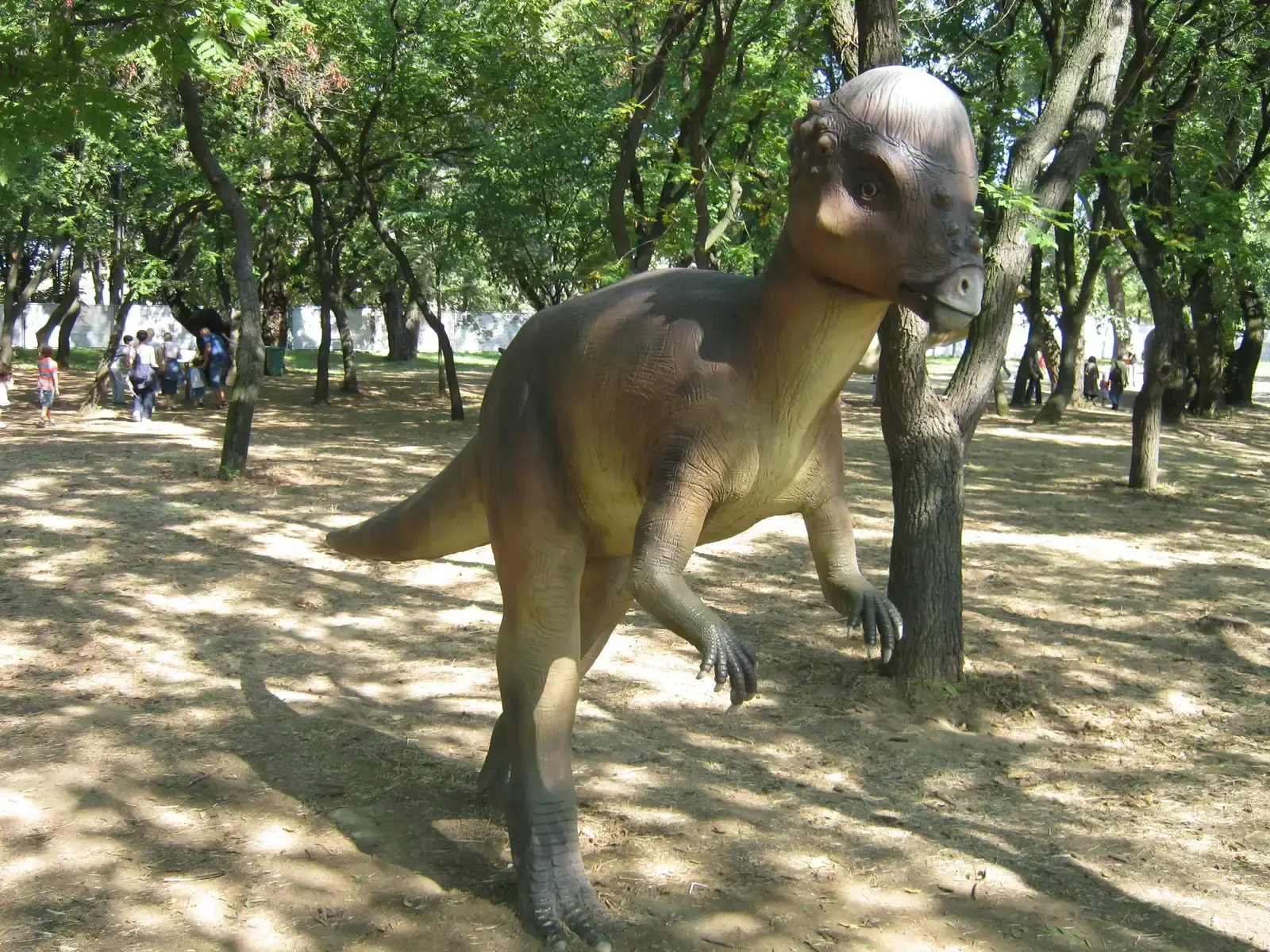
Capricorn is disciplined, tough, and surprisingly comfortable with hardship, so we are pairing it with Pachycephalosaurus, the dome-headed dinosaur famous for its thick skull roof. Whether it used that bony dome for head-butting rivals, display, or something more nuanced, the message is the same: this is a creature built to withstand impact. It likely occupied more marginal habitats and relied on persistence rather than brute size to get by. That stoic, rugged energy is extremely Capricorn: not flashy, not the loudest, but often the last one still standing when easier-going types have given up.
As the Cretaceous drew to a close, a Capricorn-Pachycephalosaurus would likely endure longer than many larger, more specialized species. Capricorns are naturally inclined to accept reality, adjust expectations, and grind through difficult conditions, which fits a dinosaur that probably coped with tough terrain and patchy vegetation. Smaller to medium body size, possible ability to browse a range of plant types, and a defensive head structure all point to a creature well suited to scraping by. It might not triumph in a heroic, cinematic way, but it represents the harsh truth of survival: the ones who make it furthest are often just the ones who can take hit after hit and still keep moving.
Aquarius – The Oddball Innovator: Spinosaurus
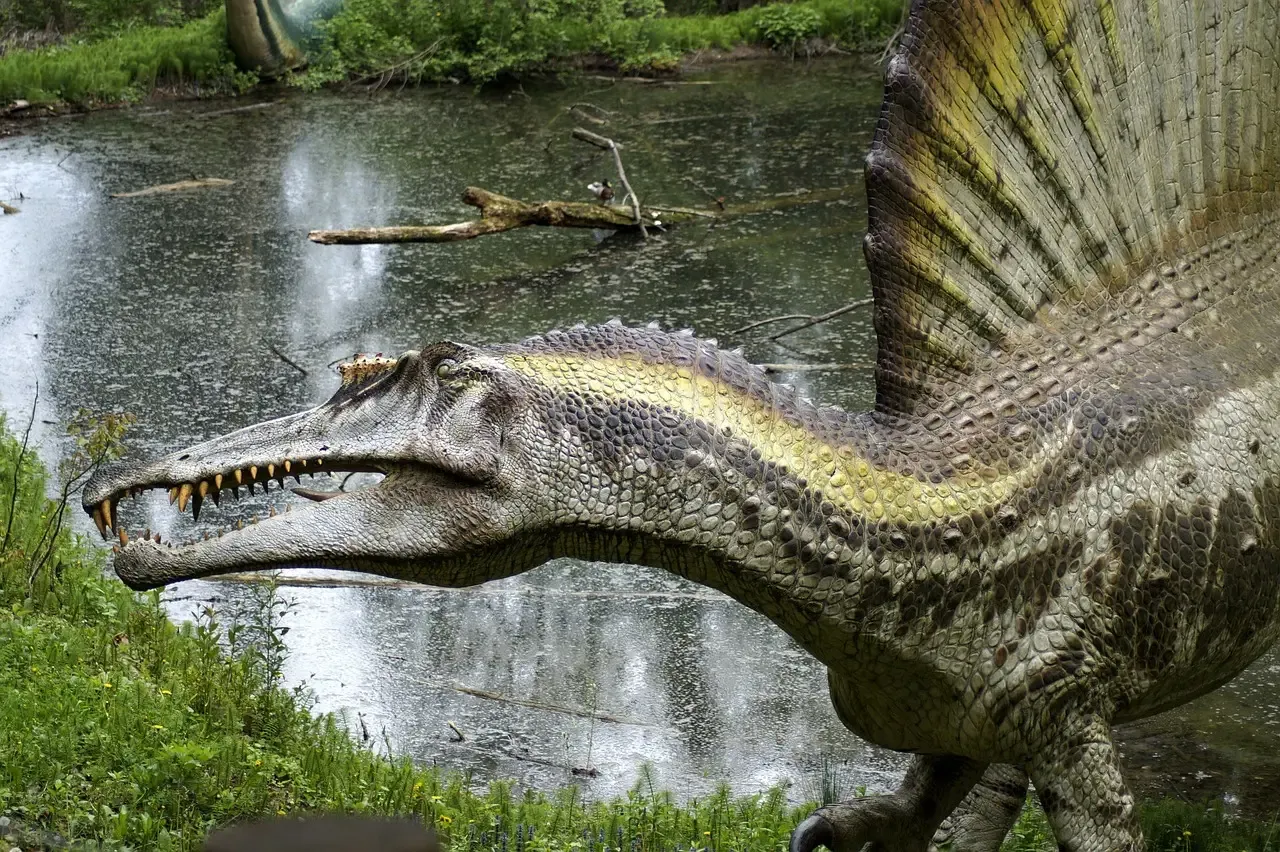
Aquarius is eccentric, experimental, and often way ahead of its time, which makes Spinosaurus a fascinating match. This massive theropod had a crocodile-like snout, possibly semi-aquatic habits, and that iconic sail along its back. It did not quite fit the classic land-predator mold, and recent research suggests it may have spent a lot of time in or near water, hunting fish and moving differently from the standard big theropods. That break from tradition is pure Aquarius: unapologetically weird, likely misunderstood, but operating on its own logic and niche.
From a survival perspective, an Aquarius-Spinosaurus gains points for innovation but loses some for extreme specialization. Aquarius loves experimenting with novel strategies, and a dinosaur that commits to an unusual semi-aquatic lifestyle is basically living that principle. As long as rivers, lakes, and coastal wetlands are thriving, this is a power move. But when global climates shift rapidly and habitats become unstable, highly specialized organisms often struggle to adapt. Aquarius’s idealistic belief in new systems might clash hard with the reality that you cannot pivot quickly when your whole body is built for a very specific environment.
Pisces – The Dreamy Drifter: Ichthyosaurus (with a Time-Bend) or a Cretaceous Marine Fish-Eater
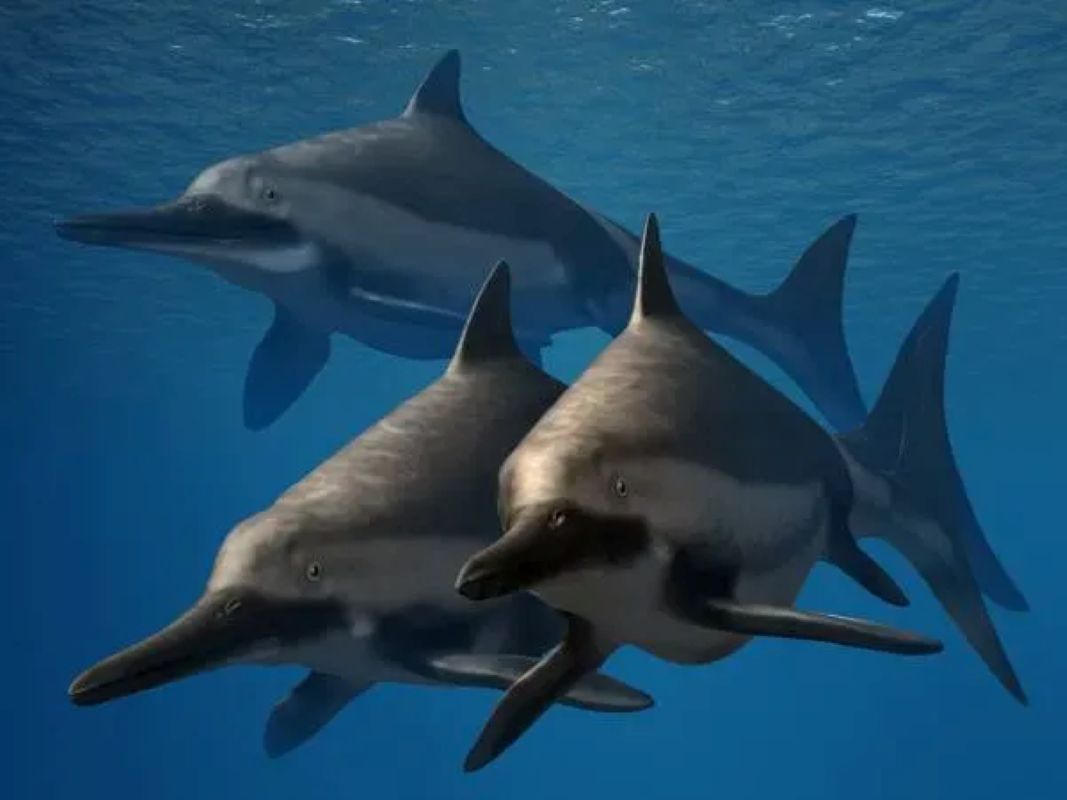
Pisces is intuitive, emotional, and deeply connected to water, so we are nudging the timeline a bit and pairing it spiritually with Ichthyosaurus and, more broadly, Cretaceous marine fish-eating reptiles and large predatory fish. Imagine sleek, dolphin-like bodies moving through ancient seas, guided more by currents and instinct than rigid structure. Pisces energy is all about flow, surrender, and sensitivity to subtle changes. A marine predator attuned to shifting schools of fish, temperature gradients, and the moods of the ocean feels like a direct reflection of that inner landscape, even if the exact genus varies by period.
In the final stages of the Cretaceous, a Pisces-style marine predator would feel the coming disaster long before it fully hits, at least metaphorically. As ocean chemistry shifts and food chains begin to fray, highly sensitive creatures are the first to pick up that something is wrong, but not necessarily the best equipped to fix it. Pisces tends to adapt by dissolving, merging, or withdrawing, which, in this context, might look like migrating long distances or retreating to deeper waters. Still, when the collapse reaches global scale, there is no safe harbor left. This pairing captures the bittersweet Pisces theme: sensing the end, moving with the tide as long as possible, and then disappearing quietly into the larger story of the planet.
Conclusion – Who Actually Survives When the Sky Falls?

When you line up the zodiac with Cretaceous predators, a pattern emerges that has less to do with who is the toughest and more to do with who is the most adaptable, small, and flexible. The dramatic apex hunters that match Aries and Leo energy rule their worlds until the rules change; then they vanish quickly. The oddballs like Aquarius-Spinosaurus thrive in specialized niches that collapse under global shock. Meanwhile, Virgo’s careful small hunter, Sagittarius’s fast omnivore, and Capricorn’s rugged marginal browser quietly rack up survival points simply by needing less and being willing to live with less. In a way, that is the most unsettling lesson: in a true crisis, glamour and dominance become almost meaningless.
Astrology and paleontology are not actually talking to each other, of course, but playing with their overlap highlights something very human: we love to imagine how our personalities would play out in extreme worlds. Whether you see yourself as an armored Taurus tank, a soaring Libra glide-master, or a deep-diving Scorpio menace, the Cretaceous backdrop throws your core traits into sharp relief. In the end, the question is not just which predator you would have been, but whether your style today is built more like an overconfident giant or a quiet, resilient survivor. If the sky metaphorically fell tomorrow, would you be the roar everyone remembers, or the small, stubborn heartbeat that somehow keeps going – and which would you rather be?