Most people assume fossils are frozen facts – dig them up, dust them off, and the story writes itself. But that’s not how paleontology actually works. Behind almost every dinosaur exhibit and textbook diagram sits a belief that scientists have quietly walked back, sometimes reversing a “settled fact” that stood for over a century.
From cold-blooded lizards to lifeless stone, the fossil record keeps rewriting itself as new tools and fresh eyes reveal what earlier researchers simply couldn’t see. Some of these reversals took decades of stubborn resistance. One of them, waiting at the very end of this list, broke a rule scientists thought was practically unbreakable.
#14 – Dinosaurs Were Slow, Cold-Blooded Lizards
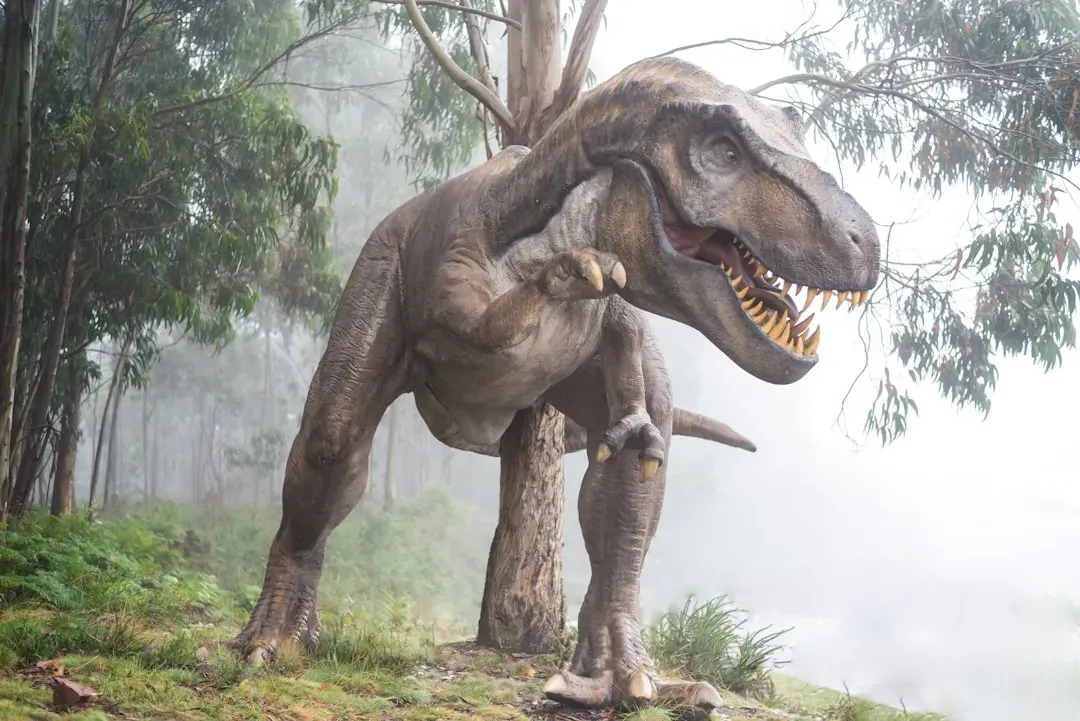
For most of the 20th century, dinosaurs were textbook examples of sluggish, reptilian failures, animals too metabolically primitive to do much more than bask and plod.
That picture began cracking in the 1960s. From that decade onward, scientists began to reassess this view, and dinosaurs are now universally considered to have been highly active animals, which has been used as evidence they were warm-blooded. The debate didn’t end there, though. A landmark 2014 study concluded dinosaurs weren’t cold-blooded as previously believed, but weren’t fully warm-blooded like mammals either – instead, they occupied a mesothermic middle ground. The most surprising twist: a 2022 bone-chemistry study using breathing-rate clues in fossilized bones pushed the pendulum again. Researchers now say they finally have a consensus that most dinosaurs were warm-blooded after all. Turns out temperature wasn’t the only thing textbooks got wrong about how dinosaurs actually looked.
#13 – All Dinosaurs Wore Scales Like Giant Lizards
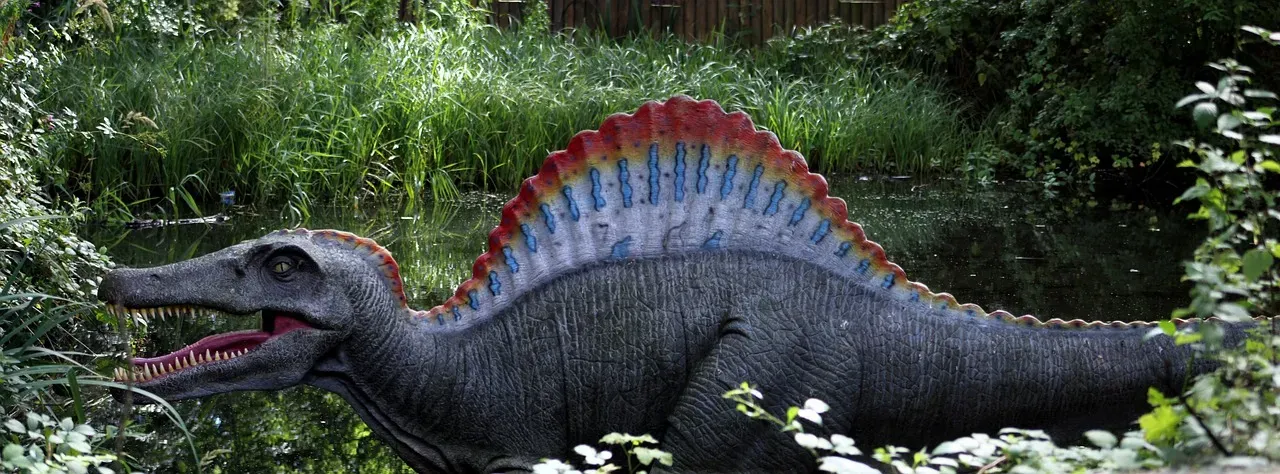
Every kid’s dinosaur book from the 1980s drew the same leathery, scaly monster. Turns out that image was mostly fiction.
Fossils from Siberia broadened the list of dinosaur families known to sport feathers – downy, ribboned, and thin varieties – suggesting plumes evolved from the scales of earlier reptiles, probably as insulation. Even more startling, a 99-million-year-old dinosaur tail was found preserved in amber, and scientists discovered that the tail, remarkably, was covered in feathers. Paleontologist Ryan McKellar summed up the shift bluntly, noting that “a scaly velociraptor seem[s] less and less likely” the more feathered fossils turn up. Recent skin studies even show some feathered dinosaurs kept scaly patches too – bird-like skin developed only in feathered regions while the rest stayed reptile-like, preserving protection against abrasion and dehydration. Most museums still lean on the old scaly look, but feathers weren’t the only 20th-century image due for a total makeover.
Fast Facts
- Many of the most famous feathered dinosaur fossils come from Liaoning Province, China, a region nicknamed the Jehol Biota for its exceptional preservation.
- The amber-preserved feathered tail was identified from a specimen originally sold at a Myanmar amber market.
- Sinosauropteryx, described in 1996, was among the first non-avian dinosaurs confirmed to have feather-like filaments.
- Some feather fossils preserve microscopic pigment structures called melanosomes, letting scientists reconstruct original coloring.
#12 – Neanderthals Were Dumb, Club-Wielding Brutes
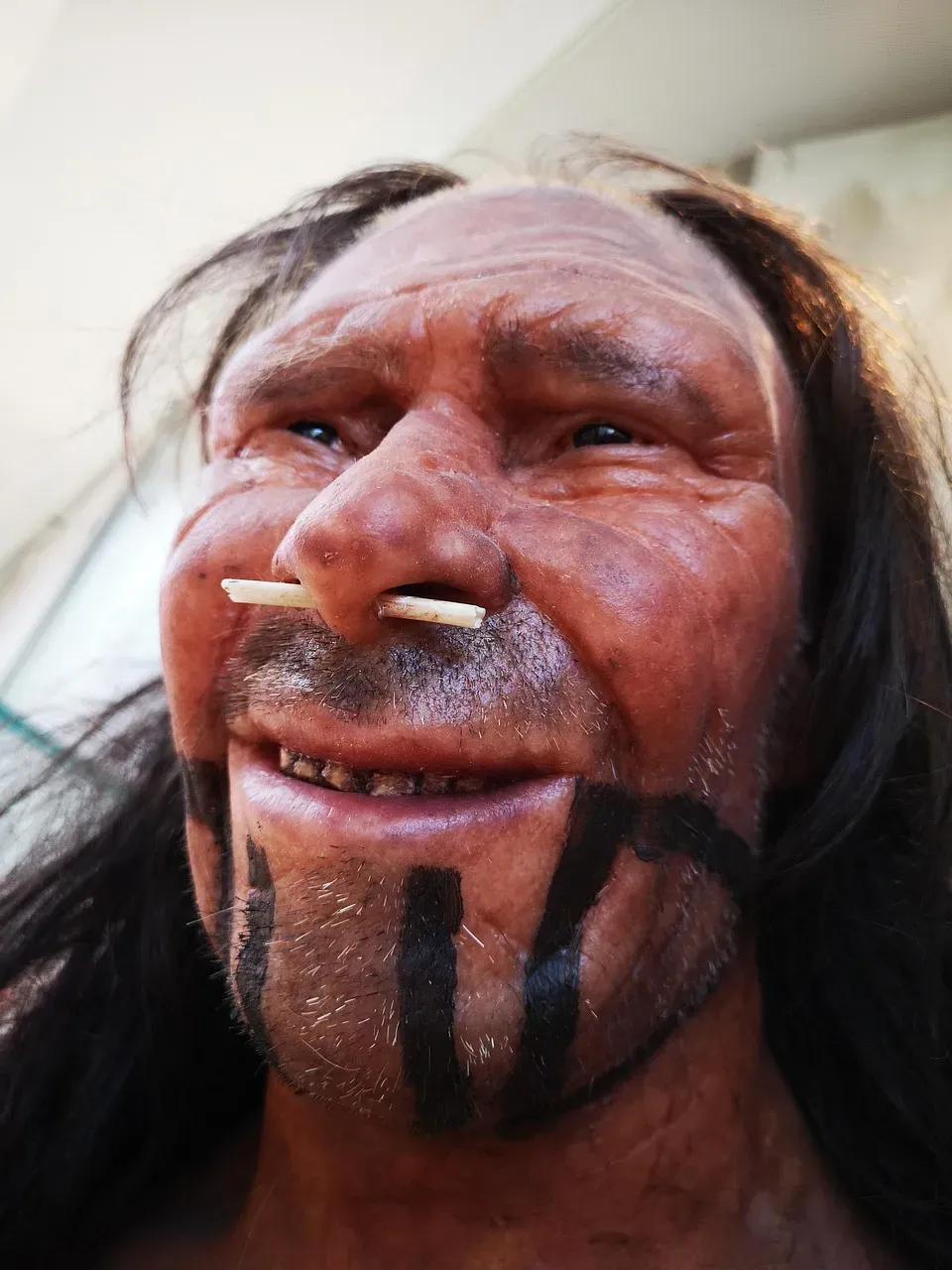
The “caveman” stereotype – hunched, grunting, incapable of thought – was baked into science for over a century. It was also almost entirely wrong.
The unintelligent-brute depiction traces back to outdated science: when the first Neanderthal skull surfaced in Germany’s Neander Valley in 1864, researchers leaned on phrenology, a now-discredited pseudoscience linking skull shape to intelligence. Things got worse in 1908. A nearly complete skeleton found at La Chapelle-aux-Saints belonged to an arthritic, elderly male missing teeth and showing muscle atrophy, yet French anthropologist Marcellin Boule’s reconstruction painted the whole species as hunched and incapable of complex thought. That single flawed skeleton shaped public opinion for decades. Today the evidence points the other way entirely – archaeologists have found signs of artistic expression and a sophisticated “fat factory,” and researchers now say Neanderthals made art, buried their dead, engineered advanced tools, and carried genes for language. One flawed skeleton wasn’t the only fossil myth built on a shaky foundation.
#11 – The First True Bird Proved How Modern Beaks Evolved
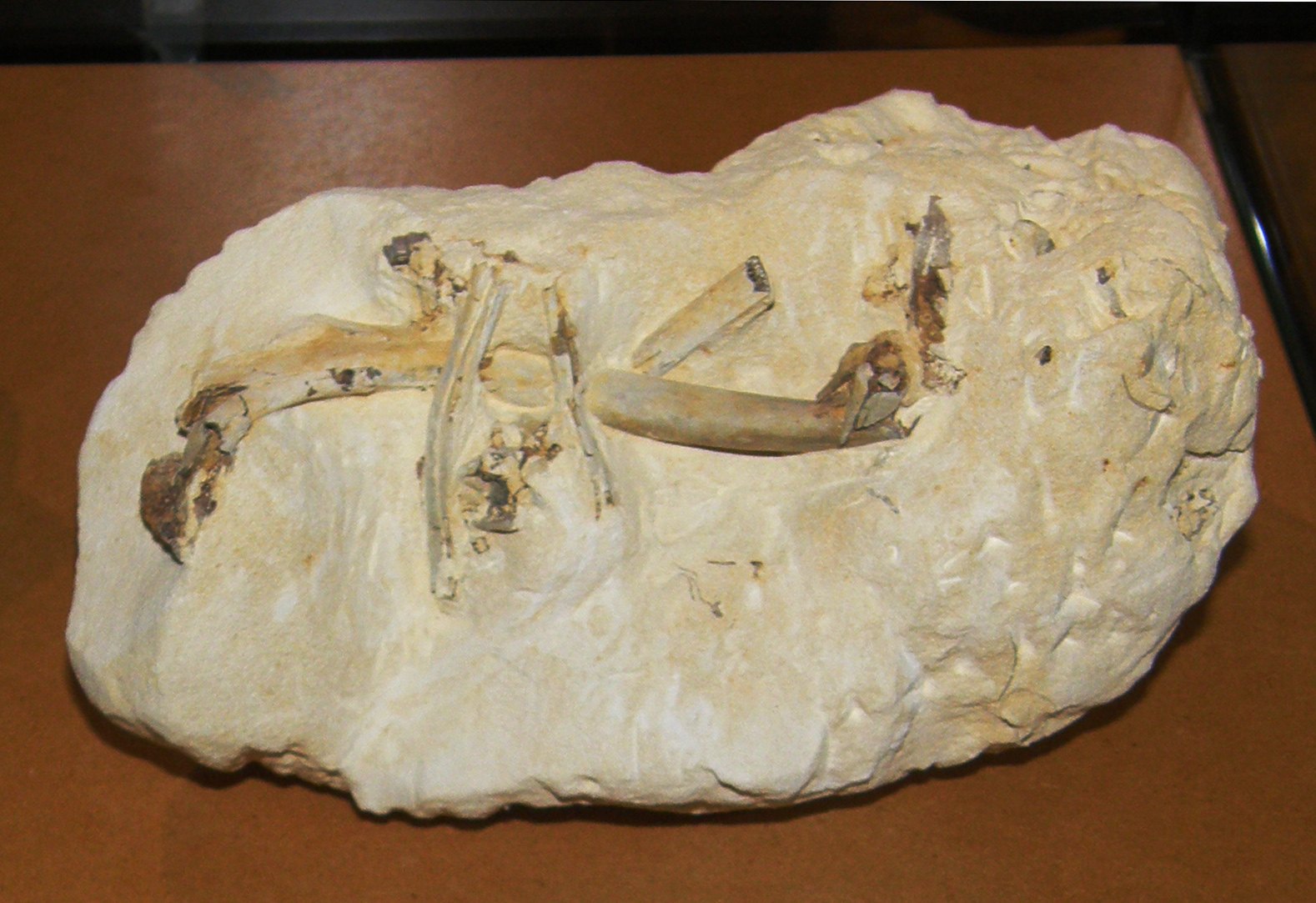
For over a century, one assumption about bird evolution went completely unchallenged: that the mobile, flexible beak of modern birds evolved only after the dinosaur-killing asteroid wiped the slate clean.
A grapefruit-sized rock changed everything. Fossilized fragments hidden inside it helped upend one of the longest-standing assumptions about the origins of modern birds, revealing that a mobile beak – a feature found in 99% of modern birds – actually evolved before the mass extinction 66 million years ago. The fossil, named Janavis, had been sitting in storage for two decades before anyone noticed. Lead researcher Dr. Daniel Field explained why the old assumption survived so long: “This assumption has been taken as a given ever since,” he said, adding that the main reason it lasted is that scientists lacked well-preserved fossil bird palates from that critical period. Even stranger, the finding suggests ostrich-like birds evolved “backwards.”
Evolution doesn’t happen in a straight line.
Dr. Daniel Field
That backwards evolution wasn’t the only pose science got embarrassingly wrong.
#10 – Dinosaurs Dragged Their Tails Like Overgrown Lizards
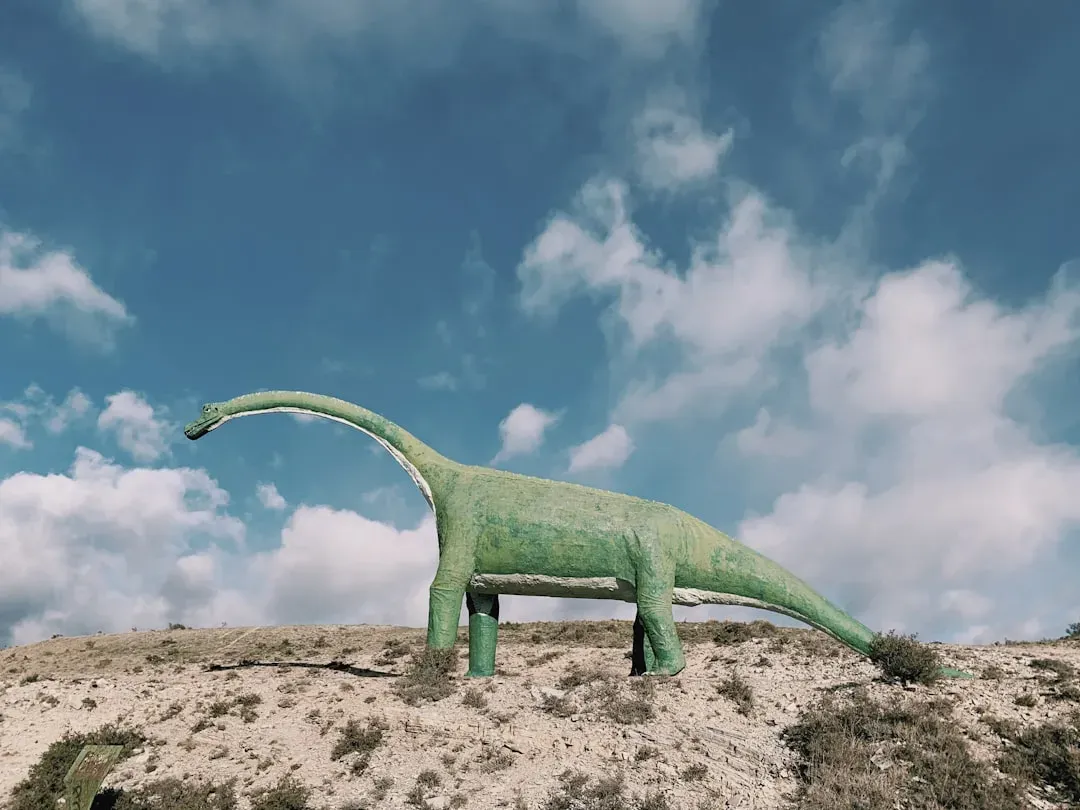
Every classic dinosaur illustration from the mid-1900s shows the same pose: a hulking beast trudging along with its tail scraping through the dirt behind it like a giant, useless rope.
That image was built on assumption, not evidence. When paleontologists actually studied dinosaur trackways in detail, they noticed something odd – thousands of preserved footprints, and almost none of them show a matching drag mark. That absence turned out to be the whole story. Biomechanical analysis of tail vertebrae later confirmed that most dinosaurs held their tails rigidly aloft, using them as dynamic counterbalances for their heads and torsos while walking or running. The tail wasn’t dead weight; it was an active stabilizer, and in predators like theropods it likely helped power fast turns during a chase. Museum mounts changed almost overnight once this caught on – you’ll notice modern skeletons now stand tail-up, spine roughly horizontal, nothing like the tripod pose of old dioramas. Tails weren’t the only dinosaur detail museums had to quietly redraw.
#9 – Brontosaurus Never Actually Existed
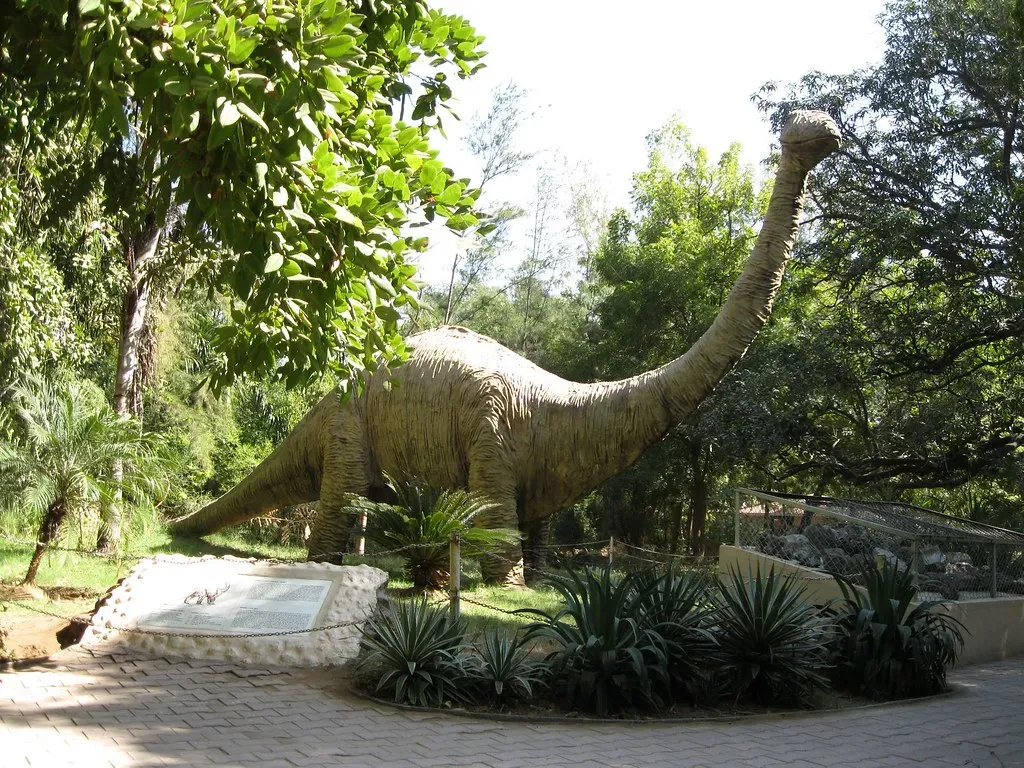
If you grew up loving Brontosaurus, you were taught, at some point, that your favorite dinosaur was a mistake. For decades, that “correction” was treated as settled science.
The saga started in the 1870s, when paleontologist Othniel Marsh named a new long-necked sauropod Brontosaurus, only for later researchers to conclude the skeleton was too similar to a dinosaur he’d already named – Apatosaurus. Under the scientific rule that the first published name wins, Brontosaurus was formally folded into Apatosaurus, and generations of textbooks quietly dropped the name entirely, treating it as a case of 19th-century sloppiness. Here’s the twist almost nobody expects: a detailed 2015 anatomical study re-examined the skeletons bone by bone and argued the differences were substantial enough to justify reviving Brontosaurus as its own genus after all. The debate isn’t fully settled among specialists even now, but it’s a rare case of a “corrected” mistake getting partially un-corrected decades later. And Brontosaurus wasn’t the only dinosaur identity crisis waiting to be uncovered.
#8 – Triceratops and Torosaurus Were Definitely Separate Species
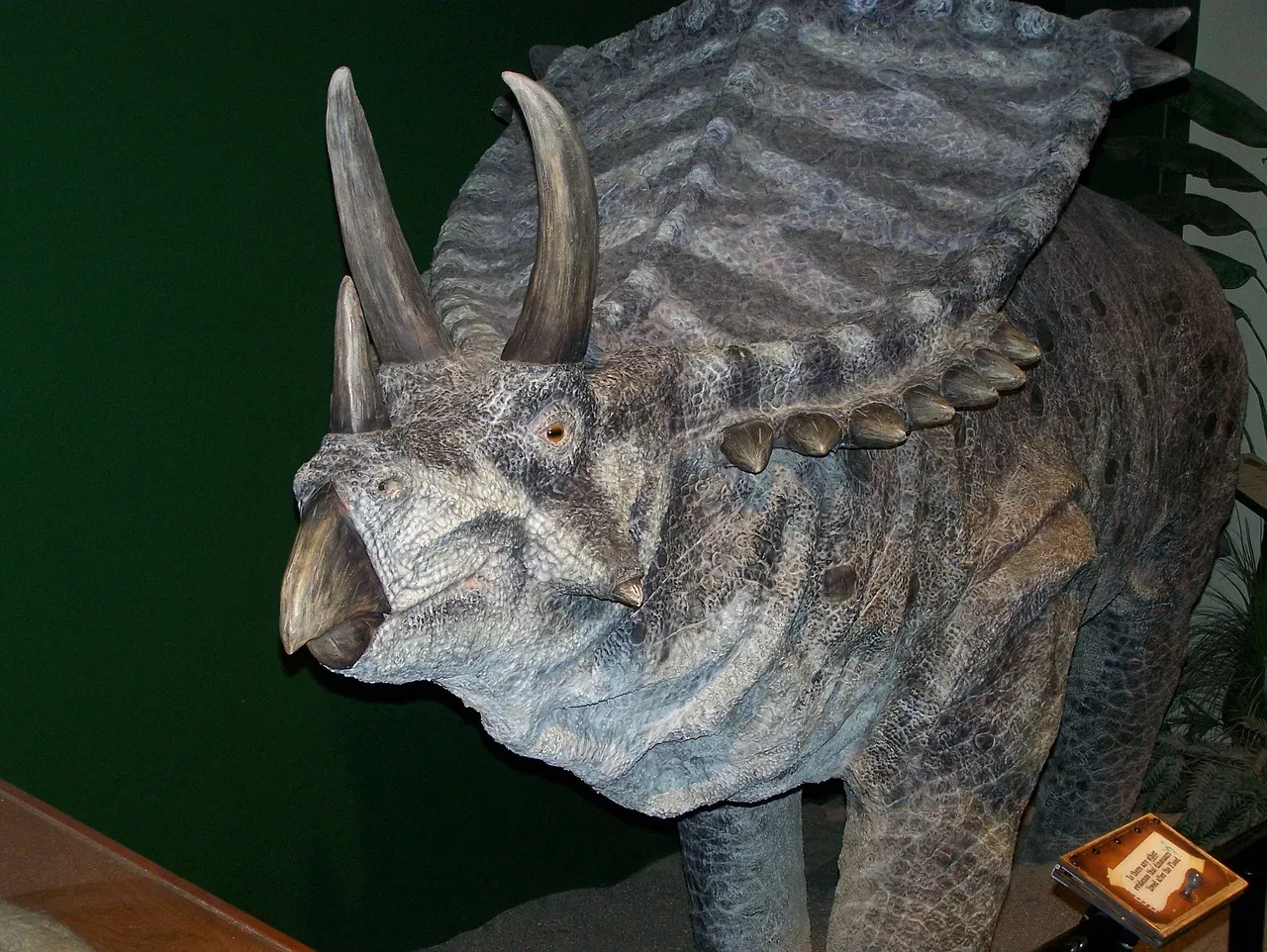
Since the late 1800s, two of the most recognizable horned dinosaurs have sat in separate boxes in every natural history museum on Earth. Recent research has thrown that separation into serious doubt.
Both Triceratops and Torosaurus lived in what is now western North America near the end of the Cretaceous period, with Torosaurus being bigger and sporting a longer frill with openings called fenestrae – and since their discovery in the late 19th century, the two have been placed in different biological categories. That century-old classification is now being challenged. A hypothesis first proposed by paleontologists Jack Horner and John Scannella argues that Torosaurus wasn’t a distinct species at all – it may simply represent the fully mature growth stage of Triceratops, with the frill’s fenestrae opening up as an individual animal aged. If true, it means paleontologists have effectively been double-counting one dinosaur as two for well over a century, based purely on skeletons of different ages. The idea remains genuinely contested among specialists, which only makes it juicier. Dinosaurs weren’t the only ancient creatures living a case of mistaken identity.
Quick Compare
- Triceratops: solid, bony frill with no large window-like openings; shorter overall skull.
- Torosaurus: longer frill featuring prominent fenestrae, or open “windows,” plus one of the largest skulls of any known land animal.
- The disputed link: the fenestrae may simply appear as a Triceratops individual matures into old age, not as a separate species trait.
#7 – Ammonites Just Drifted Passively Through Ancient Seas
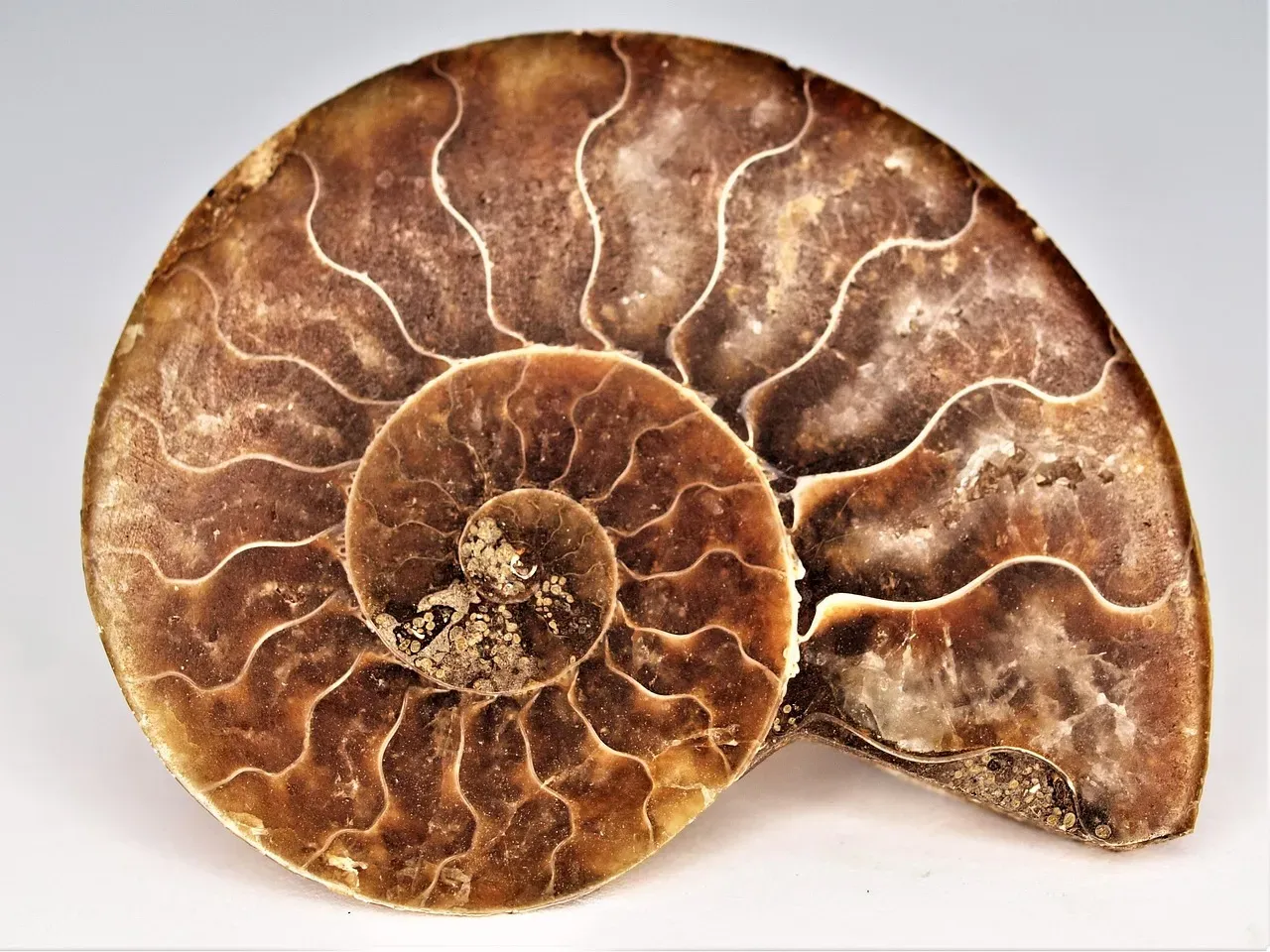
Ammonites get lumped in with lazy, current-riding plankton in most popular science writing – coiled shells bobbing helplessly wherever the ocean pushed them.
That reputation doesn’t hold up under modern scrutiny. Detailed studies of ammonite shell geometry and buoyancy chambers suggest many species were capable of controlled, directional swimming, not passive drifting. Rare fossils preserving soft-part impressions – including jaw structures and radula – indicate several ammonite groups were active predators, snapping up small crustaceans and other soft-bodied prey rather than filter-feeding on whatever floated past. The most surprising part: some species appear to have been fast enough to actively pursue prey, more like a small squid than a lazy jellyfish. It’s a genuinely controversial correction – plenty of older paleontology references still describe ammonites in purely passive terms, and updating that assumption has taken decades of shell-mechanics research to gain traction. Ammonites weren’t the only fossil oddity that turned out to be a case of scientists overreaching.
#6 – Stegosaurus Had a Second Brain in Its Hip
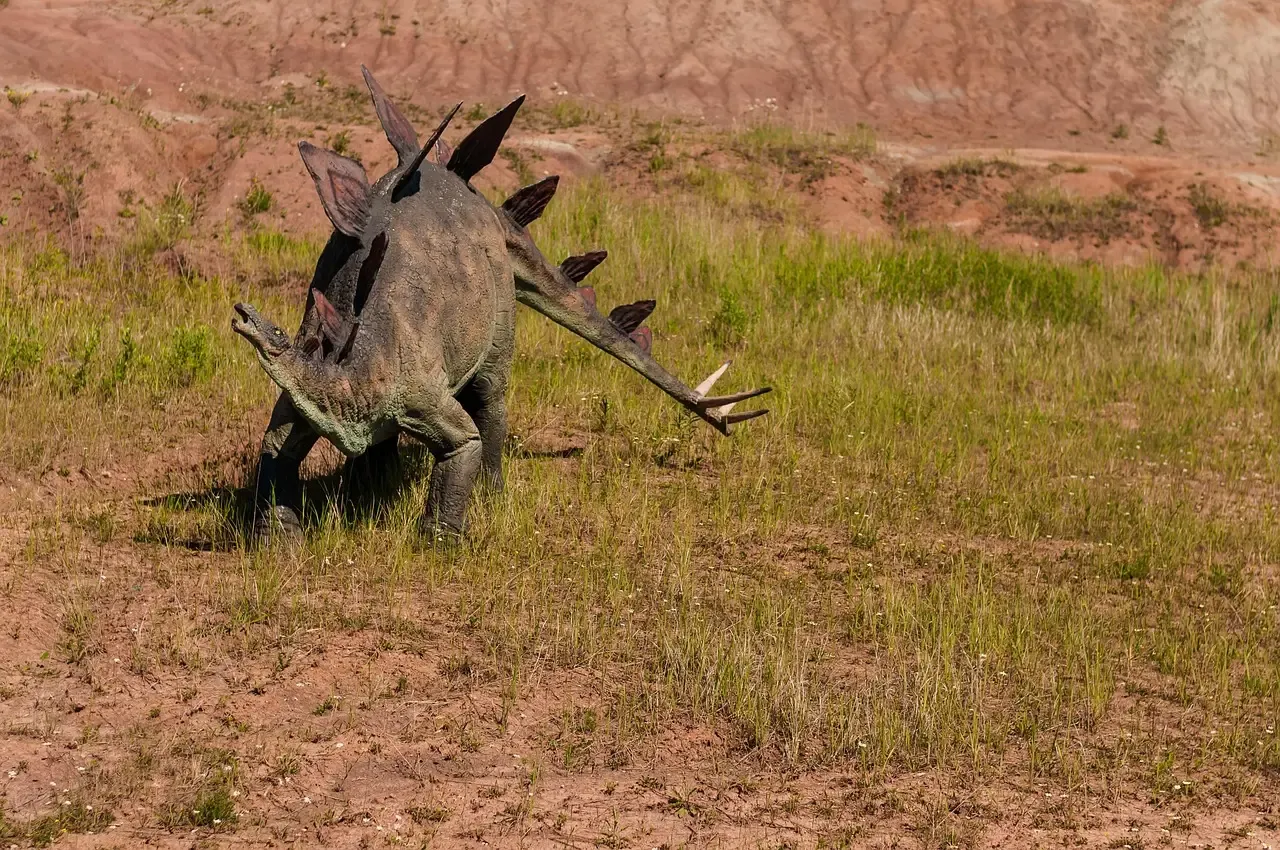
This one sounds too strange to have ever been taken seriously, yet it was standard trivia for nearly a century: Stegosaurus supposedly had a second, backup brain near its hips to control its rear legs and tail.
The idea originated from a genuine anatomical mystery. Early paleontologists, including Othniel Marsh himself, noticed an unusually large cavity in the hip region of Stegosaurus fossils and speculated it housed a secondary nerve cluster large enough to function as an auxiliary brain, compensating for the animal’s famously tiny skull. Here’s what actually explains the cavity: modern comparative anatomy points to a structure called a glycogen body, similar to one found in living birds, which likely stored energy-rich glycogen rather than neural tissue. The “second brain” framing stuck around in pop culture and even some textbooks far longer than it should have, mostly because it made for an irresistible headline. Paleontologists now treat it as a cautionary tale about jumping to the most dramatic explanation for an anatomical mystery. A phantom brain in the hip was strange – but not nearly as strange as the invented continents that came next.
#5 – Matching Fossils on Separate Continents Proved Ancient Land Bridges
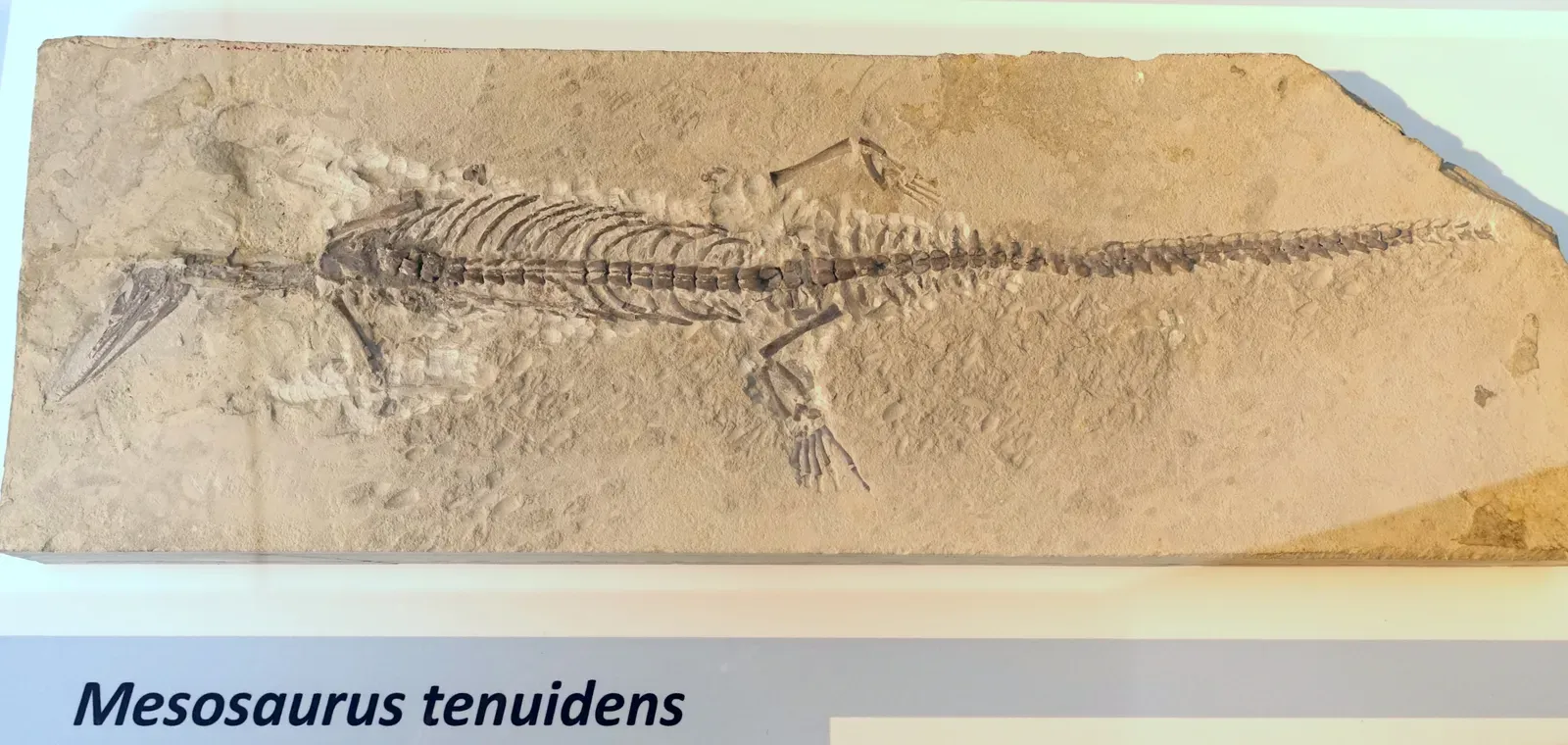
Early 20th-century geologists faced a genuine puzzle: nearly identical fossil plants and reptiles turned up on continents separated by thousands of miles of ocean. Their explanation was land bridges and sunken continents that had since vanished without a trace.
That fix required inventing landmasses with zero direct geological evidence behind them. When Alfred Wegener proposed in 1912 that the continents themselves had drifted apart, carrying matching fossils with them, most geologists rejected the idea outright, partly because he couldn’t explain a mechanism for how solid continents could possibly move. It took roughly fifty years for the scientific establishment to admit he’d been right. The 1960s discovery of seafloor spreading and plate tectonics finally supplied the missing mechanism, and the fossil distribution of species like Mesosaurus and Glossopteris across South America and Africa suddenly made perfect sense without a single invented land bridge. Wegener died in 1930, decades before vindication – a reminder that being correct in paleontology doesn’t guarantee recognition in your lifetime. Wegener’s vindication was slow, but what happened with Piltdown Man was worse – it took outright deception to unravel.
Worth Knowing
- Wegener laid out his continental drift idea in his 1912 work, decades before it gained mainstream acceptance.
- Mesosaurus was a small freshwater reptile, making a transoceanic swim between South America and Africa essentially impossible.
- Seafloor spreading was confirmed in the 1960s through magnetic striping patterns detected on the ocean floor.
- Continents still drift today, moving roughly a few centimeters a year – about the speed human fingernails grow.
#4 – Piltdown Man Was Real Proof of the “Missing Link”
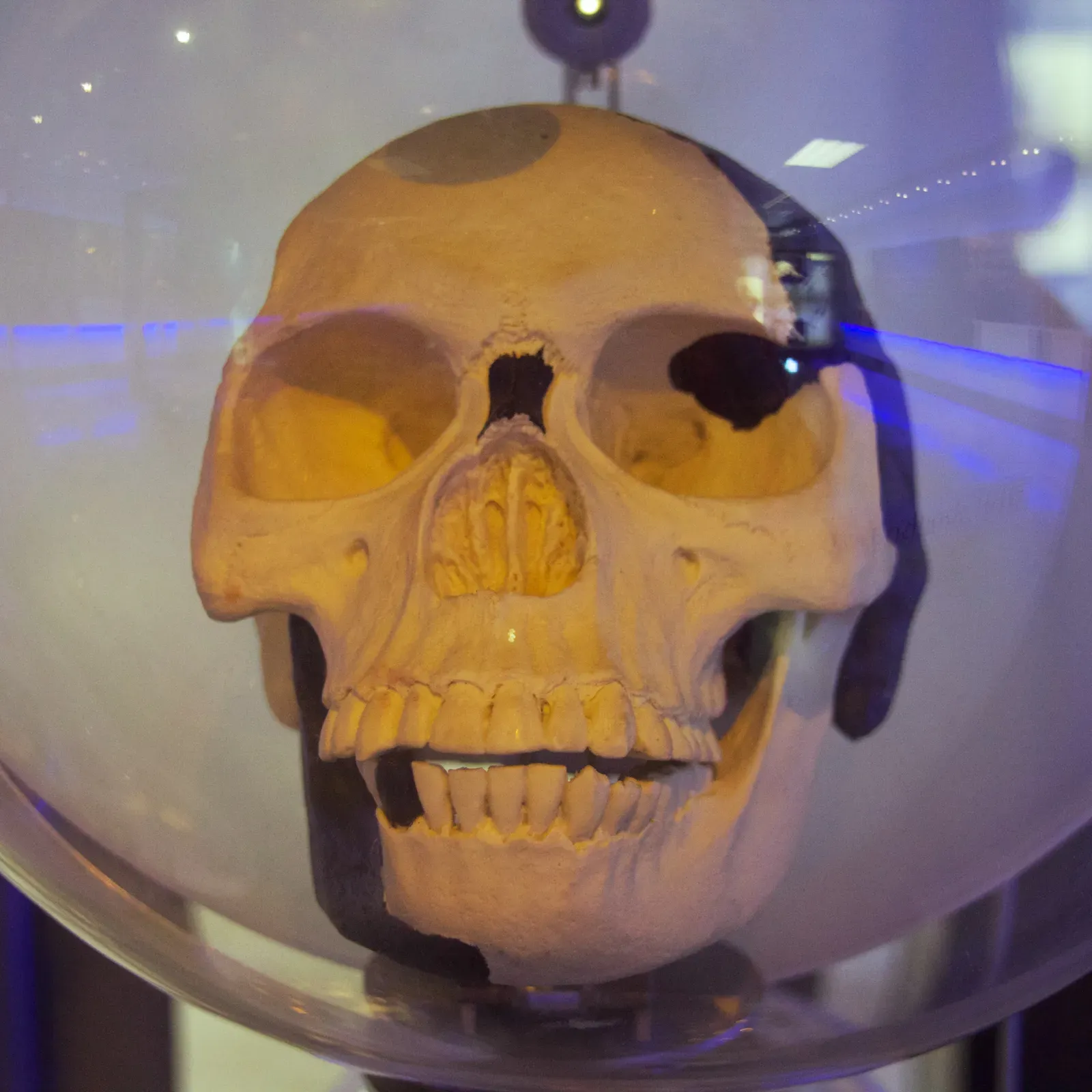
For over forty years, one fossil sat at the center of human evolution textbooks worldwide, hailed as definitive proof of the transitional link between apes and humans.
Discovered in England in 1912, “Piltdown Man” combined what appeared to be a large, modern-looking human skull with an ape-like jaw, exactly what many scientists expected an intermediate species to look like. It was celebrated in academic circles for decades, cited in serious research, and taught to students as settled fact. The reveal, when it finally came in 1953, was humiliating for the field. Chemical dating and closer examination proved it was an outright forgery – a modern human skull paired with an orangutan jaw, its teeth deliberately filed down and the whole assembly artificially stained to look ancient. The hoax fooled the scientific establishment for four decades largely because it confirmed what researchers already wanted to believe, a lesson paleontology still cites as a warning against confirmation bias. A forged skull embarrassed the field for decades – but the next reversal rewrote the very ending of the dinosaur story.
#3 – Dinosaurs Died Out Slowly Over Millions of Years
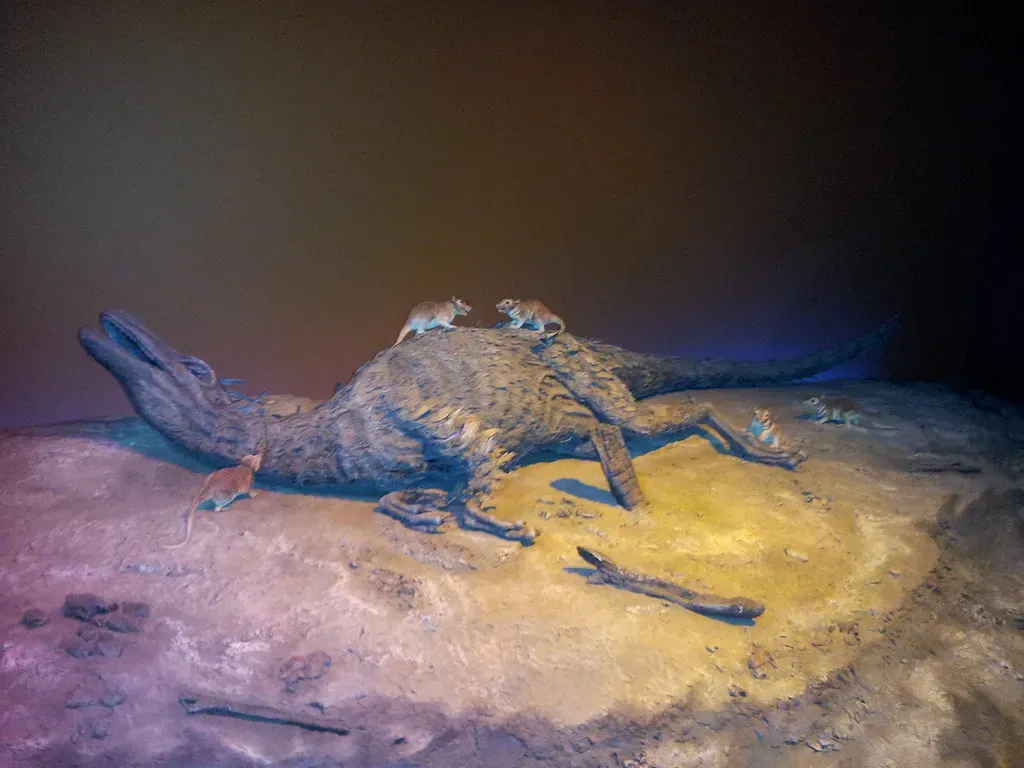
Before 1980, the dominant theory of dinosaur extinction was gradual decline – a slow fade driven by climate shifts, disease, or competition, stretched across millions of years with no single dramatic ending.
That comfortable, drawn-out narrative collapsed almost overnight. Geologist Walter Alvarez and his physicist father Luis discovered an unusually thick layer of iridium – an element rare on Earth’s surface but common in asteroids – sitting exactly at the geological boundary marking the end of the Cretaceous. Their conclusion stunned the field: a massive asteroid impact, not gradual decline, ended the age of dinosaurs in a geological instant. Skepticism ran deep for over a decade until researchers identified the Chicxulub crater buried beneath Mexico’s Yucatán Peninsula, matching the exact size and age needed to trigger a global catastrophe. The gradual-extinction model isn’t entirely dead – some researchers argue volcanic activity in India worsened conditions beforehand – but the single-instant-catastrophe idea now dominates the field. An asteroid solved one mystery overnight. The next one took twenty years of digging to solve a completely different puzzle.
#2 – Whales Could Never Be Linked to Land Animals in the Fossil Record
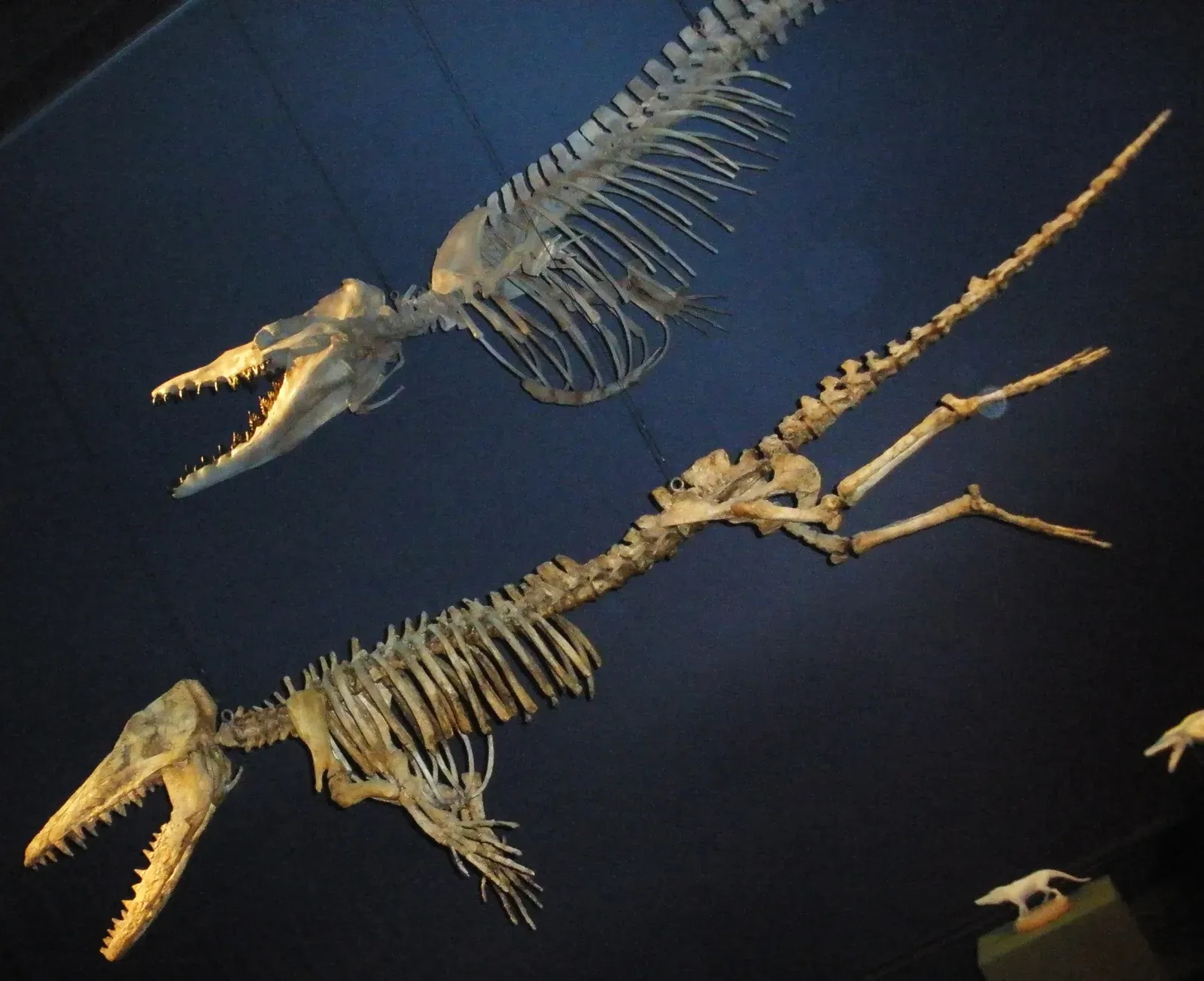
For most of the 19th and 20th centuries, whale evolution was paleontology’s most embarrassing gap. Scientists were confident whales descended from land mammals, but the fossil record offered almost nothing to prove it.
Critics of evolution pointed to this exact gap as a weakness for decades – sleek, finned ocean giants seemingly appearing from nowhere with no obvious transitional ancestors. That gap closed dramatically between the 1980s and 2000s. Discoveries like Pakicetus, a wolf-sized land animal with distinctive whale-like ear bones, followed by Ambulocetus, an amphibious “walking whale” with functional legs, and later Rodhocetus, whose limbs show clear adaptations for swimming, built one of the most complete transitional sequences in the entire fossil record. What was once evolutionary biology’s biggest embarrassment became one of its strongest showcases. Modern whales, it turns out, descend from small hoofed land mammals related to hippos, a conclusion once considered nearly unbelievable that DNA evidence has since confirmed independently. Whales bridged one impossible gap. The last belief on this list didn’t just bridge a gap – it broke a rule scientists thought was absolute.
#1 – Fossils Are Nothing More Than Lifeless Stone
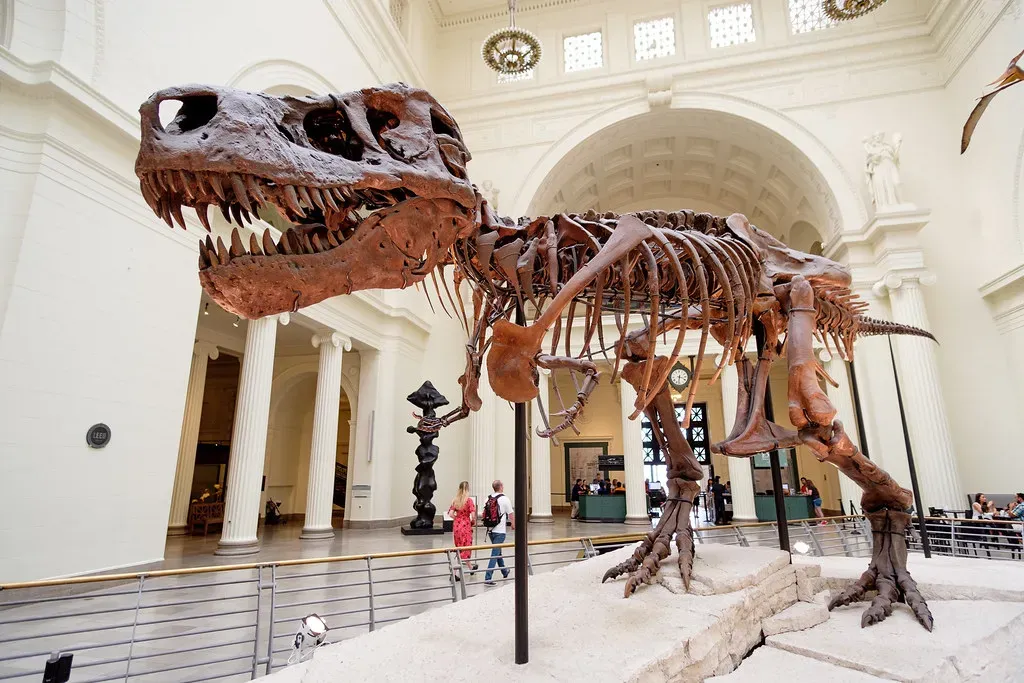
For roughly three centuries, one assumption sat underneath the entire science of paleontology, so fundamental almost nobody bothered stating it out loud: soft tissue cannot survive fossilization, period.
According to the long-held view of fossilization, the presence of soft tissue types in a fossil was considered impossible. The reasoning made sense – scientists had thought proteins making up soft tissue should degrade in less than a million years even under ideal conditions, since microbes typically destroy soft tissue within weeks of death. Then in 2005, paleontologist Mary Schweitzer detonated that assumption. Researchers reported that a 70-million-year-old Tyrannosaurus rex fossil had yielded soft tissue, including what may be blood vessels and cells, ending over a century where dinosaur study was limited strictly to fossilized bone. The scientific community’s reaction was brutal skepticism at first, with critics insisting the material must be bacterial contamination rather than genuine dinosaur tissue. Follow-up chemical analysis eventually confirmed the tissue really was original collagen, and later research found comparable soft tissue in roughly half of tested samples going back to the Jurassic. Blood vessels have since turned up in additional T. rex specimens using particle-accelerator imaging, permanently rewriting what paleontologists thought fossilization could preserve.
At a Glance
- The discovery was first published in the journal Science in 2005 by Mary Schweitzer’s research team.
- The T. rex specimen came from a fossil designated MOR 1125, nicknamed “B. rex.”
- Comparable soft tissue has since been reported in samples dating as far back as the Jurassic period.
- Later studies used particle-accelerator imaging to confirm blood-vessel-like structures in additional specimens.
The Bottom Line
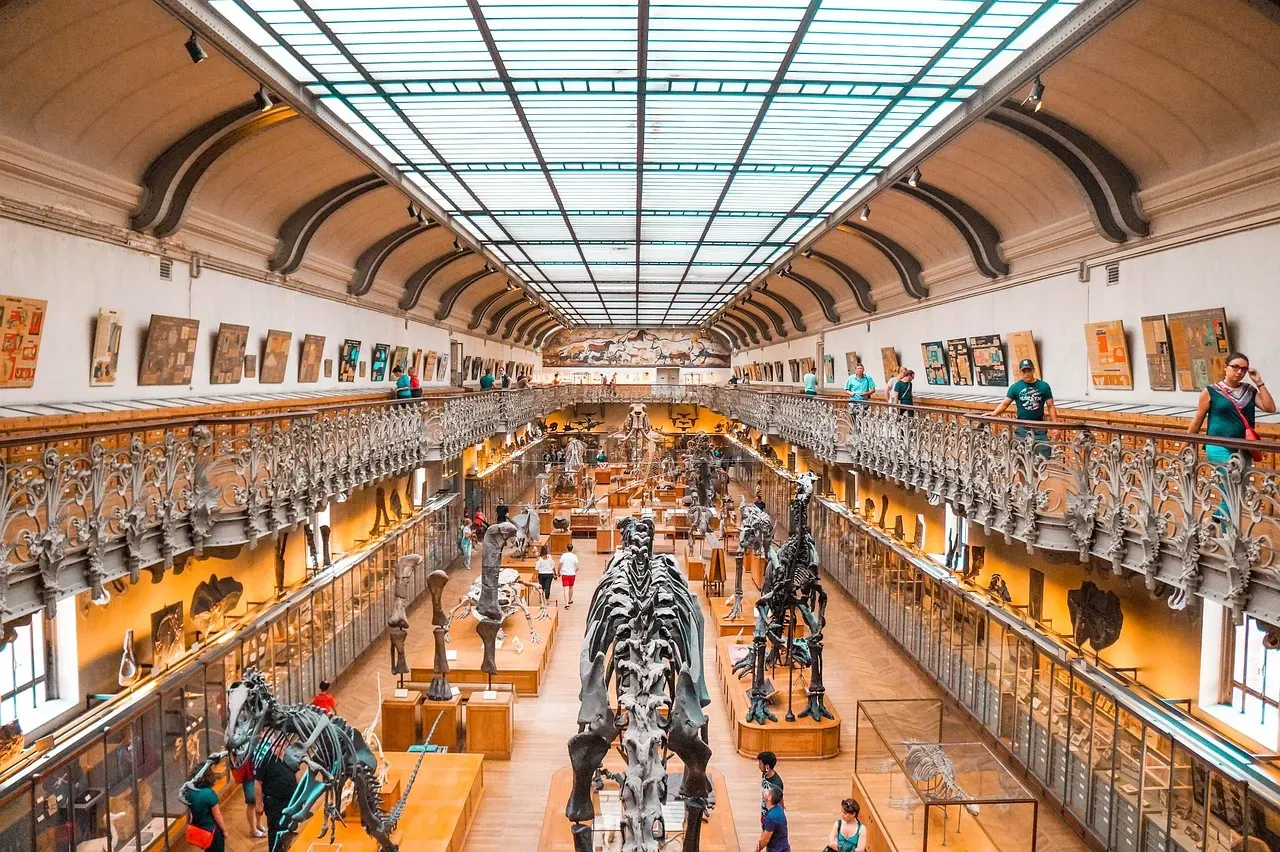
Paleontology isn’t a museum of settled facts – it’s one of the most actively self-correcting sciences on Earth. Warm-blooded dinosaurs, feathered predators, intelligent Neanderthals, soft tissue surviving 70 million years: every one of these ideas replaced a “confident” belief that dominated textbooks for generations.
The pattern is obvious once you see it – assumptions calcify into fact simply because nobody had the tools yet to challenge them. If history is any guide, several ideas we treat as bedrock today will look just as outdated in fifty years. Which “settled” fossil fact do you think gets overturned next? Drop your prediction in the comments.