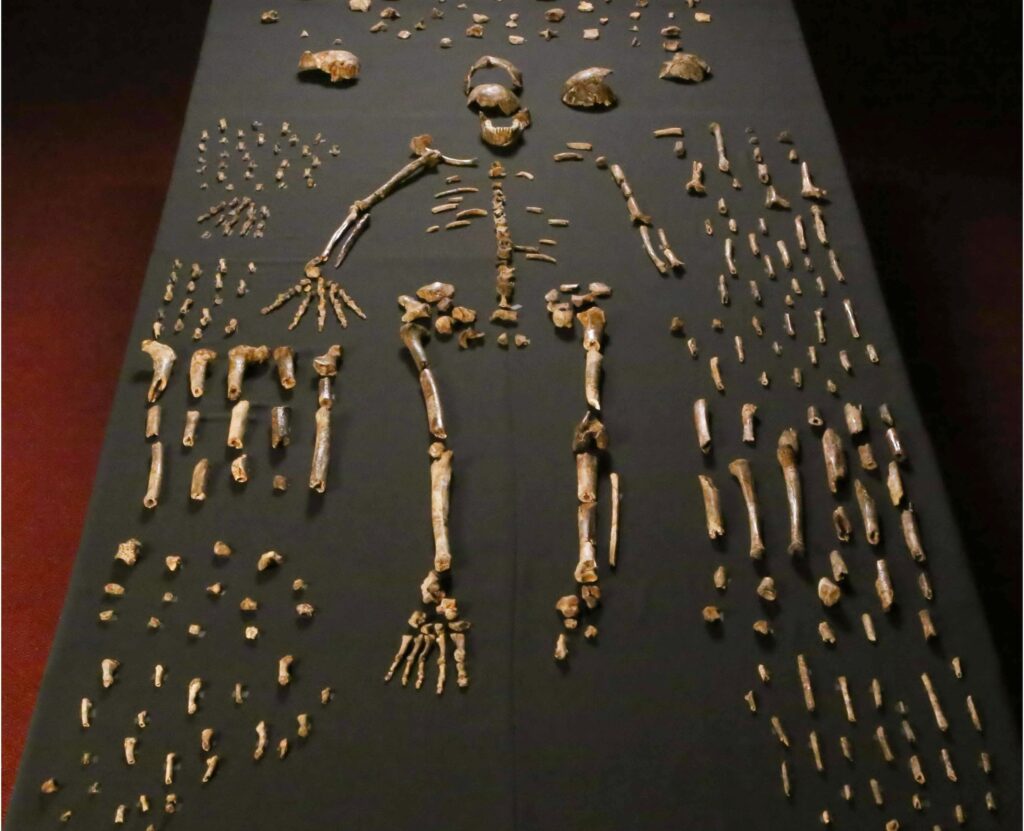
Most people assume prehistory is basically solved: dinosaurs, then cave people, then farming, then pyramids, then history “officially” begins. Clean staircase, one step at a time. Except that’s not what the evidence actually shows.
The deeper researchers dig, the more that staircase turns into a demolition site. All over the world, scientists keep unearthing objects, skeletons, and entire cities that flatly refuse to fit the timeline they were taught in grad school. Some of these puzzles have been argued over in peer-reviewed journals for more than fifty years, with zero consensus in sight. Here are 15 of them, counted down to the one that’s currently rewriting the story of an entire continent.
#15 – The 300-Million-Year-Old “OOPART” Problem
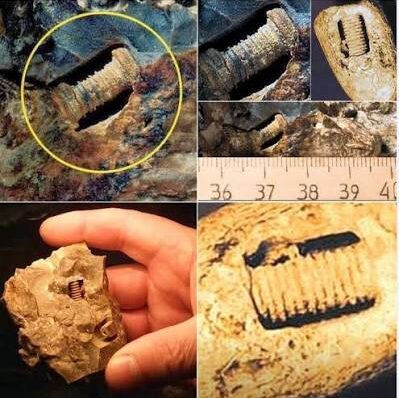
Some of the strangest prehistoric finds aren’t dinosaur bones at all. They’re so-called “out-of-place artifacts” – OOPARTs – metal objects, machined-looking spheres, and nail-like shapes that miners in the 19th and 20th centuries claimed to find locked inside rock layers hundreds of millions of years old. If those dates are even close to right, every human history textbook on Earth is wrong.
Most geologists push back hard, and for good reason. Documentation on many of these reports is thin, and weathering plus mineral growth can make a perfectly natural rock formation look eerily man-made. But even skeptical researchers admit a handful of well-attested cases are stubbornly weird – misdated geology, misunderstood natural formations, or something nobody wants to say out loud. No consensus exists, and that’s before things get genuinely uncomfortable.
#14 – The “Mystery Humanoids” That Don’t Fit Our Family Tree
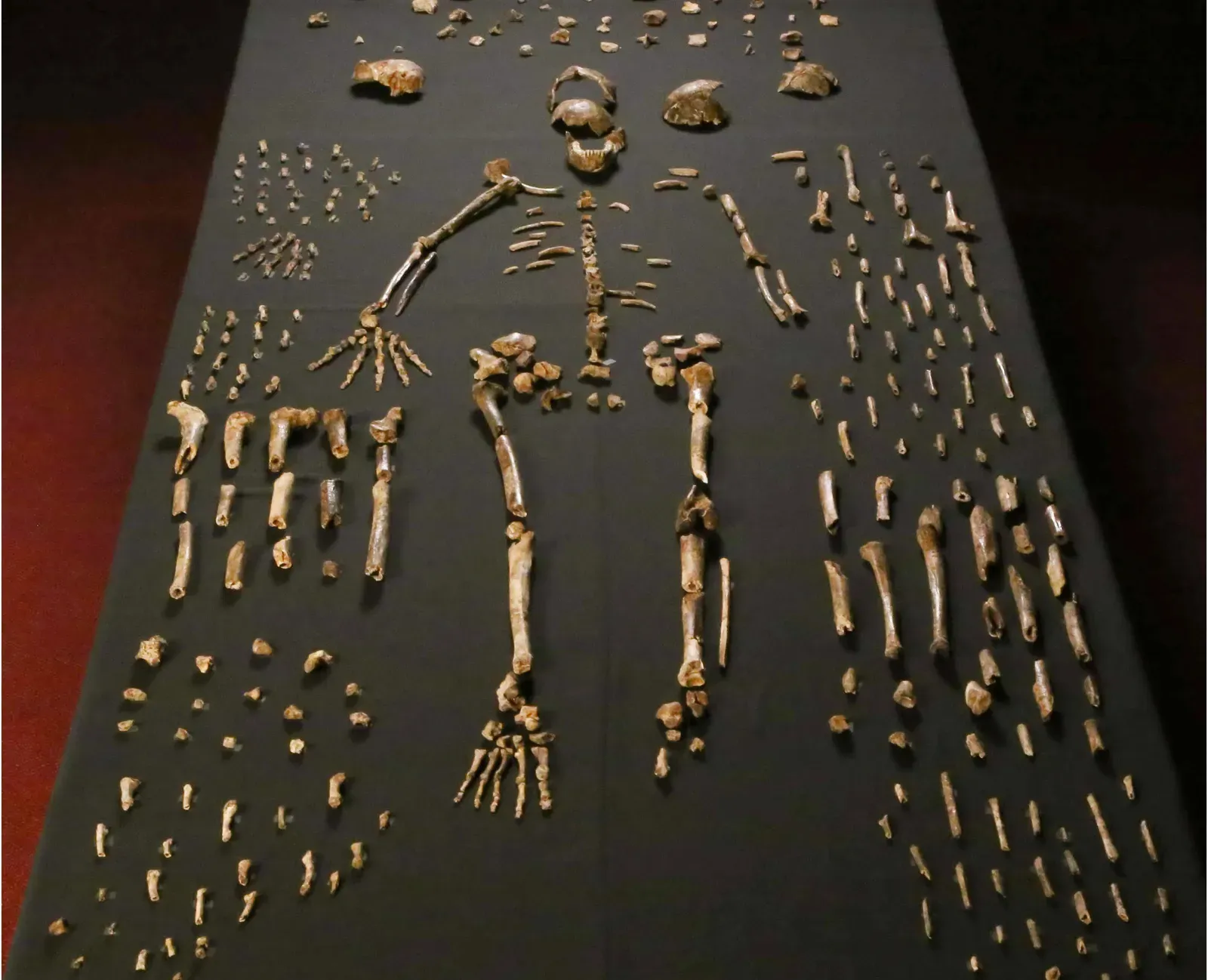
You’d expect a clean family tree by now – primitive ape, slightly less primitive ape, modern human. Instead, new fossils keep taking a wrecking ball to the diagram. In just the last couple of decades, scientists have found humanoid species that lived alongside us and refuse to slot neatly anywhere, some showing advanced behaviors long before they were supposed to exist.
Homo naledi in South Africa mixes primitive and startlingly modern features in one skeleton. The Denisovans in Siberia are known almost entirely from DNA, yet they left genetic fingerprints in millions of people alive in Asia and Oceania today. Prehistoric Earth wasn’t a lonely single-file line toward us – it was crowded, overlapping, interbreeding, maybe even trading ideas between species. Nobody can agree on how many branches there really were, and every new fossil makes the tree messier, not cleaner.
Quick Compare: The New Human Relatives
- Homo naledi: Discovered in 2013 in South Africa’s Rising Star Cave, with dates suggesting it lived alongside modern humans despite a brain roughly the size of an orange.
- Denisovans: Identified in 2010 from tiny bone fragments in a Siberian cave, known almost entirely through DNA rather than a full skeleton.
- Neanderthals: Recognized since 1856, now confirmed to have interbred with modern humans, leaving DNA traces still carried by people today.
#13 – The Gobekli Tepe Enigma: A Temple Too Early
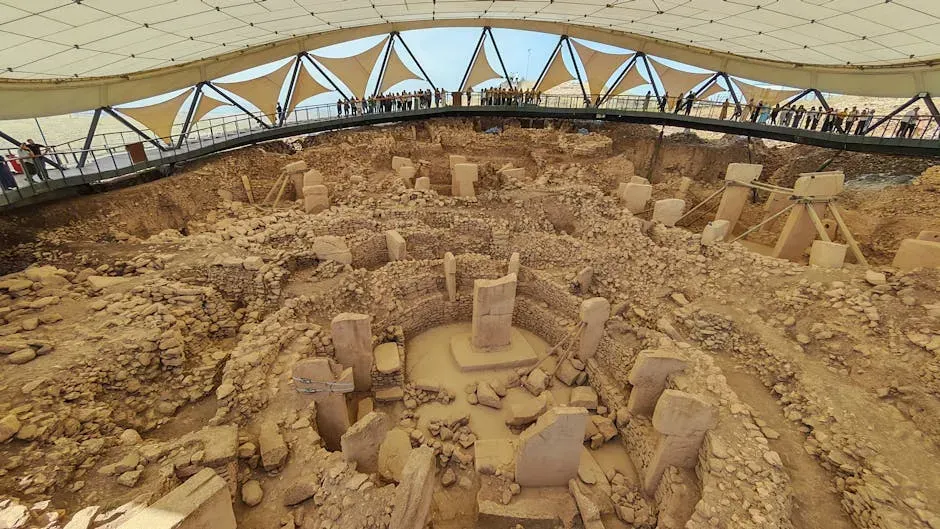
Gobekli Tepe in southeastern Turkey quietly detonated one of archaeology’s oldest assumptions. This complex of massive carved stone pillars, arranged in rings, dates back roughly 11,000 to 12,000 years – long before organized farming, long before cities, long before anything textbooks said was necessary to build something this big.
The craftsmanship is what stuns researchers most: multi-ton pillars carved with detailed animal reliefs, arranged with clear intent, built entirely by hunter-gatherers who were supposedly living in small, mobile bands with no chain of command. How did they organize that kind of labor without agriculture to feed the workers?
First came the temple, then the city.
Klaus Schmidt, lead archaeologist at Gobekli Tepe
That single idea flips the standard order of civilization on its head – religion and ritual sparking settlement, not the other way around. And nobody has explained why, generations later, the entire site was deliberately buried.
#12 – The Voynich Manuscript: A Book From Nowhere
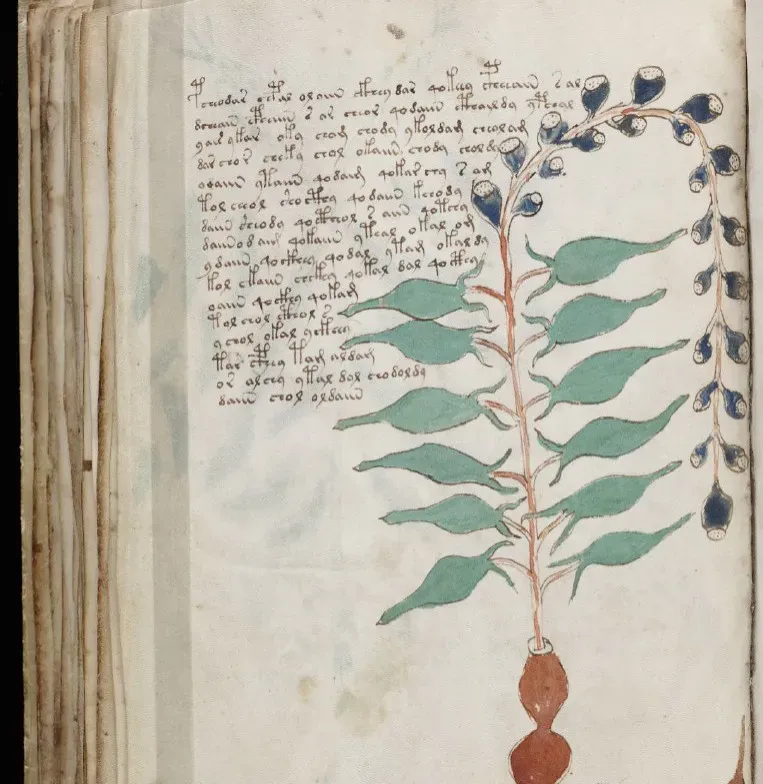
Technically medieval, not prehistoric – but it behaves like a prehistoric artifact because, after a century of intense study, nobody knows what it says. The Voynich Manuscript is a handwritten book, likely from the 1400s, filled with an unknown script, bizarre plant drawings that match no known species, and astronomical diagrams that fit no known tradition.
Here’s what makes it so infuriating: the text follows statistical patterns like a real language, not random gibberish, yet no other manuscript on Earth uses this writing system. It appears fully formed, then vanishes from history. Some researchers think it encodes a lost natural-philosophy tradition; others insist it’s an elaborate hoax. Either way, no proven method – not even modern computing power – has cracked it.
#11 – The Pyramids’ Precise Alignments and Lost Engineering

Everyone knows the Egyptian pyramids are old. Fewer people realize just how absurdly precise they are. The Great Pyramid of Giza is oriented to true north with an error of only a few arc-minutes – impressive with GPS, borderline unbelievable 4,500 years ago with nothing but human eyes and simple tools.
The base is nearly perfectly level, and multi-ton blocks fit together with joints that look almost machined. Mainstream Egyptology has solid theories involving ramps, sledges, and huge coordinated crews, but the exact lifting and positioning methods are still fiercely debated. No modern reconstruction attempt has fully reproduced that specific combination of scale, speed, and precision – and the astronomical knowledge baked into the orientation seems oddly ahead of its time.
Fast Facts: Giza’s Impossible Precision
- Built around 2560 BCE using an estimated 2.3 million stone blocks.
- Average block weighs about 2.5 tons, with some interior blocks far heavier.
- Aligned to true north within a few arc-minutes – accuracy modern surveyors still find remarkable.
- Base covers over 13 acres and remains level to a striking degree.
#10 – The Nazca Lines: Massive Designs Meant for Whom?
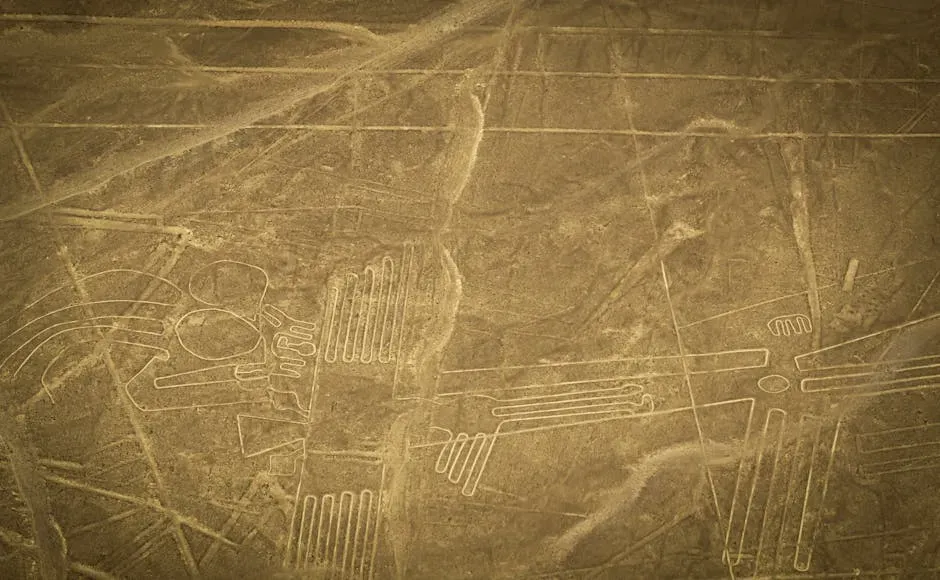
Carved into the Peruvian desert, the Nazca Lines stretch for miles – giant animals, dead-straight lines, sprawling geometric shapes best appreciated from the air. At roughly 1,500 to 2,000 years old, they’re not technically prehistoric, but they behave like a prehistoric riddle: enormous effort, enormous scale, weirdly little agreement on why.
We know the Nazca people had the tools and hillside sightlines to build them without any lost technology involved. The real puzzle is purpose. Some designs align with solstices and star risings, hinting at astronomy; others seem purely symbolic, meant to be walked rather than viewed from above. Most archaeologists lean toward ceremonial pathways appealing to sky gods for rain, but no single theory explains every shape and orientation on the site.
#9 – The “Oldest City” Argument: Jericho, Catalhoyuk, or Something Older?
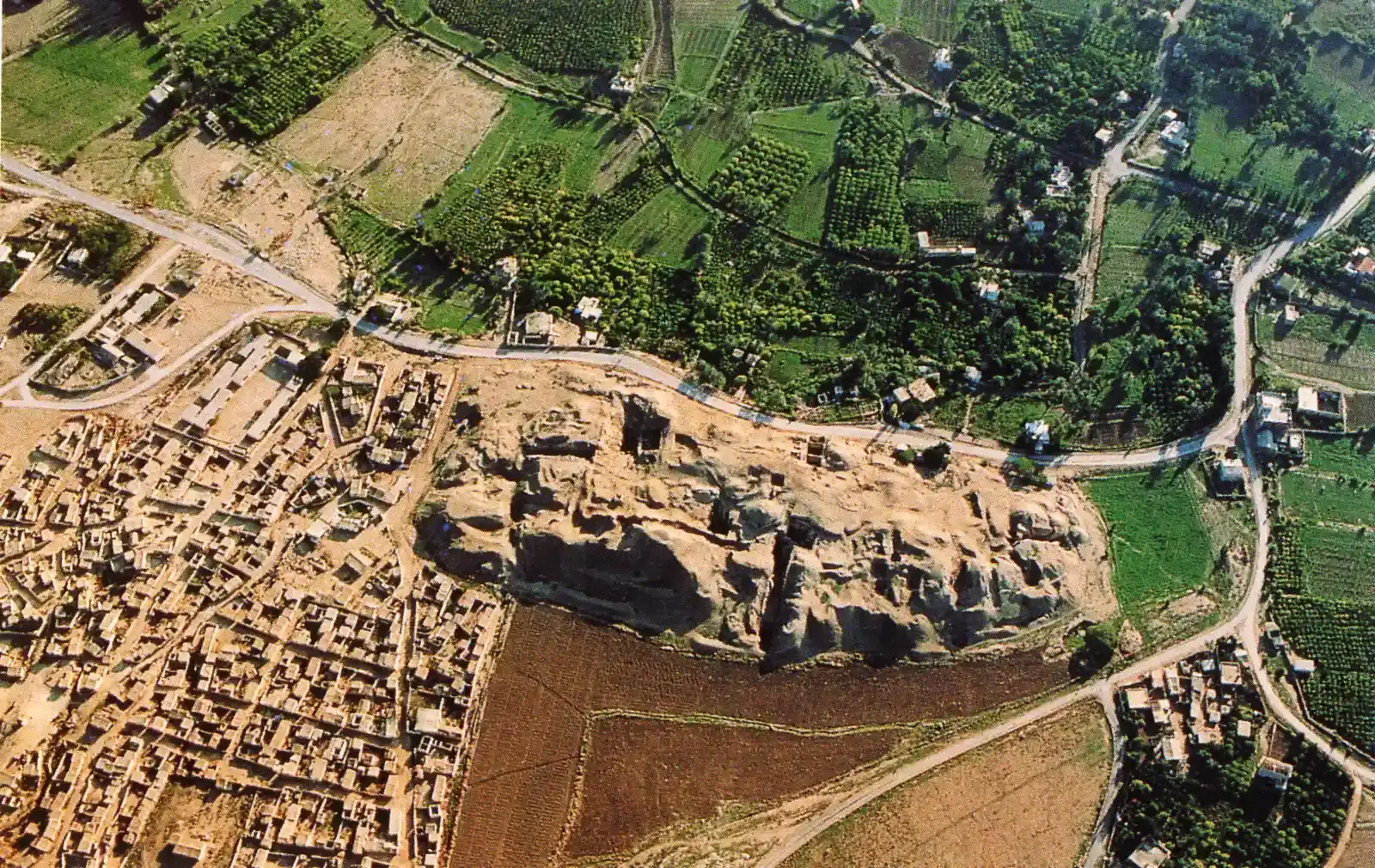
Ask three archaeologists to name the world’s first city and you’ll get four answers. Jericho, in the Levant, has stone walls dating back around 10,000 years. Catalhoyuk in Turkey has dense, house-packed architecture from a similar era. Then there are even older settlements that blur the line between “big village” and “true city” entirely.
The problem is definitional, not just archaeological. Do you need walls to count? Monumental architecture? Social classes? Writing? New digs keep pushing “urban” traits further back in time, and some hunter-gatherer gathering sites show proto-city behaviors without year-round occupation. Our entire origin story for civilization hangs on a threshold that simply refuses to sit still.
Quick Compare: Who Was First?
- Jericho: Stone walls and a tower dating back roughly 10,000 years, long considered a strong “first city” contender.
- Catalhoyuk: Dense, wall-to-wall mudbrick housing from a similar era, but without walls or clear centralized authority.
- Older proto-sites: Some hunter-gatherer gathering grounds show large seasonal populations without permanent, year-round settlement.
#8 – The Mammoth Kill Sites That Don’t Add Up

For decades, the textbook story was tidy: humans crossed into the Americas roughly 13,000 years ago, wiped out mammoths with Clovis spear points, then spread across the continent. The deeper we dig, the messier that story gets – literally.
Some sites show possible human butchering of mammoths far earlier than that “official” arrival date, with cut marks that look man-made and burn patterns suggesting controlled fires. Many experts argue natural processes like trampling or freeze-thaw cracking can fake those marks. But a growing number say the evidence for earlier humans is getting too strong to keep dismissing – and if they’re right, climate change, not overhunting, may have driven far more extinctions than we’ve credited.
#7 – The Cosmic Impact Hypothesis and the Younger Dryas Mystery
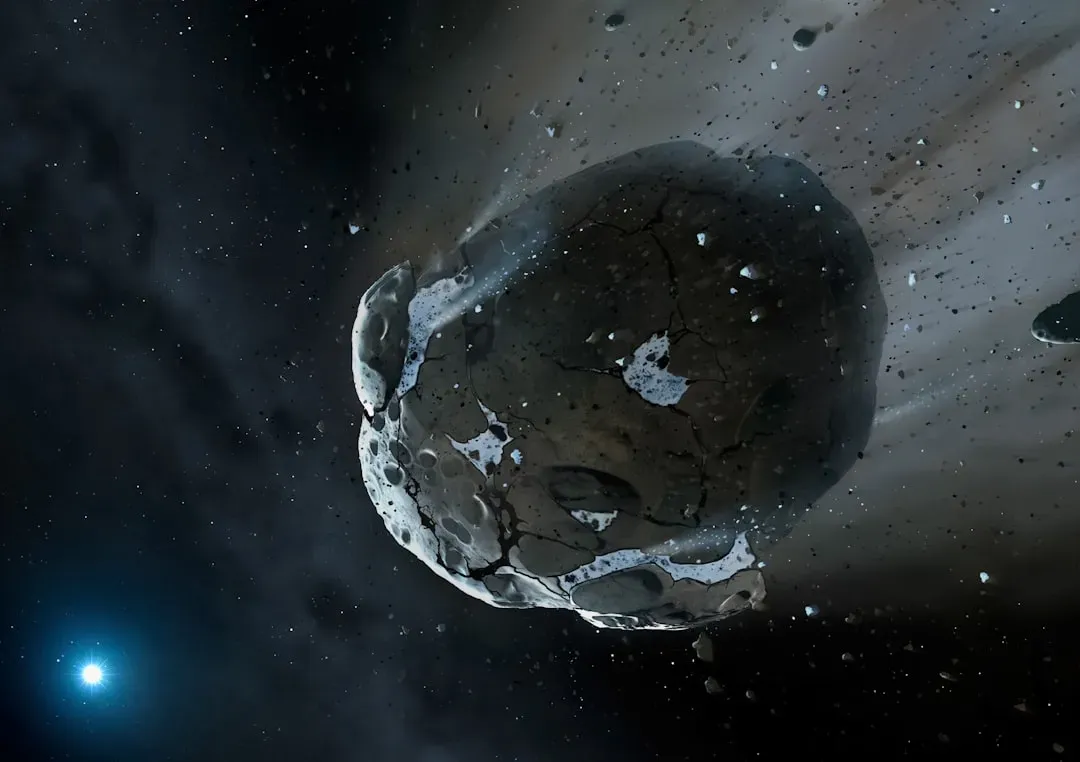
Around 12,800 years ago, Earth abruptly plunged back into a mini ice age known as the Younger Dryas. Temperatures crashed, megafauna populations collapsed, and early human cultures show signs of sudden disruption. One controversial theory claims a fragmented comet or asteroid exploded over North America, triggering continent-wide fires and climate chaos.
Supporters point to microscopic spherules, unusual platinum spikes in sediment layers, and charcoal-rich burn layers spanning huge areas. Critics call the evidence patchy and better explained by ordinary geology. The stakes of this argument are bigger than they sound – if a cosmic impact really did help trigger the reset, it means early human societies were far more fragile, and nature far more unpredictable, than we like to assume.
At a Glance: The Younger Dryas Reset
- Began abruptly around 12,800 years ago and lasted roughly 1,200 years.
- Global temperatures dropped sharply, undoing thousands of years of post-Ice Age warming in a geological blink.
- Coincides with the extinction of mammoths, saber-toothed cats, and numerous other megafauna species.
#6 – The Shigir Idol: A 12,000-Year-Old Wooden Code
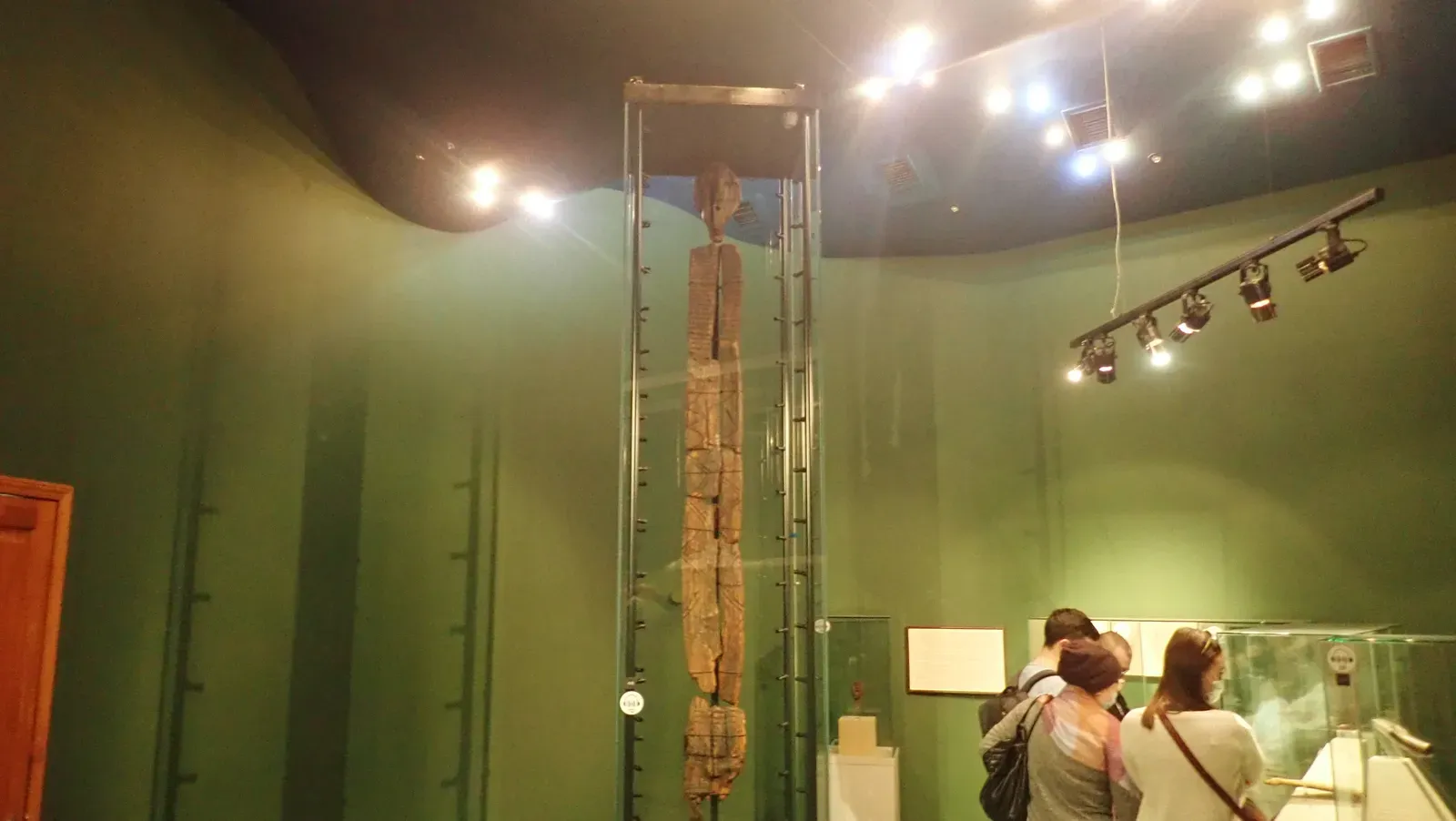
Wood rots. That’s why we almost never find ancient wooden art – and why the Shigir Idol, pulled from a Russian peat bog, is so unsettling. This towering wooden statue is roughly 11,500 to 12,000 years old, older than many famous stone monuments, and its surface is covered in geometric patterns and strange carved faces that read like a message from a worldview we’ve completely lost.
Researchers suspect the carvings encode mythological or cosmological information, and some patterns loosely echo later Eurasian symbols without matching closely enough to decode. It suggests complex symbolic culture existed among post-Ice Age hunter-gatherers far earlier than assumed. It also raises a brutal question: how many equally advanced wooden monuments simply rotted away without a trace, quietly erasing whole chapters of human creativity from the record?
#5 – The Denisovan Puzzle: DNA From Ghost Ancestors

In a Siberian cave, scientists found a finger bone and a few teeth that launched an entirely new branch of the human family: the Denisovans. Genetically distinct from both Neanderthals and modern humans, their DNA still lives on in millions of people today, especially across Melanesia, Australia, and parts of Asia.
The strangeness is the gap between what we know genetically and what we know physically. We have rich genetic data showing interbreeding and adaptations, like the high-altitude gene variants carried by Tibetans today, but almost no Denisovan tools, art, or cultural remains we can confidently attribute to them. We know they existed. We know they mingled with us. We have almost no idea what they looked like, how they lived, or why they disappeared – it’s a lost civilization known almost entirely through a genetic fingerprint.
#4 – The Baigong Pipes and “Impossible” Geology

In remote parts of China, visitors have long reported strange pipe-like structures embedded in rock near Baigong Mountain, some running directly into a nearby lake. Tests on similar formations elsewhere have occasionally returned dates far older than any known metalworking culture in the region, which is exactly the kind of detail that lights up speculation about lost ancient technology.
Most geologists aren’t convinced, pointing to natural concretions where minerals fill cracks and weather into tube shapes, or fossilized tree roots later mineralized into something that looks metallic. But here’s the uncomfortable part: even when the “natural” explanation technically fits, the precision and regularity of some formations keep skeptics arguing. Fringe enthusiasts and cautious scientists actually agree on one thing here – nobody has done the systematic study needed to call this solved.
#3 – The Origin of Language: The Ultimate Missing Fossil

We can dig up bones, tools, even the remains of ancient meals. What we can’t dig up is spoken language. Yet at some point, our ancestors crossed an invisible line and started using complex, symbolic language capable of describing things that weren’t even in the room – arguably the single most important invention in human history, and one we still can’t date or explain.
Some researchers favor a gradual buildup of vocal control and brain size over hundreds of thousands of years. Others argue for a fast cultural tipping point, where one small innovation snowballed into full grammar and storytelling almost overnight. Symbolic art and ornaments tens of thousands of years old hint at some language ability, but whether Neanderthals ever had full language – or whether a sudden genetic shift rewired human brains for it – remains completely unresolved.
#2 – The Sudden Explosion of Art and Symbolism
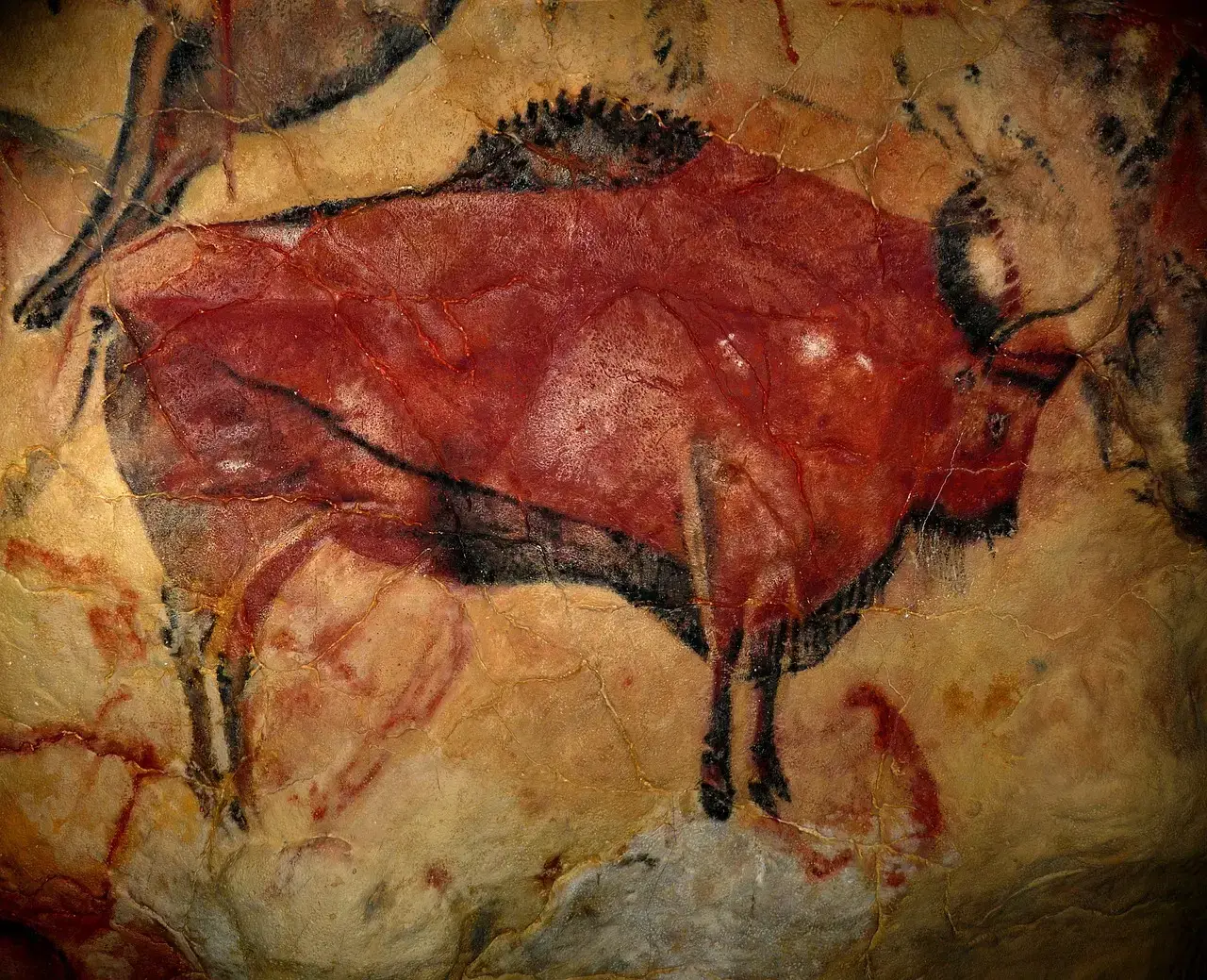
Somewhere around 40,000 to 50,000 years ago, something dramatic shows up in the archaeological record almost all at once: cave paintings, carved figurines, musical instruments, personal ornaments. Before that point, evidence is scattered and sparse. After it, full-blown symbolic culture appears across Europe, Asia, and eventually the rest of the world – what some researchers call the Upper Paleolithic Revolution.
The argument over why is brutal. One camp says this is a genuine cognitive breakthrough, a literal change in brain wiring. Another insists the “revolution” is an illusion created by patchy earlier evidence, and that sophisticated behavior is actually much older, just poorly preserved. Whatever caused it, the speed and geographic spread of this symbolic bloom is hard to explain away – humans everywhere suddenly start acting like us, and nobody can say why the switch flipped exactly when it did after millions of years of near-total silence.
#1 – The First Humans in the Americas: A Timeline in Shreds
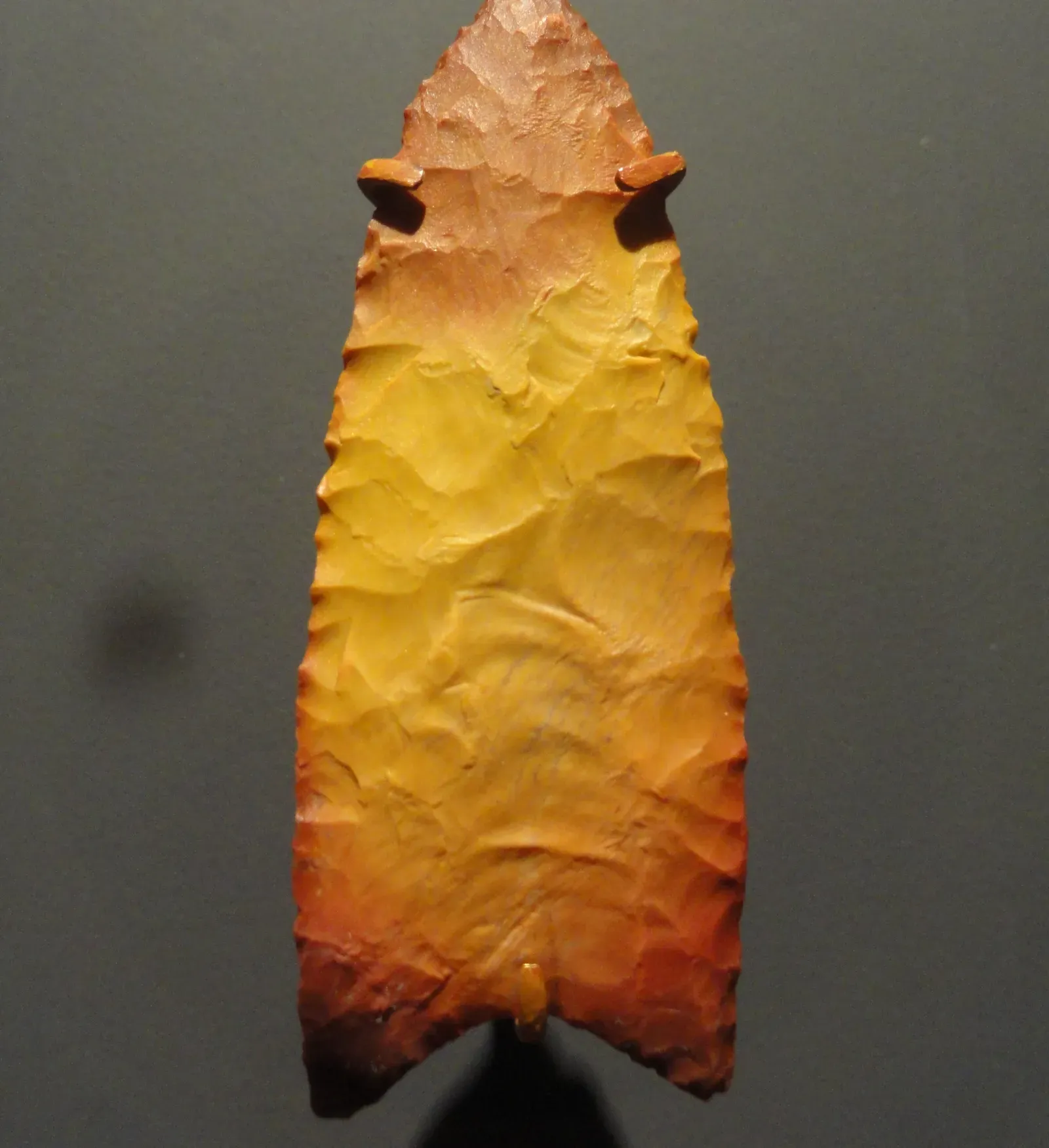
For decades, students were taught a clean story: humans walked across a land bridge from Siberia into Alaska around 13,000 years ago, then spread south, leaving Clovis spear points as evidence of the “first American culture.” That story is currently collapsing in real time.
Multiple sites now suggest far earlier human presence – 20,000, 30,000, even 50,000-plus years ago. Footprints preserved in New Mexico have been dated by some labs to roughly 21,000 to 23,000 years ago. Stone tools and butchered animal bones in Brazil and Mexico may be even older still. Critics argue hard about dating methods, contamination, and whether some of these “tools” are really tools at all, but the trend keeps pointing the same direction: the more precise our techniques get, the older the numbers creep. If even a fraction of these claims hold up, every schoolbook map of how humans reached the Americas is fundamentally wrong – and because this fight touches living communities and national origin stories directly, it is only getting louder from here.
Worth Knowing: The Americas Timeline Fight
- Traditional “Clovis-first” model dates human arrival to about 13,000 years ago.
- White Sands, New Mexico footprints have been dated to roughly 21,000-23,000 years ago.
- Some disputed sites in Brazil and Mexico point to possible human presence 30,000 years ago or more.
The Bottom Line

Line these fifteen discoveries up side by side and a pattern jumps out: prehistory isn’t a clean, upward staircase from “primitive” to “advanced.” It’s a tangled, half-erased web full of dead ends, false starts, and entire branches of humanity and culture that flash brightly and vanish without leaving an explanation behind.
Scientists aren’t hiding these gaps – they’re fighting about them in journals and conferences precisely because the data refuses to cooperate with tidy narratives. My honest take: the loudest “we’ve got it figured out” voices are usually the ones most overdue for a correction, and the First Americans debate is the one currently proving that in real time. If our most confident timelines – first cities, first Americans, first art, first language – are all being quietly rewritten right now, it’s worth asking what else we’ve been teaching with way more certainty than the evidence ever actually earned.