
Most people assume paleontologists have prehistoric life figured out – skeletons cataloged, functions explained, mysteries solved. That assumption is wrong. Buried in museum drawers and Cambrian shale are dozens of creatures whose most defining body parts still stump the world’s top researchers. Some have eyes on stalks nobody can explain. Others carry spiral teeth, bat-like membranes, or armor that defies every known survival strategy.
These aren’t obscure footnotes – they’re some of the most-studied fossils on Earth, and scientists still argue about them in peer-reviewed journals today. Here’s what the actual fossil record, and the paleontologists who’ve spent careers on it, still can’t agree on.
#13 – Wiwaxia’s Armor Nobody Can Fully Decode
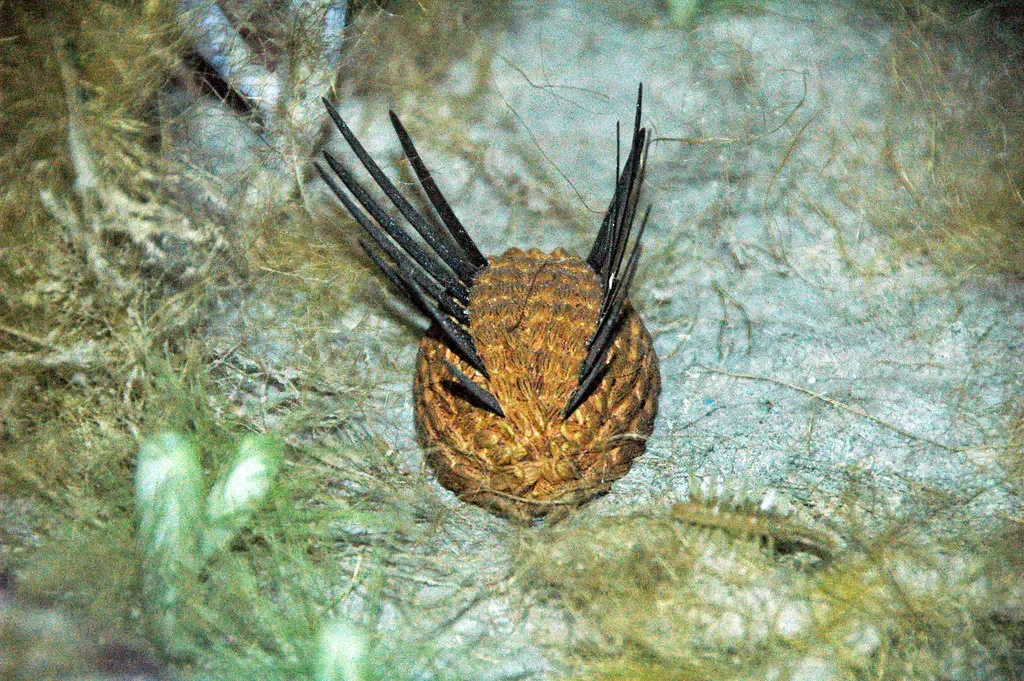
Wiwaxia looked like a spiky slug wearing chainmail, and even now, nobody agrees on why it needed either feature.
This half-inch Cambrian animal was covered in overlapping mineralized scales called sclerites, topped with rows of long defensive spines running down its back. Most researchers assume the armor kept predators like Anomalocaris at bay, but the deeper mystery lies in its mouth. Wiwaxia had a strange rasping feeding organ that resembles a mollusk radula, which has fueled decades of arguments over whether it belongs with mollusks, worms, or an entirely extinct lineage with no modern relatives. Scientists still can’t agree which major animal group, if any, actually owns Wiwaxia. That kind of identity crisis wouldn’t be unusual for the Cambrian – but it gets stranger from here.
#12 – Diplocaulus’s Boomerang Head
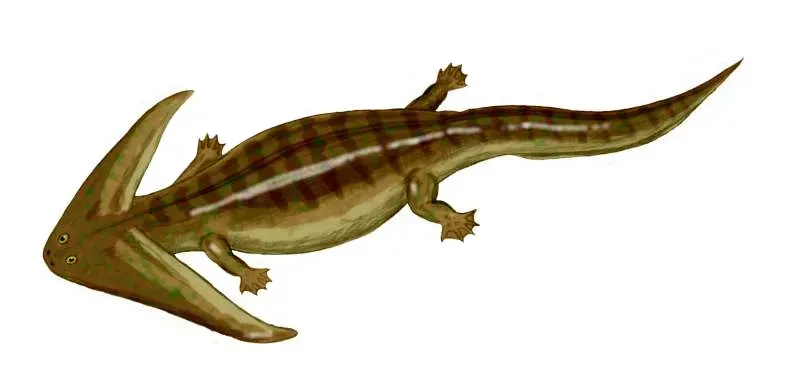
Diplocaulus had a skull shaped like a boomerang, and nobody can say for certain why evolution built it that way.
This amphibian’s flattened, wing-like head grew wider than its own body was long, an extreme feature that shows up in no living animal today. The leading theory suggests the shape acted like a hydrofoil, generating lift as the creature swam through ancient rivers and lakes, similar to how a stingray glides through water. But other researchers argue the horns may have simply made Diplocaulus too big and awkward for most predators to swallow. The truth is nobody has definitively ruled out either explanation, or found a third that fits better. Both theories rely on physics simulations rather than direct behavioral evidence, because soft tissue simply doesn’t fossilize.
Fast Facts
- Lived from the late Carboniferous into the Permian, roughly 300 to 270 million years ago
- Most fossils come from present-day Texas and Oklahoma
- Its skull could grow wider than the rest of its body was long
- Classified as a lepospondyl amphibian, a group with no direct modern descendants
- Almost certainly spent its entire adult life underwater
#11 – Nectocaris and Its Identity Crisis
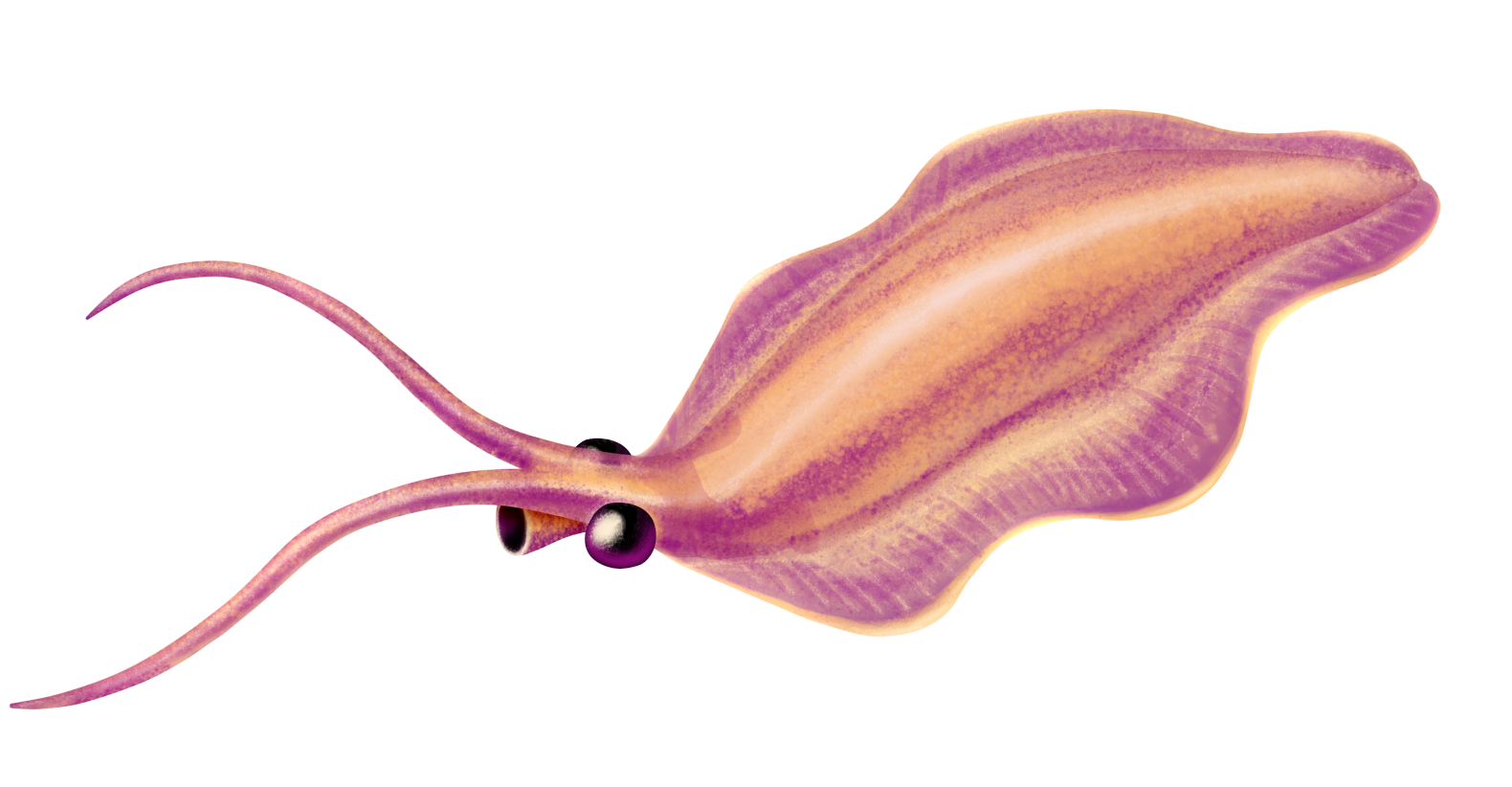
Nectocaris looks like a squid, swims like a squid, but paleontologists still fight over whether it’s even related to squids at all.
This soft-bodied Cambrian swimmer had two long tentacles, a funnel for jet propulsion, and camera-like eyes – all hallmark cephalopod traits. For years, researchers assumed it was an early cephalopod ancestor, which would rewrite the timeline of squid and octopus evolution by tens of millions of years. Then newer analyses pushed back, arguing its similarities to modern cephalopods might be convincing convergent evolution rather than true kinship. That single disagreement could change how the entire mollusk family tree gets drawn. Few fossils exist, and none preserve the internal anatomy well enough to settle the debate outright.
#10 – Dimetrodon’s Sail Nobody Can Fully Explain
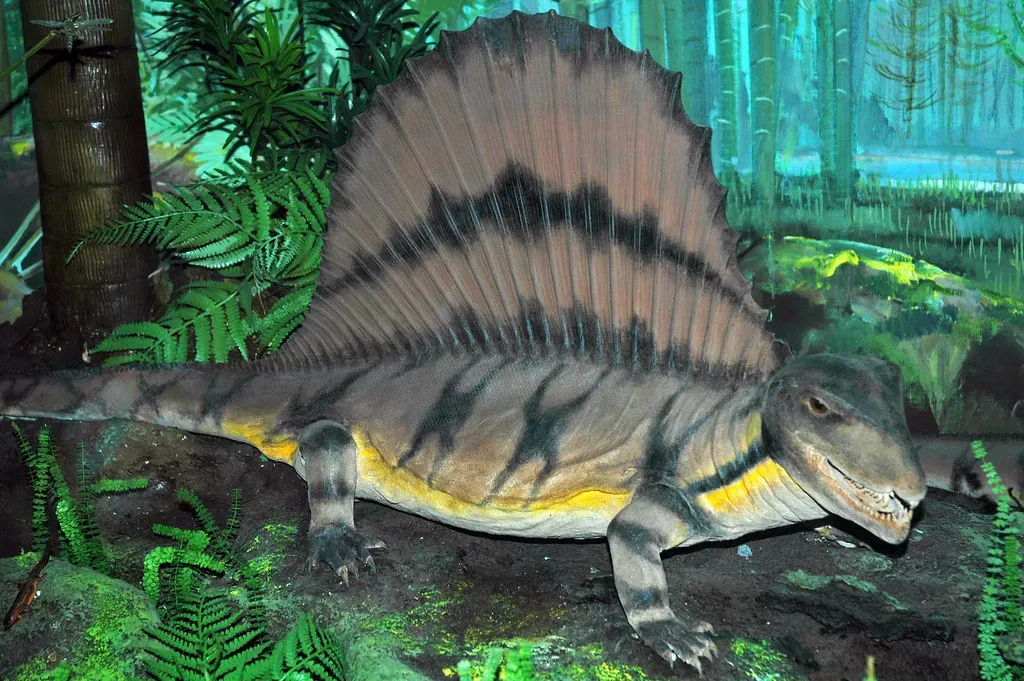
Dimetrodon’s towering back sail looks like something built for showing off, but researchers still can’t agree on its main job.
The dominant theory for decades was thermoregulation – the sail supposedly acted like a solar panel, helping this pre-dinosaur reptile warm up faster than its prey each morning. That idea made intuitive sense until researchers noticed the sail’s blood vessel patterns and uneven growth rates didn’t line up cleanly with a simple heating-and-cooling system. Many paleontologists now argue display and species recognition played just as big a role, if not bigger, than temperature control. A structure textbooks used to explain in one sentence now needs an entire asterisk. Without soft tissue evidence, this debate isn’t closing anytime soon.
#9 – Stethacanthus’s Anvil-Shaped Fin
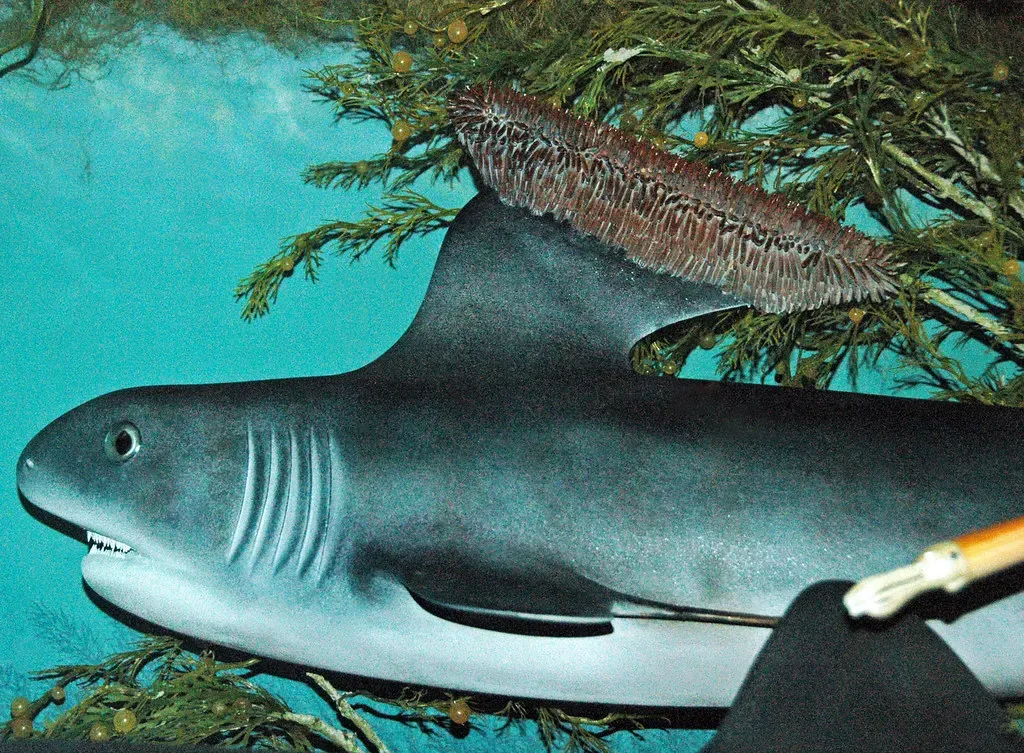
Stethacanthus was a prehistoric shark with a dorsal fin shaped like an ironing board, and it’s still one of the strangest structures in the fossil record.
Instead of a typical triangular shark fin, this Devonian predator carried a flat-topped structure covered in small tooth-like denticles, paired with a matching patch of denticles on top of its head. Some researchers believe the odd fin functioned in mating displays, possibly signaling dominance or attracting partners in murky Paleozoic seas. Others have proposed it worked defensively, making the shark appear larger to predators, or even functioned as a false “mouth” to confuse prey from above. No shark alive today has anything close to this structure, so there’s no living comparison to test any theory against. Because the fin and head patch appear together, most scientists suspect they worked as a single display unit – but that theory remains an educated guess.
#8 – Deinocheirus and Its Bizarre Hump
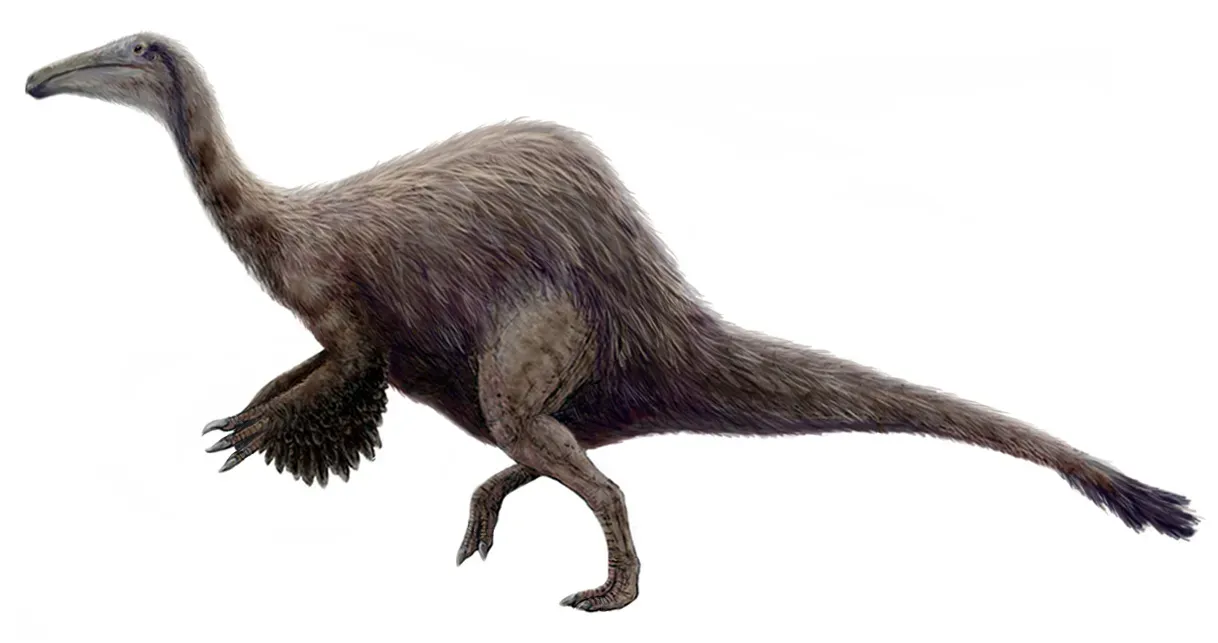
Deinocheirus spent decades known only from two enormous arms, and even now that scientists have the full skeleton, its strangest feature still doesn’t have a clear explanation.
When more complete remains finally surfaced, researchers found a duck-like skull, a humped sail-like structure along its back, and stomach contents suggesting a mixed diet of plants and fish. The hump doesn’t match typical thermoregulatory sails seen in other dinosaurs, and its exact function remains genuinely unclear. Meanwhile those famous eight-foot arms, tipped with blunt claws, seem poorly suited for typical predator combat or aggressive digging. A dinosaur can go from “mystery arms” to “full skeleton” and still leave scientists guessing about its most unusual features. Current theories lean toward foraging in wetland environments, but the specific advantage of that back structure is still debated in recent literature.
Quick Compare
- 1965: Only two 8-foot arms were known, fueling decades of “mystery predator” speculation
- 2014: More complete skeletons revealed a duck-like skull, a tall back hump, and stomach contents mixing plants and fish
- Today: Classified as the largest known ornithomimosaur, yet the hump’s real purpose is still unresolved
#7 – Helicoprion’s Spiral of Teeth
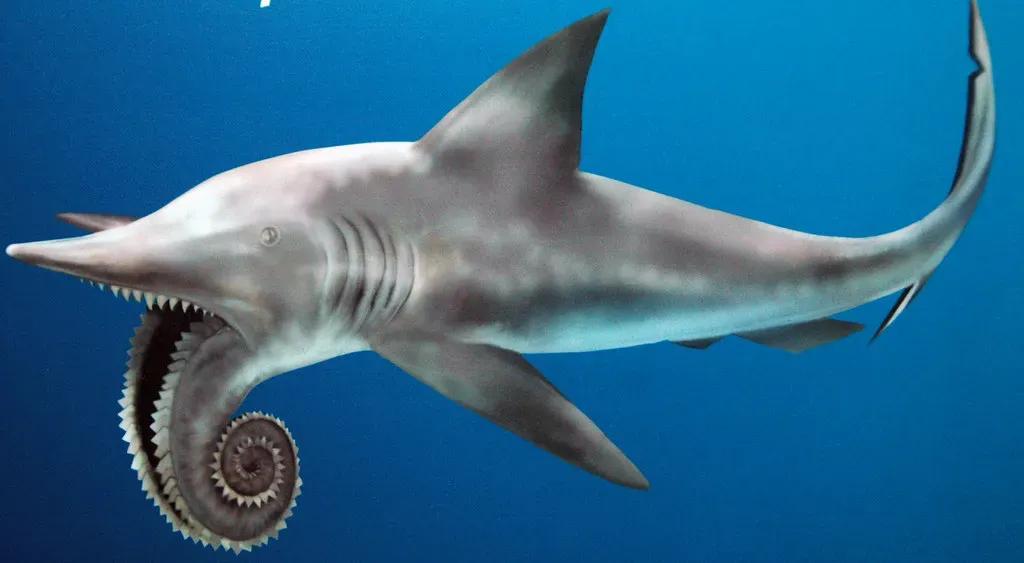
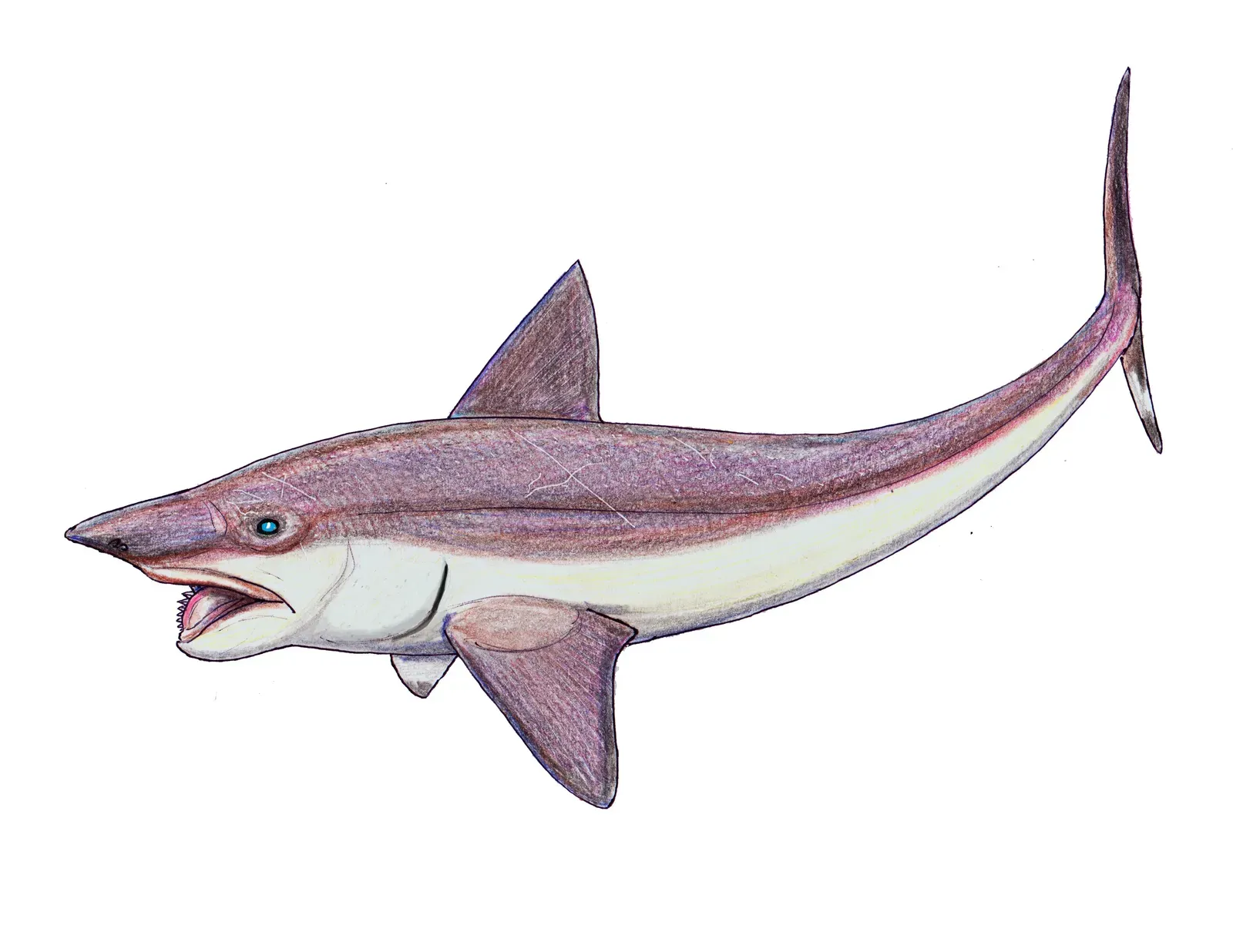
Helicoprion had a spiral of teeth unlike anything before or since, and even the location of that spiral on its body has been debated for over a century.
For decades, illustrators placed the tooth whorl on the tail, the tip of the snout, or even curling out of the throat like some Paleozoic weapon nobody could justify functionally. Modern CT scans eventually confirmed the whorl sat inside the lower jaw, with older teeth curling inward as new ones grew, rather than dropping out like typical shark teeth. But knowing where it sat hasn’t fully solved how it worked. A single fish carried a built-in teeth-conveyor-belt, and scientists still argue over exactly how it sliced through prey. Most researchers now believe the tightly packed blade-like teeth sliced through soft-bodied prey like squid as the jaw closed, but the mechanics of exactly how force was applied remain contested.
#6 – Therizinosaurus’s Giant Claws
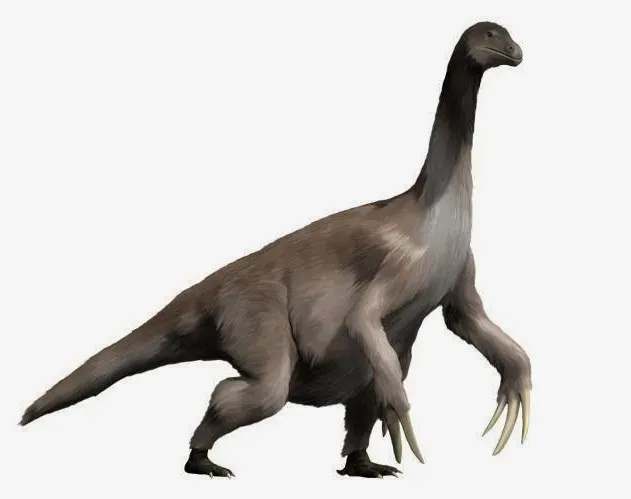
Therizinosaurus carried three-foot-long claws, longer than almost any land animal in history, and paleontologists still disagree on their primary job.
Early assumptions painted this dinosaur as a slashing predator, since claws that size seem built for combat at first glance. But later skeletal analysis revealed a body shape more suited to slow, plant-based browsing, complete with a small head and a wide, pot-bellied torso typical of herbivores. Recent research on therizinosaur claw shape across the family suggests the hooks functioned more like grappling tools for pulling branches toward the mouth, rather than weapons at all. A dinosaur built like a giant sloth somehow ended up with claws that look ready for battle. Even with that shift in thinking, some researchers still argue defense against predators was a secondary benefit, not just an evolutionary accident.
Worth Knowing
- First discovered in 1948 during a Soviet-Mongolian expedition to Mongolia’s Gobi Desert, based only on the claws
- Those claws measured up to 3.3 feet (about 1 meter) long, the longest of any known animal in history
- Early researchers initially mistook the claw bones for ribs from a giant turtle-like creature
- Later limb and hip finds confirmed proportions typical of a slow-moving herbivore, not a predator
#5 – Yi qi’s Bat-Like Wings
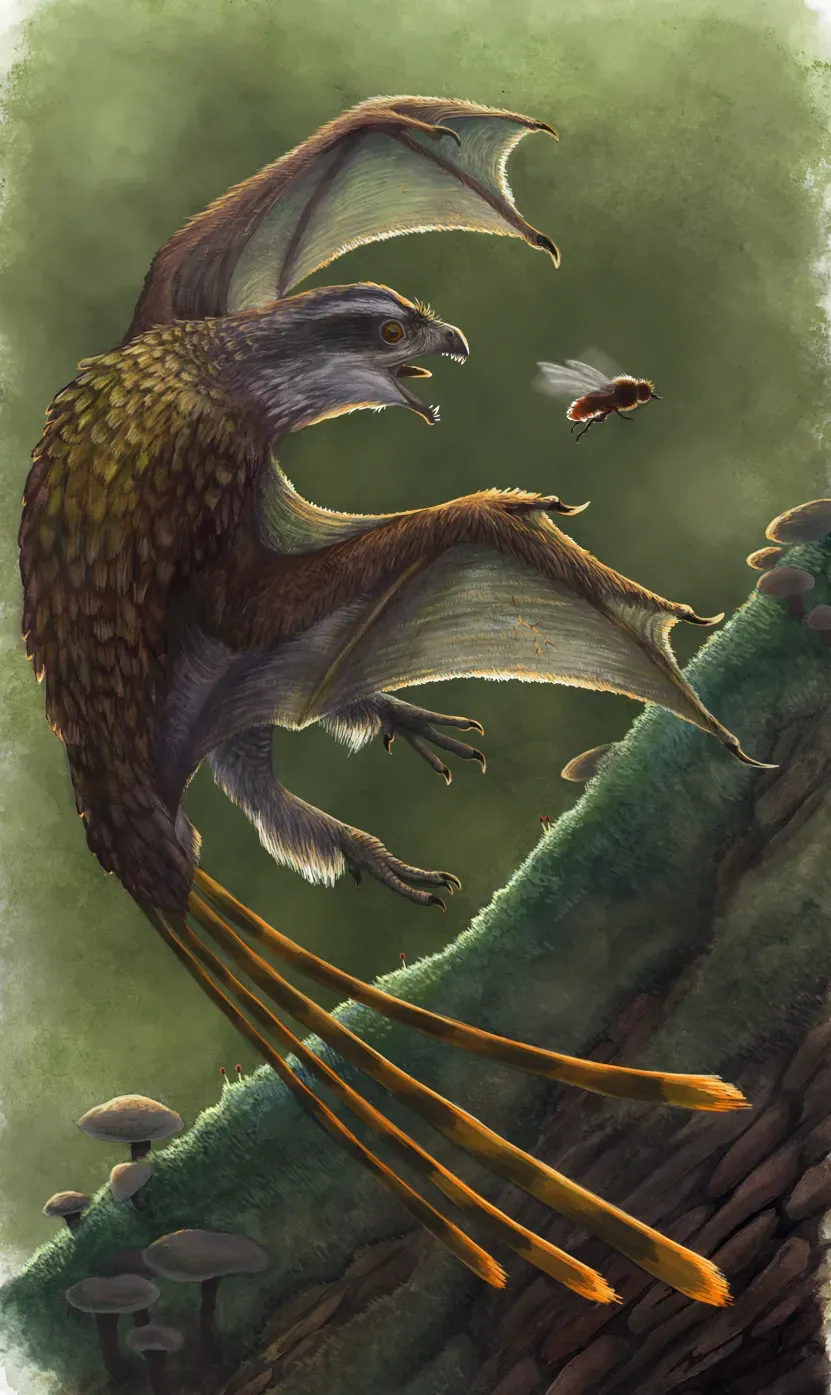
Yi qi is a dinosaur that grew bat-style wings millions of years before actual bats existed, and researchers still aren’t sure it could truly fly.
Instead of feathers, this small Jurassic dinosaur developed a skin membrane stretched across an elongated wrist bone, a structure found in no other known dinosaur species. That membrane setup resembles pterosaur and bat wings far more than typical bird-style feathered flight, making Yi qi a genuine evolutionary detour rather than a stepping stone toward modern birds. Recent aerodynamic testing found the wing design would have made Yi qi a fairly poor glider, and researchers have described it as an evolutionary dead end rather than a successful flight strategy. A dinosaur experimented with bat wings 100 million years before real bats showed up, and it still might not have worked well. Only a single confirmed specimen exists, which severely limits how confidently scientists can describe its actual flight behavior.
#4 – Longisquama’s Mysterious Back Appendages
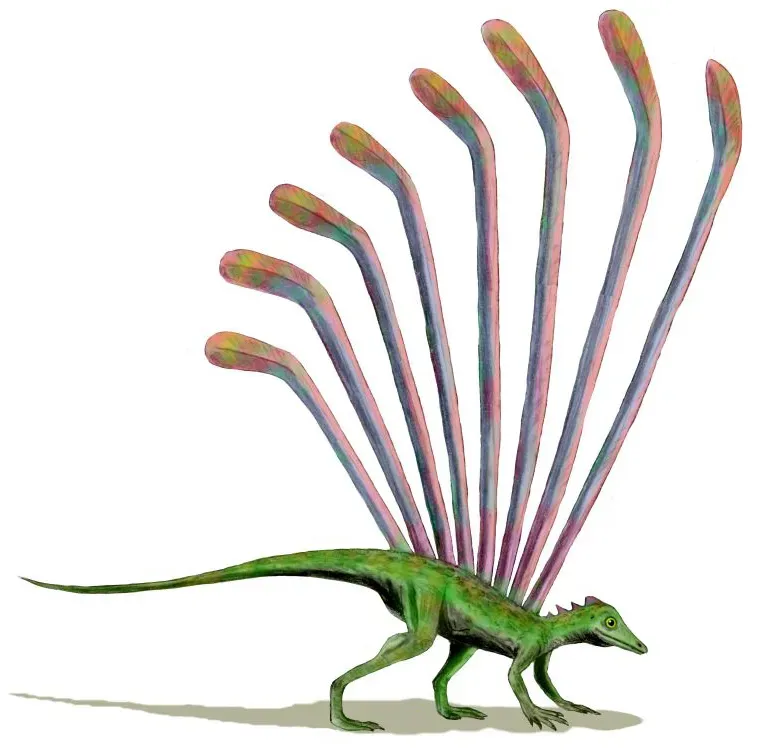
Longisquama’s back was covered in tall, blade-like structures that once convinced scientists they’d found the ancestor of bird feathers – until the theory completely fell apart.
When first described in 1970, researchers proposed this small Triassic reptile used paired rows of appendages as wings for gliding through prehistoric forests, positioning it as an early relative of birds. Later, more detailed analysis suggested the appendages actually formed a single row down the spine rather than two gliding rows, which makes powered gliding essentially impossible according to basic physics. That shift forced scientists toward alternative explanations, with most now favoring a display function used for territory signaling or a defensive flash meant to startle attacking predators. An animal once nominated as the ancestor of bird flight now can’t even be confirmed to have flown at all. The debate over whether these structures were modified scales or true feather-like material has never been fully resolved either.
#3 – Tullimonstrum, the Fossil Nobody Can Classify
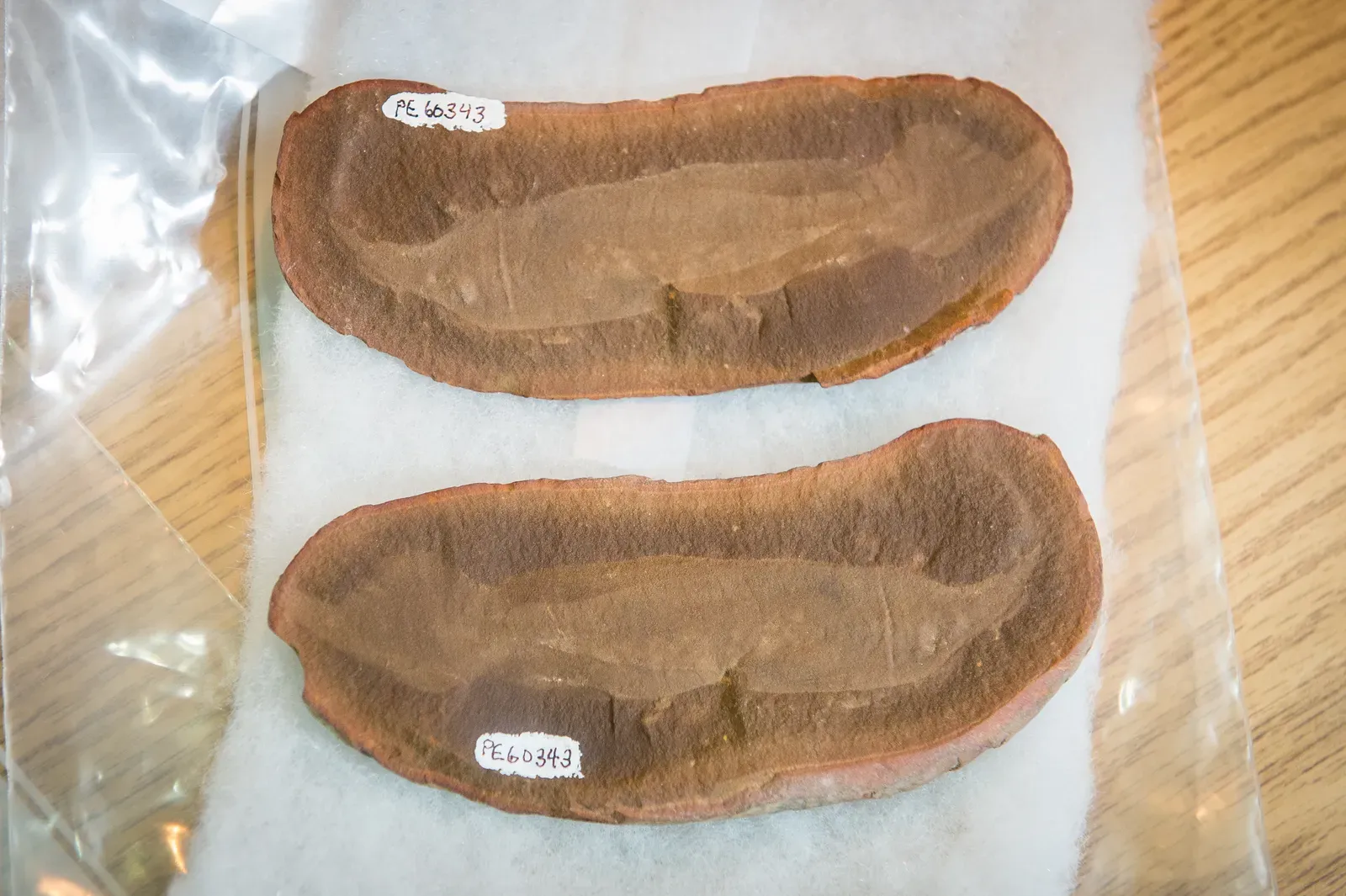
The Tully Monster has been studied for over sixty years, and scientists still can’t agree on which major group of animals it even belongs to.
It was discovered in 1958, first described scientifically in 1966, yet never definitively identified even to the level of phylum. It has a segmented, worm-like body, a long trunk ending in tooth-lined grasping claws, and eyes perched on a rigid bar jutting from its sides. Research once argued the animal should be grouped with vertebrates because its eyes contain pigment granules called melanosomes, but later work found similar structures in invertebrates like octopus and squid. A creature this thoroughly studied still can’t be placed on the tree of life with confidence. Using 3D imaging technology, a team in Japan later concluded the Tully Monster was not a vertebrate, though its exact classification and what type of invertebrate it was remains undecided. Even Illinois’ official state fossil can’t get a straight answer from science.
At a Glance
- Discovered in 1955 by amateur fossil hunter Francis Tully near Braidwood, Illinois
- Formally named in 1966, after researchers admitted no one recognized what kind of animal it was
- Most specimens measure roughly 3 to 15 inches long
- Named Illinois’ official state fossil in 1989
- Every confirmed specimen comes from the Mazon Creek fossil beds – it has never been found anywhere else on Earth
#2 – Opabinia’s Five Eyes and Backward Mouth
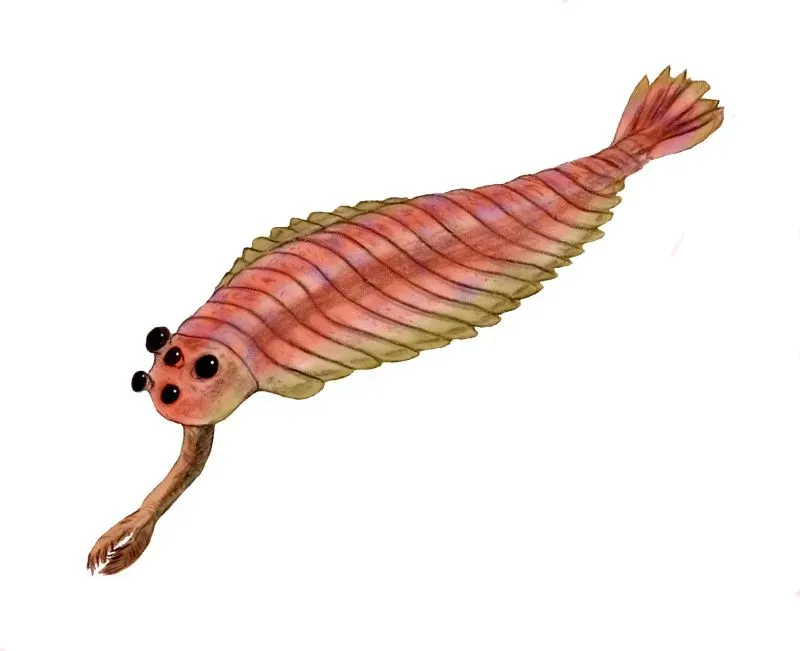
Opabinia had five eyes and a mouth that points the wrong way, and when scientists first presented its anatomy at a conference, the room reportedly laughed out loud.
Opabinia was a small, soft-bodied animal, roughly 4-7cm long, with five stalked eyes clustered on top of its head, almost certainly used to scan for movement, and a long, hose-like proboscis ending in a grasping claw. Because the mouth faced backwards, its gut had a strong U-shaped bend that food would have to pass around before working its way down the body. Five separate eyes on one animal is a sensory setup that has never reappeared in the 500 million years since. Scientists still debate exactly how these eyes worked – whether for seeing in the dark, detecting movement, or distinguishing color and depth – and the function of five eyes remains a tantalizing puzzle.
Wind back the tape of life to the early days of the Burgess Shale, let it play again from an identical starting point, and the chance becomes vanishingly small that anything like human intelligence would grace the replay.
Stephen Jay Gould, Wonderful Life
Fewer than a couple dozen good specimens of Opabinia exist, which keeps this bizarre sensory arrangement firmly in the theory stage.
#1 – Hallucigenia, the Animal Science Rebuilt Backward and Upside Down
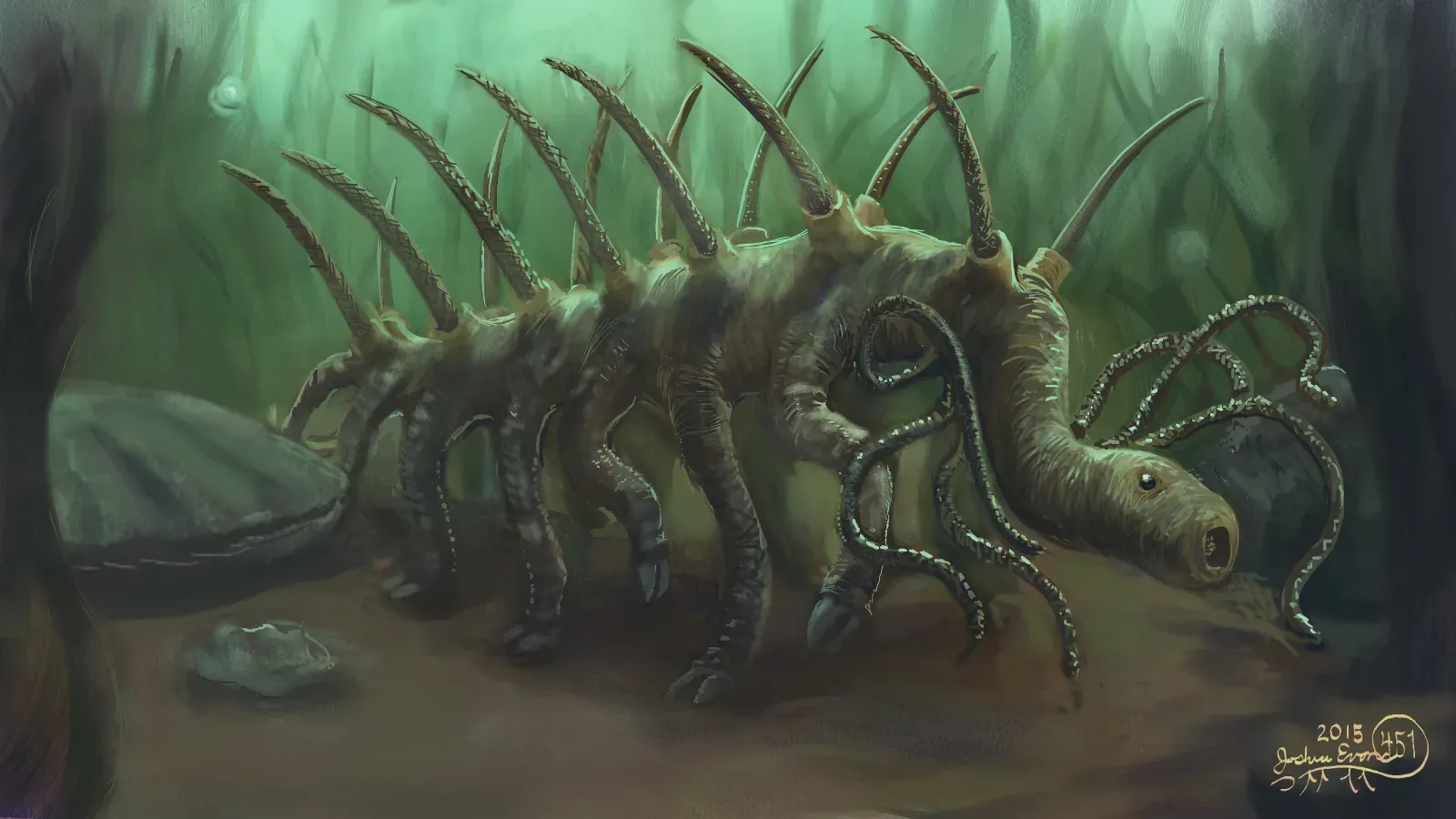
Hallucigenia is so strange that paleontologists spent decades studying it completely upside down and backward without realizing their mistake.
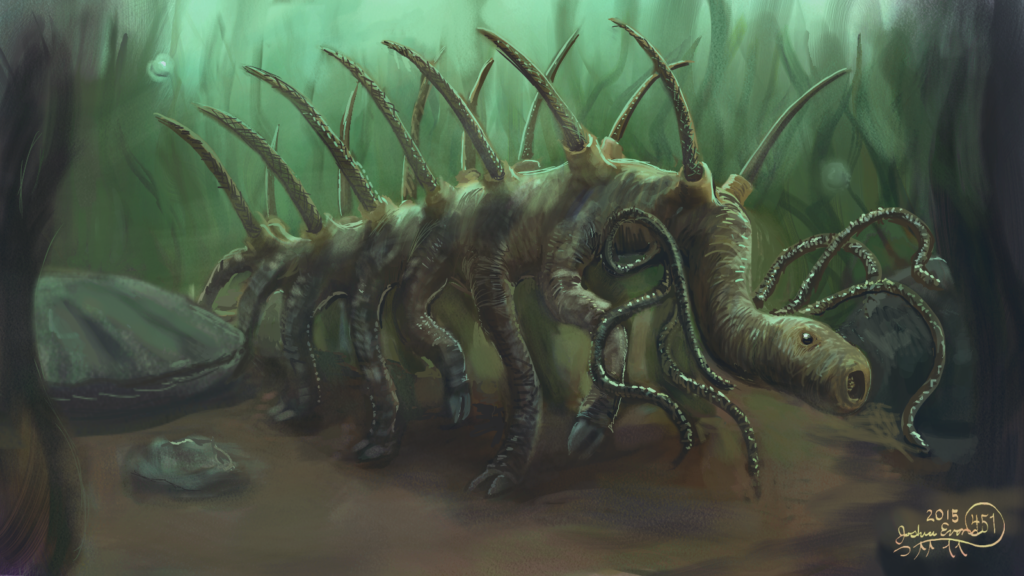
Early interpretations of Hallucigenia, first identified in the 1970s, placed it both backwards and upside-down – the spines along its back were originally thought to be legs, its legs were thought to be tentacles, and its head was mistaken for its tail. Scientists even believed a large balloon-like orb at one end represented the head, until later research showed this orb was actually a blob of decay fluids that oozed out during fossilization. A creature this famous was scientifically inverted for nearly twenty years before anyone caught the error. Three pairs of skinny tentacles toward the head were perhaps used to process food or as antennae, though their precise purpose is still debated today, and its long defensive spines still leave researchers unsure exactly how this animal actually lived.
The Bottom Line
Here’s the uncomfortable truth: prehistoric life wasn’t a tidy march toward modern animals – it was a chaotic experiment full of dead ends, and some of the most-studied fossils on Earth still can’t be fully explained. Opabinia’s five eyes, Hallucigenia’s spines, the Tully Monster’s entire body plan – these aren’t fringe discoveries. They’re textbook fossils that keep humbling professional paleontologists decade after decade.
Frankly, the “mystery solved” headlines you see online are almost always premature; the actual research community is far less certain than pop-science articles suggest. Which of these unexplained creatures do you think science will finally crack first? Drop your theory in the comments.