Imagine walking into a prehistoric valley and instantly knowing which dinosaur would have taken one look at you and thought, “Mine.” Not in a snack way, but in a strange, territorial, fiercely social, almost possessive way. Dinosaurs were not just giant lizards stomping around at random; they carved up landscapes, defended nesting grounds, formed alliances, and sometimes tolerated or even protected others in their space.
What makes this fun is that paleontologists have been quietly piecing together real evidence of dinosaur behavior from trackways, nesting sites, healed injuries, and fossilized bone beds. When you match those behaviors with human personalities, you start to see very specific “dinosaur vibes.” So let’s time-travel for a moment and ask: based on what science actually supports about their territorial and social lives, which dinosaur would have claimed you as part of its world?
If You Are Loyal but Selective: The Triceratops Guardian
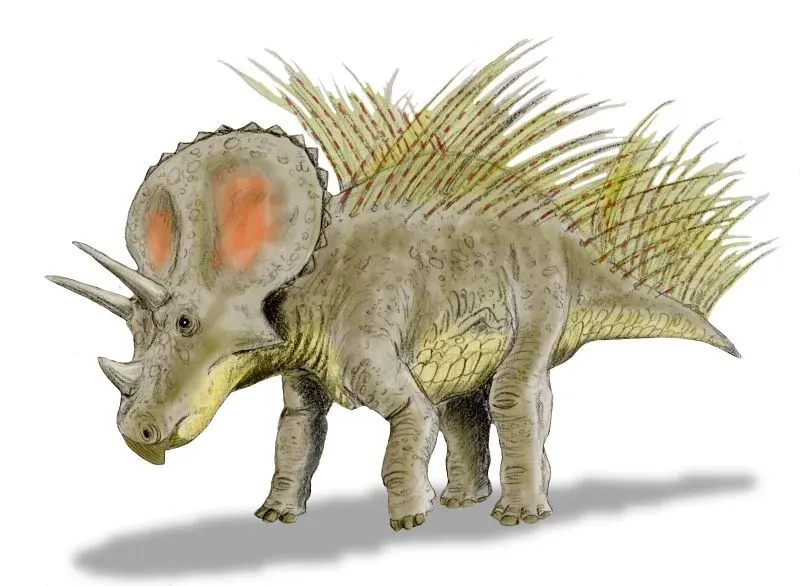
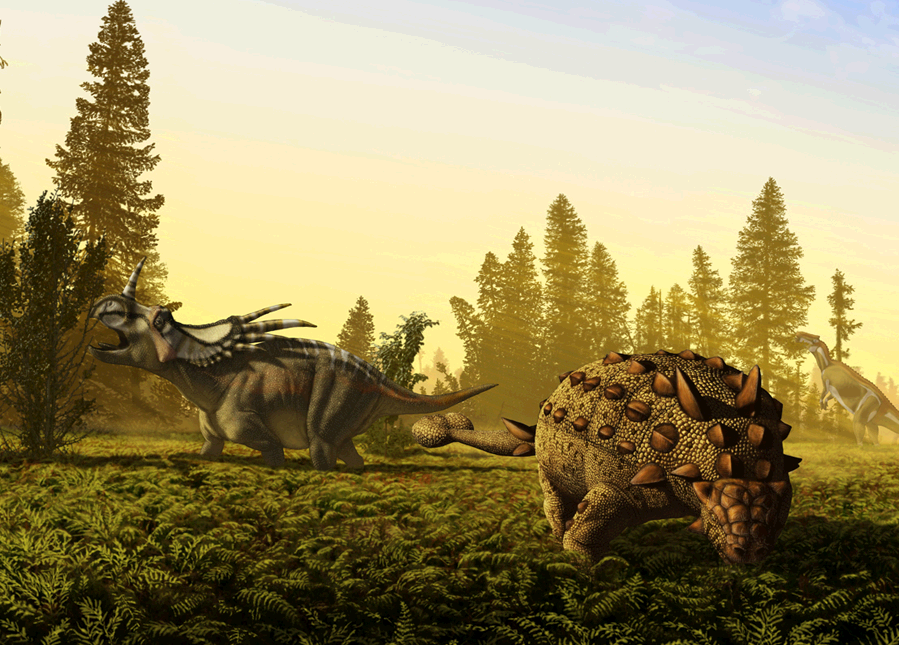
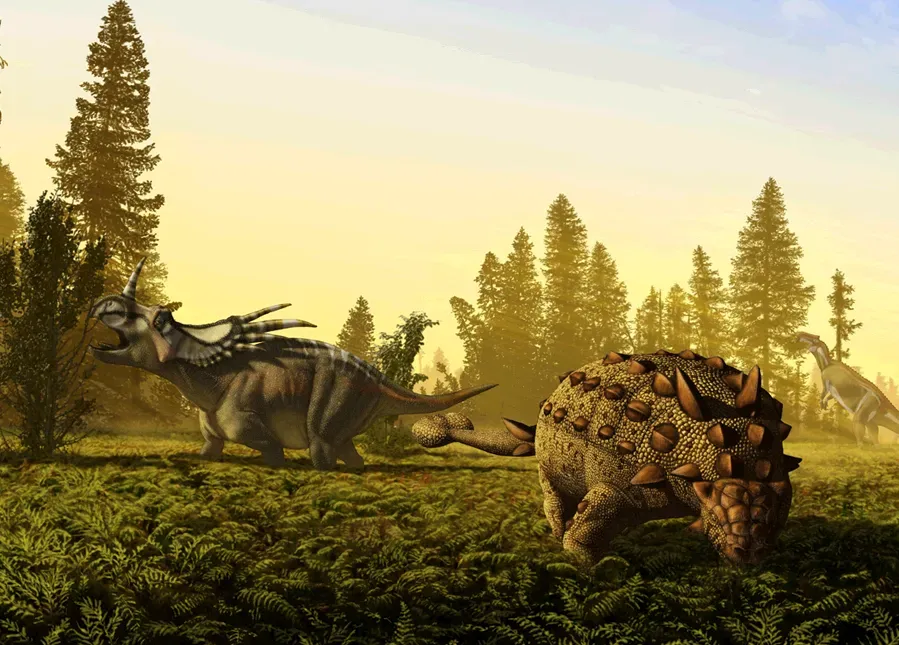
Triceratops is the dinosaur for people who are loyal, a bit stubborn, and very particular about who they let into their inner circle. Evidence from skulls shows repeated injuries and healed horn damage, suggesting these animals sparred often, probably for dominance or access to mates. Their huge frills and horns were not just for show; they were built-in defense systems and social billboards that broadcasted status, health, and readiness to challenge or protect.
Fossil sites suggest that some horned dinosaurs formed small groups, and many paleontologists believe Triceratops likely lived at least part of its life in social structures, even if not in giant herds. If that sounds like you – friendly but not wide open, protective of your “people,” willing to stand your ground when something feels wrong – then a Triceratops would probably have claimed you as part of its defended core territory. You’d be that quiet human shape always walking just inside the invisible circle it would fight to keep safe.
If You Thrive in Crowds: The Hadrosaur Herd Insider
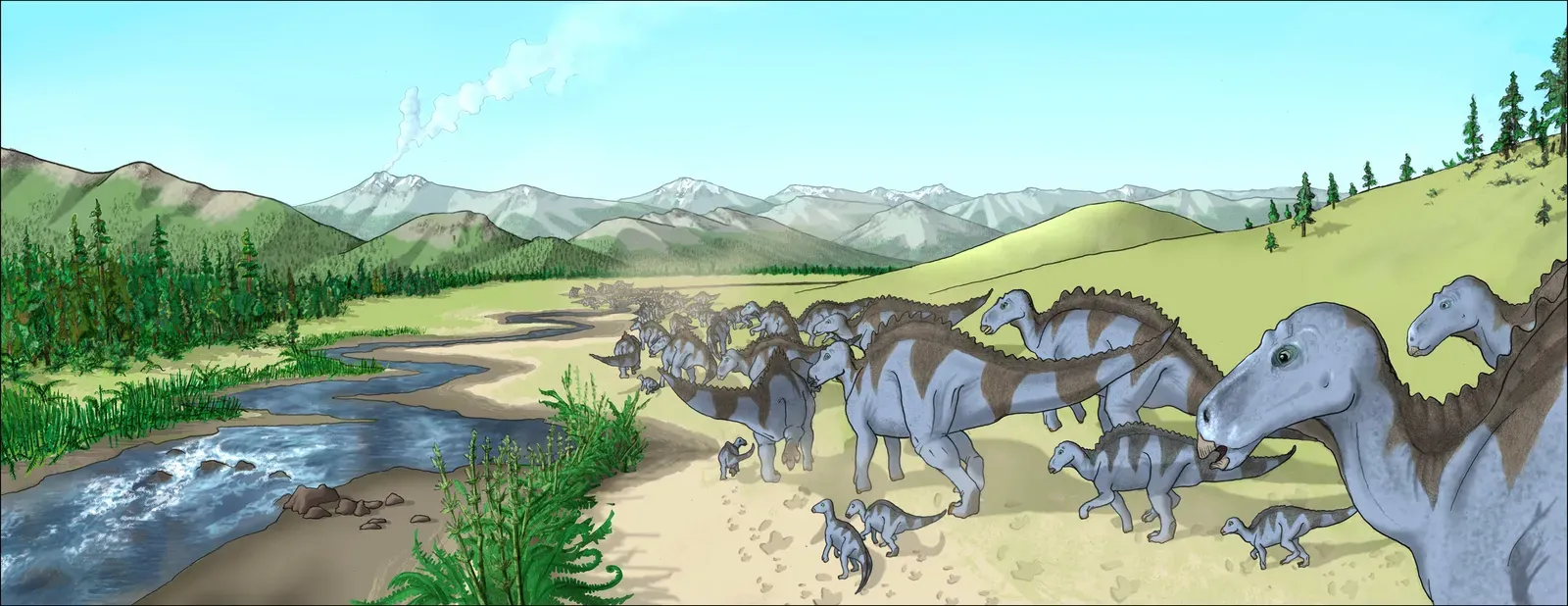
If you love the controlled chaos of festivals, group projects, or big friend circles, you’re in hadrosaur territory. Duck-billed dinosaurs left behind incredible trackways and bone beds that point to large herds moving together, sometimes across long distances. Some nesting grounds show repeated use of the same areas, suggesting they returned seasonally, a bit like migratory animals today that re-claim their breeding grounds each year.
Hadrosaurs also had elaborate crests and nasal passages that likely helped them produce sound, hinting at complex communication within the herd. If you’re the kind of person who thrives on social energy, reads group dynamics well, and likes the safety of “we’re all in this together,” a hadrosaur would probably have let you blend right into its moving community. You would not be a pet or a sidekick; you’d be part of the crowd it unconsciously accepts and sweeps along as it reclaims valleys, floodplains, and riverbanks in massive waves of leaf-munching life.
If You Are Intense and Strategic: The Tyrannosaurus Apex Enforcer
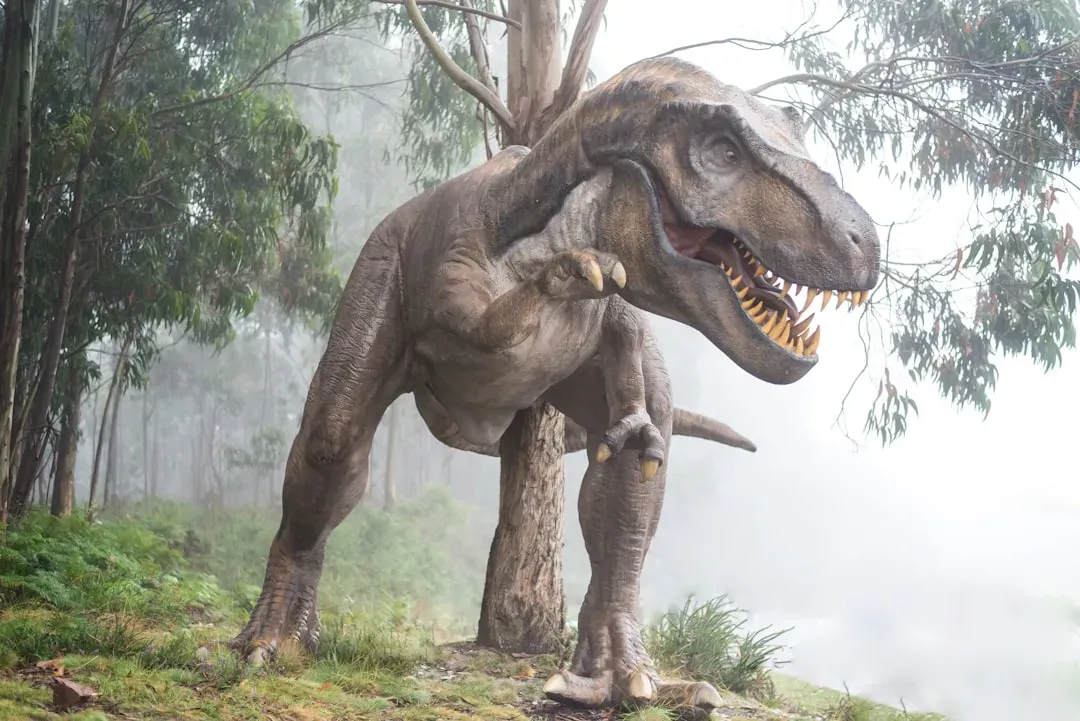
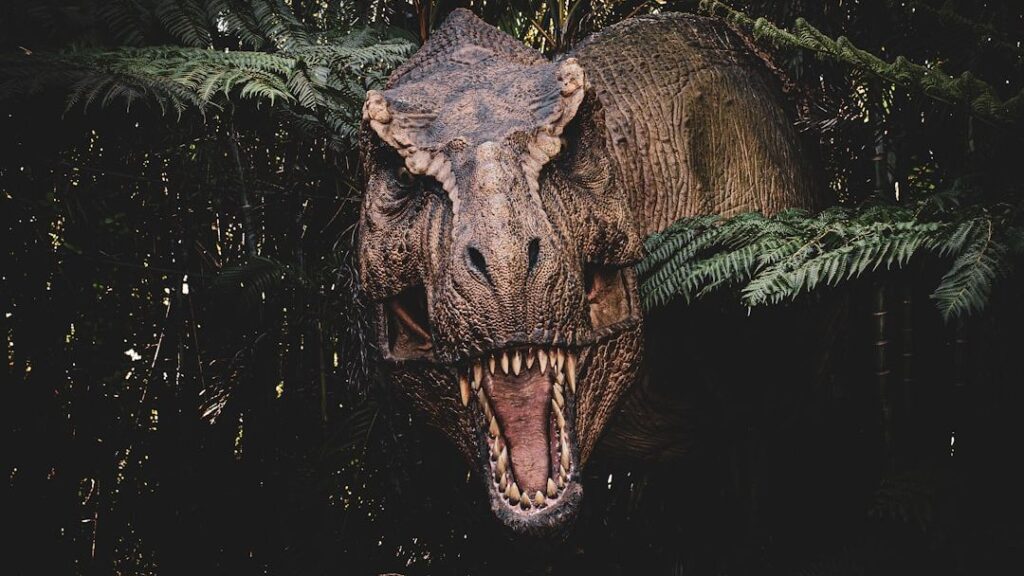
Tyrannosaurus is not for the faint of heart – it is the dinosaur equivalent of an intense, highly focused personality that sees the world in terms of territory, leverage, and opportunity. Fossil evidence shows T. rex as a top predator, with bite marks on bones that match its teeth and even healed injuries on other T. rex individuals, implying fights and social conflict. Some sites contain multiple T. rex remains together, which has sparked debate about whether they were solitary or occasionally social, at least around feeding or particular territories.
Territoriality for such a large predator would almost certainly have been fierce; defending a hunting range is a matter of survival when your energy needs are massive. If you’re the kind of person who sets strong boundaries, makes deliberate moves, and does not like others encroaching on what you consider yours – time, space, or relationships – T. rex might have recognized a kindred territorial instinct in you. It would not be cuddly, but in its own way, it might have tolerated you at the edge of its domain, a strange, upright ally that understands the quiet law of “this place is mine.”
If You Are Curious and Socially Sharp: The Deinonychus Pack-Minded Ally
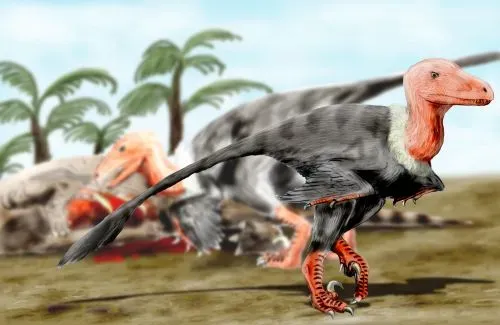
Deinonychus, a smaller predatory dinosaur often linked to the idea of “raptors,” is associated with fossil sites where multiple individuals are found around prey. This has led some paleontologists to propose at least coordinated feeding, and possibly some form of group behavior, even if not as neatly organized as a wolf pack. Their sickle-claws and lightweight build suggest agility, strategy, and speed in both hunting and navigating their environment.
If you are the friend who notices subtle social cues, likes working in a small, tight unit, and enjoys planning rather than rushing in blindly, a Deinonychus would likely have claimed you as an odd-but-useful member of the team. Its territory would be less about huge open plains and more about shared routes, hunting zones, and familiar ambush spots – spaces your brain would quietly help map and remember. You would be valued for your pattern-recognition and your willingness to move with a group rather than always going solo.
If You Are Gentle but Unshakeable: The Sauropod Landscape Owner
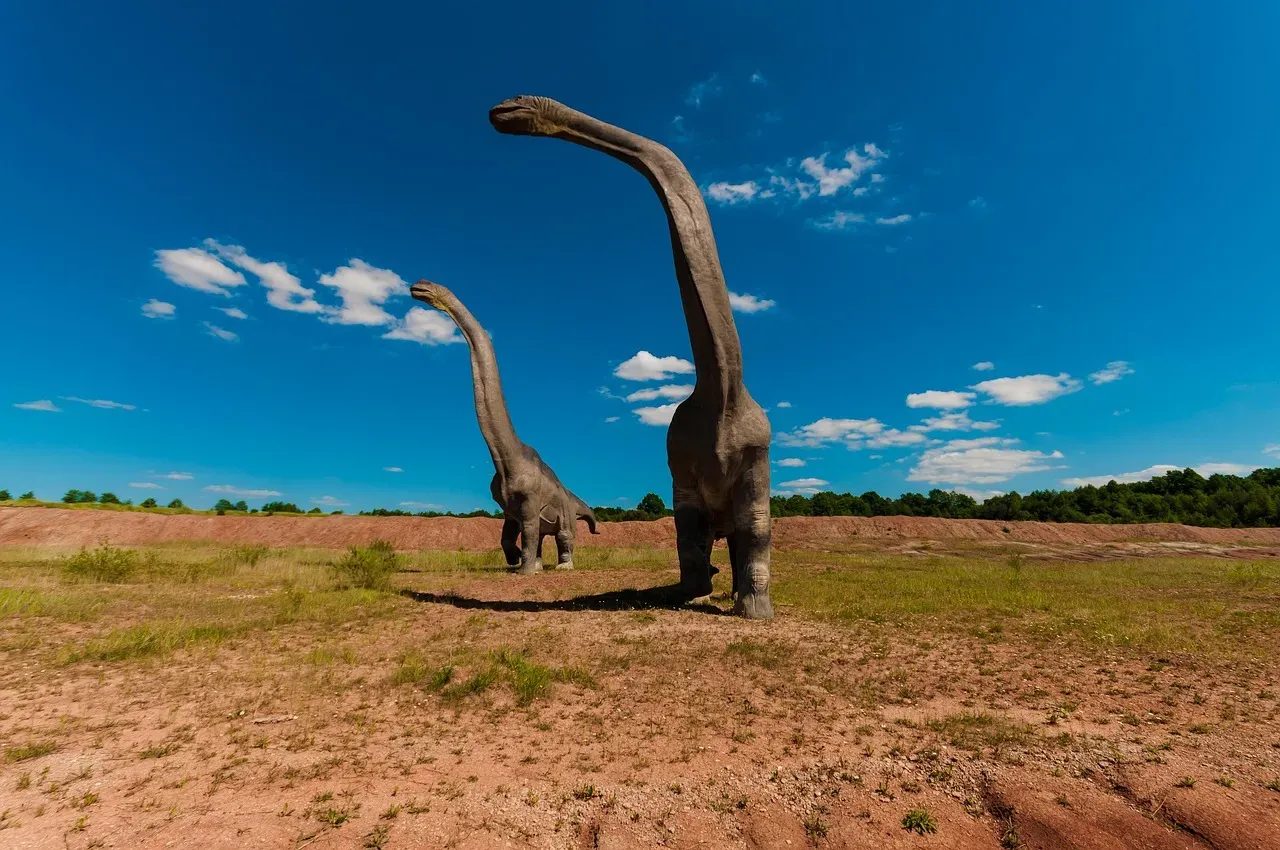
Long-necked sauropods, like Apatosaurus or Diplodocus, were the quiet giants of their time, and they may have controlled territory in a way that looked more like slow, overwhelming presence than direct confrontation. Massive trackways with many individuals suggest they moved in groups, possibly in family bands or age-structured herds. Their sheer size would have shaped where they could live and how they used landscapes, and they probably had favored routes, feeding grounds, and water sources that they returned to again and again.
If you are a calm, steady person who rarely raises your voice but somehow sets the tone for any room you walk into, you share some sauropod energy. These animals did not need to be openly aggressive to dominate a region; simply existing in numbers and size quietly claimed huge swaths of land. A sauropod would not treat you like a delicate pet – it would see you as another persistent presence that walks the same routes and respects the same paths. In its world, you would be a familiar figure traveling those ancient highways of mud and fern, part of a slow, massive claim on the land.
If You Are Flashy, Expressive, and Socially Complex: The Ceratopsian Display Partner
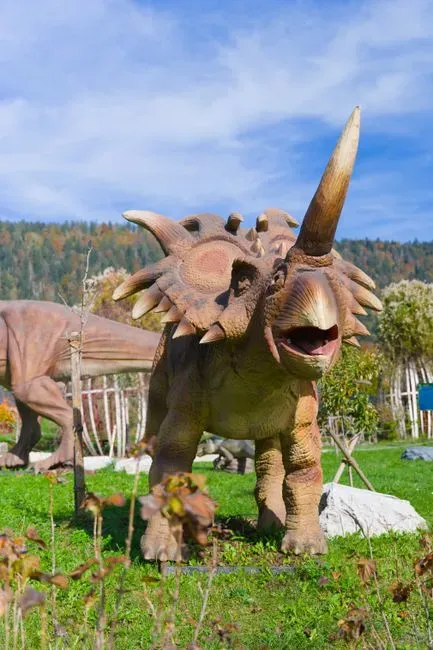
If you enjoy self-expression through style, body language, or even just bold opinions – and you pay attention to who notices and how they react – you’re speaking the language of ceratopsian display without even realizing it. These dinosaurs likely used their frills and horns to communicate strength, identity, maturity, and maybe even mood. A ceratopsian herd would probably have claimed you as part of its visual world, another being whose look and posture send signals that help the group understand who you are and where you fit.
If You Are Independent but Tolerant: The Ankylosaurus Quiet Neighbor
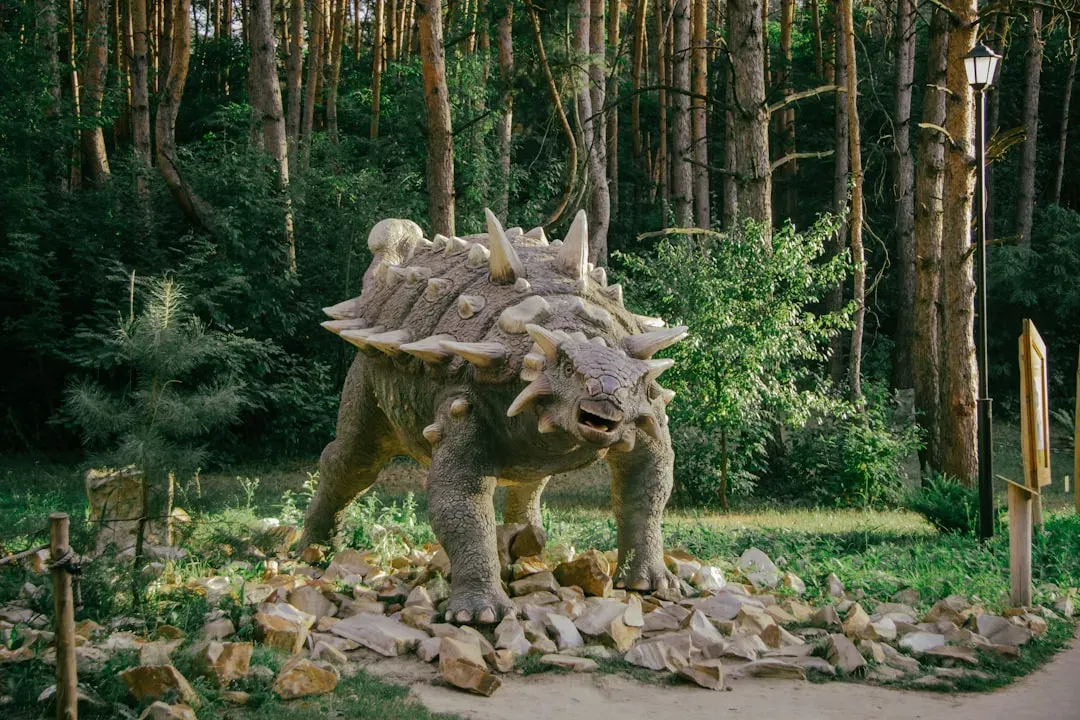
Ankylosaurus, the armored tank of the dinosaur world, gives strong “live and let live, but do not push me” energy. Its heavy armor, clubbed tail, and low-to-the-ground build point to a defensive strategy focused on withstanding attacks rather than chasing conflicts. Fossil evidence suggests it browsed close to the ground, moving through undergrowth and low vegetation, probably claiming small but meaningful patches of territory where it could feed and rest with minimal disturbance.
If you like your own space, love your routines, and are generally peaceful until someone disrespects your boundaries, Ankylosaurus is your dinosaur. It would not be a social butterfly, but it also would not waste energy chasing away every newcomer; it would save its power for real threats. In that world, you would be the odd, upright creature allowed to exist just inside its comfort zone, moving with quiet predictability. Its “claim” over you would look more like mutual tolerance and respect, a slow nod from across a shared patch of ground that says, “You stay you, I’ll stay me, and we both keep this place safe.”
Conclusion: The Dinosaur That Would Claim You Says More About You Than About Them
When you match your own quirks to dinosaur behavior, it stops being about which one you would ride, tame, or escape from, and starts being about whose world you would fit naturally into. Territorial and social clues from the fossil record – herds preserved in bonebeds, returning to the same nesting sites, healed battle wounds carved into skulls and ribs – tell us that dinosaurs carved out emotional geographies as much as physical ones. Whether you resonate with the loyal stubbornness of a Triceratops, the crowd-loving hadrosaurs, the intense focus of a T. rex, or the armored calm of Ankylosaurus, you are really recognizing patterns you already live by.
My personal hunch is that most of us are secretly hadrosaur at heart: we like the safety of the group, the comfort of shared paths, and the feeling of belonging to a moving, living landscape. But maybe you read this and thought, without hesitation, “No, I’m absolutely a Deinonychus person, and my territory is my tight little circle of people who actually get me.” Whichever dinosaur would have claimed you, the real question is: now that you’ve seen your prehistoric twin, how differently do you feel about the space you choose to call yours today?