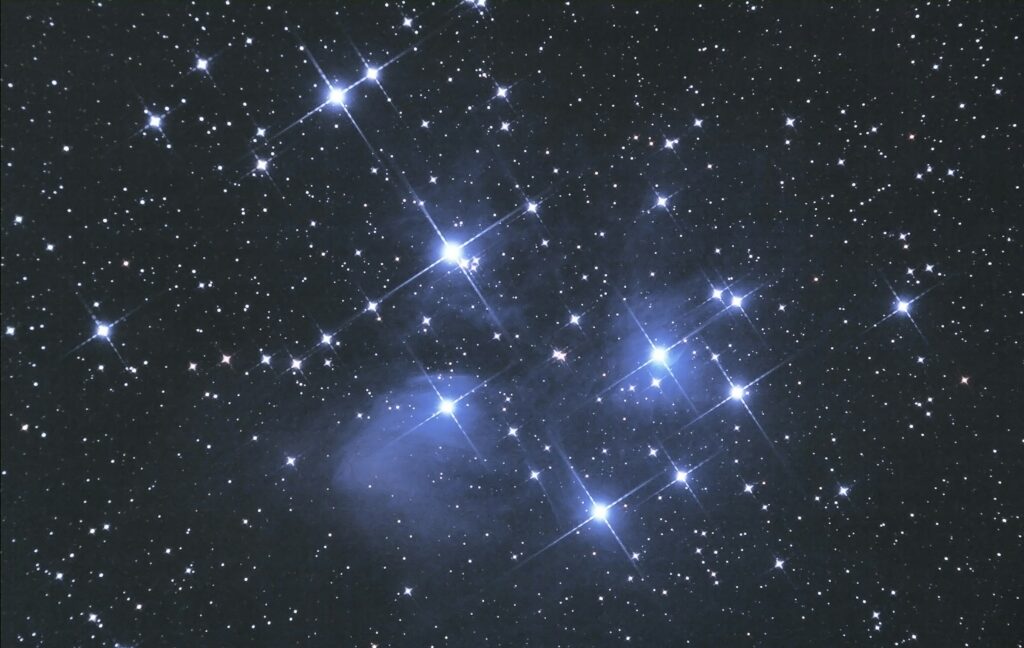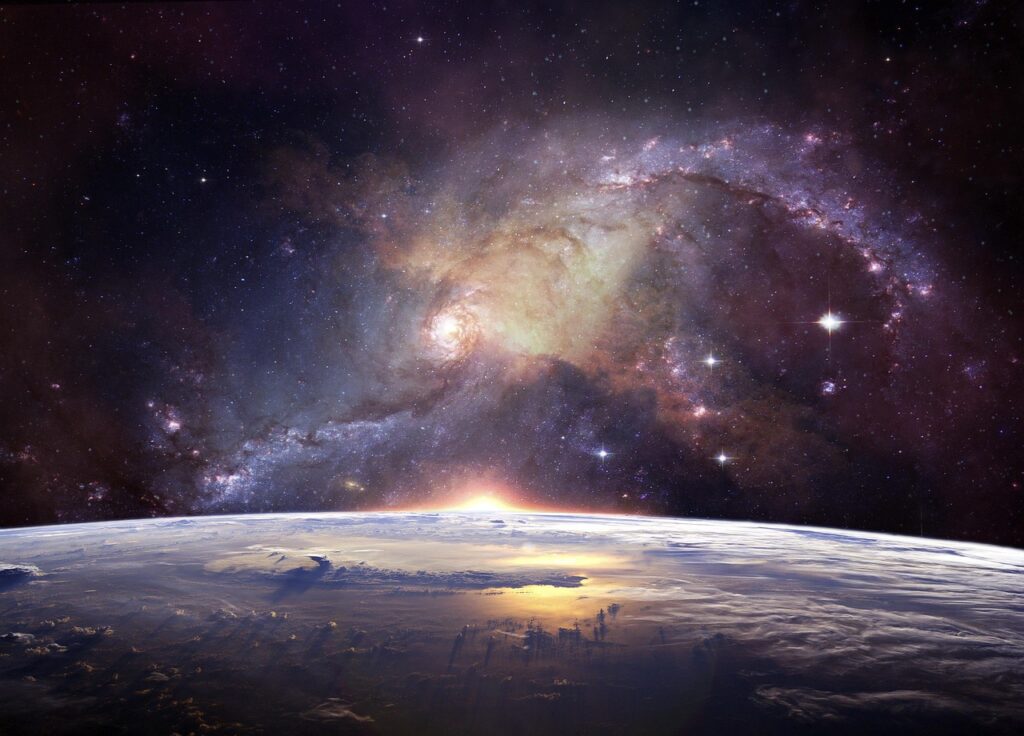
The night sky feels timeless, almost like a cosmic wallpaper that never changes. You might even take comfort in the idea that your zodiac sign is written in the same stars people saw thousands of years ago. But if you rewind the clock far enough, that illusion falls apart in a pretty dramatic way. Sixty‑five million years ago, when T. rex and Triceratops were stomping around, the familiar constellations that define modern astrology simply did not exist in anything like their current shapes. That doesn’t mean the universe was empty or boring back then. Quite the opposite: the sky above the dinosaurs was full of stars, nebulae, and the hazy band of the Milky Way – just arranged differently, shifted by vast distances, and framed from a slightly different Earth. If you could stand on a Late Cretaceous shoreline at night, you’d still see a stunning starfield, but you wouldn’t recognize a single official constellation. Let’s unpack what that actually means, and what the dinosaur sky would really have looked like.
The uncomfortable truth: constellations are human inventions, not cosmic facts
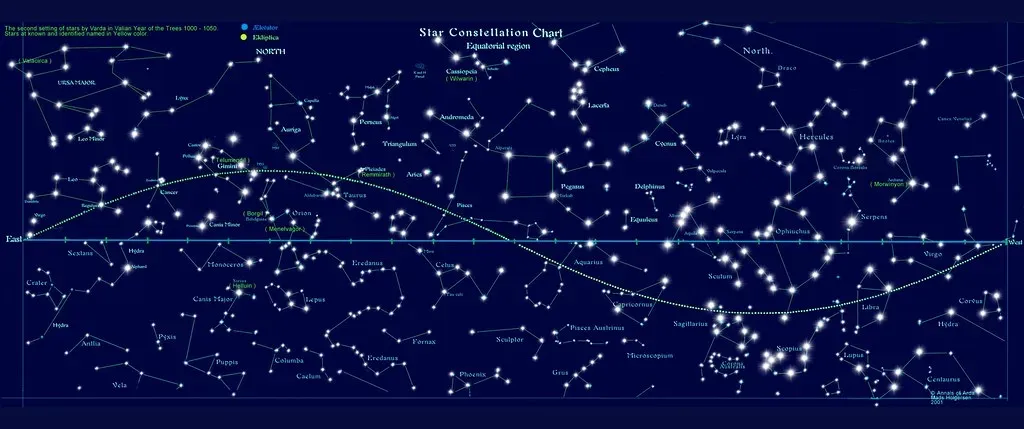
The first shocking thing to swallow is that constellations are stories, not structures out there in space. Those crisp lines turning random stars into a scorpion or a lion are basically cosmic connect‑the‑dots drawn by humans over the last few thousand years. The stars forming your birth sign are not physically grouped together in space; they just happen to line up from our vantage point, at this moment in Earth’s history. That means if you jump far enough back in time, the constellations don’t slowly fade – they were never “there” in the first place. No ancient cosmic rulebook labeled a patch of stars as Leo or Capricorn for the dinosaurs. The patterns we know today are a cultural overlay, built by human imagination on top of a sky that never agreed to stand still. Once you accept that, it becomes easier to picture just how alien the night might have been when no humans existed to name it.
Stars are on the move: why the shapes in the sky slowly dissolve
Another key piece of the puzzle: stars are not fixed pins in a black curtain. They orbit the center of the Milky Way, each with its own speed and direction, like cars in an enormous, slow‑motion highway. Over a human lifetime, their movement is tiny, but give them a million years or more and the familiar pictures they form start to warp and drift in obvious ways. Astronomers call this slow drift “proper motion,” and when you stretch it over tens of millions of years, nearly every recognizable pattern breaks apart. Lines that once traced a bull or an archer get skewed into random zigzags. Some stars in a constellation move closer together from our point of view; others slide away. So even if a few individual stars that eventually became part of today’s constellations existed back in dinosaur time, they would have been in wildly different places in the sky, forming completely different, anonymous patterns.
Earth itself was tilted and placed differently under that ancient sky
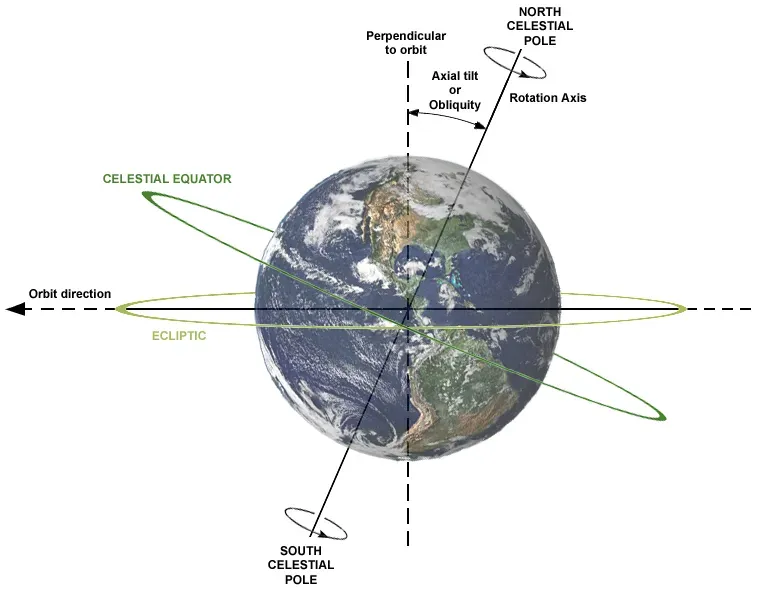
It’s not just the stars that change; our planet does too. Earth wobbles, tilts, and shifts over long timescales, which changes how we see the sky. The axis of Earth slowly traces a circle in space, like a spinning top that’s starting to lean, over a cycle lasting tens of thousands of years. This long‑term wobble, along with changes in orbit, also affects which stars are visible from a given latitude and what the seasonal sky looks like. Now stretch beyond those cycles into tens of millions of years, when continents slide across the globe through plate tectonics. During the Late Cretaceous, the land arrangement was very different: no modern Atlantic shoreline, no familiar arrangement of North and South America, Europe, and Africa. So a spot that today sits at, say, mid‑northern latitude with one set of visible stars might have been closer to the equator or farther south back then, under a totally different star panorama. The dinosaur Earth literally rotated under a different part of the sky.
Would the zodiac stars themselves have been there at all?
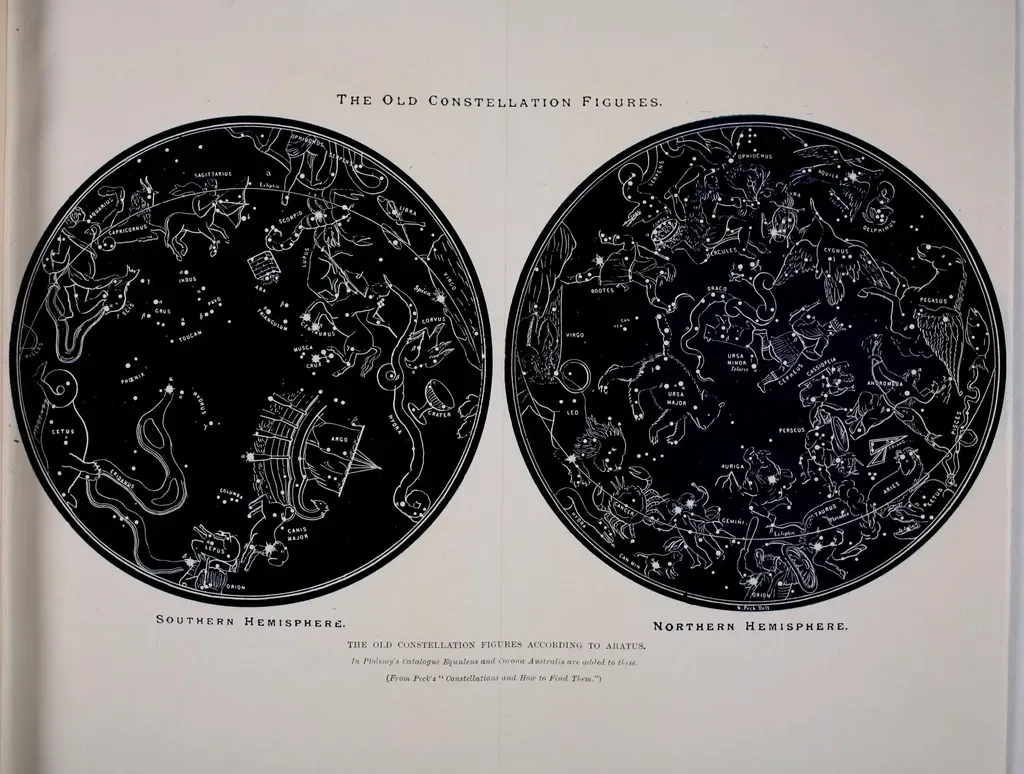
Here’s where it gets especially mind‑bending for astrology fans: many bright stars in today’s zodiac likely existed 65 million years ago, but that does not mean they formed anything like the same shapes or even sat along the same precise path. Massive, short‑lived stars might have already lived and died in supernovae before that era, while long‑lived ones were slowly orbiting the galaxy in different configurations. Some stars that now sit in the constellations of Virgo or Pisces could have been scattered in very different directions relative to one another. On top of that, our Sun moves around the Milky Way over hundreds of millions of years, carrying the solar system along like a passenger in a giant merry‑go‑round. That motion changes the backdrop we’re moving against. The imaginary path the Sun appears to trace across the sky each year, called the ecliptic, would still have existed, but the specific stars lying near it – the ones we turned into zodiac signs – would not line up in the same tidy chain. In other words, the sky had stars, the Sun had a path, but the “zodiac” was not yet anything like the twelve‑sign system you know today.
To a dinosaur, the Milky Way would have been the main event
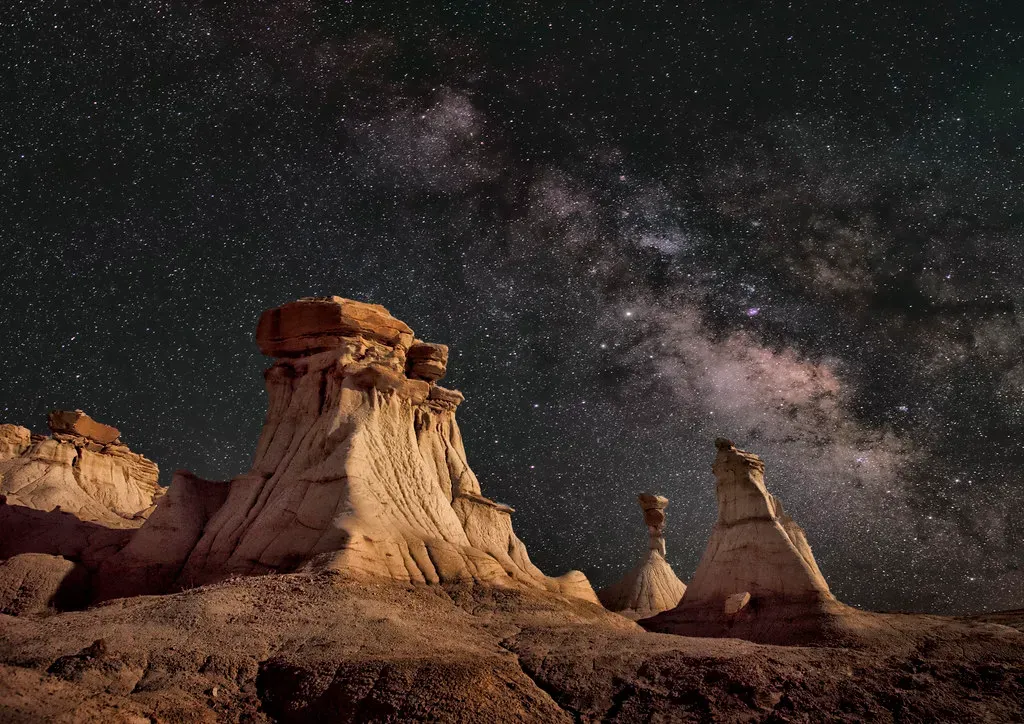
If you or I could camp with a dinosaur on a moonless night, the Milky Way would probably steal the show. Without human light pollution, and with the same basic galaxy we inhabit today, the band of the Milky Way would stretch overhead as a thick, glowing river of light. Star clusters and nebulae would pepper that band, just like they do now, but individual features would appear shifted to new positions thanks to the slow shuffle of stars and our motion through the galaxy. I like to imagine a giant sauropod lifting its head into that glow, seeing a sky that was full of structure but empty of names. No “Summer Triangle,” no “Big Dipper,” just a bright, mottled strip dividing the heavens. If we could map it carefully and overlay it on our modern sky, we might recognize broad regions, but almost none of the detailed signposts used today by stargazers would match. The main constant is that the galaxy was there, shining, whether anyone was around to romanticize it or not.
Dinosaurs never had horoscopes, and that actually matters
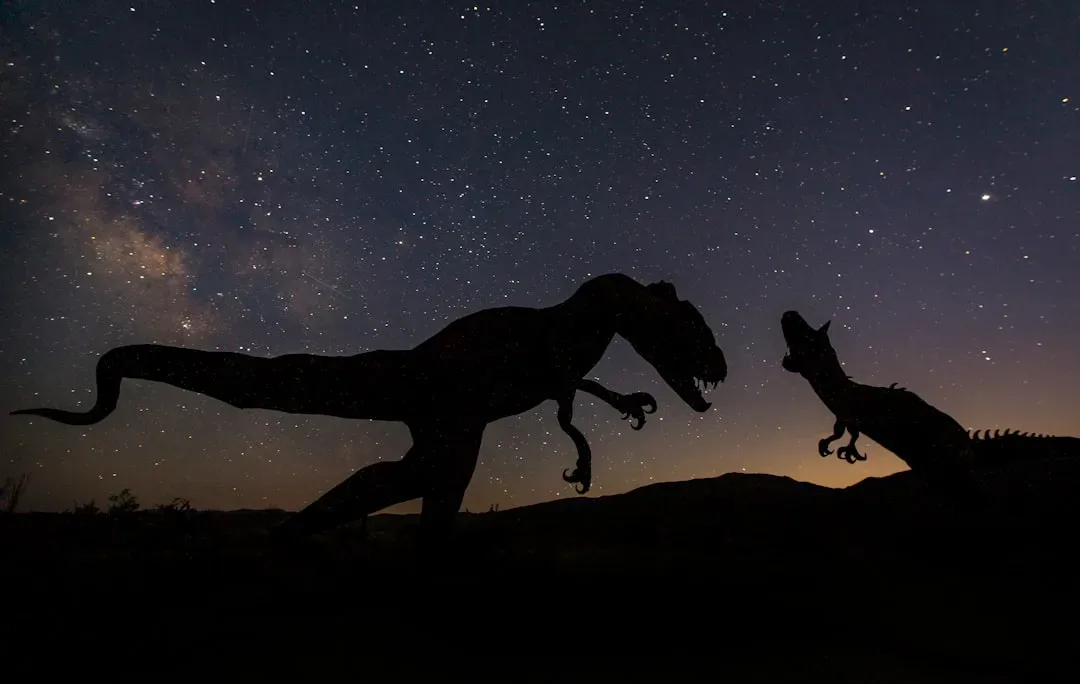
It sounds obvious to say dinosaurs did not check their weekly horoscopes, but there’s a deeper point hiding underneath. Astrology as a system depends completely on the particular patterns humans decided to notice in the last few thousand years, plus where Earth happened to be in its long, slow drift through space during that time. Move the clock tens of millions of years in either direction, and that fragile scaffolding falls apart. That does not mean the sky was meaningless – only that its meaning was not baked in. The same universe that humans later turned into symbols of love, war, and destiny simply existed as a grand, indifferent backdrop for the rise and fall of ancient creatures. For me, that undercuts the idea that your personality is fixed by these specific sky patterns, while also making the real story more beautiful: the cosmos is dynamic, and our interpretations are temporary and local, not eternal truths.
Reconstructing the dinosaur sky: what science can and can’t say
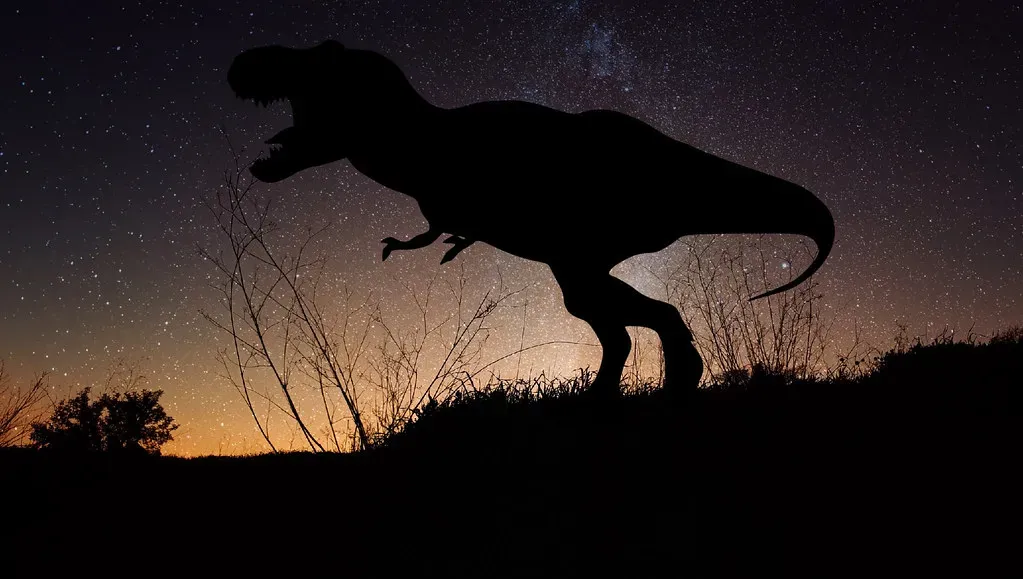
Can we actually recreate what the sky looked like 65 million years ago? To a limited degree, yes. Astronomers measure the current positions, distances, and motions of many nearby stars and use physics to run the clock backward. That lets us estimate where certain stars and clusters would have appeared in the distant past, at least for a few tens of millions of years, before uncertainties pile up and the picture gets fuzzy. But there are hard limits. Not all stars have well‑measured motions, some have exploded and vanished, and gravitational nudges from other stars and clouds of gas add complications that are hard to fully untangle over such a long time. So scientists can sketch a reasonable, big‑picture version of the Cretaceous night – yes, a bright Milky Way, yes, many familiar stars in shifted positions – but not a perfectly crisp star map. If someone claims to know exactly which “constellation” hung over T. rex on a specific night, you can be confident they’re telling a story, not reporting a measurement.
Your birth sign vs. the real cosmic timescale
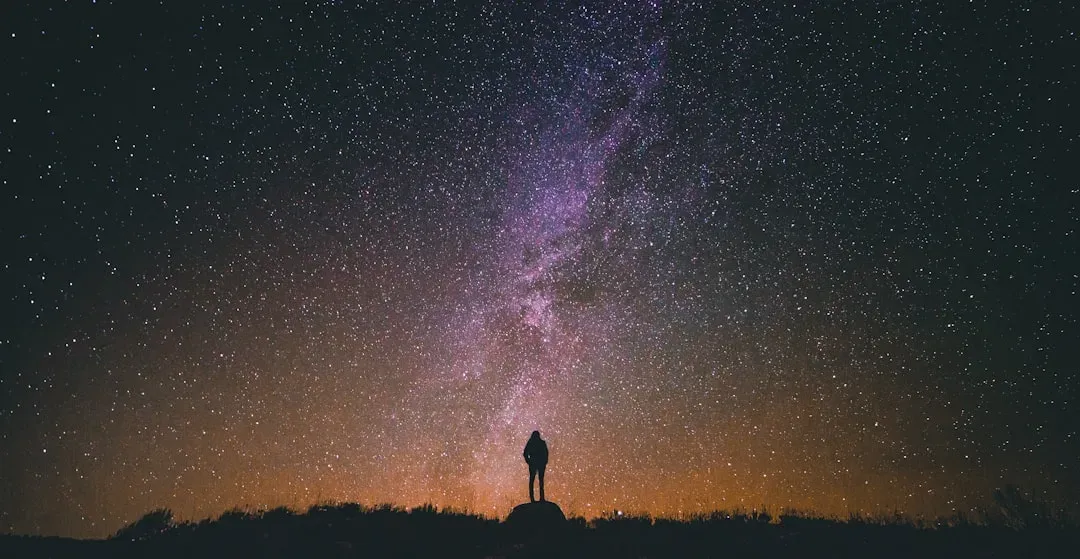
So where does this leave your birth sign? In plain terms, it is a poetic label pinned to one brief slice of cosmic history. The constellations along the zodiac are like patterns you see in clouds; they are meaningful to you in the moment, but the wind never agreed to hold them in place. On the scale of millions of years, the stars behave the same way. The scorpion, the twins, the ram – all of them are temporary sketches in a sky that is constantly erasing and redrawing itself. Personally, I think that makes the universe more interesting, not less. Instead of being locked into a destiny dictated by imagined animal shapes, you live on a planet that drifts through a galaxy, under a sky that has been different for dinosaurs, will be different for whatever comes after us, and is uniquely ours right now. The real magic is not that your sign rules your life, but that you get to exist at all during this fleeting arrangement of stars.
Conclusion: the dinosaur sky makes our stories look small – and that’s a good thing
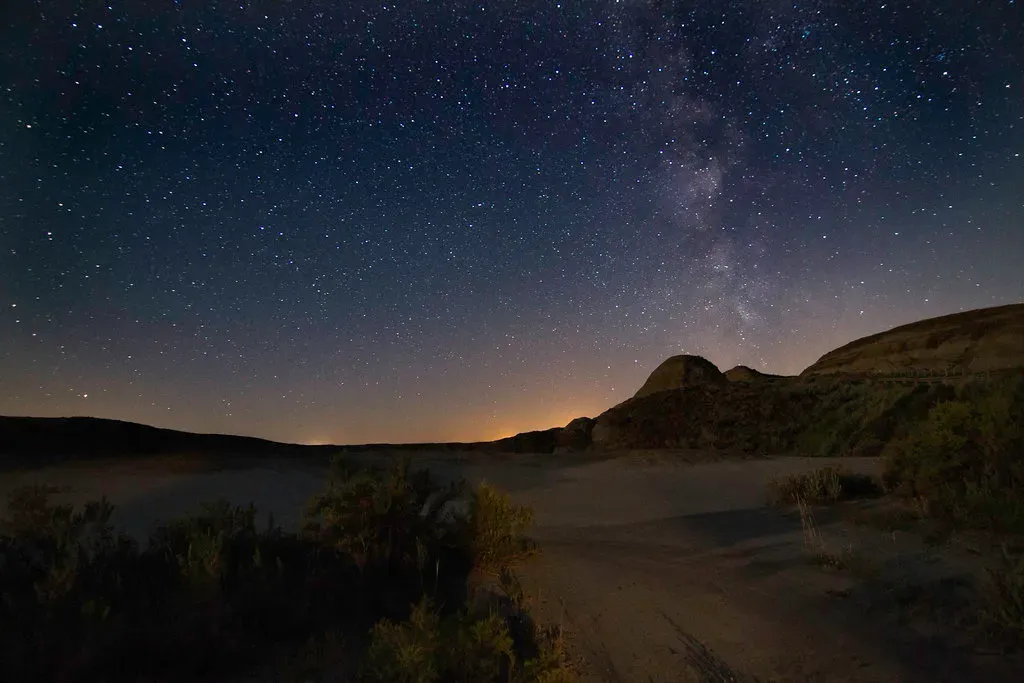
If you step back and look at the full picture, the claim in the title is not just a cute idea; it is the sober reality. The constellations that supposedly govern your birth chart are fragile human sketches that did not exist when dinosaurs ruled, and they will not survive unchanged far into the future. The sky the dinosaurs saw was rich and brilliant, but it was organized only by physics, not by myth or personality tests. My own take is blunt: astrology is a clever cultural tradition built on a moving target, not a map of cosmic fate. Once you realize that a T. rex standing under the Milky Way would have been “born” under a completely different, unnamed sky, it gets very hard to believe that your modern star sign encodes anything deep about you. And yet there is something oddly comforting in that realization: the universe is not whispering instructions into our lives through star patterns, which leaves us freer to write our own stories under this temporary, ever‑changing canopy. When you imagine that ancient, alien night above the dinosaurs, does it make you feel smaller – or more astonishingly lucky to see the version of the sky that exists right now?