
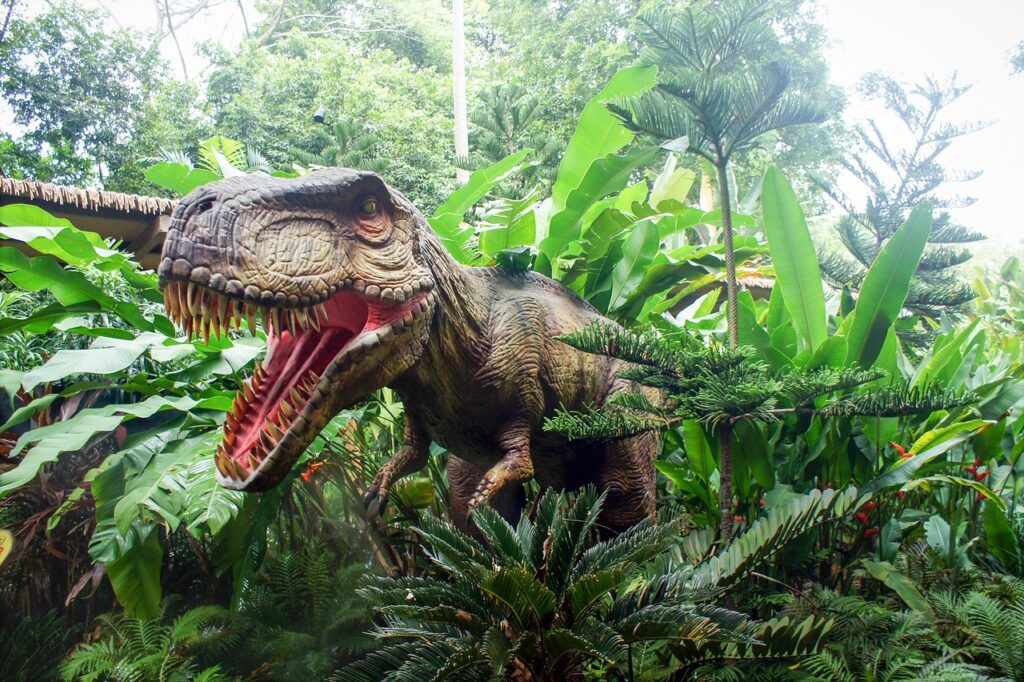
Most people picture the prehistoric world as one long, blurry montage of dinosaurs stomping through a jungle while cavemen throw spears at them. That mental image isn’t just slightly off – it’s almost entirely wrong. Real prehistory was stranger, longer, and far more chaotic than any movie ever dared to show: dragonflies the size of hawks, deserts that used to be oceans, and at least nine different human species sharing the same planet at the same time.
Scientists digging through fossils, ice cores, and ancient DNA keep bumping into the same uncomfortable truth: “ancient” never meant “simple.” Some of what they’ve found is beautiful, some of it is unsettling, and almost all of it makes the caveman-and-dinosaur cliché look embarrassingly small. Here’s what the evidence actually says, starting with the one creature nobody expects to be the scariest thing on this list.
#12 – Giant Insects Ruled Under a Toxic, Oxygen-Rich Sky
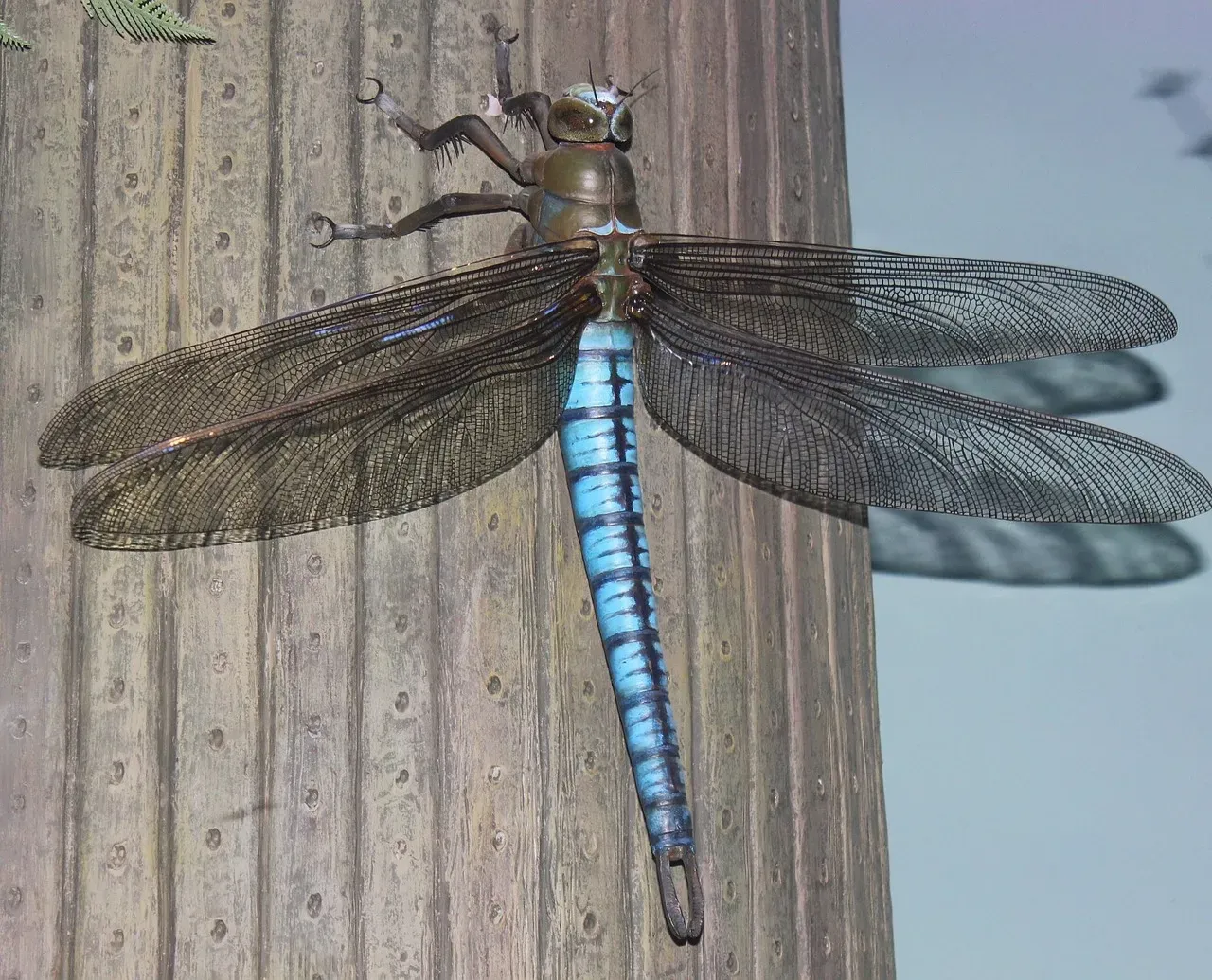
Roughly 300 million years ago, the biggest predator you could run into wasn’t a dinosaur. It was a bug.
Picture dragonflies with wingspans wider than your arms, and millipedes longer than a compact car. That’s not exaggeration – it’s the Carboniferous Period, an era of runaway evolutionary experimentation and genuinely bizarre gigantism. The secret was the air itself. Oxygen levels spiked to around 35%, compared to the 21% we breathe today, and that extra oxygen acted like rocket fuel for arthropod bodies. Dragonfly-like Meganeura grew wings over two feet across, while the millipede relative Arthropleura stretched up to 8.5 feet long – the largest land invertebrate ever known.
Fast Facts
- Era: Carboniferous Period, roughly 300 million years ago
- Oxygen levels: ~35% then vs. 21% in today’s atmosphere
- Meganeura wingspan: over 2 feet across
- Arthropleura length: up to 8.5 feet, the largest land invertebrate ever recorded
- Decline trigger: the rise of birds, around 150 million years ago
The party didn’t last forever. Researchers at UC Santa Cruz found that falling oxygen wasn’t what finally shrank the bugs back down – it was the evolution of birds, around 150 million years ago. Once feathered hunters started snatching giant insects out of the sky, being small and quick to dodge suddenly mattered more than being big and slow.
#11 – Antarctica Was Once a Warm, Green Forest
Here’s a sentence that sounds fake but isn’t: Antarctica used to have trees.
Long before it became a frozen wasteland, the southernmost continent was covered in lush vegetation. Researchers found fossil fragments of 13 trees dating back over 260 million years, meaning this forest was growing at the end of the Permian Period – before the first dinosaurs – while Antarctica sat squarely at the South Pole. Millions of years later, during the age of dinosaurs, things stayed shockingly green, with excavations turning up evidence of Cretaceous forests full of conifers, gingkos, cycads, and ferns.
Scientists have even pinpointed a rainforest that flourished in Western Antarctica just 560 miles from the South Pole, 90 million years ago. That means dinosaurs were living in temperate rainforest conditions almost on top of the pole itself. The forests didn’t survive forever – a catastrophic mass extinction at the end of the Permian wiped out over 90 percent of species on Earth, polar forests included.
#10 – The Sahara Desert Used to Be a Whale Highway
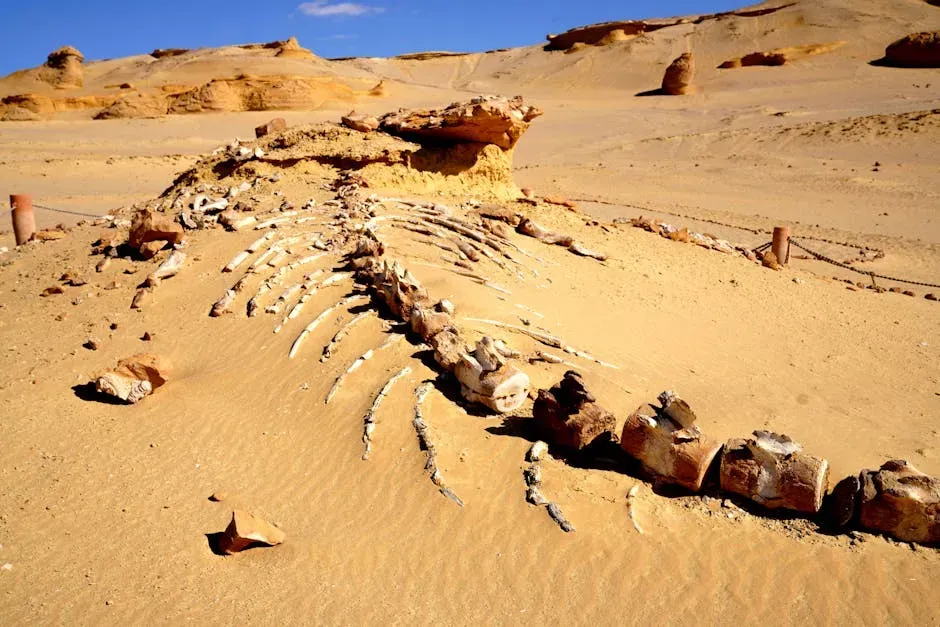
Try to picture whales swimming through the Sahara. It actually happened.
Fossils of marine life – most famously whale fossils – are regularly found buried in the Sahara Desert, because northern Africa used to sit beneath a shallow sea known as the Tethys. This wasn’t a fluke pocket of water; it was a massive ocean corridor separating continents long before plate tectonics slowly sealed it shut. Whale ancestors and other marine giants patrolled these waters for millions of years, leaving skeletons that desert archaeologists now chip out of solid rock instead of ocean sediment.
Most people assume deserts have always been deserts. That assumption falls apart the moment you learn Egypt’s “Valley of the Whales” sits in what used to be open sea. The Tethys also connected to ancient basins that would eventually fragment into today’s Mediterranean, Black, and Caspian Seas – proof that the map of Earth’s oceans has been rewritten far more times than most people realize.
#9 – T-Rex Never Actually Met a Stegosaurus
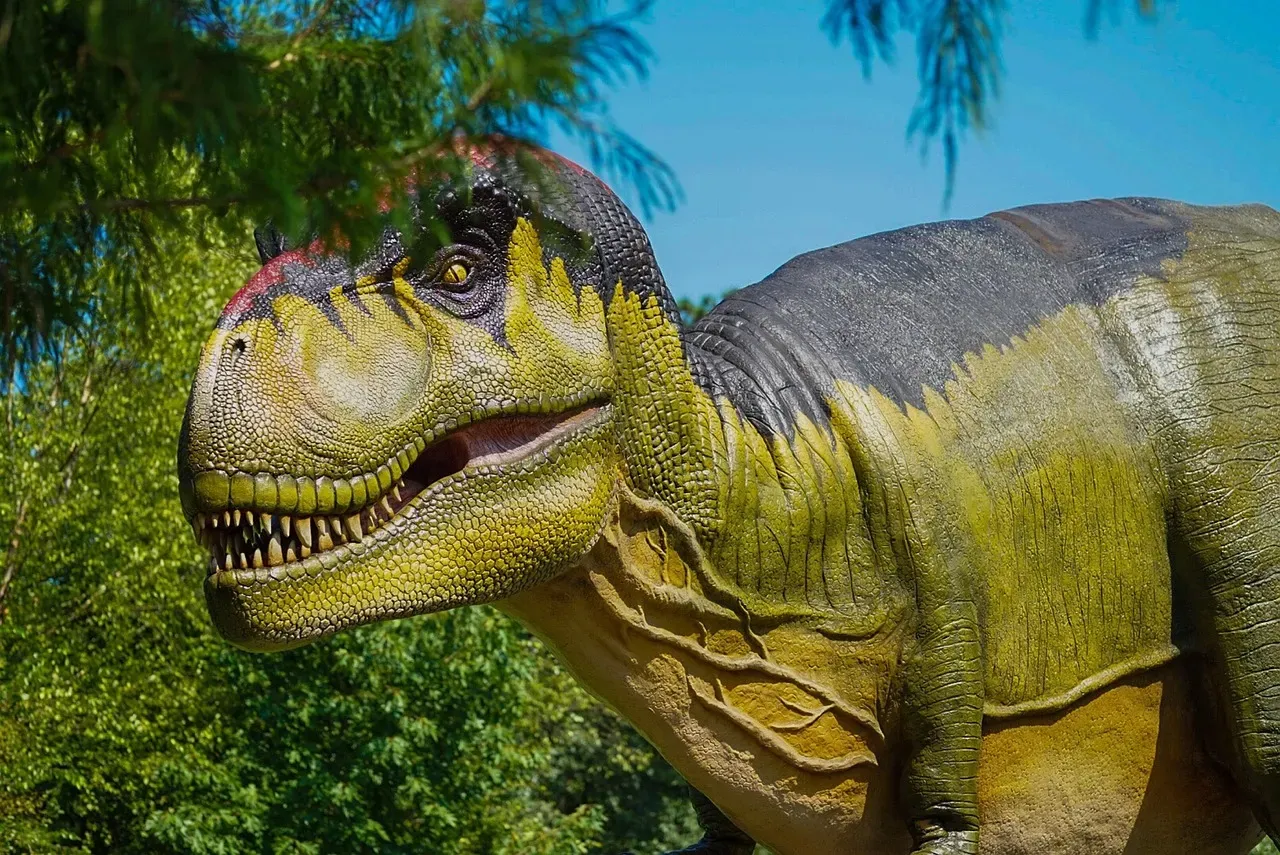
This one breaks every dinosaur toy set you owned as a kid.
T. rex actually lived closer to the modern day than to the time of Stegosaurus. By the time T. rex walked the Earth, Stegosaurus had already been extinct for tens of millions of years, fossilizing quietly beneath its feet. Deep time is simply bigger than our brains are built to process. The gap between T. rex and Stegosaurus is roughly 83 million years, while the gap between T. rex and us is only about 66 million years.
By the only measurement that matters, T. rex is closer to humans than it ever was to Stegosaurus. Every movie and museum diorama showing them fighting side by side is, scientifically speaking, complete fiction. To the T. rex, the Stegosaurus was already ancient history.
#8 – Dinosaurs Were Covered in Feathers, Not Just Scales
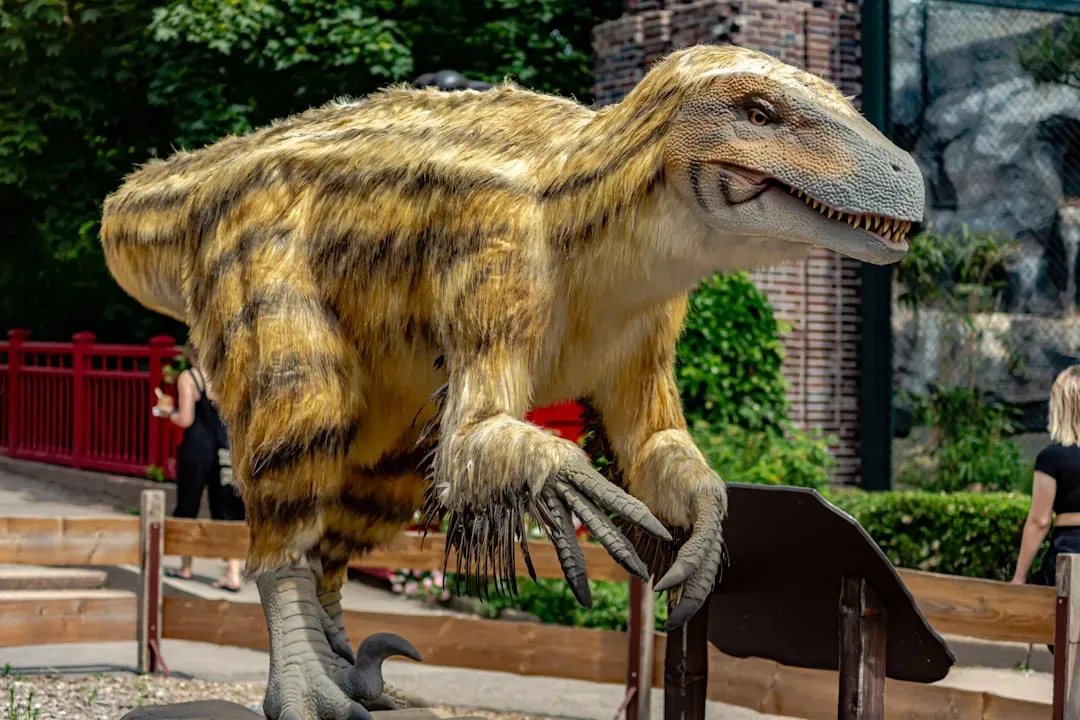
Forget the scaly, reptilian dinosaurs from your childhood books. Many of them were fluffy.
Whether T. rex itself had feathers is still debated among paleontologists, but evidence of feathers now spans so many dinosaur species that plenty of scientists consider it widespread across the family tree. This isn’t a fringe theory anymore – it’s actively reshaping how museums rebuild their dinosaur models. Feathers likely started as insulation and flashy display features long before any dinosaur ever attempted flight.
The discovery trail here is oddly slow. Archaeopteryx was first described in 1861, and it took another 135 years before a second feathered dinosaur turned up. That gap of over a century meant generations of scientists assumed Archaeopteryx was a bizarre one-off, not the tip of a feathered iceberg. Now feathered fossils surface regularly, especially in China, sending textbook illustrators back to the drawing board again and again.
#7 – Megalodon Made Today’s Great White Sharks Look Tiny
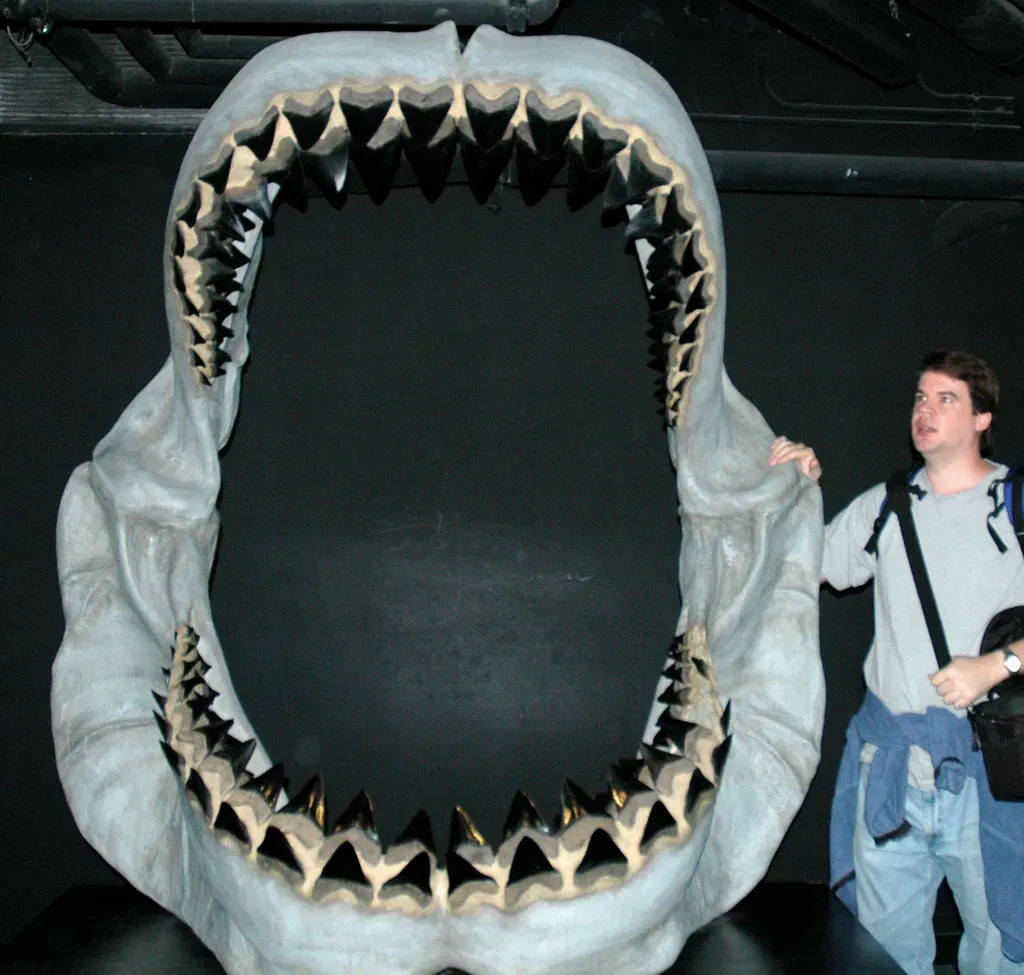
Great white sharks terrify beachgoers. Megalodon would have treated a great white as a snack.
Megalodon may have measured 50 to 60 feet long and weighed up to 113 tons – experts estimate an adult was 20 to 50 times larger than a standard 15-to-20-foot great white. Some reconstructions push even further, putting it near 20 meters long, or roughly twice the size of today’s largest shark, the whale shark. A single tooth could fill your entire palm.
Quick Compare
| Trait | Megalodon | Great White Shark |
|---|---|---|
| Length | 50–60 feet | 15–20 feet |
| Size multiplier | up to 50x larger | baseline comparison |
| Tooth size | fills an adult palm | about the size of a pinky finger |
| Jaw width | ~2 meters across | far narrower |
The scale gets more disturbing the closer you look. One Megalodon tooth can more than fill your hand, while a great white’s tooth is barely the size of your little finger. Its jaws are wide enough to fit an adult human inside, spanning about two meters across. This wasn’t a lurking oddity in the ocean – it was an apex predator built to swallow other predators whole.
#6 – At Least Nine Human Species Walked the Earth at Once
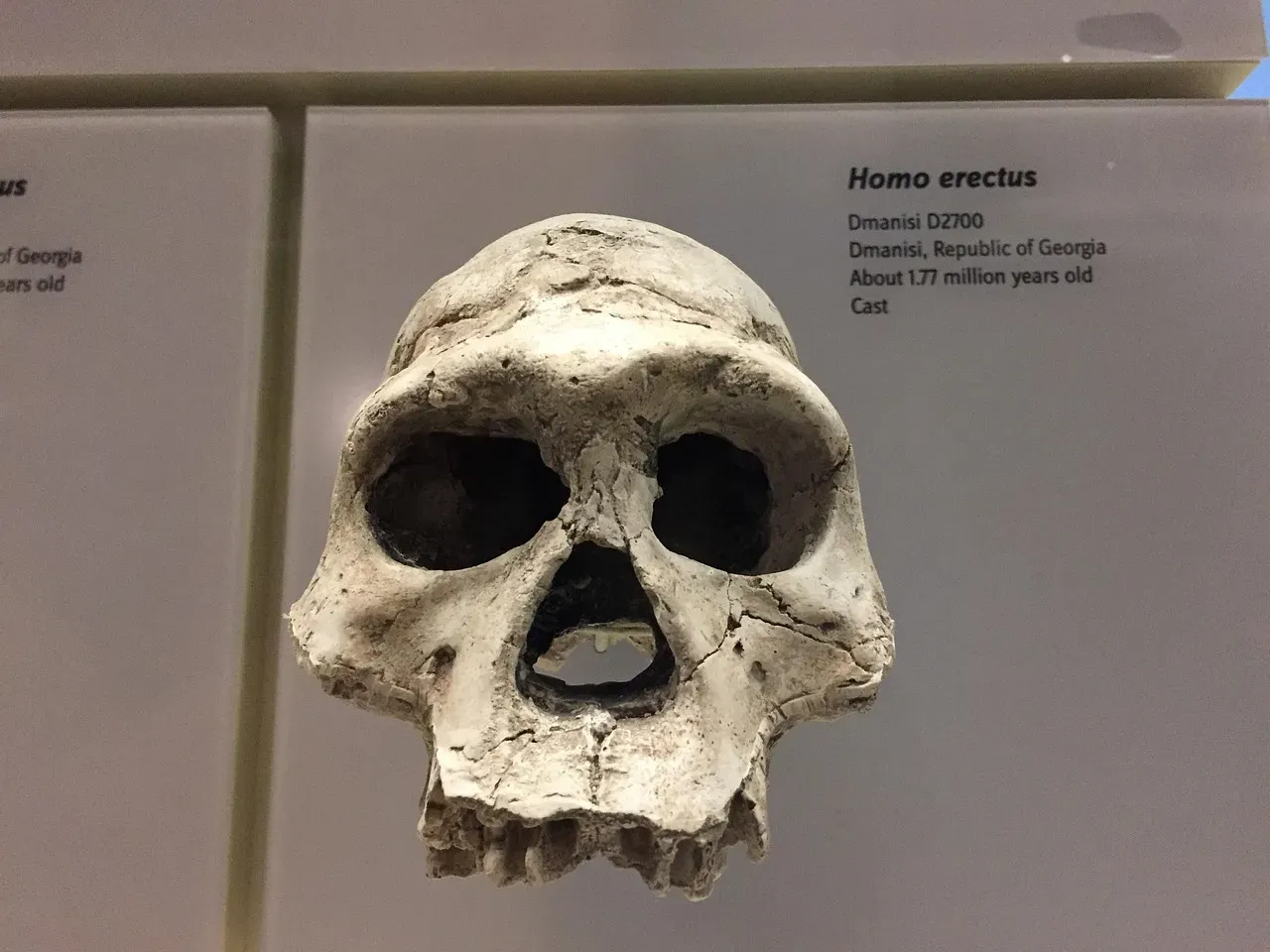
You were not always the only kind of human around. Not even close.
Around 300,000 years ago, at least eight other human species shared the planet alongside us – Homo erectus, Neanderthals, Denisovans, and several other lineages, sometimes overlapping in the same regions and even interbreeding. For most of human history, “humanity” was a crowded, competitive club, not a solo act. Almost all of them were gone within the last 10,000 years, leaving Homo sapiens standing more or less alone.
Fast Facts
- At least 9 human species coexisted around 300,000 years ago
- Named lineages include Homo erectus, Neanderthals, and Denisovans
- Several groups overlapped geographically and even interbred
- Nearly all other lineages vanished within the last 10,000 years
- Homo sapiens is the sole surviving branch of that once-crowded family tree
This is arguably the single most controversial rewrite in modern paleoanthropology, because it demolishes the tidy, linear “ape-to-human” chart most schools still teach. Extinction wasn’t a slow fade for these other species – most vanished in a relatively narrow evolutionary window, leaving us as the last survivor almost by accident rather than inevitability.
#5 – Prehistoric Doctors Performed Skull Surgery – and Patients Lived
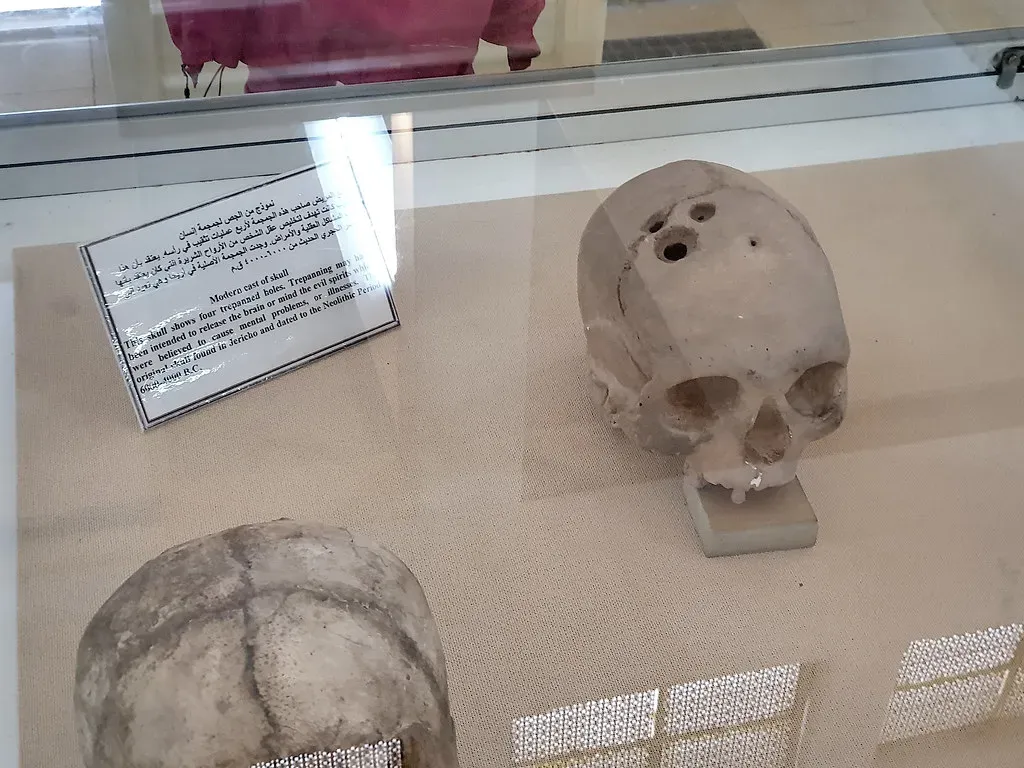
Brain surgery sounds like a modern miracle. It isn’t.
Archaeological sites around the world show evidence of trepanation – drilling or scraping holes into the skull – with openings typically between 3 and 5.5 centimeters wide. The wild part is that bone regrowth around many of these holes proves patients survived the procedure, sometimes for years afterward, with zero anesthesia and zero antibiotics.
Surgical improvisation didn’t stop at the skull, either. One documented technique used ants to close wounds – a healer would hold a live ant over an open cut, let it bite down with its pincers, then snap off the body so the pincers stayed clamped shut like a stitch. Primitive doesn’t mean careless; it means resourceful, and it required anatomical knowledge modern audiences rarely credit ancient healers with having.
#4 – Cancer Isn’t a “Modern” Lifestyle Disease

Cancer gets blamed on modern pollution, processed food, and screen time. That story has a hole in it.
Bone cancer has been identified in remains attributed to an early human species discovered in Kenya by Louis Leakey – a tumor left behind on the jawbone. This one fossil alone dismantles a huge chunk of “clean ancient world” nostalgia. People love to imagine prehistoric life as cancer-proof; the fossil record disagrees.
It’s a genuinely controversial talking point in wellness circles, where prehistoric diets often get romanticized as some kind of disease-proof golden age. Mutation-driven illness is baked into biology itself, not manufactured by modern civilization. Cancer is ancient, cellular, and largely indifferent to how “natural” your lifestyle is.
#3 – Human Language May Predate Modern Humans Entirely
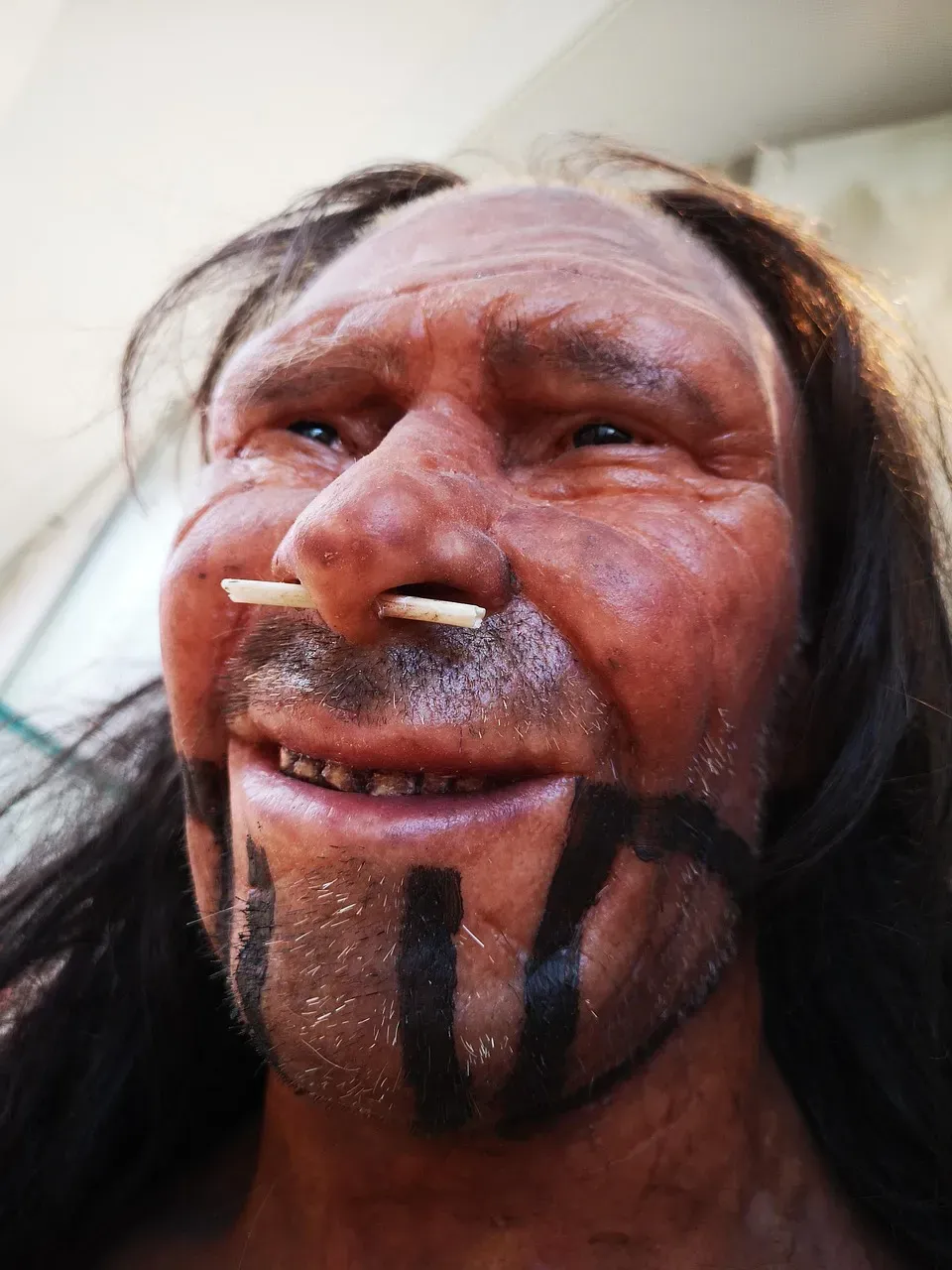
Talking might be older than talking humans.
Most estimates put human language at somewhere between 150,000 and 200,000 years old, but some researchers push it much further back – possibly to Neanderthals, 550,000 to 750,000 years ago, starting with gestures and simple vocalizations before evolving into complex speech. That would put the roots of language hundreds of thousands of years before Homo sapiens even existed as a distinct species.
The timeline is still fiercely debated, since language leaves no fossils – only indirect clues in throat anatomy, brain structure, and tool complexity. If Neanderthals really were talking to one another, it reframes them entirely: not grunting cave-dwellers, but a species capable of planning, storytelling, and social strategy long before modern humans showed up to take credit for civilization.
#2 – Ancient Humans May Not Have “Seen” the Color Blue
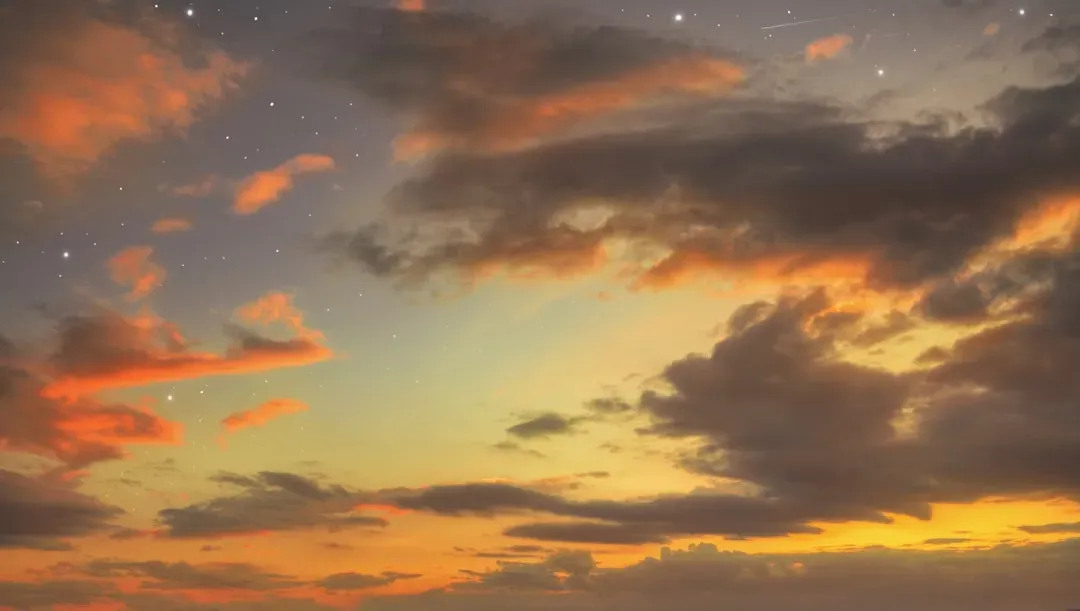
This is the fact that breaks people’s brains every time it resurfaces online.
The word for “blue” simply doesn’t appear in ancient literature. Homer’s Odyssey describes the ocean as “wine-dark,” not blue. The same absence shows up in Icelandic, Hindu, Chinese, Arabic, and Hebrew texts – until Egyptians eventually coined a term for the color. The theory suggests that without a word for it, the brain never consciously flagged the shade at all, even while the eyes were physically capable of detecting it.
Linguists still argue over how much this really affected perception versus simply vocabulary, but the pattern showing up across unrelated ancient cultures is hard to dismiss as coincidence. Ancient skies and oceans may have looked “the same” as everything else murky and dark, to eyes that had no name for the color separating them.
#1 – North America Looked Like the African Savanna
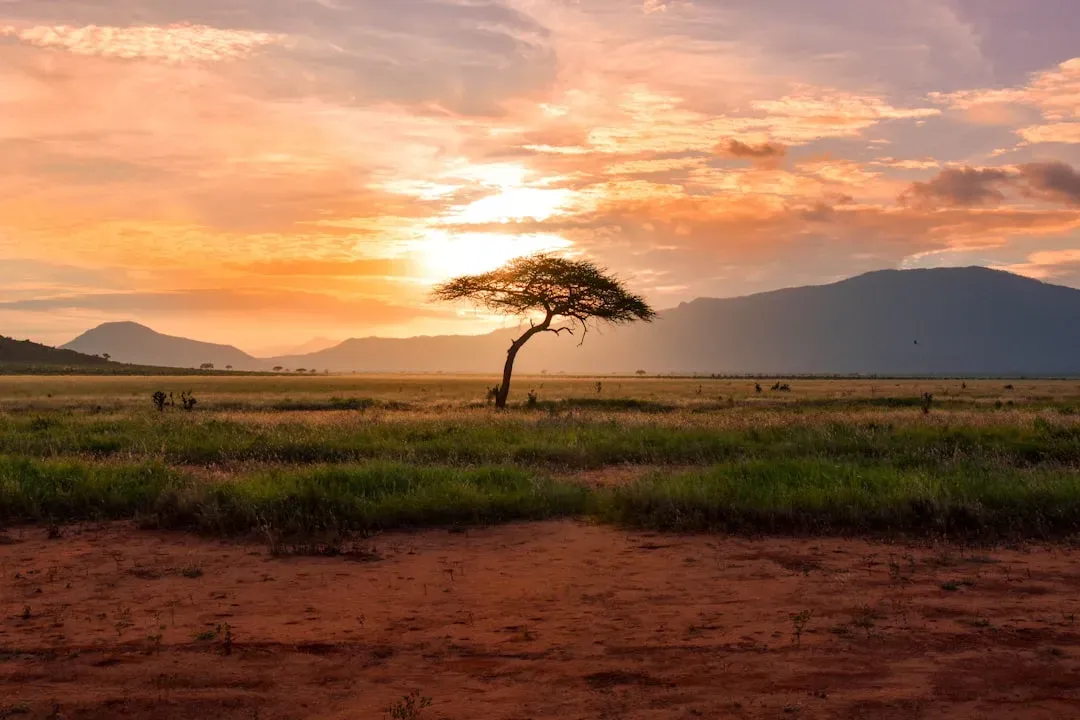
Save the biggest reality check for last: modern-day Kansas once resembled the Serengeti.
North America used to be home to cheetahs, lions, hyenas, camels, and rhinos. Camels literally evolved in North America before migrating elsewhere, and native horses roamed the continent for millions of years before going extinct here at the end of the Pleistocene, roughly 10,000 years ago – only to be reintroduced later by the Spanish.
Why It Stands Out
- Camels originally evolved in North America before spreading to other continents
- Native horses roamed the continent for millions of years before vanishing around 10,000 years ago
- Ground sloths ranged as far north as Alaska, some weighing up to 4,000 pounds
- Cheetahs, lions, hyenas, and rhinos once lived alongside these animals here
- The empty-plains version of North America most people picture is only about 10,000 years old
The giants didn’t stop there. Ground sloths roamed as far north as Alaska, some weighing up to 4,000 pounds, part of North America’s Ice Age megafauna. This wasn’t some far-off alien landscape – it existed a mere blink ago in geological terms, well within the window of early human presence on the continent. The version of North America most people imagine is only about 10,000 years old. The “wild frontier” era was preceded by an even wilder one, packed with predators most Americans associate exclusively with African plains.
The Bottom Line

The prehistoric world wasn’t a single ancient blur. It was thousands of overlapping worlds, each stranger than the last. Insects the size of birds, forests at the South Pole, deserts that used to be oceans, and lions roaming what’s now Nebraska all really happened.
Most “ancient history” content flattens this complexity into a single caveman-and-dinosaur cliché, and honestly, that does the actual science a disservice. The real timeline is messier, longer, and far more humbling than any museum diorama lets on. Which of these facts genuinely surprised you the most? Drop it in the comments.