Most people think everything about the megalodon locked into place decades ago – a 60-foot great white on steroids that got frozen out when the oceans cooled. That mental image, cemented by movie posters and museum dioramas, was never actually accurate. Over the last ten years, shark scientists have quietly ripped it apart piece by piece, and most of the public never got the memo.
Its body shape, its real size, its family tree, its blood temperature, even the reason it went extinct – all of it has been rewritten in journals most people will never open. Some of these corrections are so recent that documentaries currently streaming are already out of date. Here’s what actually changed, starting with the most basic assumption of all: what megalodon’s body even looked like.
#14 – The Body Shape Overhaul: Not a Giant Great White After All
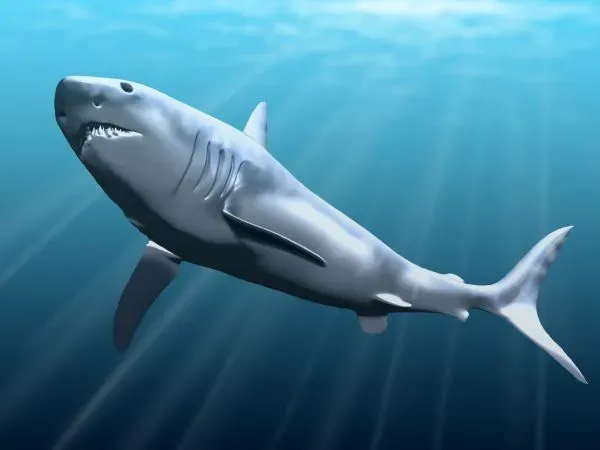
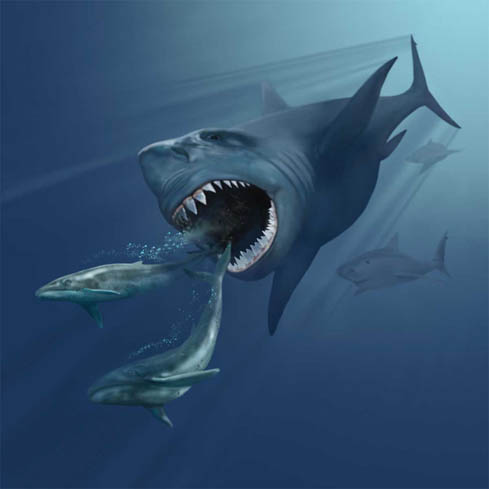
For over a century, every megalodon reconstruction – museum models, movie posters, documentary CGI – used one template: a massively scaled-up great white shark. That assumption just collapsed.
A multi-institution team re-examined megalodon’s fossil vertebrae and reached an unsettling conclusion: this monstrous prehistoric fish may have been less bulky than Hollywood likes, closer to a long, slender torpedo. Researchers led by Kenshu Shimada found megalodon likely had a leaner build than modern great whites, and co-author Phillip Sternes went further, comparing its proportions to an enormous lemon shark. That single correction dismantles nearly every popular image of the animal. Wait until you see how far scientists pushed its size next.
#13 – The New Size Ceiling: Megalodon May Have Reached 80 Feet
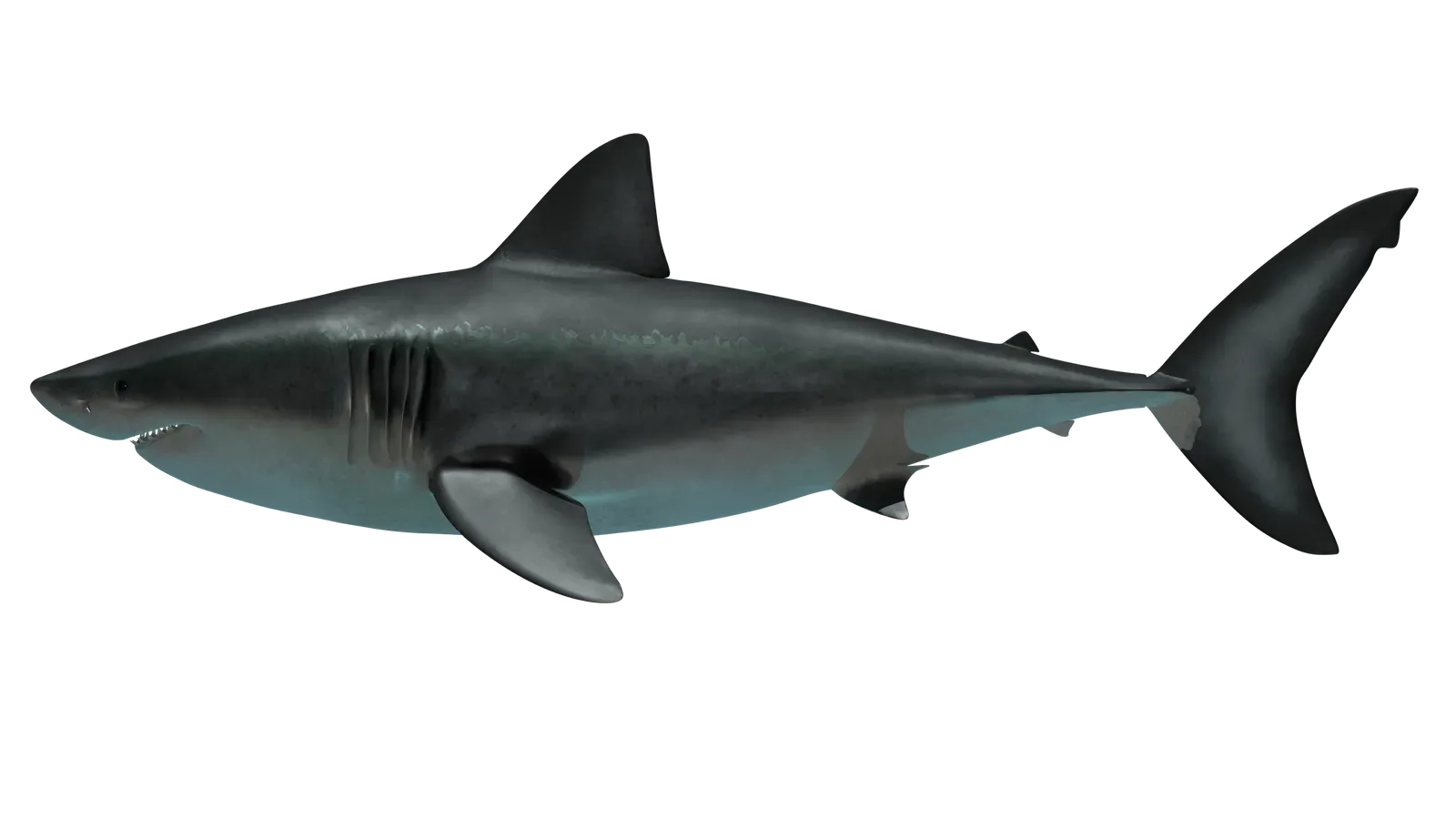
For decades, “60 feet” was treated as the gold-standard maximum size for megalodon. New vertebral math just blew straight past it.
A 2025 study involving dozens of shark experts concluded these animals grew to between 54 and 80 feet long and weighed roughly 94 tons, dwarfing earlier estimates that capped out around 50 feet. Australian researchers working on related fossil material confirmed the finding, noting megalodon may have reached a staggering 24 meters – some 4 to 9 meters longer than previously believed. That 80-foot figure is now treated as a theoretical upper limit, not an everyday adult size, but it still forced scientists to admit their old ceiling was flat wrong. A high school classroom is where the real mess started, though.
Fast Facts
- Old traditional ceiling: roughly 50 to 60 feet
- New 2025 estimate: 54 to 80 feet long
- Estimated top weight: about 94 tons
- Australian fossil work independently confirmed lengths up to 24 meters
#12 – The Tooth-Math Mistake That Changed Everything
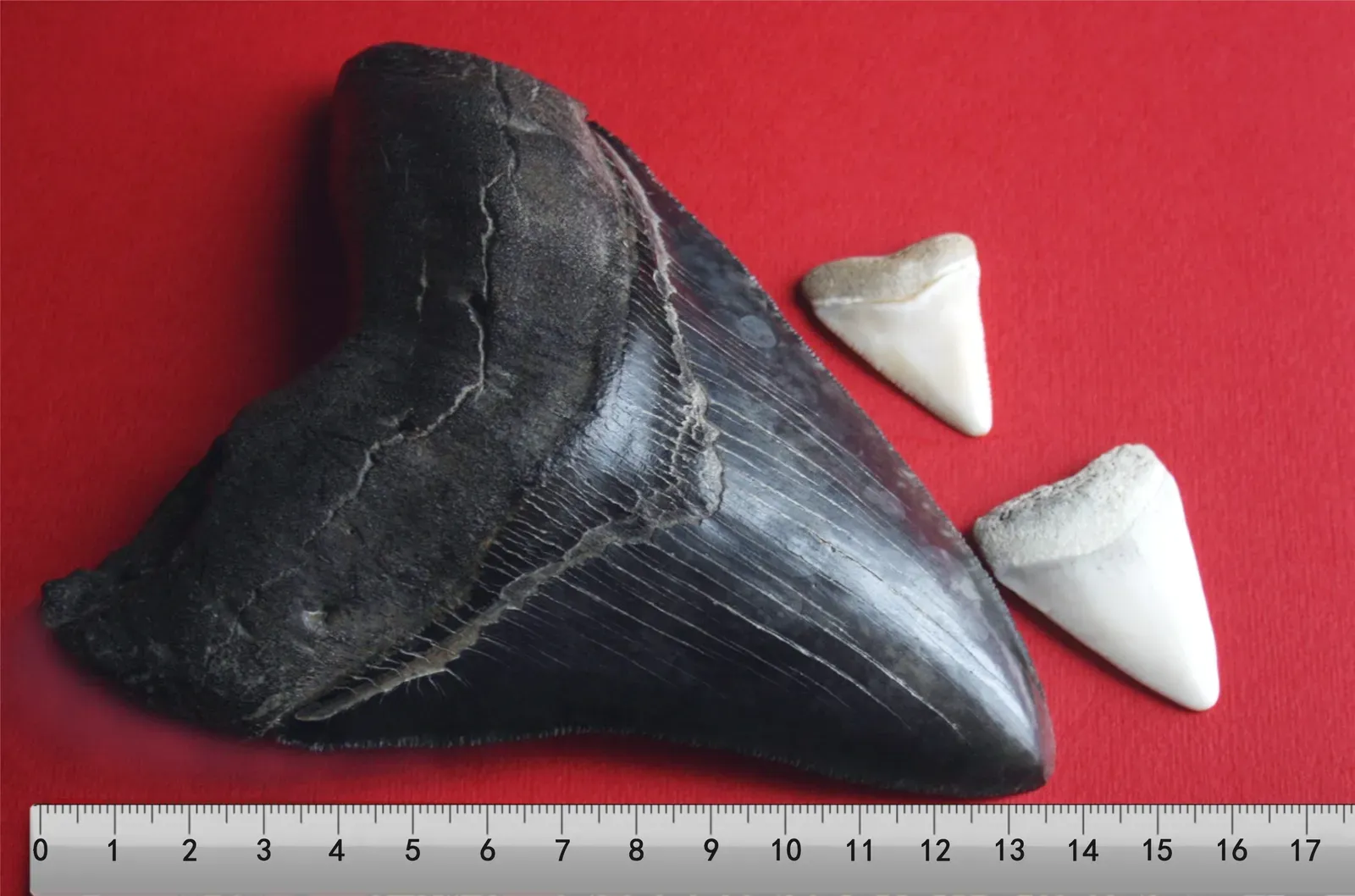
Long before vertebrae entered the conversation, tooth-height formulas were the standard way to size up a megalodon. A high school lesson exposed how shaky that method really was.
Florida Museum researcher Victor Perez was using 3D-printed tooth replicas to teach students a standard size equation when the numbers fell apart completely – students’ calculations ranged from about 40 to 148 feet for the same shark. After reworking the math using tooth width instead of height, his team concluded that a more reliable estimate puts megalodon’s size at up to 65 feet. A failed math lesson quietly triggered a real scientific correction. The family tree turned out to be even more tangled.
#11 – The Family Tree Correction: Megalodon Isn’t the Great White’s Ancestor
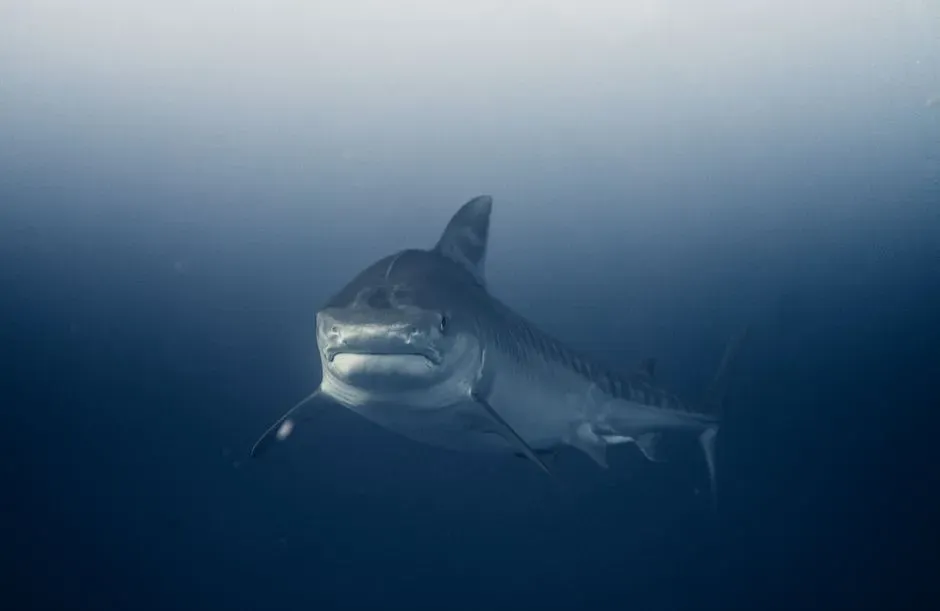
Here’s a fact almost everyone gets wrong, including older field guides: megalodon did not evolve into the great white shark.
For generations, the common theory held that great whites descended directly from megalodon, which is why megalodon used to sit in the white shark genus Carcharodon. That theory has since been dismantled. Researchers now recognize megalodon as the last member of an entirely different lineage – the megatooth sharks – and it’s been reclassified into the Otodus genus. The two sharks aren’t parent and child. They’re distant cousins who evolved similar teeth independently. Its blood turned out to be stranger than anyone guessed, too.
Quick Compare
- Old theory: Megalodon was a direct ancestor of the great white, once classified under the genus Carcharodon
- Current classification: Megalodon now sits in the Otodus genus as the last of the megatooth sharks
- Relationship today: Great white and megalodon are considered distant cousins, not parent and offspring
#10 – The Warm-Blooded Discovery: A Blessing and a Curse
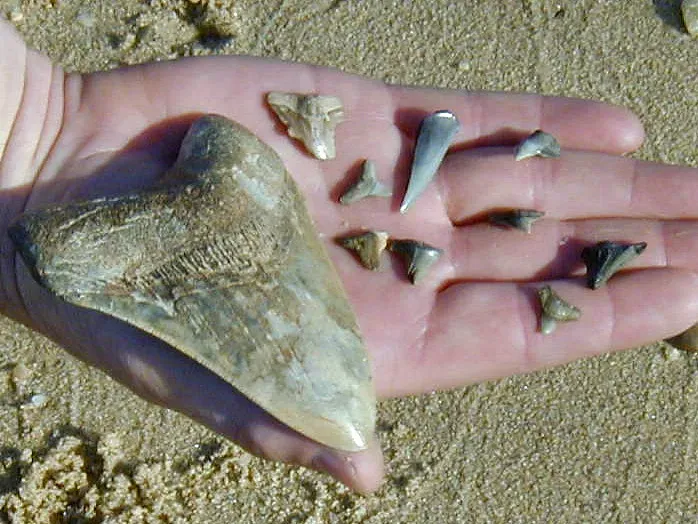
Most sharks are cold-blooded, drifting at the same temperature as the water around them. Megalodon apparently broke that rule, and it came at a cost.
Geochemical evidence points toward endothermic physiology in the ancient megatooth shark, meaning it likely ran warmer than the surrounding ocean. Smithsonian’s science desk summed it up bluntly: being warm-blooded was a blessing and a curse. A warmer body let it swim faster and hunt in cooler seas, but it also demanded enormous, constant amounts of food – a demand the ocean eventually failed to meet. Its favorite climate wasn’t what most people would assume, either.
#9 – The Cold-Water Correction: Giant Megs Lived Far From the Tropics
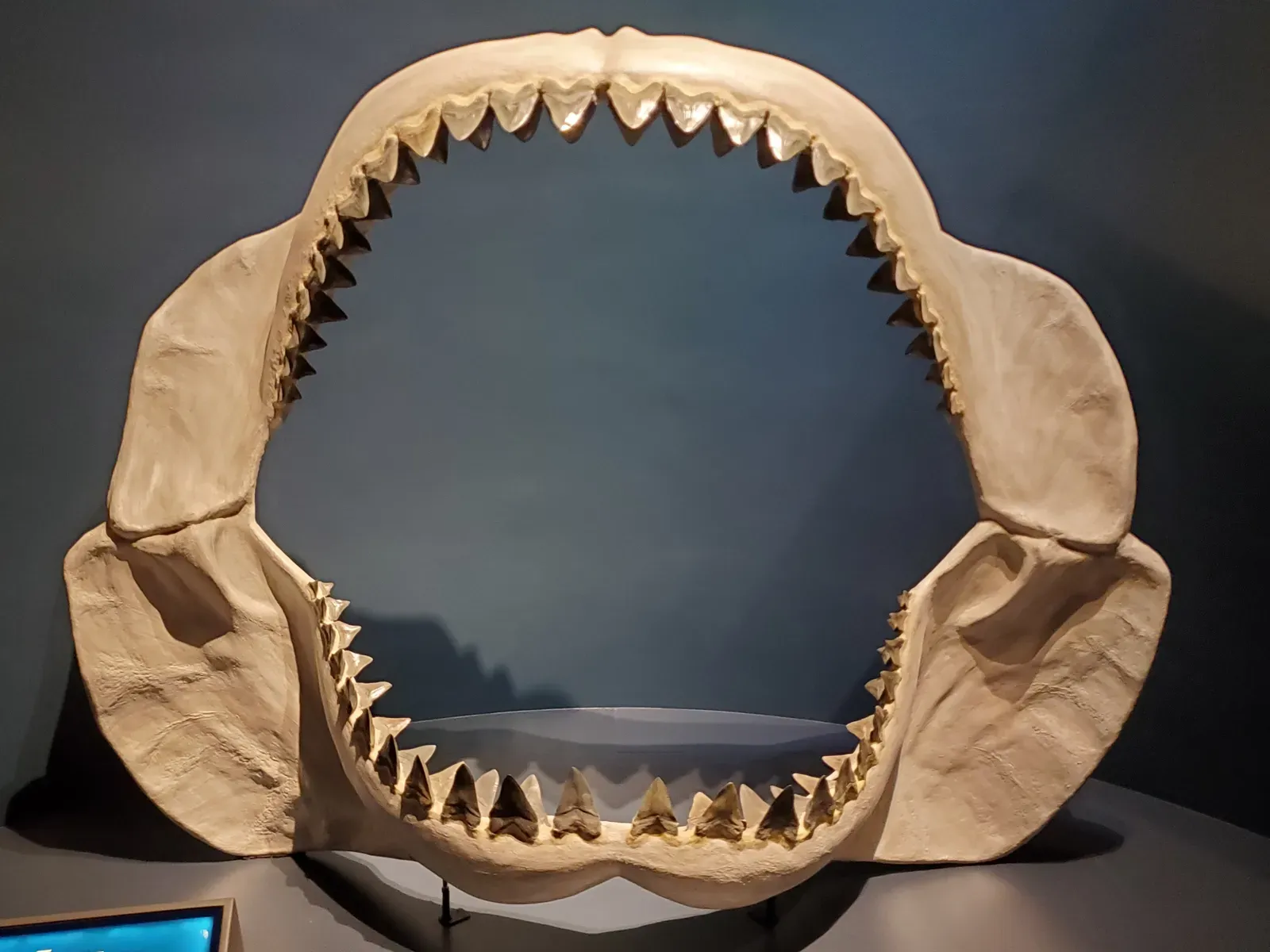
The popular image of megalodon is a warm, tropical hunter cruising sunlit reefs. Fossil evidence tells a colder, stranger story.
Research on megalodon’s largest specimens flipped the old assumption on its head – bigger individuals turn up disproportionately in higher-latitude, cooler-water fossil deposits rather than equatorial ones. Combined with the warm-blooded discovery above, this suggests megalodon’s internal heat wasn’t just a bonus feature. It was the specific adaptation that let it dominate colder seas most other giant sharks couldn’t tolerate. That correction alone reshapes where scientists now search for the biggest specimens. Its dinner bill is where things get truly wild.
#8 – The Appetite Recalculation: 100,000 Calories a Day
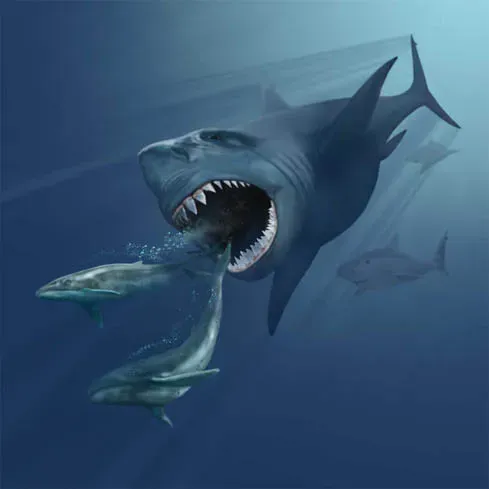
If megalodon really was warm-blooded and enormous, its food bill had to be staggering. New research finally put an actual number on it.
Diet studies estimating its daily needs at roughly 100,000 calories revised how scientists think about its hunting behavior entirely. Rather than being a whale-only specialist, the shark likely fed opportunistically across dozens of species just to keep its metabolism running. That calorie requirement alone explains why any drop in prey abundance would have hit this animal harder than almost any other predator alive at the time. Its birth size is next, and it’s not what anyone expected.
#7 – The Baby Megalodon Correction: Pups Were Already Enormous
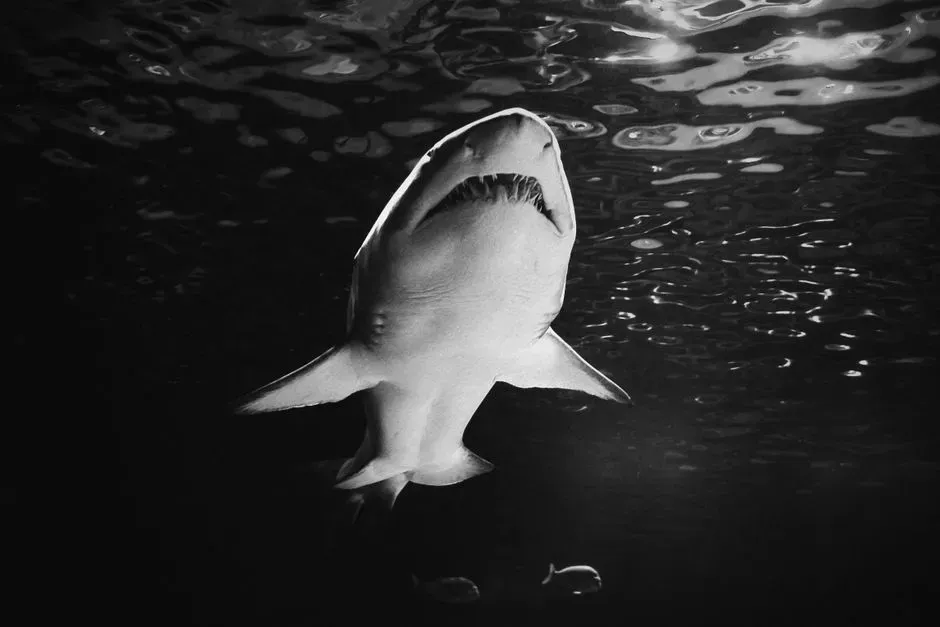
Even megalodon’s birth size got a rewrite. Earlier theories leaned on a dramatic idea – womb-bound siblings eating each other just to survive.
That older hypothesis of intrauterine cannibalism explained why so few, large pups were born. Newer vertebral analysis pushed the numbers even higher, estimating newborn megalodons measured around 12 to 13 feet at birth, making them the biggest babies in the history of fish. Sternes went further, arguing it’s entirely possible megalodon pups were already taking down marine mammals shortly after being born. A shark was hunting whales as a newborn. Its top speed might disappoint you, though.
Worth Knowing
- Newborn megalodons are estimated at 12 to 13 feet long at birth
- That’s roughly the size of a full-grown great white shark today
- Some researchers believe pups could hunt marine mammals almost immediately
- The finding challenges the older sibling-cannibalism explanation for large birth size
#6 – The Speed Myth: Megalodon Wasn’t the Ocean’s Fastest Hunter
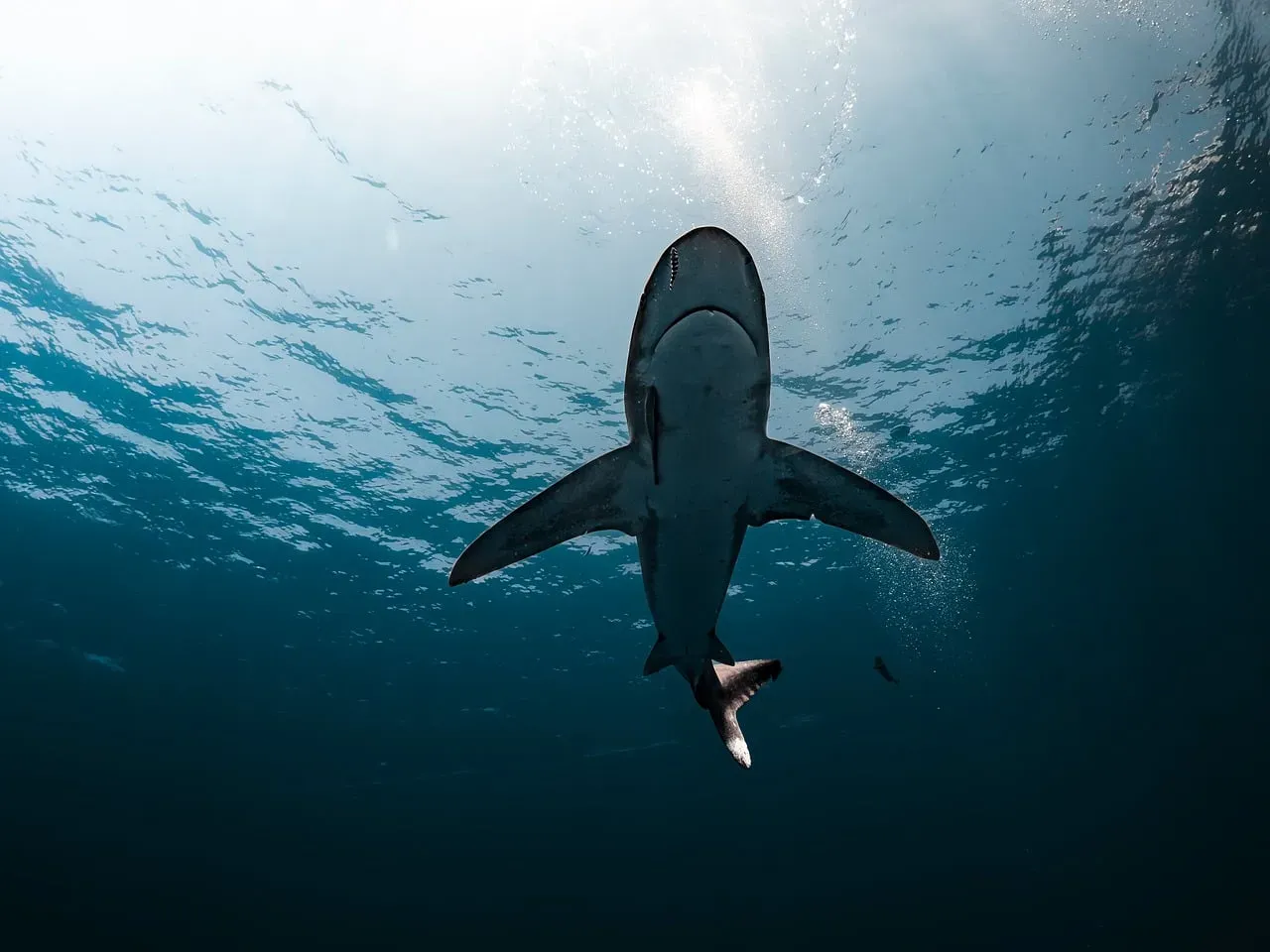
It’s tempting to assume the biggest predator ever was also the fastest. The hydrodynamic data says otherwise.
Once researchers modeled the newly slender body shape, they ran the numbers on swimming performance and got a humbling answer: even at full size, megalodon was likely no faster than a modern great white. That’s a controversial correction among fans who picture megalodon as an unstoppable torpedo. In reality, its slender shape was built for efficient cruising over vast distances, not blazing speed – closer to a marathon runner than a sprinter. The extinction story just got rewritten too.
#5 – The Climate-Change Myth Correction
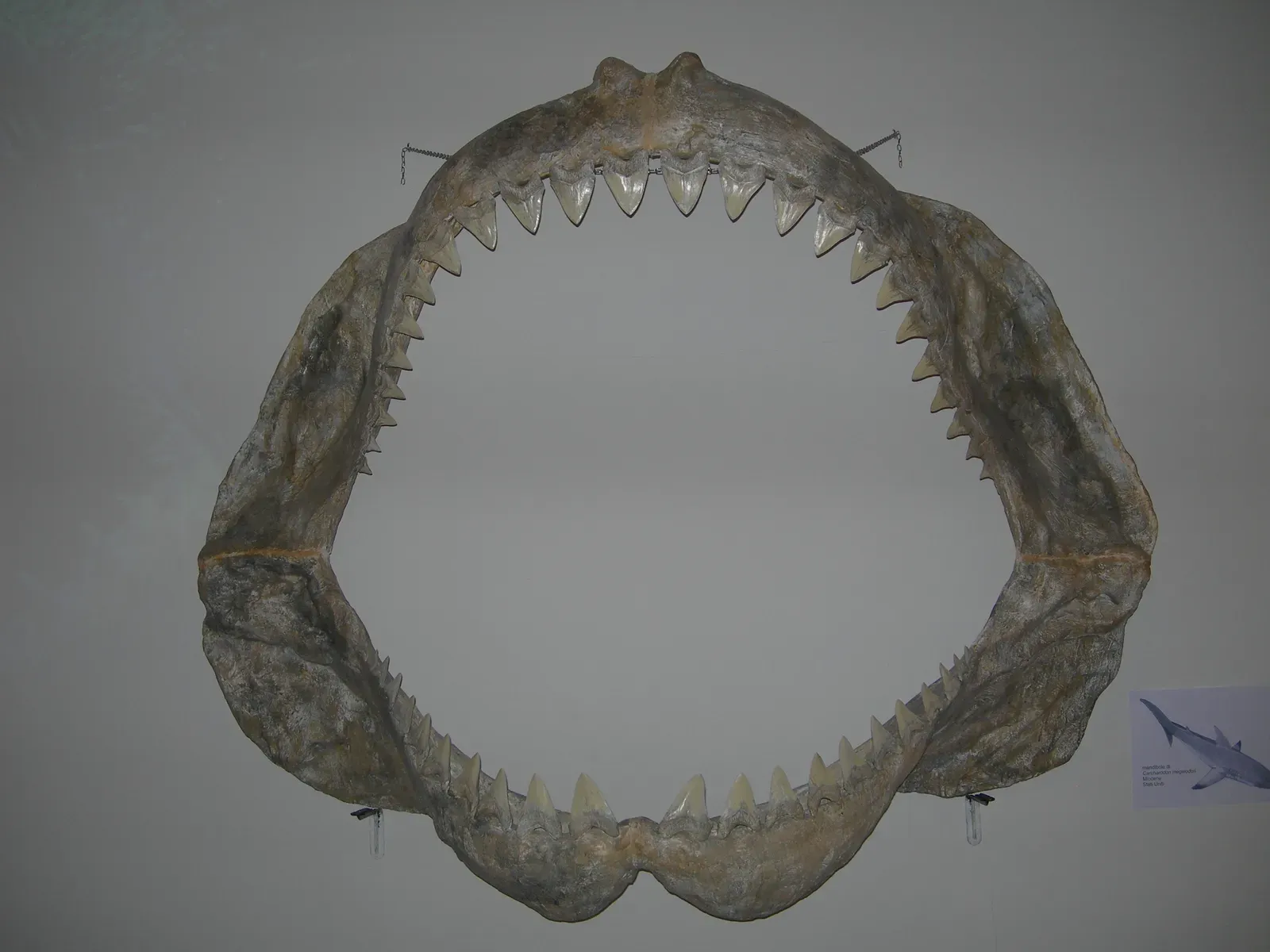
For years, the go-to explanation for megalodon’s extinction was simple: the oceans cooled, and it couldn’t take the chill. A University of Zurich–led team says that story is largely wrong.
Their research concluded climate change was not the deciding factor – megalodon went extinct because its prey grew scarcer and less diverse while new predators moved in as competition. Even paleontologists studying the extinction broadly now admit no single cause is confirmed; it reflects a convergence of ecological stresses. The tidy “ice age killed it” narrative simply doesn’t hold up against the fossil record anymore. There’s an even more surprising suspect waiting in the wings.
#4 – The Great White Rival Theory: A New Suspect in the Extinction
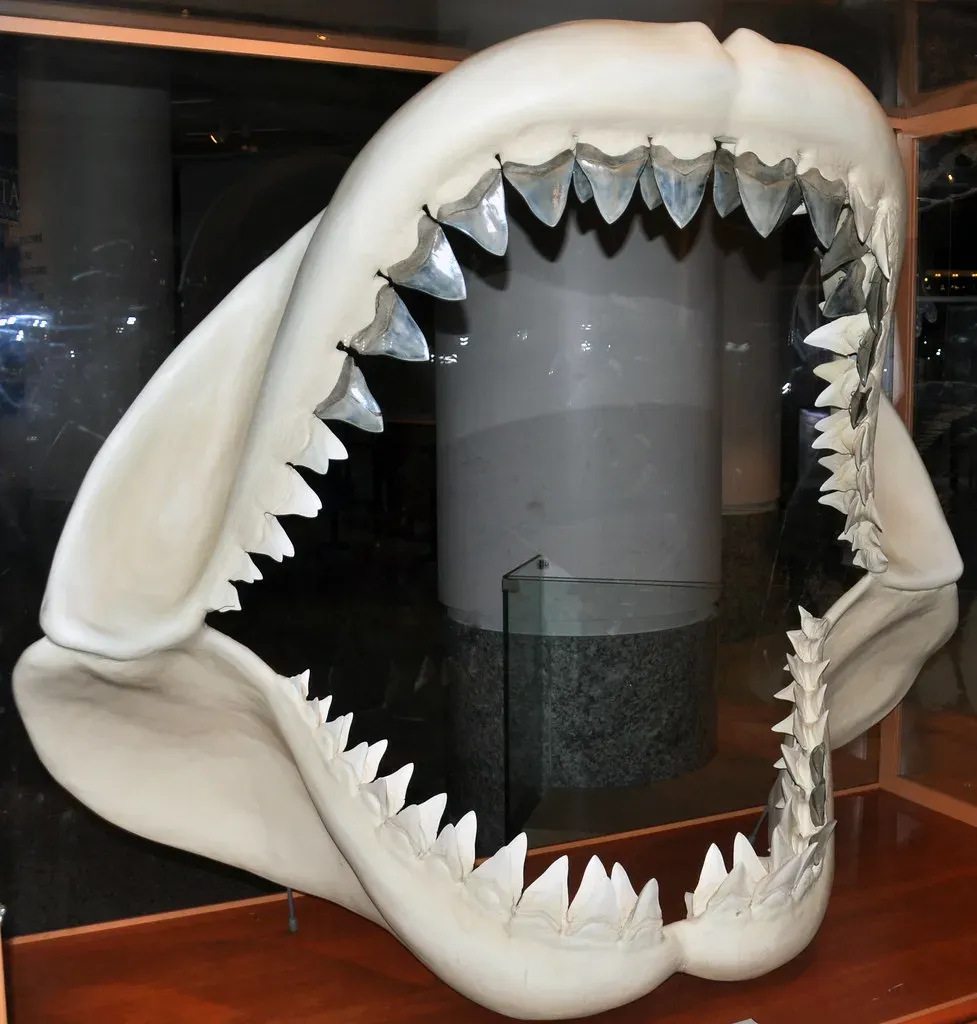
If climate wasn’t the main culprit, who – or what – was? A surprising answer kept surfacing: the great white shark itself.
The 2025 body-size study noted that the rise of the great white shark may have contributed to megalodon’s extinction through direct competition. The Zurich team reached a similar conclusion, pointing to the appearance of new predators like the ancestors of the killer whale and the great white as major pressure. The animal now blamed for helping end megalodon’s reign is the same species it was once wrongly assumed to have fathered. Even the date of its death has been moved more than once.
#3 – The Extinction Timeline Rewrite
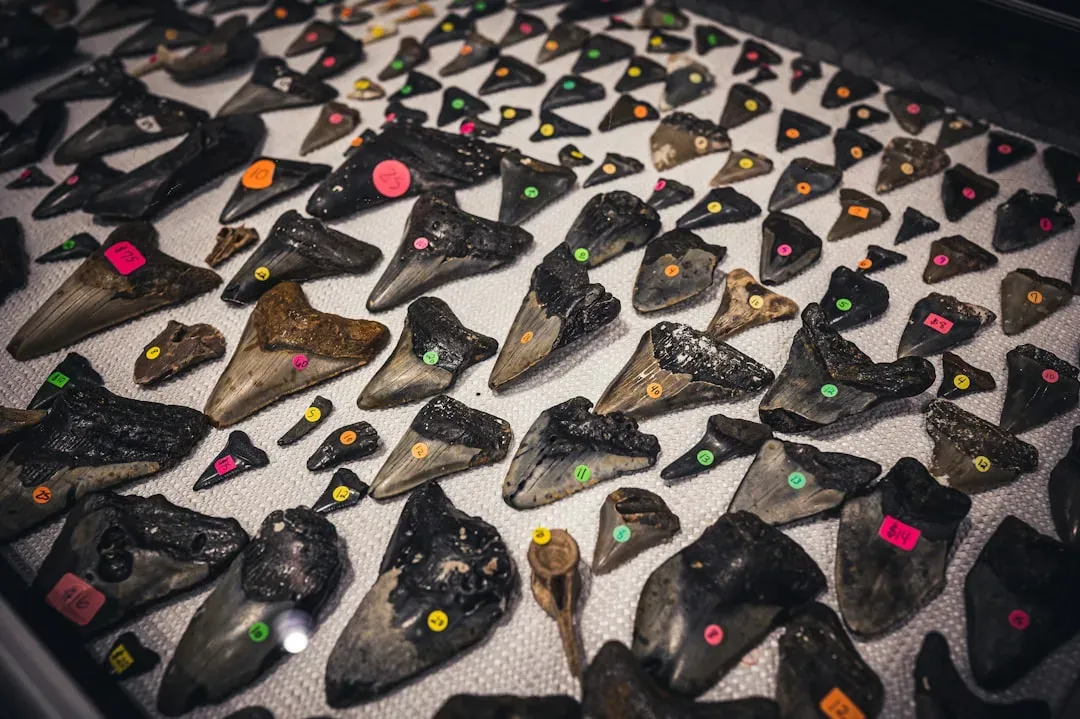
Even the date of megalodon’s disappearance has been quietly corrected more than once. It’s not the fixed number most people assume.
An influential 2014 statistical analysis concluded megalodon went extinct around 2.6 million years ago, and that number held for years. Later fossil surveys pushed the timeline back – a 2019 study narrowed the range to somewhere between 4 and 3.2 million years ago, with a median estimate closer to 3.5 million years ago. A full million-year shift in either direction is not a rounding error. It’s a genuine correction to the fossil record. Then there’s the nursery debate, which fell apart just as fast.
Quick Compare
- 2014 estimate: Extinction around 2.6 million years ago
- 2019 revision: Extinction between 4 and 3.2 million years ago
- Median estimate: Roughly 3.5 million years ago
- Net change: Nearly a full million years earlier than once believed
#2 – The Nursery Ground Debate
Scientists once treated megalodon nursery sites as settled fact. Newer analysis says the picture is far messier than that.
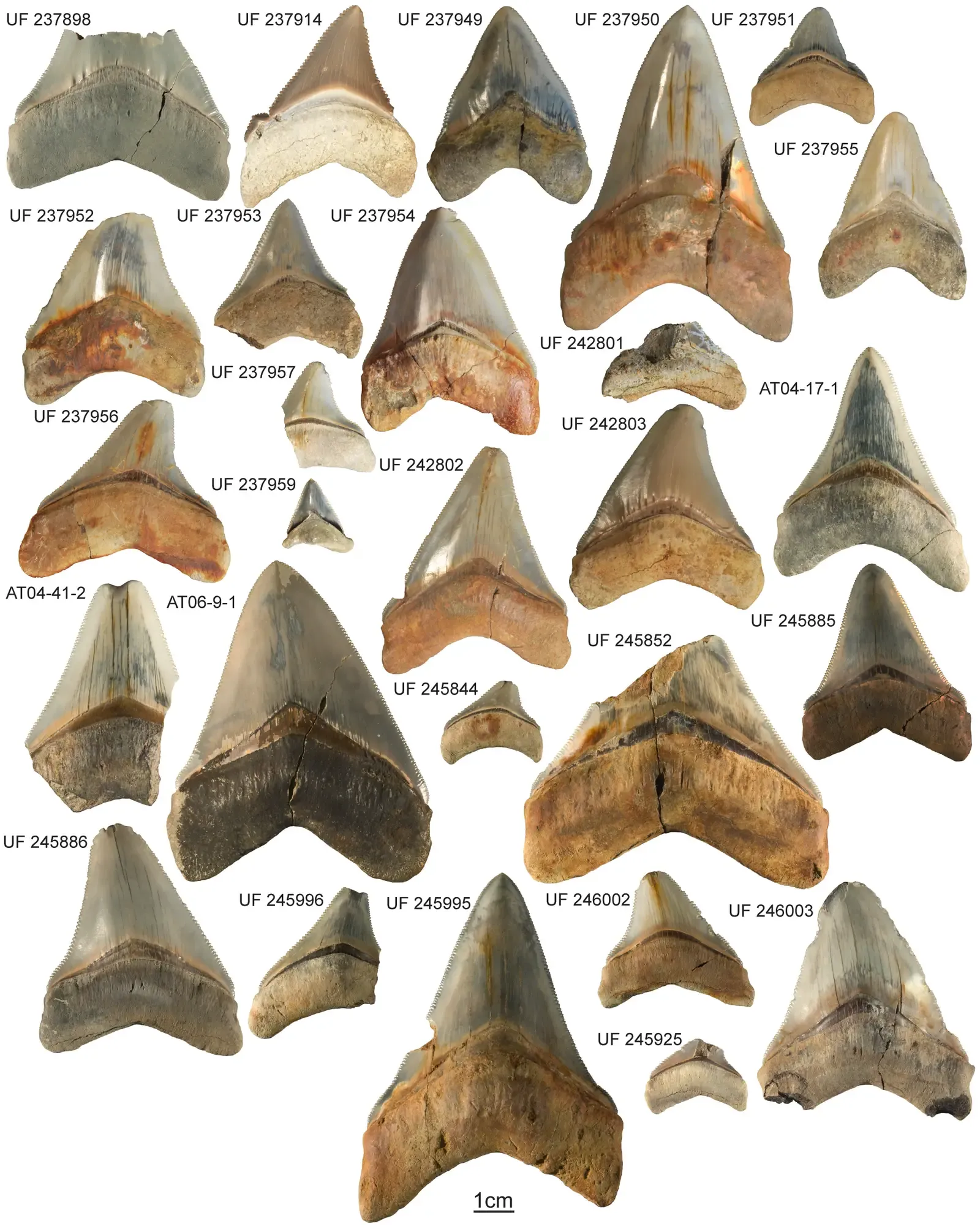
The original claim, based on Panama’s Gatun Formation, held that clusters of juvenile teeth at certain sites pointed to dedicated nursery grounds, just like many shark species use today. Follow-up analysis flagged a problem, though: the necessity of specialized nurseries has since been questioned, since the sheer size of newborns may have let them occupy diverse habitats with far less vulnerability. If newborns were already 12 feet long and capable hunters, they may not have needed a protected nursery the way smaller shark species do. But the biggest correction of all is still coming.
#1 – The Biggest Correction of All: We Still Don’t Know What It Looked Like
After a decade of headline-grabbing revisions, the single most important correction is also the most humbling: nobody actually knows what megalodon truly looked like.
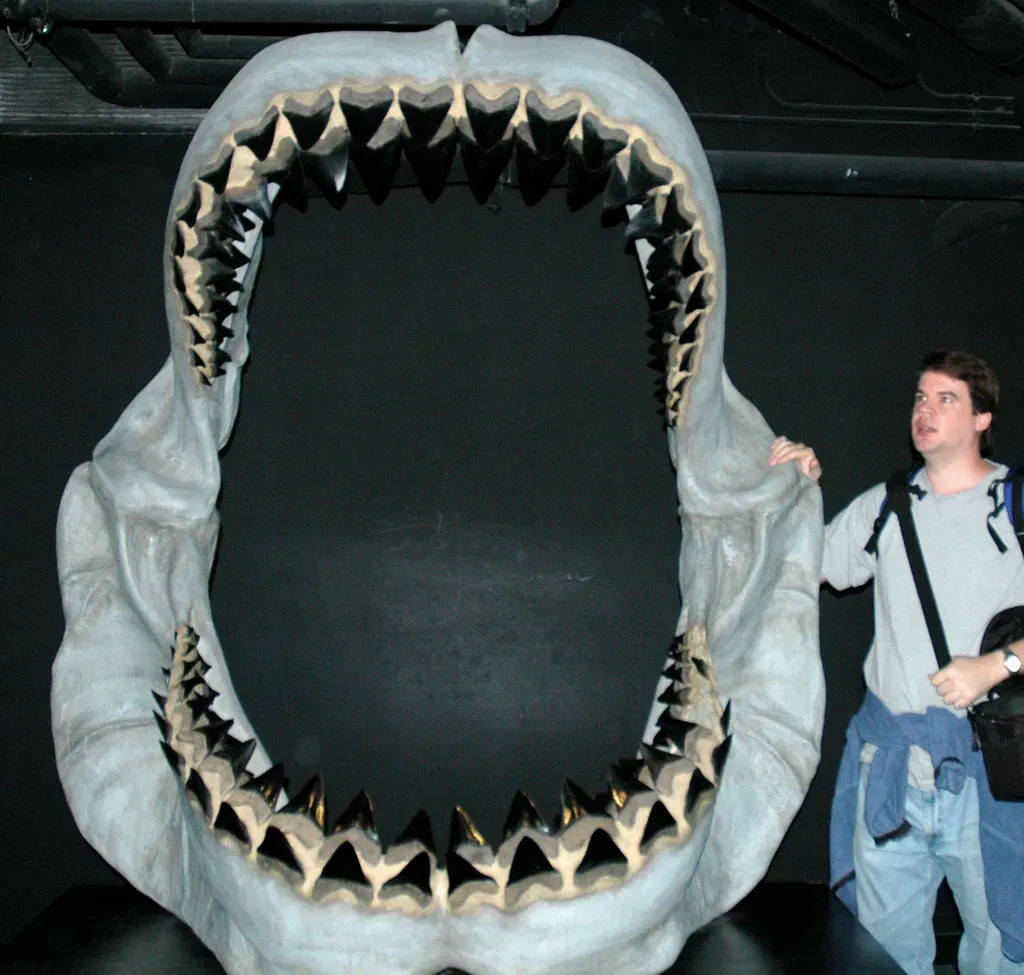
Even Shimada, the researcher behind the slender-body revision, admits the alternative body shapes remain educated guesses. National Geographic reported that the species might have looked nothing like a great white or even a lemon shark, and that possibility can’t be ruled out until well-preserved, nearly complete skeletons turn up. Even the most detailed 2024 reconstruction admits the exact extent of body elongation, the shape of the head, and the outline of each fin remain unknown based on the current fossil record.
We are constrained by the data.
National Geographic
The Bottom Line
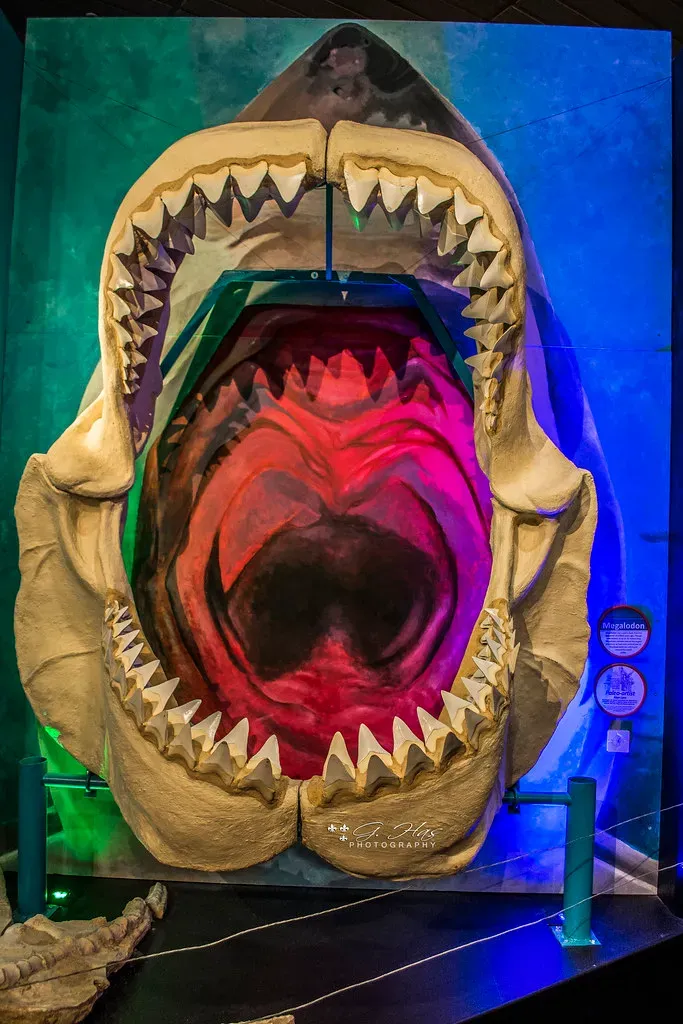
The last decade didn’t just tweak a few megalodon trivia facts – it dismantled the entire popular image of the animal. It wasn’t a scaled-up great white. It probably wasn’t the fastest predator in the sea. Its extinction wasn’t a simple ice-age story, and it isn’t even the great white’s ancestor.
If you ask us, the field’s biggest failure was never the wrong tooth-height formula or the wrong body template. It was letting one tidy, confident image dominate public imagination for a century without anyone pushing back sooner. What’s the one megalodon “fact” you grew up believing that turned out to be wrong? Drop it in the comments.