Most people walk through a natural history museum assuming every rib, femur, and skull staring back at them is 66-million-year-old bone. It isn’t. The overwhelming majority of what’s mounted on museum floors is plaster, fiberglass, resin, or 3D-printed plastic, dressed up to look ancient. Curators know this. Visitors almost never do.
The gap between what you’re told and what’s actually happening in the prep lab, the archive drawers, and the auction house is bigger than most people realize. Once you see it, you can’t un-see it – and by the time you reach the end of this list, you’ll understand why curators sometimes flinch when a headline calls their prized skeleton “authentic.” Here’s what museum curators actually know about their fossils, starting with the biggest lie hiding in plain sight.
#12 – Most Dinosaur Skeletons Aren’t Actually Bone
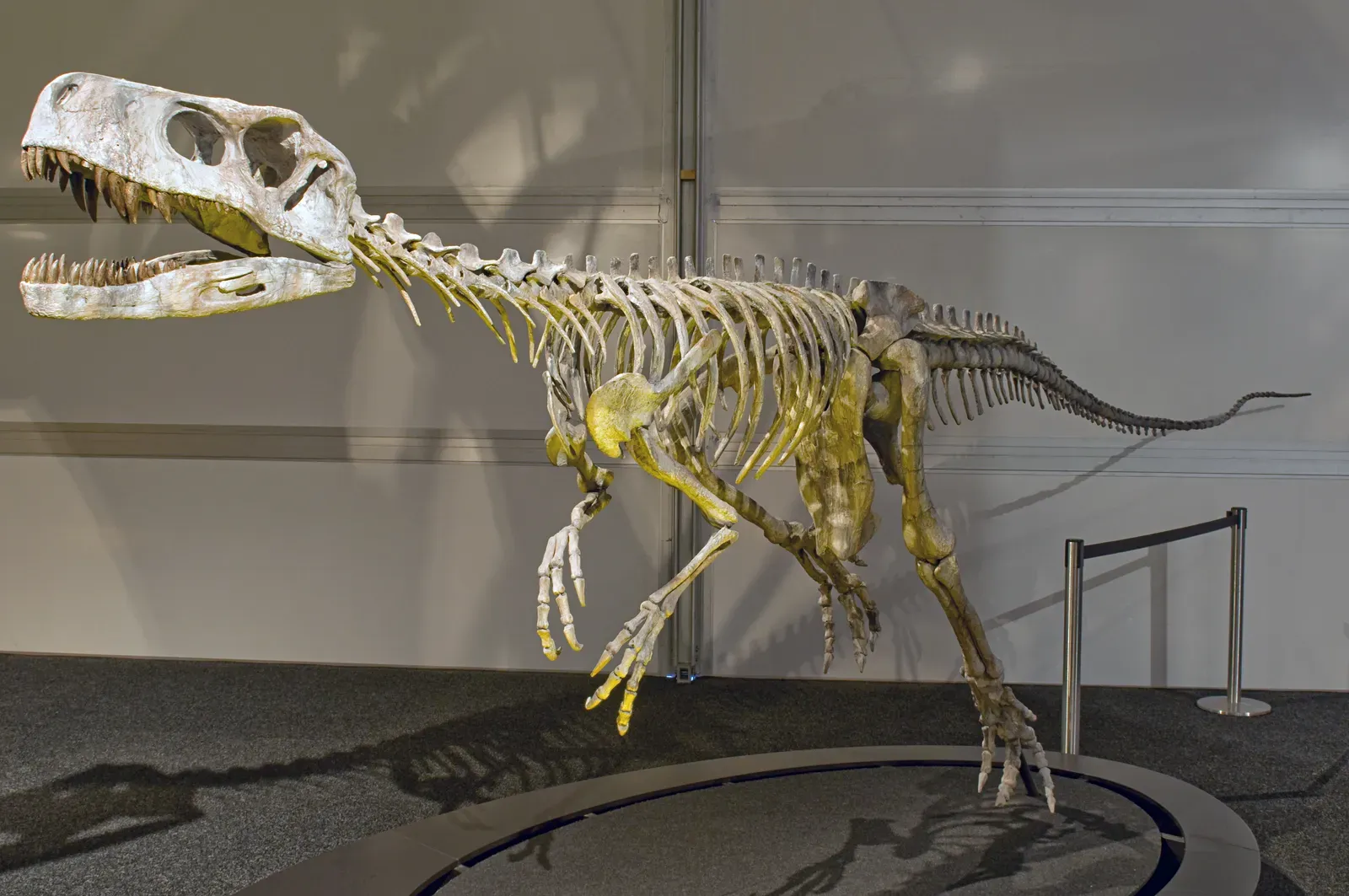
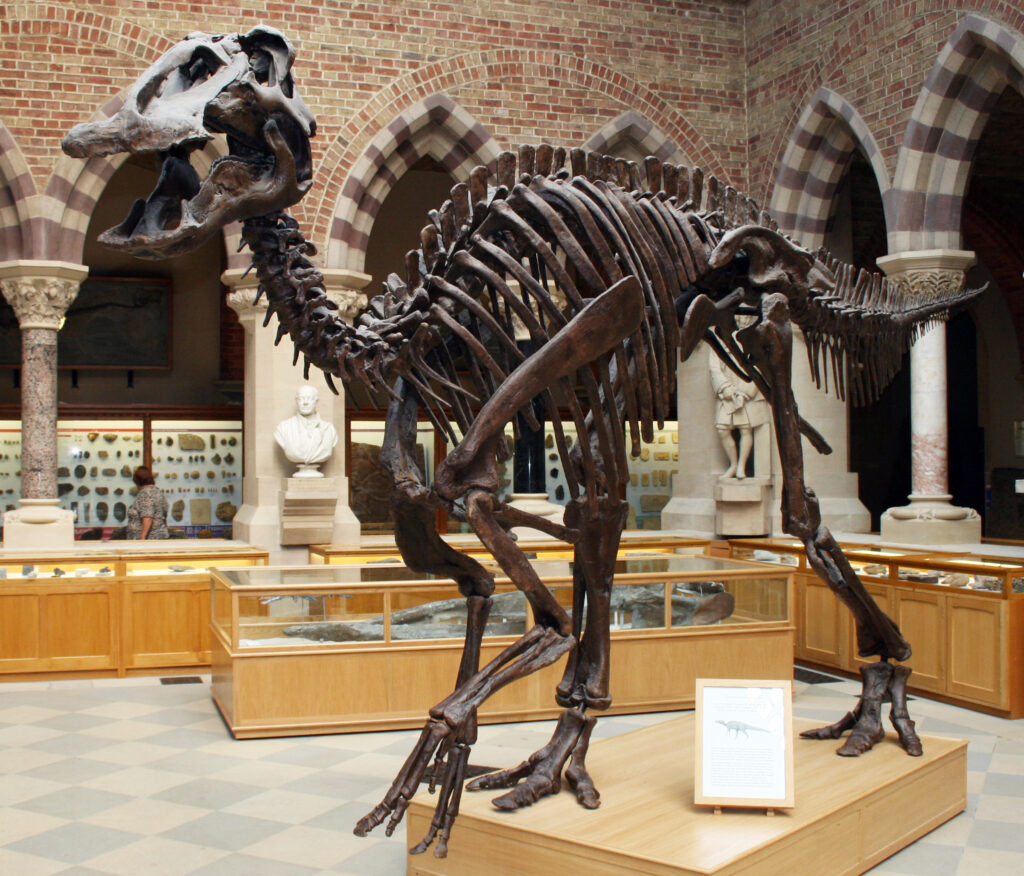
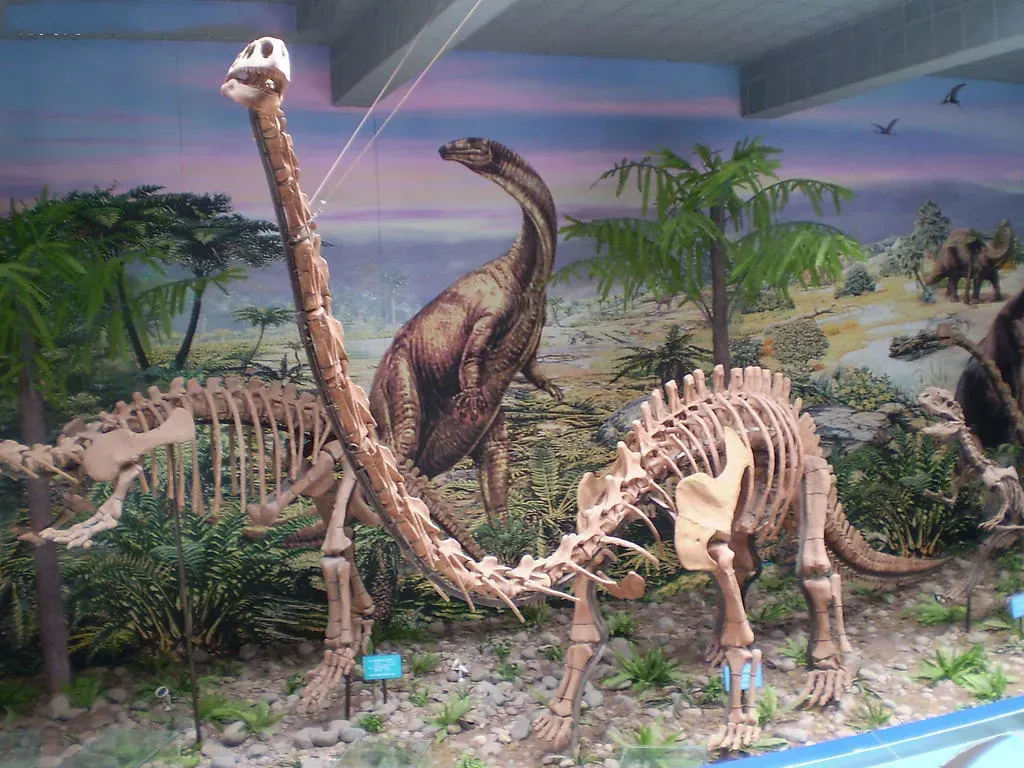
Walk into almost any dinosaur hall and you’re mostly looking at a very convincing lie. Real fossilized bone is rare, heavy, and fragile, so museums lean hard on casts to fill in the gaps and build complete-looking skeletons.
Casts get combined with original fossils, which may have some of their damage patched with plaster, plus sculptural elements filling the rest. There is no mounted dinosaur skeleton made entirely of original fossils on display anywhere in the world. Even London’s beloved Dippy was never the genuine article – it’s a plaster-of-Paris replica of a Diplodocus carnegii skeleton, with the real bones sitting quietly at the Carnegie Museum of Natural History in Pittsburgh. Not one single mounted dinosaur skeleton on Earth is 100% real fossil. Curators aren’t hiding this to deceive you – they’re protecting irreplaceable material while still giving you something to marvel at. But #11 is where it gets even stranger.
#11 – The Real Skull Almost Never Makes It to the Display Case
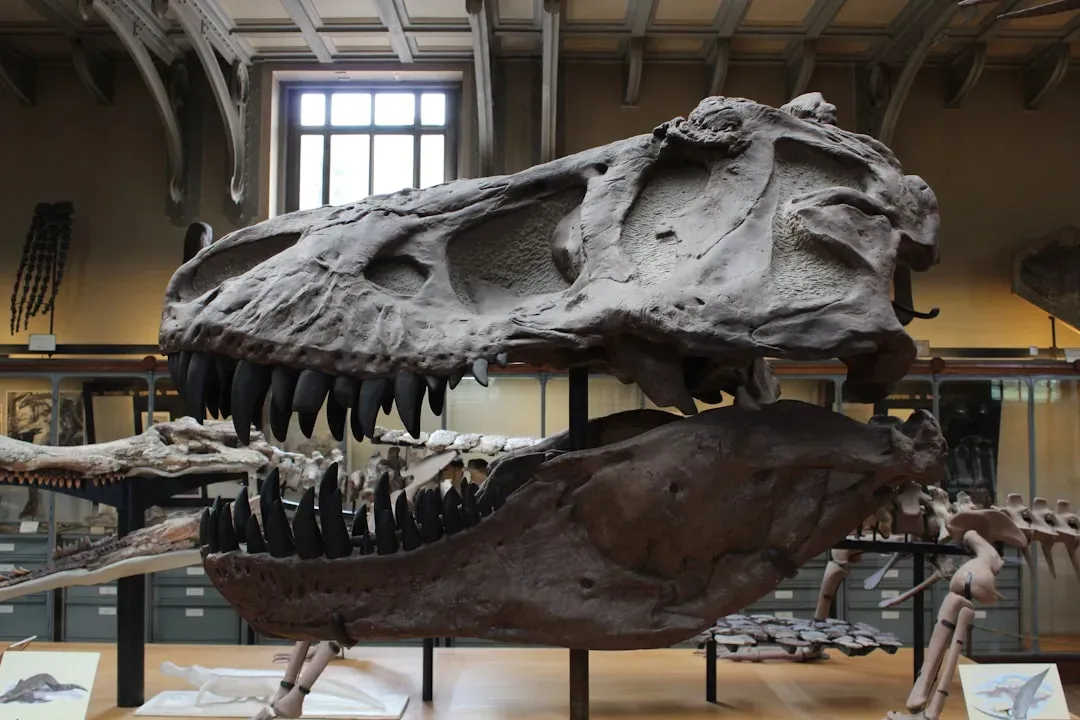
Skulls are the money-shot of any dinosaur exhibit, which is exactly why the one you’re photographing is often fake. The genuine article is usually locked in a drawer somewhere behind a “Staff Only” door.
Take Sophie the Stegosaurus at London’s Natural History Museum – arguably the most complete Stegosaurus fossil ever found. Most of what visitors see is real bone, but the actual skull stays behind the scenes because it’s in pieces, so the head on display is a 3D-printed replica. Sue the T. rex has the same problem: her skull is too heavy for the mount and is displayed separately, which actually lets scientists study its features and battle scars up close. Curators genuinely prefer studying disassembled skulls over gluing them together for show. Scientific value beats visual drama every time. Wait until you hear what’s really holding #10 together.
#10 – Your Favorite Dino Mount Is a Frankenstein of Several Animals
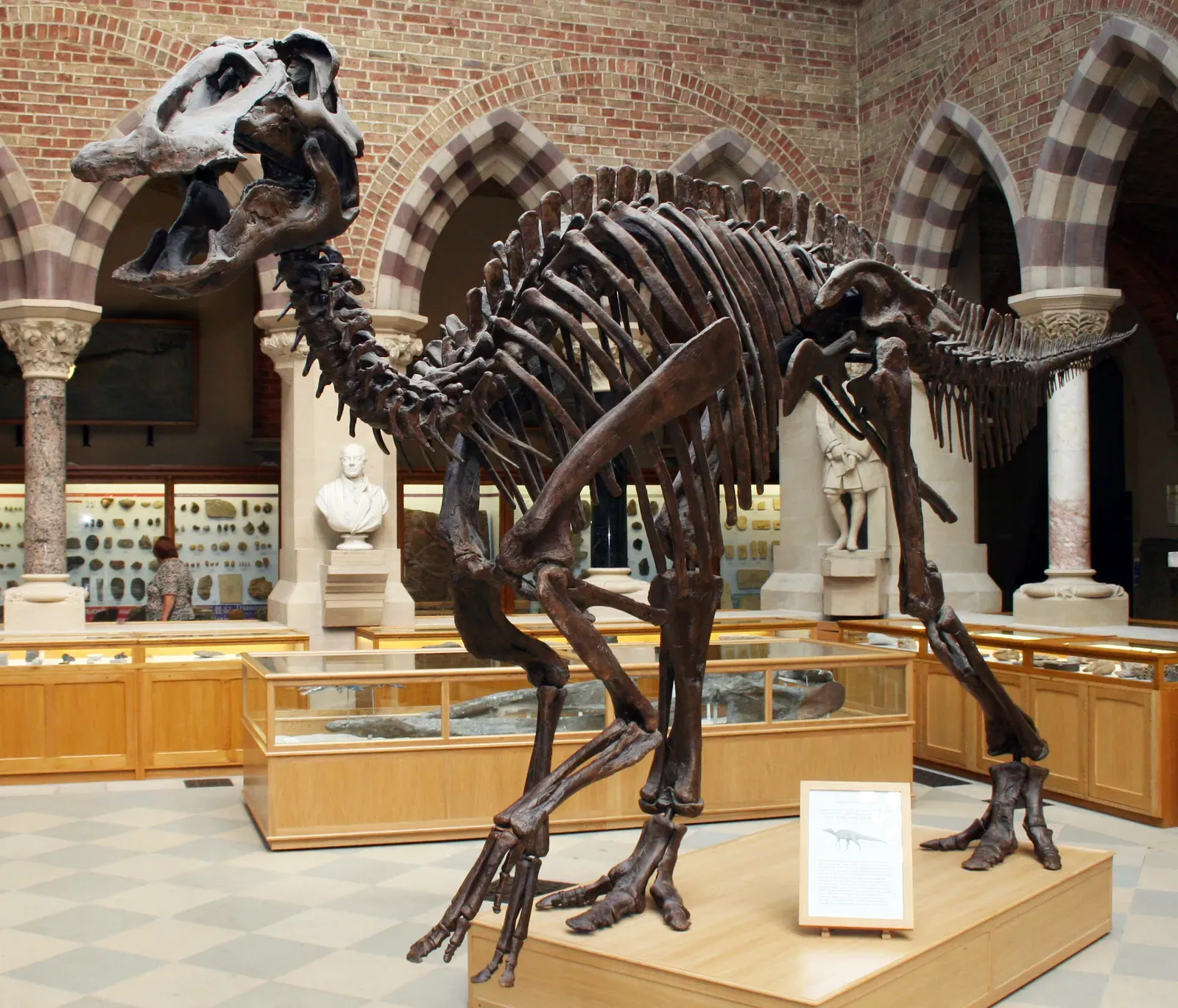
That majestic sauropod towering over the lobby almost certainly never existed as a single living animal. It’s a mash-up – bones borrowed from different individuals, sometimes found hundreds of miles apart.
The remains of large dinosaurs are almost never found complete or intact, so fossil mounts have nearly always been composites of multiple specimens. The famous AMNH “Brontosaurus” is a perfect example: the mount was assembled in 1905 from at least four individuals, and a significant number of the bones, including the skull, were best-guess sculptures. Even the 1923 American Museum Triceratops fits the pattern – it’s a composite of several different individuals of roughly the same size. The dinosaur you’re admiring is technically a committee, not an individual. Most people find that unsettling once they know it, and it gets weirder at #9.
Quick Compare
- AMNH “Brontosaurus” (1905): Built from at least four different individuals, with the skull entirely sculpted.
- American Museum Triceratops (1923): A composite of several individuals of roughly matching size.
- Typical large sauropod mounts: Bones often sourced from individuals discovered hundreds of miles apart.
#9 – Missing Bones Are Sculpted Guesses, Not Fossils
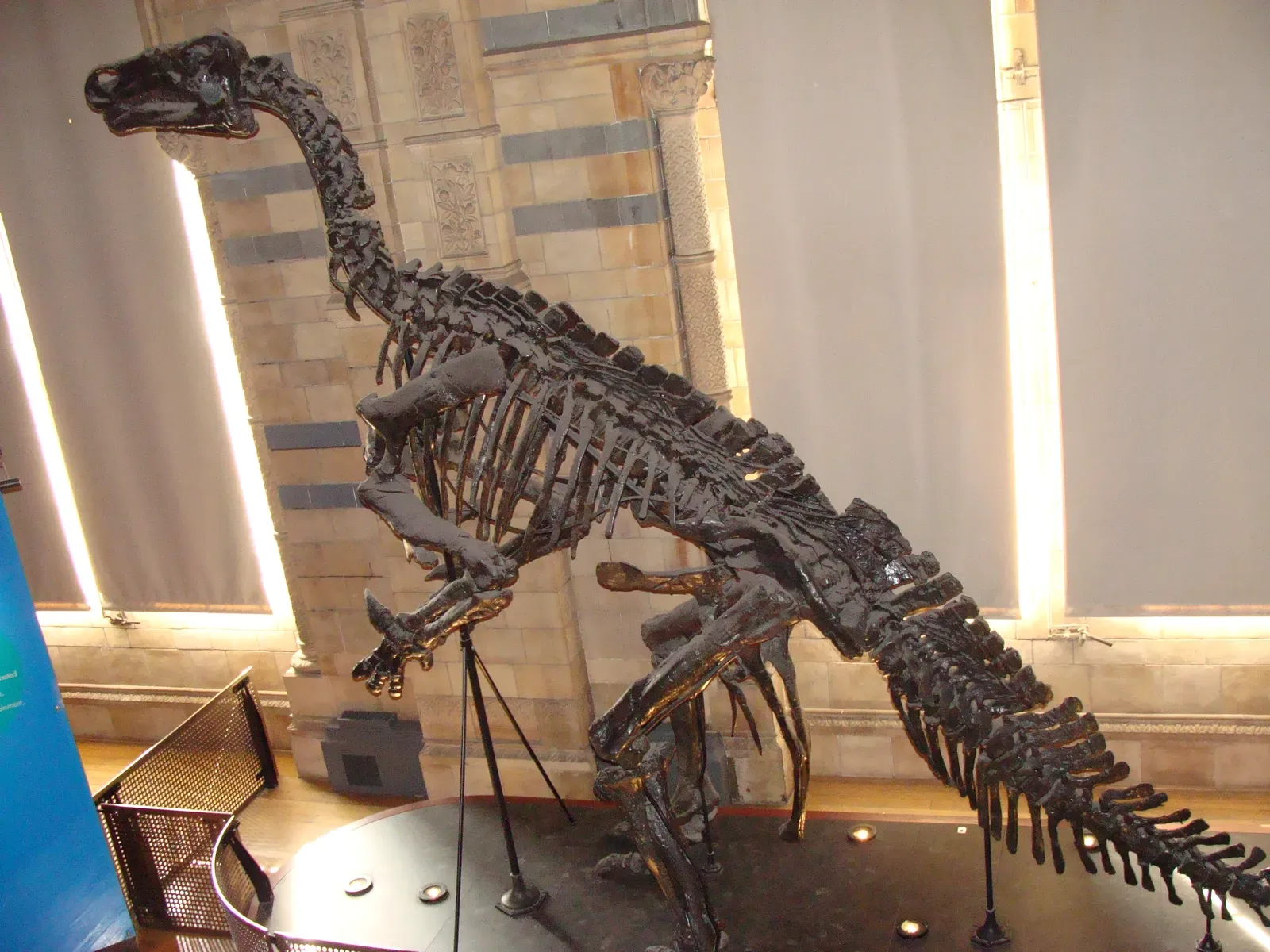
Some of what looks like fossilized bone in a museum case was never touched by geologic time at all. It was carved by a human artist last year, based on educated speculation.
When a bone is missing from a skeleton, technicians sometimes sculpt the shape by hand – a less accurate method since it doesn’t come from the actual fossil but from an examination of existing bones, or from photos of bones from related species. The Field Museum’s massive titanosaur Máximo is a textbook case: all the existing Patagotitan fossils were 3D scanned and printed, and the missing bones were sculpted from scratch. Chicago’s Brachiosaurus tells a similar story – Riggs found only about 25% of the skeleton and didn’t consider it complete enough to mount, so the museum commissioned a replica skeleton roughly 90 years later, basing the missing pieces on the related Giraffatitan. Roughly three-quarters of some famous mounts are educated guesswork. That’s a problem curators are trying to fix, but not always fast enough, as #8 proves.
#8 – Plenty of Mounts on Display Are Already Scientifically Outdated
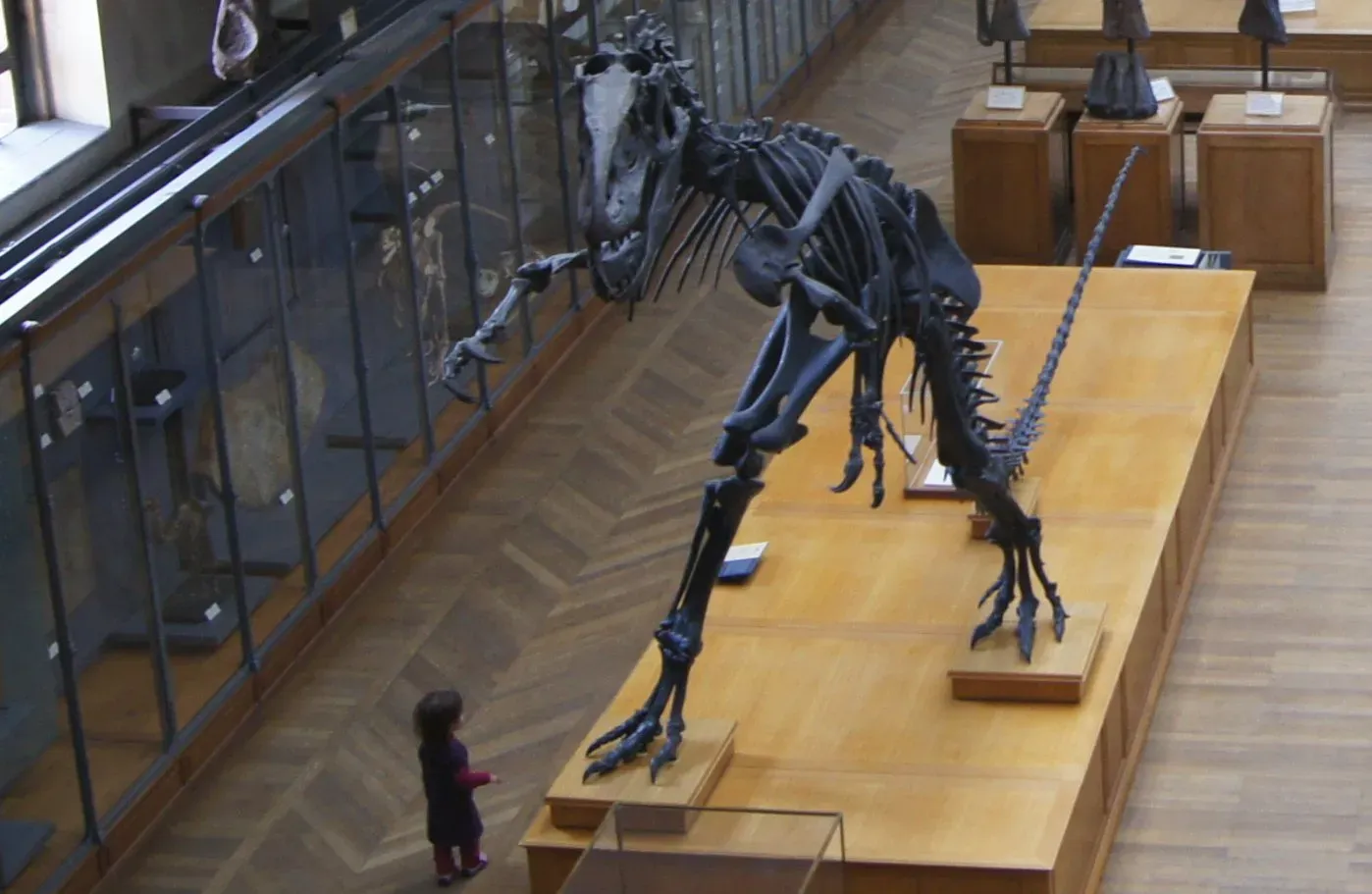
Some of the “cutting-edge” skeletons you’re staring at right now are actually walking anatomical mistakes, frozen in place from decades-old science that’s since been proven wrong.
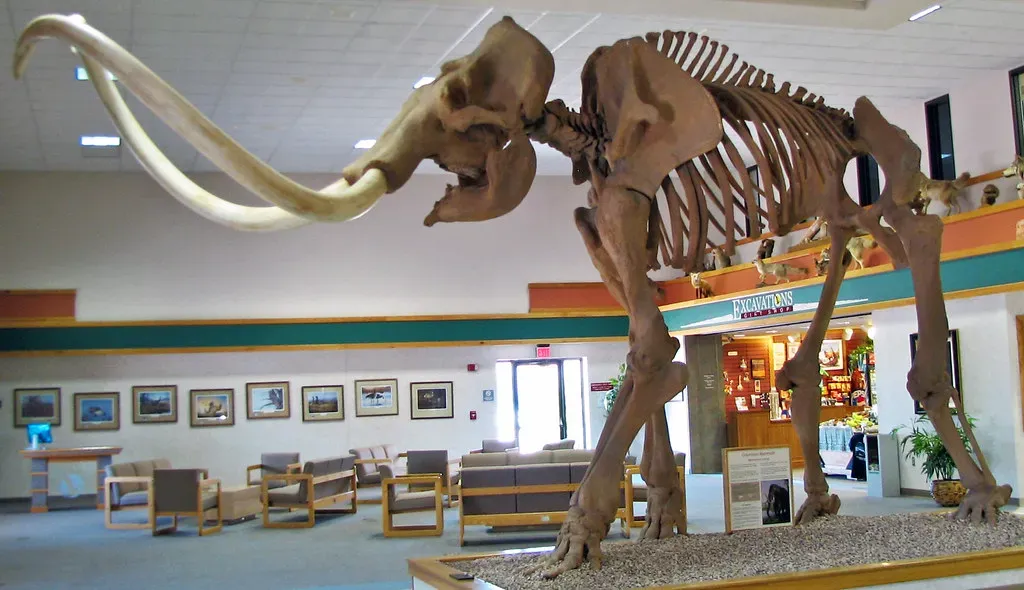
A dragging tail is the most obvious sign of an older mount, along with awkwardly splayed forelimbs on ceratopsids and pronated hands on theropods. Since older mounts are often composites of multiple specimens, many have mismatched bones from differently sized individuals. The proof is almost comical: an ice age camel at the Nebraska State Museum has a dramatic underbite because its jaw and skull came from two animals of different sizes. Some museums know their flagship mount is scientifically embarrassing and still haven’t replaced it, because remounting a multi-ton skeleton costs a fortune. Curators quietly wince every time a visiting paleontologist points it out. #7 gets even more uncomfortable for museums.
#7 – What’s on the Floor Is a Fraction of What’s in the Building
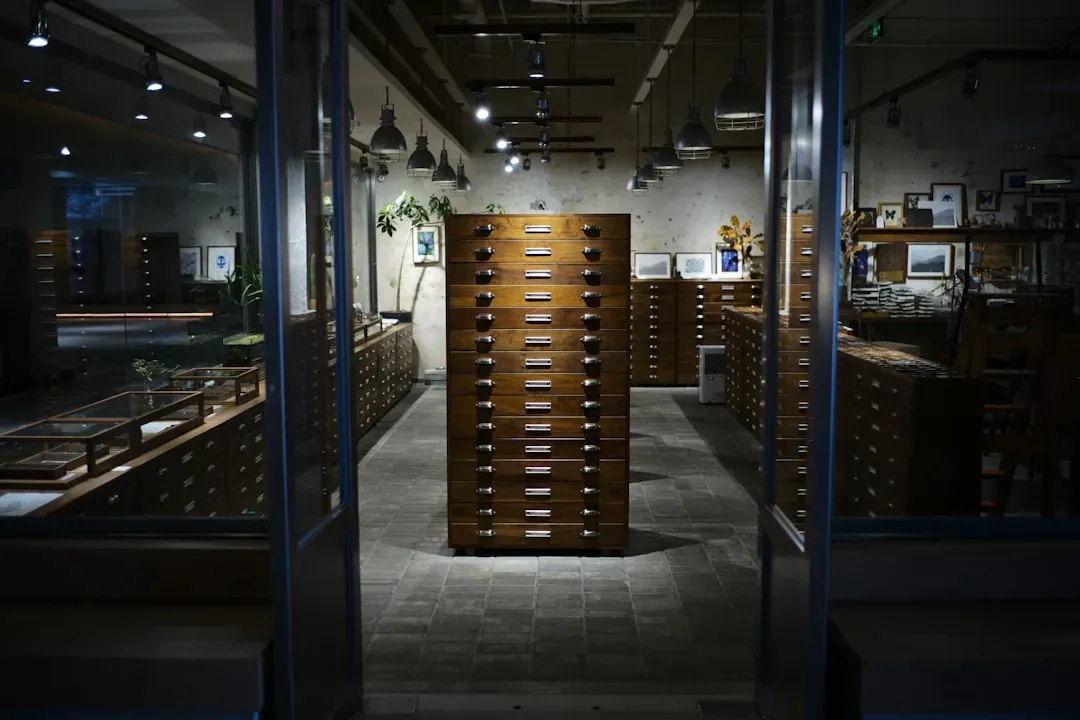
The exhibit hall you walked through is basically a highlight reel. Behind every public gallery sits a warehouse of fossils, molds, and specimens the public will likely never see.
Preparation studios that build museum casts routinely house staggering inventories – most skeletons require between 100 and 150 distinct molds, all stored in an on-site warehouse. That’s just the replica side. The genuine fossil collections dwarf that number, with the vast majority kept for research rather than display because, as Field Museum staff explain, showing every real bone risks damage and the loss of scientific detail. Most museums display less than a tenth of what they legally own. The rest sits in climate-controlled cabinets, waiting for a researcher, not a tourist. What happens to those hidden fossils over time is where things get genuinely alarming – see #6 and #5.
At a Glance
- Most skeleton mounts require 100 to 150 distinct molds, all warehoused on-site.
- Real fossil collections dwarf the replica inventory – most stay in storage for research, not display.
- Museums typically display less than a tenth of everything they legally own.
#6 – Curators Paint and “Age” Casts So You Can’t Tell
That convincingly weathered, dirt-caked bone you’re looking at was probably airbrushed by a technician wearing safety goggles last Tuesday. Making a cast look ancient is its own specialized art form.
Mounts get sanded down to remove seams, then painted to mimic the color and texture of the original rock. Seam chasing is one of the earliest steps, scraping away excess material so the replica reads as convincing. After that, the molded bones are painted with spray paint and given a separate “dirt” wash for that weathered look. A cast isn’t finished until it’s been deliberately “dirtied up” to fool your eye. Curators consider this honest craftsmanship, not deception – but it does mean the “ancient” texture you’re admiring might be a week old. What’s happening to the real fossils in storage, though, is a very different story.
#5 – Some Fossils Are Quietly Destroying Themselves in the Basement
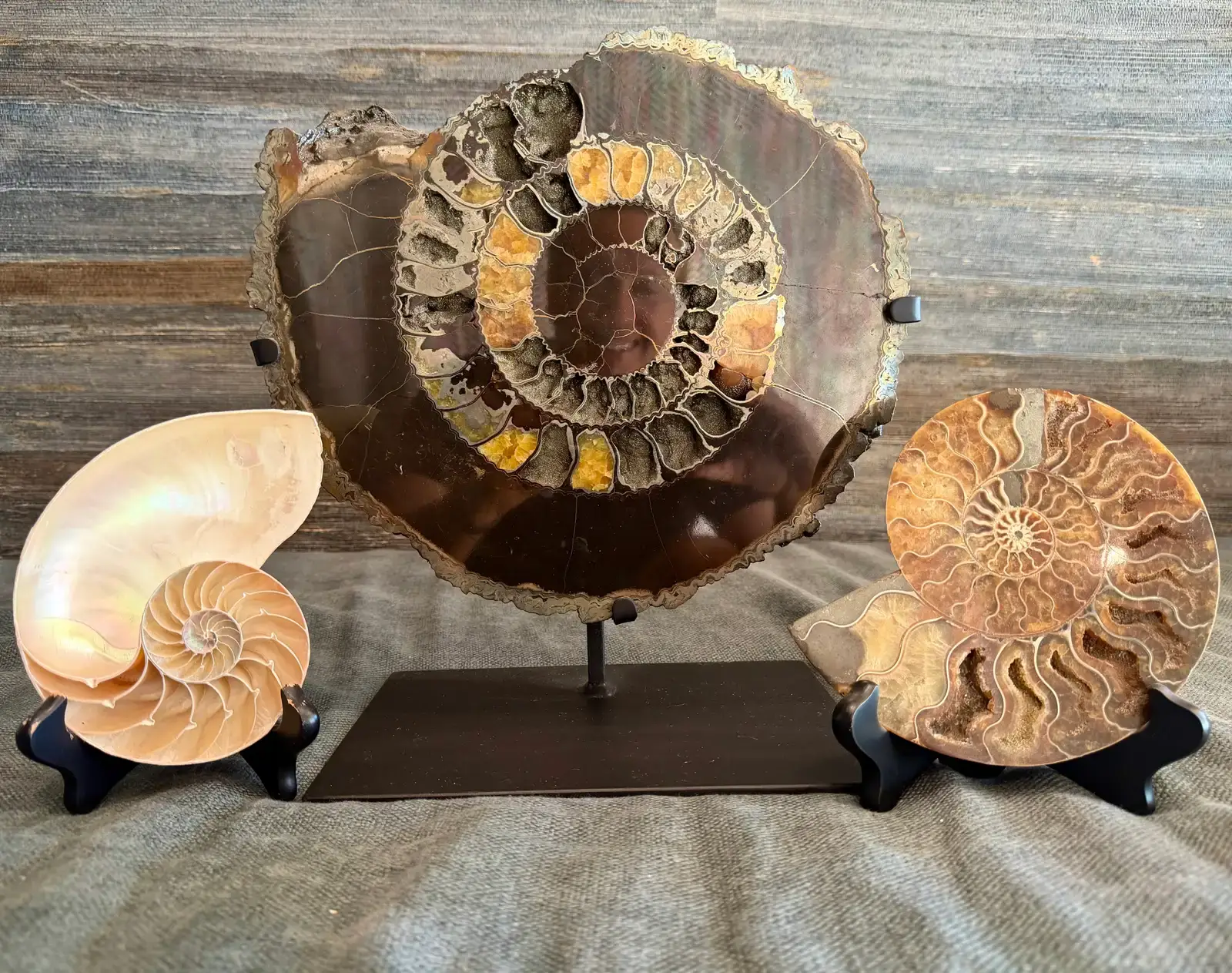
Here’s something curators dread admitting: certain fossils are actively rotting away in their own storage drawers, and there’s often nothing anyone can do to fully stop it.
The culprit is pyrite – the mineral known as “fool’s gold.” When exposed to humidity and oxygen, pyritized fossils can decay through a process called “pyrite disease,” a chemical reaction where pyrite reacts with oxygen and water to form iron sulfates and sulfuric acid. It’s brutally destructive: the damage is irreversible, pyritized fossils often break down very quickly (even to the point of complete destruction), and the sulfuric acid produced can degrade labels and storage boxes right along with the specimen. Millions of years of geologic history, preserved perfectly in rock, can be undone in a few decades by poor archiving and bad humidity control. Some specimens have already been lost forever, with only a photograph left behind. Curators monitor humidity like hospital vitals because of this. But nothing tests a curator’s nerves quite like what happens in #4.
Worth Knowing
- Pyrite disease starts when “fool’s gold” reacts with humidity and oxygen, forming sulfuric acid.
- The damage is irreversible – affected fossils can break down completely, sometimes fast.
- The acid produced can eat through labels and storage boxes right alongside the specimen.
- Curators fight it mainly with strict humidity control, treating storage rooms like hospital wards.
#4 – Curators Have Faced FBI Raids and Lawsuits Over Bones
Fossils aren’t just scientific treasures – they’re property, and property disputes get ugly fast. One of the most famous dinosaurs in the world came with an actual federal raid attached to its story.
Sue was embroiled in controversy almost as soon as the dinosaur was out of the ground. The Black Hills Institute claimed they’d paid the landowner for the dinosaur; he disputed that the payment covered ownership rather than excavation permission; other parties, from the Sioux Tribe to the U.S. Department of the Interior, claimed ownership too. The fallout was dramatic – the FBI raided the Black Hills Institute in 1992 to take possession of the bones, and the fossils became part of a drawn-out legal battle. A dinosaur that died 67 million years ago somehow triggered a federal law enforcement raid in the 1990s. Curators involved in acquisitions now treat ownership paperwork as seriously as the excavation itself. That legal chaos, though, was only the opening act – #3 is where things turned into real money.
#3 – A Single Skeleton Can Now Outsell a Picasso
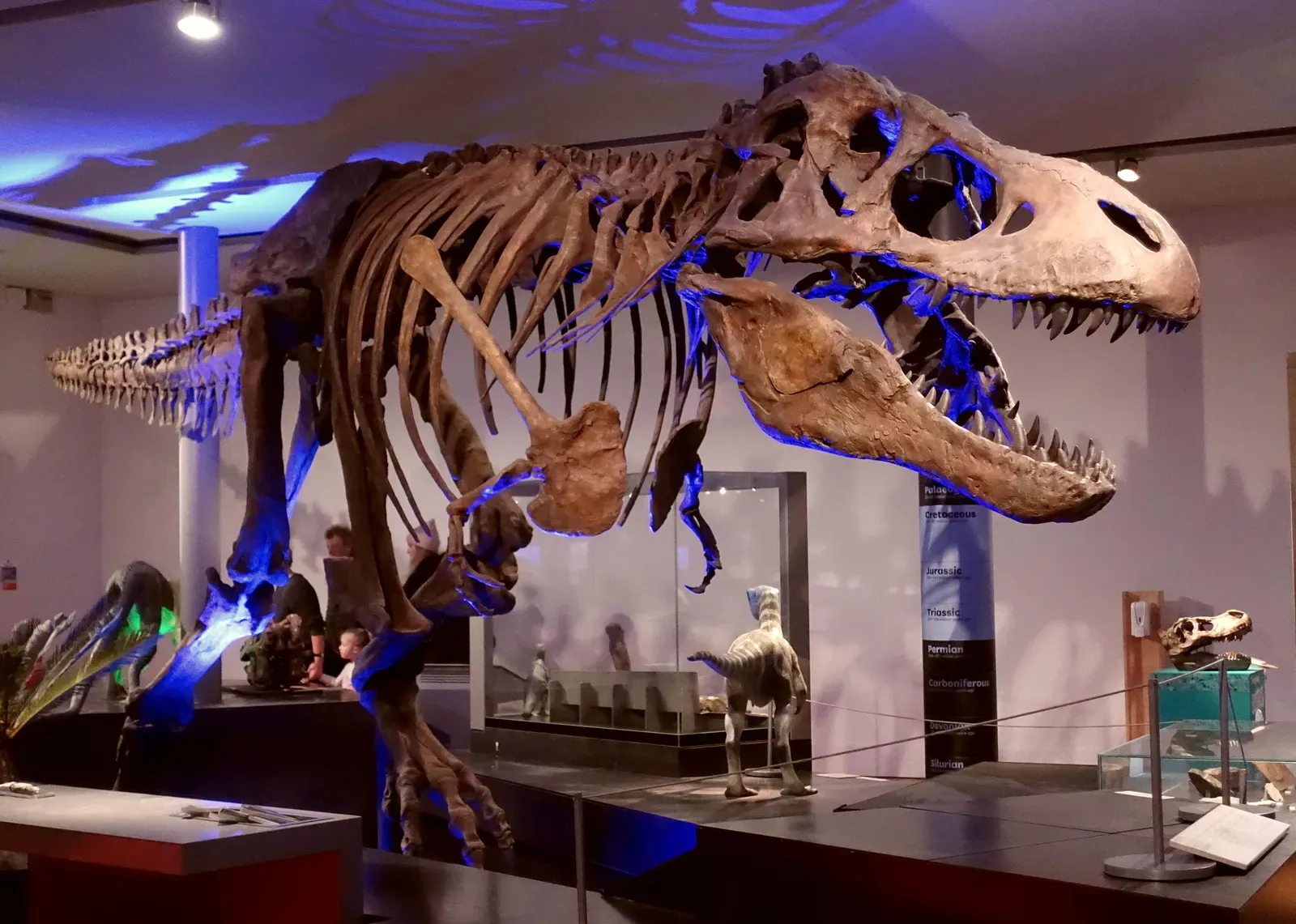
Fossils used to be scientific specimens. Now they’re seven-figure trophies, and curators watch helplessly as price tags spiral into territory no museum budget can match.
A Tyrannosaurus rex skeleton nicknamed “Stan” went up for sale at Christie’s with an estimated value of around $8 million – and it fetched a staggering $31.8 million, shattering the previous record. That record didn’t last long. It was overtaken by Apex the Stegosaurus, bought in 2024 by billionaire Ken Griffin for $44.6 million. For comparison, that price dwarfs the $8.36 million the Field Museum paid in 1997 for Sue. Fossil prices have climbed nearly 400% in under three decades – far faster than any museum acquisition budget could ever grow. Curators aren’t just competing with other institutions anymore. They’re competing with billionaires. And that shift has consequences #2 makes painfully clear.
Quick Compare
| Fossil | Sale Price |
|---|---|
| Sue the T. rex (1997) | $8.36 million |
| Stan the T. rex | $31.8 million |
| Apex the Stegosaurus (2024) | $44.6 million |
| Gus the T. rex | $50.1 million |
#2 – Once a Fossil Goes Private, Science May Lose It for Good
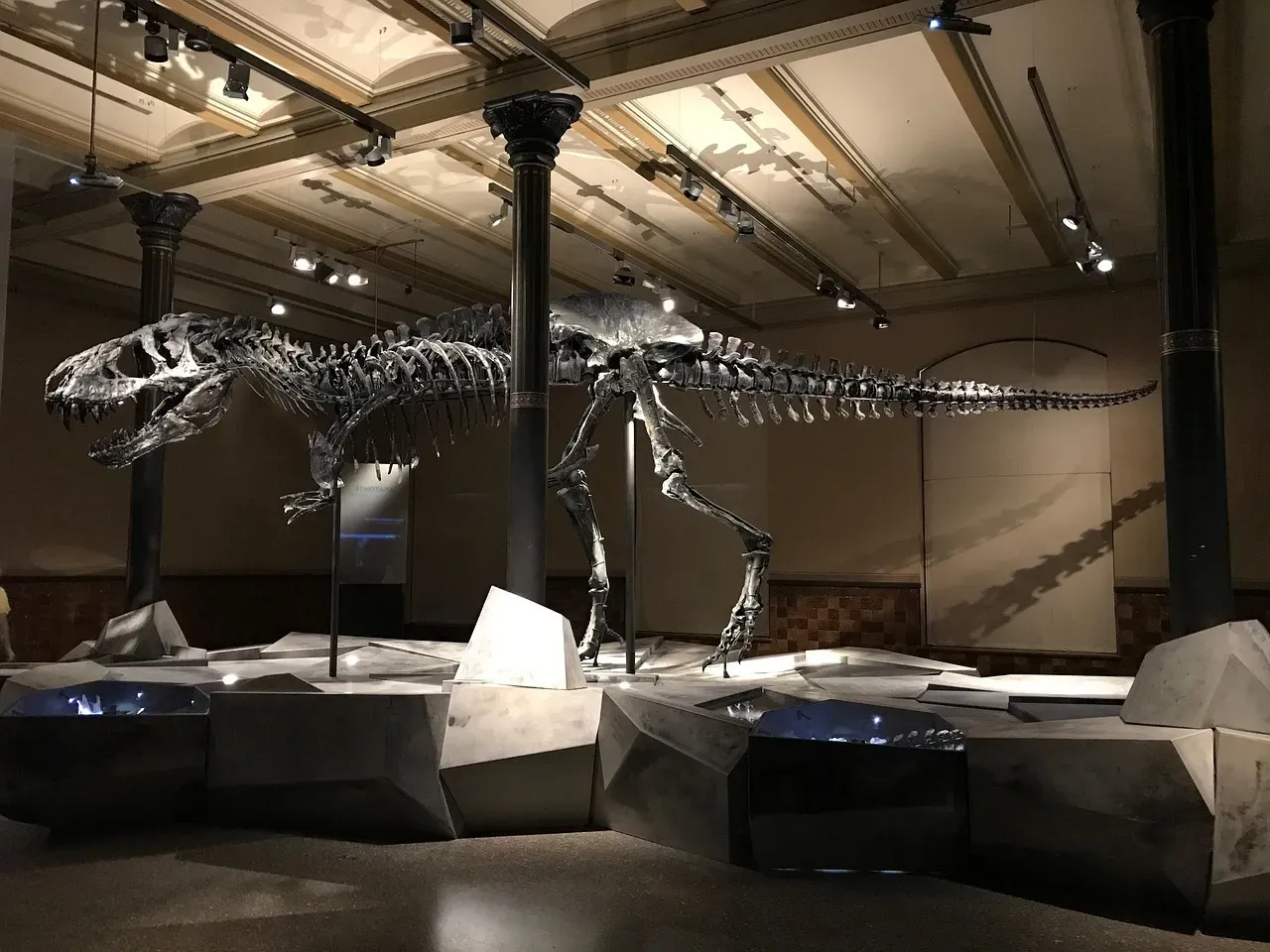
Here’s the controversial opinion most curators won’t say publicly but absolutely believe: private fossil ownership is quietly strangling paleontology, one record-breaking sale at a time.
Paleontologists generally believe that once a fossil ends up in private hands, it’s effectively lost to science, because scientific journals will only publish research conducted on specimens held in publicly accessible collections. If a fossil is privately held, studies can’t be reliably reproduced – a core standard for verifying scientific findings. The risks go beyond access, too. Private collectors operate under no legal obligation and can sell parts of a skeleton off to different buyers, splitting it up, or store it in conditions that lead to damage. A specimen studied by dozens of scientific papers could vanish behind closed doors with zero legal obligation to ever resurface. Curators call this “lost to science” – a phrase that sounds clinical until you realize it means decades of research potential gone. And right now, it’s happening again.
#1 – Right Now, Another Record-Breaking Fossil Is Disappearing Into Private Hands
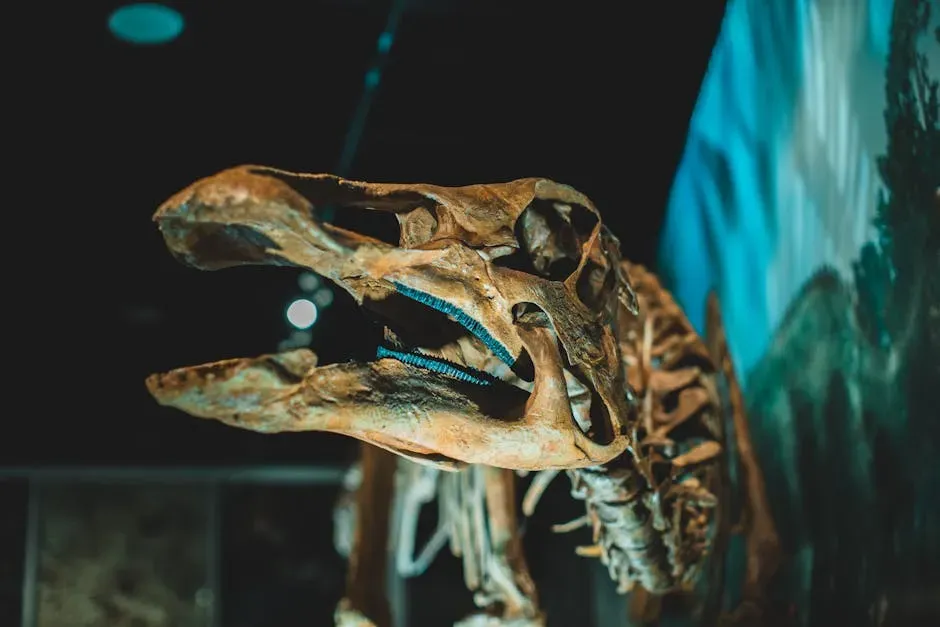
This isn’t ancient history – it’s unfolding this year, and curators are watching a familiar nightmare play out in real time, live at auction.
Apex the Stegosaurus, the $44.6 million sale, is currently halfway through a four-year loan at New York’s Museum of Natural History – at least the science can still reach it. That record fell almost immediately anyway: a Tyrannosaurus rex nicknamed Gus sold for $50.1 million, becoming the most expensive fossil ever sold. The single variable that matters now is whether Gus’s buyer commits to keeping the skeleton somewhere scientists can reach it, or lets it disappear into a private vault. There’s a rare silver-lining precedent worth noting: Stan eventually turned out to be bought by Abu Dhabi, and is now the centerpiece of the Natural History Museum Abu Dhabi, which opened in November 2025 with a research programme attached. Curators are now watching multimillion-dollar auctions the way stockbrokers watch tickers – because the outcome decides which fossils science ever gets to study again.
The Bottom Line
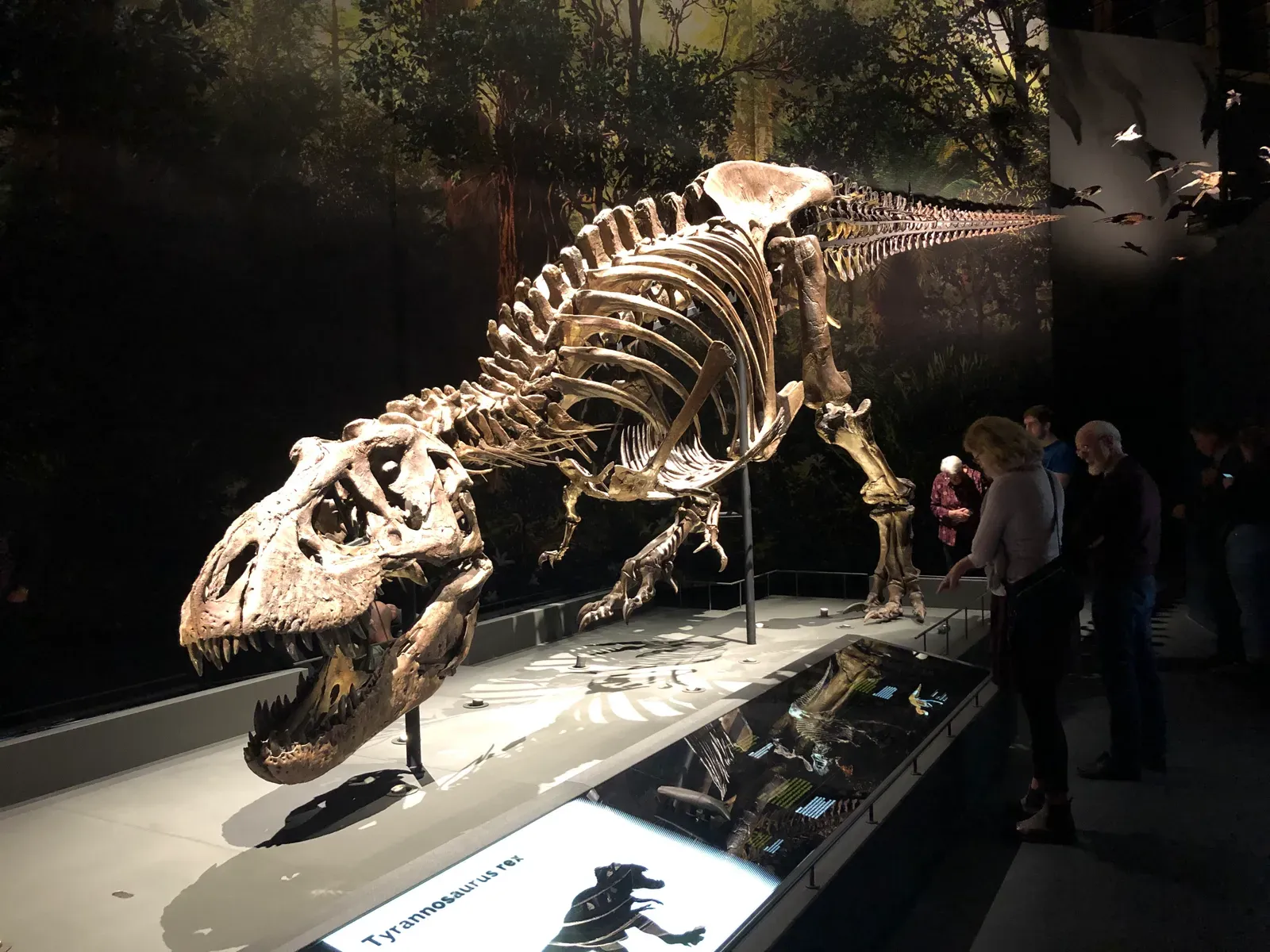
Museum curators have known for over a century that dinosaur halls run on illusion – casts standing in for bone, composites standing in for individual animals, sculpted guesses filling in the blanks. That’s not scandalous. It’s necessary science communication, and most curators will happily explain it if you ask.
What should genuinely worry the public is the newer problem: record-shattering private auctions are pulling irreplaceable fossils out of scientific reach faster than museums can compete, while pyrite disease quietly destroys specimens nobody’s watching closely enough. Curators didn’t create this crisis – collectors with nine-figure budgets did. And every time a skeleton disappears into a private vault, it isn’t just a sale. It’s a small, permanent theft from everyone who was ever going to ask a question about it.