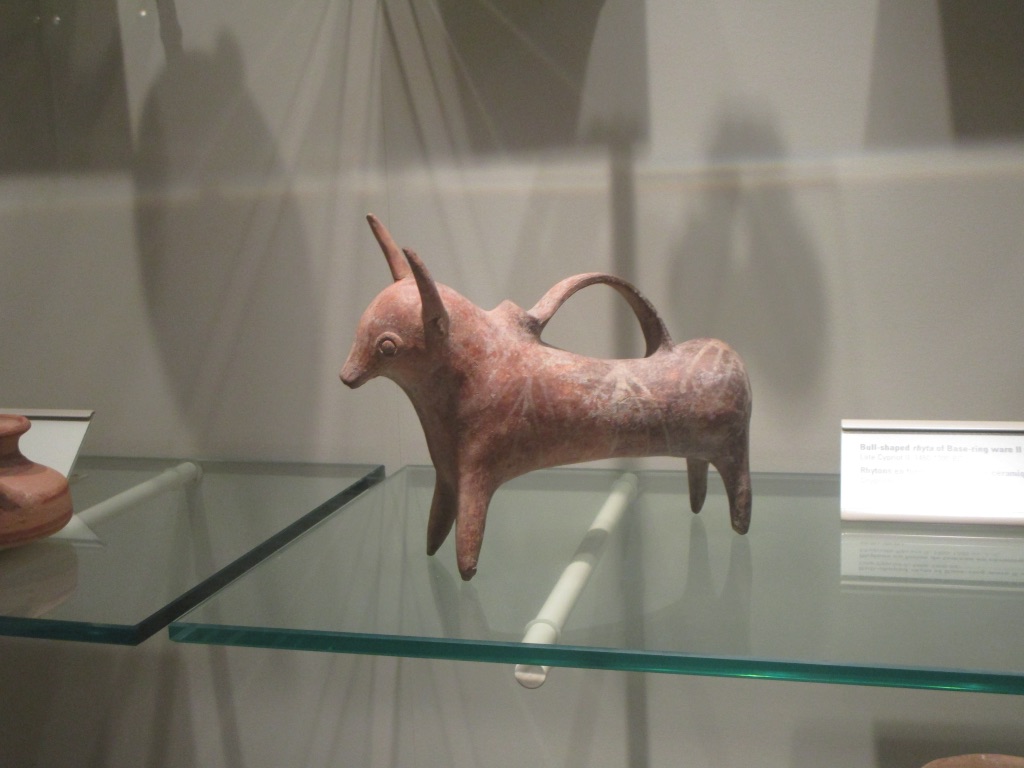
Every so often, archaeology serves up something that feels less like history and more like a riddle. These objects should fit neatly into a timeline of tools, weapons, or religious items, yet they sit there, stubbornly refusing to explain themselves. That gap between what we know and what we can only guess at is where the magic really lives.
What fascinates me most about these artifacts is how they show the limits of our modern confidence. We walk around with smartphones and space telescopes, but a carved stone from thousands of years ago can still stump us completely. Let’s dive into seven of those stubborn mysteries – staying honest about what we truly know, and what might never leave the realm of inspired speculation.
The Antikythera Mechanism: An Ancient Machine Ahead of Its Time
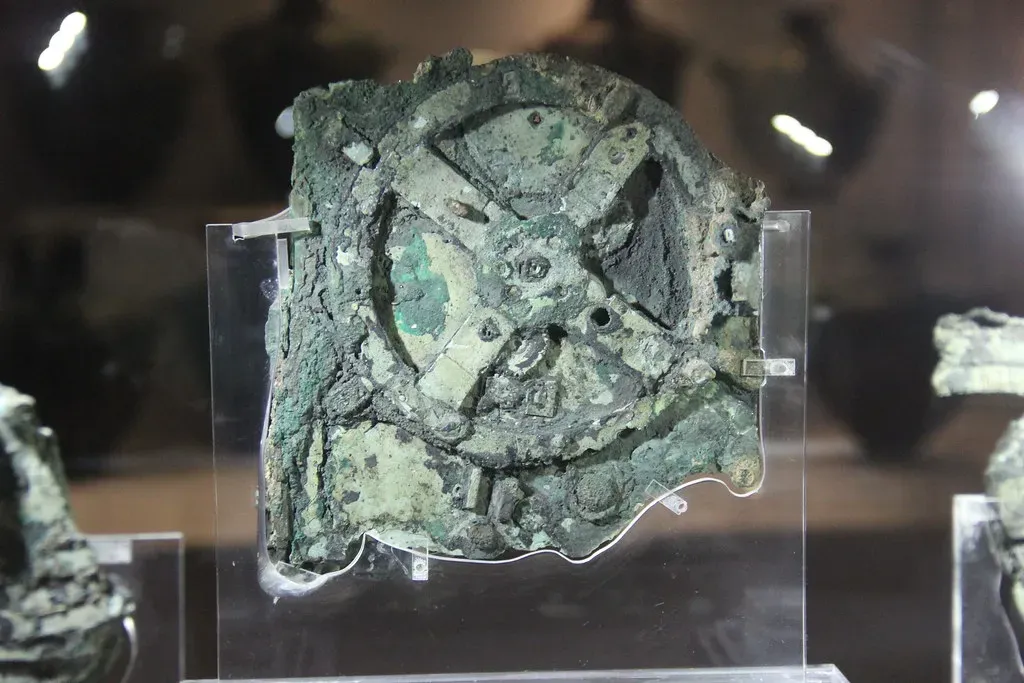
The Antikythera Mechanism, pulled from a shipwreck off a Greek island in the early twentieth century, looks at first glance like a corroded lump of bronze. Inside, though, is a complex system of interlocking gears that seems shockingly modern. Most researchers today see it as a kind of ancient astronomical calculator, capable of tracking the movements of the Sun, Moon, and possibly planets, and even predicting eclipses.
Yet even with advanced imaging and careful reconstruction, its full purpose is not completely locked down. Was it a teaching tool, a luxury gadget for a wealthy patron, a serious scientific instrument, or some mix of all three? I find it quietly unsettling that someone more than two thousand years ago held in their hands a device so intricate that we are still trying to reverse‑engineer its meaning, like trying to understand an app just by looking at scattered pieces of a broken phone.
The Phaistos Disc: A Message No One Can Read
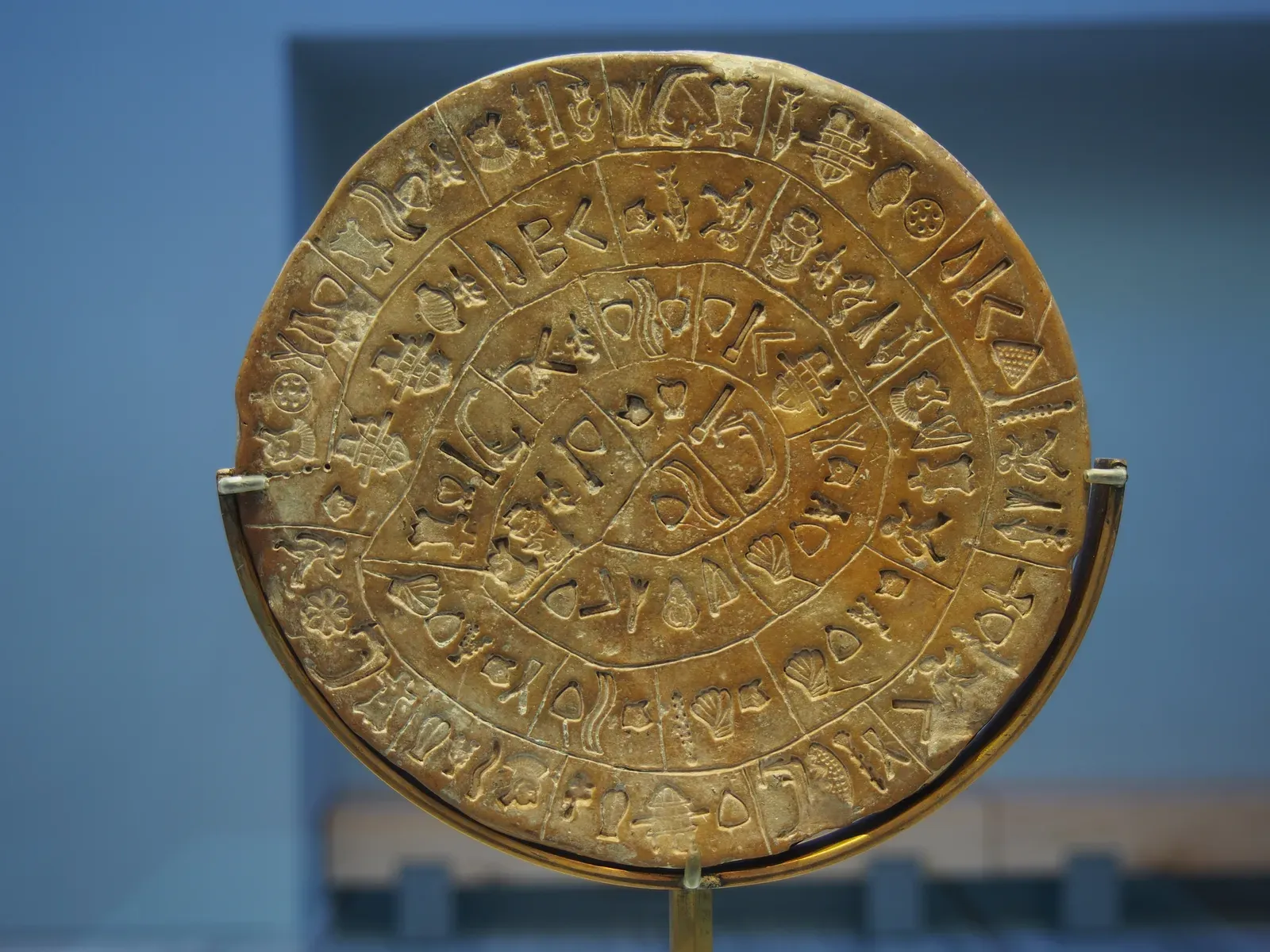
The Phaistos Disc, found in Crete and dating to the Bronze Age, is a palm‑sized clay disk stamped with spiraling symbols that look almost like emojis from another world. Unlike most writing systems, its characters were impressed with stamps rather than carved by hand, suggesting some kind of standardized symbol set, maybe even an early attempt at movable type. The problem is that we have only this single example – no other texts in the same script have reliably turned up.
Because there are no parallel inscriptions and no bilingual texts to compare it with, scholars are essentially stuck in educated‑guess mode. Some suggest it could be a hymn, a ritual text, or a kind of board game; others think it might even be a forgery from the time it was found, though that remains controversial. To me, the most haunting thing about the disc is that it almost certainly meant something clear and concrete to the person who pressed those symbols into wet clay, and now it hangs in a museum like a permanently muted voice note we will probably never play.
Roman Dodecahedra: Twelve‑Sided Riddles in Bronze
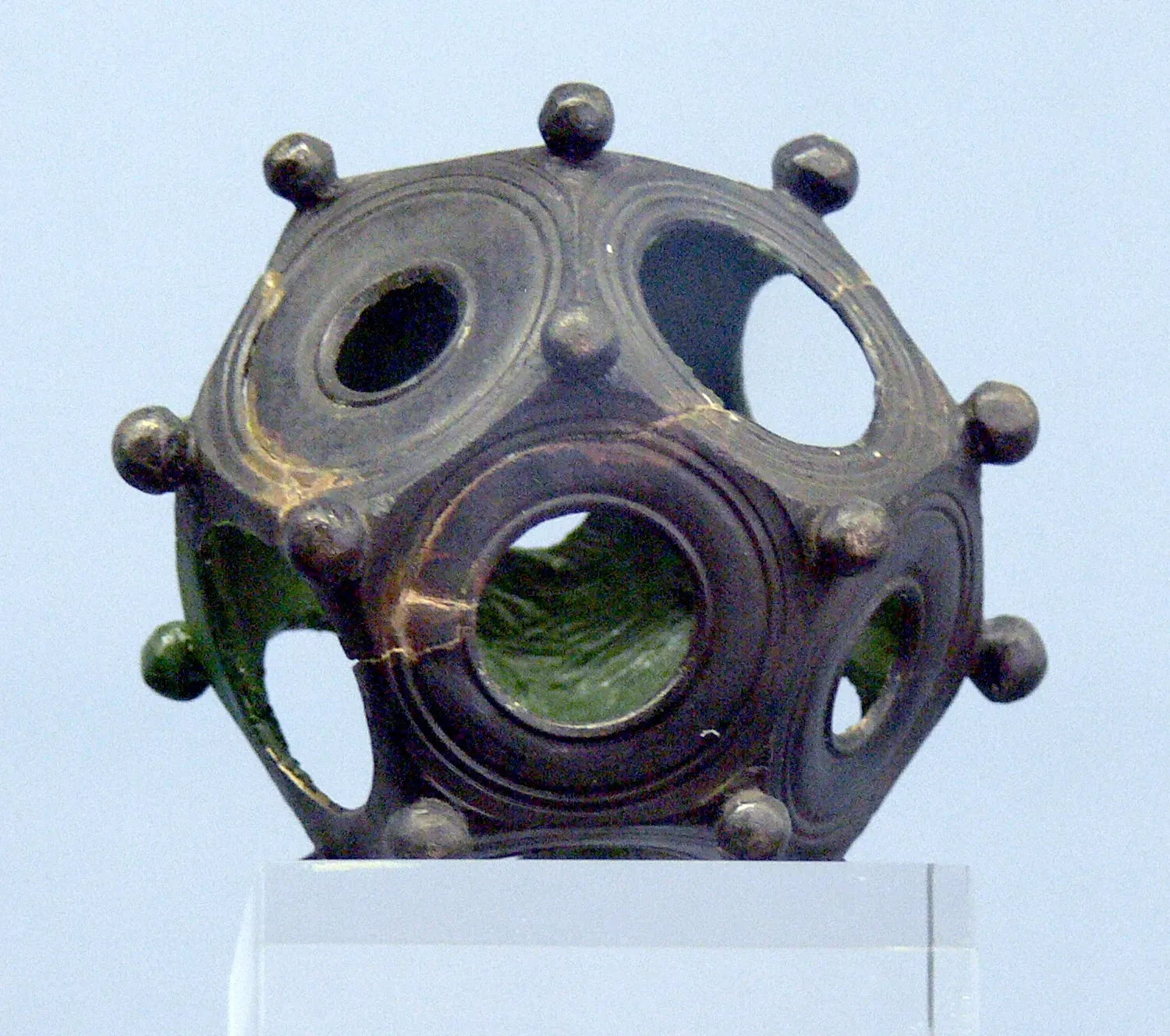
Scattered across parts of the former Roman Empire, small hollow bronze objects with twelve pentagonal faces have been unearthed, each face pierced by a circular hole of varying size. These so‑called Roman dodecahedra do not come with inscriptions, maker’s marks, or obvious wear patterns that give away their function. They are not mentioned in surviving Roman texts, which is bizarre, considering how much Roman writers loved cataloging even mundane things.
Theories range from candle holders to survey instruments, knitting tools, fortune‑telling devices, or fancy status toys passed around at parties. None of these explanations fits every example neatly, and we lack that satisfying “aha” moment where one idea rises clearly above the rest. I like to imagine a Roman artisan rolling his eyes at us from across the centuries, wondering how a civilization that can send probes to other planets still cannot figure out his oddly shaped desk accessory.
The Voynich Manuscript: A Book That Refuses to Talk
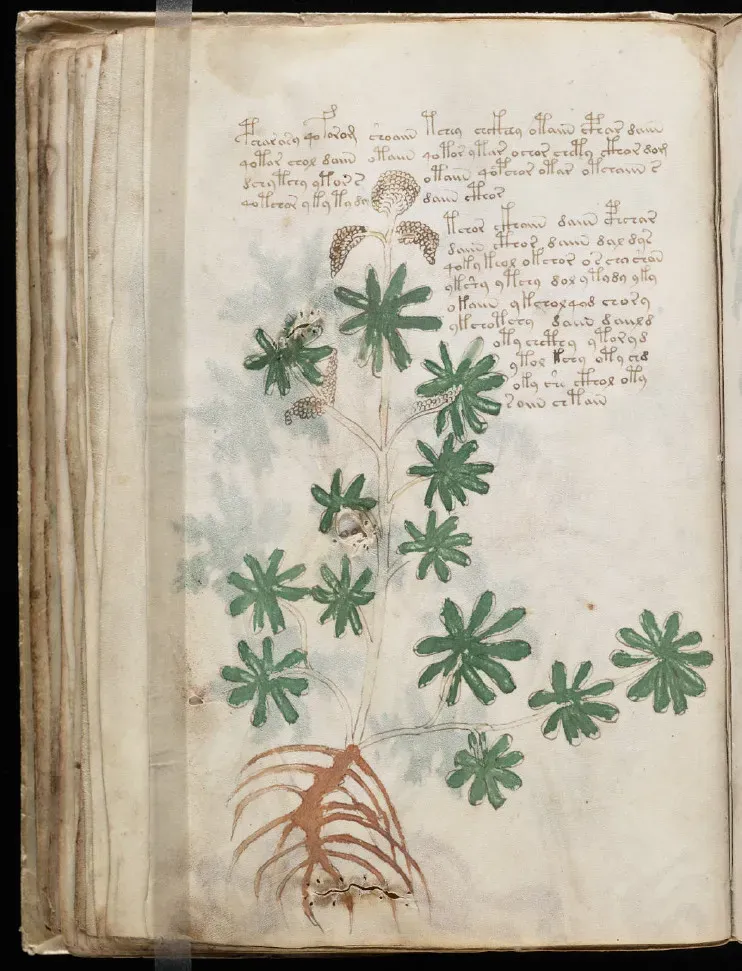
The Voynich Manuscript is a hand‑written book filled with looping, unknown script and strange illustrations of plants, astronomical diagrams, and human figures in odd scenes. It has been studied by professional cryptographers, linguists, historians, and plenty of enthusiastic amateurs, yet no one has produced a decoding that satisfies both the text and the images in a convincing, verifiable way. Carbon dating suggests it was created in the late medieval period, which only adds to the puzzle: it is not some modern prank cooked up with fancy paper and ink.
Some researchers argue that the text may encode an unknown natural language, others insist it is a clever hoax written in meaningless gibberish, and a few suggest it could be a private, invented script for personal use. Personally, I lean away from the pure‑hoax idea; the amount of effort, consistency, and cost – parchment was not cheap – feels like a lot of trouble for a joke with no audience. It is as if someone wrote an entire novel in a language only they understood, then accidentally handed us their diary without leaving the key under the mat.
The Baghdad “Battery”: Power Source or Misunderstood Jar?
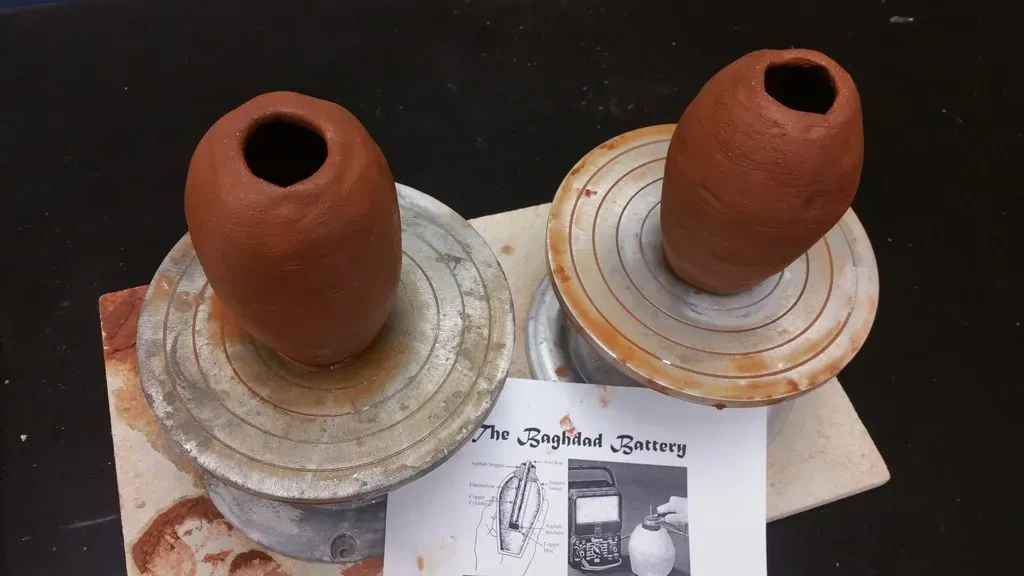
In the mid‑twentieth century, archaeologists uncovered clay jars near modern‑day Baghdad containing a copper cylinder and an iron rod, with traces of acidic residues. This sparked the famous claim that these might be primitive galvanic cells – a form of battery capable of producing a small electric current. If that interpretation is correct, it would imply an understanding of electrochemical reactions long before electricity was formally studied, which is a mind‑bending idea.
However, the “battery” label is far from universally accepted. Many experts argue these jars could have been used for storing scrolls or documents, or for simple ritual purposes unrelated to electricity. There is no clear, contemporary description that says, in effect, “this is used to plate metal with a small current,” and experimental reconstructions produce only modest and finicky results. To me, the most reasonable stance is cautious: these jars might demonstrate some accidental or limited use of electrochemistry, or they might just be clever containers that modern imaginations have wired up a bit too enthusiastically.
The Nazca Lines: Colossal Designs You Can Hardly See
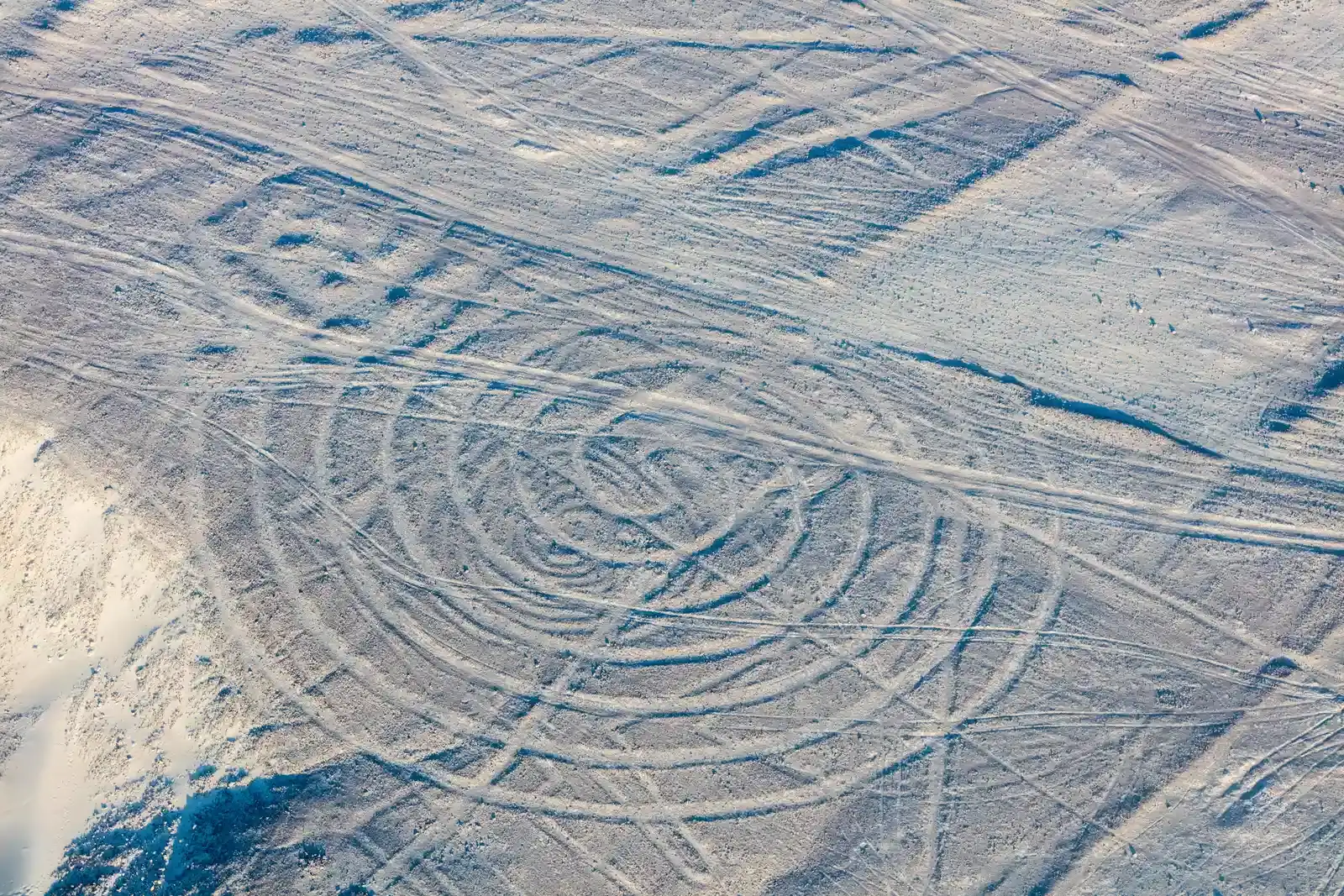
Etched into the desert plains of southern Peru are gigantic lines and figures – geometric shapes, animal forms, and long straight tracks that run for kilometers. From the ground, many of these Nazca Lines are barely visible, but from above, they form striking images like a hummingbird, a monkey, or a massive set of trapezoids. We know they were made by removing dark surface stones to reveal lighter soil beneath, and we can date them broadly to the Nazca culture over many centuries.
The big question is why. Leading theories suggest ritual or religious purposes, perhaps connected to water worship or processional pathways, while others see them as giant calendars or astronomical markers aligned with certain celestial events. The more sensational ideas – runways for alien visitors or coded messages to the sky – are entertaining but wildly disproportionate to the evidence. Walking along those lines in my imagination, I picture communities returning season after season to maintain them, not for tourists or satellite photos, but for beliefs and meanings that, frustratingly, we can only glimpse from a distance.
The Sacsayhuamán Stone Walls: Precision Beyond Explanation
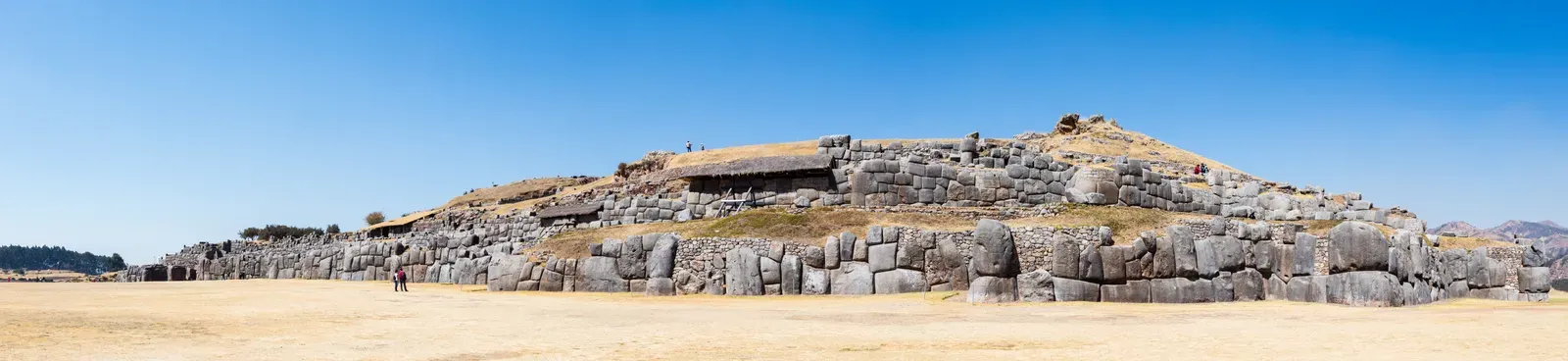
Above the city of Cusco in Peru stands Sacsayhuamán, a complex of massive stone walls built with blocks so large and so precisely fitted that a blade barely seems to slide between them. The stones have irregular, interlocking shapes, almost like a giant three‑dimensional jigsaw puzzle, yet they sit together without mortar and have withstood centuries of earthquakes. We know the Inca were capable engineers and organizers, and it is clear this was a feat of intense labor and careful planning.
What remains uncertain is exactly how they cut, moved, and positioned such enormous stones with the tools they had, and why they chose this complicated pattern instead of simpler, more uniform blocks. Some people jump straight to lost high‑tech methods or intervention by visitors from the stars, but that usually says more about our lack of imagination regarding human ingenuity than about the stones themselves. For me, the real mystery is less about exotic technology and more about the mindset: what kind of cultural values and ambitions drove a society to invest so much sweat and skill into walls that feel, even now, almost impossibly intentional?
Conclusion: Why These Mysteries Matter More Than the Answers
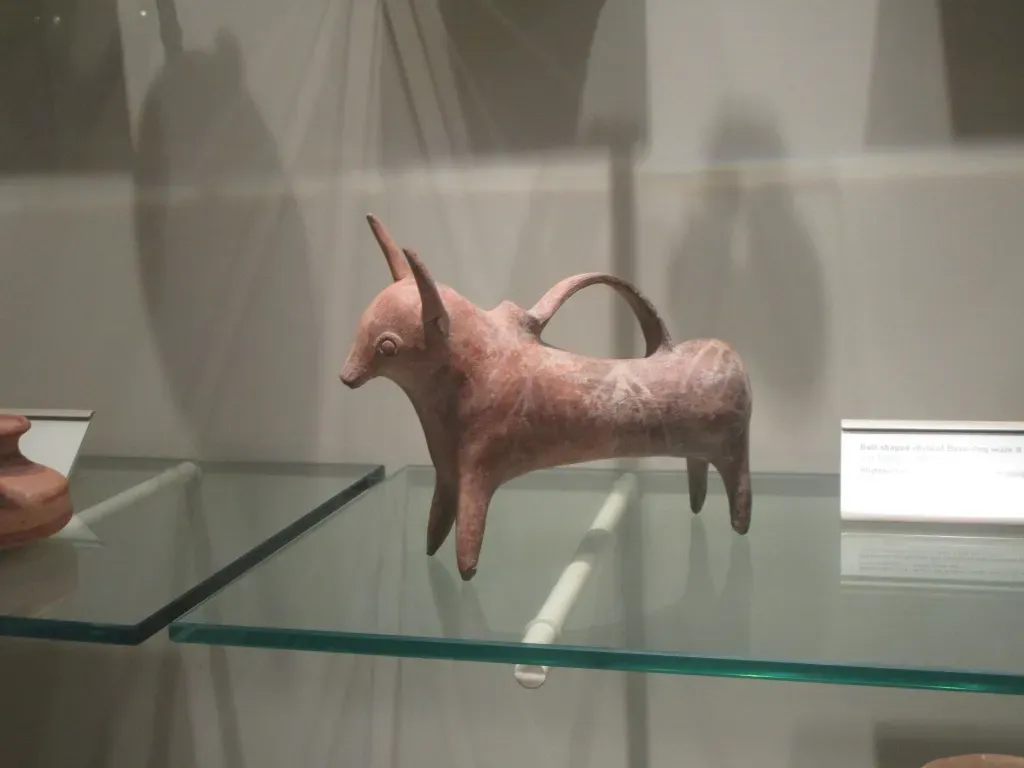
Looking at these seven artifacts, I’m struck by how often we try to drag them into categories that feel safe and familiar – ancient computers, cosmic messages, forgotten power sources – because the unknown makes us uncomfortable. Yet the honest truth is that for several of them, we may never arrive at a single, widely accepted explanation, and that is not a failure of science or history. It is a reminder that the human past is not a tidy museum catalog; it is more like a half‑remembered story where key pages are missing, and we have to live with the gaps.
My own opinion is that these mysteries are valuable precisely because they resist being solved. They keep us curious, humble, and a little bit restless, nudging us to ask better questions instead of settling for flashy, overconfident answers. In a world that loves instant explanations and simplified narratives, there is something almost radical about admitting, with clear eyes, that we simply do not know. Maybe the real purpose of these artifacts today is not what their makers intended at all – but to remind us that wonder survives wherever certainty runs out. Which of these ancient riddles are you secretly hoping we never completely crack?