
Picture the earliest life on Earth the way most of us learned it in school: a dumb puddle of scum in a warm sea, patiently waiting hundreds of millions of years before anything interesting happened. Slow, simple, stuck. That story is comforting, tidy, and – according to a growing pile of fossils, drill cores, and DNA sequences – almost completely wrong.
Some of the discoveries that broke this story came from meteor craters, ice cores, and rock kilometers underground, places nobody thought to check for life’s fingerprints. Fourteen of them have quietly forced scientists to rewrite entire chapters of Earth’s history, and a few of the findings are strange enough to change how we search for life on other planets. Here’s what actually happened, starting with the moment that pushed life’s origin back further than almost anyone predicted.
#14 – Life Started Absurdly Early, Almost the Minute Earth Cooled Down
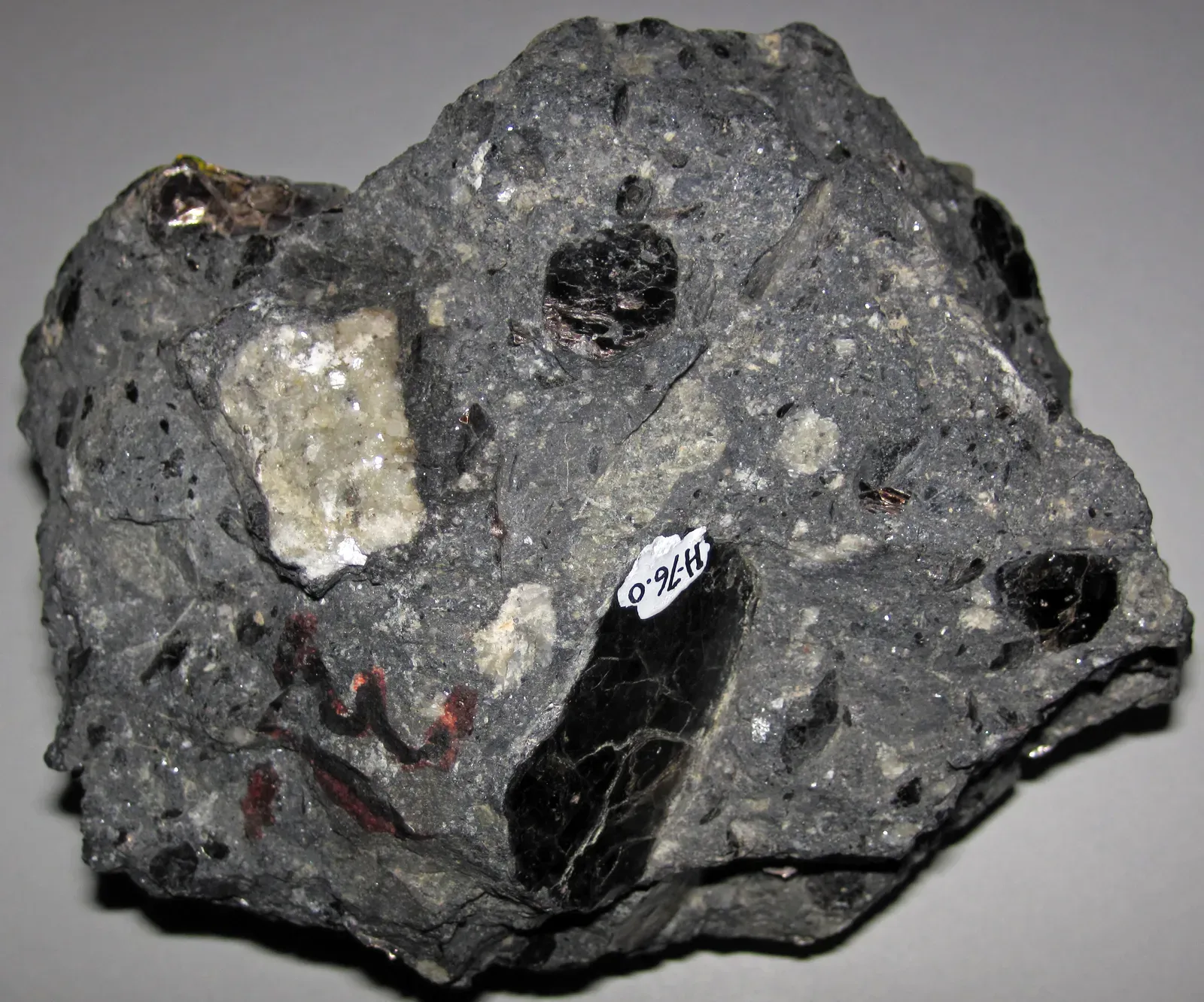
The old story said life took hundreds of millions of years to get going after Earth formed. Ancient rocks from Greenland and Western Australia now suggest microbial life may have existed more than 3.7 to 4.0 billion years ago, not long after the planet stopped being a molten hellscape. That shrinks the “lifeless Earth” window to something closer to a geological blink.
If that timeline holds, the default state of a stable planet might be “alive,” not “dead and waiting.” It’s why some astrobiologists now quietly admit we may be badly underestimating how common life could be across the universe. People still argue over the exact dates, but the trend keeps pointing the same direction: the harder we look, the older life gets.
Fast Facts
- Earth formed roughly 4.54 billion years ago
- Some of the oldest possible life signatures date back 3.7 to 4.0+ billion years
- That leaves only a few hundred million years between a molten planet and possible microbes
- The Great Oxidation Event didn’t arrive until roughly 2.4 billion years ago, over a billion years later
#13 – Deep Beneath Your Feet, a Hidden Biosphere Has Been Alive for Eons
For decades, biology was obsessed with sunlight and surface ecosystems. Then drilling projects and deep mines uncovered something nobody expected: a massive “deep biosphere” of microbes living kilometers below Earth’s surface, packed into rock fractures and razor-thin films of water. Some estimates suggest this hidden layer of life could rival all the biomass living on the surface.
These organisms survive on chemical energy alone – hydrogen, sulfur, iron, even radiation byproducts – with individual lifespans that can stretch into thousands or millions of years. Ancient life may never have needed sunshine or a cozy shoreline; it could have simply hidden in the crust while the surface was getting bombarded into oblivion. That single idea has completely changed how scientists hunt for life on Mars and icy moons.
#12 – Stromatolites Were the Slime Cities That Engineered a Planet
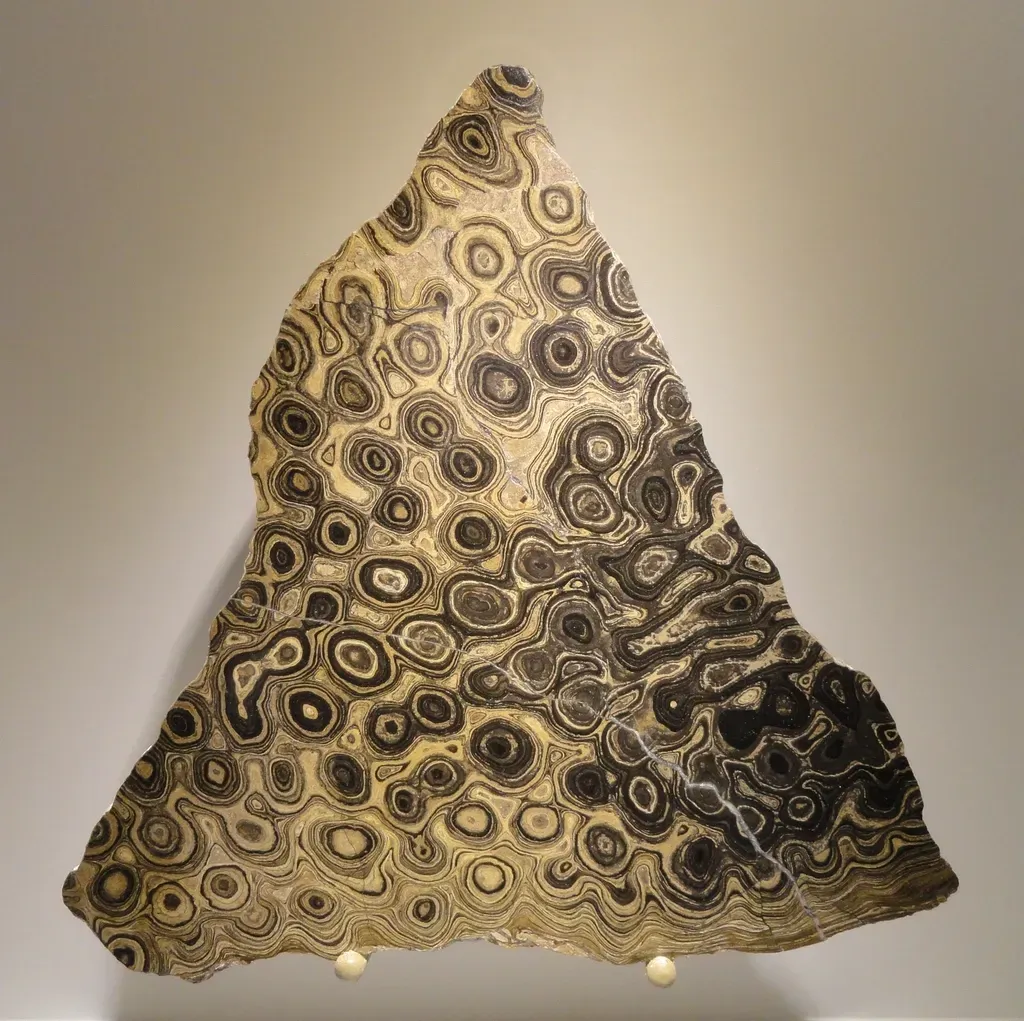
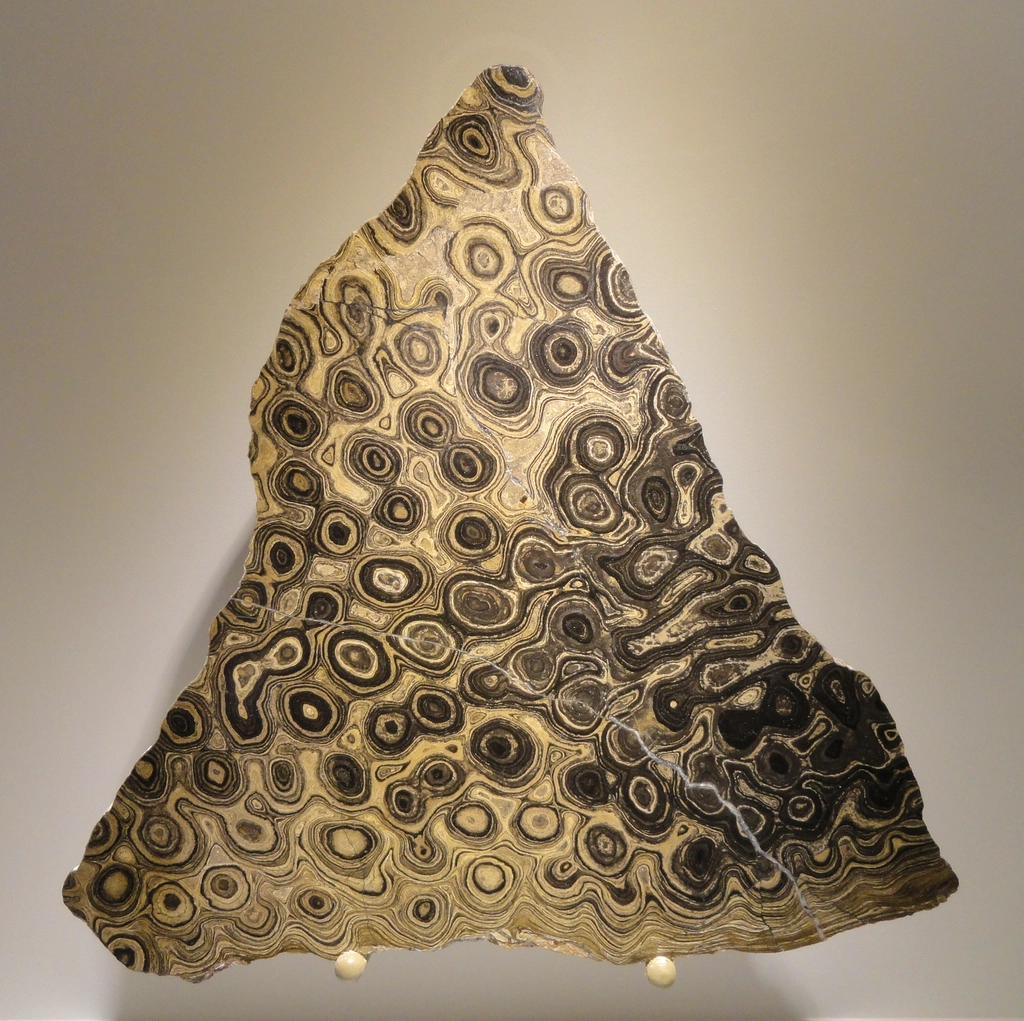
Most people walk right past stromatolites in a museum without a second glance. Big mistake. These layered rock structures, built by mats of microbes, are some of the oldest convincing evidence of complex microbial communities, stretching back more than 3.4 billion years – and they weren’t passive piles of goo.
They trapped sediment, cycled nutrients, and in many cases pumped out oxygen through photosynthesis, actively transforming Earth’s oceans and atmosphere. Modern stromatolites in places like Shark Bay, Australia, still show that same teamwork: microbes stacking, competing, and cooperating in ways that look surprisingly sophisticated. Ancient life, it turns out, was already behaving like a planetary-scale engineer.
#11 – The Great Oxidation Event Wasn’t Clean, It Was a Toxic Rollercoaster
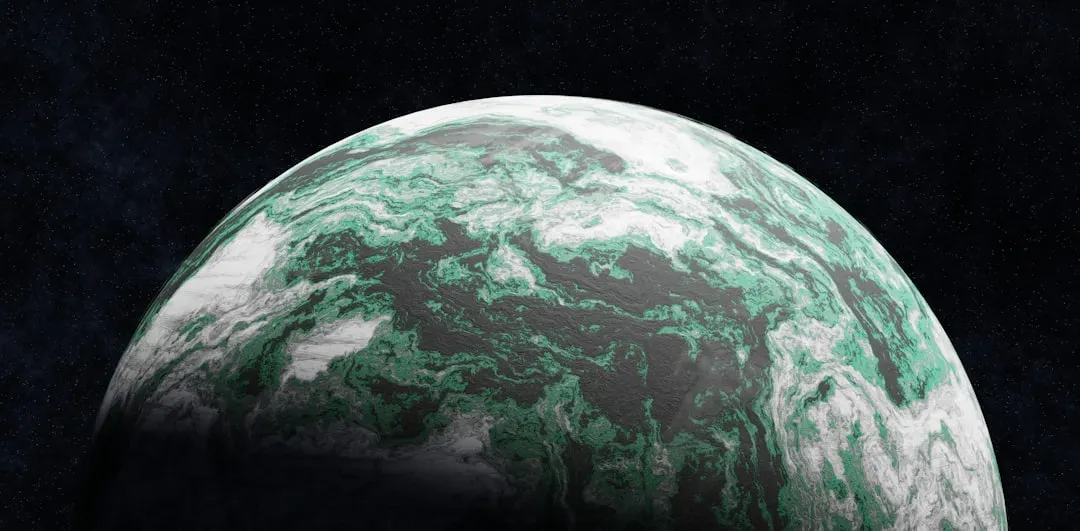
The neat version goes like this: photosynthetic microbes invented oxygen, the atmosphere filled up, complex life followed. Done. The rock record has ruined that simplicity. Geochemical clues now show oxygen rose in fits and starts, with spikes, crashes, and strange “whiffs” of O₂ hundreds of millions of years before it permanently stuck around.
That slow, uneven oxygenation likely triggered repeated mass die-offs of anaerobic life, reshaping ecosystems again and again instead of steadily improving them. Ancient life didn’t flip a switch and march forward – it hit walls, collapsed, and re-evolved under a chemically unstable sky. For huge stretches of early life, oxygen wasn’t a gift. It was toxic waste.
#10 – The Ediacaran Creatures Look Like a Failed Rough Draft of Animals
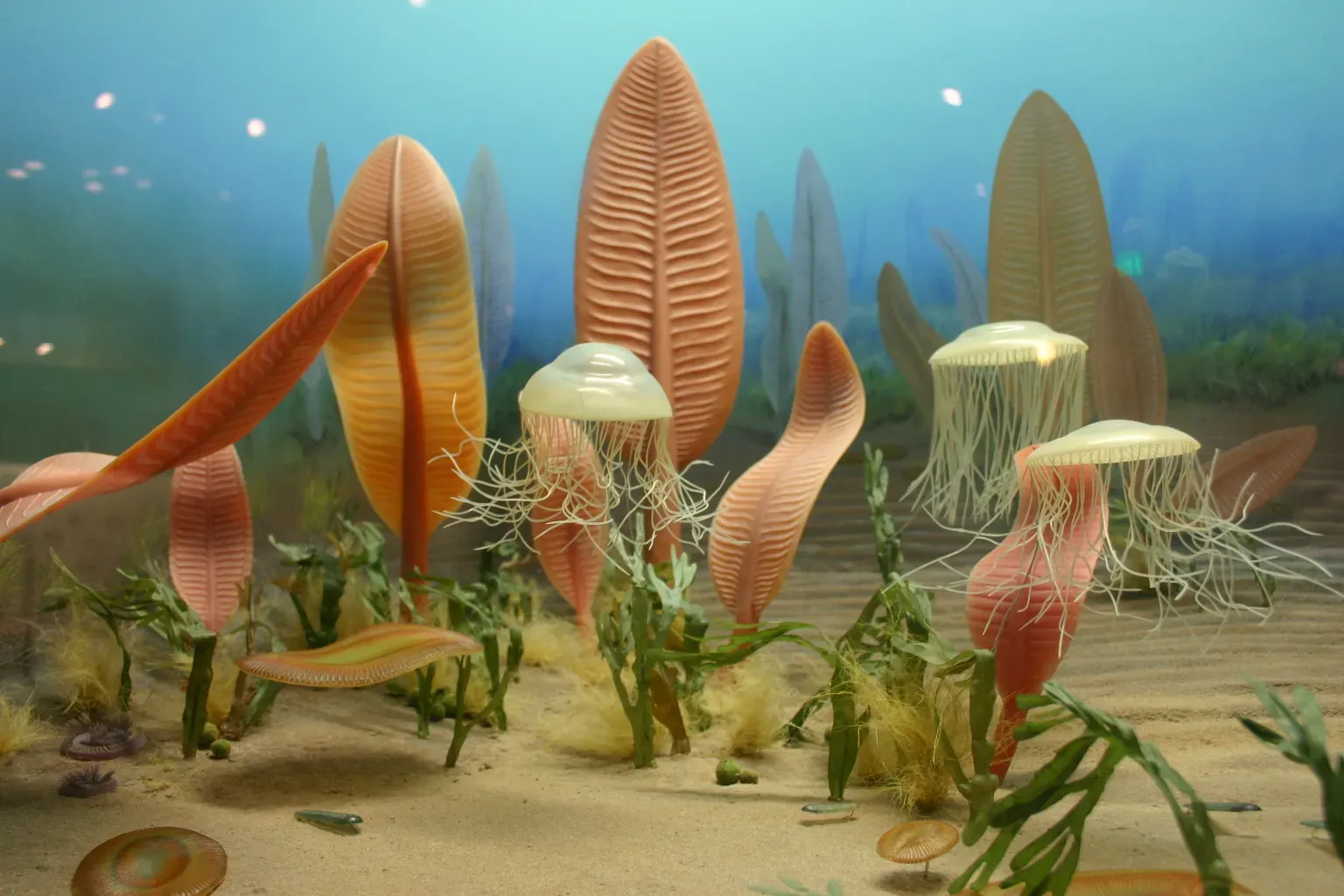
Before trilobites and dinosaurs, the Ediacaran period (roughly 635 to 541 million years ago) hosted some of the strangest life forms ever preserved. Quilted mattresses on the seafloor, fractal fronds, organisms with no clear modern analogs – some may not even qualify as “animals” in the way we usually define them.
For years textbooks dismissed them as weird precursors, but recent work suggests many were genuinely complex, with unique body plans and their own ecological roles, grazing microbial mats or filtering nutrients from the water. The shocking part is that most of these lineages vanished before the Cambrian explosion even started, meaning the first big wave of complex life may have been a near-total evolutionary dead end. Complex life, it seems, might be fragile and repeatedly reset – not an inevitable ladder leading to us.
#9 – The Cambrian “Explosion” Wasn’t Instant, and Microbes Rigged the Game First
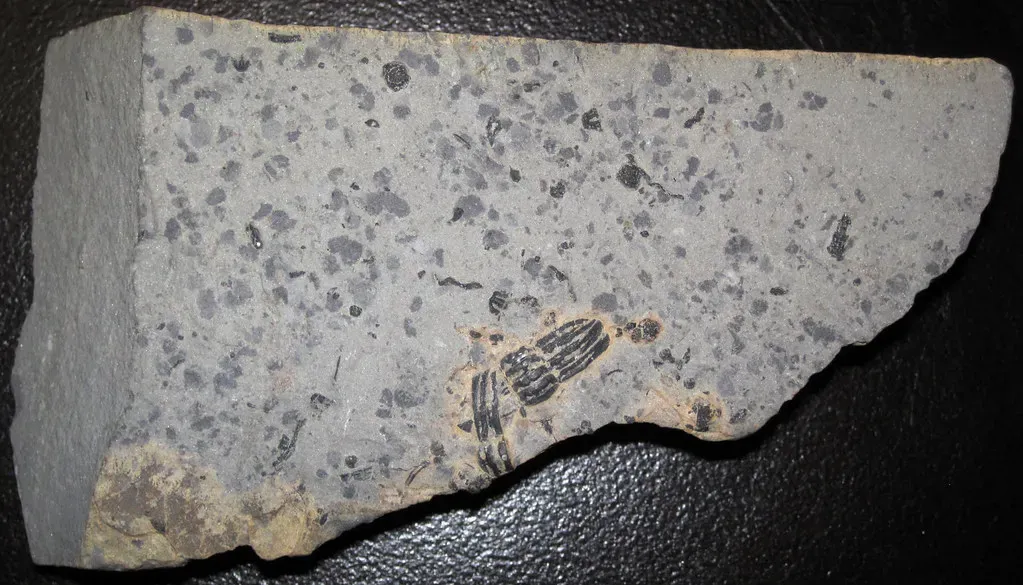
Everyone loves the story of the Cambrian explosion, that sudden burst of animal diversity around 541 million years ago. New fossil finds and better dating now show it wasn’t a single instant boom at all. There were long, quiet build-ups of complexity in the late Ediacaran and early Cambrian, with small, soft-bodied animals and complex burrows showing up first.
Even more surprising, the real groundwork was likely laid by microbes. Shifts in ocean chemistry, nutrient cycling, and oxygen levels, driven in part by microbial activity, appear to have primed the planet for animals with hard shells and complex skeletons. The famous “explosion” looks less like a magic moment and more like a tipping point after a very long, unglamorous microbial engineering project.
#8 – Mass Extinctions Kept Hitting Reset on Who Got to Rule the Planet
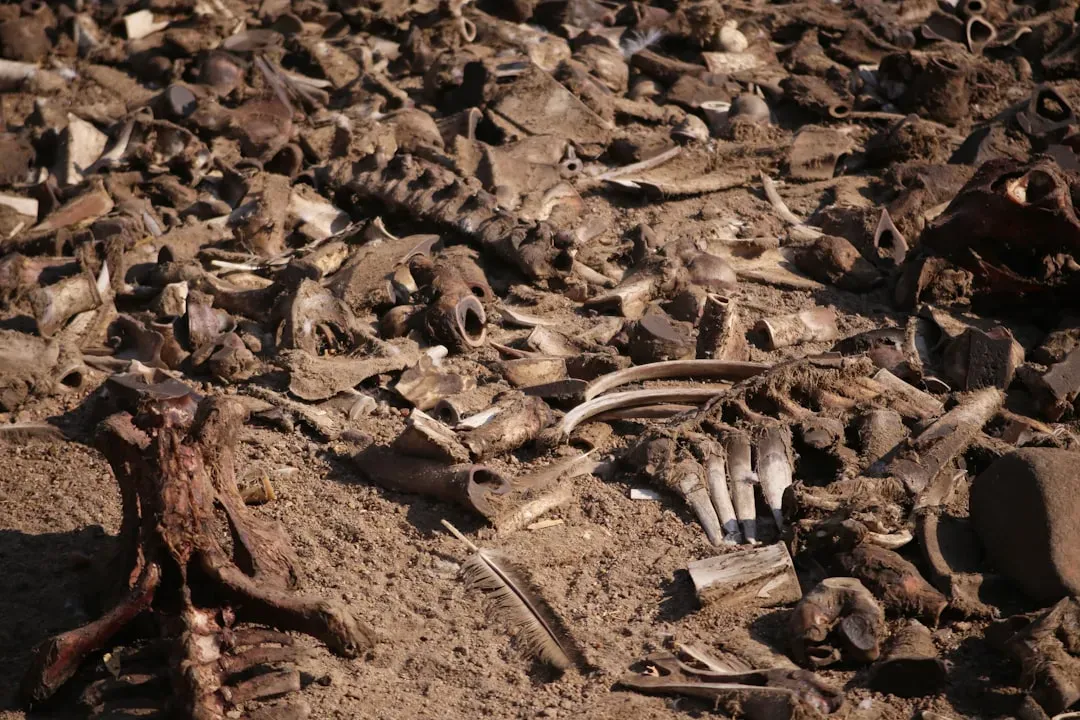
Most people can name one or two big extinctions – the dinosaurs, maybe the Permian. Paleontologists now recognize a pattern of multiple, severe mass extinctions that repeatedly wiped the slate clean, from the Late Devonian to the end-Permian to the end-Triassic and beyond. Each collapse reshaped not just which species survived, but which kinds of life got to dominate next.
Marine ecosystems went from being ruled by trilobites and brachiopods to mollusks and crustaceans. On land, early synapsids gave way to dinosaurs, then to mammals. The uncomfortable truth is that much of what we call “successful” evolution just got lucky enough to survive global disasters driven by volcanism, climate swings, and asteroid impacts – evolution as survival roulette under planetary chaos.
Quick Compare
| Extinction Event | When | Species Lost |
|---|---|---|
| Late Ordovician | ~445 million years ago | ~85% |
| Late Devonian | ~375 million years ago | ~75% |
| End-Permian (“Great Dying”) | ~252 million years ago | up to 96% |
| End-Triassic | ~201 million years ago | ~80% |
| End-Cretaceous | ~66 million years ago | ~76% |
#7 – Dinosaurs Were Warm-Blooded, Feathered, and Nothing Like the Reptiles in Old Textbooks
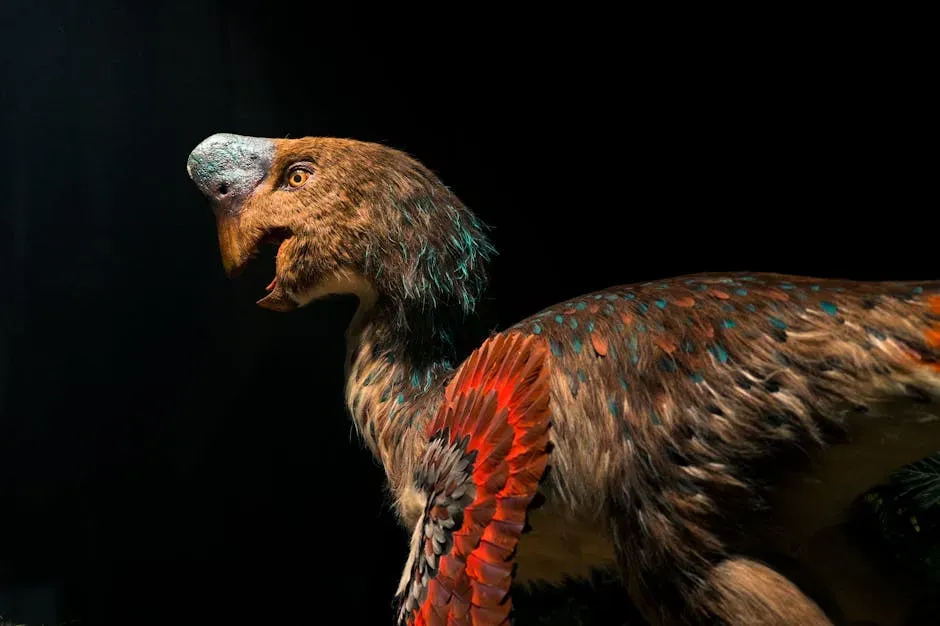
The picture of dinosaurs as cold-blooded, tail-dragging lizards is officially dead. Bone histology, growth rates, and chemical signatures now show that many dinosaurs had high metabolisms closer to birds and mammals than to sluggish reptiles. Add in fossilized feathers, found not just on tiny raptors but on much larger species, and the whole image shifts toward agile, active, and often fuzzy animals.
Nesting sites, brooding adults, herd trackways, and other signs of social behavior look a lot more like modern birds than “giant lizards.” Some braincase studies even hint at decent sensory capabilities and complex behavior. A few scientists still argue over exactly how warm-blooded certain groups were, but the trend is unmistakable: ancient dinosaur life looked more like a high-energy bird world than a slow reptile swamp.
#6 – Birds Are Dinosaurs, Meaning the Age of Dinosaurs Never Actually Ended
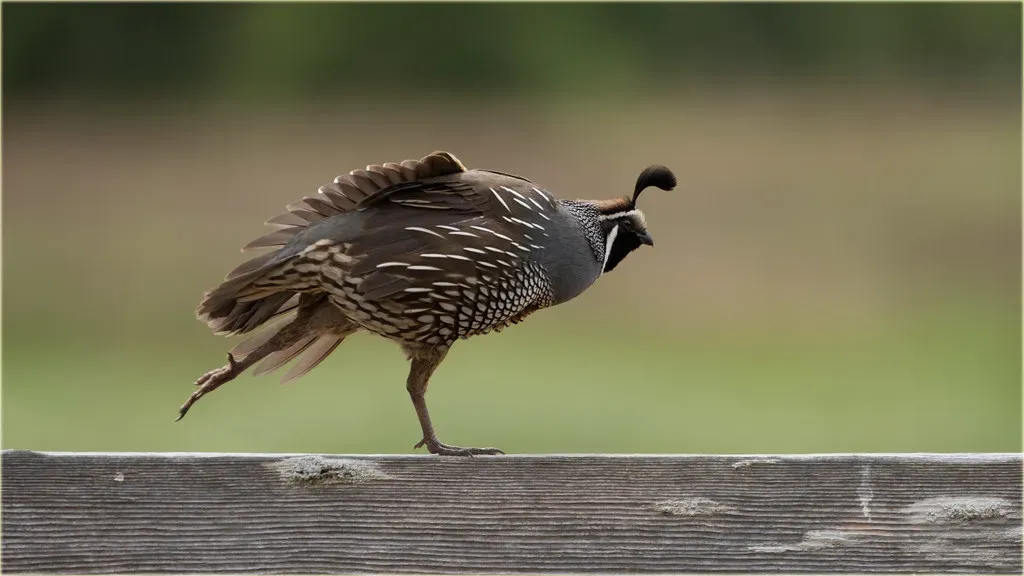
It sounds like a clickbait line, but it’s mainstream science now: modern birds are literally surviving theropod dinosaurs, not just descendants of dinosaur-like reptiles. Feathered fossils with transitional features – wishbones, three-fingered hands, similar lungs and hips – close the gap between classic raptors and early birds almost step by step.
That forces a strange mental reset. When you watch a crow solve a puzzle or a pigeon navigate a city, you’re watching the descendants of ancient predators that survived a mass extinction. Traits we love to call “modern,” like complex social behavior, vocal communication, and sharp intelligence, have roots deep in the Mesozoic. Some paleontologists now argue the Age of Dinosaurs never really ended – it just got smaller and grew wings.
Why It Stands Out
- Modern birds share wishbones, hollow bones, and similar hip structures with ancient theropods
- Over 10,000 living bird species make them more diverse today than mammals
- Early feathered fliers like Archaeopteryx date back roughly 150 million years
- Birds survived the very extinction event that wiped out every other dinosaur lineage
#5 – Ancient DNA Turned Extinct Creatures Into Genetic Time Capsules
For most of history, fossils were just bones and impressions. Then came ancient DNA. From Neanderthals to mammoths, scientists have sequenced genomes from species that vanished tens of thousands of years ago, rewriting human and Ice Age history in the process.
The Neanderthal genome proved that most modern humans outside Africa carry Neanderthal DNA, meaning our own lineage is a hybrid shaped by multiple waves of interbreeding with “other” humans we used to label as completely separate species. Ancient DNA has also uncovered ghost lineages like the Denisovans, known first from genetics before anyone had more than a bone fragment. The sensational talk of full de-extinction is still mostly hype, but the real science already proves ancient populations were far more mixed and interconnected than the old straight-line diagrams ever showed.
#4 – Neanderthals Weren’t Brutes, They Were Cultured Cousins
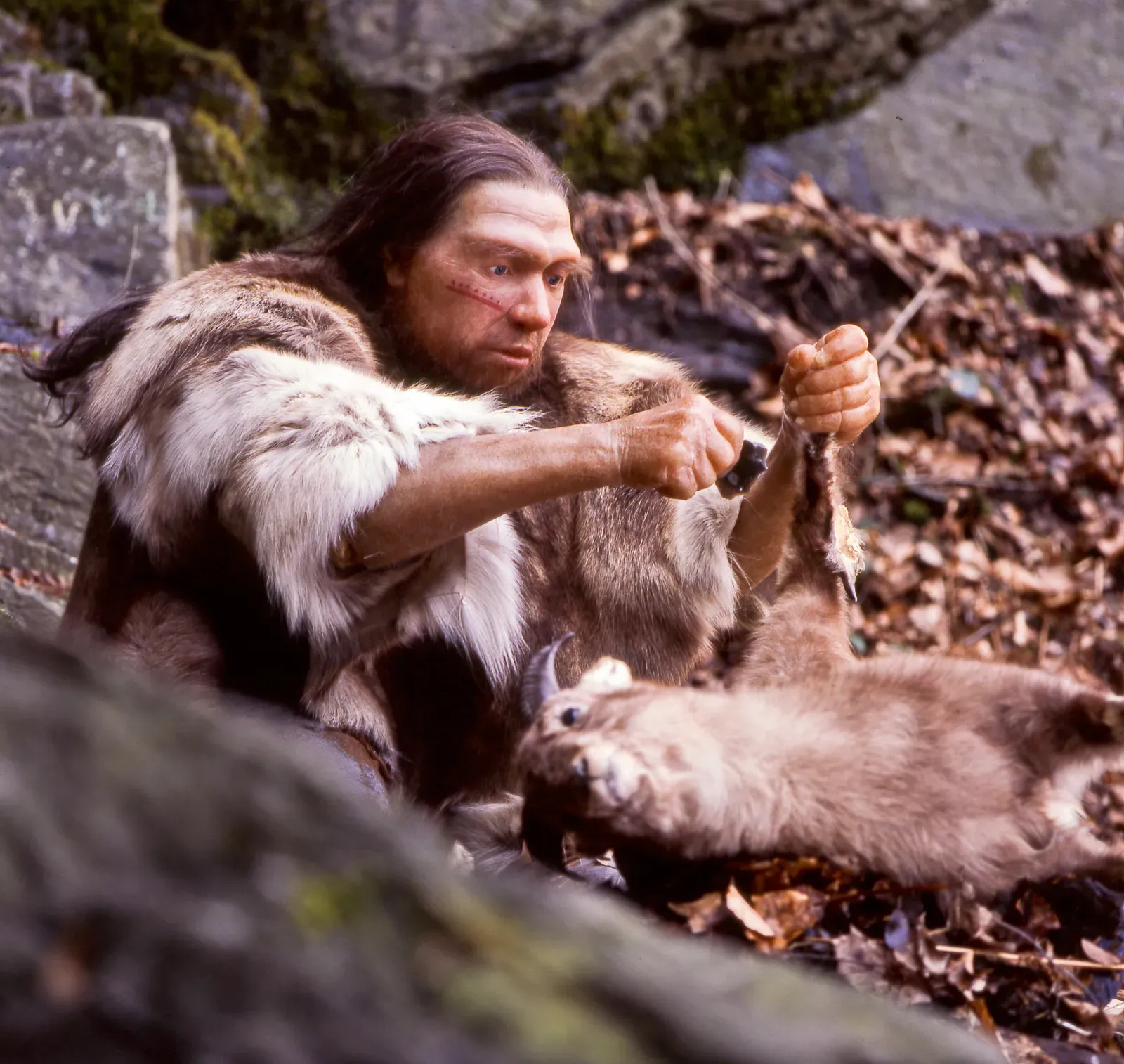
For decades, Neanderthals were painted as dumb, hairy side characters in our origin story. That view now looks like nothing more than modern arrogance. Archaeological finds reveal Neanderthals made complex tools, used fire skillfully, possibly decorated themselves, and may have created symbolic or even artistic objects. They likely cared for injured group members and buried their dead in at least some cases.
Even their brains tell a different story – similar to ours or slightly larger, just wired with different priorities. Genetic studies show they passed useful genes to modern humans, including immune system tweaks and adaptations to cold or high altitude. The emerging picture is less “us versus them” and more parallel intelligent humans with different styles, and many researchers now think their extinction was a messy mix of climate, competition, and demographic bad luck, not simply being outsmarted.
#3 – Human Evolution Looks Like a Tangled Bush, Not a Straight Ladder
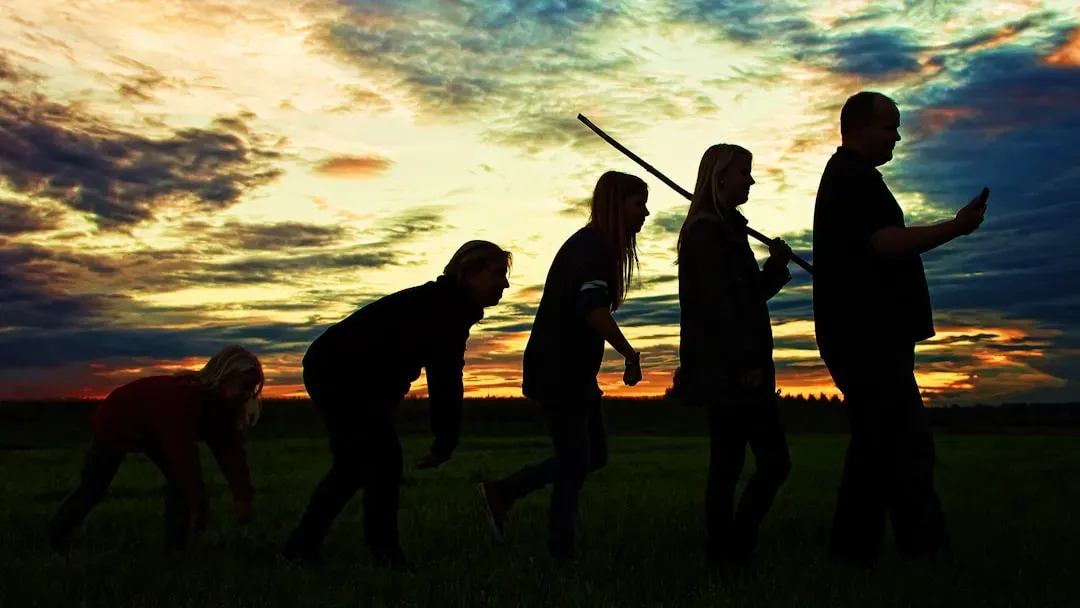
The schoolbook image of a straight line from ape-like ancestor to modern human is quietly being thrown out. New fossil discoveries across Africa, Europe, and Asia show multiple hominin species coexisting, overlapping, and interbreeding over hundreds of thousands of years. At times, there may have been three or four “human” types walking the planet simultaneously.
Some of these, like Homo naledi or the “hobbit” Homo floresiensis, scramble neat categories entirely – small brains paired with tool use, or bizarre mixtures of primitive and advanced anatomy. Genetic data adds more twists, hinting at now-lost populations that left only faint traces in our DNA. The new consensus is brutally honest: evolution doesn’t care about a tidy narrative, and we’re just one surviving twig of a very tangled family tree.
At a Glance
- Homo naledi: small brain, surprisingly complex behavior, found deep in South African caves
- Homo floresiensis: the “hobbit” species, standing roughly a meter tall
- Denisovans: identified almost entirely through ancient DNA rather than a complete skeleton
- Homo neanderthalensis: overlapped with modern humans for tens of thousands of years
#2 – Viruses May Have Quietly Engineered Some of Evolution’s Biggest Leaps
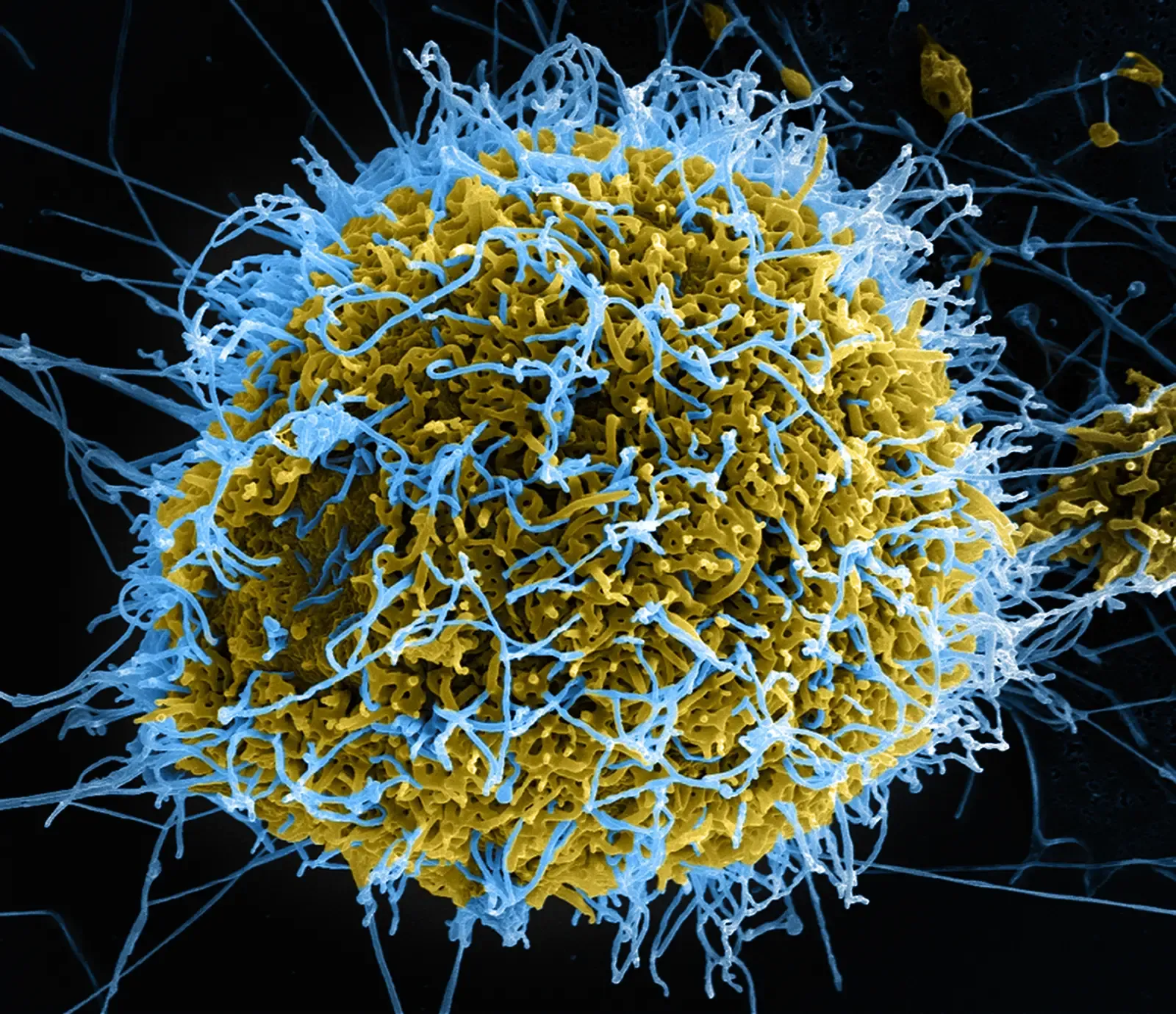
Most people think of viruses as nothing but pathogens. Increasingly, evolutionary biologists see them as powerful creative forces instead. Large chunks of our genome, and the genomes of many animals and plants, are made of ancient viral sequences that were captured, tamed, and repurposed – influencing everything from immune systems to reproduction, since parts of the gene network behind mammalian placentas appear to have viral roots.
More broadly, horizontal gene transfer, where microbes swap genes like trading cards, has completely changed how scientists understand microbial evolution. Ancient life may have spent long stretches in a gene-sharing free-for-all rather than sitting neatly on branching trees. That undermines the comforting idea that lineages always stay separate, and reinforces a weirder truth: some of the biggest evolutionary innovations may simply be old infections and genetic mergers that stuck.
#1 – Life Keeps Showing Up in Places Scientists Once Swore Were Sterile
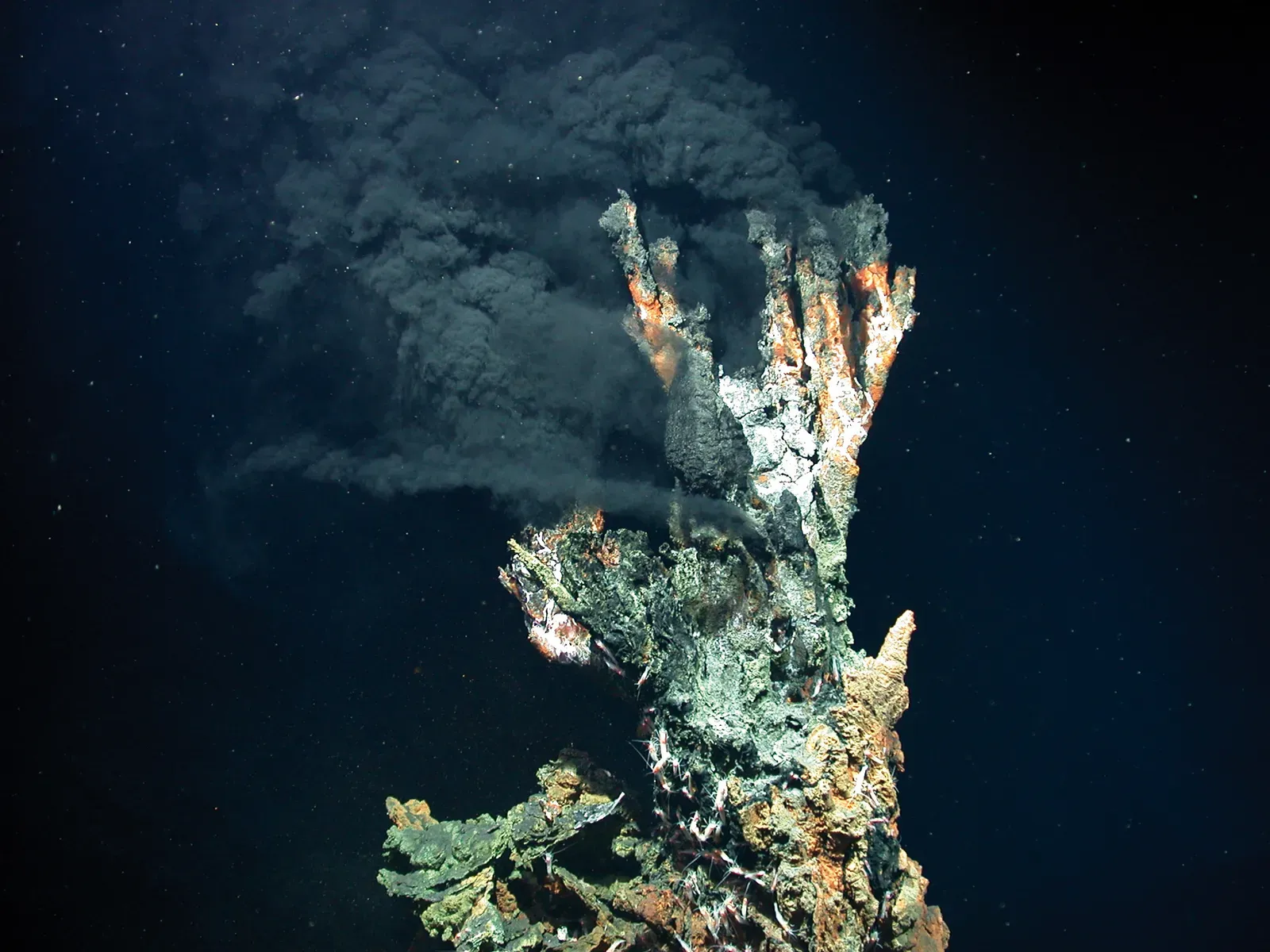
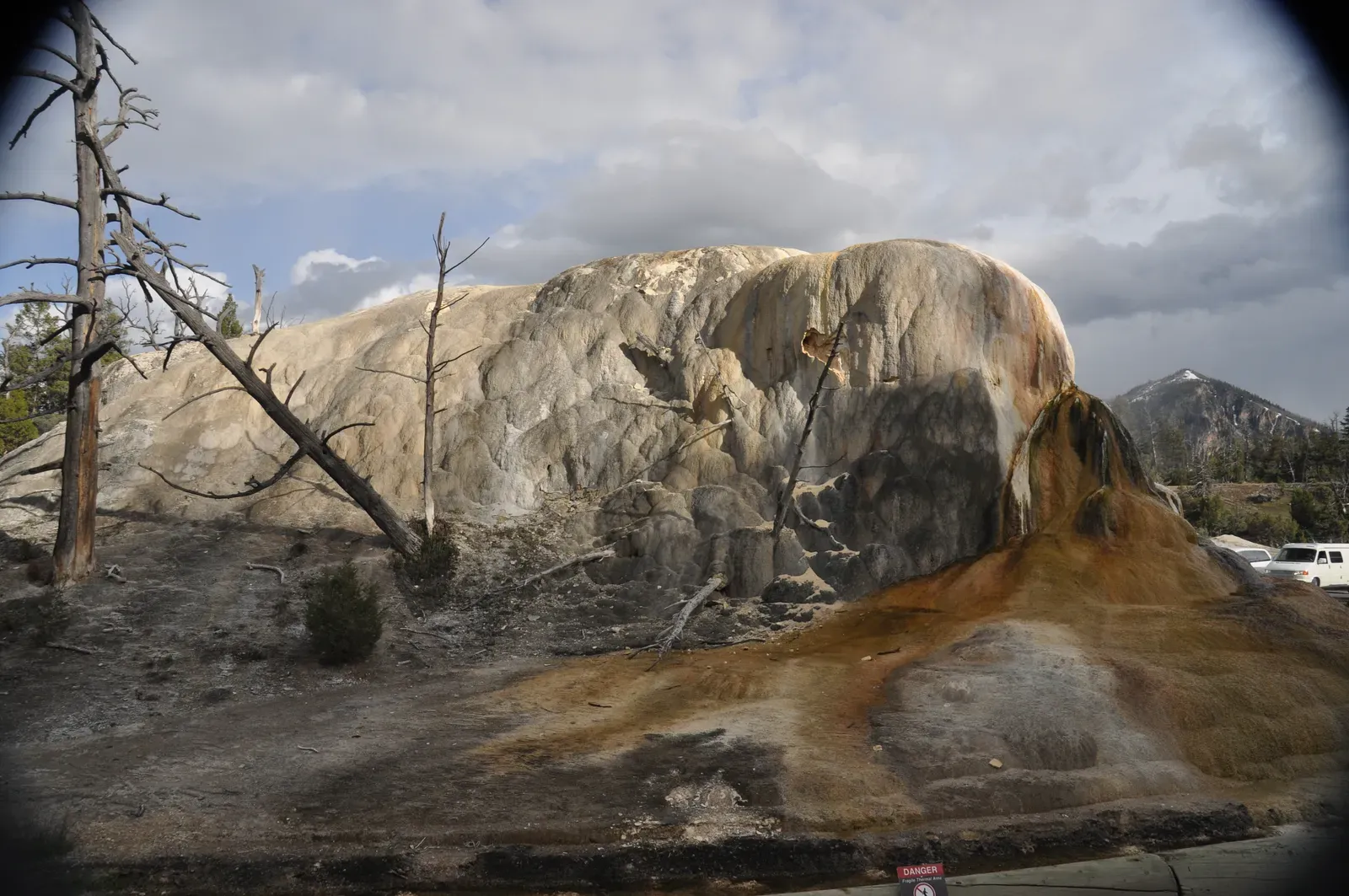
Ask a non-scientist where life can exist and they’ll say: somewhere not too hot, too cold, or too salty. Yet from deep-sea hydrothermal vents to acidic hot springs and subglacial lakes, researchers keep finding organisms thriving in places once labeled completely uninhabitable. Some microbes grow at temperatures above 120°C, in near-boiling acid, under crushing deep-ocean pressure, or locked inside Antarctic ice, scraping energy from chemistry that would kill most known life.
These extremophiles aren’t fringe oddities – they’re strong analogs for conditions on early Earth and for environments on Mars, Europa, and Enceladus. Their existence forces a fundamental shift: ancient life may have started in extremes, not in mild, Goldilocks ponds. What we once called “too harsh for life” was probably just too harsh for us.
Somewhere, something incredible is waiting to be known.
Carl Sagan
The Bottom Line
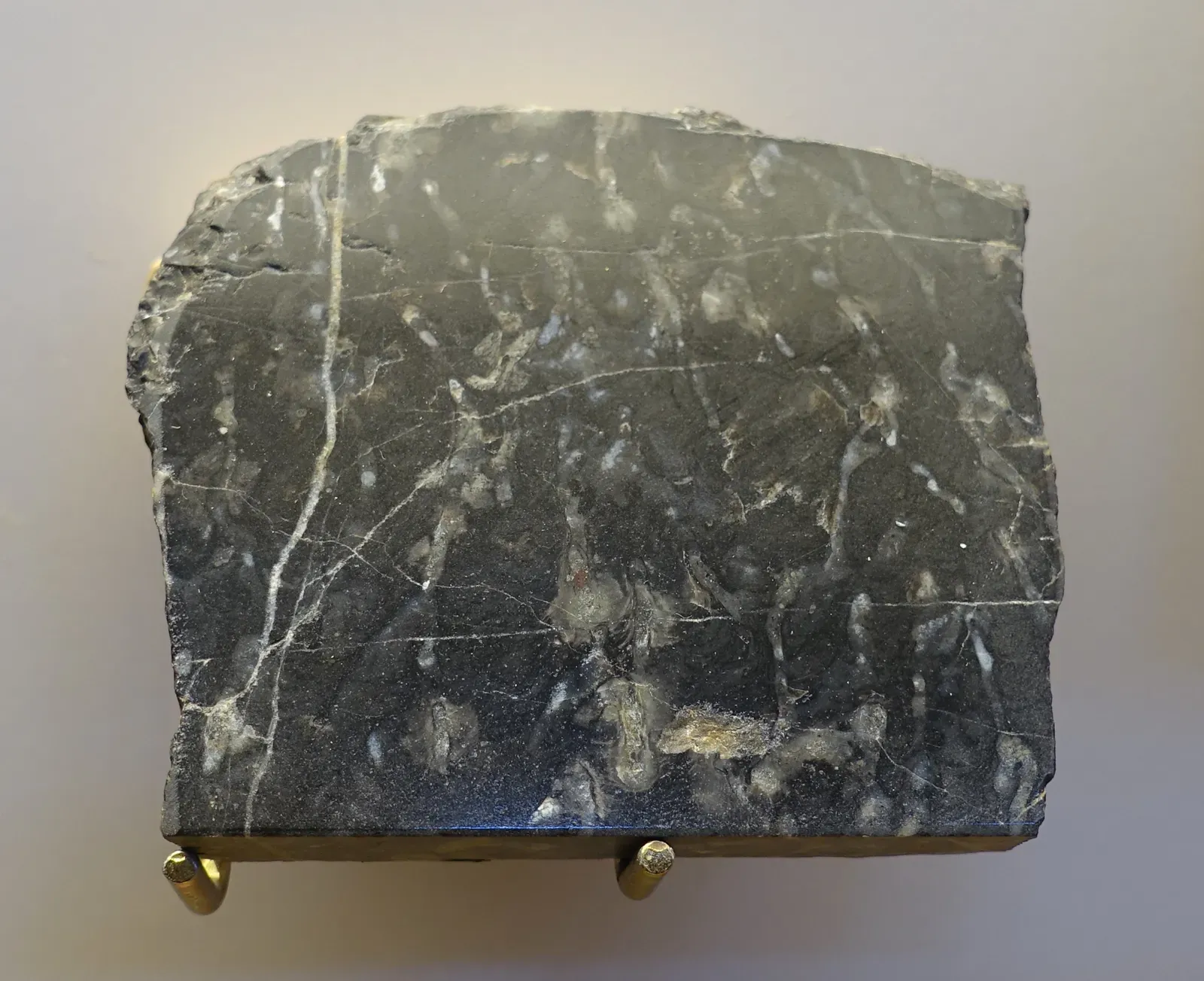
Taken together, these discoveries paint a picture of ancient life that’s almost unrecognizable next to the tidy stories most of us learned. Life shows up earlier, digs deeper into the planet, survives harsher conditions, and behaves more creatively than scientists were willing to admit even a generation ago. Microbes reshape atmospheres, viruses write evolutionary code, dinosaurs survive as birds outside your window, and human evolution looks less like destiny and more like lucky survival in a violent universe.
Here’s the uncomfortable opinion many researchers won’t say bluntly: we’re not the inevitable peak of some grand process. We’re one weird outcome of a wildly experimental planet that kept blowing up its own rules and starting over. Do these findings make intelligent life seem more common out there, or even more improbably rare? Drop your take in the comments.