
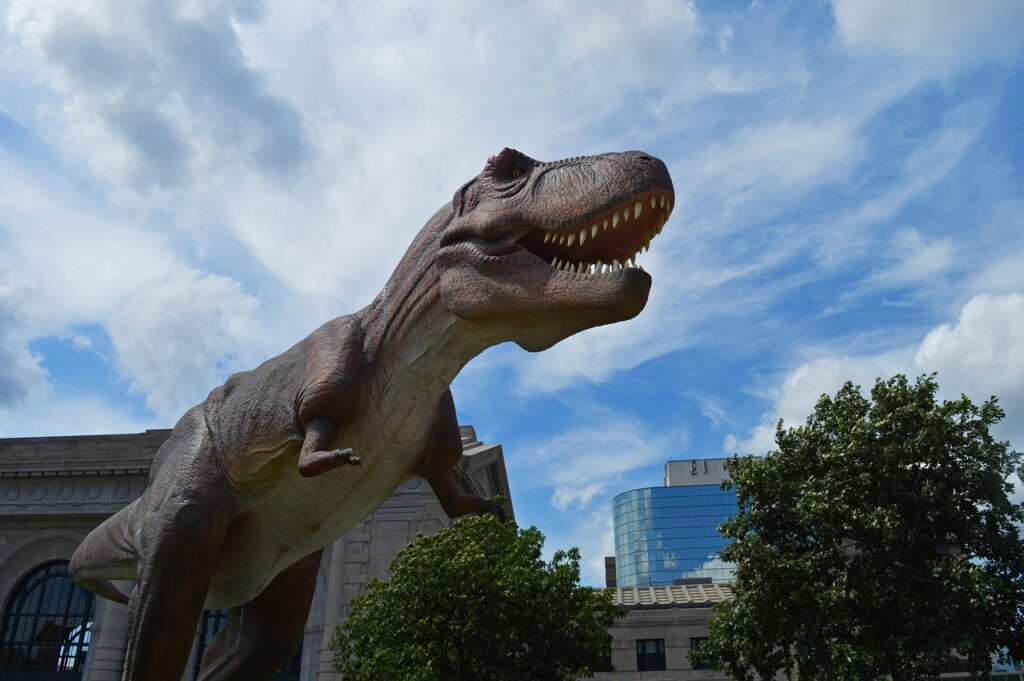
Picture a T. rex casually crossing an eight-lane highway tomorrow morning. Your brain probably jumps straight to screaming crowds, flattened cars, and a very bad day for whoever’s stuck in traffic. That’s the movie version. The real version, according to the paleontologists who’ve actually run the numbers, is stranger, slower, and in some ways almost sad.
Between oxygen levels that no longer exist, immune systems with a 66-million-year gap, and an ecosystem that quietly rebuilt itself without them, dinosaurs wouldn’t storm back into power. They’d struggle just to survive a world that moved on the moment they left. Here are the 15 things scientists say would actually happen – starting with the one nobody expects.
#15 – Global Governments Would Declare Instant Emergencies
Within hours, this wouldn’t be a nature documentary – it would be a national security crisis.
Every modern government treats sudden, unexplained biological threats as a matter for the military, not the zoo. Airspace over major cities would likely close before scientists even confirmed a species ID. Emergency broadcast systems, curfews, and armed response units would mobilize faster than any wildlife agency could react, because the instinctive human response to an unknown apex predator has never been “let’s study it first.”
The chaos wouldn’t be contained to one country either. If dinosaurs “returned” globally rather than in one location, dozens of nations would be scrambling simultaneously, each with different rules of engagement, different weapons, and zero coordinated plan. Diplomatic channels built for wars and pandemics would suddenly be repurposed for something no treaty ever anticipated.
#14 – Airports And Highways Would Shut Down Overnight

Modern infrastructure was never designed with 40-foot animals in mind, and it would show immediately.
Air traffic control depends on predictable airspace, and even a handful of large flying or land-based creatures near a runway would ground flights instantly. Highways would become useless the moment a single large animal wandered onto pavement built for cars, not creatures that could crush a sedan by accident. Entire transportation networks could freeze within a single day, not because dinosaurs are unstoppable, but because our infrastructure has zero built-in tolerance for animals that large.
Supply chains would follow. Trucking routes, shipping ports, and rail lines all assume an environment free of megafauna, and rerouting around unpredictable animal movement isn’t something that can be solved with a detour sign. The economic ripple effects would hit grocery stores before most people even saw a dinosaur in person.
#13 – Stock Markets Would Swing Harder Than Any Pandemic
Uncertainty is the one thing markets hate more than bad news, and this would be uncertainty on a planetary scale.
Insurance companies would have no actuarial data for “dinosaur-related property damage,” which means premiums, claims, and entire industries would freeze while regulators figured out what even counts as a covered event. Airlines, agriculture, tourism, and logistics stocks would swing wildly in the same week, because nobody would know which sectors were about to boom and which were about to collapse. Entire industries would be improvising policy in real time, something markets are notoriously bad at pricing.
Meanwhile, a strange new sector would emerge almost overnight: containment technology, defensive engineering, and monitoring systems. Companies capable of building barriers, tracking large animals, or engineering deterrents would see valuations spike, echoing how defense contractors react to sudden geopolitical shocks.
#12 – Farms And Livestock Would Become Prime Targets
Agriculture would be ground zero for the first real conflicts between humans and returned dinosaurs.
Large carnivorous theropods are opportunistic hunters, and a fenced field full of cattle or sheep would look like an easy meal, not a farm. Rural communities would face the kind of predator pressure that hasn’t existed since prehistoric megafauna disappeared, except this time the predators would be faster, smarter, and far larger than anything modern livestock guardians are trained to handle. Fencing built for coyotes and wolves would be functionally useless.
Farmers would need entirely new defensive infrastructure, likely borrowing ideas from African conservancies that already deal with elephants and lions raiding livestock. Insurance for “predator loss” would need to be rewritten from scratch, and rural land values near dinosaur activity would likely crater while land far from any sightings would suddenly become premium real estate.
#11 – Zoos And Wildlife Parks Would Become Fortresses
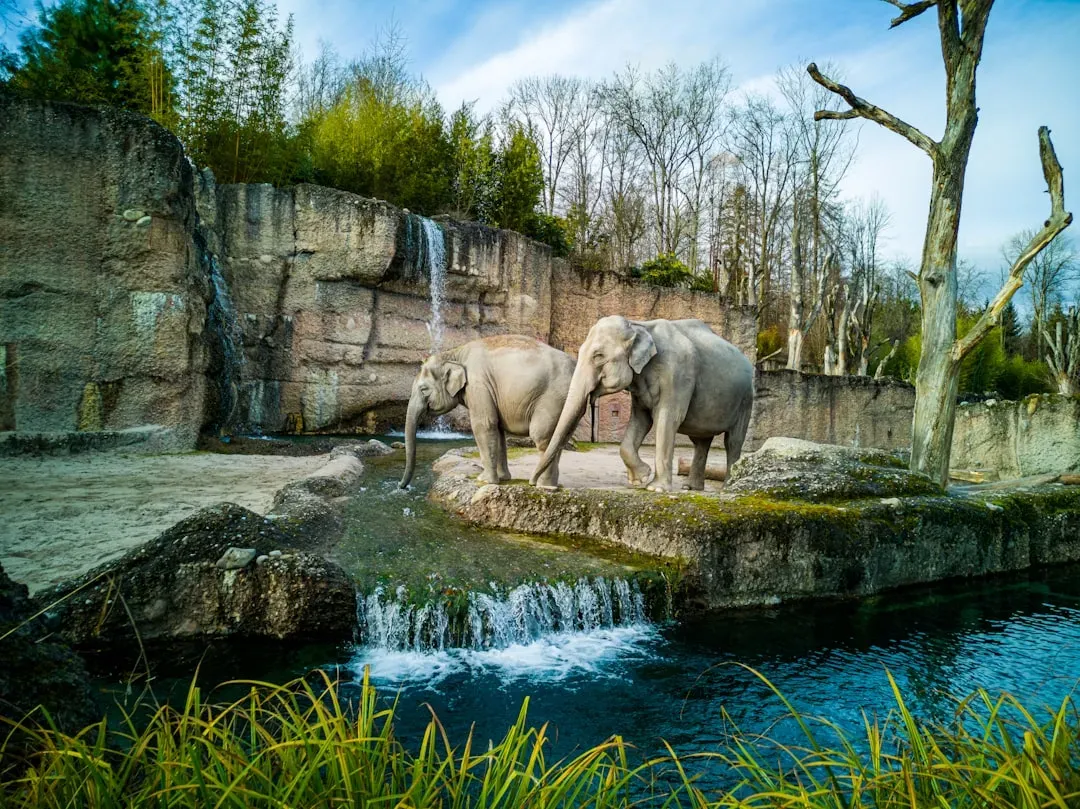
Every zoo on Earth would instantly become the least secure containment facility ever built.
Modern zoo enclosures are engineered around elephants, big cats, and bears – animals that top out at a few tons and moderate speed. Nothing in existing zoo infrastructure was built to hold something the size of a sauropod or the speed of a mid-sized theropod. Retrofitting would take years, and in the meantime, wildlife parks would likely need military-grade perimeter security just to operate at all.
The pressure wouldn’t just be defensive – it would be scientific. Every zoologist, veterinarian, and animal behaviorist on the planet would suddenly need expertise that doesn’t exist yet, because no living person has ever treated, fed, or studied one of these animals in a controlled setting. An entirely new branch of veterinary science would need to be invented within months, not decades.
#10 – Modern Diseases Could Wipe Them Out Before We Do
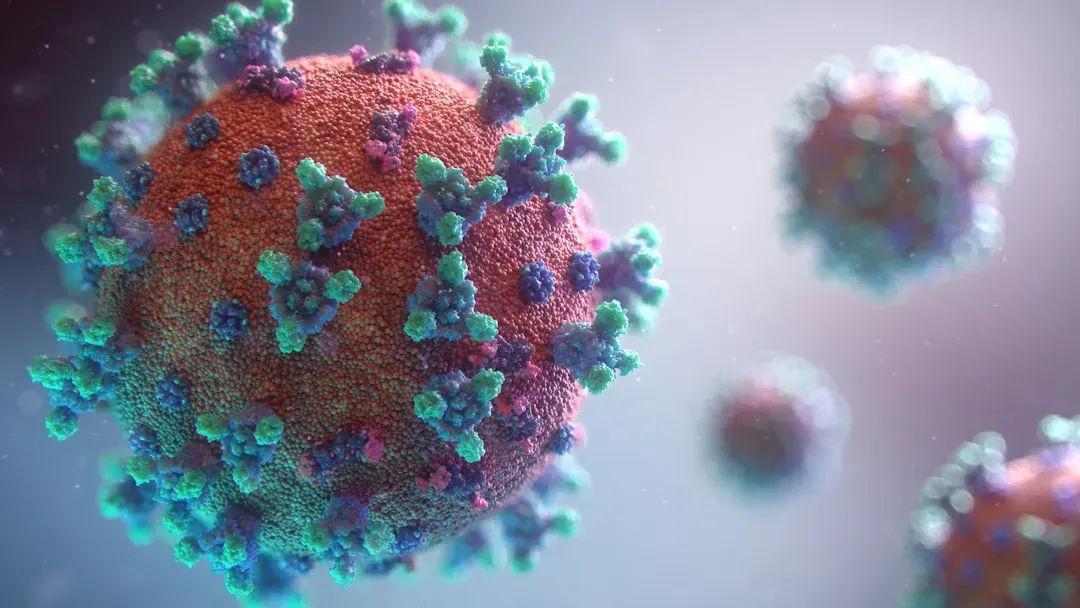
Here’s the twist nobody expects: humans might not even need weapons.
Scientists note that the hypothetical presence of dinosaurs today would raise questions about their compatibility with current ecosystems, including their ability to withstand modern pathogens. Sixty-six million years of immune evolution has happened without them, meaning bacteria, viruses, and parasites that modern animals have adapted to resist could be catastrophic to a species with zero prior exposure. A common livestock virus could do more damage than any army.
This isn’t just speculation – it mirrors real history. When European diseases reached populations with no prior exposure, the results were devastating almost overnight, and dinosaurs reappearing after tens of millions of years would face the exact same immunological blind spot, just amplified by scale. The most “unstoppable” predator in the food chain could be brought down by something invisible.
Fast Facts
- Zero natural immunity has built up in the 66 million years since dinosaurs disappeared
- A single common livestock virus could theoretically outmatch any human weapon
- History already has a precedent: unprepared immune systems have collapsed under new pathogens before
- No vaccines, treatments, or veterinary science exist for prehistoric physiology
#9 – Sauropods Might Starve Surrounded By Food
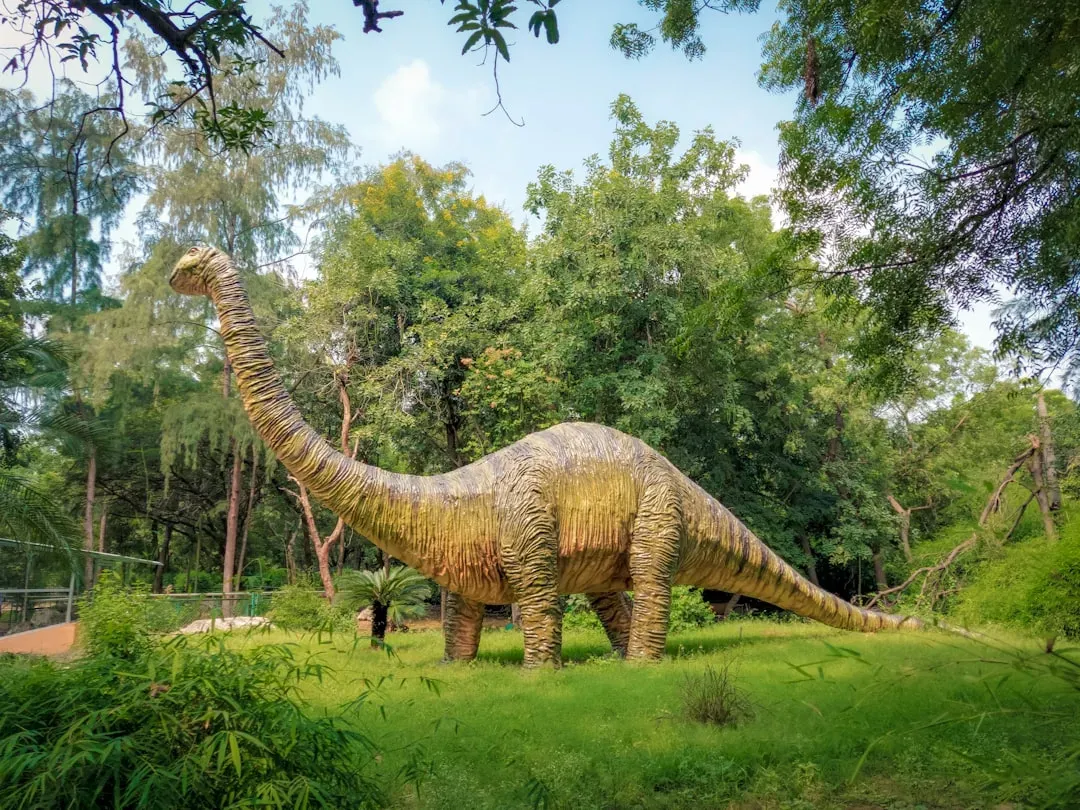
This one sounds backwards, but it’s one of the most cited problems among paleontologists.
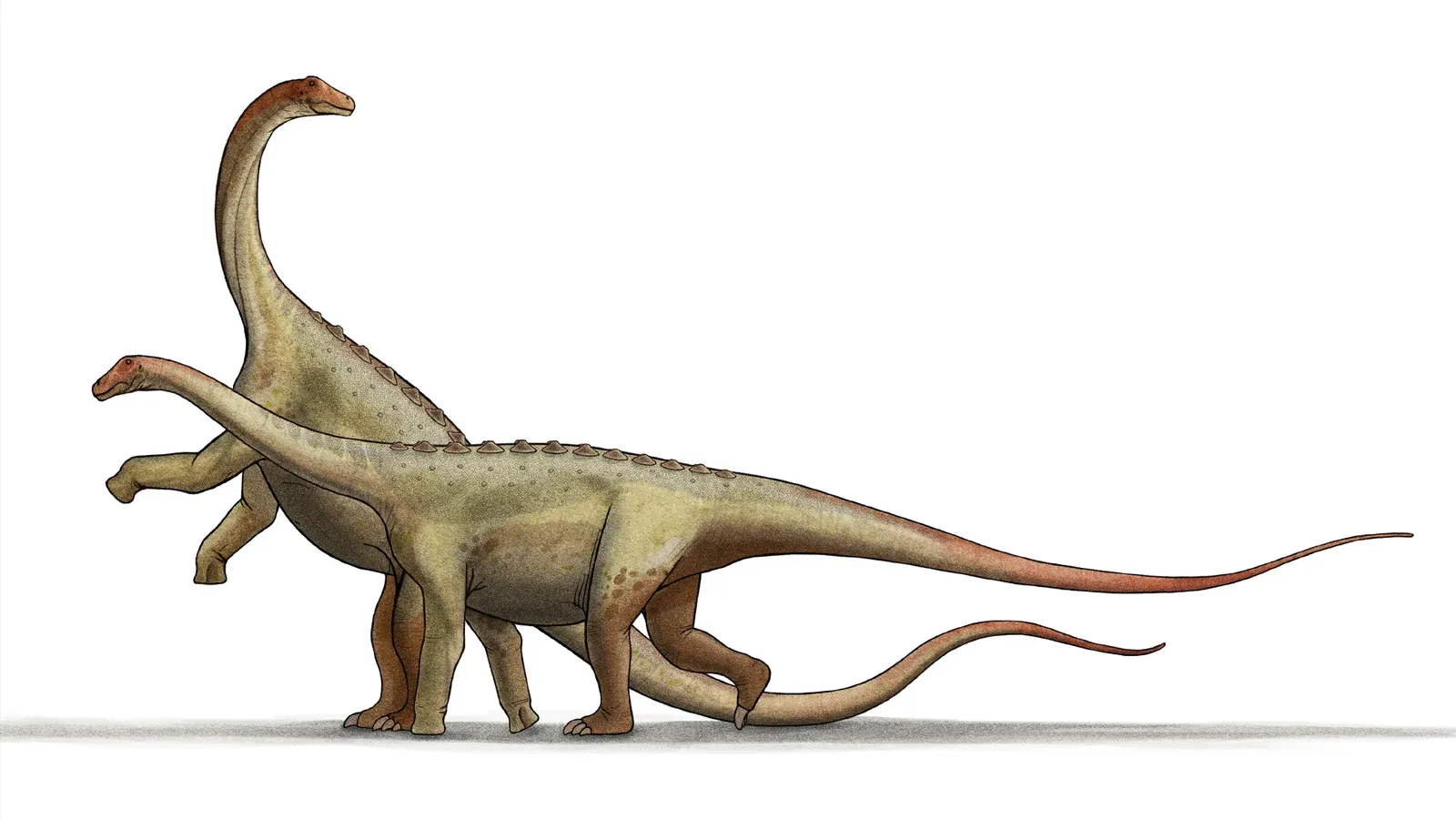
Researchers point out that even though there is plenty of vegetation to go around in Earth’s modern tropical regions, it’s less clear whether sauropods would recognize much of it as food. Modern plant life evolved dramatically after the Cretaceous, and giant herbivores built to process specific ancient gymnosperms might simply be unable to digest – or even identify – most of what’s growing today.
The scale of the problem gets worse the bigger the animal. Considering the massive nutrient intake a multi-ton herbivore needs, entire populations “might just starve to death, surrounded by food.” It’s a strange, almost poetic failure mode: not death by predator, not death by human intervention, but death by an ecosystem that quietly evolved away from them while they were gone.
#8 – The Air Itself Would Betray The Giants
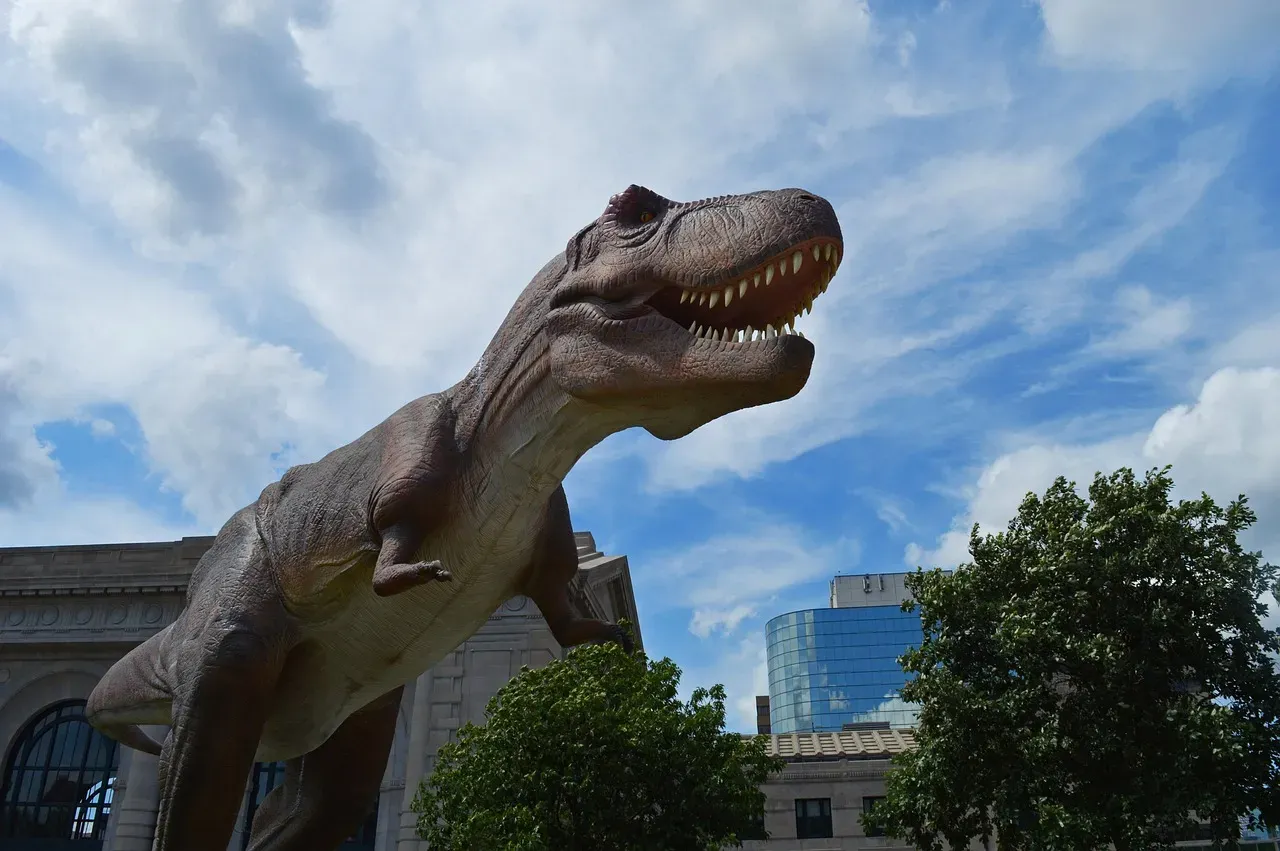
This is the single biggest scientific obstacle to any dinosaur “return,” and it comes down to something as basic as breathing.
Air bubbles trapped in amber reveal that the atmosphere of the Cretaceous may have had up to 35 percent oxygen, compared to today’s 21 percent. That’s not a small difference – some experts describe it as a dropoff of almost half since that high mark, comparable to the amount of oxygen available at Everest base camp compared to sea level. The largest dinosaurs may have been engineered by evolution for an atmosphere that simply doesn’t exist anymore.
For giants like sauropods and T. rex, that thinner air could mean chronic shortness of breath, reduced stamina, and metabolic strain their bodies were never built to handle. Smaller, earlier dinosaurs from the Triassic – when atmospheric oxygen increased from 15 percent to 19 percent, close to today’s roughly 21 percent – would likely fare far better than their massive Cretaceous cousins.
Quick Compare
| Era | Atmospheric Oxygen |
|---|---|
| Triassic Period | 15% – 19% |
| Cretaceous Period | Up to 35% |
| Today | ~21% |
#7 – Climate Mismatch Would Confuse Their Biology
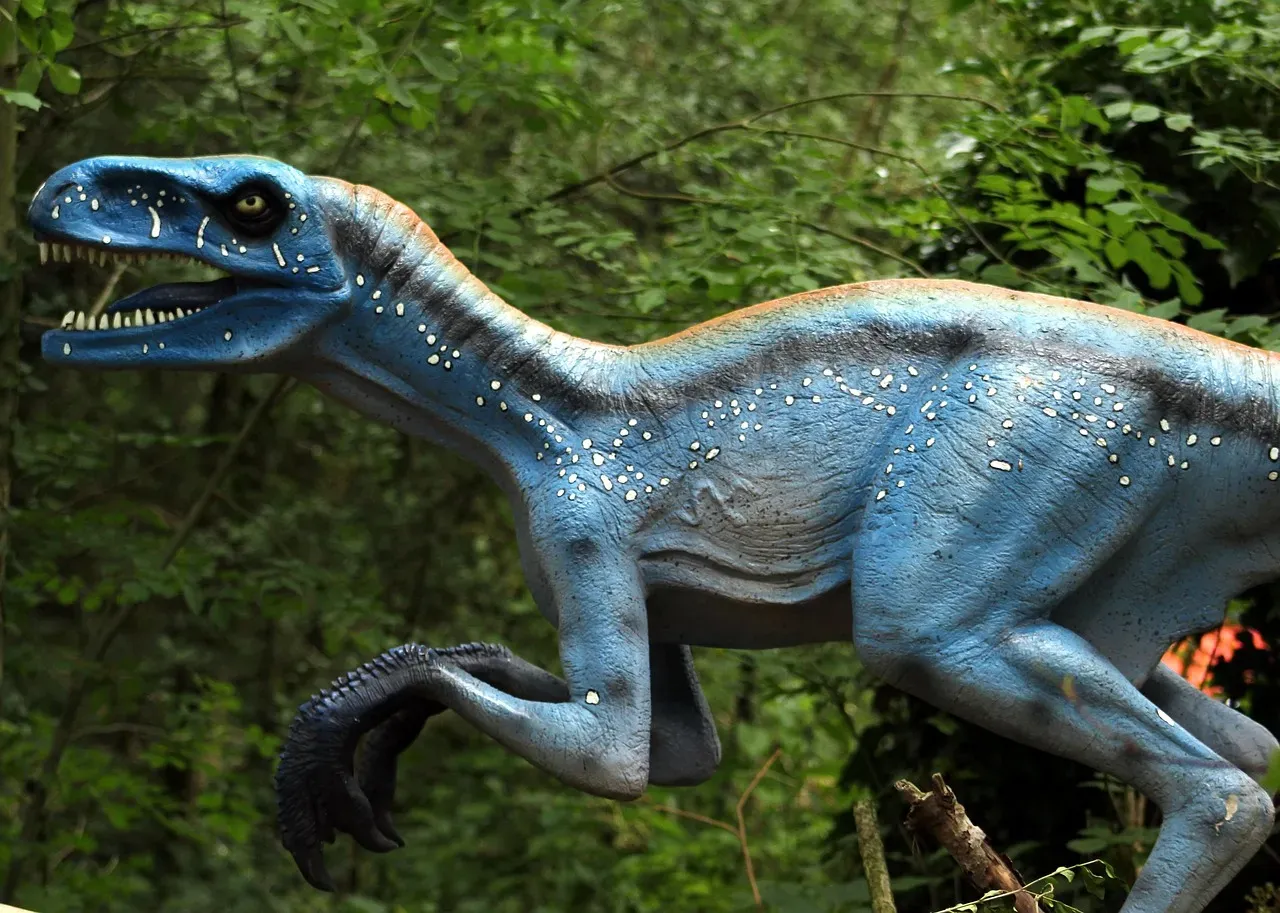
Temperature isn’t just uncomfortable for these animals – it could be a fundamental biological mismatch.
Paleoclimatologists note that during the dinosaurs’ heyday, the average global temperature was about 4ºC higher than today, with sea temperatures averaging 37ºC, so even tropical seas today would be too cold for marine life of the time. Land dinosaurs would fare somewhat better, since land dinosaurs would be quite comfortable with the climate of tropical and semi-tropical parts of the world. Entire dinosaur lineages could be geographically restricted to a narrow tropical band just to survive.
That single constraint would reshape everything about where “returned” dinosaurs could actually live. Polar regions, temperate zones, and most of the modern world would be instantly off-limits, not because of predators or food, but because their bodies simply weren’t built for a cooler planet. The habitable map for dinosaurs would look nothing like the sprawling, worldwide range they once had.
#6 – Species That Never Even Met Would Suddenly Collide
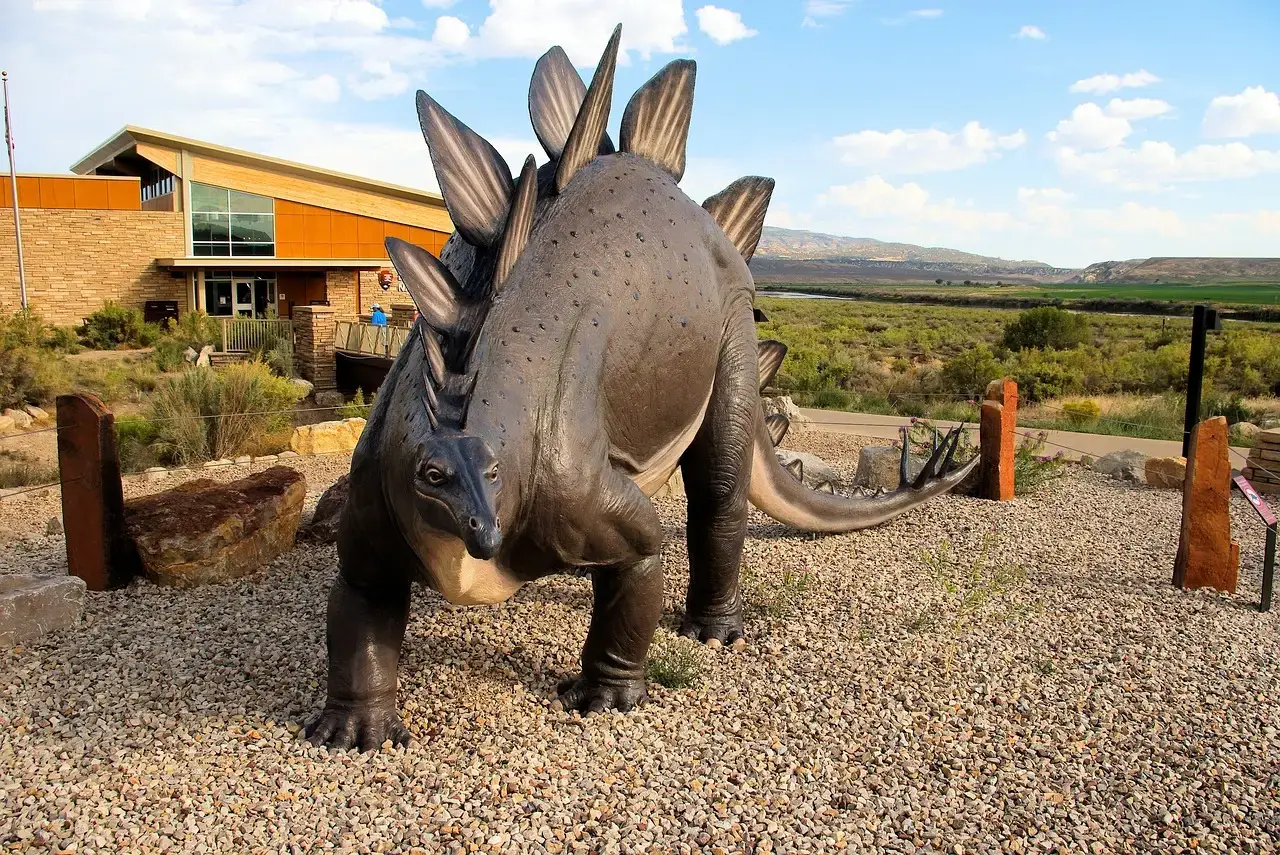
Popular movies get this wrong constantly, and it matters more than people realize. Paleontologists point out that many “classic” movie dinosaur pairings never actually coexisted in real life.
“Dilophosaurus, the critter that spat poison in Wayne Knight’s face, lived about 120 million years ago and 6,000 miles away from Velociraptor.”
Paleontologist
If every extinct dinosaur reappeared simultaneously, the result would be evolutionary chaos on a scale no ecosystem has ever faced, with predator-prey relationships that never had millions of years to develop. The mismatches would be immediate and brutal. Hunting strategies fine-tuned for one specific prey species over millions of years simply wouldn’t transfer, leaving both predators and prey vulnerable in unfamiliar combinations. It’s the ecological equivalent of dropping every species from every era of a video game onto one map and hitting play – nobody’s strategy would work as designed.
#5 – Apex Predators Would Redraw Where Humans Could Live
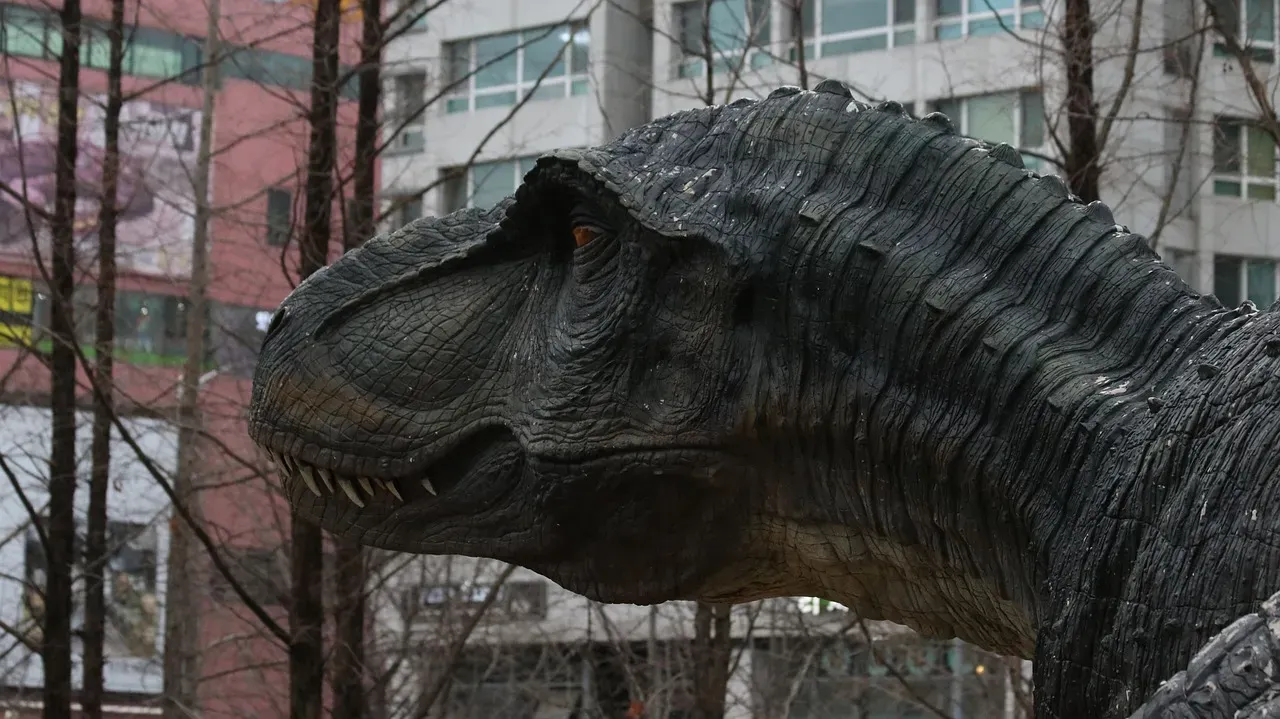
This is the point where “cool animal fact” turns into “civilization-altering event.”
Analysts modeling this scenario suggest that dreaded apex predators would limit exploitation of some ecosystems, slowing resource extraction and urban expansion in high-risk regions. Entire regions of the planet could become effectively uninhabitable for large-scale human settlement, not through malice, but through the simple math of predator density. Whole continents could see population centers shift away from historically prime real estate.
The ripple effects would touch culture as much as geography. Experts note that megafaunal hunting would become central to some cultures, with specialized technologies and cooperative hunting traditions evolving around it. Global trade routes would likely reroute entirely, avoiding dinosaur-dense corridors the same way ancient trade routes avoided deserts and mountain ranges – proof that geography, not just economics, has always shaped human civilization.
#4 – Humans Would Likely Hunt Some Species To Extinction Again

Here’s an uncomfortable truth: history suggests we’d repeat ourselves almost immediately.
Researchers studying megafauna extinction patterns point out that it’s always possible that, as with the megafauna of the past, dinosaurs would have been hunted to extinction by humans. Mammoths, giant sloths, and dozens of other massive Ice Age animals didn’t survive human expansion, and there’s little reason to think dinosaurs – despite their size – would be immune to the same pattern of habitat loss and hunting pressure.
The irony would be staggering: the animals that outlasted an asteroid could get wiped out by spears and rifles within a few centuries. Some analysts suggest a middle outcome is more likely, where a few of the larger species hang on in protected areas such as national parks, while smaller species adapt to urban environments, surviving like pigeons and rats do. Either way, a full “return” to abundance seems unlikely to last.
#3 – Cities Would Need A Complete Structural Redesign
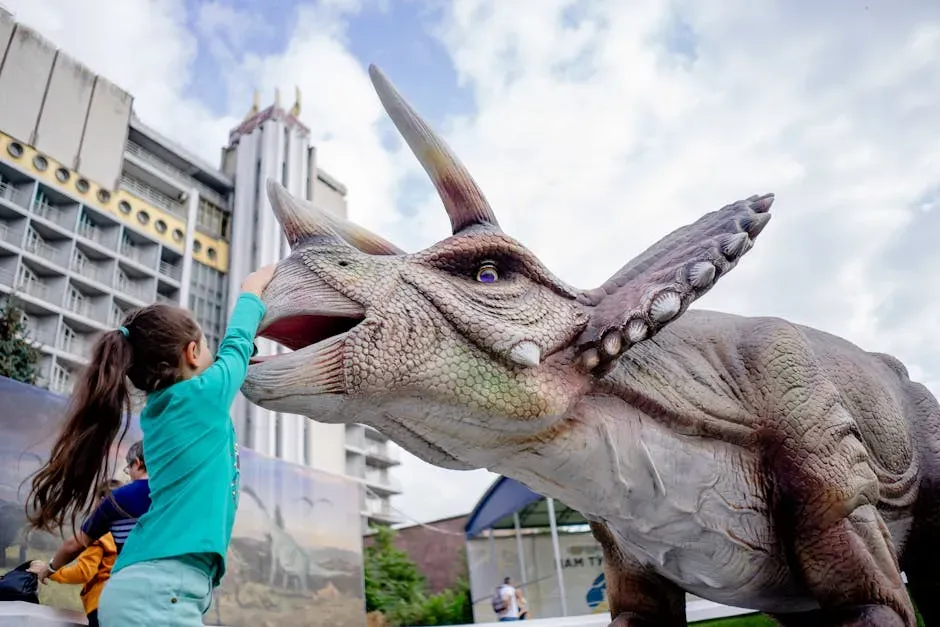
This isn’t a temporary inconvenience – it’s a permanent architectural problem.
Urban planners modeling this scenario agree that the existence of dinosaurs would necessitate drastic changes in human settlements and urban planning. Streets, bridges, power lines, and building codes would all need retrofitting around the possibility of large-animal incursions, the same way earthquake-prone cities build around seismic risk. Reinforced barriers and animal-proof zoning could become as standard as flood insurance.
The cost would be staggering, and it wouldn’t fall evenly. Wealthier nations could afford rapid infrastructure overhauls, while developing regions closest to dinosaur activity would face the highest risk with the fewest resources to manage it. It’s a version of climate-adaptation inequality, except the threat walks on two or four legs instead of rising sea levels.
#2 – Evolution’s Entire Timeline Would Instantly Make Sense Again
This is where the scenario stops being about survival and starts being about identity – ours.
Scientists modeling an alternate timeline where dinosaurs never went extinct argue that with dinosaurs still occupying most terrestrial ecosystems, including the grasslands our ancestors ultimately evolved in, there wouldn’t have been an opportunity for large, upright walking apes to establish themselves. Instead, primates might have experimented with life underground, evolving powerful front limbs and strong claws for digging burrows. Humans, as a species, might simply never have had the evolutionary opening to exist.
That’s the strange paradox at the heart of this entire scenario: dinosaurs “returning” doesn’t just threaten modern civilization, it retroactively questions how that civilization ever got the chance to form in the first place. Every road, city, and government built to respond to their return exists only because they disappeared long enough for mammals to take their place.
#1 – We’d Realize Dinosaurs Never Actually Left

This is the twist that changes the entire premise of the question.
Paleontologists are blunt about this: dinosaurs do still exist, and they are everywhere, in the form of birds – that adorable sparrow on your windowsill, dinosaur; the noisy blue jay disturbing your morning coffee, dinosaur. Every pigeon in every city park is, technically, a direct descendant of the same lineage that produced Velociraptor. The “return” of dinosaurs wouldn’t be a return at all – it would just be a size upgrade on something that’s been living among us the entire time.
Scientists note that theropods, whose members include the towering Tyrannosaurus rex and the smaller velociraptors, adapted certain existing dino features like feathers into the birds we see today. That reframes the entire question. We spend so much energy imagining a hypothetical dinosaur apocalypse that we forget the quieter, stranger truth: they won, they adapted, and they’ve been outliving us in plain sight for 66 million years.
Worth Knowing
- Birds are technically living theropod dinosaurs, part of the same lineage as T. rex and Velociraptor
- Everyday backyard birds – sparrows, pigeons, blue jays – share direct dinosaur ancestry
- Feathers evolved in dinosaurs long before flight ever did
- Only non-avian dinosaurs actually went extinct 66 million years ago
The Bottom Line
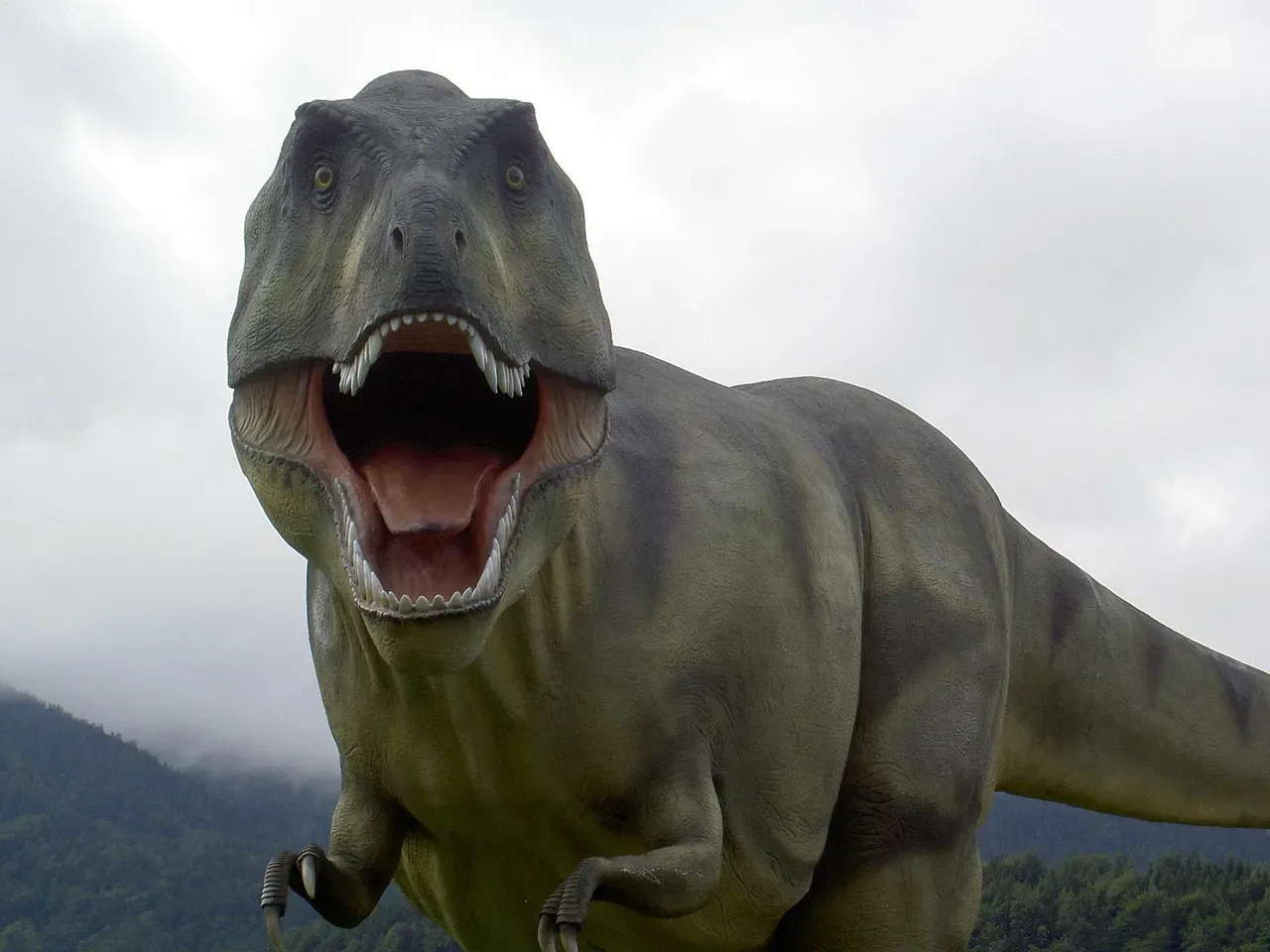
The idea of dinosaurs “returning” makes for a great thought experiment, but the science tells a blunter story: this wouldn’t be Jurassic Park, it would be a losing battle against an ecosystem that already replaced them. Thin air, unfamiliar food, invisible diseases, and a planet built entirely around their absence would do more damage than any human weapon ever could.
And here’s the part that should really mess with your head: they never left. They just got smaller, grew feathers, and started stealing fries off your picnic table while nobody was paying attention. If the giants truly walked back onto this planet tomorrow, size wouldn’t save them – biology, timing, and 66 million years of quiet evolution would decide everything. Honestly, the smart money says the dinosaurs would lose to a virus long before they ever lost to us.