
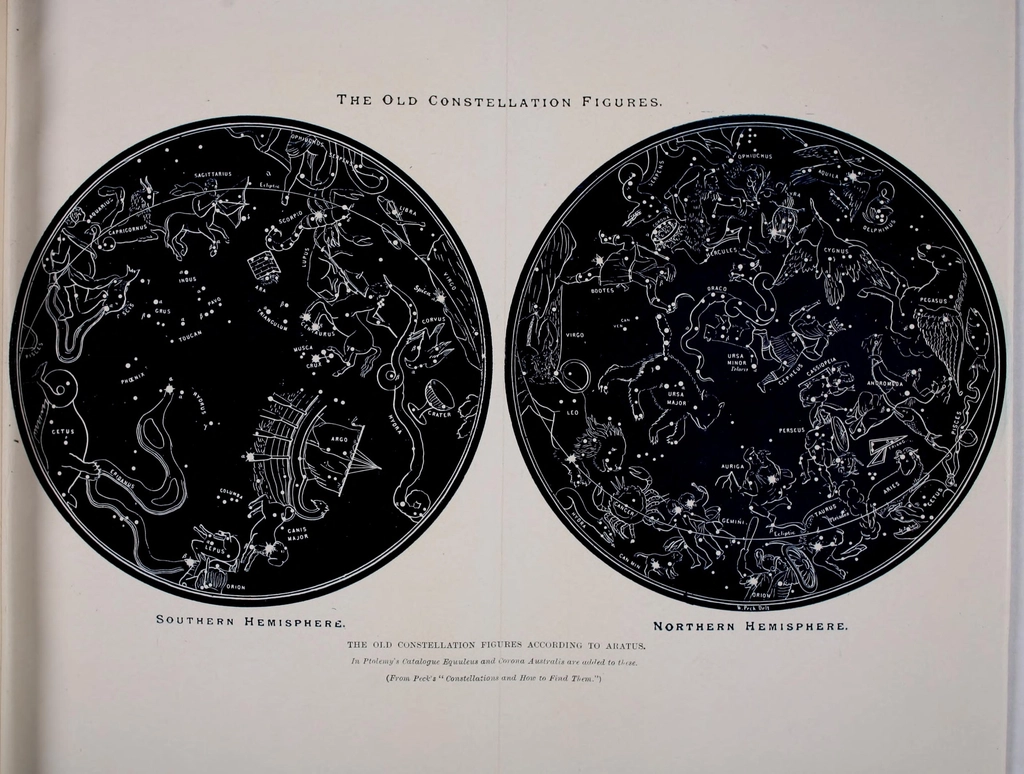
For most of us, our zodiac sign feels almost like a tiny piece of our identity. It shows up in dating profiles, memes, and late-night conversations about why we are the way we are. But there is a quiet, slightly uncomfortable truth sitting behind all that: the sky has changed since astrology was invented, and the dates you think belong to each sign no longer line up neatly with the actual constellations overhead. I still remember the first time I learned that my “sign” might be wrong; it felt weirdly personal, like someone had rearranged the furniture in my brain without asking. And yet, when you look at the science, it makes perfect sense. The Earth wobbles, the constellations drift, and the zodiac wheel is far from fixed in stone. Once you see how it really works, the whole idea of “What’s your sign?” becomes a lot more complicated – and, in a strange way, even more fascinating.
The Sky You Were Born Under Is Not the Same Sky the Ancients Saw
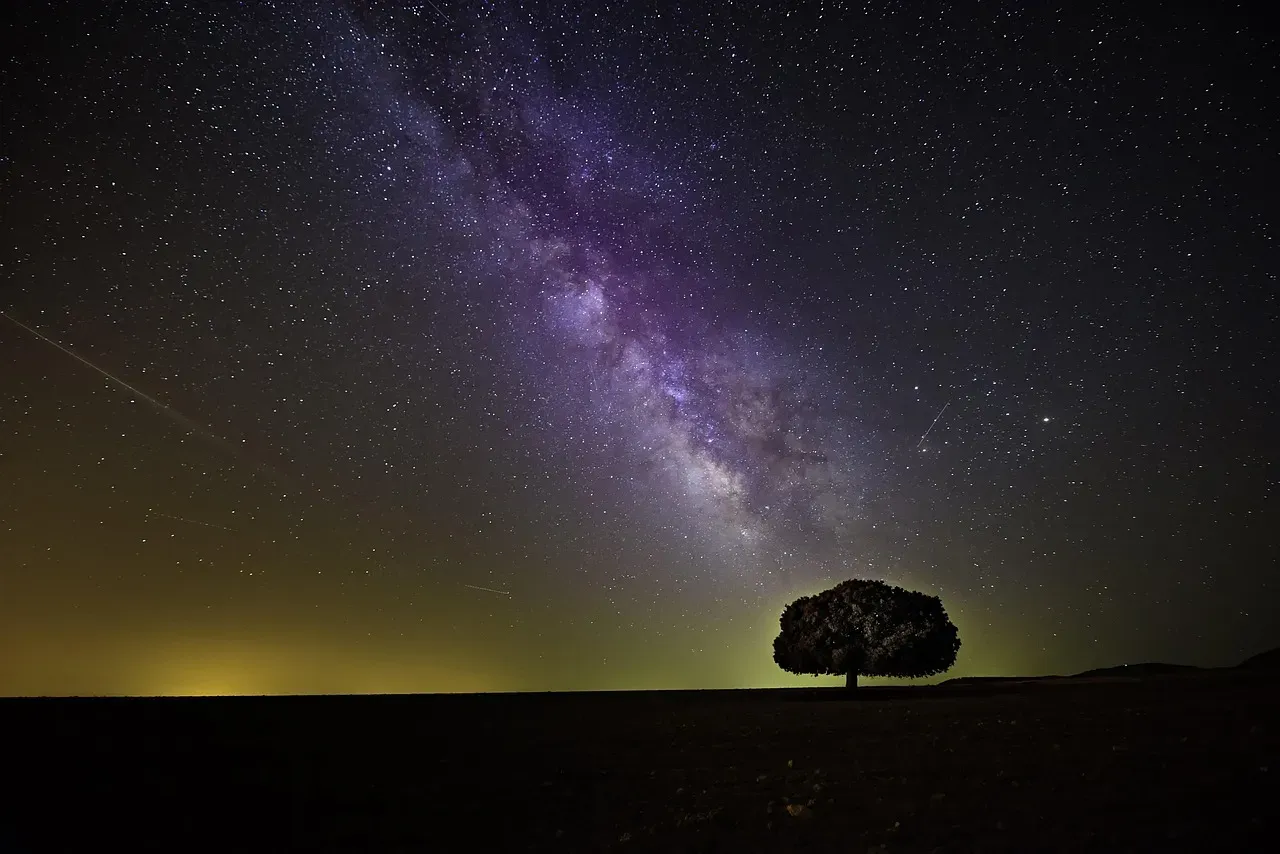
At the heart of this whole debate is a simple but mind-blowing fact: the sky is not static. When the first astrologers laid out the zodiac around two thousand years ago, they locked in a map of the heavens based on what the constellations looked like at that time. Since then, Earth’s orientation in space has slowly shifted, so the Sun now appears in different constellations on those same dates. If you were born on, say, April 10 and have always been told you’re an Aries, there’s a good chance that on your birth date today, the Sun was actually passing through the region of Pisces. That doesn’t mean your life is a lie, but it does mean the story is more tangled than the tidy lists you see in magazines. The sky over your head has kept moving, even if the horoscope page never updated.
Precession: The Slow Cosmic Wobble That Moves the Zodiac
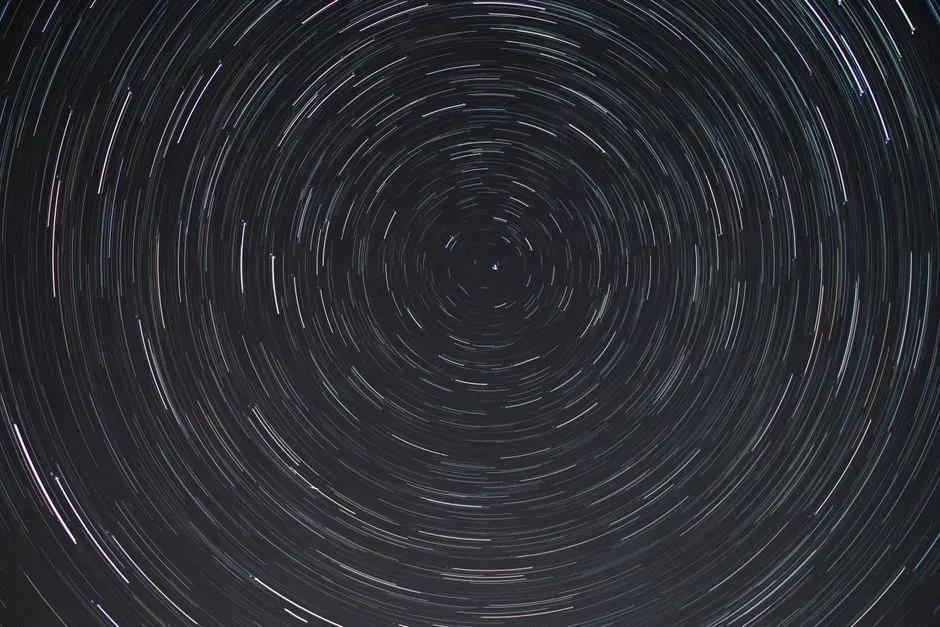
The main culprit behind this mismatch is something called axial precession, which sounds intimidating but is basically a slow wobble in Earth’s spin. Imagine a spinning top that starts to tip and trace a slow circle with its axis; Earth does a similar thing over roughly twenty-six thousand years. Because of that wobble, the direction our planet’s axis points to in space gradually changes, and so do the celestial coordinates we use to define where the Sun appears in the sky throughout the year. When ancient astrologers tied zodiac signs to specific dates, they were effectively freezing the sky at one historical moment. Over centuries, precession has pushed the constellations westward relative to our calendar dates. So while astrology still says “Aries starts on this date, Taurus on that one,” astronomy says the actual constellation behind the Sun on those dates has slipped by almost an entire sign since the system was created.
Signs vs. Constellations: What Astrology Uses and What NASA Measures
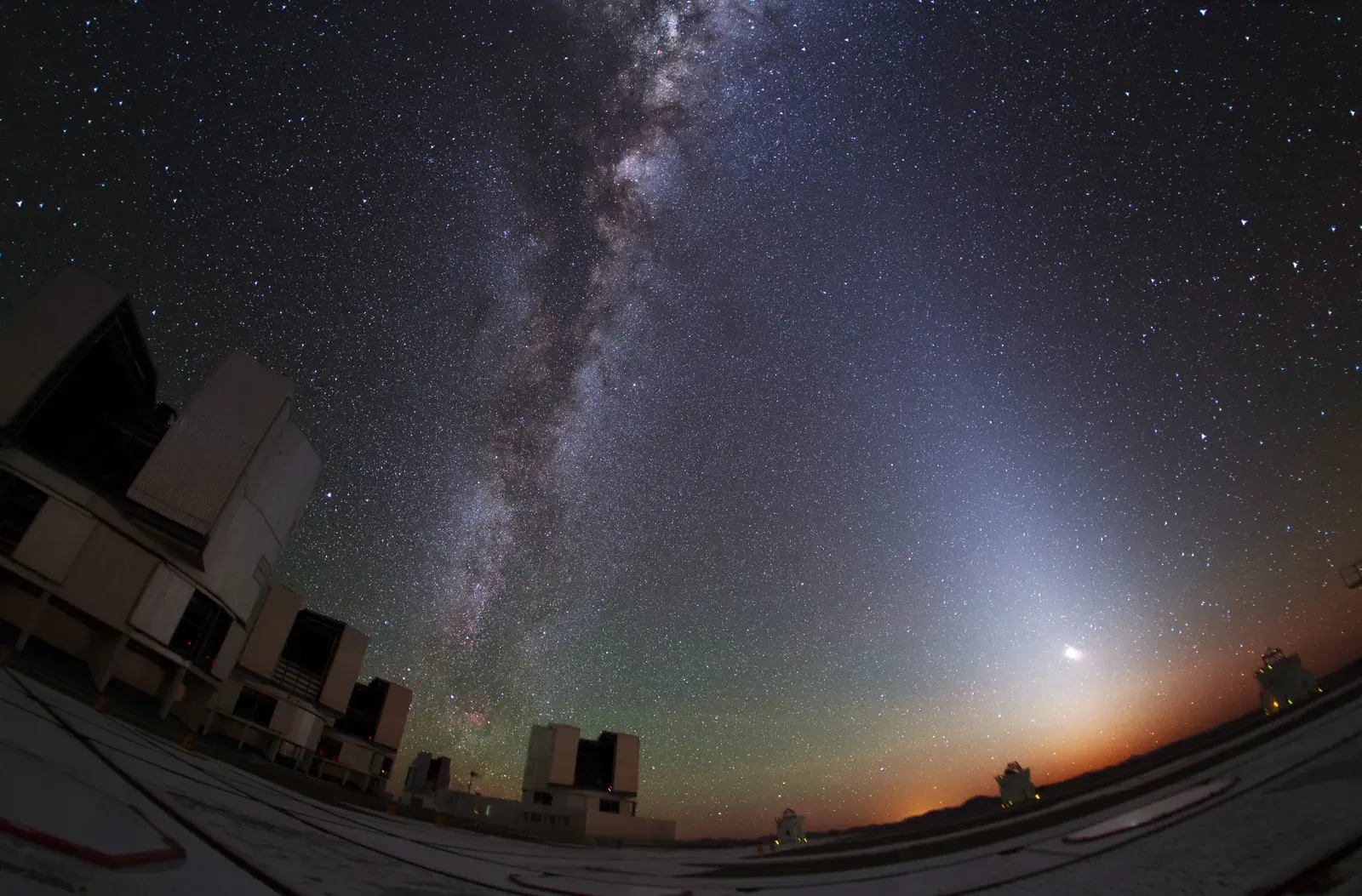
A big part of the confusion comes from mixing up zodiac signs with zodiac constellations, which are not the same thing. Astrological signs are tidy twelve equal slices of the sky, each covering exactly one twelfth of the zodiac circle. The real constellations, on the other hand, are irregular star patterns with uneven boundaries defined by astronomers, and they do not care at all about being equally sized or neat. NASA and other space agencies work with the astronomical constellations, mapped carefully and precisely on the celestial sphere, because they are useful for navigation, observation, and tracking objects. Astrologers, by contrast, mostly use the symbolic signs set up long ago and rarely adjust them to match the actual star patterns. So when NASA explains that the Sun moves through thirteen constellations instead of twelve, they are not “changing astrology” – they are just describing the sky as it is, not as tradition imagines it.
The Forgotten Thirteenth Constellation: Ophiuchus
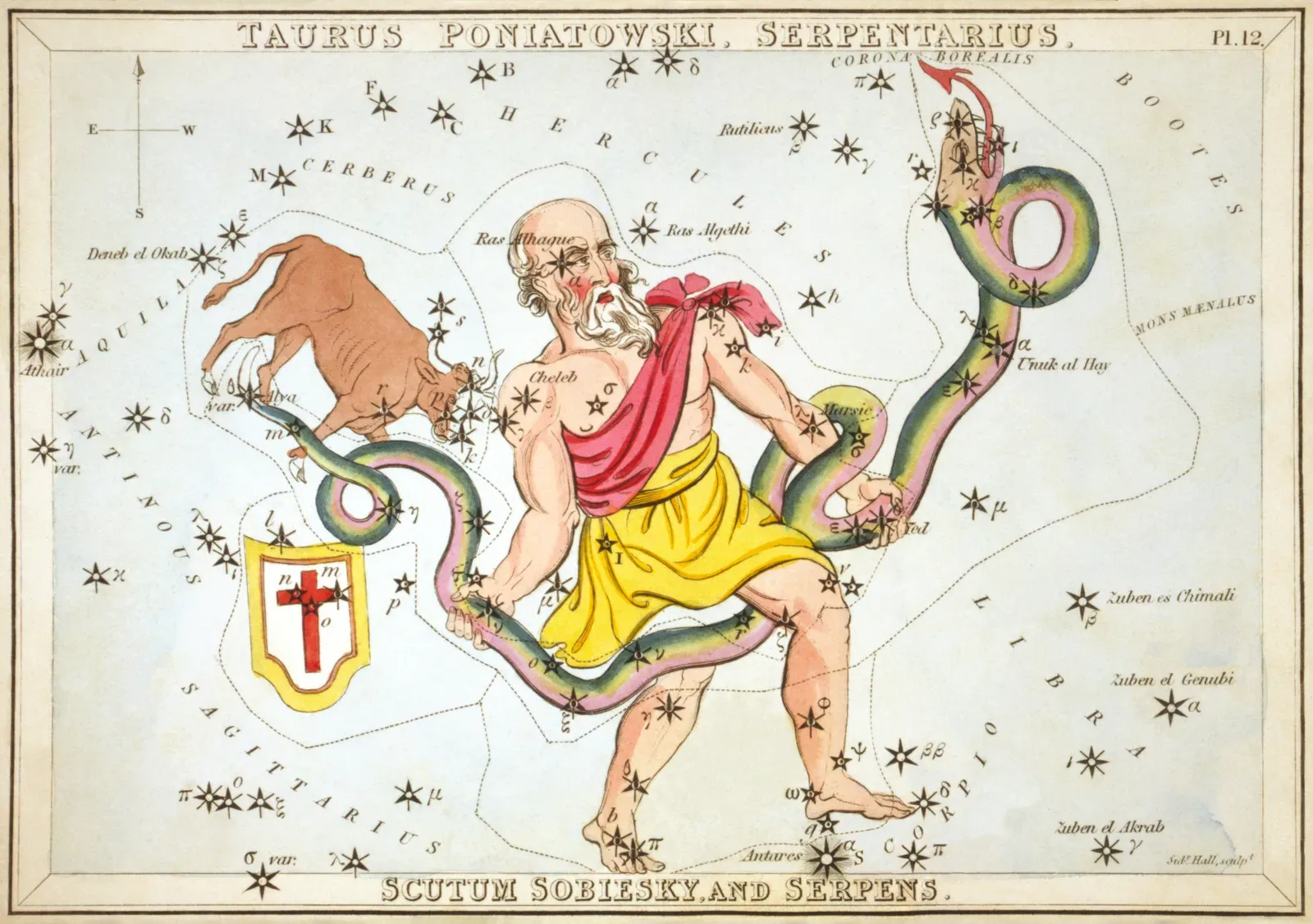
If you have ever seen people online arguing about a supposed “new zodiac sign,” they were almost certainly talking about Ophiuchus. This constellation, whose name means something like the serpent bearer, sits on the ecliptic path that the Sun travels across the sky, just like the other zodiac constellations. Astronomically, the Sun spends a chunk of time each year in Ophiuchus, sandwiched between Scorpio and Sagittarius. Some headlines framed this as NASA “adding” or “discovering” a new sign, but that is not what is happening. Ophiuchus has been known for a long time; it was simply not included in the traditional astrological zodiac. Modern astronomy includes it because the Sun genuinely passes through that region of the sky. Whether or not astrology decides to adopt it is more a cultural and symbolic choice than a question of scientific accuracy.
Why Western Astrology Has Not Updated (And Probably Won’t)
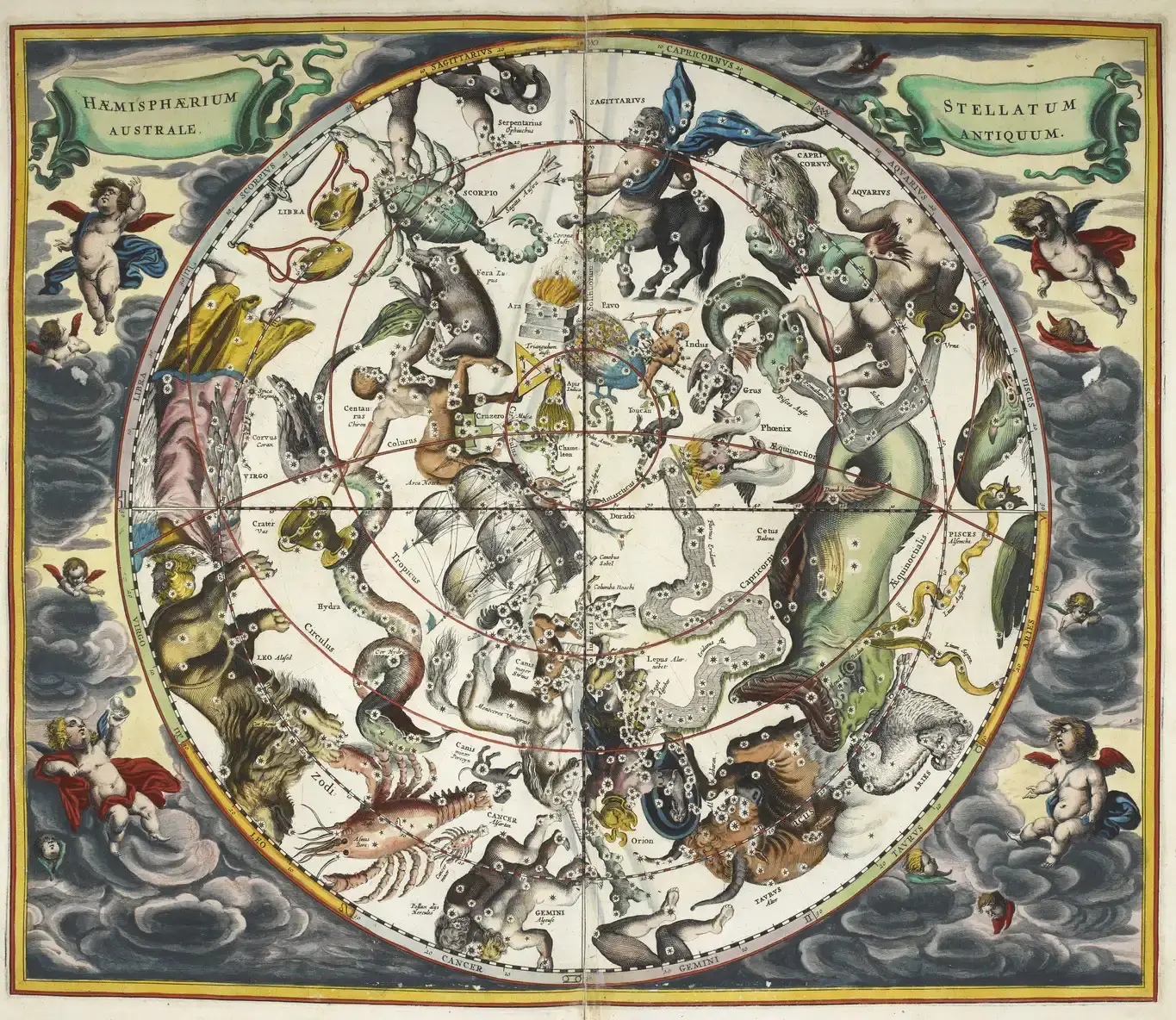
Given everything we know about precession and shifting constellations, you might wonder why Western astrology has not overhauled its dates to match the modern sky. The short answer is that most Western astrologers use what is called the tropical zodiac, which is anchored to the seasons rather than the constellations. In that system, Aries begins at the March equinox by definition, no matter where the real Aries constellation is. From that perspective, astrology is more about symbolic cycles tied to Earth’s seasons than about literal star positions, which is why many practitioners shrug off NASA’s explanations as interesting but irrelevant to their practice. Whether you find that convincing probably depends on what you expect astrology to be in the first place: a poetic, archetypal language about time and personality, or a system that should mirror the physical sky as closely as possible. Either way, the gap between sign and constellation is not going away.
Eastern Traditions and Sidereal Zodiacs: Not Everyone Uses the Same Sky

Here is another twist most people never hear about: not all astrological systems use the same zodiac. Some Eastern traditions, like many branches of Indian (Vedic) astrology, rely on what is called a sidereal zodiac, which attempts to stay aligned with the actual constellations. To do that, they apply a shifting correction factor to account for precession, slowly adjusting the sign boundaries over time. Even there, though, things are not perfectly settled. Different schools use slightly different values for that correction, and they may not agree exactly where one sign ends and another begins. So while sidereal astrology takes the literal sky more seriously than the Western tropical system, it still lives in a space where symbolism, history, and measurement are constantly negotiating with each other. The result is a global patchwork of zodiac systems, all claiming the same stars but drawing different lines across them.
So Is Your Horoscope “Wrong,” or Just Speaking a Different Language?
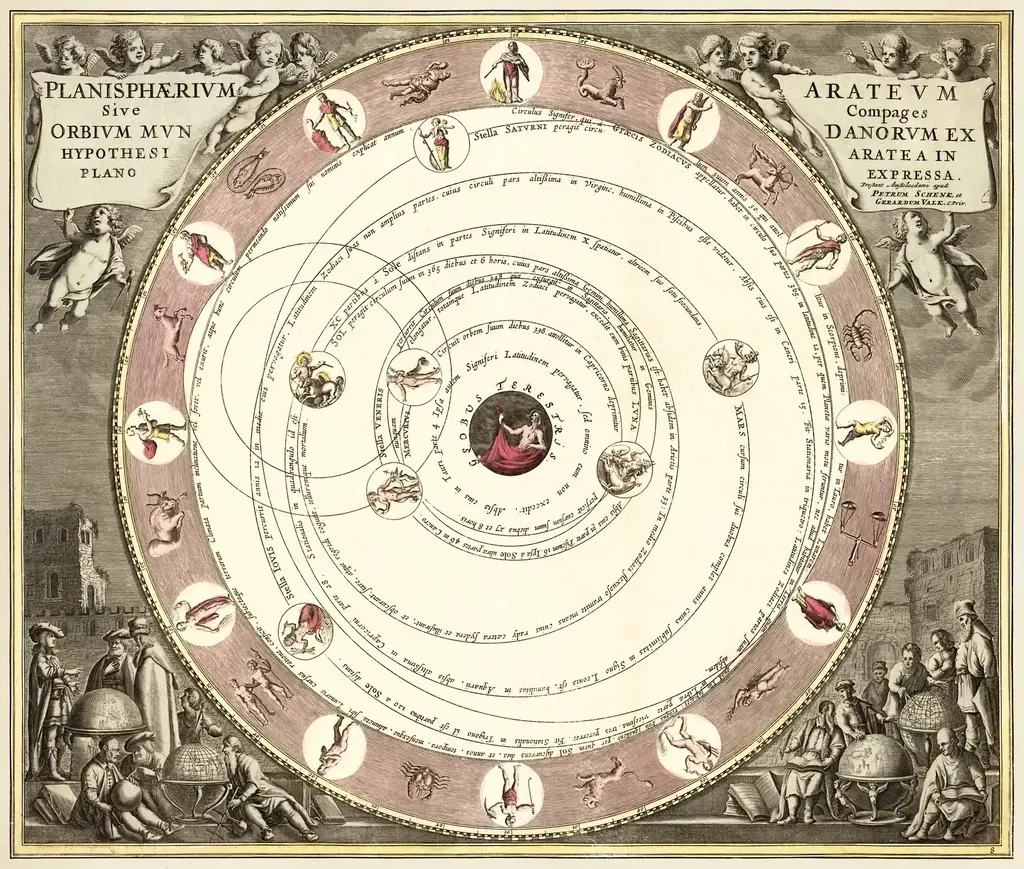
Once you realize that the sign you have always used might not match the constellation the Sun was in when you were born, it is tempting to toss the whole idea of horoscopes out the window. From a scientific standpoint, there is no solid evidence that the position of the Sun in a constellation at your birth shapes your personality or destiny. In that sense, asking if your sign is “correct” is like asking if your favorite color can be measured with a telescope. On the other hand, there is something revealing about how emotionally attached many of us are to our signs, even when we know the science does not back them up. People use astrology more like a mirror than a map: a way to reflect on themselves, their relationships, and their choices. Whether you call yourself a Leo or realize the Sun was technically in Cancer that day, the meaning you squeeze from that label might say more about you than about the sky. That does not make it scientific, but it does explain why the myth stays powerful even as the data drifts.
What This Cosmic Drift Really Says About Us
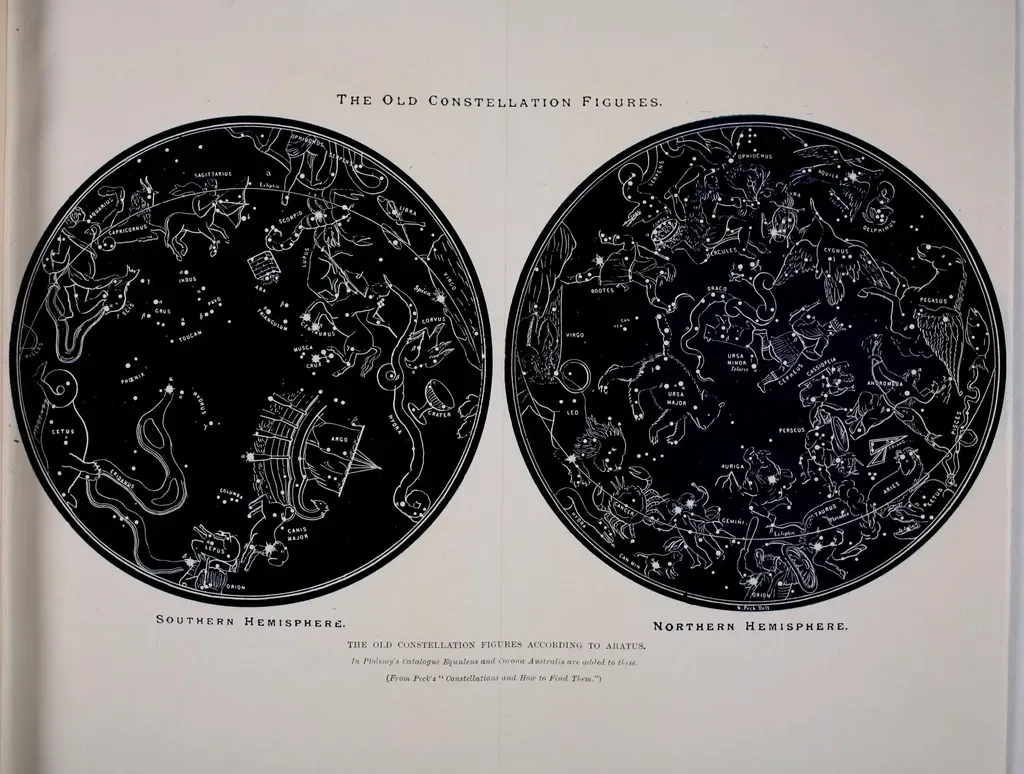
To me, the most interesting part of this whole debate is not that so many people have the “wrong” sign; it is that we cling to ancient star stories even as our understanding of the universe explodes. On one side, you have NASA carefully mapping precession, constellations, and orbital mechanics; on the other, you have millions of people checking daily horoscopes that were originally linked to a sky that no longer exists in that form. It is a strange, very human split between what we know and what we feel. In a way, the shifting zodiac is a quiet reminder that reality keeps moving whether our beliefs update or not. We can cherish the poetry of astrology and still respect the precision of astronomy, but we should not confuse them. If anything, learning that the constellations have slid under our calendars over thousands of years should make us more humble and more curious: if the sky can change this much, what else in our lives do we treat as fixed when it is actually drifting? And if your sign is not what you thought it was, maybe that is an invitation to ask a deeper question: who decided who you are in the first place – you, or the stars?