
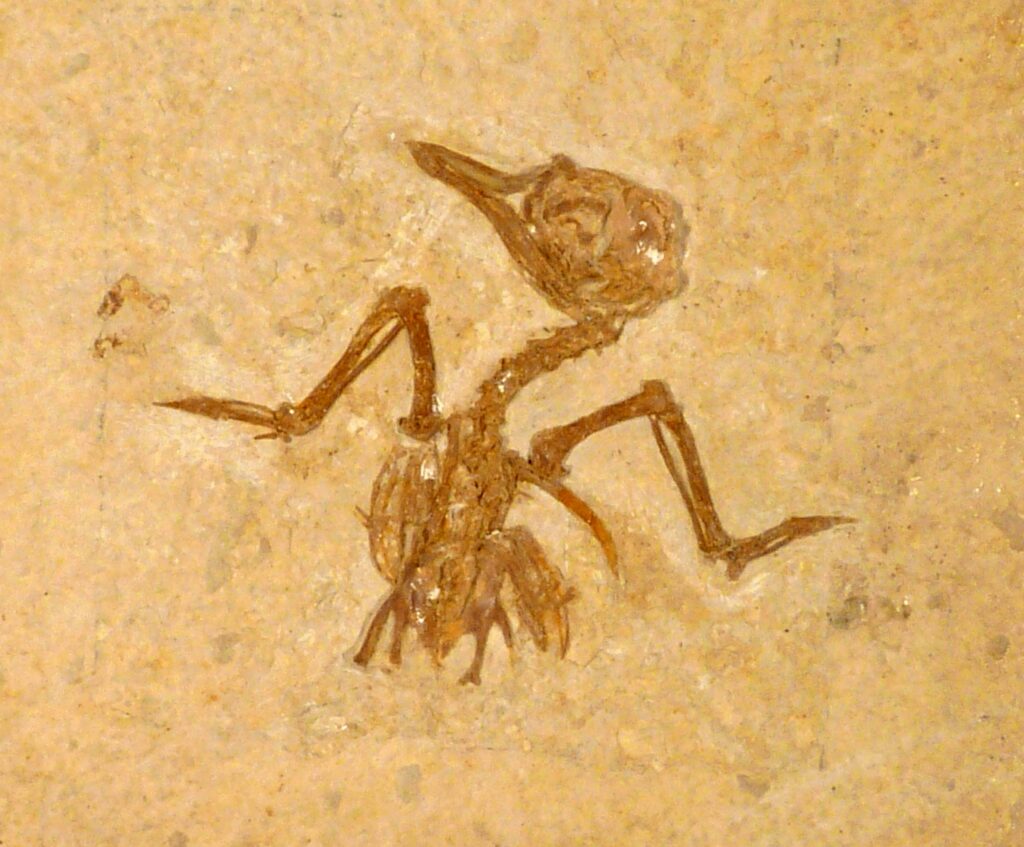
Picture the very last days of the dinosaurs: towering sauropods, horned ceratopsians, and lethal tyrannosaurs roaming a lush, unstable world. Now add something many people still find surprising – small, feathered birds flitting through the trees and along the shorelines, not as distant descendants millions of years later, but as actual neighbors in the same ecosystems. That mental image alone already rewrites the cartoon version of prehistory most of us grew up with.
Over the past few decades, fossils have been quietly piling up that show some prehistoric birds lived right up until the catastrophic impact that ended the age of non-avian dinosaurs. The story scientists are piecing together is far more tangled and fascinating than a simple “dinosaurs died, birds appeared later” narrative. It’s about survival, luck, and tiny feathered creatures sharing their world with the last of the giants.
The Overlap: Birds and Dinosaurs in the Same World
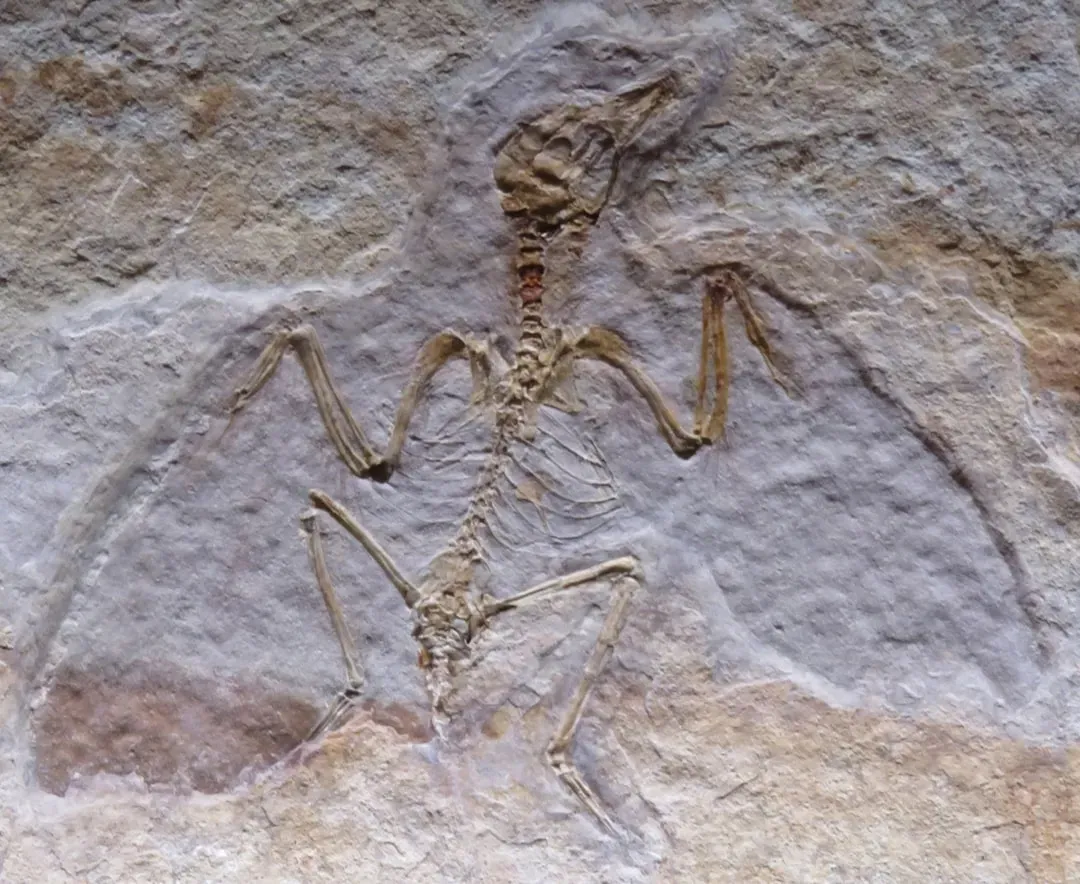
One of the most striking shifts in paleontology is the realization that birds did not just arrive after the dinosaurs vanished; they were already there, evolving and diversifying while non-avian dinosaurs still ruled the land. Fossils from the Late Cretaceous show early members of the bird lineage living in the same time slices as famous dinosaurs like Tyrannosaurus and Triceratops. These were not modern sparrows or pigeons, but they were undeniably birds in the technical sense: small-bodied, feathered, and part of the avian branch of the dinosaur family tree.
That overlap changes how we think about the extinction event itself. Instead of a clean break between an age of reptiles and an age of birds and mammals, we see a long, messy transition where different branches of dinosaurs were experimenting with new body plans and lifestyles. Some of those feathered, winged forms made it through the disaster, while their colossal cousins did not. The idea that you could have looked up in the Late Cretaceous sky and seen the ancestors of today’s birds flying above herds of non-avian dinosaurs makes prehistory feel startlingly real and immediate.
Fossil Clues: Bones, Beaks, and Feathers from the End of the Cretaceous
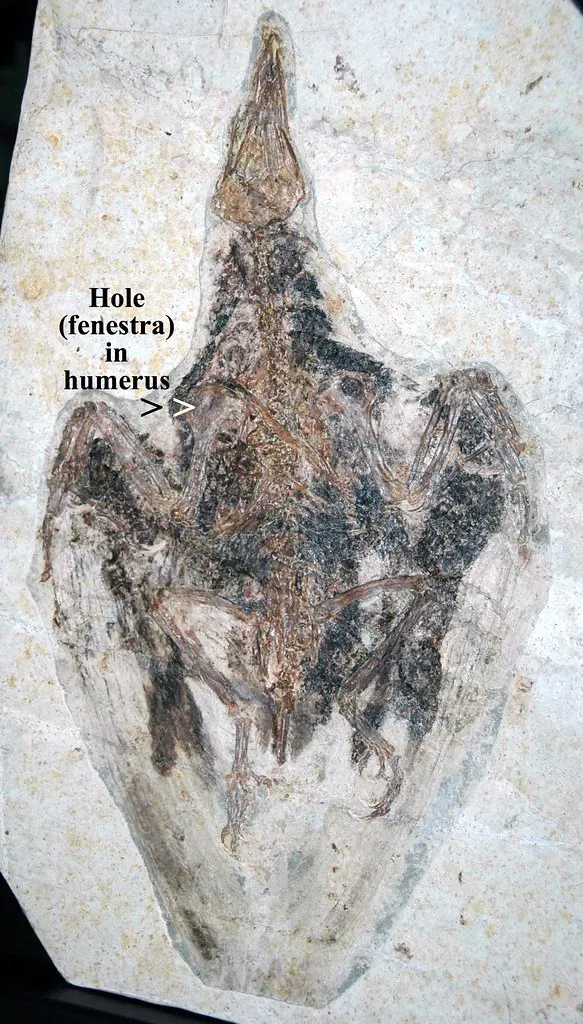
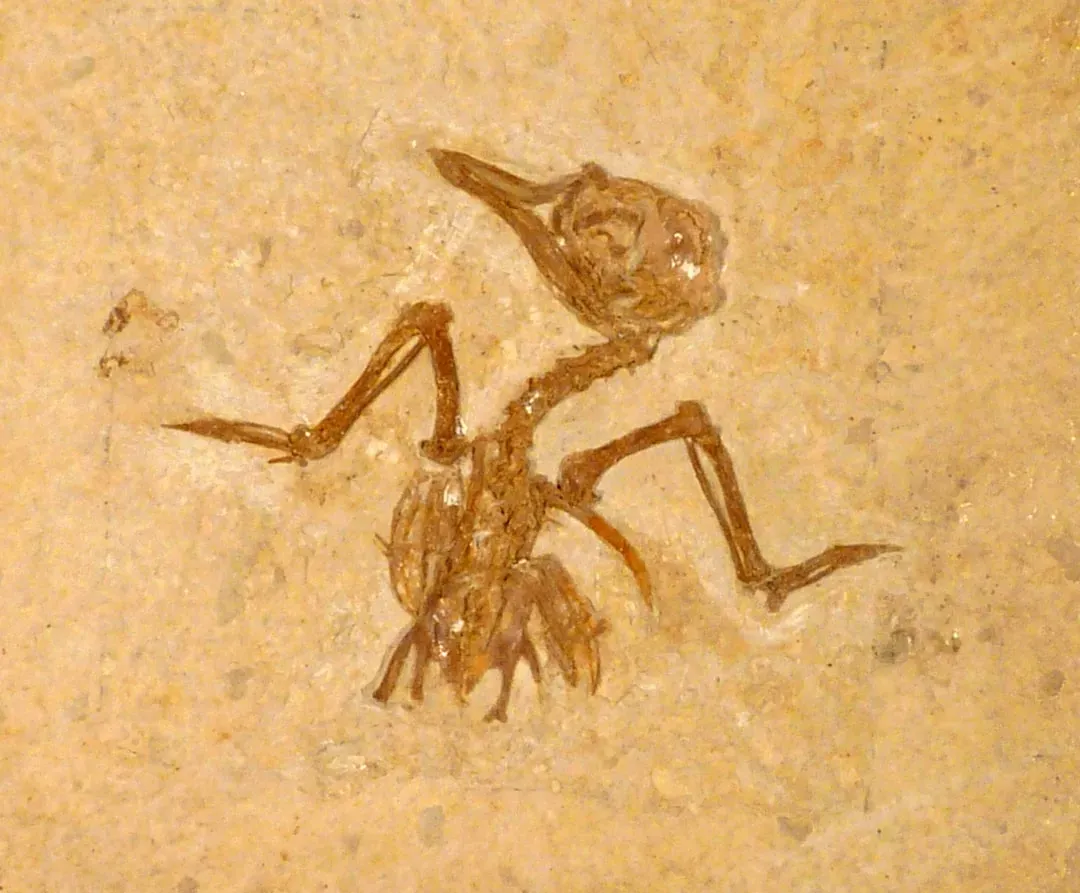
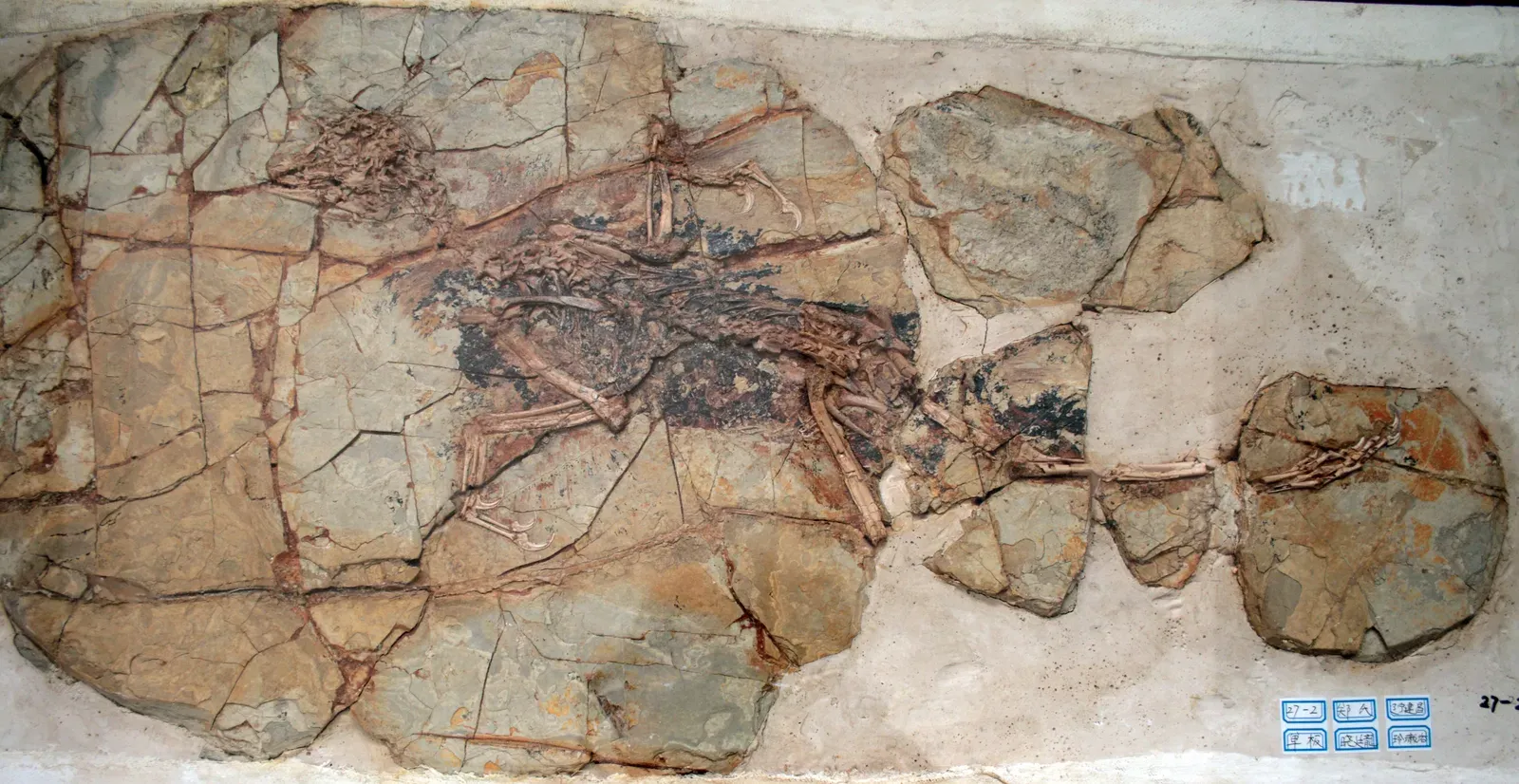
The claim that prehistoric birds lived alongside the last non-avian dinosaurs is only as strong as the fossils that back it up, and those fossils are getting better all the time. In rock layers dating to the final few million years of the Cretaceous, researchers have found delicate bird bones, partial skeletons, and even feather impressions. These remains include early members of the group that eventually led to modern birds, as well as side branches that did not survive the extinction. Some specimens preserve details like the structure of the tail, the shape of the beak, and the proportions of the wings, allowing scientists to place them precisely on the evolutionary tree.
What makes these finds so compelling is their precise dating. When layers of volcanic ash or shocked minerals associated with the asteroid impact bracket the bird fossils, researchers can say with confidence that these animals were alive very close to the moment the non-avian dinosaurs disappeared. It is not a vague overlap over tens of millions of years, but a sharp snapshot showing that birds were active participants in those final Cretaceous ecosystems. Every new fossil from that narrow window adds another piece to a very tense, dramatic puzzle.
Avian Dinosaurs: Why Birds Are Technically Dinosaurs Too
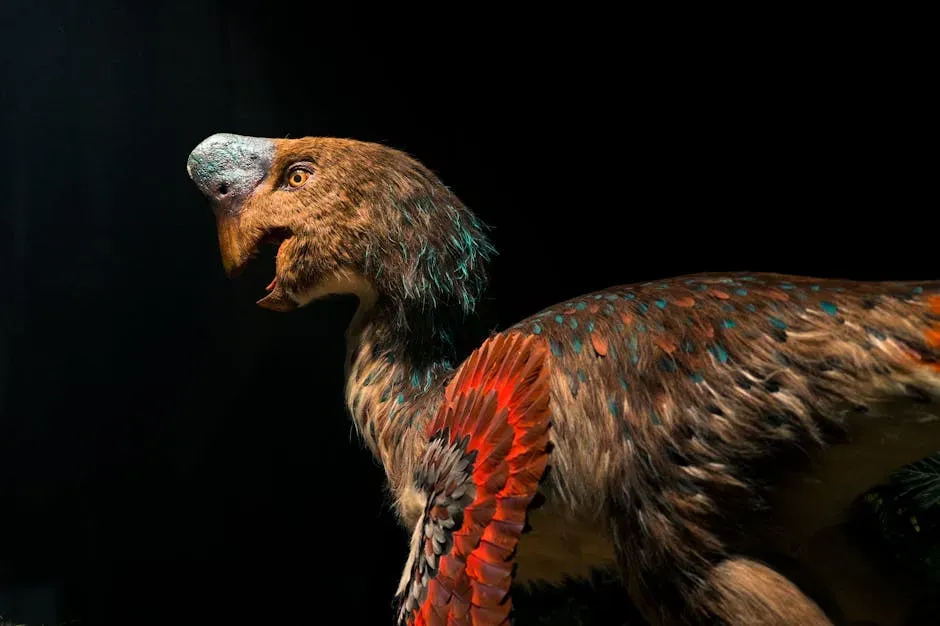
The phrase “non-avian dinosaur” can sound like academic hair-splitting, but it actually captures a profound shift in how scientists classify life. In simple terms, birds are not just related to dinosaurs; they are dinosaurs. They belong to a group of theropod dinosaurs that gradually evolved feathers, lighter skeletons, and adaptations for powered flight. When scientists say “non-avian dinosaurs,” they mean all the dinosaurs that are not part of that bird branch – in other words, the ones that did not make it through the mass extinction.
This means that saying birds lived alongside the last non-avian dinosaurs is not about two unrelated groups coincidentally coexisting. It is more like distant cousins sharing a family home, one branch staying small, agile, and adaptable, while the other grew large and specialized. From this perspective, the extinction event did not wipe out dinosaurs completely; it just pruned the family tree down to one surviving twig. That surviving twig, of course, is now astonishingly diverse, from hummingbirds to ostriches, each one a living reminder that the dinosaur story never truly ended.
Life at the End of the Cretaceous: What These Birds Were Probably Like
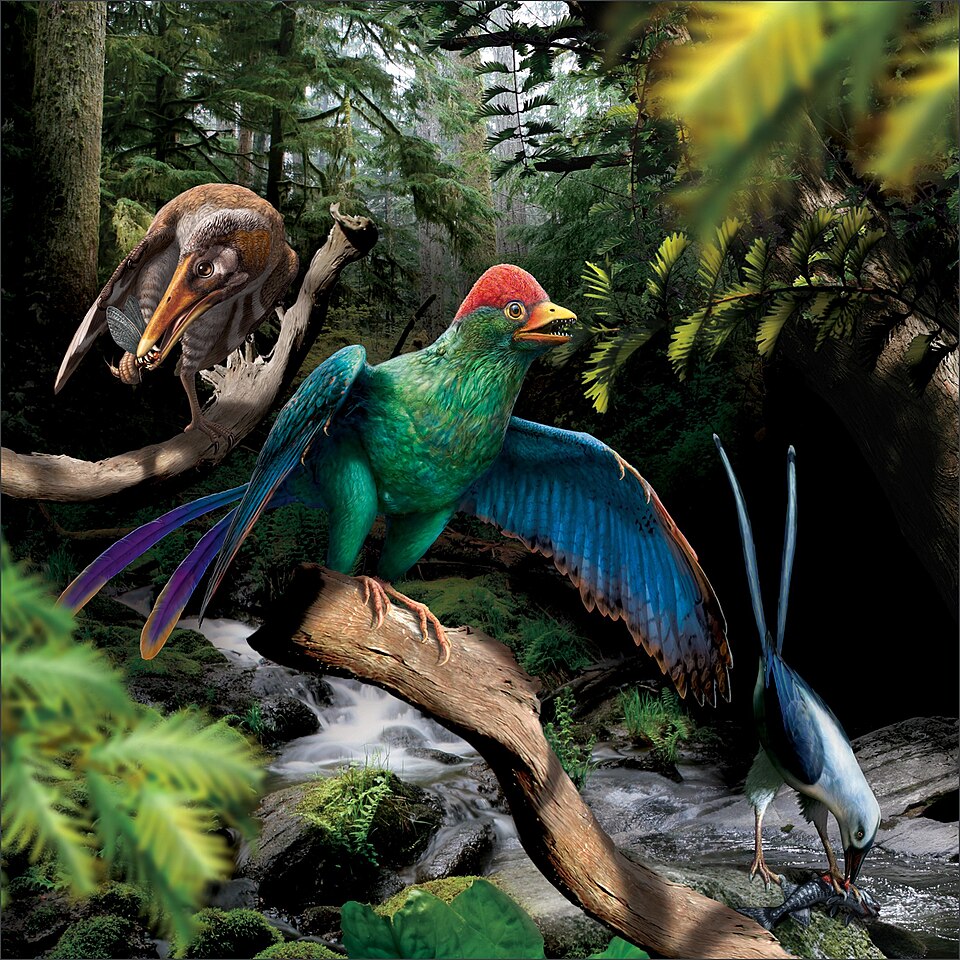
So what were these prehistoric birds actually doing while giant dinosaurs thundered around them? Based on fossil anatomy and comparisons with modern birds, many of them were probably small, ground-dwelling or perching animals that hunted insects, ate seeds, or foraged along shorelines. Some fossils suggest short, robust legs for running and scratching in the undergrowth, while others show wing and tail shapes suited to short bursts of flight rather than long-distance soaring. They were likely quick, alert, and constantly on the lookout for both food and danger.
It is tempting to imagine them weaving through ferns and cycads, snatching insects disturbed by the footsteps of a passing ceratopsian, or nesting in dense vegetation near rivers and lakes. Their lives would have been overshadowed, quite literally, by much larger dinosaurs, but that did not make them insignificant. In many ecosystems today, small birds play a quiet but crucial role in controlling insect populations, dispersing seeds, and contributing to the overall balance of life. It is reasonable to think that their Cretaceous counterparts filled similar ecological niches, even if the world around them felt wildly alien by our standards.
Why Some Birds Survived When Other Dinosaurs Did Not
One of the most haunting questions in all of paleontology is why some birds survived the mass extinction at the end of the Cretaceous while every non-avian dinosaur lineage vanished. There is no single, simple answer, but a few patterns stand out. Many surviving bird lineages appear to have been small, flexible in their diets, and capable of living in more sheltered or varied habitats. Being able to eat seeds, for example, might have been a massive advantage when plant life was devastated and fresh vegetation was temporarily scarce.
Flight alone was not a guaranteed survival ticket, since many flying reptiles and bird relatives also went extinct. Instead, it seems like a combination of traits – small body size, broad diet, and perhaps the ability to exploit forest floors or hidden refuges – helped some bird lineages hang on through the chaos. In a world suddenly darkened by debris in the atmosphere, with food webs collapsing, the giants had little room to maneuver. The small, adaptable birds, already coexisting with their dinosaur cousins, were simply better positioned to ride out the storm, even if that ride was brutal and only a small fraction of them ultimately made it.
How This Discovery Changes Our Picture of the Extinction Event
Knowing that birds lived right alongside the last non-avian dinosaurs forces us to update the mental movie we play when we think about the asteroid impact and its aftermath. The classic picture of a world of reptiles abruptly giving way to mammals and birds is far too clean. Instead, the extinction looks more like a sudden, violent fork in the road for one big, interconnected community. Some dinosaurs – the massive, spectacular ones we love in movies – were pushed off the map. Others, already small and feathered, managed to step through into the next chapter.
This matters because it turns the extinction story from a simple fable about failure into a more complicated tale about resilience and contingency. The same cataclysm that erased most dinosaur species also, indirectly, cleared space for the surviving birds to diversify into thousands of forms. The discovery that prehistoric birds were already present, living their unassuming lives in the shadow of giants, makes their survival feel less like a miracle and more like the outcome of specific evolutionary gambles that happened to pay off. It is still sobering, but it is also strangely hopeful.
The Ongoing Hunt: What Future Fossils Might Reveal
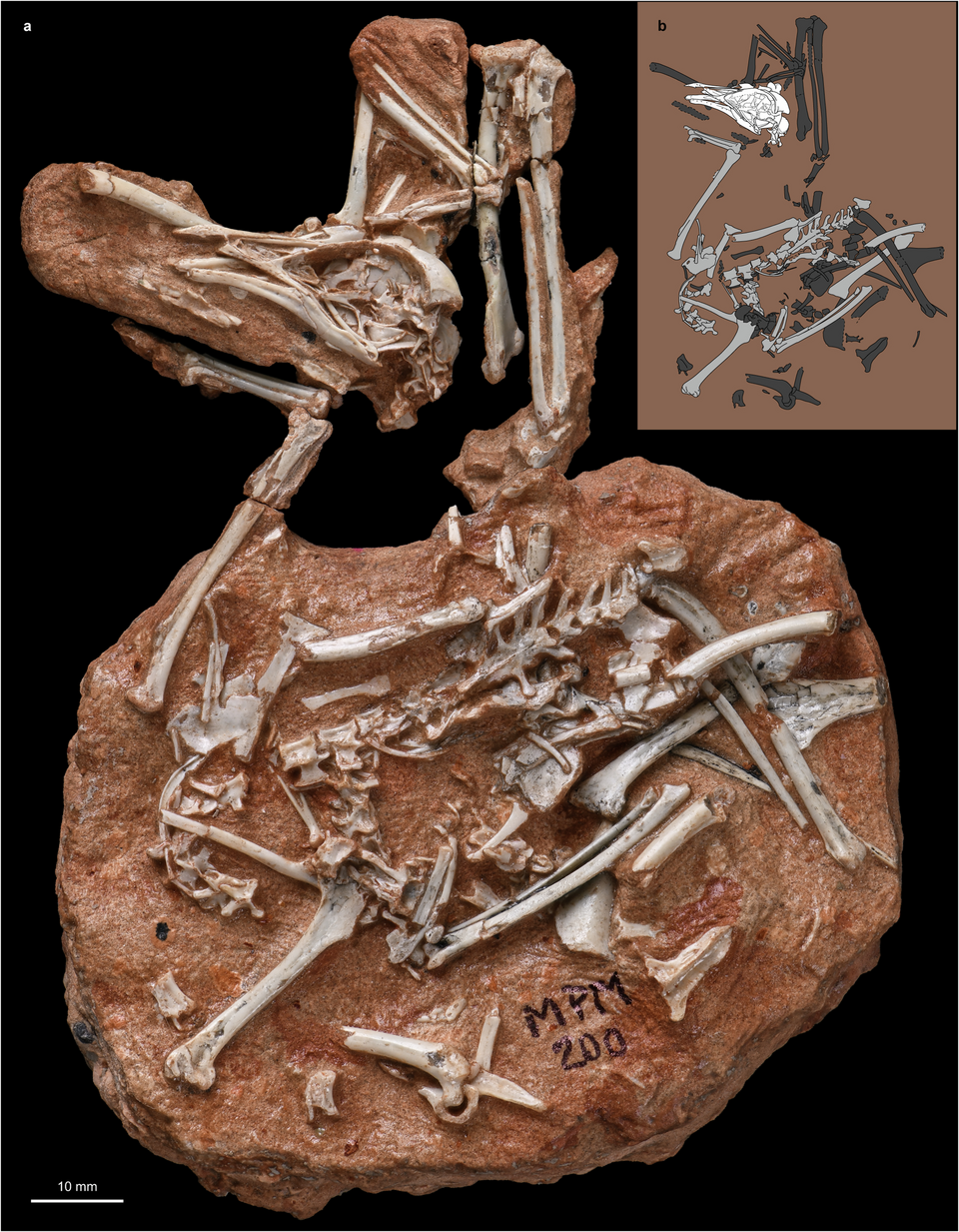
As dramatic as current discoveries are, paleontologists are keenly aware that we are still working with a frustratingly incomplete record. Delicate bird bones do not fossilize as easily as massive dinosaur skeletons, so every new find from the final Cretaceous is a bit of a jackpot. Teams continue to comb through sediments of the right age, re-examine museum collections with fresh eyes, and use new imaging technologies to spot bird remains that might have been overlooked in the past. There is a real sense that we are only scratching the surface of what these animals were doing in those crucial last millions of years.
Future discoveries could dramatically refine, or even challenge, our current picture. We might find more diverse bird communities in regions that are currently poorly sampled, or clear evidence of behaviors like nesting sites and trackways from the very end of the Cretaceous. Personally, I find this open-endedness one of the most exciting parts of the story. The idea that a tiny bone embedded in rock somewhere could further prove how closely birds lived alongside the last non-avian dinosaurs feels almost like a mystery novel still being written. The plot is there, but several key chapters are missing.
Why It Matters Today: Seeing Modern Birds as Living Dinosaurs
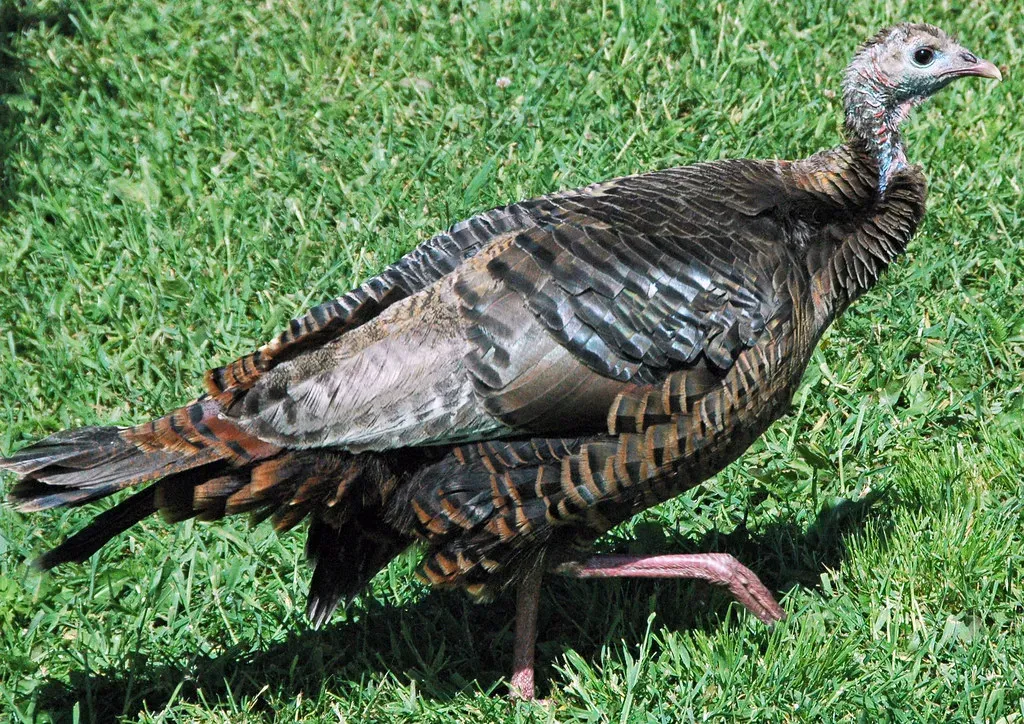
All of this evidence that prehistoric birds lived alongside the last non-avian dinosaurs is not just a neat bit of trivia; it genuinely changes how we might look at the pigeons on a city street or the sparrows in a backyard. Those everyday birds are not distant, unrelated creatures that happened to come along later. They are the surviving sliver of a once-dominant dinosaur lineage, carrying traits and innovations that were tested in ancient forests and floodplains shared with giants. When you watch a crow problem-solve or a hawk glide effortlessly on a thermal, you are seeing skills that evolved in a world of tyrannosaurs, not just one of mammals and humans.
In my view, this makes modern birds vastly more impressive than we usually give them credit for. They did not simply show up after the catastrophe; they endured it, adapted, and then exploded into new forms. Recognizing that prehistoric birds coexisted with the last non-avian dinosaurs also pushes back against the idea that evolution always favors the big and dramatic. Sometimes the long-term winners are the small, agile, and underestimated survivors that quietly outlast everyone else. The next time a scruffy little bird hops near your feet, it might be worth remembering that its ancestors once navigated a world ruled by giants and lived to tell the tale, even if we are only just now starting to listen.