
Astrology fans like to say your zodiac sign explains everything from your love life to why you cannot stand small talk. Paleontologists, on the other hand, use fossil evidence, bone structure, and biomechanical modelling to guess how dinosaurs moved, hunted, socialized, and even cared for their young. Put those two worlds together and something strange happens: the personalities scientists infer for certain dinosaur species line up uncannily well with classic zodiac traits.
Of course, no one is suggesting dinosaurs cared about star charts. But when you compare an impatient, risk-taking predator to an impulsive fire sign, or a slow, steadfast herbivore to a stubborn earth sign, the parallels start to feel almost too on the nose. Below, we match each zodiac sign with a dinosaur whose scientifically inferred lifestyle, behavior, and “vibe” fit it almost perfectly – and once you see your dino twin, you might never look at your sign the same way again.
Aries – Tyrannosaurus rex, the fearless apex challenger
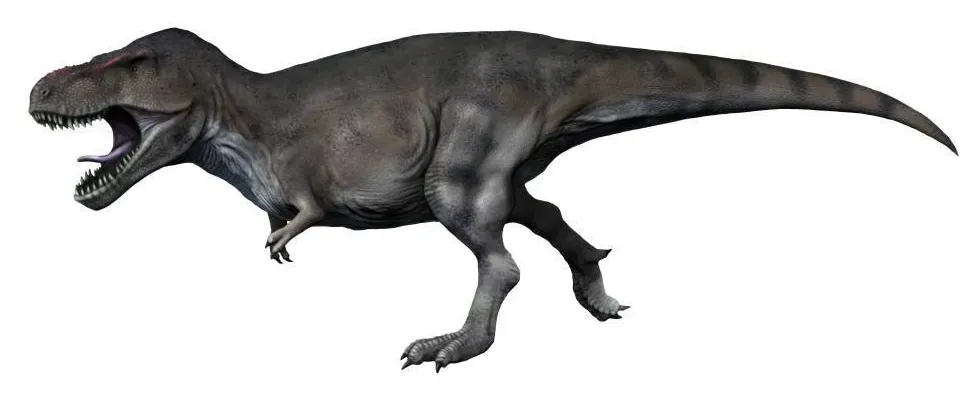
Aries is the fire sign that runs headfirst into challenges, and nothing screams fearless challenger like Tyrannosaurus rex. Fossil evidence shows T. rex had a massive skull, bone-crushing bite strength, and forward-facing eyes that suggest a predator built for direct confrontation rather than subtlety. Its leg bones and tail balance point to a powerful, surprisingly agile animal that could lunge with explosive force rather than rely on slow ambush.
That energy mirrors the stereotypical Aries urge to charge first and think later. T. rex also lived in complex ecosystems where it likely dominated other large predators, much like Aries tends to take over group projects without asking. Healed bite marks and signs of brutal injuries on T. rex fossils hint at a life full of combat and high-stakes risks. If your sign thrives on competition, bold moves, and “go big or go home” decisions, you are very much in T. rex territory.
Taurus – Triceratops, the stubborn but loyal tank
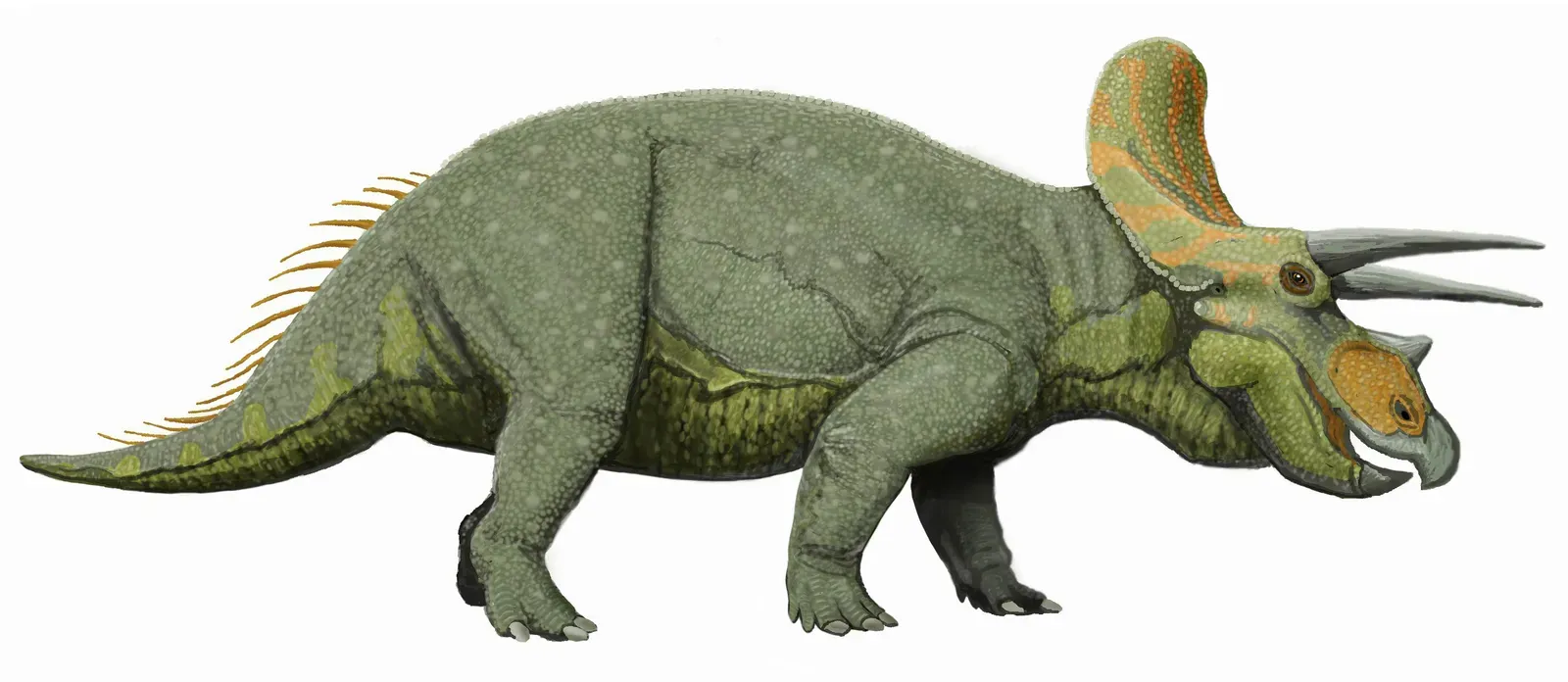
Taurus is known for being steady, grounded, and unmovable once it digs in – which is exactly the energy of Triceratops. This famous horned dinosaur carried a heavy skull with a solid neck frill and three serious horns, supported by a robust, low-slung body built like a living bulldozer. Its bone structure and teeth indicate a plant-eater that spent a lot of time browsing tough vegetation, which fits the patient, routine-loving Taurus vibe.
Scientists think the horns and frill of Triceratops were used for both defense and displays within the species, possibly for sparring and social signaling. That is very Taurus: calm and gentle when left alone, but absolutely prepared to lock horns when something they care about is threatened. Evidence of injury and healing around the frill suggests repeated confrontations rather than quick flight. Like Taurus, Triceratops did not go looking for drama – but if trouble knocked, it could stand its ground longer than almost anyone else.
Gemini – Troodon, the curious quick-thinker
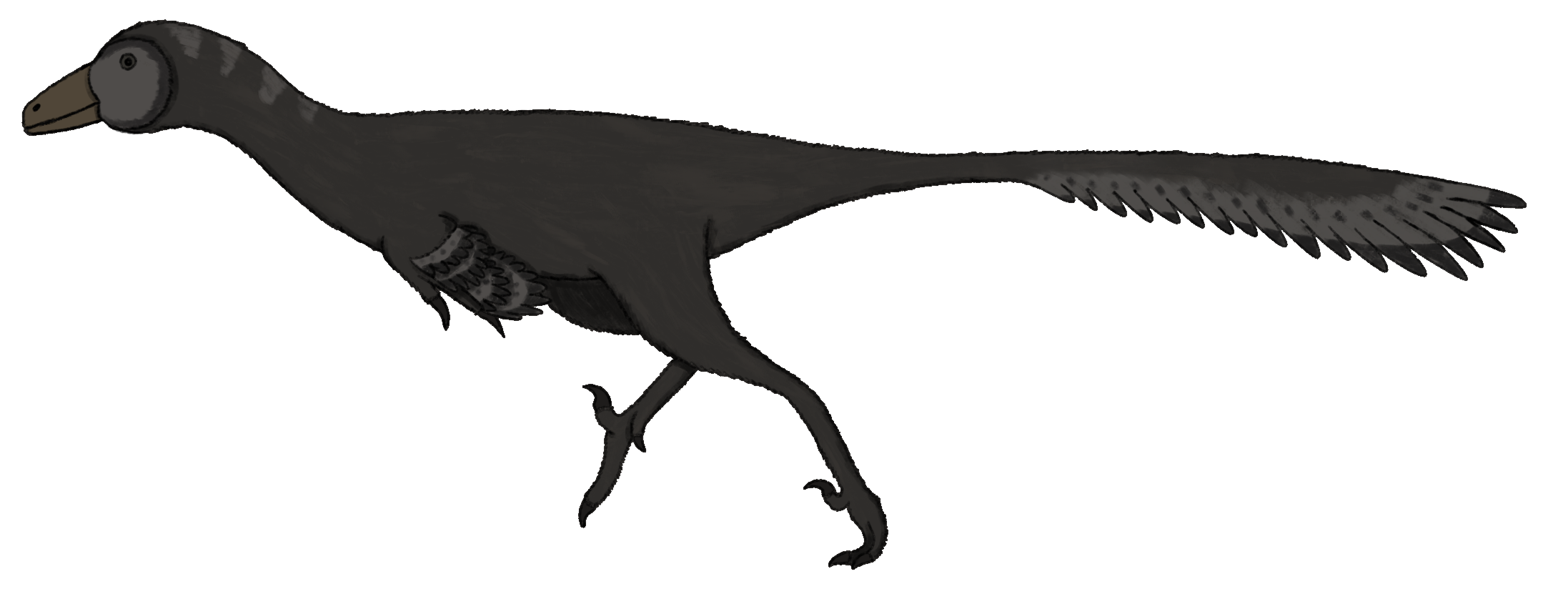
Gemini is the sign of restless curiosity, versatility, and mental agility, and Troodon might be the closest thing dinosaurs had to a classic “ideas person.” Based on skull shape and braincase size, Troodon had one of the highest relative brain-to-body ratios among non-bird dinosaurs. Its large eyes and likely keen senses suggest an animal constantly scanning its surroundings, taking in information from every direction.
With slender limbs, grasping hands, and teeth suited for a varied diet, Troodon appears to have been flexible in both behavior and food choices – which fits Gemini’s reputation for adaptability. Some researchers have suggested it may have been at least somewhat social, possibly moving in small groups or using cooperative behaviors, though the evidence is still debated. That potential for chatter, rapid decision-making, and shifting strategies feels very air-sign: always thinking, always moving, always curious about what comes next.
Cancer – Maiasaura, the devoted nurturer
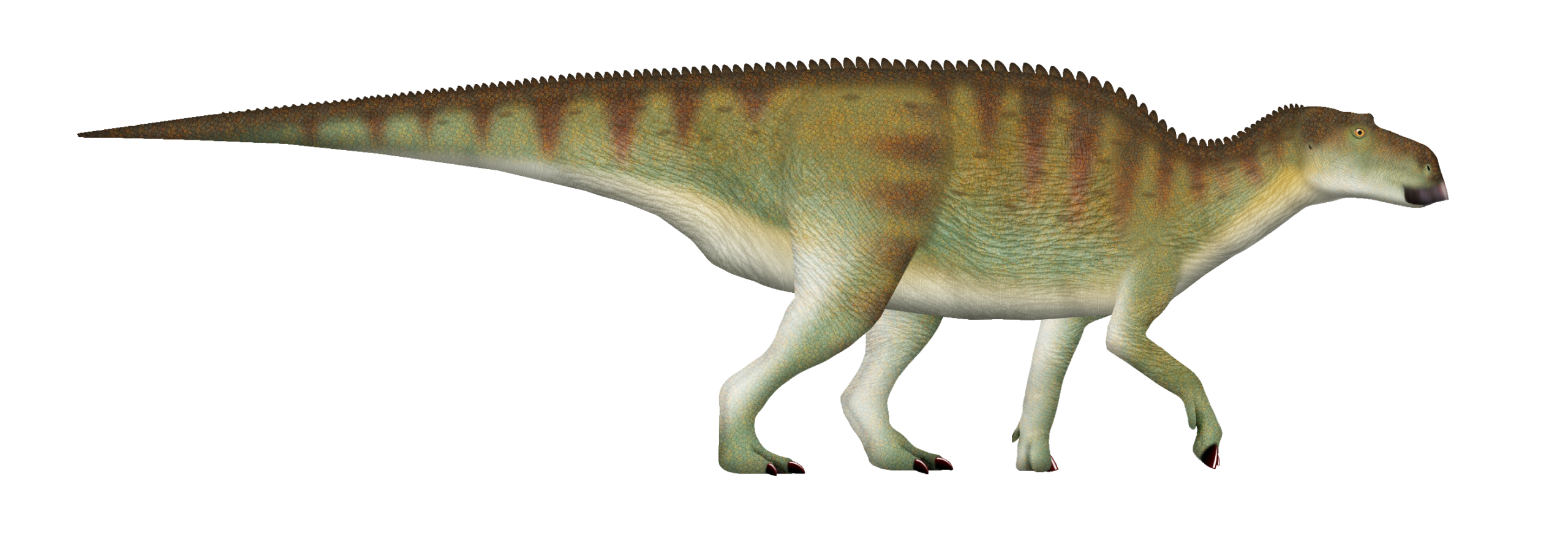
Cancer is the zodiac’s homebody and protector, and few dinosaurs embody nurturing energy like Maiasaura. Fossil nests discovered with eggs, hatchlings, and juveniles at different growth stages suggest this duck-billed dinosaur returned to nesting grounds and invested significant time in raising its young. Some sites show evidence of repeated use and layered nests, indicating long-term “family neighborhoods” rather than one-off breeding events.
Bone studies suggest young Maiasaura stayed in the nest for a while, likely depending on adults for protection and maybe even food. That makes Maiasaura one of the strongest real-world examples of parental care in dinosaurs, perfectly matching Cancer’s instinct to build emotional “shells” of safety around loved ones. If your sign is known for loyalty, protectiveness, and remembering every slight, you share a surprising amount of emotional DNA with this attentive, herd-living herbivore.
Leo – Spinosaurus, the dramatic scene-stealer
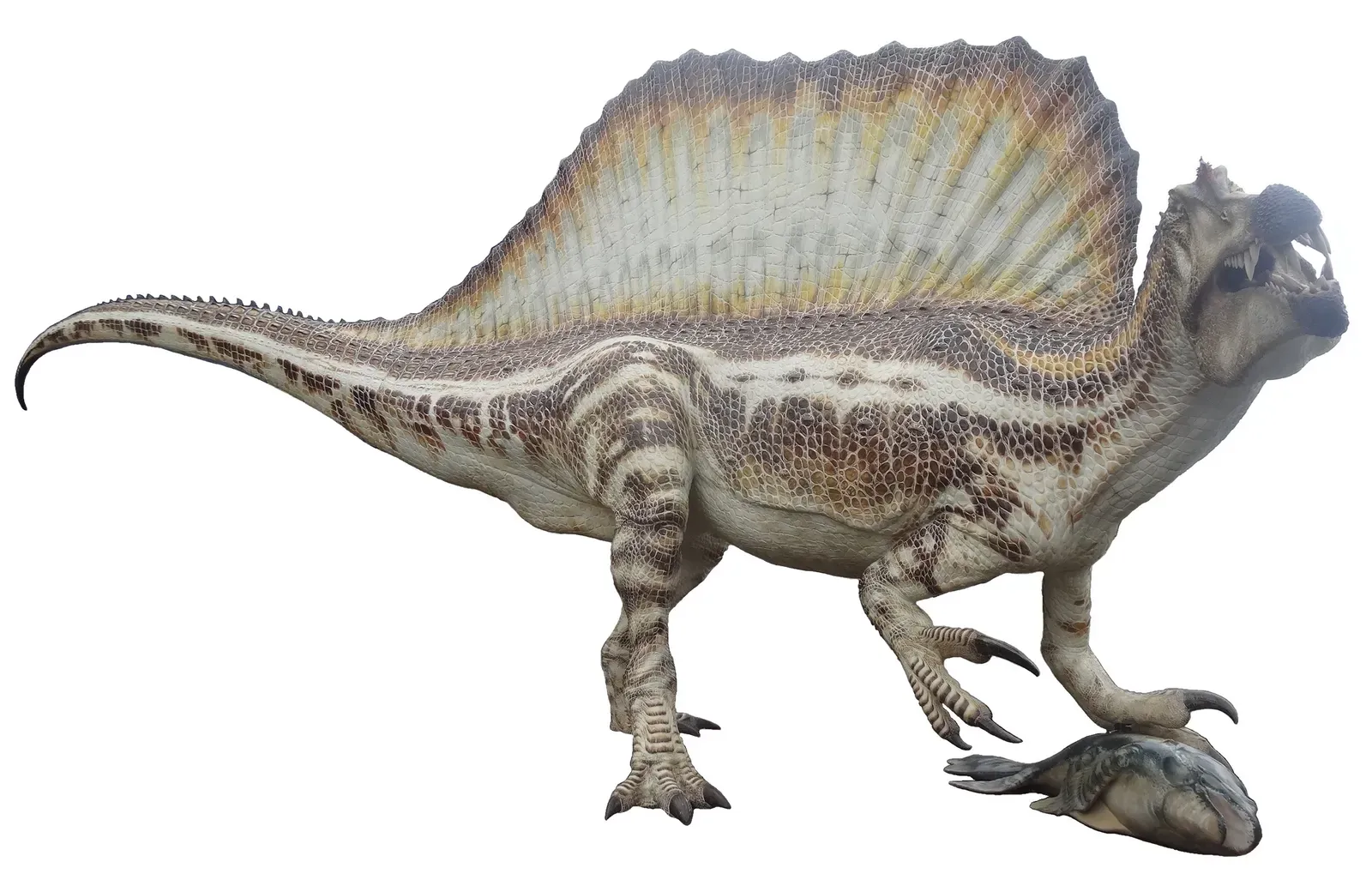
Leo loves the spotlight, and if any dinosaur was physically built to make an entrance, it was Spinosaurus. This massive predator carried an enormous sail-like structure on its back, created by elongated neural spines rising from the vertebrae. The exact function of the sail is still debated – possibilities include display, temperature control, or species recognition – but visually, it was pure drama. Add in its crocodile-like skull and semi-aquatic build and you have a creature that looked nothing like its neighbors.
Research on its bones and limb proportions suggests Spinosaurus spent a lot of time in or near the water, hunting fish and other aquatic prey. That unique ecological niche, combined with its striking body, made it stand out in its environment much like Leo tends to stand out in any room. Whether it was displaying to rivals or attracting mates, the sail likely played a major visual role. This is big main-character energy: not the most subtle hunter, but undeniably unforgettable.
Virgo – Stegosaurus, the meticulous survivor
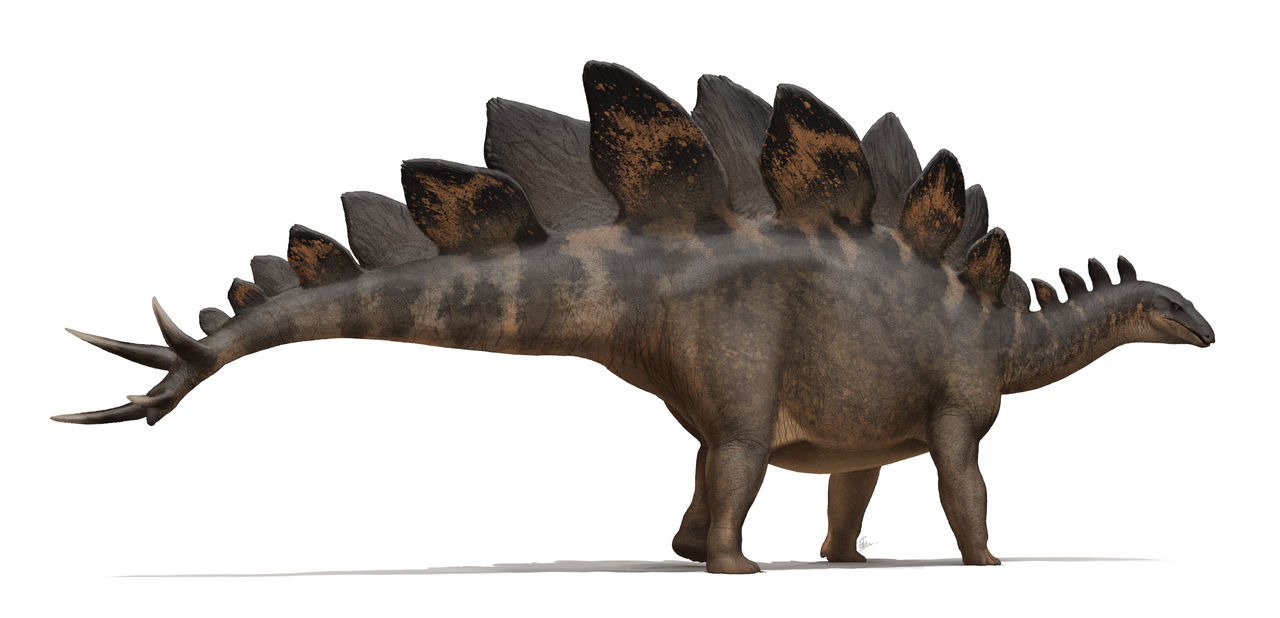
Virgo often gets stereotyped as the cautious planner, and Stegosaurus fits that meticulous, quietly effective archetype better than it first appears. At a glance, it looks almost awkward: small head, big body, and those two staggered rows of plates along its back. But those plates may have helped with display, temperature regulation, or species recognition, forming a carefully organized system rather than random decoration. Its tail spikes, which show wear and damage in some fossils, were likely serious defensive weapons.
Stegosaurus was a low-browsing herbivore, probably feeding on ferns and other ground-level plants. That lifestyle required steady, predictable behavior rather than flashy risks. Virgo energy shows up in how this dinosaur balanced vulnerability with clever design: while its brain was relatively small, its body plan was optimized for defense and efficient feeding. It did not need to be the smartest or fastest; it just needed to be thorough, consistent, and hard to take down – which is exactly how Virgos quietly outlast chaos in real life.
Libra – Parasaurolophus, the graceful social harmonizer
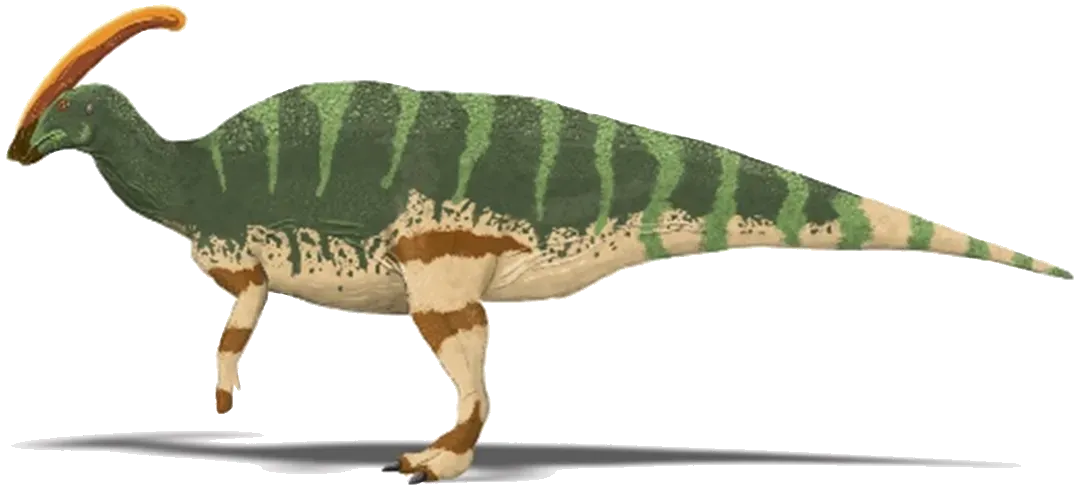
Libra is the sign of balance, aesthetics, and social connection, and Parasaurolophus looks like it was literally designed to be visually striking and acoustically elegant. This hadrosaur carried a long, curved crest on its head, formed by hollow tubes extending from its skull. Studies of that crest suggest it may have acted like a built-in musical instrument, helping produce low, resonant calls that could carry over long distances. That hints at complex communication within groups.
These dinosaurs were likely herd animals, moving together for safety and possibly coordinating through sound. That combination of beauty, harmony, and group dynamics is pure Libra. The crest would also have been a strong visual signal, perhaps helping individuals recognize age, sex, or status. Instead of fighting with claws and teeth, Parasaurolophus leaned into connection, coordination, and shared awareness – very much the energy of a sign that prefers negotiation and aesthetic appeal over brute force.
Scorpio – Velociraptor, the intense strategist
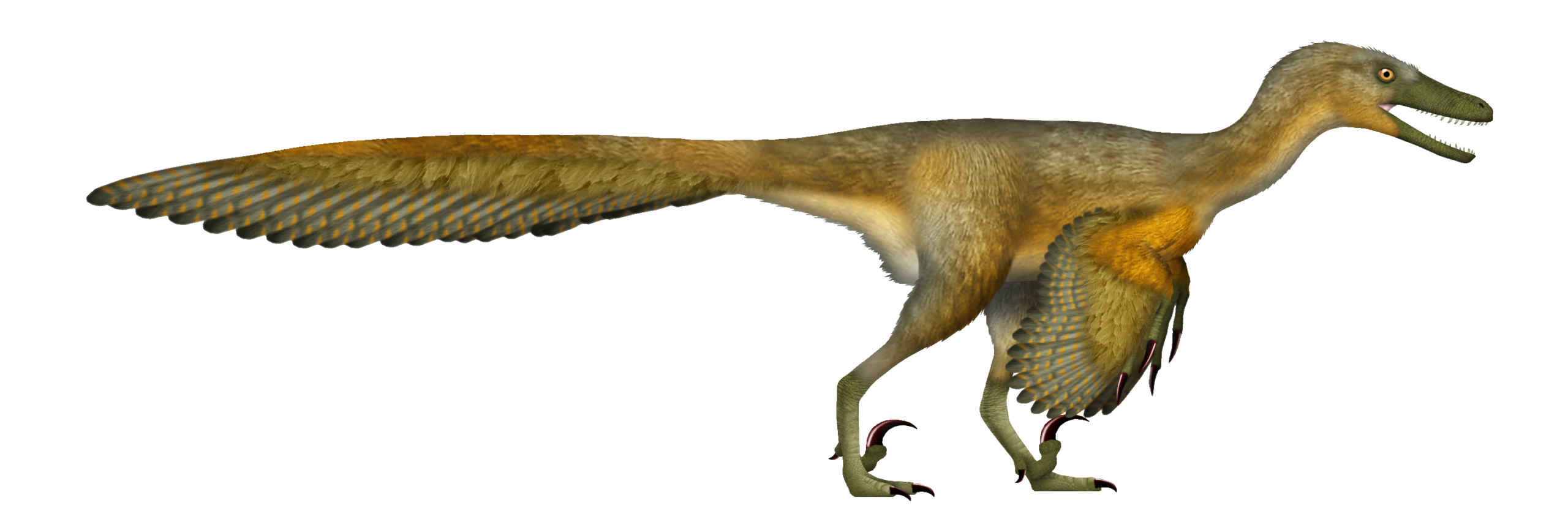
Scorpio is associated with depth, intensity, and strategic thinking, and Velociraptor captures that darker, more focused power surprisingly well. Unlike its oversized movie version, real Velociraptor was smaller, lightly built, and likely feathered, with a large sickle-shaped claw on each hind foot. Its anatomy suggests a predator built for agility, precision, and well-timed attacks rather than chaotic brute strength. Skull and braincase structure indicate keen senses and relatively advanced coordination.
Though debates continue about how cooperatively it hunted, Velociraptor clearly was not a mindless attacker. It likely relied on timing, vulnerability, and terrain to its advantage, much like Scorpio’s reputation for reading the room before making a move. Fossils showing Velociraptor locked in combat with other dinosaurs reveal a willingness to engage in fights that could be lethal for both sides. That all-or-nothing intensity, combined with a quieter, calculating approach, makes this dinosaur the spiritual twin of the sign that is both feared and fascinated over.
Sagittarius – Gallimimus, the restless explorer
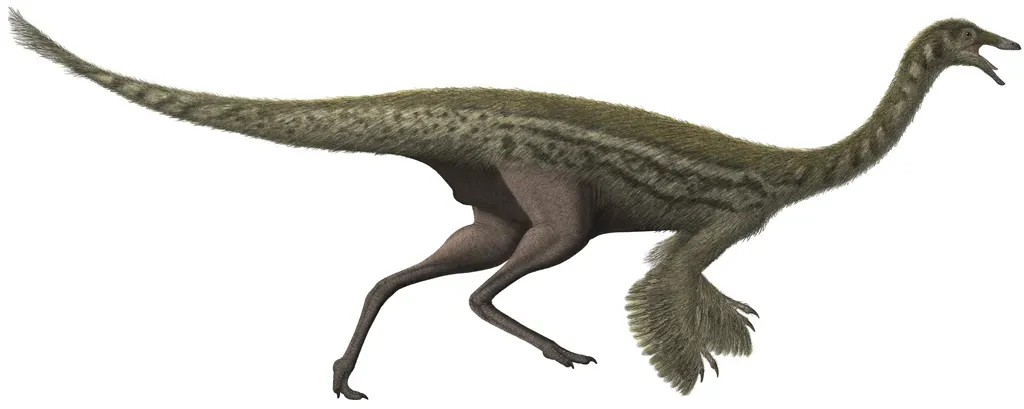
Sagittarius is the free spirit of the zodiac: curious, energetic, always moving toward the horizon. Gallimimus, an ostrich-like dinosaur with long legs and a lightweight body, would have excelled at covering ground quickly. Its limb proportions and joint structure suggest a fast runner, well suited to open environments where speed and endurance mattered. Instead of massive claws or heavy armor, it invested in agility and range.
Its toothless beak and likely omnivorous or herbivorous diet point to a flexible lifestyle, grabbing whatever resources were available rather than specializing too narrowly. That open, exploratory approach fits Sagittarius perfectly. Imagine herds of Gallimimus traversing wide plains, constantly scanning for food, water, and threats, their survival based on staying ahead of danger. If your personality leans toward travel, new ideas, and a low tolerance for stagnation, Gallimimus is your ancient kindred spirit.
Capricorn – Ankylosaurus, the disciplined fortress
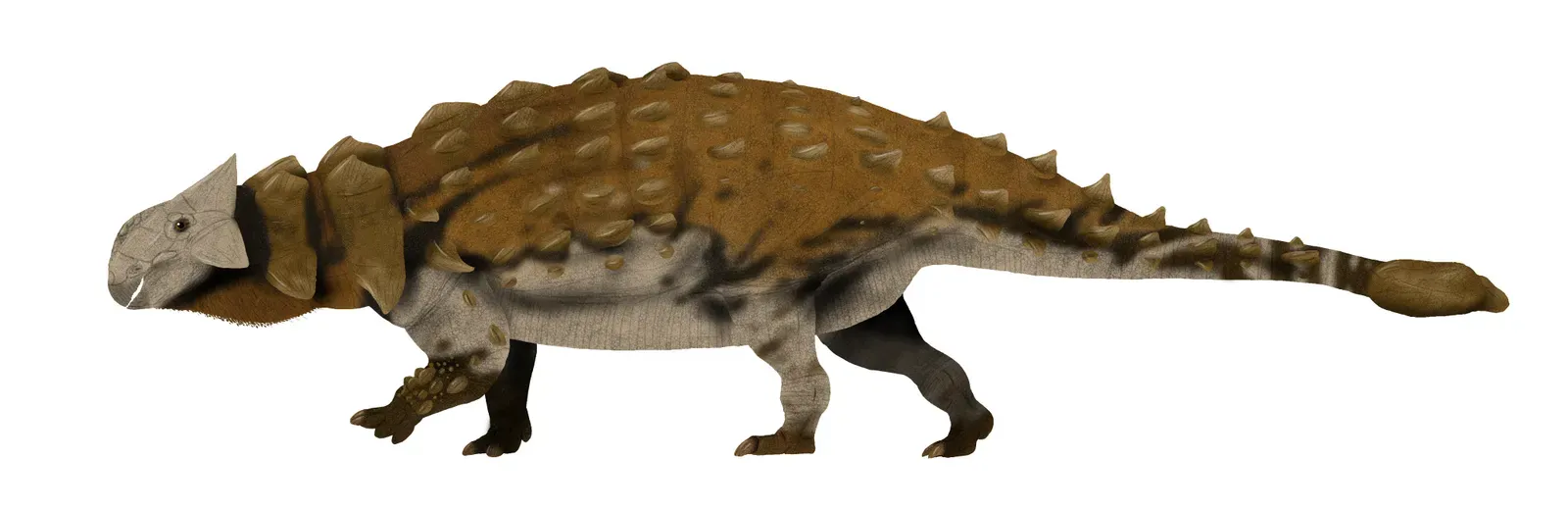
Capricorn is the builder, the sign that plays the long game, and Ankylosaurus is practically a walking metaphor for disciplined resilience. This heavily armored dinosaur carried bony plates fused into its skin, forming a protective shell along its back and flanks. At the end of its tail, it wielded a massive club made from fused vertebrae, capable of delivering serious damage to any predator that got too close. Its design screams long-term survival rather than short-term flash.
Everything about Ankylosaurus points to patience and persistence. It was a low-slung herbivore, probably slow-moving but hard to injure, feeding on vegetation close to the ground. Instead of trying to outrun threats, it made itself extremely expensive to attack – a very Capricorn strategy. This is the dinosaur version of careful savings, emotional boundaries, and well-planned defenses: steady, unshakable, and ultimately still standing after more dramatic species crash and burn.
Aquarius – Therizinosaurus, the eccentric visionary
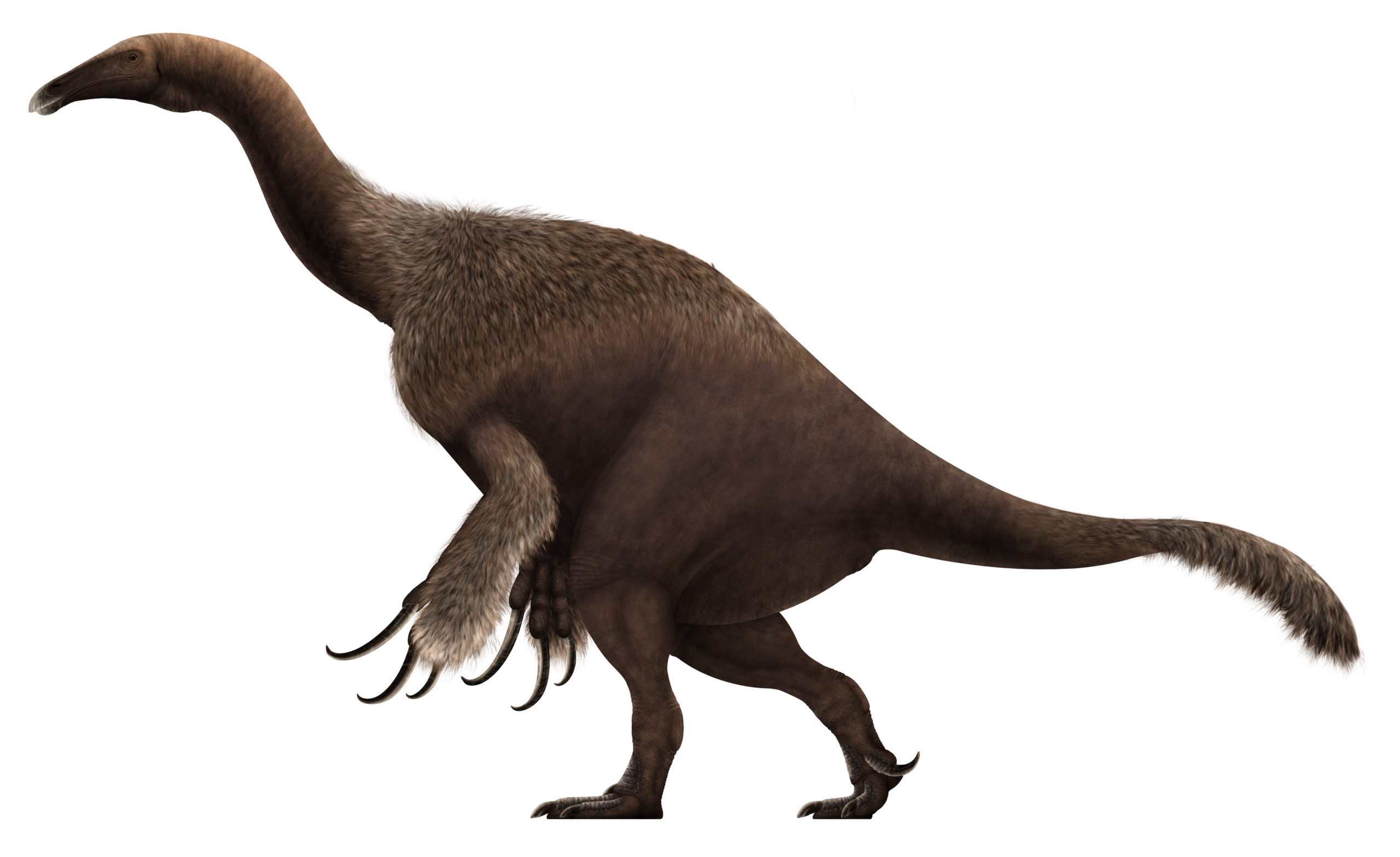
Aquarius is the sign of the visionary outsider, and Therizinosaurus might be the most delightfully strange dinosaur you could match it with. This towering creature had a pot-bellied body, a long neck, and absurdly long claws on its forelimbs – some of the longest claws known in any animal. Yet despite those intimidating weapons, its teeth and jaw structure suggest it was mostly or entirely herbivorous, using those claws likely for pulling branches, defense, or display rather than constant predation.
Its mix of features looks almost like nature’s experimental prototype: part predator silhouette, part peaceful browser. That biological weirdness aligns perfectly with Aquarius, which often values originality over conformity. Therizinosaurus also belonged to a group of theropods closely related to classic carnivores but took a completely different evolutionary path, much like Aquarius choosing the unconventional route when everyone else follows the script. It did not fit the standard dinosaur mold – and that is exactly the point.
Pisces – Elasmosaurus, the dreamy ocean wanderer
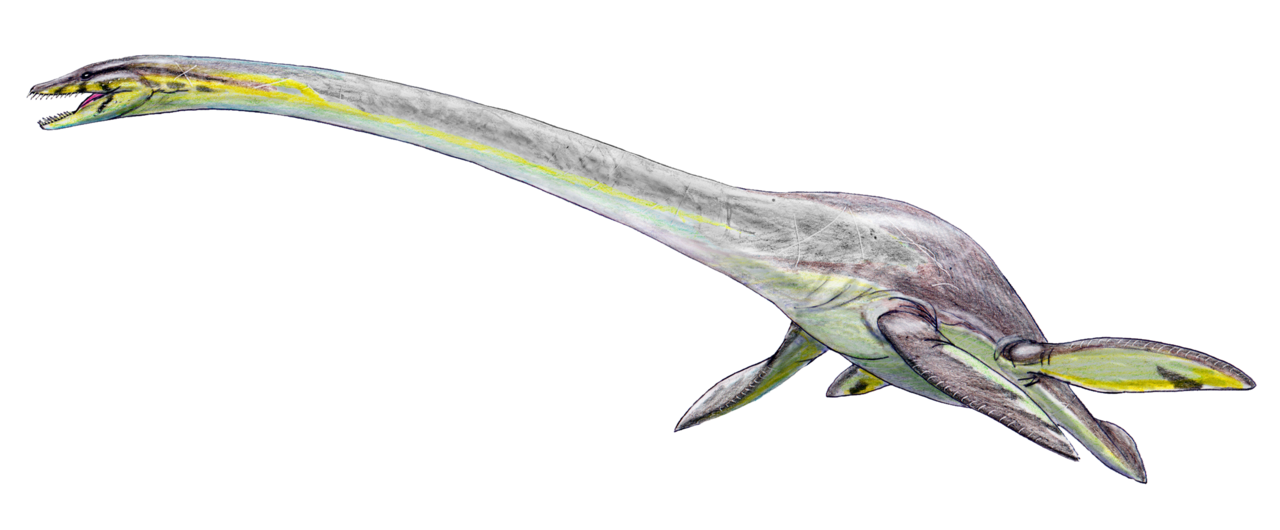
Pisces is deeply tied to water, imagination, and sensitivity, so to match its energy you have to leave the land entirely and look at a marine reptile that lived alongside dinosaurs: Elasmosaurus. Technically not a dinosaur but a plesiosaur, this long-necked swimmer had an extraordinarily elongated neck with dozens of vertebrae, a streamlined body, and flippers built for navigating ancient seas. It likely cruised through the water quietly, using that long neck to approach prey without startling it.
Its lifestyle would have been fluid, literally and figuratively: drifting, diving, and rising through different depths, following schools of fish and shifting currents. That gentle, somewhat mysterious existence reflects Pisces’ association with emotional depth and blurred boundaries. Instead of stomping or charging, Elasmosaurus glided and flowed, relying on grace and positioning. If your sign feels more at home in feelings than in hard edges, this ghostly swimmer from the prehistoric oceans is your cosmic mirror.
Conclusion – What your dino twin really says about you
Matching zodiac signs to dinosaurs might sound like a party game, but the eerie part is how often the fit feels right when you look at what scientists actually know. The bold, risk-taking signs line up with predators that favored confrontation and agility. The patient, grounded signs echo armored herbivores that invested in survival and stability. Even the social, communicative signs mirror species with complex crests, vocal structures, or herd behavior that hint at rich interaction rather than lonely survival.
It is tempting to shrug this off as coincidence, but there is something oddly satisfying about seeing our modern personality archetypes reflected in creatures that ruled the planet long before we existed. At the very least, it is a reminder that the traits we celebrate or struggle with – stubbornness, daring, sensitivity, eccentricity – all have survival logic behind them. Underneath the horoscopes and memes, your sign’s energy has more in common with deep-time evolution than you might think. So now that you have met your dinosaur counterpart, do you feel strangely seen, or would you have guessed a completely different prehistoric self?