
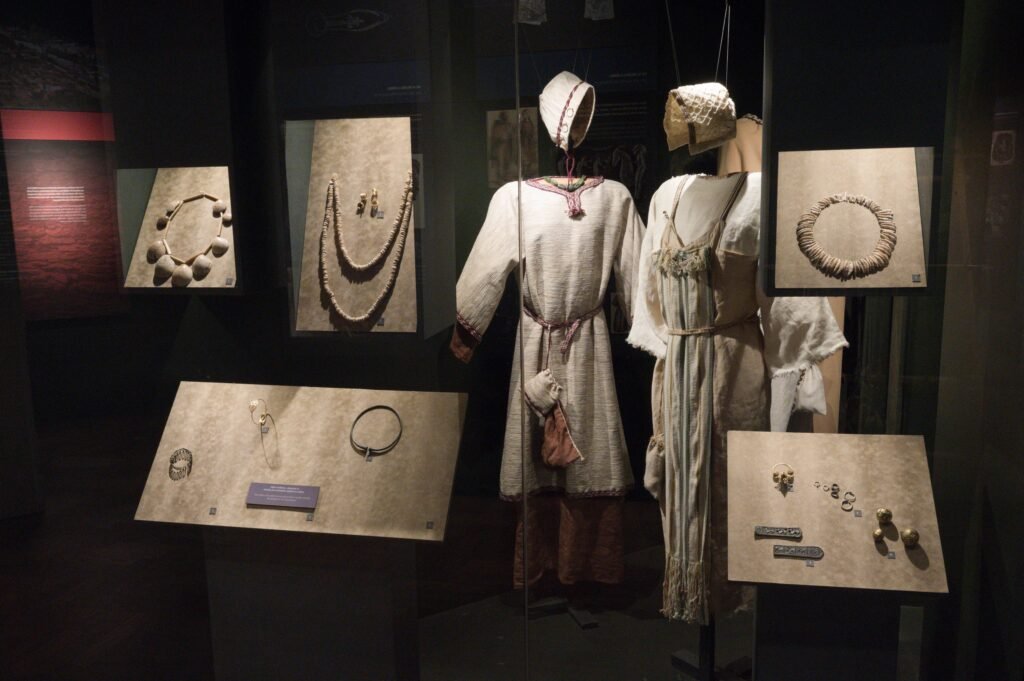
Think about this for a second: long before anyone wrote a poem, built a city, or launched a rocket, someone sat down, picked up a shell or a tooth, drilled a tiny hole, and decided to wear it. They were not making food, tools, or shelter. They were making a signal. That quiet moment, somewhere in deep prehistory, might reveal more about how human minds work than the first time someone sharpened a stone into a blade.
Weapons tell us how our ancestors survived. Jewellery hints at what they dreamed of, feared, hoped for, and wanted others to think of them. And when you look closely at the archaeological record, a striking pattern appears: the earliest widely accepted jewellery predates the clearest evidence of specialized weapons by tens of thousands of years. That gap is not just a detail of prehistory; it is a window into the birth of identity, symbolism, and social imagination.
The Surprising Age Gap Between Jewellery and Weapons
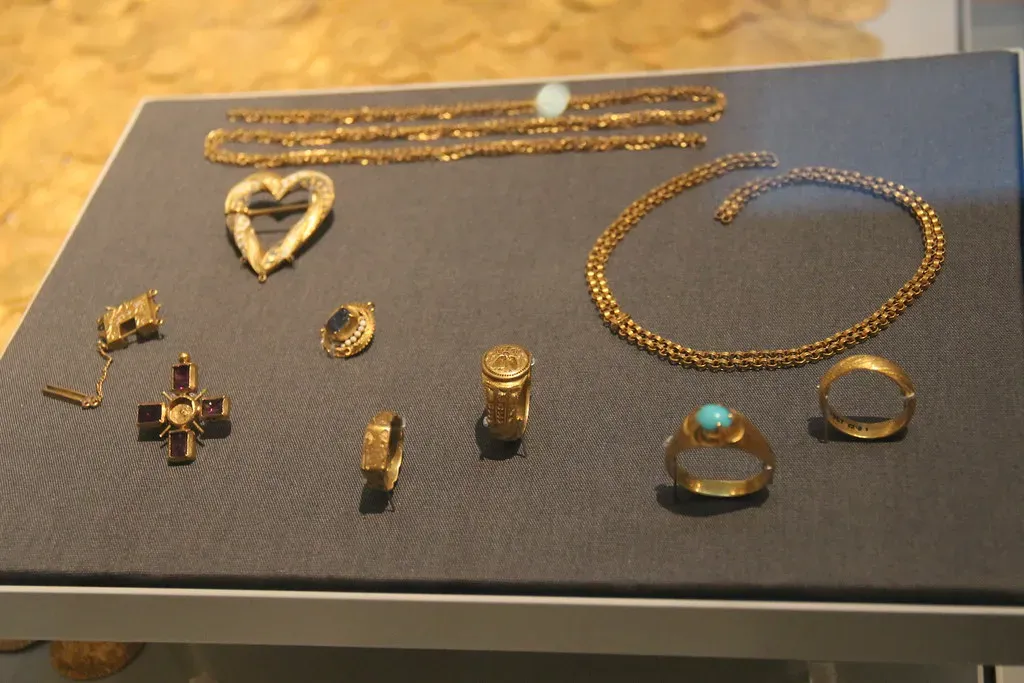
One of the most startling facts in human prehistory is that some of the oldest widely accepted ornaments are extremely ancient. Perforated marine shells and beads found in North and South Africa have been dated to roughly a hundred thousand years ago and beyond, and many researchers see them as deliberate body ornaments. Meanwhile, clear, unambiguous evidence of purpose-built weapons such as bows and arrows, or carefully engineered throwing spears, appears significantly later in the record.
Humans certainly hunted and fought long before jewellery; a sharp stone can serve as both knife and weapon. But the moment you move from a general-purpose tool that can be used to kill, to an object made almost entirely for combat, you step into a different category of design. The fact that jewellery appears early and repeatedly suggests that symbolic display was not an optional luxury tacked onto survival, but part of the basic package of being human. In other words, while weapons tell us that humans needed to eat and defend themselves, jewellery suggests that they also needed to be seen, recognized, and understood.
Weapons Solve Problems; Jewellery Creates Meanings
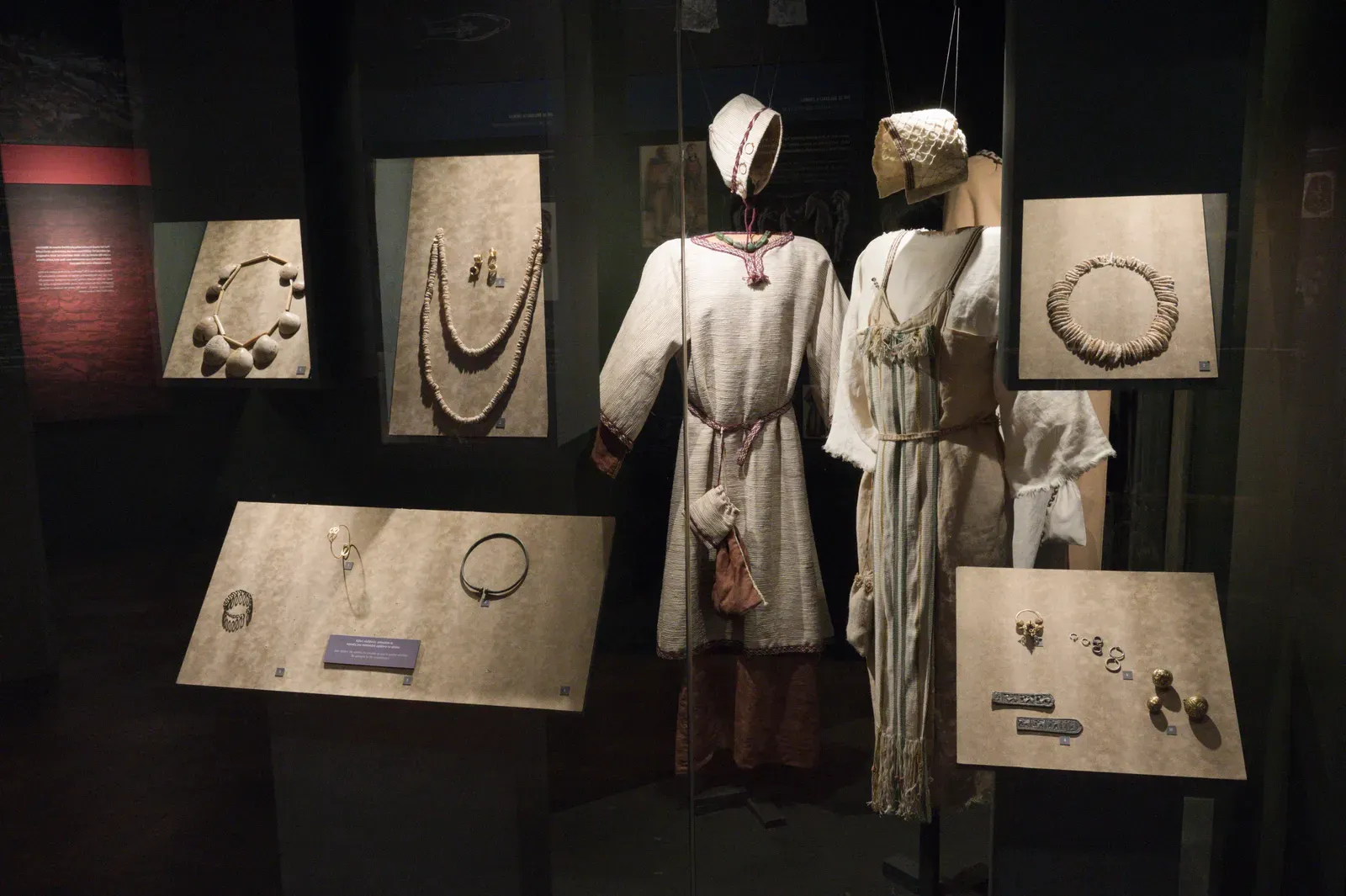
Weapons are problem-solvers. They make it easier to bring down prey, fend off predators, or win conflicts with rivals. You can draw a straight line from a need in the environment to the design of a spear or a club. Early tools and weapons are often brutally practical: efficient shapes, hard edges, and wear patterns that show heavy use. They reveal intelligence and planning, but mostly in the realm of survival and mechanics.
Jewellery, by contrast, is meaning-made-solid. A bead, pendant, or carefully arranged tooth necklace does not fill a stomach or block the wind. Its power comes from what other minds see in it: status, courage, grief, loyalty, or connection to a group. When early humans chose to spend time shaping a useless but beautiful or distinctive object, they were investing in shared ideas rather than immediate payoffs. That leap from “Does this help me hunt?” to “What does this say about me?” is a cognitive revolution that weapons alone cannot fully explain.
Jewellery and the Birth of Symbolic Thinking
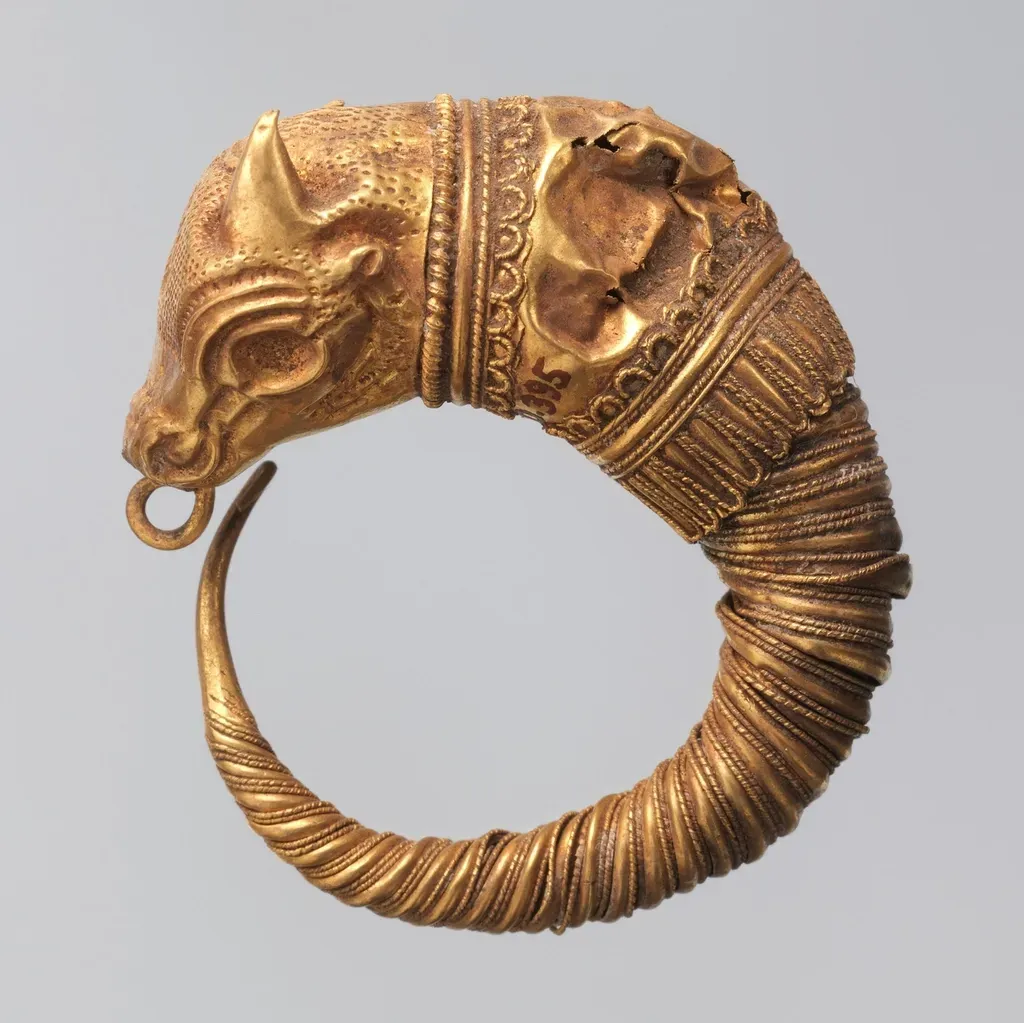
Archaeologists often treat early beads and pendants as markers of symbolic behavior, and for good reason. To wear a shell from the sea hundreds of kilometers inland means you are pointing to something beyond the object itself: a journey, a story, or a special connection. The object becomes a symbol, a stand-in for invisible qualities such as bravery, belonging, or even a relationship with the supernatural. That ability to let one thing represent another is at the core of language, art, and complex culture.
Weapons can show planning and cooperation, but jewellery forces a different kind of mental move. If you and I agree that a certain color bead means adulthood, or a specific pattern marks a successful hunter, then we are operating inside a shared symbolic system. We are no longer just reacting to the physical world; we are living inside a web of meanings we collectively build and maintain. That step is what allows myths to spread, norms to form, and identities to harden or soften over time.
Identity, Status, and the First Human “Brands”
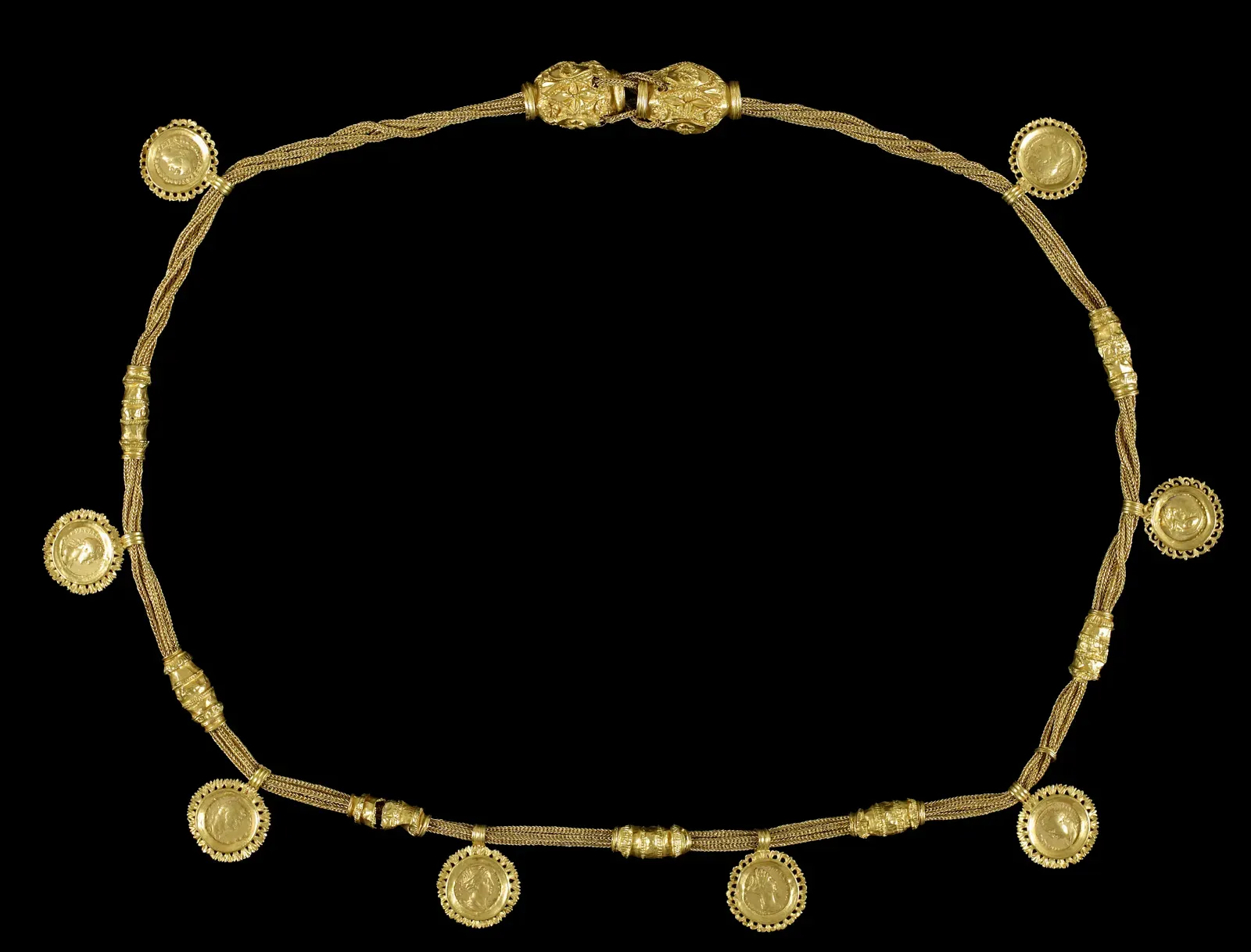
Look around today and you see logos, fashion trends, and accessories that instantly signal who belongs where. Something similar was already underway when the first humans strung shells on sinew or decorated their hair and skin. Those early ornaments were not random; they marked age, alliances, achievements, or roles in the group. In a sense, jewellery became the first human brand language, one you wore on your body instead of buying in a store.
Weapons can certainly signal power, but their meaning is mostly direct and physical: whoever holds the bigger club has the immediate advantage. Jewellery, however, works more subtly. It can show accumulated trust, respect, or shared history that no single fight can decide. When you see a particular style of beadwork or carving, you are not just seeing an individual; you are reading a story about kinship groups, trade networks, and reputations built over years. That focus on identity and social position reveals a mind obsessed not only with survival, but with belonging and recognition.
Social Bonds, Cooperation, and the Costly Signal of Beauty
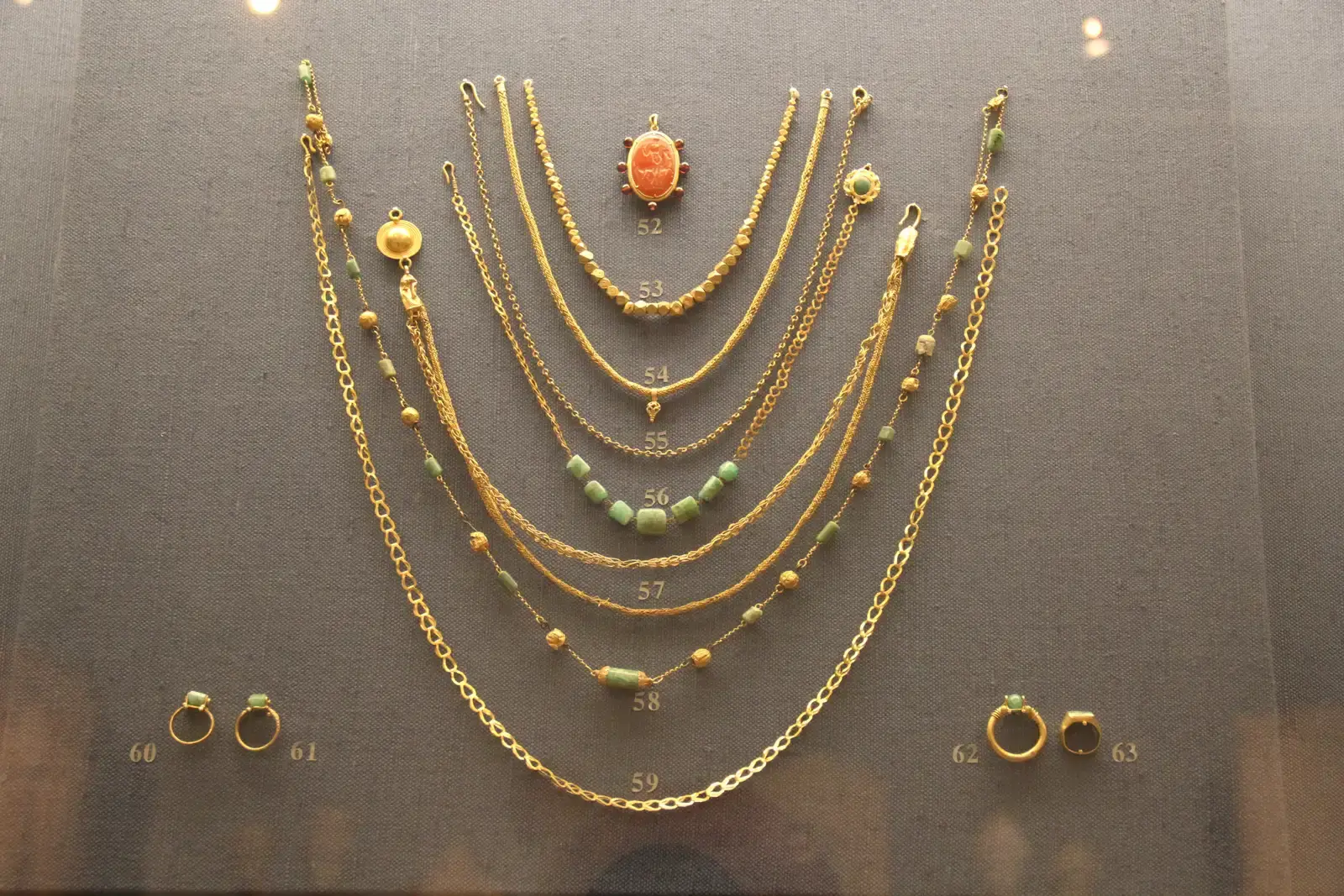
One powerful idea in evolutionary thinking is that of costly signals: behaviors or displays that are expensive to produce but send a strong message about the person displaying them. Jewellery fits this pattern beautifully. Collecting rare shells, carving bone, or polishing stone takes time and skill that could have been spent on food or rest. By doing it anyway, early humans might have been showing that they were competent, connected, or valuable enough to afford the luxury.
This kind of signaling strengthens cooperation. If you can quickly read someone’s ornaments and understand that they are part of your group, follow specific customs, or carry a respected role, you can trust them more easily. Shared styles of jewellery can knit communities together across distances, like a prehistoric version of a team jersey. Weapons do play a role in reputation, but often a violent and risky one. Jewellery lets people compete and cooperate in more nuanced ways, where prestige can come from craftsmanship, generosity, or adherence to group values rather than sheer force.
Emotion, Memory, and the Inner Life Behind Adornment
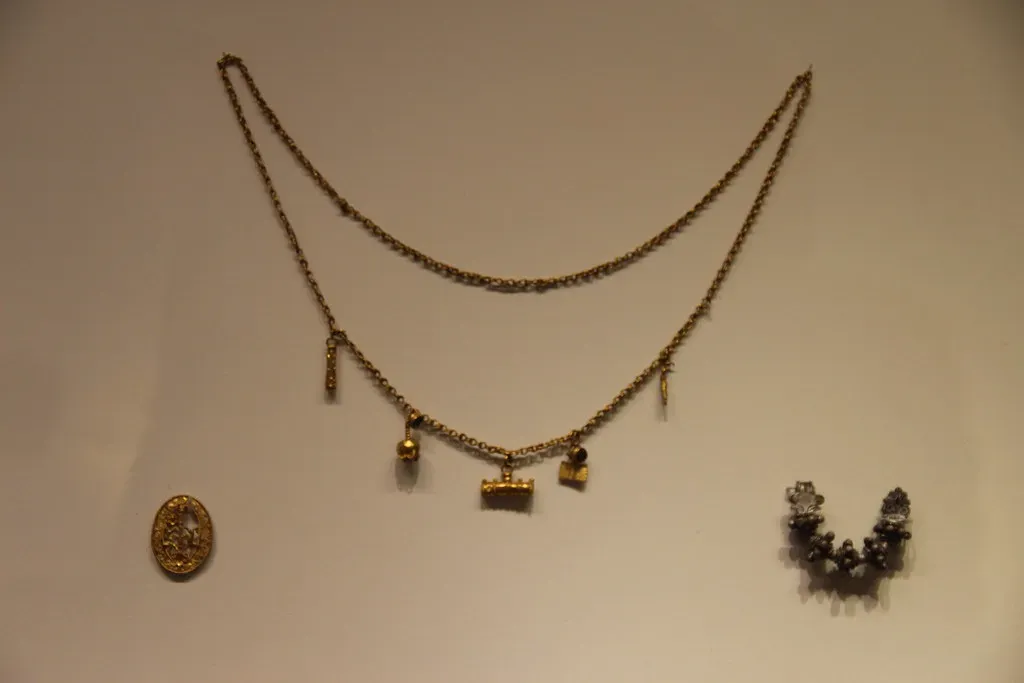
There is also a powerful emotional layer to early jewellery that weapons rarely match. A spear is usually about the next hunt; a pendant might be about someone who died, a promise made, or a story passed down. It is not hard to imagine a parent keeping a decorated object tied to memories of a child, or a group crafting ornaments used only in rituals that mark life transitions. Even if the details are lost to time, the careful shaping and repeated patterns suggest emotional investment beyond casual decoration.
Jewellery can also act as portable memory. Every bead could remind its wearer of a journey, a danger survived, or a relationship sealed. In that sense, early ornaments hint at an inner life packed with narratives, attachments, and long-term feelings. Weapons, while vital, stay closer to the immediate cycle of threat and response. Jewellery whispers that humans were already telling themselves stories about who they were and where they came from, long before they etched those stories into stone or clay.
Creativity, Aesthetics, and the Human Love of Pattern
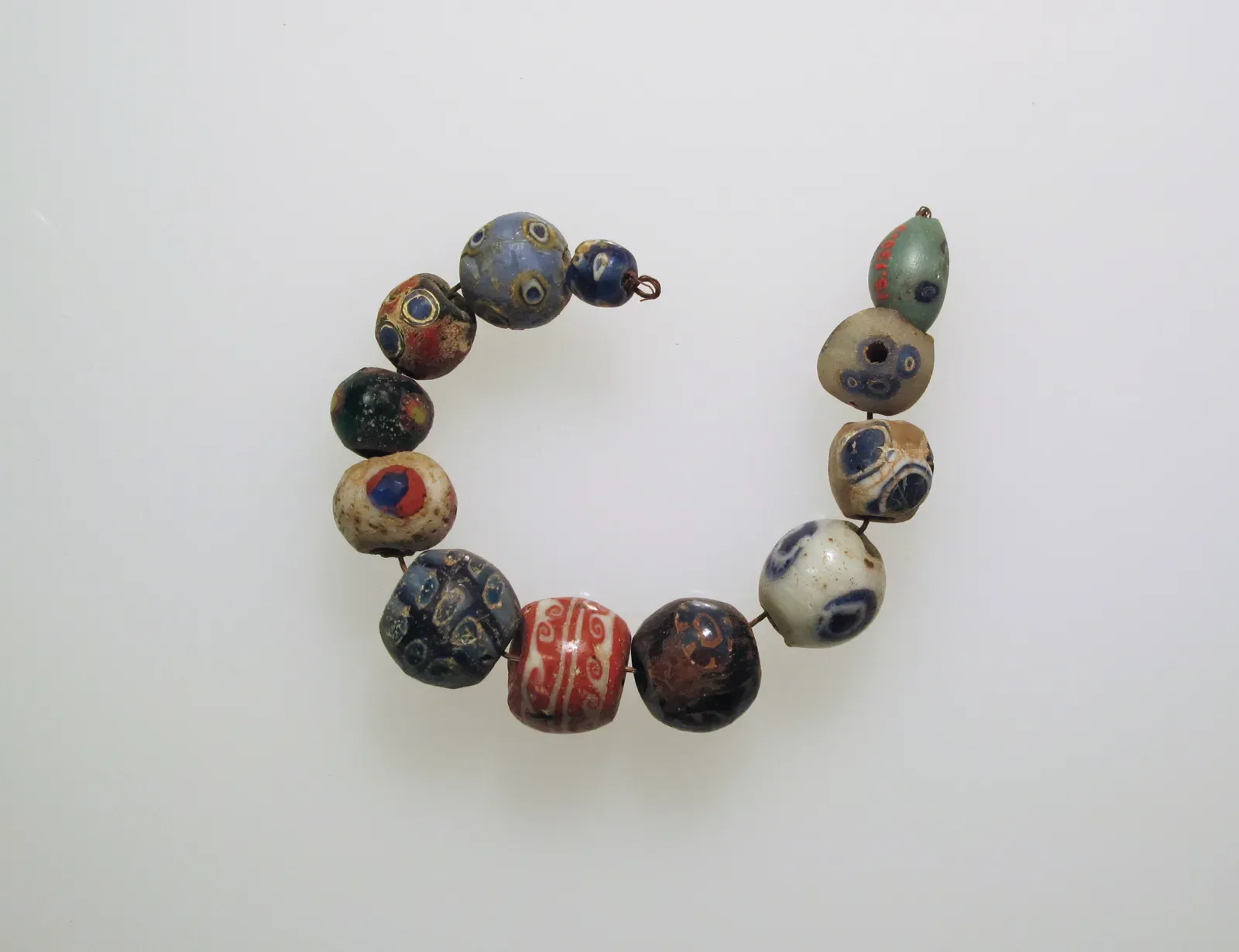
Another striking difference between the first jewellery and the first weapons lies in the realm of aesthetics. Many of the earliest known ornaments show a love of symmetry, rhythm, and contrast. Beads are often arranged in repeating sequences; colors or materials might alternate in ways that serve no practical purpose besides looking and feeling right to the maker. That sense of pattern for its own sake is a clue that beauty itself had psychological value early on.
Weapons can also be elegant, but their design is usually constrained tightly by function: too heavy and you cannot throw it, too thin and it breaks. Jewellery is freer. It can be delicate, oversized, or strangely shaped, as long as it carries the message and pleases the eye or the group. That freedom opens the door to experimentation, personal style, and what we might today call taste. It suggests that the human mind was not only pragmatic but also restless, always searching for ways to turn raw materials into something that resonates emotionally and visually.
The Cognitive Leap from Survival Tools to Social Worlds
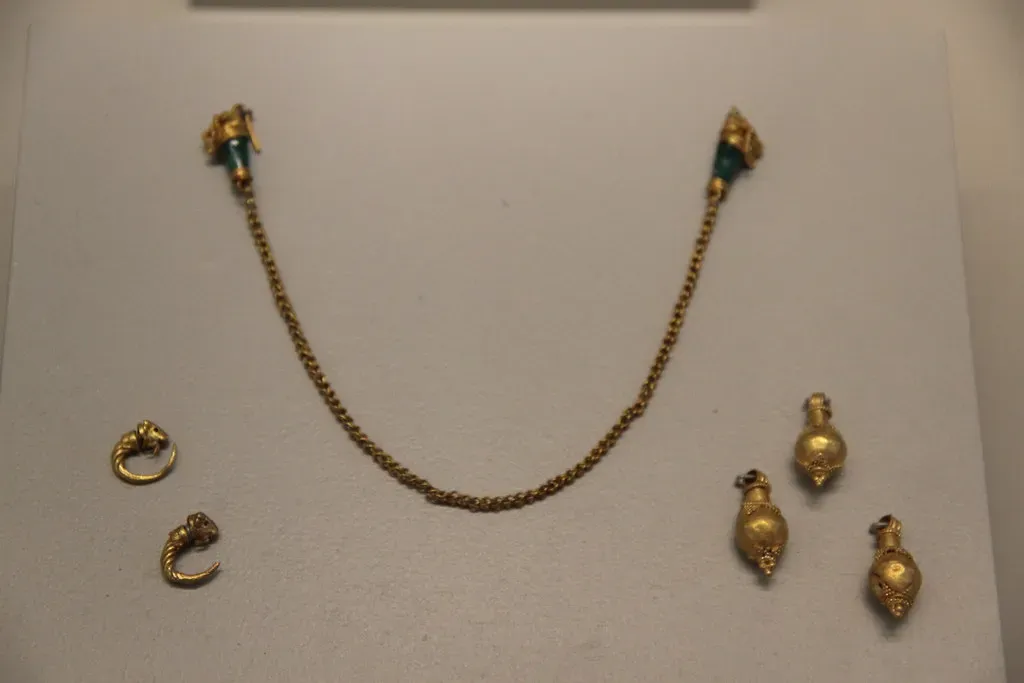
When you put all these threads together, a picture emerges: early weapons tell us humans were clever animals; early jewellery tells us they were already complex social beings. Designing a better spear requires problem-solving, foresight, and motor skills. Designing jewellery demands those same abilities plus an extra layer of abstract thinking: you have to imagine what others will see, feel, and believe when they look at you. That kind of mental time travel and perspective-taking is a hallmark of advanced cognition.
In my view, this is why the first jewellery can be an even deeper window into the human mind than the first weapons. It exposes our drive to build invisible worlds of meaning on top of the visible one, to turn objects into signs and bodies into messages. It hints that long before we built empires or wrote philosophies, we were already negotiating identity, status, love, and loyalty with small pieces of crafted matter. Weapons show that we mastered the outer world of force; jewellery suggests we were equally consumed by the inner world of stories and selves.
Conclusion: What Our First Ornaments Reveal About Us
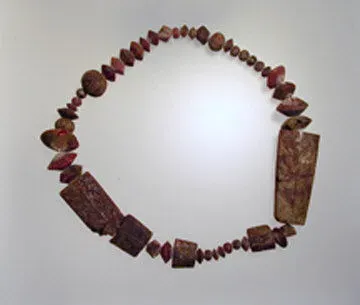
Stepping back, I think the most striking lesson from these ancient beads and pendants is how early humans started behaving like the kind of people we still are today. We have always cared about more than staying alive. We have cared about how we appear, who we belong to, and what kinds of invisible qualities we can project into the world around us. The first jewellery is like a fossilized thought: a tiny, durable trace of someone deciding that meaning matters, not just muscle and speed.
If I had to choose, I would say that our first ornaments reveal more about the human mind than our first weapons because they showcase the parts of us that are least mechanical: imagination, symbolism, emotion, and the hunger for recognition. A sharper spear tells you that we feared hunger and danger; a string of shells tells you that we also feared being nobody, being unseen, being outside the story. In a world obsessed with ever more powerful tools, it is worth remembering that some of the most revealing technologies we ever made were small, fragile, and worn close to the skin. When you picture that first human tying on a bead, what do you think they were really trying to say?