
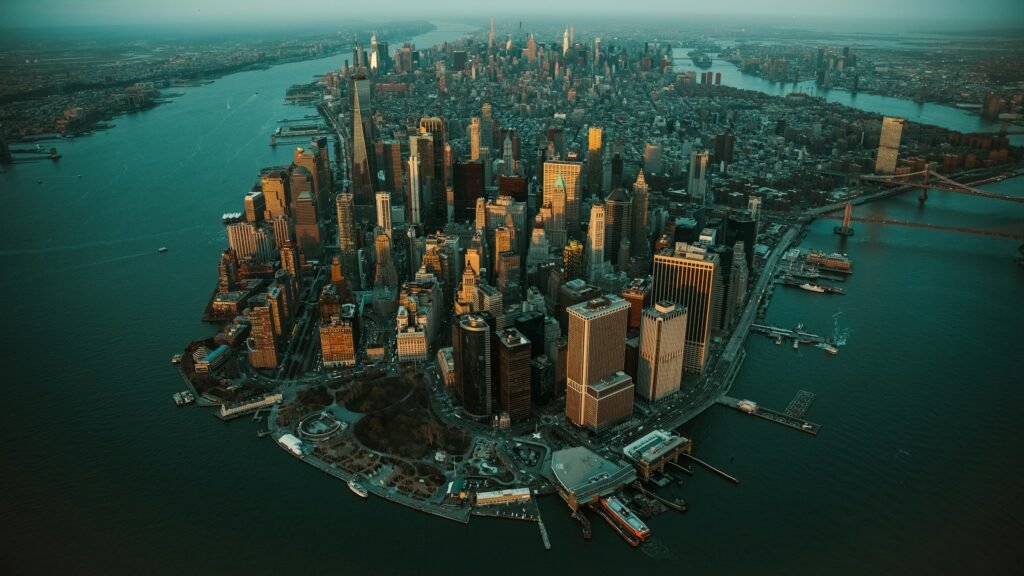
Most people assume sinking cities are a slow-motion, far-off problem – something happening to someone else’s coastline decades from now. Turns out, that’s dead wrong. Satellite radar data released in 2025 revealed that 25 of the 28 largest U.S. cities are already sinking, some by inches a year, not the millimeters scientists used to expect.
Meanwhile, entire capital cities overseas are dropping so fast the shift is visible from space, and one government is now spending over $100 billion just to move its capital somewhere else. Groundwater pumping, heavy buildings, and decades of bad urban planning have quietly turned “sinking city” from a Venice-only cliché into a global emergency – and the list below ranks exactly how bad it’s gotten, city by city.
#1 – Venice, Italy: The Original Sinking City Isn’t Actually Slowing Down
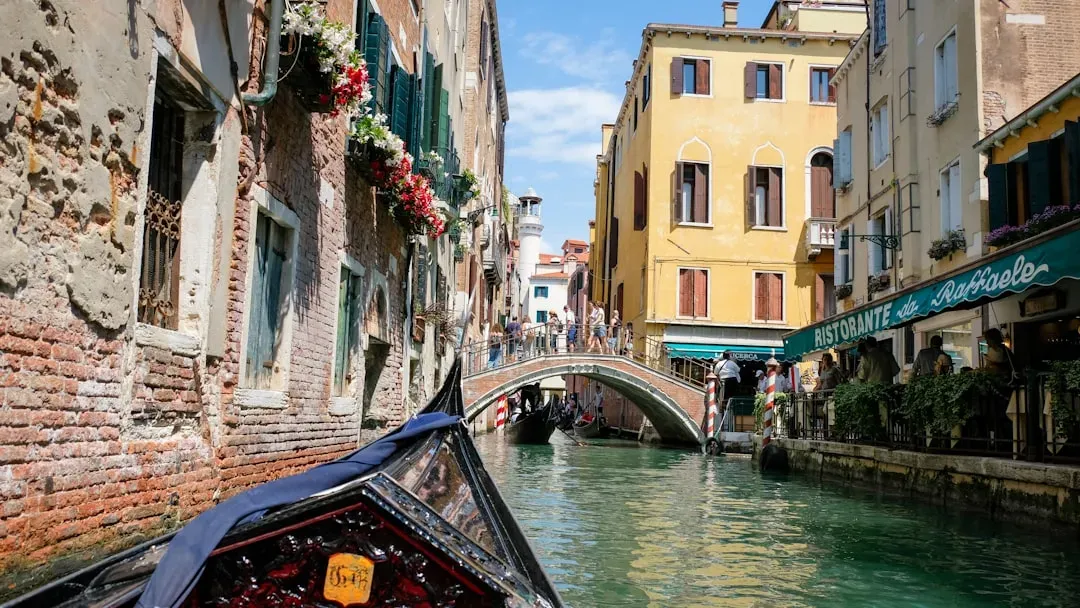
Everyone knows Venice sinks – it’s basically the city’s brand at this point. But most people don’t realize the sinking itself has actually slowed compared to the 20th century, when unchecked industrial groundwater pumping caused the sharpest drops.
The real threat now isn’t the sinking rate alone – it’s the combination punch. Venice is subsiding at roughly 0.08 inches (0.2 centimeters) a year from groundwater extraction, and centuries of heavy buildings have been slowly compacting the soil underneath it the whole time.
Even a $6.5 billion engineering marvel hasn’t fixed it. The MOSE sea wall was supposed to stop Venice from flooding, yet most of the city still goes underwater during severe acqua alta events. Experts now argue the barrier bought Venice time, not a solution – a genuinely controversial take among Italian officials who’ve staked serious political capital on the project.
But #2 exposes a problem hiding under one of America’s most iconic skylines.
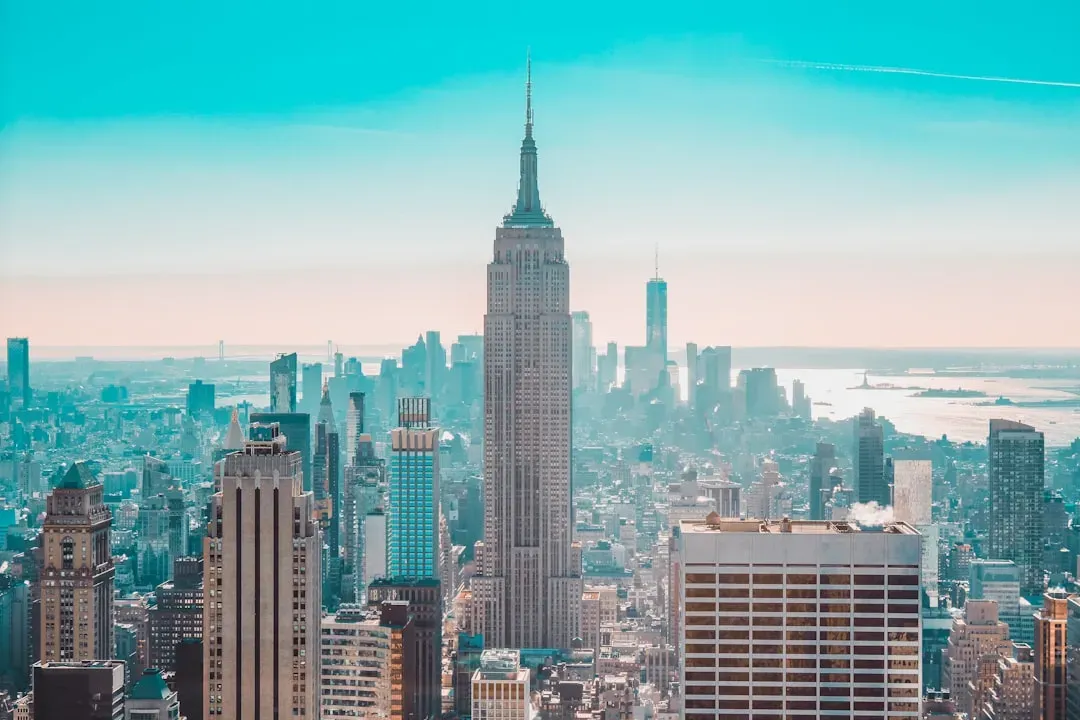
#2 – New York City: Skyscrapers Are Literally Weighing Manhattan Down
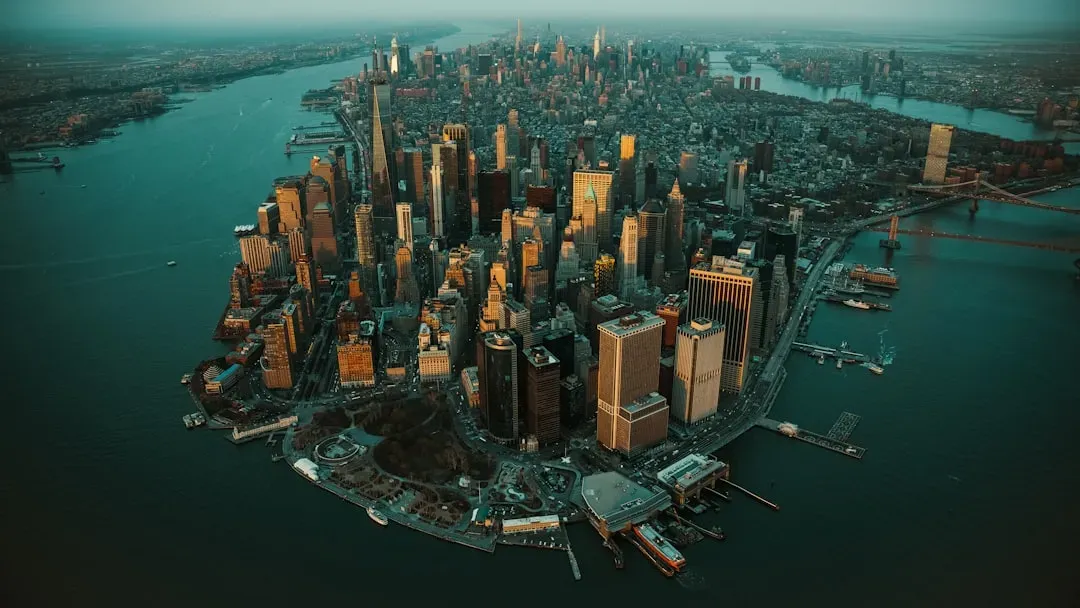
New York doesn’t scream “sinking city,” but insiders in the geoscience world have been sounding alarms for years. The shocking part isn’t the rate – it’s how uneven it is.
Cities sinking faster than 2 millimeters per year now include New York, Chicago, Houston, Dallas, Fort Worth, Columbia, Seattle, and Denver. That might sound small, but uneven sinking is the real villain here.
In places like New York, Las Vegas, and Washington, DC, that unevenness cracks and destabilizes roads, buildings, and bridges – and if the ground sinks far enough, it opens the door to flooding. Hot spots have already emerged around La Guardia Airport. Combine that with rising Atlantic sea levels, and low-lying boroughs face a double squeeze most residents haven’t even considered yet.
Fast Facts
- Cities sinking faster than 2mm/year: New York, Chicago, Houston, Dallas, Fort Worth, Columbia, Seattle, and Denver
- Subsidence hot spots already flagged near La Guardia Airport
- Uneven sinking – not the raw rate – is what cracks roads, bridges, and building foundations
- Low-lying boroughs face a double squeeze from sinking ground plus rising Atlantic sea levels
Still, nothing here is quite as blindsided as what’s happening in Lagos.
#3 – Lagos, Nigeria: Africa’s Megacity Is Sinking Twice as Fast as the Global Average
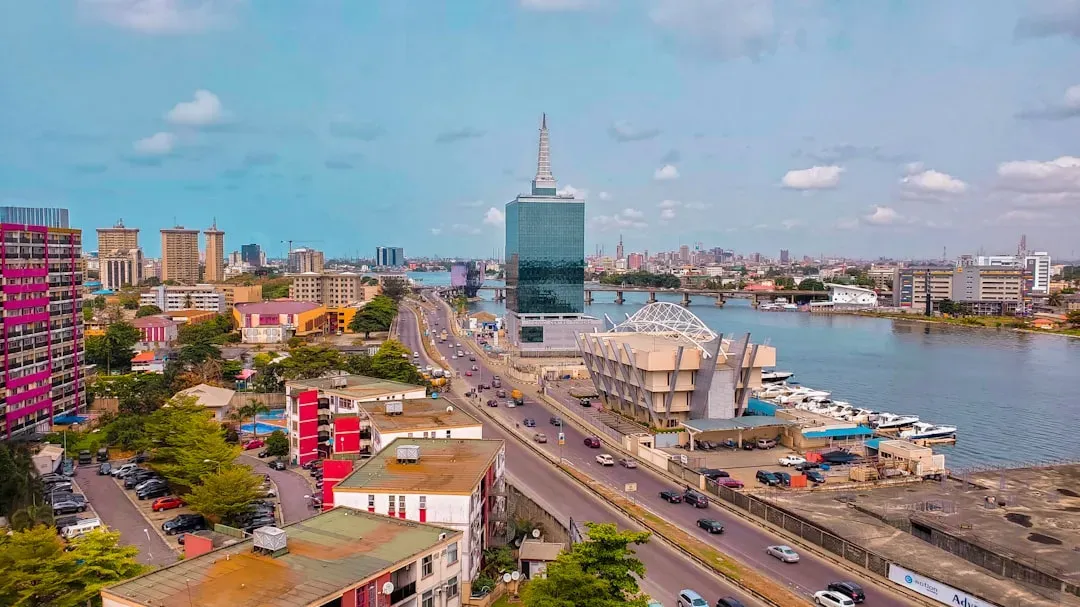
Nobody talks about Lagos in the sinking-cities conversation, and that’s exactly the problem. This 20-million-person megacity is quietly subsiding at nearly double the worldwide rate.
Major coastal subsidence hot spots now include Jakarta (13.7 mm/year), Tianjin (13.5 mm/year), Bangkok (8.5 mm/year), Lagos (6.7 mm/year), and Alexandria (4 mm/year). That 6.7mm figure lands Lagos firmly in dangerous territory, and researchers tracking Africa’s coastline have found a troubling pattern repeating across the continent.
Land subsidence along the African coast is now outpacing sea level rise itself, with many cities sinking at roughly 10 millimeters per year – twice the global average – including Lagos, Alexandria, and Douala, Cameroon. With minimal flood infrastructure and explosive population growth, Lagos is arguably more vulnerable than cities that get far more media attention.
Bangkok’s story, though, adds a wrinkle nobody saw coming.
#4 – Bangkok, Thailand: Built on Clay That’s Basically Collapsing Under Its Own Weight
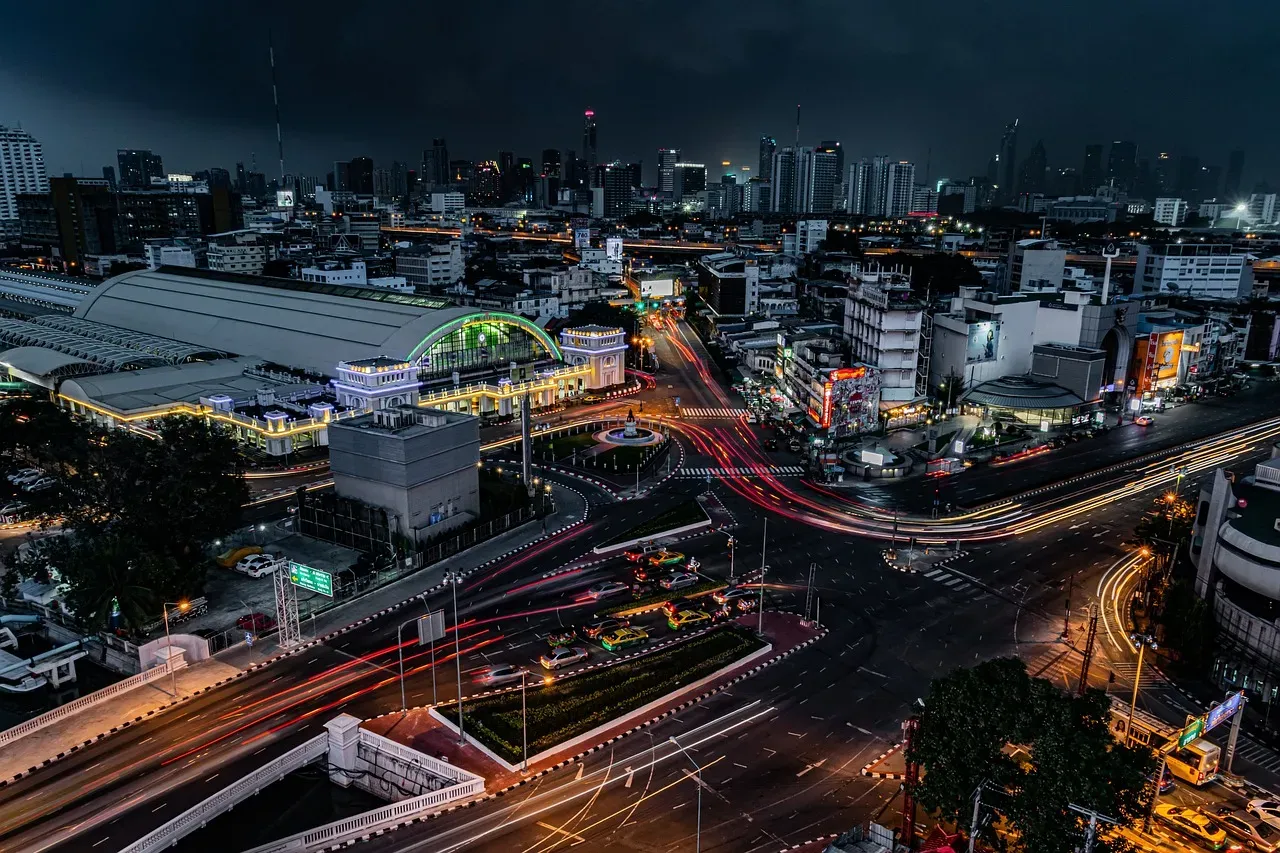
Bangkok’s skyline looks indestructible. Underneath it, though, is a geological disaster waiting to happen. The soil itself is the enemy here, not just the water.
Bangkok’s heavy buildings sit on highly compactable clay soil, and decades of excessive groundwater extraction have made things worse. The financial consequences are staggering once you run the numbers – a 2012 World Bank report predicted land subsidence alone would drive nearly 70 percent of the city’s rising flood costs by 2050.
Officials have known about this for over a decade, yet enforcement of groundwater restrictions has been inconsistent. Bangkok is now sinking more than a centimeter a year and could dip below sea level by 2030, according to The Guardian. That’s not a distant hypothetical – that’s within a decade.
New Orleans takes this from bad to almost unbelievable.
#5 – New Orleans, USA: Post-Katrina Levees Made the Sinking Worse, Not Better
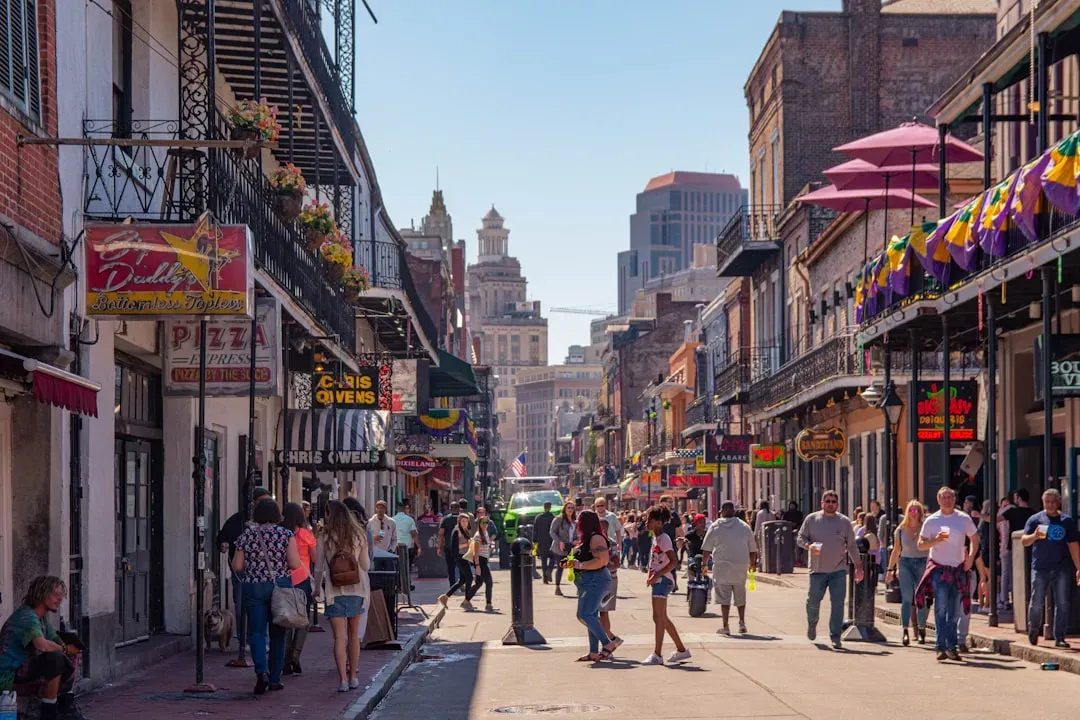
Here’s an uncomfortable truth few want to say out loud: the very infrastructure built to protect New Orleans may be accelerating its collapse. Levees stopped natural sediment replenishment, and the ground has been paying the price ever since.
Much of the city sits below sea level on soft delta soils near the Mississippi River. Levees and drainage systems block the natural sediment that would normally rebuild the land, so the ground just keeps compacting and sinking.
Satellite data has confirmed how localized and severe this gets. The highest rates showed up upriver around industrial areas in Norco and Michoud, with up to 2 inches (50 millimeters) of sinking a year – that’s an inch every six months in some neighborhoods. Pre-Katrina studies already flagged this, finding much of New Orleans subsiding 8 millimeters a year relative to global sea level.
Worth Knowing
- Norco and Michoud industrial areas: up to 2 inches (50mm) of sinking every year
- Pre-Katrina studies found much of the city sinking 8mm/year relative to global sea level
- Levees block the natural sediment flow that once rebuilt the land
- Much of New Orleans already sits below sea level on soft delta soil
Then there’s Houston, and the numbers here are almost hard to believe.
#6 – Houston, USA: America’s Fastest-Sinking City, and It’s Not Close
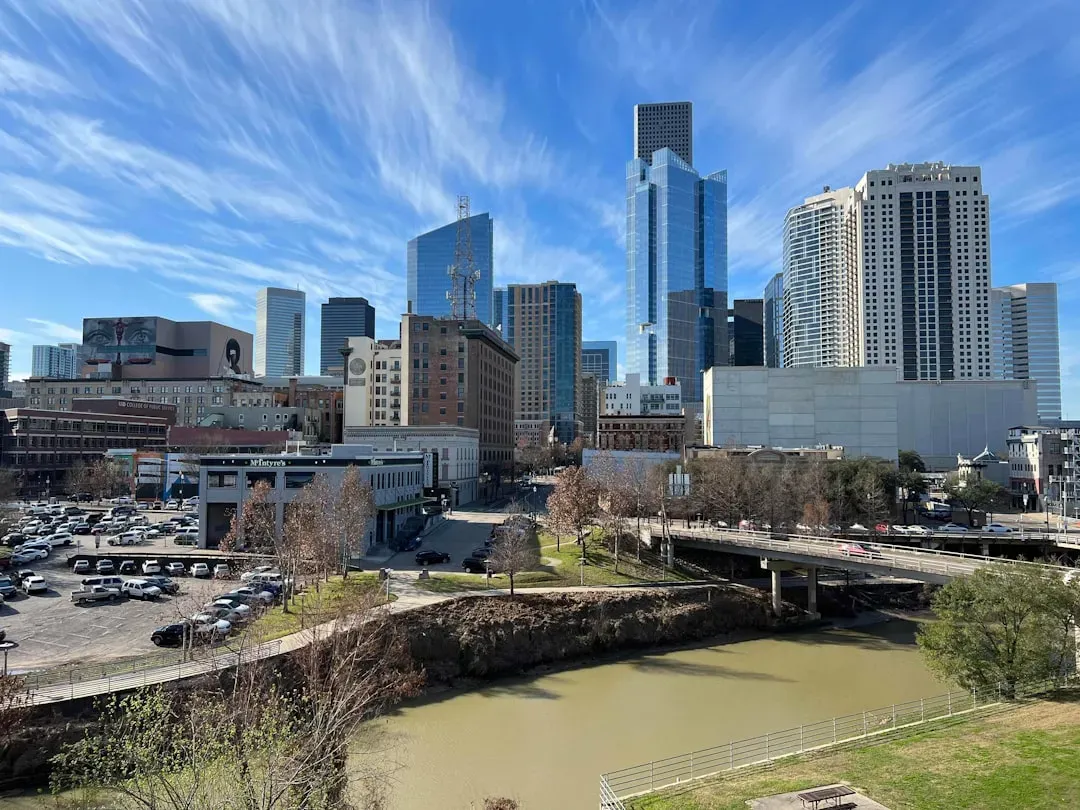
If you think American infrastructure is immune to this crisis, Houston is here to correct you. This city isn’t just sinking – it’s sinking faster than any other major U.S. metro, by a wide margin.
Houston is the fastest-sinking city out of all 28 U.S. cities recently studied by satellite. Just over 40 percent of its land is subsiding faster than 5mm a year, largely thanks to long-term groundwater mining and oil and gas extraction, and 12 percent is subsiding faster than 10mm a year.
Some pockets are even worse than the citywide average suggests, with certain hot spots dropping five centimeters annually. Five centimeters. In a single year. That’s not subtle erosion – that’s a city actively swallowing itself.
Yangon’s situation, meanwhile, is a warning about what happens with zero oversight.
#7 – Yangon, Myanmar: A Rapidly Expanding City With Almost No Oversight
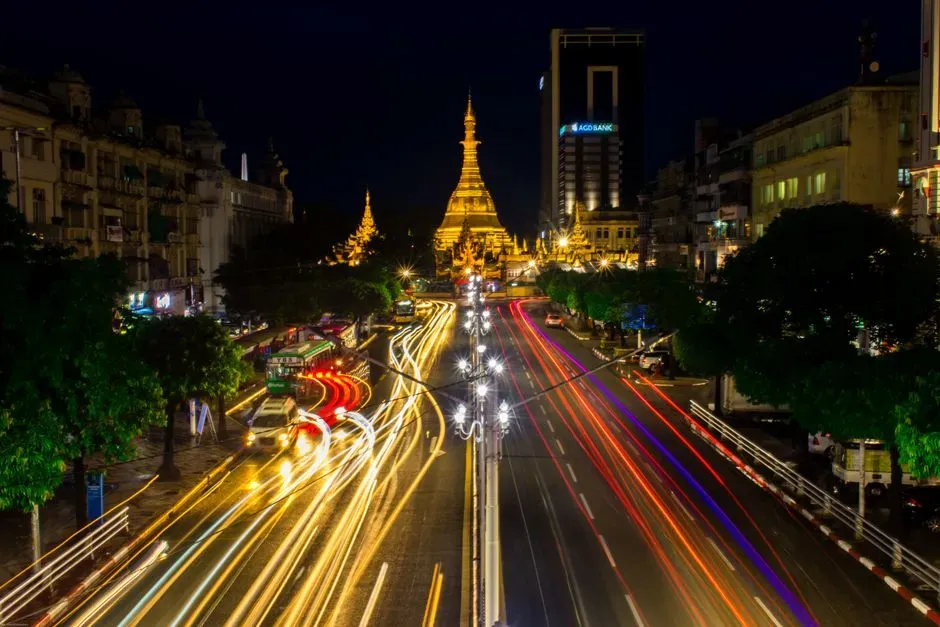
Yangon rarely makes international headlines, but geologists tracking Southeast Asia’s coastline consider it one of the most concerning cases on the planet. Rapid, unmanaged urban growth is the core driver – and there’s little regulatory pushback.
Chittagong, Yangon, and Jakarta round out the top five fastest-sinking coastal cities by relative land subsidence. Researchers behind the underlying study pinned the cause directly on runaway development.
Many of these fast-subsiding coastal cities are rapidly expanding megacities, where anthropogenic factors, such as high demands for groundwater extraction and loading from densely constructed building structures, contribute to local land subsidence.
Nature Sustainability research team
Peak velocity numbers back this up dramatically, with Yangon clocking in at 31mm per year. Without stronger zoning laws, experts expect that number to climb even higher this decade.
Chittagong pushes the same crisis into even more dangerous territory.
#8 – Chittagong, Bangladesh: A Coastal Hub Sinking Nearly Two Inches a Year
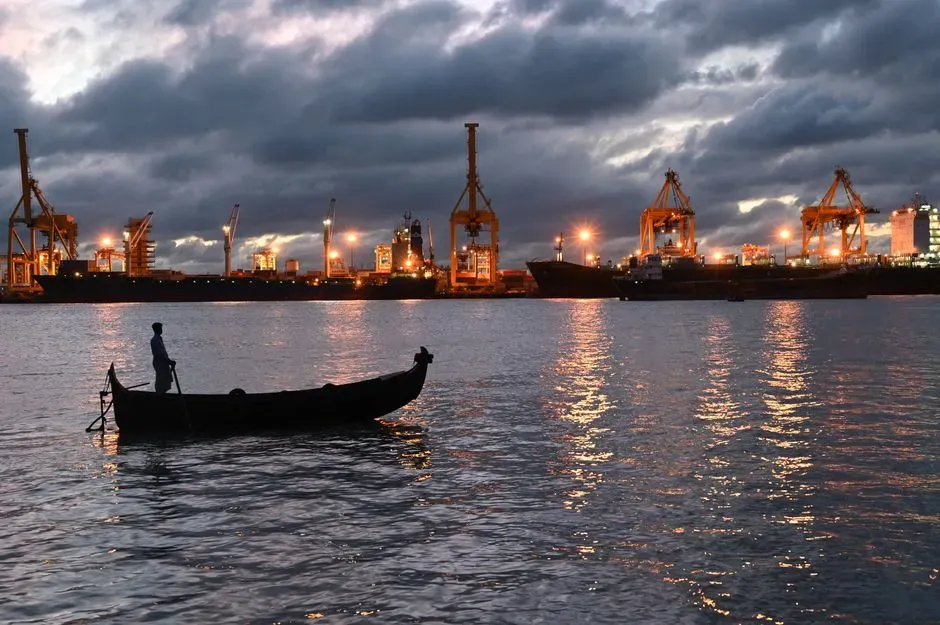
Bangladesh already battles some of the world’s worst flooding. Now add subsidence into the mix, and Chittagong becomes a genuine worst-case scenario. Peak sinking here rivals almost anywhere else on Earth.
Chittagong has a peak velocity of 37mm per year – nearly one and a half inches, annually, in the same coastal zone already threatened by monsoon flooding and cyclones. Scientists studying the region point to the same familiar culprit driving nearly every entry on this list.
When groundwater is over-extracted, the weight of the overlying soil and rock compacts downward – a major problem in coastal cities where groundwater doubles as drinking water, irrigation, and industrial supply. Millions of low-income residents live in the most exposed flood zones with the fewest resources to relocate, a friction point that deserves far more international attention than it currently gets.
At a Glance
- Chittagong peak velocity: 37mm/year, nearly 1.5 inches annually
- Same coastal zone already faces monsoon flooding and cyclones
- Groundwater there doubles as drinking water, irrigation, and industrial supply
- Millions of low-income residents live in the most exposed flood zones
Ho Chi Minh City ties for a record nobody wants to hold.
#9 – Ho Chi Minh City, Vietnam: Tied for the Fastest Peak Sinking Rate on Earth
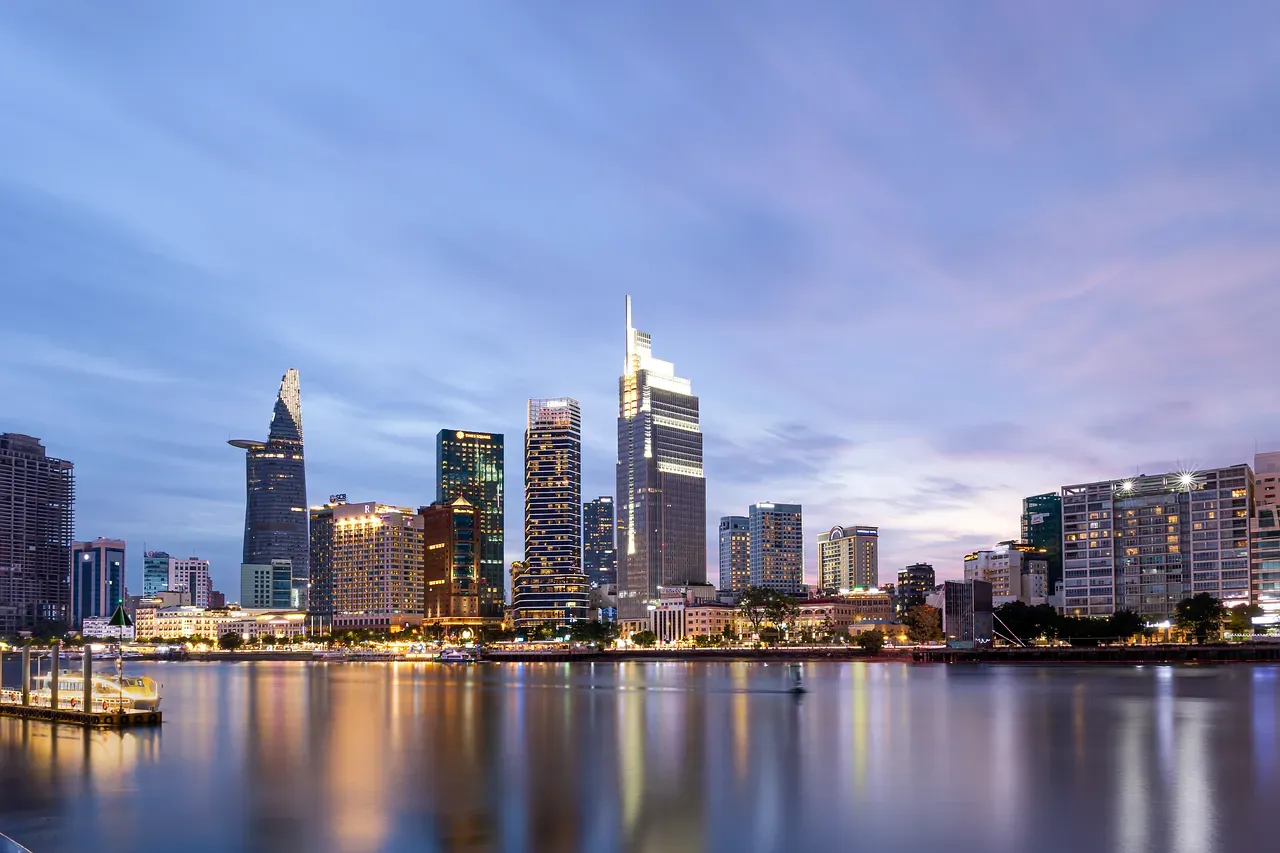
Most travel guides describe Ho Chi Minh City as a booming economic hub. What they don’t mention: parts of it are sinking as fast as almost anywhere on the planet.
Ho Chi Minh City ties Tianjin, China for the fastest-sinking coastal city in the world, with a peak velocity over 43mm per year – meaning parts of the city are sinking by almost 2 inches annually. That statistic alone should be front-page news globally, yet it barely registers outside academic circles.
The underlying study used serious methodology, tracking land subsidence across 48 high-population coastal cities within 50 kilometers of the coastline over six years, from 2014 to 2020. Vietnam’s rapid industrialization is the likely accelerant, and with foreign manufacturing investment still pouring in, don’t expect groundwater demand to slow down anytime soon.
Tianjin shares that same unwanted title, for very different reasons.
#10 – Tianjin, China: An Industrial Giant Sinking Nearly Two Inches a Year
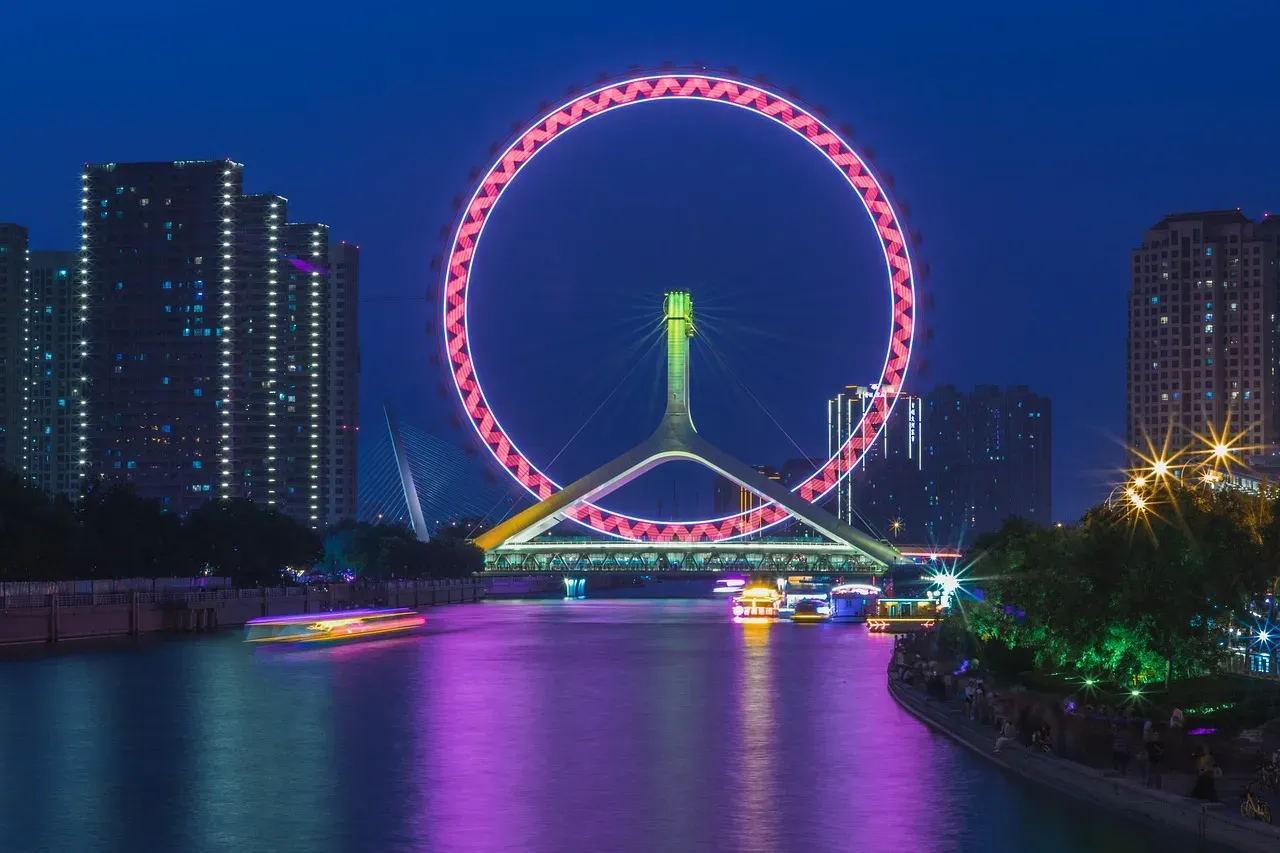
Tianjin doesn’t get the global attention Beijing or Shanghai do, but geologists rank it among the two fastest-sinking coastal cities anywhere. This is a full-blown industrial subsidence crisis hiding in plain sight.
Tianjin ties for the fastest-sinking coastal city in the world, with a peak velocity over 43mm per year – almost 2 inches annually. Decades of heavy industry, oil extraction, and aggressive groundwater pumping to support one of China’s largest port economies created this problem, and it hasn’t meaningfully reversed.
Unlike smaller cities that can restrict water use relatively quickly, Tianjin’s economic engine depends on the exact industries driving the sinking – a genuinely controversial tension between growth and geological survival that local planners have struggled to resolve for years.
Mexico City, though, is where this crisis becomes almost impossible to believe.
#11 – Mexico City, Mexico: Sinking So Fast, It’s Now Visible From Space
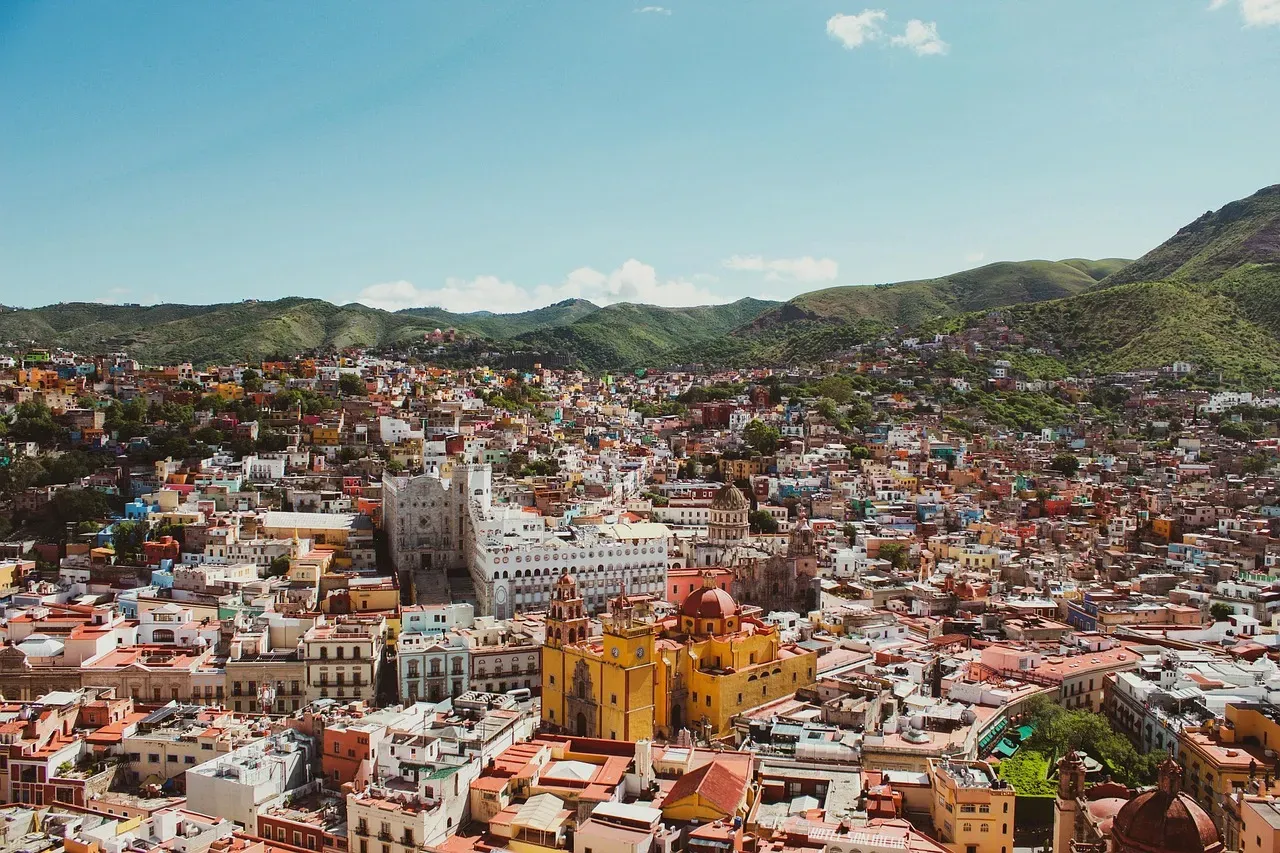
This one sounds like exaggeration. It isn’t. NASA’s newest radar satellite confirmed Mexico City is sinking at a rate almost unheard of for a landlocked megacity.
Imagery from a powerful NASA radar system revealed subsidence rates of more than 0.5 inches a month, making the city one of the planet’s fastest-sinking capitals. The cause is depressingly familiar: the sprawling metropolis sits atop an ancient, high-altitude lakebed aquifer that supplies around 60% of drinking water for its 22 million residents, and decades of over-pumping have caused the land above it to cave in on itself.
The newest data is even more alarming than earlier estimates. Between October 2025 and January 2026, during the city’s dry season, NASA’s NISAR system mapped ground movement and found parts of the city sinking around 0.8 inches a month – more than 9.5 inches every year. Nearly a foot a year, in a city of 22 million. That’s not a slow crisis anymore. It’s a fast one.
Quick Compare
- Mexico City: up to 9.5 inches/year, driven by an ancient aquifer being over-pumped for 22 million residents
- Jakarta: up to 10-30 centimeters/year in places, driven by groundwater use and natural soil compaction
- Mexico City’s worst sinking hits hardest during the dry season
- Both rank among the fastest-sinking major cities measured anywhere on the planet
And then there’s Jakarta – the city that makes every other entry on this list look tame.
#12 – Jakarta, Indonesia: The World’s Fastest-Sinking City, By Far
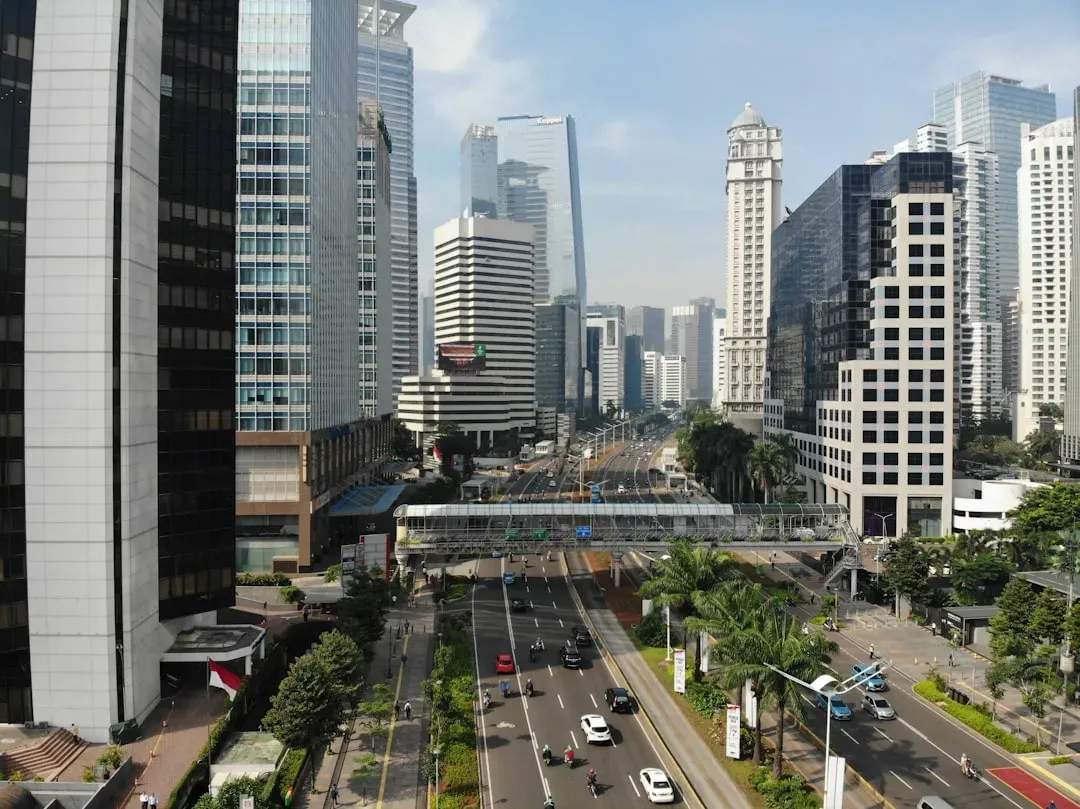
If every other city on this list sounded alarming, Jakarta is the reason the phrase “sinking city” exists in modern headlines at all. No major city on Earth is sinking faster, and the numbers keep getting worse every time researchers remeasure.
Indonesia’s National Research and Innovation Agency says parts of Jakarta are sinking by 10 to 30 centimeters every year, driven by natural soil compaction and decades of unchecked groundwater use. The result is a city now fighting the ocean on its own turf – sea levels at North Jakarta’s coast already sit higher than the land itself.
The scale of what’s at stake is almost unimaginable. Indonesia’s largest metropolis is sinking at up to 26mm a year in places, and as a result, 40% of Jakarta now sits below sea level. The government’s response has been drastic: Indonesia is now building an entirely new capital on another island, at a projected cost north of $120 billion. Abandoning your own capital city isn’t a policy most nations ever expect to consider, yet Jakarta has made it look almost inevitable.
The Bottom Line
The pattern across all 12 cities is impossible to ignore: groundwater extraction, not climate change alone, is the single biggest driver of urban sinking worldwide. From Houston’s oil fields to Jakarta’s unregulated wells, human decisions – not just rising seas – are pulling these cities downward.
Frankly, the fact that Indonesia is spending $120 billion to relocate an entire capital should have triggered global policy shifts years ago, not quiet academic papers buried in journals nobody outside the field reads. Cities like Lagos and Chittagong deserve the same urgency currently reserved for Venice and Jakarta – they just haven’t gotten the headlines yet.
Which of these sinking cities surprised you the most? Drop your thoughts in the comments.