
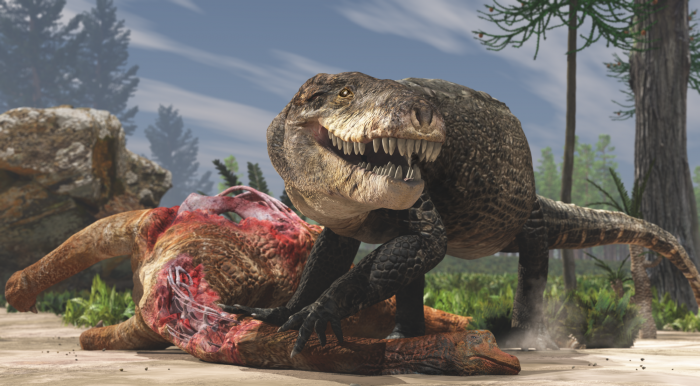
Every time life seems to settle down, evolution throws a monster into the mix. Over and over across hundreds of millions of years, ecosystems have produced outsized carnivores that ruled their worlds, from deep oceans to dense forests to open skies. These giants were not accidents or one-off flukes; they were patterns, emerging again and again as life experimented with size, power, and fear.
What makes evolution keep building apex predators on a colossal scale? Why do enormous hunters appear, thrive, and then vanish, only for new ones to rise in their place? Palaeontologists, digging through rock layers like pages of an ancient book, are finding that the story of life is not just about survival – it is about escalation. Once you see the pattern, it changes the way you look at everything from dinosaurs to modern sharks, and even how you think about our own species.
Why Evolution Keeps Pushing Predators to Giant Size
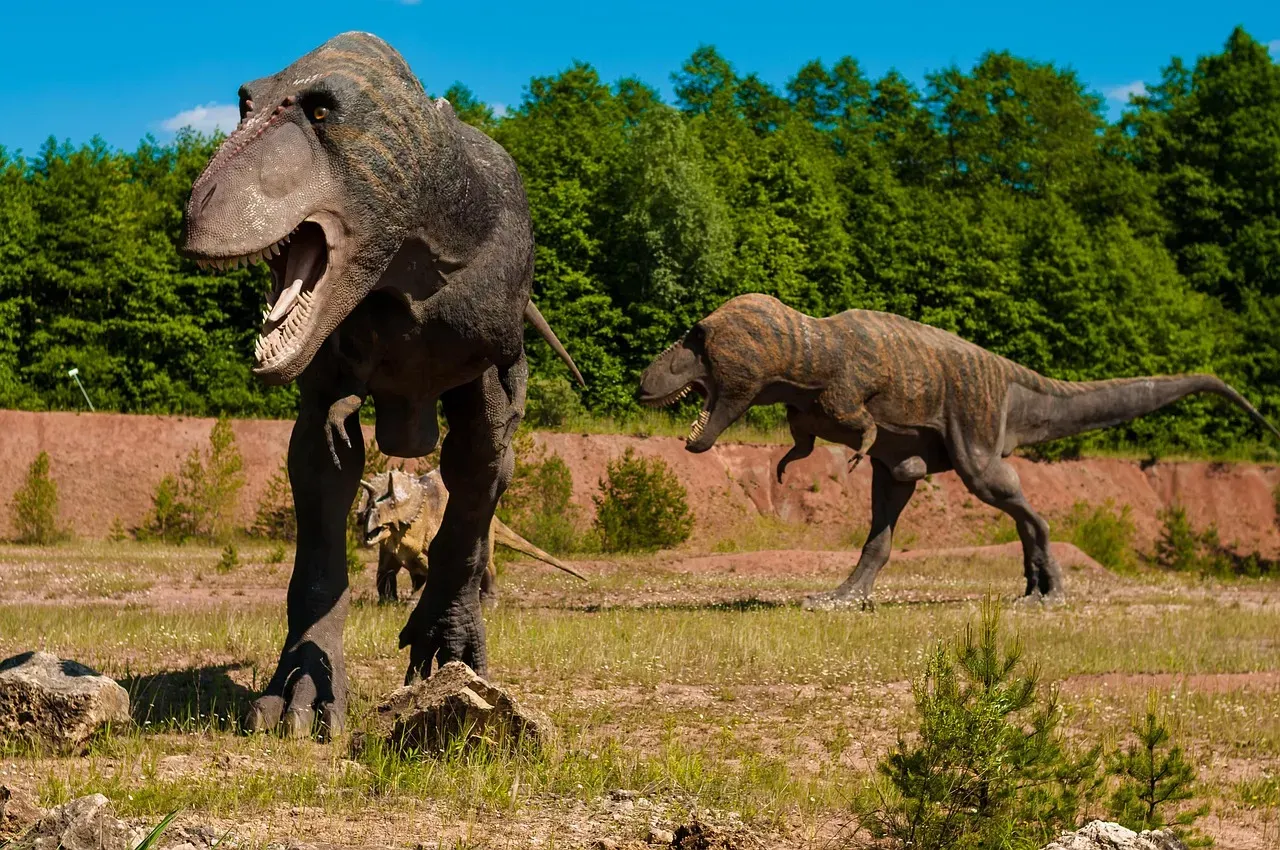
One of the most surprising things palaeontologists have uncovered is how often giant predators evolve independently. Different lineages, in different eras, on different continents, all ended up with massive hunters at the top of their food chains. This suggests that once basic conditions are met – enough prey, stable environments, and access to energy-rich food – natural selection tends to favor predators that are bigger, stronger, and more efficient killers.
Giant predators often gain clear advantages: they can tackle larger prey, dominate rivals, and range over wide territories. But there is a catch – the same size that gives them power also makes them vulnerable to change because they need huge amounts of food and space. It is like driving a gas-guzzling supercar: thrilling when resources are plentiful, disastrous when fuel suddenly runs low. Evolution keeps producing these giants because they win big for a while, even if the long game rarely ends well for them.
The Age of Sea Monsters: From Early Jawed Fish to Marine Reptiles
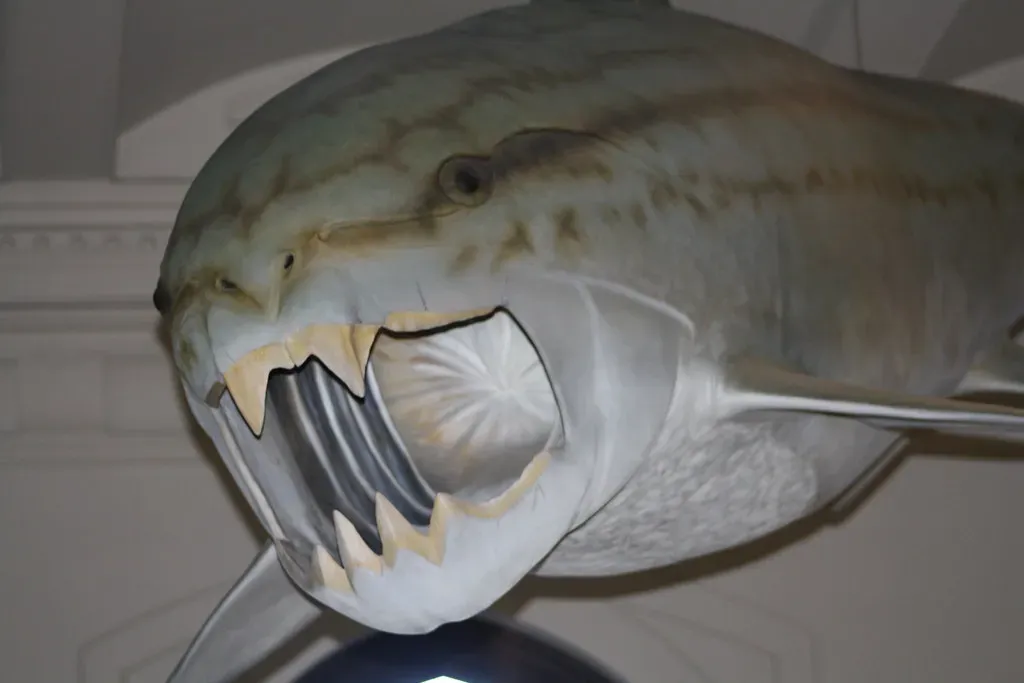
Long before giant dinosaurs thundered across land, oceans were already home to oversized killers. Early jawed fish in the Devonian period, including armor-plated forms like Dunkleosteus, grew to lengths that would rival a modern car and carried incredibly powerful bite mechanics. They hunted other large fish in ecosystems that were just beginning to stack complex food webs, making the seas the first great arena for giant predators.
Later, after the end-Permian mass extinction reset life on Earth, the oceans produced new leviathans: marine reptiles. Ichthyosaurs, plesiosaurs, pliosaurs, and mosasaurs evolved into apex hunters that filled roles similar to modern sharks and orcas, but in entirely reptilian bodies. These animals show that when vertebrates return to the water, evolution quickly explores the option of going big and carnivorous again, as if the oceans almost invite gigantism in top predators.
Land Titans: From Dimetrodon to the Reign of the Tyrannosaurs
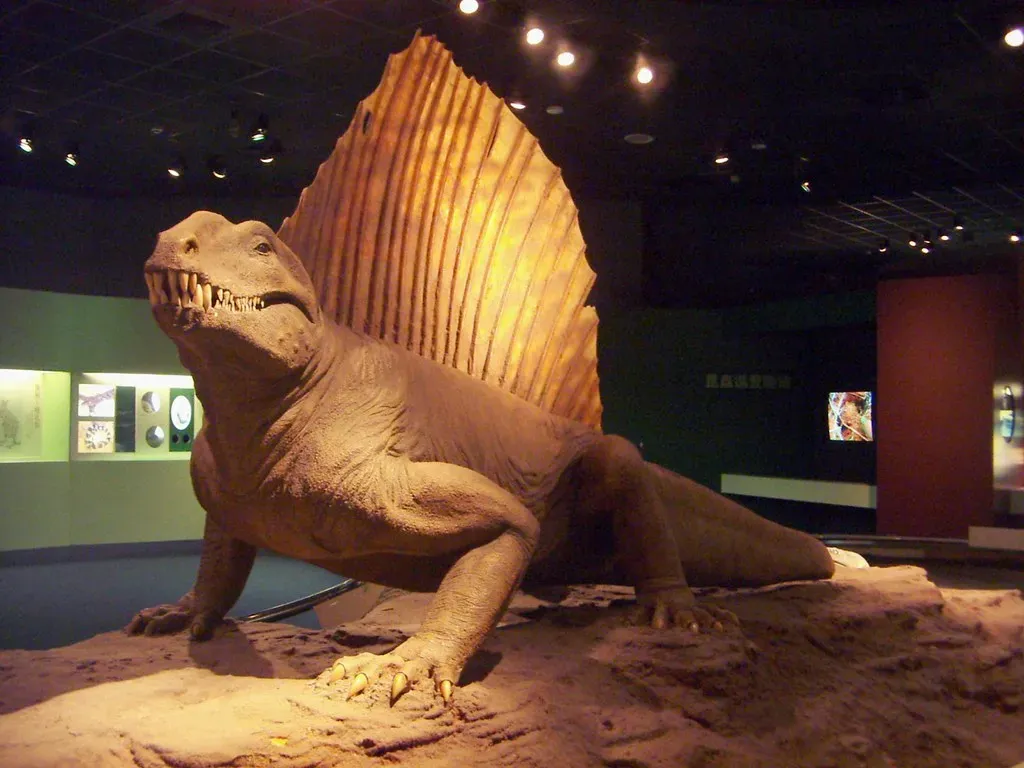
On land, the story of giant predators starts well before the famous dinosaurs. In the Permian period, before true dinosaurs or even mammals existed, top land hunters included creatures like Dimetrodon, a sail-backed synapsid more closely related to us than to reptiles. It was not as enormous as later carnivores, but in its time it played that same ecological role: large-bodied, meat-eating, and sitting fearlessly at the top of the food chain.
Fast-forward to the Mesozoic and the pattern becomes extreme. Carnivorous dinosaurs repeatedly pushed body size to terrifying scales, with lineages such as allosauroids and tyrannosaurids evolving skull-crushing bites and bodies heavier than trucks. What is striking is that these giants appeared not just once but in overlapping waves, with large theropods replacing one another as environments changed and continents shifted. Land ecosystems did not merely tolerate giant predators – they repeatedly built worlds around them.
Skies of Terror: Evolution’s Experiments with Aerial Giants
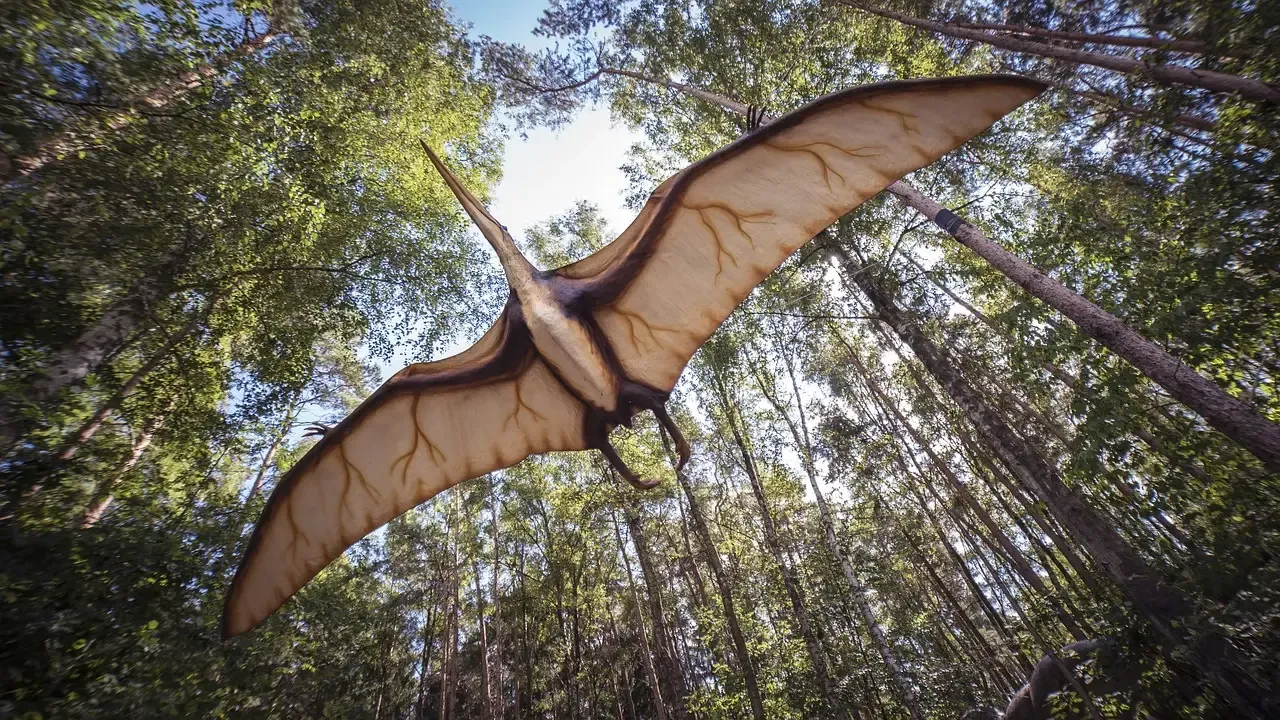
It might seem impossible to combine flight with sheer size, but evolution managed it more than once. Pterosaurs, the flying reptiles of the Mesozoic, included species with wingspans comparable to small airplanes, towering over human height when standing on the ground. These were not gentle gliders; many show features consistent with active hunting or scavenging of sizable prey, turning the skies and coastlines into hunting grounds for airborne giants.
Later, birds also flirted with giant predatory lifestyles. After the extinction of the non-avian dinosaurs, large flightless or semi-flightless birds, sometimes nicknamed terror birds, evolved in several regions and became major predators on land. Even though modern birds tend to be relatively small compared with their dinosaur ancestors, the fossil record shows that the air has repeatedly been a platform for predators pushing the upper limits of body size and power.
Convergent Evolution: Different Lineages, Same Monster Blueprint
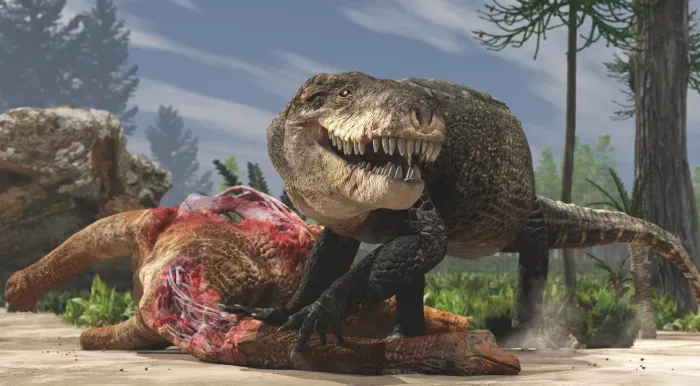
One of the most compelling lines of evidence that evolution favors giant predators under the right conditions is convergent evolution: unrelated groups evolving similar body plans and lifestyles. Large marine reptiles, for example, developed streamlined bodies, long jaws, and powerful tails in ways that remind us of sharks, even though they came from very different branches of the tree of life. The same functional challenges – swimming fast, catching slippery prey, enduring long hunts – drove them toward similar, efficient shapes.
On land, the skulls and teeth of big carnivorous dinosaurs show parallels with later mammalian predators, such as saber-toothed cats and dire wolves, despite their very different ancestry. Over and over, palaeontologists see patterns repeat: forward-facing eyes for depth perception, reinforced skulls, specialized teeth, and limbs suited for powerful movement. It is as if once you ask evolution to build a top-tier hunter, there are only so many winning designs, and nature keeps rediscovering them.
Ecological Arms Races: Giants as the Product of Escalation
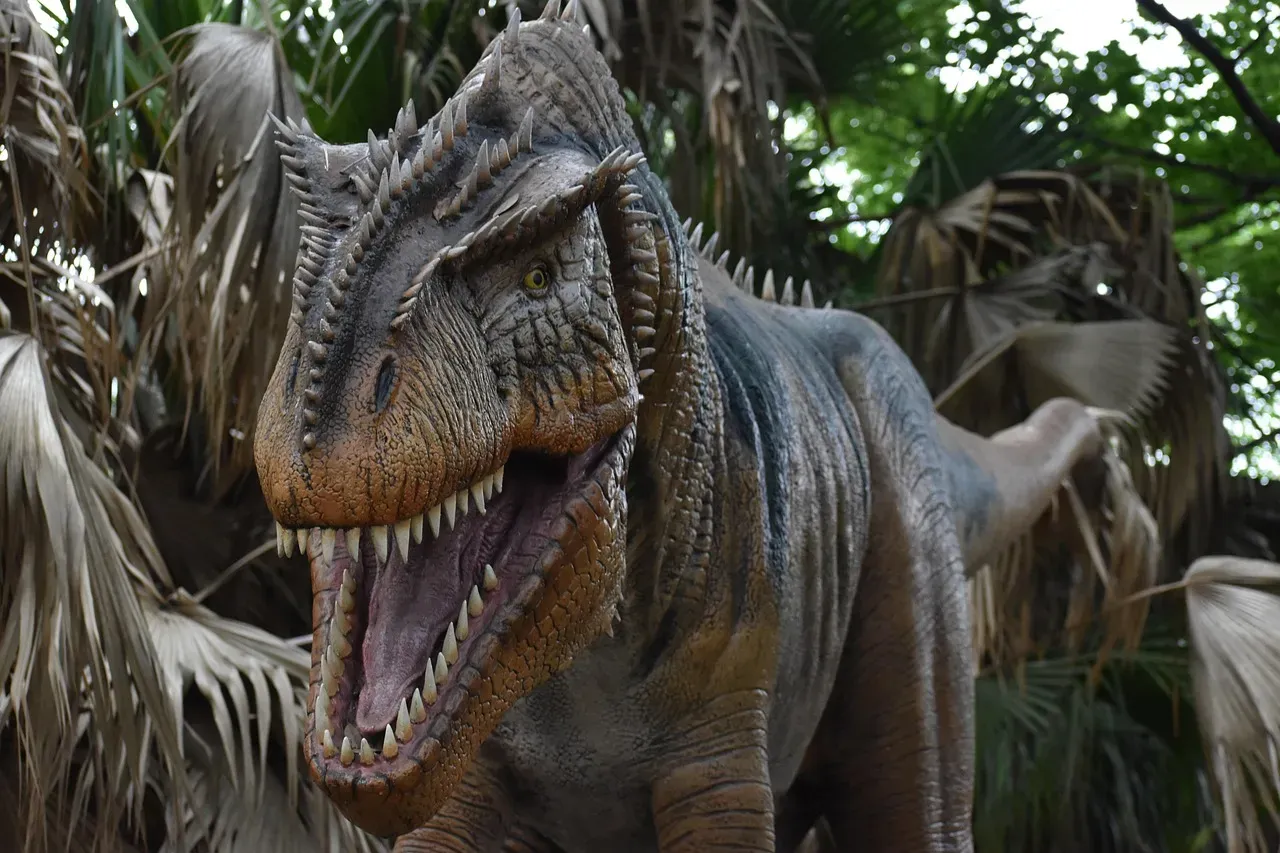
Giant predators do not evolve in isolation; they are part of an arms race with their prey and with competing predators. When herbivores grow larger for protection or develop better defenses like armor or speed, predators are under pressure to catch up in size, strength, or strategy. This back-and-forth pushes body sizes upward for both sides, at least as long as the environment can support the rising energy demands. The result can be ecosystems dominated by big-bodied players locked in a constant evolutionary contest.
Competition among predators also fuels this escalation. If mid-sized hunters are already exploiting smaller prey efficiently, one way to break out of the crowd is to go big and target animals that others cannot tackle. That strategy works extremely well until a shock hits the system – climate change, habitat loss, or mass extinction. Then the same traits that once defined success turn into liabilities, and the evolutionary arms race starts again with smaller survivors.
Extinction, Reset, Repeat: How Catastrophes Clear the Stage
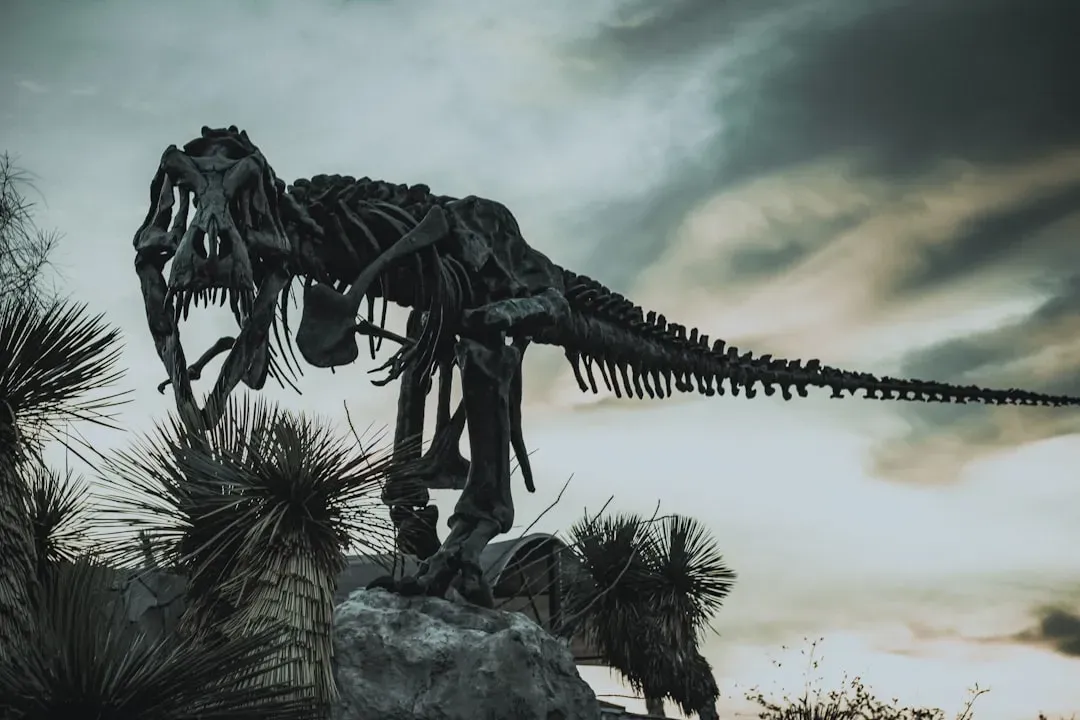
Each time Earth experiences a major extinction event, the rules of the game reset. The end-Permian and end-Cretaceous extinctions, among others, wiped out many giant predators along with a huge fraction of global biodiversity. For a while after these crises, ecosystems tend to be dominated by smaller, generalist species that can survive unstable conditions and scarce resources. The old giants disappear, and the world feels, in evolutionary terms, temporarily quiet.
But as stability returns and ecosystems rebuild complexity, the old pattern reappears: prey diversifies and grows, niches open, and once again lineages begin to experiment with larger predatory forms. Palaeontologists see this wave-like history in the fossil record – surge, collapse, and surge again. It is hard not to see a kind of rhythm in it, even though it is driven by impersonal forces like climate shifts, volcanic activity, asteroid impacts, and long-term plate tectonics.
What Giant Predators Reveal About Our Own Future
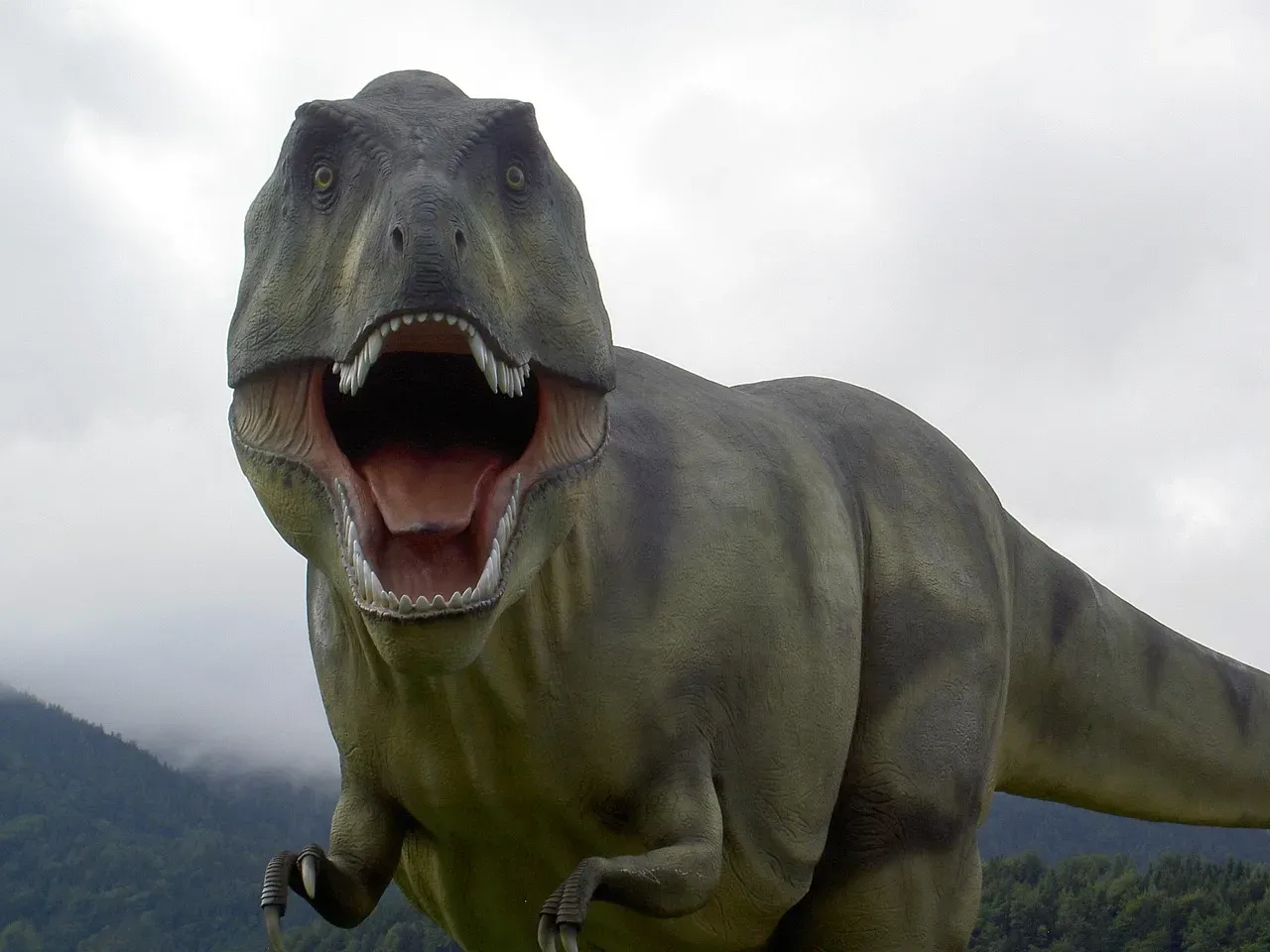
Studying ancient apex predators is not just about marveling at dramatic skulls in museum halls; it is also a way to understand how fragile and dynamic top positions in ecosystems really are. Giant predators have always been among the most vulnerable to environmental change because they sit at the top of long food chains and require vast territories and abundant prey. When we look at modern great white sharks, orcas, big cats, and large birds of prey, we are seeing the latest generation of a very old pattern – one that has always lived on a knife edge.
There is a hard truth here: every time humans push ecosystems toward collapse, we are replaying conditions that historically wiped out apex hunters. The difference is that this time, we are the primary driver and also, arguably, the newest giant predator on the scene, armed with technology instead of claws or teeth. If the history of giant predators teaches anything, it is that dominance is temporary and that complex food webs are easier to break than to rebuild.
Conclusion: The World Keeps Making Monsters – Until It Cannot
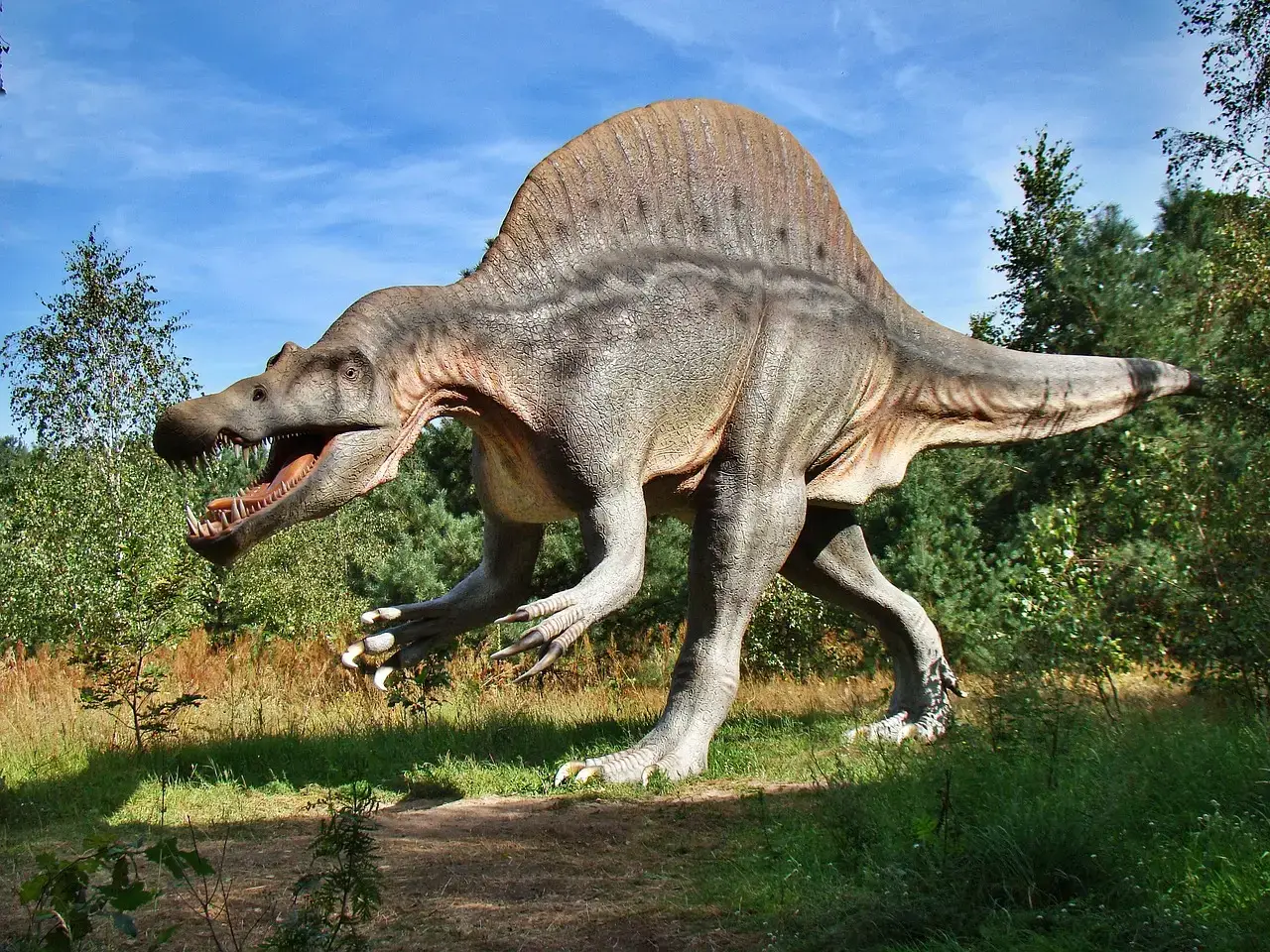
When you step back and look at the deep history of life, it becomes clear that giant predators are not bizarre exceptions. They are almost inevitable outcomes whenever Earth offers enough energy, time, and stability. From armored fish to tyrannosaurs, from marine reptiles to monstrous fliers, evolution has repeatedly taken advantage of those opportunities to build creatures that stretch the limits of what ecosystems can support. These giants were not mistakes – they were some of nature’s boldest experiments.
My own take is that we romanticize these ancient monsters while quietly ignoring the lesson they shout at us: power at the top of the food chain is always borrowed, never owned. The fossil record shows a repeating pattern of rise, overreach, and collapse, and today we are part of that pattern, not outside it. If evolution keeps producing giant predators until the system breaks, the real question is whether we want to be the last of that line or the first species that learns to live within the limits of its world. Looking at those massive skulls and jaws, are we admiring them – or rehearsing our own ending?