
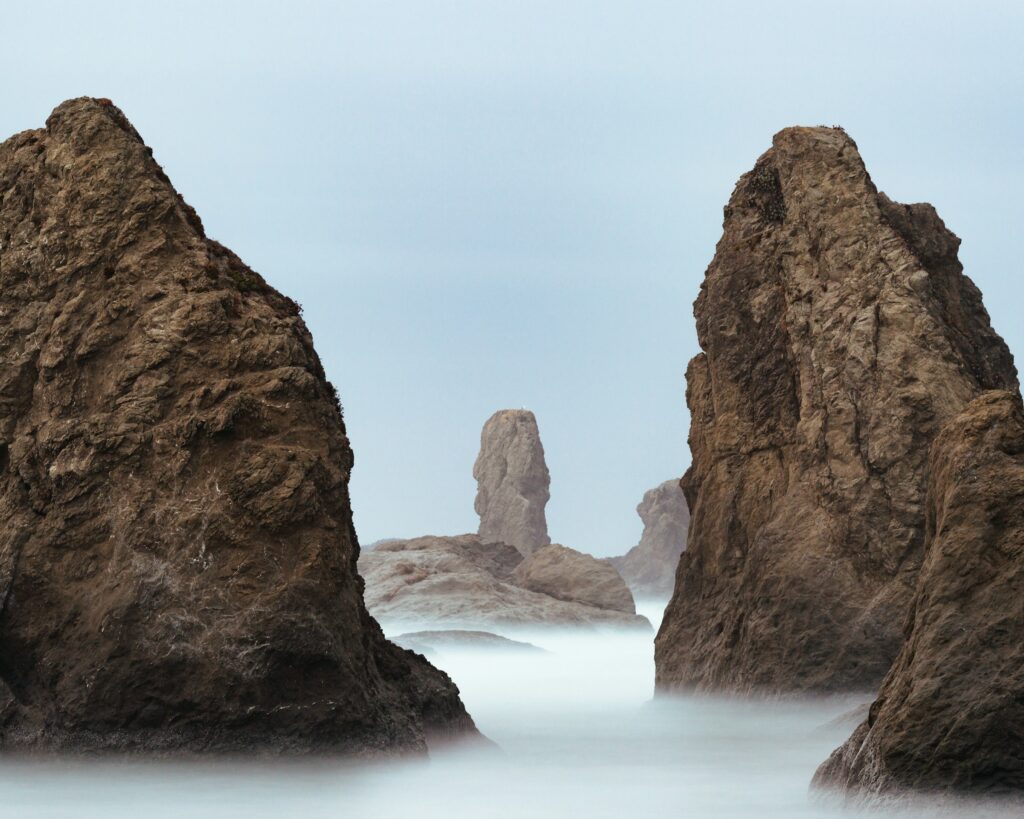
If you could stand on Earth three or four billion years ago, you probably wouldn’t recognize it as home. The sky may have glowed a different color, continents were only half-formed sketches, and the air itself might have been toxic to breathe. Yet the only reason we can even imagine that alien world is because a tiny fraction of ancient rocks has survived the planet’s violent history and still quietly records what it was like back then.
Those surviving rocks are like fragile, half-burned pages from the very first chapter of Earth’s story. Scientists are learning how to read them better, and the picture that is emerging is bold: early Earth may have been hotter, wetter, stormier, and far more chemically extreme than anything we see around us now. In some ways it looked more like a hostile exoplanet than the blue-green world we know, and that realization is forcing us to rethink where life can start and how planets evolve.
The Hadean and Archean: Earth’s “stranger than sci‑fi” origin story
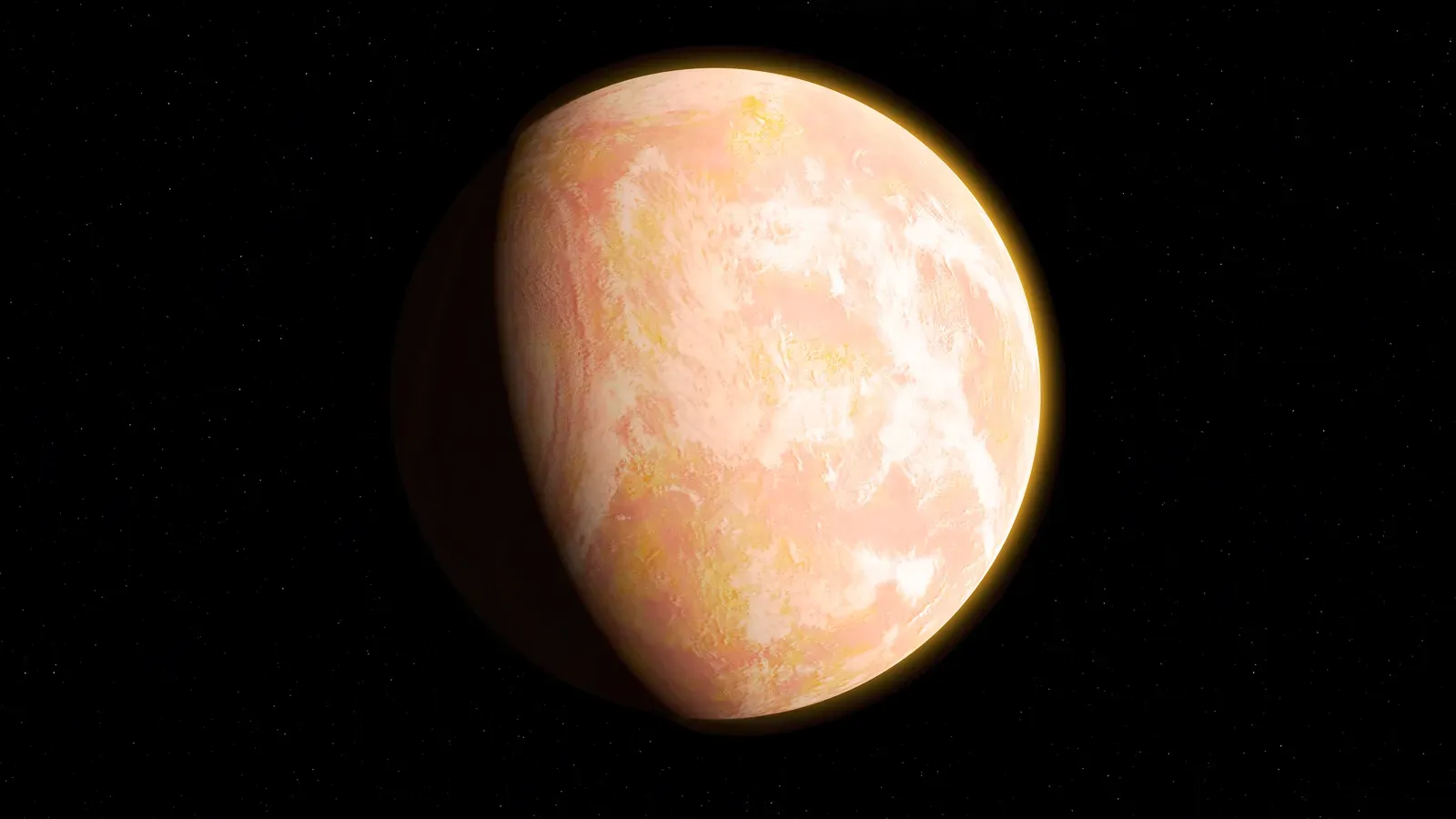
It is hard to overstate how wild Earth’s first few hundred million years really were. In the Hadean era, our planet was repeatedly pummeled by space debris, perhaps including a Mars-sized body that helped form the Moon and briefly turned Earth’s surface into a global magma ocean. For a long time, scientists assumed that this early period left almost no solid record, which is why it was nicknamed with a term hinting at a kind of planetary underworld.
Then geologists started finding microscopic crystals, called zircons, in younger rocks that formed later but still held these tiny time capsules from more than four billion years ago. Those stubborn, nearly indestructible mineral grains carry chemical fingerprints of the conditions in which they crystallized, including hints that liquid water and even primitive continental crust existed much earlier than once believed. In other words, even at a time we used to imagine as pure molten chaos, Earth may already have had patches of solid rock and oceans that would look surprisingly familiar today.
Ancient zircons: microscopic crystals that time‑travel from a vanished world
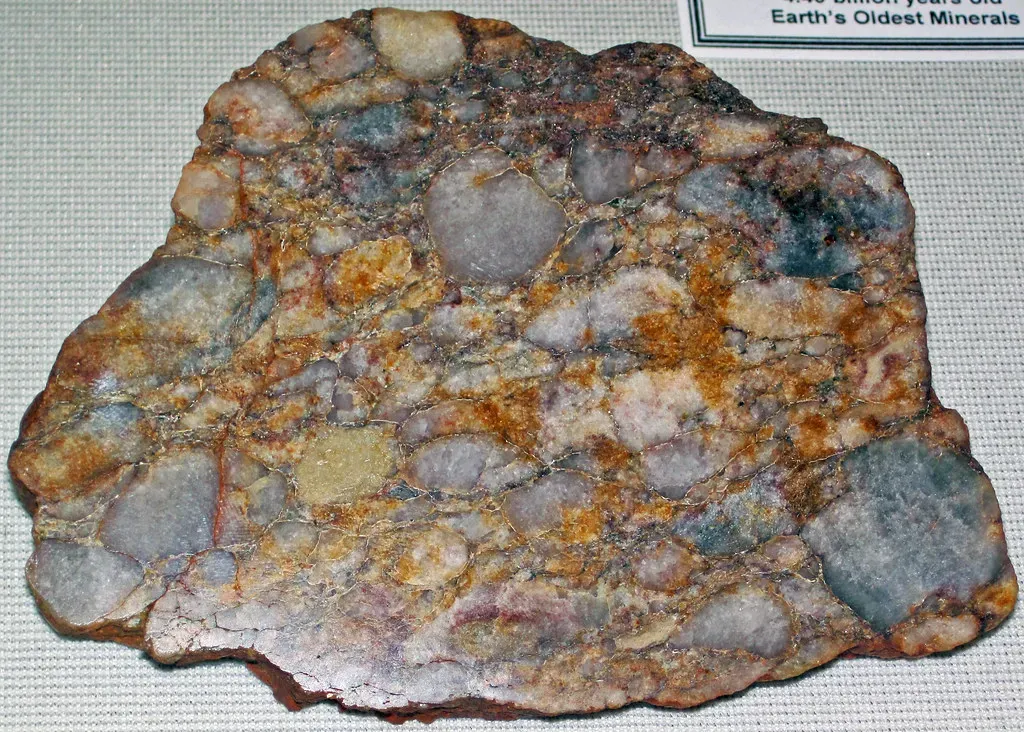
Zircon crystals are smaller than grains of sand, but in planetary science they are celebrities. They contain trace amounts of uranium that slowly decay into lead at a known rate, letting researchers measure their ages with impressive precision. Some zircons found in Western Australia and elsewhere are more than four billion years old, meaning they formed not long after Earth itself did and have somehow survived every tectonic collision, erosion cycle, and climate swing since.
What makes them so important is not just their age, but what is trapped inside their crystal lattice. Isotopes of oxygen, rare elements, and tiny inclusions of other minerals together provide clues about temperature, pressure, and the presence of liquid water when the crystal grew. When those signals point to cooler conditions and interaction with water, they suggest that early Earth might have had oceans and a kind of proto-crust much earlier than classic “hellish Earth” pictures showed. It is a bit like finding a seashell embedded in concrete in a city and realizing that long before skyscrapers, this spot was at the edge of the sea.
Greenstone belts and cratons: the battered skeleton of an ancient surface
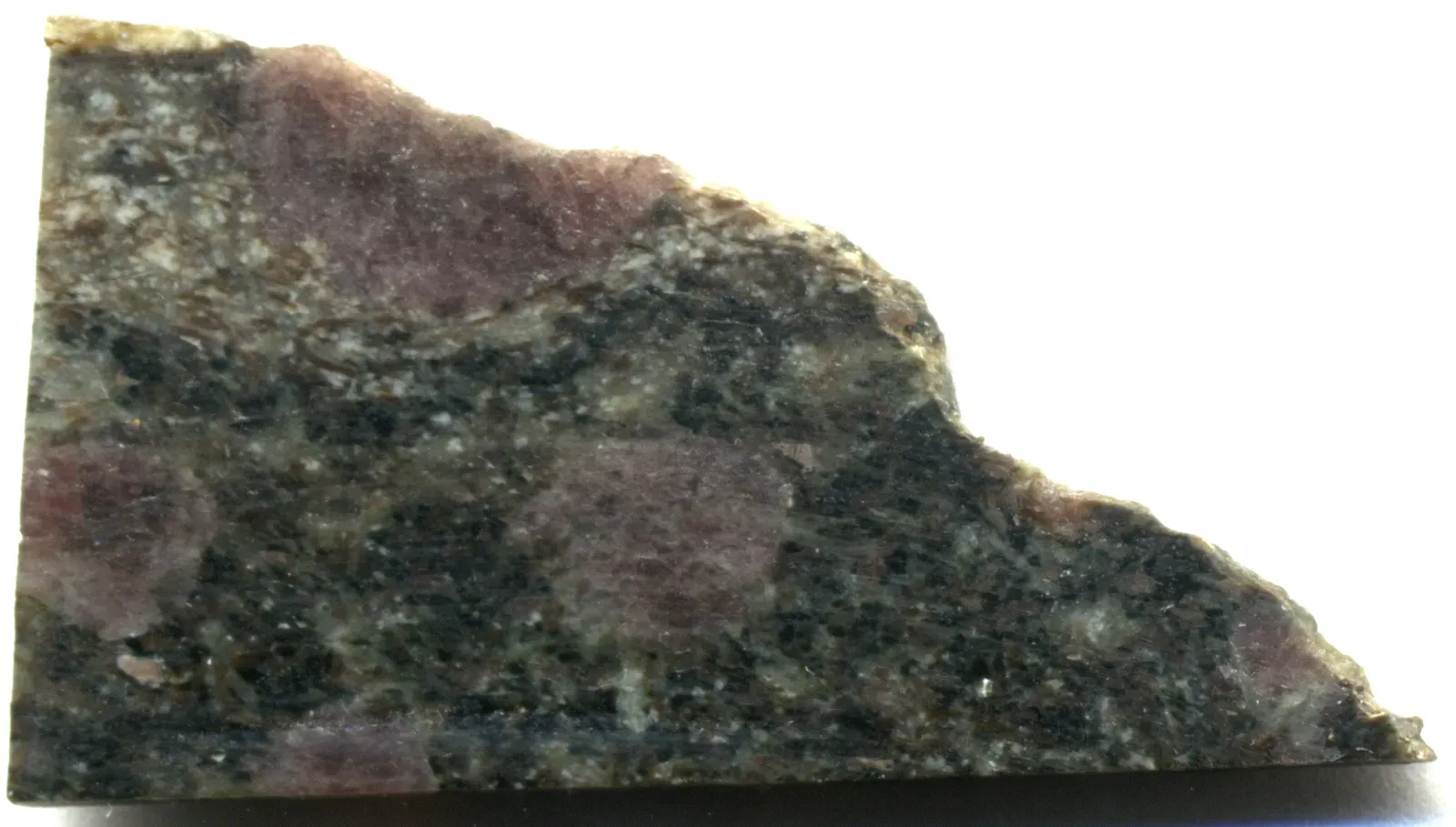
If zircons are time-traveling grains, cratons are the fossil bones of Earth’s early “body.” These are the oldest and most stable cores of continents, mostly in places like Canada, Western Australia, and southern Africa, where rocks can be three to four billion years old. Many of them contain greenstone belts, which are tangled layers of volcanic and sedimentary rocks that record intense tectonic and volcanic activity in the Archean era.
When scientists map and date these belts, they see a style of geology that looks quite different from modern plate tectonics. Instead of clean, rigid plates sliding neatly past or diving under each other the way they often do now, early Earth may have had softer, hotter crust that crumpled, sagged, and thickened in more chaotic ways. Greenstone belts show signs of deep volcanic arcs, submerged basins, and hydrothermal systems that may have brewed the organic ingredients needed for life, all on a world whose physical rules were the same as today but whose behavior was far more restless.
An atmosphere without oxygen and an ocean that looked nothing like ours
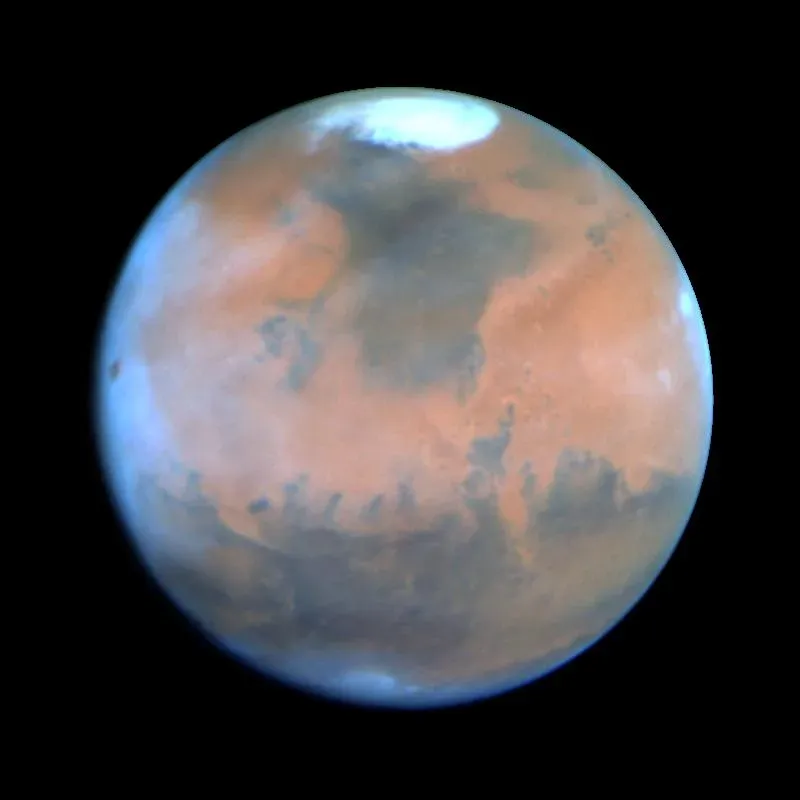
For most of its early history, Earth’s atmosphere likely had almost no free oxygen. Instead, it was probably dominated by gases such as carbon dioxide, nitrogen, water vapor, and varying amounts of methane and sulfur compounds coming from volcanoes. To a modern human, this air would be immediately lethal, and the smell and color of the sky could have been entirely different, perhaps hazy and tinted by organic hazes like those seen on Saturn’s moon Titan.
The oceans bathing that world were equally alien. They might have been enriched in dissolved iron and other metals, giving them a darker or even greenish tint in some regions rather than the clear blue water we associate with tropical beaches. When that dissolved iron reacted with whatever tiny amounts of oxygen were produced by early microbes or chemical processes, it precipitated out into banded iron formations that we now mine as ore. Those layered rocks are physical proof that the ocean’s chemistry has done a complete personality shift over billions of years.
Extreme heat, intense volcanism, and a much faster spinning planet
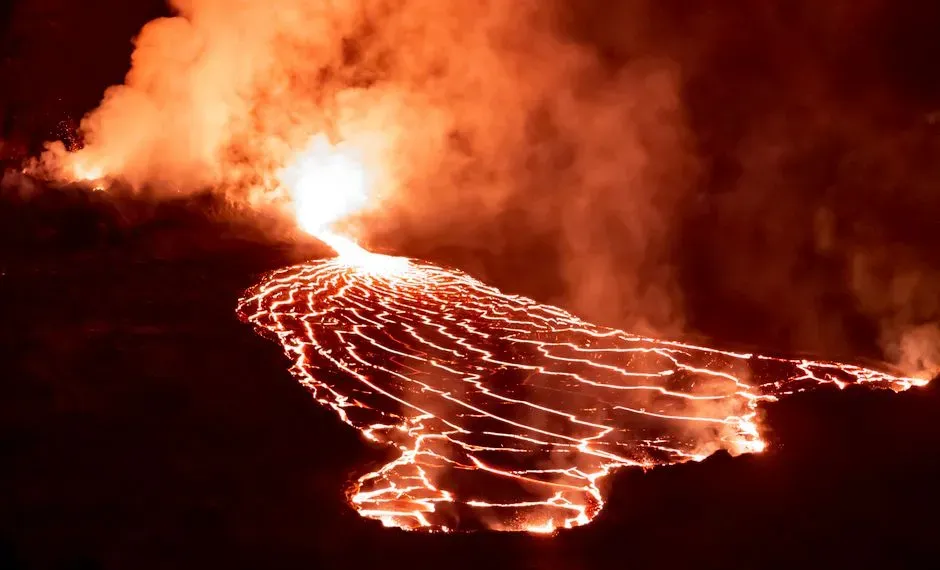
Another way early Earth would shock a time-traveling visitor is raw intensity. Radioactive elements were more abundant then, so the planet’s interior was hotter, and heat was escaping more quickly to space. That extra thermal energy helped drive ferocious volcanism, with lava flows and eruptions on a scale that would overshadow almost every volcanic event in recorded human history, feeding a thick, greenhouse-rich atmosphere.
On top of that, the newborn Moon was closer, and the day was shorter because Earth spun faster on its axis. Some studies suggest that a “day” could have lasted just a few hours in the deep past, which means sunrise and sunset would whip by at a pace that feels almost cartoonish from our modern perspective. Stronger tides and a hyperactive atmosphere would have made storms and ocean circulation patterns quite different from today, turning early Earth into something more like a supercharged laboratory for climate physics than the relatively stable background we take for granted.
Life’s first appearance: fragile hints in stubbornly ancient rocks
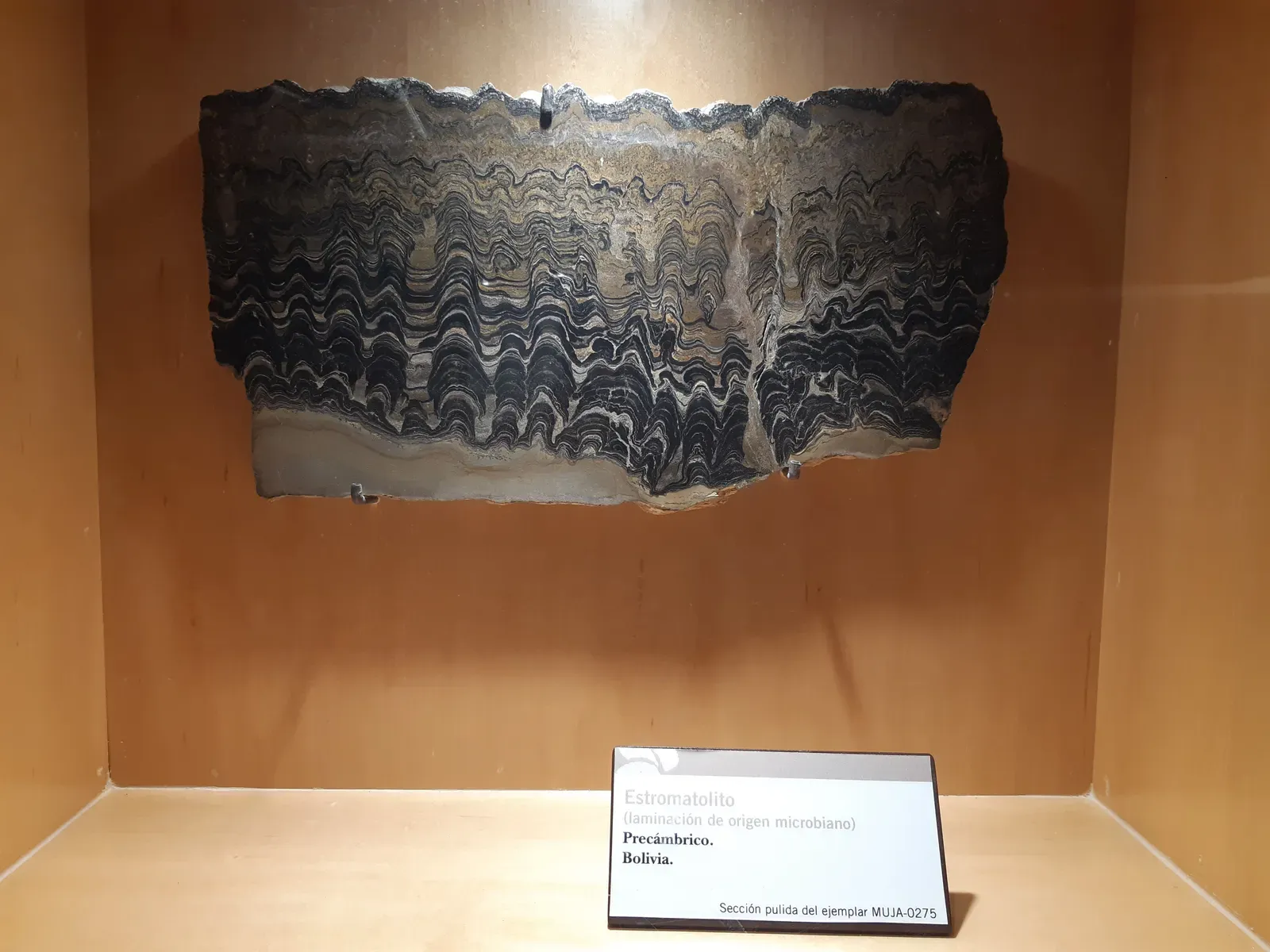
One of the biggest reasons scientists obsess over Earth’s oldest rocks is the hope of catching life’s first footsteps. In a few ancient formations, including those in Greenland, Canada, and Western Australia, researchers have found potential traces of early microbes in the form of subtle chemical signatures, weird layered structures called stromatolites, and tiny carbon-rich shapes that might be microfossils. Each discovery triggers fierce debate, because the rocks have been squeezed and altered so many times that it is genuinely hard to prove a biological origin.
Even with all that uncertainty, the balance of evidence suggests that some sort of microbial life emerged astonishingly early, perhaps when the planet was still cooling from its violent youth. That alone makes early Earth feel alien: life seems to have appeared not in a gentle, calm Eden, but in the middle of an unstable, volcanically active, oxygen-free world. It is like learning that the first fragile seedlings in a garden grew not in soft spring sunshine, but beside an active factory spewing smoke and noise, yet still managed to cling on and slowly reshape their surroundings.
The Great Oxygenation and the slow makeover of a hostile planet
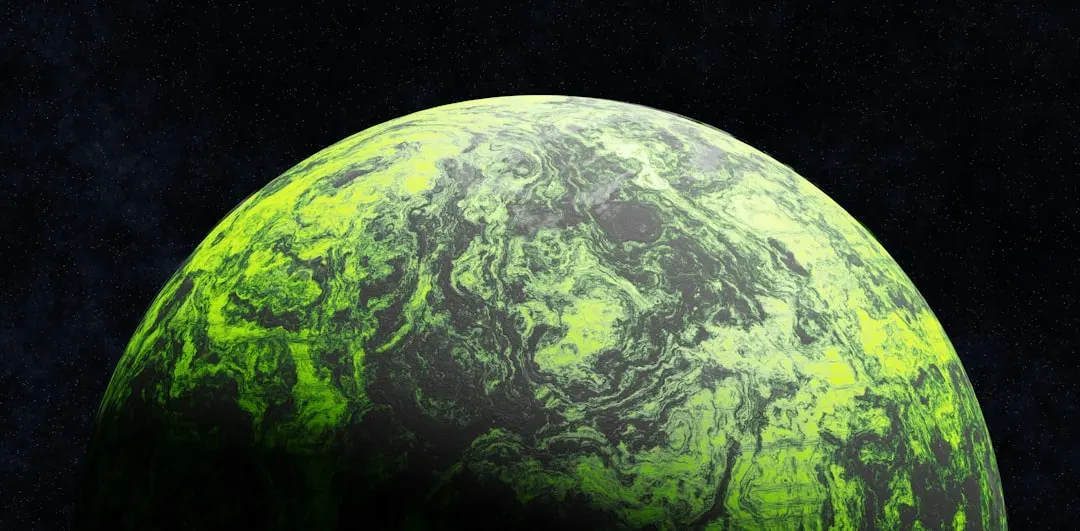
Over very long timescales, tiny microbes began pulling carbon dioxide from the air and releasing oxygen as a waste product. For a while, that oxygen mostly reacted with iron and other materials in the oceans and crust, staying locked away where it could not accumulate in the atmosphere. But eventually those sinks filled up, and oxygen levels in the air started to climb in what is often called the Great Oxygenation Event, transforming Earth’s chemistry and climate in profound ways.
From the perspective of early anaerobic life, this slow flood of oxygen was more of a catastrophe than a blessing, because oxygen is highly reactive and toxic to organisms not adapted to it. Yet over millions of years, new kinds of life evolved that used oxygen to unlock far more energy from food, paving the way for complex cells and, much later, plants and animals. The rocks that record this transition show that the world humans inherited is not “normal Earth” but a late-stage makeover, the outcome of countless feedback loops between geology, chemistry, and biology that could easily have turned out differently.
Why early Earth now looks like a roadmap for alien worlds
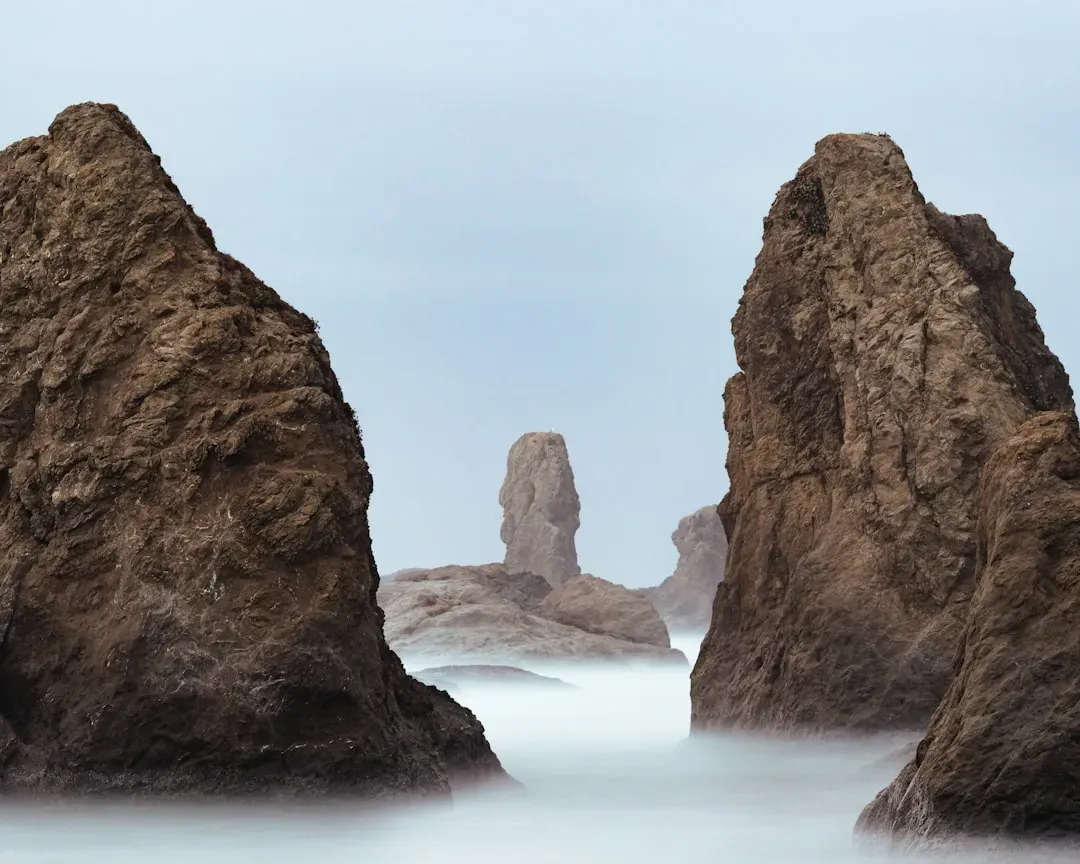
One of the most surprising twists in this story is that studying our own ancient rocks has become essential for understanding planets around other stars. Many of the exoplanets we can currently detect are hot, young, or orbiting close to their stars, with conditions that might resemble different phases of Earth’s early evolution more than our relatively calm, present-day climate. By comparing their atmospheric signals with what we infer from ancient rocks here, scientists can better guess which distant worlds might actually be habitable, even if they do not look friendly by human standards.
In a sense, those battered cratons and microscopic zircons are teaching us how planetary personalities change with time and environment. They help us realize that a planet can look unrecognizable at one age and still eventually grow into something life-friendly, or the reverse. That perspective pushes back against the idea that habitability is a binary switch and instead suggests a long, winding path with detours, false starts, and lucky breaks, making Earth’s survival story feel even more improbable and precious.
Reading the stones: why this ancient evidence should change how we see our world
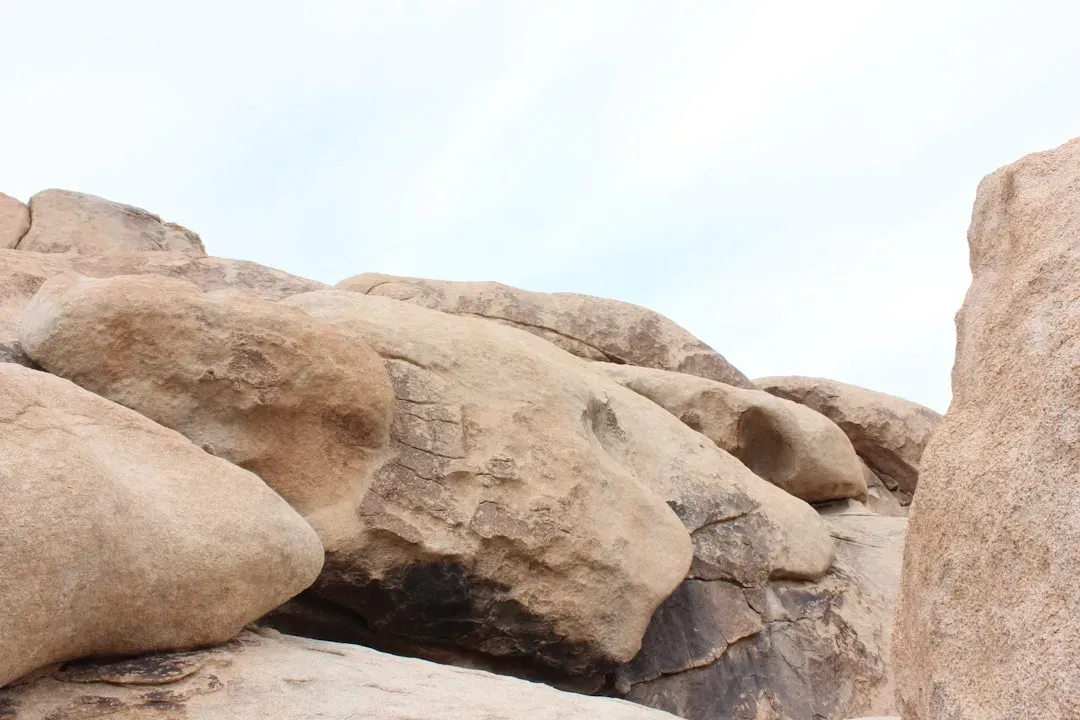
What hits me hardest, personally, is how thin and fragile the surviving record really is. The oldest rocks that preserve clues about this alien version of Earth make up only a tiny fraction of the planet’s surface, and many of them have been warped, reheated, and partially erased by billions of years of plate tectonics. It is as if an entire library burned down and we are trying to reconstruct the full story of the past from a handful of charred pages and a few lines of barely legible handwriting.
Despite that, those pages are enough to prove that our familiar Earth is not the default setting but the latest chapter in a long, volatile experiment. I think that realization should make us a bit more humble and, frankly, a bit more anxious: the stable climate and breathable air we treat as background conditions are the end product of lucky coincidences and relentless planetary processes. When we dig into ancient rocks and discover a world that barely resembles our own, we are not just doing abstract science; we are confronting the uncomfortable truth that what feels permanent is actually contingent and vulnerable to change.
Conclusion: an alien past, a precarious present, and a choice about the future
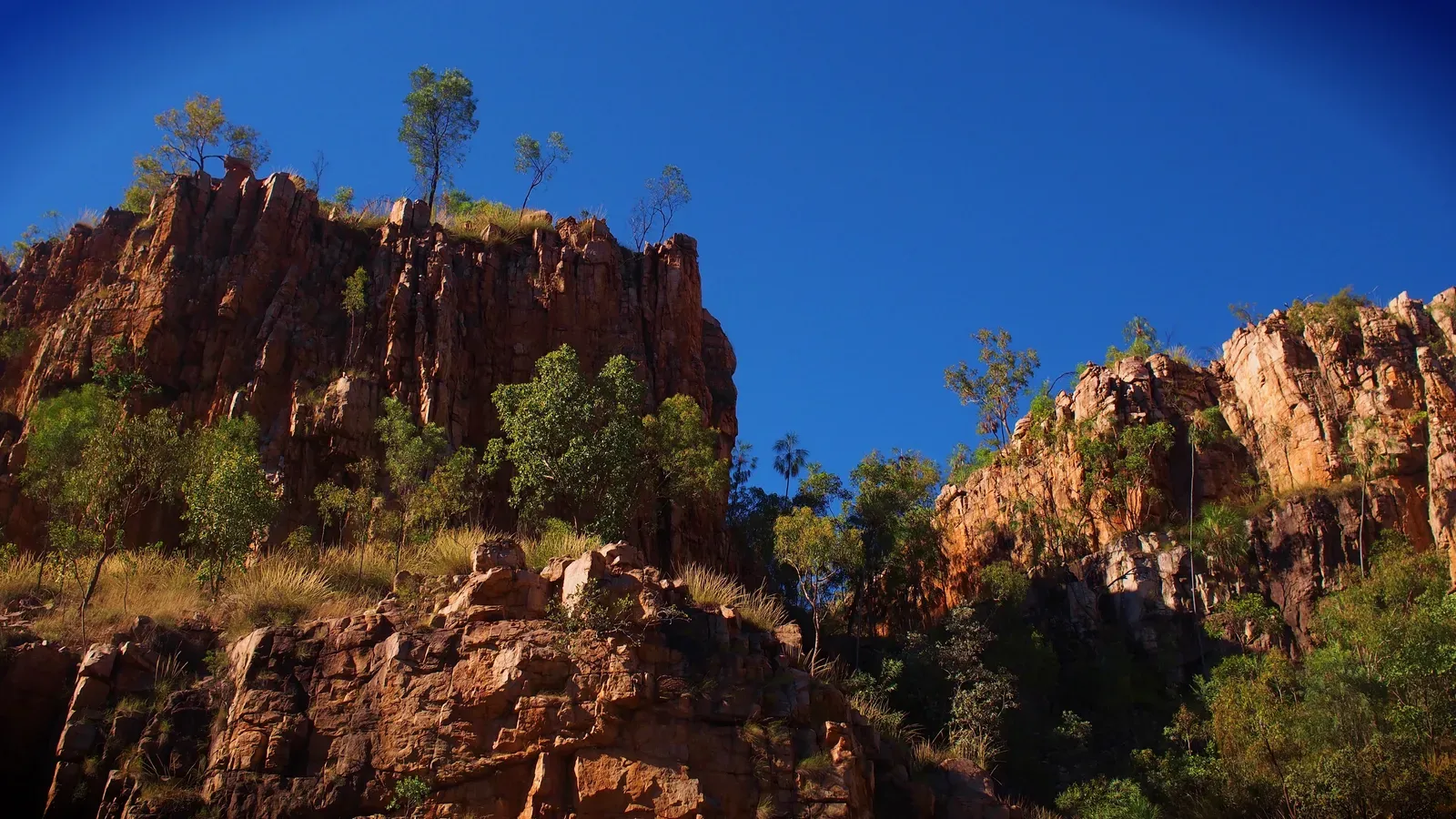
Looking at the oldest rocks on Earth, I cannot shake the feeling that we are temporary tenants in a house that has been renovated a dozen times without our input. The planet that emerges from their signals is unsettling: hyperactive, oxygen-free, metal-rich seas under a sky thick with volcanic gases and harsh radiation. The fact that this same world, given enough time and microbial stubbornness, eventually produced forests, oceans full of fish, and the atmosphere we casually pollute is not comforting to me; it is a warning that deep change is baked into Earth’s nature.
My opinion is that treating the present-day Earth as a stable baseline is a dangerous illusion. The rocks show us a planet that has reinvented itself many times, often violently, and nothing guarantees it will keep the narrow set of conditions humans find comfortable if we keep pushing its systems out of balance. Instead of seeing early Earth as distant and irrelevant, we should see it as a reminder that climate, chemistry, and even the air we breathe are negotiable outcomes, not fixed settings. Knowing that our world was once almost unrecognizable, the real question is whether we will help keep it recognizable for future generations, or let it drift into yet another form we would no longer call home – what would you bet on if you were reading our story only from the rocks?