If you’ve ever watched a robin fluff itself over a nest of eggs, you’ve basically glimpsed a behavior that started tens of millions of years before birds even existed. That’s the mind‑bending part: the classic image of a dinosaur as a roaring, cold‑blooded monster is slowly being replaced by something far stranger and more relatable – an attentive, brooding parent. Fossils of dinosaurs literally preserved on top of their nests are forcing us to rethink what it meant to be a “terrible lizard.”
This is not just a cute detail tacked onto dinosaur life; it strikes at the heart of one of the biggest questions in evolutionary biology: how did birds emerge from dinosaurs? Every time palaeontologists uncover an adult dinosaur frozen in the act of sitting on eggs, it adds another piece to a puzzle that connects your backyard sparrow to a long‑gone creature with claws and teeth. The story is still being written, but the outline is getting clearer – and much more intimate than most people expect.
The First Dinosaur “Brooders” That Changed Everything
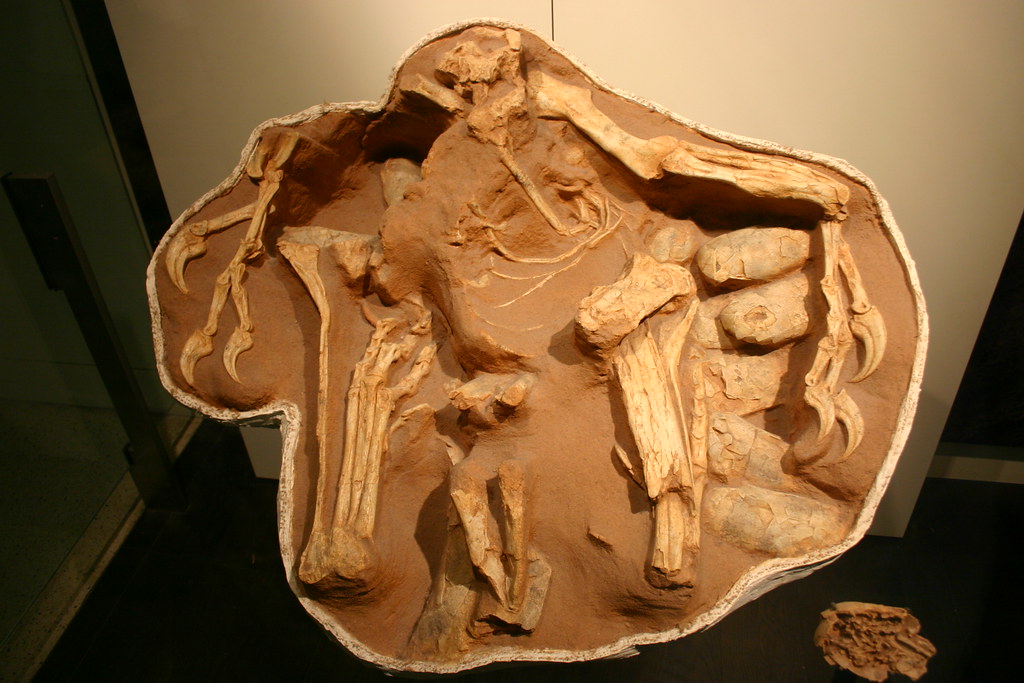
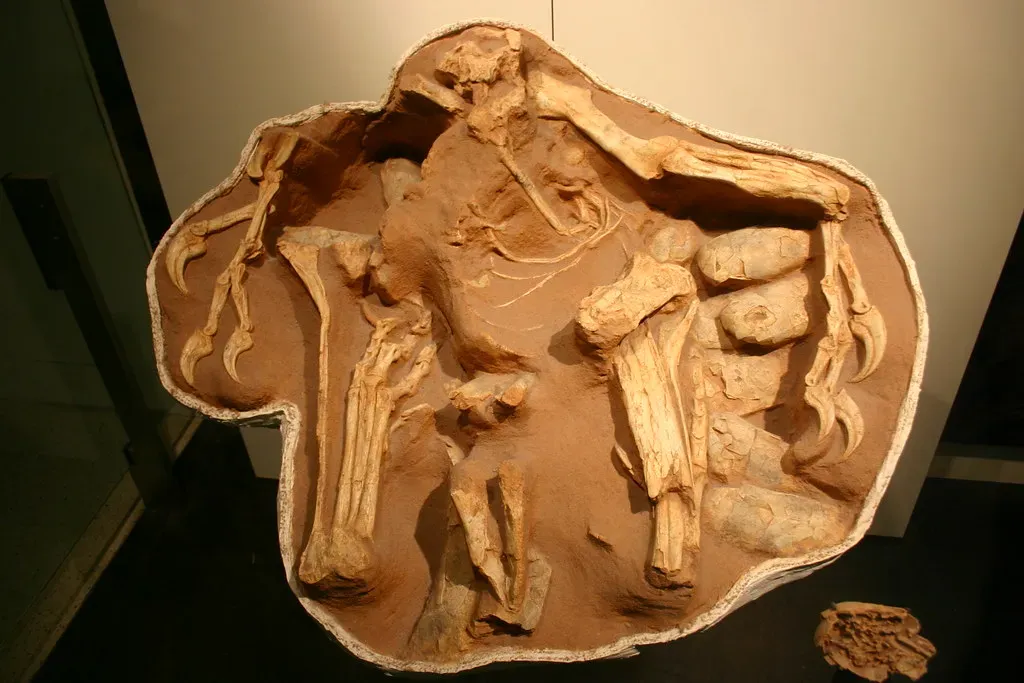
When scientists first started finding dinosaur nests, they assumed almost by default that dinosaurs behaved more like reptiles: lay the eggs, bury them, walk away. That idea took a serious hit when fossils were uncovered showing small, bird‑like theropods preserved directly over circular clutches of eggs, limbs spread in a pose that looked suspiciously like brooding. The animal was not scattered among its eggs; it was on them, as if in mid‑parenting.
One of the most famous cases was a dinosaur once misnamed as an egg thief because it was found near eggs that were thought to belong to another species. Later discoveries revealed those eggs were actually its own, turning a supposed villain into a devoted parent in the scientific narrative. That reversal jolted the field: instead of dinosaurs casually abandoning their offspring, some were clearly investing time and energy into guarding and warming future hatchlings, just as many birds do today.
How Fossils Capture the Moment Dinosaurs Sat on Their Nests
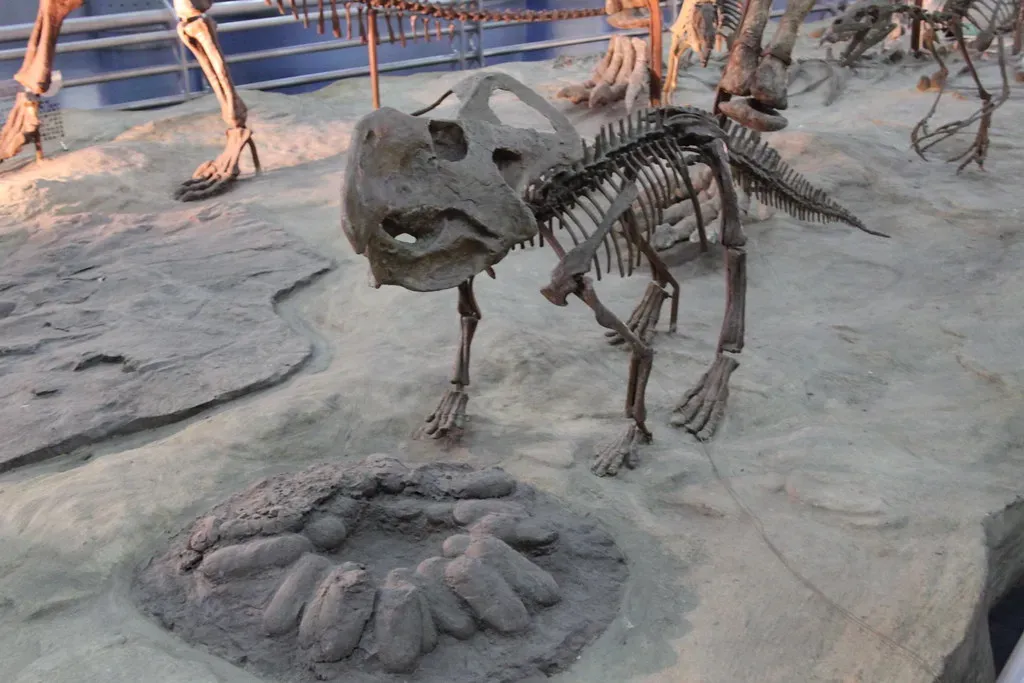
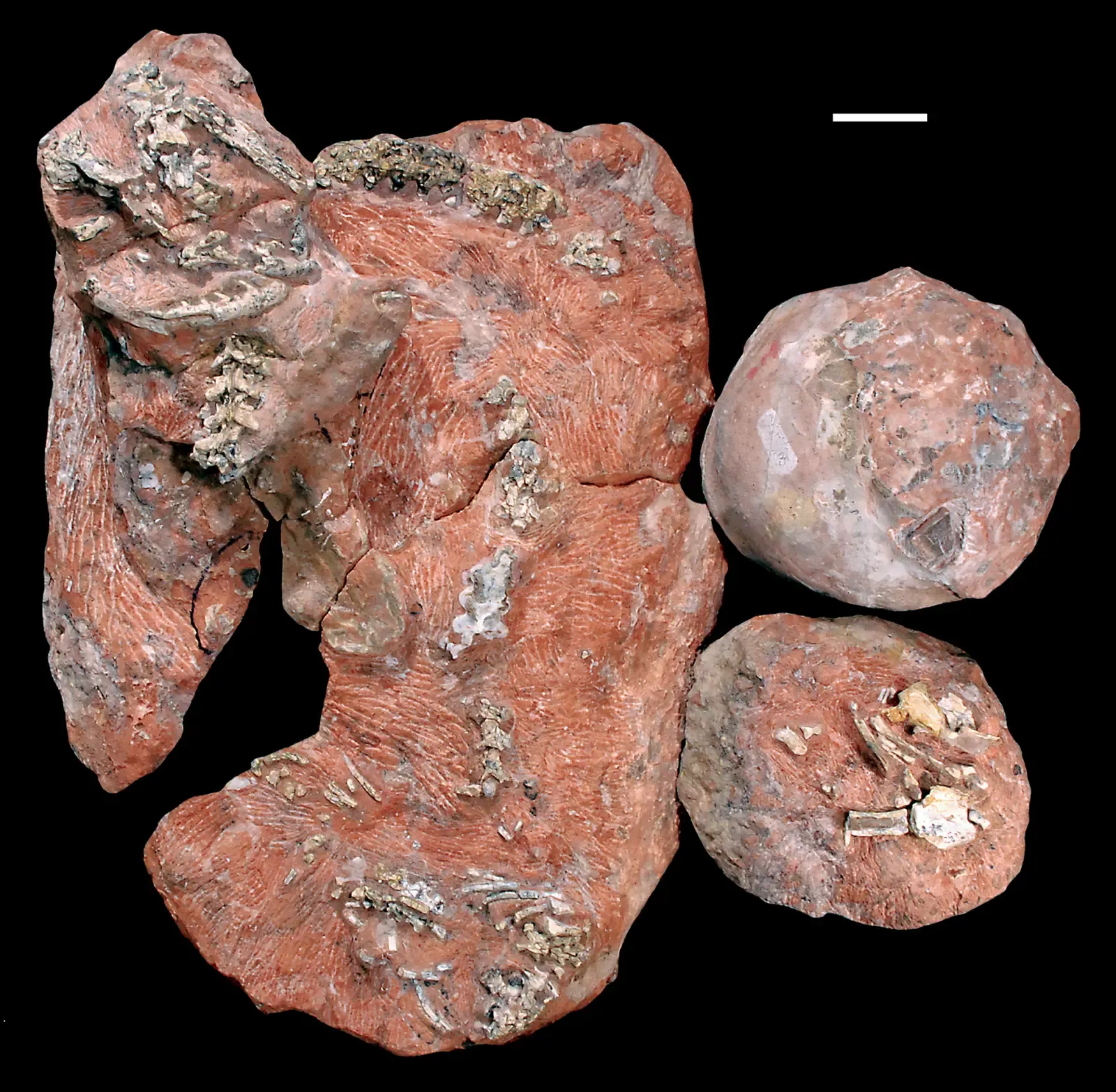
It might sound almost impossible to fossilize a moment as delicate as a dinosaur sitting on eggs, but the right combination of rapid burial and fine sediment can freeze even fragile poses in stone. In several nesting fossils, palaeontologists can see the adult skeleton centered over a ring of eggs, with limbs splayed like outstretched wings and the body crouched low. These are not jumbled bones; they are detailed tableaus, like a paused documentary from deep time.
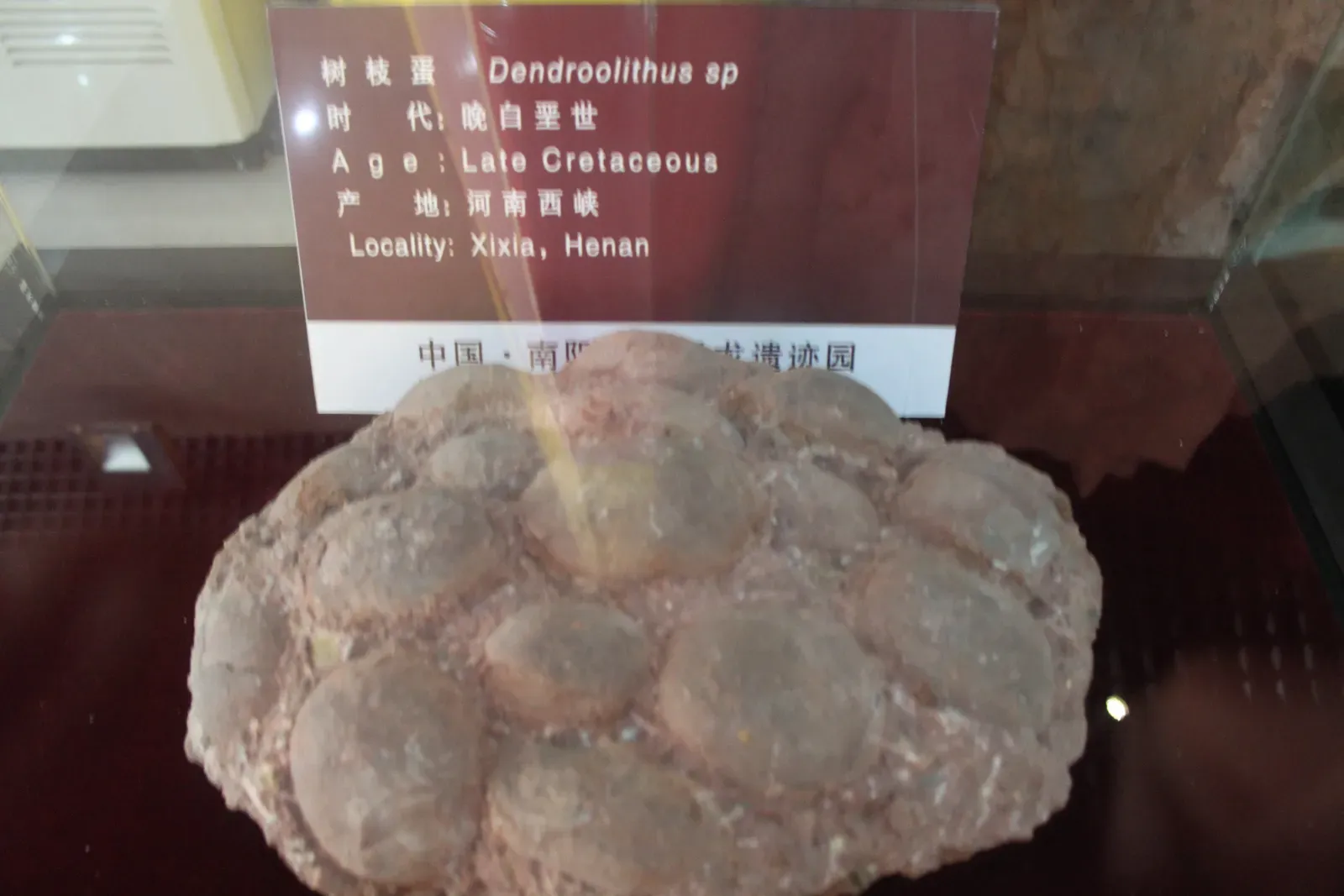
In some cases, the eggs themselves are preserved in multiple layers within a nest bowl, showing that the animals arranged their clutches in a roughly circular pattern, similar to how many birds lay eggs today. The adult is often balanced carefully so that its weight rests on bony parts of the limbs rather than crushing the eggs, suggesting that the posture was purposeful and repeated in life. That kind of consistent positioning is exactly what you would expect from an animal that evolved a specific nesting behavior, not a random accident of death.
Nesting Posture: The Bird‑Like Crouch That Says It All
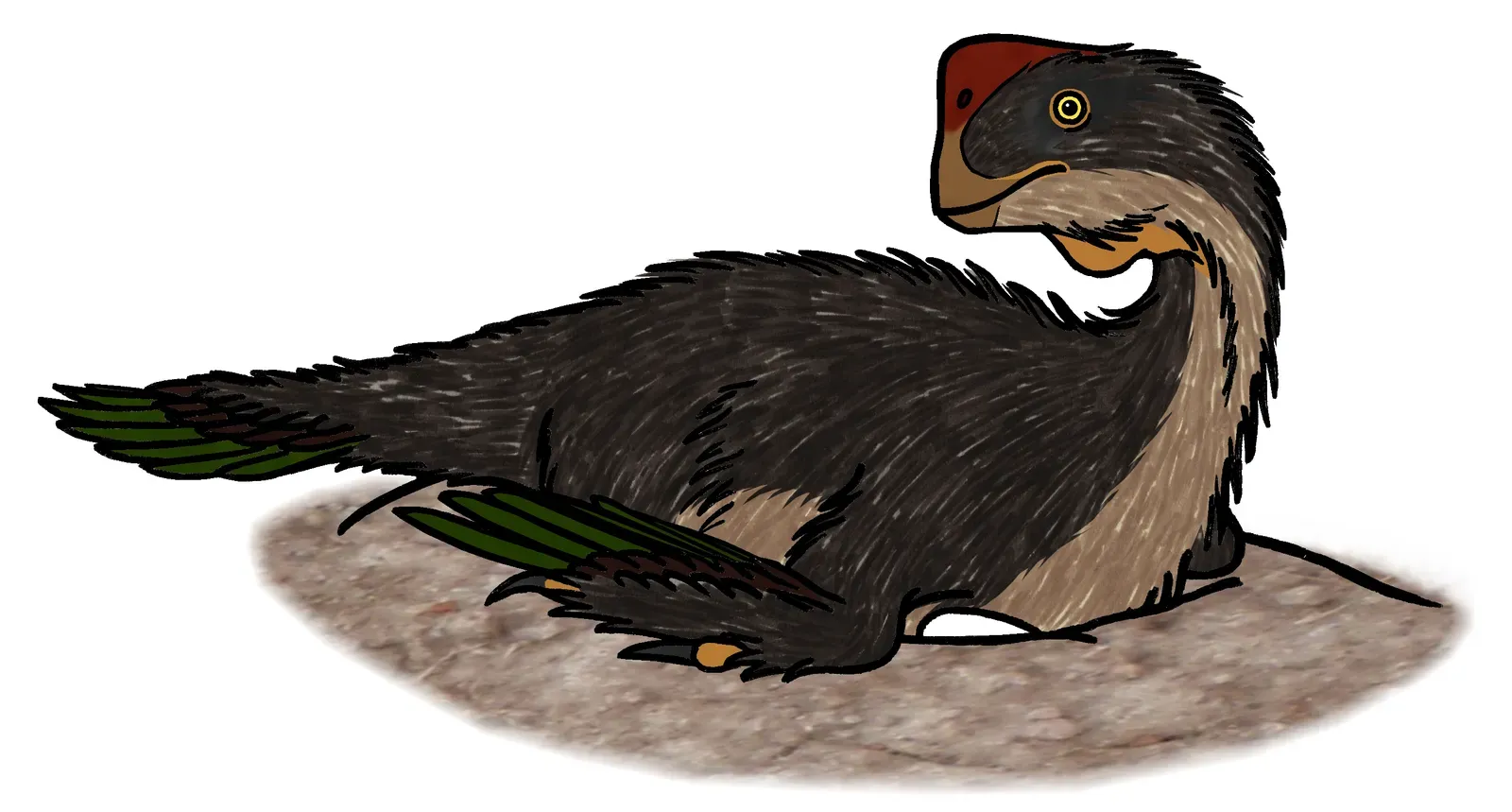
What really grabs scientists is not just that dinosaurs were near their eggs, but how they were positioned. The classic brooding posture seen in several fossils involves the dinosaur crouching with its body over the center of the clutch, forelimbs spread to either side, almost like proto‑wings sheltering the nest. This arrangement looks uncannily similar to a modern bird spreading its wings to cover eggs or chicks from cold, rain, or predators.
In bird nests today, adults often tilt their bodies just enough to keep eggs warm while avoiding putting full weight directly on them; the fossilized dinosaurs seem to have done something comparable, using limb bones and hips as support points. That balancing act implies a certain awareness of where the eggs were and how to protect them without destroying them. When the same posture shows up again and again in different individuals and species, it stops looking like coincidence and starts looking like the early version of a behavior birds later refined.
Eggshells, Clutches, and the Architecture of Dinosaur Nests
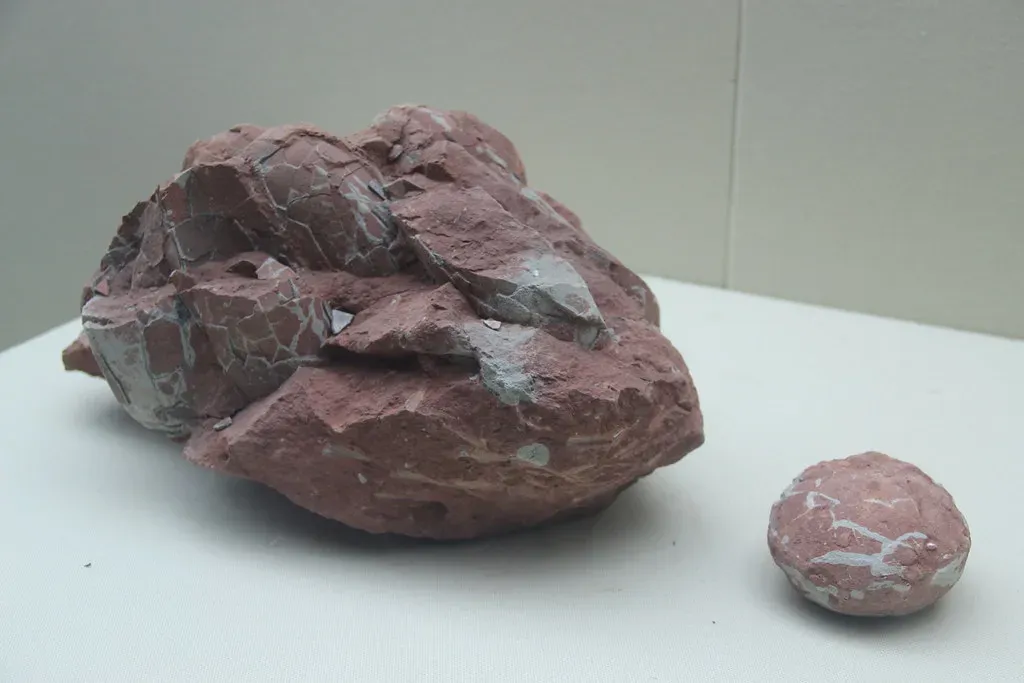
The eggs themselves hold a surprising amount of evidence for how dinosaur nesting connects to birds. Detailed studies of eggshell thickness, surface texture, and microscopic structure in many theropod dinosaurs have shown clear similarities to the rigid, calcified eggs of modern birds. These eggs were not leathery sacks dumped and buried like many modern reptiles produce; they were solid, exposed structures that could benefit from careful incubation.
Even the layout of the nests tells a story. Many fossil nests show eggs arranged in neat rings or paired patterns, often stacked in shallow scrapes or bowls dug into the ground. That kind of organized placement is reminiscent of ground‑nesting birds that orient their eggs for optimal temperature and gas exchange. When you pair that with an adult sitting directly on top in a repeated, recognizable pose, you get strong evidence that at least some dinosaurs built and tended their nests in a way much closer to birds than to crocodiles or turtles.
Incubation, Warmth, and the Debate Over Dinosaur Body Temperature
Dinosaur brooding fossils have also poured fuel on a long‑running debate: were dinosaurs cold‑blooded like most reptiles, warm‑blooded like birds and mammals, or something in between? Sitting on a nest to incubate eggs is generally only useful if the parent’s body can provide additional warmth beyond the environment. Modern reptiles that are fully dependent on external heat rarely bother with this level of contact incubation, relying instead on sun‑warmed soil, rotting vegetation, or simple burial.
The fact that multiple theropod dinosaurs appear to have invested in direct physical incubation suggests they had sufficient internal heat, or at least could regulate temperature more actively than a typical lizard. This lines up with other lines of evidence hinting that many dinosaurs had high metabolisms, including bone growth patterns and the presence of feather‑like coverings in related species. Nesting behavior does not settle the metabolism question on its own, but it fits much more naturally with an animal closer to a bird in physiology than to a sluggish, cold‑blooded stereotype.
Parental Care: From Guarding Eggs to Protecting Future Flocks
Brooding fossils do more than hint at warmth; they hint at emotional stakes. When an adult is found preserved on a nest in a position that looks defensive rather than fleeing, it raises the possibility that the dinosaur chose not to abandon its eggs in a crisis. That is a familiar theme in the bird world, where many species risk injury or death to shield their nests from predators or storms. The image of a dinosaur holding its ground over a clutch suggests that kind of investment may have deep evolutionary roots.
Other fossil sites show entire nesting colonies, with multiple nests clustered in the same area and repeated use of similar nesting grounds. That pattern looks very much like seabird colonies or heron rookeries today, where adults gather in specific safe spots to lay and raise young. Together, these clues paint a picture of at least some dinosaurs as social, attentive parents that guarded their eggs, monitored incubation, and probably stayed around after hatching. It is hard to overstate how different that is from the old cartoon of dinosaurs as mindless brutes roaming alone.
What This Means for the Dinosaur–Bird Family Tree
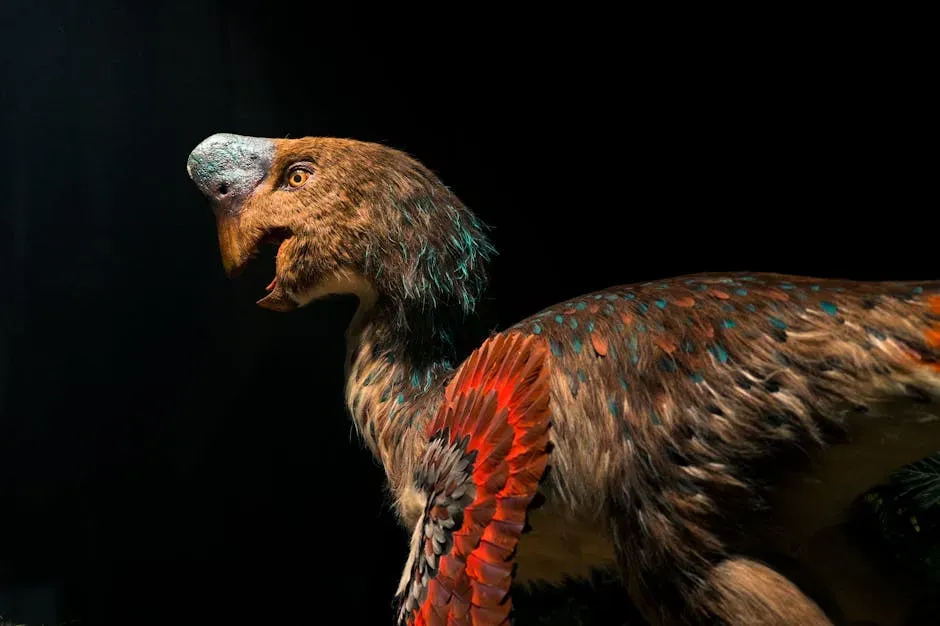
Putting all this together – brooding postures, bird‑like eggshells, organized nests, and hints of parental care – the evolutionary connection between dinosaurs and birds stops being an abstract claim and starts feeling like a family story. Birds are not just loosely related to dinosaurs; they are living dinosaurs that kept refining behaviors and traits their ancestors were already experimenting with. When a modern bird shivers to warm its eggs, it is echoing something that was already happening in small theropods long before the first true bird took flight.
In my view, the nesting evidence is one of the most compelling reasons to take that family link seriously, more than just similarities in bones or feathers. Behavior can be harder to see in the fossil record than anatomy, yet here we have behavior written clearly enough in stone to recognize across tens of millions of years. That continuity makes it hard to argue that birds are some distant, separate offshoot; they look much more like the last surviving branch of a broader dinosaur experiment in active parenting, warm‑bloodedness, and sophisticated life histories.
Why These Discoveries Change How We Imagine Dinosaurs
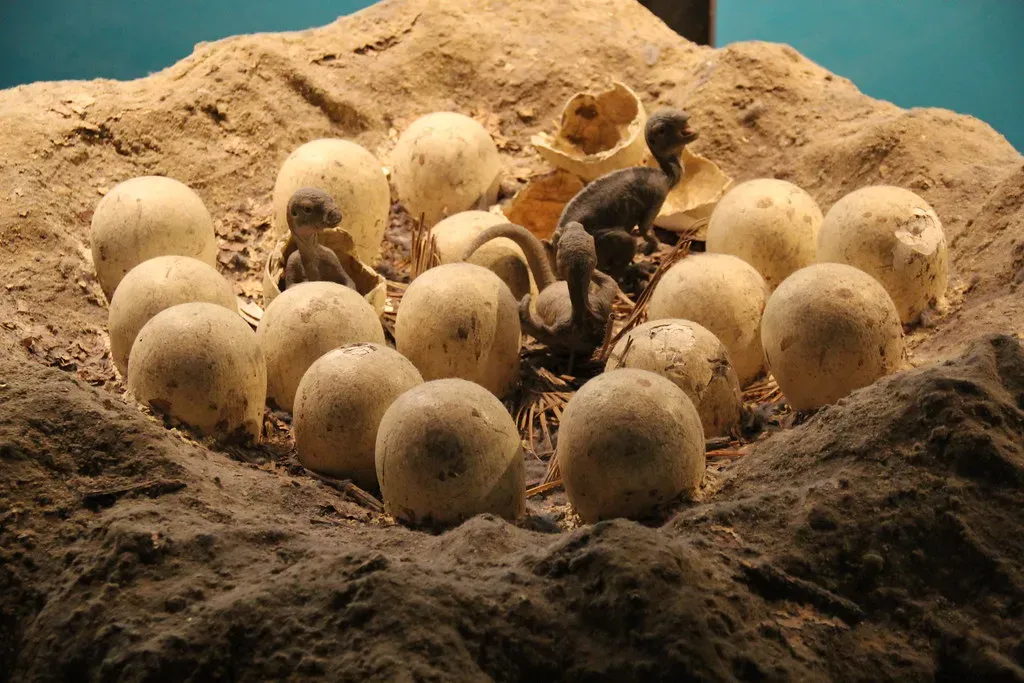
Once you accept that some dinosaurs sat over their nests like birds, it becomes almost impossible to picture them the old way. Instead of a world of nothing but roaring jaws and stampeding herds, you start to imagine quieter scenes: a small, feathered theropod carefully arranging eggs, shifting its weight just enough to avoid crushing them, maybe even fluffing primitive plumage against a chill breeze. That shift makes dinosaurs feel less like movie monsters and more like real animals with complex lives.
Personally, I think this is the most radical thing about the nesting fossils: they force us to admit that dinosaurs were not just big and impressive, but also vulnerable, attentive, and surprisingly familiar. The more we learn about their parenting, the harder it is to keep them at arm’s length as distant, alien creatures. Every new brooding fossil is a quiet reminder that evolution works not just through claws and teeth, but through patience on a nest and the simple act of staying put to give the next generation a chance. Did you ever expect the most powerful connection between dinosaurs and birds to come from something as gentle as sitting on eggs?