Picture this: you are floating in deep, dark water, unable to see the bottom, when a shadow bigger than a bus glides silently beneath you and then vanishes. No roaring, no stomping footsteps, just the quiet certainty that something enormous is there and you are completely in its world. For many people, that mental image hits harder than any T. rex chase scene ever could.
There is something about ancient marine reptiles – the so‑called prehistoric sea monsters – that feels more haunting, more personal, and somehow more plausible than dinosaurs on land. Maybe it is because the ocean still hides giant animals today, or because we instinctively fear water and the unknown. Whatever the reason, when you put plesiosaurs, mosasaurs, and giant sharks up against the classic land dinosaurs, a surprising number of us find the underwater monsters more unsettling. Let’s dig into why.
The Ocean Is Already One of Our Deepest Fears
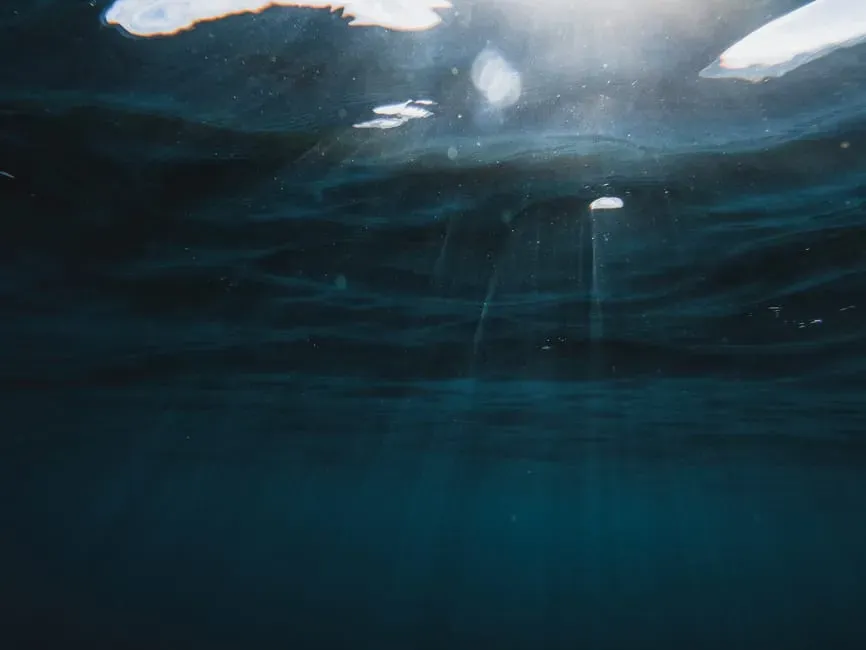
Fear of the sea is almost baked into us. Even now, in a world of GPS and satellites, people get uneasy in deep water where they cannot see the bottom, where currents are invisible and depth feels infinite. That unease ramps up when you imagine the same ocean filled with giant reptiles with toothy jaws and eyes adapted to the gloom.
On land, most of us feel we at least understand our surroundings: there is ground, there are trees, there is horizon. The ocean erases nearly all of that. Down just a few meters, colors fade, sounds change, and our sense of scale breaks. Combining that already‑unnerving environment with creatures that grew longer than modern buses makes the fear feel almost inevitable, like adding fuel to a fire that is already burning.
We Are Helpless in Water, But Dinosaurs on Land Feel “Manageable”
When you imagine facing a Tyrannosaurus on land, your brain instantly starts looking for strategies, however unrealistic: hiding behind rocks, running through trees, jumping into a car and speeding away. It is not that this would truly work; it is that your brain can imagine having options. There is terrain, cover, obstacles, and some fragile sense of control.
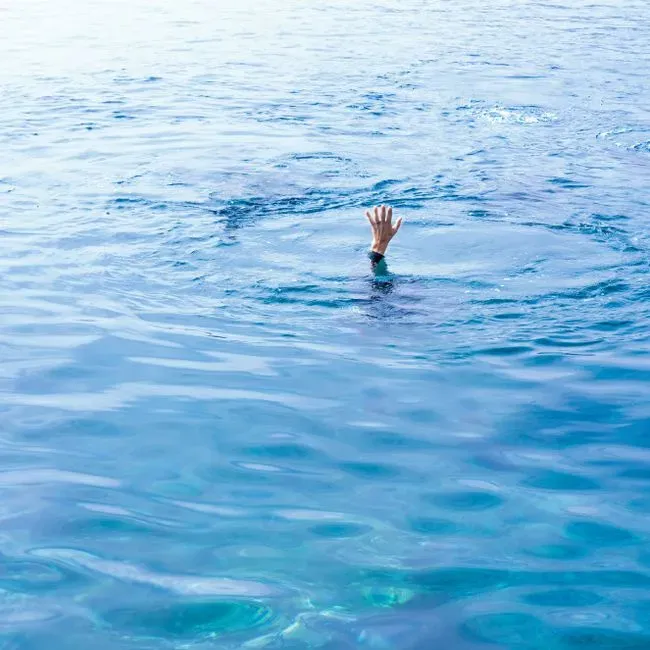
In open water, especially the prehistoric seas, that illusion collapses. You cannot run; you can barely move compared to a streamlined marine predator. You cannot climb a tree or slam a door; you are just suspended, slow and noisy, in a three‑dimensional space where the hunter can attack from below, behind, or out of the murk. That total helplessness – the sense that there is literally nothing you can do – supercharges the fear in a way that stomping terrestrial giants often do not.
Three-Dimensional Hunting Makes Sea Monsters Feel Inescapable
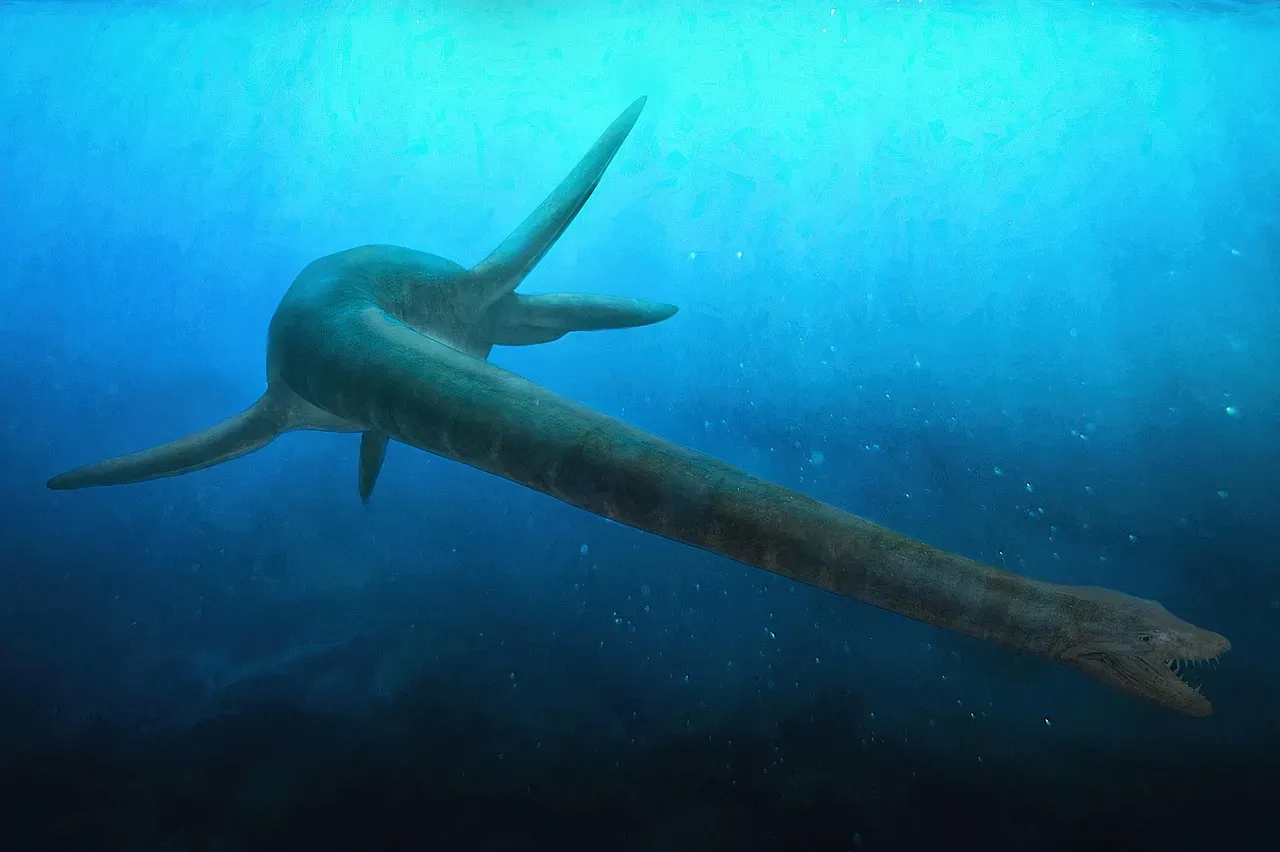
On land, threats mostly come from the front or the sides; gravity pins big predators to the ground. In water, though, hunters use the full three‑dimensional environment. Many marine reptiles, like long‑necked plesiosaurs or torpedo‑shaped ichthyosaurs, were built for fast, agile movement up, down, and sideways through the water column. They were not just charging straight ahead; they were swooping, circling, and ambushing.
Now picture that from the prey’s perspective – and from ours. Being attacked from below taps into the same dread people feel when swimming in deep lakes or the open sea today, where you can imagine something rising silently from the darkness. A large theropod dinosaur sprinting at you is terrifying, but at least you can see your doom arriving. A marine reptile appearing from the blackness at arm’s length feels like horror cinema turned real.
Silence, Darkness, and the Strange Physics of the Sea
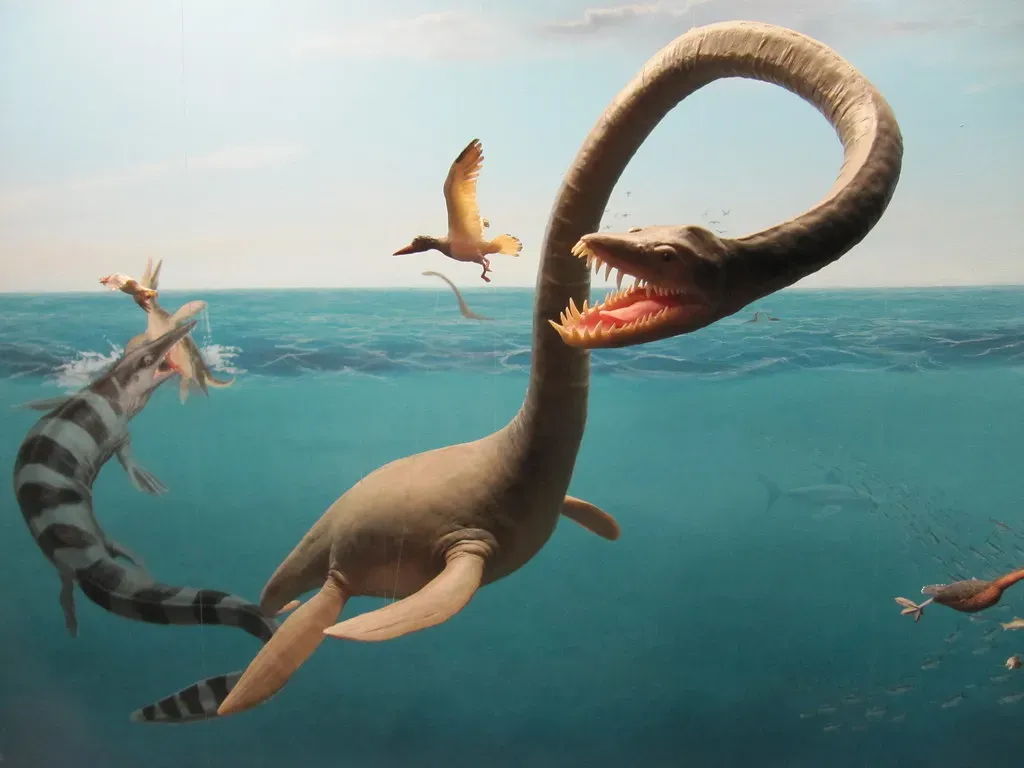
Dinosaurs on land roar, stomp, and crash through forests in most people’s imaginations. The prehistoric ocean, by contrast, is quiet. Sound travels differently underwater and often much farther, but it does so in ways that do not line up with our land‑based instincts. A predator could be nearby and you might not interpret any of the subtle cues correctly until it is far too late.
Then there is the darkness. Light does not penetrate far below the surface, and even in relatively shallow ancient seas, visibility could be poor. Large marine reptiles probably took full advantage of that, relying on stealth, speed, or surprise attacks. In modern terms, it is like walking into a pitch‑black room where something can move much faster than you and knows the terrain perfectly. The physics of the sea – reduced gravity, different sound, filtered light – stack up to create a horror setting that land simply cannot match.
The Creatures Themselves Look Alien Compared to Land Dinosaurs
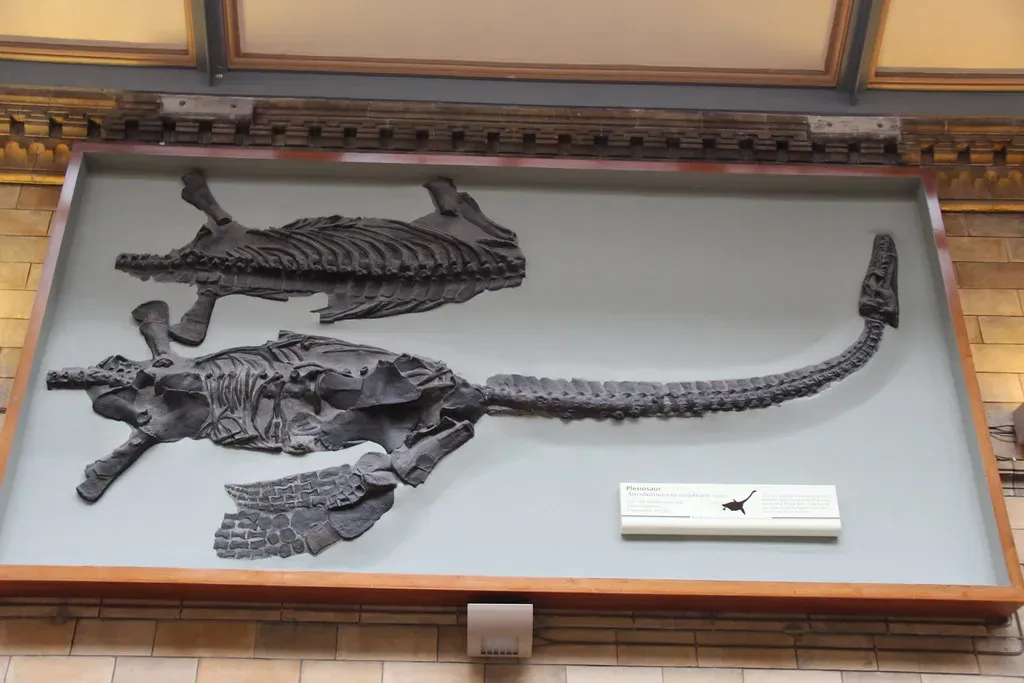
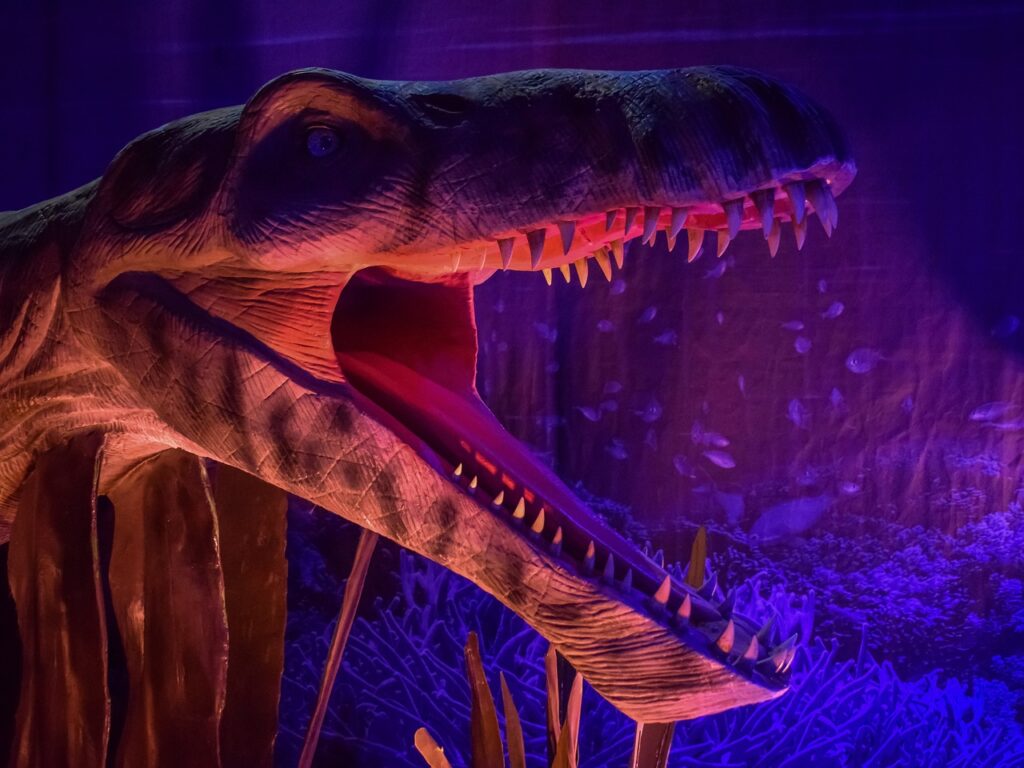
Most people can look at a T. rex skeleton and, as scary as it is, still see a kind of exaggerated, monstrous version of an animal they recognize: big hind legs, tail for balance, jaws like a crocodile. There is a familiar logic to its design. Many marine reptiles, though, look truly alien, even by dinosaur standards. Long necks with tiny heads, flippered limbs, massive paddle‑like tails, eyes positioned in odd places – they are less like modern animals and more like something dreamed up for a sci‑fi film.
Plesiosaurs with absurdly long necks seem physically impossible at first glance. Mosasaurs resemble a nightmarish fusion of crocodile, snake, and whale. Even giant prehistoric sharks force us to picture a mouth wide enough to swallow us whole in one bite. The less recognizably “normal” a creature looks, the more it unsettles us at a gut level, because our built‑in mental templates for judging risk and behavior stop working. That alien quality gives prehistoric sea monsters an extra edge in the fear department.
Real Oceans Still Hide Giants, So the Threat Feels Closer
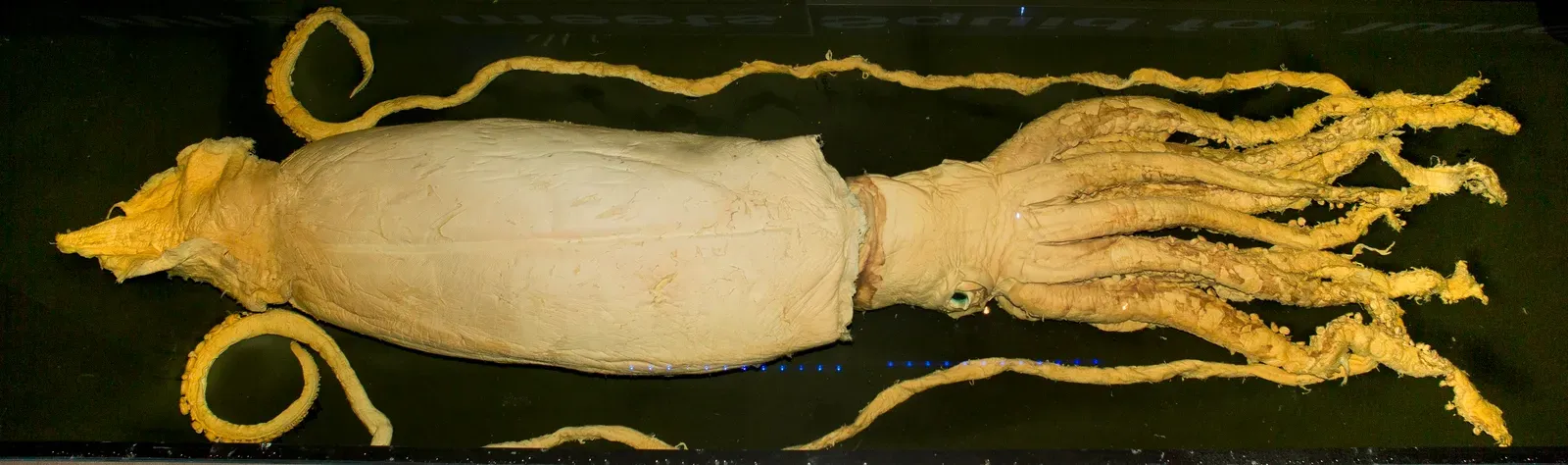
Land dinosaurs are gone; their non‑avian forms have been extinct for tens of millions of years. We can love them, study them, even be scared by them in movies, but we know they are fossils. The ocean, on the other hand, still harbors enormous animals today: giant squids, colossal whales, huge sharks, and deep‑sea creatures we rarely see alive. Scientists regularly discover new species in the depths, some of them surprisingly large or bizarre.
That reality blurs the line between prehistoric sea monsters and the present day in a way that does not really happen with terrestrial dinosaurs. When we imagine a massive mosasaur gliding in the dark, the mind quickly jumps to modern great white sharks or orcas. Instead of feeling like ancient history, it starts to feel like an extreme version of something that might still be out there. The threat is not purely academic or nostalgic; it is anchored to a living, breathing ocean that still keeps secrets from us.
Water-Based Phobias and Childhood Fears Stick With Us
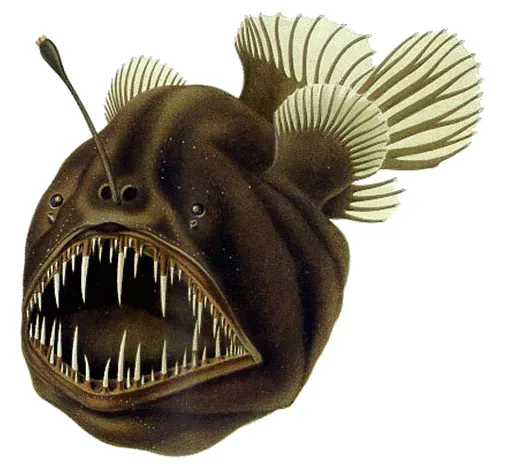
Many people carry deep‑seated water fears from childhood, often long before they ever learn the word “mosasaur.” A lot of us remember staring at a dark swimming pool at night or looking out into black ocean water and imagining something huge hidden below. Those early, emotional experiences lay powerful tracks in the brain. Later, when we see illustrations or documentaries of gigantic marine reptiles, those old feelings get reactivated and amplified.
By contrast, there is usually a sense of distance with land dinosaurs. They are museum exhibits, movie stars, toy figurines. They are dangerous in theory, but they live behind glass, in textbooks, or on screens. Prehistoric sea monsters piggyback on a much more direct, physical fear: the fear of deep water, drowning, and unseen movement just out of sight. That overlap between ancient animals and personal phobias makes them hit harder, even if we do not consciously connect the dots.
Movies and Media Have Turned the Ocean into a Fear Factory
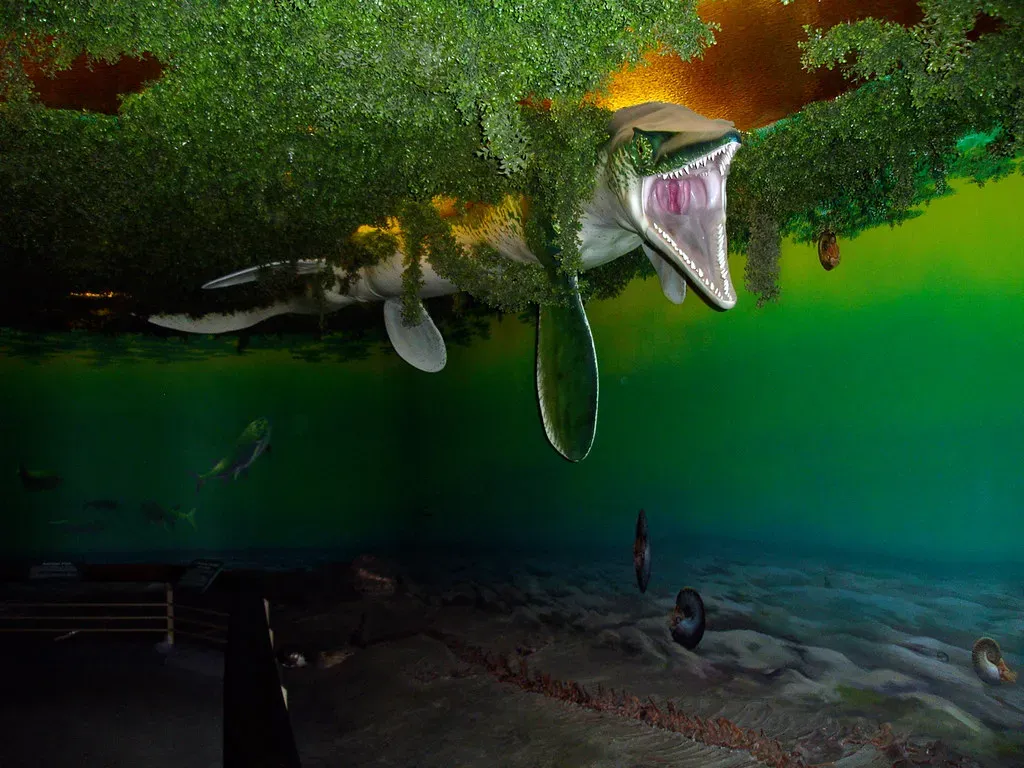
Pop culture has done a lot of the psychological groundwork for our terror of prehistoric seas. From shark movies to deep‑sea horror, the narrative pattern is always the same: humans out of their depth, surrounded by darkness, hunted by something they can barely comprehend. When you later plug a giant mosasaur or plesiosaur into that template, your brain already knows exactly how to feel: small, exposed, and doomed.
Meanwhile, land dinosaurs are often framed as majestic or even heroic in modern media. We get scenes of herds moving across plains at sunset, baby dinosaurs hatching, and scientists bonding with them. Even the terrifying predators are shown in slow moments of vulnerability. Marine reptiles do not get the same emotional softening. They are usually framed as pure menace erupting from the depths, with very little screen time devoted to them just existing. That storytelling bias reinforces the idea that prehistoric ocean life is almost exclusively something to fear.
Our Imagination Fills in the Gaps Where Science Is Still Quiet
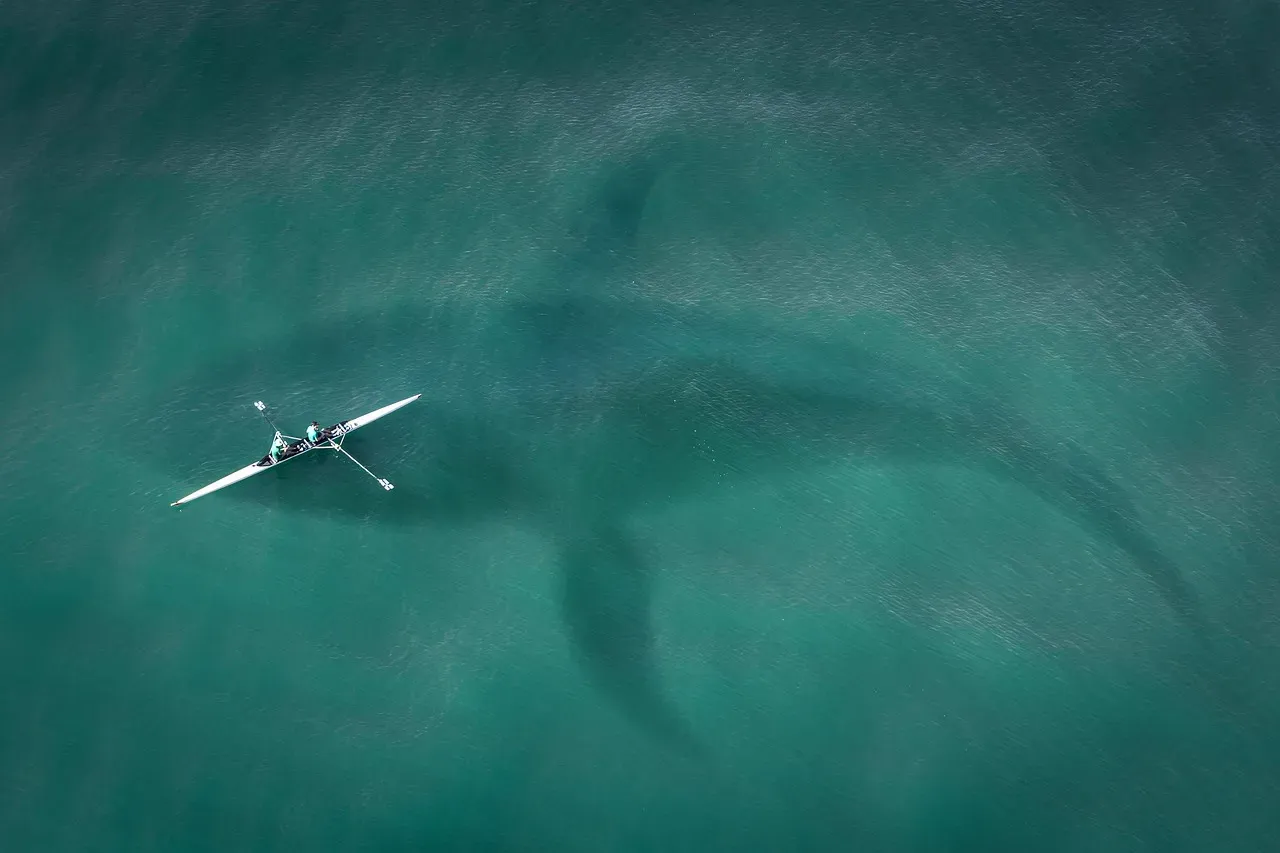
We know a lot about prehistoric marine ecosystems, but compared with land dinosaurs, the public picture is still spotty. Fossilization in marine settings can be tricky, and entire groups of ancient sea reptiles are known from limited remains. That scientific uncertainty leaves huge blank spaces for our imaginations to color in, often with the darkest shades possible. If we do not know exactly how a predator hunted, we imagine the most horror‑movie version of events.
I find that mix both exciting and unnerving. On one hand, it is thrilling to think there are still big questions about how these animals lived, interacted, and evolved. On the other, those gaps invite us to project every fear we have about deep water onto them. Dinosaurs on land feel more “mapped out” in comparison, with familiar museum halls and detailed reconstructions. The sea monsters live in the half‑lit zone between evidence and imagination, and fear thrives in exactly that kind of twilight.
Conclusion: Sea Monsters as Mirrors of Our Own Vulnerability
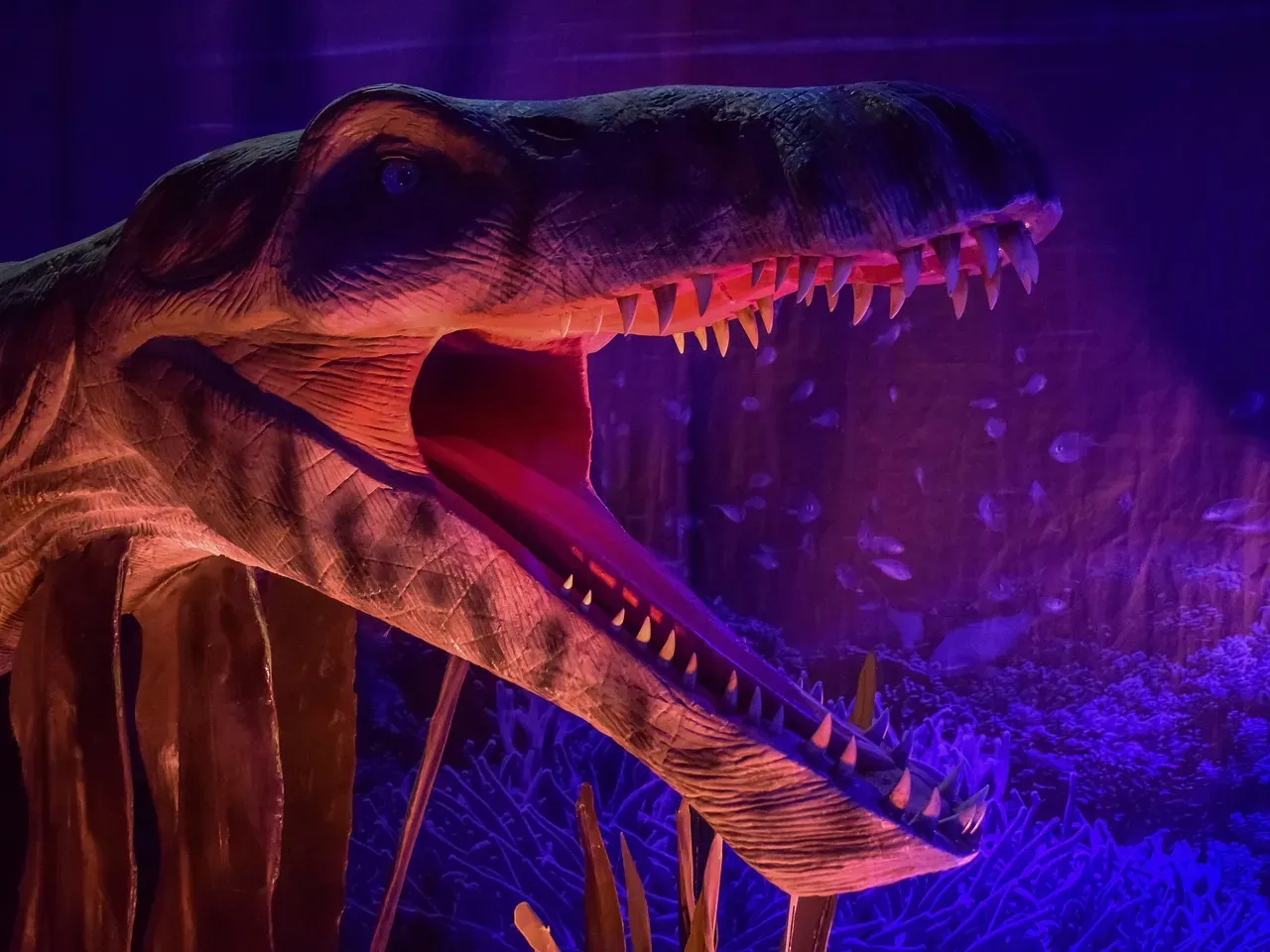
If I am honest, prehistoric sea monsters scare me more than land dinosaurs because they poke directly at something raw: the sense that, in the ocean, we are clumsy visitors in a world that does not care whether we survive. Dinosaurs on land feel like part of a story that has already ended. The marine reptiles, even though they are just as extinct, feel like exaggerated echoes of dangers that still exist today in the dark water beyond the shore.
In the end, our fear says less about those ancient animals and more about us. We fear what we cannot control, what we cannot clearly see, and what might still be lurking where our lights and technology fade out. Prehistoric sea monsters bundle all of that into one image: jaws, darkness, and depth. Maybe that is why, when you turn out the lights and close your eyes, it is not the thunder of dinosaur footsteps you imagine, but the silent shape passing just below your dangling feet. When you think about it, which would trouble your dreams more: a roar you can hear coming, or a shadow you never see until it is too late?