
Look up at the zodiac today and you see a menagerie: lions, scorpions, rams, fishes, mythical archers and sea goats arching across the night. For ancient sky‑watchers, those constellations were cosmic landmarks and spiritual signposts, mapped out with myths and animals they knew from daily life. What they could not possibly have imagined is that, long before humans told stories about the stars, the skies were shaped by a very different cast of creatures that never saw a single constellation.
Roughly about sixty‑five million years before anyone traced a crab or a bull in starlight, the age of dinosaurs ended in a planetary catastrophe that literally reset the story of life on Earth. The same heavens that Babylonian and Greek astronomers turned into celestial art once shone down on Tyrannosaurus, Triceratops, and early birds gliding through Cretaceous air. When you put those two timelines side by side – prehistoric animals under ancient skies and human cultures projecting animals into those same skies – it suddenly feels like the zodiac is an accidental monument to a lost world we never knew.
The Zodiac: Human Animals in a Cosmic Mirror
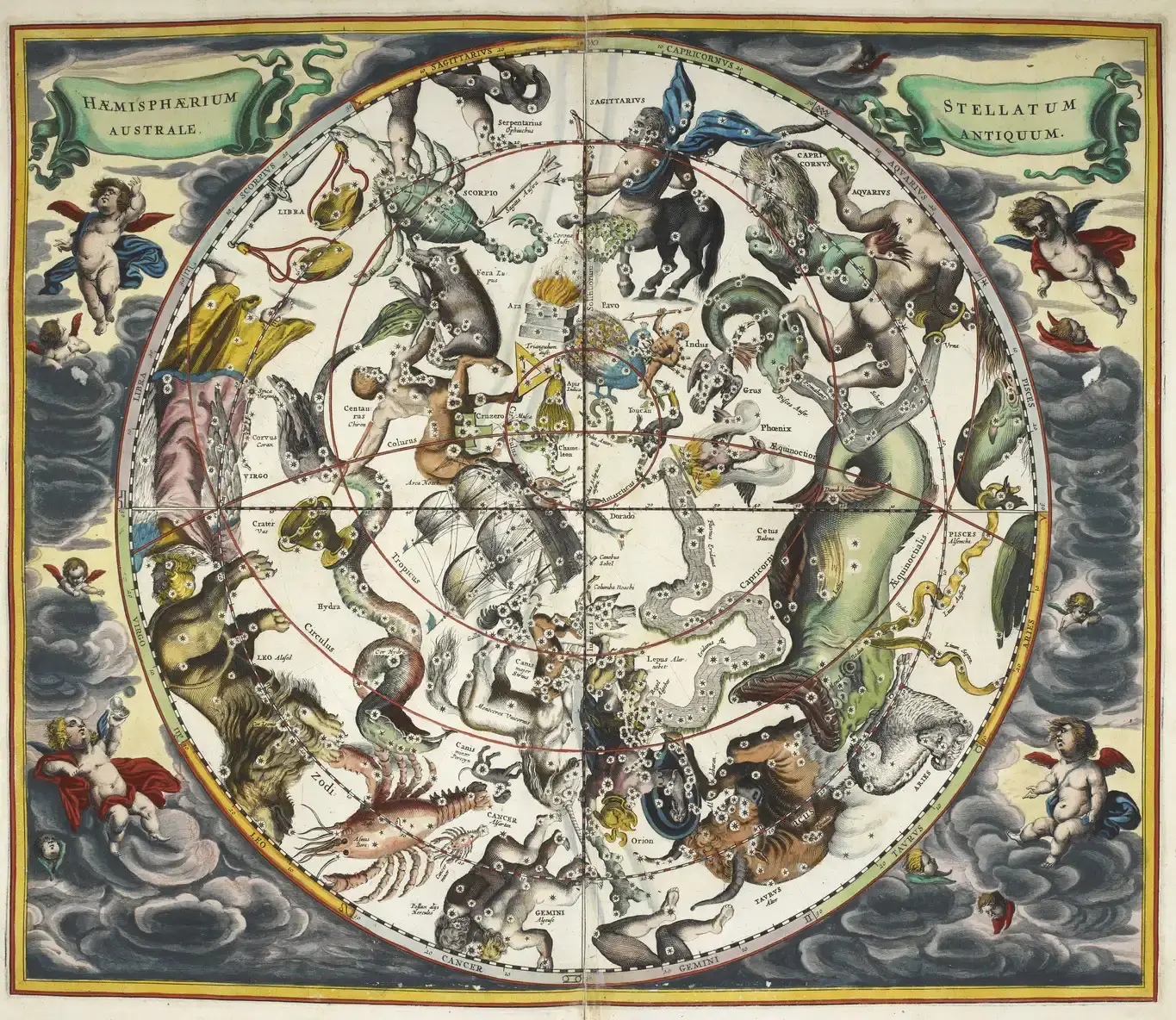
Ancient astronomers did something deeply human: they looked up and saw themselves, their fears, and their environment written in the stars. The familiar twelve‑sign zodiac emerges out of Mesopotamian traditions, later refined by Greek and Hellenistic astronomers, who divided the ecliptic – the Sun’s apparent path – into equal segments, each anchored by a recognizable constellation. Instead of random dots of light, people saw a crab scuttling sideways, a scorpion with a curling tail, a proud lion, and a pair of twins locked in an eternal embrace.
These celestial animals and figures were not chosen because they were literally in the sky but because they were emotionally and culturally loaded on the ground. A lion symbolized power and kingship, a bull represented strength and fertility, fishes suggested abundance and the mysterious depths. In a way, the zodiac is humanity holding up a mirror to the universe and drawing animals onto it like doodles on a fogged window – shapes that say more about the artist than the canvas.
Deep Time: When Dinosaurs Ruled Under Familiar Stars
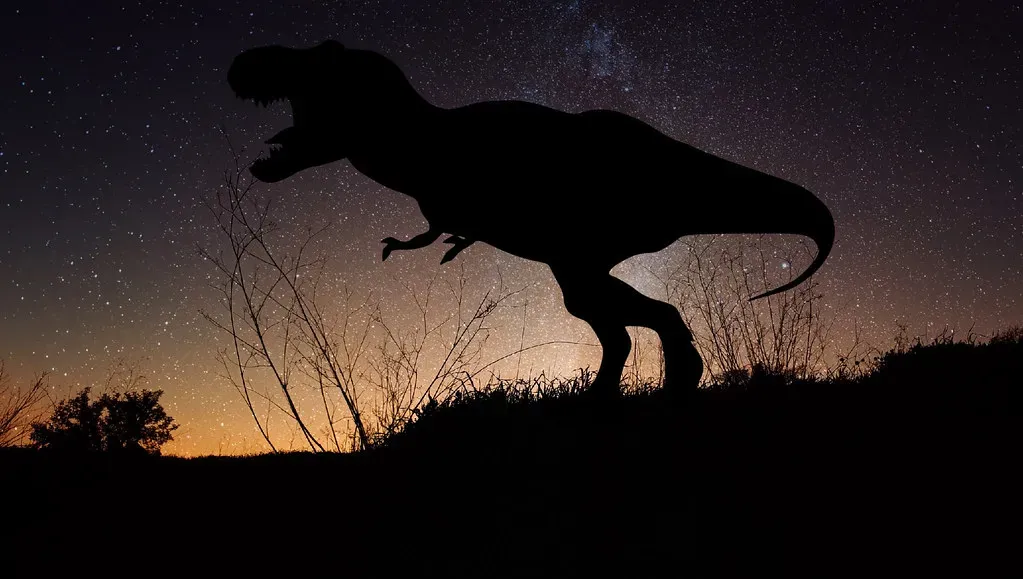
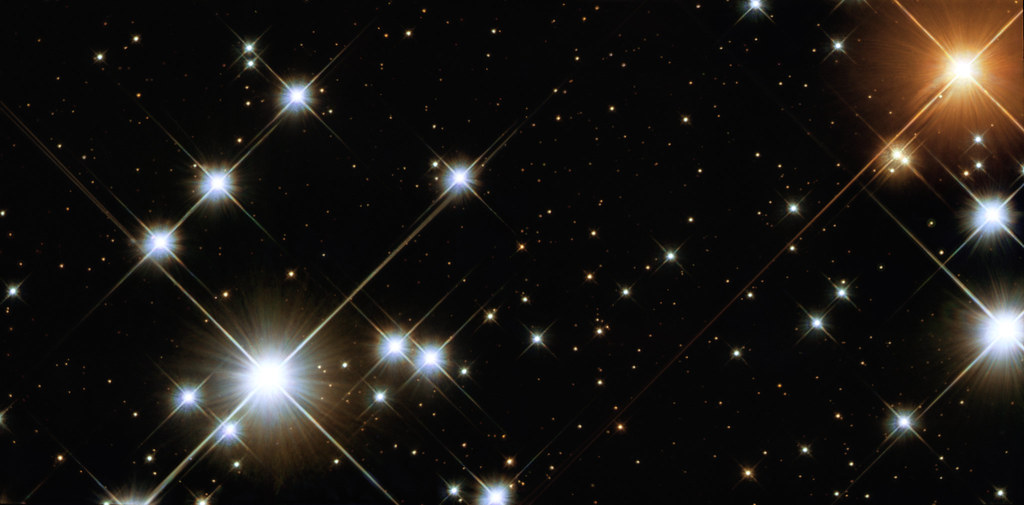
Here’s the wild twist: the basic pattern of the night sky has been broadly similar for millions of years, even though the details slowly drift. The bright stars that make up many zodiac constellations are older than humanity, older than mammals as we know them, and in several cases older than the dinosaurs that once dominated Earth’s ecosystems. In late Cretaceous nights, if you could stand somewhere safe and somehow survive, you would see many of the same prominent stars winking overhead, even if they were not yet grouped into constellations with human names.
Imagine a herd of hadrosaurs browsing under the sparkling band of the Milky Way or small feathered raptors hunting beneath a sky that already held the future points of Leo or Scorpio, just not yet connected. To them, the stars were silent pinpricks of light; to us, they are part of an intricate symbolic system. The cosmos did not change when humans arrived – we changed how we read it. The constellations are like a late‑added caption on an incredibly ancient photograph.
The Impact That Rewrote the Sky’s Audience

About sixty‑six million years ago, a massive asteroid slammed into what is now the Yucatán Peninsula, unleashing one of the most violent episodes in Earth’s history. The blast, shock waves, firestorms, and resulting climate chaos wiped out roughly about three quarters of species on the planet, including all non‑avian dinosaurs. The sky would have gone from serene to apocalyptic, darkened by dust and soot, with the Sun and stars temporarily veiled behind a shroud thrown up by the impact.
That catastrophe did not rearrange the constellations, but it absolutely changed who was around to see them. With the non‑avian dinosaurs gone, ecological space opened up for mammals and, much later, primates to expand and diversify. In a brutally literal sense, the asteroid cleared the stage so that an entirely different kind of sky‑watcher could one day evolve. The fact that humans were eventually able to invent the zodiac at all is a downstream consequence of that single, terrible day in deep time.
From Prehistoric Creatures to Mythic Beasts in the Stars
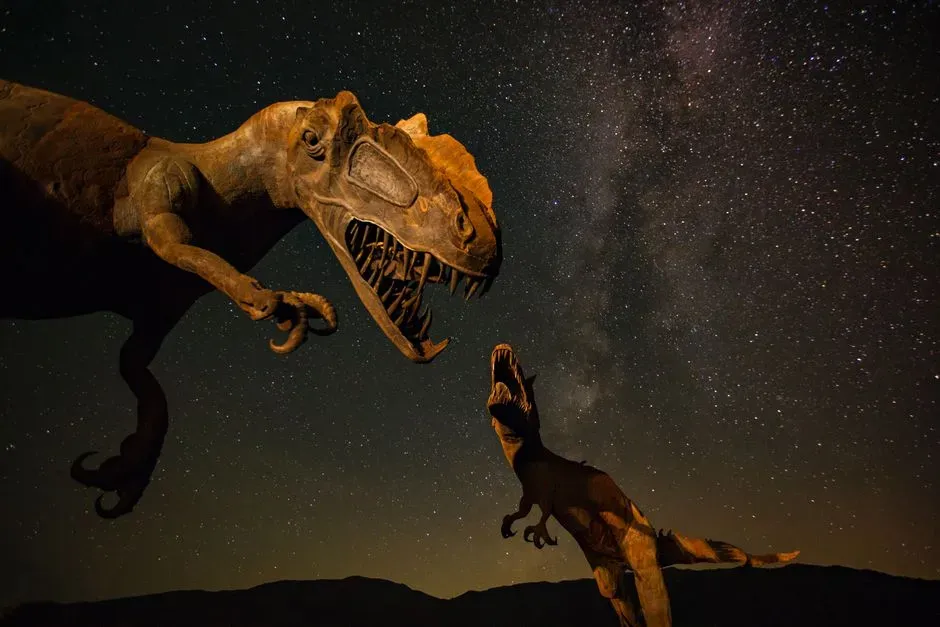
There’s a deep irony in the way we filled the night with creatures when the real, Earth‑bound fauna of the past was far stranger than anything we put up there. The zodiac hosts stylized animals – lions, crabs, goats – that feel safe and familiar compared with towering sauropods, armored ankylosaurs, and pterosaurs with wingspans wider than a small plane. The ancient sky myths know nothing of feathers on raptors, colorful frills, or the bizarre body plans that dominated the Mesozoic for tens of millions of years.
Yet the pattern is the same: we turn to animals to explain the unknown. Early cultures drew from what they could see and understand – domestic herds, hunting targets, dangerous predators – because those were the living realities shaping their days. If those same cultures had somehow walked alongside dinosaurs instead of cattle and lions, the zodiac might be full of horned ceratopsians and swooping pterosaurs instead of bulls and scorpions. The gap between what actually lived under ancient skies and what we imagine onto those skies is a reminder of how limited, and how creative, human perception really is.
How Constellations Drift While Deep Time Marches On
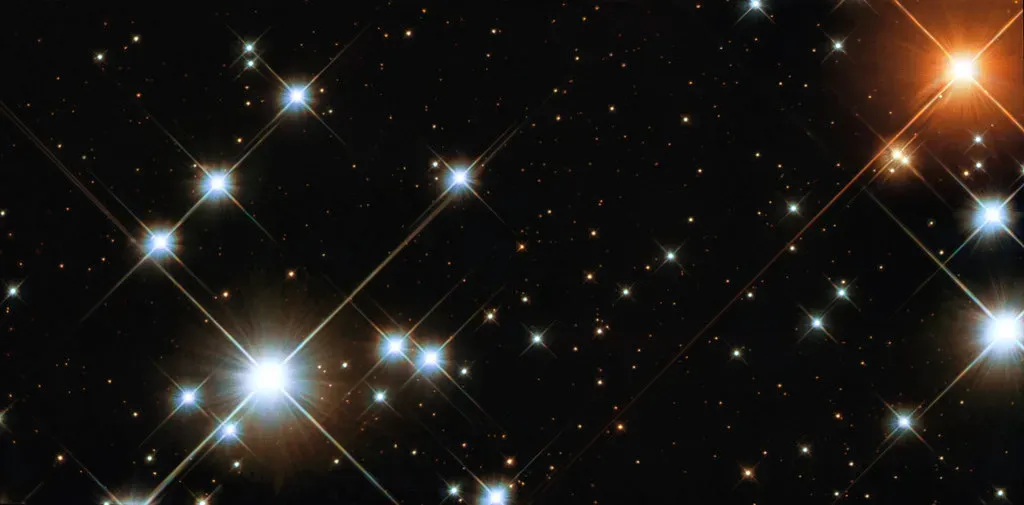
At first glance the zodiac feels timeless, like a fixed cosmic calendar etched into the heavens, but astronomers know that is an illusion. The stars that form the zodiac constellations are moving through the galaxy, and Earth’s axis slowly wobbles in a cycle that spans tens of thousands of years. Over long spans of time, this precession and stellar drift subtly shift which stars mark the ecliptic and where the equinoxes fall, so the night sky a dinosaur would have seen was familiar in some ways but not identical to ours.
Still, on the scale of a human lifetime – or even of ancient civilizations – the constellations seem stable enough to build calendars, myths, and horoscopes around. Deep time operates like a glacially slow editor, moving punctuation marks in the sky while our cultures hurry to assign stable meanings. For dinosaurs, there were no constellations at all; for humans, the same shifting stars become sacred symbols. The stability we sense in the zodiac is more about our short perspective than about the sky itself standing still.
That mismatch between cosmic motion and human storytelling can be oddly comforting. It means our myths ride on top of a moving, living galaxy rather than a frozen celestial dome, and yet they still work well enough to orient us season after season.
Why Humans Keep Turning the Cosmos Into a Storybook
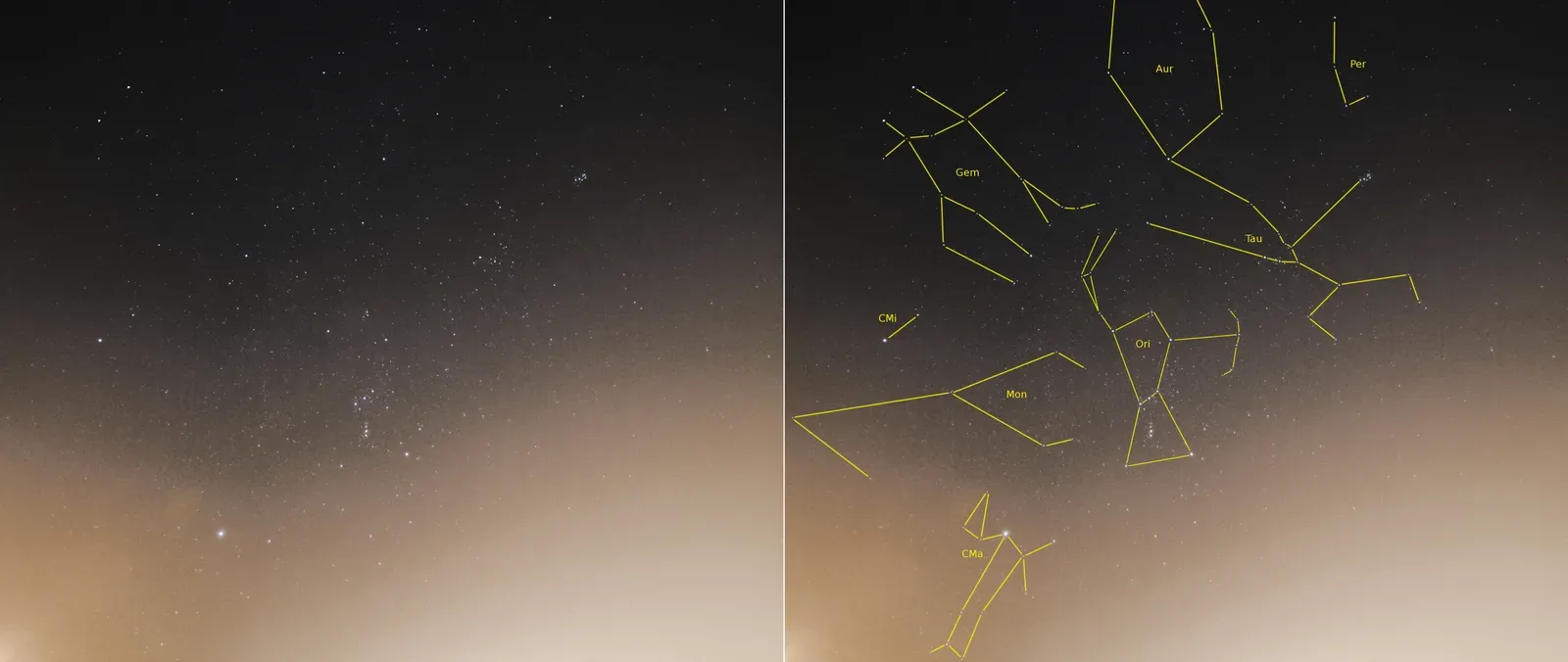
There’s a reason people still identify with their zodiac signs, share horoscopes on social media, and decorate bedrooms with constellation maps, even in an age of space telescopes and planetary probes. The zodiac is not just about astronomy; it is about meaning. By naming sections of the sky after animals and heroes, ancient cultures carved the infinite into digestible, emotionally charged slices. A scorpion in the sky feels like a warning; a pair of twins feels like companionship written in light.
From a scientific perspective, there is no evidence that these star patterns influence personality or fate, but the urge behind them is profoundly human. We live short lives under an incomprehensibly old universe, so we knit stories between the stars like threads through a vast, dark fabric. Dinosaurs never needed that; a Tyrannosaurus did not look up and wonder what the cosmos thought of its choices that day. In a way, our constellations show that we are not just animals living under a sky – we are storytellers trying to belong to it.
Reclaiming Wonder: Science, Myth, and the Creatures of the Sky
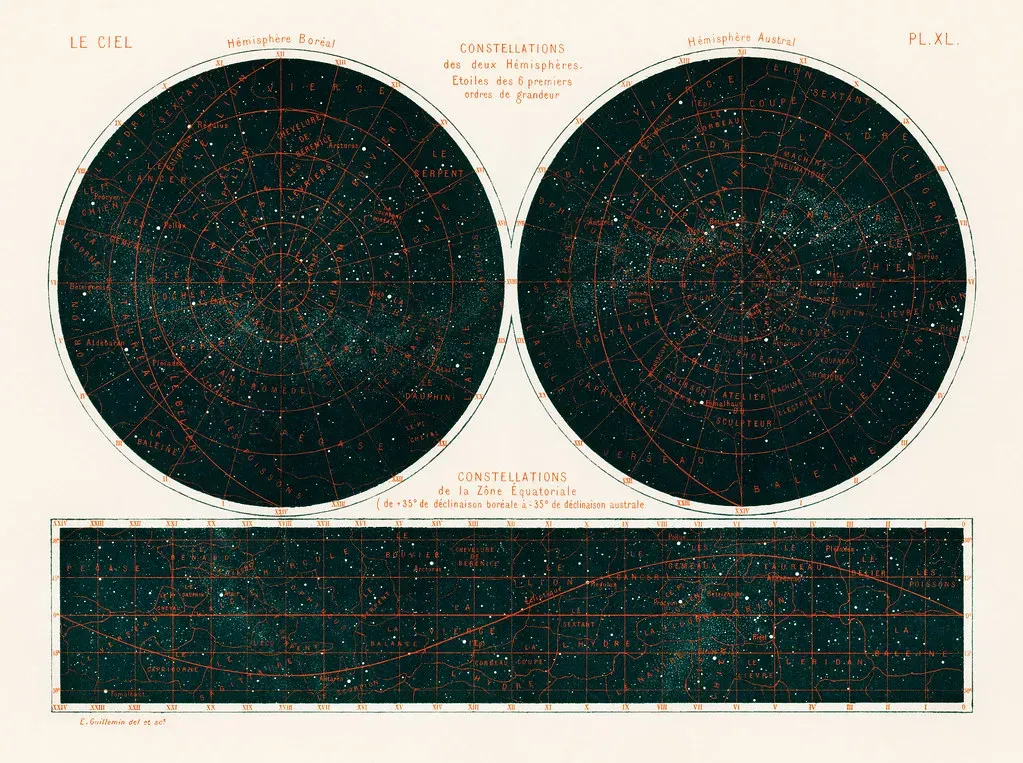
When you put the zodiac next to the fossil record, the result is not a clash between science and myth but a layered, almost poetic timeline. First you have eons of life evolving under unmarked stars: trilobites crawling, forests rising and falling, dinosaurs conquering land, sea, and air. Then, much later, you get a primate that walks upright, learns to track seasonal changes, and starts connecting stars into creatures that feel both familiar and mysterious.
To me, that overlap makes the night sky more moving, not less. Knowing that Leo’s stars once glowed over living, breathing giants we will never meet adds depth to the symbol of the lion in the heavens. The zodiac becomes a kind of accidental tribute, not to the specific animals it portrays, but to the entire, wild history of life that looked up at those same lights without ever naming them. Next time you spot your sign in the sky, it is worth asking yourself: whose skies were these before ours, and how long will our stories linger compared with theirs?
Conclusion: The Stars Remember More Than Our Stories
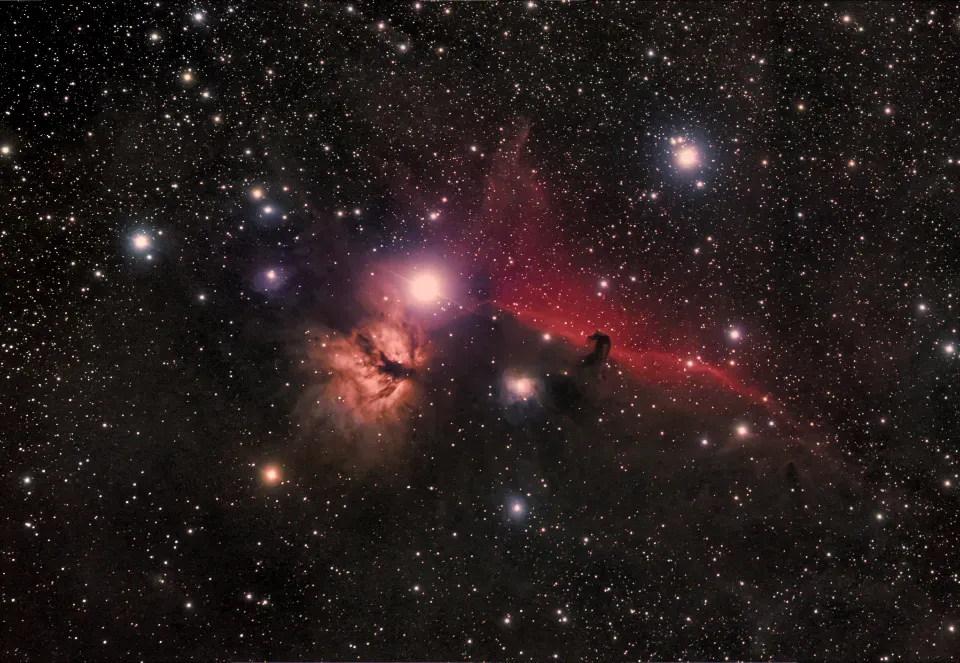
In the end, the zodiac is both impressive and humbling. It shows how far human imagination can stretch, turning random star fields into a cosmic bestiary that still shapes culture and identity. Yet, from the perspective of deep time, our constellations feel like fresh graffiti on an ancient wall – beautiful, clever, and fragile, layered over a history of creatures far stranger than any lion, crab, or goat we chose to honor.
I think we underestimate just how small our part in this story really is. Dinosaurs reigned for tens of millions of years without ever needing a horoscope, and countless other species have lived and vanished under the same patient stars. That does not make the zodiac meaningless; if anything, it makes our star stories more precious, because they are temporary, local expressions of a species trying to understand its place. When you look up tonight, are you only seeing your sign, or can you also feel the silent weight of all the lives that looked up before there were any constellations at all?