

Imagine standing at the edge of a fire you did not build, surrounded by people who do not know your name, and watching someone quietly extend a piece of roasted meat in your direction. No words, no speech, just a simple, risky, unmistakable gesture: I am willing to give you something I could keep for myself. That tiny moment, repeated millions of times across thousands of years, may have done more to shape human cooperation than any speech, law, or invention.
Modern psychology and anthropology suggest that food sharing is not just about calories. It is a loaded social signal, a gamble on trust, and a powerful way to turn potential threats into allies. When you zoom out across deep time, a surprisingly simple idea emerges: passing a bite across the fire might have been one of the earliest “technologies” our ancestors used to manage fear, negotiate peace, and build the first fragile bridges between strangers.
From Hunger To Harmony: Why Food Is A Social Superpower
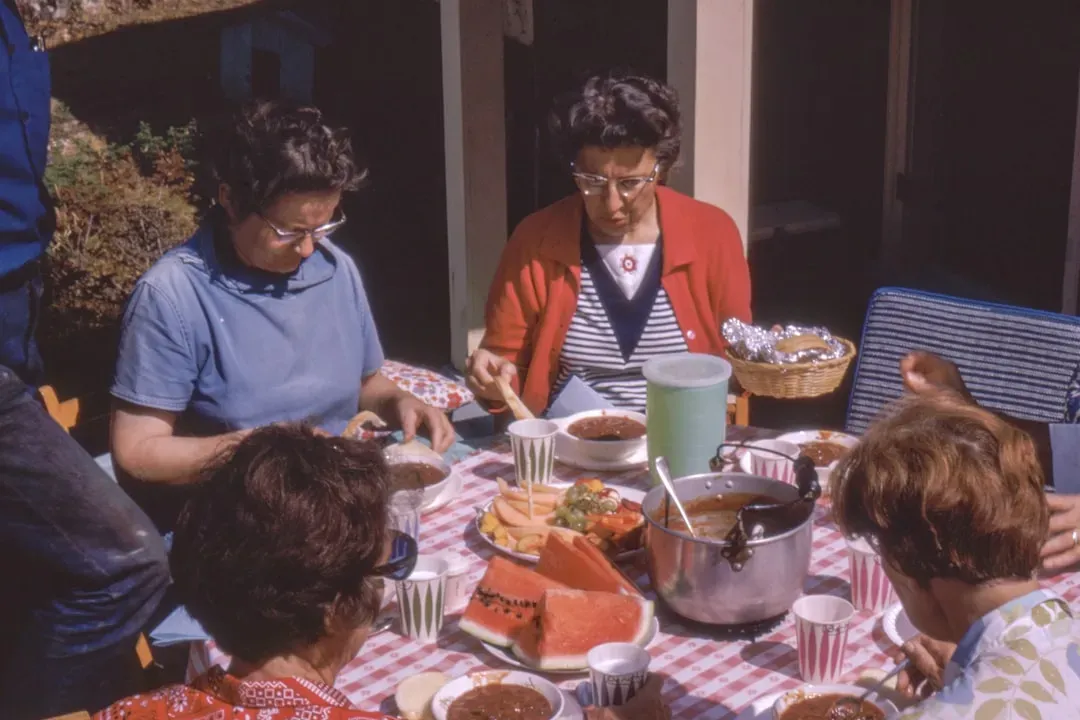
At its core, food is survival. If you are unsure where the next meal will come from, giving away what you have makes almost no logical sense. And yet, humans do it constantly, often with people they barely know. That paradox is exactly what caught the attention of psychologists and evolutionary scientists, who started to ask why a species would evolve to give away its most vital resource instead of hoarding it.
The answer seems to be that food carries a second, hidden layer of meaning: it functions as emotional currency. When someone feeds you, you do not just feel less hungry; you feel noticed, accepted, and somewhat protected. In small-scale societies, a shared meal can transform an outsider into a guest, and a guest into a potential ally. It is as if our brains learned to interpret the taste of shared food as a quiet promise of safety.
Costly Gifts: Why Sharing Food Signals Serious Intent
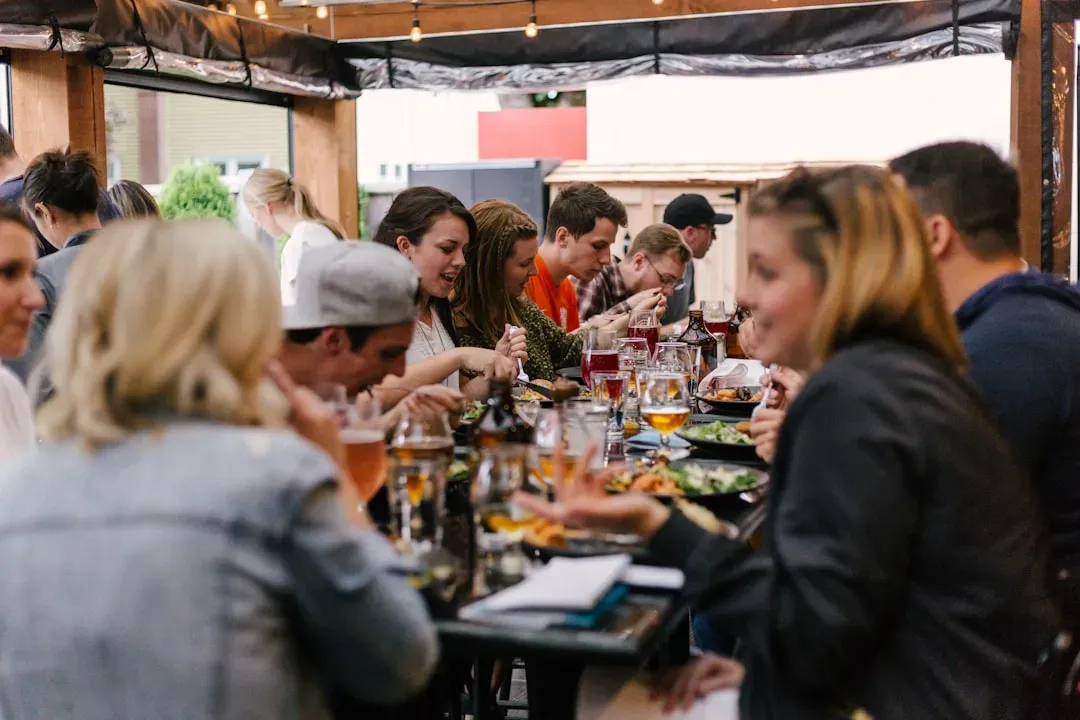
One of the strongest ideas in evolutionary psychology is that costly actions can signal genuine commitment. Food, especially in harsh prehistoric environments, was a costly gift. If a hunter gave away a portion of a hard-won carcass, they were not just being generous; they were sacrificing something that directly affected their own survival chances. That kind of sacrifice is hard to fake and easy to interpret.
Because of this, sharing food can function like an honest announcement: I am willing to pay a real price for your welfare. Unlike nice words or polite gestures, a chunk of meat, a basket of gathered fruit, or a share of cooked tubers could not be easily dismissed as empty flattery. For wary strangers, that sort of costly behavior would have been one of the few reliable clues that someone might be worth trusting, at least for the night.
Strangers At The Fire: Reducing Fear With Familiar Rituals
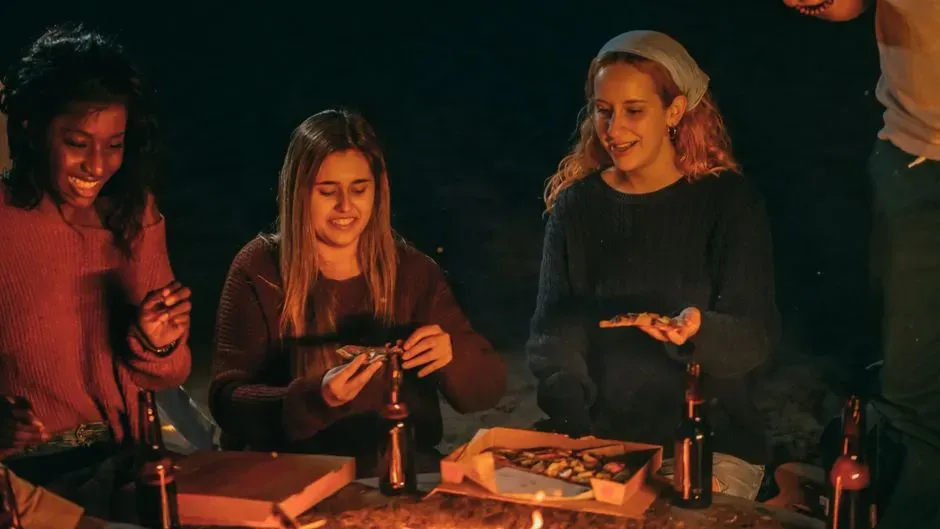
Meeting unfamiliar people in prehistory was risky; they could be competitors, raiders, or carriers of disease. Approaching another group’s campfire might have felt like walking toward a cliff edge. Food sharing offered a way to quickly defuse that tension without long speeches or shared language. Handing over a bite of cooked food was a universal, body-level message that cut through uncertainty.
Psychologically, eating together does something disarming. Even today, heart rates tend to drop, facial expressions soften, and physical postures relax around meals. It is much harder to see someone as an immediate threat when you are both chewing the same stew. For prehistoric groups, repeating this scene over and over could gradually transform “those dangerous people near the river” into “those neighbors we sometimes eat with,” a subtle but crucial shift.
Synchronizing Bodies And Minds: The Power Of Eating In Unison
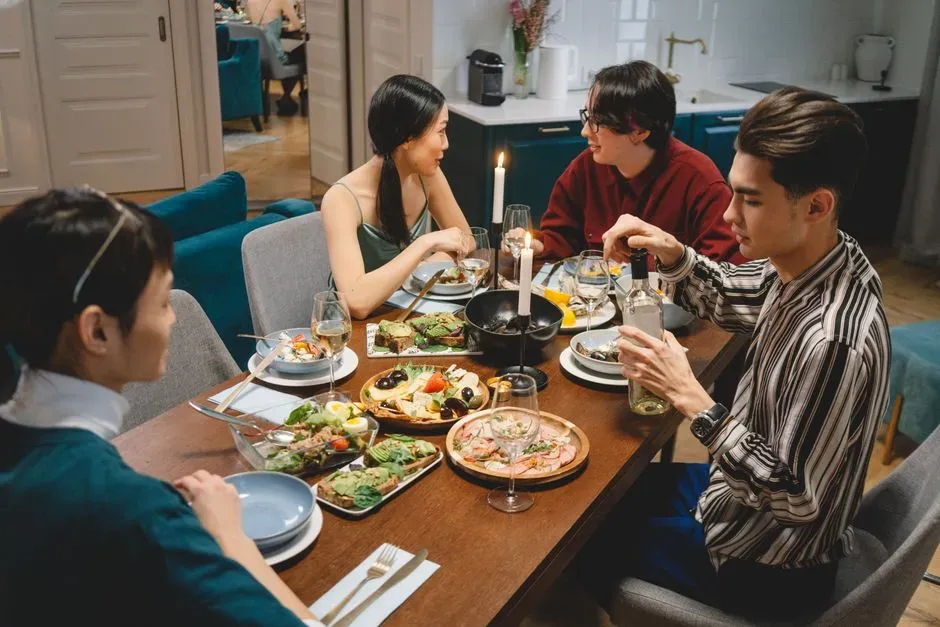
Researchers studying group behavior have noticed something fascinating: when people move, sing, or even chew in sync, they tend to feel more connected. Shared meals naturally create this kind of synchrony. People reach for food around the same time, pause together, drink together, and often adopt similar rhythms of speech and gesture. Even without knowing it, bodies start to mirror each other.
This soft alignment can smooth over differences and lower defenses. It is similar to how marching in step can bond soldiers or how singing together can make a crowd feel like a single unit. For early humans, chewing side by side, reaching into the same firelight, and hearing the shared sounds of eating may have been a quiet form of social glue that helped bind former strangers into something like a cohesive group, at least for a while.
Sharing Today, Receiving Tomorrow: How Food Built Invisible Contracts
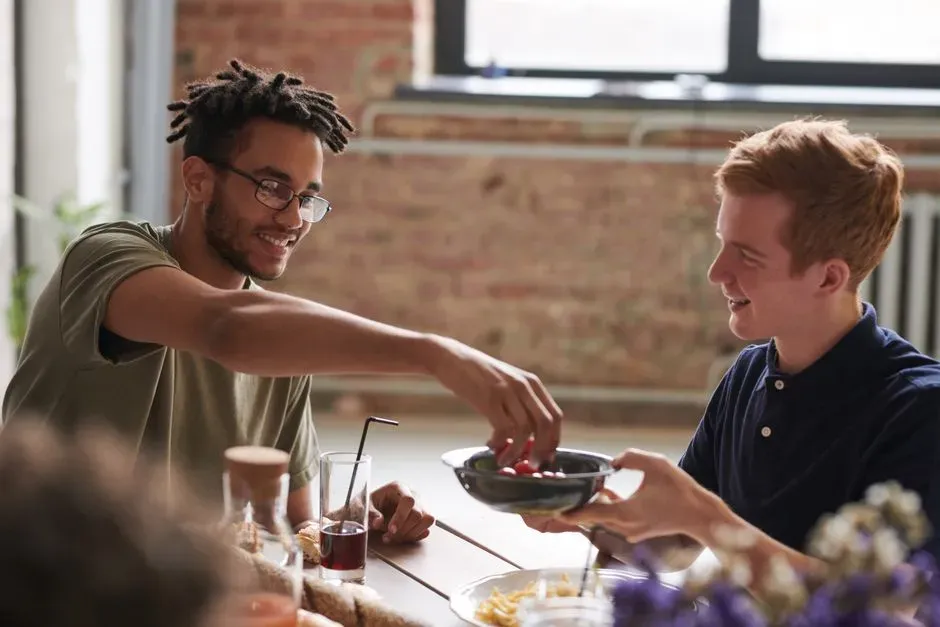
Another key psychological insight is that humans are unusually good at tracking favors, debts, and obligations over time. When one person shares food with another, it rarely feels like a random act; it feels like the opening move in a longer interaction. I help you today; maybe you will help me when I am injured, unlucky, or far from home. Those unspoken expectations can be powerful.
Anthropologists studying foraging societies have observed patterns where successful hunters routinely give away large portions of their catch, not because they are selfless saints, but because they understand that bad days will eventually arrive. Over many exchanges, these acts of generosity weave a web of mutual obligation that makes everyone a bit safer. In that sense, a piece of shared food is like a tiny seed of a future alliance, planted well before anyone needs to call it in.
Inside The Brain: Why Shared Food Feels So Good
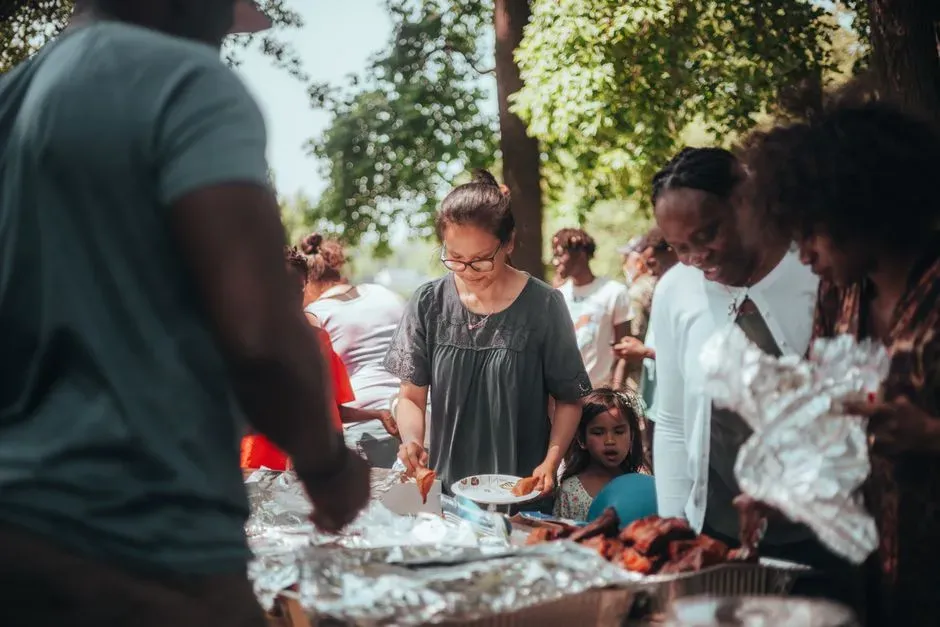
From a neuroscience perspective, sharing and receiving food taps into reward systems deep in the brain. Eating itself releases pleasant signals, but social contact can amplify that effect, especially when it involves warmth, eye contact, and a sense of belonging. It is no accident that so many celebrations, from birthdays to harvest festivals, are built around feasts. The brain seems wired to treat communal meals as double rewards: one for the body and one for the social self.
Over evolutionary time, individuals who found sharing food emotionally rewarding might have been more likely to build strong partnerships, receive help in crises, and raise surviving offspring. Gradually, our species may have been nudged toward brains that glow a little brighter when giving and receiving food. That inner glow would have made it easier for strangers who once eyed each other suspiciously to eventually feel warmth instead of fear when sitting down to eat together.
Drawing Lines And Building Bridges: Food As A Tool For Inclusion

Of course, food can divide as much as it unites. Practices around who gets invited to eat, where they sit, and what they are allowed to touch can draw very firm lines between “us” and “them.” In many cultures, refusing to share food with someone is a clear signal that they are not part of the protected circle. That sort of exclusion likely existed in prehistory too, reinforcing group identity and boundaries.
But precisely because food is so central, including an outsider at a meal carries enormous weight. Inviting a stranger to sit by the fire or offering them a share from the cooking pot is not just a kind gesture; it is a social reclassification. It says, in effect, that this person is no longer a faceless outsider but a provisional insider. Over time, those provisional invitations, repeated and reciprocated, could slowly transform entire relationships between neighboring bands, shifting them from wary coexistence toward partial alliance.
The Echo In Modern Life: How Old Instincts Shape New Friendships

Even though we no longer hunt mammoths or rely on firelit clearings for survival, our instincts around food and trust have not disappeared. People still use coffee dates, lunch meetings, and dinner parties as ways to test, deepen, or repair relationships. When you invite a colleague you barely know out for a meal, you are quietly recreating a very old script: take a small risk, share resources, and see if this stranger might turn into an ally.
Personally, I have noticed that conversations over food tend to move faster and feel more honest than the same discussions in a bare office or a cold hallway. There is something disarming about passing dishes, spilling sauce, and laughing over slightly burned bread that seems to melt social ice. Whether we are fully aware of it or not, we are still using food as our ancestors did: as a testing ground for trust and a shortcut to turning unfamiliar faces into familiar ones.
Conclusion: A Bite Of Food, A Leap Of Faith
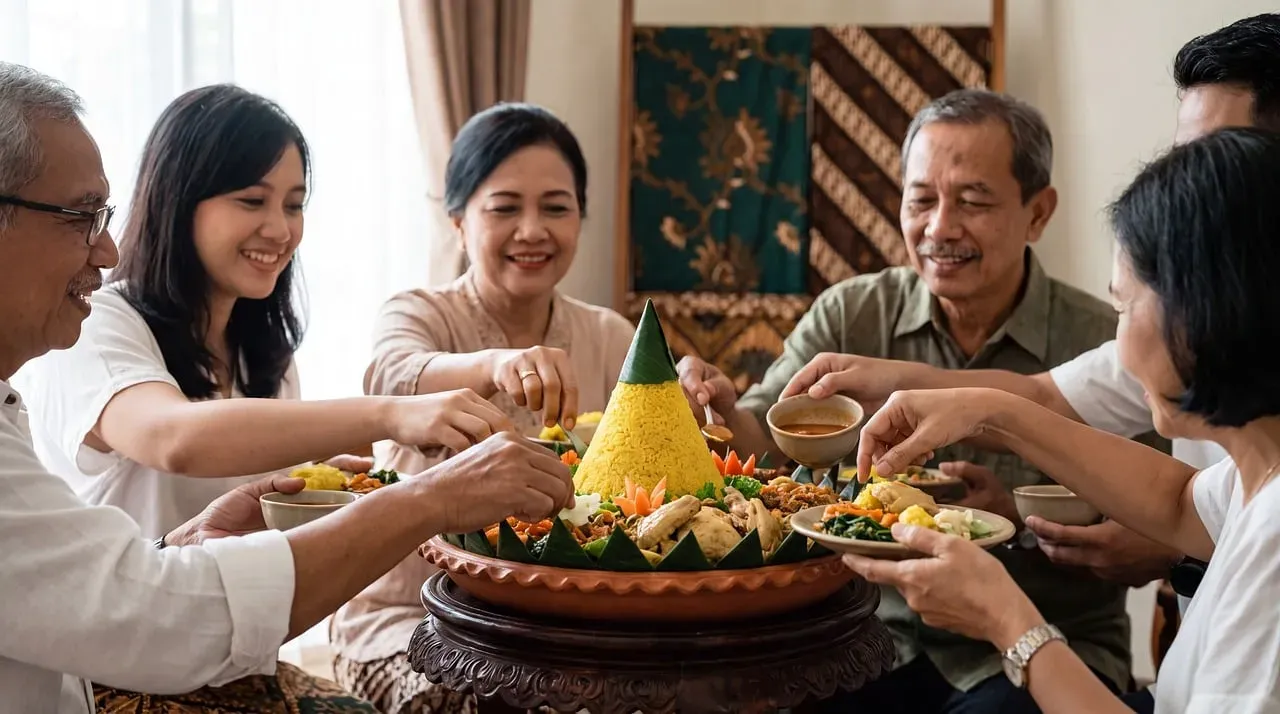
When you look at it closely, sharing food is a small act with oversized meaning. In prehistoric times, handing over precious calories to someone outside your group was both a gamble and a statement. It signaled courage, openness, and a willingness to imagine a future where that person might be more ally than enemy. Modern psychology, anthropology, and neuroscience all converge on a simple idea: we became the cooperative, hyper-social species we are, in part, by learning to trade fear for trust one meal at a time.
In my view, that makes every shared snack, potluck, or awkward first date dinner a faint echo of a firelit night tens of thousands of years ago, when a stranger stretched out their hand with food and changed the trajectory of human relationships. If something as ordinary as passing a piece of bread can carry that much evolutionary weight, it is worth asking ourselves more often: the next time we sit down to eat, who might deserve a place at our table that we have not invited yet?