
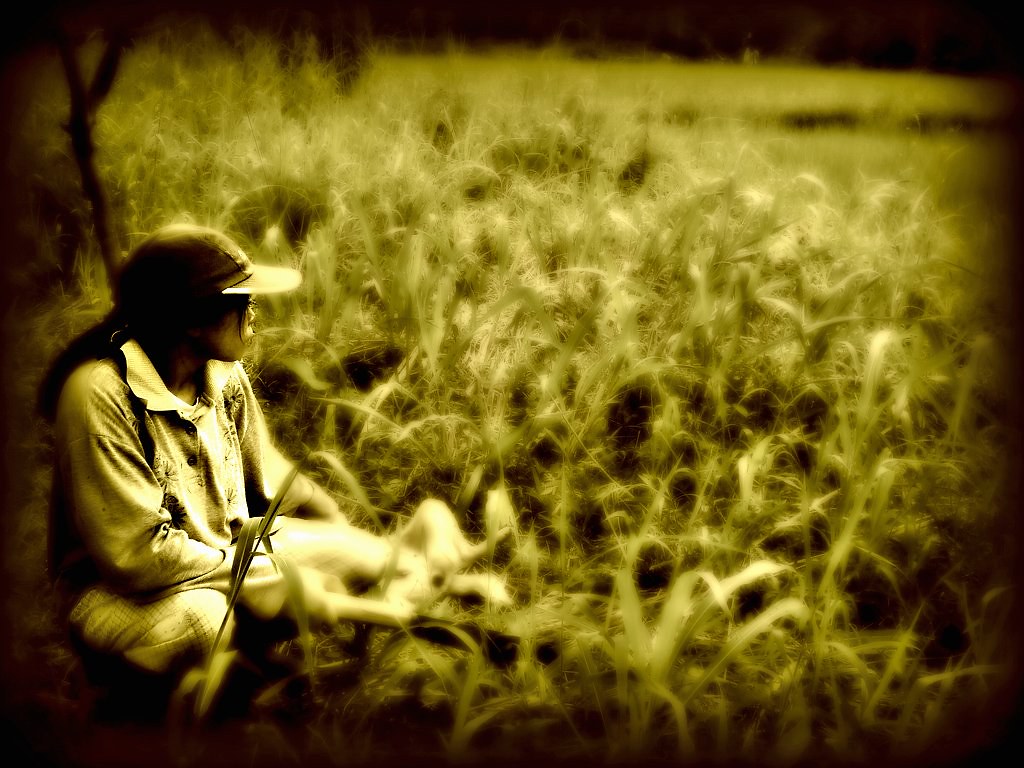
Ever felt a lump in your throat looking at photos of 1920s city streets, ancient ruins, or grainy footage of a world that vanished long before you were born? That eerie mix of longing and familiarity for a time you never lived through can feel almost unsettling. It is as if some hidden part of you remembers something your conscious mind has never known.
Psychology has a lot to say about this strange feeling. From how our brains construct memory, to how culture feeds us ready-made myths about the past, there are powerful forces quietly shaping that bittersweet ache for “lost worlds.” Once you see what is going on under the surface, nostalgia for times you never lived in starts to look less like magic and more like a very human mental habit.
The Brain Is a Story-Making Machine, Not a History Recorder
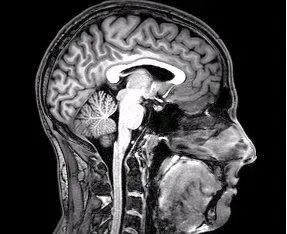
Here is the first shocking twist: your brain is far less interested in recording what really happened than in building a good story you can live with. Memory researchers have shown again and again that what we remember is reconstructed, not replayed. Even with your own life, your mind fills in gaps, smooths rough edges, and edits scenes together like a movie editor trying to keep a clear emotional through line.
When you look at a painting of a medieval village or watch a retro-style TV show set in the 1980s, your brain happily applies the same storytelling machinery. It takes fragmentary details, guesses at what might go between them, and generates an inner sense of “this could have been my world.” You are not recalling an actual life in that era, but your brain reuses its memory tools to simulate one, and it can feel strangely close to genuine remembrance.
Emotional Contagion From Culture Creates Secondhand Nostalgia
Even if you never lived through the 1950s, you have probably absorbed a lifetime of emotional cues about it. Movies, music, fashion, and social media often frame past decades as charming, simpler, or more authentic. Over time, you do not just learn facts about these eras; you absorb a mood. Psychologists sometimes talk about emotional contagion, where feelings spread between people. The same thing happens from culture to viewer: you pick up the longing that earlier generations project onto their own past.
Think of it like inheriting someone else’s photo album along with their commentary. You watch older relatives get misty-eyed about childhood summers or pre-internet life, and even though you never had those experiences, you begin to feel a soft glow around that invented “before time.” Culture hands you a ready-made nostalgia template, and your mind pours its own feelings of stress, uncertainty, or overwhelm into it. The past becomes a symbolic safe zone, even if it was never truly yours.
We Romanticize the Unknown to Escape Present-Day Anxiety
When life feels chaotic, uncertain, or overwhelming, the human mind looks for exits. One of its favorite escapes is to imagine a time or place where things were supposedly simpler, slower, or more meaningful. Psychologists have noticed that nostalgia, in general, tends to spike during periods of stress or rapid change. It acts like a psychological balm, making people feel more rooted, less alone, and more connected to a bigger story.
Lost worlds – whether Victorian London, ancient Greece, or some vague “pre-digital” time – turn into projection screens for those desires. Because you never actually lived there, the past is conveniently free of your real problems. You can mentally edit out disease, war, inequality, and boredom, and leave only candlelit dinners, handwritten letters, and long walks without smartphones. It is like looking at a movie set built from selective props: your brain builds the coziest version of that unreal world and then mourns the fact you missed it.
Familiar Patterns Trigger Nostalgia Even Without Real Memories

Another key piece of the puzzle is that nostalgia is not only about concrete memories; it is about patterns that feel familiar and stable. Humans are creatures of pattern recognition. Certain visual textures, color palettes, sounds, or objects carry an emotional weight, even if you never saw them in your own childhood. Warm, slightly faded colors, analog technology, handwritten notes, old bricks and wood, film grain – all of these are often associated with safety, slowness, and community in modern media.
When your senses pick up those cues – say in a period drama, a vintage cafe, or a video game set in a past era – your brain links them to the emotional categories you have already learned: homey, cozy, close-knit, less crowded. You might never have touched a rotary phone or ridden a steam train, but through repeated cultural exposure, your nervous system catalogs them as “comfortingly old.” Nostalgia then arises not from personal memory, but from the emotional meaning attached to those familiar patterns.
Imagination and Memory Share the Same Mental Tools

Brain imaging studies have found that remembering the past and imagining the future activate many of the same brain regions. In everyday terms, this means your mind uses overlapping machinery to recall, to predict, and to invent. When you are daydreaming about living in a lost world – a 1970s seaside town, a Renaissance city, or even a prehistoric landscape – your brain is not really drawing a hard line between memory and imagination. Both are treated as mental scenes with emotional color and personal relevance.
This overlap helps explain why you can feel genuine nostalgia for fictional or historically distant places. If you have spent hours immersed in a book series, TV show, or game set in another era, you build up a kind of “quasi-memory bank” about that world. The characters, locations, and repeated themes form a coherent inner landscape. Later, when you think back on that world, your brain wraps it with the same warm, wistful tone it uses for your real childhood backyard. The emotional experience is authentic, even if the setting never truly belonged to you.
Collective Memory Makes Other Eras Feel Personally Ours
Psychologists and historians sometimes talk about collective memory: shared stories, images, and narratives that whole groups of people hold about the past. These are not just facts; they are emotionally charged frameworks for understanding who “we” are. Ancient civilizations, lost cities, and long-gone decades all become part of a shared imaginary family album that you are quietly invited into from a young age.
When you feel nostalgic for a lost world, you might actually be feeling a version of collective nostalgia. You grow up hearing that certain times were pivotal, magical, tragic, or golden. Those narratives slowly blend into your sense of identity, even if your own lifetime does not include them. Standing in front of a ruined temple or watching old footage of a city that no longer exists, you might feel an unexpected tug of sorrow, as if part of “your” world has been taken away, simply because it belongs to the story of your culture.
Personal Longings Hook Onto Imagined Past Lives
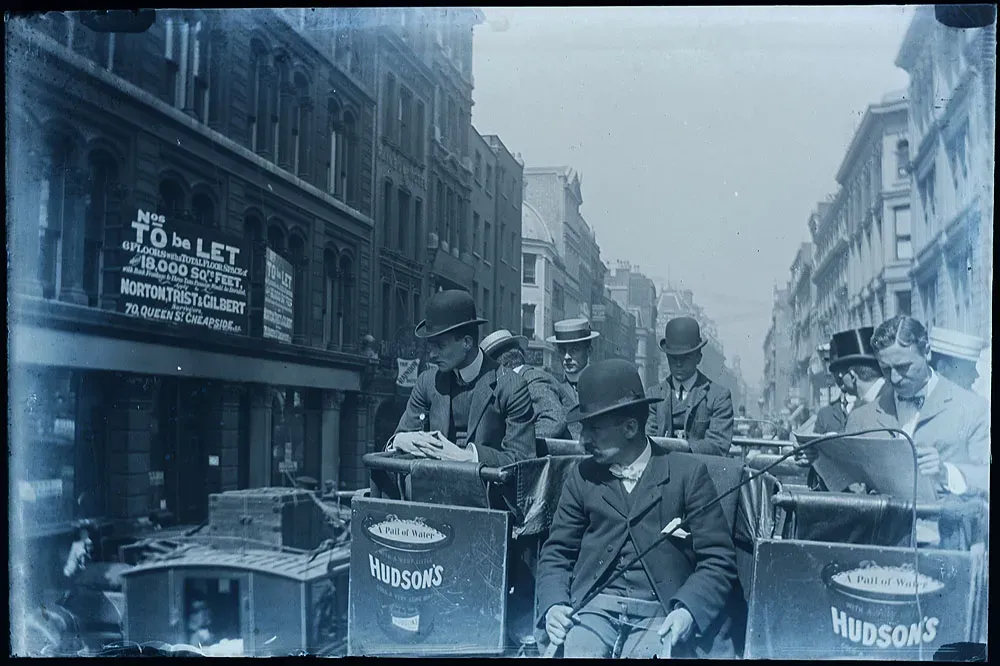
This is where things get deeply personal. Behind the abstract idea of “lost worlds” are very specific desires: for stronger community, clearer roles, more nature, less noise, or a slower pace of life. When people say they wish they had lived in another era, what they often mean is that they crave qualities that feel missing now. The past turns into a symbolic container for whatever they are hungry for in the present.
Maybe you long for face-to-face connection and feel exhausted by constant digital contact. A pre-smartphone world then starts to look almost sacred. Or perhaps you feel creatively stuck, and the image of a smoky jazz bar or bohemian neighborhood in some earlier decade becomes a stand-in for artistic freedom. The key point is that the nostalgia is real, but the target is symbolic. You are not just missing a time; you are missing a feeling you have attached to that time.
Digital Media Intensifies the Illusion of Having “Been There”
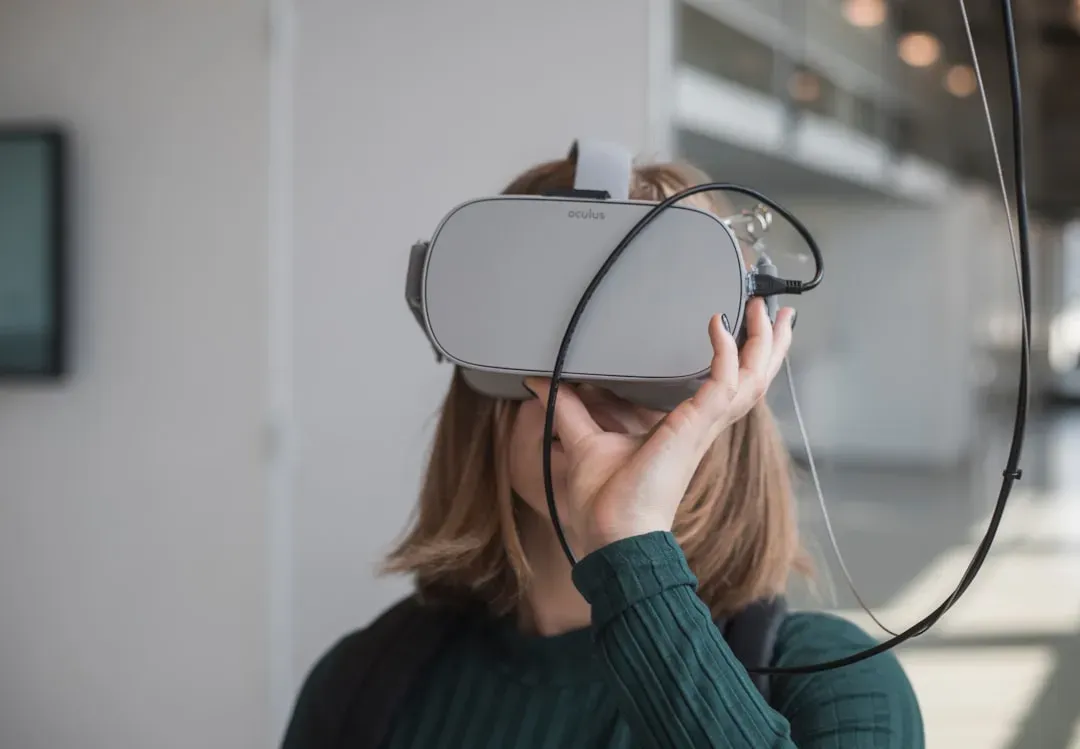
Modern technology supercharges this entire process. Today, you can binge-watch carefully styled period dramas, explore ultra-detailed video game recreations of ancient cities, scroll through curated “vintage aesthetic” feeds, or step into realistic virtual reality simulations of historical places. All of this gives your brain a rich, sensory diet of lost worlds that feel almost touchable, like you are returning somewhere rather than visiting for the first time.
Over time, these immersive experiences blur the line between exposure and experience. You might know the fictional streets of a retro-inspired city map better than your own neighborhood. Rewatching a favorite period series can feel like catching up with old friends in a familiar town. So when those shows end, games change, or you move on in life, you can feel actual grief and nostalgia for those places. The worlds were never real, but the hours you spent in them absolutely were – and your emotions treat that investment as a kind of lived past.
Conclusion: Nostalgia for Lost Worlds Reveals What We Really Miss
When you put all these pieces together, that eerie nostalgia for eras you never lived in stops looking mysterious and starts looking deeply human. Your brain is wired to tell stories, borrow emotions from others, and idealize what is safely out of reach. Culture feeds you romanticized images of the past, technology makes those images immersive, and your own longings quietly attach themselves to those lost worlds. The result is a powerful, bittersweet feeling that can seem like a memory from another life.
In my view, the most honest move is not to fantasize about being born in another century, but to ask what those imagined times are really standing in for. Is it slower days, thicker community, more meaning, less noise, or something else entirely? Instead of treating nostalgia as a verdict that “the present is ruined,” we can treat it as a compass pointing toward what we crave right now. The past is not coming back, but the qualities we project onto it might still be possible to build today – so what lost world feeling are you actually ready to recreate in your own life?