Most people assume “prehistoric” means primitive: sharpened rocks, grunted words, trial-and-error survival. That assumption is backwards. Some of the tools our ancestors engineered tens of thousands of years ago remain so technically demanding that modern flintknappers, chemists, and engineers with PhDs and power tools still can’t consistently reproduce them.
We’re talking about adhesives that required precision chemistry without a single thermometer, blades thinner than anything a laser could cleanly cut today, and biomechanical weapons only recently “reverse-engineered” using aerospace software. Fourteen of these mysteries stack up below, worst to first, and the last one on the list is the one modern physics still hasn’t fully cracked.
#14 – The 3.3-Million-Year-Old Tools Nobody Was “Supposed” to Make
A bold claim to start: the oldest stone tools on Earth were made by a creature that wasn’t even human.
Discovered at Lomekwi in Kenya, these stone flakes and cores predate the genus Homo by roughly 700,000 years, meaning something without our brain structure was intentionally knocking rock into cutting edges. The most surprising fact here is that scientists still can’t agree on the exact knapping method used – the flake scars don’t match the striking techniques found in later Oldowan tools, suggesting a completely different, and now-lost, motor pattern. Researchers have tried dozens of hammering angles and grips to recreate the specific fracture patterns seen on the originals.
Some fracture types simply haven’t been reliably reproduced in controlled lab settings. That’s a problem when your entire understanding of “the first tool” hinges on knowing how it was struck. That’s a shaky foundation for “the first tool ever made” – and #13 shows the humbling doesn’t stop with our earliest ancestors.
#13 – The Hand Axes That Took Thousands of Hours to Master
Acheulean hand axes look almost boringly simple in museum cases – until you try making one yourself.
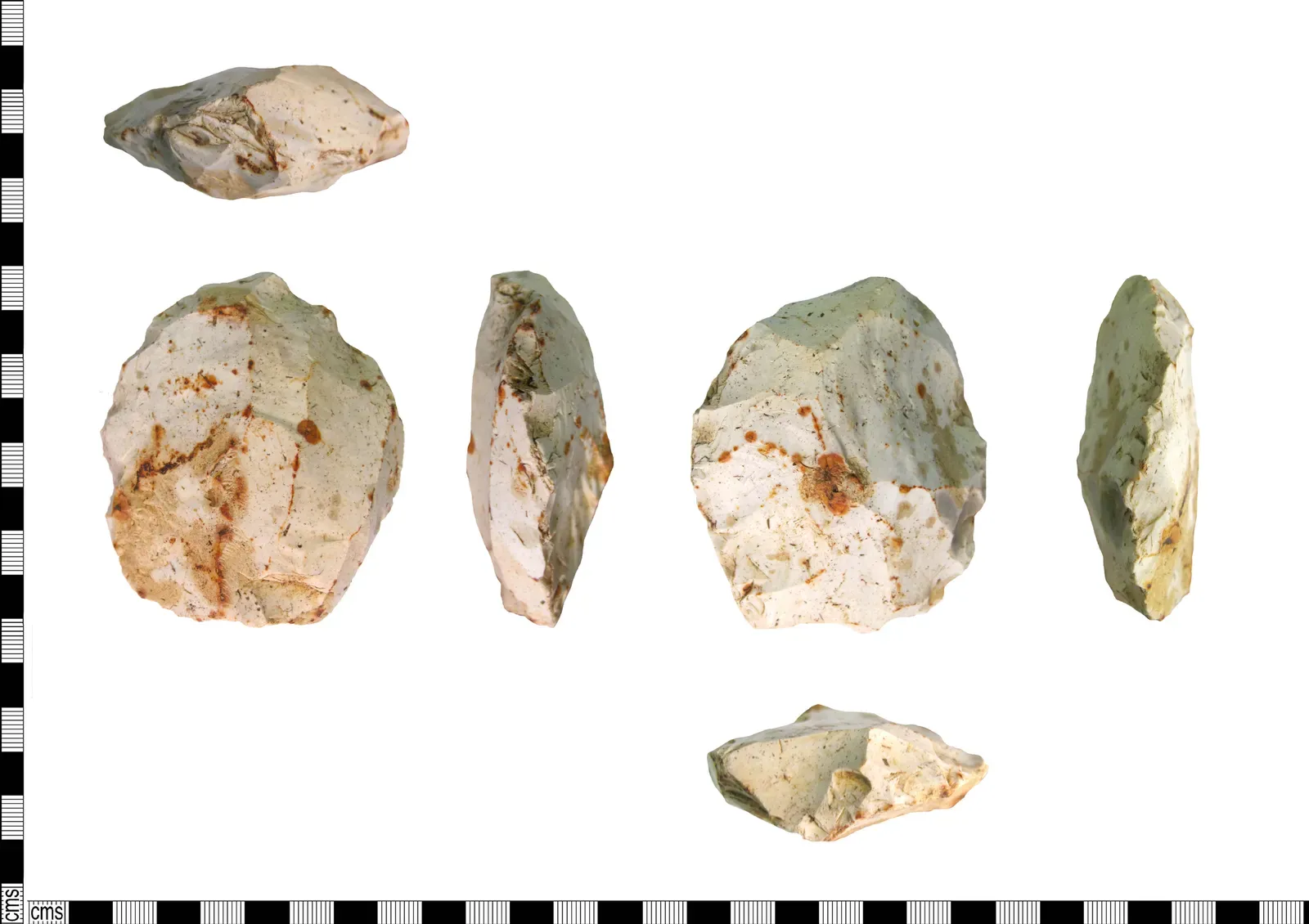
These teardrop-shaped tools were produced for over a million years across Africa, Europe, and Asia, and their symmetry is so consistent that some researchers argue it reflects deep cognitive planning, not just function. Replication has taught archaeologists a great deal, but it has its limits, because no modern human can perfectly replicate the thousands of hours of practice that a Neanderthal or early Homo sapiens possessed. That’s the uncomfortable truth experts rarely say out loud: modern knappers are essentially amateurs by comparison.
- Prehistoric toolmakers likely started training as children
- Modern replicators usually start as adults with no cultural apprenticeship system
Without a lifetime of tactile knowledge passed hand-to-hand, today’s best flintknappers still can’t match the muscle memory baked into these ancient hands. And #12 asks something even harder: seeing a finished tool before it exists.
#12 – The Levallois Method That Requires “Seeing the Future”
Here’s a controversial opinion: the Levallois technique may be the single most underrated invention in human prehistory – more impressive than fire.
Worth Knowing
- Named after Levallois-Perret, a Paris suburb where the distinctive flakes were first identified in the 1800s
- Practiced across Africa, Europe, and the Middle East by both Neanderthals and early Homo sapiens
- Associated with the Middle Paleolithic, spanning roughly 300,000 to 30,000 years ago
- Requires multiple preparatory strikes before one final blow removes the intended flake
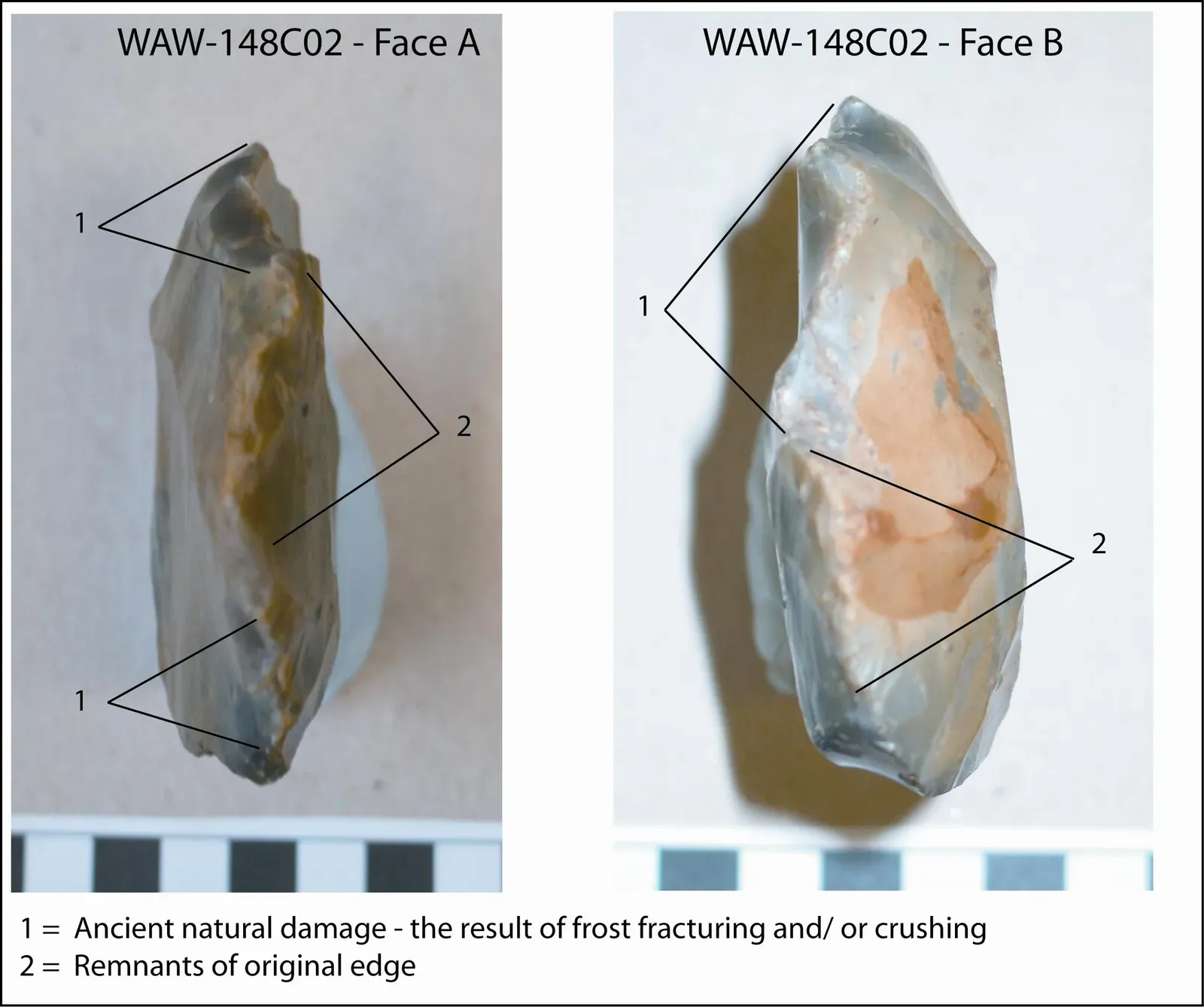
The method requires a knapper to shape a stone core through multiple preparatory strikes so that one final, predetermined blow produces a specific-shaped flake – essentially sculpting the inside of a rock before it’s ever exposed. This demands mentally modeling a three-dimensional object that doesn’t yet exist. Most people don’t realize this means the toolmaker had to visualize the finished product before making a single cut, a level of abstract planning once assumed unique to modern humans.
Modern knappers can learn the sequence, but matching the speed and consistency of prehistoric assemblages – where entire settlements produced nearly identical flakes – remains elusive. Efficiency at that scale suggests communal teaching systems we simply don’t have access to anymore. #11 turns out to be even trickier, because it required real chemistry.
#11 – The Glue Neanderthals “Shouldn’t” Have Been Able to Make

Turns out, Neanderthals were chemists long before chemistry existed.
Birch bark tar is currently the oldest known adhesive substance, dating to at least 190,000 years ago, with other notable finds coming from Konigsaue, Germany, and Zandmotor, in the Netherlands. For decades, archaeologists thought Neanderthals used technically advanced methods where a temperature between 340 and 370 degrees Celsius had to be maintained – a shockingly narrow window to hit without a thermometer. The most surprising fact: newer research on some sites shows the process was even more complex than first believed.
Researchers discovered that the Neanderthals who made the German birch tar used the most efficient method, a stepwise oxygen-restricted distillation process involving underground heating to extract the sticky substance. Getting that reaction right, without burning the bark or losing the yield, still trips up modern experimental archaeologists. #10 shrinks the challenge down to something almost impossibly small.
#10 – The Needle Too Small for Modern Drills
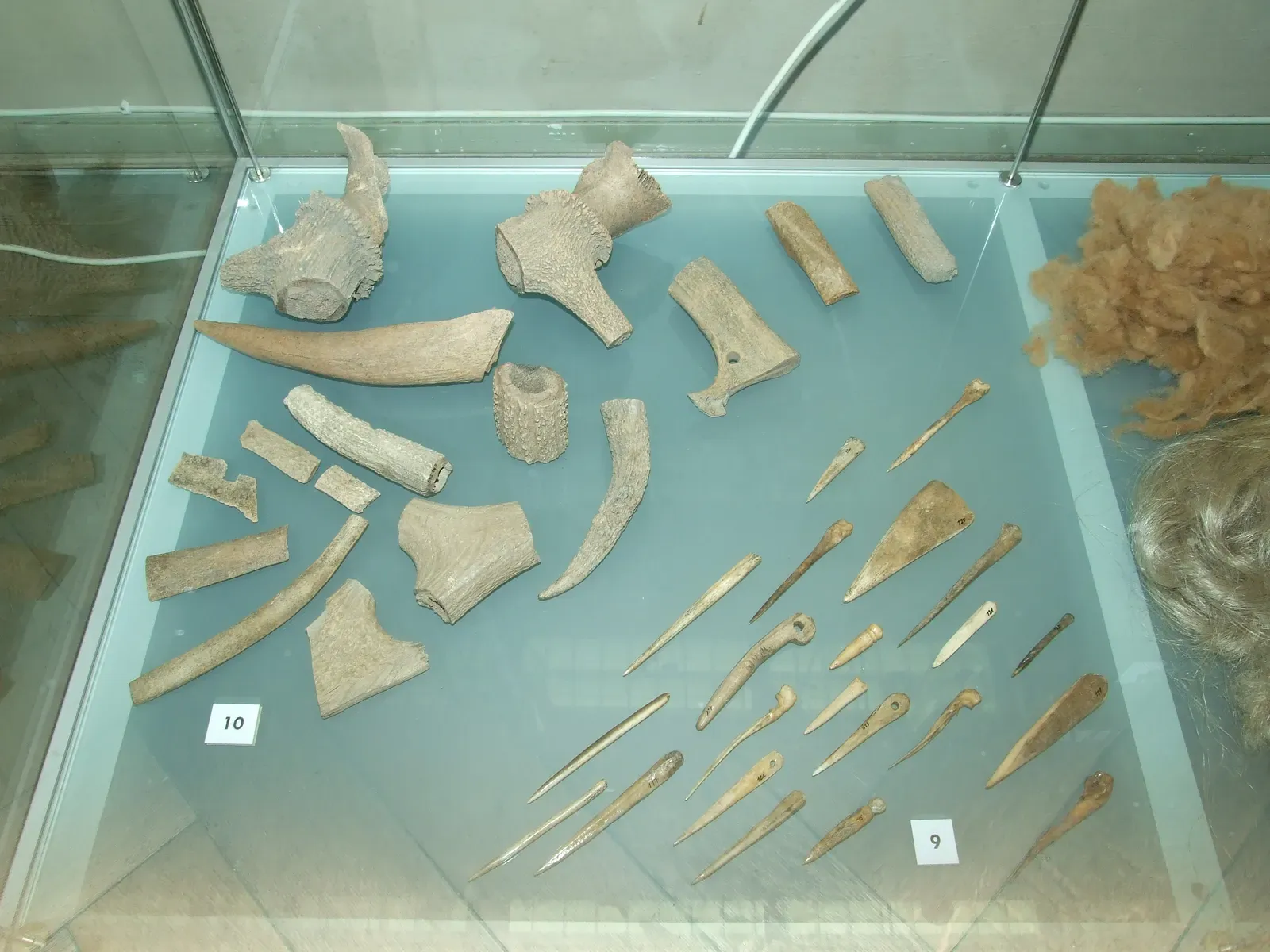
Most people assume sewing tools are a “recent” invention. Secretly, our ancestors were doing precision needlework tens of thousands of years before metal existed.
Bone needles with tiny drilled eyes have been recovered from Ice Age sites across Eurasia, some dating back roughly 50,000 years. The eye – the hole a modern seamstress threads with cotton – had to be bored through solid bone using nothing but a stone microlith spun by hand or bow-drill, without splitting the fragile material.
- A single wrong angle shatters the entire needle
- No metal drill bits, no magnification, no replacement material on hand
Modern experimental archaeologists attempting this with only period-correct tools report extremely high failure rates, breaking multiple bone blanks before completing one usable needle. That level of patience, on a freezing Ice Age night, is hard to imagine replicating today. #9 isn’t about skill at all – it’s about a mystery nobody has solved.
#9 – The Headdresses Nobody Can Explain (Or Fully Recreate)

Some discoveries are less about the tool and more about the mystery behind it – and this one is genuinely unsettling.
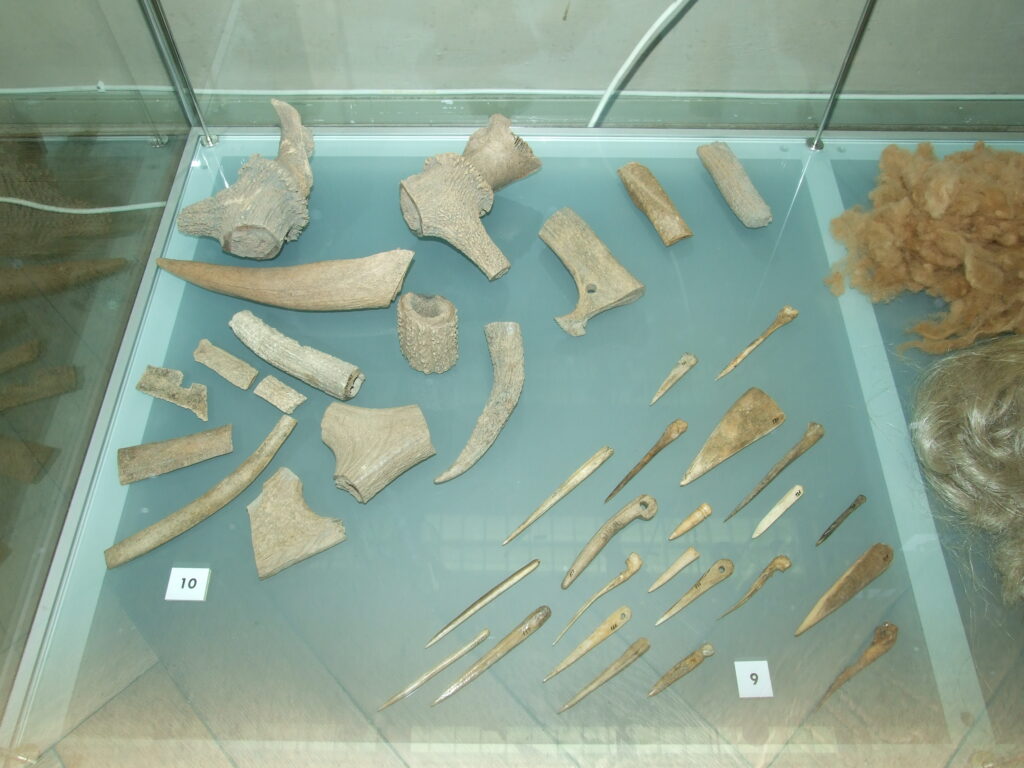
At Star Carr in Britain, archaeologists uncovered red deer skull “frontlets” – the top of the skull, antlers still attached, thinned down and perforated with holes, likely worn as headdresses. The most shocking part is that nobody has definitively figured out how prehistoric people thinned that bone without cracking the skull, a delicate balancing act between structural strength and light enough weight to wear.
While mainstream archaeology treats these as probable shamanic or ritual objects, many experts now argue the “ceremonial” label is a convenient assumption covering up how little we actually understand about their true function. Recreations exist, but none have matched the finesse of the originals using only period tools. #8 proves prehistoric people understood material science before the word existed.
#8 – The Fire-Engineered Stone That Predates Modern Metallurgy Logic
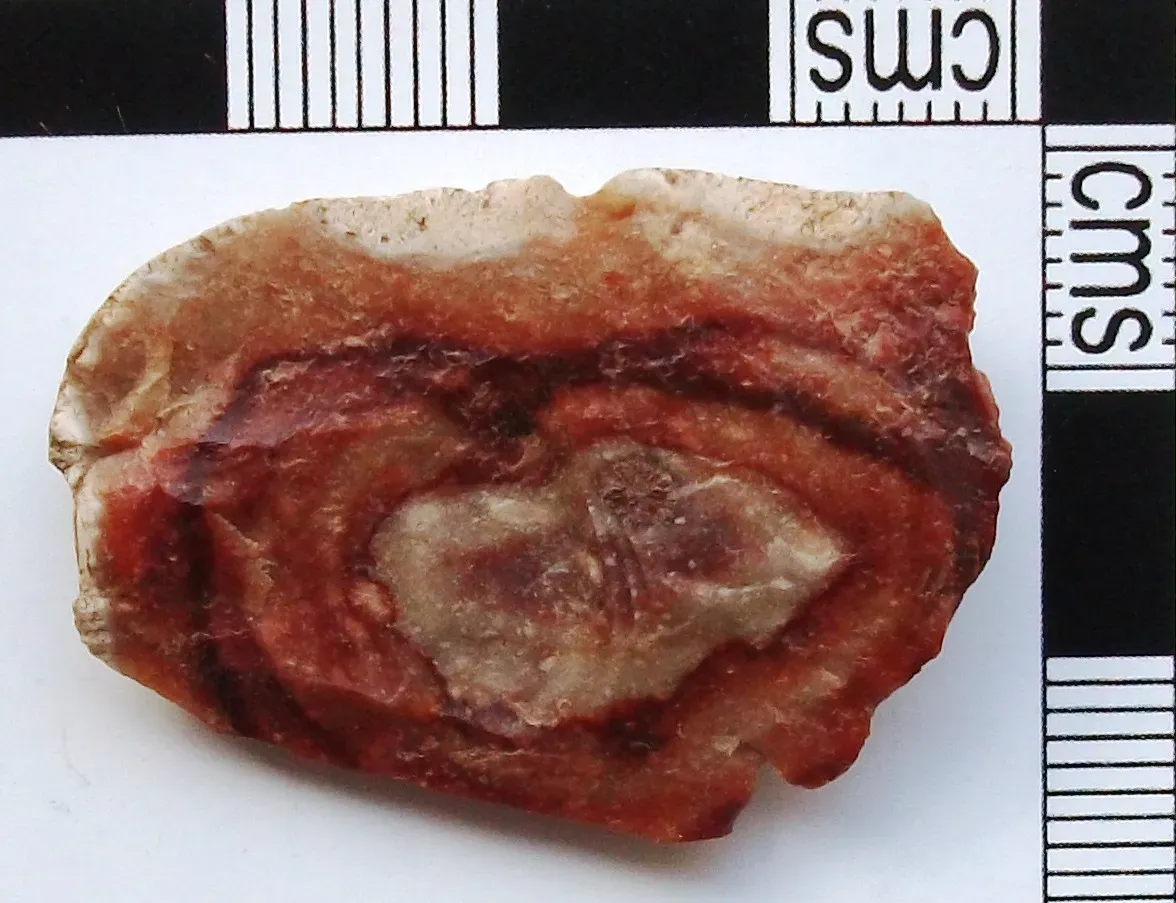
Here’s something that sounds like science fiction: prehistoric humans were heat-treating rock like it was steel, long before anyone understood what heat does to mineral structure.
Fast Facts
- Practiced roughly 20,000 years ago during the Solutrean period in France and Spain
- Heat treatment realigns the stone’s internal silica structure, making it flake more predictably
- Overheating by even a small margin can crack or discolor the material, ruining hours of work
- Pressure flaking with antler or bone tips allowed far finer control than striking the stone directly
Some Solutrean tools were made with a sophisticated retouch called pressure flaking, on flint that had been heat treated to make it far more workable, using the exceptionally deft technique of pressing with a soft tool such as an antler tine or bone point instead of striking directly. The most surprising fact: heat-treating stone changes its internal crystal structure, making it flake more predictably – but only within a narrow temperature range that’s brutally easy to overshoot.
Get the fire too hot, and the stone shatters or discolors, ruining hours of preparatory work. Modern flintknappers using kilns with digital temperature control still lose material trying to match results ancient toolmakers achieved with open fire pits and instinct alone. #7 needed literal aerospace engineers to make sense of it.
#7 – The Fluted Points That Modern Engineers Needed Computers to Understand
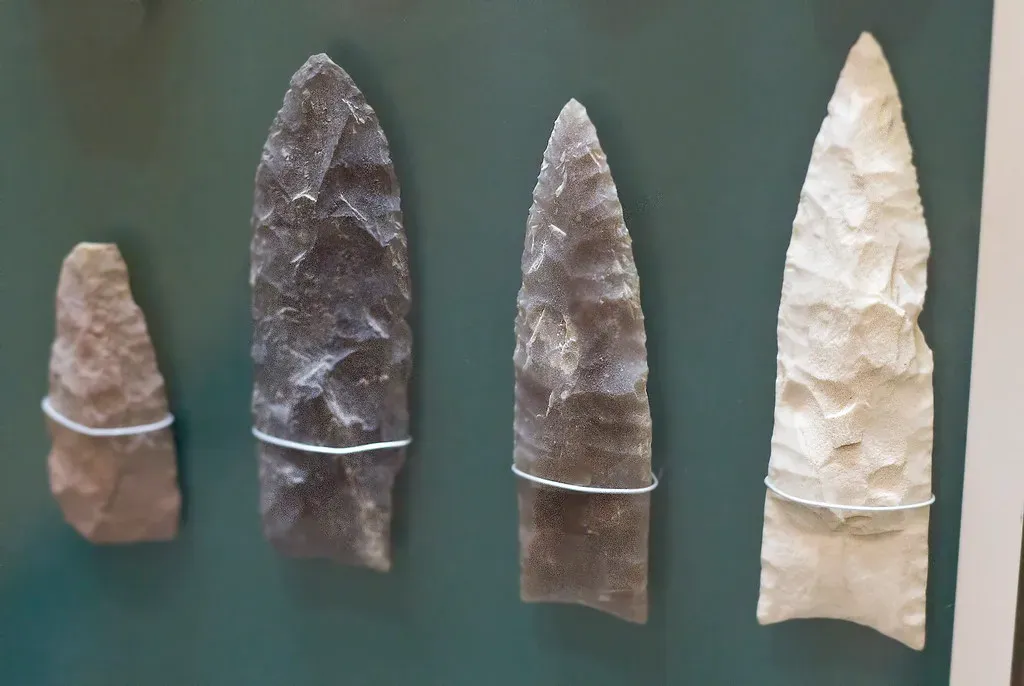
Most people picture Clovis points as simple arrowheads. Finally, engineering research revealed they were something closer to a shock-absorption system.
Fluting is a flintknapping technique thought to have been developed by Clovis hunters, where a thin groove is chipped from the base and both sides of a stone point. Researchers found the process was risky and couldn’t have been easy to learn how to do effectively, noting archaeological evidence suggests up to one out of five points break when knappers try to chip this fluted base, and it takes at least 30 minutes to produce a finished specimen. One engineer on the project put it plainly: “It’s amazing to think that people 12,000 years ago were flaking shock absorbers” using nothing but stone and bone.
That’s the mistake most casual observers make – assuming a “simple” arrowhead couldn’t involve real engineering logic. It took 21st-century computer modeling to confirm what Clovis hunters apparently knew by feel. #6 breaks a rule nobody expected prehistoric people to break: making something too beautiful to use.
#6 – The Giant Blades That Were Never Meant to Be Used
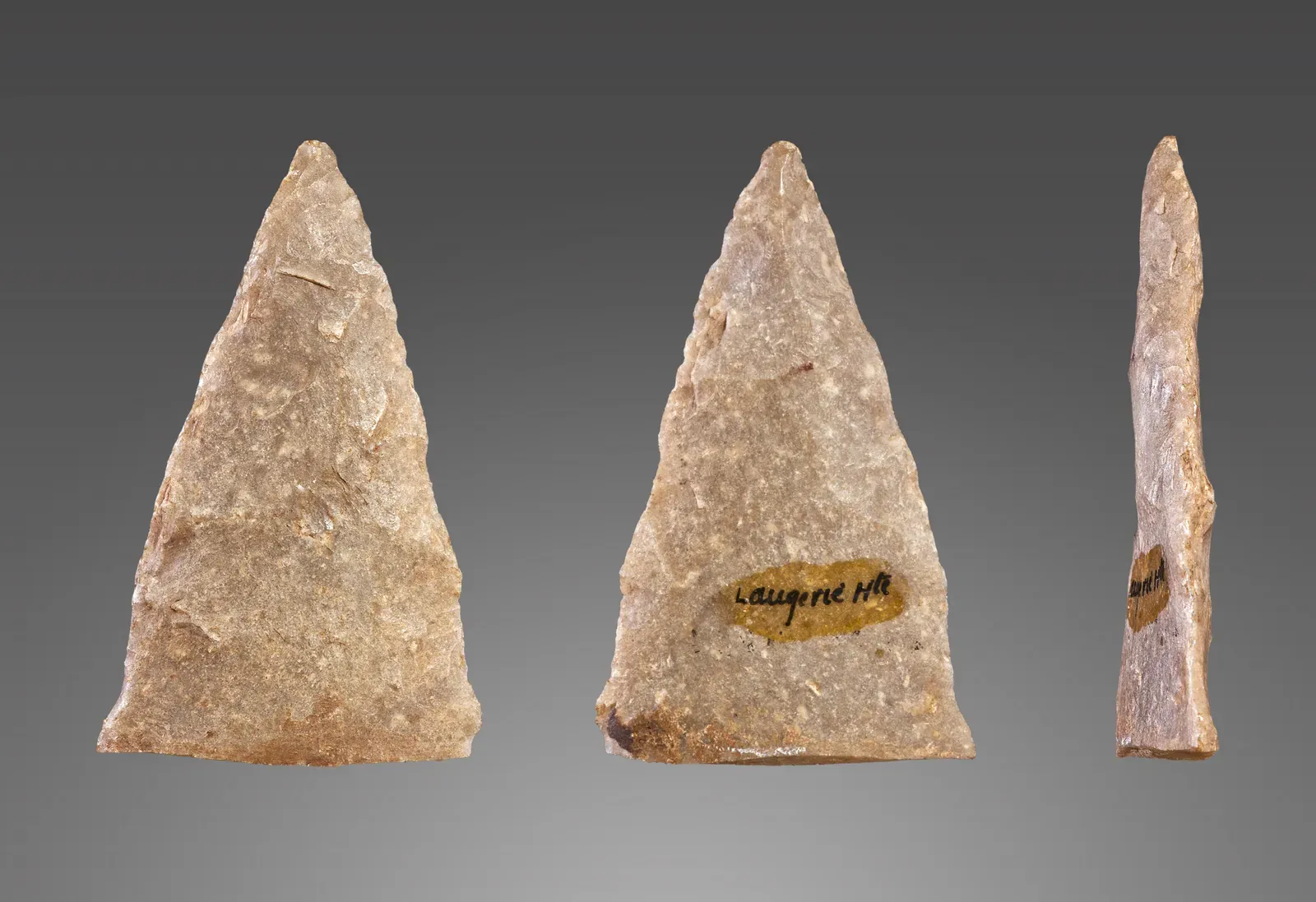
Some prehistoric objects break every rule of “tools should be functional” – and this one might be the most extreme example in existence.
The most spectacular of these aberrant technical feats is a series of 17 laurel leaves of exceptional size discovered in 1874 in Volgu, France, the largest reaching 34.2 centimeters in length. The most shocking fact: these blades are so thin and fragile that using them for their apparent purpose – as knives or spearheads – would have shattered them instantly.
In the absence of a possible functional use, these objects were likely given symbolic value within Solutrean communities, and their high technical quality signals the emergence of specialized craft and division of labor. Modern flintknappers who’ve attempted similar oversized bifaces report catastrophic failure rates – the blades snap under their own pressure-flaking process long before completion. #5 proves the opposite extreme: a tool built purely to survive daily abuse.
#5 – The Sickles That Turned Grass Into Gold
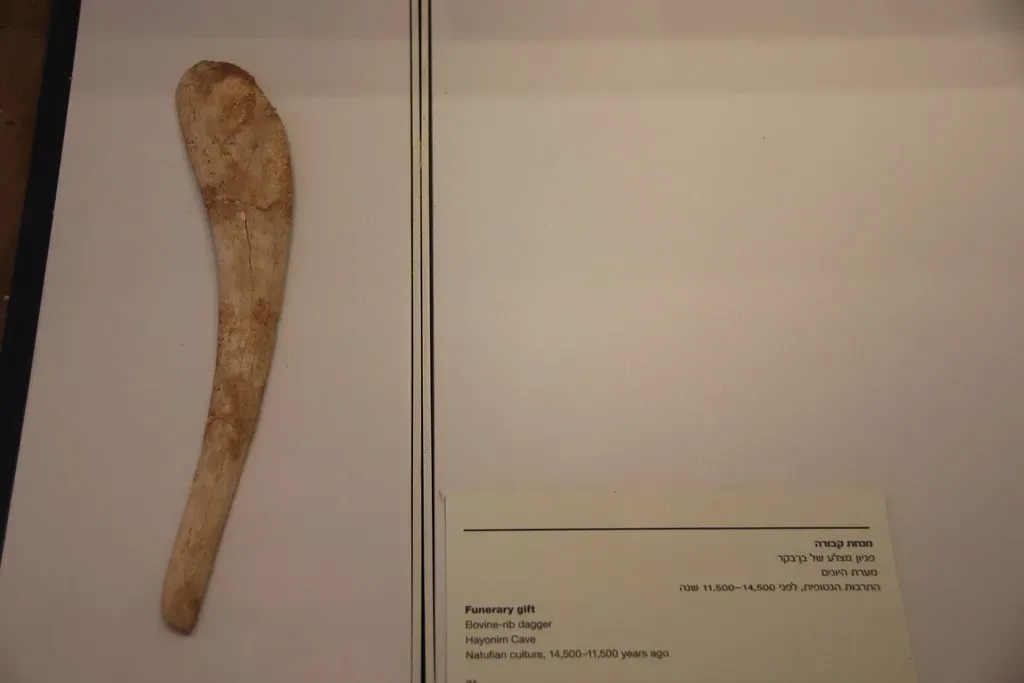
While most people picture prehistoric farming tools as crude, the Natufian sickle tells a very different story.
At a Glance
- Used roughly 12,000 years ago in the Levant, just before the dawn of agriculture
- Combined several small flint blades with a curved bone or wood handle instead of one solid blade
- “Sickle sheen” – a glossy polish from repeated cutting motions – is still visible on original blades
- Individual worn segments could be swapped out without discarding the entire tool
Around 12,000 years ago, communities in the Levant were embedding small, sharp flint blades into curved bone or wood handles, sealing them in place with natural adhesives like bitumen. Repeated harvesting left a distinctive polish, now called “sickle sheen,” on the flint edges – direct physical evidence of thousands of harvesting motions. Most people don’t realize the composite design, multiple small blades rather than one large blade, was actually more efficient and repairable than a single-piece tool.
That modularity is genuinely clever engineering: a broken segment could be swapped out without discarding the whole sickle. Modern reconstructions using only period-accurate adhesive and hafting methods still struggle to match the durability of the originals under repeated use. #4 goes even further into chemistry nobody wrote down.
#4 – The Multi-Ingredient Glue That Required Chemistry Nobody Wrote Down
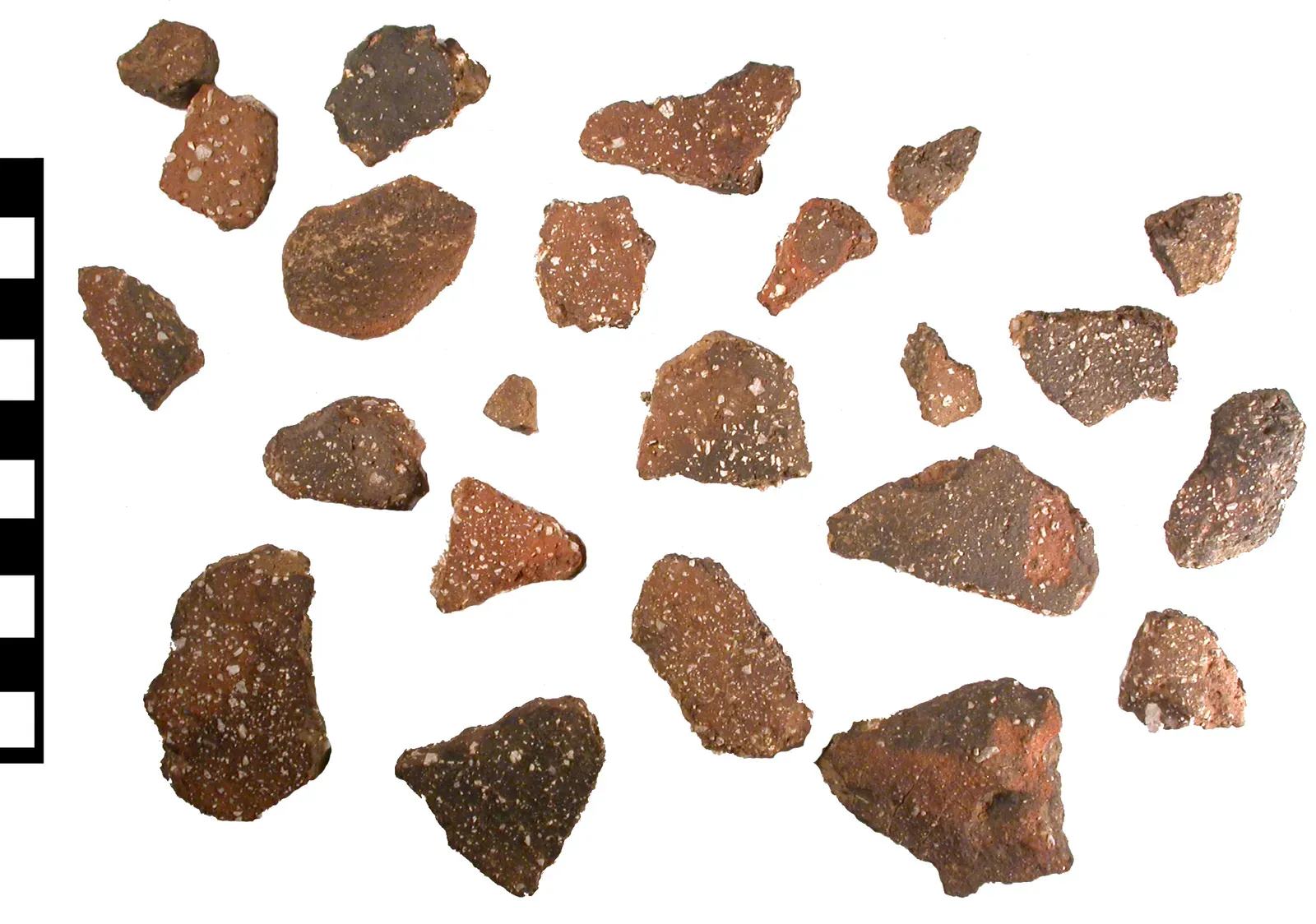
Here’s a controversial take: prehistoric adhesive recipes may represent more sophisticated planning than some Bronze Age technologies that get far more credit.
At sites like Sibudu Cave in South Africa, researchers have found evidence of compound adhesives – mixtures combining plant gum, red ochre, and sometimes fat – used to haft stone points onto wooden shafts tens of thousands of years ago. The most surprising fact: getting the ratio wrong ruins the mixture entirely, since ochre changes the moisture balance and hardening time of plant gum in ways that require real trial-and-error knowledge to master.
This wasn’t a lucky one-time discovery; it required repeatable, teachable knowledge of material chemistry passed between people. Modern experimental archaeologists mixing these ingredients from scratch report that hitting a workable, durable ratio takes many failed attempts. #3 takes that same patience and applies it to art.
#3 – The Ivory Carving That Took Modern Experts Months to Copy
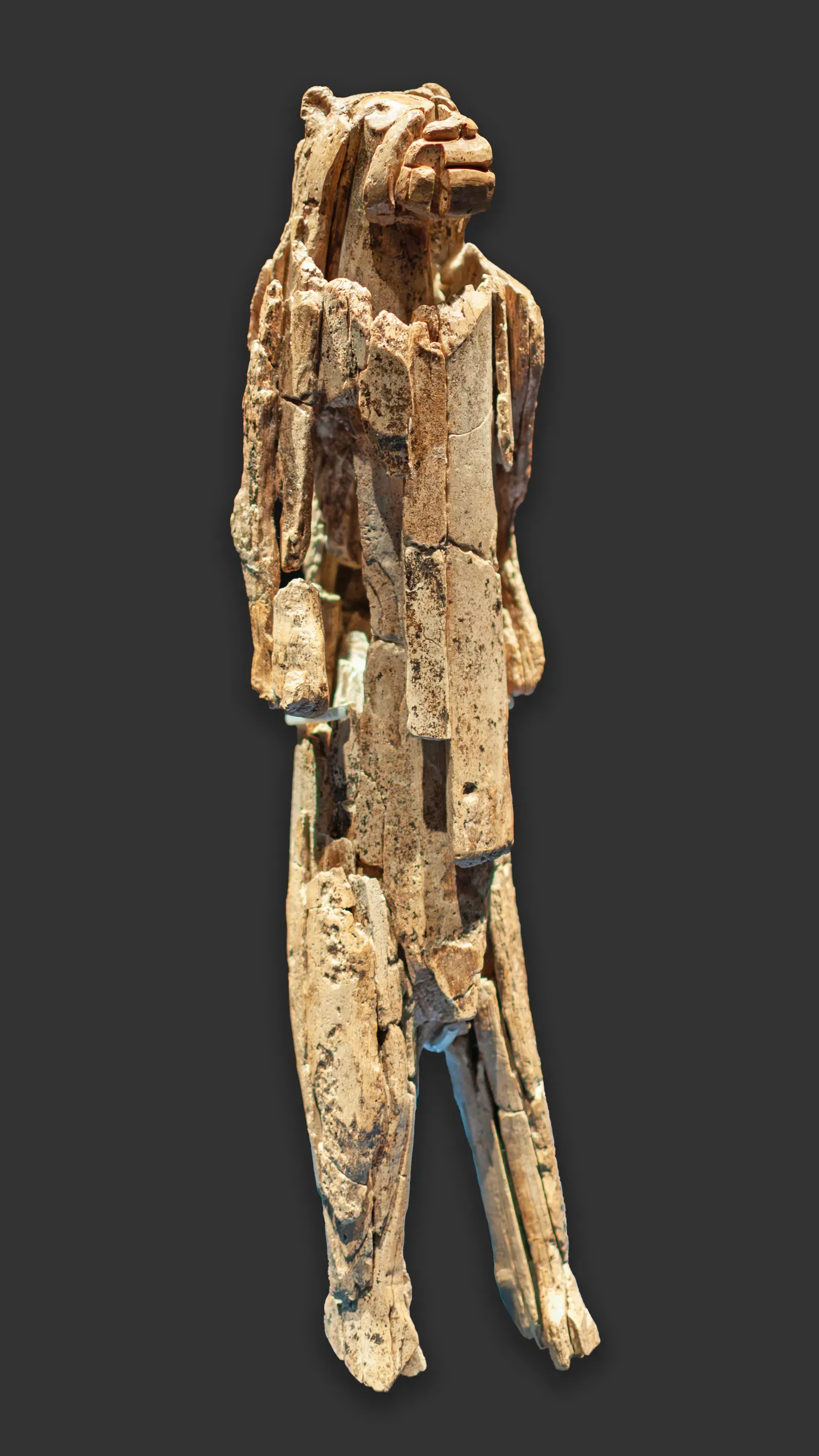
Most people assume detailed sculpture is a “civilized” invention. Actually, one of the oldest known figurative sculptures on Earth was carved from mammoth ivory using nothing but stone tools.
The Lion Man of Hohlenstein-Stadel, a human-shaped figure with a lion’s head, was carved roughly 40,000 years ago in what is now Germany. The most shocking fact: modern experimental archaeologists attempting to recreate it using only period-correct stone tools have needed extensive time investments, working in short sessions over months, just to approximate the original’s detail.
- Ivory is dense and prone to splintering under stone blades
- Fine facial features require control modern knappers rarely practice on ivory specifically
That level of patience – carving a symbolic, non-functional object purely for meaning – challenges the outdated idea that prehistoric people only made “practical” things. #2 rewrites the entire timeline of when humans started polishing stone.
#2 – The Axes That Predate “Grinding Technology” By Tens of Thousands of Years
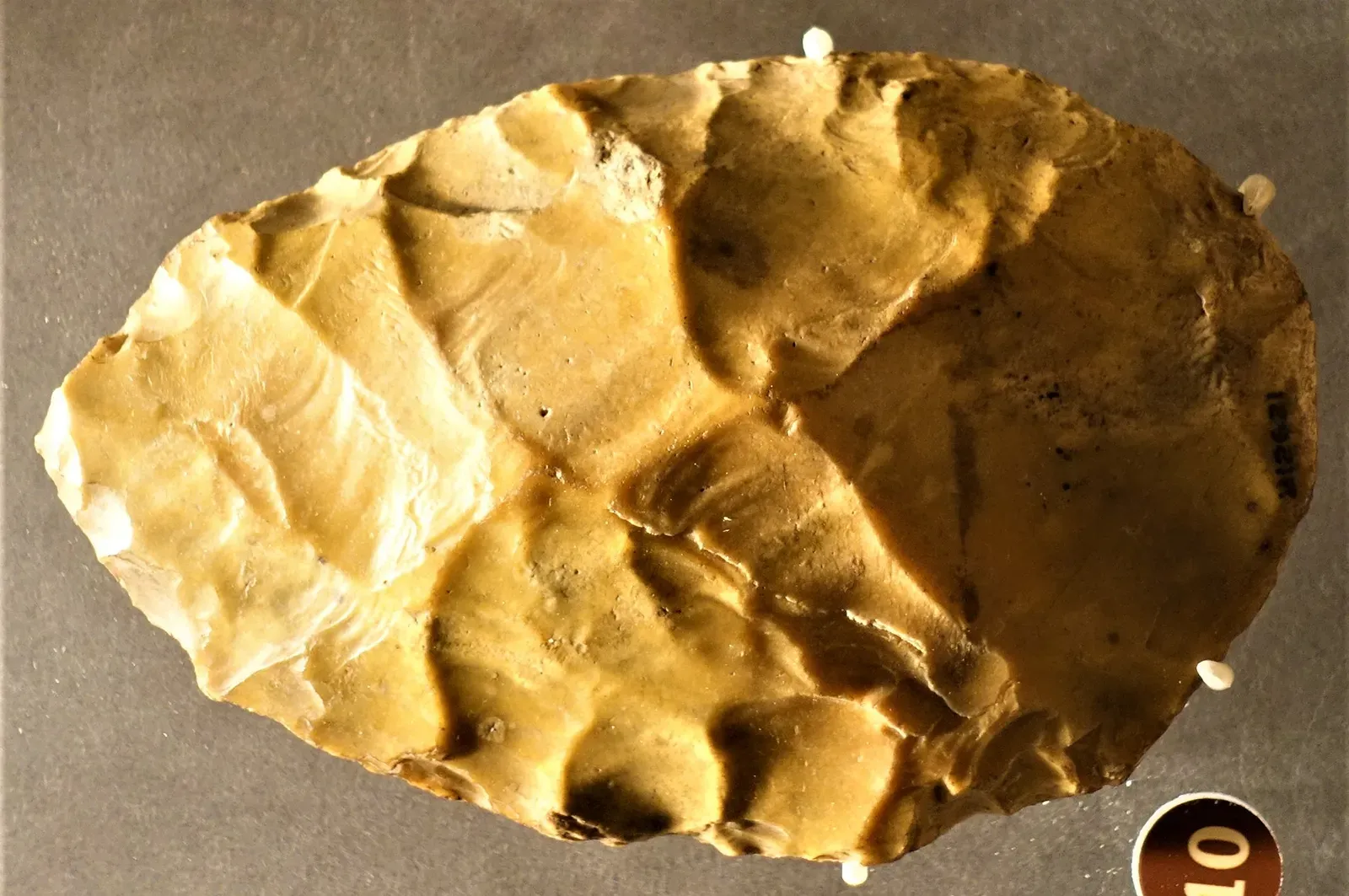
While most people assume ground and polished stone tools are a later Neolithic invention, evidence from Australia flips that timeline entirely.
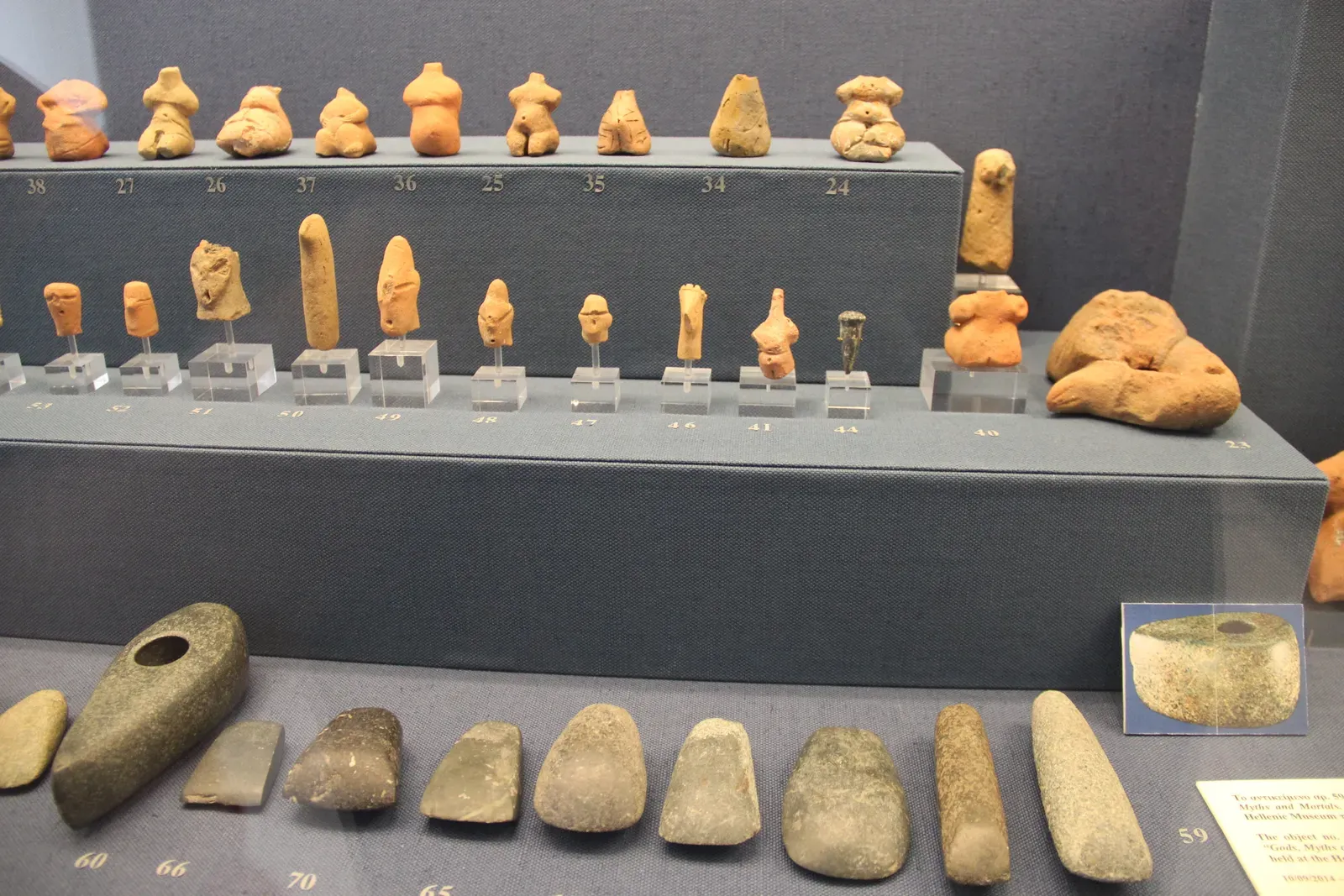
Archaeologists have recovered stone axe fragments in Australia with ground, rather than simply knapped, cutting edges dating back tens of thousands of years – making them among the oldest edge-ground tools known anywhere on Earth. The most surprising fact: grinding a stable, sharp edge into hard rock using only sand, water, and another stone as an abrasive takes an enormous, almost meditative time investment, far longer than knapping a comparable edge.
Unlike knapped tools, ground edges resist chipping and can be maintained through repeated sharpening rather than replacement. Modern reconstructions confirm the process works – but replicating the specific consistency and speed of the originals, without modern abrasives, remains genuinely difficult. Which brings us to the one tool that actually needed modern physics to be understood at all.
#1 – The Weapon That Needed a Physics Degree to Reverse-Engineer
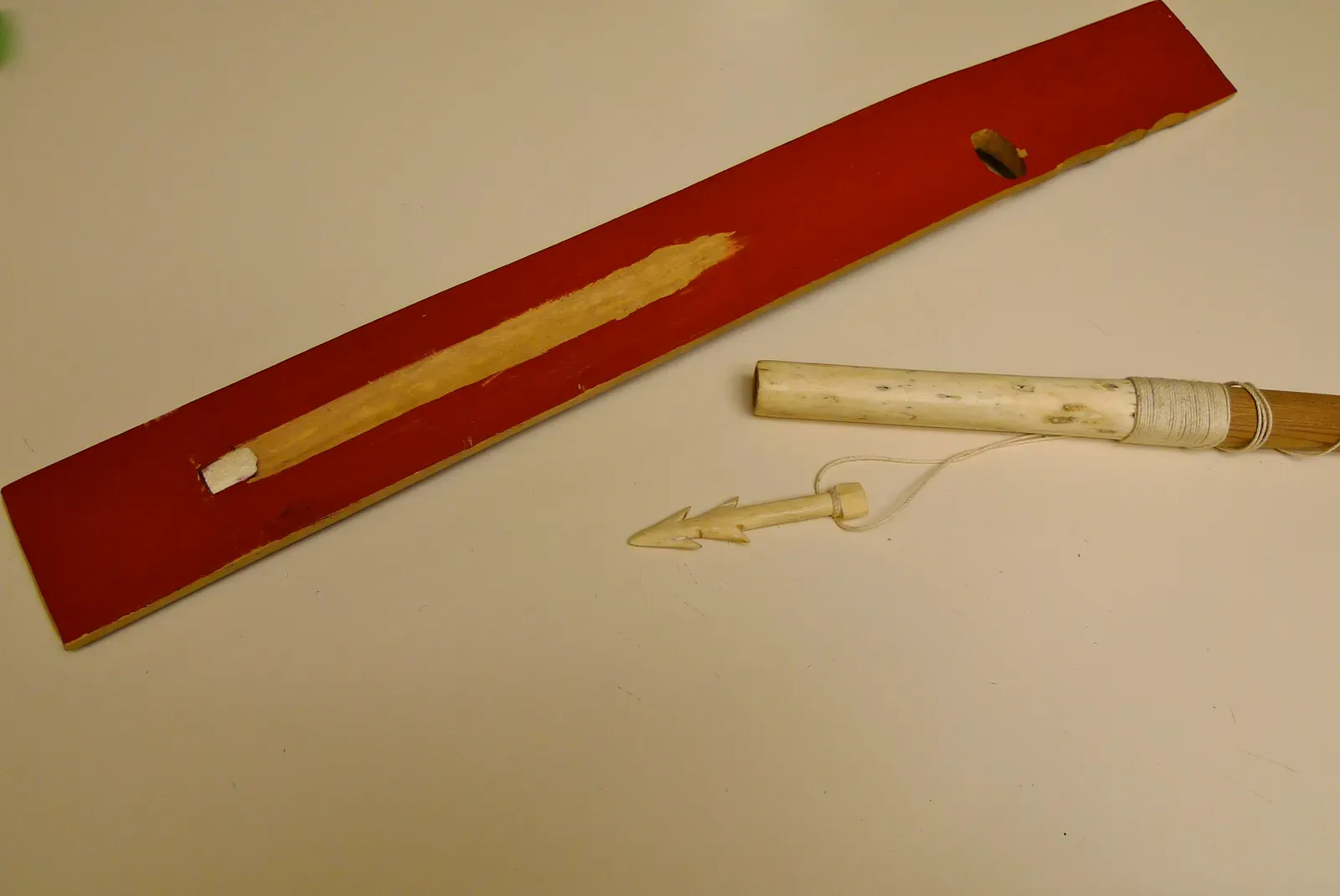
If there’s one prehistoric tool that deserves far more respect than it gets, it’s the atlatl – the spear-thrower that turned a simple stick into a biomechanical weapons system.
An atlatl is essentially a lever, a rigid or slightly flexible rod with a hook at one end, that extends a thrower’s arm and dramatically increases the velocity of a dart or spear. The most shocking fact: engineers analyzing atlatl mechanics have found that subtle flex in certain designs stores and releases energy in a way strikingly similar to modern archery limbs – a principle prehistoric hunters exploited without any formal understanding of physics or material science.
Getting the flex, length, and hook angle right by trial and error, across generations, without written notation, represents an extraordinary feat of accumulated engineering knowledge. Modern reconstructions using historical dimensions still show wide performance variation depending on tiny adjustments researchers don’t fully understand yet. It’s arguably the most technically underrated prehistoric weapon in existence.
Why It Stands Out
- Effectively lengthens a thrower’s arm, multiplying dart velocity beyond what an arm alone can achieve
- Some designs use rod flex to store and release energy, much like a bow’s limbs
- Used across multiple continents, from Ice Age Europe to Indigenous cultures in the Americas and Australia
- Tiny changes in length or hook angle can produce major swings in performance
The Bottom Line
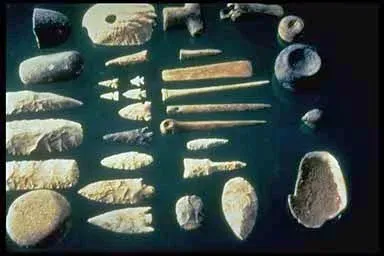
The evidence is clear: prehistoric humans weren’t just surviving – they were engineering. From adhesives requiring near-perfect chemistry to blades so thin modern hands can’t finish them without cracking, these fourteen tools prove that “primitive” is the wrong word entirely.
What’s really happened isn’t a loss of skill – it’s a loss of transmitted knowledge. Somewhere between the last hand-to-hand apprenticeship and the invention of the tape measure, we quietly forgot things our ancestors knew in their bones.
Our honest opinion? Modern society has spent decades mistaking unfamiliarity for simplicity, and every one of these fourteen tools proves how wrong that assumption really is.