Most people think megalodon science is settled: a monstrous 60-foot shark that ruled the seas, spawned the great white, and vanished in some dramatic extinction event millions of years ago. Turns out, a shocking number of “facts” repeated in documentaries, textbooks, and museum placards were built on a single fossil, a flawed model, or outright guesswork.
In just the last five years, researchers have quietly walked back claims about megalodon’s body shape, its bite, its bloodline, and even how it died. Some of these reversals are small corrections. Others completely rewrite what we thought we knew about the biggest predator to ever swim. Here’s what paleontologists actually say now that the dust has settled.
#13 – One Belgian Vertebra Set the “Official” Size for Decades
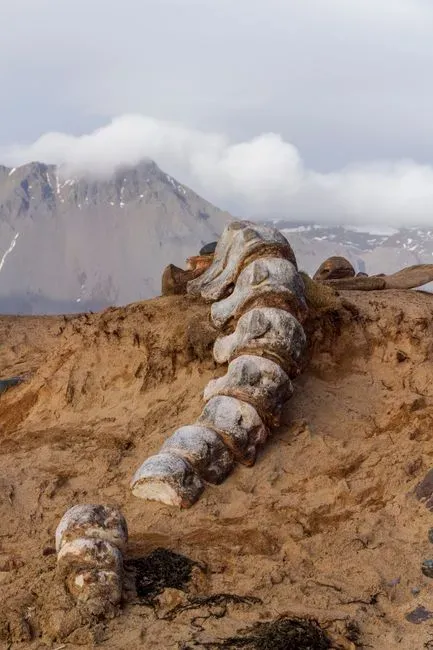
A single, incomplete fossil from Belgium has been doing an enormous amount of heavy lifting in megalodon science. For years, researchers used that one partial vertebral column, housed in a Belgian museum, to model everything from body shape to swimming speed. The specimen was previously estimated to have come from an individual measuring 9.2 meters in total length, based on comparisons to the modern white shark.
The problem: an entire body of “settled” megalodon science was extrapolated from one damaged skeleton with no skull, no full spine, and no soft tissue. Scientists now openly admit that, unlike teeth, which are at least tangibly comparable across specimens, the lack of any complete skeleton makes body reconstruction largely speculative. That’s a stunning admission for an animal whose silhouette appears in textbooks worldwide.
#12 – Megalodon Was Officially the Same Genus as the Great White
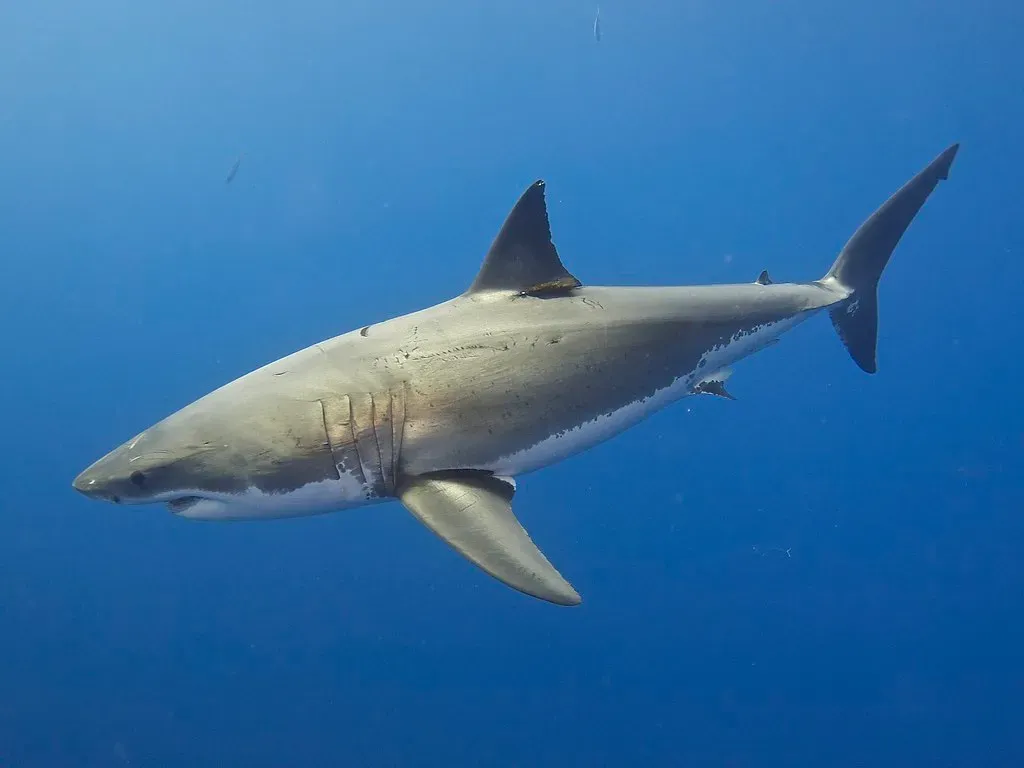
Here’s a claim that sat in scientific literature for over a century before researchers quietly reversed it. For most of the nineteenth and twentieth centuries, scientists placed megalodon and the great white in the same genus, both classified as Carcharodon, making megalodon formally Carcharodon megalodon. That classification wasn’t based on skeletons or DNA, since none of that survives. It was based almost entirely on tooth shape.
Researchers have since scrapped that name entirely. Most scientists now use Otodus megalodon, pulling it out of Carcharodon and placing it in the otodontid lineage where the evidence actually points. An entire genus assignment, taught as fact for generations, turned out to be a case of mistaken tooth-shape identity.
Fast Facts
- Old classification: Carcharodon megalodon, sharing a genus with the great white
- Basis for that name: tooth shape alone, with no skeletons or DNA to compare
- Current classification: Otodus megalodon, placed in the otodontid lineage
- The old name stood in scientific literature for more than a century
#11 – Megalodon Only Ate at the Very Top of the Food Chain
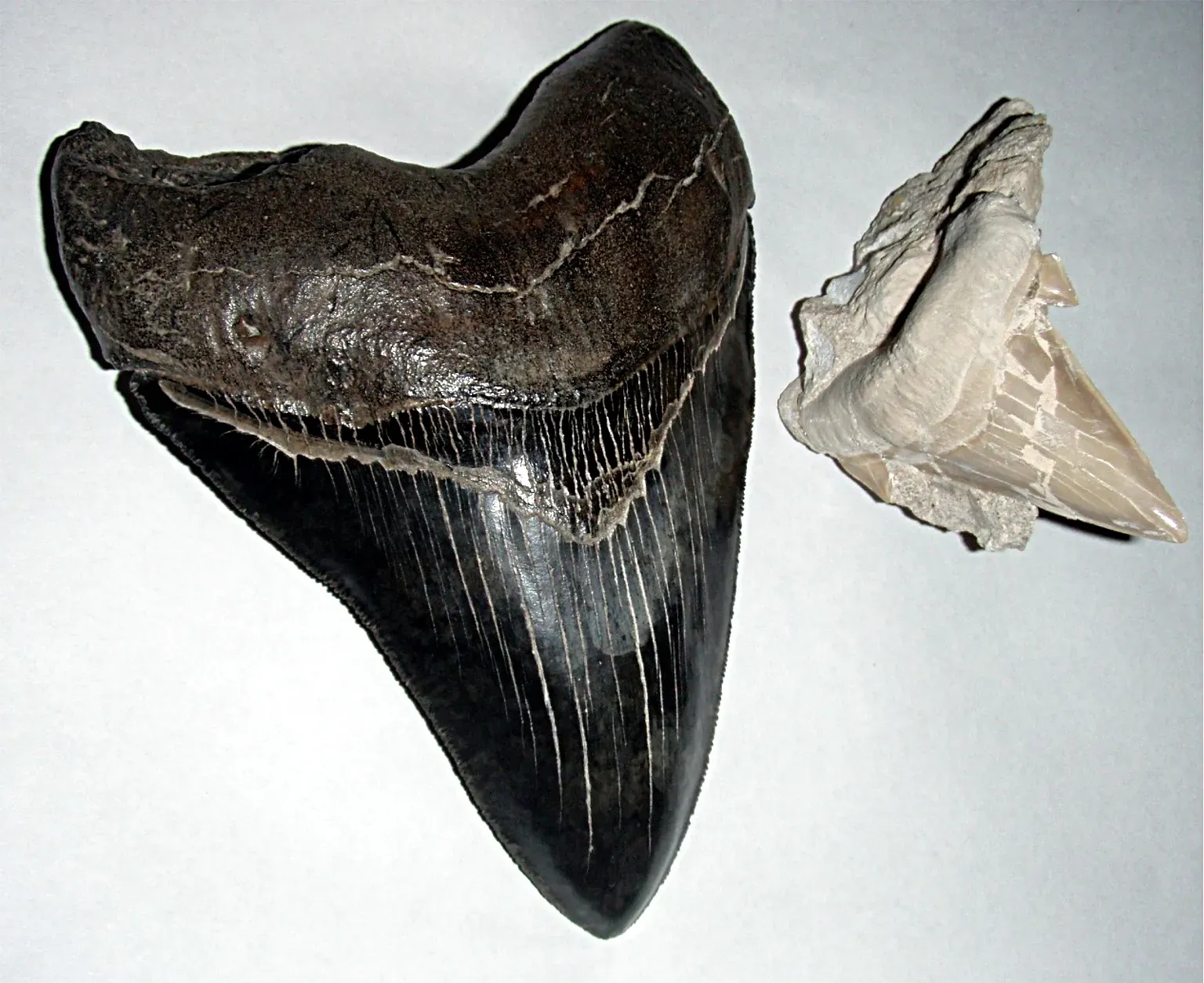
The “apex predator that only ate whales” story is one of megalodon’s most repeated claims, and it’s now considered incomplete. A widely cited 2022 analysis painted megalodon as sitting alone at the highest trophic level ever measured, feeding almost exclusively on other predators. Newer chemical analysis tells a very different story.
Contrary to those assumptions, the largest shark that ever lived fed on marine creatures across multiple levels of the food pyramid, not just the top. Researchers reached this conclusion by analyzing zinc content in fossilized megalodon teeth and comparing samples across sites. This means megalodon wasn’t a picky super-predator. It was more like an opportunistic feeder that ate whatever was available, and the single-diet narrative that dominates every documentary was never the full picture.
#10 – Megalodon Was Just a Big, Cold-Blooded Fish
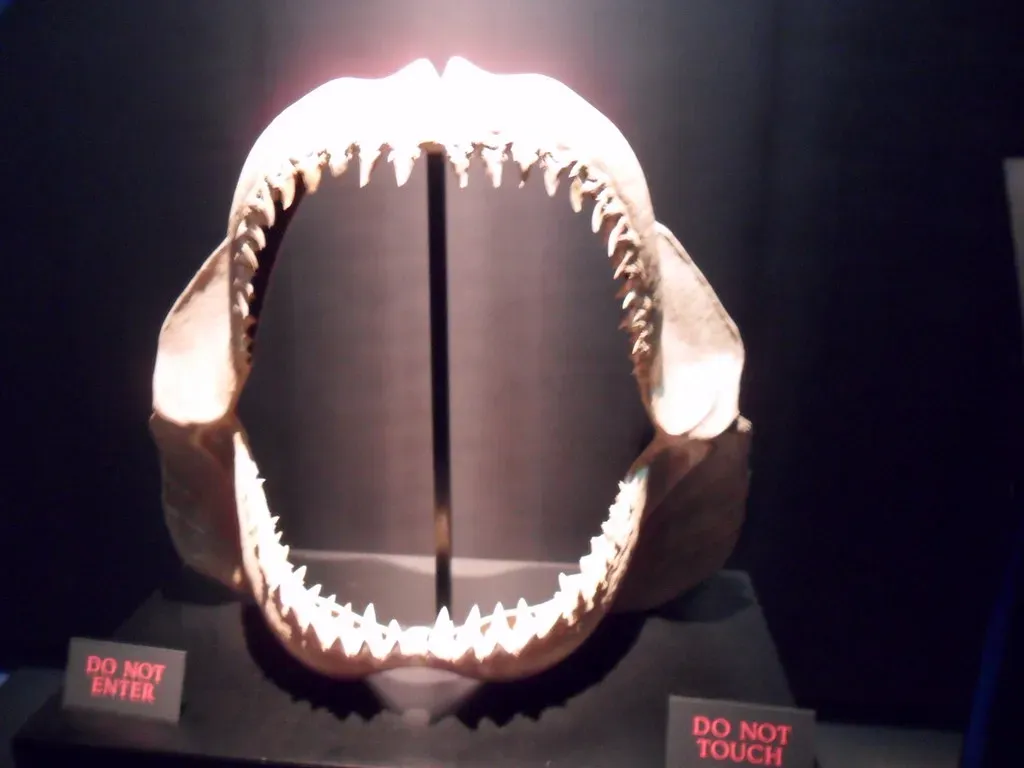
For decades, megalodon was assumed to be a fish in the most basic biological sense, a body temperature that simply matched the surrounding ocean. That assumption held because nobody had the tools to test it directly. It took an analysis of tooth fossils from megalodon and other sharks of the same period to finally settle the question, and the result upended the old picture entirely.
The reveal was staggering: megalodon ran roughly 13 degrees Fahrenheit warmer than the ocean around it, an ability called mesothermy.
The only comparable living species today in terms of both diet and body temperature are the great white shark and, to a lesser extent, the mako shark.
Michael Griffiths, geochemist and lead study author
That warm-blooded advantage, researchers now argue, may have doubled as a liability.
#9 – Megalodon Regularly Reached 80 to 100 Feet
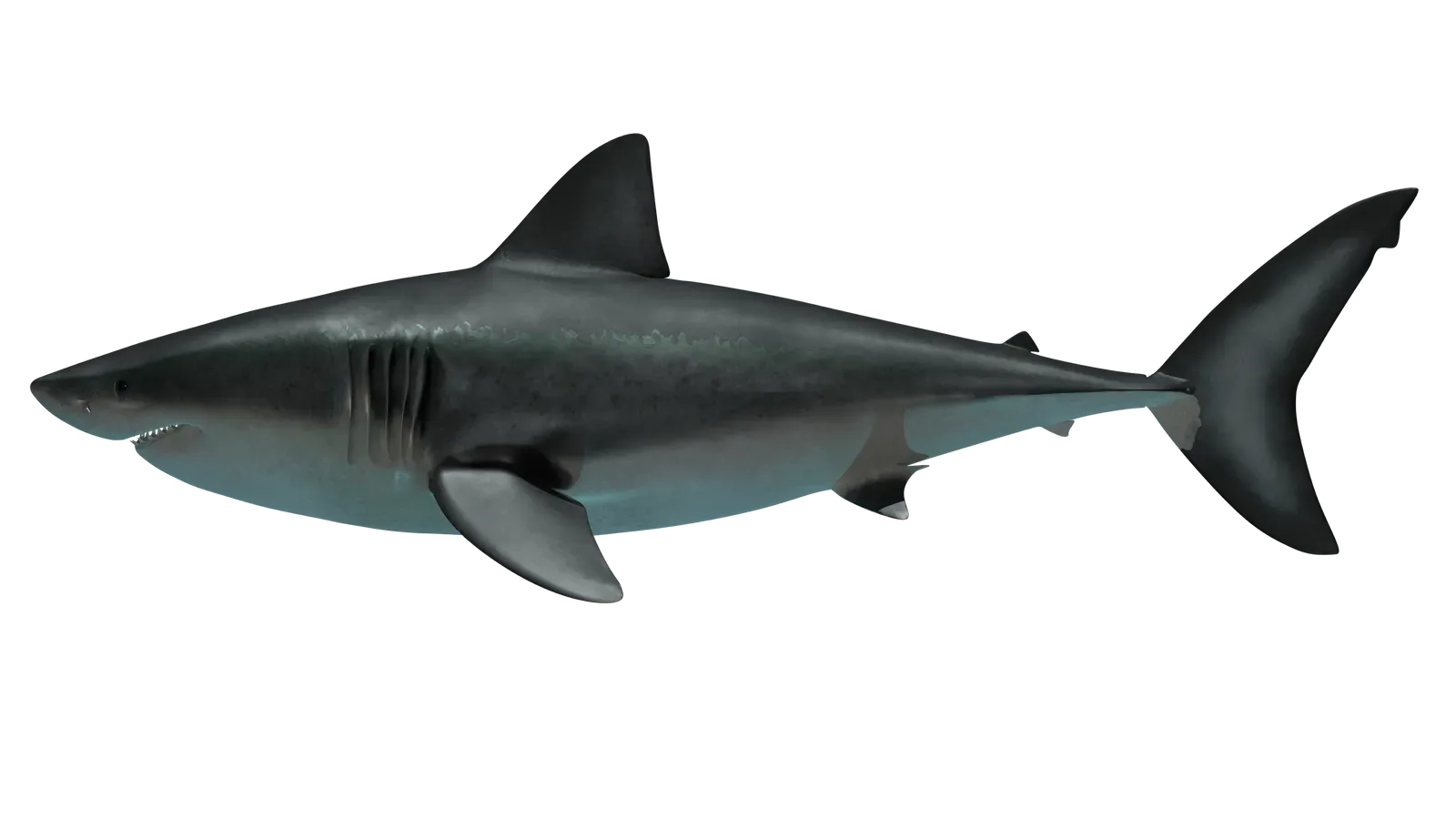
Movie posters and internet clickbait love throwing around triple-digit lengths for megalodon. Actual peer-reviewed science has never supported that number. Based on the fossil evidence available, studies suggest megalodon reached lengths of up to 65 feet, and other rigorous estimates land even more conservatively at around 50 feet.
That means the “100-foot megalodon” popularized by films and viral posts is roughly double what any credible fossil evidence supports. Even the most generous outlier estimates from newer body-shape papers stay well under the mythical triple-digit mark. Researchers now treat the 100-foot figure less like science and more like marketing.
Quick Compare
| Source | Length Claim |
| Movies & viral posts | 80–100 feet |
| Fossil-based body-shape study | Up to 65 feet |
| Conservative peer-reviewed estimate | Around 50 feet |
#8 – Megalodon’s Dorsal Fin Was as Tall as a Grown Adult
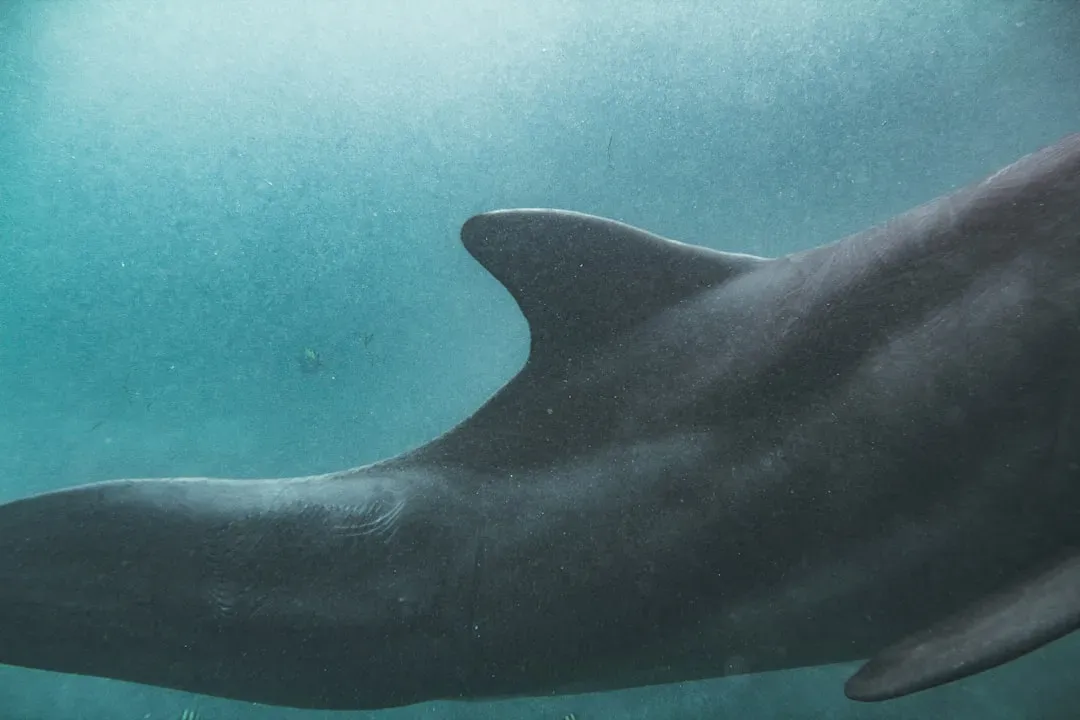
This is the claim that launched a thousand viral images: a megalodon dorsal fin towering over a diver like a shipwreck. It came from a single 2022 model, and other scientists have since pushed back hard. When a UK-based research team studied the shark’s shape that year, they used 3D modeling to compare body structures across several shark species and predicted a dorsal fin as tall as an adult human.
Rival researchers weren’t convinced by the method. A competing team, including doctoral researcher Jack Cooper and colleagues at Swansea University, argued the newer alternative study “suffers from circular logic” while defending their own conclusions. Even the scientists who built the towering-fin model now acknowledge the field is split. That dramatic image dominating your search results is, at best, one contested hypothesis among several.
#7 – Megalodon Looked Like a Scaled-Up, Chunky Great White
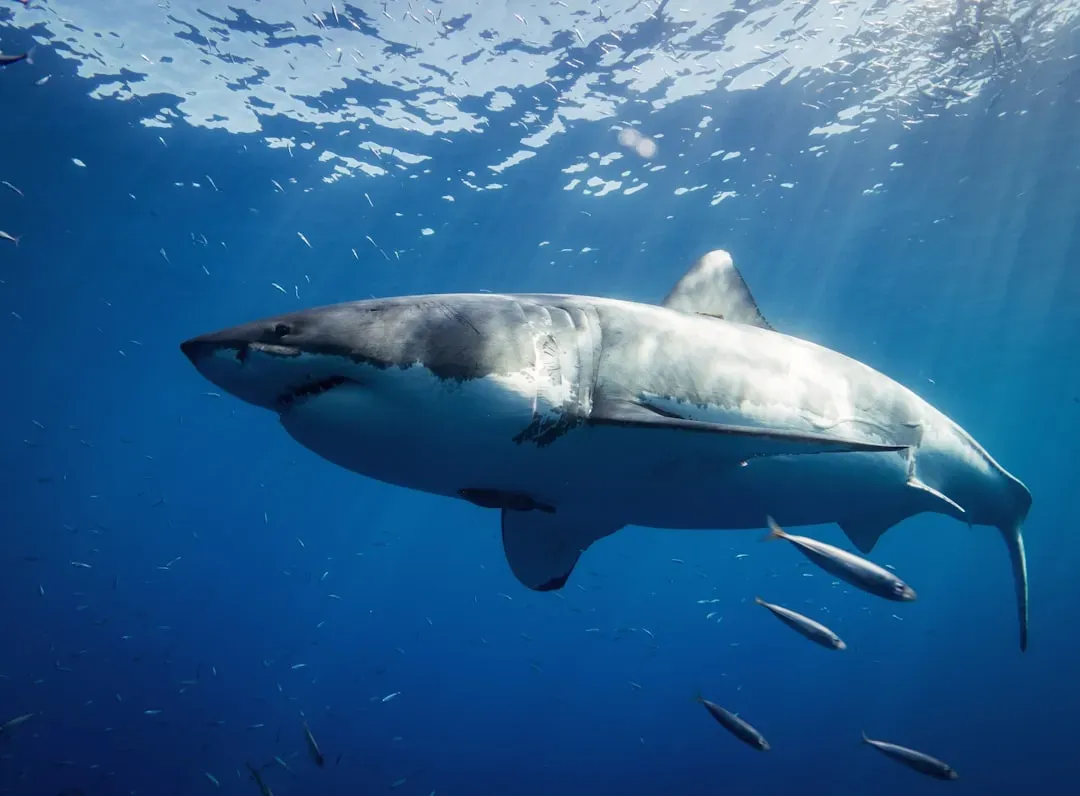
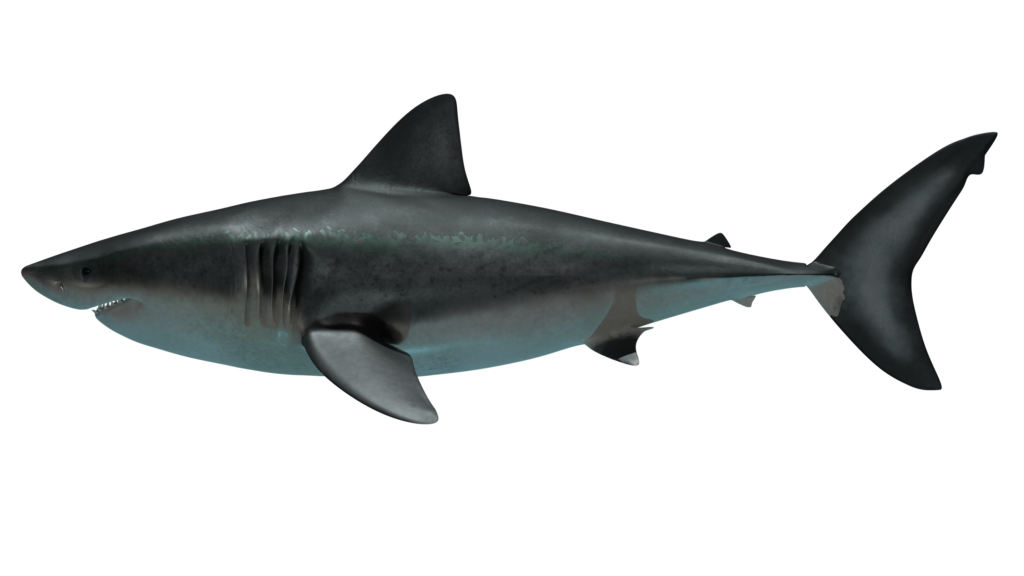
For years, artists and scientists alike drew megalodon as a bulked-up great white, a stocky torpedo built for explosive bursts of speed. A 2024 reassessment by 26 scientists says that picture is likely wrong. The team reexamined megalodon vertebrae and compared them to living sharks, concluding that the strength of the spinal column suggests a more slender body shape than the great white’s.
A shark that long simply couldn’t have carried a great-white-style bulky frame without becoming physically unworkable. At megalodon’s scale, that much bulk would have made the animal overly cumbersome. Researchers now say the “muscle-bound sea monster” image was more artistic license than anatomy.
At a Glance
- 2024 reassessment involved 26 scientists reexamining megalodon vertebrae
- Spinal strength points to a more slender body than the great white’s
- A bulky, great-white-style frame at megalodon’s size would be physically unworkable
- The classic “chunky sea monster” image now looks more artistic than anatomical
#6 – A Nearby Supernova Wiped Out Megalodon
This one sounds like science fiction, and for a while, it was treated as a serious hypothesis. Researchers proposed that radiation from a cosmic explosion millions of years ago triggered a mass die-off of ocean life, megalodon included, and attempted to link the shark’s extinction to a supernova known to have occurred around the same time.
The theory didn’t survive close scrutiny of the fossil record. A team led by vertebrate paleontologist Robert Boessenecker found problems with the underlying data on individual fossils used to estimate the extinction date. Once the timeline was corrected, the supernova and megalodon’s disappearance no longer even lined up. Boessenecker put it plainly, favoring shark competition “rather than radiation from outer space.”
#5 – Great White Competition Alone Ended Megalodon
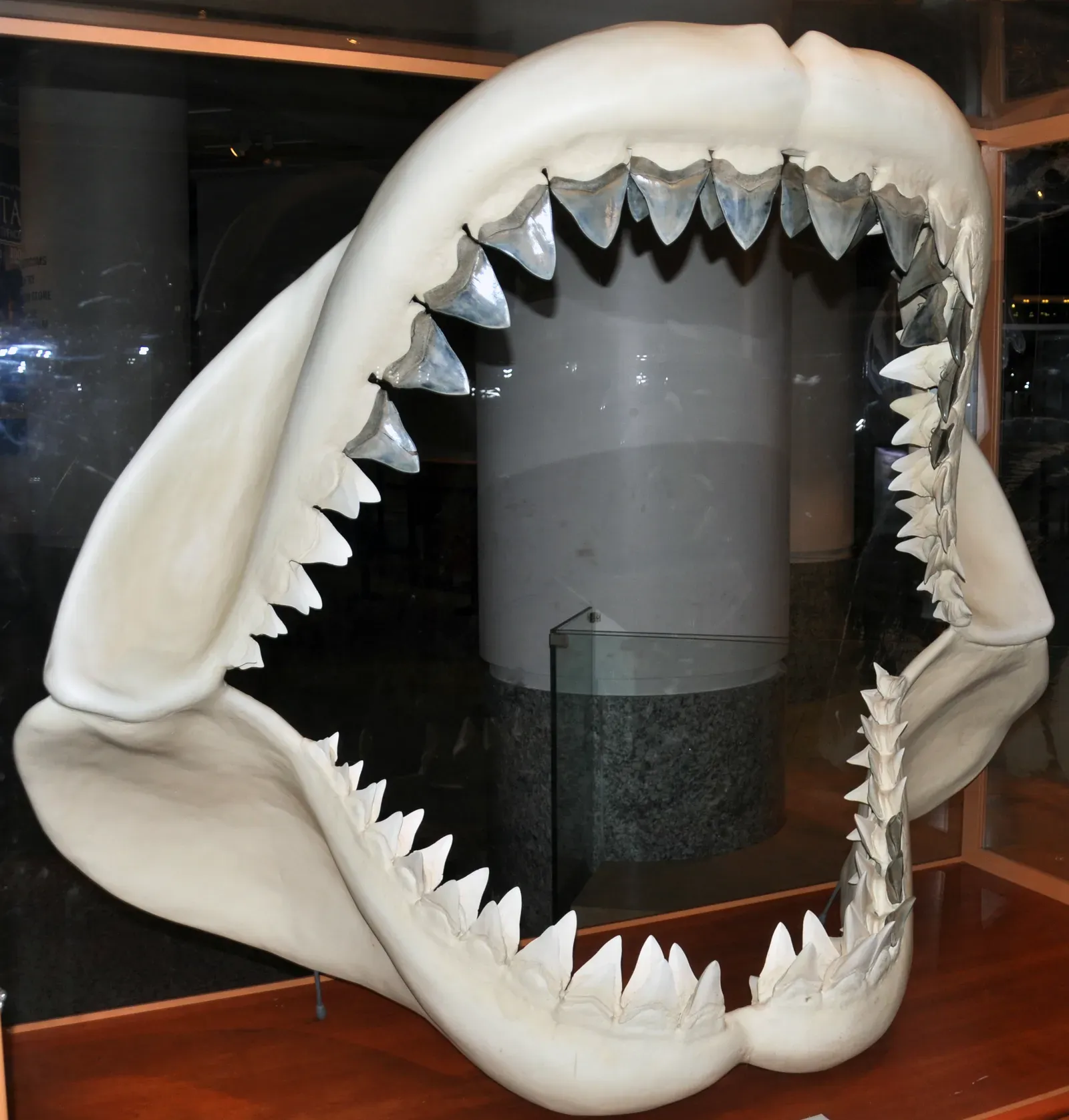
The tidy story that great whites simply out-hunted megalodon into extinction is one of the most repeated “facts” in shark documentaries. It’s now considered far too simple. The original version relied on megalodon and great whites overlapping in time and competing directly for the same food, with a proposed overlap of 3.6 to 4 million years ago being enough for great whites to spread worldwide and squeeze megalodon out.
Newer research on diet and thermal biology complicates that neat narrative considerably. Scientists now point instead to a “perfect storm” of causes rather than one dominant predator rivalry, including oceanic cooling that shrank warm coastal seas and a contracting prey base as large whales shifted toward cooler waters outside megalodon’s range. The single-villain story is now considered an oversimplification.
#4 – Megalodon Went Extinct 2.6 Million Years Ago
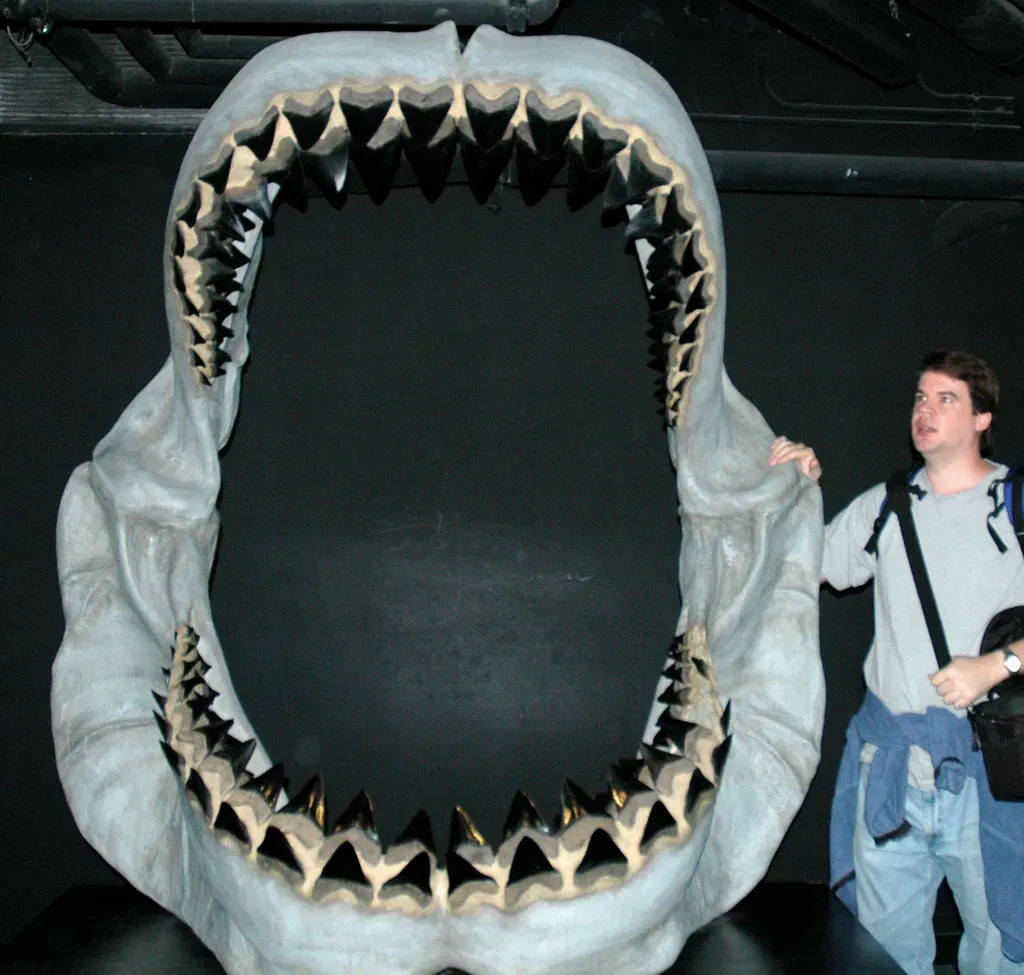
This exact number appeared in headlines, museum exhibits, and textbooks for years, treated as established fact. It has since been overturned by researchers using the same underlying dataset. A landmark study from the University of Florida and University of Zurich, published in PLOS ONE, concluded the species died out 2.6 million years ago, and the number stuck.
Five years later, a different team went back through every individual fossil in that same global dataset and found that genuine fossil occurrences were present only until the end of the early Pliocene epoch, 3.6 million years ago. That’s a full million-year correction to a number that had already been published as settled science. Later fossils either had poor data provenance or showed clear signs of being eroded from older deposits.
Worth Knowing
- Original extinction date of 2.6 million years ago came from a PLOS ONE study
- A follow-up review pushed the real extinction date back to 3.6 million years ago
- That’s a full million-year correction to a number once treated as settled
- Later “fossils” often had poor provenance or were eroded out of older deposits
#3 – “Fresh-Looking” Teeth Prove Megalodon Survived Longer Than We Thought
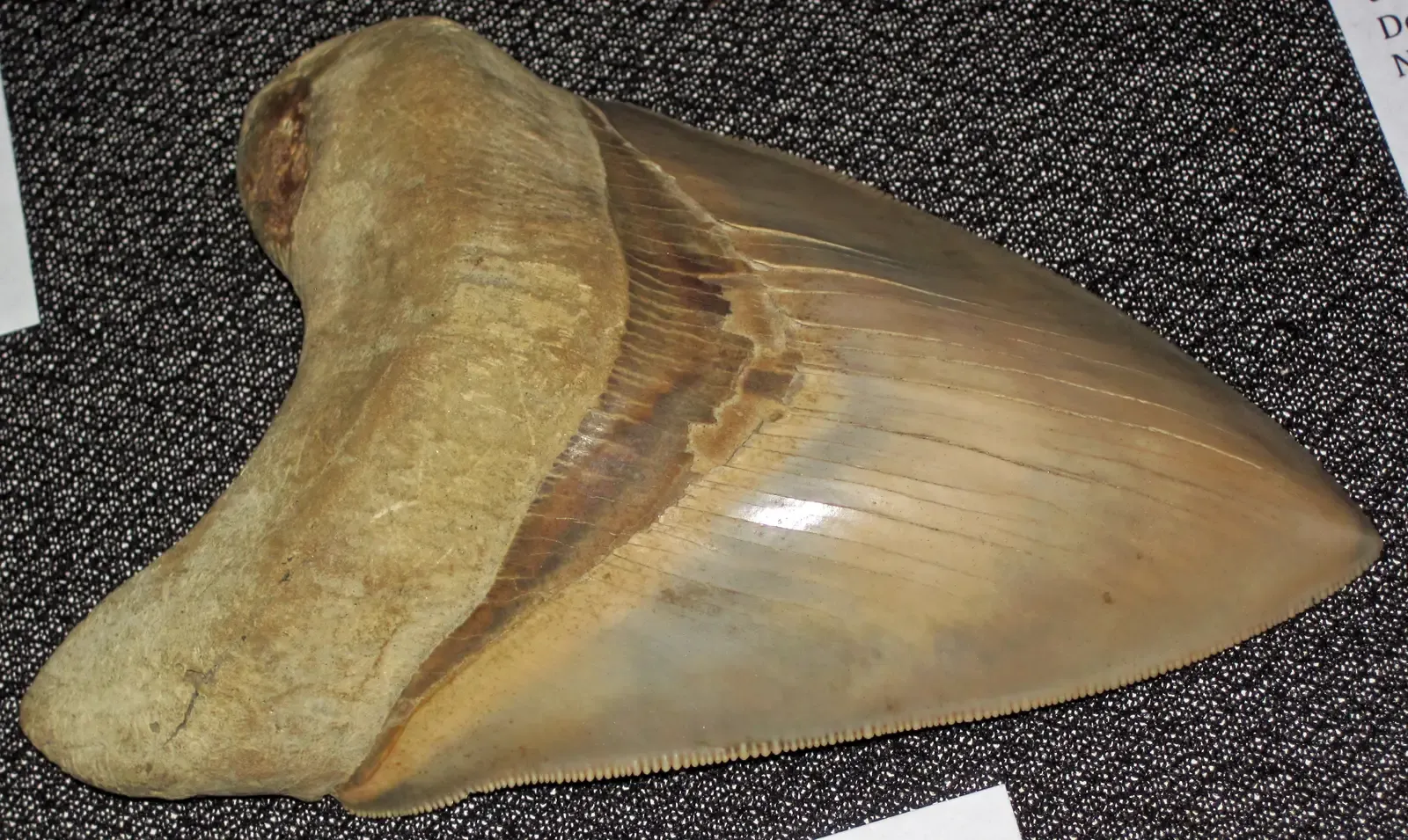
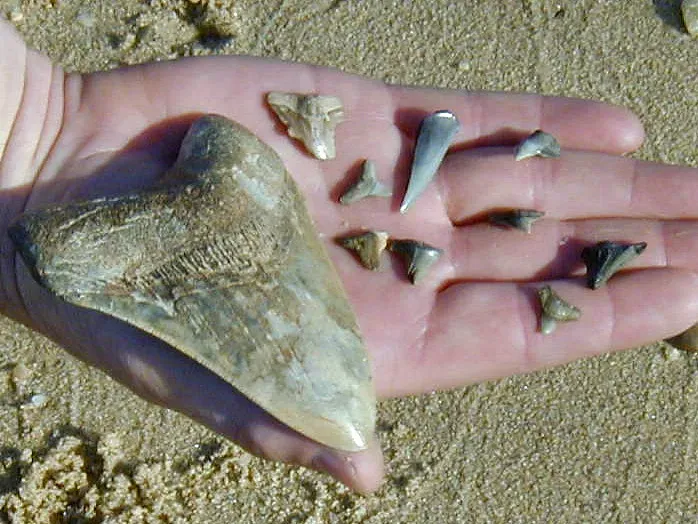
This claim fuels an entire corner of the internet: photos of shiny, dark megalodon teeth presented as evidence the shark lived far more recently than mainstream science admits. The problem is geological, not biological. Teeth don’t need to be freshly grown to look freshly deposited.
A tooth can be tens of millions of years old and still look “fresh” if it was eroded out of an ancient seabed and redeposited into much younger sediment. Boessenecker’s team found exactly this pattern when they audited the global fossil dataset, tossing out specimens with poor provenance. Shiny teeth, it turns out, are a preservation quirk, not proof of a hidden, modern-day megalodon population.
#2 – Great White Sharks Directly Evolved From Megalodon
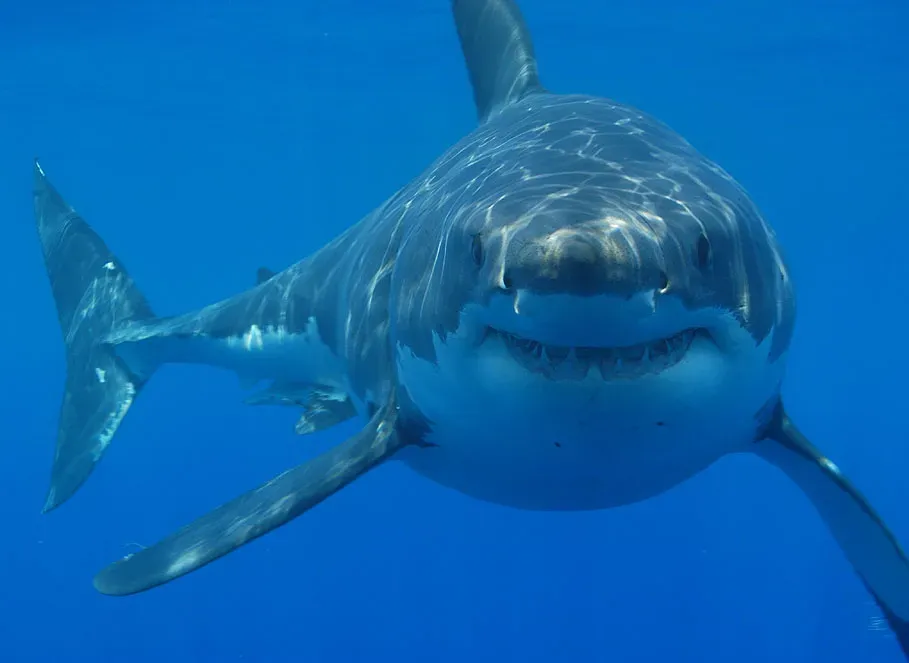
This might be the single most repeated megalodon claim in pop history, and researchers have now dismantled it fossil by fossil. For 150 years, paleontologists debated the origins of the great white, with many believing it descended from a 50-foot megalodon, essentially a vastly inflated great white. A single fossil discovery changed the conversation entirely.
The discovery of a far more complete shark fossil, Carcharodon hubbelli, including several vertebrae and a full jaw with teeth intact, points to that species as the great white’s true ancestor, not megalodon. Great whites and megalodon aren’t parent and child; they’re distant cousins from entirely separate branches. Megalodon belonged to Otodontidae, while great whites belong to Lamnidae, and their resemblance likely comes down to convergent evolution rather than direct ancestry. This wasn’t a minor tweak. It rewrote the shark family tree that generations of scientists had accepted.
Why It Stands Out
- Carcharodon hubbelli fossil includes several vertebrae and a full, intact jaw with teeth
- That level of completeness is rare among ancient shark fossils
- It pointed researchers toward the true great white ancestor
- Megalodon and great whites now sit in separate families entirely: Otodontidae vs Lamnidae
#1 – Megalodon Is Still Alive Somewhere in the Deep Ocean
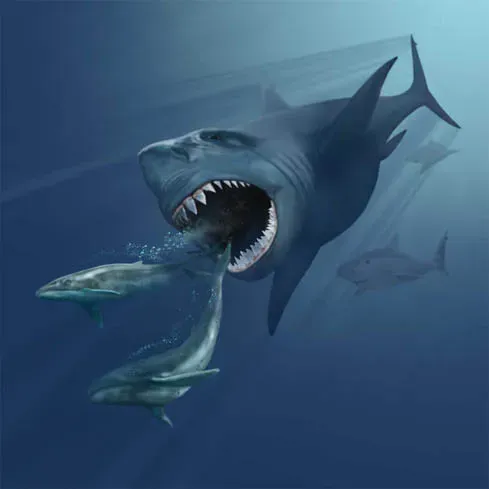
This is the claim that refuses to die, quite literally propped up by a fake television documentary that millions of people still believe was real. A Discovery Channel special implied megalodon may still be alive, prompting researchers to specifically design a study to clarify the public confusion it caused.
The scientific case against survival isn’t ambiguous, it’s overwhelming. No verified fossil material, physical specimen, or credible biological evidence of survival exists, and the deep ocean does not provide the prey biomass a predator of megalodon’s size would require. A shark that size eating whale-sized prey simply cannot hide from modern sonar, whale-scarring records, and fishing fleets covering nearly every ocean on Earth. As one marine conservation group bluntly put it, if megalodon still existed “we’d see scars on whales, massive unfossilized teeth littering the seabed, and sonar records of the giant predator.” None of that evidence has ever surfaced, because megalodon has been gone for millions of years.
The Bottom Line
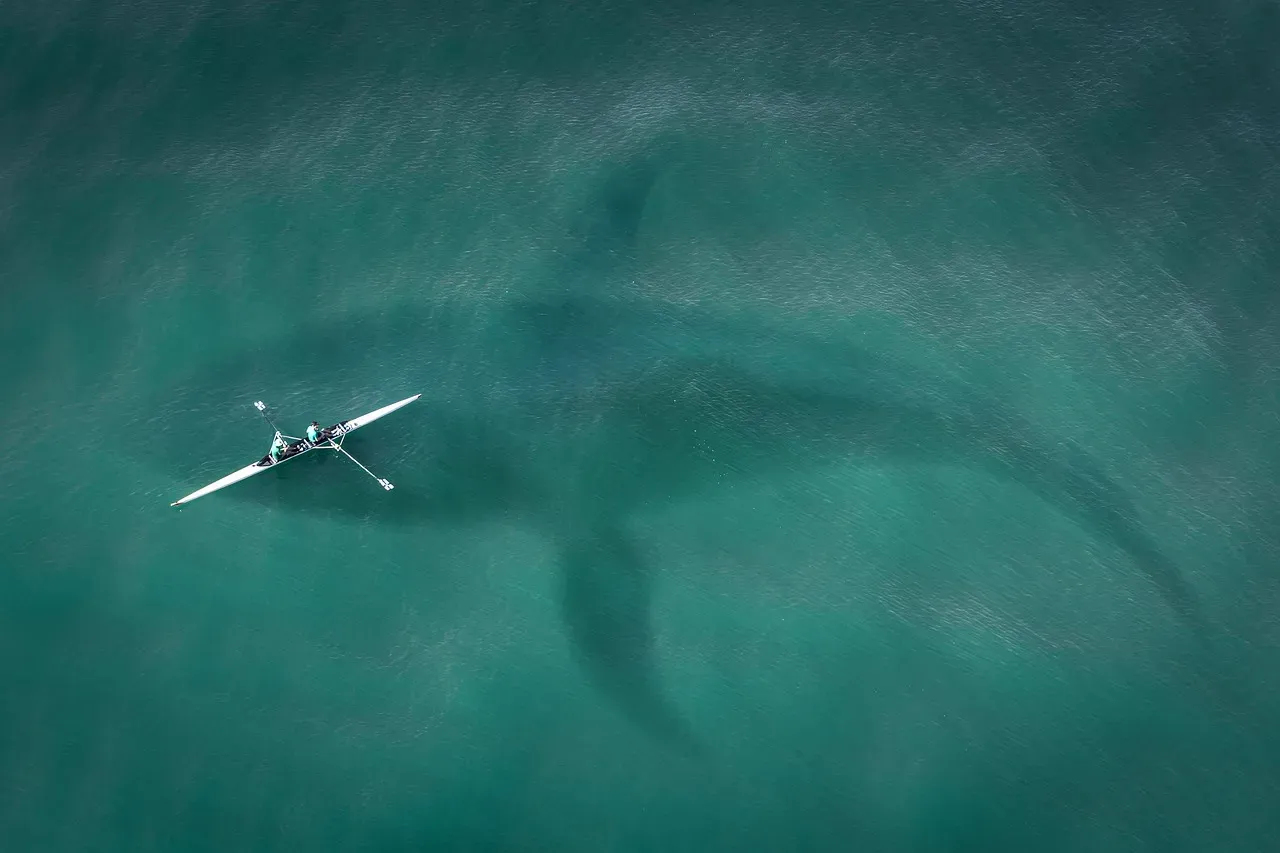
Look at the pattern here: a fake documentary convinced people megalodon is alive, a single vertebra shaped decades of size and speed claims, and an entire genus name got quietly rewritten. The most surprising part isn’t any single correction. It’s how many “settled” megalodon facts were built on one fossil, one model, or one TV special.
Science moved on almost every major claim: extinction date, body shape, bloodline, even blood temperature. Honestly, the constant walk-backs say more about how eager we are to mythologize a 15-foot shark’s teeth than about the animal itself. Which of these surprised you the most? Drop it in the comments.