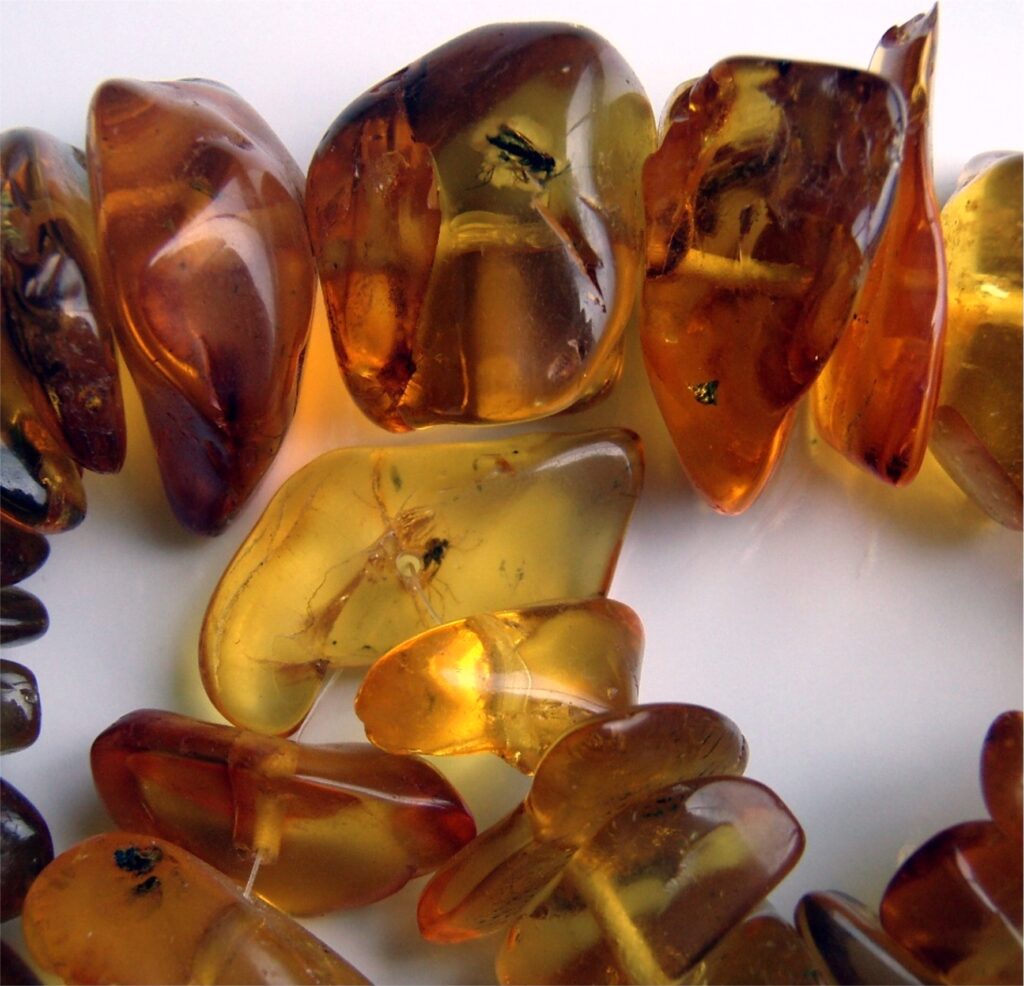
Most people assume every bug frozen in golden tree resin gets identified within a few years of discovery. That’s not even close to true.
Museum drawers and university freezers around the world are stuffed with amber chunks that have stumped entomologists, paleontologists, and geneticists for decades – specimens so strange they’ve forced scientists to invent entirely new insect orders, retract published papers, or simply admit defeat and label the contents “indeterminate.” Some pieces contain creatures that shouldn’t logically exist together in the same resin flow. Others hide structures so alien-looking that researchers initially mistook them for something else entirely – a plant, a bird, a fake.
Here’s what the fossil record actually says about the amber world’s most baffling unsolved cases, counted down from strange to nearly unbelievable.
#13 – The Myanmar Millipede Pileup Nobody Expected
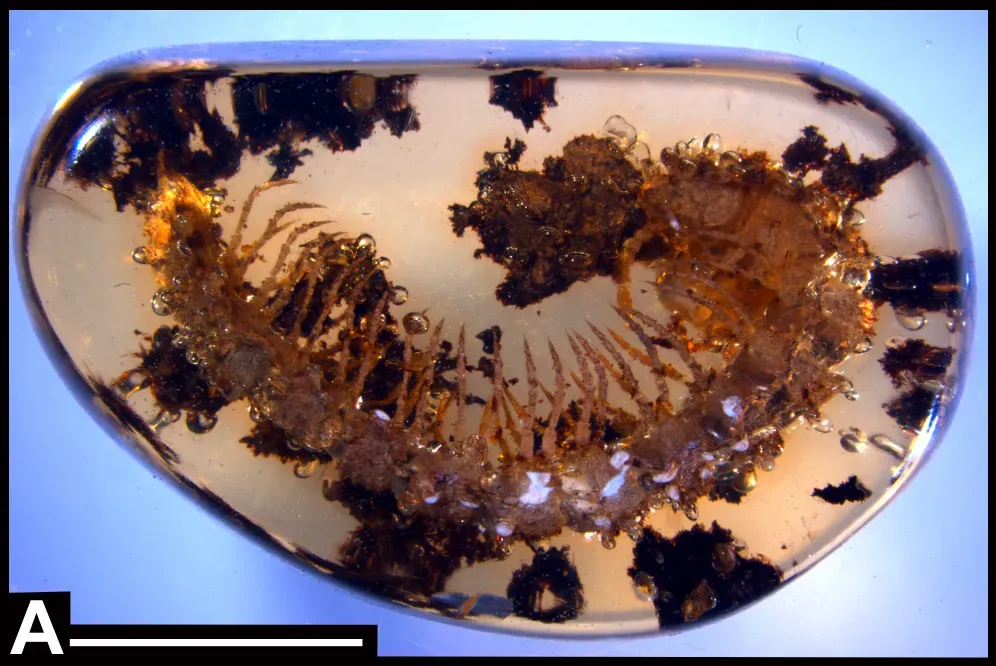
A single amber deposit turning up hundreds of millipedes sounds like a rounding error until you realize how rare millipede fossils actually are. Researchers studying Kachin amber from Myanmar didn’t find one mystery millipede – they found 450 of them, scattered across dozens of separate pieces. To even examine the specimens without destroying the amber, the team used micro-CT scanning, which builds a detailed 3D image without ever touching or cutting into the resin, a necessity when most of the pieces are privately owned and only on loan.
The real shocker wasn’t the number – it was what the mix of ages revealed. Many specimens turned out to belong to species that had never been described before, and the collection spanned every life stage at once, from newly hatched juveniles to fully grown adults. That means an entire hidden lineage of Cretaceous arthropods sat unlabeled in amber for nearly 100 million years, waiting for someone to finally look closely enough.
Fast Facts
- 450 millipede specimens recovered across dozens of separate amber pieces
- Location: Kachin amber deposit, Myanmar
- Age: roughly 100 million years old, Cretaceous period
- Life stages ranged from newly hatched juveniles to full adults
- Studied using non-destructive micro-CT scanning
#12 – The European Spider-Relative That Shouldn’t Have Been There
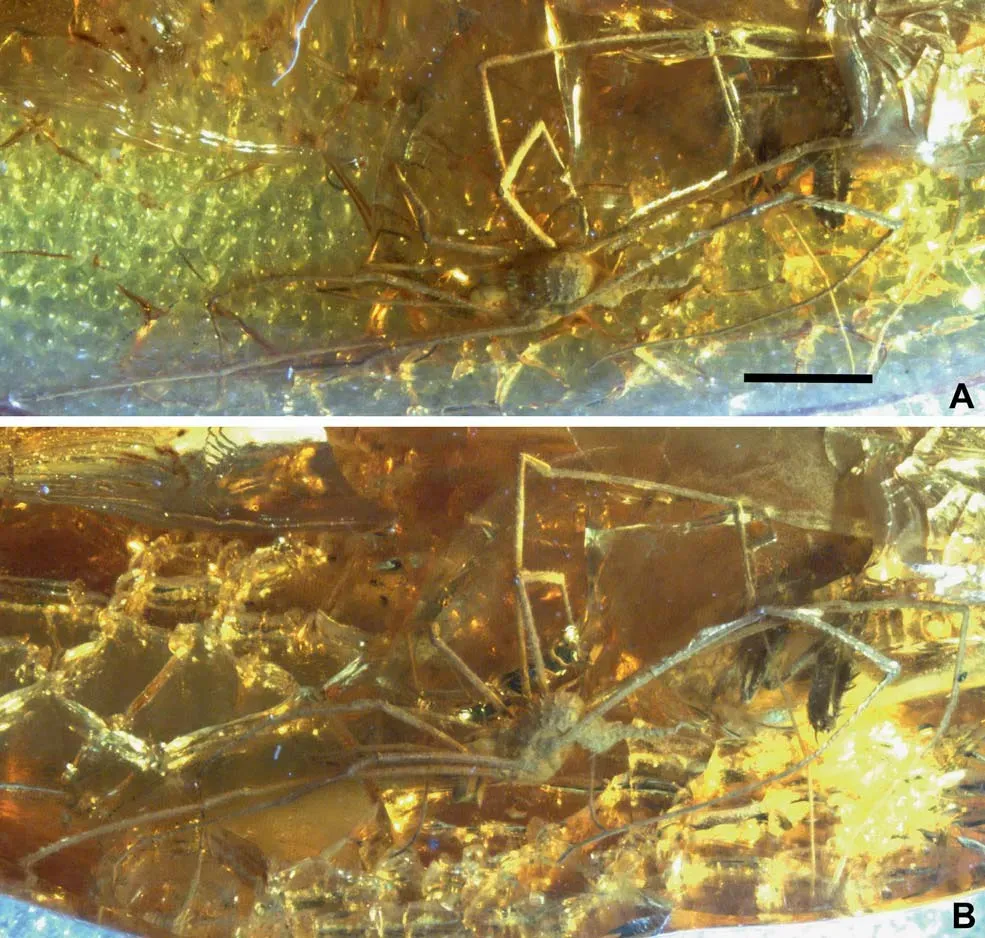
Picture unwrapping a 35-million-year-old amber chunk and finding an animal whose closest living relatives are on the other side of the planet. That’s exactly what happened when researchers examined harvestmen – daddy longlegs relatives – trapped in Eocene amber from Ukraine and the Baltic region. A team led by paleontologist Christian Bartel identified a previously unknown species belonging to a group with heavily ornamented, lattice-like head structures, unlike anything you’d expect wandering a European forest floor.
The kicker is where their family currently lives. This entire group no longer exists in Europe at all; its closest living relatives are now found only in East Asia and North and Central America. That means 35 million years ago, these harvestmen were spread far wider across the Northern Hemisphere than they are today. One overlooked specimen essentially rewrote a chapter of arachnid geography overnight.
#11 – The Zombie Fungus Older Than Almost Any Known Parasite
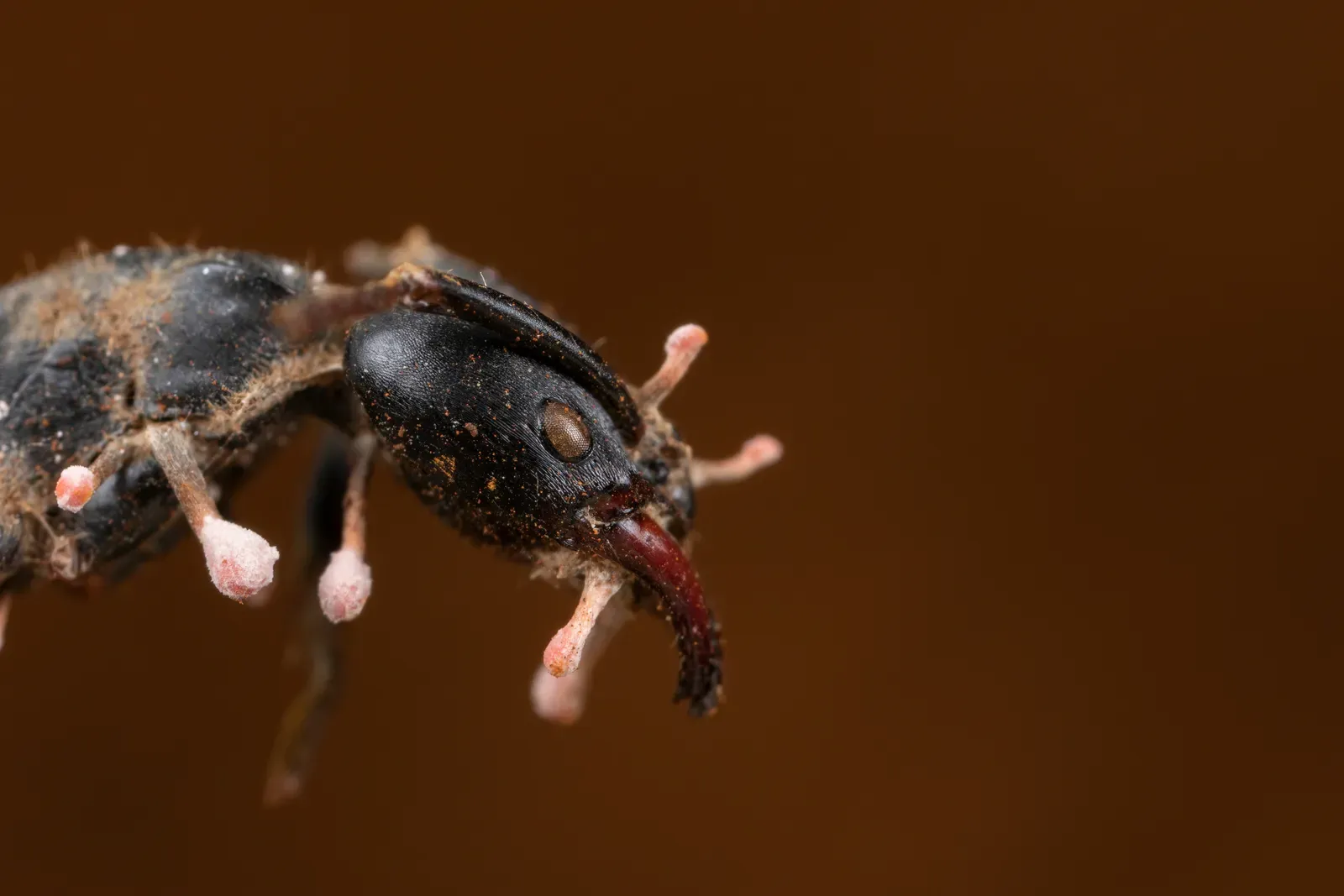
If you’ve watched a certain apocalypse show about a fungus that hijacks bodies, brace yourself – the real version is roughly 100 million years old, and it’s sitting in amber. Scientists studying Burmese amber discovered an insect and a young ant, each infected with previously unknown species of parasitic fungus from the Ophiocordyceps genus, the same family behind modern “zombie-ant” fungi. Researchers had to name entirely new species just to categorize what they were looking at.
What makes this genuinely rare isn’t just the age – it’s the sheer improbability of catching the moment at all. Among the tens of thousands of amber specimens researchers have examined, only a handful have ever preserved this exact fungus-and-host relationship. Almost nothing is known about how these ancient body-snatching fungi evolved, because fossil evidence this specific practically doesn’t exist anywhere else on Earth.
#10 – The Amber Capsule With Creatures Nobody Could Sort Out
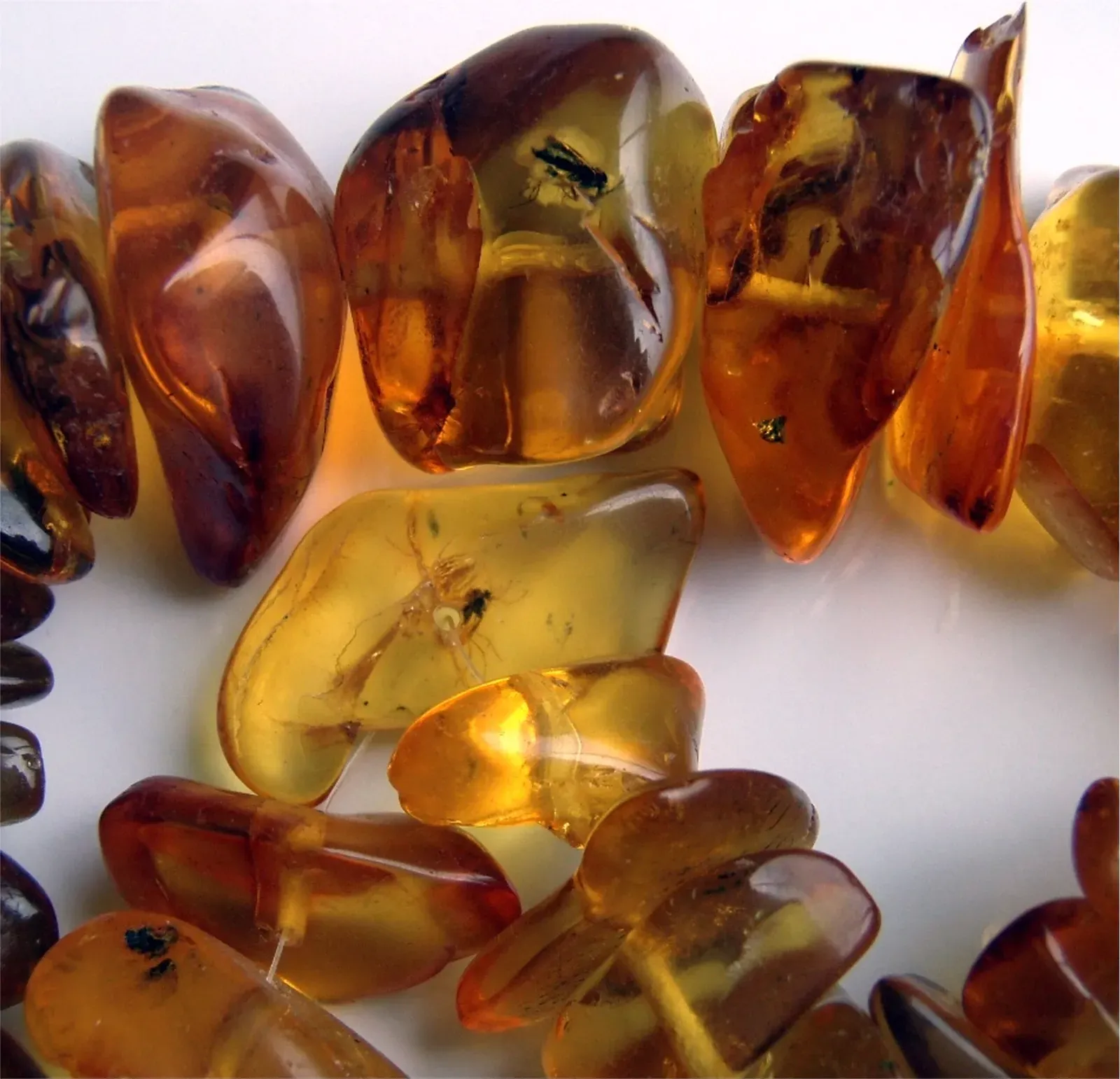
Not every amber mystery involves a single strange animal – sometimes the mystery is an entire tiny ecosystem crammed into one drop of resin that scientists still can’t fully untangle. In a batch of Cretaceous samples studied by Spanish researchers, one specimen turned into a genuine puzzle box: a Hell ant, a snail, a millipede, and several unidentifiable insects, all trapped together roughly 99 million years ago. Hell ants themselves are bizarre enough, with scythe-like mouthparts unlike any ant alive today, but the extra passengers turned this into a full-blown taxonomic headache.
Some of the insects packed into that capsule have simply never been matched to a known group. Researchers openly admit the limits of what fossilized resin can tell them – how many of those creatures were actually interacting when they died, and how many just happened to get stuck in the same unlucky moment, remains an open question. That ambiguity is exactly why this piece keeps getting pulled back out for another look.
#9 – The Ant and Mite Relationship Scientists Still Can’t Settle
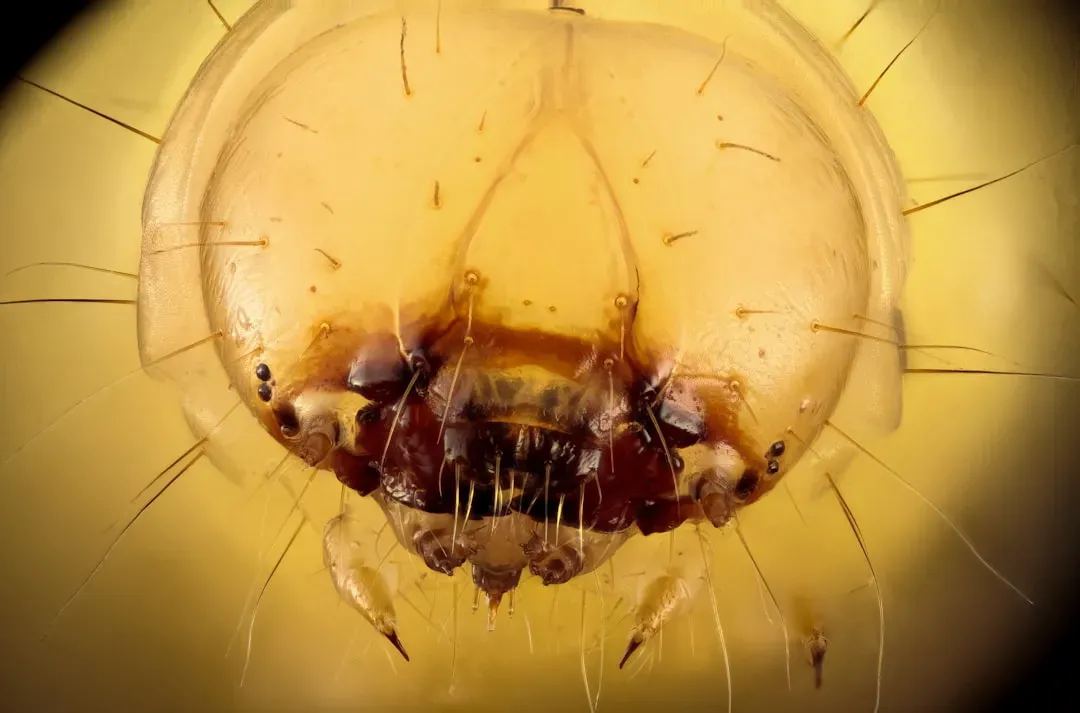
Sometimes the mystery in amber isn’t a creature – it’s the relationship between two creatures, and researchers genuinely disagree about which kind of relationship it actually was. In a separate specimen from the same Cretaceous study, an ant was found pressed close against several mites, close enough that scientists believe the pairing wasn’t accidental. Two explanations are on the table: a free ride, where mites hitch onto ants to reach new habitat, or outright parasitism, where the mites feed on the ant during transport.
That’s the uncomfortable truth about a lot of amber “behavior” fossils – proximity isn’t proof. Scientists generally agree that shorter distances between trapped insects hint at real interaction, but a snapshot frozen mid-tumble in sticky resin will never fully reveal intent. We may never know if those mites were hitchhikers or hunters, and plenty of researchers now suspect most of these dramatic-looking pairings are just coincidental death traps dressed up as behavior.
Quick Compare
- Phoresy (the ride theory): mites hitch onto the ant purely for transport, no harm intended
- Parasitism (the feeding theory): mites cling to the ant to feed on it during the journey
- What the fossil actually shows: close proximity only – not definitive proof of either behavior
#8 – The Unidentified “Worm” Sitting Right Next to an Ant
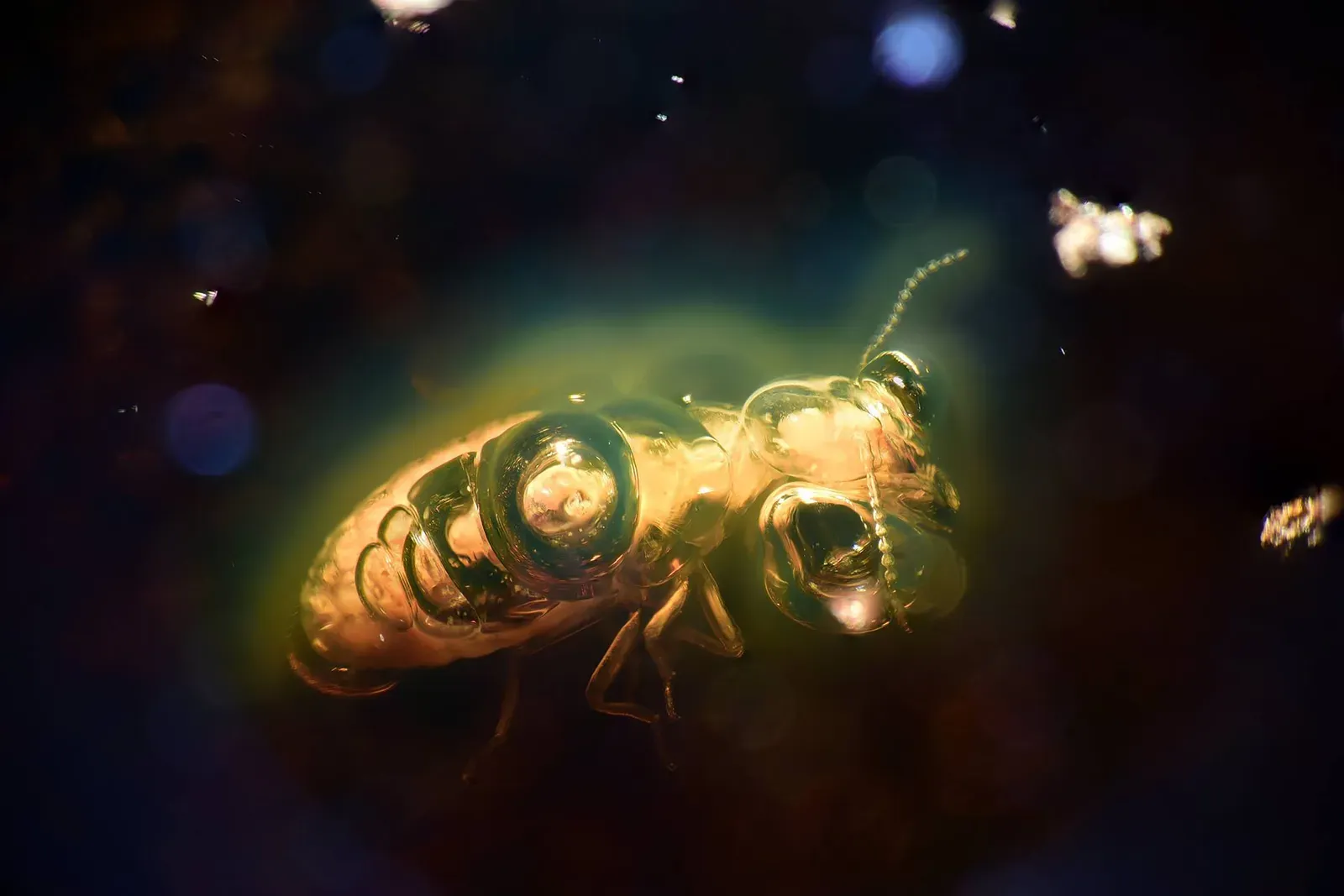
Some amber mysteries don’t even get a nickname – they just get labeled “unidentified” and left that way in the scientific literature. In one of six key Cretaceous samples examined by researchers studying ant behavior, a clearly preserved ant was found resting directly against another organism nobody has been able to definitively classify. It could be a worm, or it could be a larva – the scientists genuinely aren’t sure, and since there’s no clear sign the two were interacting, they’ve chalked it up to coincidence.
Notice the wording: “could be.” That’s about as close to a shrug as peer-reviewed science ever gets. This is the part most amber articles gloss over – identification isn’t always possible, even with modern imaging, because decay, distortion, and resin discoloration can strip away exactly the features taxonomists need to assign a species or even an order. The specimen sits in collections today, photographed, studied, and still essentially anonymous.
#7 – The Mayfly That Turned Invisible Under the Microscope
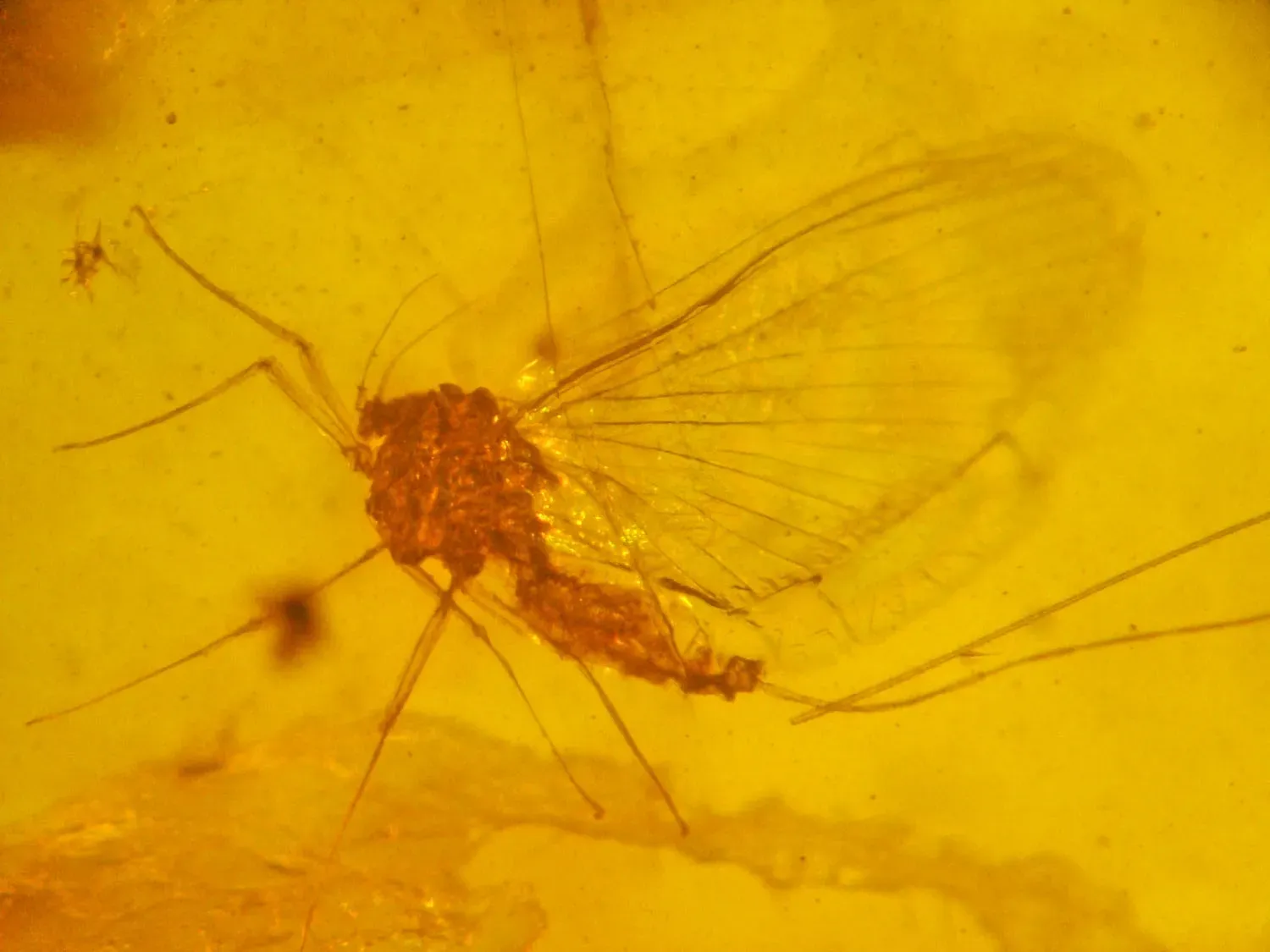
Imagine finally locating the specimen you need to fill a huge gap in insect evolution – and then discovering it’s nearly impossible to actually look at. That’s what happened with a mayfly trapped in Baltic amber, somewhere between 35 and 47 million years old. The specimen had turned translucent in exactly the parts researchers needed to confirm a new genus, which is a genuine crisis when mayflies are already among the rarest insects in the fossil record.
The fix required serious technology, not guesswork. An international team turned to micro-CT scanning, using X-rays to capture detail down to half a micrometer and building a full 3D reconstruction of the hidden anatomy. Without that scan, this specimen might still be an unsolved blur in a drawer somewhere – instead, it became the basis for a brand-new genus named Calliarcys, all because someone refused to give up on a piece that looked, for a while, like a dead end.
#6 – The Insect So Strange It Needed Its Own Entire Order
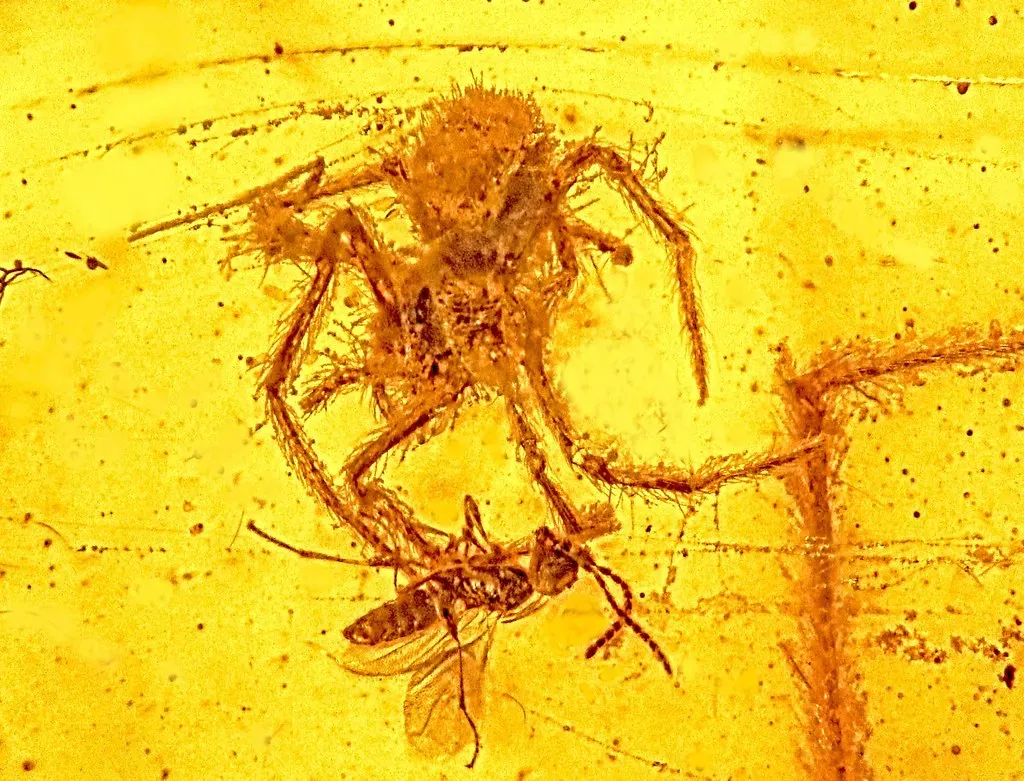
Most new fossil discoveries slot neatly into existing categories. This one didn’t fit anywhere at all. When researcher George Poinar’s team examined a wingless female insect trapped in 100-million-year-old Myanmar amber, they hit a wall trying to classify it – a triangular head, bulging eyes, and a flattened body with long legs and no wings, features that simply don’t line up with any of the 31 known insect orders.
This insect has a number of features that just don’t match those of any other insect species that I know. I had never really seen anything like it.
George Poinar
So scientists did something almost unheard of – they made a new one. After considerable debate, the animal was placed in a newly created order called Aethiocarenodea, with the species named Aethiocarenus burmanicus. Over a million insect species exist on Earth, and every single one fits into just 31 orders – until this one showed up. The last time that happened was in 2002, and before that, 1914; this is a once-a-century event that was hiding in a chunk of resin the whole time.
#5 – The Bug With Crab Claws That Makes No Evolutionary Sense
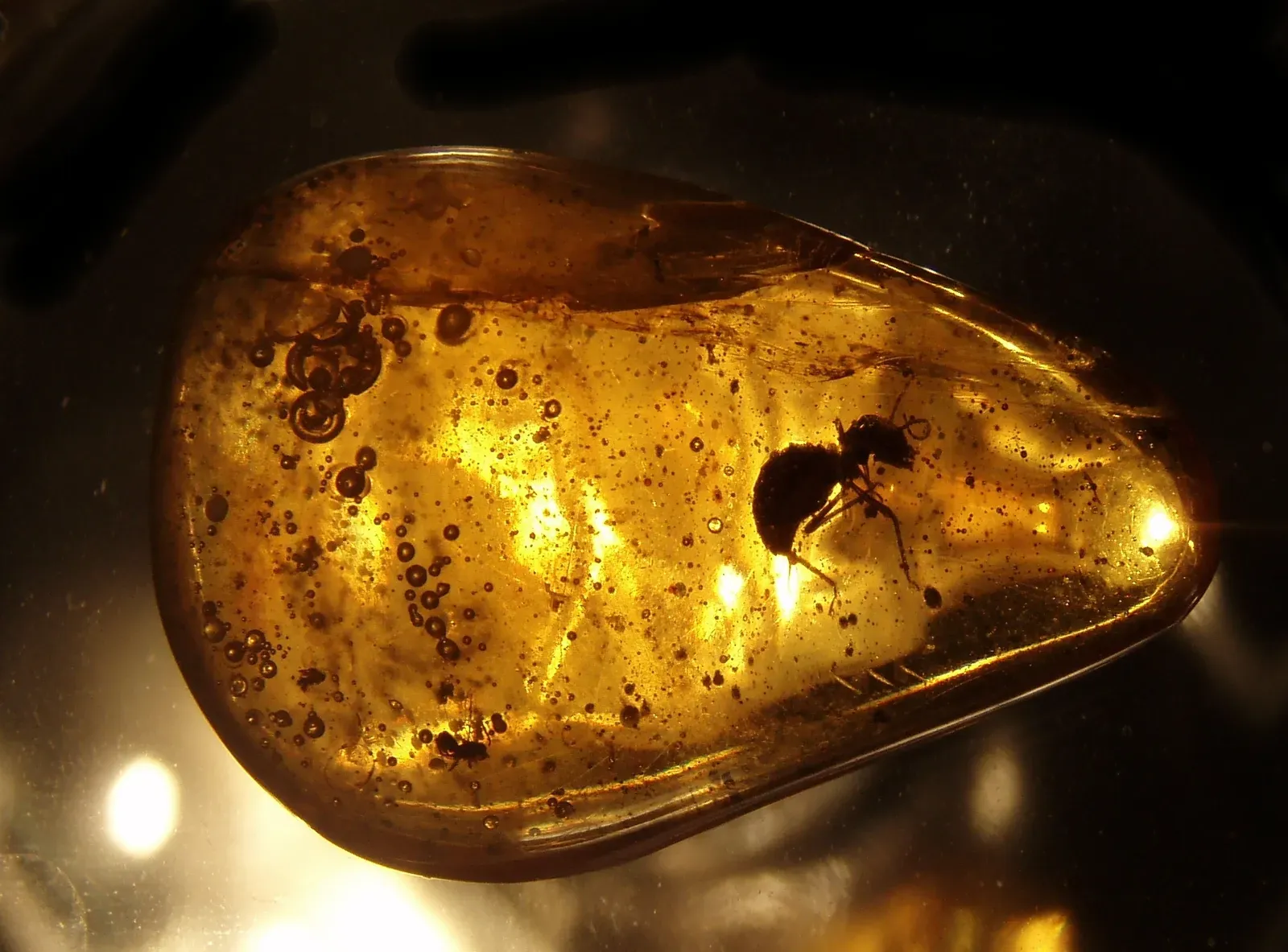
Insects have legs, mouthparts, antennae – pincers belong to lobsters and crabs, not true bugs. Except, apparently, when they don’t. Researchers examining Kachin amber from Myanmar uncovered a true bug, order Heteroptera, sporting large claws on its front legs that look like they wandered in from an entirely different branch of the animal kingdom. These so-called chelae function like pincers or forceps and are extremely rare in insects; scientists named the creature Carcinonepa libererrantes, a nod to its crustacean-style weaponry.
Nobody has fully explained why an insect would evolve crab-style pincers in the first place, since almost no other insect lineage has gone down this evolutionary path. The Kachin amber deposit keeps producing finds like this precisely because it’s still an active goldmine, offering fresh glimpses into a 100-million-year-old forest ecosystem with every new batch pulled from the ground. This bug remains a genuine anatomical outlier with no clean explanation attached to it.
Worth Knowing
- Species name: Carcinonepa libererrantes
- Classification: order Heteroptera (true bugs)
- Unusual trait: crab-like claws, or chelae, on the front legs
- Found in Kachin amber, Myanmar, roughly 100 million years old
- Pincers of this kind are virtually unheard of elsewhere among insects
#4 – The Amphibian Skull That Rewrote an Entire “Mystery Group”
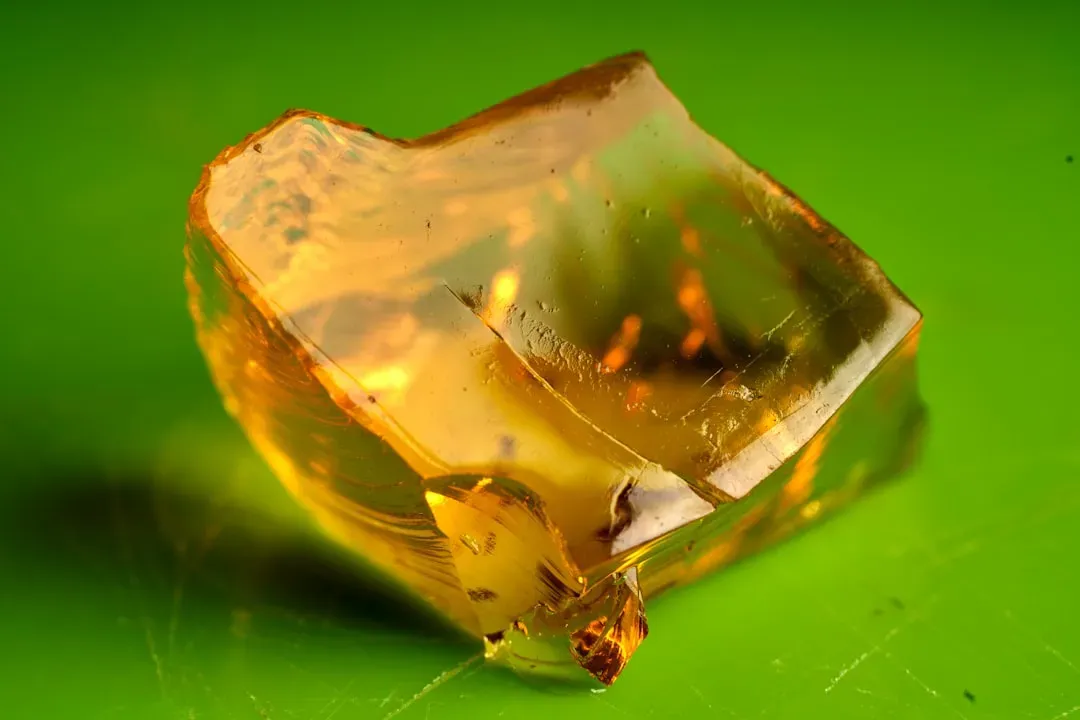
For over a century, an entire group of extinct amphibians was known almost exclusively from scattered, broken bone fragments – until amber cracked the case wide open. Albanerpetontids are a bizarre lineage of ancient amphibians that scientists have struggled to reconstruct for decades, usually recovered as tiny, isolated, disarticulated bones that give almost no sense of what the living animal actually looked like. A complete adult skull, preserved whole in amber, finally gave researchers something to study in three dimensions.
All of us were astonished when we saw this fossil for the first time.
Edward Daza, lead researcher
The skull wasn’t crumpled or smushed – it was preserved in three dimensions with fragments of soft tissue still intact. A whole group of animals that paleontologists had debated for generations suddenly had a face. It sounds like a triumphant identification, and in many ways it was, but the broader albanerpetontid lineage – its full behavior, its extinction, its lifestyle – still hangs on a shockingly small handful of specimens like this one.
#3 – The Amber Piece Scientists Can’t Even Date Correctly
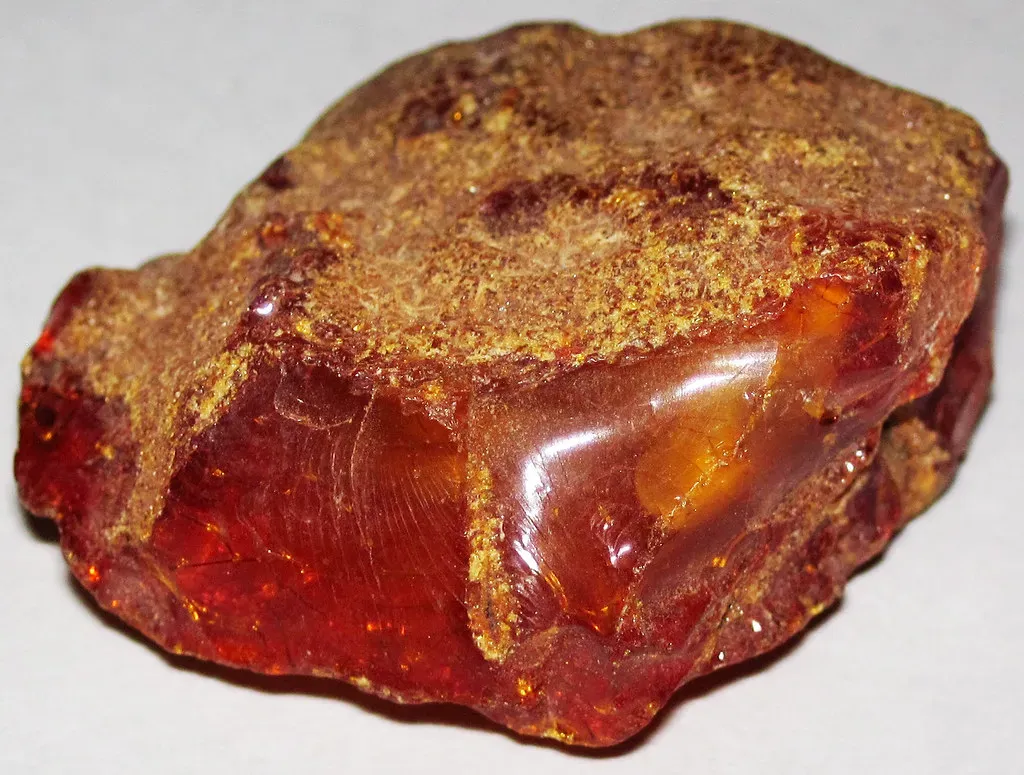
Here’s an amber mystery where the puzzle isn’t the creature inside – it’s the piece itself, including how old it actually is. Researchers describing a Cretaceous specimen containing both marine and terrestrial organisms mixed together ran into a dating contradiction they still haven’t resolved. Uranium-lead dating of zircons in the surrounding volcanic rock places the amber at around 98.8 million years old, maximum. But a sandstone layer above it reportedly contained a fossilized ammonite thought to have lived between 113 and 100.5 million years ago – numbers that simply don’t line up.
Making things worse, nobody can even double-check the conflicting evidence anymore, because the ammonite was never described or pictured in the paper that mentions it, and no one has managed to relocate the fossil for re-examination. A key piece of evidence for dating this amber has essentially vanished from the scientific record. And the contents inside are just as puzzling – a bizarre mix of marine, intertidal, terrestrial, and possibly freshwater organisms that has never been fully explained, in a combination researchers describe as extremely rare to find preserved together at all.
At a Glance
- Amber age via uranium-lead dating: about 98.8 million years, maximum
- Nearby ammonite fossil age range: 113 to 100.5 million years
- Problem: the ammonite was never photographed or fully described
- Status today: the original ammonite fossil can no longer be located
#2 – The “Flower” That Turned Out to Be a Dinosaur Tail
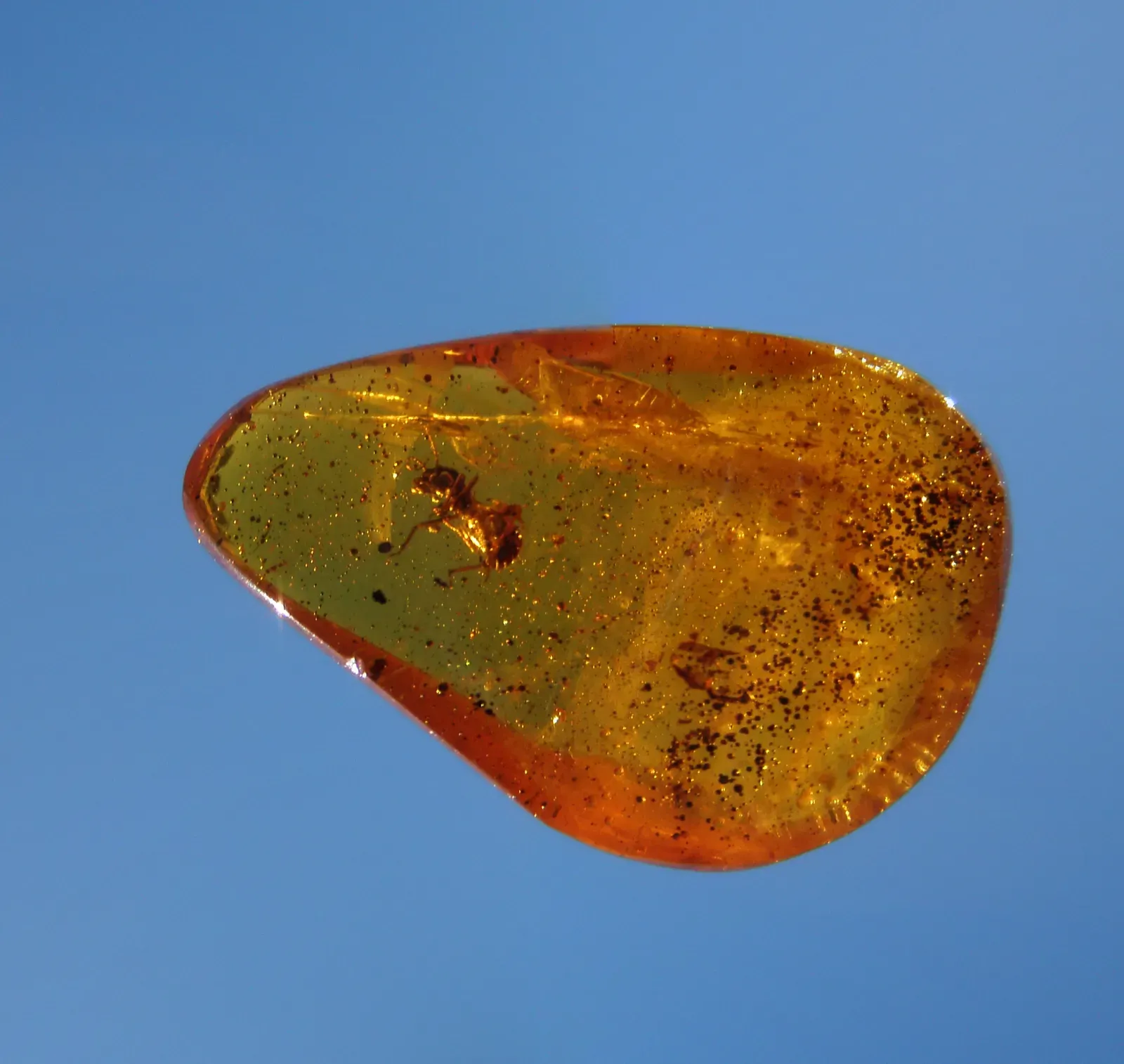
Sometimes the biggest amber mystery isn’t a creature scientists can’t name – it’s a creature nobody even realized was there in the first place. In 2015, paleontologist Lida Xing spotted an amber piece at a market in Myanmar that had already been polished and priced as jewelry, believed to contain plant material. Something about it looked wrong, and on closer inspection, it became clear the amber held no plant at all – it held the feathered tail of a young coelurosaur. Somebody had nearly sold a genuine dinosaur fossil as a decorative bauble.
CT scans confirmed what nobody expected to find: eight vertebrae inside the amber, surrounded by feather structures preserved in 3D with microscopic detail. Chemical analysis even detected leftover traces of hemoglobin from the animal’s actual blood, something researchers rarely get to examine in any dinosaur fossil, amber or otherwise. This remains the first specimen ever to definitively link real feathers to a dinosaur rather than a bird.
#1 – The “Smallest Dinosaur Ever Found” That Wasn’t a Dinosaur At All
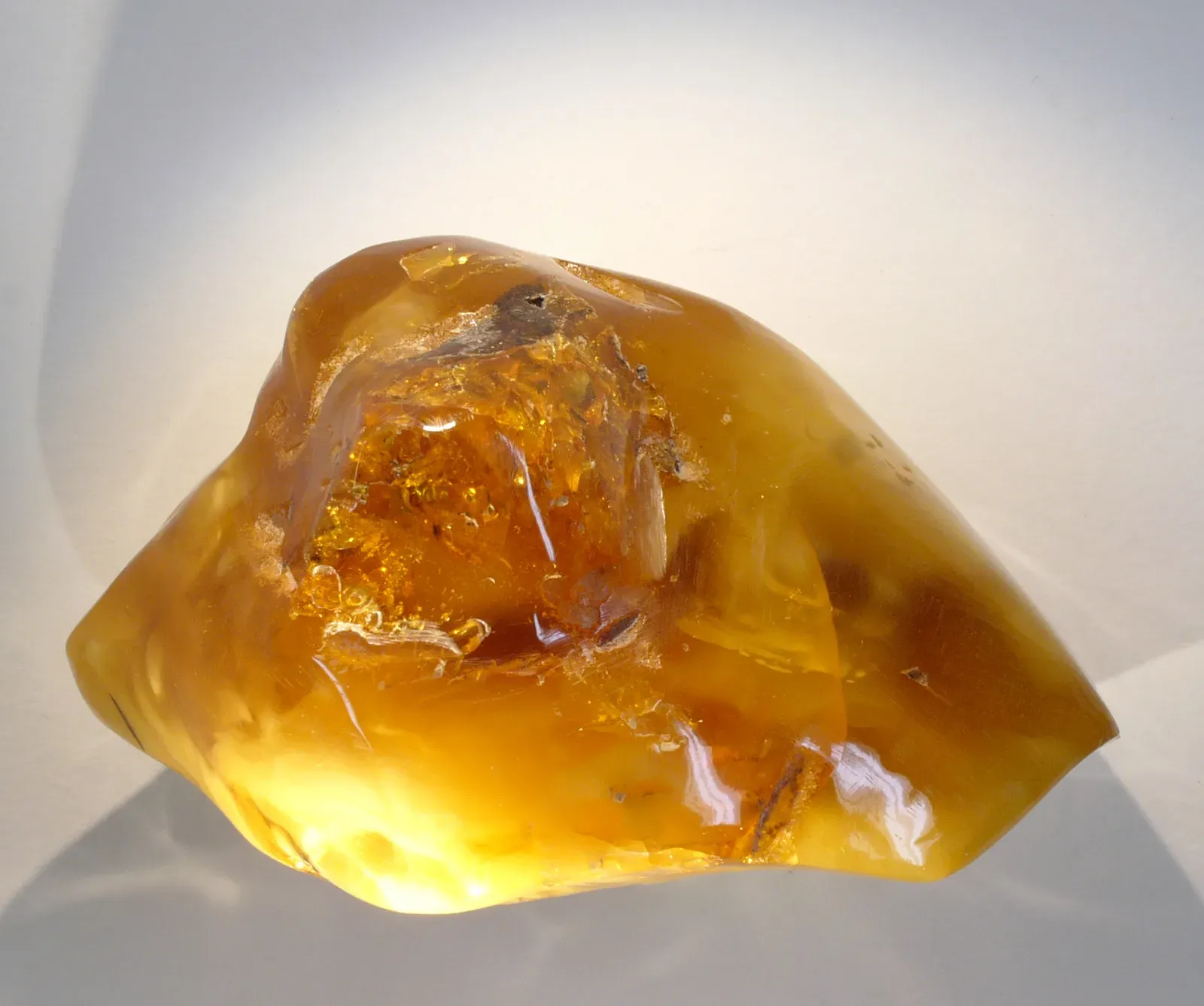
This is the amber mystery that made international headlines twice – once for the discovery, and again when scientists admitted they’d gotten it wrong. In 2020, researchers unveiled a hummingbird-sized skull trapped in 99-million-year-old Burmese amber and called it the smallest known dinosaur, a species named Oculudentavis, meaning “eye-tooth bird.” It was framed as a landmark discovery that rewrote the lower size limit for dinosaurs entirely.
Then the identification fell apart. The same authors who described the animal later retracted their avian classification, and a follow-up description of a second Oculudentavis specimen confirmed its status as a tiny reptile rather than a dinosaur at all. A specimen that made global news as the world’s smallest dinosaur turned out to be something else entirely, and the reclassification took years to fully sort out. Few amber fossils have swung this dramatically from headline-grabbing certainty to open scientific embarrassment – and honestly, that flip-flop is exactly why this one belongs at the very top of the list.
Amber has a reputation for perfect preservation, but the truth is messier and far more interesting than that reputation suggests. Plenty of these specimens still defy easy answers, from insects that needed entirely new taxonomic orders to a dinosaur that turned out to be a lizard. Scientists have retracted papers, argued over dating, and admitted outright that some inclusions may never be identified – and I’d argue that’s not a failure of science at all. It’s proof that resin trapped far more mystery than certainty, and the specimens that stay unsolved are usually the ones most worth paying attention to. Which of these thirteen would you want researchers to finally crack? Drop your pick in the comments.