Ask most people how life on Earth began and they’ll recite the same tidy montage: lightning strikes a chemical soup, something sparks, and boom – the first cell is born. It sounds like settled science because it’s been repeated in textbooks and documentaries for seventy years. It isn’t settled. It never really was.
Behind those confident diagrams sits a long trail of headline-grabbing announcements that the very researchers who made them have since quietly walked back, formally retracted, or flat-out admitted didn’t hold up. One claim triggered a presidential press conference. Another came from a Nobel laureate who pulled his own paper off the record. Here are the 13 origin-of-life claims that even the scientists behind them now admit went further than the evidence ever supported.
#13 – The 1955 Paper That “Solved” Life’s Origin (Until Its Own Author Killed It)
In the mid-1950s, one scientist was confident enough to publish a paper claiming to have essentially cracked the mathematics of how life began. Homer Jacobson’s 1955 article, “Information, Reproduction and the Origin of Life,” ran in American Scientist and sat quietly in the literature for decades, cited as a foundational piece of origin-of-life thinking.
Fifty-two years later, Jacobson retracted his own paper – not because of a lab error, but because he discovered creationists were using his work as evidence for divine creation. That’s an extraordinary admission: the original framing was misleading enough to be weaponized for the exact opposite conclusion mainstream science intended, and the author himself decided something had to give. It’s a rare case of a researcher publicly conceding that decades-old confidence had outrun the actual evidence. And this next one didn’t even survive a controlled retest of its original conditions.
#12 – The “Crystal Genes” Idea That Was Supposed to Replace RNA
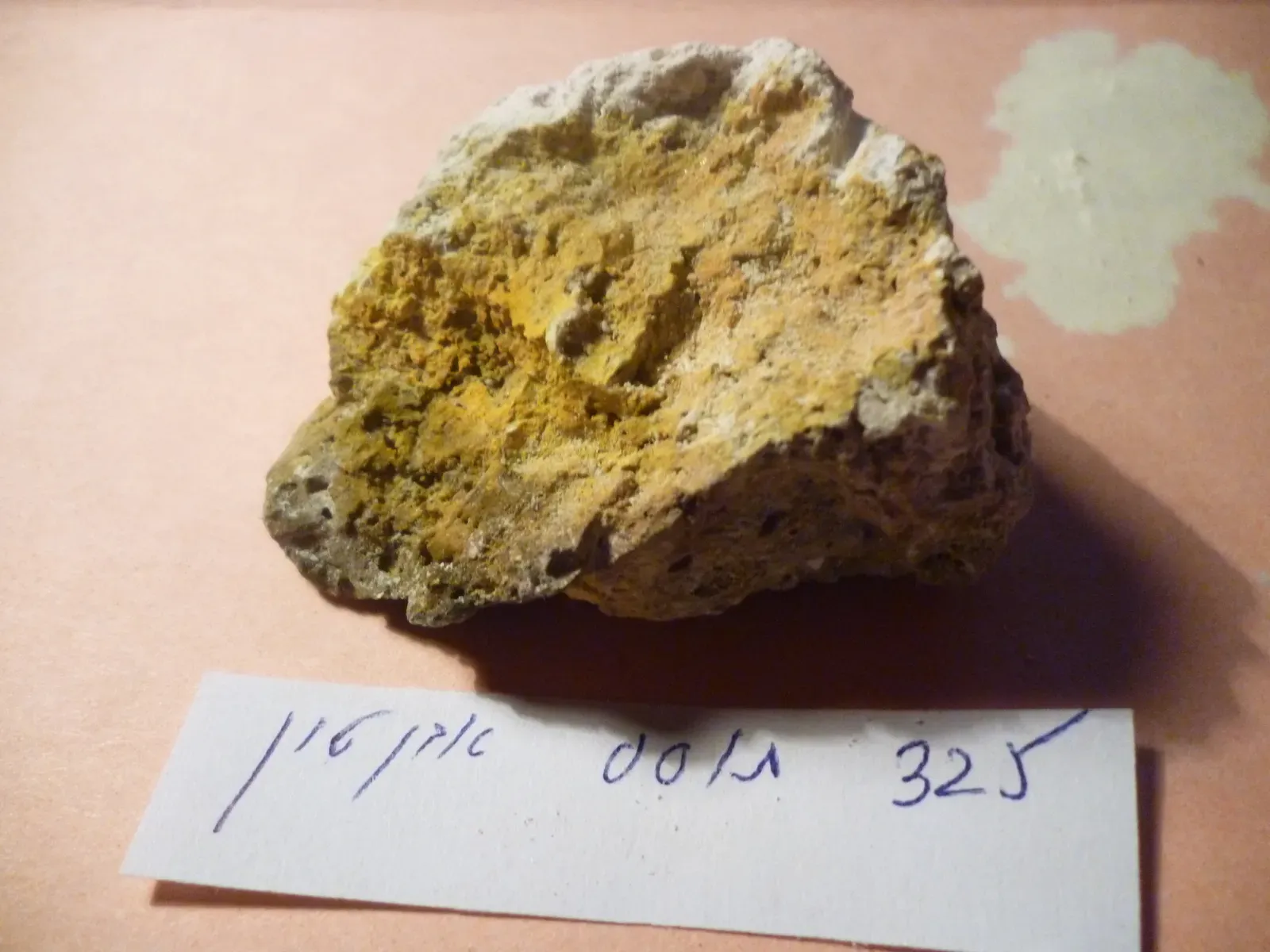
For a while, one of the trendiest alternatives to the classic soup story wasn’t chemistry at all – it was clay. The idea proposed that microscopic clay mineral structures could act like primitive genetic templates, copying patterns of defects the way DNA copies base pairs, potentially bridging the gap before RNA or DNA existed.
It was elegant, it was catchy, and it earned serious lab attention for years. The uncomfortable truth is that no one has ever demonstrated clay actually replicating meaningful biological information in the lab. Enthusiasm cooled hard once researchers tried to push the mechanism past speculation into demonstrable chemistry, and it never delivered the self-copying complexity that was originally promised. Today it survives mostly as a footnote – a reminder that a clever metaphor isn’t the same as a working mechanism. Even a president couldn’t save what comes next.
#11 – The Mars Meteorite That Made a President Announce Alien Life
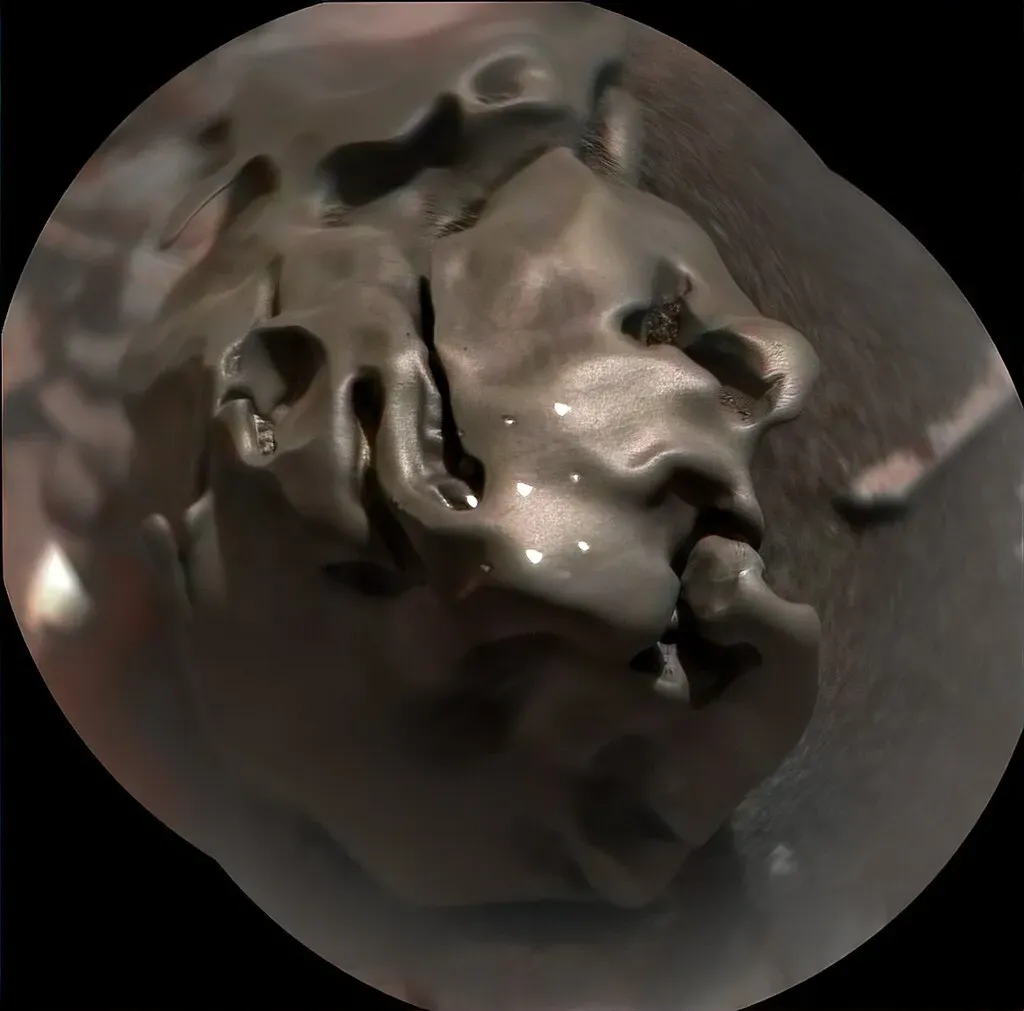
This is arguably the single most overhyped origin-of-life-adjacent claim of the modern era – and it came with a White House podium attached. In 1996, researchers led by David McKay, Everett Gibson, and Kathie Thomas-Keprta at NASA’s Johnson Space Center suggested they might have found microbial fossils in a Mars meteorite known as Allan Hills 84001.
The claim was taken seriously enough that President Bill Clinton held a press conference, NASA accelerated its Mars exploration program, and the agency established the NASA Astrobiology Institute. It was one of the loudest science announcements of the century – and it didn’t hold up. Most scientists ultimately found the evidence inconclusive, the research was widely panned, and the NASA team behind the claim quietly retreated from it. The next failure wasn’t about evidence at all – it was about the recipe itself.
Fast Facts
- ALH84001 was picked up in Antarctica’s Allan Hills region on December 27, 1984 – twelve years before anyone suspected it held anything unusual.
- The rock itself weighed roughly 4.2 pounds (about 1.9 kg) and was originally misclassified as an ordinary meteorite for nearly a decade.
- The “life” claim didn’t surface until 1996, when NASA scientists spotted structures resembling microfossils inside its carbonate deposits.
- The announcement helped spur creation of the NASA Astrobiology Institute, even as the underlying evidence kept losing ground to non-biological explanations.
#10 – The “Recipe” for Primordial Soup Wasn’t Even Close

For decades, one experiment was treated as near-proof that life’s building blocks could form spontaneously on early Earth. The 1952 Miller-Urey experiment zapped a mix of gases with electricity to mimic lightning striking the ancient atmosphere, and it produced amino acids that stunned the scientific world. Turns out the recipe itself was probably wrong from the start.
Geochemists have since concluded that the reducing gases Miller and Urey used – methane, ammonia, and heavy hydrogen – probably weren’t present on early Earth in meaningful amounts. The reactive atmosphere the experiment depended on simply doesn’t match what geologists now believe the planet actually looked like billions of years ago. The experiment still matters historically – it just isn’t the slam-dunk simulation of early Earth it was sold as. Next up: the chirality puzzle that space radiation supposedly solved. It didn’t.
#9 – Homochirality Was Supposed to Be an Easy Fix
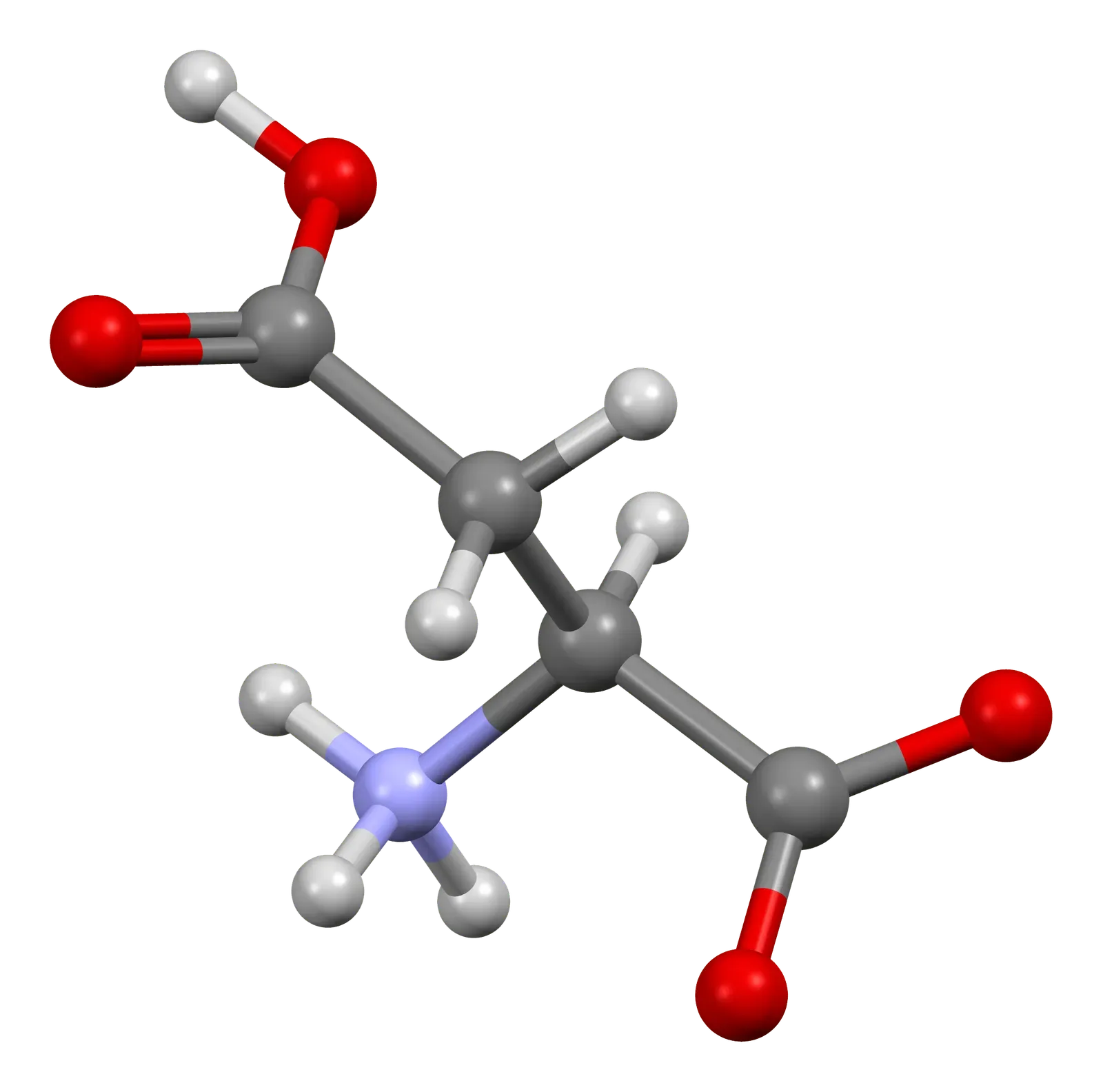
One of biology’s strangest quirks is that virtually all life uses only “left-handed” amino acids, never a natural mix of both mirror-image forms. For years, researchers confidently pointed to space-based radiation as the tidy explanation for why nature picked a side.
The pitch was that circularly polarized light in star-forming regions could selectively destroy one mirror-image form of amino acids over the other, tipping the scales toward the biology we see today, with meteorite samples cited as supporting evidence. The problem is that the effect measured in those meteorite samples is far too small to explain the near-total one-sidedness seen in every living cell. Researchers in the field have increasingly acknowledged this is a partial contributor at best, not the finished explanation it was once presented as. The chirality puzzle remains genuinely open. The next claim goes back even further – to what life’s actual ancestor was like.
#8 – LUCA Wasn’t Necessarily Boiling Alive in a Vent
![#8 - LUCA Wasn't Necessarily Boiling Alive in a Vent ([1], CC BY 4.0)](https://nvmwebsites-budwg5g9avh3epea.z03.azurefd.net/dinoworld/365df585fc059052cbef5d0cfa7d5f48.webp)
For years, popular science coverage treated it as near-fact that the last universal common ancestor of all life – LUCA – was a heat-loving microbe thriving in scalding hydrothermal vent water. That picture came largely from genetic trees placing heat-tolerant microbes near the root of the tree of life, which researchers took as evidence that early life itself must have loved extreme heat.
Newer analyses have pushed back hard, arguing that early-branching heat lovers might just reflect which lineages survived later mass extinctions – not what conditions life actually originated in. The honest scientific position now is that LUCA’s preferred temperature is still debated, not settled. Treating a hydrothermal LUCA as established fact skips over a genuinely unresolved argument still playing out in the literature. Next: the line even Darwin never meant to be taken literally.
#7 – Darwin’s “Warm Little Pond” Was Never Meant to Be Taken This Literally
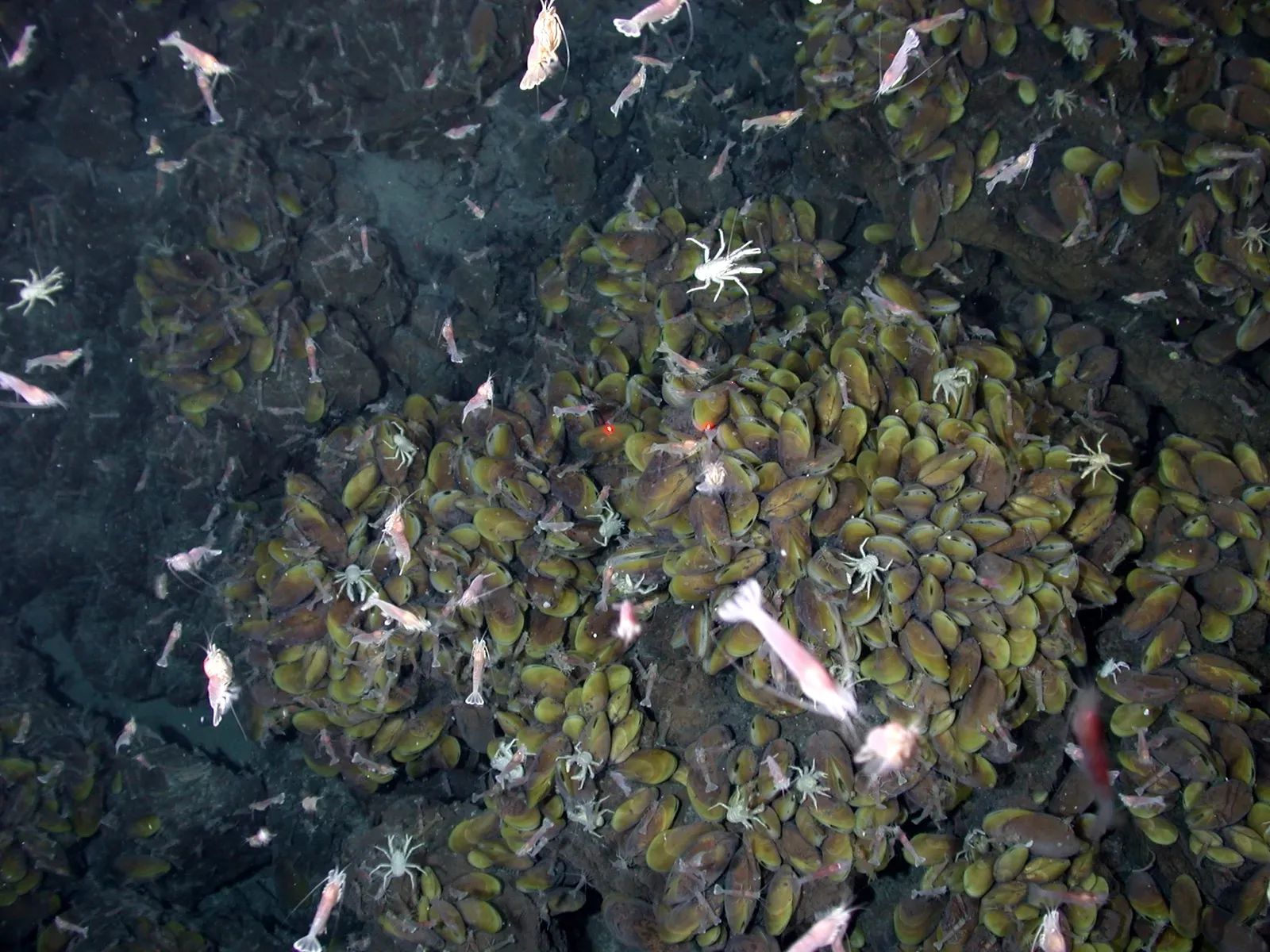
Charles Darwin once mused, in a private letter to a friend, about life beginning in a small warm pond stocked with the right chemical ingredients. That single throwaway line somehow became a semi-official origin-of-life model for over a century.
The problem is that Darwin was speculating in a personal letter, not proposing a tested hypothesis – yet generations of textbooks and documentaries repeated it as though it carried the weight of a real theory. Modern origin-of-life researchers now openly acknowledge that pond chemistry alone can’t explain the concentration, protection, and energy requirements needed to bootstrap self-replicating molecules. The phrase survives because it’s poetic and easy to picture, not because it holds up as a mechanism. The next contender fared far better in press releases than it ever did in the lab.
#6 – Deep-Sea Vents Were Sold as THE Answer, Not AN Answer
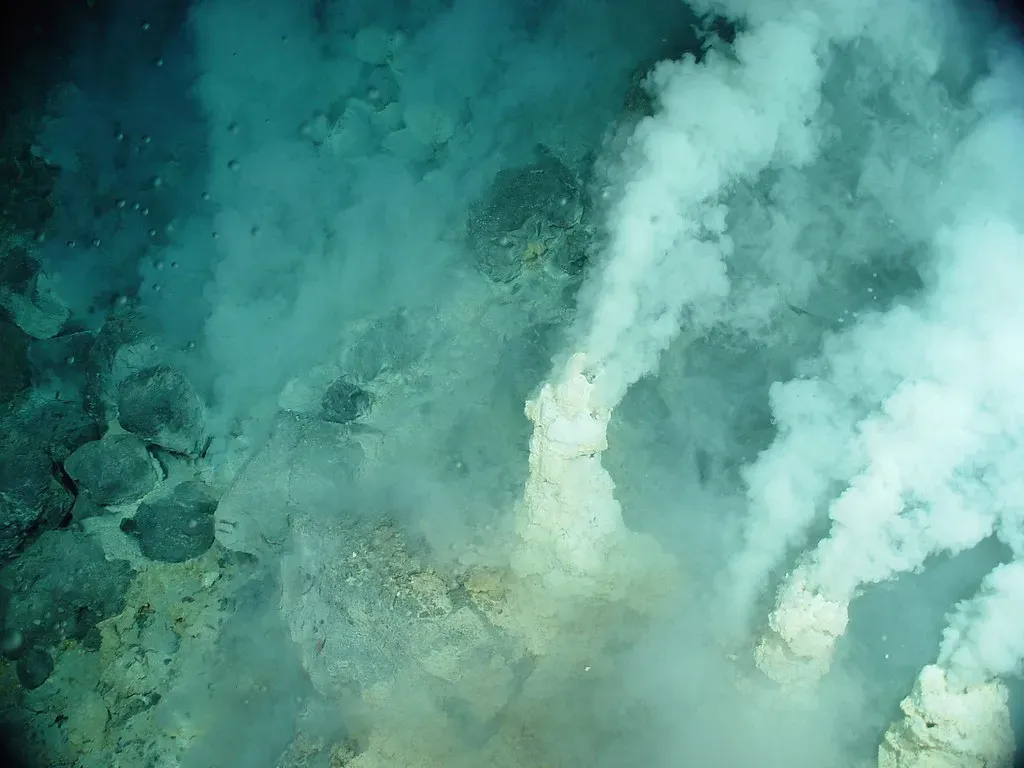
When cracks started appearing in the atmospheric-soup story, hydrothermal vents became the new favorite birthplace of life – alkaline, mineral-rich, energy-gushing cracks in the ocean floor. Some leading theorists have all but abandoned Miller-Urey entirely; in 2010, University College London biochemist Nick Lane raised serious doubts about how well that older theory holds up.
What often gets lost in translation is that vent chemistry researchers themselves stress this is one strong candidate, not a proven crime scene. The chemistry is genuinely compelling – proton gradients, mineral catalysts, constant energy flow – but nobody has produced a self-replicating system from vent conditions in the lab. Popular coverage regularly skips the “candidate” qualifier and reports it as confirmed fact, even though researchers in the field are far more cautious than the headlines suggest. Even RNA’s biggest fans admit the hardest part has never actually been shown.
Quick Compare
- Miller-Urey soup: depends on lightning striking a reducing atmosphere that likely never existed in that form.
- Hydrothermal vents: depends on mineral catalysts and proton gradients, but no self-replicating system has ever been produced from it.
- What they share: both explain isolated chemical steps convincingly, yet neither has bridged the gap to an actual living, reproducing cell.
#5 – The RNA World’s “Self-Replication” Was Never Actually Demonstrated
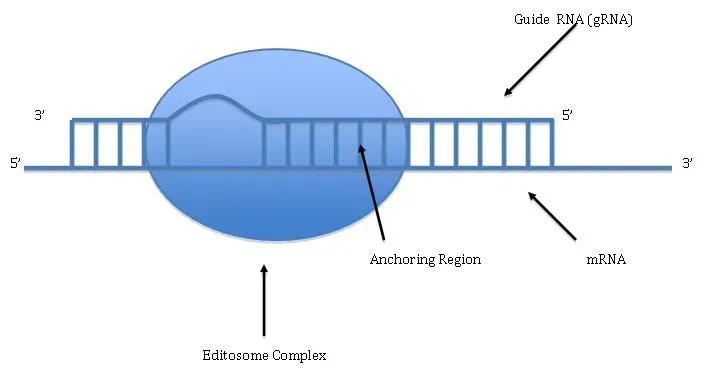
The RNA World hypothesis is one of origin-of-life science’s most cited ideas: that RNA once acted as both genetic material and catalyst, before DNA and proteins existed. It’s elegant on paper. It’s much messier in a test tube.
An RNA polymerase ribozyme has been built in the lab, but it isn’t efficient enough to actually replicate itself. Even the best lab-engineered ribozymes can’t copy a strand long enough to encode themselves. Self-replication would require polymerizing roughly 200 ribozyme-encoding nucleotides, but the best existing polymerase ribozymes only favor templates under 20 nucleotides long – far too short to encode a ribozyme. Critics still argue RNA is too complex to emerge de novo in a prebiotic environment and that its catalytic toolkit is too limited to have run the show alone. Then someone reran the most famous experiment in the field – and the glassware gave up a secret.
#4 – The Glassware Was Secretly Doing Half the Work
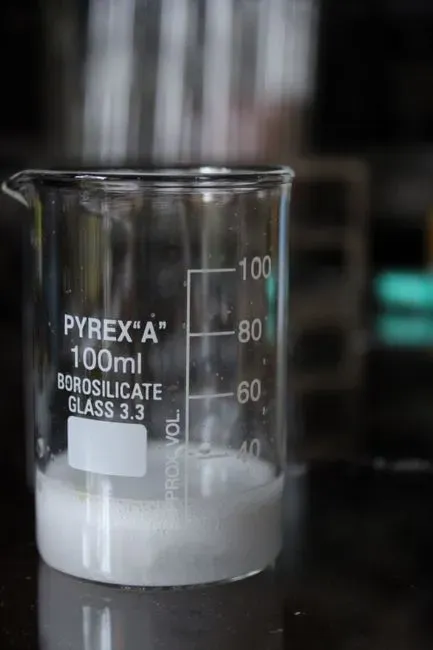
Here’s the twist almost nobody saw coming: when researchers finally reran the classic 1952 spark-discharge experiment using different lab materials, the results fell apart in a very revealing way. Joaquin Criado-Reyes and colleagues found that running the experiment in a Teflon flask produced far fewer organic compounds – but adding chips of borosilicate glass back into the Teflon chamber restored the rich broth everyone remembered.
The original “success” wasn’t purely gas chemistry mimicking early Earth – the glass apparatus itself was quietly acting as a chemical catalyst. Researchers now hypothesize that the experiment’s highly alkaline conditions create microscopic pits in the glassware walls, and those pits serve as reaction centers that speed up organic formation. That’s a genuinely uncomfortable finding for a cornerstone experiment that’s been taught as gospel for over seventy years. Next: the textbook chronology that just got quietly rewritten.
Worth Knowing
- Swapping the original glass flask for Teflon sharply reduced the amount of organic compounds produced.
- Adding borosilicate glass chips back into the Teflon setup restored the classic, textbook-famous results.
- Researchers now suspect the experiment’s alkaline conditions etch microscopic pits into glass that act as reaction centers.
- The finding means a cornerstone experiment taught for over 70 years may have been partly glassware chemistry all along.
#3 – The Textbook Order of the Genetic Code Just Got Rewritten
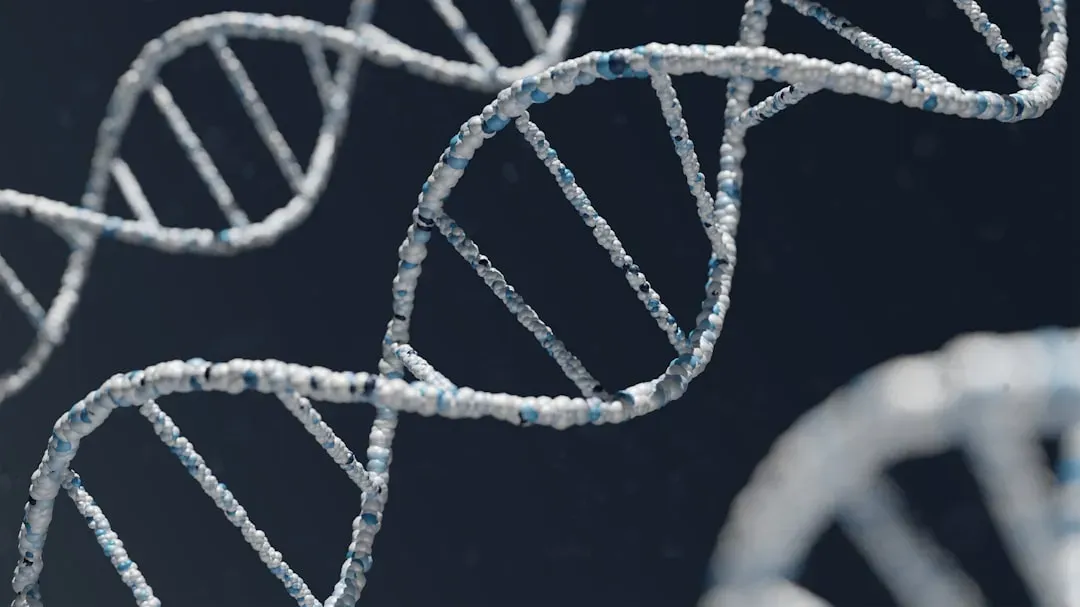
For years, researchers taught a confident, specific sequence for how amino acids were added into the genetic code as life evolved – a tidy chronology repeated in countless papers and lectures. It felt like one of the settled details in an otherwise messy field.
A 2024 analysis found that familiar order may have been built on shaky foundations all along. The University of Arizona-led study, published in the Proceedings of the National Academy of Sciences, argued that the accepted sequence leans too heavily on later biology and classic prebiotic chemistry experiments rather than on traces preserved in ancient protein domains. That’s a direct concession that a long-taught sequence needs serious reworking, not minor tweaking. Then came the “missing link” molecule that wasn’t.
#2 – The “Missing Link” Molecule That Wasn’t
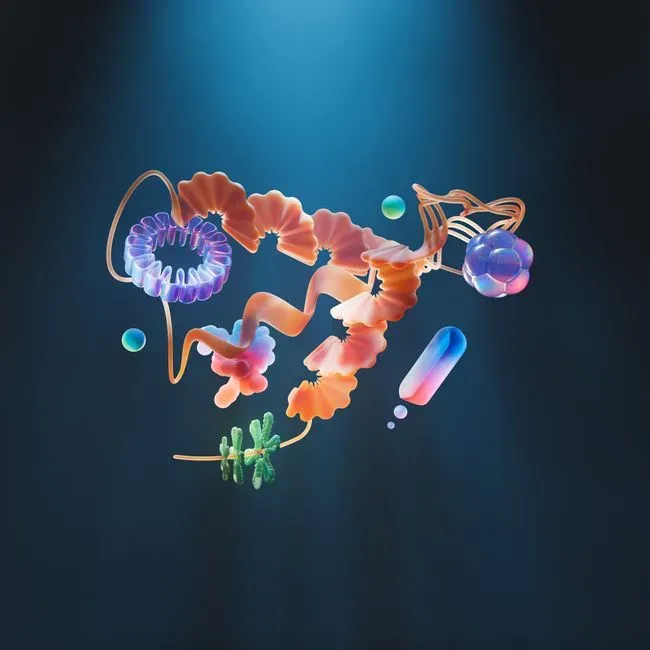
In 2024, a well-publicized announcement claimed researchers had identified a hybrid RNA-peptide molecule that essentially kicked off the evolution of complex life – a genuine missing-link moment, according to the press release. The team proposed that a multitude of RNAs formed on early Earth, setting the stage for prebiotic RNAs to assemble the protein-translation machinery still found in every modern cell.
Close scrutiny of the underlying chemistry suggested the leap from “interesting lab result” to “solved origin-of-life step” was considerably larger than the press release implied. This is a pattern that keeps repeating in the field: a genuinely interesting incremental finding gets reframed by a university press office as a breakthrough, and only later does the more modest, heavily caveated reality catch up with the headline. Save the biggest concession for last – a Nobel laureate walking back his own paper.
At a Glance
- Announced in 2024 and framed publicly as a genuine “missing link” moment for complex life.
- Proposed hybrid RNA-peptide molecules could have helped assemble the protein-translation machinery found in every modern cell.
- Independent scrutiny found the jump from lab result to solved origin-of-life step was overstated.
- Fits a recurring pattern in the field: press releases outrunning the actual, more cautious science.
#1 – A Nobel Laureate Retracted His Own Origin-of-Life Paper

If you want proof that even the most credentialed scientists overstate results, look no further than this one. A Nobel Prize-winning chemist published a widely cited 2016 paper proposing a real solution to one of origin-of-life science’s toughest puzzles – then pulled it himself.
The paper, published in Nature Chemistry, addressed the hypothesis that RNA evolved before DNA or proteins, which would have required a way to replicate without enzymes. It claimed a certain type of peptide made it possible for RNA to copy itself. The finding simply couldn’t be reproduced, and the researcher’s own team called the situation “definitely embarrassing” before pulling it from the record. That level of self-correction, from that level of scientist, says everything about how much origin-of-life “certainty” deserves a second look.
The Bottom Line
The honest version of the origin-of-life story is far messier – and far more interesting – than the confident diagrams in textbooks suggest. Presidential press conferences got walked back. Nobel laureates retracted their own papers. Seventy-year-old glassware turned out to be secretly doing the chemistry.
None of this means science has failed. It means the field is doing exactly what good science should do: testing bold claims, finding the cracks, and correcting course in public, even when it’s embarrassing. The overstated headlines were never entirely the researchers’ fault either – sensational press releases and eager media coverage did plenty of damage along the way.
What we’re left with isn’t a solved mystery. It’s a field that’s humbler, more careful, and honestly more exciting than the tidy version ever let on. So which of these overstated claims surprised you the most? Drop it in the comments.