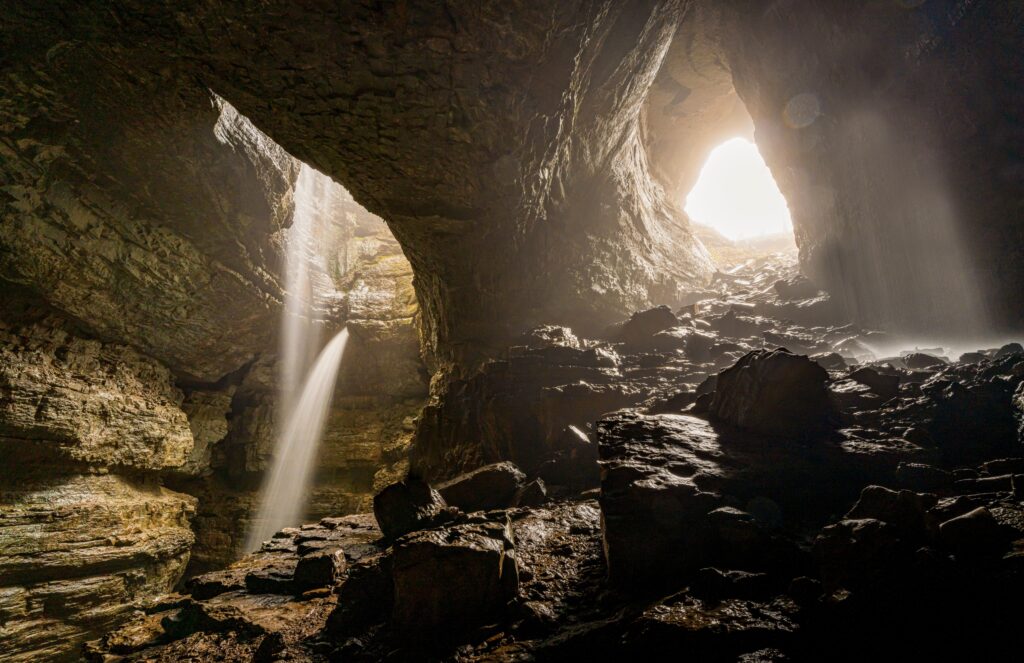
Most people assume that once scientists step foot in a cave, the whole world eventually finds out what they found. That assumption is wrong. Across five continents, cave systems have been sealed, restricted, or quietly shut down – sometimes for decades – while the actual research stayed buried in file cabinets, disputed peer reviews, or government vaults.
Some closures protected fragile ecosystems. Others protected fragile egos, ongoing lawsuits, or discoveries too politically messy to release. Sixteen sites made this list, and the reasons range from ancient Neanderthal architecture to a fossil scandal that Netflix got to before science did. Here’s what the record actually shows.
#16 – Fern Cave, Alabama
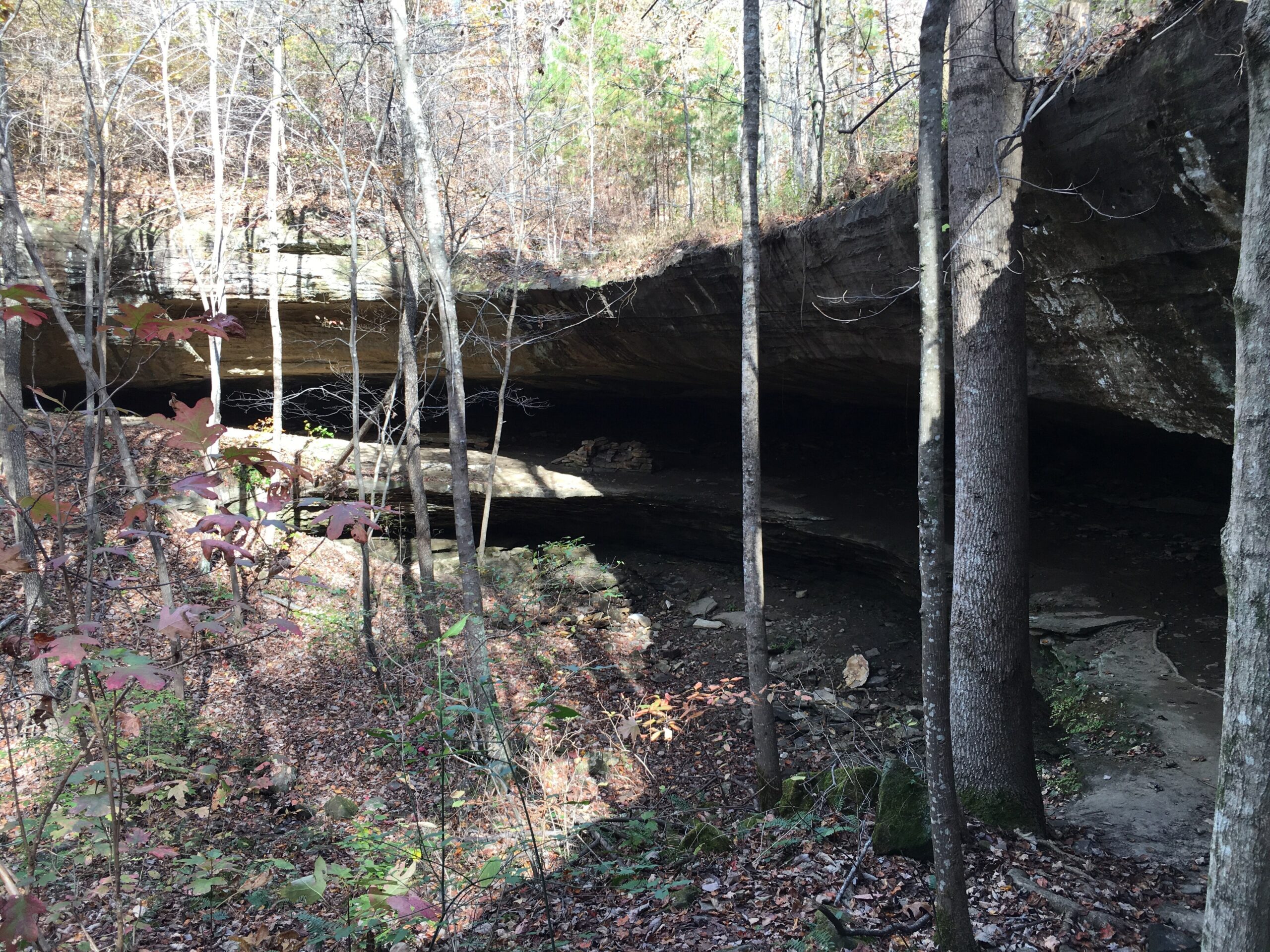
A single cave in northeastern Alabama houses one of the largest known concentrations of hibernating bats in the eastern United States, and almost nobody outside a small circle of biologists has ever been allowed to see it in person.
Fern Cave was designated a National Wildlife Refuge specifically because gray bats, an endangered species, depend on its internal climate to survive winter. Access is tightly rationed to researchers on approved surveys, and even they operate under strict seasonal windows to avoid disturbing roosting colonies.
The cave’s full population data has never been released as a complete public dataset, largely because officials worry that pinpointing exact numbers could invite disturbance or vandalism. The secrecy isn’t sinister here – it’s protective. Fifteen more caves down this list, though, and the reasons get a lot less noble.
#15 – Krubera Cave, Abkhazia
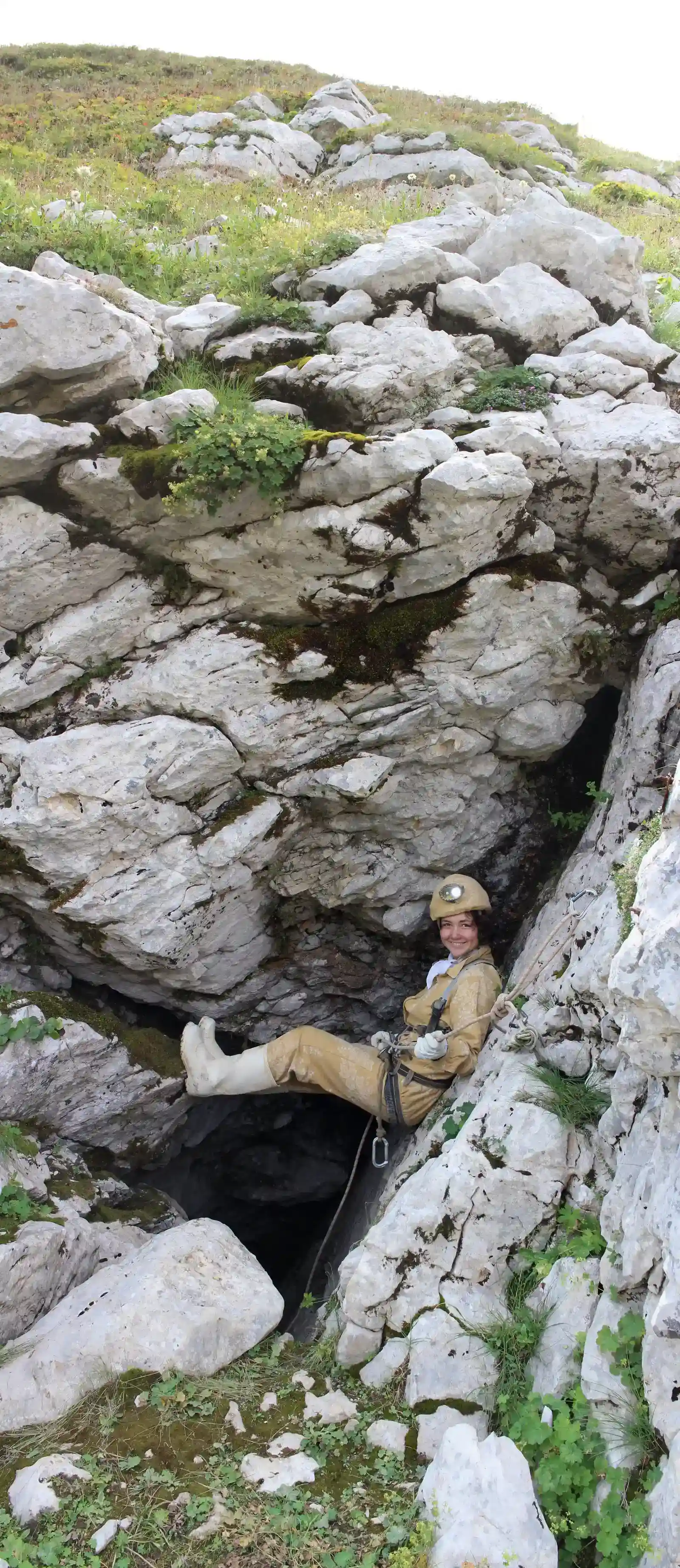
Krubera-Voronja, one of the deepest known caves on Earth, sits in a breakaway region of the Caucasus that spent years cut off from the outside world by armed conflict.
International caving expeditions pushed the cave’s depth record downward through the 1990s and 2000s, but the political instability of Abkhazia repeatedly stalled follow-up work. Multiple expedition teams have reportedly collected biological and geological samples that were never fully processed or published, because travel restrictions, funding gaps, and diplomatic complications made return trips difficult to arrange.
Cavers who have been there describe a site with far more unexplored passage than mapped passage. The scientific community treats Krubera as unfinished business – a record-holder whose full story remains locked behind a border few researchers can easily cross. Krubera’s silence comes from politics. The next cave’s silence comes from something almost prehistoric.
#14 – Bruniquel Cave, France
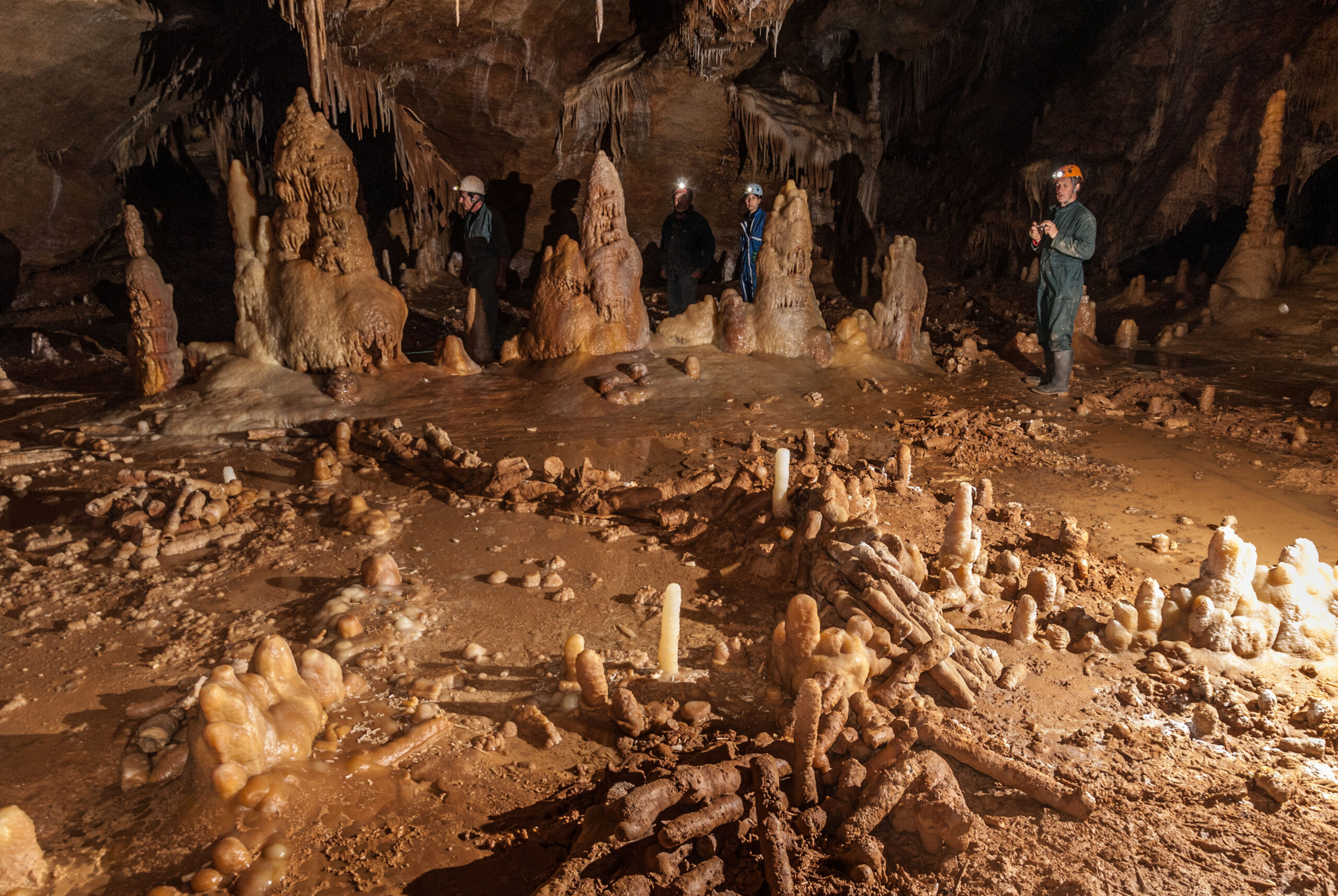
Deep inside a French cave, cavers stumbled onto stacked rings of broken stalagmites arranged in a deliberate pattern – evidence that something intelligent had built structures there long before modern humans existed.
The structures were noticed decades before their true age was confirmed, largely because the original explorer’s death and a lack of funding left the discovery in limbo. When researchers finally returned with modern dating tools, the rings turned out to be roughly 176,000 years old, meaning Neanderthals built them, not humans.
Fast Facts
- Age of the stalagmite rings: roughly 176,000 years old
- Builders: Neanderthals, long before modern humans reached the region
- Structures: deliberately stacked rings of broken stalagmites
- Access today: limited to small research teams under conditions similar to Lascaux and Chauvet
Access to the actual chamber remains extremely limited today, restricted to small research teams under conditions similar to Lascaux and Chauvet, because the formations are irreplaceable and easily damaged by foot traffic or humidity changes. Full excavation of surrounding areas is still incomplete, and researchers admit there’s more the cave hasn’t given up yet. Bruniquel proves Neanderthals could keep secrets. Cueva de los Tayos proves modern researchers can too.
#13 – Cueva de los Tayos, Ecuador
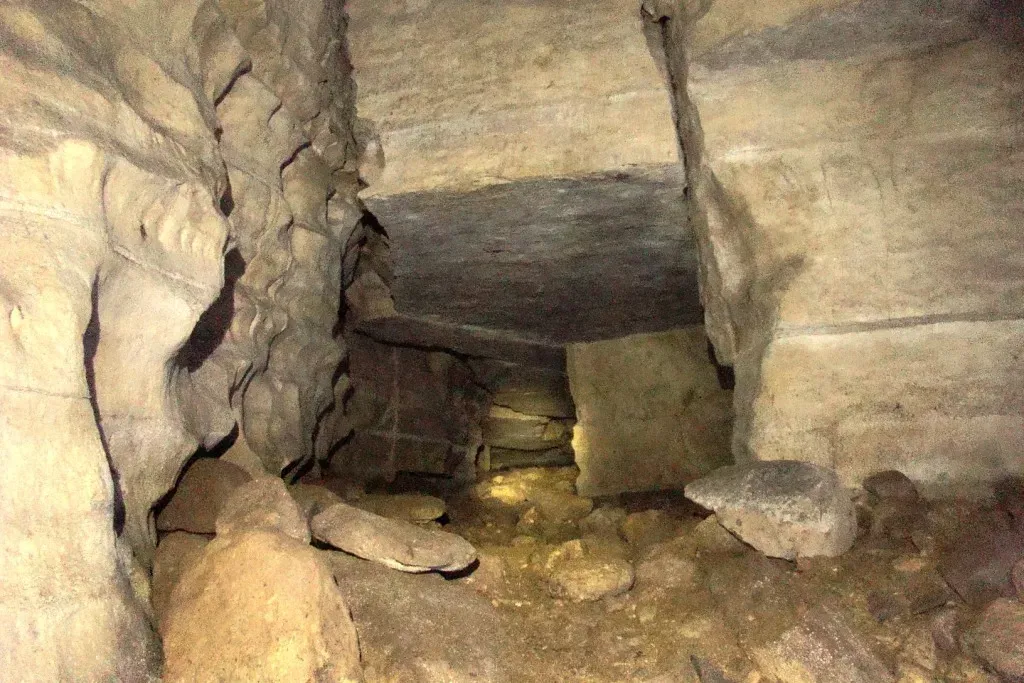
This Ecuadorian cave became a magnet for conspiracy theories after a 1976 international expedition – one that briefly included astronaut Neil Armstrong – went looking for rumored metal libraries supposedly hidden inside.
No golden library was ever confirmed, but the expedition’s full scientific results were oddly thin compared to the hype that preceded it. Local indigenous groups have also restricted outside access at various points, citing cultural and spiritual significance tied to the site.
Much of what researchers actually catalogued underground – bones, artifacts, and unusual chambers – was never compiled into a single accessible public report, leaving decades of amateur speculation to fill the vacuum left by professional silence. Turns out, mystery thrives exactly where documentation doesn’t. If mystery thrives on silence, wait until you see what’s sealed inside a chamber untouched since the Ice Age.
#12 – Vanguard Cave, Gibraltar
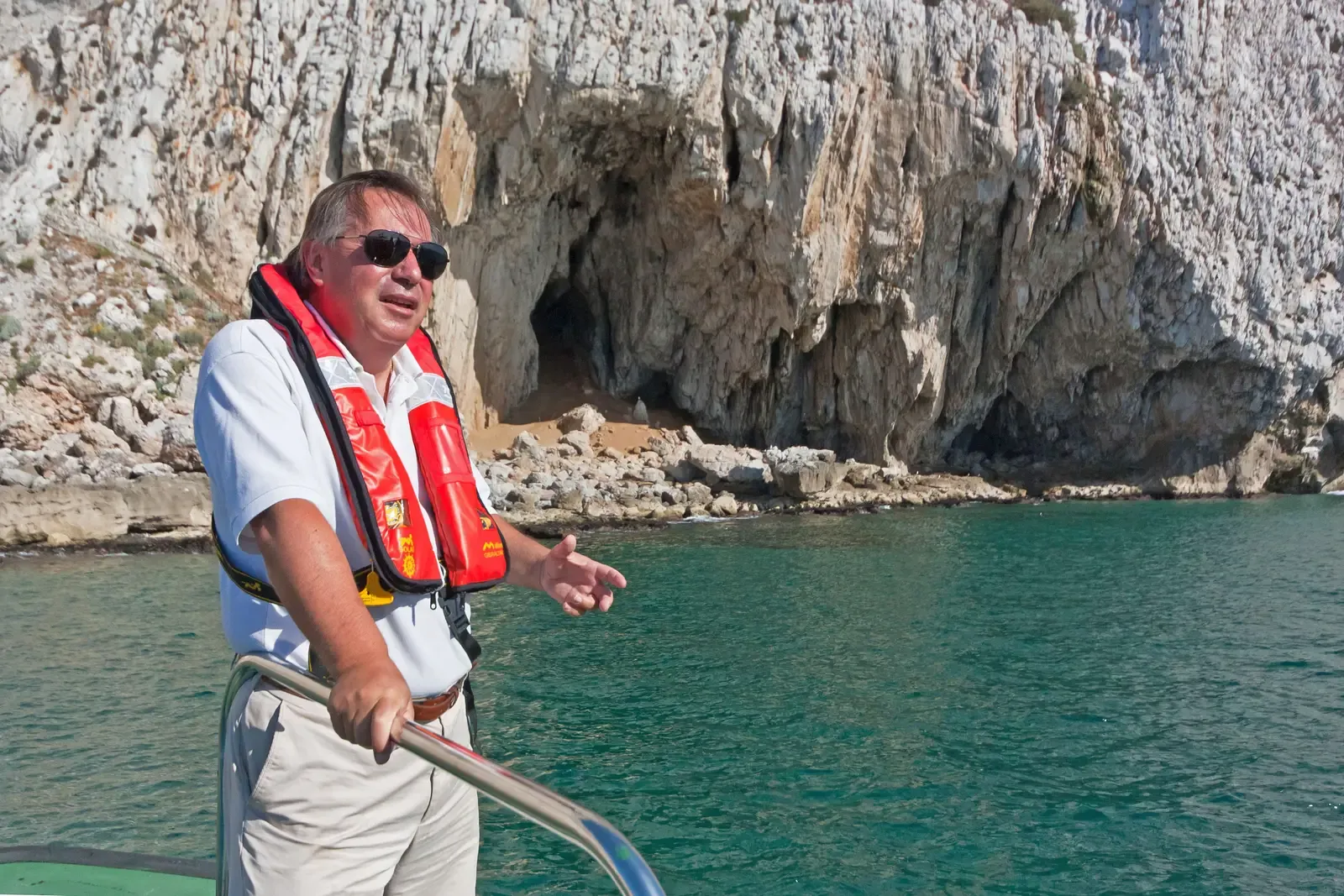
Part of the larger Gorham’s Cave Complex, Vanguard Cave contains a chamber that stayed sealed off from outside air and light since the Late Pleistocene, until archaeologists finally broke through in recent years.
The team had to squeeze through a narrow ceiling gap to reach a space untouched since Neanderthals last used the region. Researchers say the environment inside remains harsh, battered by sea erosion and constant humidity, yet the chamber has preserved a chronological record of prehistoric activity that natural rockfalls sealed off for millennia.
Those same collapses that blocked human access also protected the interior from climate swings and contamination, creating preservation conditions rare for any open-air site. Full publication of everything recovered from that back chamber is still ongoing, sample by sample, because researchers refuse to rush a find this fragile. The complex has already rewritten timelines for the last known Neanderthals, and researchers admit sealed sections likely hold more surprises. Vanguard’s secrets are geological. The next site’s secrets nearly got someone killed.
#11 – The Cave of Crystals, Naica, Mexico
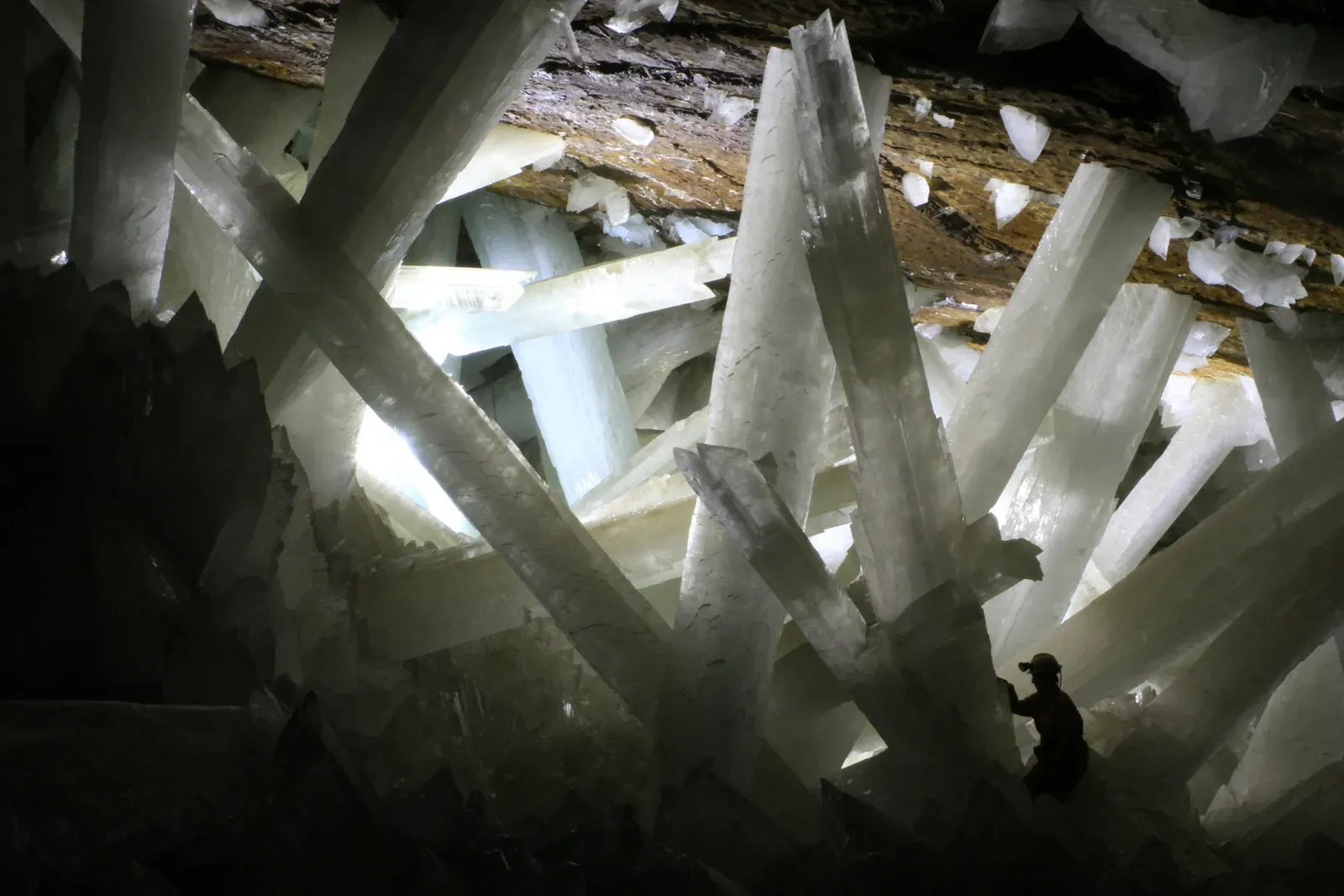
Just twenty years ago, miners blasted into a chamber containing crystals the size of telephone poles – then the cave nearly killed the first scientists who tried to study it.
Conditions inside were so extreme that nobody could survive more than a few minutes without specialized cooling suits, which severely limited how much research could actually be conducted in real time. Then disaster struck: miners broke into an aquifer, and when they couldn’t stop the flow, the mine’s owners abandoned pumping efforts. The chamber flooded again, this time for good.
Quick Compare
- Before the flood: Brief, suit-protected visits allowed limited real-time data collection
- The breach: Miners struck an aquifer and pumping efforts eventually stopped
- Now: The chamber sits fully submerged and inaccessible to researchers
The chamber is now completely inaccessible, meaning years of data collected before the flood remain the only record of formations no living scientist can currently revisit. Experts note that, ironically, being resubmerged may be preserving the crystals better than open air ever did. Naica’s danger was physical. Next up, the danger was entirely bureaucratic.
#10 – Arkenstone Cave, Arizona
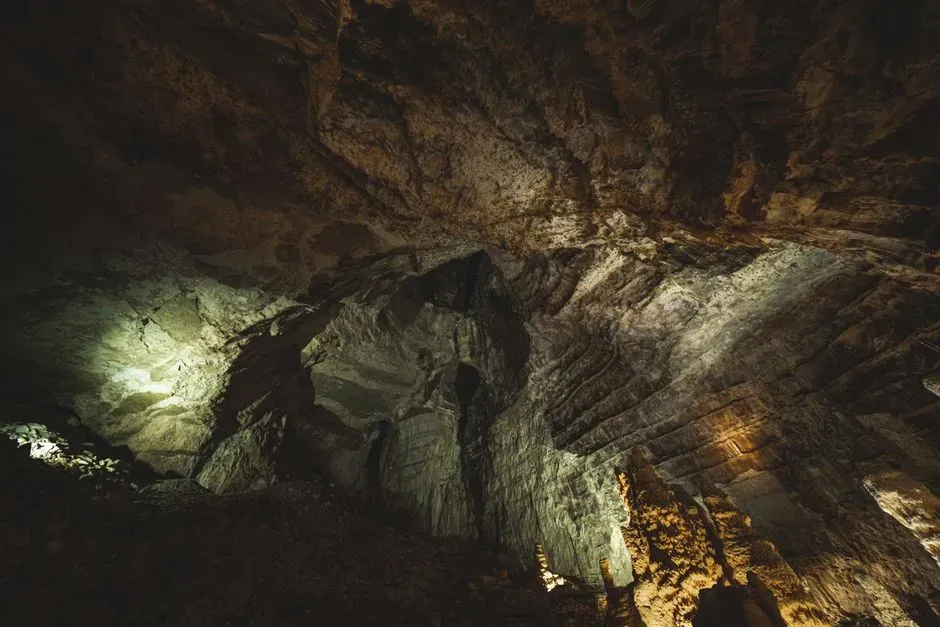
A cave discovered relatively recently near Tucson became a case study in how bureaucracy can freeze scientific work just as fast as any natural disaster.
Arkenstone had been accessible to researchers for years, building a baseline of long-term ecological data, before county officials abruptly restricted entry alongside a separate nearby cave. Scientists were forced to sign an agreement ordering them to turn over all their notebooks, photographs, and other material collected through their exploration of the caves.
One paleontologist put it bluntly: “I was asked to provide all my notes, photographs and field books. I did find that a bit odd. For a scientist that is bread and butter, what keeps me in my job, publishing.” Years of unpublished baseline data now sit in county custody instead of scientific journals. Many researchers argue this kind of restriction does more harm to conservation science than the tourism it claims to prevent. Arkenstone’s shutdown was bad. Its sister cave got it even worse.
#9 – La Tetera Cave, Arizona
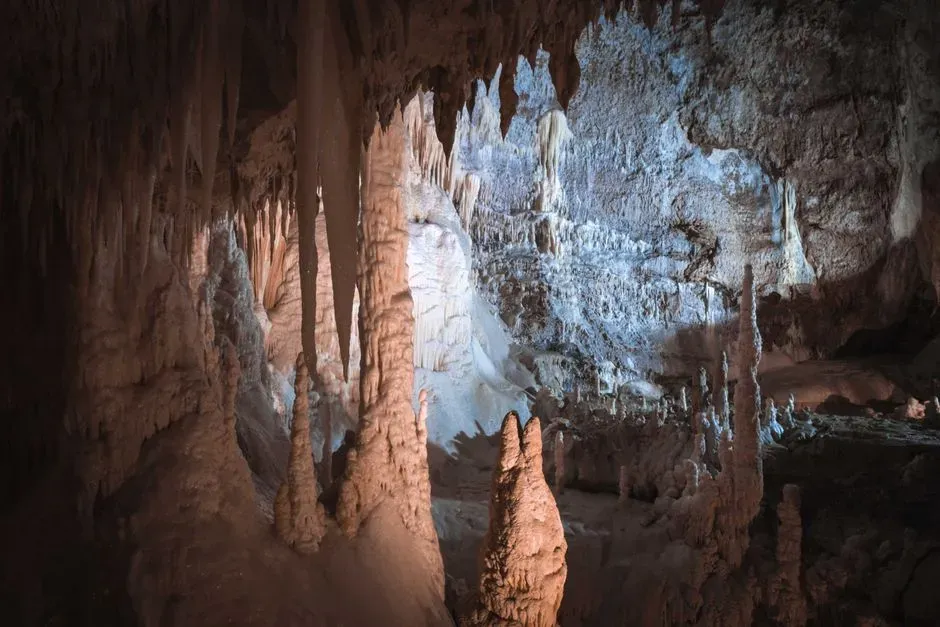
La Tetera’s story runs parallel to Arkenstone’s, but its closure hit even harder because the cave was still being actively surveyed when the doors slammed shut.
Scientists were locked out of two “live” caves on public land for more than two years, threatening their work and the gathering of irreplaceable baseline data. Researchers who study climate-sensitive species said the timing couldn’t have been worse, pointing to vampire bats no longer found in the U.S. but present in Mexico, and questioning whether shifting climates could allow their range to expand northward.
The cavers who found it in the first place couldn’t even legally discuss their own photographs without government permission, according to one of the original explorers. That’s an extraordinary level of control over data that was, at least initially, collected legally and openly. La Tetera lost its data to red tape. Spain’s most famous painted cave lost something almost as valuable – public trust.
#8 – Cave of Altamira, Spain
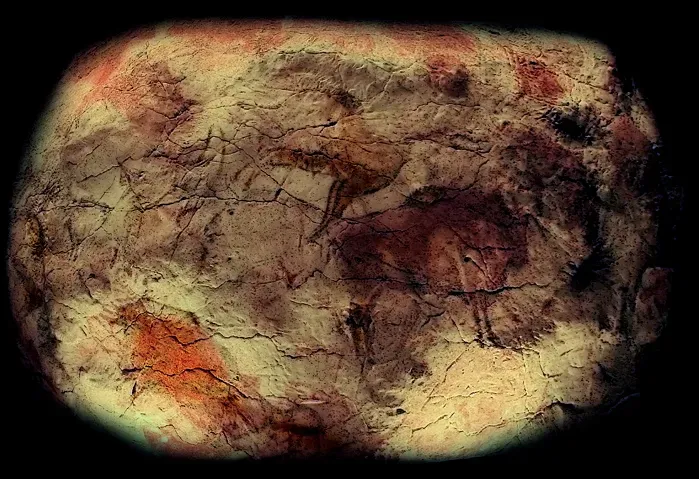
Spain’s most famous painted cave became a victim of its own popularity, closed decades ago after visitors unknowingly destroyed the very thing they came to see.
Thousands of daily tourists pumped carbon dioxide and body heat into a sealed environment never designed to handle that kind of traffic, accelerating fungal growth on 14,000-year-old bison paintings. Officials shut the cave to general access to halt the damage, and while limited scientific study continued, full conservation reports on exactly how much irreversible damage occurred were slow to reach the public, partly to avoid embarrassing the tourism industry that profited from decades of unrestricted access.
A replica now lets visitors see the art without touching the original, but researchers who worked on the real cave admit some deterioration simply can’t be reversed or fully explained. Altamira closed to save the art. The next cave closed before the public ever really got a chance to see it at all.
#7 – Chauvet Cave, France
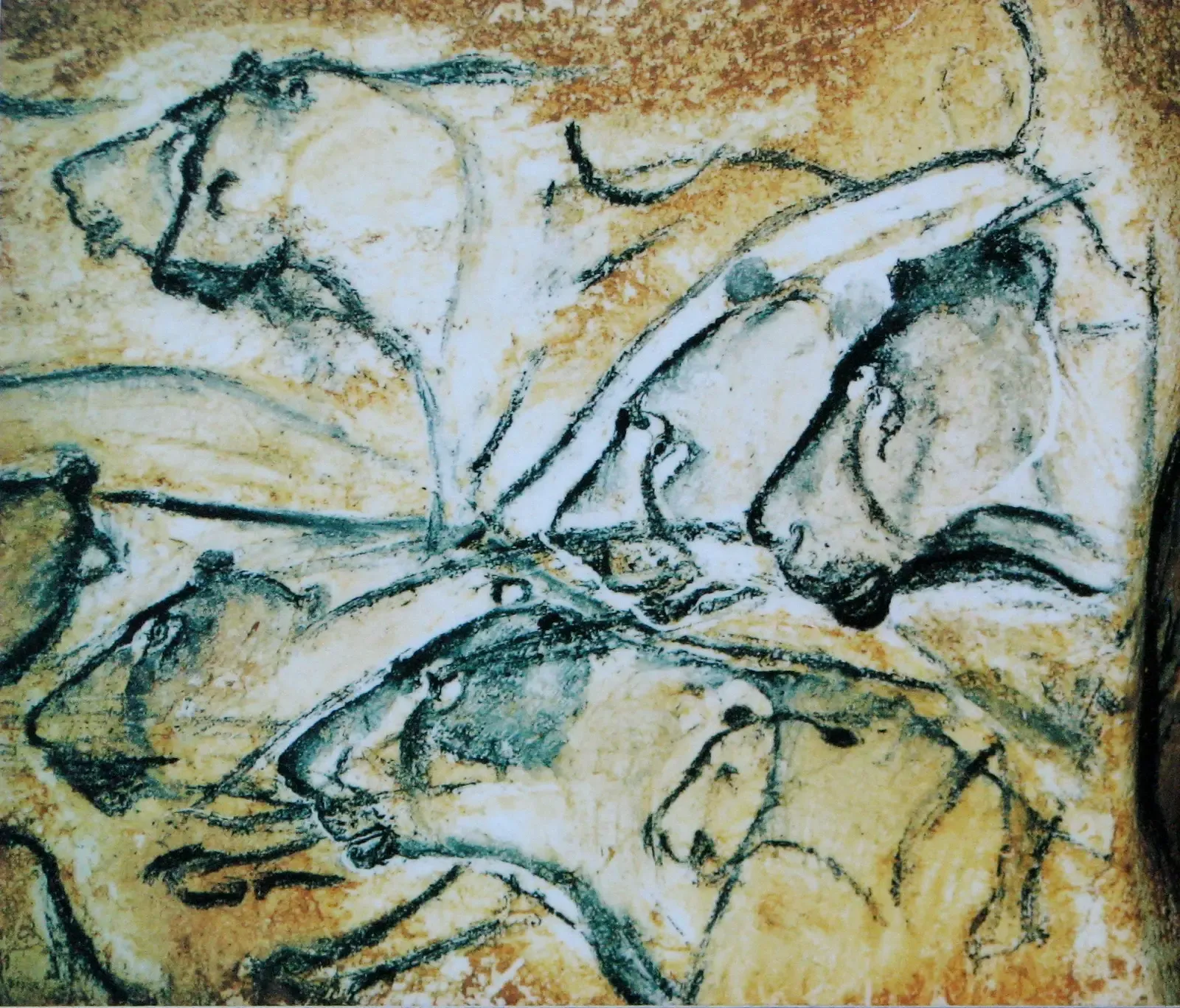
Chauvet holds some of the oldest drawings ever made by human hands, and the people who study it have made sure almost nobody else will ever see them in person.
Discovered in 1994, the cave reveals artwork that has remained almost exactly as it was left more than 30,000 years ago, with images dated between 30,000 and 32,000 years among the earliest figurative representations ever found, and more than 1,000 drawings covering the walls. Despite that scale, access is limited to a small number of researchers under strict monitoring to preserve the delicate conditions inside.
Most of the raw survey data from three decades of study has never been compiled into one publicly digestible archive, scattered instead across specialist journals few outside the field ever read. A full-scale replica now lets the public experience the art secondhand, while the original stays locked away from everyone except a handful of approved scientists. Chauvet hides behind mountains of unpublished data. Movile hides behind something even stranger – an atmosphere that could kill you.
#6 – Movile Cave, Romania
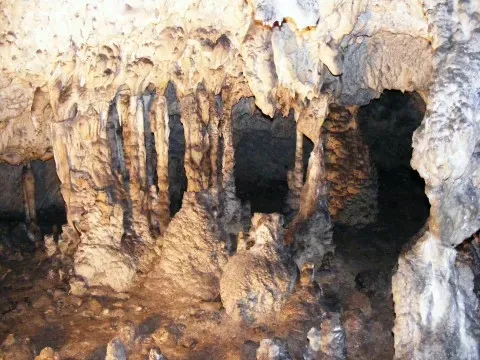
Movile Cave has been isolated from the outside world for over five million years, and even now, researchers are only allowed to study it in small, carefully rationed doses.
Once inside the cavern, the air contains less than half the oxygen found in open air and is brimming with hydrogen sulfide and carbon dioxide, and the site hasn’t seen a beam of sunlight for millions of years, making it a goldmine for biologists. Permits to enter are famously difficult to obtain, which means most of the cave’s unique species have never been fully catalogued in a single comprehensive study.
Worth Knowing
- Isolated from the outside world for over five million years
- Oxygen levels inside sit at less than half of normal open-air concentrations
- Air is rich in hydrogen sulfide and carbon dioxide
- No sunlight has reached the cave system in millions of years
Even after decades of knowing it exists, researchers believe there are still many more inhabitants to discover, some of whom could hold insights into evolutionary biology and the nature of life itself. For a site this scientifically valuable, the pace of publication has been strangely slow – a fact some biologists privately blame on access politics rather than lack of interest. Movile’s secrets are biological. Lascaux’s secrets are almost embarrassing.
#5 – Lascaux Cave, France
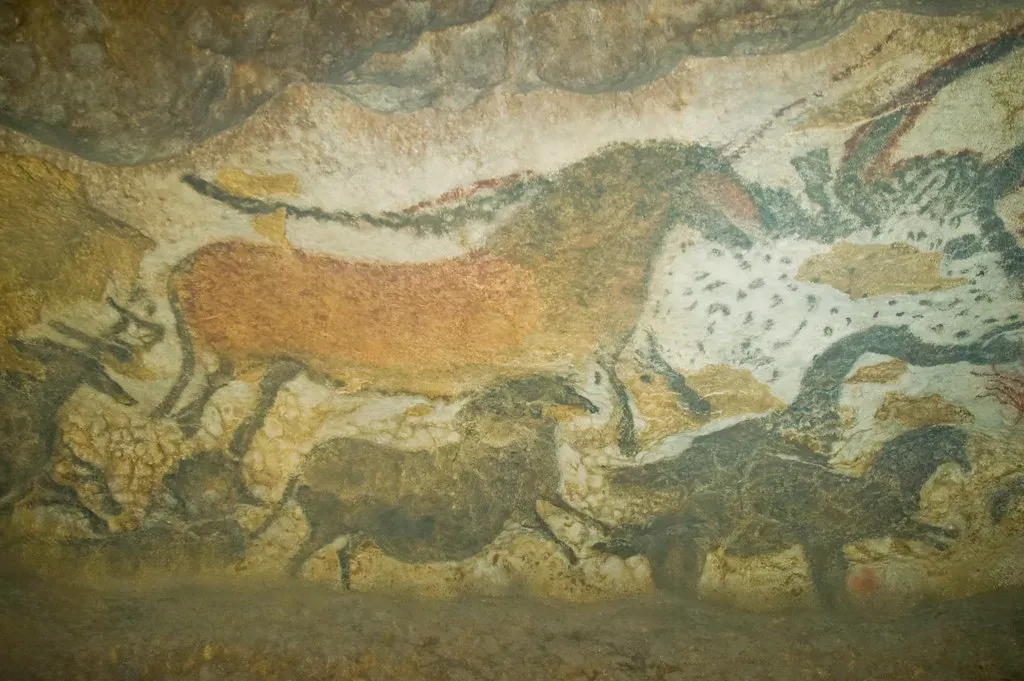
Lascaux’s paintings survived roughly 17,000 years underground only to nearly get destroyed by 20th-century tourism in less than two decades.
The cave network was initially open to the public, attracting thousands daily, but the influx caused significant damage to the prehistoric art, as rising carbon dioxide and heat created ideal conditions for fungi and lichens, forcing closure in 1963 to protect the delicate rock art. Since then, access has been restricted to a select few authorized individuals due to its archaeological significance.
Multiple biological outbreaks inside the cave over the following decades were managed quietly, with detailed contamination reports staying largely internal to the small team responsible for its preservation. Many art historians argue the public still doesn’t fully understand how close the original paintings came to being lost entirely. Lascaux nearly lost its art to the public. The next cave never told the public it existed at all.
#4 – Kartchner Caverns, Arizona
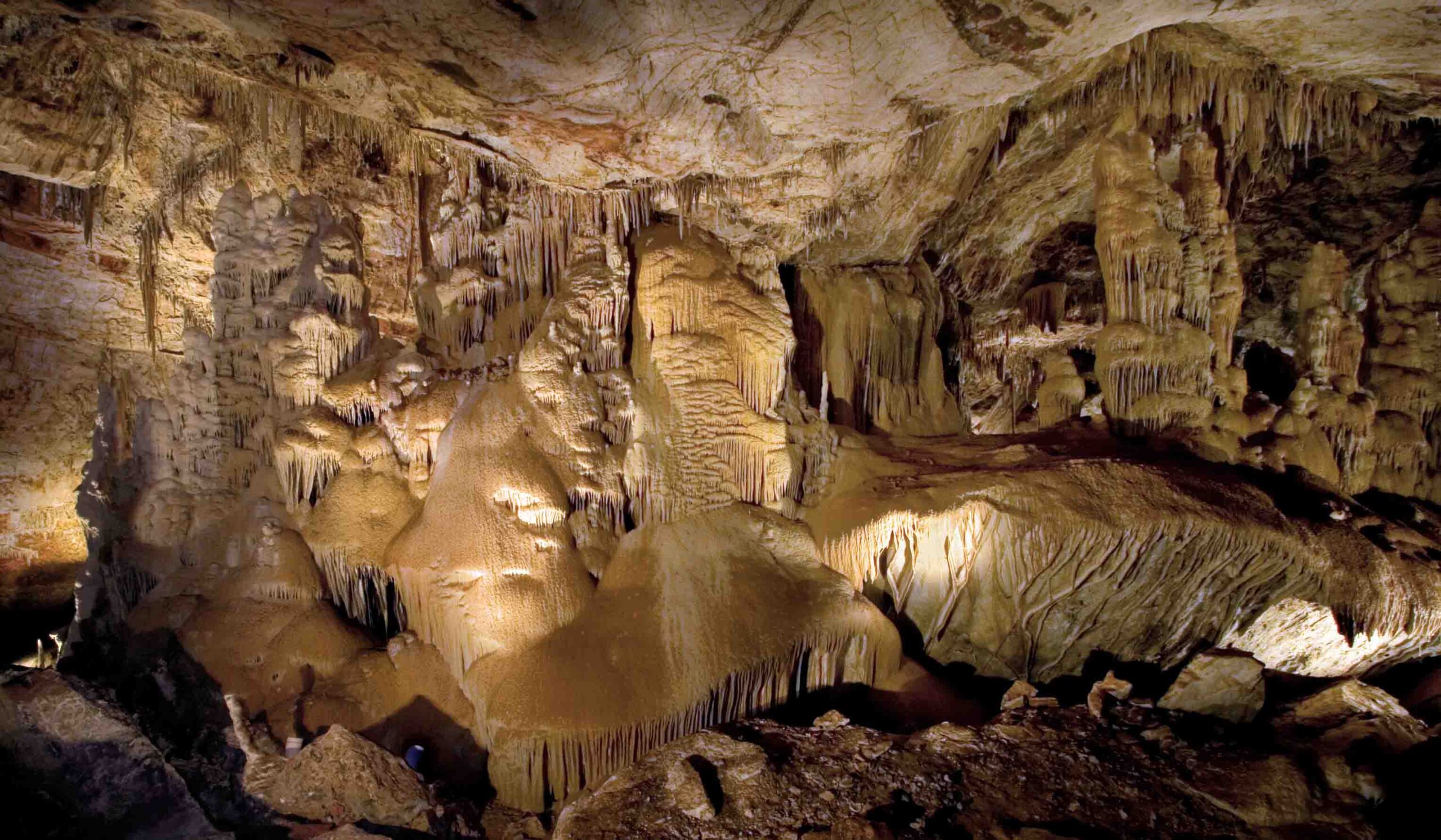
Two young cavers found one of the most spectacular limestone caverns in North America – and then told almost nobody for fourteen years.
Gary Tenen and the late Randy Tufts discovered majestic Kartchner Caverns in 1974, and fearing that the cave’s fragile limestone formations would be damaged by mobs of unregulated sightseers, they kept their find a closely guarded secret for 14 years. Only in 1988, after the state of Arizona bought the property and officials made plans to protect it as a park, did Tufts and Tenen publicly reveal their incredible story.
They didn’t even tell the landowners for years after finding it. Some cave scientists now argue this level of secrecy set an unhealthy precedent, essentially rewarding researchers for hoarding discoveries instead of documenting them in real time. Others insist it’s the only reason the cave survived intact at all. Kartchner’s secrecy was a choice. The next cave’s silence is simply a math problem nobody’s solved yet.
#3 – Sima de los Huesos, Atapuerca, Spain
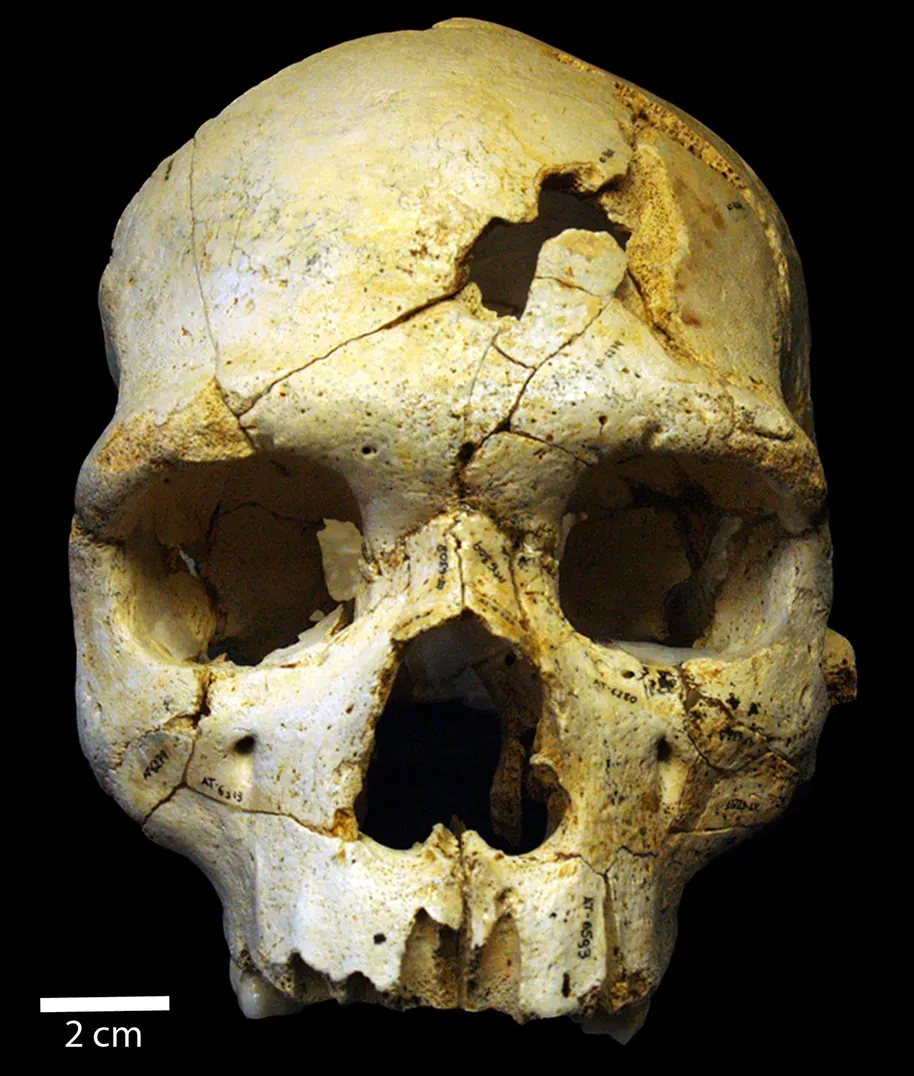
Inside a Spanish cave system sits what may be the largest collection of ancient human fossils ever found in one place – and researchers are still nowhere close to finishing the job of publishing it all.
Decades of excavation have pulled thousands of bone fragments from a single deep shaft, representing dozens of individuals who lived hundreds of thousands of years ago. The sheer volume of material means entire categories of fossils remain unanalyzed and unpublished decades after they were pulled from the ground, simply because no team has had the time or funding to process everything at once.
Access to the shaft itself is tightly controlled, limited to the excavation team and a handful of visiting specialists, partly to protect the fragile remains and partly to prevent contamination of ongoing work. Critics argue the slow pace has left major evolutionary questions frustratingly unresolved for far too long. Sima de los Huesos is buried in paperwork. Rising Star is buried behind an actual physical bottleneck.
#2 – Rising Star Cave, South Africa
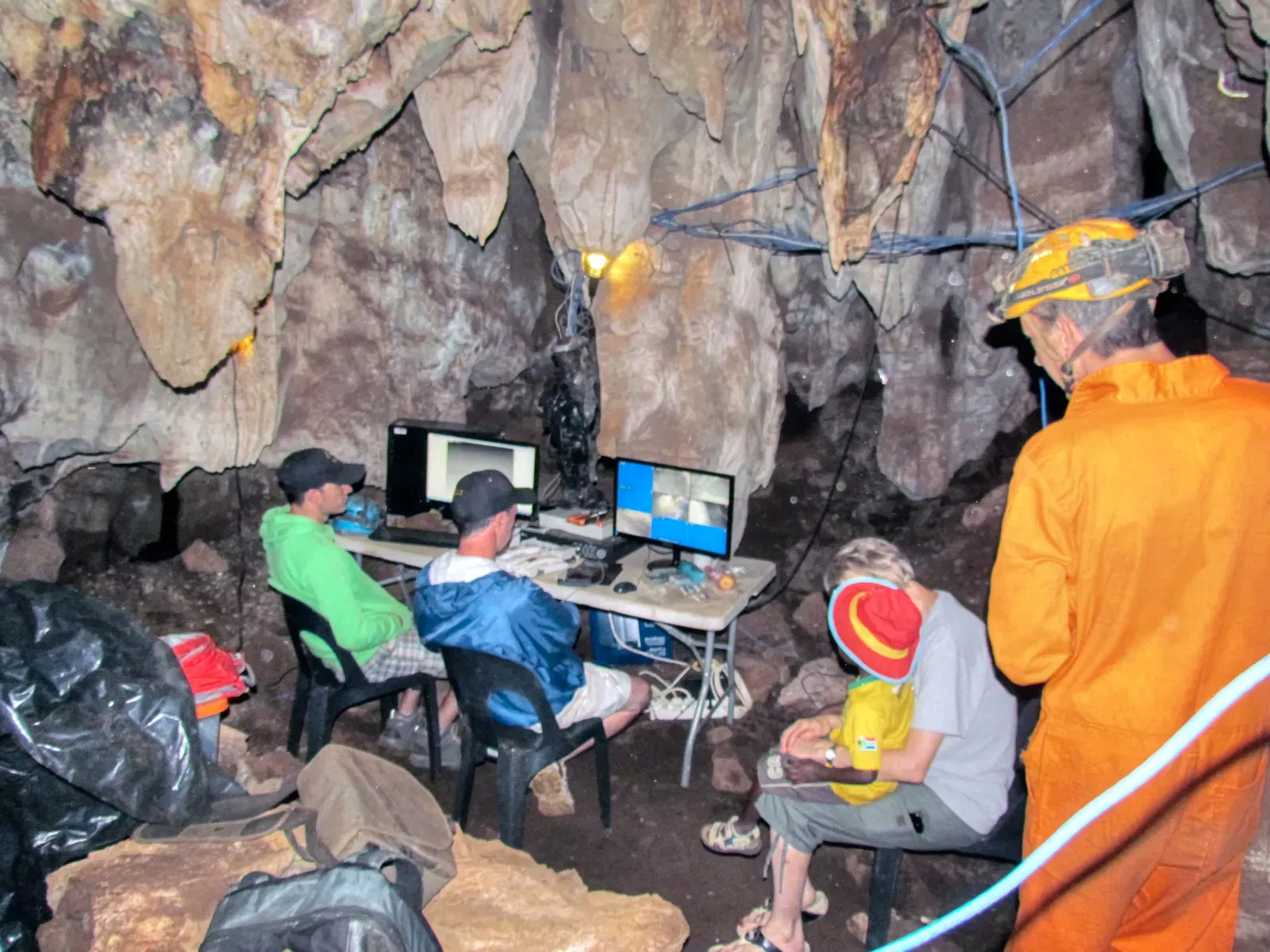
Getting into the chamber where Homo naledi was found requires squeezing through a gap barely wide enough for a human body, and that single bottleneck has controlled almost everything the public knows about the discovery.
The Rising Star cave system is so difficult to access that only 48 humans have been documented to have entered the Dinaledi chamber where the fossils were found, almost a hundred yards from the cave entrance. Fossils were first recognized in October 2013, and during a relatively short excavation, the team recovered an extensive collection of 1,550 hominin specimens, representing nearly every element of the skeleton multiple times.
At a Glance
- Fossils first recognized: October 2013
- Specimens recovered: 1,550 hominin bones and fragments
- Documented visitors to the Dinaledi chamber: only 48 people
- Distance from the cave entrance: nearly a hundred yards through tight passages
Recent burial claims sparked fierce pushback, with critics noting three of the four peer reviewers of the original burial paper suggested additional analysis could have been used to interpret the sediments before the claims went public. Some of the most sensational claims reached Netflix before they cleared full scientific review – a sequencing problem many paleoanthropologists still find hard to defend. Rising Star’s controversy played out on Netflix. The final cave’s controversy played out in a locked room, and it’s the ugliest story on this list.
#1 – Liang Bua Cave, Indonesia
![#1 - Liang Bua Cave, Indonesia ([1], CC BY-SA 2.0)](https://nvmwebsites-budwg5g9avh3epea.z03.azurefd.net/dinoworld/123d49a4ff9033c82c0dd47c78c5d629.webp)
No cave on this list demonstrates the gap between discovery and disclosure quite like the one that produced the so-called “hobbit” of Flores – a find nearly destroyed by the very scientist who wanted to study it.
In December 2004, Indonesian paleoanthropologist Teuku Jacob removed almost all the bones from Jakarta’s National Research Centre of Archaeology for personal study for three months, and when he returned them, two leg bones were missing, two jaw bones were badly damaged, and a pelvis was smashed. Not long after, Indonesia closed access to Liang Bua cave without explanation, and the archaeological community suspected it was due to Jacob’s influence, with the site not reopening until 2007 after Jacob died.
A years-long government shutdown of a world-famous discovery site, apparently tied to one researcher’s personal grudge, is about as close to “science held hostage” as archaeology gets. The original international team lost irreplaceable research time, and some analyses of the damaged bones still carry an asterisk because of what happened during those missing months.
The Bottom Line
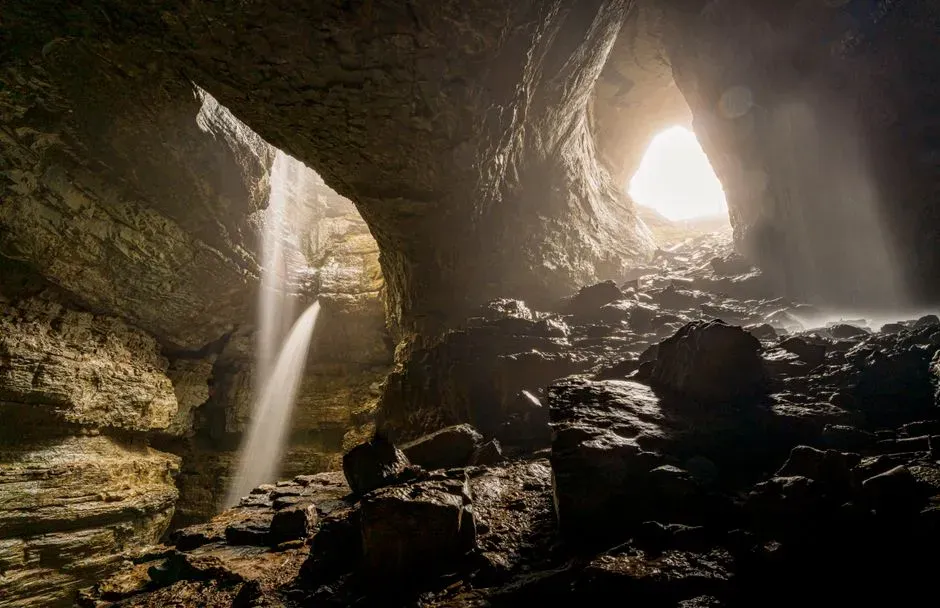
Sixteen caves, sixteen very different reasons for silence – fragile art, endangered bats, political borders, personal vendettas, and sheer scientific caution have all played a role. What ties them together is uncomfortable: the public rarely gets the full story at the same time scientists do, and sometimes not for years, or ever.
Secrecy occasionally protects irreplaceable sites, as Kartchner proved. But it just as often protects egos and bureaucracies more than it protects the science itself, as Liang Bua and the Arizona cave closures make painfully clear. The next time a “closed to the public” sign shows up on a cave entrance, it’s worth asking who’s really being protected – the discovery, or the people who made it.
Which of these closures do you think was justified, and which one sounds more like a cover-up? Drop your take in the comments.