Walk into any natural history museum and the placard beside that towering skeleton reads like scripture: length, weight, record broken, case closed. It feels permanent. Unshakeable. Carved in bone.
It isn’t. Behind the scenes, curators have quietly shrunk some of the most famous “record-breaking” dinosaurs in history, in a few cases by more than half, after realizing the original bones were misread, mislabeled, or too fragmentary to trust in the first place. Some of the biggest names in dino history turned out to be exaggerations, chimeras, or outright mistakes. Here’s what the fossil record actually says, starting with a giant that might never have existed at all.
#14 – Bruhathkayosaurus: The “Biggest Dinosaur Ever” That Might Not Even Be a Dinosaur
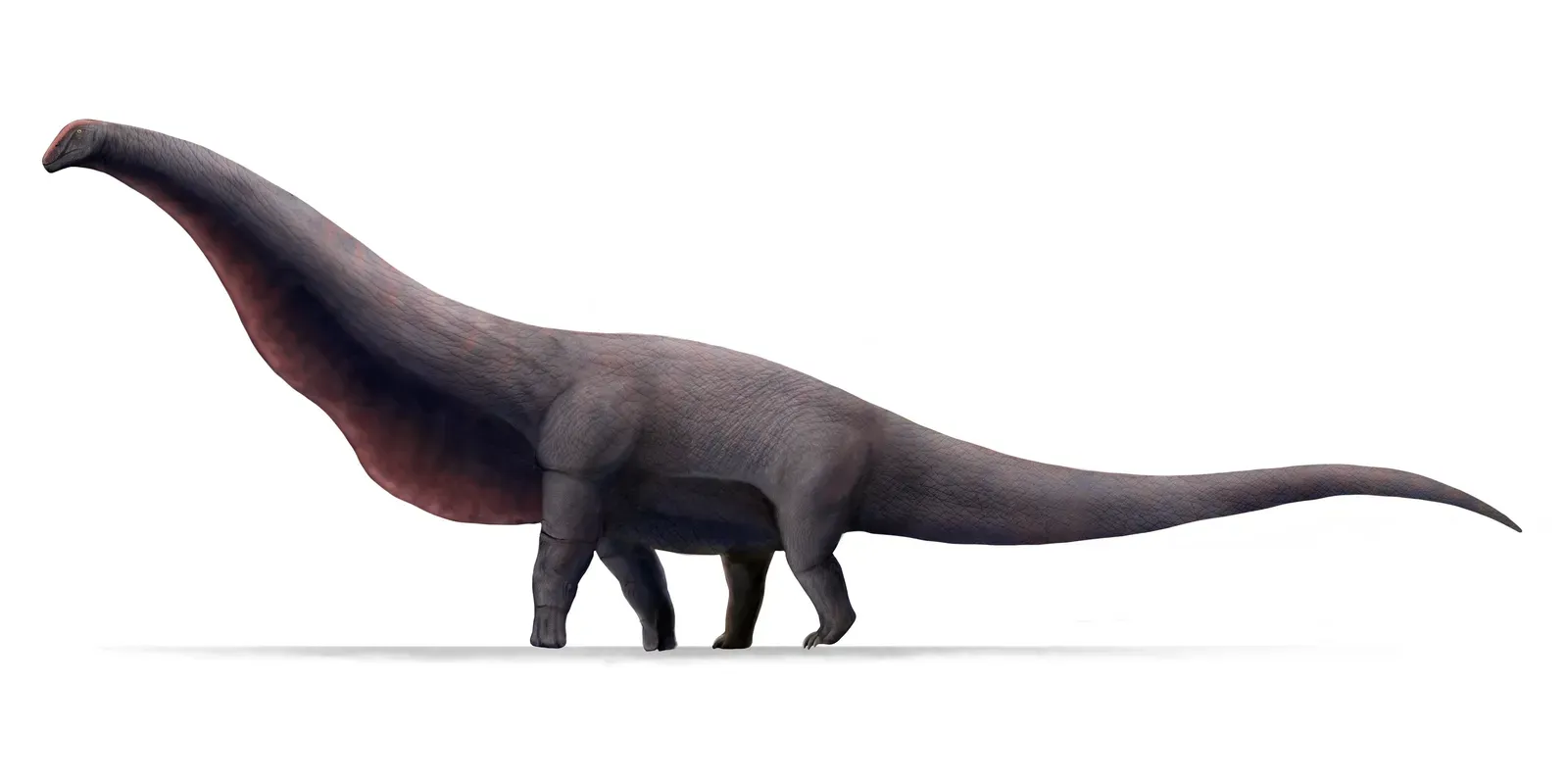
Bruhathkayosaurus was once whispered about as the largest land animal to ever exist, a sauropod so massive it made Argentinosaurus look average by comparison.
The 1987 description from India claimed bones so enormous they implied a creature over 100 tons. The original fossils were reportedly destroyed by monsoon floods before they could ever be properly studied, leaving only sketchy field sketches behind. Modern paleontologists have grown increasingly skeptical, with some suggesting the “bones” may have actually been fossilized wood, not dinosaur remains at all. Without a verifiable specimen, museums have largely stopped citing Bruhathkayosaurus in official size rankings, a cautionary tale about how a single lost fossil can inflate a legend for decades.
Fast Facts
- Described in 1987 from partial pelvis and limb material found in India
- Original claims implied a length and weight rivaling or exceeding any known sauropod
- The only known fossils were reportedly lost to monsoon flooding
- Some researchers now suspect the “bones” may have been fossilized wood
#13 – Amphicoelias Fragillimus: From 190 Feet to Roughly Half That
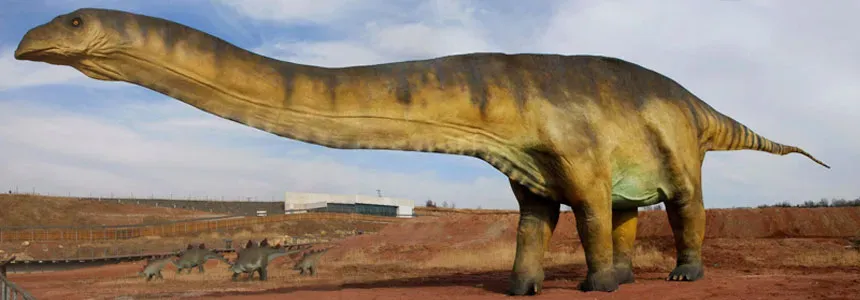
For over a century, this sauropod held the unofficial title of longest animal ever to walk the Earth, and the numbers attached to it were staggering.
The largest estimate put it at 60 meters (200 feet) long, with a mass of around 150 tonnes. The catch? The only known fossil went missing sometime after being studied in the 1870s, surviving only in old drawings and field notes. When paleontologist Kenneth Carpenter reanalyzed those notes, he reclassified the animal as a rebbachisaurid entirely, with a revised dorsal vertebra of 2.4 meters and a full body length of just 30 to 32 meters. That’s roughly half the original hype, and it now goes by a new name: Maraapunisaurus.
#12 – Megalosaurus: The Original “Giant Lizard” That Wasn’t So Giant
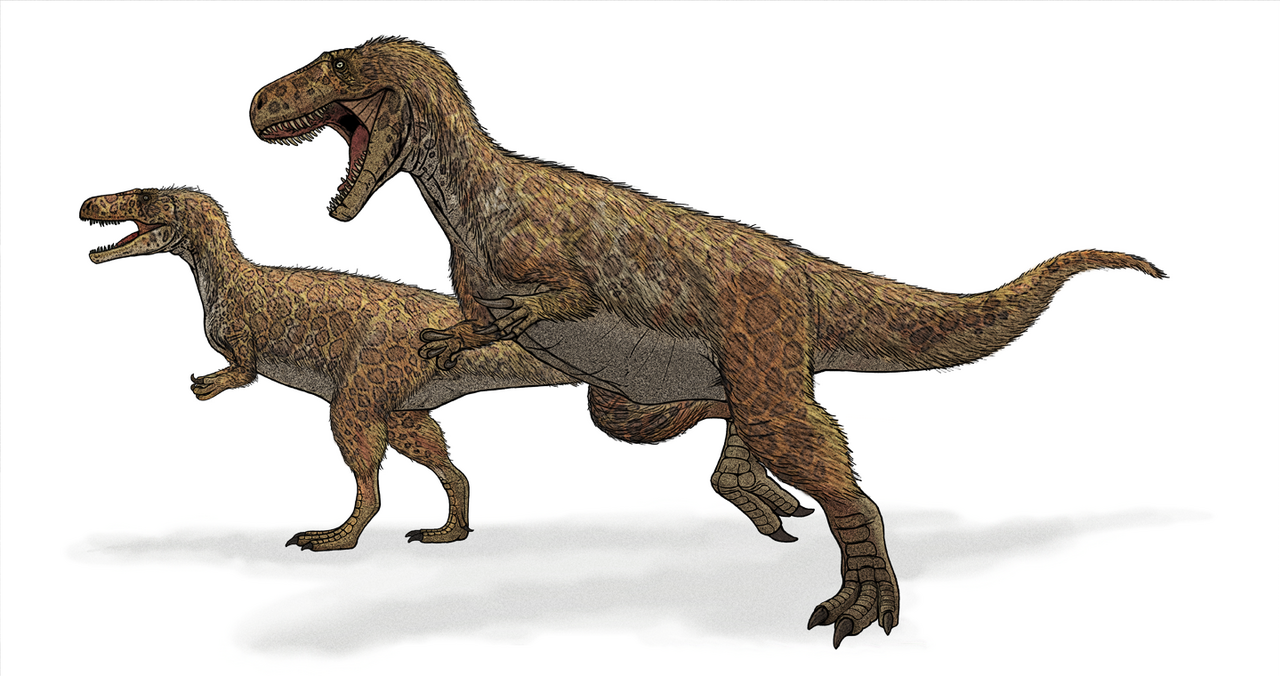
Megalosaurus was the very first dinosaur ever scientifically named, back in 1824, and early reconstructions treated it like a scaly, lumbering dragon the size of a small building.
William Buckland’s original description was based on a handful of jaw fragments and limb bones, which left artists free to fill enormous gaps with pure imagination. The famous Crystal Palace statues from the 1850s depicted Megalosaurus as a hulking, elephant-sized quadruped, an image that stuck in the public imagination for generations even as it grew increasingly detached from the actual fossil evidence. As more complete theropod skeletons turned up through the 20th century, paleontologists realized Megalosaurus was really a mid-sized predator, and most exhibits now quietly avoid the old Crystal Palace comparisons altogether.
#11 – Iguanodon: From Rhino-Sized Giant to Correctly Proportioned Herbivore
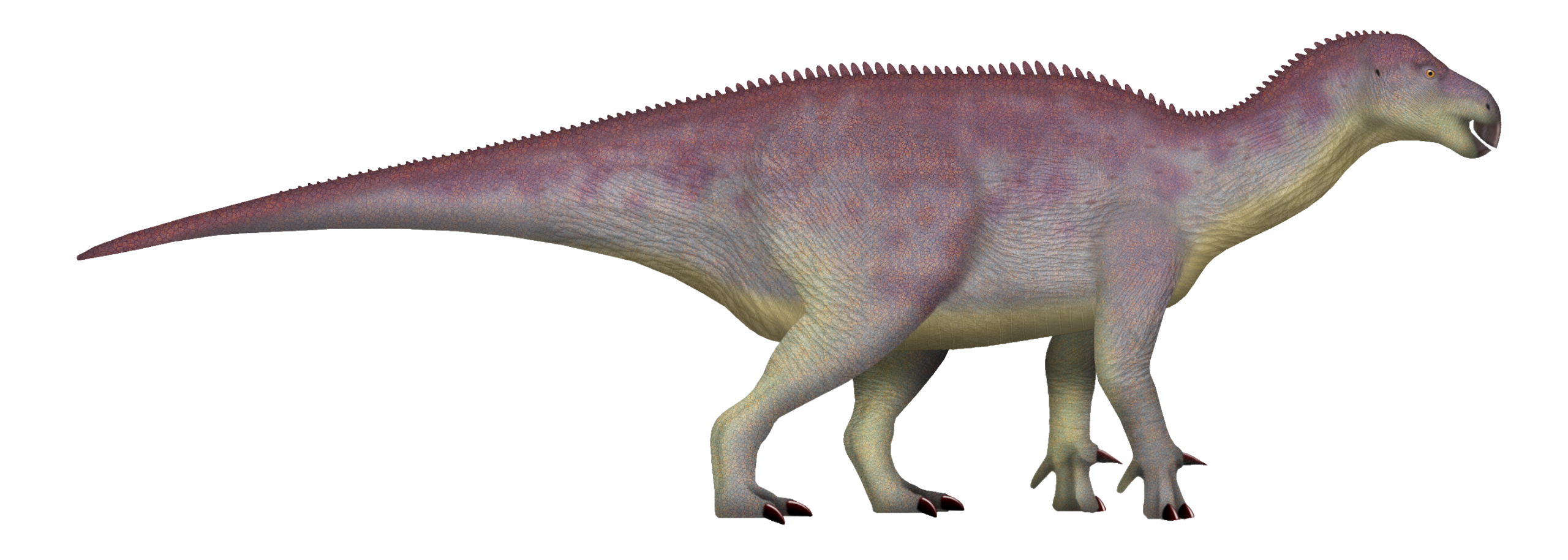
Iguanodon’s original reconstruction is one of the most famously wrong guesses in the history of science, and it shaped how millions of people pictured dinosaurs for decades.
Discovered in the 1820s, Iguanodon was initially assembled as a squat, four-legged beast with a horn on its nose, its size and posture wildly overestimated because scientists had almost nothing to compare it to. That “horn” later turned out to be a thumb spike, and the entire skeleton had to be rebuilt from scratch once more complete specimens surfaced in Belgium decades later. The corrected version was leaner, more upright, and far less bulky than the Victorian rhino-lizard hybrid museums had proudly displayed for years, a humbling reminder that even foundational dinosaur science started with guesswork.
#10 – Ultrasauros: The “Tallest Dinosaur Ever” That Turned Out to Be Two Different Animals
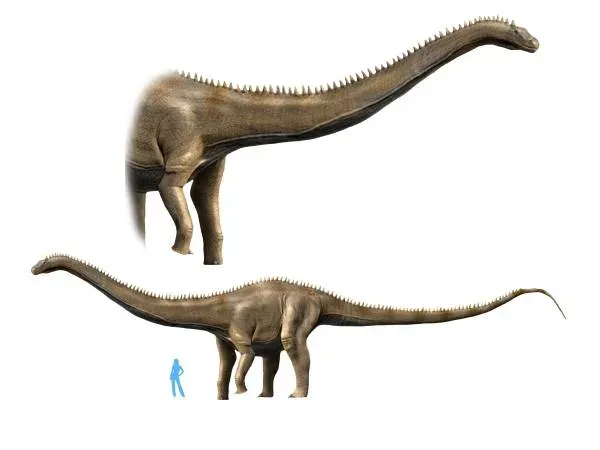
Ultrasauros was hyped in the 1980s as one of the largest and tallest dinosaurs ever discovered, a true giant among giants that made headlines around the world.
It turned out to be an invalid genus, a chimera assembled from bones belonging to Supersaurus and Brachiosaurus, giving the impression of a creature with the size of one and the height of the other. Researchers had unknowingly combined material from two completely different animals found at the same quarry, creating a Frankenstein-style giant that never actually existed. The type specimen was later traced back to the original Supersaurus find from 1972, and the entire genus was quietly retired, its bones reassigned to their rightful owners.
Worth Knowing
- Ultrasauros material came from the same Colorado quarry as Supersaurus
- The genus mixed a shoulder bone from Brachiosaurus with vertebrae from Supersaurus
- It briefly made headlines as one of the tallest dinosaurs ever found
- The name was later formally retired and the bones reassigned to Supersaurus
#9 – Supersaurus: The Media Hype That Outgrew the Actual Bones
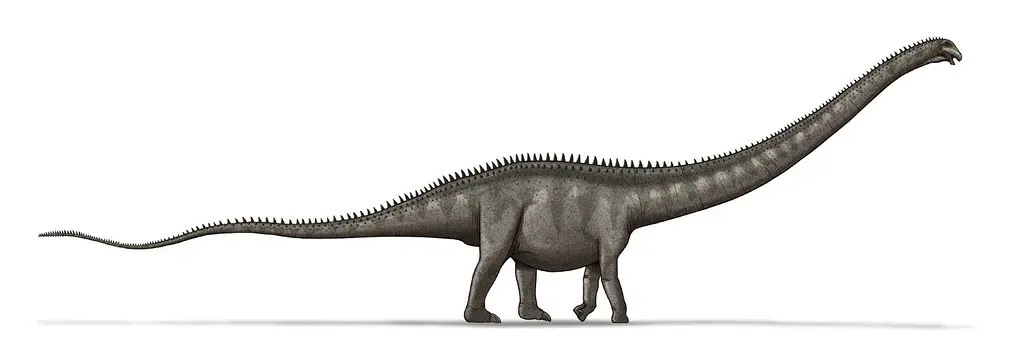
Supersaurus captured headlines the moment it was announced, with early reports suggesting it might be the single longest animal ever to walk on land.
Fossils of Supersaurus have always been limited, which gave early researchers plenty of room to speculate upward. Some popular sources ran with estimates well beyond 150 feet, numbers that later scrutiny simply couldn’t support once the skeleton was compared bone-for-bone against better-known relatives. More rigorous reassessment places the best-preserved specimen at 33 to 36 meters (108 to 118 feet) long, still massive, but a far cry from the wilder early claims that once dominated the headlines.
#8 – Seismosaurus: The Dinosaur That Shrank by 40 Percent Overnight
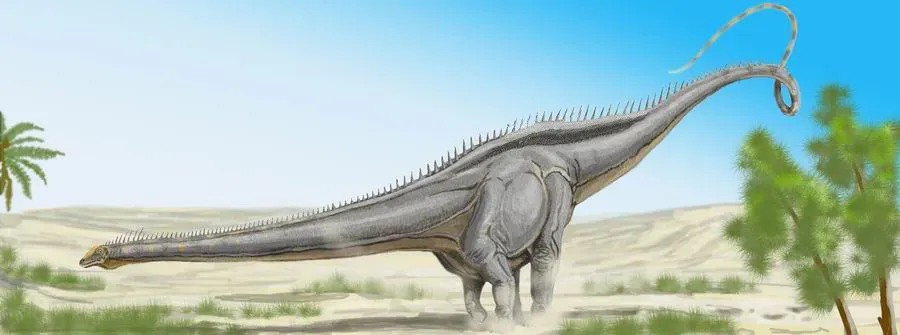
Few size corrections in paleontology history are as dramatic, or as well documented, as what happened to Seismosaurus.
When paleontologist David Gillette announced the discovery in 1991, he believed Seismosaurus measured somewhere between 127 and 170 feet long, a length that would have dwarfed nearly every other known dinosaur. For over a decade it reigned as the undisputed length champion of the animal kingdom, appearing in countless “biggest dinosaurs ever” specials. Then came the recheck: researchers realized vertebrae had been misplaced during the original reconstruction, and the animal was chopped down to roughly 110 feet before eventually being folded into the genus Diplodocus, losing its own identity entirely.
#7 – Giganotosaurus: The “T. Rex Killer” That Got Cut Down to Size
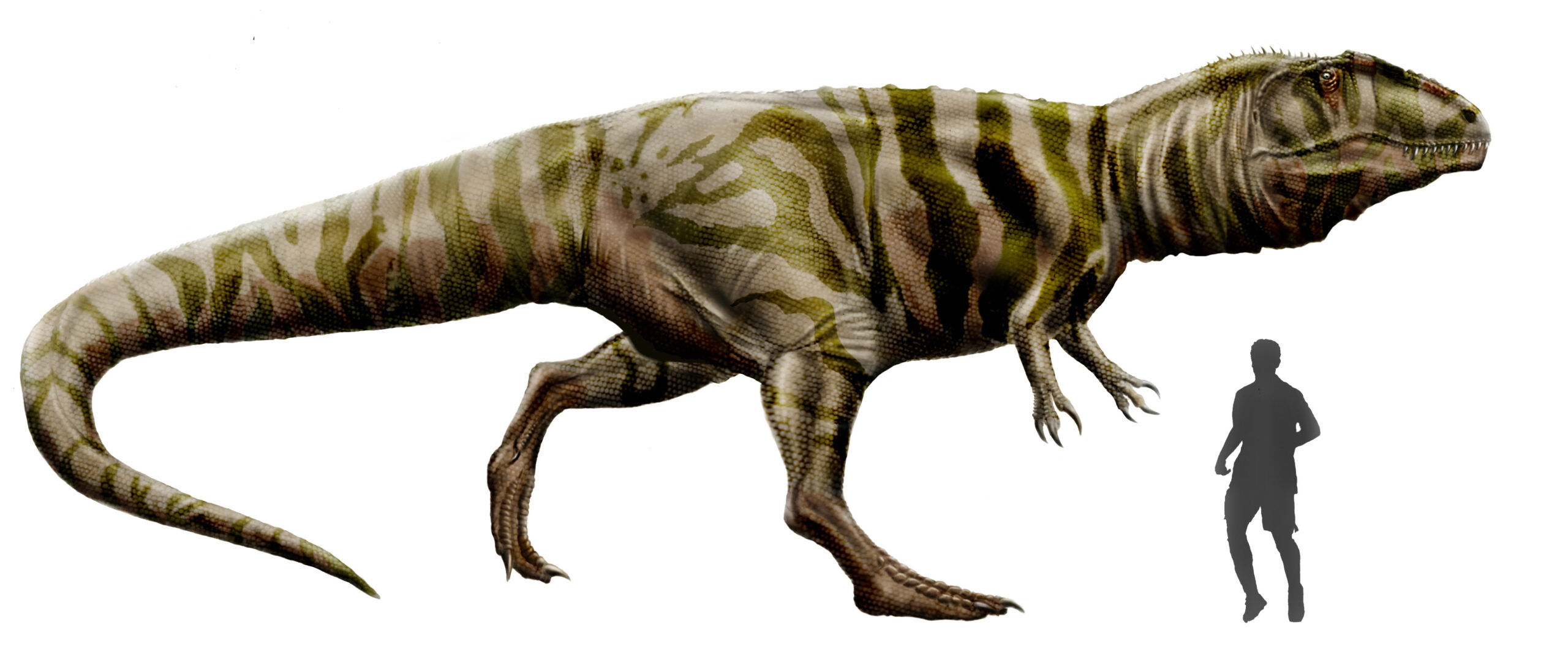
When Giganotosaurus was unveiled in the 1990s, headlines couldn’t resist framing it as bigger and scarier than Tyrannosaurus rex, a South American challenger to the king of predators.
Early length and weight estimates leaned toward the upper end of what the fragmentary skeleton could support, and popular media ran with the “biggest carnivore ever” angle for years. The comparisons made for great TV, but they weren’t always backed by conservative bone-scaling methods. As paleontologists applied more careful measurement techniques, size estimates settled closer to, or in some calculations slightly below, T. rex rather than dramatically exceeding it, an inconvenient detail that documentaries rarely mention.
#6 – Argentinosaurus: The Titan That Got a Serious Weight Cut
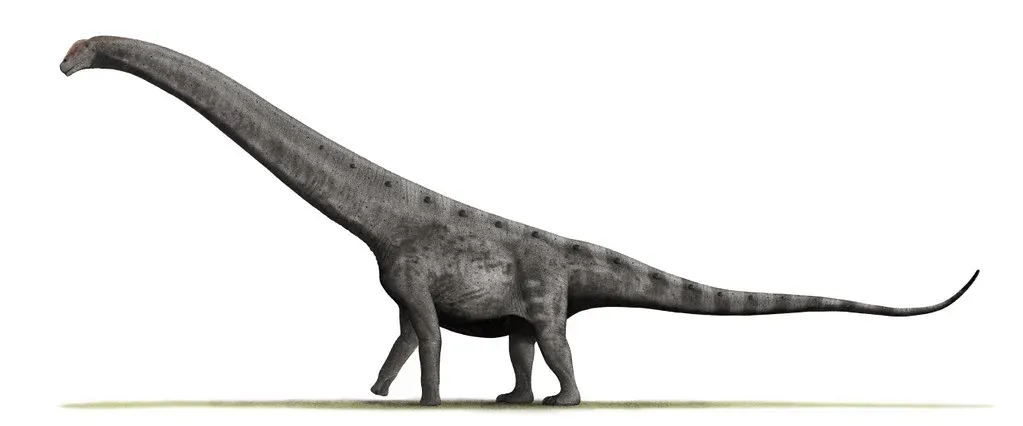
Argentinosaurus is still routinely called the largest land animal ever discovered, but the numbers behind that claim have quietly shifted since it was first described in 1993.
Early estimates, based on extrapolating from a handful of enormous vertebrae, pushed weight figures toward the extreme upper limits of what a land animal could biologically support. Those first calculations relied on simple bone-length formulas rather than full-body volumetric modeling, a method scientists now consider far less reliable for animals this size. More recent studies using 3D reconstruction have pulled the weight estimates down into a more conservative, though still record-breaking, range. It’s still a titan by any measure, just not quite the almost-mythical number first floated in the early ’90s press releases.
At a Glance
- Described in 1993 from a handful of enormous vertebrae
- Early weight math relied on simple bone-length formulas
- Newer 3D volumetric modeling pulled totals into a more conservative range
- Still widely regarded as one of the heaviest land animals known, just less extreme than first claimed
#5 – Brachiosaurus: The Childhood Giant That Lost Nearly Half Its Weight
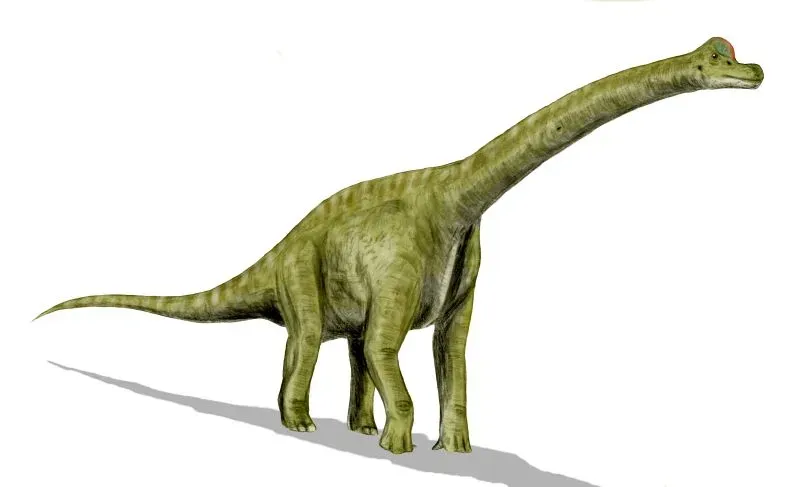
For decades, Brachiosaurus was the poster child of dinosaur size, the tall, long-necked giant featured in nearly every kids’ dinosaur book with weight estimates hovering near 80 tons.
Those classic mid-20th-century numbers came from early mass-estimation techniques that assumed a much denser, bulkier body than sauropods likely had. Once researchers applied volumetric modeling that accounted for air sacs and lighter bone structure, the numbers dropped substantially, and modern reconstructions of its African relative, Giraffatitan, now land in a much lower weight bracket than the classic textbook figure. Museums have gradually swapped out old, overly stocky mounts for leaner versions, and while the dinosaur is still tall enough to peer into a fourth-story window, its “heaviest animal ever” reputation has been thoroughly retired.
#4 – Apatosaurus (Brontosaurus): The Weight Guess That Needed a Modern Recalculation
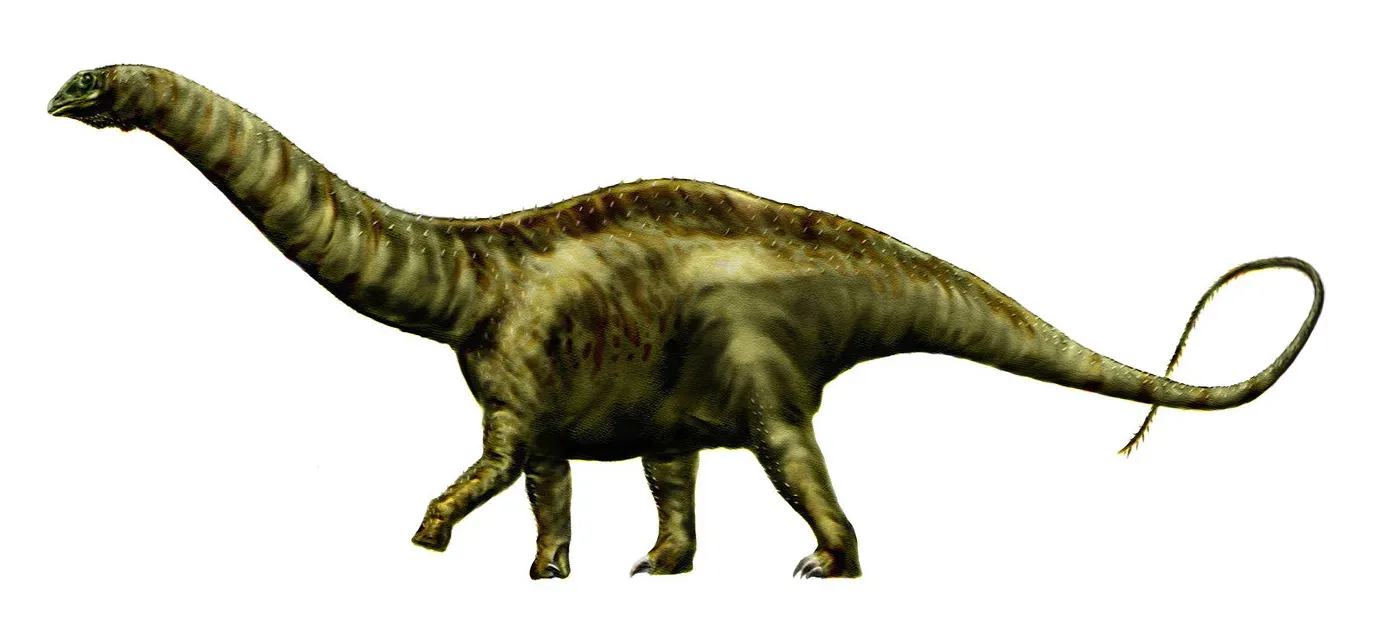
Apatosaurus, long nicknamed Brontosaurus in pop culture, was originally weighed using simple skeletal-length formulas that many scientists now consider crude by today’s standards.
Early 20th-century estimates pushed some individuals toward the 30-plus ton range, numbers that stuck in textbooks for generations. When researchers started applying laser-scanning and volumetric body reconstruction, replacing bone with actual estimated soft-tissue and lung-cavity space, the totals came down noticeably. This wasn’t a case of new bones being found. It was a case of better math finally catching up to bones we’d had all along, and it’s a quiet reminder that dinosaur weight has almost always been an educated guess dressed up as a hard number.
#3 – Spinosaurus: The Size That Has Flip-Flopped for Two Decades
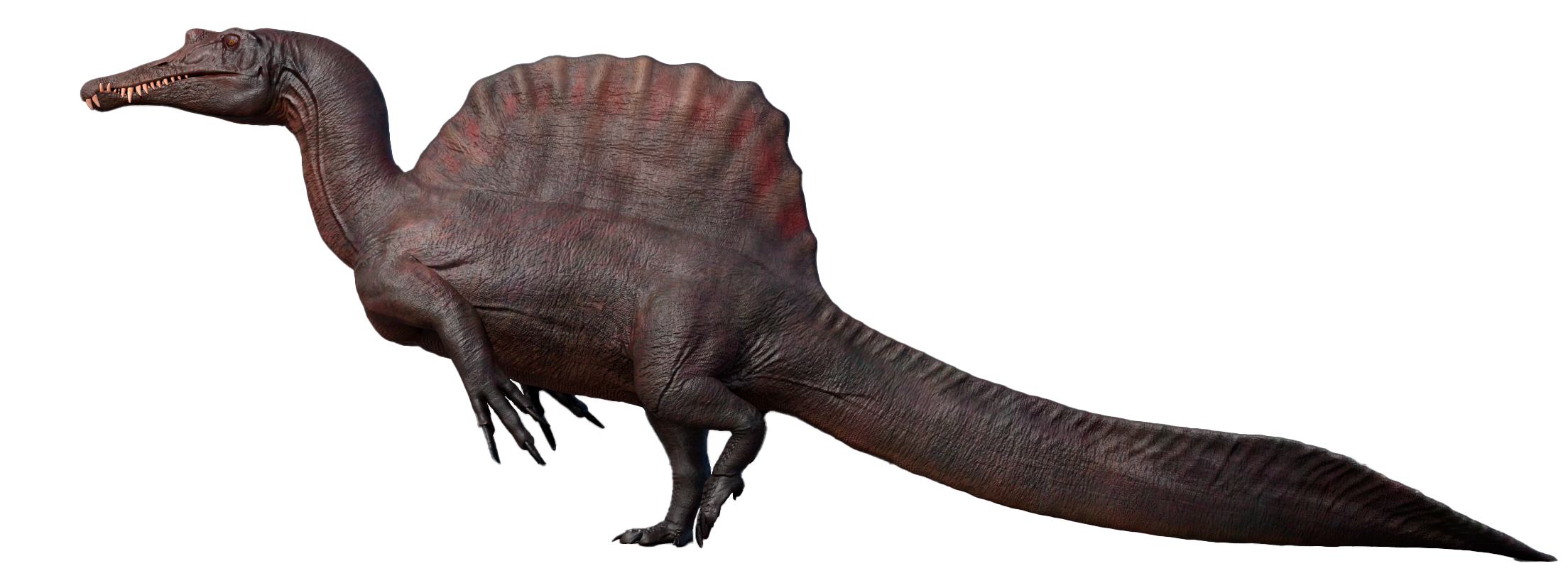
No dinosaur’s size has been rewritten quite as many times, or as publicly, as Spinosaurus, the sail-backed predator once billed as bigger than T. rex.
When the specimen MSNM V4047 was described in 2005, researchers gave Spinosaurus a length of 16 to 18 meters and a weight of 7 to 9 tons. Just two years later, a reanalysis of that same specimen shrank it to only 12.6 to 14.3 meters, describing it as a much shorter and heavier animal than previously suggested. Then the story flipped again in 2014, when a more complete skeleton pushed the length back up to roughly 49 feet, complete with surprisingly short hind legs that suggested a semi-aquatic lifestyle nobody had predicted. A 2022 analysis pulled the number down once more. Few dinosaurs illustrate how unstable an “official” size really is.
Quick Compare
| Year | Estimated Length |
|---|---|
| 2005 | 16–18 meters |
| 2007 | 12.6–14.3 meters |
| 2014 | ~49 feet (roughly 15 meters) |
| 2022 | Revised downward again |
#2 – Deinocheirus: The “Terrifying Giant” That Turned Out to Be an Odd Duck
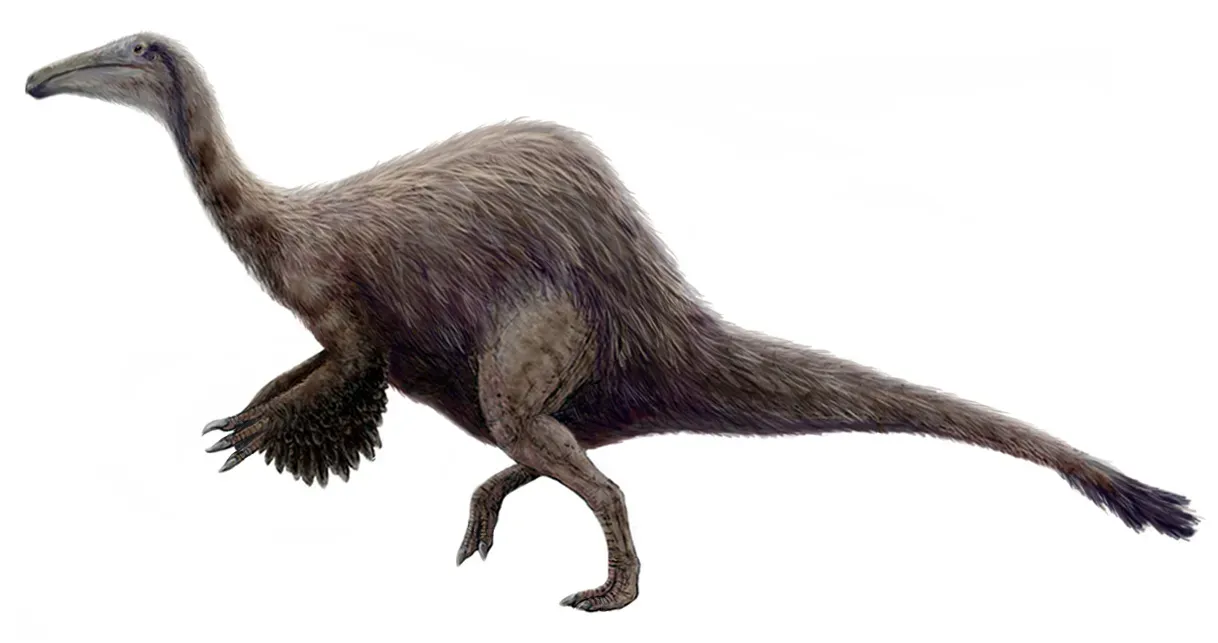
For over 40 years, Deinocheirus was known only from a pair of enormous, terrifying arms discovered in Mongolia in 1965, each stretching nearly 8 feet long.
Without a body to go with them, paleontologists and the public alike assumed those arms belonged to some kind of colossal, ferocious predator, possibly bigger and scarier than anything else known at the time. Museum placards speculated wildly for decades about what monster those claws might belong to. Then, in 2014, a nearly complete skeleton was finally described, and the reveal shocked everyone: Deinocheirus was a bizarre, humpbacked, duck-billed omnivore, stranger than scary, and nowhere near the apex predator its arms had implied.
#1 – Tyrannosaurus Rex: The King That Lost Its Tail-Dragging Bulk
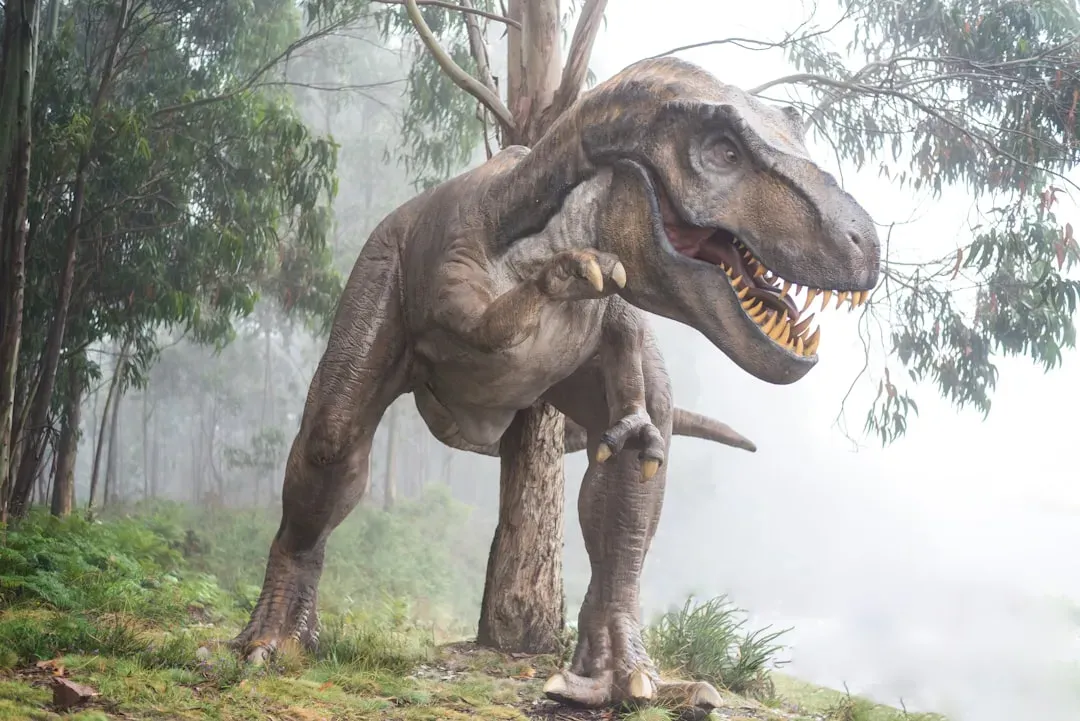
If any dinosaur proves that size perception can be quietly rewritten, it’s the most famous one of all.
Early 20th-century T. rex mounts, including the original American Museum of Natural History skeleton, propped the animal upright in a kangaroo-style tripod pose, tail dragging on the ground, torso bulky and vertical. That original mount also included extra tail vertebrae that made the animal appear noticeably longer than later, more complete skeletons actually supported, and for decades this was the image burned into public memory. Then came the “Dinosaur Renaissance” of the 1970s and ’80s, when researchers realized the horizontal, bird-like posture was anatomically correct. Museums worldwide quietly re-mounted their skeletons, trimming excess vertebrae and repositioning the spine, effectively shrinking the animal’s dramatic silhouette even though its core mass estimates stayed roughly consistent.
The Bottom Line
Dinosaur size has never been as settled as museum placards make it seem, and honestly, that’s the part I find more impressive than any single record. Some of the most iconic “record holders” in history, Seismosaurus, Amphicoelias, Ultrasauros, were built on lost bones, chimera skeletons, or crude math that has since been thoroughly corrected. Even beloved giants like Brachiosaurus and Spinosaurus have been quietly resized as better modeling and more complete fossils emerged.
I’d argue that’s not a scandal, it’s the best possible advertisement for how science should work. A field willing to publicly shrink its own legends, again and again, in favor of what the bones actually say, deserves more trust than one that never admits a mistake. The dinosaurs didn’t get smaller. Our excuses for guessing did.