The story of dinosaurs is basically the story of science getting humbled, over and over. For more than a century, artists and experts painted these ancient animals as scaly, sluggish monsters that lumbered through a steamy world and then just… vanished. Then the fossils started talking back, and what they revealed was weirder, flashier, and far more surprising than almost anyone predicted.
Some of the most famous dinosaurs have been completely reimagined in just a few decades, sometimes in ways that feel almost like a prank from nature. Feathers where we expected armor, sails where we expected teeth, and body plans that look like they were sketched by a sleep‑deprived designer at three in the morning. Let’s dive into seven discoveries that forced scientists to admit: the real dinosaurs looked almost nothing like their early reconstructions.
1. Velociraptor: The Feathered Assassin, Not the Scaly Movie Monster
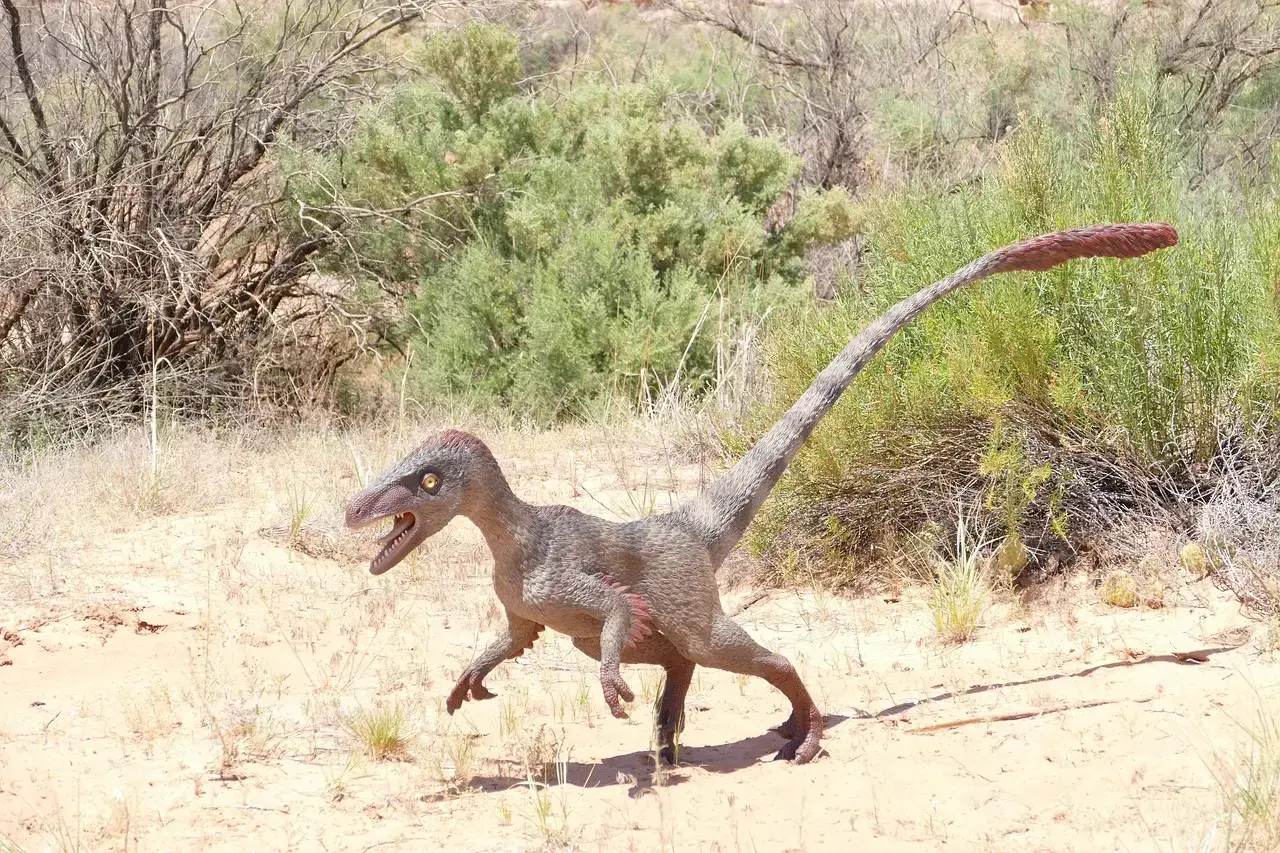
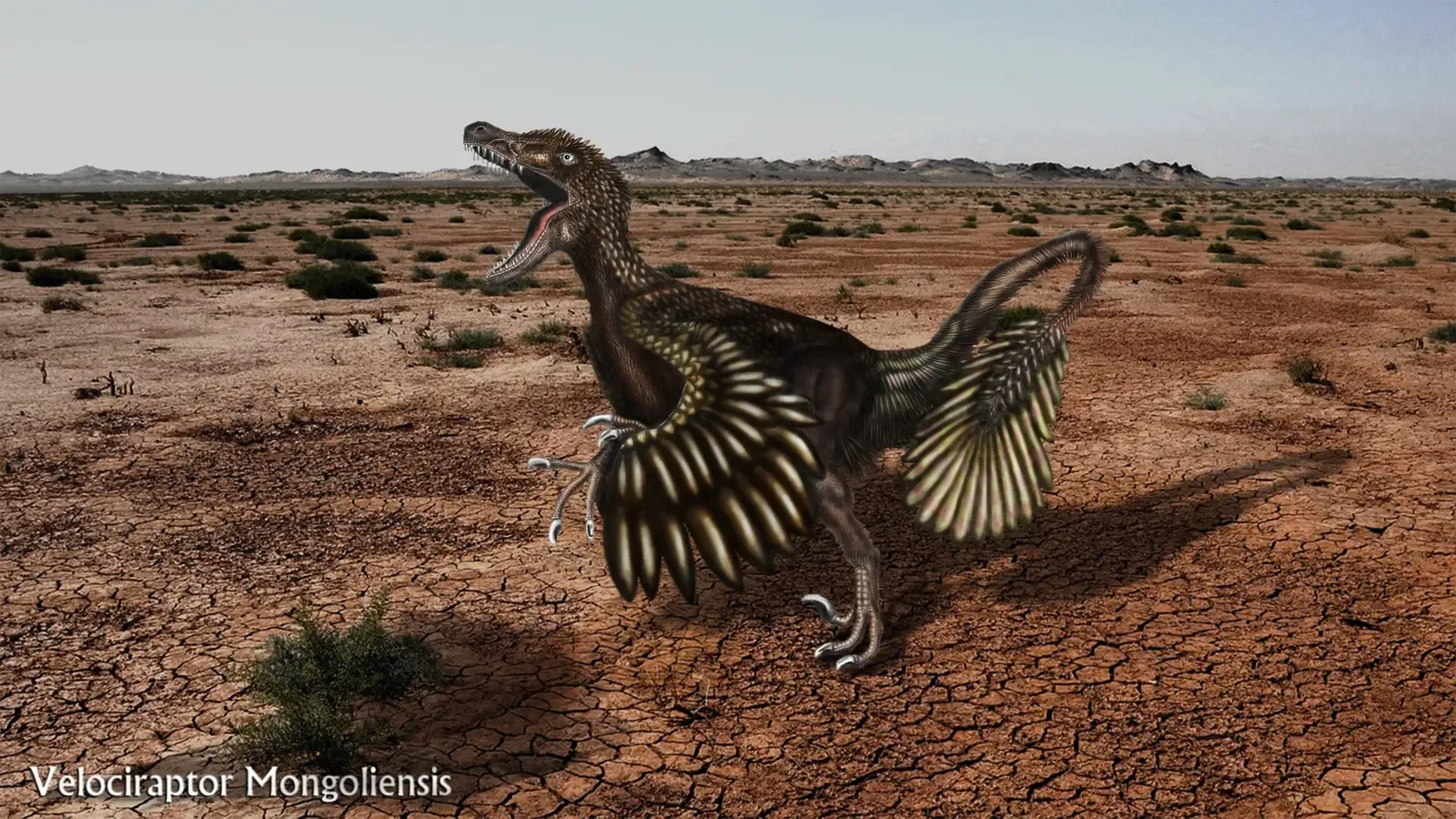
When people picture Velociraptor, they usually see the sleek, human‑sized, scaly predator from that massively famous film franchise. The real animal, though, was closer to the size of a large turkey and, even more shocking at the time, covered in feathers. Fossils of closely related species turned up with clear evidence of feather quills along the arms and tail, forcing paleontologists to admit that the classic reptilian movie look was basically fan‑fiction.
This wasn’t just a cosmetic tweak; it changed how scientists thought Velociraptor lived and moved. Feathers probably helped with insulation, display, and balance rather than full flight, turning the animal from a cold‑blooded reptile stereotype into something much more birdlike. The mental shift from lizard‑dragon to murder‑bird rattled a lot of people, but it helped firmly cement the idea that most small theropod dinosaurs were not naked reptiles, but dynamic, feathered predators.
2. Spinosaurus: From T. rex Rival to Semi‑Aquatic River Hunter
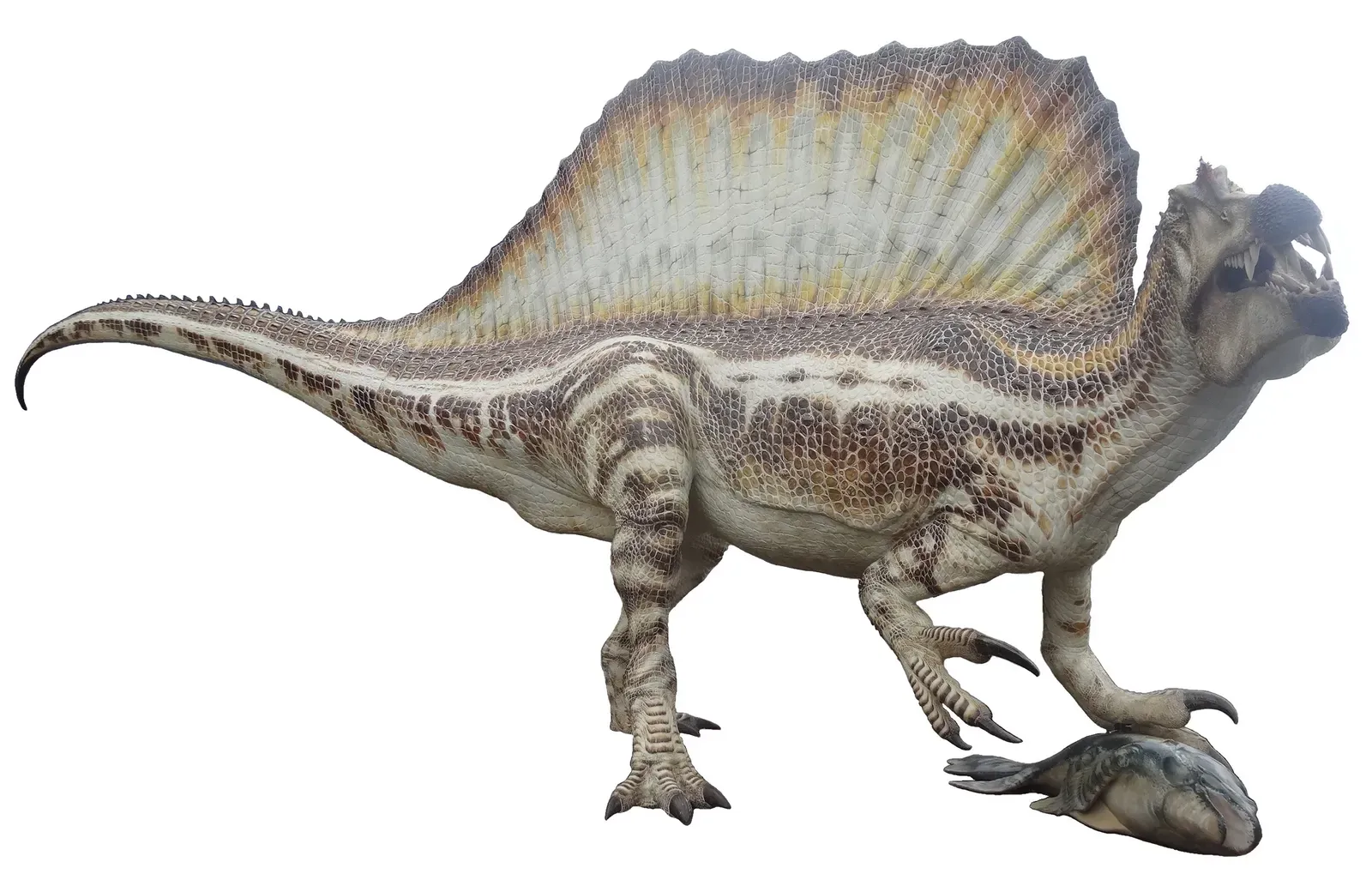
For most of the twentieth century, Spinosaurus was imagined as a slightly weirder version of Tyrannosaurus: big, bipedal, stomping around on land with that huge sail slapped on its back like a decorative fin. Then more complete fossils started to show up, and they told a very different story. The legs were shorter than expected, the tail was deep and paddle‑like, and the skull looked more like that of a crocodile than a classic land predator.
The emerging picture is of a semi‑aquatic hunter that spent a lot of time in rivers and wetlands, chasing fish and other aquatic prey. Instead of a land‑based king of the dinosaurs, Spinosaurus starts to look like a bizarre mashup of heron, crocodile, and dragon. Scientists are still arguing over just how aquatic it was, but almost everyone agrees on one thing: the old two‑legged, T. rex‑style Spinosaurus striding around the desert is basically extinct in modern science.
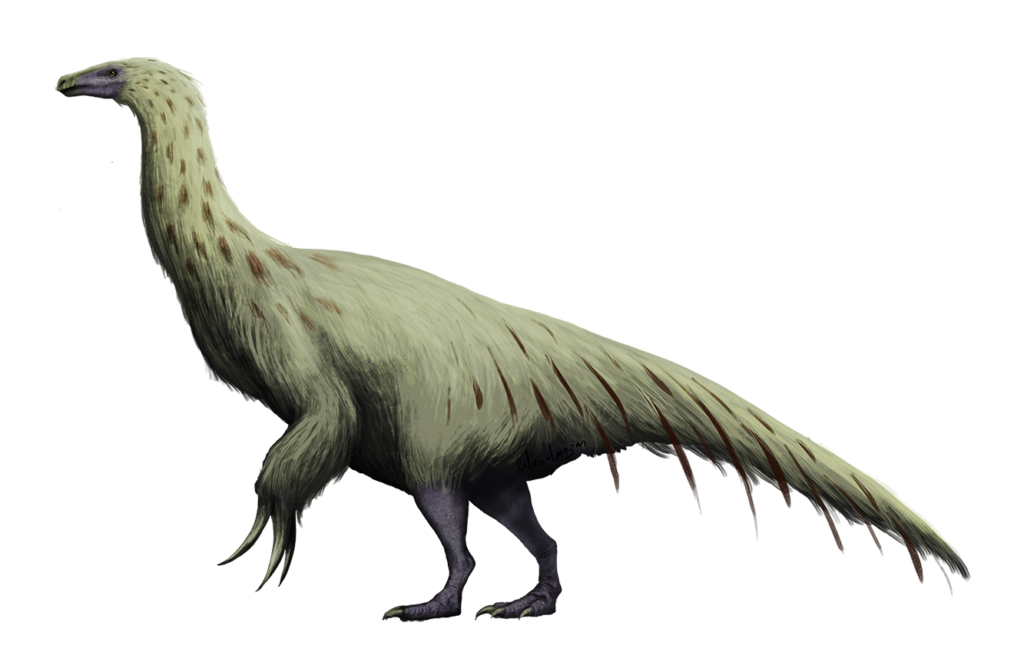
3. Therizinosaurus: From “Killer Claws” to Giant, Weird Herbivore
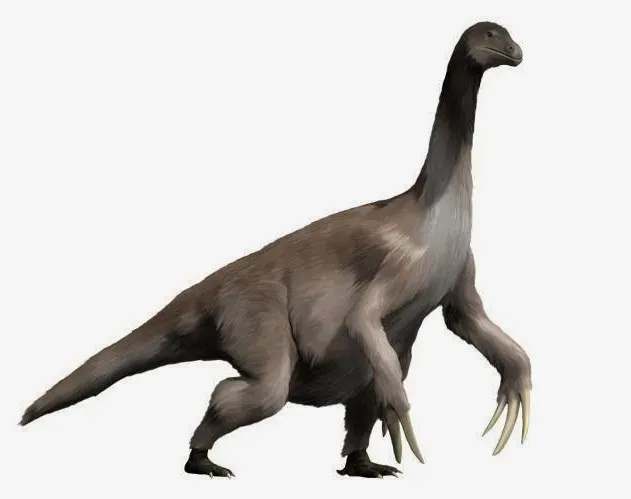
When the massive hand claws of Therizinosaurus were first discovered, they looked like weapons from a horror movie. Early ideas painted the animal as some sort of terrifying predator that slashed its victims to pieces. The claws were more than a meter long, and without the rest of the skeleton, the assumption was simple: claws that big must belong to a killer.
Later discoveries flipped that story upside down. The full body was tall, pot‑bellied, long‑necked, and built much more like a slow‑moving plant‑eater. Those monstrous claws now appear to have been used for pulling down branches, stripping leaves, or maybe even for defense rather than hunting. Suddenly, Therizinosaurus went from nightmare carnivore to one of the strangest herbivores to ever walk the Earth, proving that our intuition about form and function can be wildly wrong.
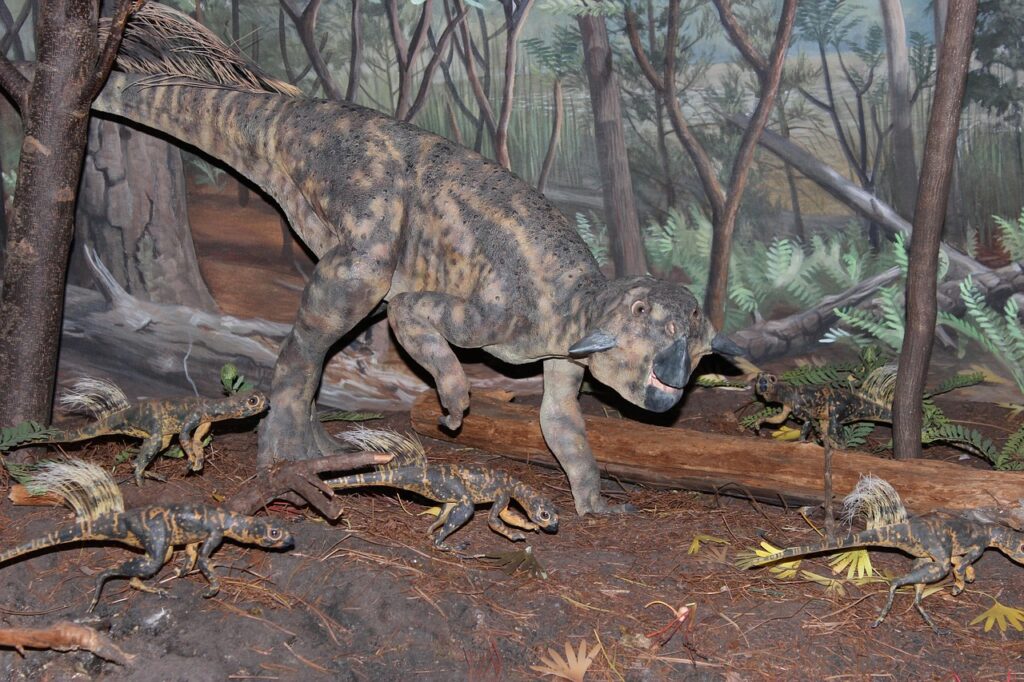
4. Psittacosaurus: The Small “Parrot Lizard” With a Bristled Tail and Color Patterns
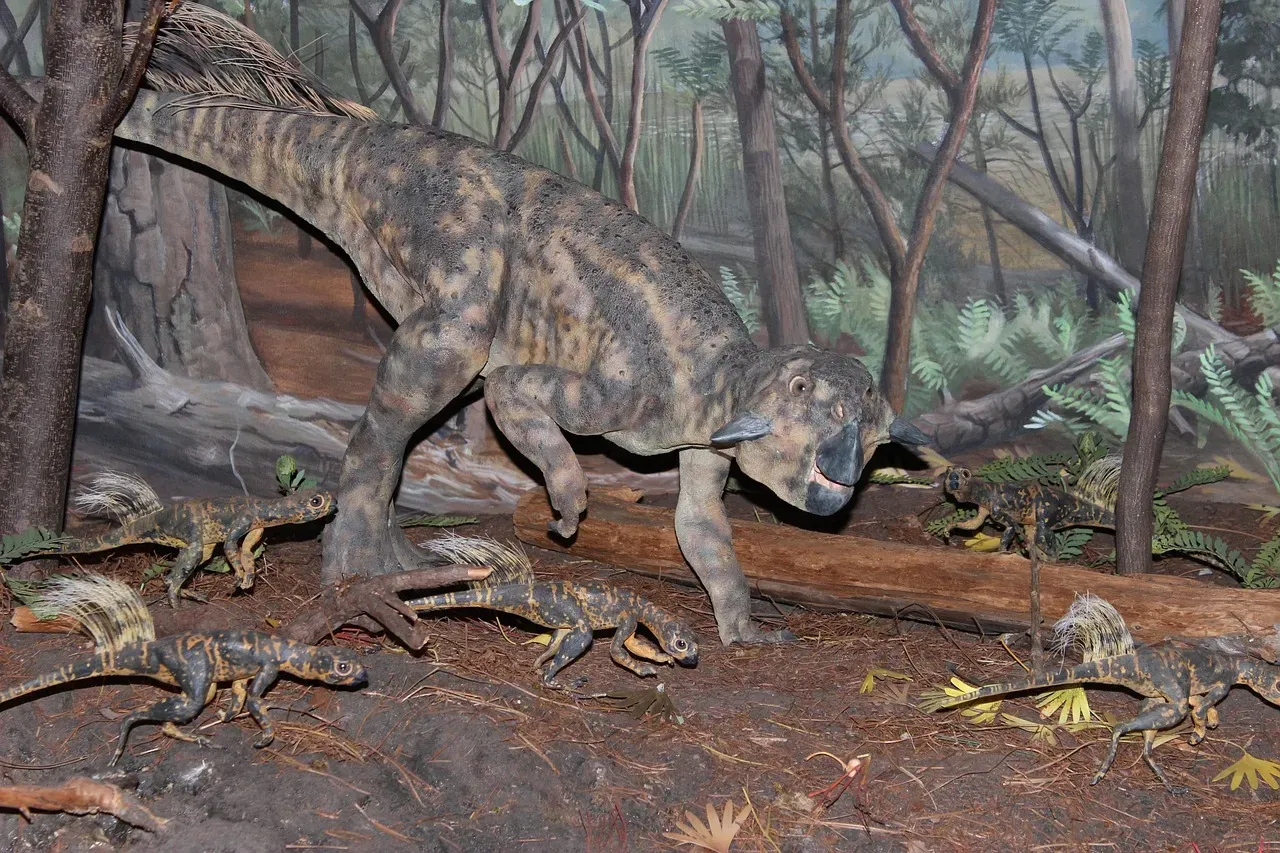
Psittacosaurus started out in the textbooks as a kind of cute, simple plant‑eater: small, beaked, and fairly unremarkable next to the giant celebrities like Triceratops. Then a beautifully preserved fossil turned up with skin and pigment structures intact, and everything changed. Scientists could see that this animal had a series of long, bristle‑like structures along its tail and clear evidence of countershading, with a darker back and lighter belly.
Instead of a bland, one‑color reptile, Psittacosaurus now looks like a carefully camouflaged forest animal with a hint of flair along its tail. The combination of bristles and complex coloration gives it a much more modern, mammal‑ or bird‑like vibe, almost like a dinosaur trying out the fashion choices of a porcupine and a deer at the same time. This discovery showed that even small, “basic” dinosaurs could have surprisingly sophisticated body coverings and visual tricks, not just the big headline species.
5. Deinocheirus: From Mystery Arms to Big‑Bellied, Duck‑Billed Oddball
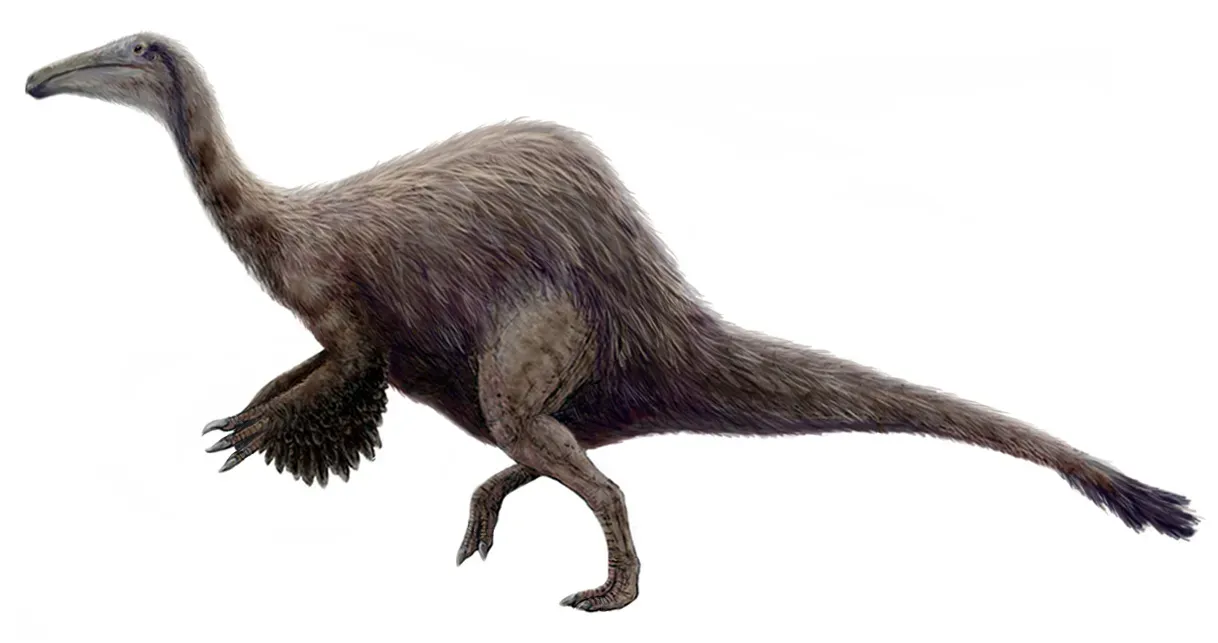
Deinocheirus was a legend in paleontology circles for decades, known only from a pair of enormous arms and shoulders that looked powerful and deadly. With nothing else to go on, many scientists imagined a sleek, terrifying predator, maybe even something rivaling T. rex in ferocity. The name itself, meaning “terrible hand,” encouraged that mental image.
Then, finally, more complete skeletons were found – and they were almost comically different from the early guesses. The full animal had a duck‑like bill, a huge potbelly, a tall sail on its back, and feet that hinted at a life near water. It was probably an omnivore, rooting around in river systems rather than sprinting after prey like a movie monster. Deinocheirus ended up looking less like a super‑predator and more like a wonderfully weird, lumbering giant built for a buffet, not a battlefield.
6. Microraptor: The Four‑Winged Glider That Rewrote Flight Experiments
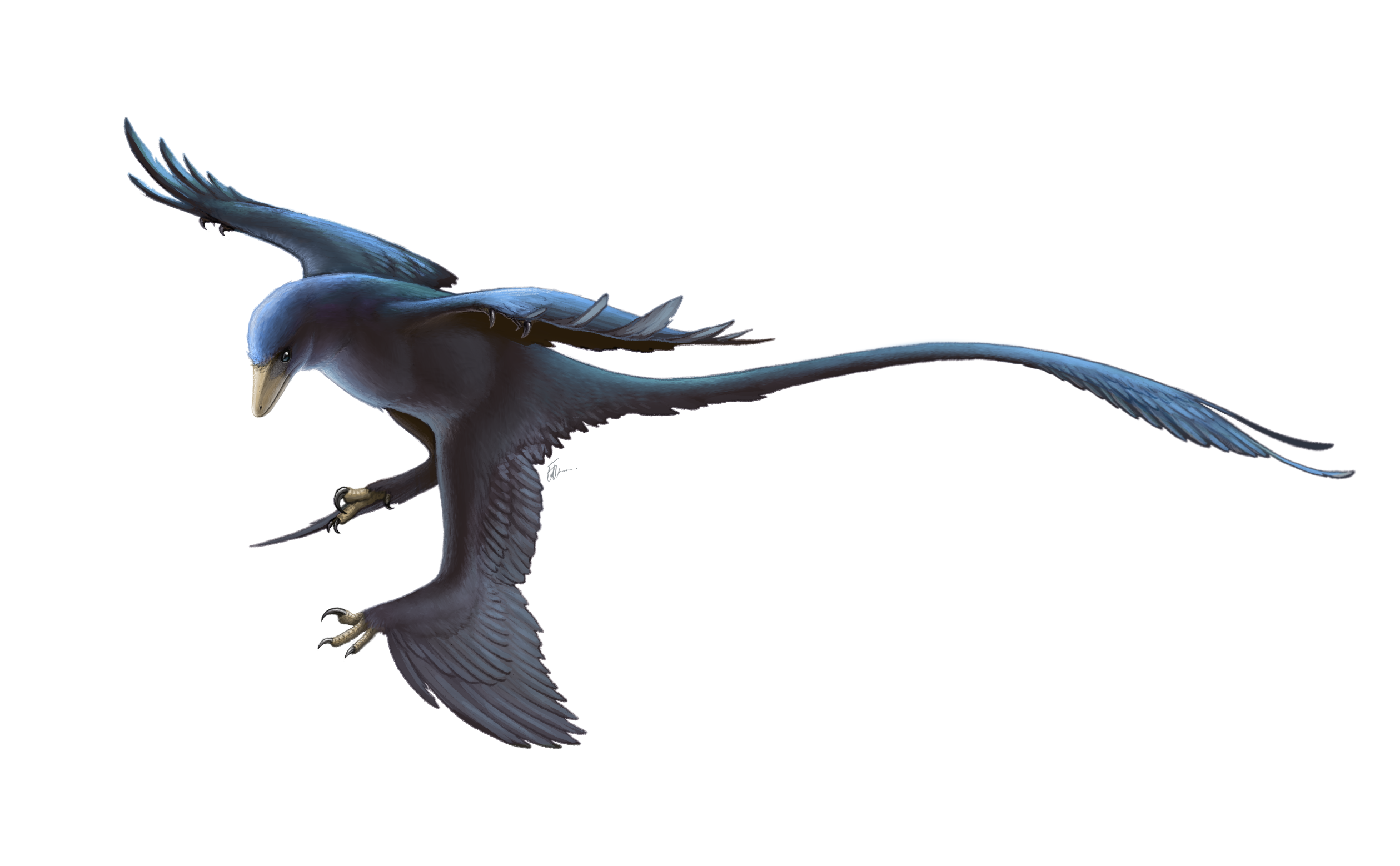
When scientists thought about the evolution of flight, they usually imagined small dinosaurs gradually turning their front limbs into wings, with the legs staying leg‑like. Then Microraptor arrived on the scene and broke that neat, simple story. Fossils showed not just wings on the arms but long, feathered surfaces on the legs as well, creating a four‑winged body plan that looked totally alien compared to modern birds.
This bizarre setup pushed researchers to rethink how early flight and gliding might have worked. Instead of a straight ladder from ground‑runner to bird, the path starts to look like a messy web of experiments, with dinosaurs trying out different wing configurations before anything like a modern bird shows up. Microraptor gliding through prehistoric forests with feathered limbs on all four corners is one of those images that reminds you evolution is more of a chaotic workshop than a tidy design studio.
7. Yutyrannus: The Giant Feathered Tyrant That Challenged T. rex Imagery
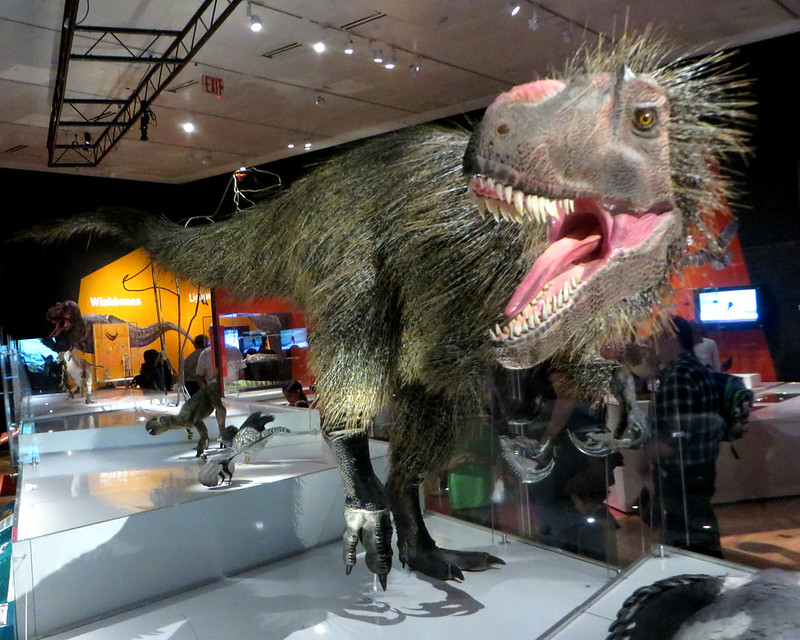
For a long time, feathers were mostly associated with small dinosaurs, while the giants like Tyrannosaurus rex were pictured as scaly brutes. Then came Yutyrannus, a large tyrannosauroid from what is now China, with clear evidence of filamentous feathers preserved along its body. It was not as massive as T. rex, but still huge compared with the earlier feathered species, and its existence forced a blunt question: if this big predator had feathers, how sure are we that the giants were naked?
Although scientists still debate exactly how fuzzy or scaly an adult T. rex might have been, Yutyrannus shattered the old rule that big carnivorous dinosaurs had to be fully reptilian in appearance. It introduced the very real possibility that some enormous predators were at least partly feathered, especially in cooler climates or younger life stages. That mental image of a shaggy, heat‑retaining tyrant standing in the snow is a long way from the smooth‑skinned monsters in classic art, and it shows how new fossils can challenge even our most cherished dinosaur icons.
Conclusion: Dinosaurs Were Stranger – and More Alive – Than Our First Drafts
What ties all these discoveries together is not just that the animals looked different from the old paintings, but that they were more complex, more nuanced, and frankly more alive than the early caricatures. I still remember the first time I saw a modern reconstruction of a feathered Velociraptor and felt a kind of cognitive whiplash; it was like discovering that a childhood cartoon character had been based on a real athlete all along. Each revision may feel uncomfortable at first, but it pulls us closer to the messy, detailed truth of how these creatures actually lived.
If anything, these surprises should make us more cautious about our current reconstructions and more excited for what is still hidden in the rock. The safest opinion, in my view, is that today’s “final” dinosaur images are just another draft, and future fossils will make some of them look hilariously outdated. That is not a failure of science; it is exactly how science is supposed to work, constantly correcting itself as new evidence appears. The real question is not whether we are wrong about some dinosaurs today, but which beloved reconstruction is going to be the next one turned upside down – what would you guess?