Imagine standing on a windswept cliff in Argentina or a dusty ridge in Mongolia and realizing that the footprints below you are not random at all. They line up, they bunch together, they tell a story of animals moving as one, like a prehistoric migration frozen in stone. That moment – when scattered fossils suddenly look like a family portrait – is what has been quietly transforming how scientists think about dinosaur lives.
For a long time, it was easy to picture dinosaurs as solitary monsters lumbering through ancient forests, only crossing paths to fight or mate. Now, evidence from fossil trackways, bonebeds, and even nests is painting a completely different picture: many dinosaurs seem to have lived in herds, and some of those herds may have stayed together for years. The result is both deeply scientific and strangely emotional – because once you see dinosaurs as social animals, it becomes hard not to imagine the drama, care, and conflict inside those long-vanished groups.
The Old Image Of Lone Giants Is Crumbling
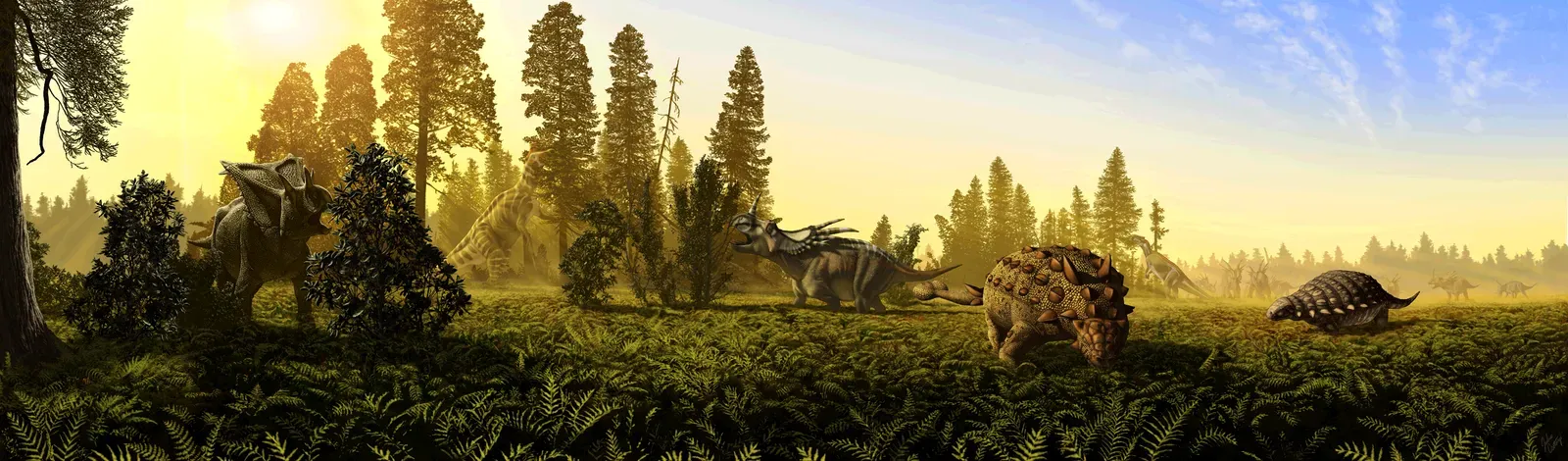
Not that long ago in scientific terms, dinosaurs were often portrayed as oversized reptiles that mostly kept to themselves, like crocodiles on stilts. Museum dioramas showed a single Tyrannosaurus stalking the landscape, or one long-necked sauropod towering over a swamp with no companions in sight. That image fit nicely with the idea of dinosaurs as slow, cold-blooded creatures whose lives were driven mainly by instinct, not complex social ties.
As more fossils have turned up and analytical methods have improved, that picture has become harder and harder to defend. Paleontologists started noticing patterns: multiple individuals of the same species buried together, trackways that suggested coordinated movement, and age distributions that looked less like random death and more like a living group snapshot. Step by step, the solitary-giant stereotype has been replaced by something richer: dinosaurs as animals that formed herds, navigated landscapes together, and sometimes stuck with the same companions year after year.
Trackways: Footprints That Read Like Family Road Trips
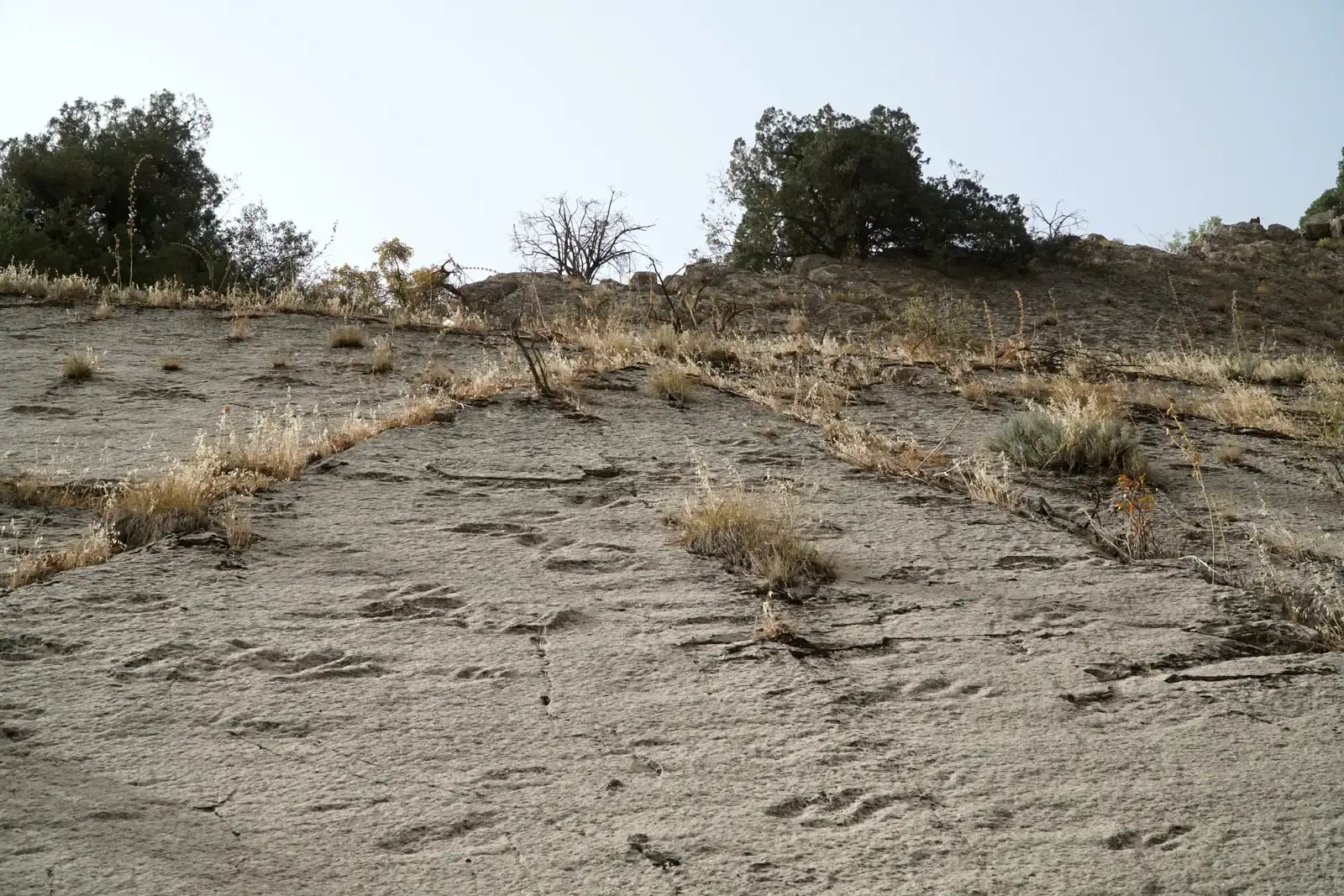
One of the most striking lines of evidence comes from fossil trackways, where dozens or even hundreds of footprints are preserved along the same path. In some sites, you can see parallel lines of tracks from multiple individuals, all moving in the same direction and at similar speeds. That is not what you would expect from random wanderers; it looks far more like a group traveling together, the way a herd of elephants or a flock of geese might follow shared routes today.
Even more compelling, some of these trackways show different sizes of footprints in the same lanes: large prints from adults, medium ones from subadults, and smaller ones from juveniles or young. This size mix is exactly what you see when whole age groups are on the move together, not just a cluster of adults with the occasional stray youngster. It suggests that at least some dinosaurs moved as multi-generational herds, and that the paths they traveled were not one-time events but well-used routes that might have been followed over and over across years or seasons.
Bonebeds And Mass Death Sites: Tragedy As A Window Into Herd Life
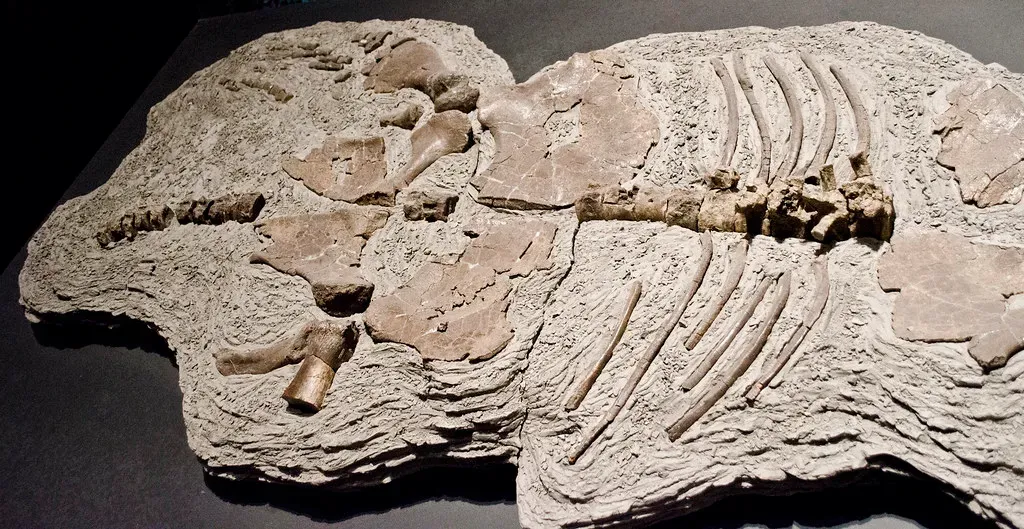
Another huge piece of the puzzle comes from bonebeds – layers of rock where skeletons from many individuals of the same species are found together, often in tight clusters. These sites can form when an entire group is killed at once, for example by a drought, flood, or volcanic ashfall. While that sounds grim, it offers a rare snapshot of a community frozen in a single catastrophic moment, something that is almost impossible to get from living animals.
In several famous dinosaur bonebeds, scientists have identified dozens or even hundreds of individuals of similar species packed into the same layer, often across a range of ages. When everything from juveniles to older adults turns up together, the simplest explanation is that they died as a group because they lived as a group. The alternative – that scattered loners just happened to be washed into the same spot from far away – struggles to fit what we see in the rock. So tragedy, in this case, doubles as evidence that herding was not some rare exception but a regular part of life for certain species.
Nests, Eggs, And Growth Rings: Clues That Herds Lasted For Years
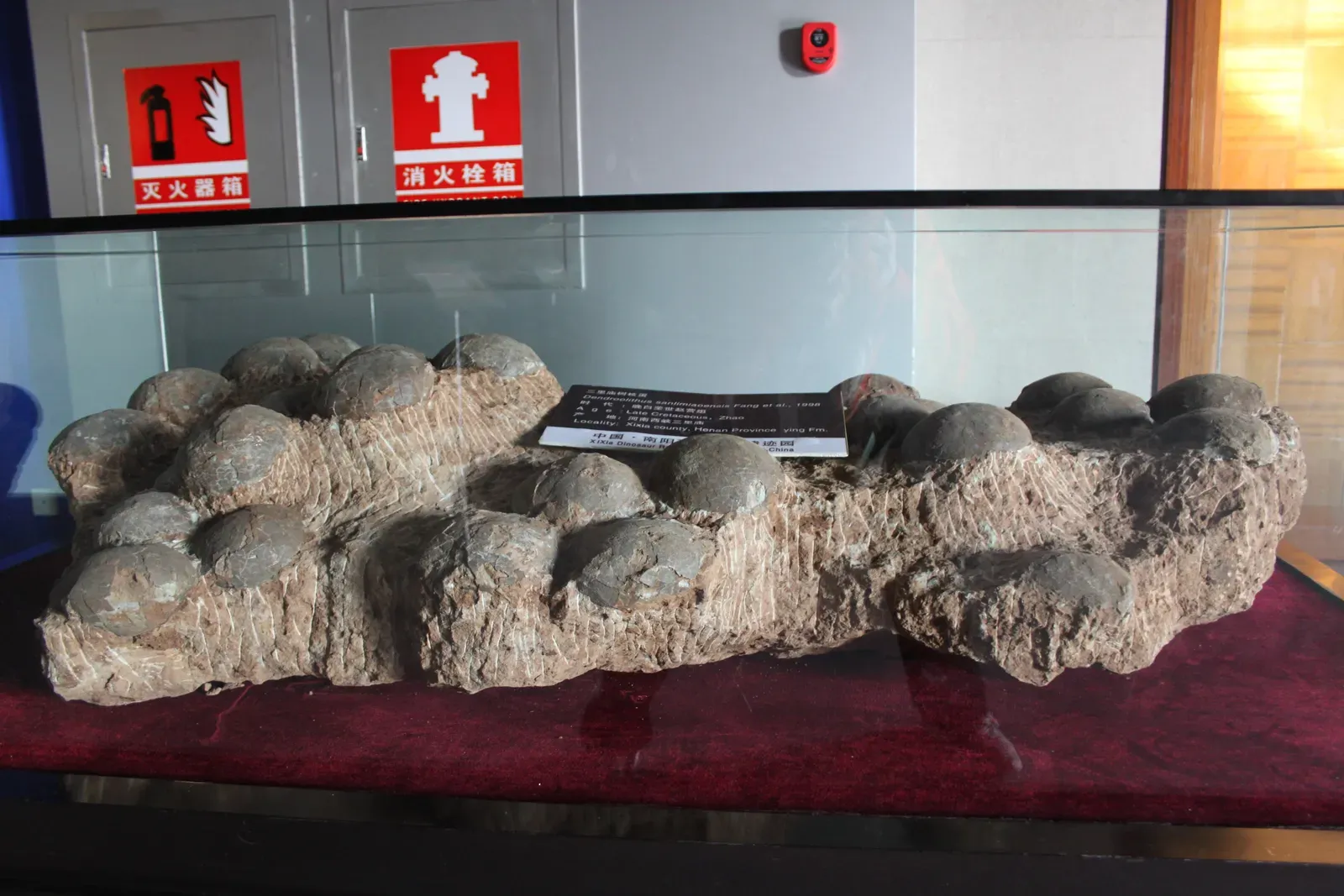
Herding is one thing; long-term social bonds are another. To get from short-term gatherings to the idea that some dinosaur groups stayed together for years, paleontologists have leaned on more subtle evidence. In some nesting grounds, multiple generations of nests appear in overlapping layers, suggesting that dinosaurs returned to the same place to breed again and again. This kind of site fidelity is common in modern birds and mammals that live in stable social groups and revisit their traditional breeding grounds over many seasons.
On top of that, bone histology – the study of microscopic growth rings inside bones – can hint at how long individuals lived within a given group. When many skeletons from the same locality show similar growth patterns and ages, it suggests that they may have shared at least part of their life history in the same environment, perhaps as members of the same herd over several years. It is not as direct as a time-lapse video of a living herd, but taken together with nesting and trackway data, it nudges the picture away from temporary gatherings and toward more lasting social structures.
Young Dinosaurs Were Not Always On Their Own
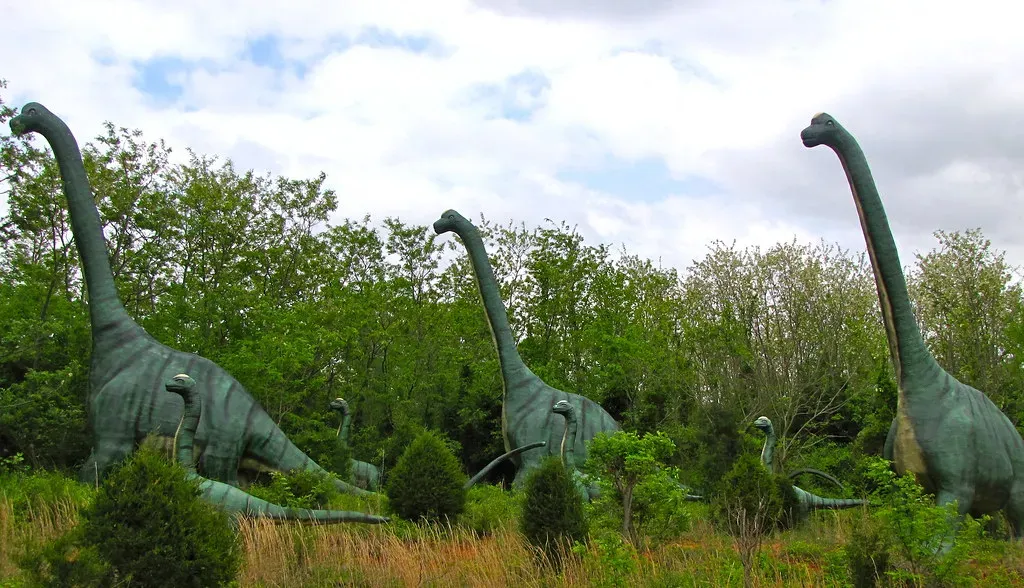
One of the most emotionally charged shifts in this research is the growing idea that young dinosaurs were not just miniature versions of adults left to fend for themselves. At some sites, juvenile skeletons cluster together, sometimes with evidence that adults were nearby. In a few cases, trackways show smaller footprints walking within or alongside the path of larger ones, like kids staying within the safe zone of their parents or older herd members.
When you pair those findings with data on growth rates, a picture emerges of young dinosaurs that may have grown quickly while remaining in the protective bubble of a group. Faster growth could have helped them escape the most vulnerable life stages, but the herd itself might have provided an extra layer of safety, much like young wildebeest or bison today. The idea that a huge sauropod or a horned dinosaur might have watched over its young for years does not just change our sense of their biology; it also makes their world feel more relatable and, frankly, more moving.
Did All Dinosaurs Live In Herds? Probably Not – And That Matters
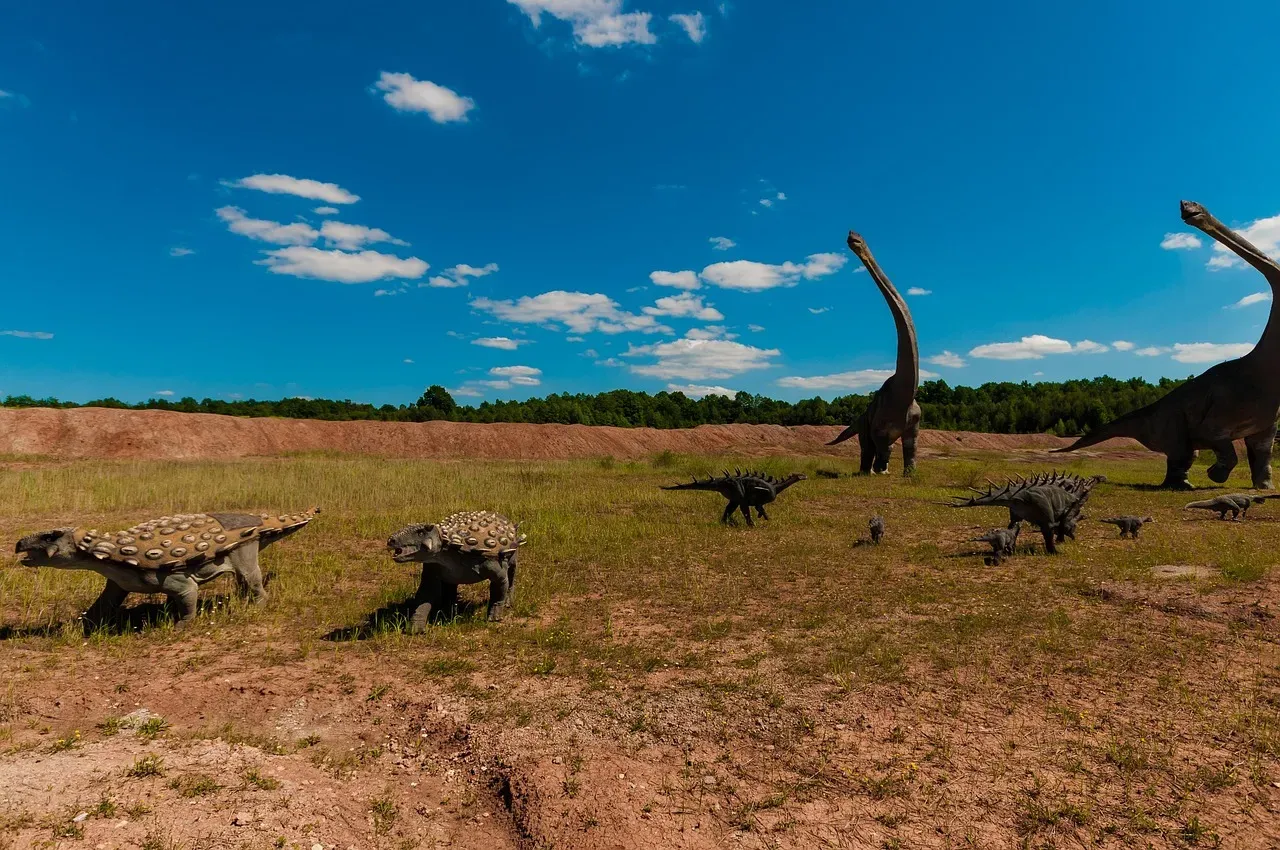
It is tempting to take the most exciting stories and apply them to every dinosaur, but the evidence does not support that. While some species show strong signs of group living and possible long-term herd structure, others are based on scattered fossils with no obvious social pattern. Predatory theropods, for instance, sometimes turn up in groups but also very often appear as isolated finds, and scientists still debate how social many of them really were.
This variation actually makes the case for herding stronger, not weaker. If every fossil site looked the same, it would be harder to argue that particular features pointed to true social behavior rather than just random preservation. Instead, some dinosaurs seem to have been highly social, some more flexible, and others likely far more solitary. That spread mirrors what we see in modern animals, where some species live in big herds, others in small bands, and some almost entirely alone. Dinosaurs, in other words, were not just one way; they experimented with many ways of living together – or not together.
Why Long-Term Herds Would Have Been A Powerful Survival Strategy
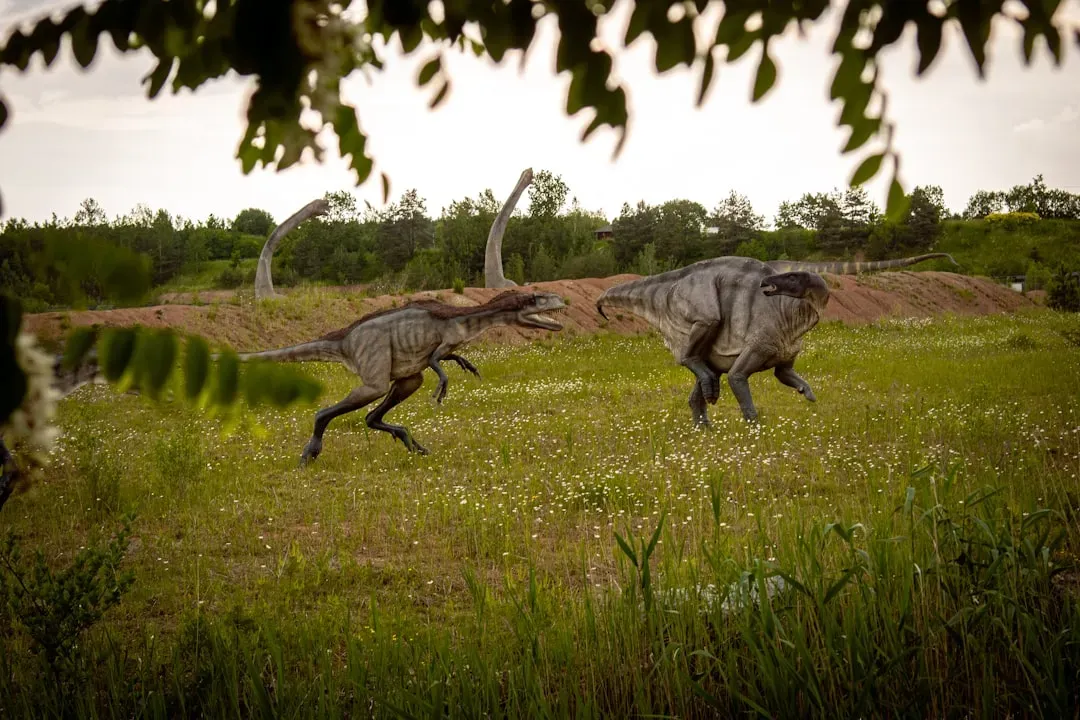
From an evolutionary standpoint, sticking together for years could have offered dinosaurs several big advantages. Large herds can overwhelm predators simply by sheer number, making it harder for any one individual to be singled out. Coordinated movement also lets groups exploit seasonal resources, such as lush floodplains or newly sprouted plants, more effectively than scattered loners might manage on their own.
Long-term social bonds may also have helped dinosaurs pass along crucial information: safe routes, reliable water sources, or where to find shelter in harsh seasons. In modern animals, older individuals often hold this kind of knowledge, guiding herds through droughts or severe weather. If dinosaurs had similar dynamics, losing a matriarch or experienced leader could have been more than a personal tragedy; it might have reshaped an entire herd’s chances of survival. That is a far cry from the old vision of mindless reptilian giants and pushes us to see them as complex, adaptable creatures navigating a dangerous world with each other’s help.
Rethinking Dinosaurs: From Monsters To Social Animals
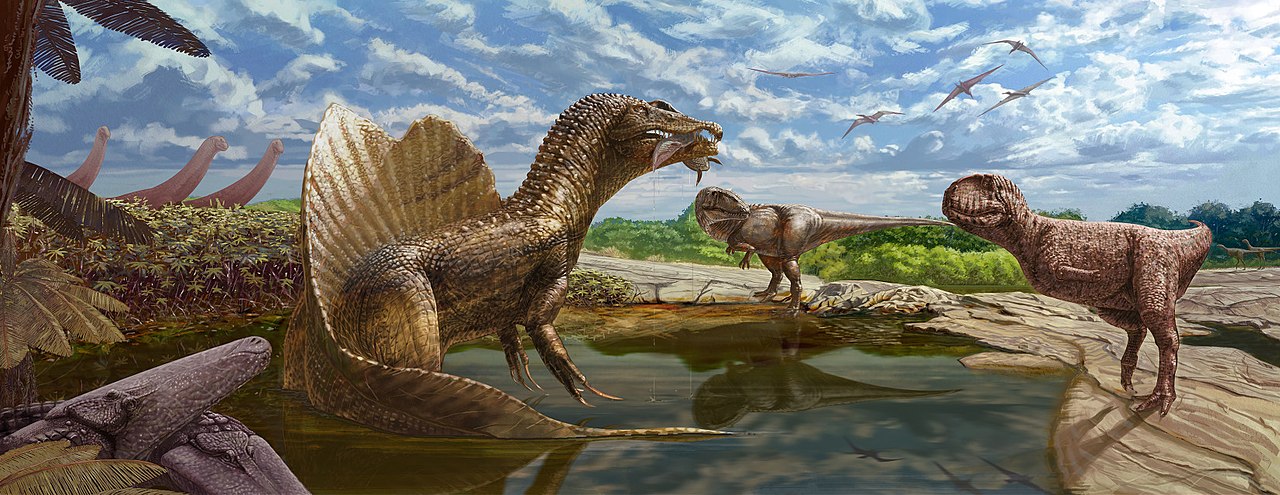
When you put the different strands together – trackways, bonebeds, nests, growth studies – a coherent story starts to form, even if many details remain fuzzy. Some dinosaurs, especially plant-eating species, likely lived in structured herds, moved in coordinated groups, and maintained social ties that lasted for years. That does not mean they behaved exactly like modern elephants or bison, but it does mean they were more than solitary eating machines wandering a silent landscape.
Personally, I think this shift is one of the most important and underrated revolutions in how we talk about dinosaurs. It pushes us to stop seeing them only as movie monsters and start viewing them as real animals with lives shaped by family, conflict, cooperation, and memory. To me, that makes the loss of the non-avian dinosaurs at the end of the Cretaceous feel even heavier: not just the disappearance of giant bodies, but the end of entire social worlds that once marched, rested, and raised their young together. When you look at those ancient footprints now, it is hard not to wonder whose side you would have walked on if you could have joined the herd for just one day – and which path they would have taken next.