
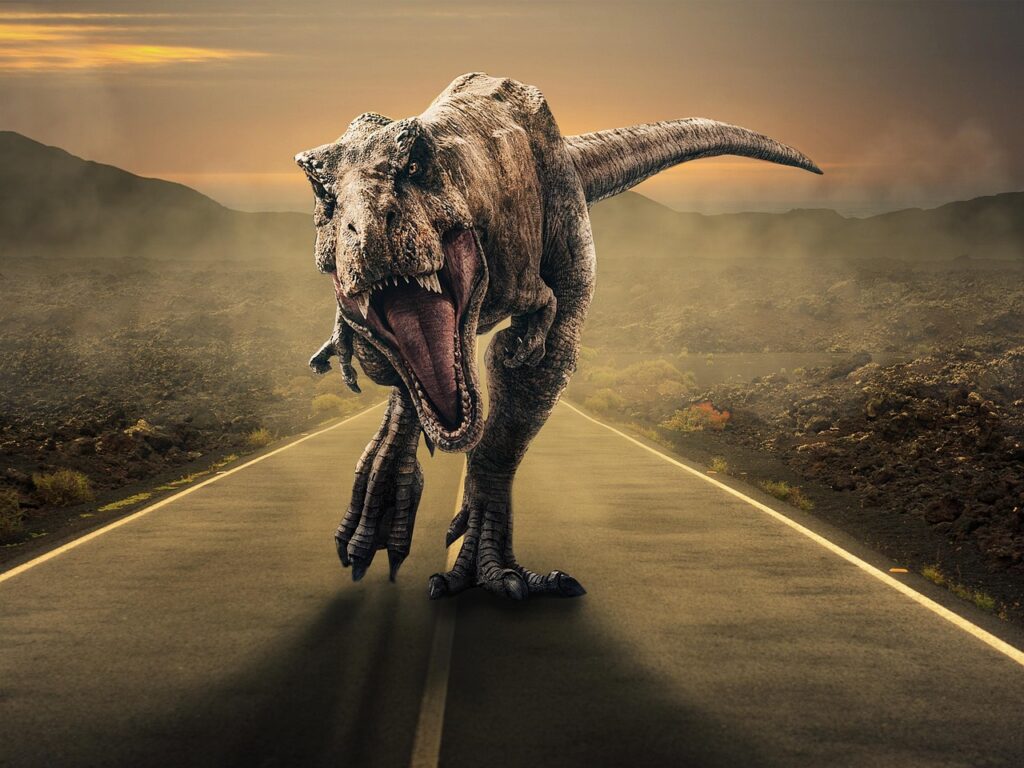
There’s a moment in almost every dinosaur movie where time seems to stop: the camera tilts up, the ground trembles, and a T. rex unleashes a roar so huge you feel it in your chest. It is thrilling, iconic… and probably not how real dinosaurs sounded. The gap between cinema dinosaurs and science-backed dinosaurs is bigger, stranger, and way more interesting than most people realize.
Once you start looking closely, the constant roaring in films raises all kinds of questions. Would an animal really shout that much and that loudly without blowing out its own ears or wasting precious energy? Did they even roar at all, or did they sound more like crocodiles, ostriches, or something we have no good modern comparison for? To make sense of this, we need to look at how movies work, how animals communicate, and what the fossil evidence actually lets us say with a straight face.
Why Hollywood Needs Dinosaurs To Roar All The Time
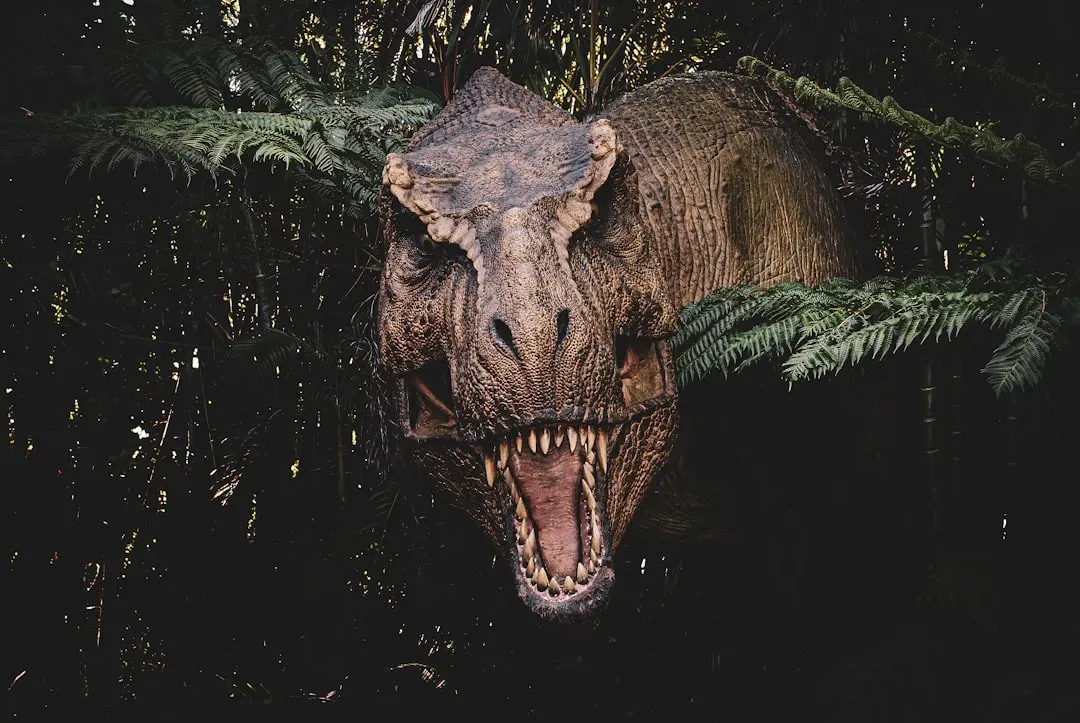
On a movie set, silence is the enemy of drama, and sound designers know that a quiet dinosaur just does not sell the same terror. A drawn-out roar gives the audience an emotional cue: this is the big threat, pay attention, feel afraid. It is a simple, powerful shortcut that works on a deep, almost instinctive level, much like ominous music before a jump scare.
There is also the branding side of it. That T. rex bellow is basically a movie logo at this point, like a sonic trademark that instantly says blockbuster dinosaur. If a gigantic predator walked into a scene and did not roar, a lot of viewers would feel oddly cheated, even if that silence were closer to reality. So Hollywood keeps dinosaurs loud not because it is scientifically accurate, but because it is narratively and commercially irresistible.
Real Animals Rarely Scream As Much As Movie Dinosaurs Do
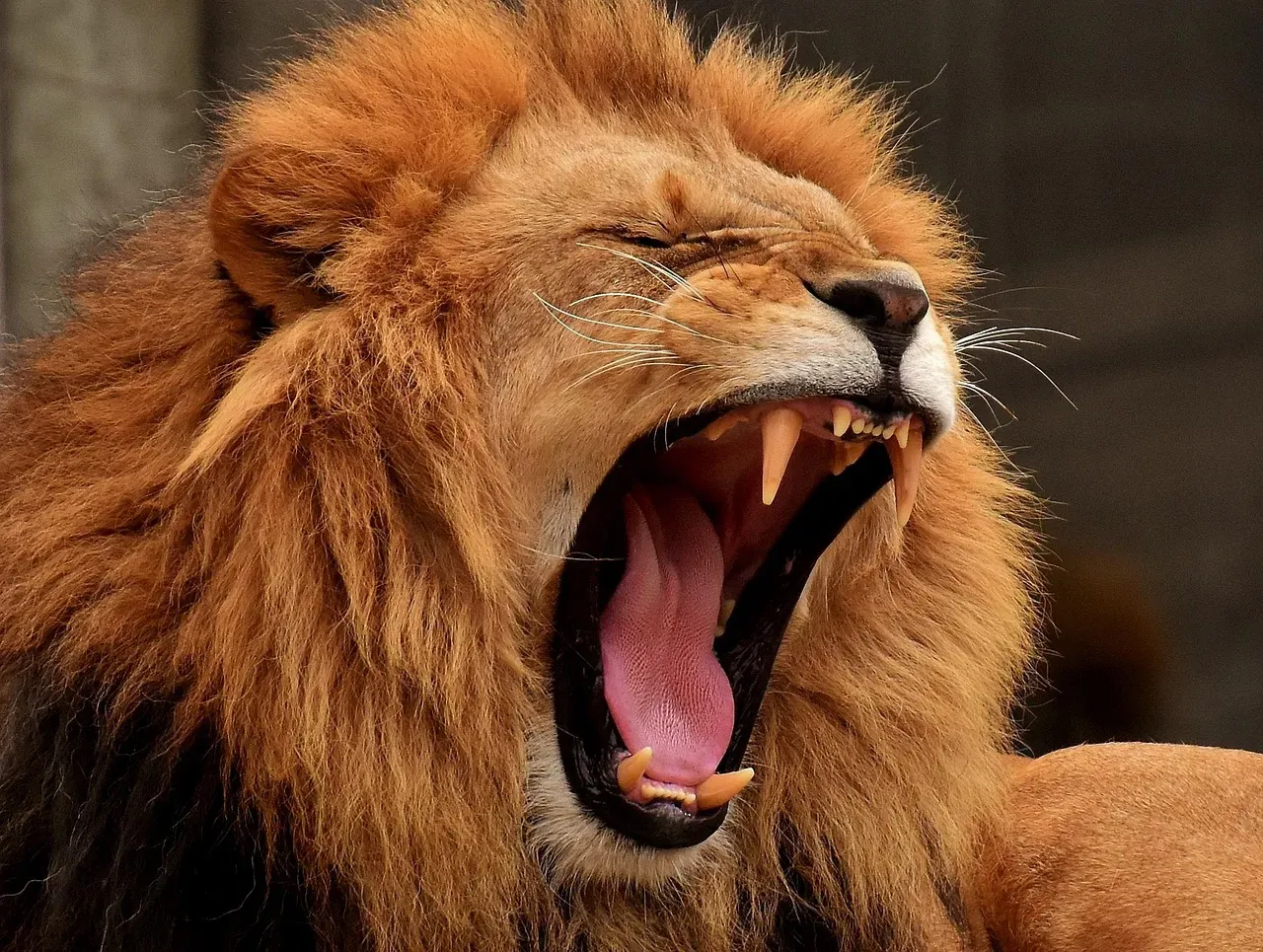
In the real world, almost no large animal spends its day bellowing the way movie T. rexes do. Roaring, trumpeting, or shrieking is expensive in terms of energy and usually reserved for specific situations: defending territory, attracting mates, warning of danger, or coordinating with a group. Think of how lions behave; they are apex predators, but they are not roaring every five minutes just to remind everyone they exist.
Constant loud noise would also be risky in nature because it gives away your position to prey, competitors, and anything else that might spoil your day. Quiet movement is usually a better survival strategy than advertising yourself like a walking alarm siren. So when you see a dinosaur in a film roaring before a hunt or in the middle of a stealthy approach, you are watching drama trump biology in a very big way.
What Fossils Can And Can’t Tell Us About Dinosaur Voices
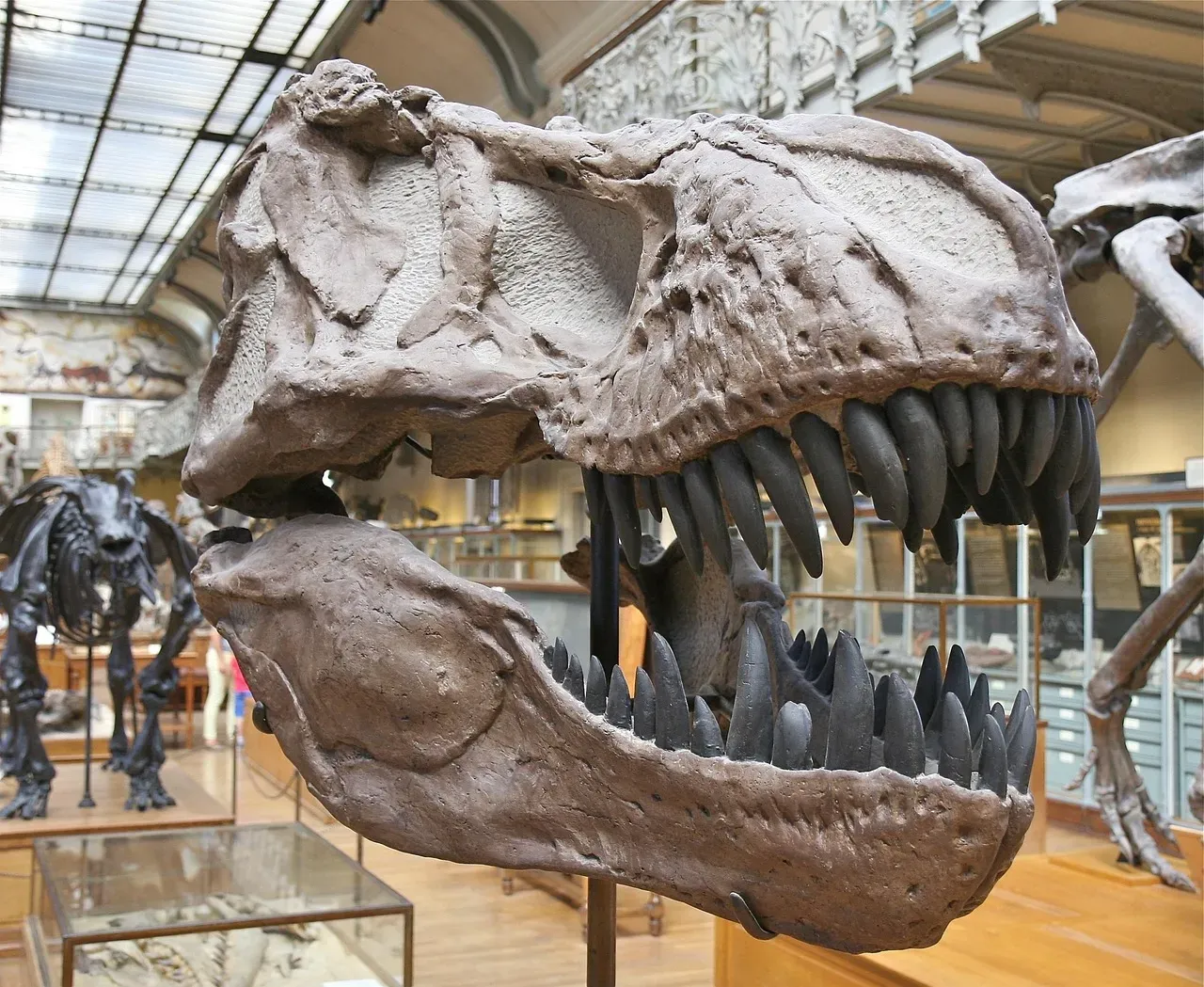
Here is the tricky part: fossils are great at preserving bones and sometimes impressions of soft tissues, but sound does not fossilize. Paleontologists can study skull shape, sinus cavities, and the spaces where air sacs and resonating chambers might have sat, then compare those with living animals. That gives us clues about possible sound ranges and ways air might have moved through the body.
But even with those clues, we are still a long way from knowing exactly what a given dinosaur sounded like. Two animals with similar skull structures can produce very different calls, depending on soft tissues and behavior that simply do not preserve well. So whenever someone claims to know precisely the sound of a specific dinosaur species, that is drifting into speculation dressed up as certainty. The honest answer is that we can outline possibilities, not replay the real soundtrack.
Birds, Crocodiles, And The Strange Reality Of Dinosaur Relatives
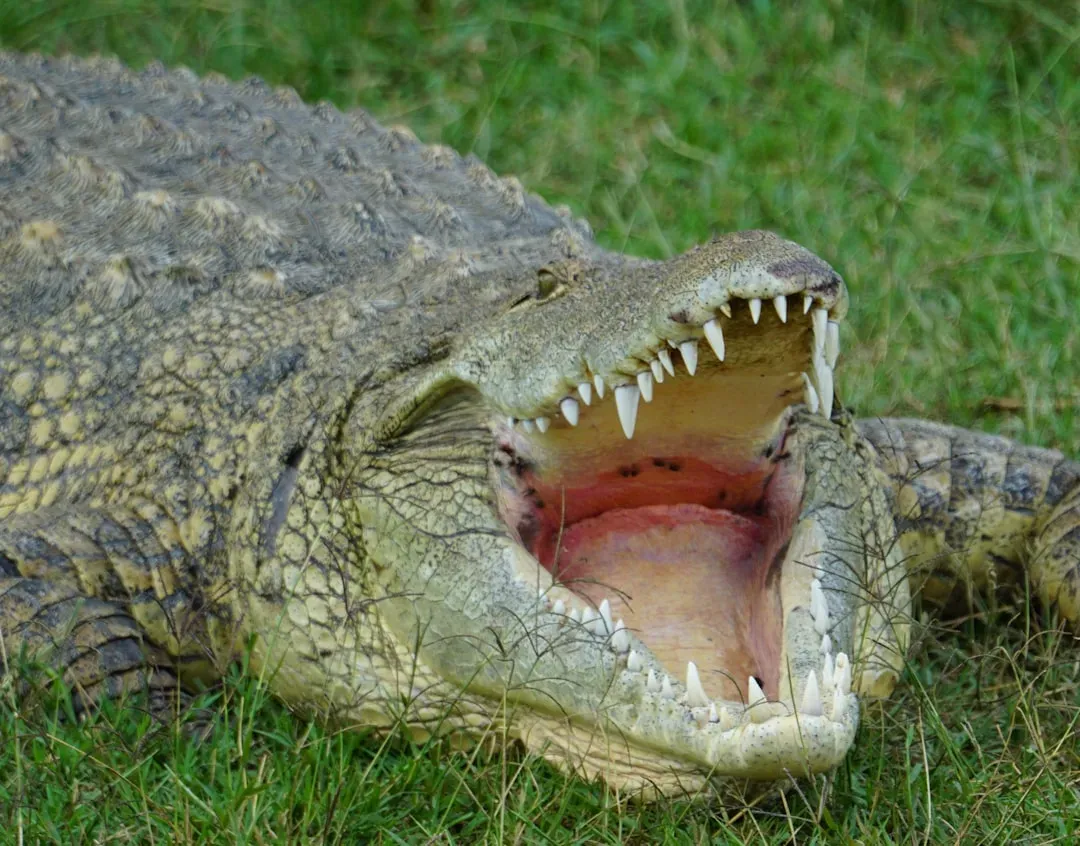
To get around the missing audio, scientists look at the closest living relatives of dinosaurs: birds on one branch and crocodilians on another. These animals cover a surprising range of sounds, from low, infrasound booms in some large birds to deep bellows in crocodiles that can shake the water around them. If you expected only screeching or roaring, the reality is a lot weirder and more varied.
Some studies suggest that many non-avian dinosaurs might have produced more closed-mouth, low-frequency calls, closer to humming, booming, or resonant drones than the open-mouthed roars we see on screen. You can picture something like a twelve-ton bird-croc hybrid humming through its chest and sinuses, vibrating the ground more than shattering the sky. That sound would be terrifying in a different way, more like feeling an approaching freight train than hearing a lion’s roar.
The Famous T. Rex Roar Is Already A Hollywood Mashup
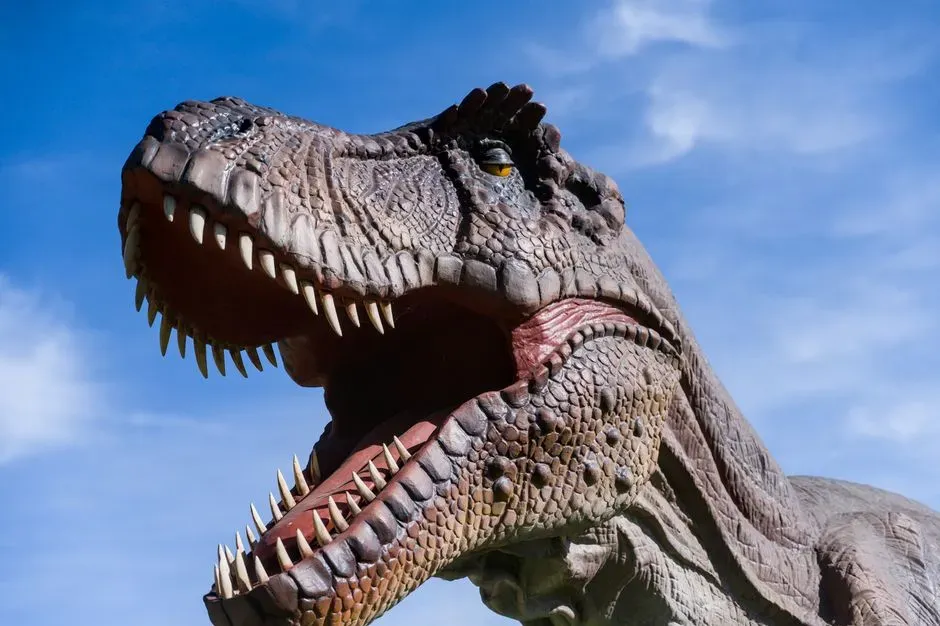
One of the funnier twists in all this is that the most famous dinosaur roar in pop culture is not even a single animal sound. It is a carefully mixed blend of noises from living creatures like elephants, big cats, and other animals, stretched and layered into something that just feels right for a giant predator. In other words, it is an artistic collage, not a reconstruction of a lost sound.
That does not make it bad; in fact, it is brilliant sound design. The problem comes when people start to treat that roar as if it is basically correct and anything quieter or stranger must be wrong. Our expectations have been reverse-engineered by cinema, so if a more scientifically inspired dinosaur call ever makes it into a blockbuster, it risks sounding fake simply because we have been trained by a fictional standard.
Would Constant Roaring Even Make Sense For A Predator?
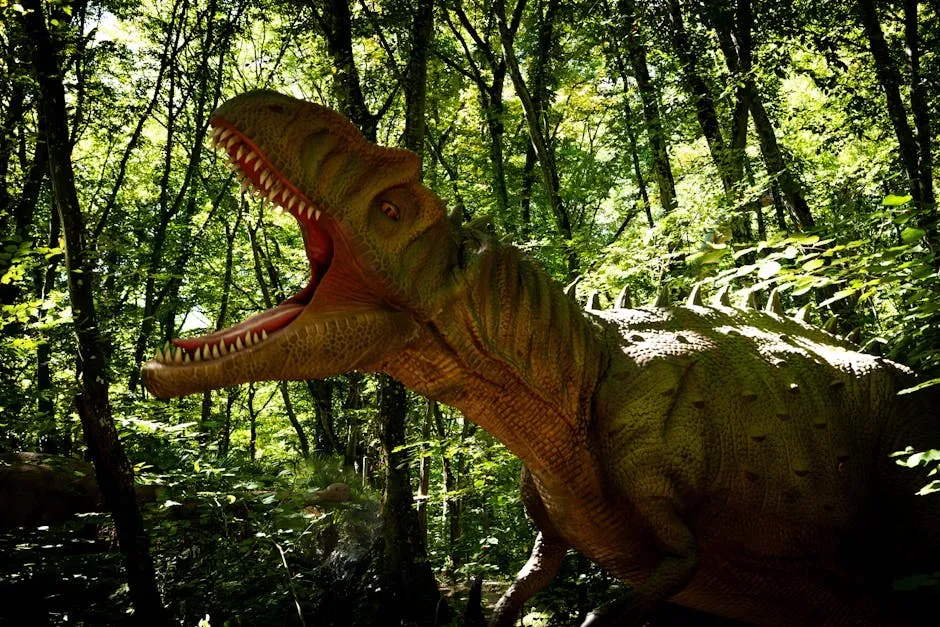
From a basic survival perspective, running around screaming your lungs out is not a winning strategy if you are trying to catch food or avoid becoming food yourself. Predators rely heavily on stealth, timing, and surprise. Even animals that can roar powerfully usually do so from a safe distance, at night, or in non-hunting contexts where they are not trying to sneak up on anything.
There is also the matter of self-preservation in terms of hearing. Many large animals seem to have evolved ways to protect their ears during loud vocalizations, but there are still limits. If some dinosaur had really been roaring at the volume movie sound systems suggest, and doing it constantly, the physical strain on its body and senses would likely have been intense. It is far more plausible that loud calls were rare, strategic, and tied to very specific social or territorial moments.
Quiet Communication Is Often More Important Than Epic Roars
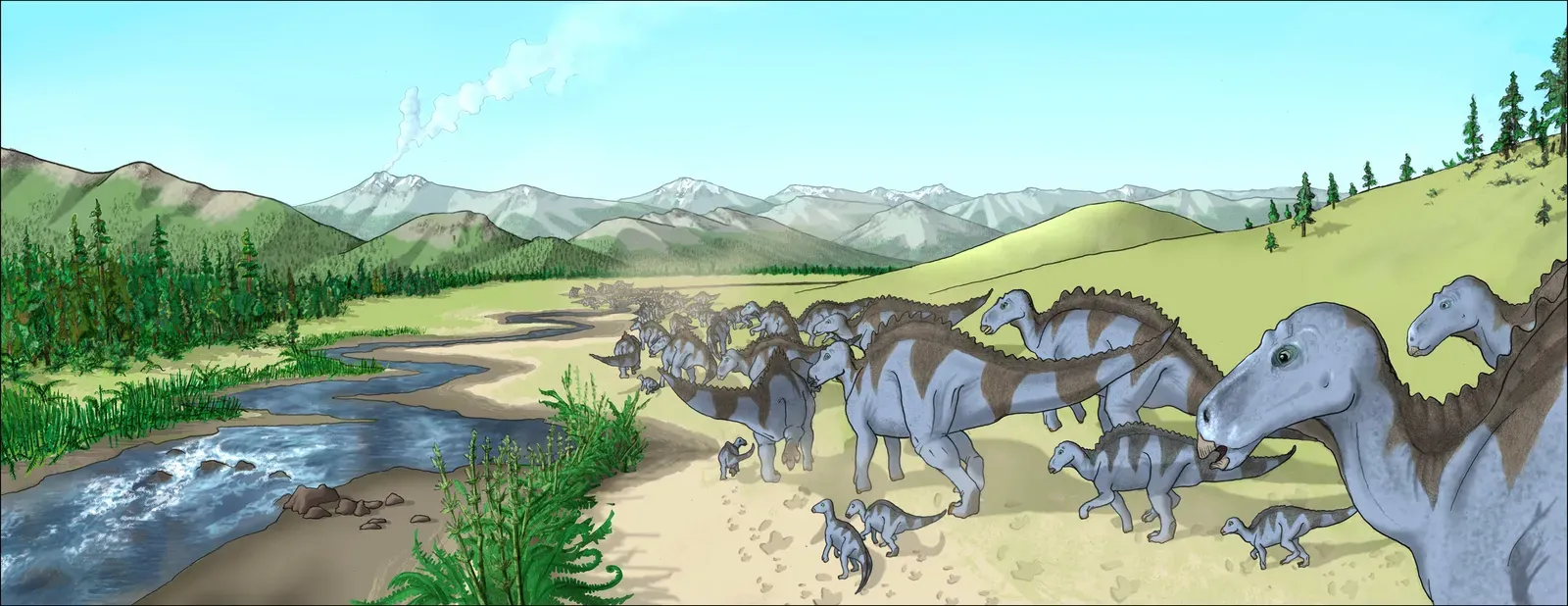
In many species, the subtle stuff does most of the social work. Low grunts, body postures, feather or skin displays, and even vibrations through the ground can carry a ton of information without drawing unwanted attention. Herd animals often coordinate with soft calls that keep the group together but do not broadcast to the whole neighborhood. It is efficient and safer, especially in environments full of predators and rivals.
For dinosaurs, especially those living in groups, that quieter communication may have been fundamental. Imagine a herd of hadrosaurs rumbling softly to coordinate movement or calm nervous juveniles, rather than shouting over one another all day. Movies love the single massive roar echoing off cliffs, but real prehistoric life was probably a lot more like a layered, low conversation with only the occasional shout.
Why The Roaring Myth Still Works For Us Emotionally
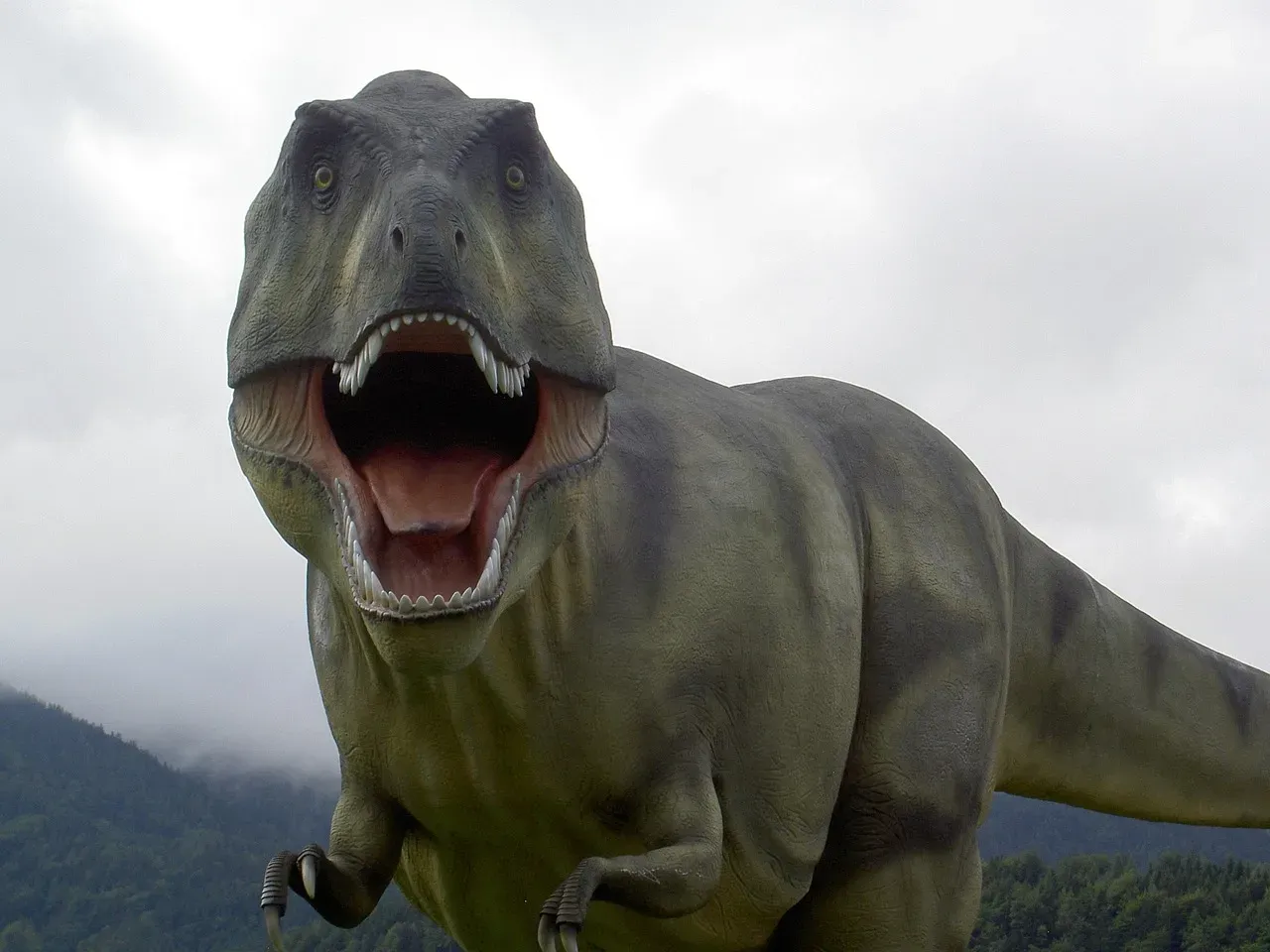
Even knowing all this, most of us still feel a thrill when the big roar hits in a theater, and honestly, that matters. Cinema is about emotion first and accuracy second, and the roar taps into something primal. Loud, deep sounds trigger instinctive responses in our brains: we tense up, we focus, we get a little scared. Filmmakers lean into that on purpose, because it turns a digital creature into something that feels physically present.
There is also a nostalgia factor. Many people grew up with roaring dinosaurs as the default, so the sound is wrapped up with childhood wonder and first encounters with prehistoric worlds. That makes the roar less a scientific claim and more a kind of shared modern myth. It might be wrong on the details, but it captures how we like to imagine these animals: huge, unstoppable, and impossible to ignore.
Conclusion: Roaring Dinosaurs Are Great Cinema, But Science Deserves A Say
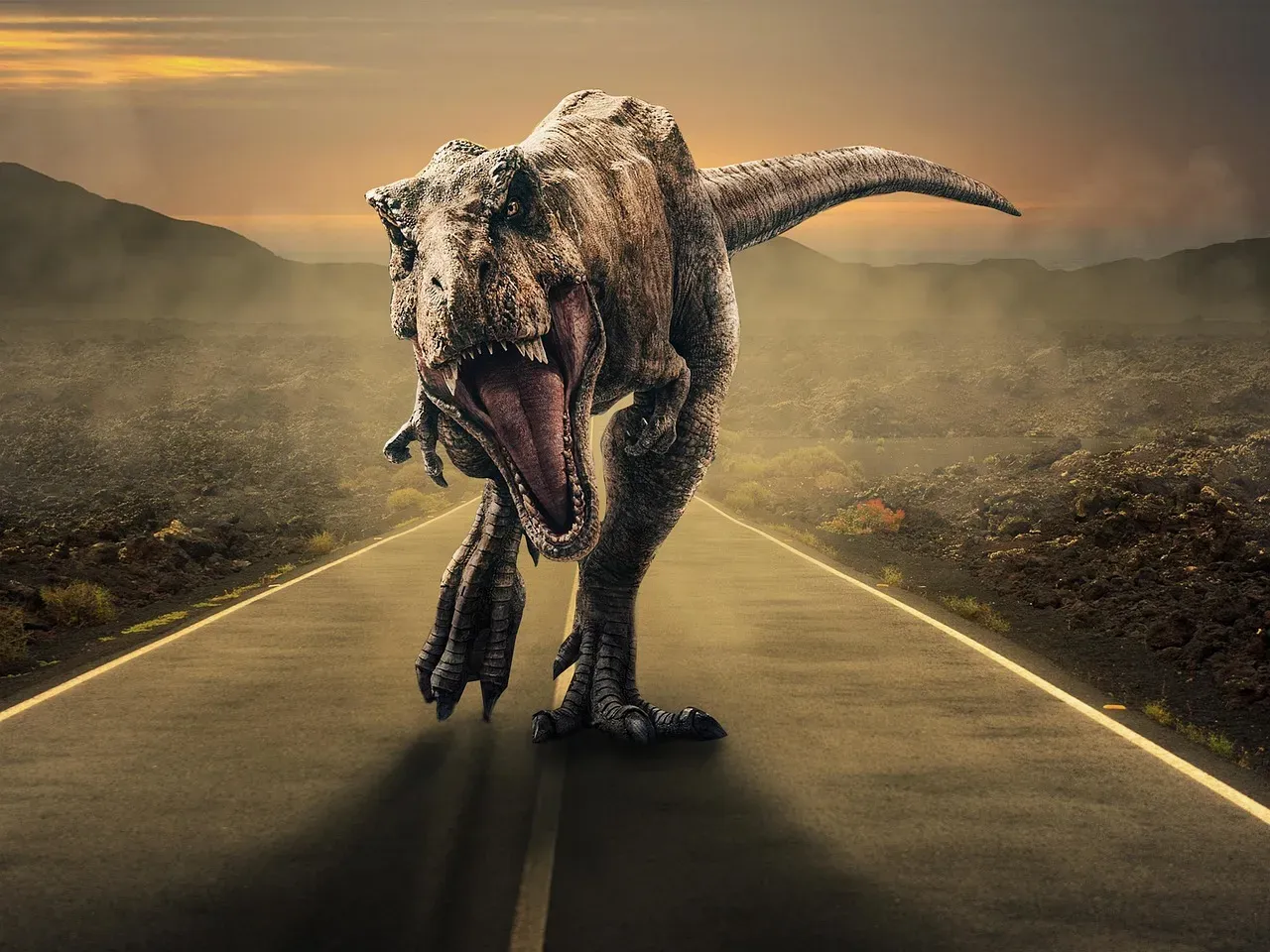
If I am honest, I still love the over-the-top movie roar, even while rolling my eyes at how unrealistic it probably is. It is like putting a leather jacket on a fossil skeleton: absolutely not accurate, but undeniably stylish. At the same time, part of me wishes big-budget films would be brave enough to lean into the stranger, quieter, more alien possibilities that science is hinting at. A dinosaur whose presence you feel as a low chest vibration instead of a sky-tearing scream might be genuinely more unsettling.
So I think we should treat the classic dinosaur roar as what it really is: a piece of pop culture art, not a documentary fact. Let the movies keep their sonic fireworks, but let curiosity push us beyond the trope and into the messy, incomplete, fascinating reality that fossils and living animals suggest. The real prehistoric soundscape was almost certainly more complex and surprising than anything we have put in surround sound so far. If we ever hear a blockbuster that dares to sound more like science, will we be ready to accept a dinosaur that growls under its breath instead of shouting every five minutes?