You were taught history as a straight line – one civilisation politely stepping aside so the next one could begin. Radiocarbon dating was supposed to just confirm that tidy sequence. Instead, lab after lab has been quietly wrecking it, flagging artefacts, buildings, and technologies that show up centuries before the civilisations they supposedly belong to even existed.
This isn’t fringe theory or a hunt for lost Atlantis. These are peer-reviewed radiocarbon results sitting in mainstream journals, results that textbooks tend to skip because they’re inconvenient. Here are the 13 artefacts that don’t just bend the accepted timeline – they crack it open, one calibrated date at a time.
#13 – The “Too-Early” Plastered Skulls of Jericho
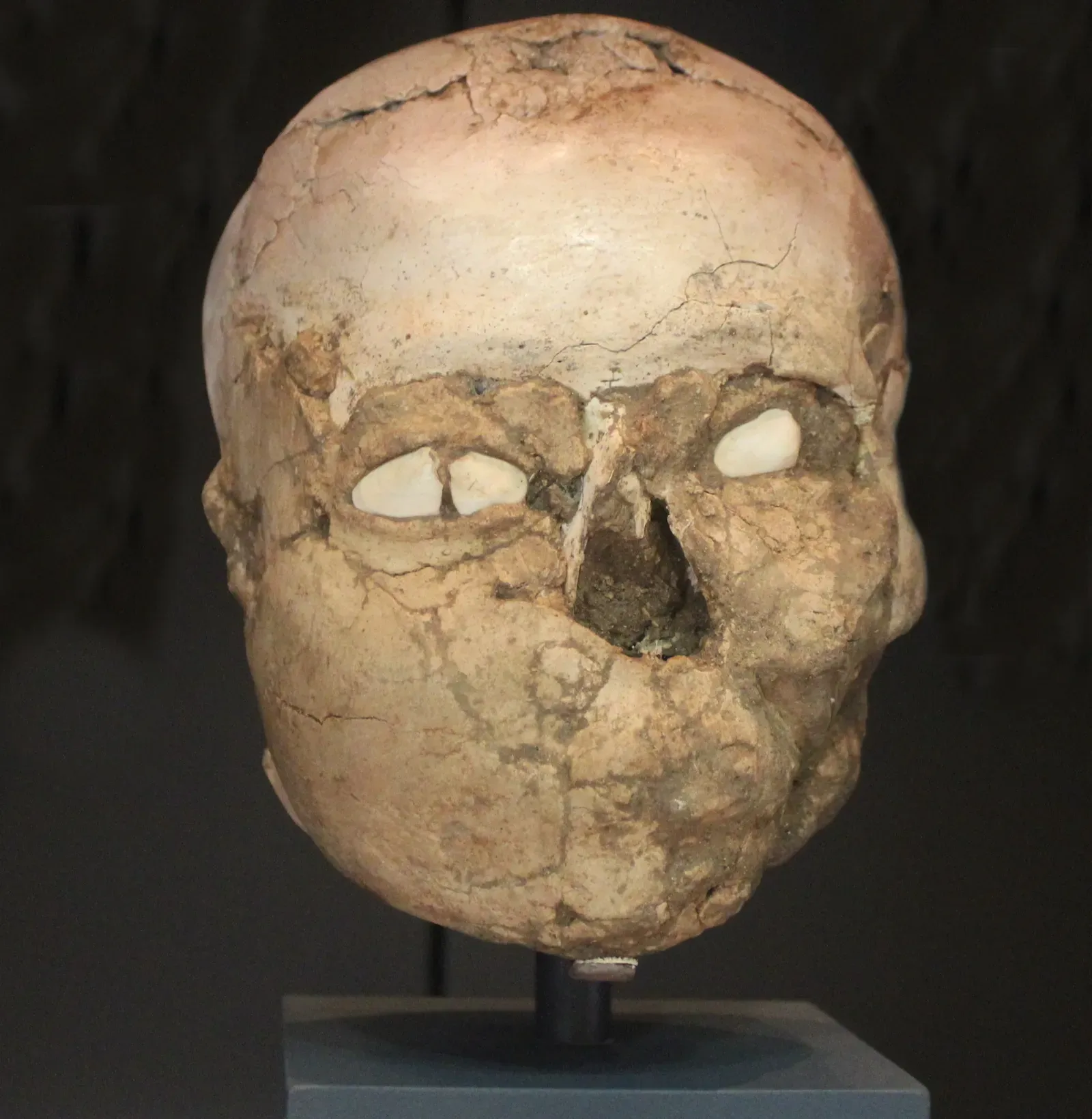
Jericho’s plastered skulls – human skulls remodelled with shells for eyes and painted, lifelike features – are eerie enough on their own. But radiocarbon on the charcoal and bone found with them pushes some of these skulls back to 8,000-7,000 BCE, long before most “first city” timelines even get warmed up.
That’s the unsettling part: this kind of careful ancestor cult feels like something a later, organised society would invent, not a scattered early farming community. Sceptics point to disturbed layers and old charcoal that can throw calibration off by a century or two. Even so, the lab numbers keep nagging at the idea that complex ritual behaviour switched on far earlier, and in smaller pockets, than the standard story allows.
#12 – The Pre-Dynastic Egyptian Graves That Read “Too Old”
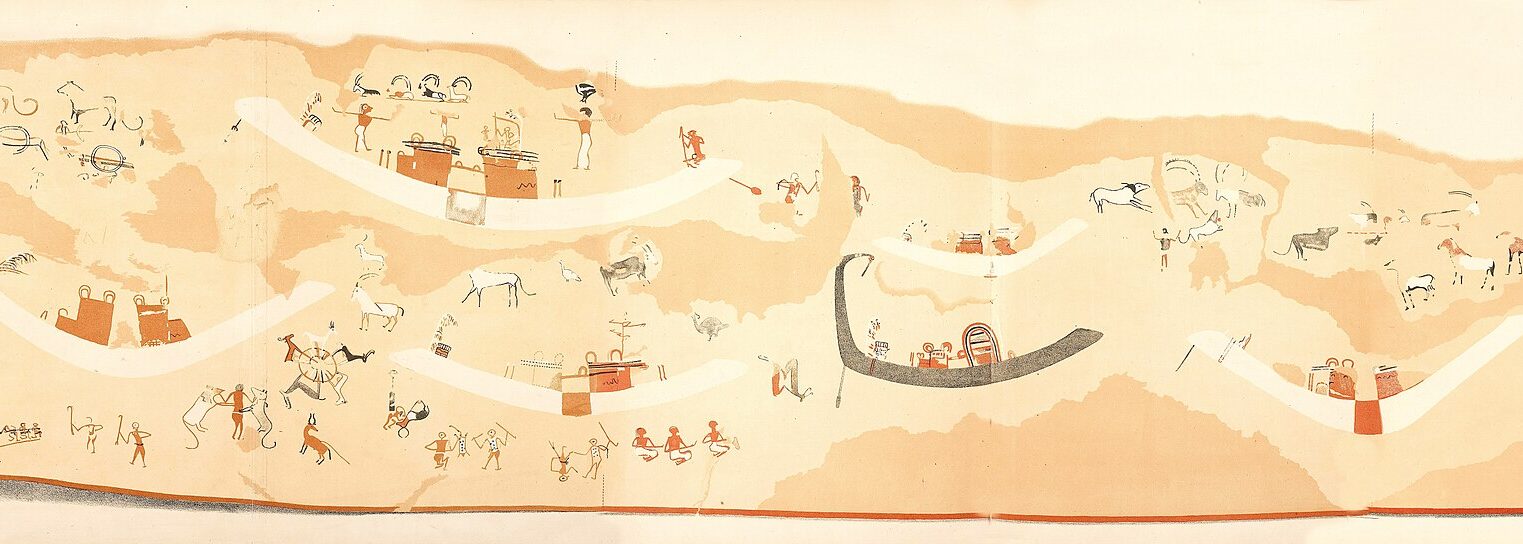
Most people assume Egypt snaps into existence around 3,100 BCE with the first pharaoh. The radiocarbon disagrees. Several Upper Egyptian cemeteries classed as “late Predynastic” have returned dates drifting back into the 4th and even 5th millennium BCE.
The grave goods – decorated pottery, cosmetic palettes, carefully staged burials – look like a culture just about to unify into a state. Yet some of these results suggest the groundwork was being laid centuries before Narmer supposedly did anything. Critics blame contaminated wood samples and sloppy micro-context sampling, and they’re not wrong to be cautious. But when multiple sites keep telling the same early story, it’s hard to keep insisting Egypt began overnight.
#11 – The Anatolian Megasites That Predate “Urbanism” Itself
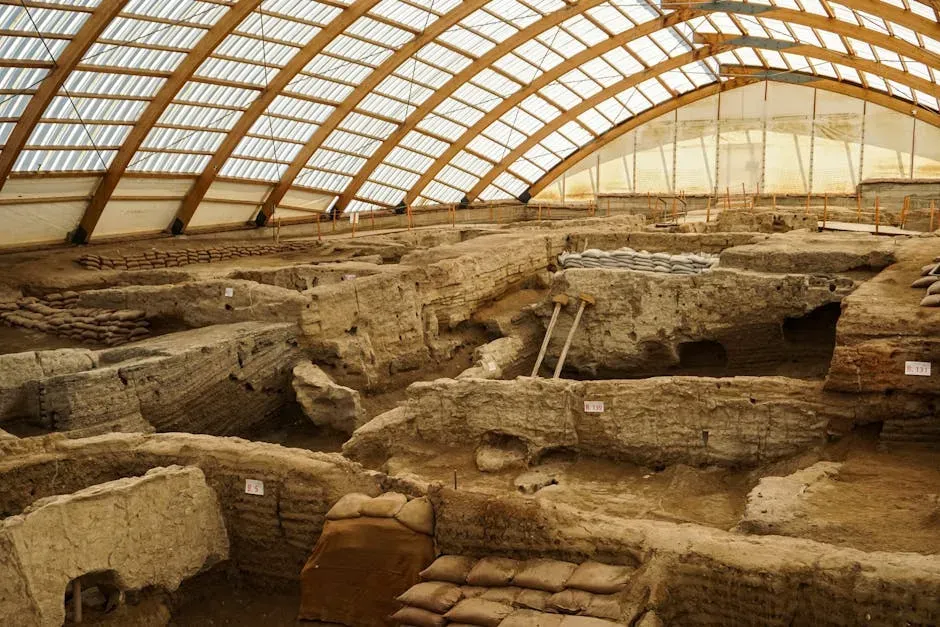
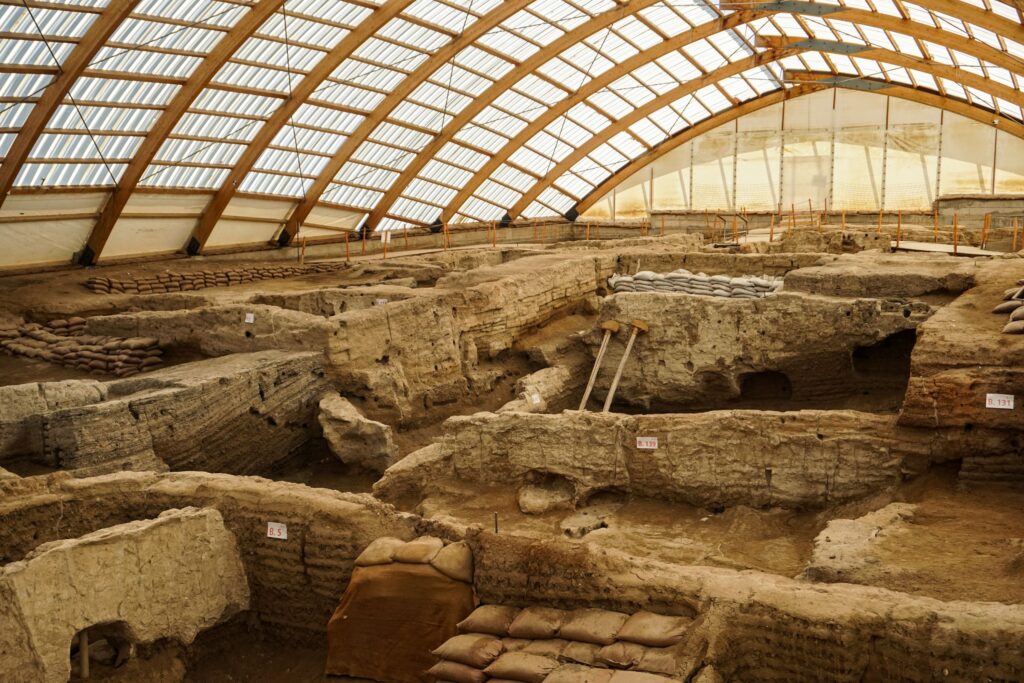
Urban planning is supposed to belong to Mesopotamia. Central Turkey didn’t get the memo. At Çatalhöyük and similar Anatolian “megasites,” radiocarbon on building phases, animal bones, and burned seeds points to dense, multi-storey settlement clusters as early as 7,500-6,500 BCE – thousands of years before Uruk.
Picture packed mud-brick houses with shared walls, rooftop doorways, elaborate wall paintings, and formalised burial customs. That’s not a village. Traditional theorists argue it still isn’t a “real” city without temples, kings, or writing, and insist “big village” is the fairer label. Maybe. But the carbon ages show large, long-lived communities operating at a scale that beats Mesopotamia’s supposed firsts by centuries – which suggests our definition of civilisation might be the thing that’s out of date, not the site.
#10 – The “Pre-Minoan” Palace Features Hiding on Crete
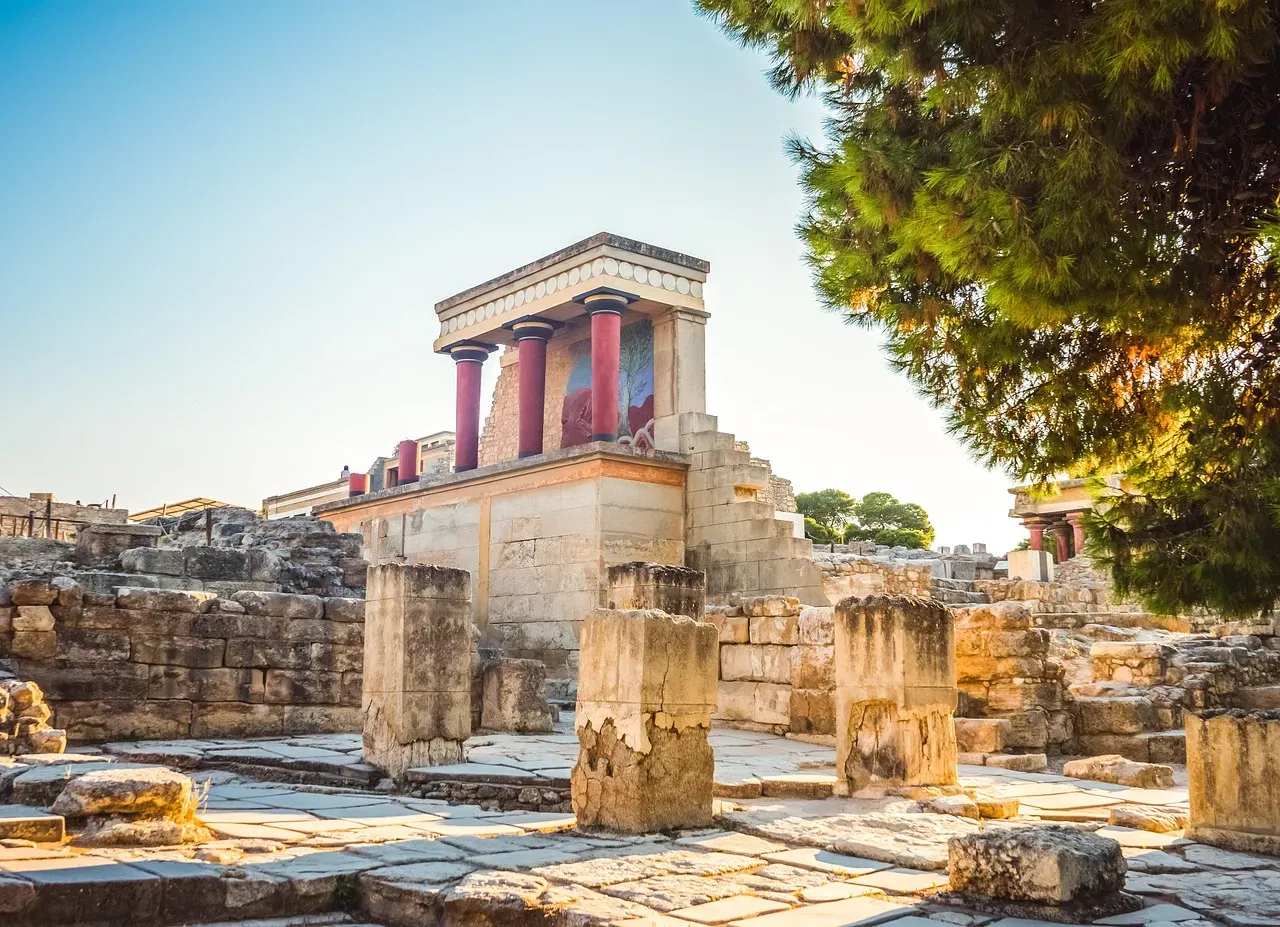
The textbook says Minoan palaces rise around 2,000 BCE. Some radiocarbon dates from earlier Cretan sites disagree. Excavators have found massive storage facilities, sophisticated sealing systems, and organised courtyard spaces that look like palatial architecture in miniature.
Charred seeds, animal bones, and carbonised beams from these levels have returned dates in the 23rd-22nd centuries BCE – a couple of centuries before the official “palace period” begins. Sceptics point to ceramic styles and imported goods that still favour a later chronology, and they suspect the early dates are outliers from a thin sample. Fair enough. But it leaves open an intriguing possibility: Cretan elites may have been quietly testing bureaucracy long before their civilisation was allowed to have one.
#9 – The Proto-Mayan Calendar Marks That Shouldn’t Exist Yet
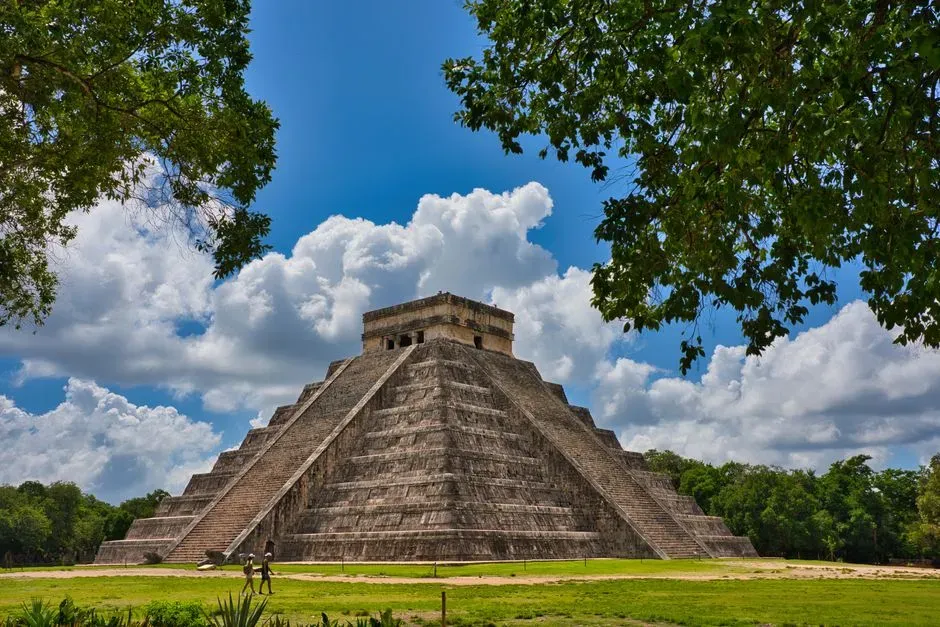
Most people place the Maya between roughly 250 and 900 CE, with a vague “Preclassic” warm-up beforehand. Radiocarbon keeps shoving that warm-up further back. Early ceremonial complexes in Guatemala and southern Mexico have produced stucco masks and what look like rudimentary calendrical notations.
Burned wood and plant remains from these structures often date to 1,000-800 BCE – centuries before most people are told the Maya story starts. Some of the architectural alignments appear keyed to solar events, like a sneak preview of the astronomy the Classic Maya would later perfect. Conservative researchers insist shared symbols aren’t a finished civilisation, and they may be right. But radiocarbon doesn’t respect labels, and when sky-aligned ceremonial buildings show up this early, “proto-Maya” and “Maya” start to blur into the same story.
#8 – The British Neolithic Monuments Built “Ahead of Schedule”
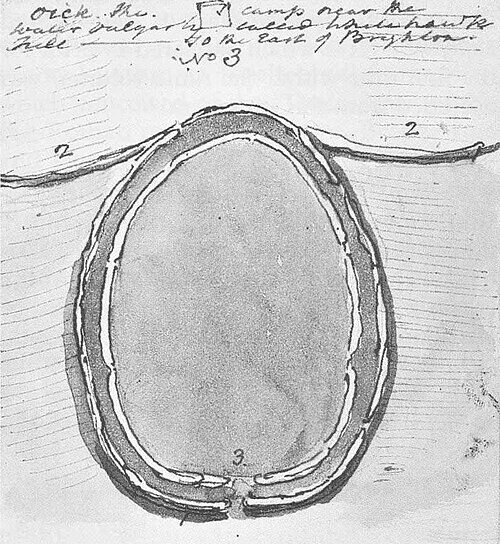
Stonehenge hogs the spotlight, but a whole network of earlier monuments across Britain and Ireland quietly rewrites when complex ritual life began. Timber circles, causewayed enclosures, and long barrows in southern Britain routinely date to the early 4th millennium BCE – long before the Bronze Age druids of pop culture.
Polished stone axes and long-distance traded goods found alongside them look like the toolkit of a genuinely sophisticated, monument-building culture. On paper, recognisably “British” civilisation is supposed to arrive much later. The pushback is mostly semantic – Neolithic farmers aren’t Celts, and there’s no writing – but that misses the real point. Radiocarbon shows coordinated large-scale labour and shared ritual practice centuries earlier than most classrooms admit.
#7 – The “Premature” Copper of the Balkans
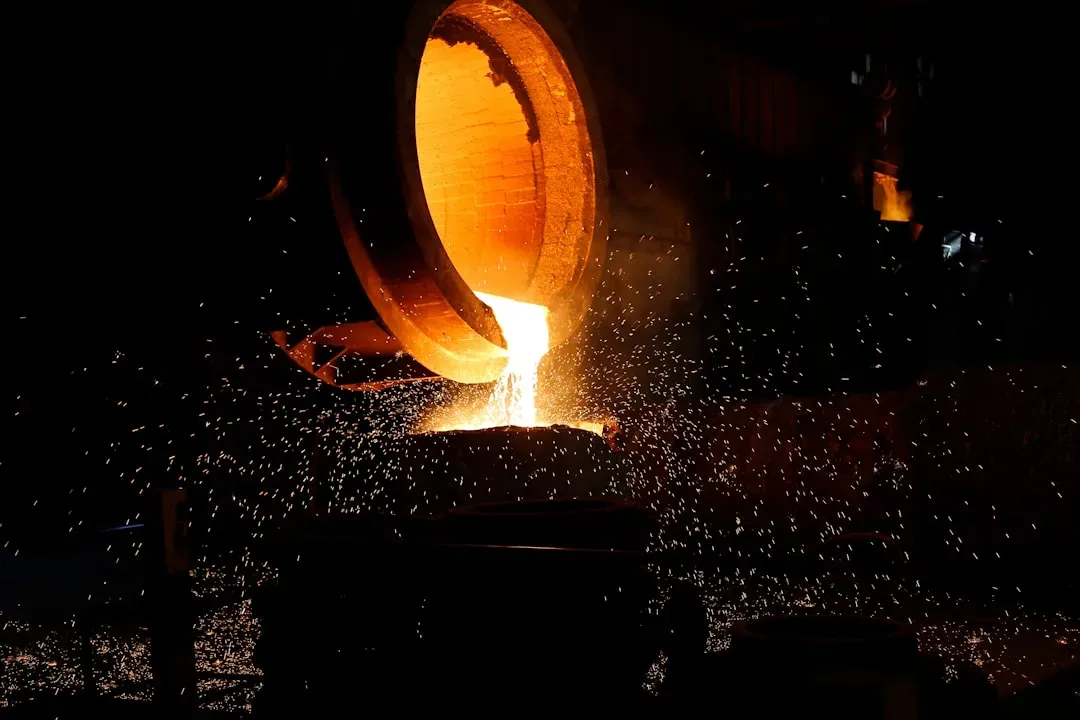
Ask someone where metallurgy started and you’ll usually hear “the Near East.” The Balkans have other ideas. Copper artefacts and smelting slag from sites like Pločnik and Belovode in Serbia, Bulgaria, and Romania have been dated to around 5,000-4,500 BCE – among the earliest known copper-smelting experiments anywhere on Earth.
The awkward part is that these communities are officially classed as “late Neolithic” or “Chalcolithic,” not full-blown complex civilisations. That means real metalworking appears centuries before the “Bronze Age states” it’s usually credited to. Sceptics note metal was rare and mostly symbolic at this stage, and calibration uncertainty leaves some wiggle room. Still, the pattern across multiple sites suggests key technologies can bloom quietly, long before the civilisations that get the history-book credit for them.
#6 – The Chinese Silk That’s Too Old for Its Dynasty
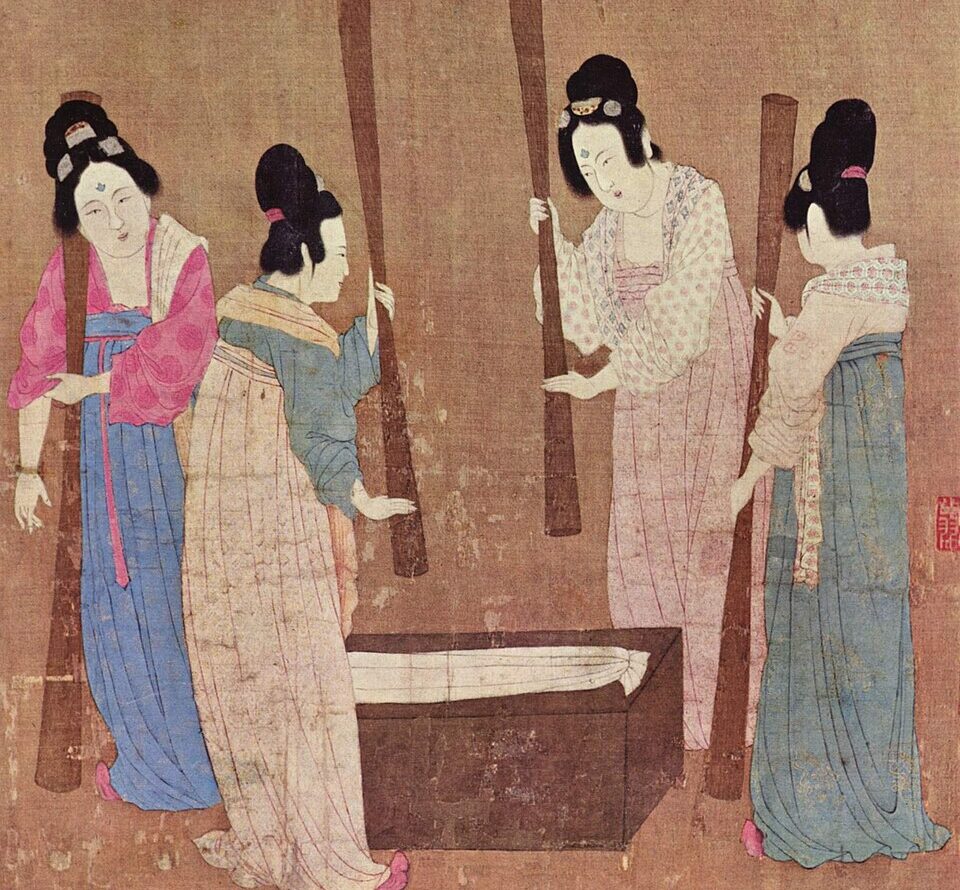
Fine silk is usually pictured draped over emperors in later dynastic China. Some residue evidence tells a stranger story. Traces of silk protein have turned up on jade objects and in soil from burials tied to Neolithic or very early Bronze Age cultures.
Where associated charcoal has been dated, some results land in 3rd millennium BCE contexts – far earlier than the glossy image of courtly silk most people picture. That would mean silk technology matured quietly among smaller communities long before it became a luxury export. These dates are indirect, since it’s usually the context being dated, not the fibre itself, and Chinese archaeologists rightly urge caution about jumping from isolated finds to full sericulture. Even the cautious version, though, pushes silk’s roots centuries deeper than the popular timeline suggests.
#5 – The Olmec-Style Symbols That Predate the Olmec
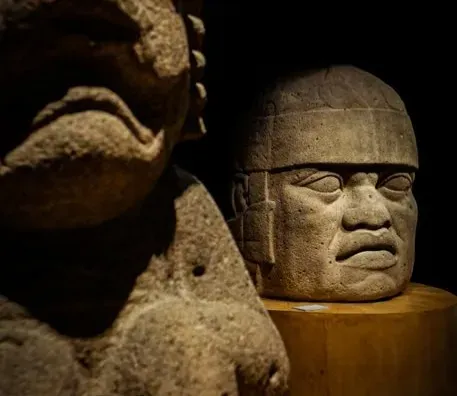
The Olmec are sold as Mesoamerica’s “mother culture,” flourishing roughly 1500-400 BCE. A handful of radiocarbon dates from carved stones on Mexico’s Gulf Coast sit uncomfortably earlier than that. The iconography – jaguar figures, cross-banded thrones, abstracted faces – looks unmistakably Olmec.
Organic material found directly beneath or beside these carvings has returned dates hinting at the late 2nd millennium BCE, nudging the imagery centuries ahead of the Olmec’s accepted peak. Many archaeologists insist the stratigraphy is too disturbed to trust, or that objects were moved into older layers – and they’re right that a handful of anomalous dates shouldn’t rewrite an entire chronology on their own. Still, the possibility that religious symbols evolve long before the political culture that “owns” them coalesces is hard to shake.
#4 – The South Asian Cities Hiding Before the Indus “Officially” Begins
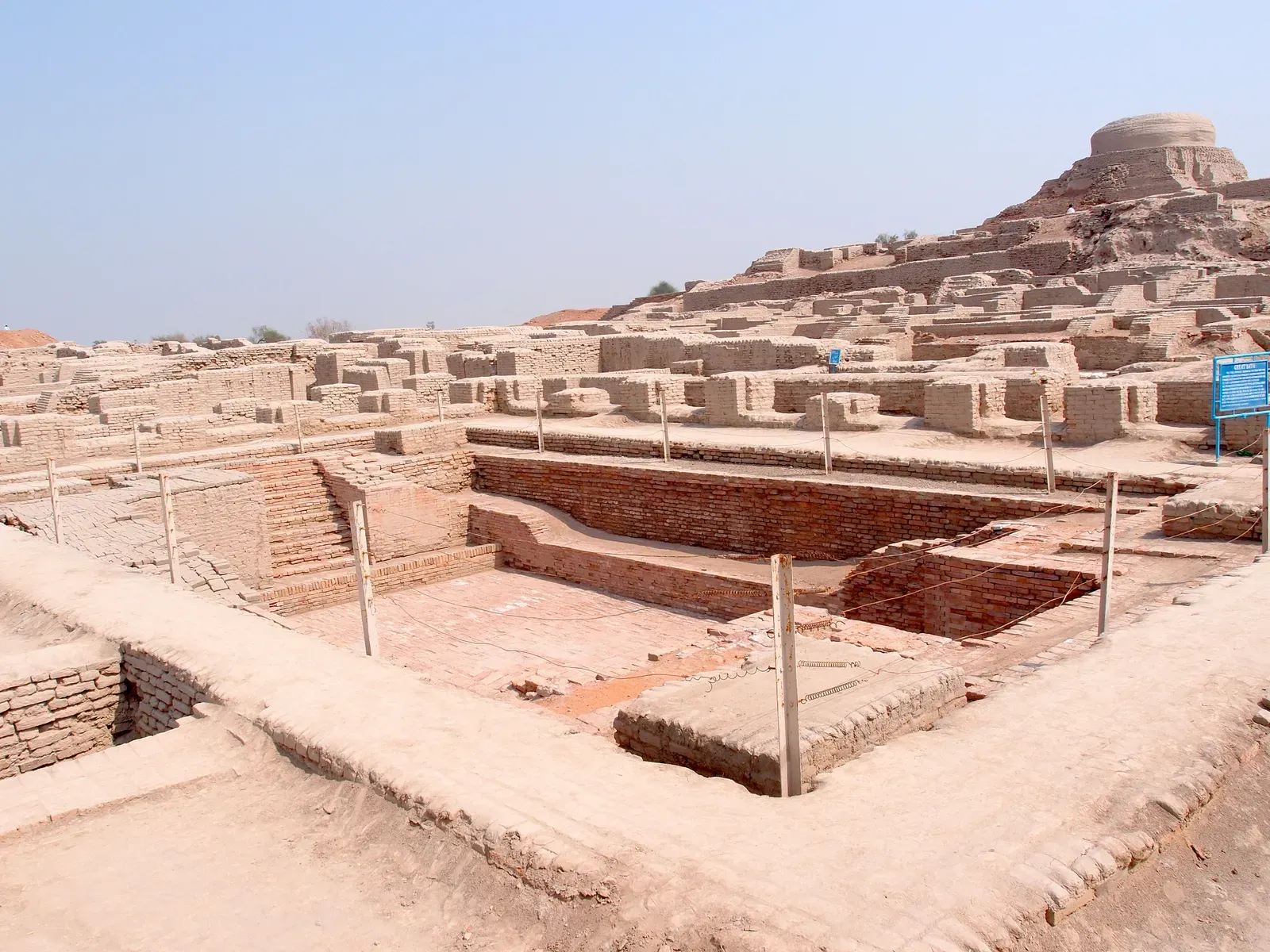
Textbooks pin the Indus (Harappan) civilisation’s urban boom to around 2600-1900 BCE. Sites in Pakistan and northwestern India keep revealing precursors that look uncomfortably urban already. Planned streets, standardised brick ratios, and drainage features show up in layers radiocarbon-dated to the early 3rd millennium BCE and even the late 4th.
These earlier levels get labelled “Early Harappan” or “Ravi phase,” but the material culture already shows trade networks, craft specialisation, and civic planning – the actual signatures of civilisation, just wearing a different name tag. Sceptics say scattered early planning isn’t the same as the dense, integrated Mature Harappan system, and that’s a fair distinction to draw. But the radiocarbon is clear on one point: experiments in urbanism and standardisation were running centuries before the neat 2600 BCE start date most people are handed.
#3 – The Pre-Greek High Culture of the Cyclades
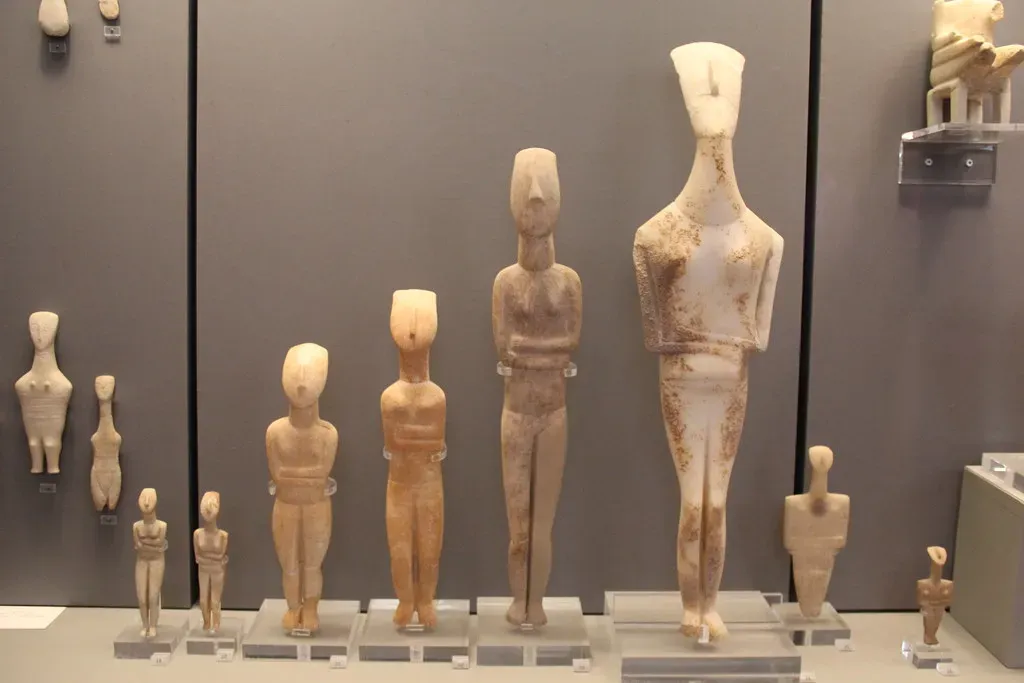
The usual story goes Minoans, then Mycenaeans, then Classical Greece, with the Cycladic islands as a footnote if they’re mentioned at all. Radiocarbon says they deserve top billing. Burials and settlements here have produced elegantly carved marble figurines, specialised metalwork, and trade goods from far outside the Aegean.
Charcoal and feast bones from these contexts often date to 3200-2300 BCE – centuries before the Greek civilisations most people actually learn about in school. Some scholars resist calling this culture “Greek,” noting real differences in language and ritual, and they’re right – it isn’t Greek, it’s its own thing entirely. That’s exactly the point: the Aegean didn’t wake up with Homer. It had already been building sophisticated, seafaring societies for a very long time before anyone wrote his name down.
#2 – The Siberian and Arctic Settlements That Break the “Late” Narrative
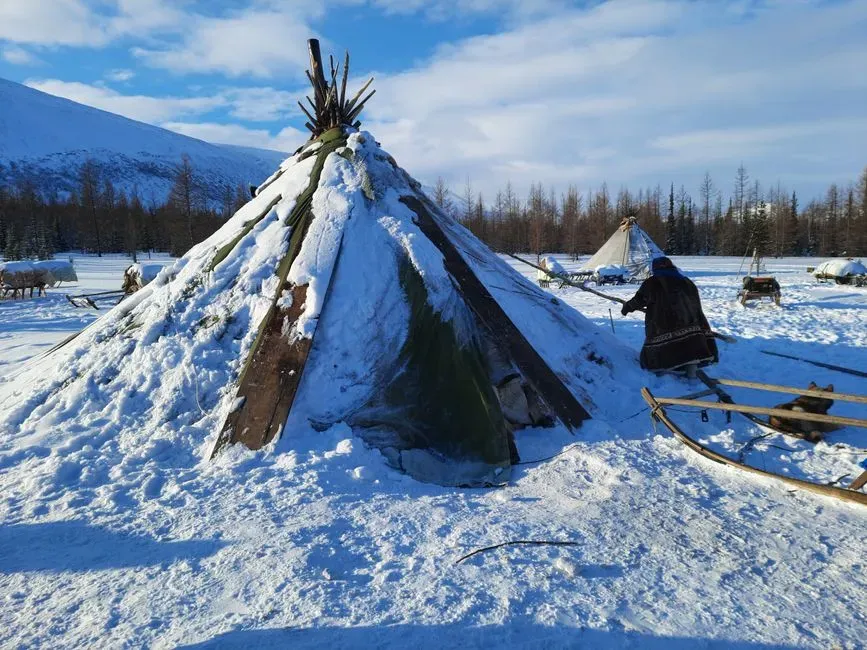
Most people still picture the far north as history’s late arrival – a cold, empty margin that only gets interesting once explorers show up. Radiocarbon from Siberia and the Arctic makes that assumption look lazy. Excavations have uncovered substantial semi-subterranean houses, organised hunting camps, and elaborate bone and ivory tools.
Many of these sites now date to well before 3,000 BCE, with some coastal adaptations stretching back millennia further still. Sophisticated harpoon heads, composite tools, and decorated objects resemble gear we’d expect from much later, named Arctic cultures – just centuries ahead of their supposed start dates. Anthropologists caution that similar tools don’t prove direct cultural continuity, and that’s a reasonable check on the excitement. But the dates alone dismantle any idea that high-latitude life was primitive or late-blooming; people were mastering ice, sea mammals, and brutal seasonality long before anyone arrived to name their culture.
#1 – Göbekli Tepe: Monumental Religion Before “Civilisation” Was Allowed to Exist
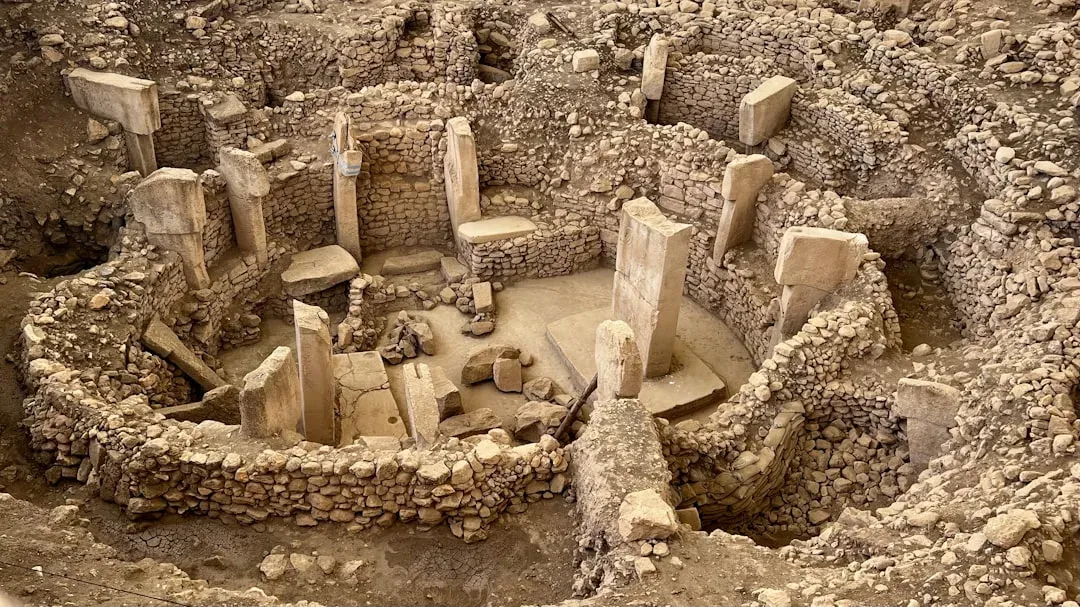
If one site has genuinely shaken the timeline, it’s this one. Massive T-shaped stone pillars, carved with wild animals and abstract symbols, form circular enclosures on a hilltop in southeastern Turkey. Radiocarbon on the associated charcoal, bone, and fill material consistently places the main construction phases at around 9,600-8,000 BCE – thousands of years before the first cities, writing systems, or metal tools.
The old model runs: agriculture first, then villages, then towns, then temples. Göbekli Tepe flips that order entirely, showing organised, large-scale ritual architecture arriving before any recognisable “civilisation” is supposed to exist at all.
First came the temple, then the city.
Klaus Schmidt
Sceptics note we’re still debating exactly who built it and whether they were fully settled or seasonally mobile hunter-gatherers. That uncertainty is precisely why the dates matter so much. They force us to accept that humans could coordinate massive, symbolically rich construction projects long before the tidy packages we call “civilisations” ever appear on a map.
The Bottom Line
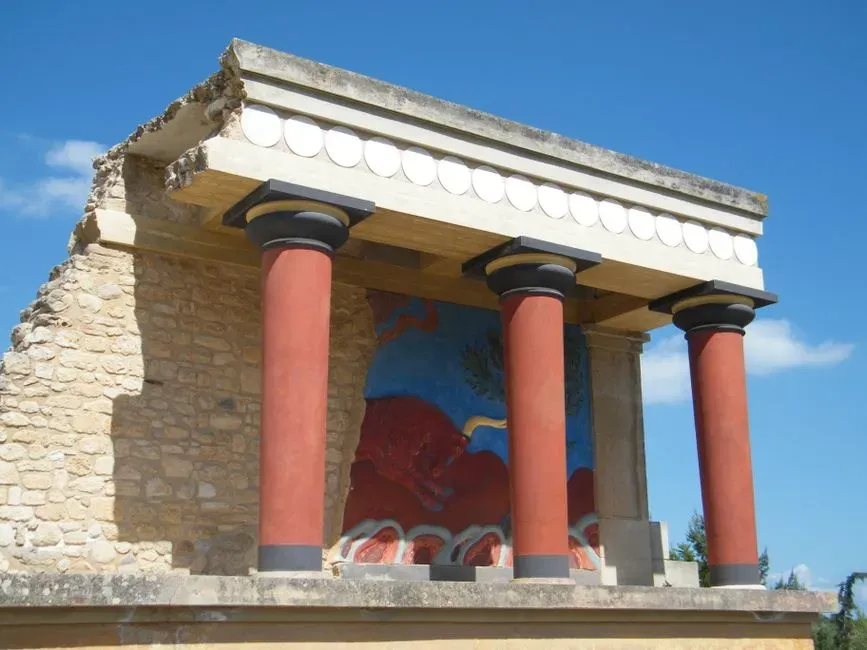
Taken together, these radiocarbon misfits don’t prove lost super-civilisations or secret architects – and anyone who tells you they do is selling something. What they actually show is quieter and more unsettling: our standard story of when real complexity begins is too clean, too late, and far too obsessed with a handful of celebrity cultures.
Across Anatolia, Egypt, Mesoamerica, South Asia, the Arctic, and beyond, technologies, rituals, and architectures keep showing up centuries before the civilisations that get official credit for them. History isn’t wrong so much as it’s been tidied up past the point of honesty – the real past is full of long, quiet run-ups where ordinary people experimented, built, and innovated in ways our labels were never built to capture.
The real shock here isn’t any single skull, palace floor, or copper scrap. It’s how much we’ve flattened the past just to make it fit on a timeline chart – so which of these thirteen do you think forces the biggest rewrite, and what other “too-early” anomalies do you think are still sitting quietly in some lab’s back files?