
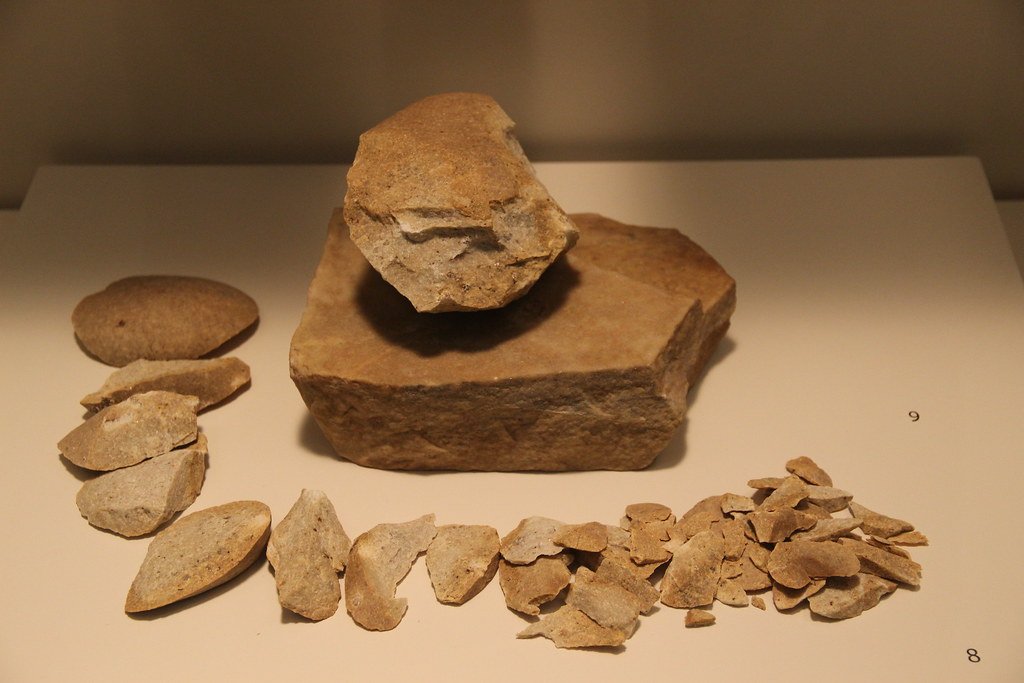
Walk through any natural history museum and the little placards make prehistory sound tidy: hand axe for chopping, spear tip for hunting, grinding stone for food. Case closed, move along. But behind the glass, curators are quietly sitting on a pile of objects that refuse to play along – things too fine, too symmetrical, too strangely placed to fit any of the neat categories we’ve built for them.
These aren’t forgeries or forgotten scraps. Many were made with obsessive care, then buried, clustered, or displayed in ways that suggest they mattered enormously to someone. Thirteen of them keep resurfacing in academic arguments precisely because every tidy explanation eventually falls apart. Here’s where the guessing gets genuinely interesting.
#13 – The Desert Glass Blades That Never Cut Anything
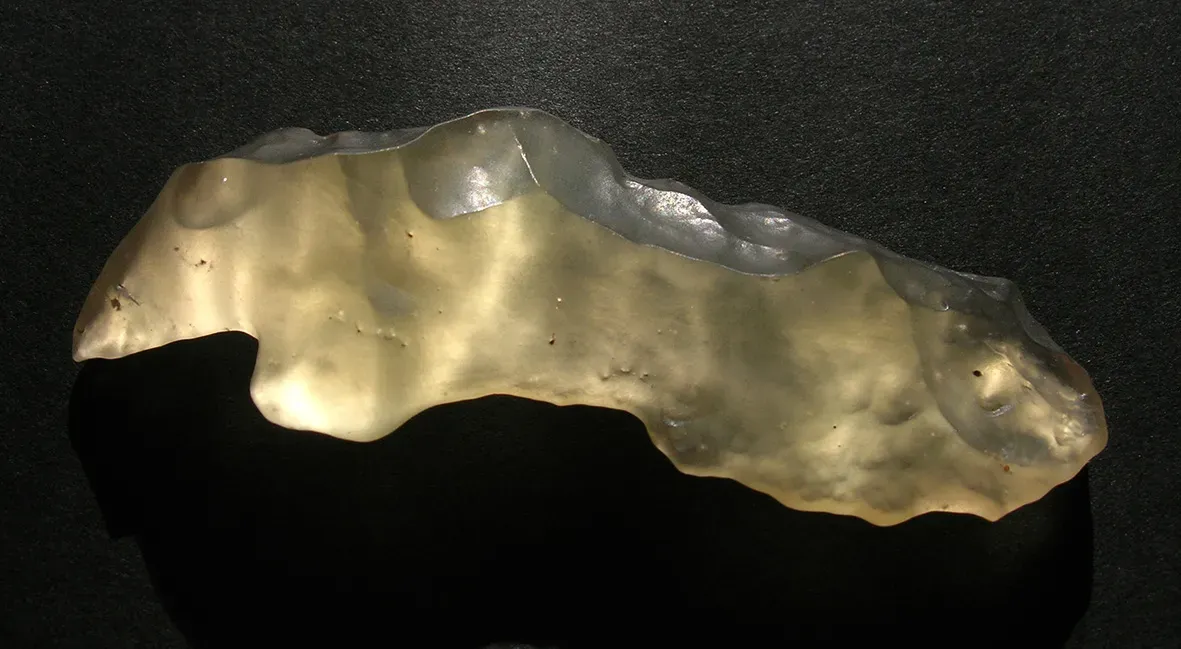
Some of the sharpest edges ever pulled from the ground aren’t stone at all – they’re razor-thin flakes of natural desert glass, chipped from silica formed by ancient heat events in North Africa and parts of the Middle East. At first glance they look like ultra-fine knives, maybe even surgical scalpels. But a striking number show no cutting wear, no consistent handle fittings, and they tend to turn up in small, isolated clusters instead of full toolkits.
That pattern is a problem if you want to call them everyday tools. One persistent theory says they were sacred or ceremonial objects, prized simply because the glass was rare and eerily beautiful. Others think they were one-use precision blades for rituals or medical practices we haven’t recognized. The distribution just doesn’t line up cleanly with any single story, and some archaeologists now suspect the same blade type carried different meanings in different places and centuries.
Fast Facts
- Libyan desert glass formed somewhere between 26 and 29 million years ago in Egypt’s Great Sand Sea, long before any humans walked the earth.
- A polished piece of it was carved into the scarab centerpiece of a pectoral found in King Tutankhamun’s tomb.
- Stone Age communities in the region were shaping the glass into tools thousands of years before Egyptian royalty ever prized it as jewelry.
#12 – The Anvils That Never Took a Hit
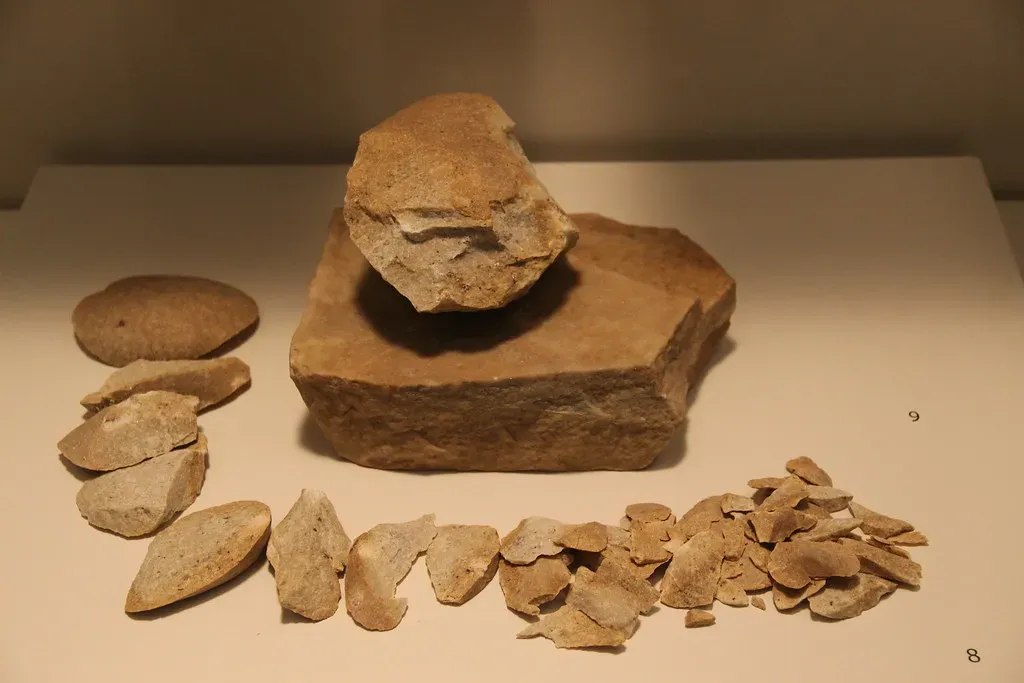
Scattered across Paleolithic sites are heavy, flattish stones routinely labeled “anvils” – except a large subset of them show almost none of the damage you’d expect from actual pounding. They’re the right size and shape, sometimes even sitting in workshop-like clusters, but microscopic analysis often reveals no pitting, no crushing, no flake scars. In plain terms: anvils that appear to have never been hit.
Some researchers argue we’re missing faint traces left by softer, organic materials that have since eroded away. Others suspect we forced these stones into the “anvil” box simply because we didn’t have a better one. A more radical idea suggests they were platforms for unknown processes, ritual placements, or even teaching props for apprentice toolmakers – speculative, sure, but the stubborn lack of wear isn’t going anywhere.
#11 – The Giant Stone Spheres Too Perfect to Explain

Near-perfect stone spheres, some larger than a human torso, have turned up on multiple continents – from Costa Rica to parts of Europe and Africa. Cue the alien-marker theories and lost-civilization talk. The real story is almost more frustrating: we know how simple methods could shape stone into spheres, we just can’t prove why these particular ones exist, since many aren’t tied to any clear habitation layer or workshop.
Some archaeologists read them as prestige objects – basically prehistoric flex pieces meant to signal status or group identity. Others suggest boundary markers, astronomical alignments, or oversized game pieces, but the contexts vary too wildly for any one answer to stick. It’s entirely possible several unrelated cultures converged on the same shape for completely different reasons, which means there may be no single mystery here to solve – just many small ones tangled together.
At a Glance
- Over 300 of these stone spheres have been documented across Costa Rica’s Diquís Delta and Isla del Caño.
- The largest examples exceed two meters across and can weigh up to 15 tons.
- Most were carved by the Diquís culture roughly between 500 and 1500 CE, likely using simpler shaping and grinding methods rather than any exotic technology.
- UNESCO added them to its World Heritage list in 2014, yet their exact purpose remains officially unresolved.
#10 – The Polished “Hand Grips” That Fit No Human Hand
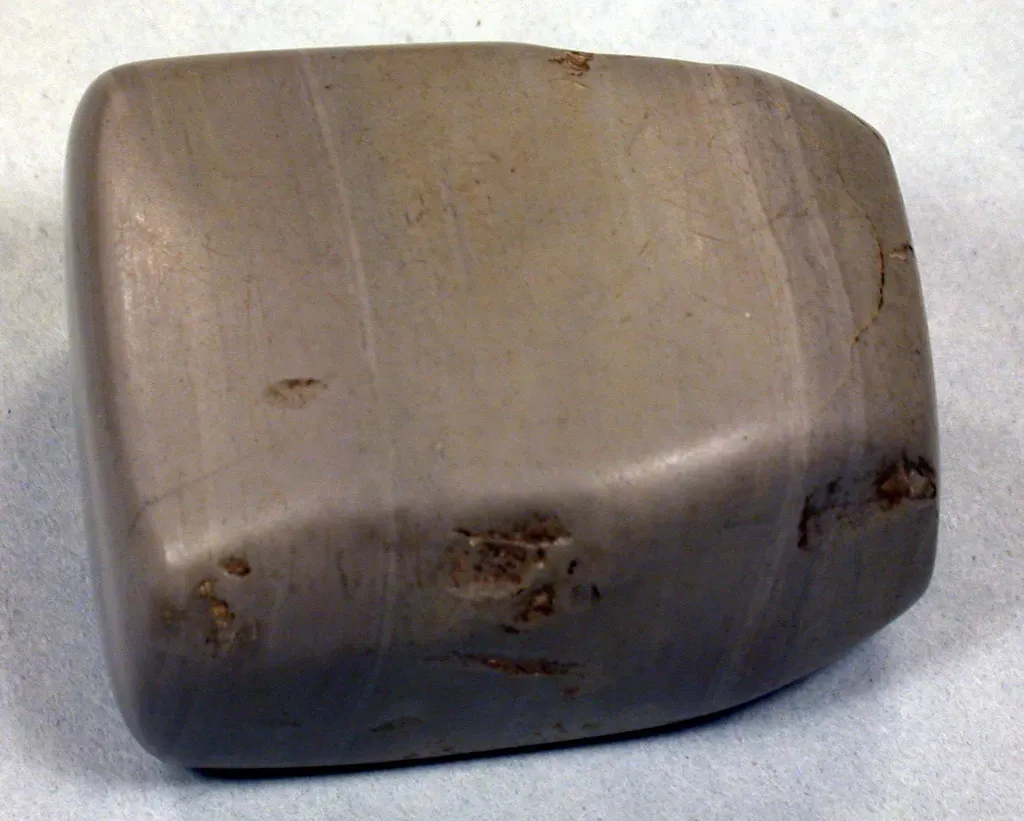
In caves and open-air sites across Eurasia, archaeologists keep finding smooth, palm-sized stones with deeply polished grooves, almost like ergonomic hand grips. The catch is that they rarely sit comfortably in an actual human hand, especially for tasks like grinding, smashing, or pulling. Some are oddly heavy or awkwardly balanced for any repetitive work without causing strain.
One theory says they were hafting elements for wooden or bone attachments long since rotted away. Another proposes they were counterweights in forgotten devices – primitive traps, tension systems, net spreaders. A more controversial idea treats them as props in social or ritual performance rather than practical tools at all, which would mean prehistoric people cared about symbolism and aesthetics more than we usually give them credit for.
#9 – The Antler “Combs” That Never Combed a Single Hair
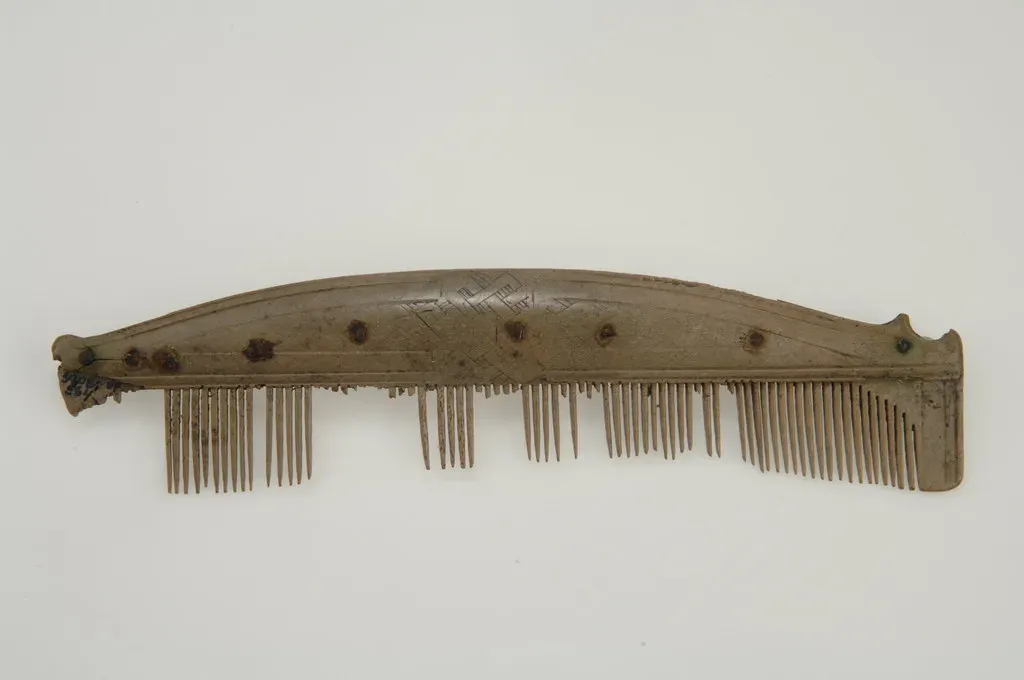
From Mesolithic and Neolithic layers in Europe come carved antler objects with teeth-like projections and regular spacing, often finished with decorative incisions. They look exactly like combs. Yet experimental archaeologists keep running into the same wall: they’re terrible for hair, lousy for wool, and awkward even for scraping hides, with teeth that chip and snag in ways real grooming tools don’t.
Some scholars think they were rake-like tools for obscure fiber-processing crafts that left no trace. Others argue for a symbolic role – tally markers, status emblems, ritual “keys” tied to stories we’ll never recover. The most honest papers on the subject admit the uncomfortable truth: we’ve called them combs for decades mostly because they look like combs to modern eyes, and the second you drop that assumption, the object gets a lot stranger.
#8 – The Perforated Stones Too Fancy to Be Fishing Weights
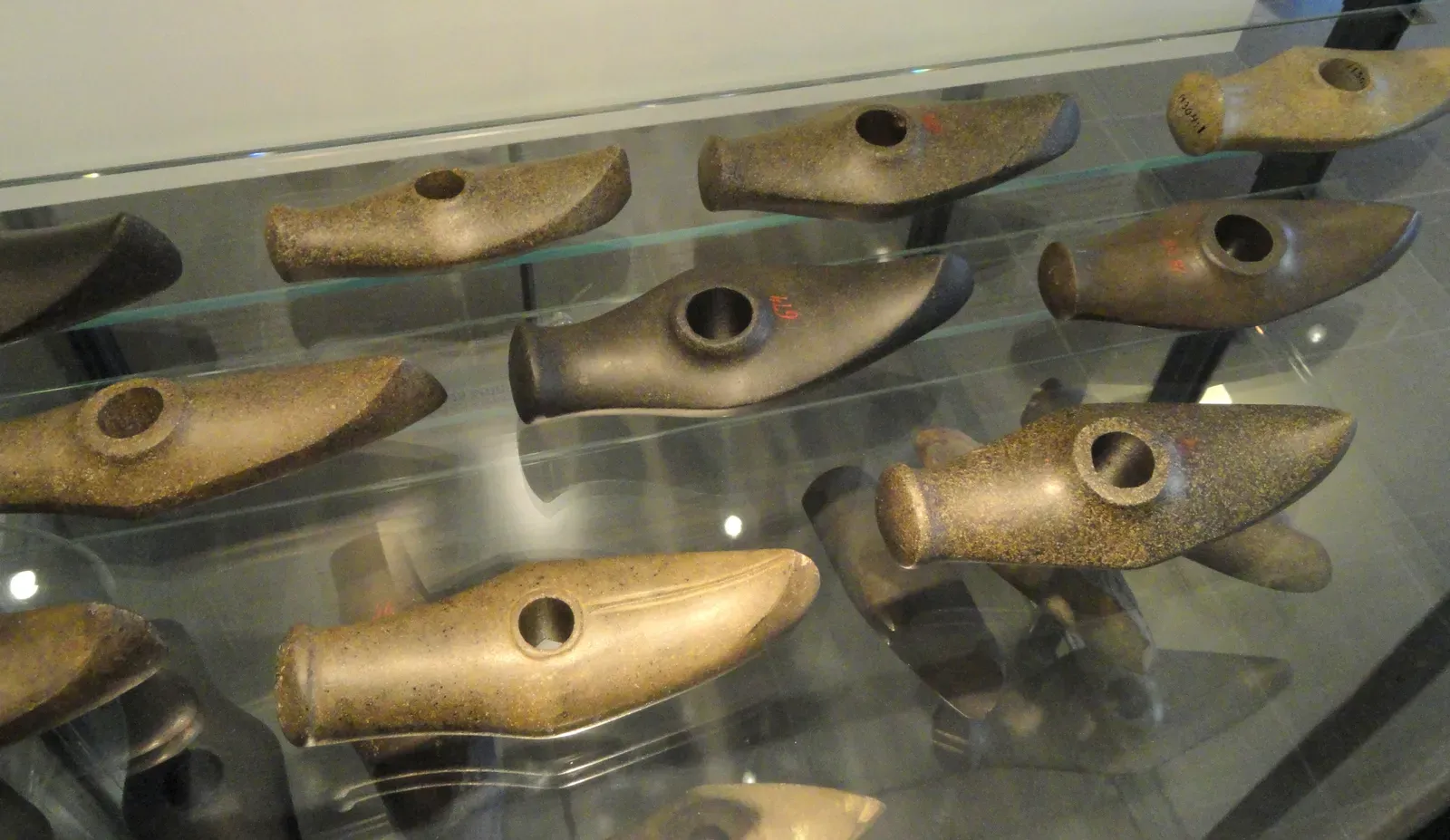
Perforated stones with deliberately drilled holes show up in prehistoric sites worldwide, and textbooks love to file them away as “net weights.” Convenient, except a significant chunk of them are too finely made, too symmetrically drilled, or simply too heavy to hang casually off a rope. Some show polish around the hole, others don’t, and consistent wear patterns are surprisingly rare.
Experimental work shows they could function as weights, but also as parts of bolas, tethering systems, or rotational devices. Some archaeologists tentatively link them to unknown hunting technology – spinning slings, sound deterrents, bird-scarers. Others suspect they were multi-purpose cores, reused and reinterpreted across centuries, which would explain why there’s no single smoking-gun context that settles the argument once and for all.
#7 – The Bone Tubes That Refuse to Be Flutes, Straws, or Anything Else
Slender hollow bones, carefully cut and smoothed into tubes, appear from the Paleolithic onward, and many are assumed to be flutes or whistles. Some clearly are. But a stubborn subset has no obvious mouthpiece, no playing wear, and no acoustic logic behind it at all – despite being meticulously finished by someone who clearly cared about the result.
Proposed uses range wildly: bead-stringers, pigment or medicine containers, blowpipes for starting fires, tattoo ink reservoirs, even early veterinary syringes. Residue traces are inconsistent – red ochre in some, plant fibers in others, nothing at all in a third batch – which suggests these tubes were whatever a given community needed them to be. Plenty sit in museum drawers labeled, flatly, “tube, function unknown.”
#6 – The Blade Caches That Were Never Meant to Cut
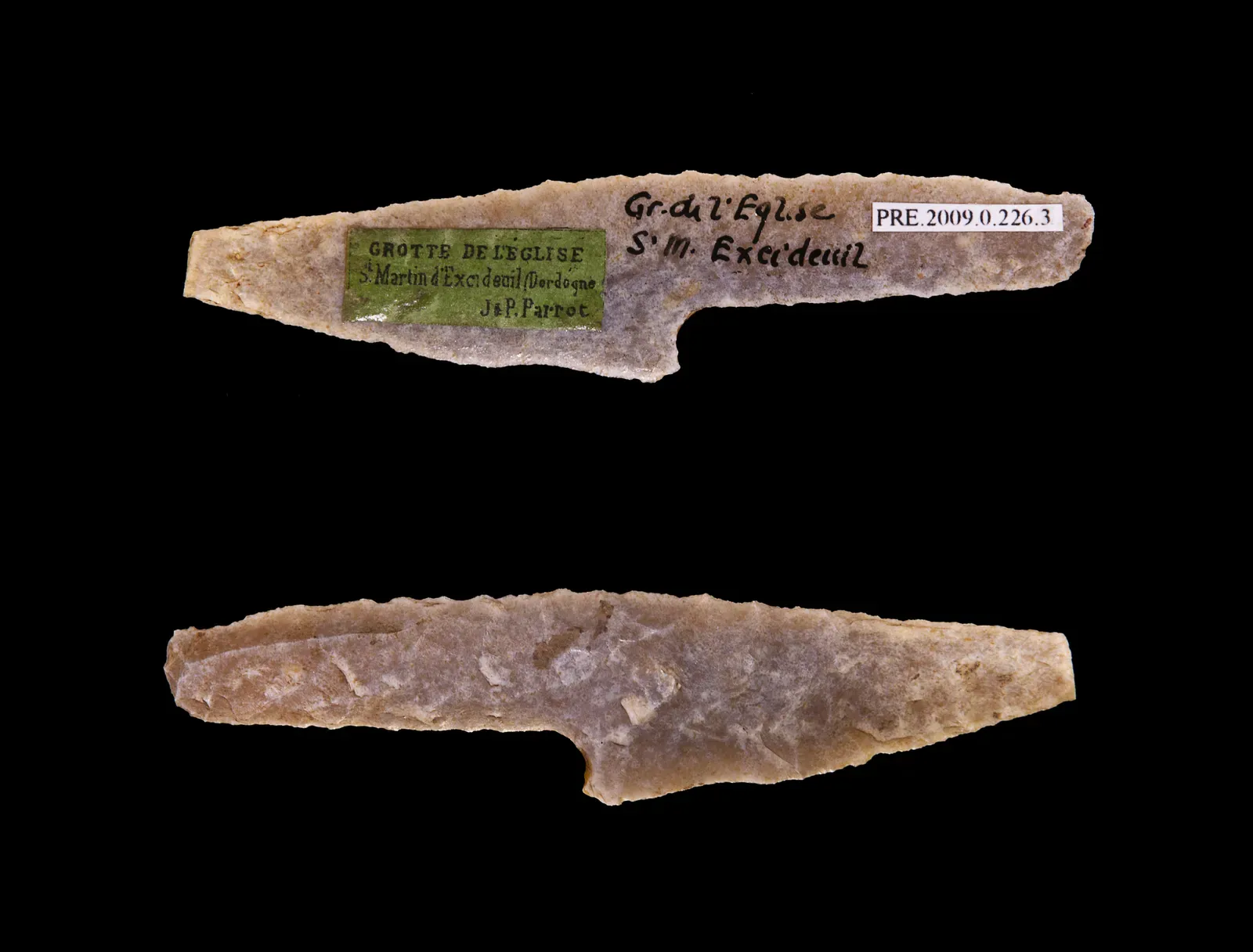
Microliths – tiny stone blades and geometric flakes – are well understood as parts of composite weapons like barbed arrows or harpoons. But some sites hold clusters of microliths arranged or cached in ways that make no technological sense: too many for one weapon, too regular to be waste, often showing little or no impact damage. Picture a drawer of razor blades that never cut anything.
Some archaeologists call these “kits in waiting,” abandoned before use. Others lean symbolic – offerings, ritual deposits, standardized teaching sets for young toolmakers. A growing number suspect the real problem is our own categories: if these clusters were interchangeable parts of modular technology we haven’t reconstructed, the mystery might not be the artifact at all. It might be the limits of our imagination.
Worth Knowing
- Microliths are typically only a centimeter or two long – small enough for several to be hafted together into a single wooden or bone shaft.
- The technique shows up independently across Africa, Asia, and Europe, often clustering in the Mesolithic period.
- Impact fractures on hafted microliths are the classic evidence of weapon use, which is exactly why undamaged caches are so hard to explain away.
#5 – The Grooved “Whetstones” That Never Sharpened a Blade
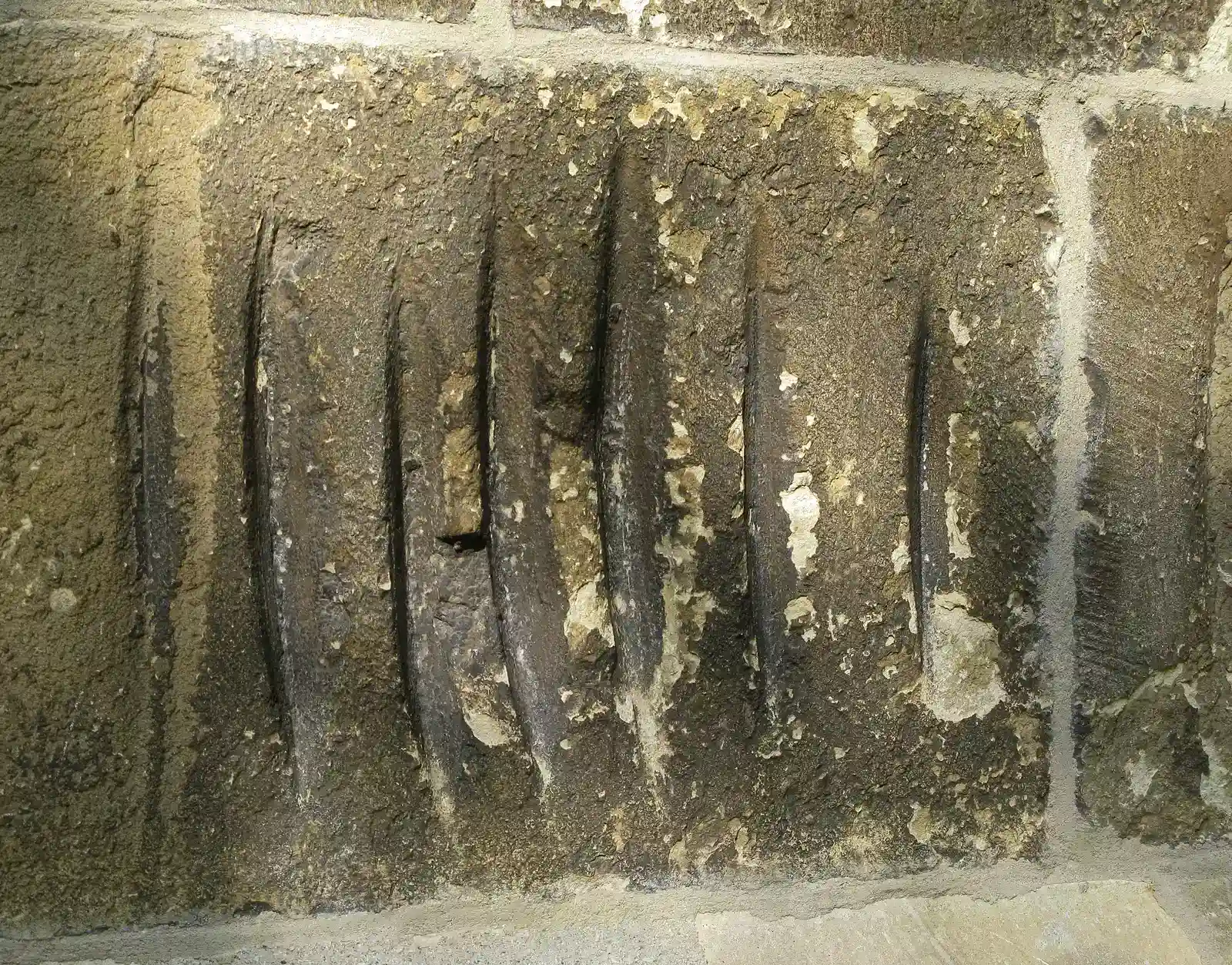
Long stones with parallel grooves are routinely labeled whetstones or sharpeners. But a subcategory develops deep, uniform, V-shaped channels that don’t match the broad, angled wear you’d expect from honing a blade. They run almost artistically along the surface instead – not quite decorative, but not behaving like pure sharpening tools either.
Some researchers propose they were fiber-processing boards, used to draw plant stalks through and separate their fibers. Others suggest a role in sound-making, or as test blocks for early metal or composite tools that left repeated linear wear. A few have floated the idea that they measured or standardized something – cord thickness, rod diameter – in a system we haven’t yet cracked. Without any surviving equipment to pair them with, the debate just keeps circling.
#4 – The Too-Perfect Biconical Stones Nobody Can Explain
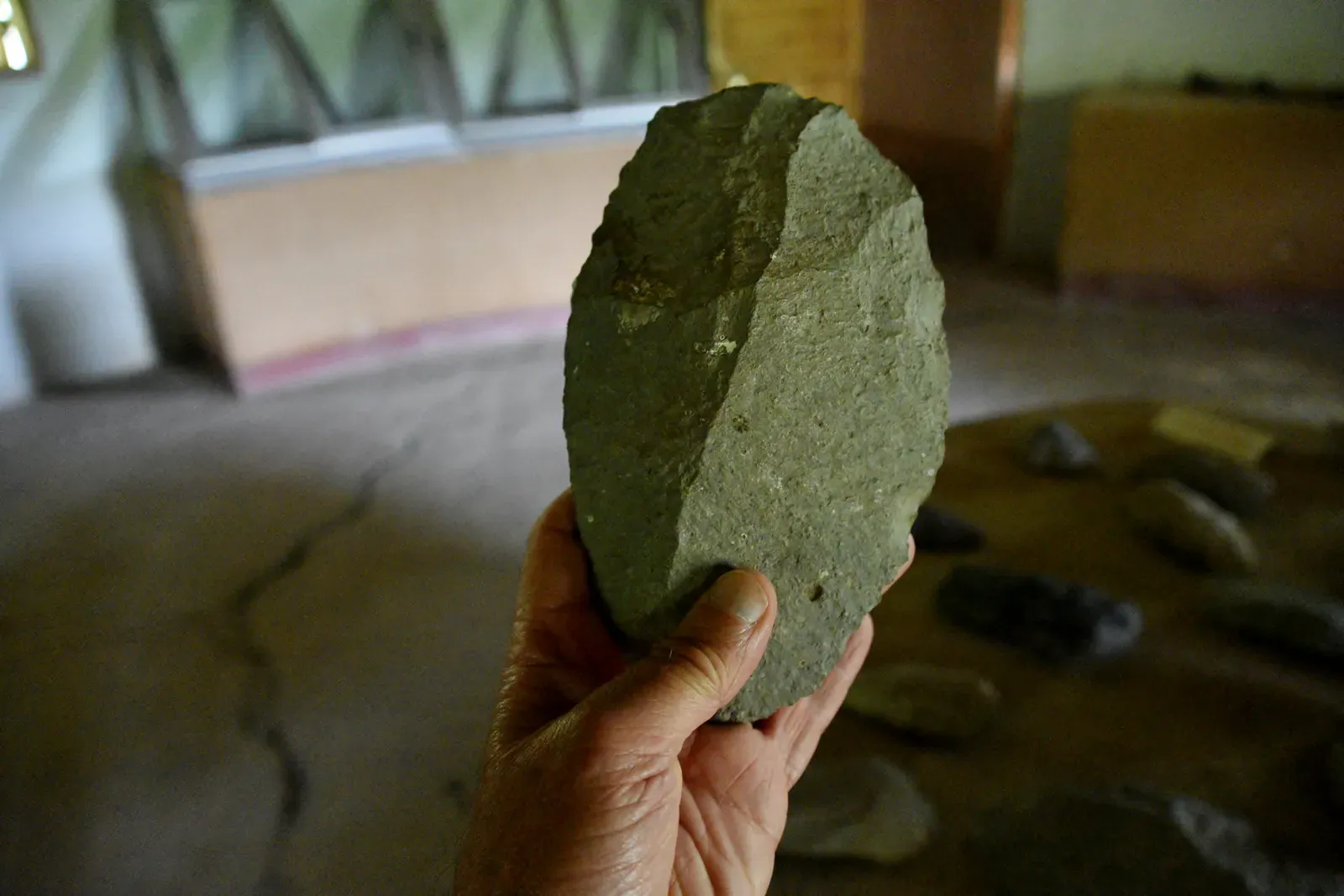
Biconical stones, shaped like two cones joined at the base, turn up from Neolithic Europe to parts of Africa and Asia. Many are so symmetrical and finely finished that casual use seems almost insulting to the effort. They don’t roll well like wheels, they’re clumsy as weights, and they lack the wear expected of hammerstones or grinders – yet they show up at enough sites to suggest real significance.
Guesses range from spindle whorls, though many are poorly sized for that, to gaming pieces, sling bullets, or symbolic stand-ins for seeds and other culturally loaded shapes. Ethnographic parallels hint at gaming or divination uses, but that’s analogy, not proof. What genuinely unsettles researchers is the labor involved – you don’t grind stone into that kind of precision by accident, which means someone, somewhere, cared deeply about a shape we still can’t explain.
#3 – The “Ritual Sickles” That Never Harvested a Single Crop
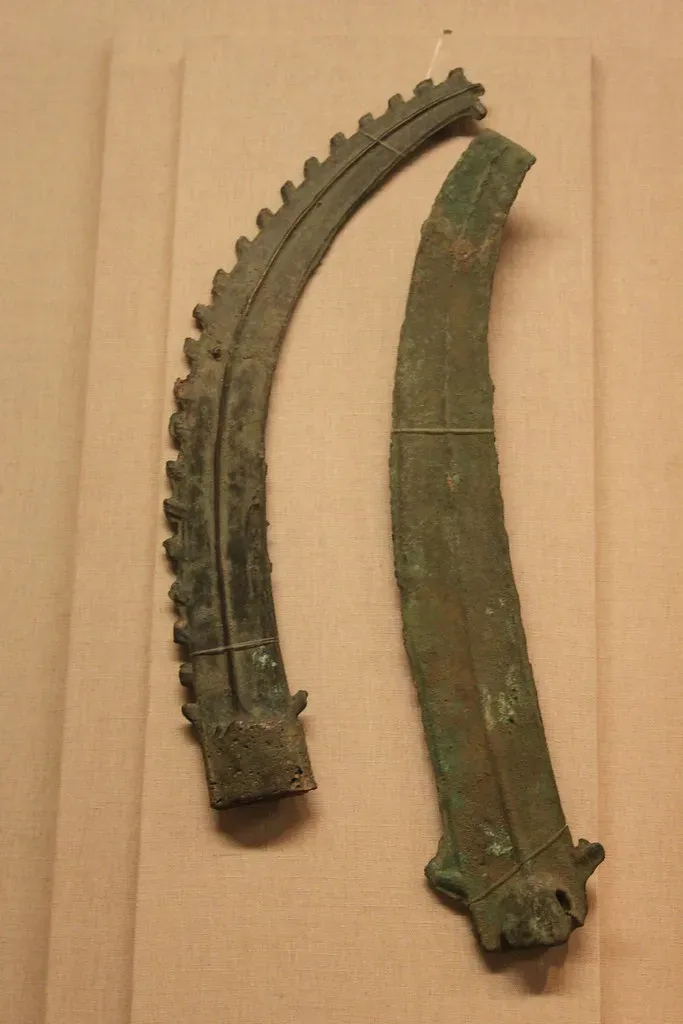
Archaeologists reach for the phrase “ritual object” whenever they’re stuck, and curved stone or bone pieces called “ritual sickles” are the clearest example. They share the general arc of a real sickle, sometimes with handle-like features, but they lack the microscopic silica gloss that comes from actually cutting cereal crops. They also tend to turn up in graves or isolated caches rather than everyday rubbish heaps.
One theory treats them as symbolic stand-ins for real farming tools, used in ceremonies marking planting or harvest seasons. Another frames them as prestige items for early farming elites, a way to claim authority over land and labor without ever swinging a real blade. The awkward truth is that some of these objects may never have touched a blade of grass, and calling them “ritual” is less an answer than a polite way of admitting defeat.
#2 – The Mystery Toolkits Buried Beside the Venus Figurines
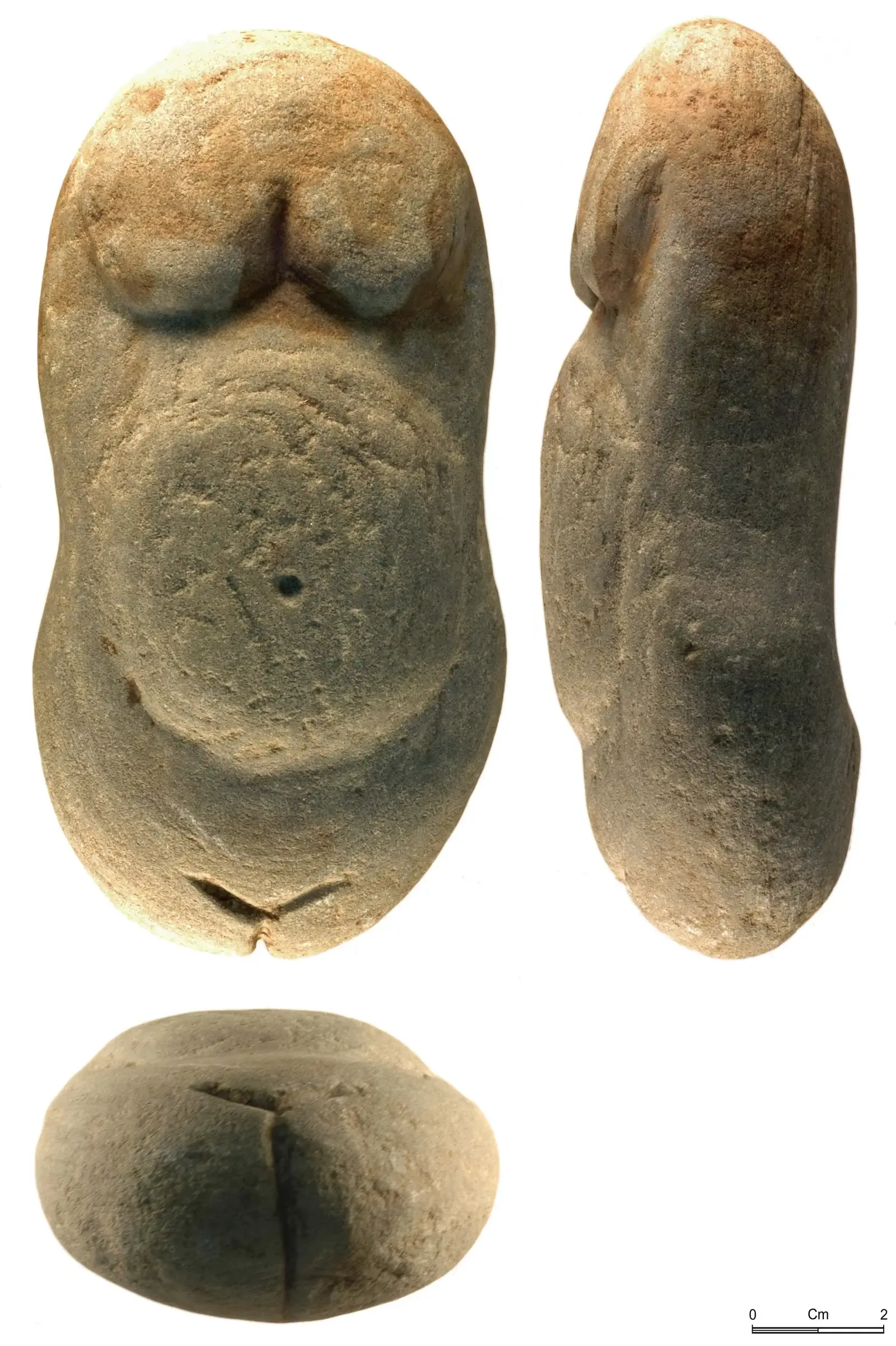
Across parts of Europe, the famous Paleolithic “Venus” figurines – exaggerated female forms carved in stone, bone, or ivory – sometimes appear alongside small, oddly shaped tools: scrapers, burins, and fragments that don’t fit standard categories cleanly. The easy assumption is that these are just carving debris from making the figurine itself. But residue tests and wear patterns don’t always support that simple story.
Some researchers think these could be specialized tools for body art, textiles, or ornaments tied to the figurines – a kind of “Venus toolkit” bound up with ritual identity. Others argue we’re overreading proximity, and the objects simply ended up in the same layer by chance. What’s harder to dismiss is the possibility that we’re underestimating how layered this symbolism really was – these small tools may have mattered for practices like midwifery, healing, or initiation rites that left no other trace.
Fast Facts
- The best-known example, the Venus of Willendorf, was carved roughly 25,000 to 30,000 years ago and unearthed in Austria in 1908.
- Similar figurines have been found from France to Siberia, spanning thousands of miles and cultures with no direct contact.
- Most are small enough to fit inside a closed fist, which hints they were meant to be carried or handled rather than displayed on a shelf.
#1 – The Blades Snapped in Half and Buried Like a Secret
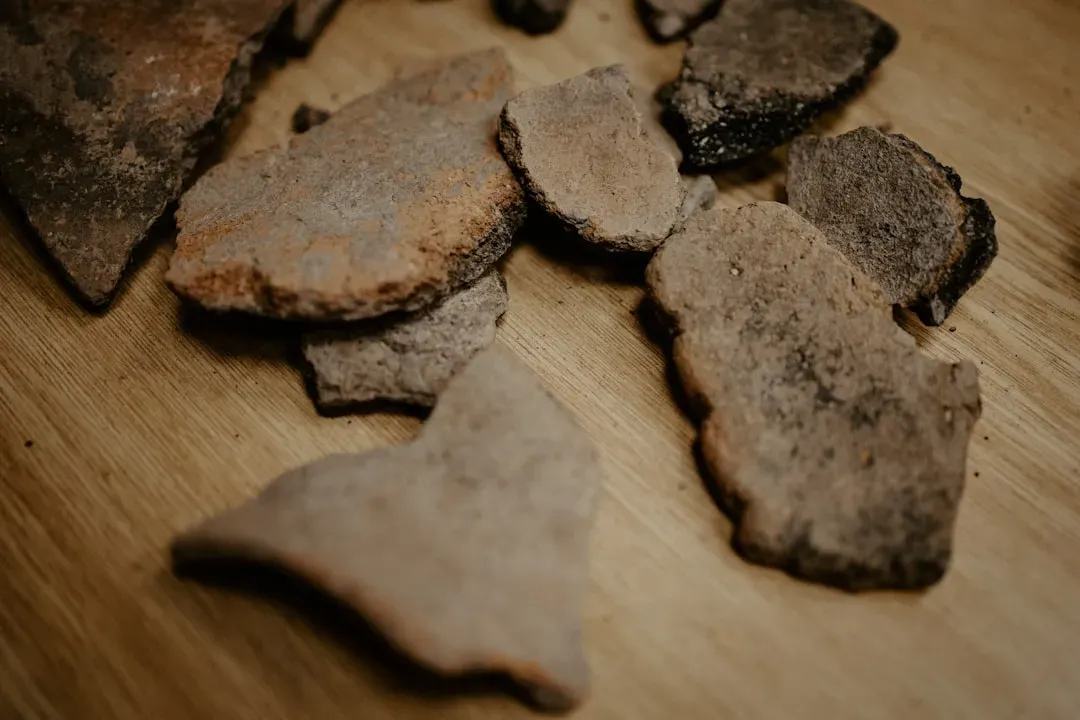
At the very top of the mystery list are carefully knapped stone blades that were deliberately snapped and buried in precise, deliberate arrangements. These aren’t accidental breaks. The edges show careful production first, then intentional, forceful snapping – often into equal lengths – followed by placement in pits, rows, or circles, with little to no use-wear on the pieces at all.
Some archaeologists see this as ritual “killing” of objects – rendering a tool symbolically dead before offering it up. Others read it as a kind of social contract, standardized tokens broken and buried to seal an exchange, alliance, or oath. Skeptics counter that this could just be disposal or workshop cleanup dressed up as meaning, but the sheer regularity of these deposits is hard to shrug off. If there’s one place where prehistory looks less like survival and more like storytelling, this is it.
The Bottom Line
Strip away the confident museum labels – anvil, comb, weight, sickle – and what’s left is genuinely humbling. A large slice of prehistoric “tools” sit in catalogs with a quiet asterisk: function uncertain, ritual maybe, a question mark doing more honest work than most textbooks admit out loud.
My honest read? We keep reaching for the word “ritual” the same way earlier generations reached for “primitive” – as a polite way to stop thinking. These objects weren’t failed tools or lazy guesses by ancient people; they were probably built for a logic we’ve simply lost the key to, tangled up in stories, status, and rules that never made it into the archaeological record. The real mystery isn’t why these thirteen objects resist explanation. It’s how many more like them we’ve already mislabeled with false confidence and moved past without a second look.
Did we miss one of your favorite unexplained artifacts? Make your case in the comments – some of the best theories in archaeology started exactly that way.