
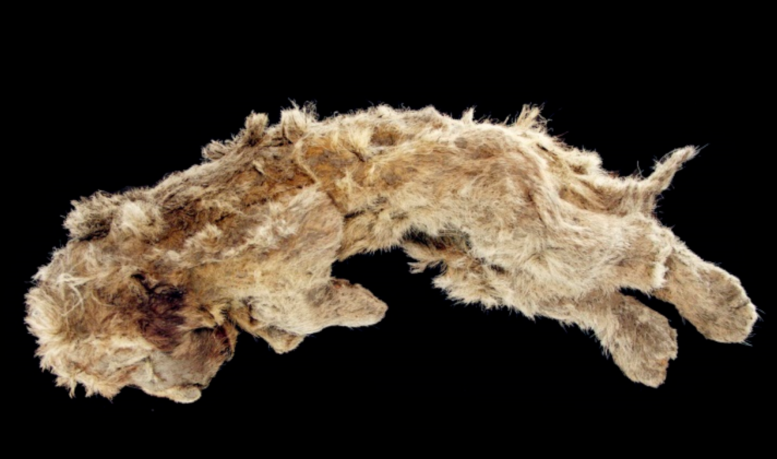
Most people assume that when a body or an ancient creature gets pulled out of the ice, scientists swarm it within hours – scalpels ready, CT scanners humming, DNA labs on standby. That almost never happens.
Across glaciers, permafrost, and the death zones of the world’s highest peaks, dozens of frozen discoveries have been photographed once, documented once, and then left to sit in the cold – sometimes literally – for decades. Funding runs out. Jurisdictions argue. Mountains are too dangerous to revisit. What follows are 14 of the most stunning frozen finds in modern history, each one recovered in remarkable condition, and each one still waiting – in some cases for a century – for the real scientific study it was promised.
#14 – The Unidentified Trio of San Matteo Peak
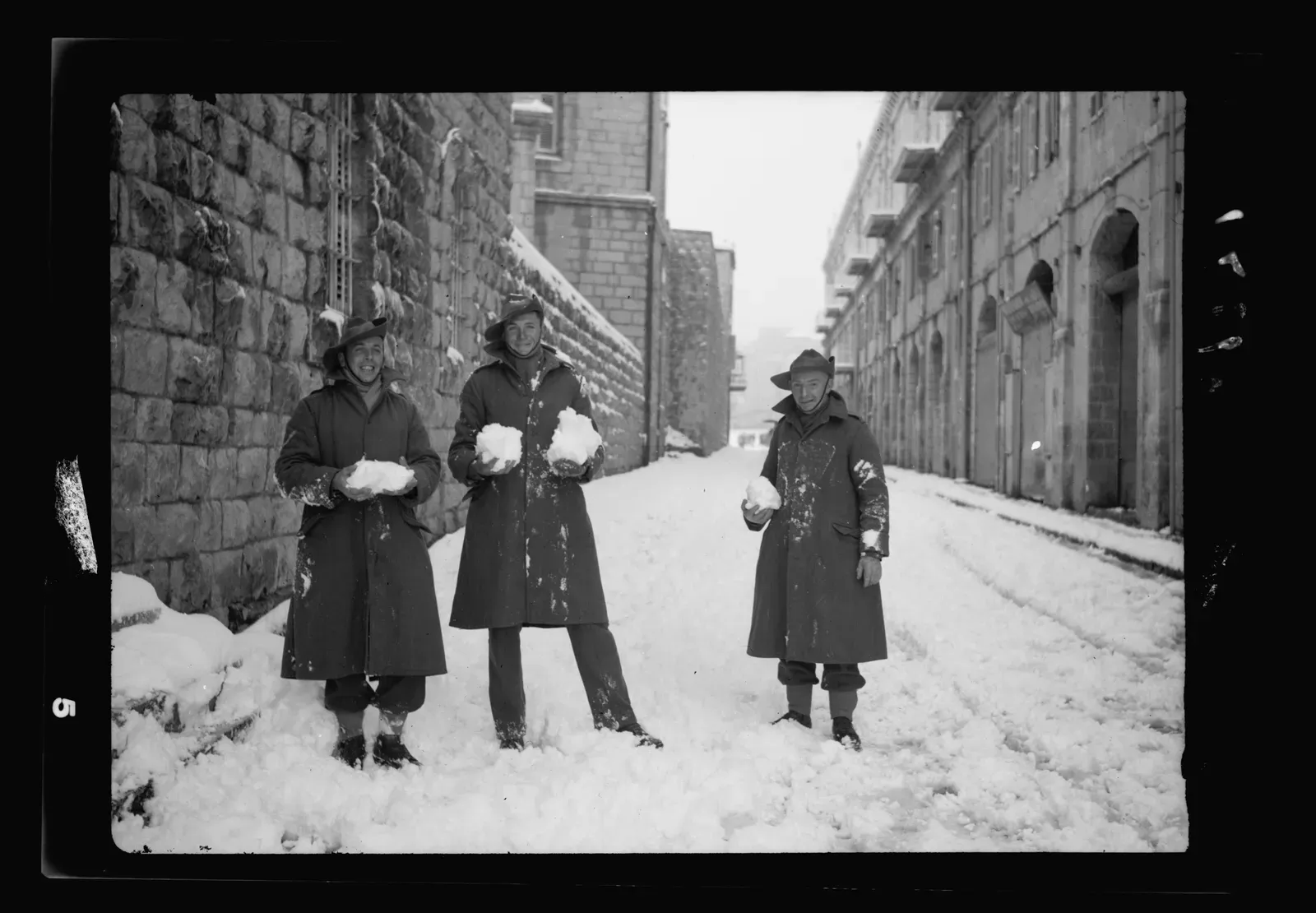
Three Austro-Hungarian soldiers, killed within the same afternoon in 1918, spent 86 years locked inside an Italian glacier before anyone saw their faces again.
An amateur historian found them jutting out of the ice near Peio in 2004, and what he saw stunned even seasoned researchers. “To find them in that state was almost impossible,” he said. “The hands and faces were well defined, the fingernails, teeth, and skin on the face were all still there.” Yet no forensic team ever ran a full workup – the bodies were buried near the village almost immediately, alongside other war victims. No lab report, no DNA panel, just three unmarked graves and a case that quietly closed itself.
#13 – The Teenage Austrian Soldiers of Presena Glacier
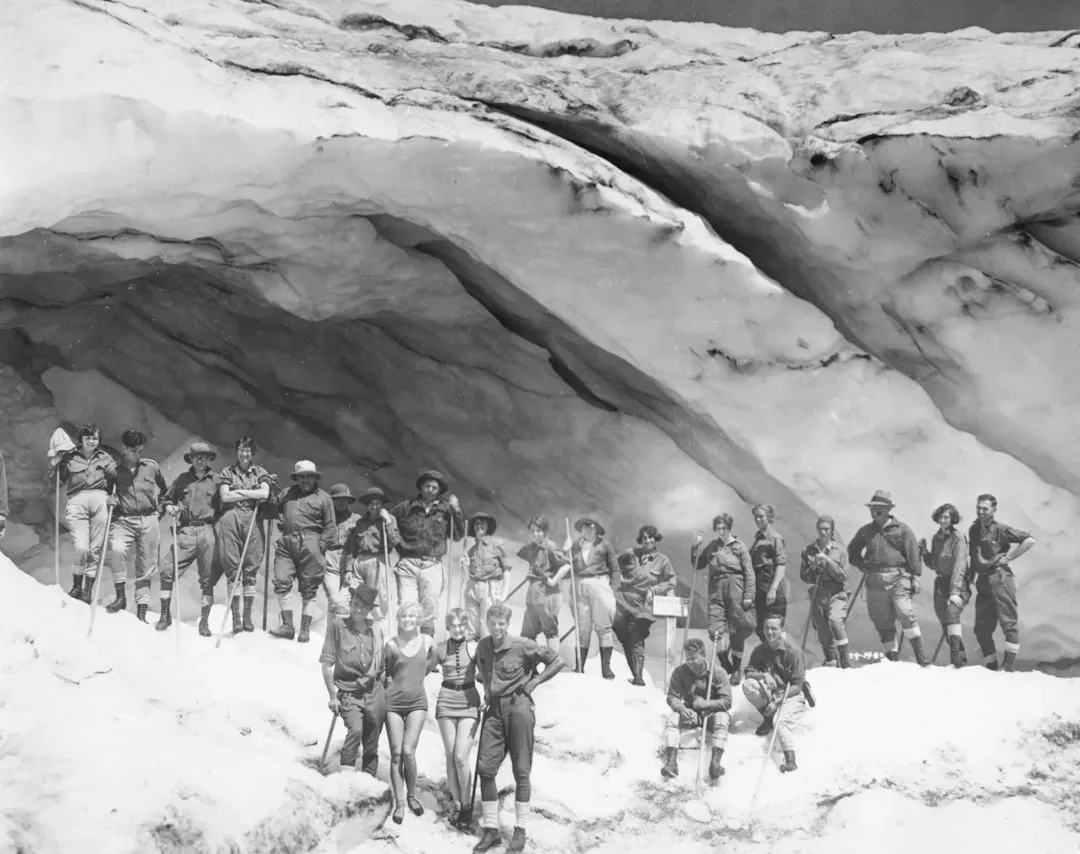
Two blond, blue-eyed boys barely out of their teens surfaced from an Italian glacier in near-perfect condition, after nearly a century of being missing.
Among the most haunting recoveries in the region was this pair of mummified young Austrian soldiers, complete with bullet holes still visible in their skulls. A local archaeological official described the eerie sensation of finding them: “They feel contemporary. They come out of the ice just as they went in.” That single detail – how fresh they looked after nearly 100 years – is exactly what makes the silence afterward so strange. Beyond a handful of photographs and a brief note, no published forensic study has ever identified who these boys were, what unit they served, or how they compare to the hundreds of other Alpine War casualties still trapped in the ice.
At a Glance
- Location: Presena Glacier, Italian Alps
- Missing for: nearly 100 years before discovery
- Condition: mummified, with blond hair and blue eyes still identifiable
- Visible trauma: bullet holes in both skulls
- Scientific follow-up: none formally published to date
#12 – Mount Scorluzzo’s Buried Barracks and Its Missing Men
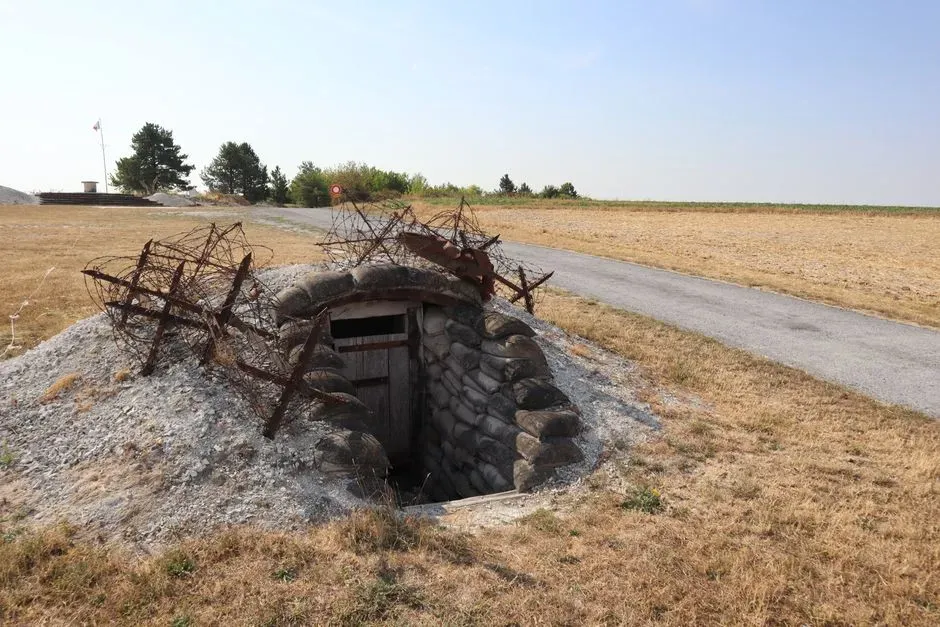
An entire mountaintop garrison vanished into the ice, and while archaeologists later dug up their belongings, the men who used them were never found.
Excavations at a WWI-era bunker roughly 10,000 feet above sea level turned up coins, lanterns, canned food, bottles, clothing, letters, straw beds, and animal bones – a full snapshot of daily life for the Austro-Hungarian troops stationed there. Here’s the unsettling part: most of those men didn’t die from enemy fire. They died from cold, starvation, and exposure along a windswept, resource-starved front line. Their remains are presumed to still be somewhere in that ice field, undiscovered and unstudied, while their tin cups and love letters sit safely behind museum glass.
#11 – The Tens of Thousands Still Locked in Alpine Ice
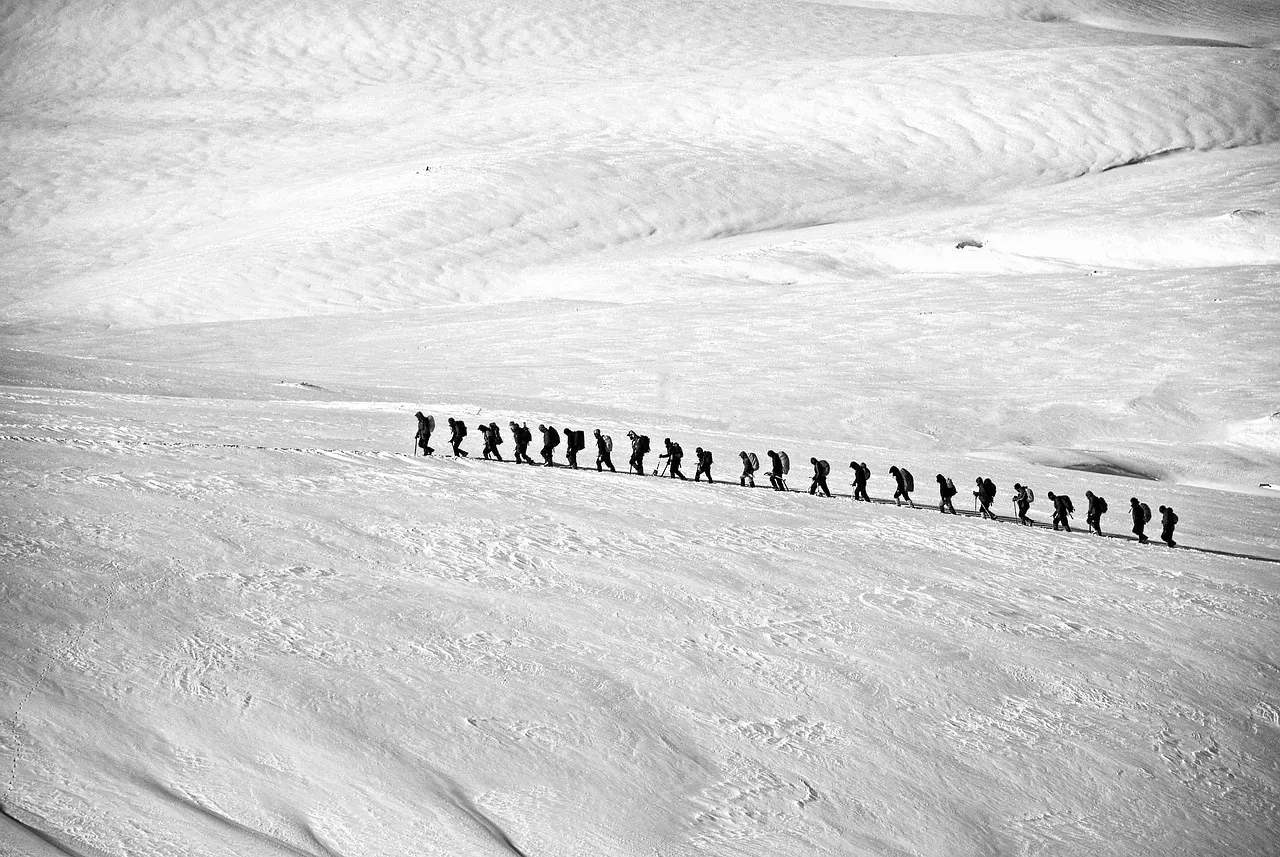
This isn’t a single mystery – it’s an entire graveyard hiding in plain sight along the Italian-Austrian border.
Researchers studying the so-called “White War” have been clear that the men found at Peio and Presena are the exception, not the rule. As glaciers keep retreating, well-preserved bodies keep surfacing, and most estimates suggest thousands of soldiers who died in these high-altitude trenches between 1915 and 1918 are still sealed inside the shrinking ice. Unlike Ötzi, who triggered decades of continuous academic study, most of these soldiers get a brief news cycle, a quiet burial, and nothing else – no isotope analysis, no genetic tracing back to living relatives, no forensic reconstruction of their final hours.
#10 – The Beresovka Mammoth
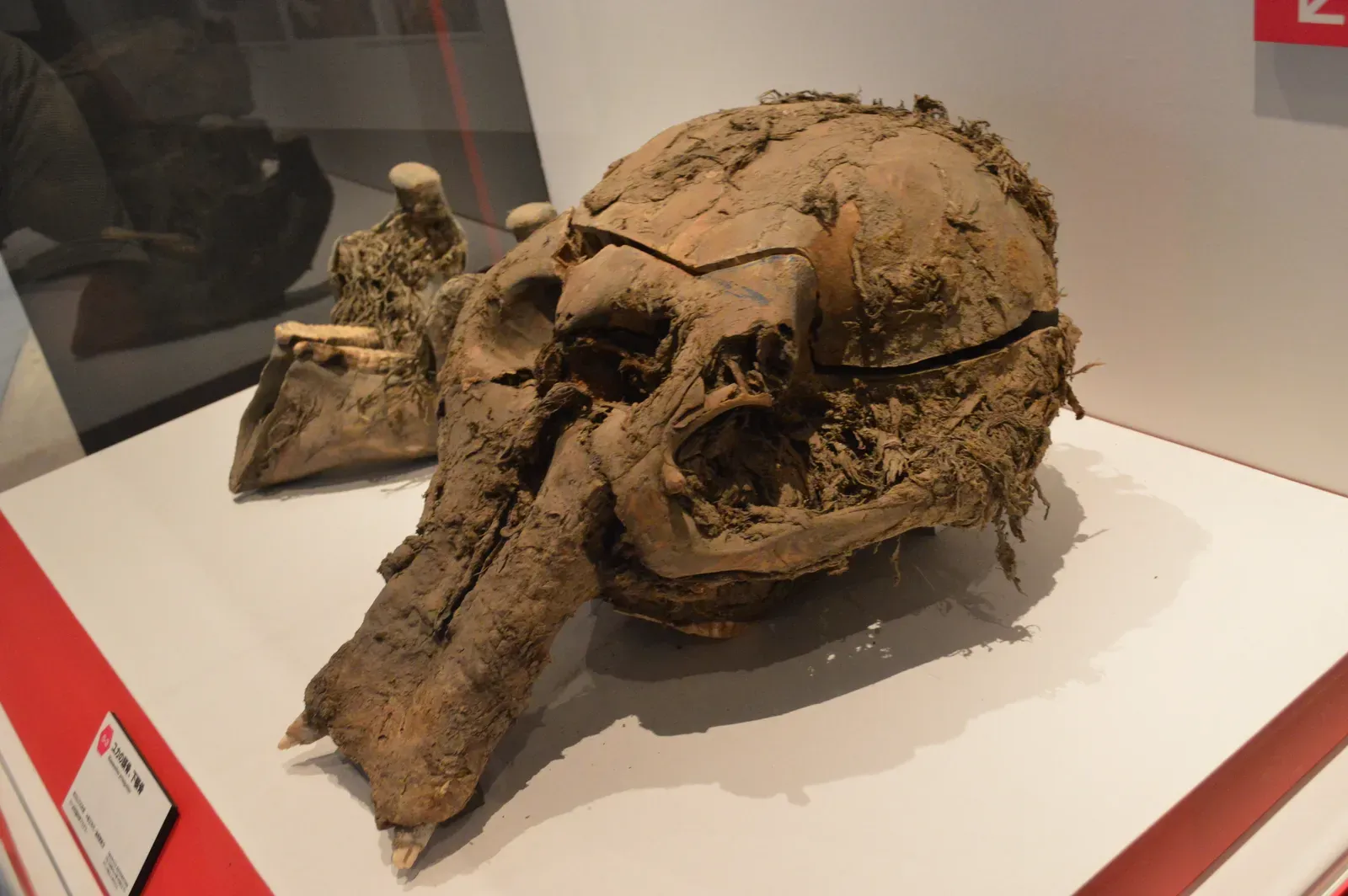
Long before Ötzi made headlines, an entire woolly mammoth came out of Siberian ice so intact that scientists could still see grass in its mouth.
Discovered in Russia in 1901, the Beresovka Mammoth became a sensation of early 20th-century science – mounted, displayed, and printed in textbooks for generations. Yet by modern genomic and forensic standards, this landmark specimen has barely been touched since. No CT scan comparable to what researchers now run on Siberian cave lion cubs, no full-genome sequencing on the scale applied to recent finds, and no reassessment of the cause-of-death theories that were popular over a century ago. The mammoth that essentially launched an entire field of permafrost paleontology has spent the better part of a century as a museum centerpiece instead of an active research subject.
Worth Knowing
- Discovered: Siberia, 1901
- Preservation detail: grass was still found inside its mouth
- Legacy: became a textbook icon of early Ice Age science
- Modern gap: no full-genome sequencing or advanced CT imaging on record
#9 – Uyan and Dina, the Forgotten Cave Lion Cubs
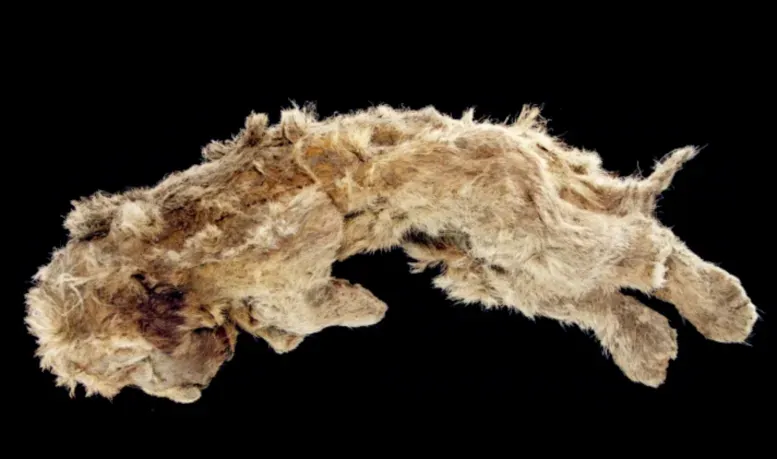
Years before the famous cubs Sparta and Boris became science celebrities, two other cave lion cubs made an almost identical discovery – and got a fraction of the attention.
The 12,000-year-old cubs, nicknamed Uyan and Dina, were found perfectly preserved, down to individual strands of fur and whiskers. A Russian research team, including scientists from the Mammoth Museum in Yakutsk and the Yakutian Academy of Sciences, documented the find at the time. The irony is hard to miss: their preservation quality rivals the specimens that later triggered international genome-sequencing projects, yet Uyan and Dina never got the same follow-up. Sparta and Boris had their DNA extracted and their skeletal injuries CT-scanned for international journals – these two cubs simply faded from the pipeline after their initial unveiling.
#8 – Mammoths Sold Before Science Ever Arrives
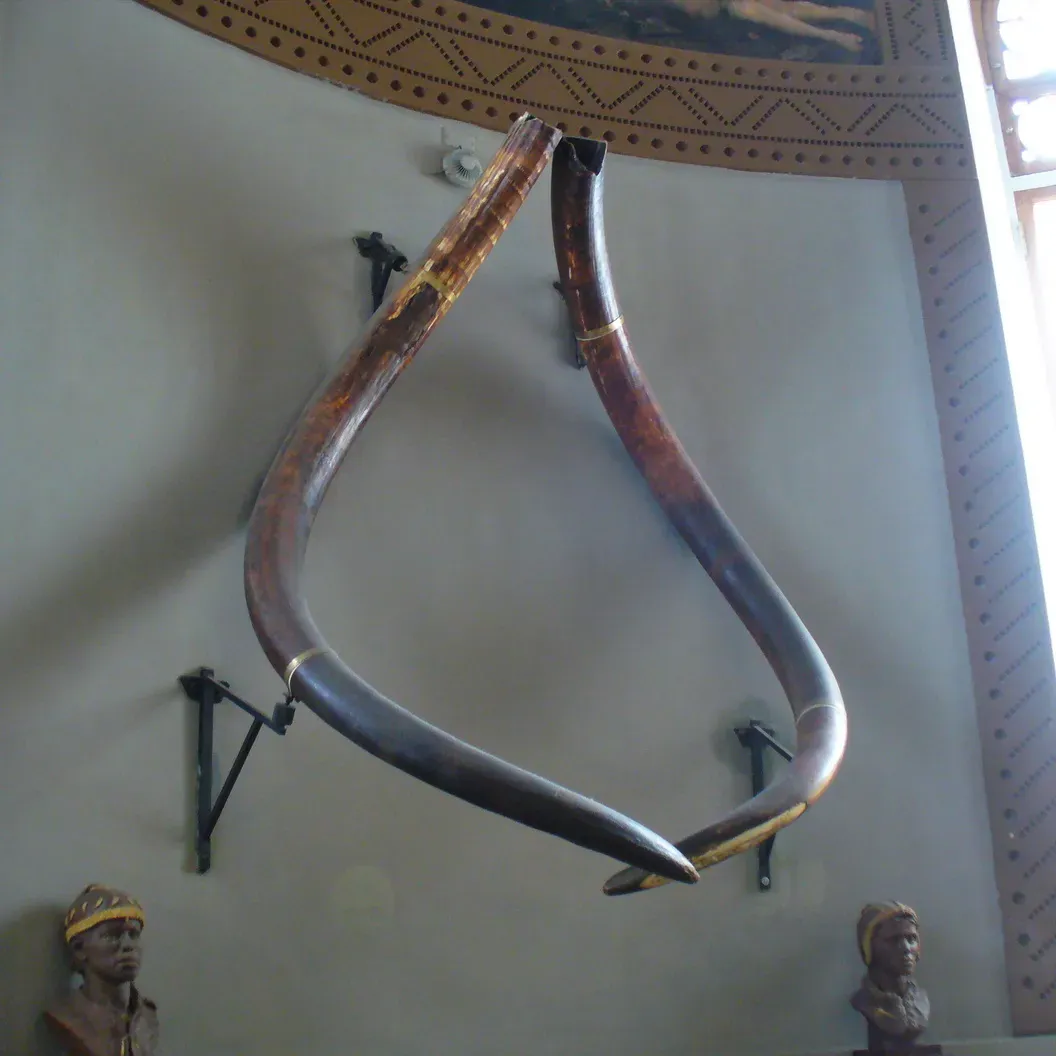
Not every frozen carcass makes it to a laboratory. Some get sold before scientists even know they exist.
Siberia’s thawing permafrost has become a magnet for informal tusk hunters combing riverbanks for ivory, and it’s often these same hunters who stumble onto entire frozen animals first. The cave lion cub Boris, for instance, was found in 2017 by a local resident and licensed tusk collector searching the Semyuelyakh River. But that’s the exception, not the norm – most accidental finds never reach a research institute at all. Ivory is valuable, permafrost sites are remote, and by the time word reaches a university lab, a specimen may have already decomposed, been sold privately, or been damaged during recovery by people with no training in paleontological excavation.
#7 – The 2016 Anthrax Reindeer Carcasses of Yamal
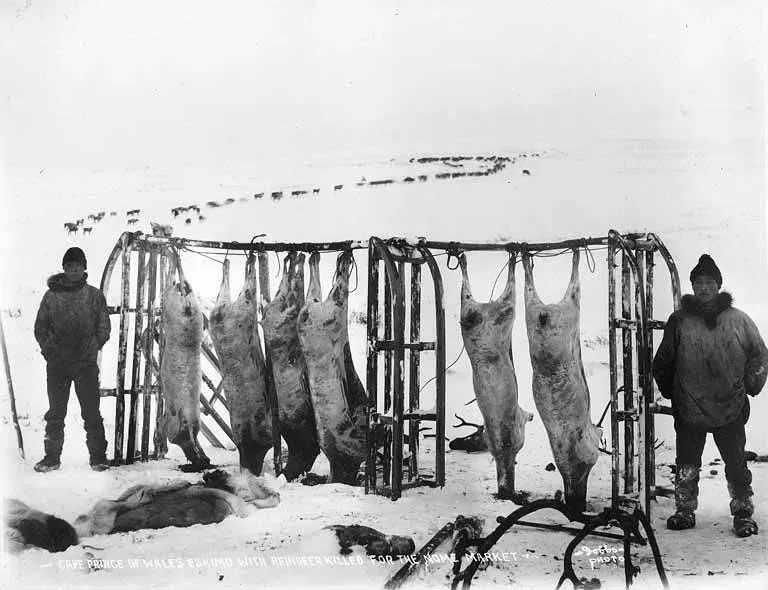
A single thawed carcass triggered an outbreak that hospitalized dozens of people – and most of the animals responsible were never individually examined.
In August 2016, a heatwave melted permafrost in a remote part of northern Russia and uncovered an anthrax-infected reindeer carcass. At least eight people were infected, a boy died, and more than 2,300 reindeer perished in an outbreak the region hadn’t seen since 1941. Here’s the part that gets glossed over: with an active biohazard on the ground, the priority was containment, not research. The vast majority of those carcasses were destroyed or buried under quicklime rather than catalogued, sampled, or studied for what they reveal about frozen pathogens surviving decades underground – a scientific opportunity sacrificed to public health necessity.
Fast Facts
- When: August 2016, Yamal Peninsula, Russia
- Trigger: an extreme heatwave thawed decades-old anthrax spores
- Human toll: at least 8 people infected, including one fatality
- Animal toll: more than 2,300 reindeer died
- Last comparable outbreak: 1941
#6 – The 42,000-Year-Old Frozen Foal
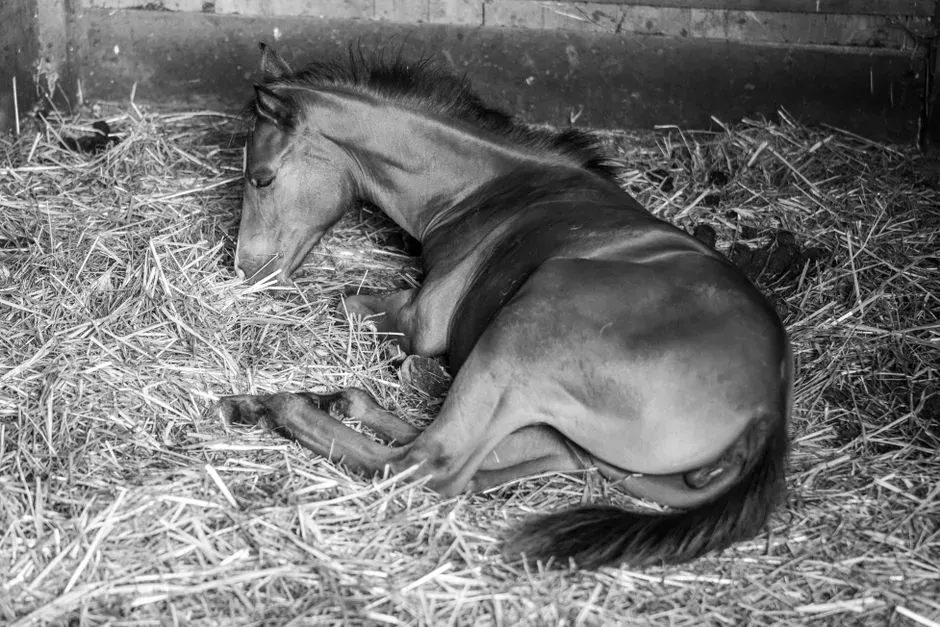
A baby horse fell into a Siberian crater tens of thousands of years ago and came out looking like it died last week.
Discovered in 2018 roughly 330 feet below the surface, this foal died between 30,000 and 40,000 years ago, yet the ice kept its hooves, skin, and tail intact – tiny hairs were still visible inside its nostrils. This is arguably the most anatomically complete Ice Age foal ever recovered, yet most of the public attention it received focused narrowly on cloning speculation rather than a full anatomical or pathological study. Beyond preliminary tissue sampling, there’s been little published follow-up comparing its skeleton, diet, or cause of death to other Pleistocene horses recovered from the same region.
#5 – The Swiss Farming Couple Frozen for 75 Years
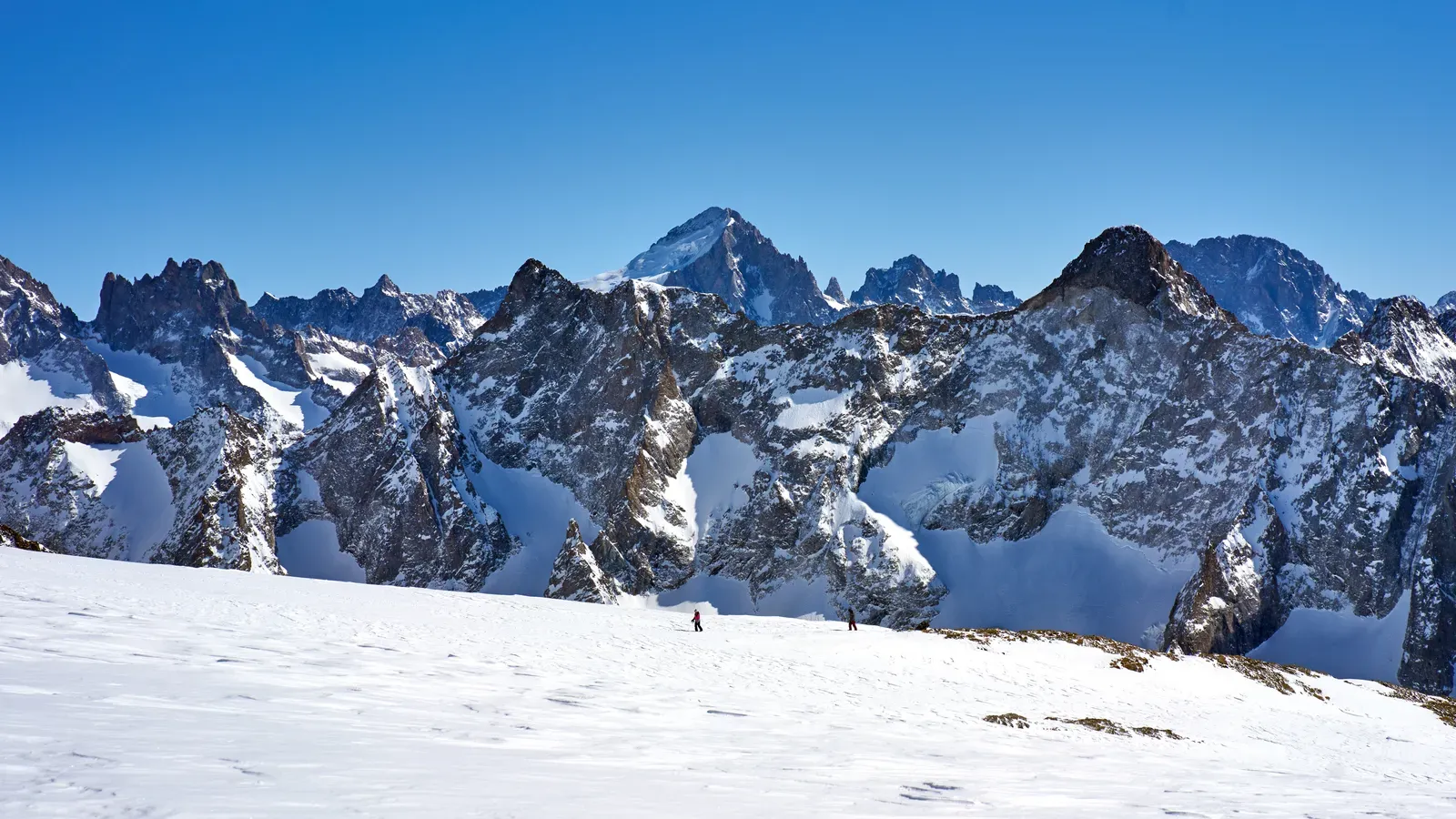
They walked out to milk their cows in 1942 and simply never came home – until a shrinking glacier gave them back exactly as they were.
Marcelin and Francine Dumoulin vanished above Chandolin on August 15, 1942. Seventy-five years later, their frozen bodies surfaced on the same glacier, remarkably intact. Their daughter had spent a lifetime waiting for exactly this moment.
We spent our whole lives looking for them, without stopping. We thought that we could give them the funeral they deserved one day.
Marcelin and Francine Dumoulin’s daughter
The couple’s identification came through DNA matching with surviving relatives, not a broader scientific study. Once confirmed and buried, no published research ever examined how 75 years of glacial movement had affected their remains – a rare, documented case of extreme long-term freeze preservation that ended in a private funeral instead of a journal article.
#4 – George Mallory’s Grave Left on the Mountain

One of mountaineering’s greatest mysteries was solved in 1999 – and then almost immediately re-buried in the snow, unexamined.
On May 1, 1999, George Mallory’s body was located at roughly 8,200 meters on Everest’s north slope, well preserved and frozen solid decades after his disappearance. Investigators noticed something strange about the location itself: he was found at an altitude higher than where he was believed to have fallen, raising more questions than answers about his final hours. Rather than transporting the body down for lab analysis, the expedition team buried Mallory where he lay. The GPS coordinates are known but never publicized, specifically to prevent grave robbing, which means no modern forensic pathologist has ever examined his remains directly – everything we know still comes from field notes taken on the mountain itself, over two decades ago.
#3 – Green Boots and Everest’s Decades-Long Identity Mystery
For thirty years, thousands of climbers walked past the same frozen body without knowing his real name.
Huddled in a small cave near the trail at 27,900 feet, “Green Boots” is perhaps the most infamous of the more than 200 corpses that remain on Everest today. For decades, he was believed to be climber Tsewang Paljor. That assumption has since been overturned – he’s now believed to be fellow mountaineer Dorje Morup instead. A body that thousands of people photographed for three decades was never formally examined until officials finally attempted a recovery, with the Indo-Tibetan Border Police soliciting bids from high-altitude recovery agencies to bring the remains down to Delhi.
#2 – Sleeping Beauty, Left in Full View for Nine Years
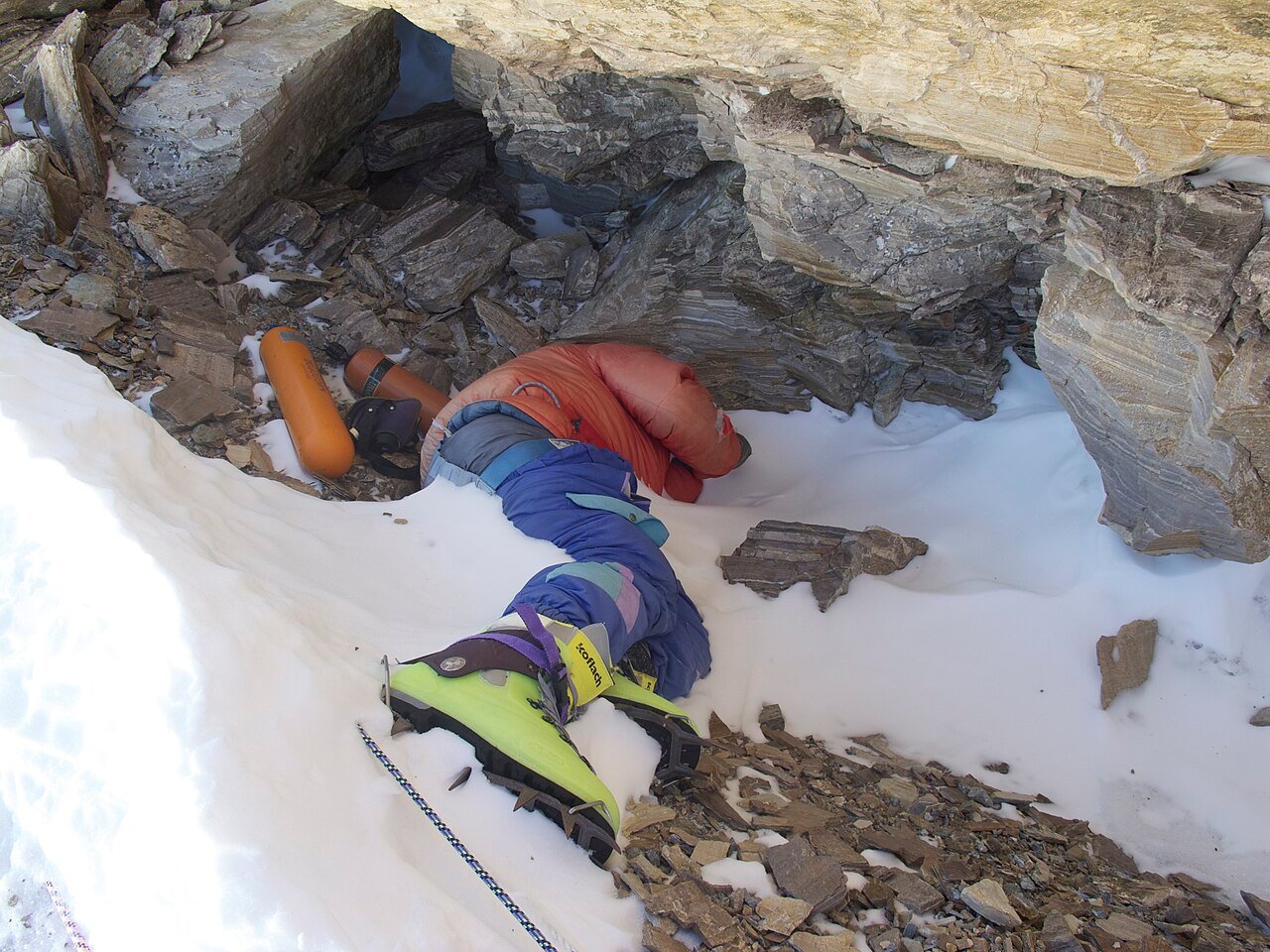
Everest doesn’t just hide its dead – sometimes it puts them on permanent, tragic display for anyone climbing past.
Alongside Green Boots, another frozen climber earned a grim nickname from the mountaineering community: “Sleeping Beauty,” still dressed in colorful climbing gear that’s become a landmark on the route to the summit. Many experts now argue that treating these bodies as trail markers, rather than recovering and studying them, is one of mountaineering’s most uncomfortable open secrets. Extreme altitude, oxygen deprivation, and the sheer physical risk of retrieval mean most of these individuals are photographed by passing strangers far more often than they’re ever examined by anyone qualified to determine cause of death, time of exposure, or even confirm identity beyond the label on their gear.
#1 – Rainbow Valley: Hundreds of Bodies Never Brought Home
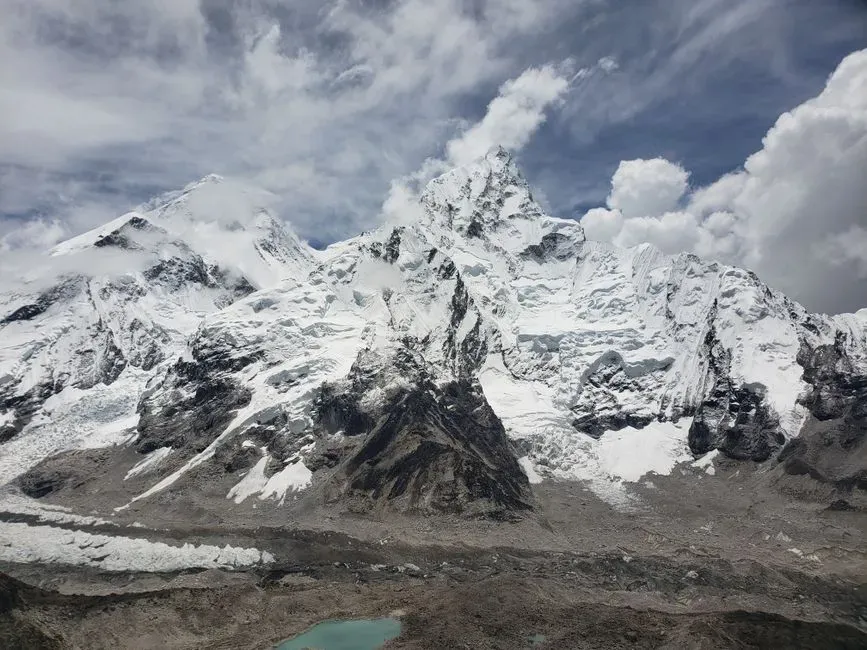
This is the biggest, least-discussed frozen mystery on Earth – and it’s sitting above 26,000 feet, in plain sight of anyone who climbs past.
More than 200 corpses remain on Everest, many clustered in a stretch nicknamed “Rainbow Valley” for the faded, colorful gear still clinging to the dead. Recovery efforts stay rare and dangerous – Sherpas who’ve attempted them describe the work as double the danger of a normal climb. Most of these climbers have never been identified, autopsied, or formally studied in any capacity; they exist purely as landmarks, warnings, and unresolved family tragedies. Even a recent cleanup effort that recovered five bodies from Everest, Lhotse, and Nuptse found one already reduced to skeletal remains – a reminder of just how much time can pass before anyone even attempts to bring these people home.
Why It Stands Out
- Altitude: above 26,000 feet, inside Everest’s “death zone”
- Known remains: more than 200 bodies still on the mountain
- Nickname origin: faded, colorful climbing gear scattered across the route
- Recovery risk: described as double the danger of a normal summit push
- Recent effort: a cleanup mission recovered five bodies from Everest, Lhotse, and Nuptse
The Bottom Line
What ties every one of these cases together isn’t the ice – it’s the silence that follows. A body or a mammoth can make global headlines for a week and then disappear from the record for decades, whether it’s buried in a village cemetery below an Alpine glacier or left as a grim waypoint on Everest’s north face.
Frankly, the gap between “sensational discovery” and “actual science” is far wider than most people assume, and altitude, cost, and jurisdiction are usually the real culprits – not a lack of curiosity. If you ask me, that’s the real scandal buried in all of this: we’ve built the technology to read a 12,000-year-old cub’s DNA down to the letter, yet dozens of bodies and creatures with just as much to teach us are sitting in cold storage, or on a mountainside, waiting for someone with the budget and the permission to finally look. Which of these frozen mysteries do you think deserves a real scientific second look? Drop your pick in the comments.