
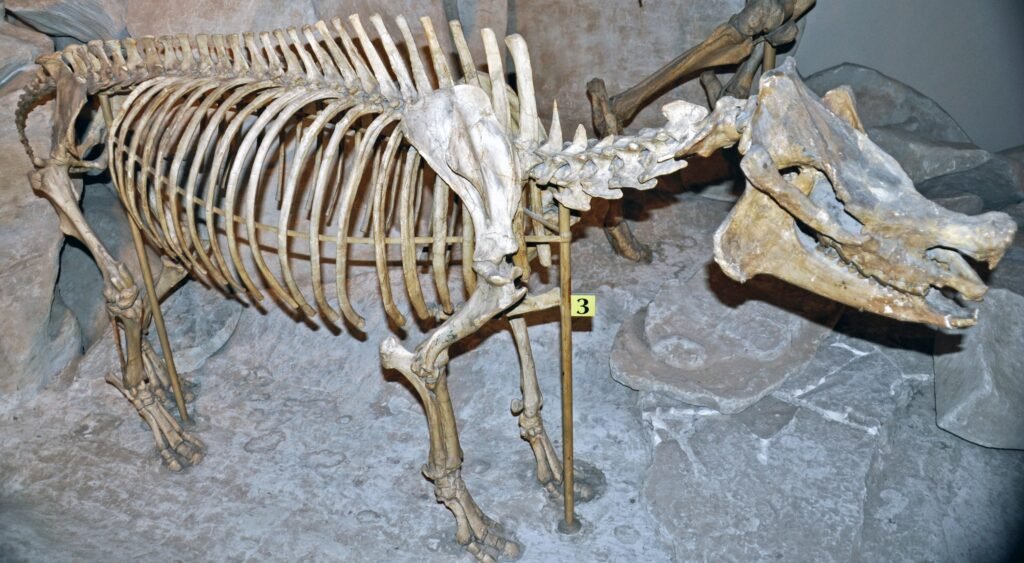
Most people assume a skeleton in a glass case is exactly what it claims to be – one creature, one story, one set of bones pulled straight from the rock. But dig into the paperwork of natural history museums and a different picture emerges: skulls borrowed from the wrong species, tails glued onto bodies they never belonged to, and “missing links” that were never linked to anything real.
Curators rarely advertise this. They just quietly swap the label, rewrite the placard, and hope nobody asks too many questions. Here’s what museum archives, peer-reviewed retractions, and paleontologists themselves actually admit happened behind the scenes.
#14 – Stegosaurus Wore Someone Else’s Armor for a Century
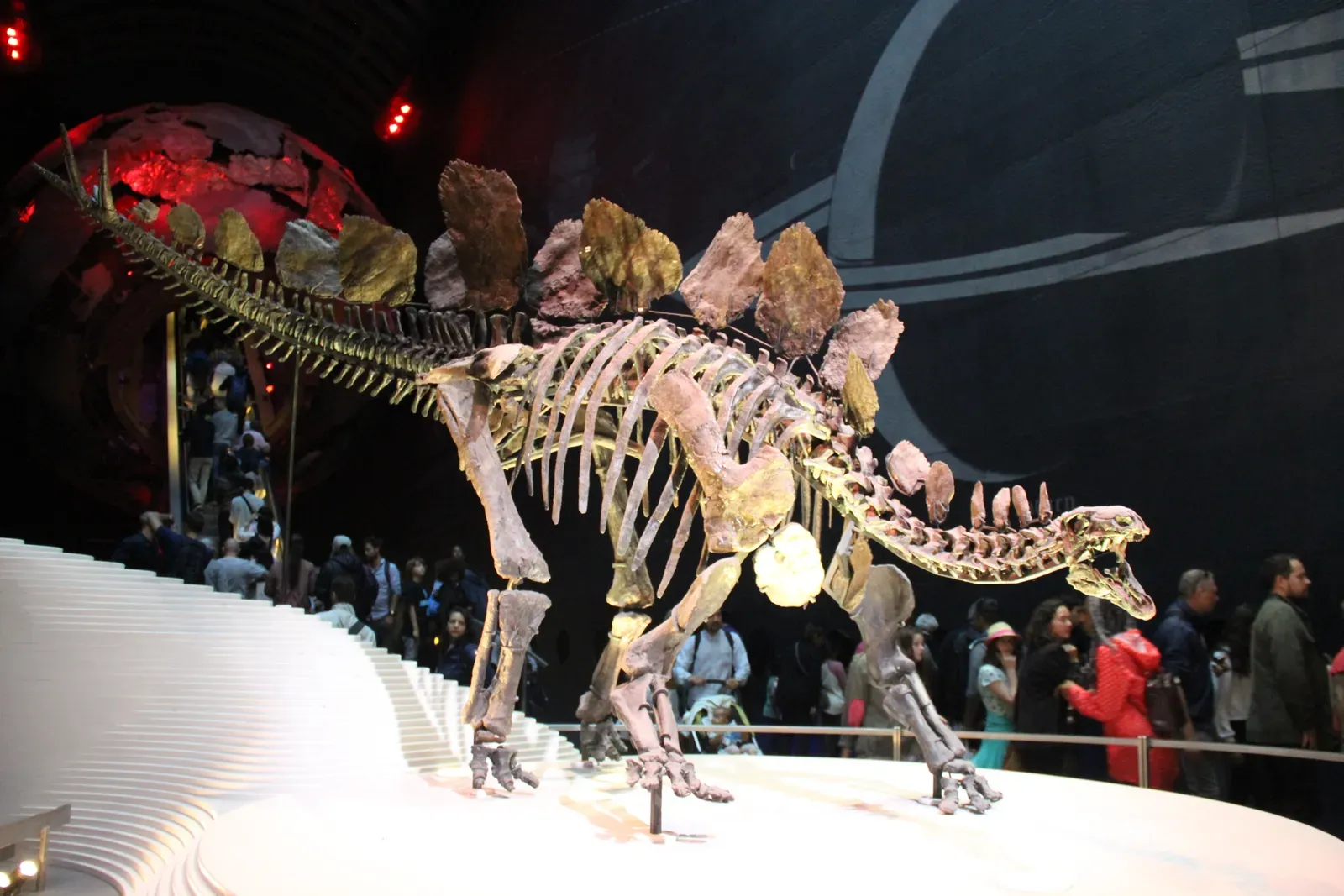
For decades, the iconic double row of Stegosaurus plates you saw in every museum diorama wasn’t from one dinosaur at all. Complete Stegosaurus skeletons with plates and spikes still attached in their natural positions were incredibly rare finds for most of the 20th century.
Early museum mounts solved this problem by pulling individual plates, tail spikes, and vertebrae from multiple separate quarry specimens and arranging them into a single “complete” skeleton based on best guesses. Paleontologists genuinely argued for decades over whether the plates even sat in two rows or one, precisely because no single skeleton existed to settle the debate. It wasn’t until a remarkably intact specimen nicknamed “Sophie” was studied in the 2010s that scientists finally had one individual’s real armor layout to check their composite guesses against.
Fast Facts: Sophie the Stegosaurus
- Sophie, the 85% complete Stegosaurus stenops, is on display at London’s Natural History Museum.
- She was discovered in 2003 at Red Canyon Ranch in Wyoming.
- Her skeleton contains more than 300 bones and stretches over 18 feet long.
- She remains one of the most complete and well-preserved Stegosaurus specimens ever found.
That’s already a strange confession from paleontology’s own establishment. But the Victorian era took the fudging to a whole new level of showmanship.
#13 – The “Sea Dragons” a Victorian Collector Secretly Rebuilt
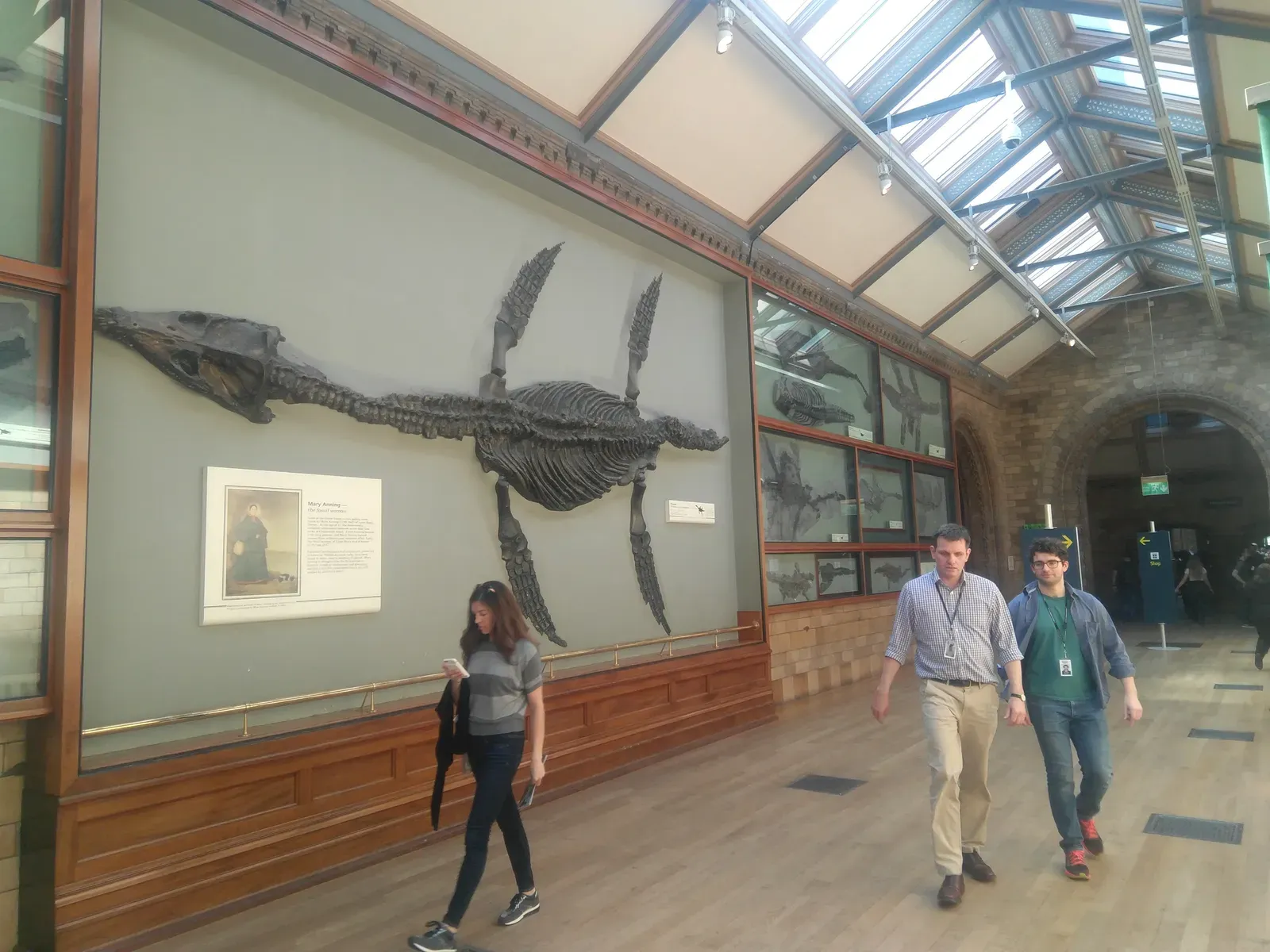
Thomas Hawkins made his name in the 1830s digging up ichthyosaurs and plesiosaurs from the cliffs of Lyme Regis, and he sold his most dramatic specimens directly to the British Museum. The problem was that Hawkins didn’t just clean and prepare these ancient marine reptiles – he “improved” them.
Fossil dealers of the era routinely patched broken skeletons with plaster, and Hawkins took this a step further, filling gaps with sculpted material and sometimes incorporating bone fragments from other individuals to make his sea dragons look more complete and more terrifying than what actually came out of the ground. Museum conservators who later X-rayed some Victorian-era marine reptile mounts found extensive reconstruction hiding under the original stone matrix. The specimens looked flawless in Victorian display cases, which was exactly the point.
Victorian showmen weren’t the only ones filling gaps with guesswork – it turns out the very first fossil skeleton America ever put on public display had the same problem.
#12 – America’s First Mounted Skeleton Was Already a Patchwork
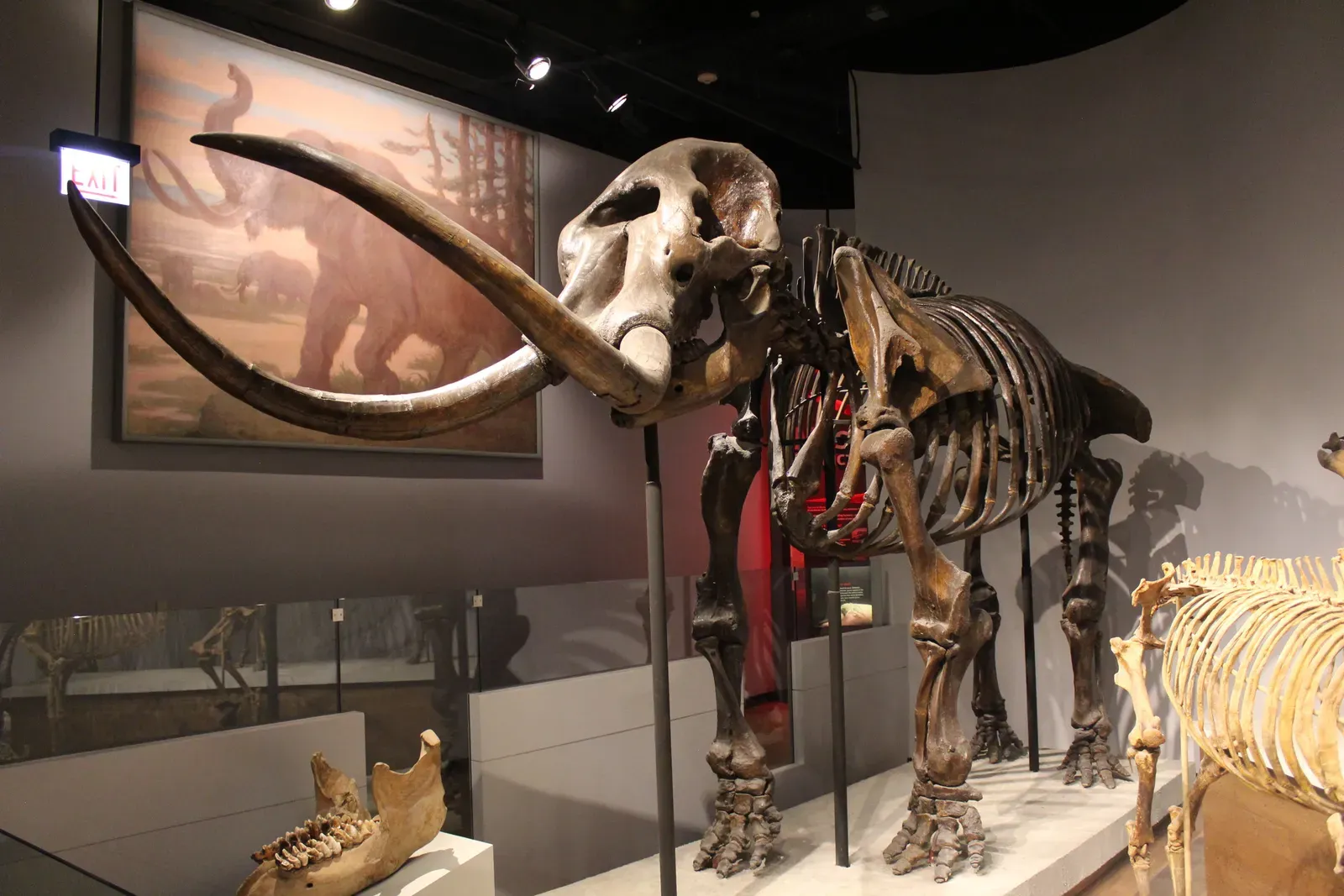
In 1801, artist and museum owner Charles Willson Peale unveiled the first complete fossil skeleton ever mounted for public display in the United States: a mastodon. Peale’s team excavated the bones from a marl pit in Newburgh, New York, but the dig produced an incomplete jumble rather than one tidy skeleton.
To finish the mount, Peale’s crew filled missing sections with carved wooden replicas shaped to match the surviving bone, and historians studying the surviving skeleton have long debated whether elements from a second, separate mastodon dig were also folded into the final display to round out the gaps. The finished mastodon that toured Europe and became a sensation was, quite literally, part real bone and part educated guesswork. Audiences had no idea they were looking at a hybrid.
That patchwork instinct followed fossil hunters everywhere they went, even across oceans to a riverbed in Java that would rewrite the story of human origins – or at least try to.
#11 – “Java Man” Might Be Two Different Individuals Wearing One Name
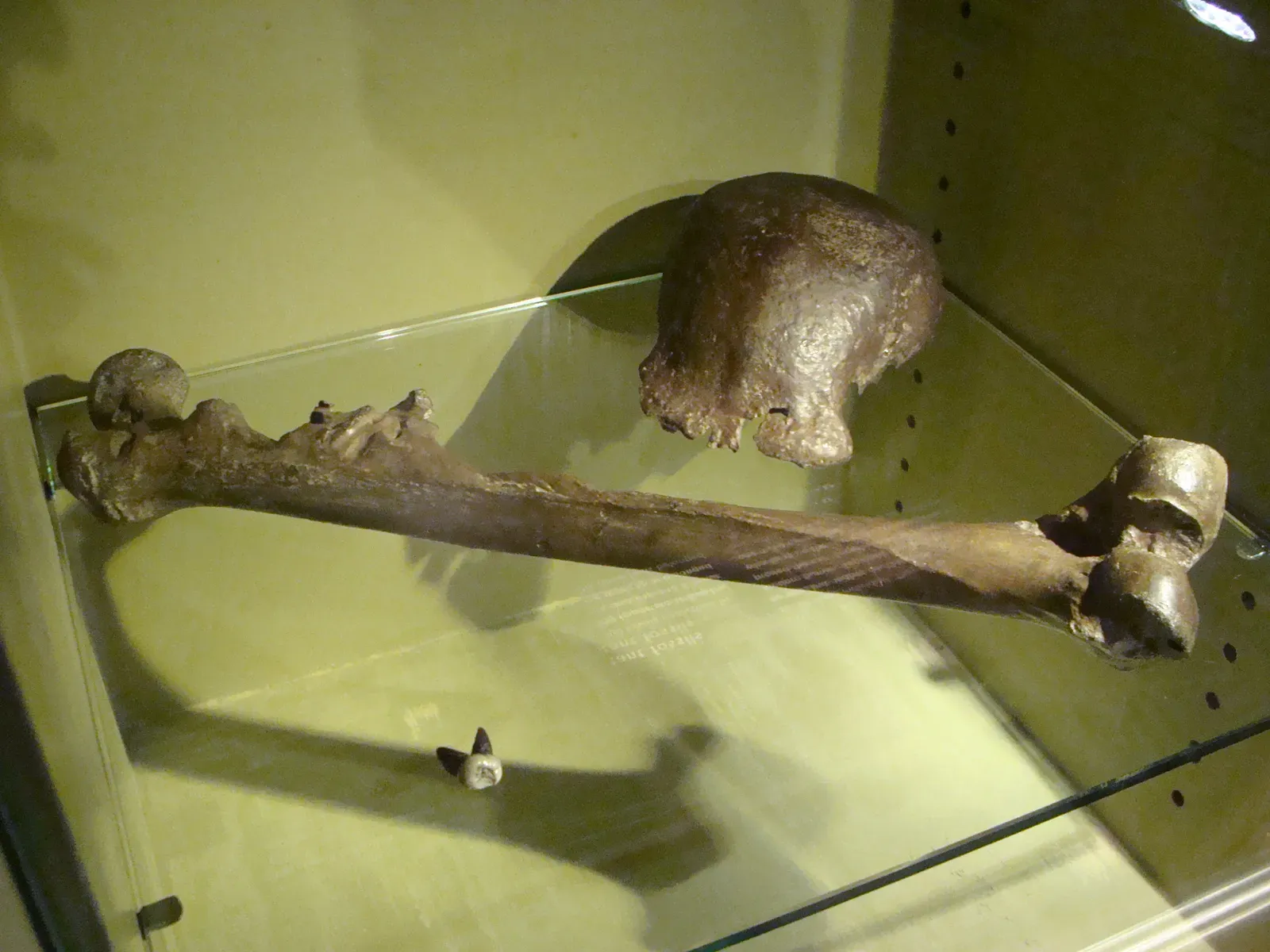
In 1891, Dutch anatomist Eugène Dubois unearthed what he believed was the fossilized remains of an early human ancestor on the banks of Java’s Solo River. He found a skullcap and, roughly a meter away in the same riverbed layer, a thighbone.
Dubois combined them into a single specimen he called Pithecanthropus erectus, or “Java Man,” and used the leg bone to argue his creature walked upright like a modern human. Critics pointed out almost immediately that a meter of separation in a river deposit is no guarantee two bones came from the same individual – or even the same species. Some anatomists of the era argued the femur looked suspiciously modern and human, while the skullcap looked far more primitive, suggesting Dubois may have unintentionally built his “missing link” out of two unrelated creatures.
If two bones a meter apart can spark a century of doubt, imagine what happens when an entire skeleton gets built from bones scattered across four different digs.
#10 – Museum Sauropods Were Built From Whole Graveyards of Bones
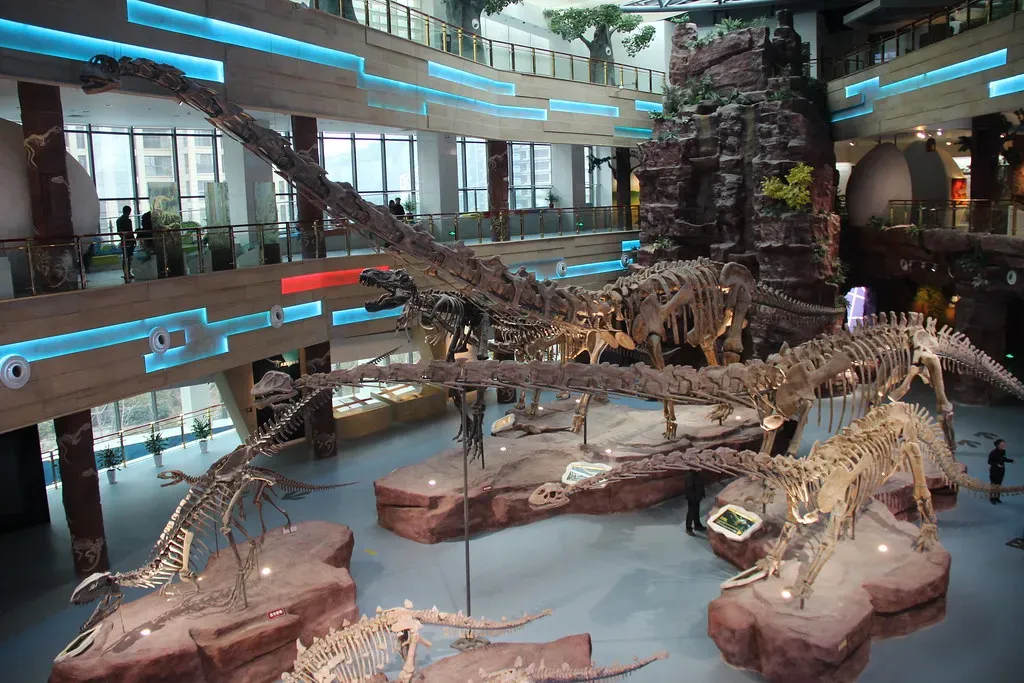
Walk into almost any classic natural history hall with a towering long-necked dinosaur skeleton, and you’re probably not looking at one animal. Complete sauropod skeletons are exceptionally rare because their massive, hollow-boned frames tend to scatter and crumble before fossilization finishes the job.
To get around this, early 20th-century museum teams routinely combined bones excavated from several different quarry sites – and several different individual dinosaurs – into a single standing mount, filling unavoidable gaps with plaster casts molded from entirely separate specimens. One famous American Museum sauropod mount used bones gathered from four separate individual dinosaurs collected over several years, plus casts borrowed from a specimen housed at a different institution altogether. Visitors saw one seamless skeleton; paleontologists saw a committee.
Sauropods weren’t the only giants getting borrowed parts. Even the most famous predator that ever lived spent decades showing off someone else’s arms.
#9 – T. Rex’s First Public Arms Weren’t Really T. Rex’s
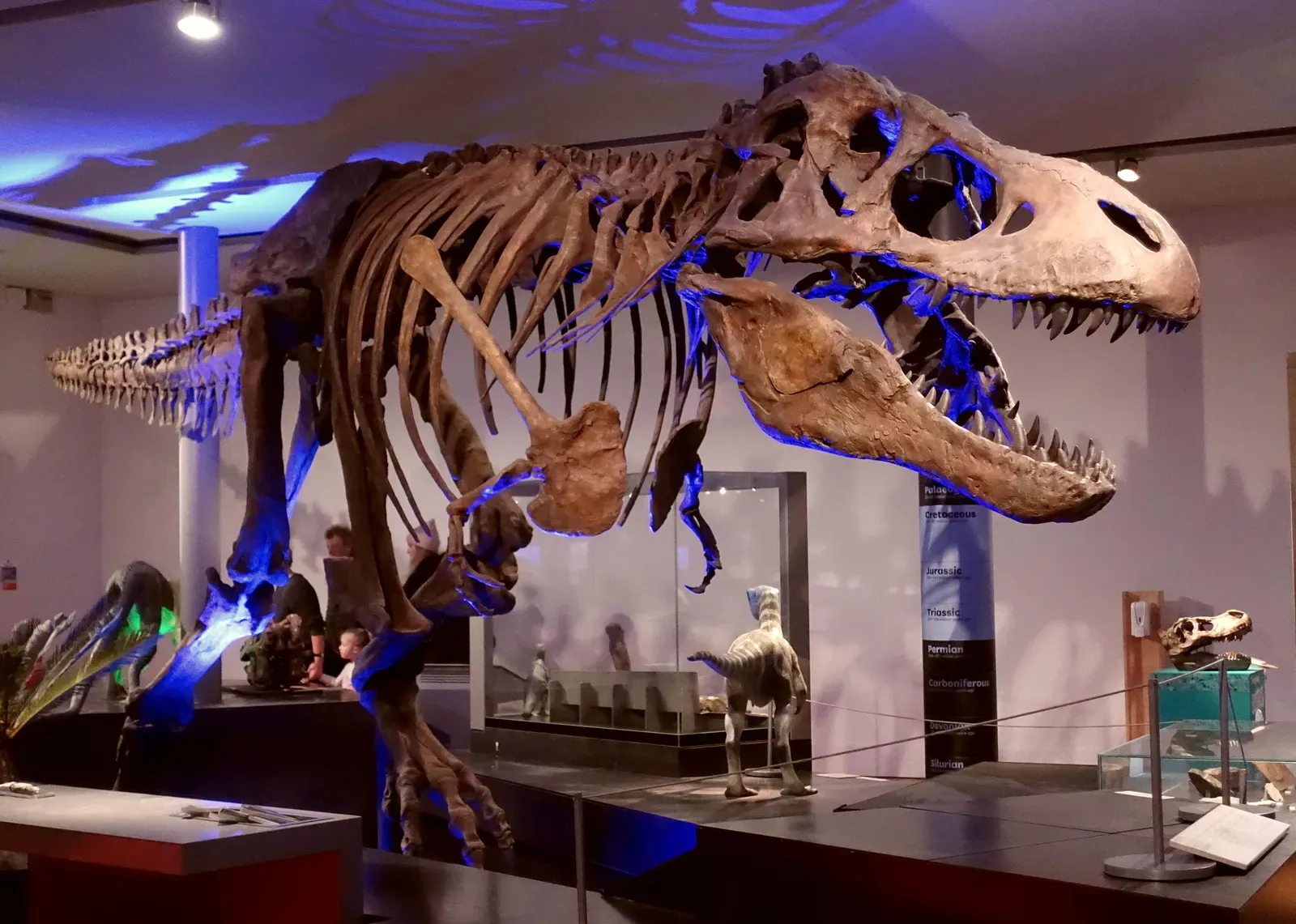
When the American Museum of Natural History unveiled its groundbreaking Tyrannosaurus rex mount in 1915, it became the single most famous dinosaur skeleton on Earth. There was one glaring problem: nobody had ever found a complete set of T. rex forelimbs.
Rather than leave the mount armless, museum preparators modeled oversized, three-fingered arms based on Allosaurus, a completely different theropod dinosaur that happened to have better-documented limbs. For decades, the public image of the “king of the dinosaurs” included forearms lifted wholesale from an entirely separate species. It wasn’t until more complete tyrannosaur specimens turned up later in the 20th century that scientists confirmed T. rex actually had small, two-fingered arms – nothing like the borrowed limbs on display for generations.
Quick Compare: Borrowed Arms vs. Real Arms
- 1915 mount (Allosaurus-based): Large, muscular, three-fingered forelimbs built for grabbing prey.
- Real T. rex arms: Small, two-fingered limbs that barely reached past the ribcage.
- Years on public display before correction: Roughly seven decades.
- What finally fixed it: More complete tyrannosaur skeletons unearthed later in the century.
T. rex isn’t even the oldest case of mistaken identity in dinosaur history – that distinction goes back nearly a century earlier, to a dinosaur name that quietly swallowed multiple different animals.
#8 – Iguanodon Was Secretly Several Different Animals Wearing One Name
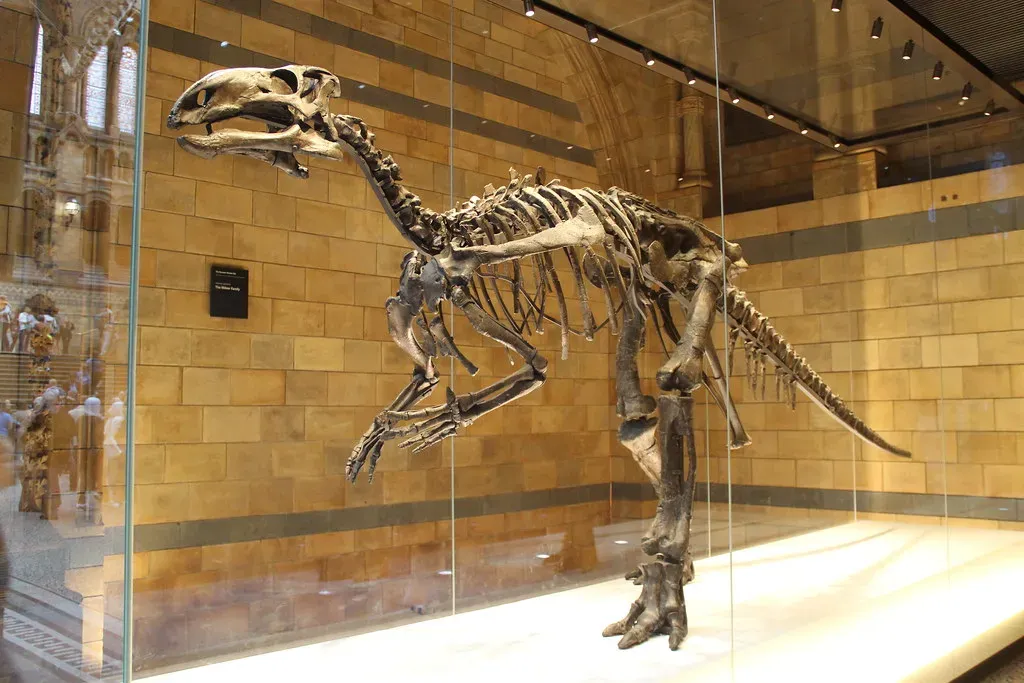
For most of the 19th century, “Iguanodon” wasn’t one dinosaur – it was a catch-all bucket for fossil teeth and bones that vaguely resembled each other. Gideon Mantell named the genus in 1825 based on scattered teeth and bone fragments.
For decades afterward, paleontologists kept assigning newly found bones to the same species even when those bones came from animals that were, in hindsight, distinct genera entirely. The famous Crystal Palace Iguanodon statues built in the 1850s combined this composite understanding into physical form, complete with a thumb spike mistakenly mounted on the animal’s nose like a rhino horn. It took more than a century of re-examination before scientists split “Iguanodon” into several separate, legitimate genera, untangling a name that had quietly absorbed pieces of multiple different animals.
At least Iguanodon’s mix-up was an honest mistake. The next entry on this list was a deliberate hoax dressed up as science.
#7 – Barnum’s “Mermaid” Fooled a Museum Full of Paying Customers
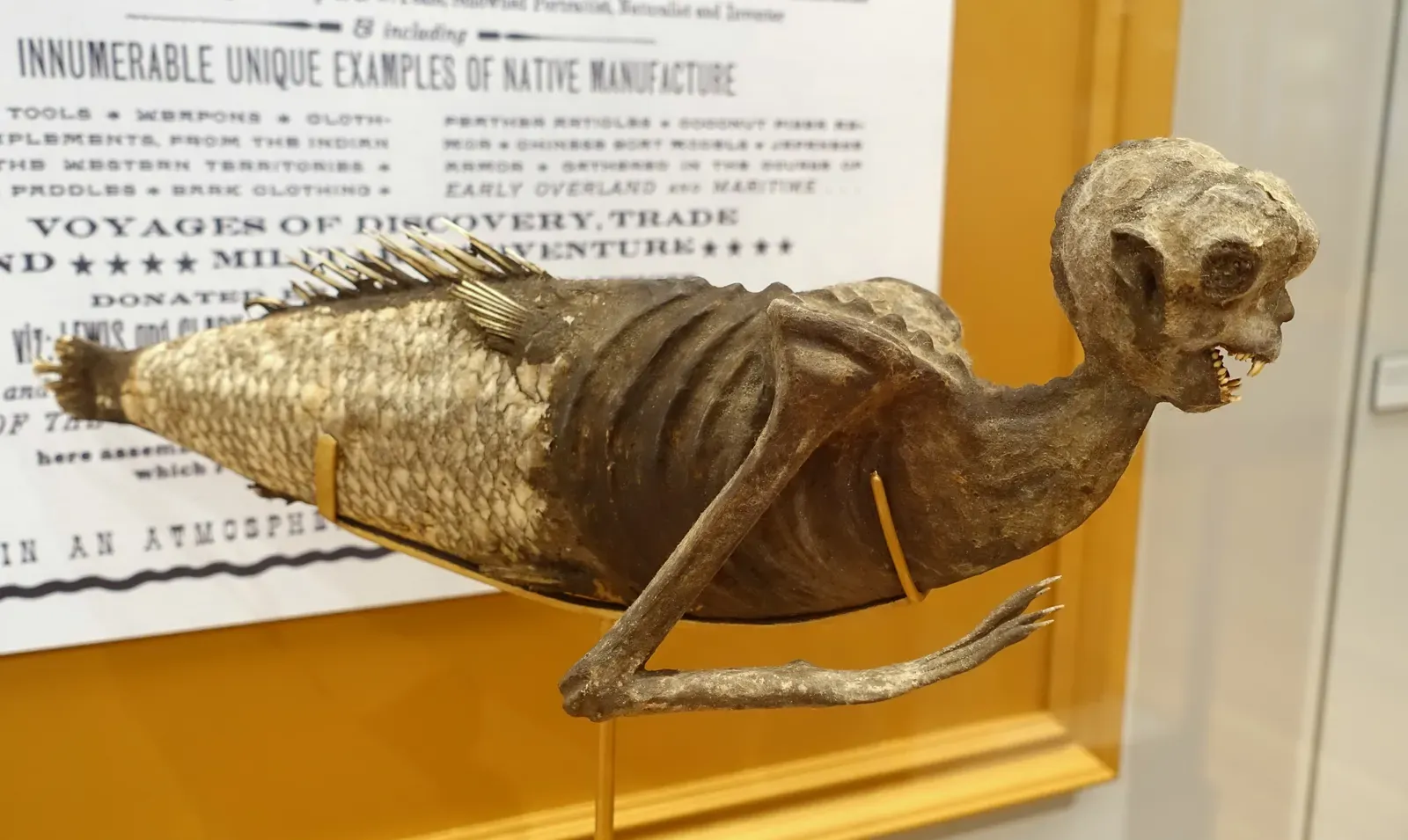
P.T. Barnum’s American Museum in New York wasn’t a research institution, but it billed itself as a legitimate natural history attraction, and the Feejee Mermaid was its biggest draw. The “specimen” toured under the claim that it was a genuine preserved mermaid recovered from Pacific waters.
In reality, it was a grim little Frankenstein’s monster: the torso and head of a juvenile monkey stitched to the dried tail of a fish, likely assembled by artisans overseas decades before Barnum ever acquired it. Visitors paid real money to view what museum staff privately knew was a sewn-together animal hoax, not a new species. Newspapers of the era openly debated its authenticity even while crowds kept lining up outside.
Worth Knowing
- The original specimen was purchased in Jakarta in 1822 from Dutch traders who had acquired it in Japan.
- Barnum didn’t even own it outright – he had it on loan from Boston showman Moses Kimball.
- A Royal College of Surgeons naturalist had already identified it as a salmon stitched to an orangutan’s torso and skull, decades before Barnum ever displayed it.
- Roughly a dozen similar Feejee mermaids reportedly still exist today, including specimens at Harvard’s Peabody Museum and London’s Horniman Museum.
Barnum wasn’t the only one selling a stitched-together lie – even respected scientific journals got fooled by a fish that never actually existed.
#6 – The Fish That Was Secretly a Scientific Prank
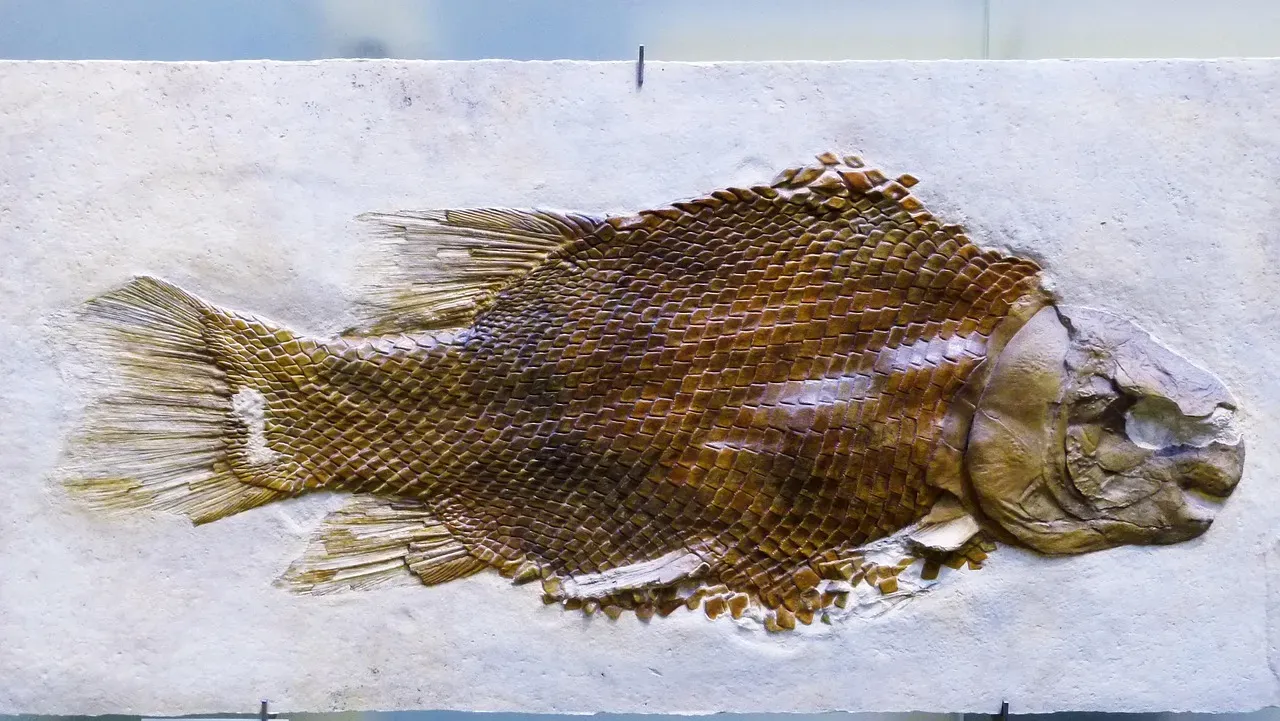
In 1872, an Australian naturalist described a bizarre new fish species called Ompax spatuloides in a legitimate scientific proceedings journal, complete with a formal description. The “discovery” traveled through scientific circles for years before anyone admitted the truth: it was a practical joke.
The creature had been assembled from parts of several completely unrelated animals – a platypus bill, the scales of a native fish, and the tail of an eel-like species – stitched together and passed off as a genuine specimen to a colleague as a prank that spiraled out of control once it hit print. A fabricated animal built from three unrelated species sat in taxonomic reference lists for decades before being formally retracted. Some old zoological indexes still list it as a historical curiosity rather than erasing it entirely.
If a fake fish could fool trained naturalists, imagine what a showman with real mastodon bones and zero scruples could pull off.
#5 – The “Missouri Leviathan” Was Stretched Beyond Recognition
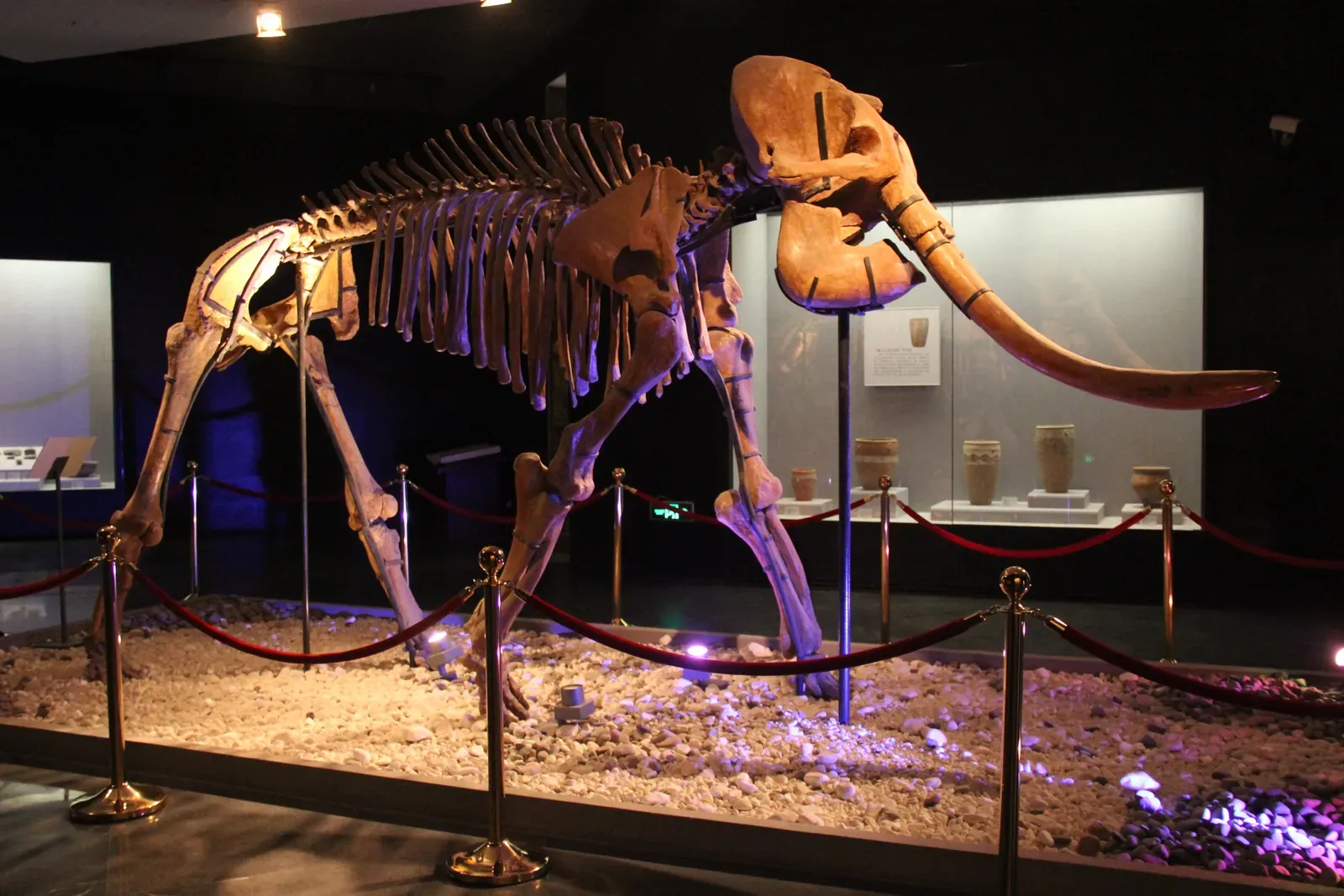
Fossil showman Albert Koch built one of the strangest attractions of the 1840s: a mastodon skeleton he insisted proved the existence of a biblical-scale monster. Koch had genuinely excavated real mastodon bones, but the assembled result was, in the words of researchers who’ve studied it since, a grossly misassembled American mastodon skeleton that ended up in the British Museum.
He added extra vertebrae and rearranged bones to stretch the animal far beyond its natural proportions, creating something taller and longer than any real mastodon that ever lived. The finished creation, unveiled in 1840 standing roughly 15 feet high and 30 feet long, was billed as the “Missouri Leviathan” and toured to paying crowds hungry for monsters. A three-piece band reportedly once played music inside the beast’s oversized rib cage as a publicity stunt. Scientists called it out immediately as an exaggeration built from stitched-together bone.
Koch’s leviathan wasn’t even his most audacious con. He had one more monster left to sell, and this one included actual seashells passed off as spine bones.
#4 – Koch’s “Sea Serpent” Was Built From Multiple Whales
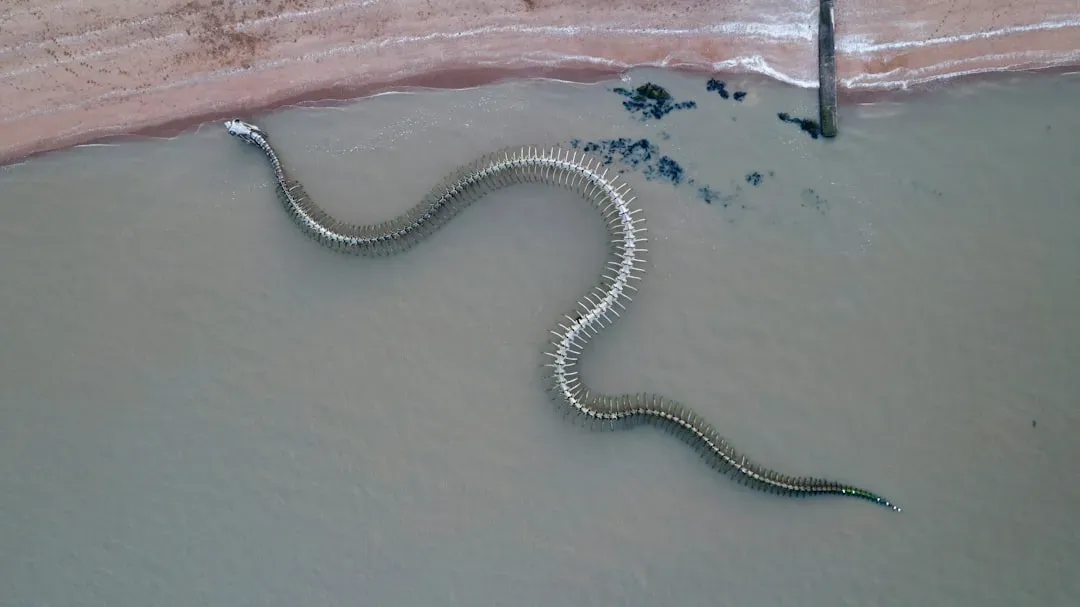
Not content with one fabricated monster, Albert Koch went hunting for an even bigger sensation and came back with a “sea serpent” he named Hydrarchos. He had genuinely excavated the remains of a large prehistoric whale in Alabama, but the skeleton he displayed wasn’t from one animal.
Naturalists who examined the mount pointed out that many of the elements Koch presented as vertebrae were actually unrelated fossils, including ammonite shells mixed in among genuine whale bone from more than one individual. Koch built the beast in modular sections bolted to wooden boards specifically so he could disassemble it, ship it across the Atlantic, and reassemble it for new audiences. He eventually sold the fabricated sea monster to Prussian royalty for display in a Berlin museum, despite the institution’s own experts insisting it was a fraudulent reconstruction before the sale went through.
Royalty bought a fake sea serpent without blinking – but the biggest identity mix-up in dinosaur history happened right in an American museum hall, and it lasted nearly a hundred years.
#3 – Brontosaurus’s Head Belonged to a Completely Different Dinosaur
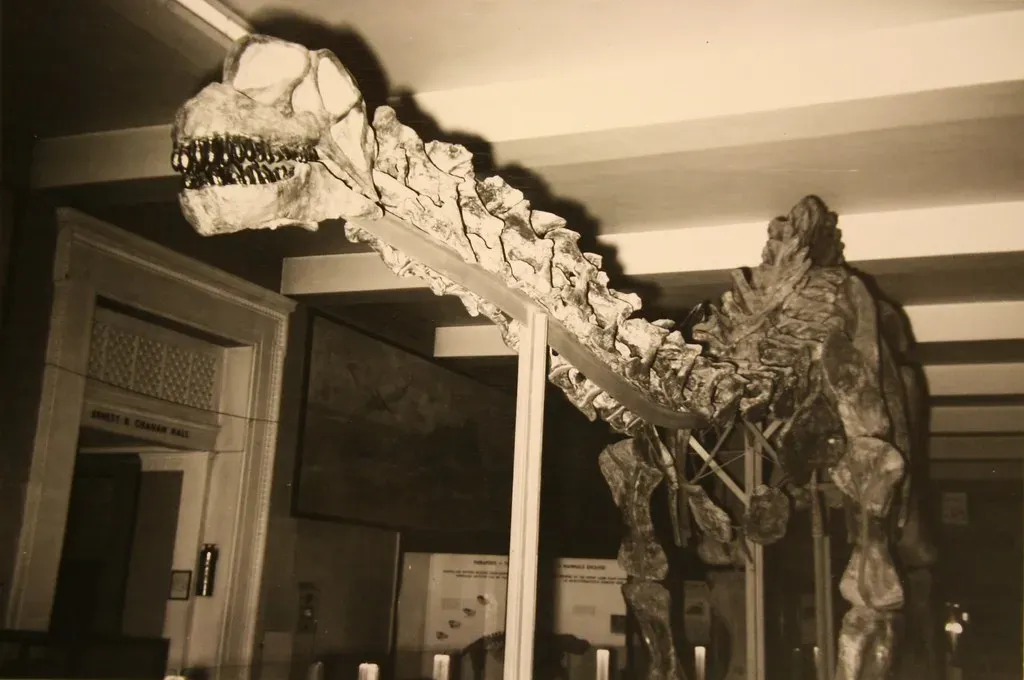
For nearly a century, the most famous dinosaur skeleton in America was walking around wearing someone else’s skull. When the American Museum of Natural History mounted its “Brontosaurus” in 1905, the display used four different specimens collected from separate excavations, plus plaster casts borrowed from yet another dinosaur entirely to fill in missing sections.
The team had never actually found a head connected to the body, so preparators sculpted a completely invented skull modeled after Camarasaurus, a different, more distantly related sauropod, because it was the only sauropod with well-documented skull material at the time. This composite head stuck around in textbooks and toy stores for generations. It wasn’t corrected until researchers rediscovered a genuine skull, long-lost in a museum basement, decades later.
A wrong head is embarrassing enough. But nothing tops the moment a world-famous magazine had to admit its biggest fossil scoop was glued together from two different animals.
#2 – The “Missing Link” Fossil National Geographic Had to Retract
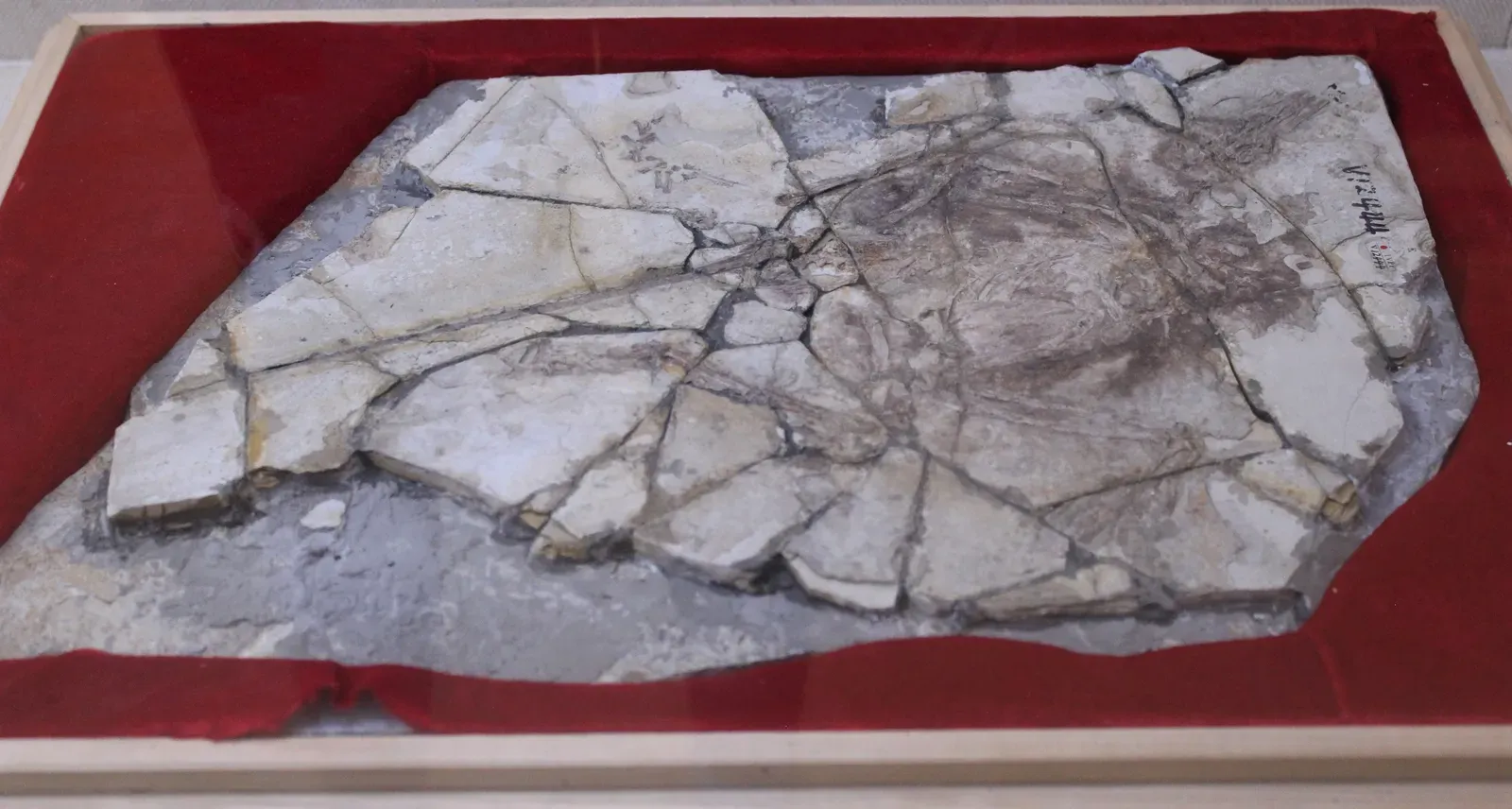
In November 1999, National Geographic unveiled what it called a genuine missing link between dinosaurs and birds, giving it the name “Archaeoraptor liaoningensis” in a major magazine feature. The fossil had been smuggled out of China and purchased from a dealer, and it was studied by a team that included respected paleontologists before publication.
Within months, a Chinese researcher noticed the tail section didn’t match the rest of the body, and CT scans confirmed the suspicion: the specimen was a composite, physically glued together from the body of a primitive bird and the tail of an unrelated dromaeosaur dinosaur. National Geographic was forced to publish a formal retraction, and the scientists involved publicly admitted to what one called “an idiot, bone-stupid mistake.” The fossil dealer had assembled pieces from multiple slabs to create something more valuable and more complete-looking than any single specimen actually was.
At a Glance: How the Scandal Unfolded
- November 1999: National Geographic unveils the fossil as a genuine missing link between dinosaurs and birds.
- February 2000: National Geographic News issues a press release stating that the fossil might be a composite, and that an internal investigation had begun.
- April 2000: Stephen Czerkas tells a group of paleontologists in Washington that he and Sylvia had made “an idiot, bone-stupid mistake”.
- October 2000: National Geographic publishes the results of its investigation in an article written by Pulitzer Prize-winning journalist Lewis M. Simons.
As bad as that scandal was, it barely registers against the hoax that fooled science for four full decades.
#1 – Piltdown Man Fooled the World for Four Decades
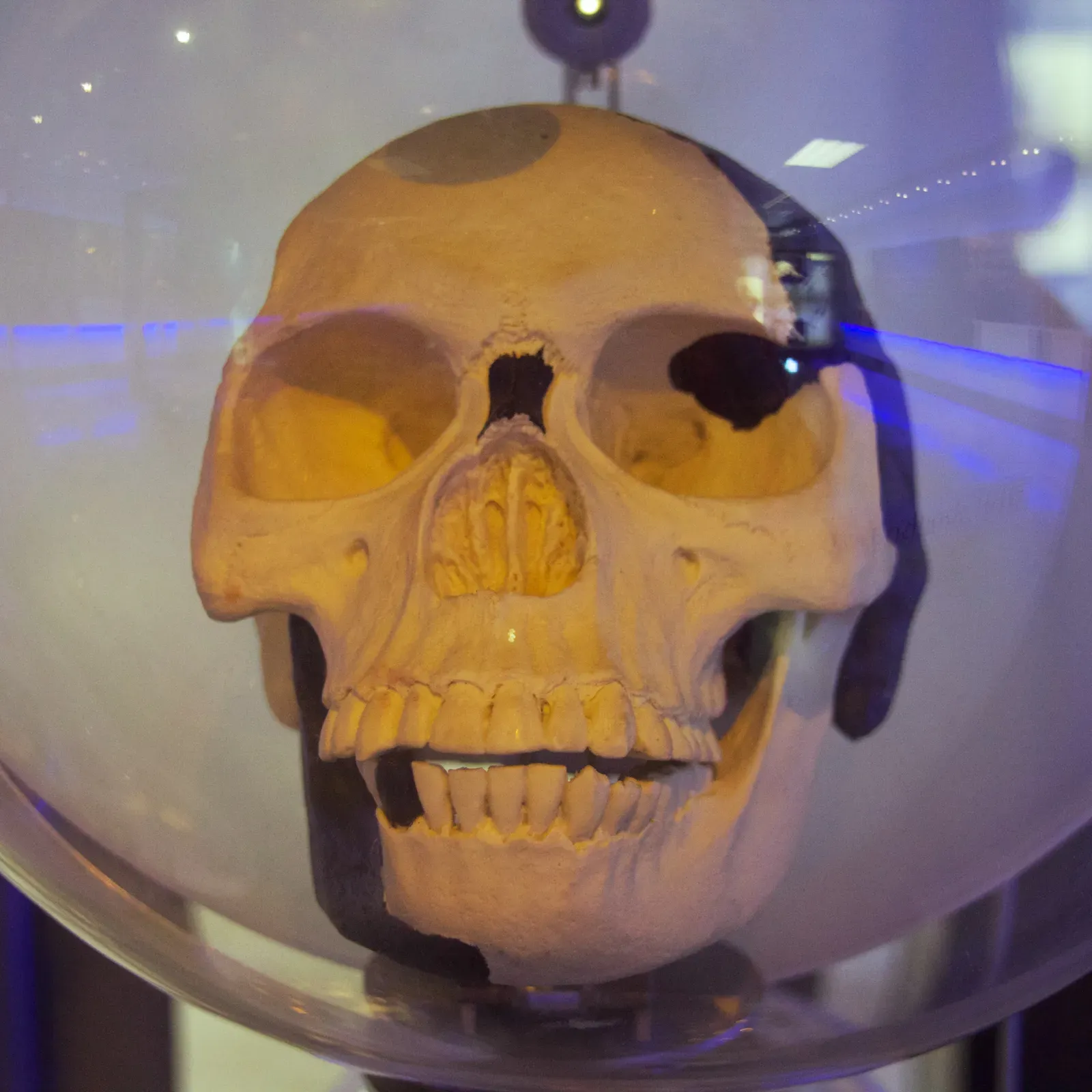
No fossil hoax in history did more damage to science than Piltdown Man, and it stayed unchallenged in serious academic circles for a staggering 41 years. Amateur archaeologist Charles Dawson announced his discovery in 1912, presenting fragments of a skull, a jawbone, and teeth as evidence of an ancient human ancestor from Sussex, England.
It wasn’t until 1953 that rigorous testing definitively proved it was a forgery, showing that the skull and jaw fragments actually came from two different species – a human and an ape, probably an orangutan. The teeth had been deliberately filed down under a microscope to mimic human wear patterns, and the bones were artificially stained to look far older than they really were. Scientists had spent four decades building theories about human evolution around a fabricated creature that never existed.
Why It Stands Out
- The deception held up in serious academic circles for 41 straight years, from 1912 to 1953.
- The jawbone turned out to belong to a modern ape, most likely an orangutan, chemically treated to look as though it had been buried for centuries.
- Investigators found some bones stained with chemicals and others colored with ordinary paint just to match the surrounding soil.
- The forgery was finally exposed in 1953 by researchers Weiner, Le Gros Clark, and Oakley.
It remains the single clearest lesson in paleontology’s history: even the most respected institutions can be fooled by a convincing composite, if the story it tells is one people desperately want to believe.
The Bottom Line
The uncomfortable truth is that composite fossils weren’t rare accidents – they were the industry standard for well over a century, driven by incomplete digs, showman egos, and a scientific culture that valued a complete story over an honest gap. Piltdown Man and Archaeoraptor prove that even trained experts, working with full institutional backing, can be fooled by the right combination of missing evidence and wishful thinking.
Museums have gotten far better about disclosure since, but plenty of these corrected mounts stayed on public display for decades after scientists privately knew the truth. That should make anyone a little more skeptical the next time a “complete” skeleton looks a little too perfect. Which of these composite fossils shocked you the most? Drop your pick in the comments.