
Most people assume every skeleton found in the woods eventually gets a name tag on a case file. It doesn’t. Right now, thousands of human remains sit in medical examiner and coroner offices across the country with no identity attached, and many of those folders haven’t been touched by an active investigator in years – not months, years. Some are a full skeleton. Some are a single skull. Over 11,000 sets of unidentified human remains are currently held in offices throughout the U.S. alone.
These 14 cases prove just how quiet a “cold case” can actually get, and how often the only thing standing between a name and a filing cabinet is missing funding, a legal loophole, or pure luck. Here’s what forensic anthropologists and cold-case investigators say really keeps these files shut – starting with a wooden box abandoned on the shoulder of a Georgia highway.
#14 – The Box of Bones on Buford Highway
Somebody left two children’s remains inside a wooden box on the shoulder of a Georgia highway, and the case sat quiet for over two decades.
On February 28, 1998, several bones with a box were found along Buford Highway near Weaver Way in Norcross, next to a curb at the intersection near a drainage ditch. Investigators later determined that the two children were likely buried somewhere in south Georgia, a conclusion they reached because the box contained not just bones but hardware from a casket, which they traced. The casket hardware helped pinpoint a burial window between 1900 and 1940 – meaning the remains were already old history by the time they reappeared roadside in 1998. The original case file may not even exist anymore. Investigators believe the police report may have been lost when the agency switched from paper records to digital records. Only recently did a private DNA lab step in with grant funding to attempt new testing.
#13 – The Man on the River Island
An island in the Arkansas River kept a man’s remains hidden for who-knows-how-long, and even now, nobody has managed to establish the basics.
The Crawford County Sheriff’s Office assigned the case number 2012-2360, and NamUs entered the file as UP10680 on October 11, 2012, after the remains were found in Crawford County on an island in the Arkansas River near Van Buren. More than a decade later, the man still has no name. Investigators never even nailed down when he died – how long the remains had been there, how he arrived on the island, and what happened to him remain unanswered, with the estimated year of death and postmortem interval never established with certainty in the public file. This is what investigators call the quiet kind of cold case. It begins with bones on a river island and stays there – no possible first, middle, or last name attached, no nickname, no confirmed ties to any missing person report that has stuck. The case remains open as an unidentified deceased.
#12 – The Skull Under Jacksonville’s Town Center
A skull turned up where a shopping development now stands, and it’s one of dozens just like it sitting in the same city’s files.
In Jacksonville, only a man’s skull and skeletal remains were found in what was then wooded land, now the north end of the Town Center development. Forensic artists eventually produced a computer-generated estimate of his face, using technology to estimate what the unidentified person might have looked like – a process that is not as unusual as it might seem. Investigators listed the case among 31 unsolved Jacksonville murders in 2013, as recorded on the Project: Cold Case database. Jacksonville alone has roughly 20 near-identical cases – real people, reduced to nothing but an artist’s guess at a face. Some were homicides. Others were natural causes or suicides that simply never got a name attached.
#11 – The Cemetery Card Filed Under “U”
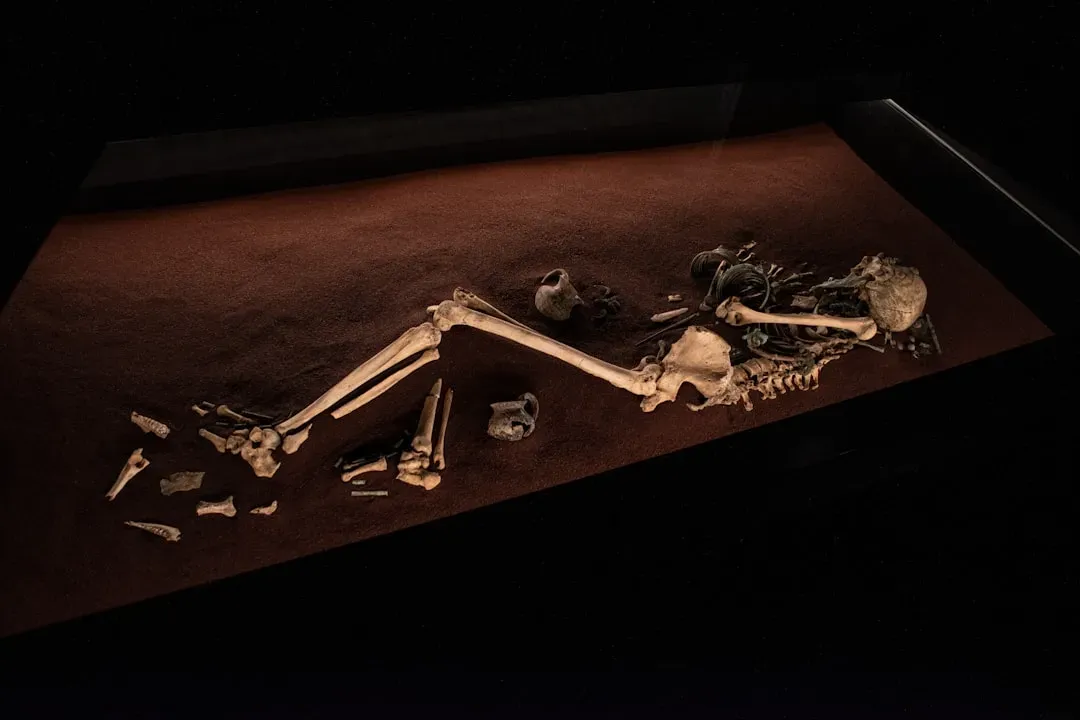
A hiker’s grim discovery in 1974 turned into a numbered grave that nobody thought to research again for fifty years.
Two teenagers made the grisly discovery while wandering through the woods off of Route 140 near the Eagle Brook pumping station. The remains were eventually laid to rest with no name, marked only as one of several bodies buried in a section of the cemetery called Potters Field, where unknown remains and those without families have been laid to rest. The file sat forgotten under a single letter of the alphabet for decades. A cemetery parks manager only found it by accident while digging through old filing cabinets. Raymond Rose was rummaging through his files when he came across something peculiar: under “U” for unidentified was a card for an unidentified skeleton. That single accidental discovery is the only reason the case got a second look at all.
#10 – The Number Instead of a Name
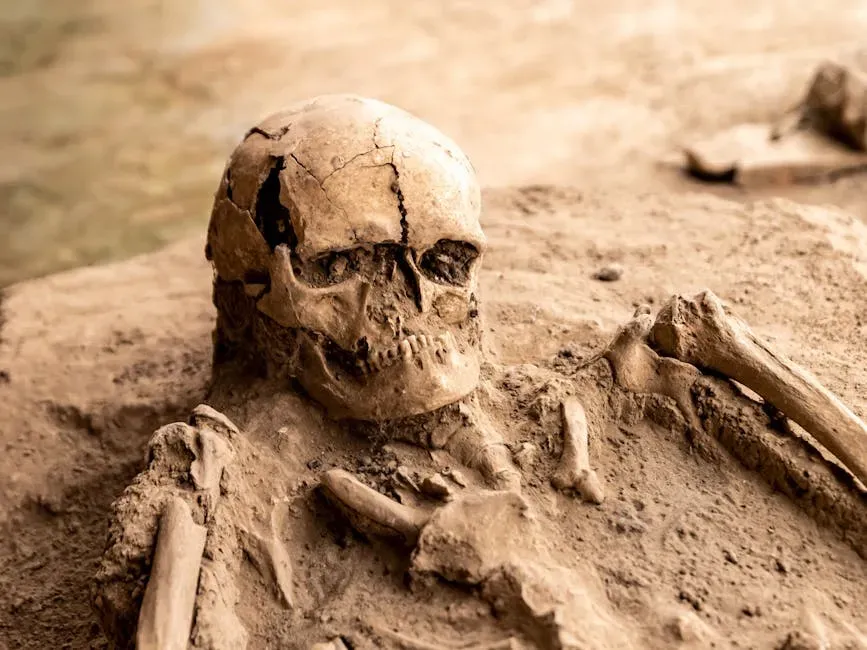
When a medical examiner’s office runs out of leads, the case doesn’t stay open on a desk – it gets buried, literally, under a number.
Once a medical examiner’s office establishes that all attempts to make an identification have failed, it contacts the county’s public administrator, who then works with local funeral directors to arrange a burial – not just for unidentified remains, but for people whose remains were never claimed. A body can legally be identified by name and still never be reunited with family. NamUs calls this an unclaimed person: a decedent who has been identified by name, but for whom no next-of-kin has been located to make death notifications or have the remains claimed for burial or cremation. Once that burial happens, the practical urgency to keep digging tends to disappear.
#9 – The Backlog Nobody Talks About
There are more sets of unidentified bones sitting in storage right now than most people would ever guess.
Over 11,000 sets of unidentified human remains are held in medical examiner and coroner offices throughout the U.S. That backlog isn’t limited to a few unlucky regions, either. Since 1969, nearly 1,300 sets of unidentified remains have been discovered in New York State alone, including 27 found in Suffolk County. Most of that backlog isn’t sitting idle because investigators are lazy – it’s sitting idle because funding runs out. NamUs was built specifically to chip away at these numbers, offering family reference sample kits, DNA testing, and forensic services like fingerprint, anthropology, and odontology assistance, all free of charge to any jurisdiction in the country. Even with free resources, the math still doesn’t favor most cases.
Fast Facts
- Over 11,000 sets of unidentified remains sit in U.S. medical examiner and coroner offices right now
- Nearly 1,300 sets of unidentified remains have surfaced in New York State alone since 1969
- 27 of those New York cases came from Suffolk County by itself
- NamUs offers DNA testing, anthropology, and odontology help completely free to any jurisdiction
#8 – The Skull-Only Statistic
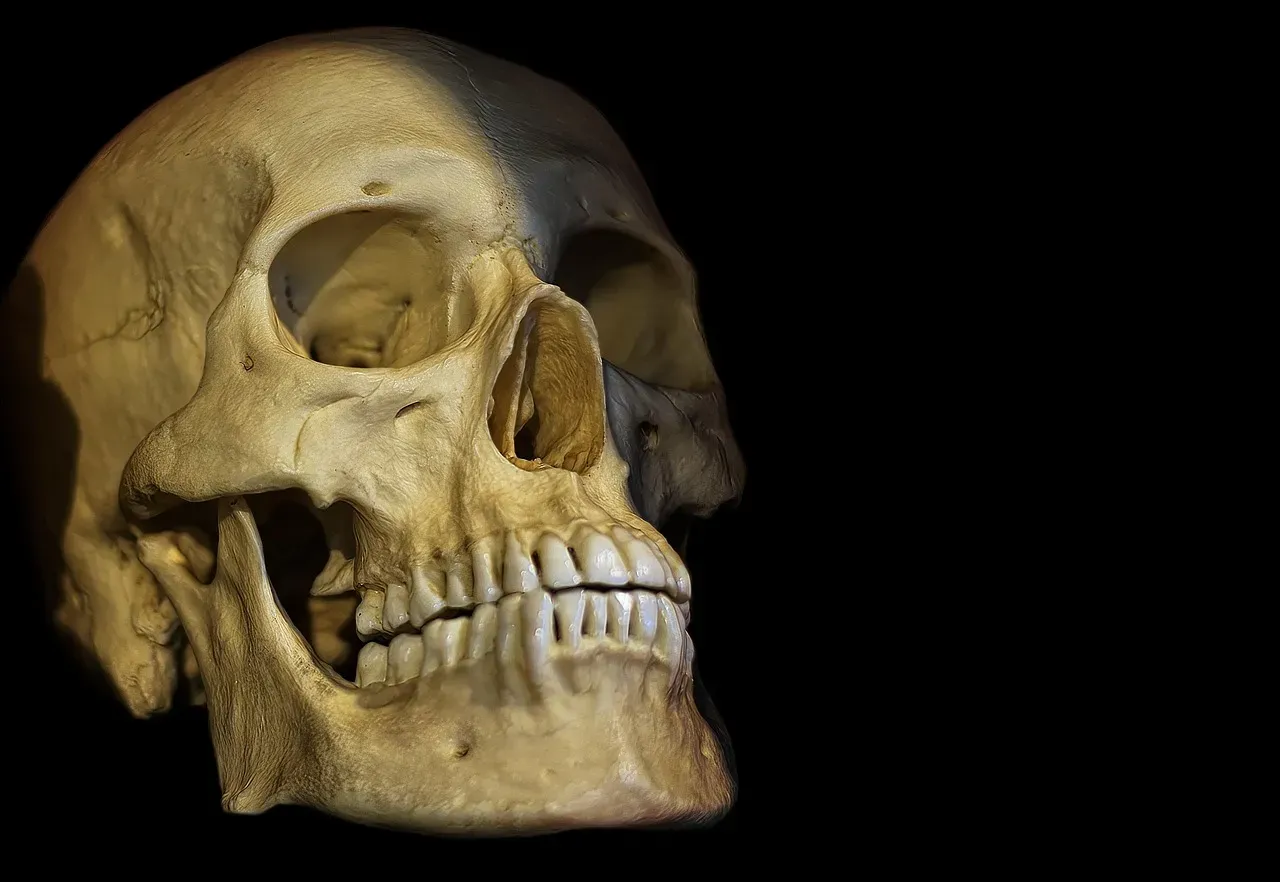
Only a fraction of unidentified remains cases even give investigators a face to work with.
Of the 11,335 active unidentified persons cases in NamUs, only 2,745 – about 24 percent – were noted to have recognizable faces. That means roughly three out of every four cases start with nothing a family member could recognize on sight. The reasons are almost always physical: burning, charring, insect activity, traumatic injury, decomposition, and full skeletonization all erase the one thing people search for first. When there’s no face, investigators lean entirely on bone science – developing a biological profile of sex, ancestry, stature, and age to narrow the pool of possible matches. It rarely produces a name on its own.
At a Glance
- 11,335 active unidentified persons cases are currently logged in NamUs
- Just 2,745 cases – about 24% – include a recognizable face
- Roughly 76% of cases begin with no facial features left to identify
- Burning, decomposition, and full skeletonization are the leading reasons why
#7 – The State Line Problem
A skeleton found in one state might match a missing person filed in another state – except the two files may never even meet.
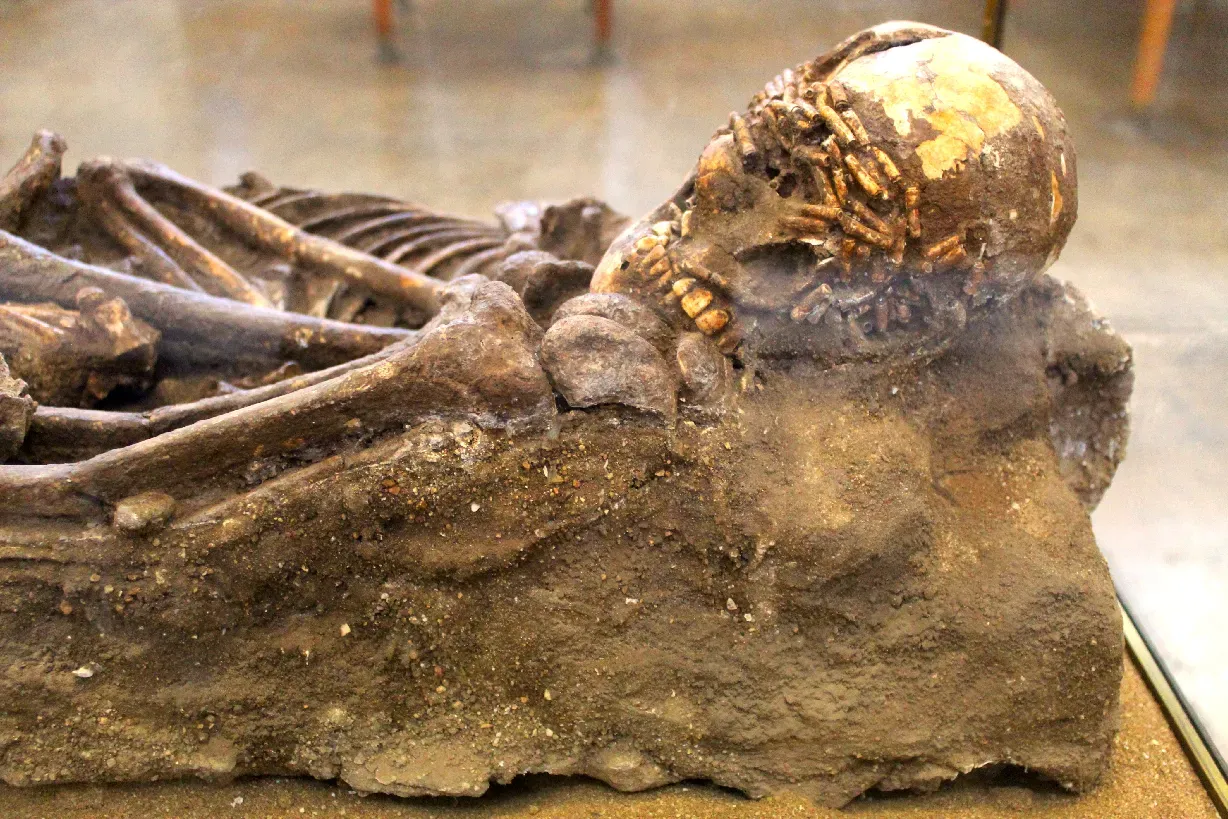
Since September, New York State medical examiners and coroners have been required to share fingerprints and other identifying information with NamUs. That sounds like basic housekeeping, but it’s a relatively recent requirement, and not every state has adopted the same rule – something one expert said he wished were universal, since remains found in one state could easily be linked to a missing person reported in another. Some states still don’t legally require sharing identifying data with the national database at all. That gap means a match sitting one state over can go unnoticed for years simply because nobody was required to check. It’s a paperwork problem disguised as an unsolvable mystery.
#6 – The Gender Gap in the Bone Files
Nearly seven out of ten unidentified remains cases belong to men, and there’s no single explanation why.
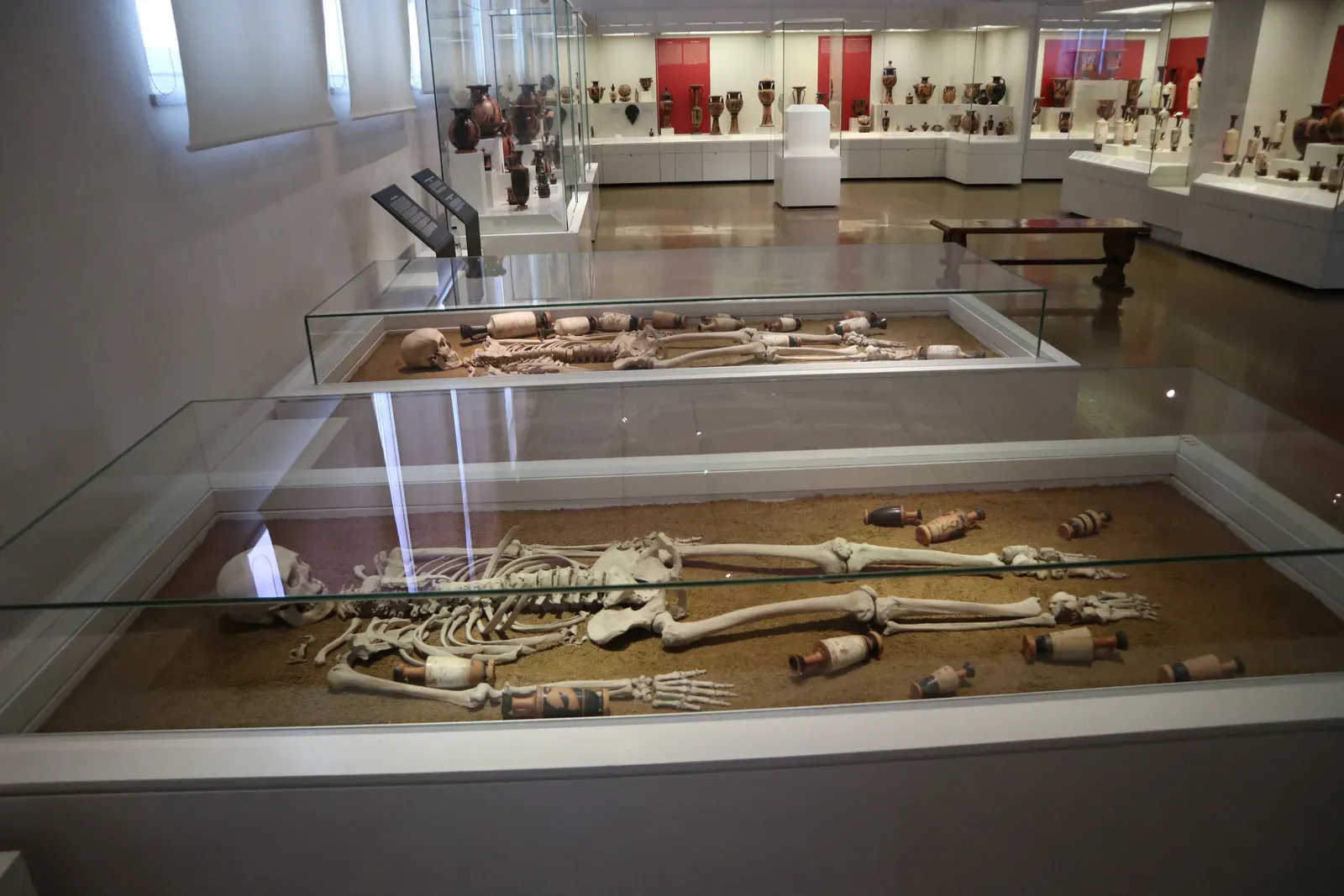
Of the 2,988 missing persons who were found deceased in NamUs, 960 – about 32 percent – involved missing women, and 2,028 – about 68 percent – involved missing men. That 68 percent skew shows up again and again across regional cold-case databases, from river islands to wooded lots to potter’s fields. Researchers haven’t settled on one tidy reason for the gap, and it’s worth being honest about that instead of guessing. What’s clear is that this imbalance isn’t a fluke of a few odd cases – it’s a consistent pattern across an 11,000-plus national backlog, and some investigators argue it deserves its own dedicated research funding.
Quick Compare
- Missing women later found deceased: 960 cases, about 32% of the total
- Missing men later found deceased: 2,028 cases, about 68% of the total
- The same lopsided ratio repeats across regional databases, not just national totals
#5 – The DNA Reference Nobody Provided
A DNA profile is only useful if there’s something to compare it against – and thousands of files are simply waiting on a relative who has to volunteer a sample.
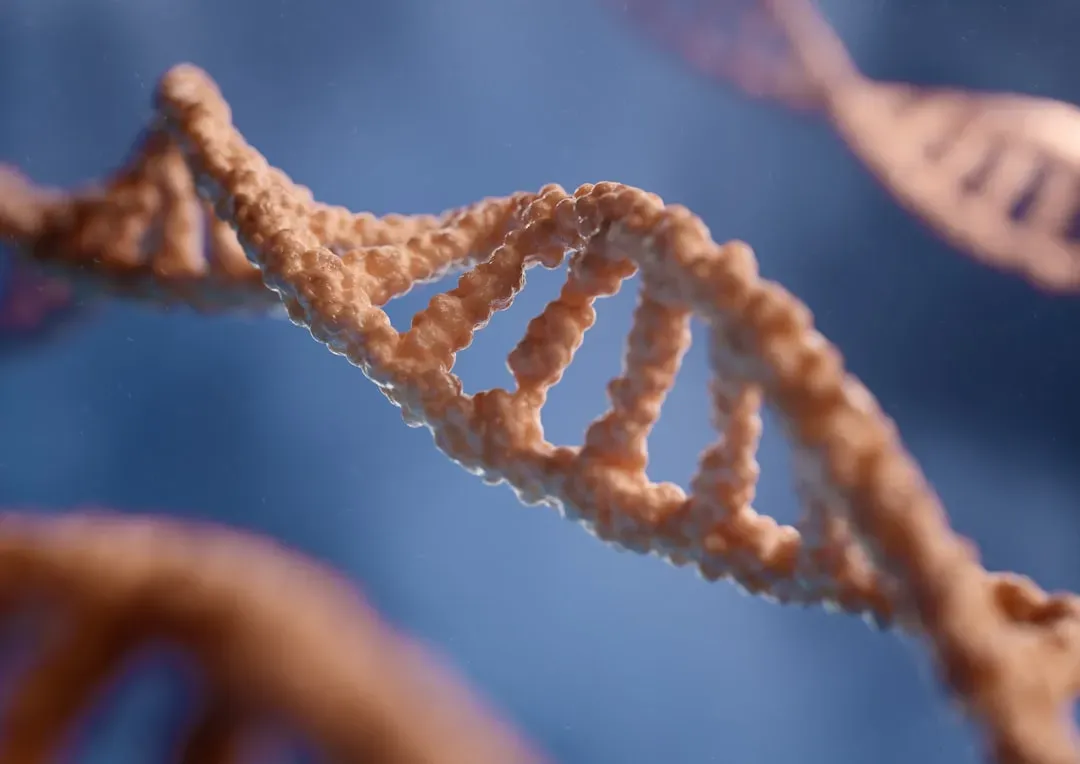
Modern labs can build detailed genetic profiles from small skeletal samples. Nuclear DNA, found in the nucleus of a cell, can be used to develop STR and Y-STR profiles for identifying human remains, and NamUs even provides the comparison tools for free through family reference sample kits and DNA testing. None of that matters if no family member ever comes forward to give a sample. A DNA profile can sit in a database for decades, technically complete and technically searchable, and still produce zero matches simply because nobody on the other end filed the paperwork or submitted their own DNA. That silence, not a lack of science, is what keeps most files closed.
#4 – The Isotope Test That Never Happened
One rare forensic technique can trace bones back to the region where a person grew up – but it’s expensive, and most cold cases never get it.
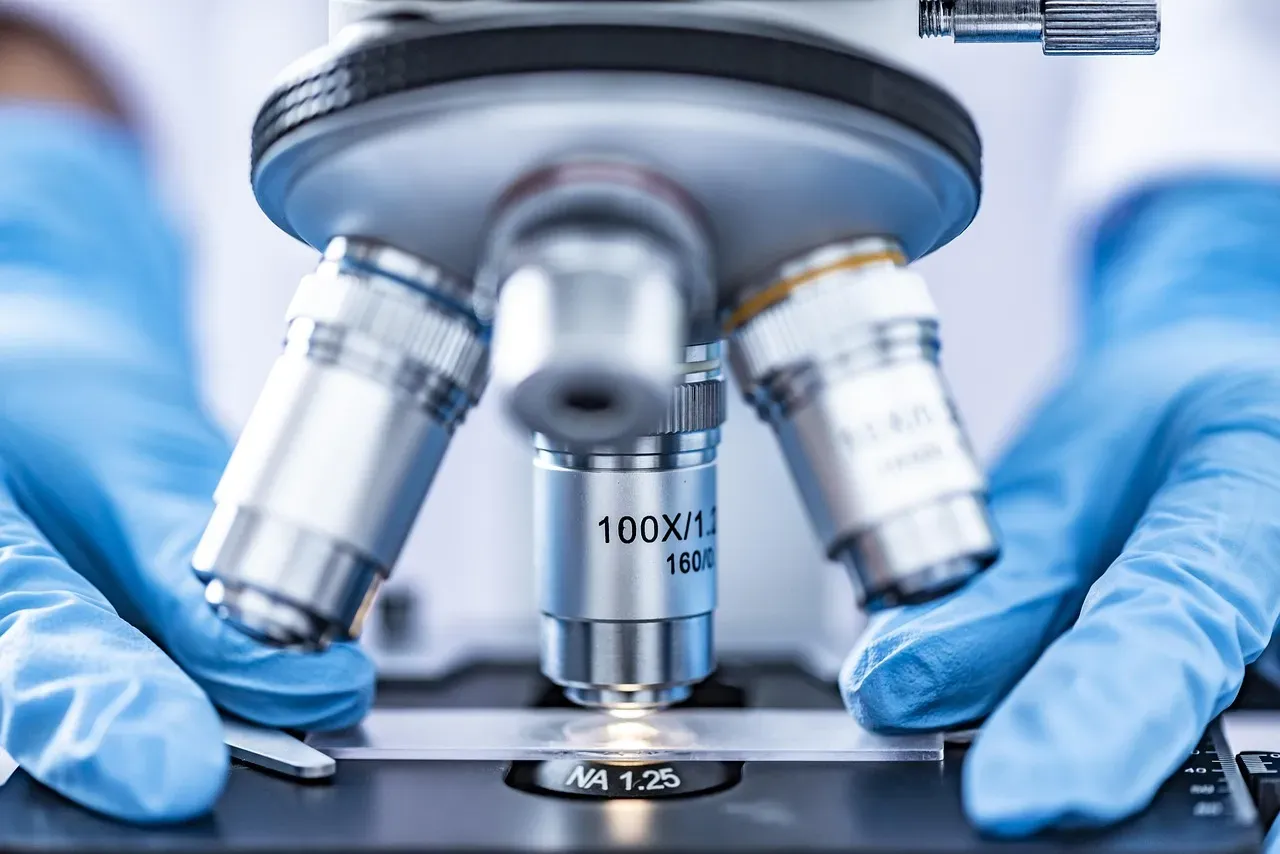
Isotope analysis studies the chemical signature left in bone and teeth by decades of local food and water, effectively mapping where someone lived. In at least one well-documented case, investigators used extensive efforts, including isotope analysis and comparisons with DNA and dental records, against numerous missing persons across the U.S. That level of testing is the exception, not the rule, because it costs real money jurisdictions often don’t have. Smaller counties frequently depend on private labs stepping in with grant funding just to run basic testing, the same way Othram Labs has reached out with grant money to help cover unsolved cases and raise the funds needed for remaining testing costs. Without outside funding, isotope testing simply doesn’t happen.
Worth Knowing
- Isotope analysis traces bone and tooth chemistry back to where a person likely lived
- The technique stays rare mostly because of its cost to already-strained county budgets
- Private labs like Othram sometimes step in with grant funding to close the gap
- Without that outside funding, this level of testing often never happens at all
#3 – The Reconstruction Sitting in a Filing Cabinet
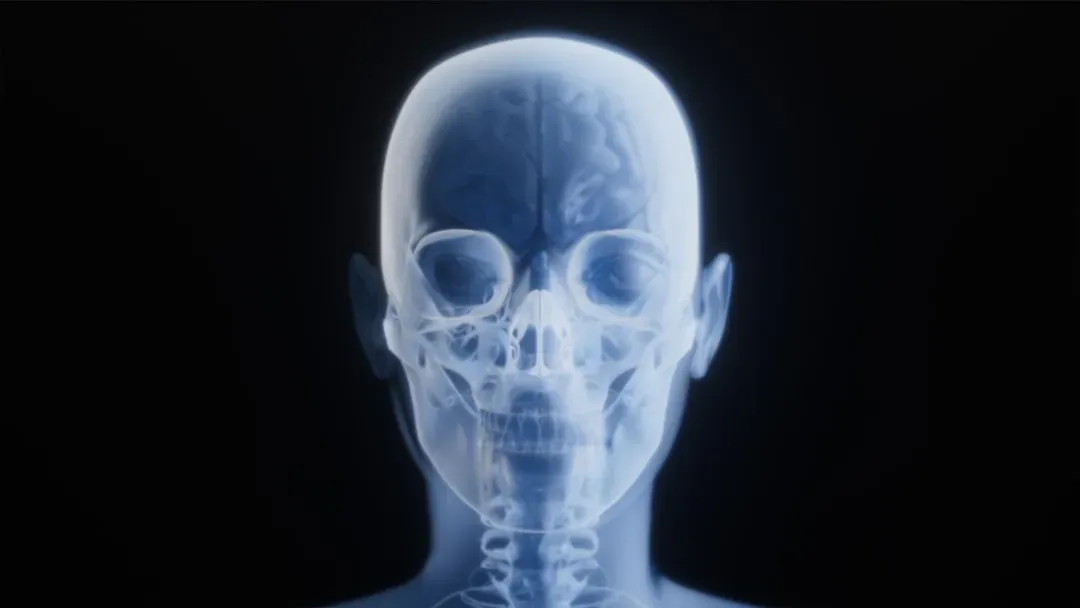
Somewhere in an evidence room, a clay face built from a real skull is sitting in a drawer, and almost nobody outside the department has ever seen it.
Facial reconstruction is a standard tool, not a rare one. Artists routinely use technology to estimate what an unidentified person might have looked like – a process that is not as unusual as it might seem. The problem isn’t that reconstructions don’t exist; it’s that most never get real public exposure beyond a single database listing. Roughly 20 cases in Jacksonville alone have nothing but a reconstructed face that most of the public has never laid eyes on. A face nobody’s seen can’t jog anyone’s memory, and a memory is often the only thing that breaks these cases open.
#2 – The Missing Report Problem
Some bones can never be matched to a name for the simplest, saddest reason of all: nobody ever filed a missing person report for them.
Investigators are blunt about how rarely these cases resolve cleanly. As NamUs director of case management Todd Matthews put it, identifying remains rarely entails a “bingo” moment.
Identifying remains rarely entails a “bingo” moment.
Todd Matthews, NamUs Director of Case Management
Most identifications come from slow, unglamorous comparison work, not sudden breakthroughs. That comparison work depends entirely on having something to compare against. If a person was transient, estranged from family, or simply never reported missing by anyone, their remains can sit in NamUs indefinitely with no corresponding file to match against – a structural gap in the system, not a failure of any single detective. Some of these cases were never truly “unsolved.” They were unsearched-for from day one.
#1 – The Skull the Dog Walker Found
A man walking his dog stumbled onto a mystery that, years later, still doesn’t have a name attached to it.
In February 2012, a Manorville man walking his dog in a wooded area near his house made a startling discovery: a human skull and other skeletal remains. Years of forensic work followed, and it produced almost nothing. All forensic analysts could determine was that the remains belonged to a man, likely white, with brown hair, somewhere between 30 and 50 years old. The one specific clue investigators did find was a healed injury: his right fibula had been fractured but had healed long before he died, exactly as documented in the case file. His fate isn’t unique – it’s one small entry in a backlog of thousands of similar files, distinguished only by the fact that someone’s dog happened to wander the right patch of woods.
The Bottom Line
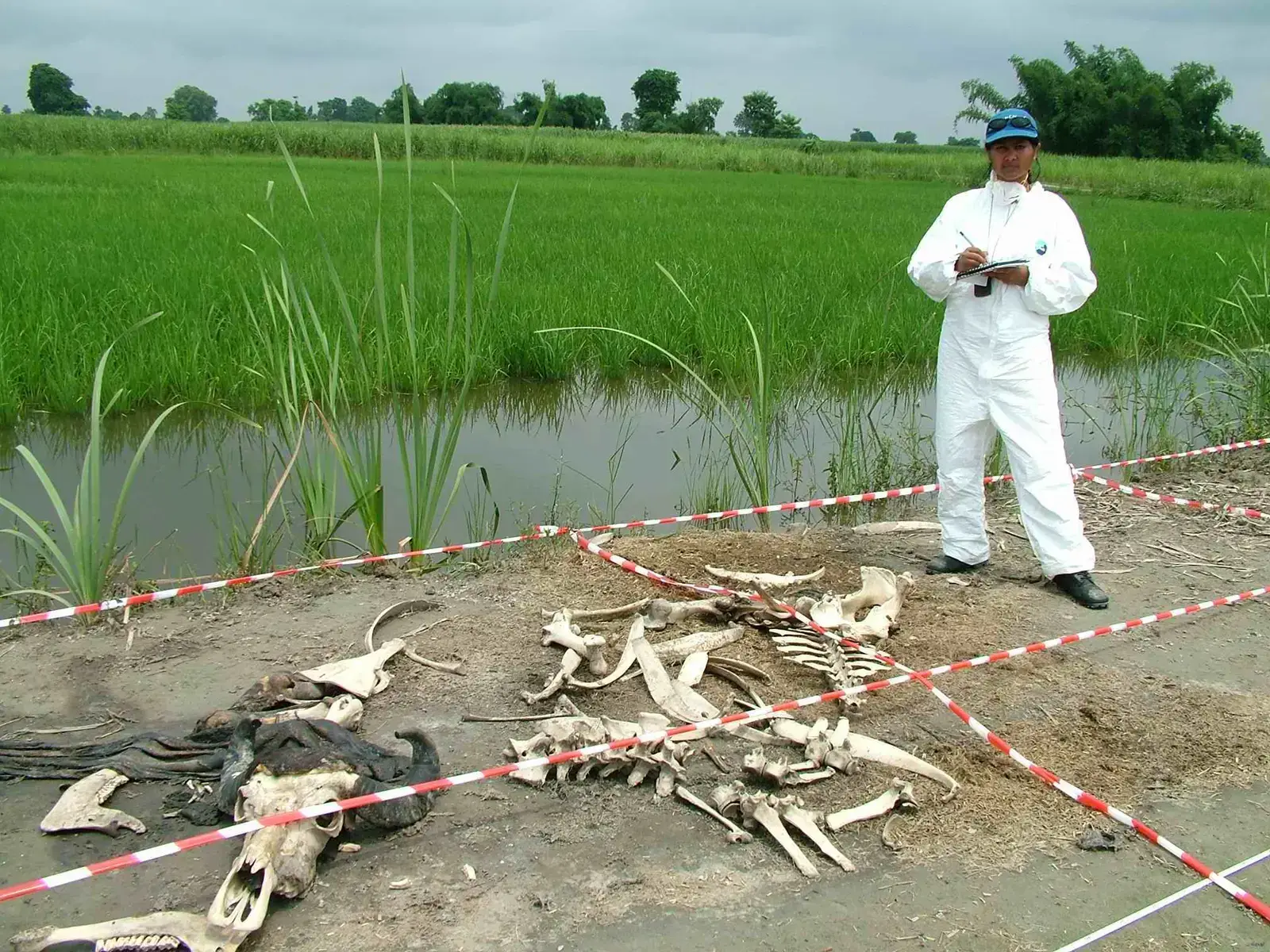
Here’s the uncomfortable truth: most of these 14 cases aren’t cold because they’re unsolvable. They’re cold because nobody has the budget, the legal requirement, or the family DNA sample needed to reopen them.
The science already exists – isotope testing, forensic genetic genealogy, facial reconstruction – but it only gets used when a private lab donates a grant or a cemetery worker gets curious by accident. That’s not a mystery. That’s a funding and policy failure hiding behind the word “unidentified.”
Every single one of these 14 people had a name once. Somewhere, a family may still be waiting for a phone call that isn’t coming, not because science failed them, but because a lab sat idle, a form went unsigned, or a filing cabinet gathered dust for fifty years. That’s the part of this story that should bother you more than the bones ever could.