
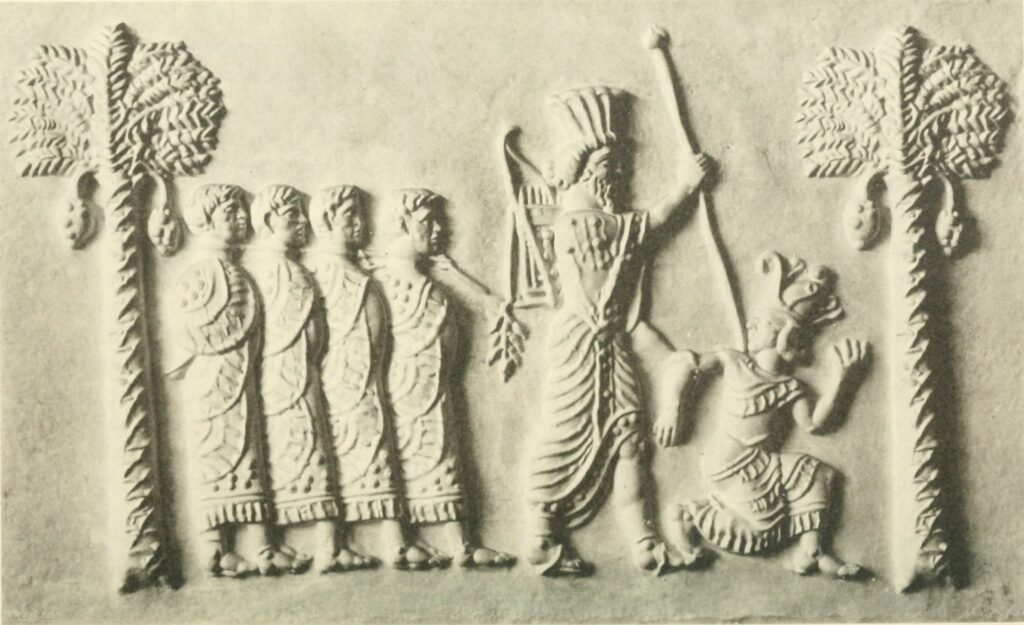
Picture a king powerful enough to seal land grants, commission temple vessels, and command an army – and then picture him vanishing so completely that not a single chronicle, king list, or later scribe ever mentions his name again. That’s not a hypothetical. It happened, repeatedly, across thousands of years of ancient history, and the only reason we know these rulers existed at all is because a piece of clay or stone survived long enough to say so.
Most people assume the great king lists of Assyria, Babylon, and Egypt are complete, tidy records of who ruled and when. They’re not. Buried in museum storerooms and half-erased on overwritten stelae are the fingerprints of men who held real power and then got quietly written out of history. Here are 14 of them, and the lone inscriptions that refused to let them disappear entirely.
#14 – A Rebel Tiglath-pileser Erased from the Assyrian King List
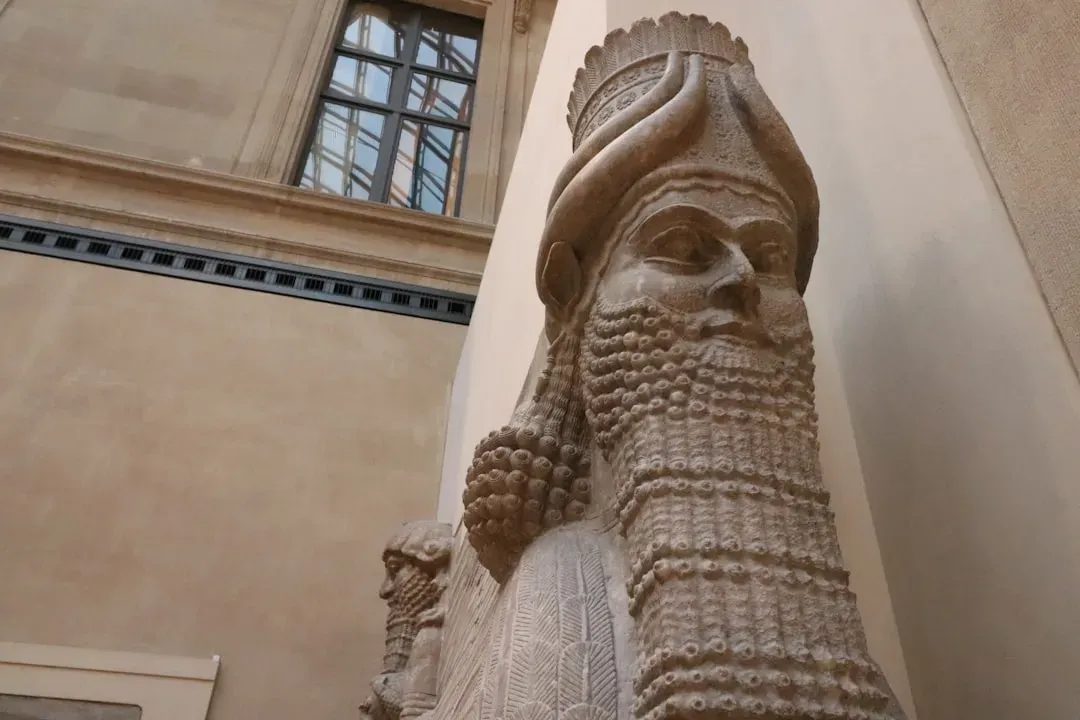
For a long time, scholars treated the Assyrian King List as gospel – a clean, unbroken chain of legitimate kings. Then a single clay land grant surfaced naming a ruler who seized the throne around 763 BCE, right when a solar eclipse threw the empire into panic and superstition. His seal is real. His authority was real. His name is nowhere else.
What makes this one sting is the evidence of support behind him. Parts of the army and priesthood apparently backed his claim before he was pushed out. Later scribes simply smoothed the record over, erasing the inconvenient gap so the official succession looked unbroken. One tablet is the only thing standing between this man and total historical erasure.
Fast Facts
- The eclipse tied to this revolt struck in 763 BCE, one of the oldest precisely dated astronomical events on record.
- Ancient Mesopotamians read solar eclipses as a sign the gods had turned against the reigning king.
- The Assyrian King List spans roughly 1,800 years – yet historians keep uncovering names it never recorded.
- Royal land grants like this one functioned as legal proof of a king’s authority, sealed and witnessed like a deed.
#13 – The Short-Lived Shalmaneser Before Tiglath-pileser III
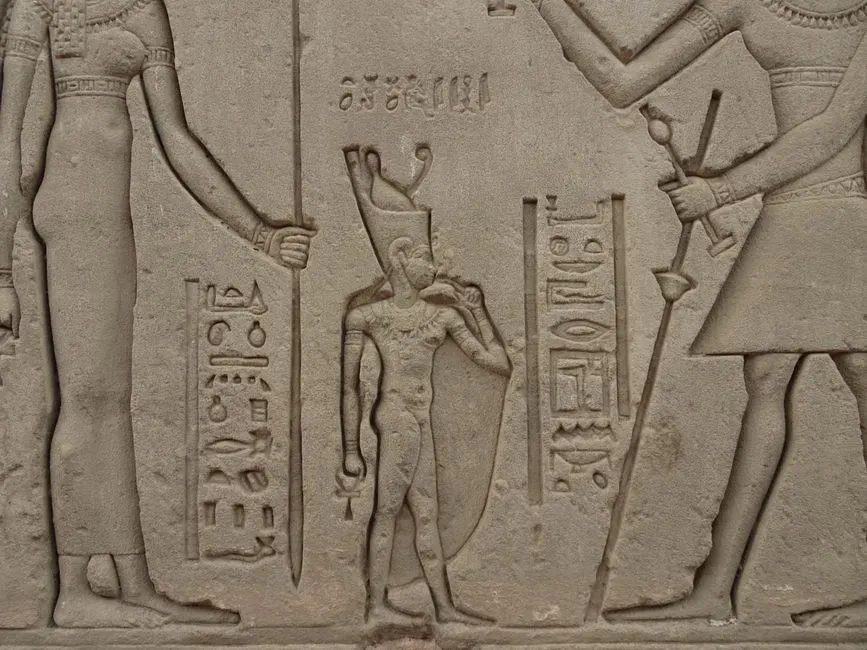
A battered stela from Tell Abta hides something strange under the surface: traces of an original name, scraped away and replaced with Tiglath-pileser III’s. Underneath is a Shalmaneser who apparently held the throne for a matter of months around 747–745 BCE, then simply ceased to exist in the official record.
Officials who served during his brief reign left indirect fingerprints in their own private texts, but nothing that names him outright as king. Whoever came after him had every reason to smooth over the interruption rather than admit the throne had briefly slipped to someone else. The overwriting almost worked.
#12 – Aššur-uballiṭ and His Ritual Vessel Inscription
Sandwiched between two much more famous kings named Tukultī-Ninurta sits a ruler whose entire surviving legacy is a note about fixing a silver vessel for the god Ashur. That’s it. That’s the whole paper trail for a man who apparently reigned around 913–912 BCE.
No king list acknowledges him. No chronicle backs him up. The only reason we know his name is that a later scribe happened to mention the repair job while cataloging temple property, accidentally preserving a king that official history had already forgotten. Temple backing suggests his rule was brief but legitimate – just not important enough, apparently, to remember on purpose.
#11 – Early Dynastic Mesopotamian City Rulers on Votive Objects
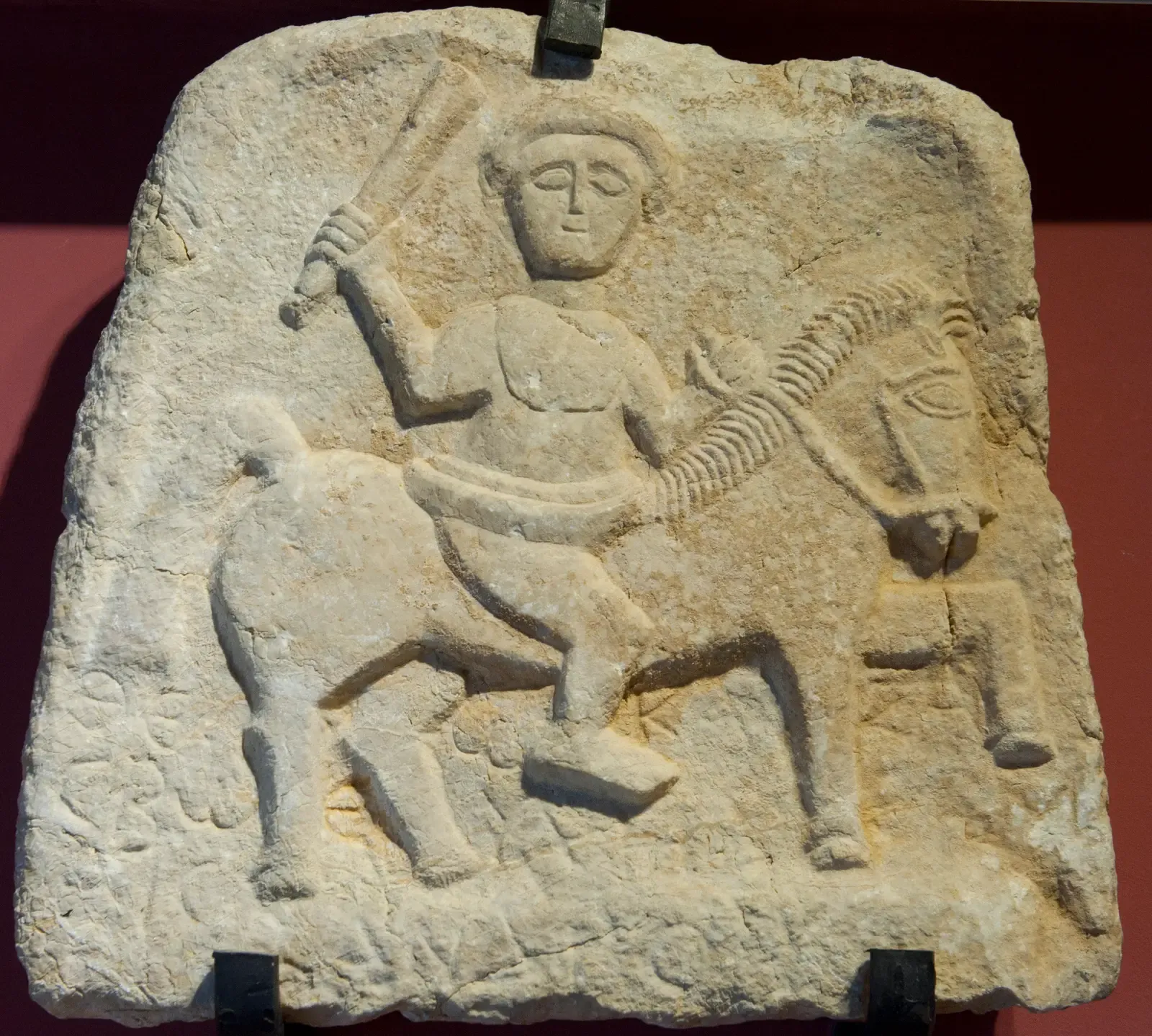
Long before the famous Sumerian King List took shape, dozens of local lugals ruled small city-states around 2600 BCE. We know their names only because they carved them into maces, statues, and temple offerings – objects meant to honor gods, not to survive as historical records.
None of these men show up in administrative tablets or later legendary king lists. Archaeologists keep pulling their names out of temple foundations, proof that real, functioning authority existed far outside the grand narrative Mesopotamians later told about themselves. The winners wrote the list. Everyone else just got buried with their offerings.
#10 – Elamite Builder Kings Referenced Only in Successor Texts
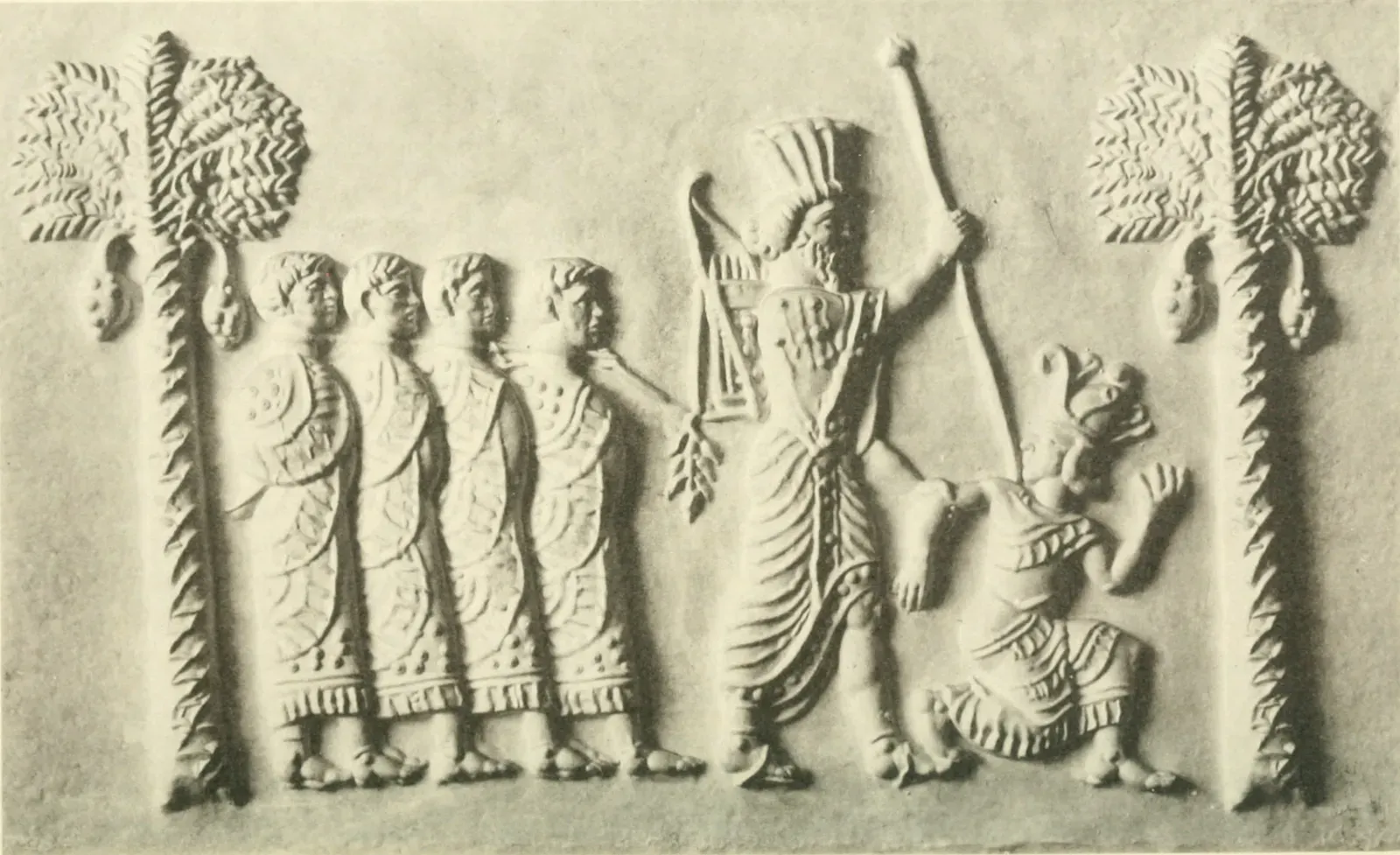
Some Elamite rulers exist in history only as a footnote in someone else’s brag. Later kings, restoring a temple or rebuilding a wall, occasionally credit an earlier ruler with starting the project – and that offhand mention is the only proof the earlier king ever lived.
Their own inscriptions survive, if at all, in scattered fragments too damaged to tell a full story. Many historians now suspect this wasn’t accidental. Selective memory in royal propaganda protected the legitimacy of the dynasty that came after, and quietly buried the one that came before.
#9 – Dynasty 0 Egyptian Protodynastic Figures on Labels
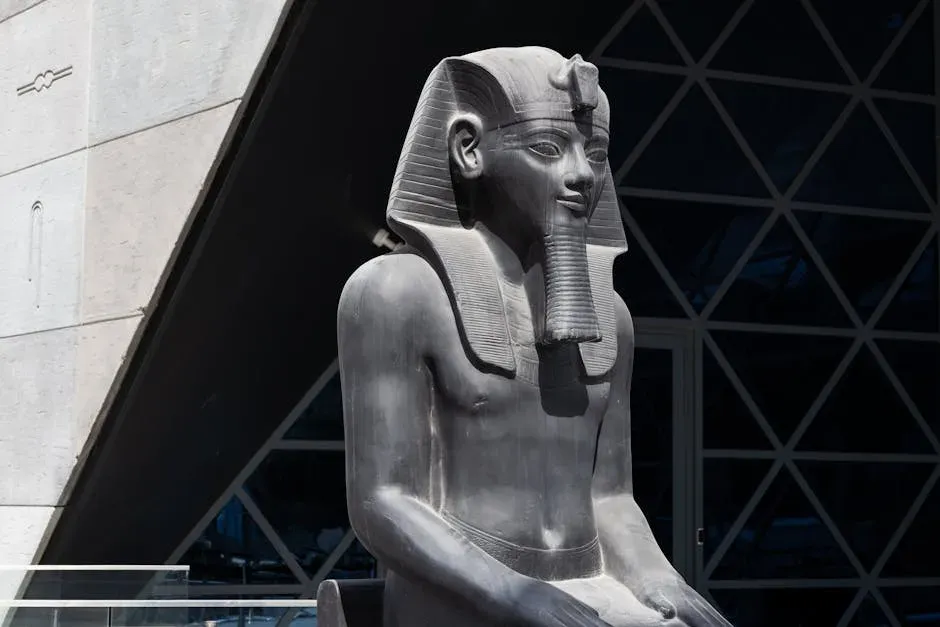
Before Egypt had pharaohs as we picture them, it had rulers known today only from tiny ivory labels and ceremonial palettes found at Abydos. These objects were never meant to be history books – they were tags, essentially, marking goods or commemorating events.
No annal, no later king list, no royal memory preserves these names independently. The Palermo Stone offers faint hints that line up with some of them, but the original labels remain the only direct evidence these rulers existed. Scholars still argue over exact identities, because everything else about this era stayed silent.
At a Glance
- Dynasty 0 covers roughly 3200–3000 BCE, the twilight period just before Egypt’s first recognized pharaohs.
- Abydos remains the richest single source of these ivory labels and ceremonial palettes.
- The Palermo Stone, a later royal annal, offers only fragmentary, indirect echoes of this era.
- Many Dynasty 0 rulers are known only by a single serekh – a royal name enclosed in a palace-facade symbol.
#8 – Minor Kassite or Sealand Dynasty Claimants
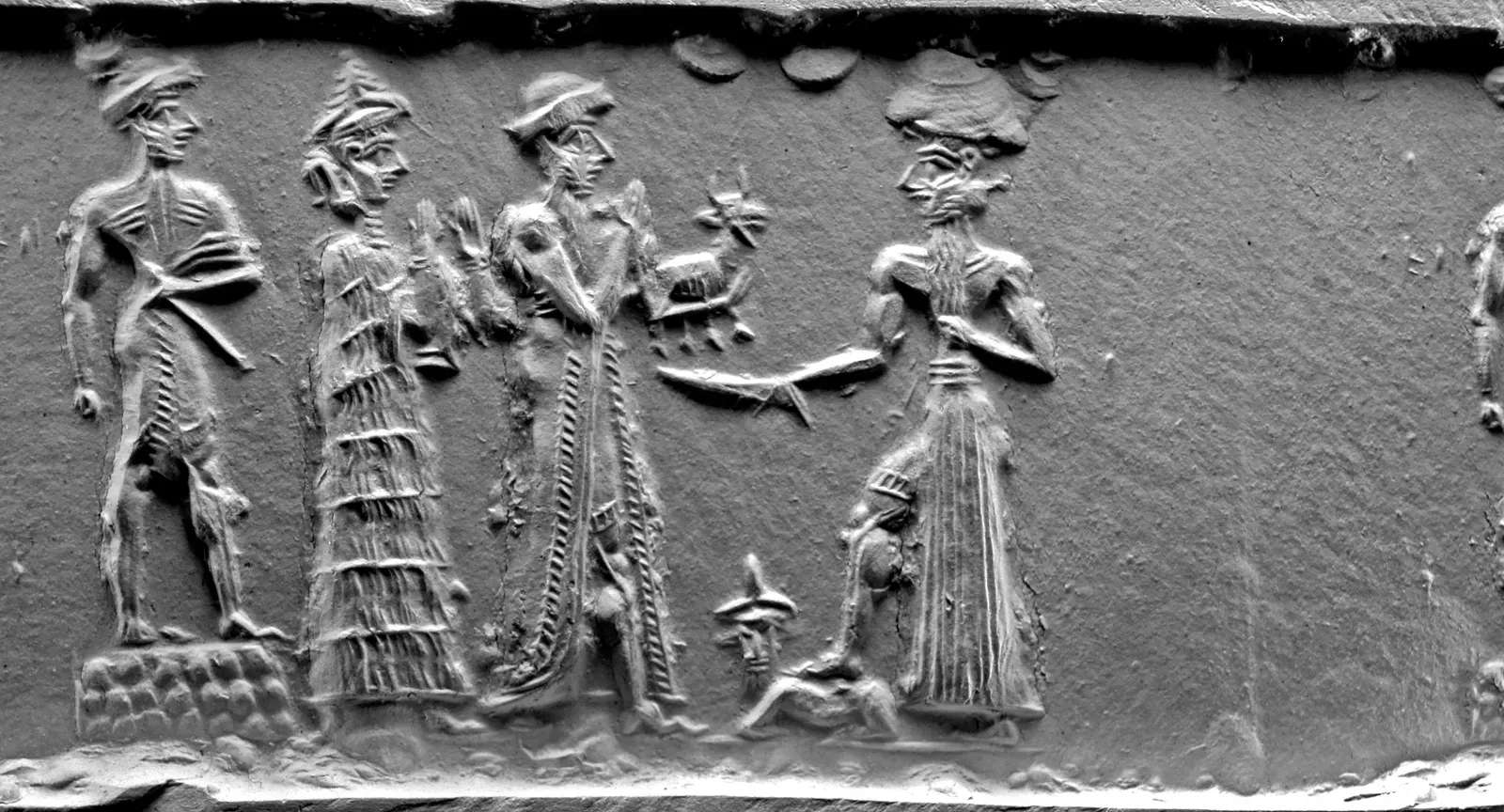
Babylon’s official King List is neat and linear. Babylon’s actual history was messier. Occasionally a foundation deposit or a dedication inscription surfaces from a ruler tied to a short-lived or peripheral dynasty, and that object is the entirety of his historical footprint.
These men vanish from the main royal record almost as if they were never there. Later scribes had every incentive to focus attention on the dominant line and let the also-rans fade – a pattern that repeats, almost mechanically, throughout Mesopotamian history whenever power changed hands messily.
#7 – Anatolian or Peripheral Rulers in Multilingual Texts
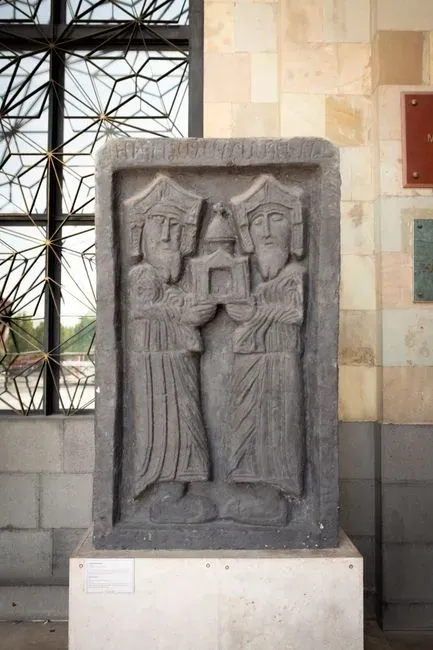
On the edges of empire, local kings sometimes carved their own stelae and seals without ever making it into the imperial correspondence of Hatti or Assyria. One such ruler used a title that matches nothing in either kingdom’s surviving archives – a title with no known parallel.
These border figures often controlled valuable trade routes or small but strategically important territories. The great powers simply had no reason to document them formally, so their entire legacy rests on whatever they managed to carve for themselves before disappearing from view.
#6 – Nubian or Kushite Early Leaders in Temple Dedications
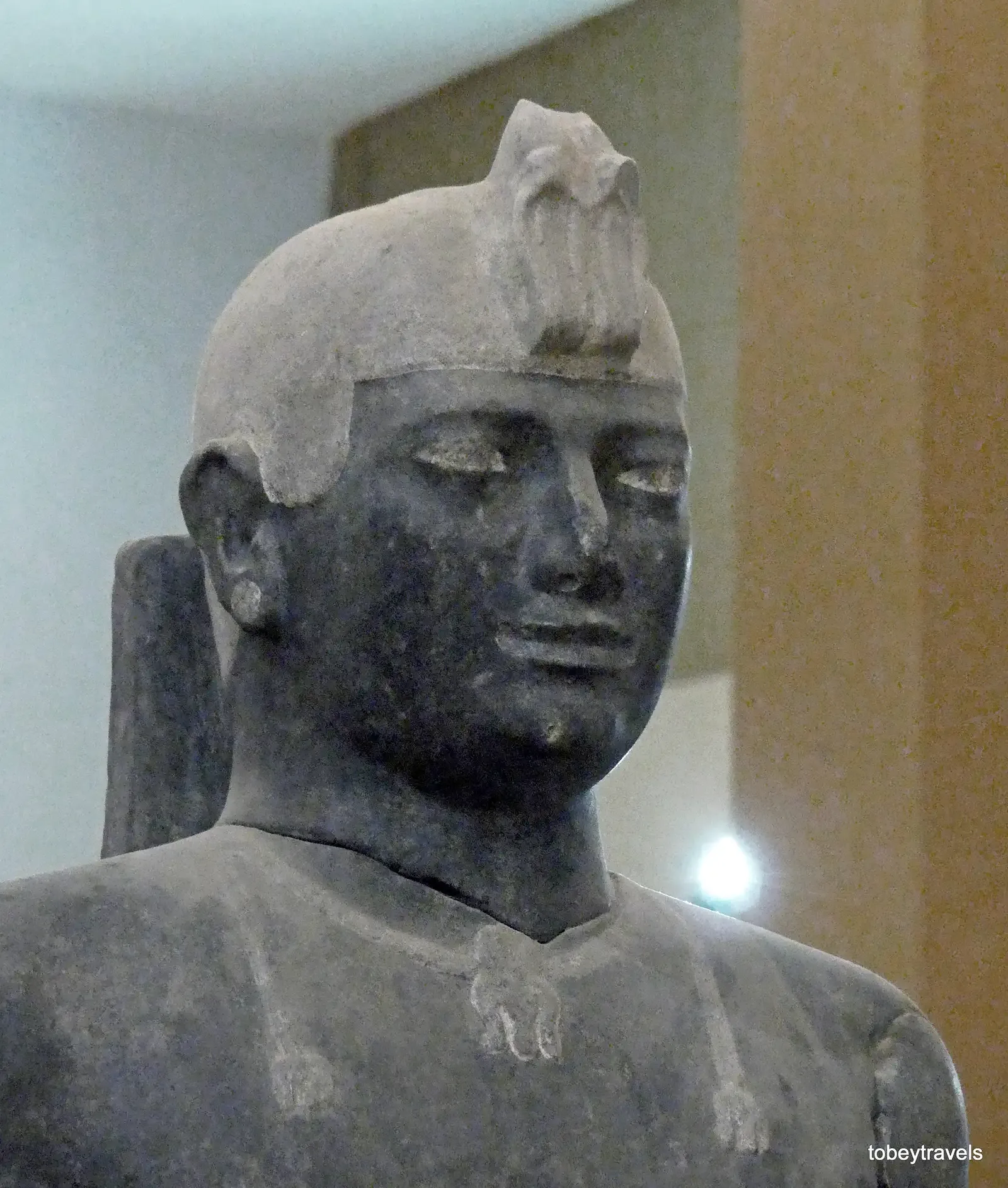
Some of the earliest Kushite rulers only exist in history because later kings invoked them generations afterward, usually while renewing a sacred covenant with the god Amun. Alara is the clearest example – remembered by name, honored by descendants, but leaving almost nothing in the way of his own contemporary inscriptions.
This kind of selective recall wasn’t sentimental. It was strategic. Invoking a semi-legendary ancestor gave later rulers legitimacy, even while the ancestor himself remained a shadow outside the family record that name-dropped him.
Quick Compare
- Alara in later memory: Named as a revered ancestor by Kushite kings for generations after his reign.
- Alara in his own era: Almost no contemporary inscriptions survive from his actual reign.
- Why the gap matters: Legitimacy could be borrowed from a name even when the man behind it stayed nearly invisible.
#5 – Post-Sargonic Akkadian Fragmentary Kings
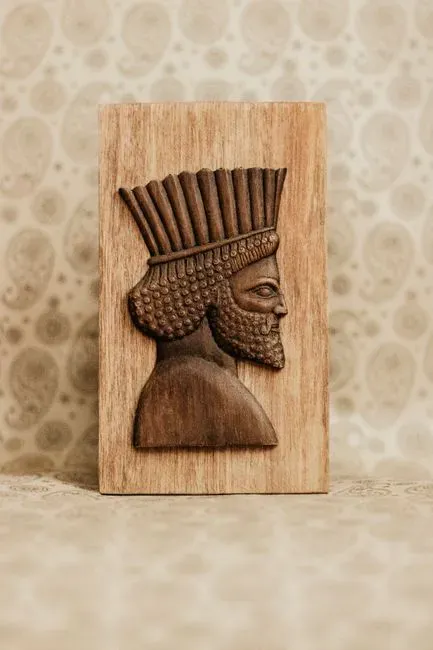
When the great Akkadian Empire collapsed, chaos followed, and chaos rarely gets a clean write-up. Rulers like Dudu and Shu-turul left inscriptions on bricks and vessels proving they genuinely held the throne, yet almost no other source bothers to mention them.
Official king lists tend to compress or skip over messy transitional periods entirely, smoothing collapse into a tidy narrative gap. The physical inscriptions refuse to cooperate with that tidiness – they’re proof that real men governed through the wreckage, even if history preferred to forget the details.
#4 – Indian or South Asian Epigraphic-Only Satraps
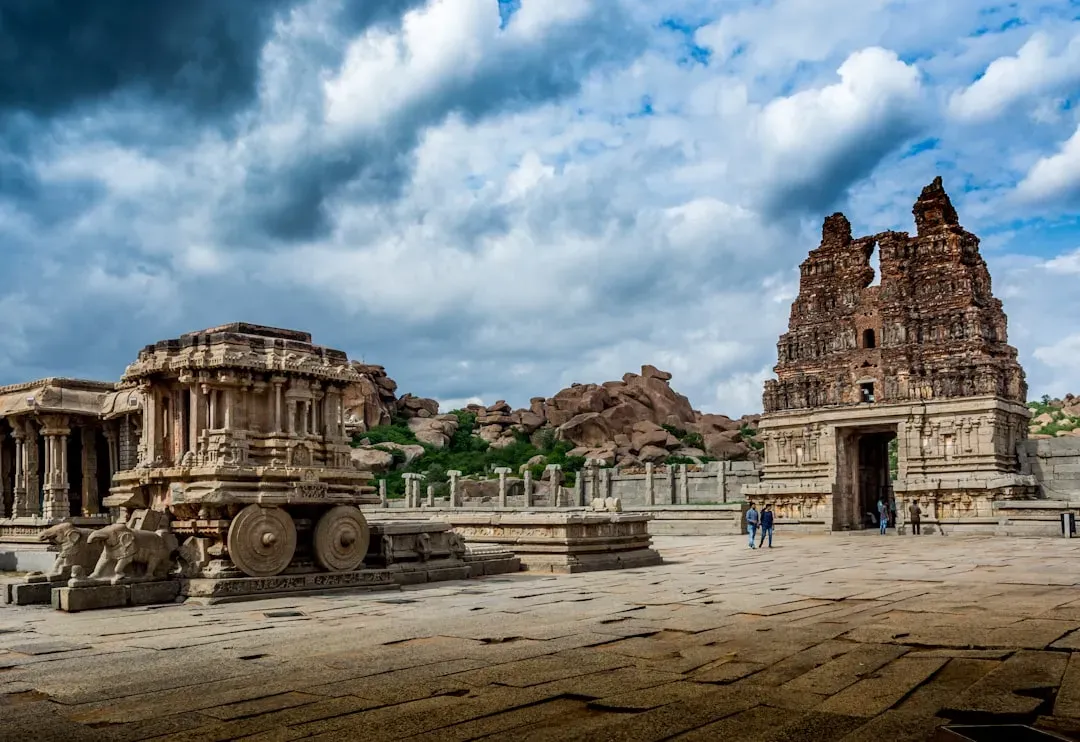
In certain periods of South Asian history, local rulers and satraps appear exclusively on coins or inside cave inscriptions, with zero corroboration from literary tradition or foreign travelers’ accounts. Their names and titles exist in complete isolation from the broader historical narrative everyone else agrees on.
This is epigraphy doing the job perishable records couldn’t. Palm leaves and paper decay; stone and metal survive. Official histories gravitated toward the larger empires that left better paper trails, leaving these smaller rulers to be rediscovered coin by coin, inscription by inscription.
#3 – Mesoamerican and Other Non-Mesopotamian Parallels
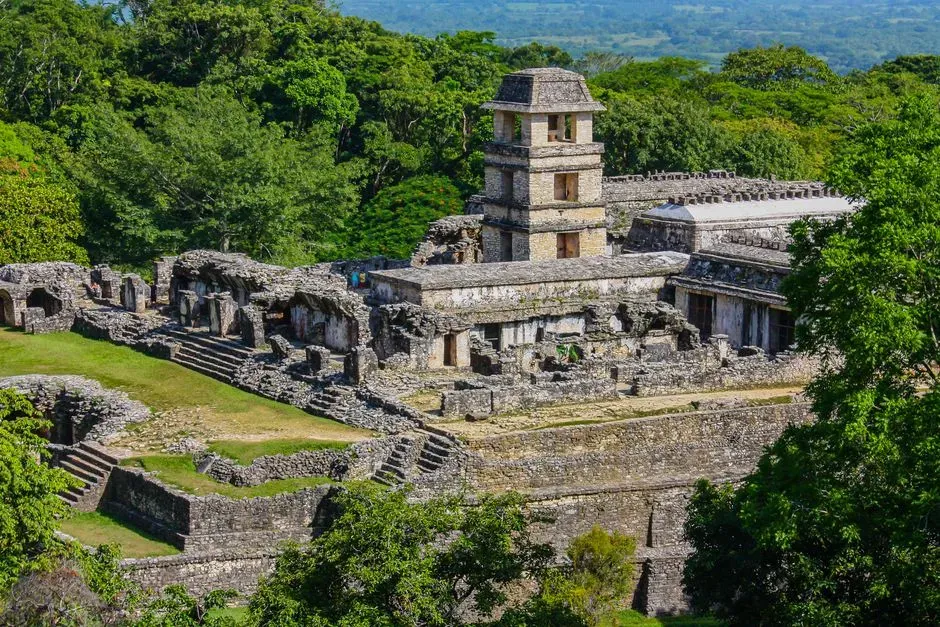
This pattern isn’t unique to the Near East. Similar cases turn up wherever inscriptions name local lords who never made it into codices or the oral histories that survived colonization and time. The evidence is thinner here, and the field remains understudied compared to Mesopotamian or Egyptian epigraphy.
But the shape of the problem is identical. A single carved inscription often constitutes the entire known biography of a real, once-powerful person. Cross-cultural comparison makes one thing obvious: erasing inconvenient rulers from the record wasn’t an ancient Near Eastern habit. It was a human one.
#2 – The Overwritten Monuments Revealing Multiple Erasures
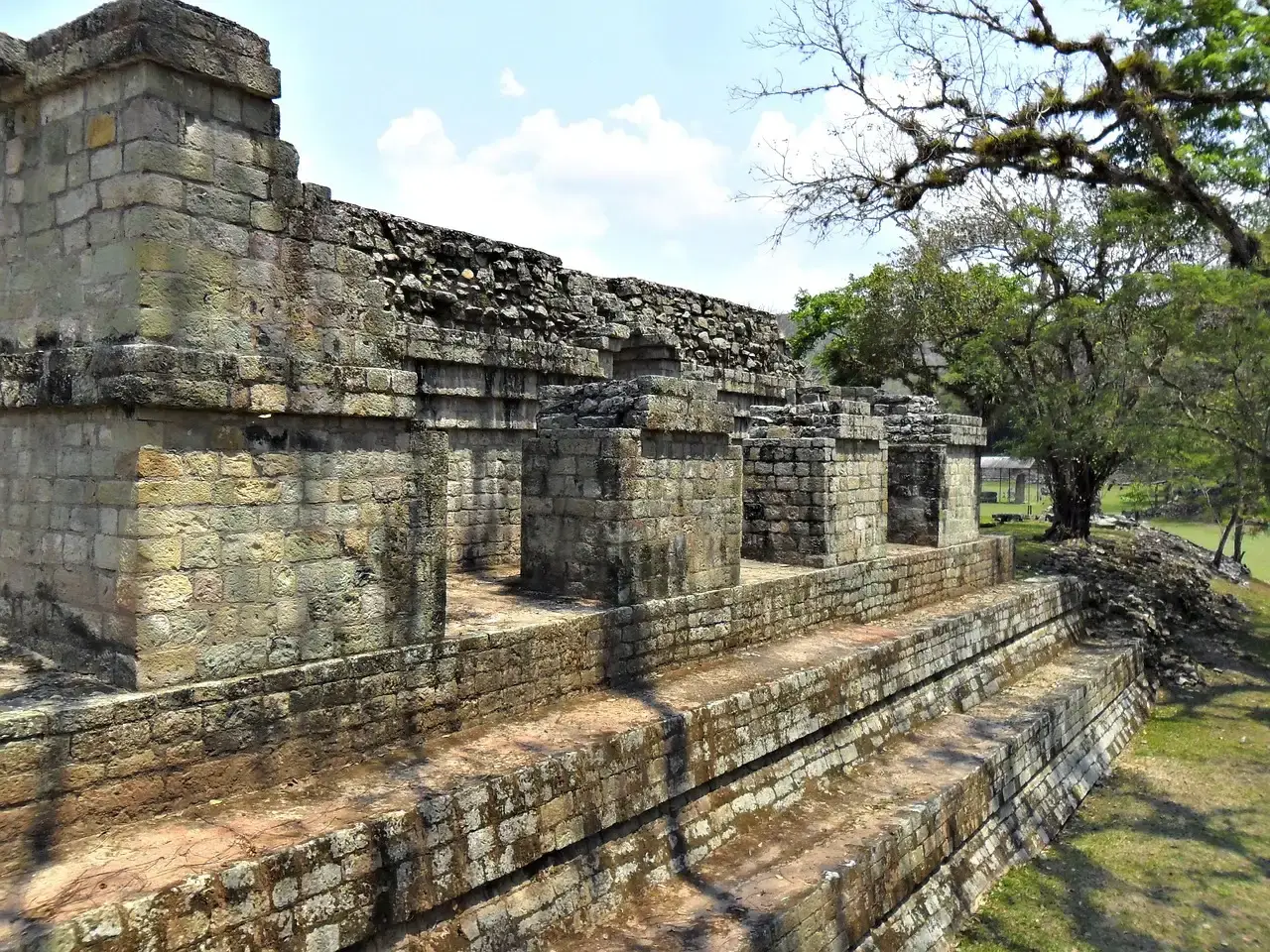
Some stelae don’t just hint at forgotten rulers – they show the crime scene. Deliberate scraping, recutting, and name substitution prove that later regimes actively edited stone to remove people who once ruled legitimately. This wasn’t neglect. It was intentional revision of the historical record.
The only reason we know about these erased rulers at all is that the overwriting was incomplete, leaving faint traces of the original name underneath. Experts increasingly argue this was common practice whenever succession was contested or embarrassing, turning monuments into palimpsests of political survival.
Why It Stands Out
- Physical evidence of scraping and recutting shows the editing was intentional, not accidental decay.
- These monuments effectively function as multiple layers of history stacked on the same stone.
- Faint traces beneath a recut name are often the only proof an earlier ruler existed at all.
- This exact pattern shows up across Assyrian, Babylonian, and Egyptian monuments alike.
#1 – The Cumulative Weight of Lone Inscriptions Across Millennia
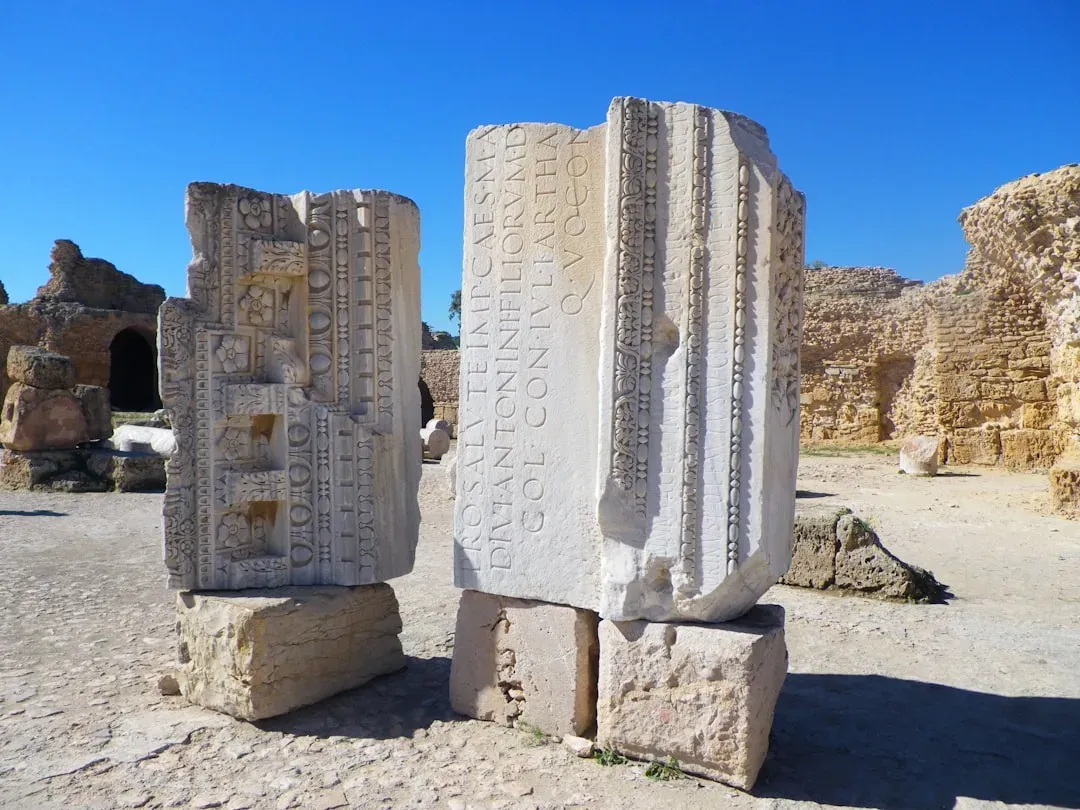
Add up every isolated inscription, every scraped-off name, every ruler who exists on exactly one surviving object, and a pattern emerges that’s hard to ignore: king lists were never neutral records. They were curated stories, edited by the winners, for the winners.
The most unsettling part is how many of these erased figures clearly controlled real resources and commanded real loyalty while they ruled. They weren’t imaginary footnotes. They were kings and local lords who simply lost the argument over who got remembered. Archaeology keeps finding them anyway, one inscription at a time, forcing historians to read between the lines of stone rather than trust the official story at face value.
The Bottom Line
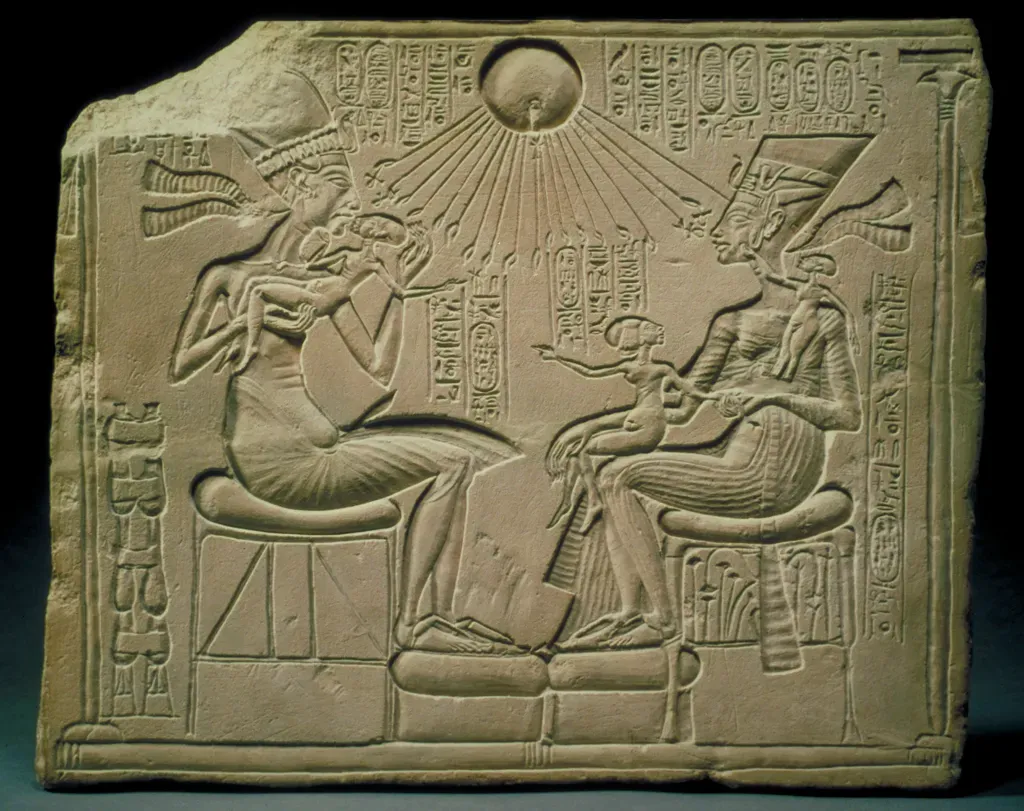
Inscriptions keep exposing rulers that every other ancient source either ignored or actively erased. From a rebel Assyrian king to obscure Mesoamerican lords, these were people who held enough power to commission lasting records, but not enough staying power to survive the editing process of official memory.
Here’s the uncomfortable truth: history was never just recorded. It was curated, and curation always has a political price. The next time a king list or a textbook timeline looks suspiciously clean and complete, remember that completeness is usually a sign someone did the erasing well – not a sign nothing was left out. Did we miss one? Drop it in the comments.