
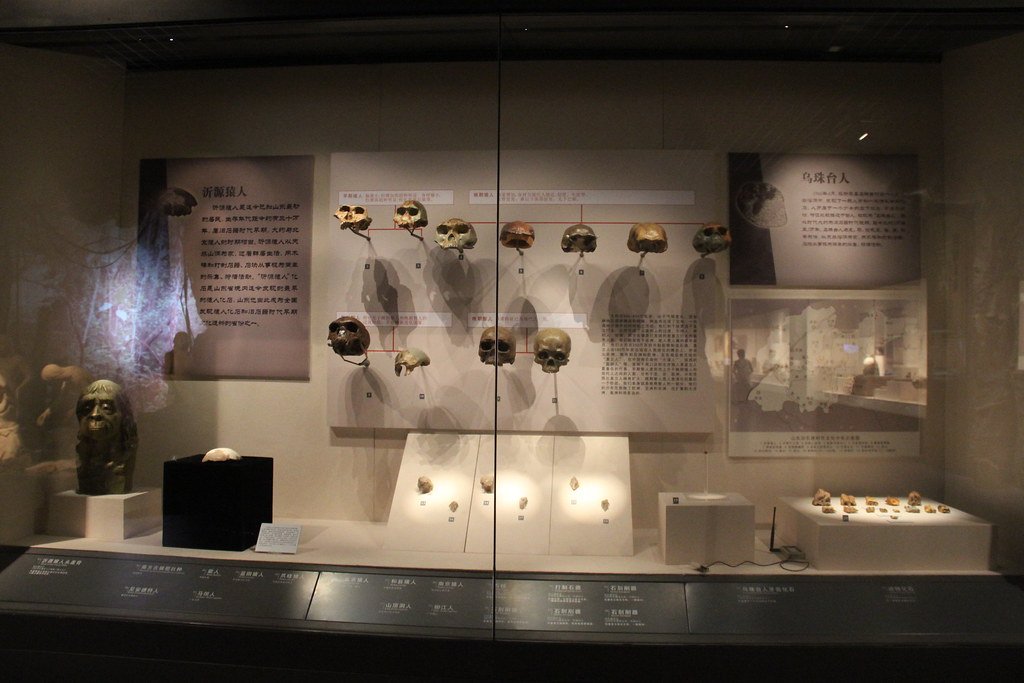
If you grew up with that neat, straight-line picture of human evolution – ape, stooped guy, slightly less stooped guy, modern human – you’re not alone. The reality scientists have dug out of caves, deserts, and mountains over the last few decades is far messier, way more interesting, and honestly a little humbling. Our family tree looks less like a ladder and more like a wild, tangled bush.
New fossils, ancient DNA, and surprising tools keep showing us that we were never alone. For long stretches of time, several different kinds of humans walked the planet together, sometimes sharing ideas, sometimes sharing genes, and sometimes just vanishing for reasons we still do not fully understand. Let’s walk through seven discoveries that seriously scrambled the story of where we came from – and why that story is still changing.
1. Neanderthals: From Caveman Stereotype To Long-Lost Relatives
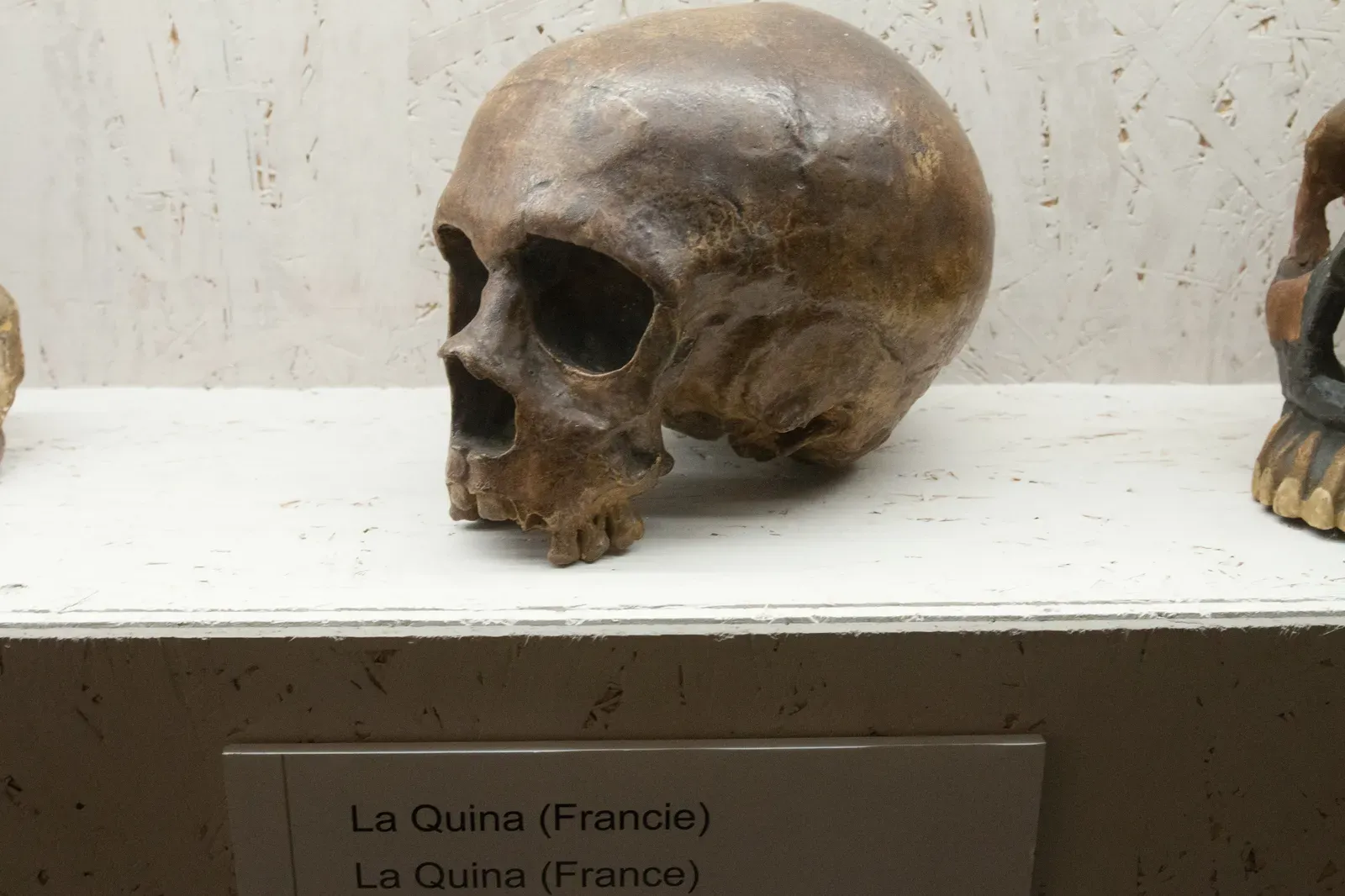
For most of the twentieth century, Neanderthals were painted as the clumsy villains of our origin story – heavy-browed brutes who lost the evolutionary race to “smarter” Homo sapiens. That cartoon has collapsed under a mountain of evidence. Their fossils show big brains, complex tools, controlled use of fire, and signs of care for sick and injured members of their groups.
The real plot twist came from ancient DNA. When scientists managed to sequence the Neanderthal genome, they discovered that many people living today outside of Africa carry a small but real fraction of Neanderthal ancestry. That means our ancestors did not just replace Neanderthals; they met them, lived alongside them, and had children with them. Overnight, Neanderthals shifted from tragic evolutionary dead-end to immediate, literal family.
2. Denisovans: A Whole New Human From A Single Finger Bone
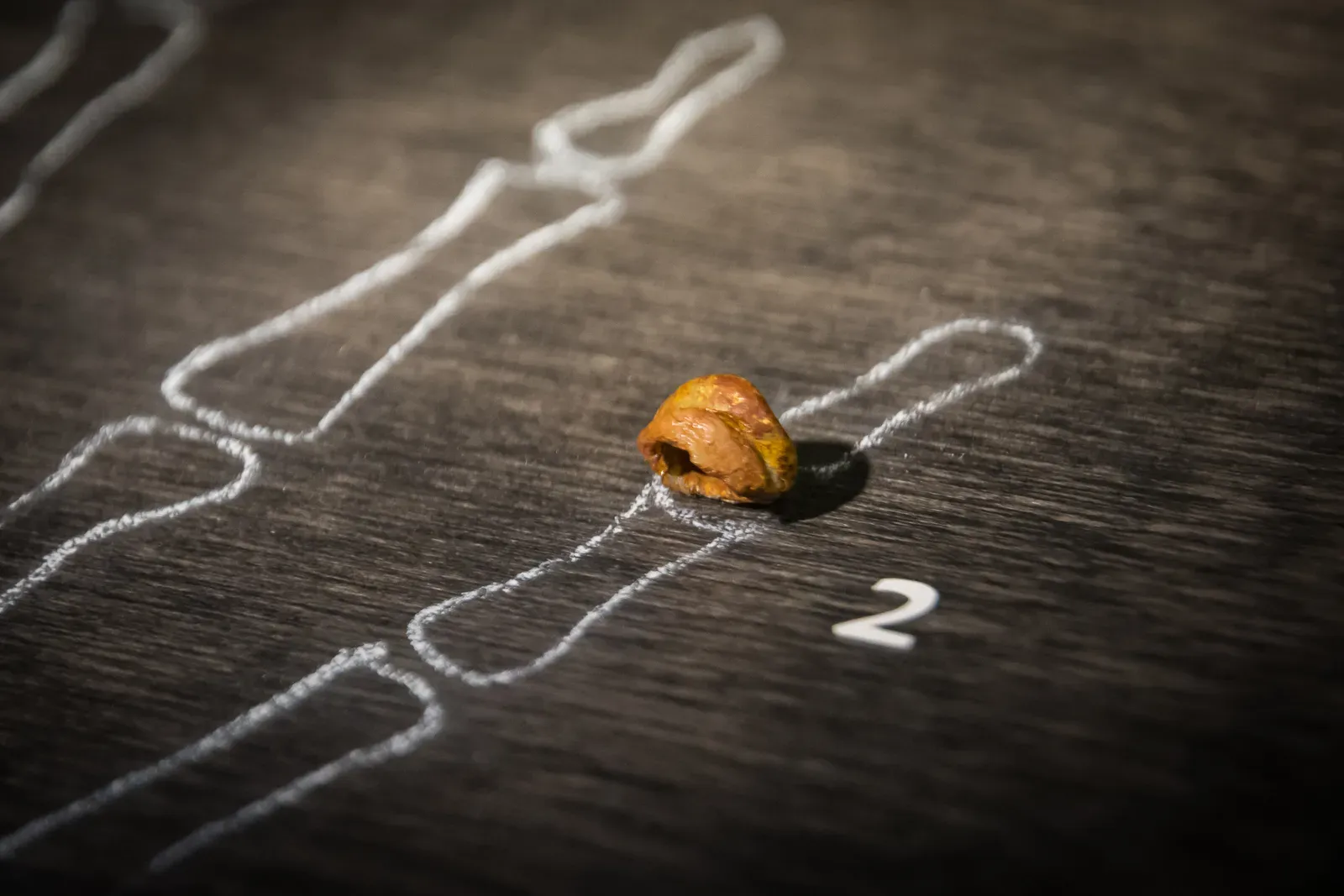
Imagine finding a tiny finger bone in a remote Siberian cave and realizing you’ve just uncovered an entirely new type of human. That’s more or less what happened with Denisovans. For years, the cave was known mainly for Neanderthal remains, but when scientists extracted DNA from that small bone, the genetic code did not match Neanderthals or modern humans. It belonged to a previously unknown group now called Denisovans.
What makes this discovery so wild is how much we’ve learned with so little bone. Ancient DNA has revealed that Denisovans mixed with the ancestors of many people living in Asia and Oceania today. Some populations in regions like Melanesia and parts of Tibet carry a noticeable chunk of Denisovan ancestry, including gene variants linked to high-altitude adaptation. Suddenly, our family tree had another major branch, discovered not through skulls and skeletons, but from microscopic strands of DNA hiding in a cave fragment.
3. Homo floresiensis: The “Hobbit” That Shrunk The Human Story
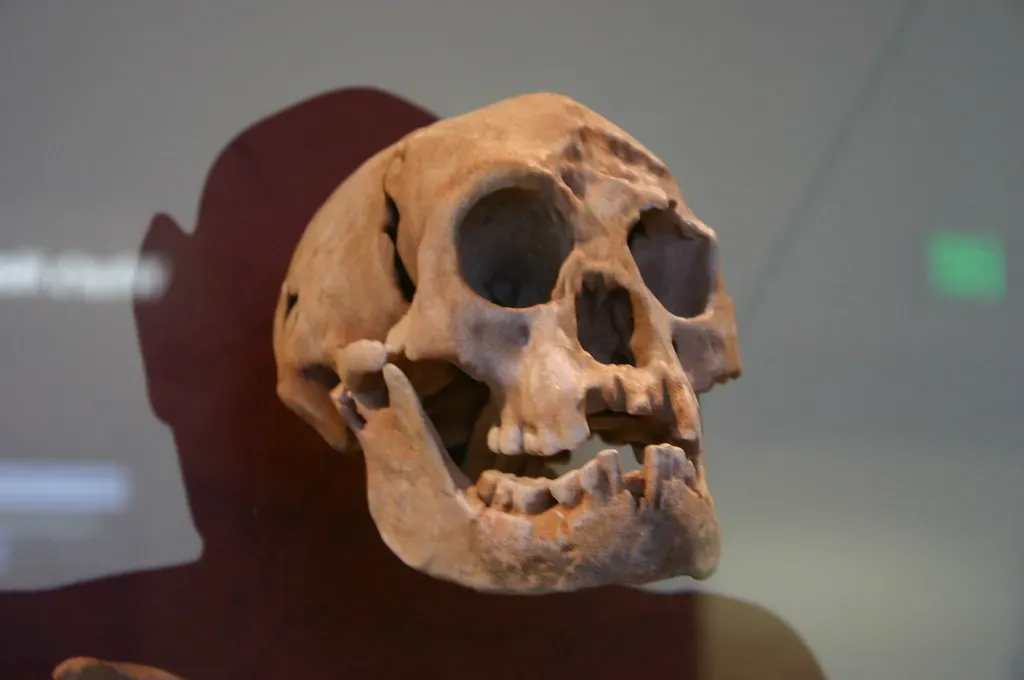
When researchers found tiny human-like skeletons on the Indonesian island of Flores, the headlines practically wrote themselves. These beings, nicknamed “hobbits,” stood about as tall as a modern child but had proportions and skull shapes that set them apart from us. They seem to have lived until surprisingly recent times on a small tropical island, which immediately raised tantalizing questions about how many different humans once shared the planet.
Homo floresiensis complicated things because they did not fit neatly into the expected pattern of humans just getting bigger-brained and more “advanced” over time. One idea is that they descended from an earlier human species that reached Flores and then evolved a smaller body size in isolation, something that happens with other animals on islands. Another view is that they might represent an even more ancient offshoot. Either way, their existence forces us to admit that our story is not a simple march upward but a tangle of strange experiments in being human.
4. Homo naledi: A Small-Brained Human With Big Questions Attached
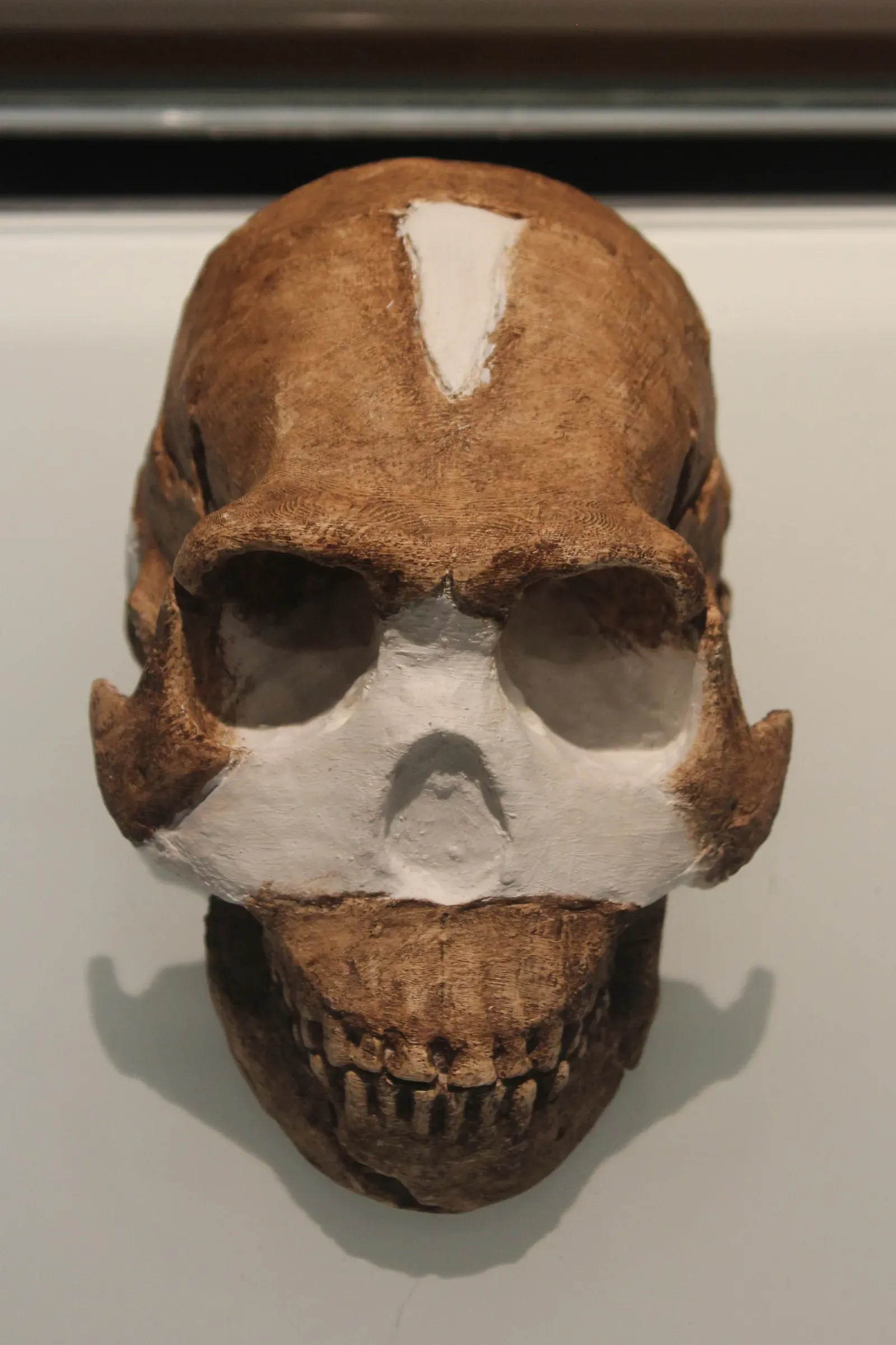
In a deep, hard-to-reach cave system in South Africa, explorers stumbled on chambers packed with bones from a previously unknown species now called Homo naledi. What stunned researchers was the mix of features: hands and feet that looked surprisingly modern paired with a small brain closer in size to much earlier hominins. The combination challenged the lazy assumption that big brains always go hand in hand with more “advanced” behavior.
The location of the remains opened an even bigger debate. The bones were found in a chamber so difficult to reach that some scientists have argued they might have been deliberately placed there by other naledi individuals, perhaps as a kind of simple funerary practice. If true, that would mean a small-brained human cousin was engaging in behavior once reserved for much later Homo sapiens. Even if that interpretation turns out to be partly wrong, Homo naledi still muddies the tidy link between brain size, culture, and where a species “belongs” on our tree.
5. Homo luzonensis: Another Island Mystery Neighbor
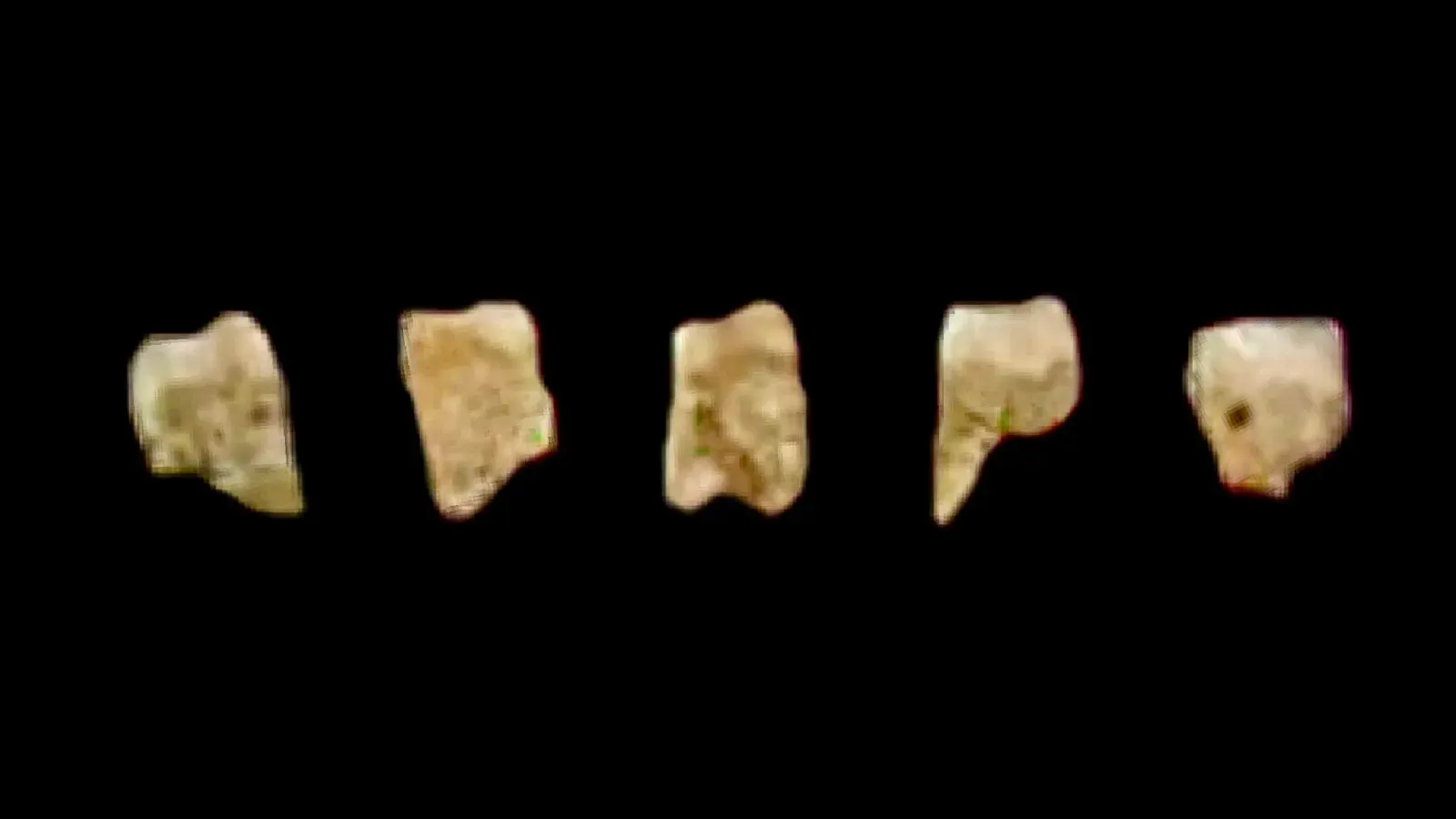
Just when it felt like island surprises could not get any stranger, fossils from Luzon in the Philippines revealed yet another distinct human relative, now called Homo luzonensis. The remains include teeth and bones with a mix of traits that seem both modern and ancient, echoing the same kind of mosaic seen in Homo floresiensis but in a completely different part of Southeast Asia.
The existence of Homo luzonensis shows that island Southeast Asia was not just a quiet outpost but a hotspot of human diversity. Repeatedly, small groups of ancient humans seem to have reached these islands, adapted locally, and evolved in unique ways. For our family tree, this drives home an uncomfortable point: if we are still uncovering whole species from just a few bones, there may be entire branches we have not even glimpsed yet. The picture we call “the” human story is probably just the part of the forest lit by our current flashlight beam.
6. Ancient DNA From Modern Humans: Admixture, Ghost Lineages, And A Crowded Planet
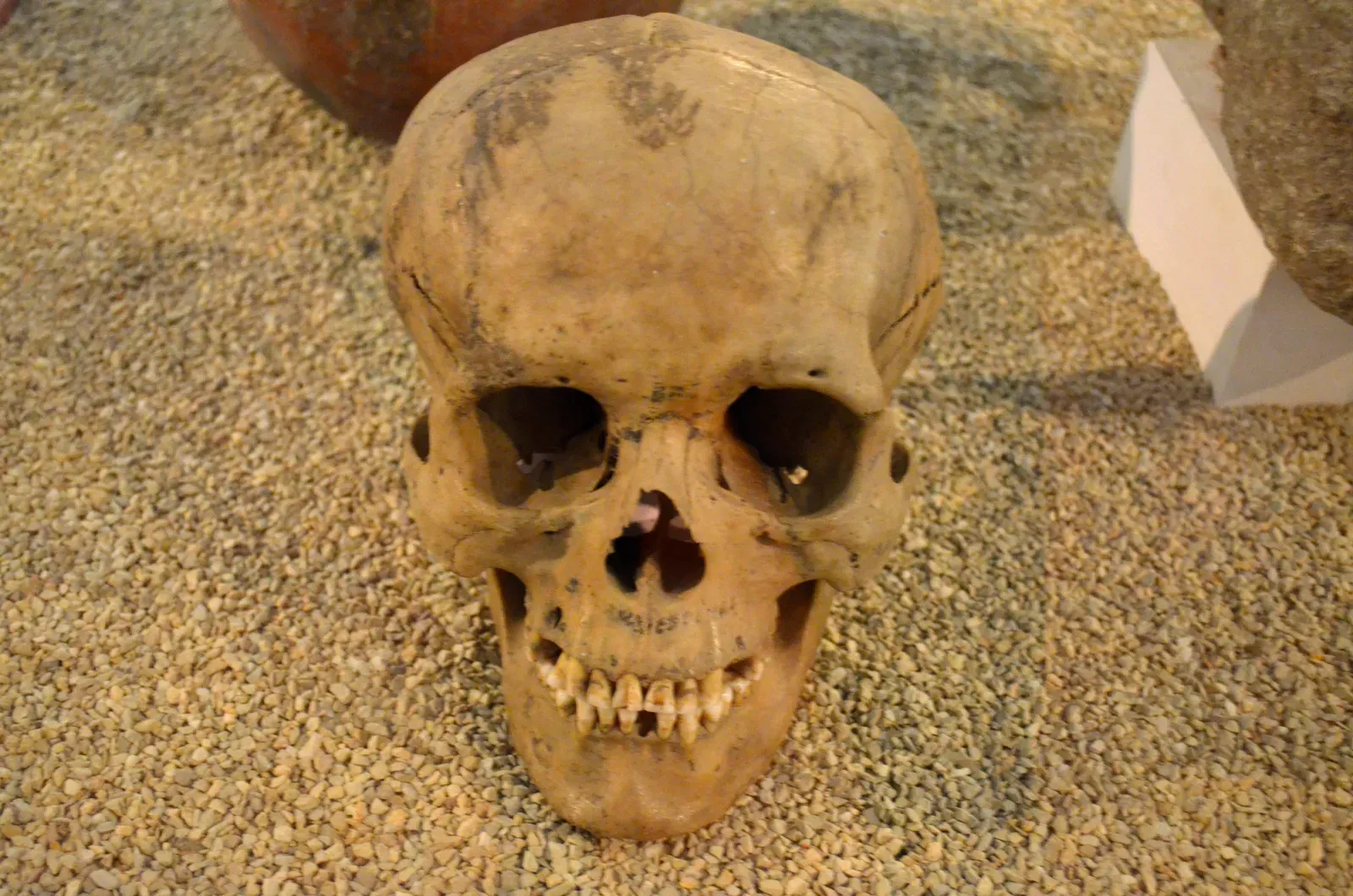
Beyond the headline-grabbing fossils, the quiet revolution has been in the lab. Sequencing ancient and modern human DNA has revealed a world where different human groups routinely met and mixed. Neanderthals and Denisovans contributed genes to many modern populations, while genetic signals hint at yet other, still-unknown “ghost” populations that must have existed because their DNA echoes linger in ours even though we have no clear fossils for them yet.
This genetic patchwork knocks down the old idea that one superior human species simply replaced all the others in a clean sweep. Instead, for long stretches of the last few hundred thousand years, Earth seems to have hosted multiple, overlapping human groups in Africa, Eurasia, and beyond, sometimes isolated, sometimes exchanging genes and ideas. Personally, I find that picture much more honest. It makes our species feel less like the inevitable winner and more like one survivor among many, shaped by luck, geography, climate shifts, and complicated family ties.
7. Deep African Lineages: The Tangle Beneath Our Oldest Roots
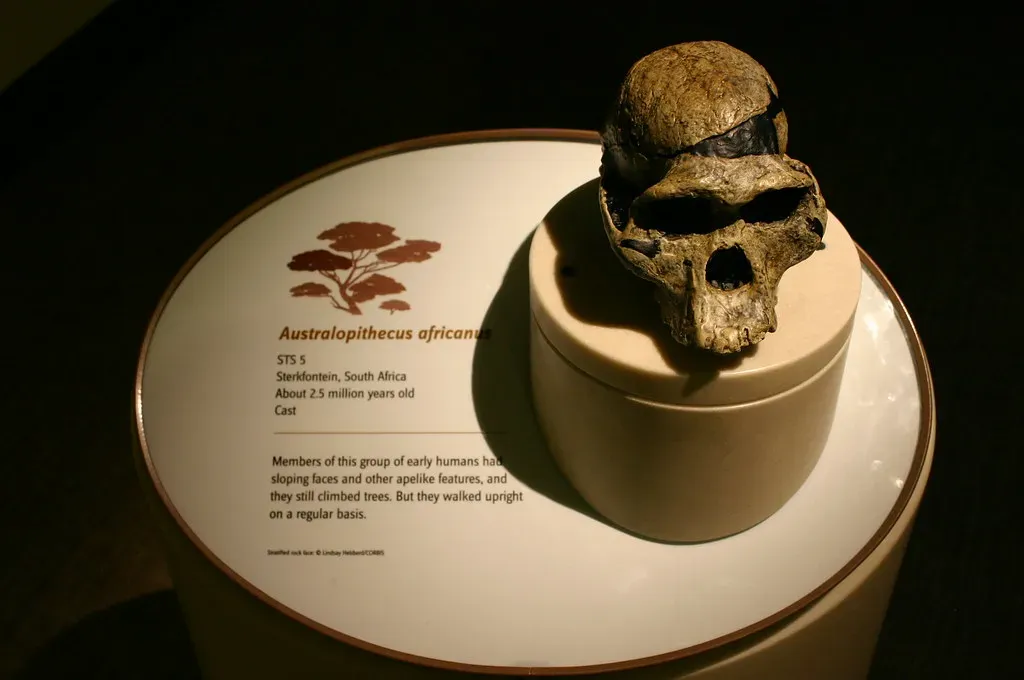
For a long time, the simplest version of our origin story was that modern humans evolved in one region of Africa and then slowly spread out, replacing everyone else. Fossils and genetics still point strongly to Africa as the cradle of our species, but the details are getting far more intricate. Different regions across the continent show deep, overlapping lineages, and some early Homo sapiens fossils from places like eastern and northern Africa suggest that “modern humans” did not pop into existence at a single moment or place.
Genetic studies also hint that populations within Africa were sometimes separated for long periods, then mixed back together, creating a braided stream of ancestry rather than a single clean line. There are even signs that older hominin groups inside Africa might have contributed small amounts of DNA to the ancestors of today’s Africans, echoing the Neanderthal and Denisovan story outside the continent. If that holds up, our family tree is not just complicated at the edges; it is deeply intertwined at its roots, turning Africa from a simple starting dot into an entire landscape of ancient diversity.
Conclusion: A Family Tree That Refuses To Behave
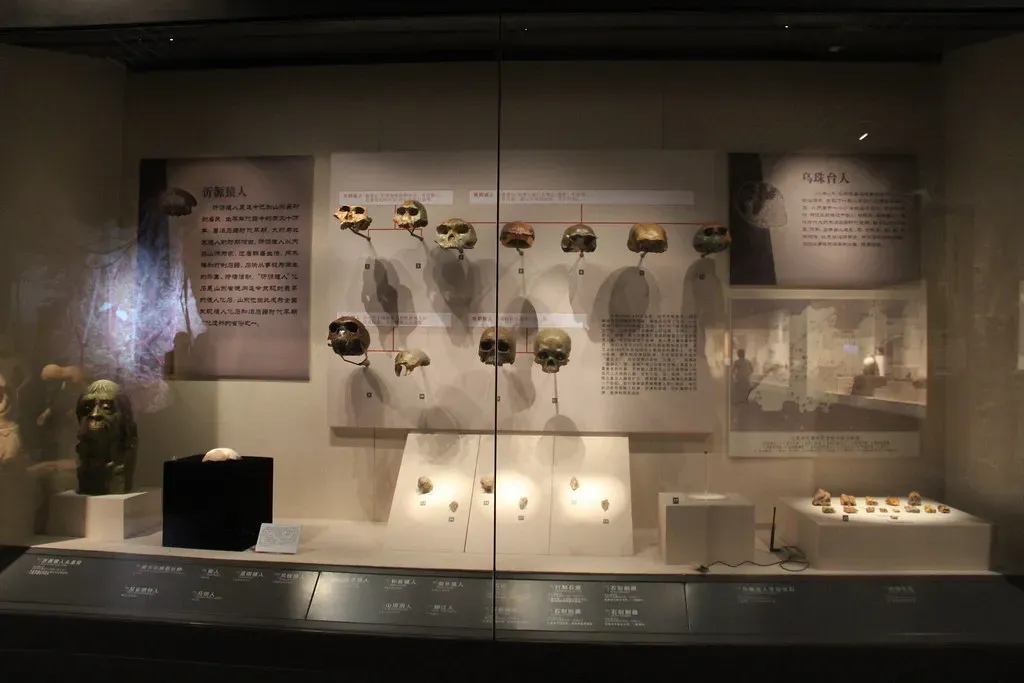
When you put all these discoveries together, the old classroom diagrams start to feel almost comically outdated. We are not the final rung on a ladder but one surviving twig on a very bushy tree, surrounded in the past by cousins who were clever, adaptable, and in some cases living right alongside our own ancestors. To me, the most honest takeaway is that evolution is not a story about destiny; it is a story about messy experiments, dead ends, and unexpected partnerships.
That messiness is not a flaw in the story – it is the story. Every new fossil or DNA sequence seems to tell us the same thing: there were more of “us” than we ever imagined, and the boundaries between “them” and “us” were blurrier than we like to admit. Maybe the real challenge now is letting go of the comforting myth that humans were always singular and special, and accepting that we are the last visible chapter of a book with many missing pages. If another cave or bone forces us to redraw the tree yet again, would that really be a shock anymore?