
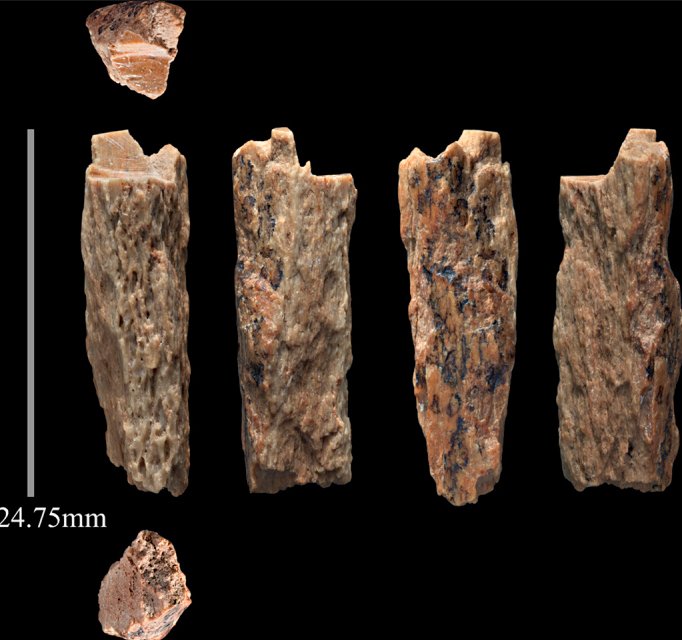
If someone told you that an entire lost branch of humanity was discovered from fragments so small you could misplace them in a pocket, you might think they were exaggerating. Yet that is exactly what happened with the Denisovans, an extinct group of ancient humans that we now know once roamed large parts of Asia, leaving faint echoes of their DNA in many of us today.
Instead of dramatic skeletons laid out in museum halls, the Denisovan story begins with a pinky bone, a few teeth, and later, a sliver of skull and some scattered remains. From these tiny clues, scientists have pieced together a tale of mystery, migration, interbreeding, and survival at high altitudes that still reshapes how we think about what it means to be human. The more you look at their story, the stranger it feels that such a major chapter of our past sat hidden in a cave, inside fossils that literally fit in the palm of a hand.
A Pinky Bone in a Siberian Cave That Rewrote Human History
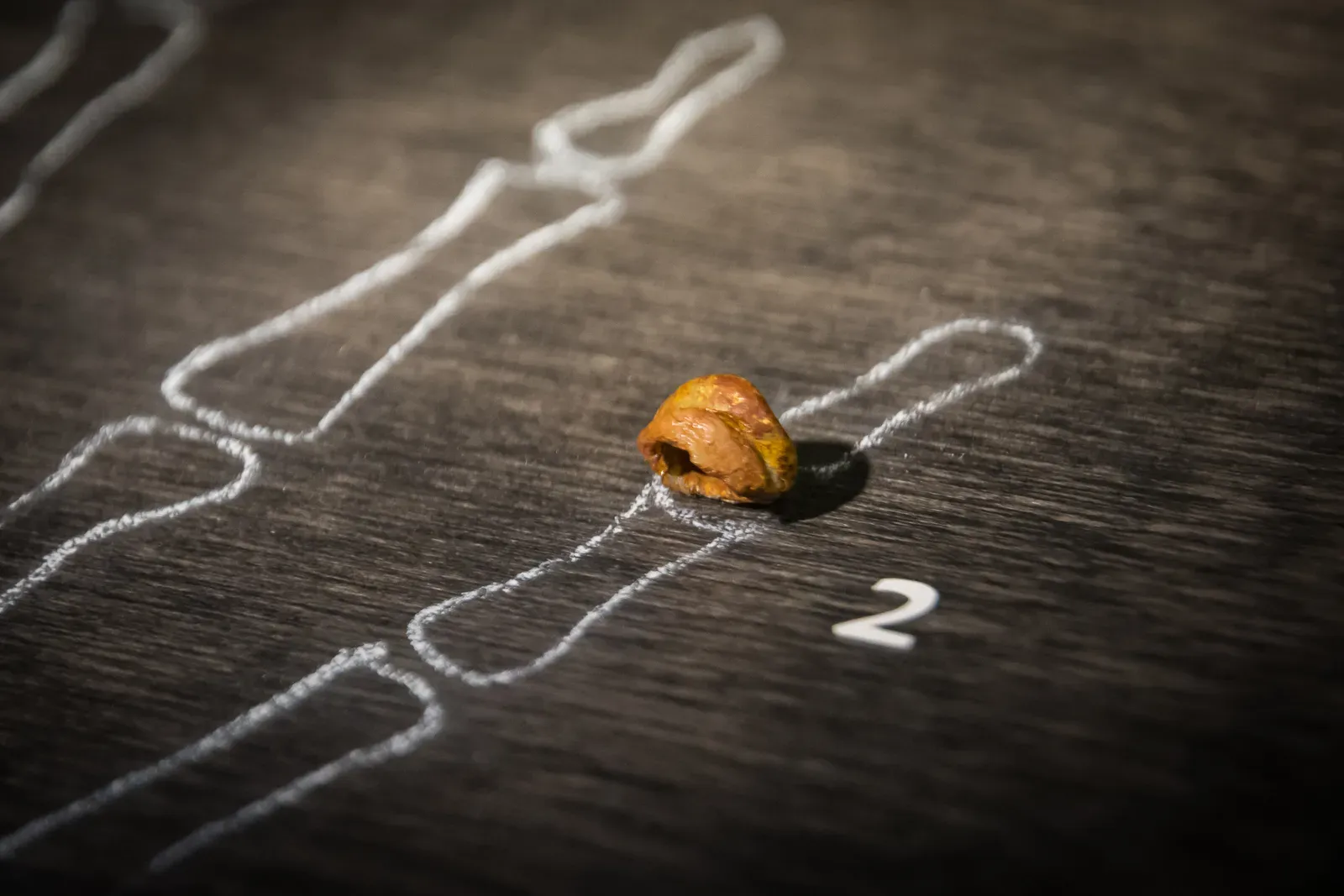
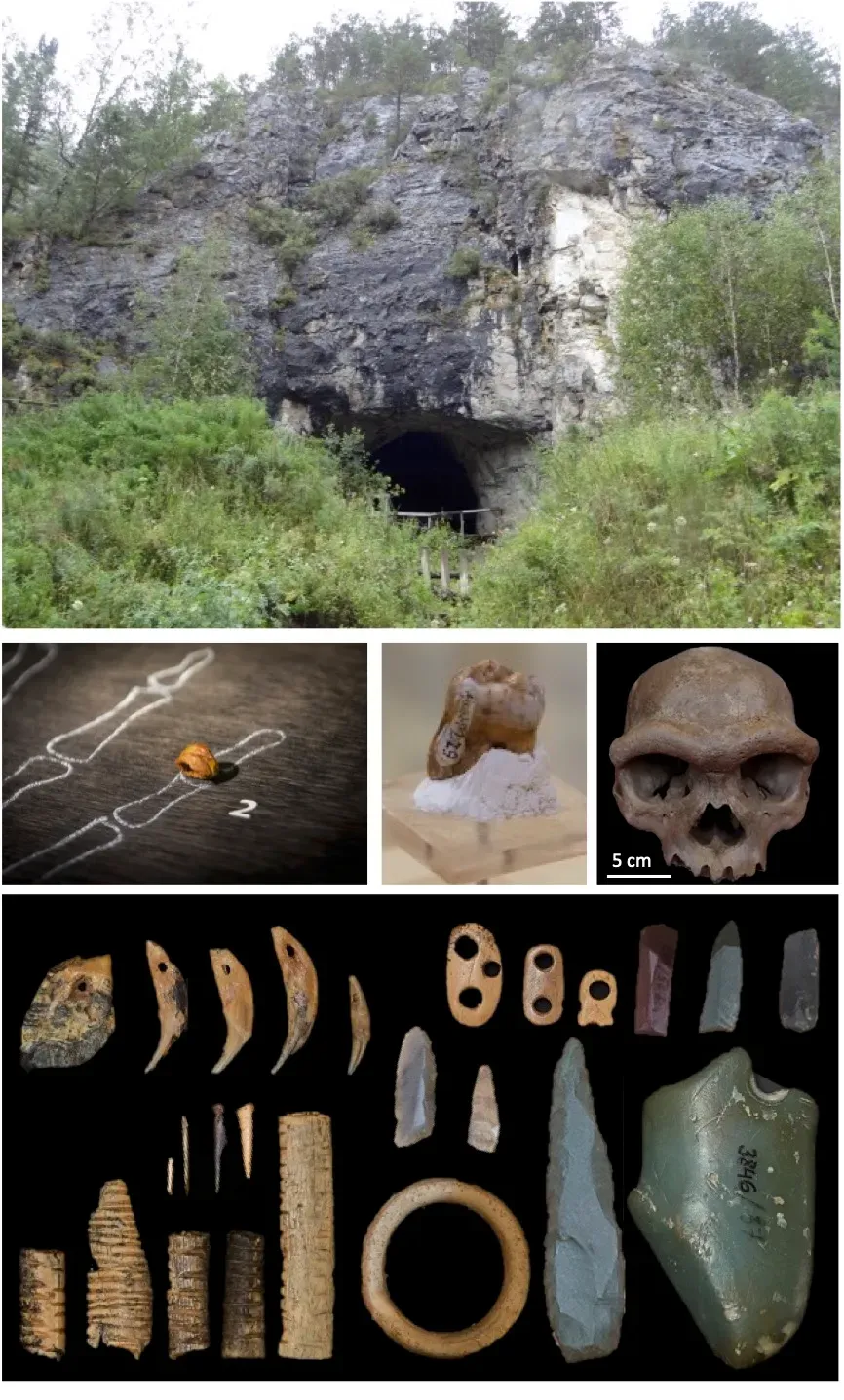
Imagine walking into an unassuming cave in the Altai Mountains of Siberia and picking up a fingertip bone so small you could toss it in a jacket pocket without noticing. That tiny fragment from a young girl’s little finger, discovered in Denisova Cave, turned out to be the key to a completely unknown type of ancient human. At first glance, it did not look particularly special; it certainly did not scream that it came from a group that would change the human family tree.
The game-changer came when scientists extracted DNA from this small bone and compared it to that of modern humans and Neanderthals. The genetic data did not match either group, instead forming its own distinct branch. From a single fingertip, researchers realized they were dealing with a previously unknown population, now called the Denisovans, named after the cave itself. It is almost absurd: a child’s pinky, the size of a jellybean, forced us to redraw diagrams of human evolution in textbooks worldwide.
Teeth, Shards, and a Skull: Building a Species from Fragmented Clues
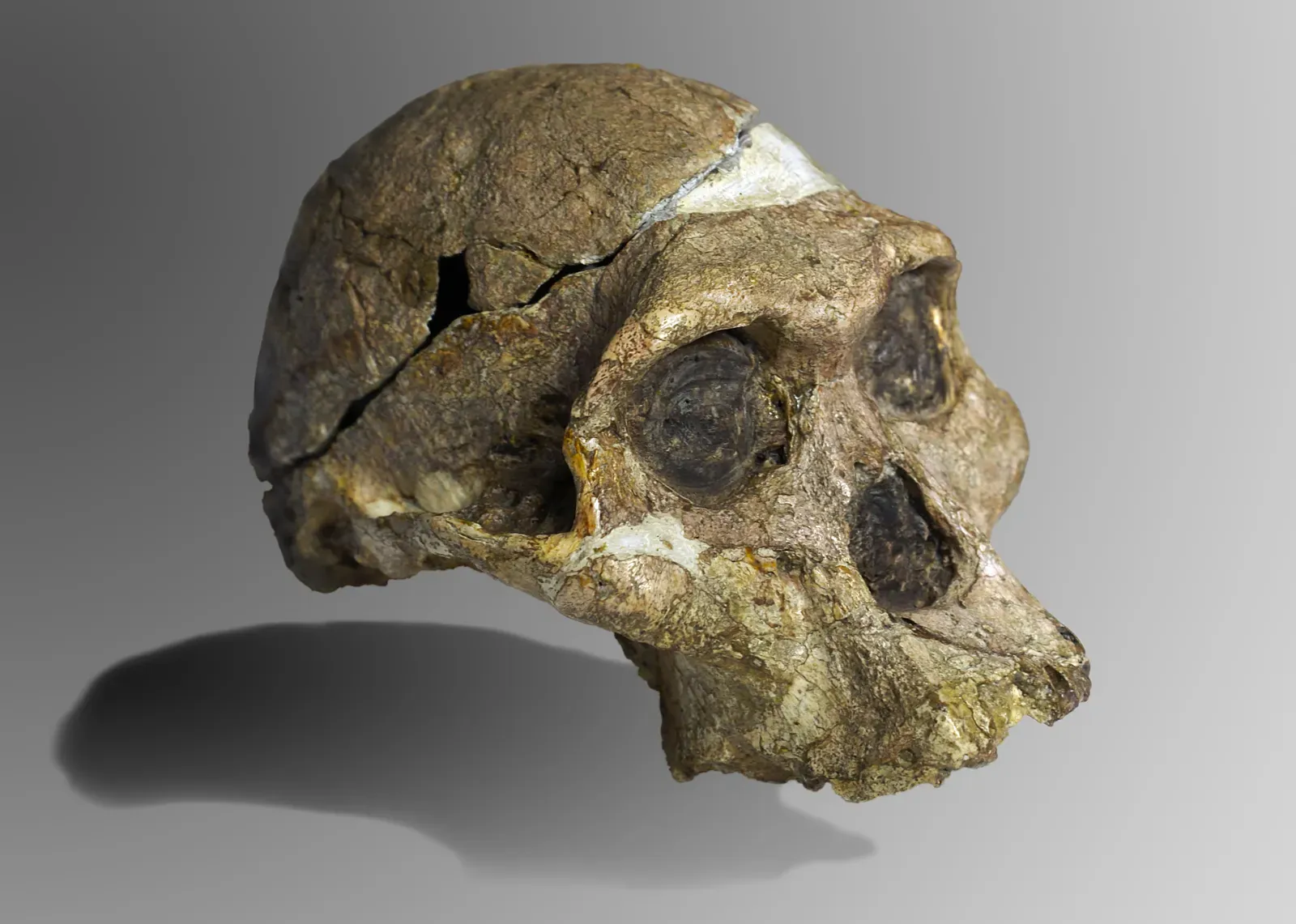
After the pinky bone surprise, Denisova Cave kept giving up more secrets, but again, they were tiny ones. A few large molar teeth turned up, unusually big compared with those of both modern humans and Neanderthals. These teeth had distinctive shapes and wear patterns, hinting at different diets or jaw structures, even though there was no complete jaw or skull to go with them. It was like trying to identify a car model from a single headlight and a tire.
Later discoveries added a fragment of skull and additional small bone pieces, some from different individuals spanning thousands of years. None of these fossils could stand on their own as a dramatic exhibit; you could line them all up and still fit the collection on a dinner plate. Yet by combining their physical details with genetic analysis, scientists could confirm that multiple individuals, from different time periods, belonged to this Denisovan group. The story grew richer: this was not a one-off oddity but a recurring population that lived in and around the region for a long time.
How Ancient DNA Turned Tiny Fossils into a Big Discovery
![How Ancient DNA Turned Tiny Fossils into a Big Discovery (By Alida M. Bailleul[1]
References↑ Bailleul, Alida M. (20 March 2019). "An Early Cretaceous enantiornithine (Aves) preserving an unlaid egg and probable medullary bone". Nature Communications 10. DOI:10.1038/s41467-019-09259-x. Retrieved on 22 March 2019., CC BY-SA 4.0)](https://nvmwebsites-budwg5g9avh3epea.z03.azurefd.net/dinoworld/8f5c023e3727b65fa2b60b2d5f8dd6f1.webp)
The Denisovan story is really a story about what happens when genetic technology catches up with archaeology. For most of the history of paleoanthropology, a tiny bone or isolated tooth was frustratingly ambiguous: it could belong to a human, an animal, or be too damaged to classify. Ancient DNA changed that. By carefully drilling into the fossils and extracting genetic material, researchers could read their molecular signatures like barcodes, even when the bones themselves said very little.
In the Denisovan case, the DNA from that pinky bone showed a lineage that split from Neanderthals after their shared ancestor diverged from modern humans. That is a huge conclusion drawn from a ridiculously small piece of anatomy. It also showed that Denisovans were not just some weird local group; they were genetically distinct enough to count as a separate branch of archaic humans. Without DNA, those scraps would probably still be sitting in a drawer, labeled as “ambiguous hominin fragment” and forgotten. With DNA, they became the centerpiece of one of the most surprising human origin stories of the century.
Denisovan DNA in Modern People: Ghosts Hiding in Our Genomes
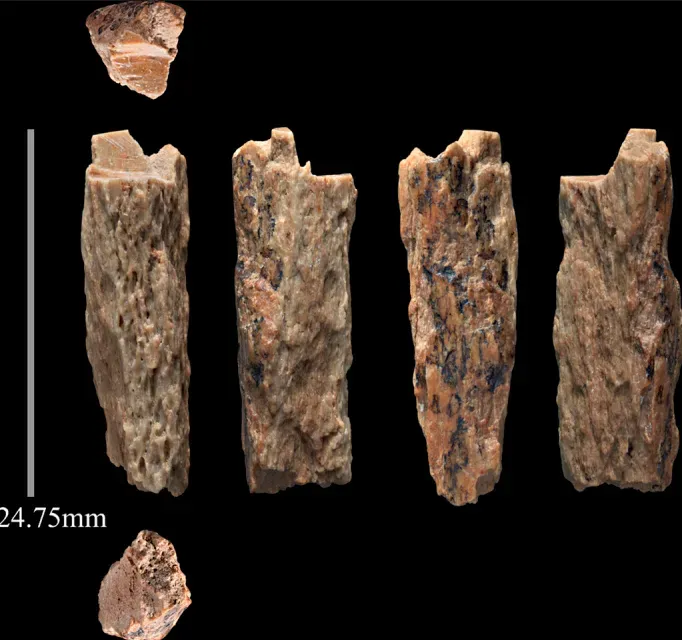
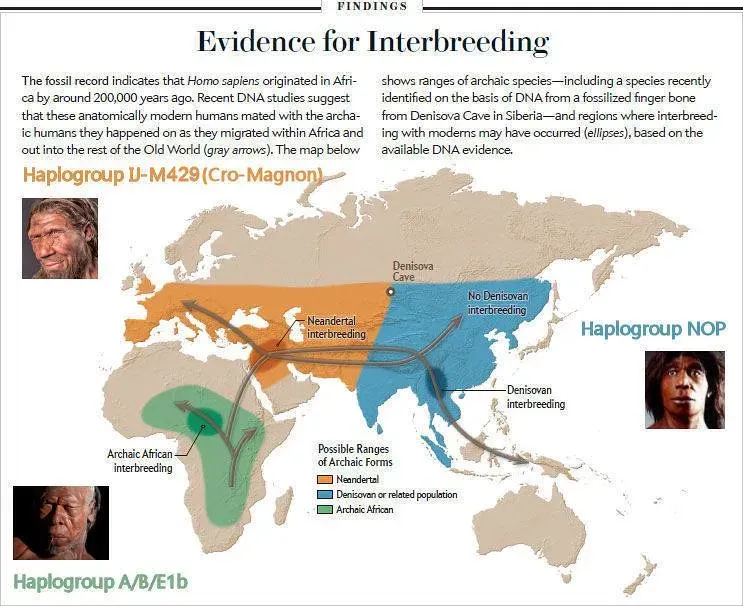
What might be the most mind-bending part of the Denisovan story is that they did not remain confined to one cave in Siberia. Even though we have only a handful of their bones, pieces of their DNA live on today in millions of people, especially in parts of Asia and Oceania. Genetic studies show that some populations in places like Papua New Guinea and surrounding regions carry a noticeable fraction of Denisovan ancestry, while many East and Southeast Asians carry smaller amounts. In daily life, it means that people walk around with Denisovan genetic fingerprints without ever knowing it.
This legacy is not just an abstract curiosity; some Denisovan genes appear to have helped humans adapt to challenging environments. The most famous example is a variant found in people living on the Tibetan Plateau that helps them tolerate low-oxygen, high-altitude conditions. Evidence suggests this gene was picked up from Denisovans and then favored by natural selection. So while their actual fossils can fit in your hand, their evolutionary impact is spread across entire populations, written quietly into the genomes of people alive right now.
Rethinking What Counts as a “Major” Fossil Find
For a long time, we tended to measure fossil discoveries by their size and completeness: full skeletons, intact skulls, impressive jawbones. Denisovans flip that expectation entirely. Their fossils are so fragmentary that if you saw them in a box at a dig site, you might honestly shrug. Yet in terms of impact on our understanding of human evolution, they rank near the top. They forced scientists to accept that we had missed an entire population of humans that once shared the planet with us and Neanderthals.
To me, that feels like a necessary humbling of our assumptions. If such a major group could hide in plain sight in museum drawers and cave sediments, what else have we overlooked because it looked too small or too unremarkable? Denisovans are a reminder that data quality does not always come from dramatic visuals; sometimes the most important evidence is microscopic, hiding in the chemistry of a bone that barely looks different from a pebble.
The Emotional Shock of Realizing Our Family Tree Is Messier Than We Thought
There is also an emotional side to this story that is easy to miss when we focus only on dates and gene flow diagrams. Denisovans were not just sequences of DNA or nameless fossils. They were people who lived, loved, raised children, and survived in harsh landscapes long before modern cities existed. When you stare at a photo of that tiny pinky bone, it hits you that it once belonged to a real child whose relatives are now genetically woven into some of us. That realization makes the distant past feel uncomfortably close.
Personally, I find the Denisovan story both unsettling and oddly comforting. Unsettling, because it shows how incomplete our picture of human history still is. Comforting, because it suggests we are part of a much larger, messier, intertwined family than we were taught in school. Our species did not march neatly out of Africa in a single straight line; we brushed up against other human groups, shared genes, and then watched most of them fade away, leaving only fragments of bone and traces in our DNA. In that chaos, there is a kind of shared humanity that stretches far beyond the last few thousand years.
Conclusion: Tiny Fossils, Huge Questions About Who We Really Are
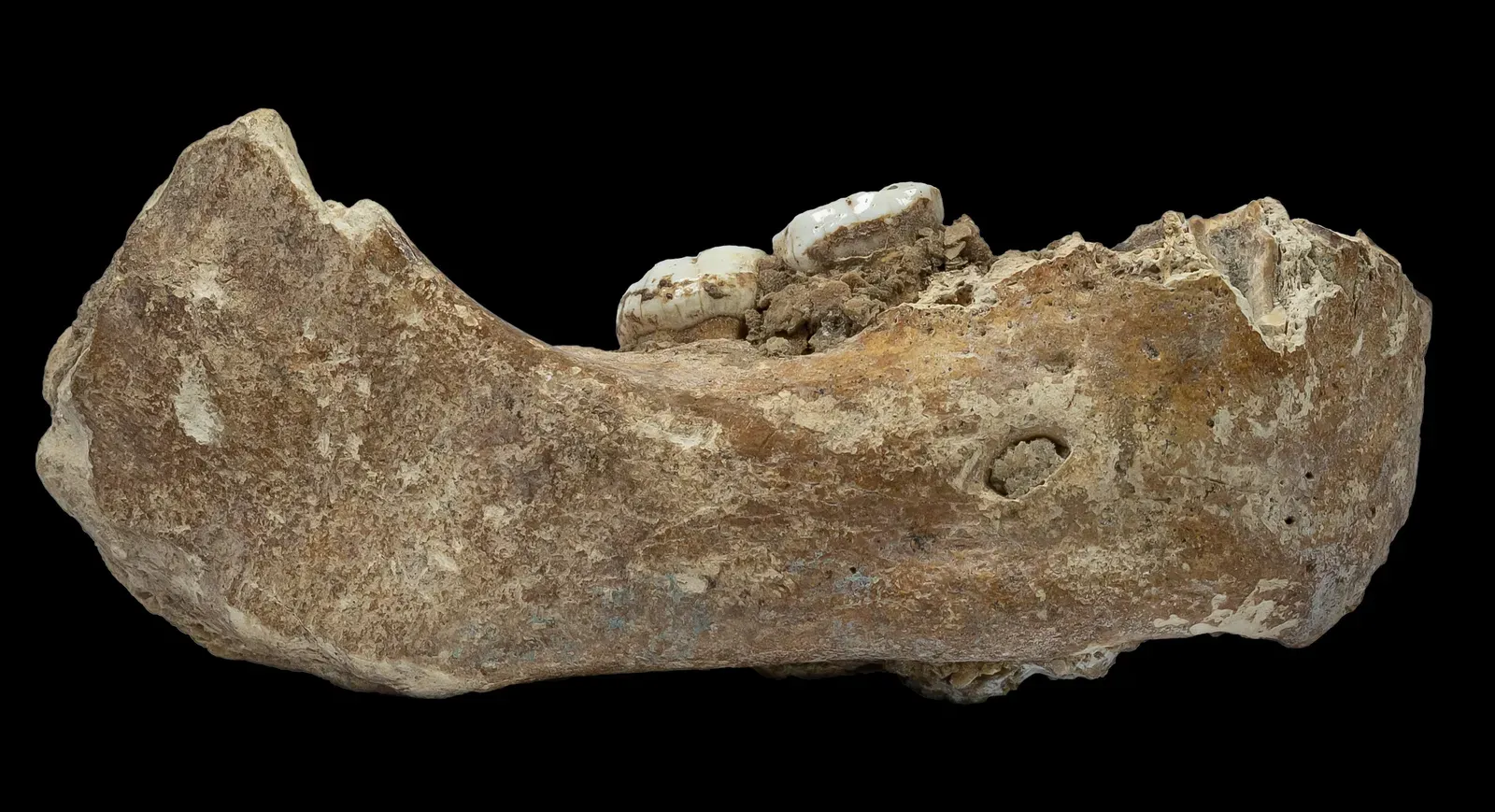
When you step back, the most remarkable thing about the Denisovans is not just that they were identified from fossils small enough to sit in your palm. It is that those unassuming fragments forced us to confront how little we truly know about our deep past. In my view, the Denisovan discovery is a clear sign that the old, tidy stories about human evolution are overdue for retirement. Our family tree looks more like a tangled forest path, with side trails, dead ends, and hidden clearings we are only now stumbling into.
It is tempting to treat Denisovans as a fascinating side note, but I think that underestimates their importance. They challenge our instinct to think of “us” as sharply different from the people who came before, and they prove that history can still surprise us with major players revealed from minor scraps. The fact that an entire human group emerged from a pinky, a few teeth, and a skull fragment should make us suspicious of any confident story that claims we already have the full picture. If a child’s fingertip can redraw our past, what might still be waiting in the dust of some overlooked cave shelf – and how ready are we, really, to change our minds when we find it?