
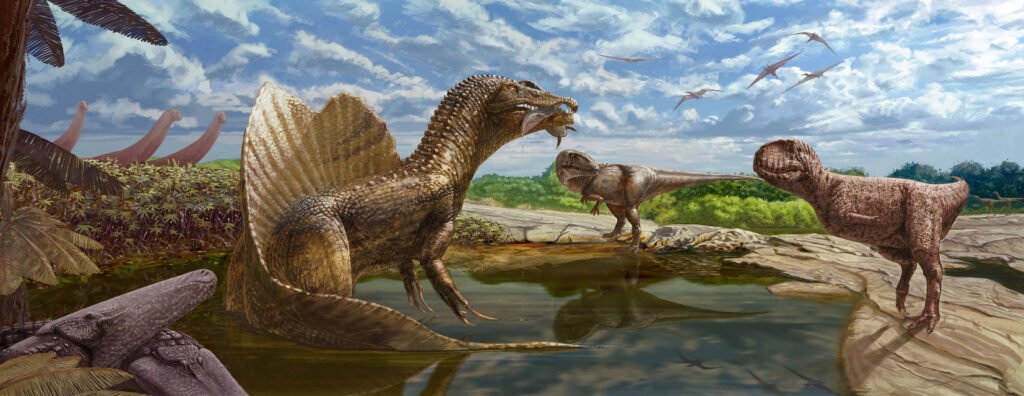
Picture the world of the dinosaurs and you probably see a dry, dusty landscape, a roaring T. rex, and endless chases through dark jungles. It feels epic and terrifying, but also a bit… simple. The real Mesozoic world, though, was stranger, wetter, noisier, and way more complex than most movies ever dare to show.
Once you start peeling back the Hollywood layers, the Jurassic and its neighboring periods turn into a wild mix of climate chaos, bizarre senses, feathered giants, and ecosystems that behave more like bustling coral reefs than empty wastelands. Let’s dive into ten things about the real dinosaur world that films usually skip, gloss over, or get downright wrong.
1. The Jurassic World Was Often Hot, Humid, and Lush – Not Just Desert and Dust
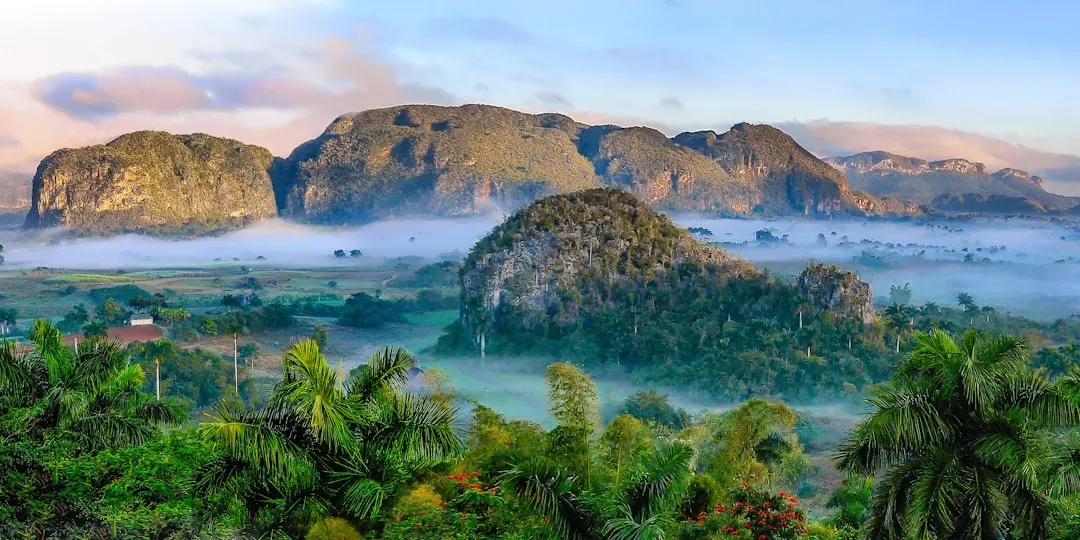
Many dinosaur movies frame the landscape like a barren Wild West with a few token ferns. In reality, much of the Jurassic and Cretaceous world was warm, humid, and intensely green, with vast forests of conifers, ginkgos, cycads, and ferns. Think more giant greenhouse than post‑apocalyptic wasteland, with coastlines, river deltas, and floodplains covered in thick vegetation.
There were drier regions and open plains, of course, but those sat alongside swampy lowlands, mangrove‑like coastal forests, and dense woodland. If you could step back in time, the heat and humidity would probably hit you before any dinosaur roar did, a bit like walking out of an airport into tropical air that feels like a warm, wet blanket.
2. Dinosaurs Lived in Crowded, Complex Ecosystems – Not Solo Monster Arenas
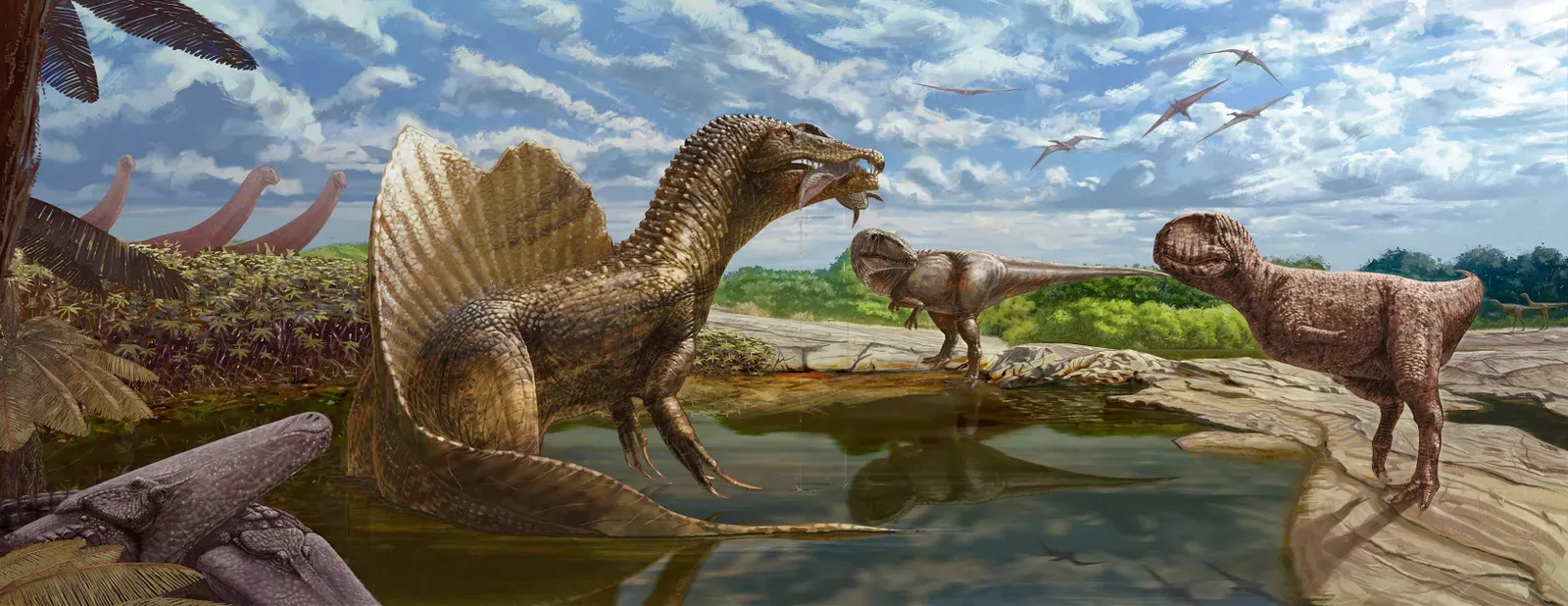
Movies love to zoom in on one apex predator stalking a single, terrified group of humans, with everything else conveniently offstage. The fossil record tells a different story: dinosaurs lived in ecosystems as crowded and layered as modern African savannas or rainforests. Multiple predators of different sizes, countless herbivores, early mammals, pterosaurs, crocodile relatives, insects, and marine life all overlapped and interacted.
In some bonebeds, paleontologists find remains of several different dinosaur species, hints of scavengers, and even invertebrate traces all tangled together. It was less like a boxing ring with one big bad guy and more like a chaotic city street at rush hour, where dozens of species competed, cooperated, scavenged, and filled every tiny ecological niche they could.
3. Many Dinosaurs Were Probably Feathered, Fluffy, or Filamented
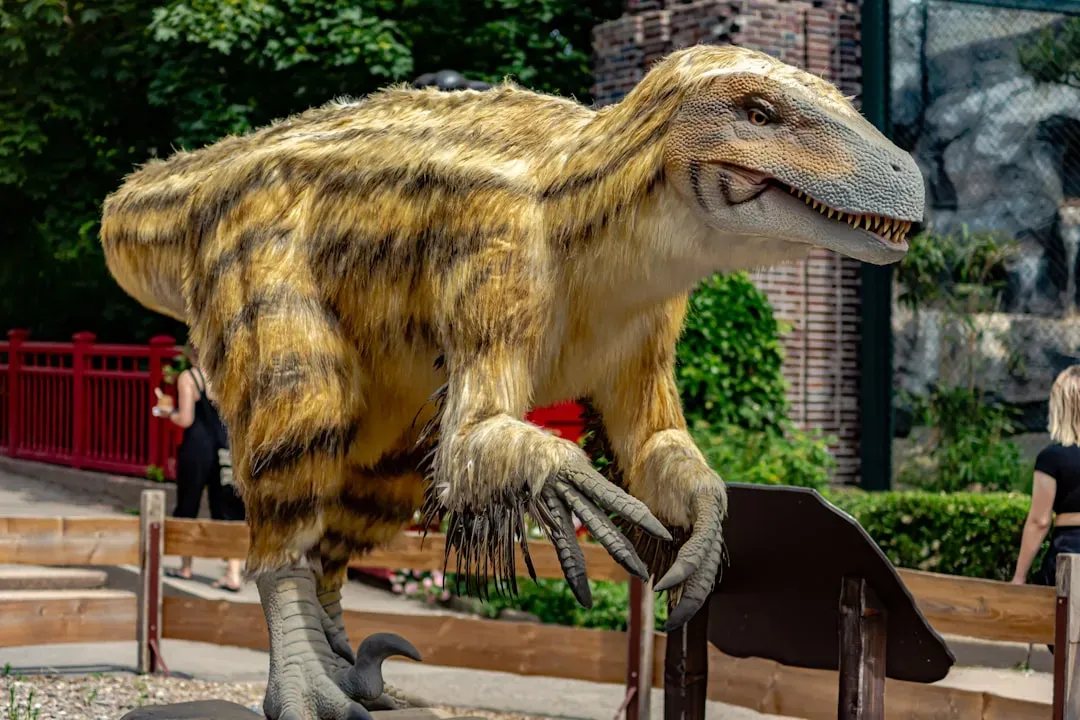
On screen, most dinosaurs are shown as sleek, scaly reptiles with shiny, lizard‑like skin. But fossils with preserved soft tissues have repeatedly revealed feathers, filaments, or fuzz on a wide range of species, especially among the theropods (the group that includes Velociraptor and T. rex). Some looked more like oversized, terrifying birds than naked dragon‑lizards.
Even large carnivores might have had patches of proto‑feathers or bristles, particularly as juveniles, for insulation or display. Feathers did not just mean flight; they were tools for warmth, signaling, and maybe even camouflage. If a movie showed a feathery, shaggy raptor strutting around like a murderous cassowary, audiences might laugh at first – but it would be a lot closer to reality.
4. Their Senses Were Likely Sharper and Stranger Than Movies Suggest
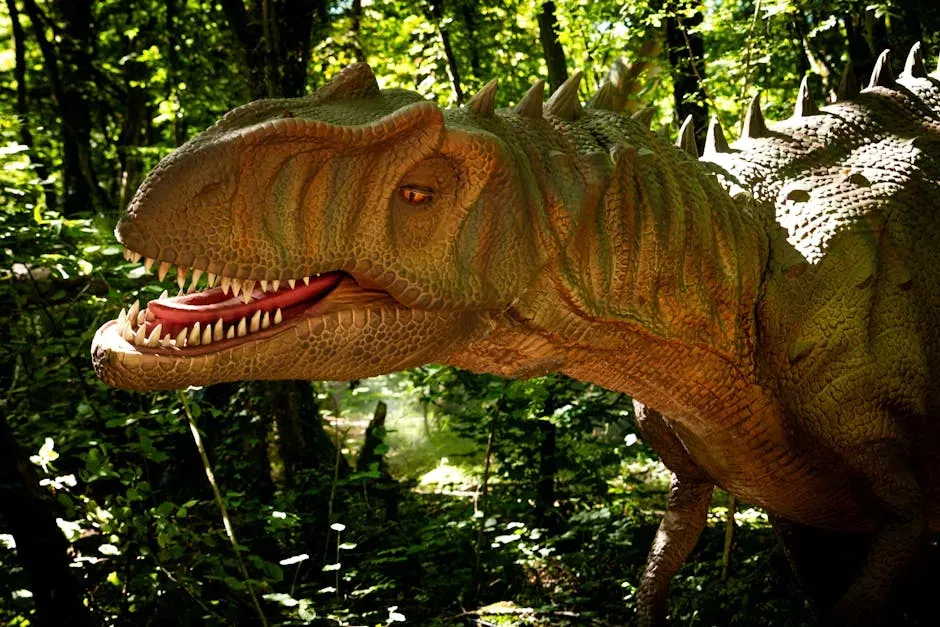
Films tend to simplify dinosaur senses so the plot can move: vision that reacts only to motion, hearing that works when it is dramatic, smell that switches on when convenient. Studies of braincases and skull structures in many dinosaurs suggest some had excellent vision, keen hearing, and strong senses of smell. Certain predators likely saw very well in low light, while others may have had color vision suited to spotting movement or display patterns.
Herbivores, too, were not just dull tanks chewing leaves. Some had complex inner ears and large brain regions linked to sensory processing, hinting at nuanced hearing or balance. Imagine a world where a grazing dinosaur could detect distant thunder, subtle wingbeats of pterosaurs, or the rustle of a stalking predator long before humans would ever notice a thing.
5. Dinosaurs Grew Up Fast and Life Was Brutal for the Young
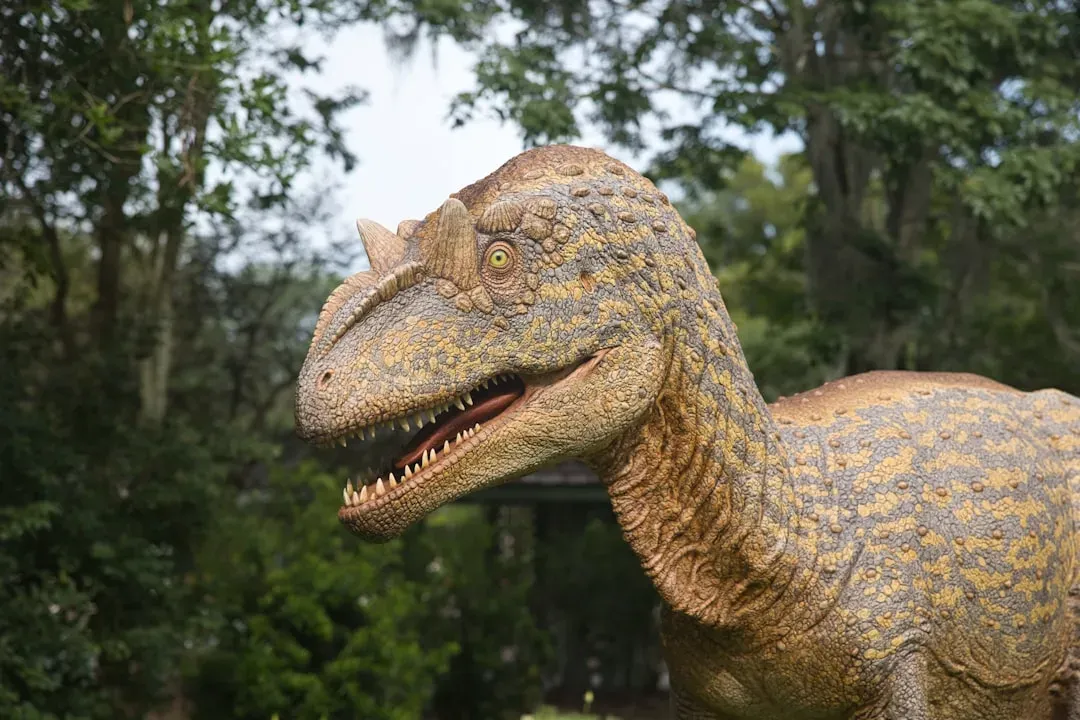
Movies usually show dinosaurs at one scale: fully grown, ready to chase or be chased. In reality, the life of a dinosaur was a steep climb from tiny hatchling to massive adult, and the odds were stacked against the youngsters. Bone studies show that many dinosaurs grew rapidly, with juvenile growth spurts comparable to or even faster than those seen in modern large mammals or birds.
That frantic growth hints at a harsh world where most babies never reached adulthood. Nest sites, egg clutches, and tiny bones in some fossil beds suggest predators, disease, and environmental stress wiped out huge portions of each generation. Instead of endless adult showdowns, the real Jurassic story was closer to a constant struggle for the next generation just to survive their first few years.
6. The Climate Was Dynamic, with Shifting Seas and Changing Oxygen Levels
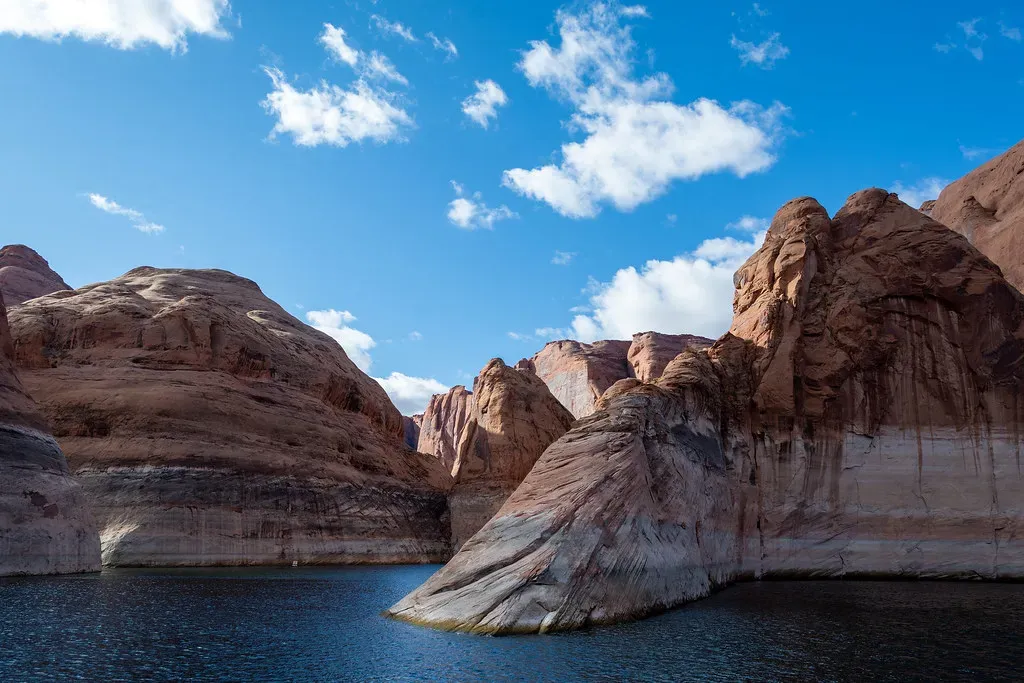
Hollywood often freezes dinosaur time into one unchanging background, as if the environment stayed stable for millions of years. In truth, sea levels rose and fell, continents drifted, and atmospheric conditions shifted over long stretches of time. At various points, shallow epicontinental seas flooded parts of continents, turning what had been land into warm, nutrient‑rich inland oceans full of marine reptiles and invertebrates.
There is also evidence that oxygen and carbon dioxide levels varied across the Mesozoic. These shifts affected everything from plant growth to fire frequency and animal metabolism. The Jurassic world was not a static set; it was a slow‑motion, planet‑scale experiment in climate and geography, constantly reshaping which species thrived and which struggled.
7. Herbivores Were Not Helpless Victims – They Were Well‑Armed and Social
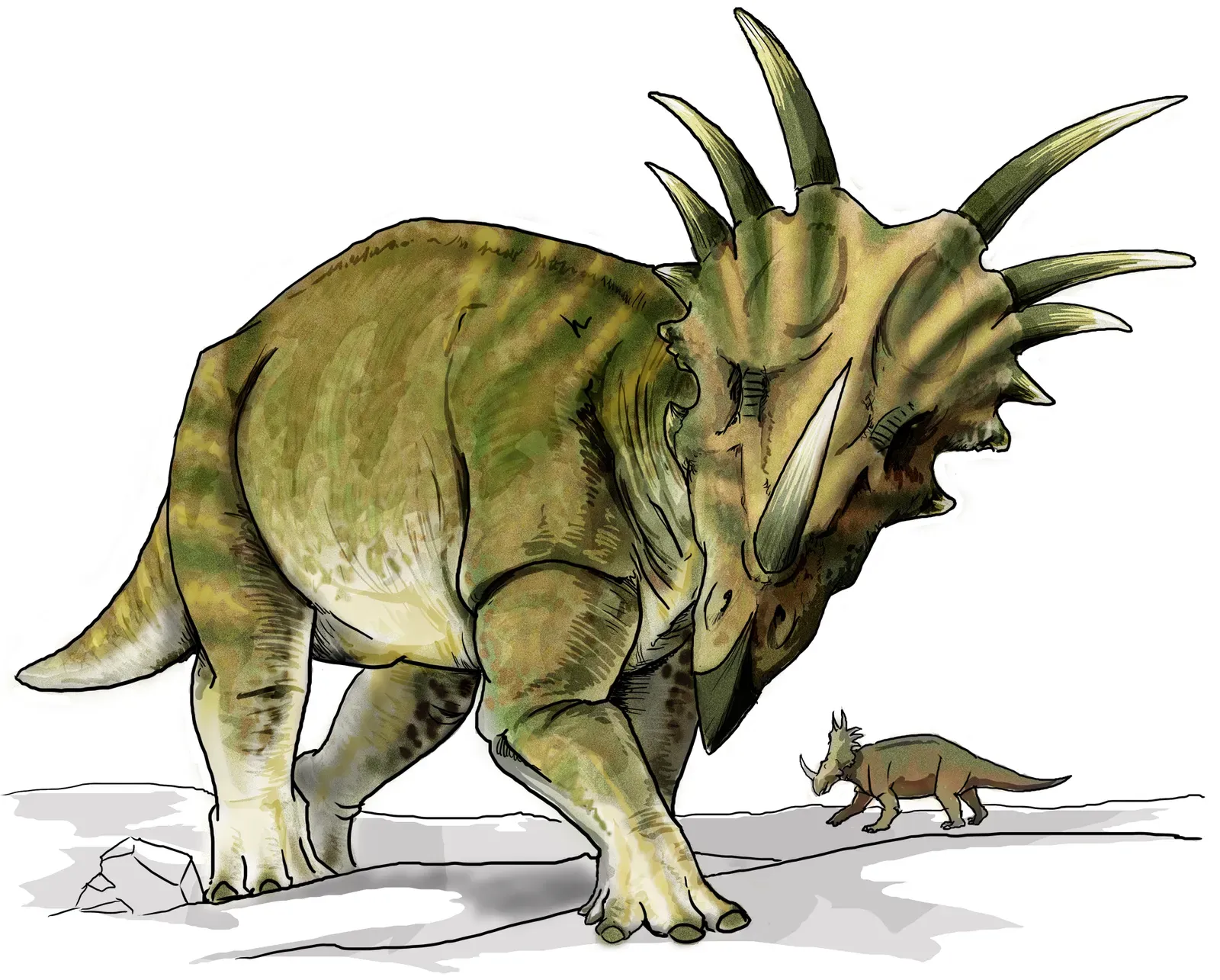
Dinosaur movies tend to treat herbivores as oversized snacks waiting for the nearest predator to pounce. But many plant‑eating dinosaurs came loaded with serious defenses: horns, frills, tail clubs, armor plates, speed, and possibly toxins in the plants they chose to eat. A charging ceratopsian or a swinging ankylosaur tail could turn a predator’s hunt into a deadly mistake.
On top of that, there are signs that some herbivores may have lived in herds or family groups, which adds another level of protection. Imagine a coordinated wall of massive bodies, horns held low, or a swirling mass of panicked but organized dinosaurs surrounding vulnerable young. That is far more intimidating – and realistic – than a lone, confused plant‑eater being picked off in a clearing.
8. Dinosaurs Communicated in Ways We’re Only Starting to Guess
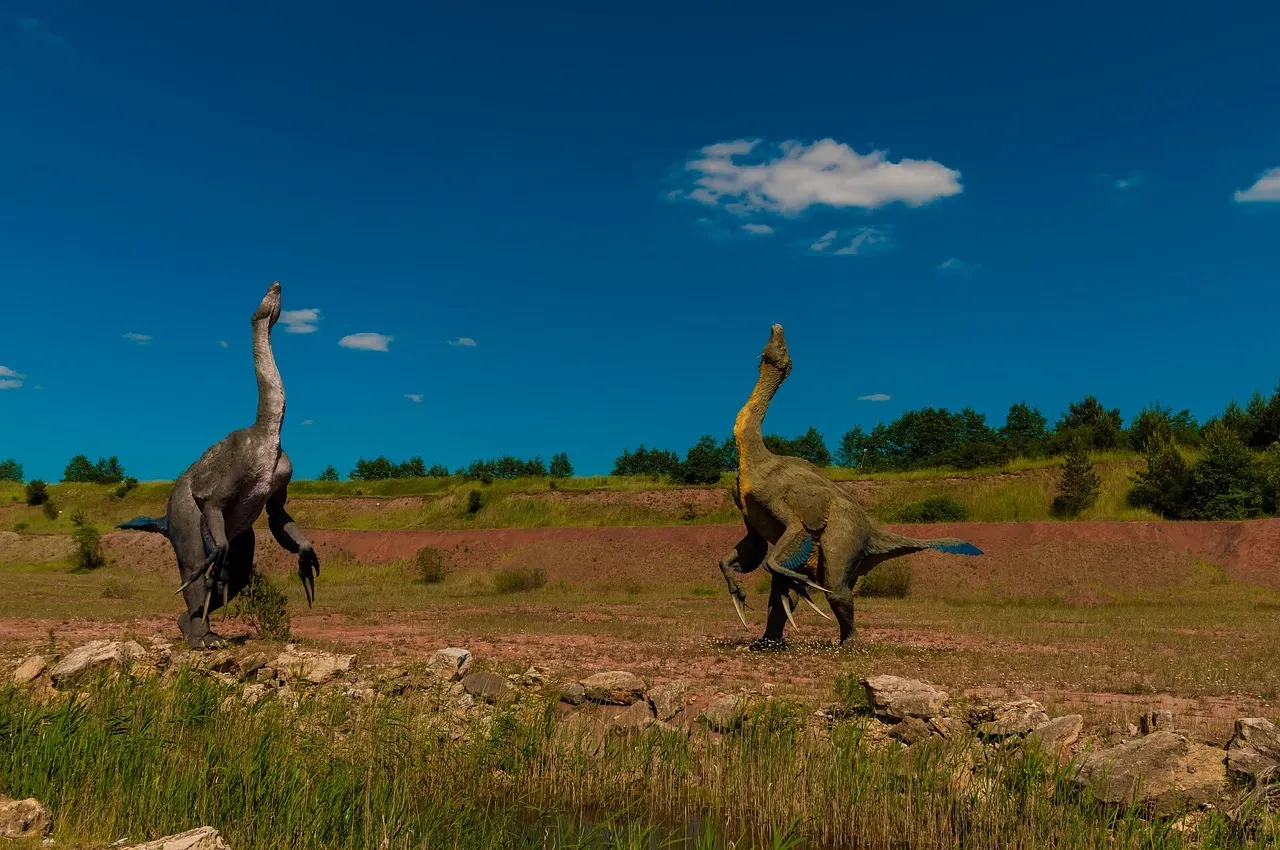
On screen, most dinosaur sounds are just modified lion roars or elephant rumbles for dramatic effect. Fossil evidence of crest shapes, resonating chambers in skulls, and comparisons to modern birds and crocodiles suggest a much richer communication system. Some species probably used low‑frequency calls that could travel long distances, while others may have relied on higher‑pitched calls, hisses, and snaps.
Visual displays mattered too: feathers, frills, crests, and bright patterns likely served as signals for mating, warnings, or hierarchy. Picture a dawn landscape where calls ripple through the haze like an alien dawn chorus, with colors flashing between trees as animals posture and respond. That subtle, constant conversation of the Jurassic world rarely makes it to the big screen, but it would have defined daily life.
9. Not Every Big Animal Was a Dinosaur – and They Were Not Alone
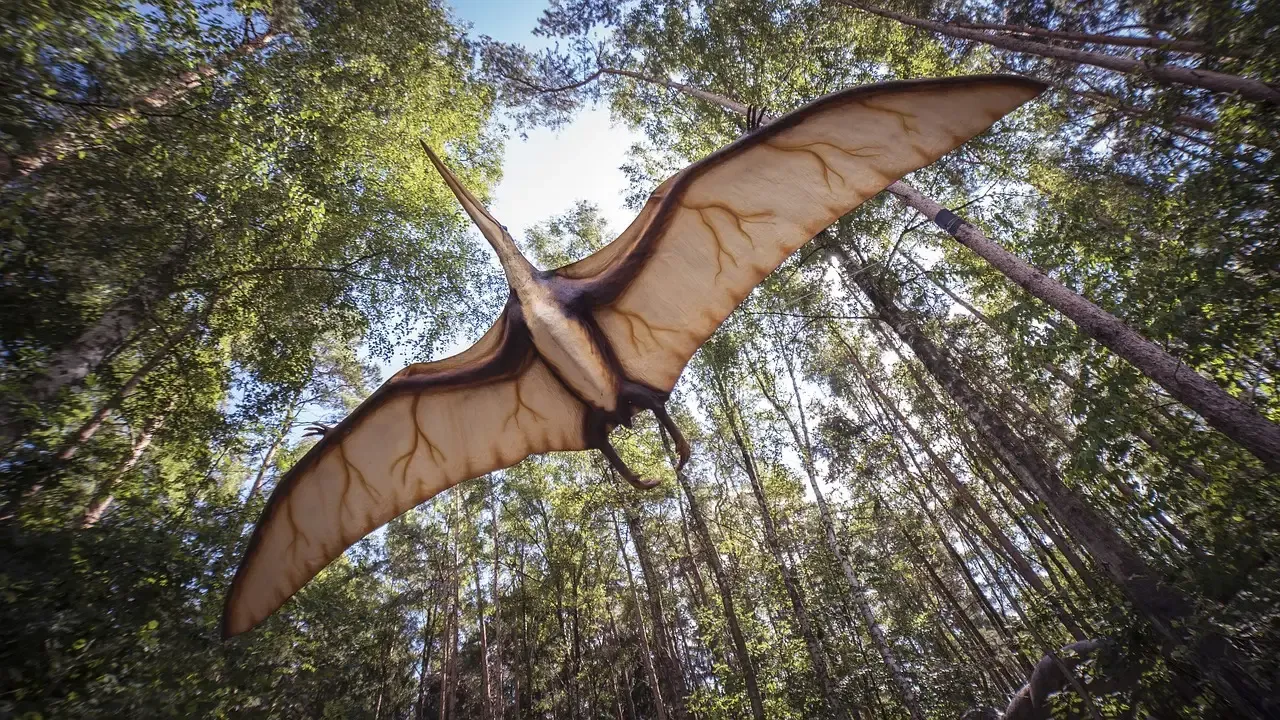
Movies often lump anything large and reptilian from that time under the dinosaur label, but the Jurassic world hosted a whole cast of other groups. Flying pterosaurs were not dinosaurs, though they were close relatives, and they ruled the skies with wingspans that sometimes rivaled small planes. In the oceans, huge marine reptiles like plesiosaurs and pliosaurs filled the top predator roles, along with early relatives of modern sharks and fish.
On land, early mammals scurried, climbed, and burrowed, already experimenting with varied lifestyles instead of just hiding in the shadows. Croc‑like archosaurs, lizards, amphibians, and endless invertebrates filled out the food web. Dinosaurs were the headliners, but the supporting cast was enormous, and their interactions shaped the world in ways we are still trying to piece together.
10. The End Was a Process, Not Just a Single Explosion
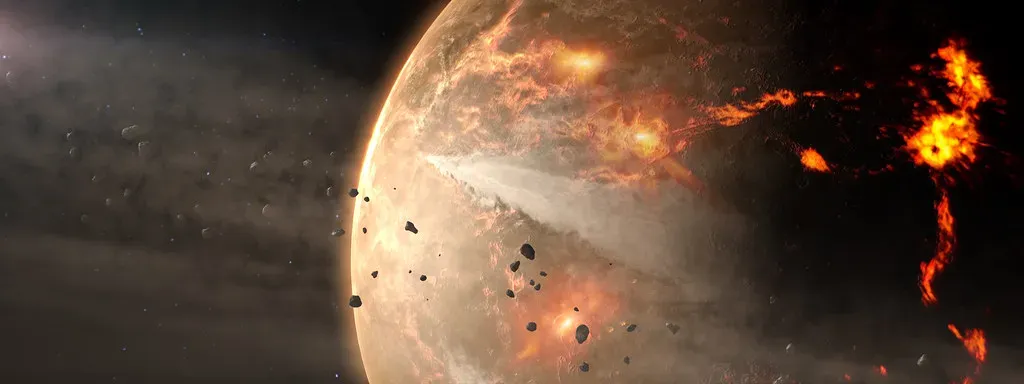
Most films treat the end of the non‑avian dinosaurs as one dramatic event: an asteroid hits, everything burns, and that is that. The reality is more complex and, in some ways, more unsettling. The asteroid impact near the end of the Cretaceous was catastrophic, but it slammed into a world already under pressure from volcanic activity, shifting climates, and changing sea levels.
After the impact, the extinction did not play out in a single afternoon. Ecosystems collapsed over time, some areas and species lasting longer than others, while the survivors – including early birds and mammals – adapted to radically altered conditions. That long, messy transition is usually cut in movies, but it matters, because it shows how life on Earth is both incredibly fragile and unexpectedly resilient.
Conclusion: The Real Jurassic World Was Messier, Smarter, and More Alive
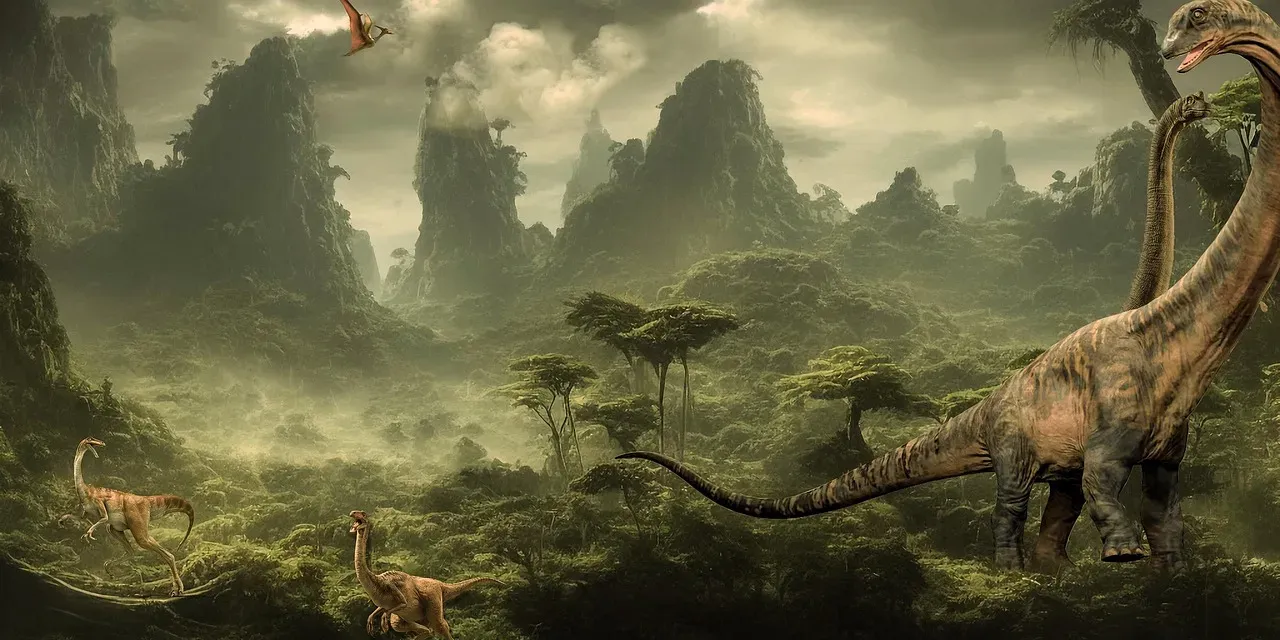
When you stack the scientific picture against the usual movie version, the real dinosaur world comes out looking far more complex and, honestly, far more interesting. It was a place of dense forests, strange climates, rapid growth, social defenses, and constant communication, not just a few oversized reptiles pounding across empty plains for dramatic chases. In my view, the real story is more powerful precisely because it is messier and less tidy than a two‑hour script.
We may never know every detail, and new fossils constantly rewrite parts of the story, but that is exactly why the Jurassic world still grips us. It is not just about monsters; it is about an entire planet in motion, full of experiments in life that still echo in birds, mammals, and ecosystems today. The next time you watch a dinosaur movie, you might find yourself wondering what is missing just offscreen – and whether the unseen world was the most astonishing part all along. Does the real Jurassic feel more surprising than the Hollywood one you started with?