
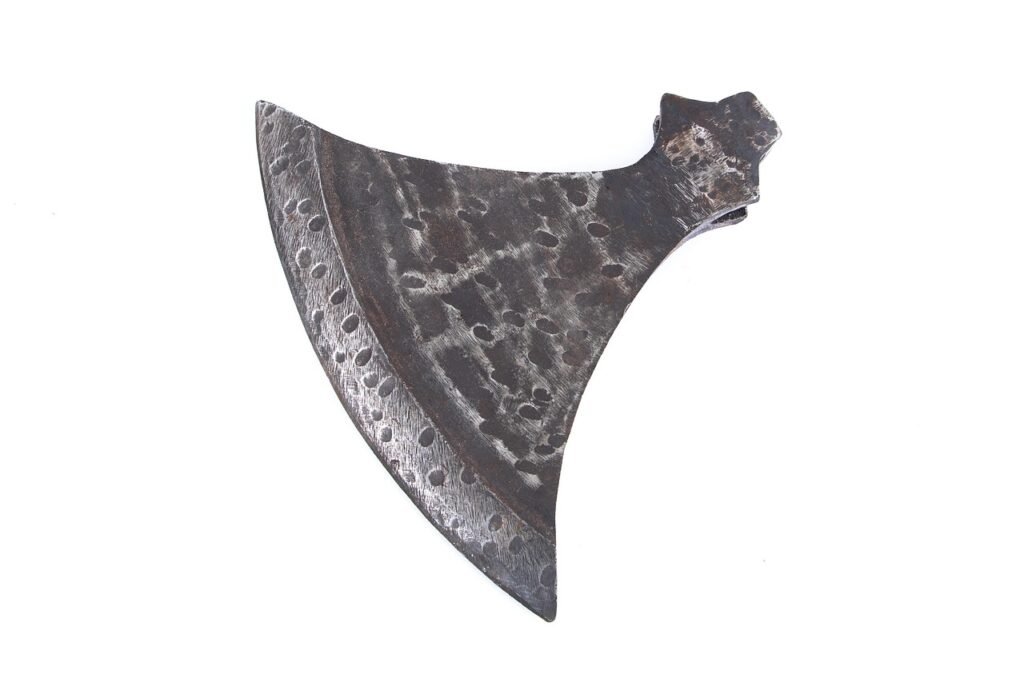
Most people assume ancient civilizations were metallurgical islands – Egypt worked Egyptian metal, Rome worked Roman ore, and that was that. But archaeologists keep pulling alloys out of the ground that shouldn’t exist at those sites at all. Blades with too much nickel. Coins made from metal no local mine has ever produced. Jewelry fused from a metal that wouldn’t even melt in a Bronze Age furnace.
These aren’t hoaxes or “ancient aliens” fodder. They’re proof of trade networks, smuggling routes, and metallurgical workarounds so advanced that modern scientists are still reverse-engineering how they happened. Thirteen cases, one recurring question: how did that metal get there? Here’s what the archaeometallurgy actually shows.
#13 – Bronze Age Tin Bronze Across the Fertile Crescent
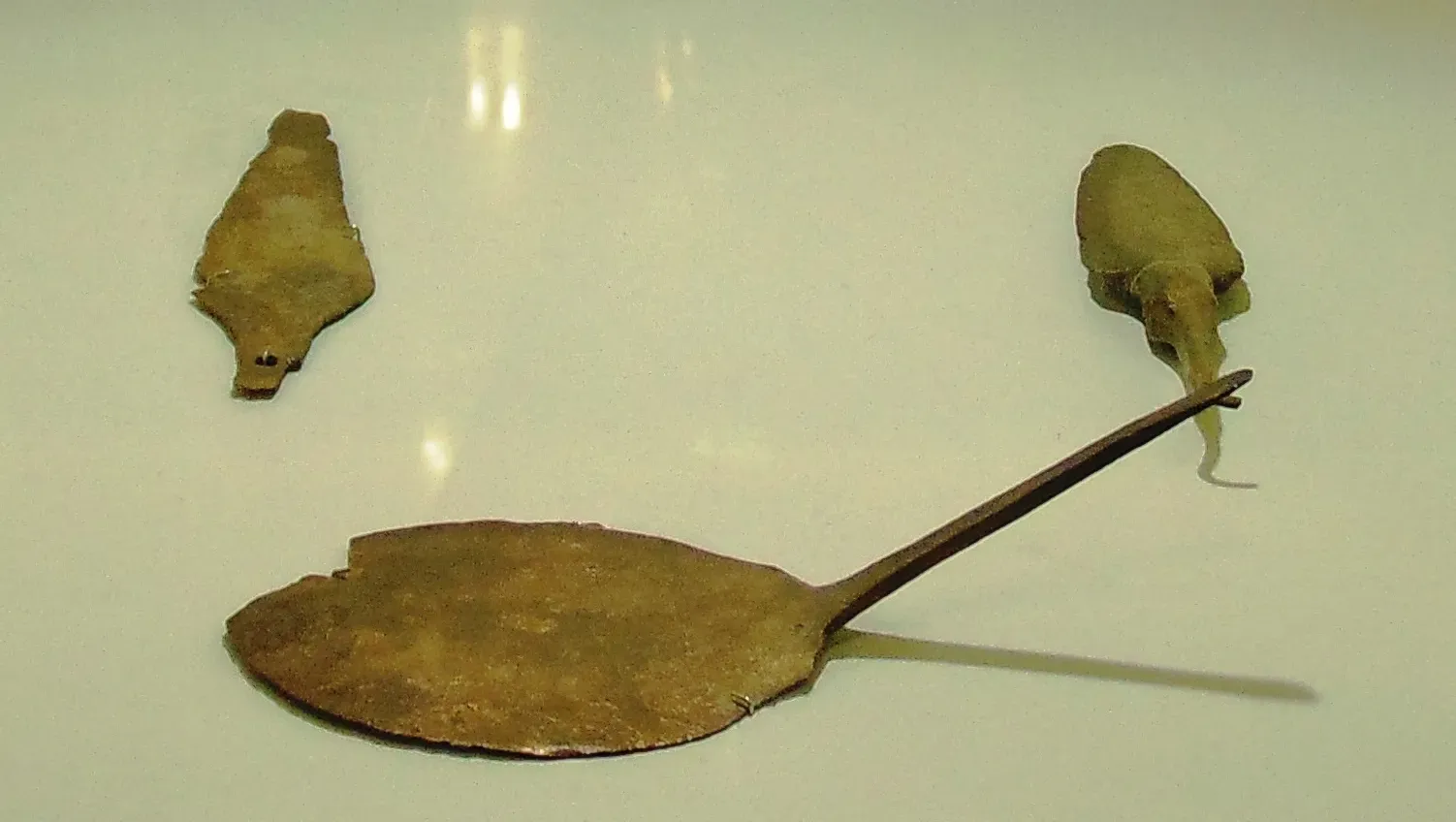
Bronze needs two ingredients, and one of them was almost nowhere near where bronze was actually made. Tin has proved elusive because there are almost no geologically verified deposits in Southwest Asia or the eastern Mediterranean. Yet by the mid-third millennium BC, the metal was already known to metalworkers in Mesopotamia, central Anatolia, the Troad, and the Cyclades.
Fast Facts
- Tin deposits are nearly absent across Southwest Asia and the eastern Mediterranean
- Bronze alloying was already established in Mesopotamia, Anatolia, the Troad, and the Cyclades by the mid-third millennium BC
- Isotope analysis has traced some Bronze Age tin all the way to Cornwall, England
The scale of the mismatch is staggering. The Middle East isn’t lacking tin mines entirely – they’re just small, local, scattered deposits, nowhere near large enough to sustain the region’s actual bronze consumption. Recent isotope work has traced some of that tin all the way to Cornwall, England, over 4,000km from where it ended up as a sword or plow blade. But #12 breaks the rules of ancient chemistry entirely.
#12 – The Cupronickel Coins of Ancient Bactria
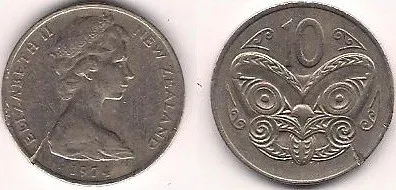
Somewhere in what’s now Afghanistan, a handful of Greek kings minted coins from a metal that didn’t officially exist in ancient metallurgy. For about 15 years between 185 and 170 BCE, three obscure Baktrian kings issued coinage in a copper-nickel alloy – something otherwise unknown in ancient numismatics. The recipe is eerily modern: 75-percent copper, 25-percent nickel, the exact same ratio used in a modern U.S. 5-cent coin.
No civilization on Earth would deliberately alloy nickel again for roughly 2,000 years. Nobody has definitively solved where the raw nickel came from, though trade with China is the leading guess. Even the minting process struggled – Greek furnaces weren’t hot enough to properly melt nickel, so the surviving coins have a pitted, grainy texture. A kingdom with zero local nickel deposits still found a way to strike it into currency. Still, nothing compares to what blacksmiths a thousand miles away pulled off in #11.
#11 – Wootz Steel Blades Forged Far From Their Ore
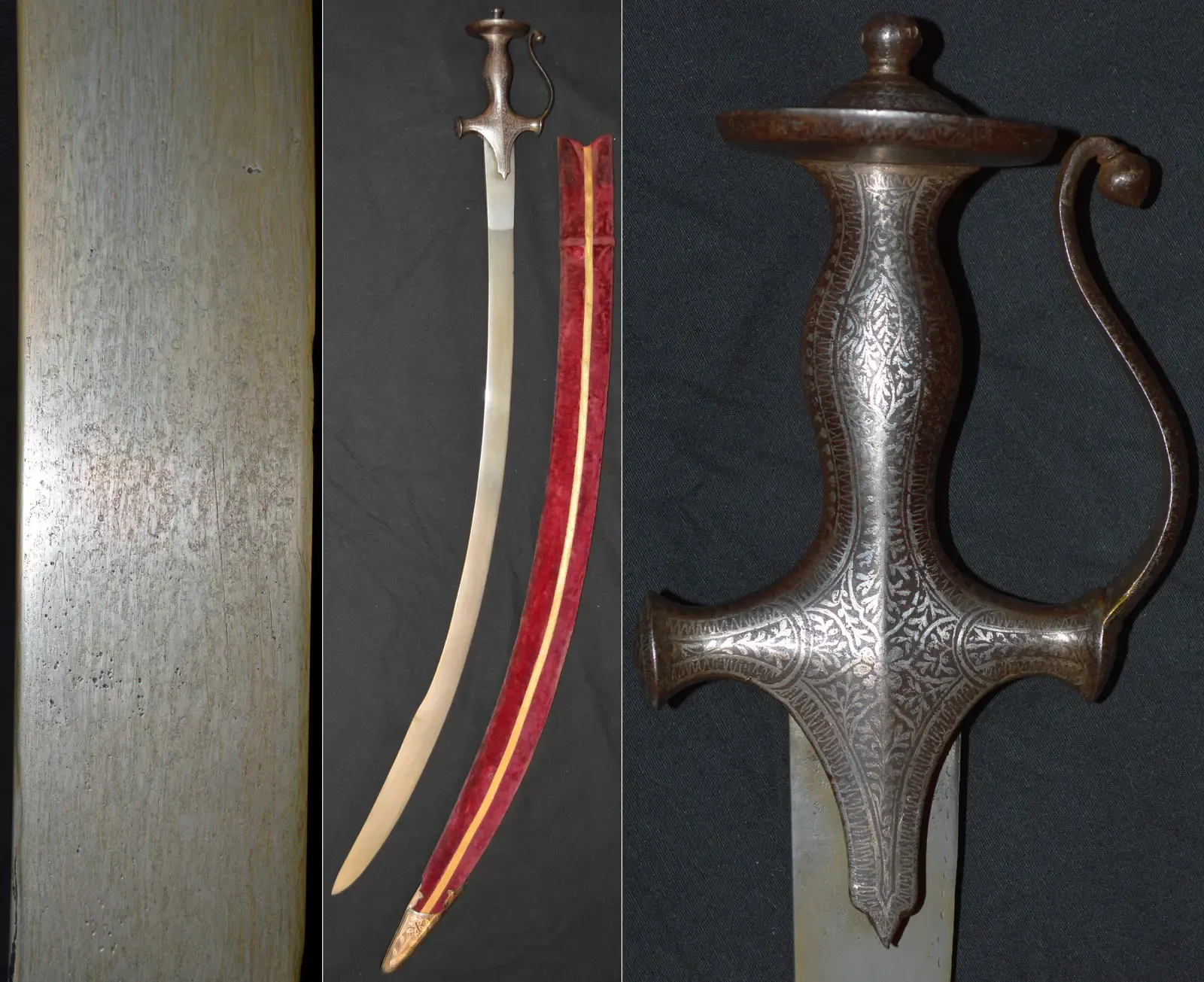
Middle Eastern blacksmiths spent centuries building a legendary reputation for blades made from a raw material they never mined a single ounce of. Damascus steel – the rippled, ultra-hard blades prized from Persia to the Crusader states – wasn’t made from local Middle Eastern ore at all. The steel ingots, known as wootz, were smelted in southern India and Sri Lanka using crucible techniques and local ore chemistry, then shipped west as raw “cakes” of metal.
The distinctive banding pattern came from trace elements in that specific Indian ore, and Middle Eastern smiths had no local source for it whatsoever. Blacksmiths in Damascus and Isfahan became world-famous for a metal they imported wholesale and simply forged into shape. When the original Indian ore sources dried up centuries later, the “secret” of true Damascus steel vanished with them – because the secret was never really in the forge. It was in dirt an ocean away. Compared to what happened in Ecuador for #10, that’s almost ordinary.
#10 – The Gold-Platinum Jewelry of La Tolita
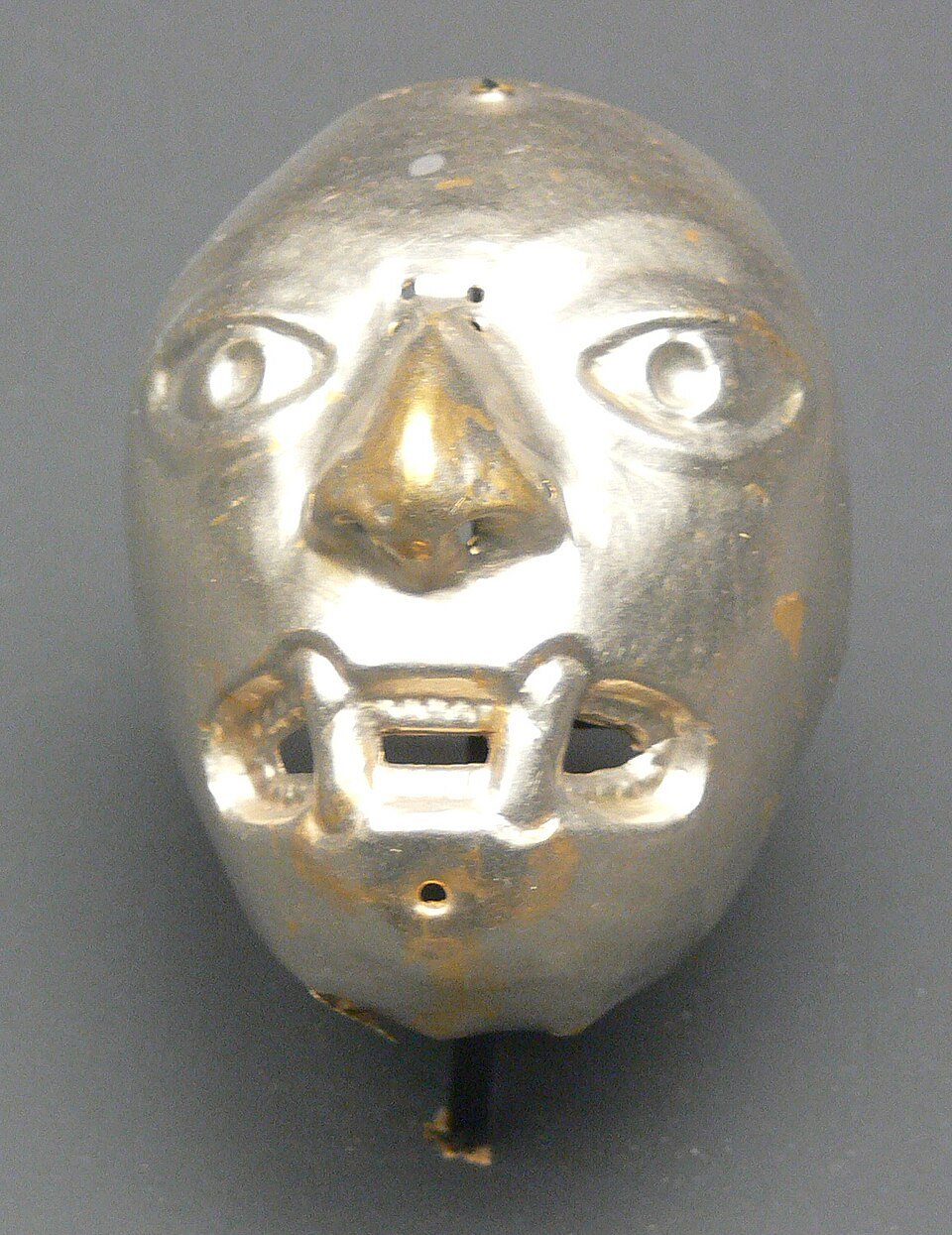
Long before European chemists could even melt platinum, a coastal culture straddling Ecuador and Colombia was already wearing it. The La Tolita people lived near platinum-rich alluvial deposits, but platinum melts at 1,769°C – a temperature no ancient furnace on the planet could reach. Their workaround was almost sneaky in its simplicity: use gold to sinter together nuggets of native placer platinum, then alternately work and anneal the resulting solid.
They never actually melted the platinum at all. They solved a problem European metallurgists wouldn’t crack for another 1,400 years, producing hard, homogeneous gold-platinum alloys through cold-working alone. When Spanish conquistadors later encountered the same metal, they had no idea what they were looking at – they dismissed platinum as an annoying contamination in their gold they couldn’t get rid of. That’s tame next to what turned up in Egyptian sand for #9.
#9 – Meteoric Iron Beads From Predynastic Egypt
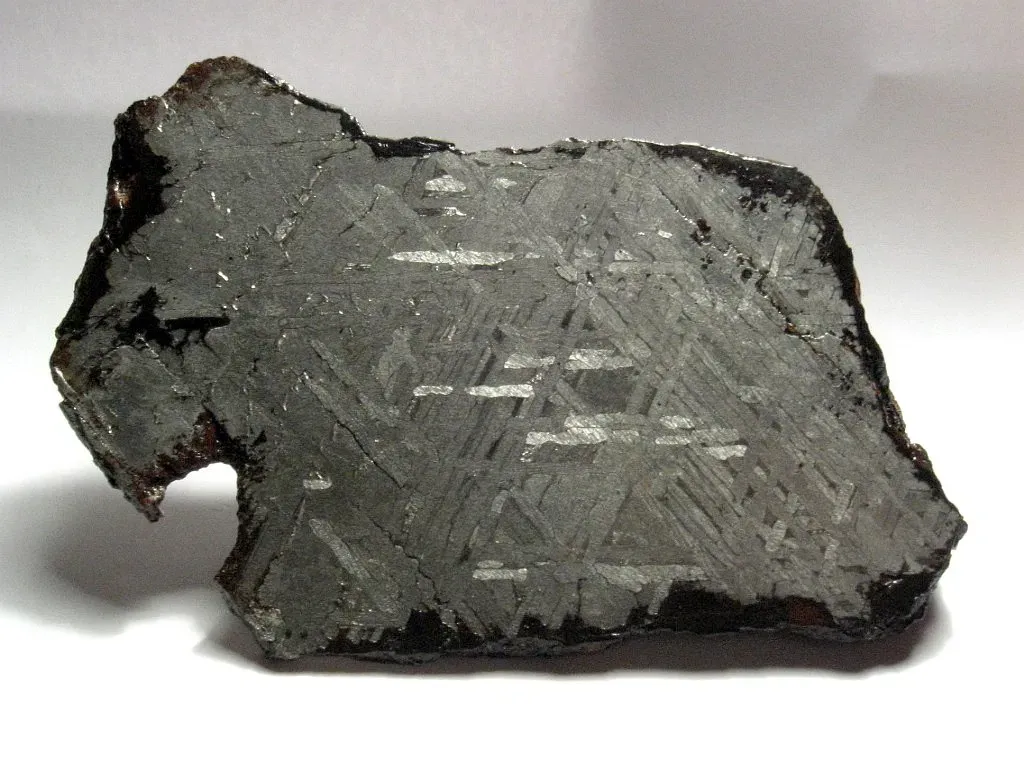
Egypt is famous for the Iron Age arriving late – yet some of the oldest iron objects on the planet were pulled from Egyptian graves that predate Egyptian iron smelting by millennia. Small tubular beads recovered from a predynastic cemetery in Lower Egypt have been shown, through metallurgical analysis, to be hammered from meteoritic iron rather than smelted from ore. These beads date to a period roughly a thousand years before Egypt had any capability to extract iron from terrestrial rock.
Someone found a chunk of fallen sky-metal, realized it could be worked cold, and hammered it into jewelry for the dead. That means the earliest “ironworking” in the Nile Valley wasn’t really ironworking at all – it was meteorite-scavenging. The beads are dense with the telltale nickel signature that separates space rock from earth rock, a reminder that the first metal ages weren’t always about mining. Sometimes they were about looking up. Meanwhile, an entire ancient economy in Ohio makes #8 just as wild.
#8 – Copper From a Continent Away: The Hopewell Mounds
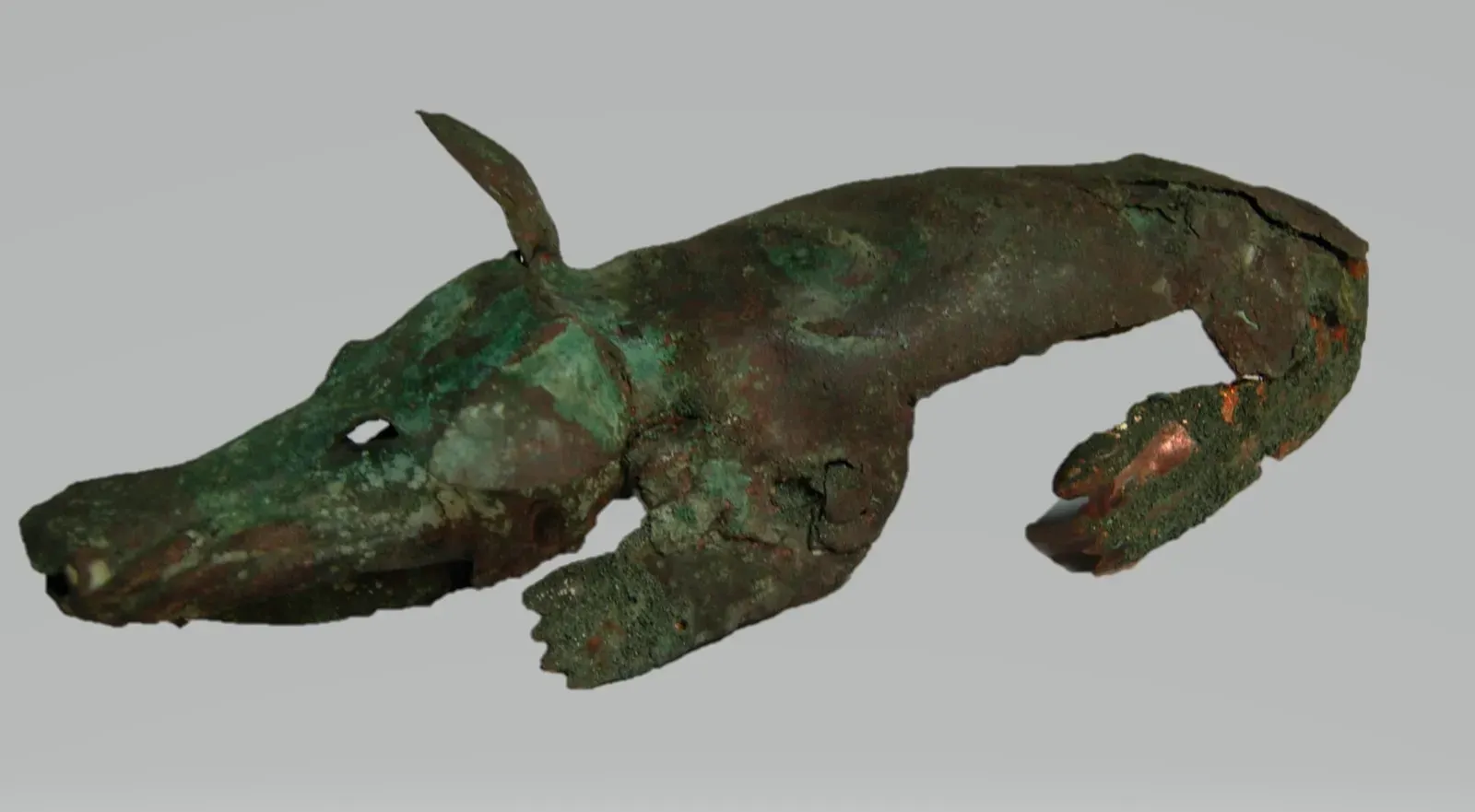
Ohio has no native copper deposits worth mentioning, yet its ancient burial mounds are packed with elaborately worked copper objects. The Hopewell culture, centered in the Ohio River Valley roughly 2,000 years ago, buried its dead with intricately cut copper effigies, headdresses, and ornaments. The raw copper for nearly all of it has been traced back to the Lake Superior region – specifically the Upper Peninsula of Michigan and Isle Royale – hundreds of miles to the north.
At a Glance
- Hopewell copper traveled from Lake Superior’s Upper Peninsula and Isle Royale to Ohio, hundreds of miles south
- Southwestern copper bells were cast in West Mexico and carried north over a thousand miles
- Caribbean guanín moved by canoe from the Orinoco region through the Lesser Antilles
There’s no evidence the Hopewell people themselves ever traveled that far to mine it directly. That means a raw material moved through hundreds of miles of pre-contact trade networks, passing through multiple intermediary groups, before it ever reached a burial mound. The metal wasn’t alloyed the way Old World bronze was – it was worked as native, nearly pure copper – but the logistics puzzle is just as staggering. A site with zero local copper access became one of the richest copper-goods repositories in ancient North America. Yet #7 shows the same trick playing out a thousand miles further south.
#7 – The Traveling Copper Bells of the American Southwest
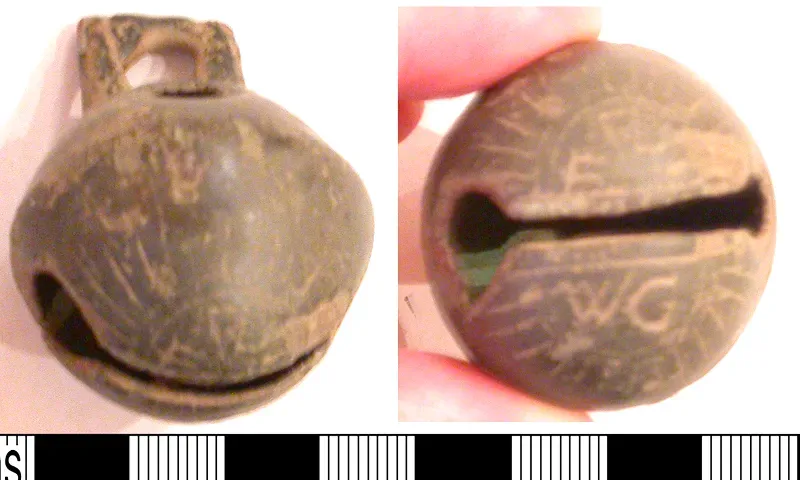
Archaeologists digging in Arizona and New Mexico kept finding small cast copper bells at sites where nobody was casting copper. These bells, recovered from Hohokam and other Southwestern sites, are made using alloying and casting techniques that simply weren’t practiced locally at the time. Researchers have traced the manufacturing tradition to metalworking centers in West Mexico, over a thousand miles south, where copper-arsenic and copper-tin alloying was already established.
The bells apparently moved north along the same trade corridors that carried macaws, turquoise, and shell ornaments. Not a single smelting site or copper-alloy workshop has ever been confirmed in the ancient Southwest itself, despite hundreds of these bells turning up in burials and ceremonial caches. That’s an entire regional culture wearing and ritually depositing an alloy technology it apparently never manufactured on its own soil – pure long-distance commerce, centuries before contact with Europeans. Somehow #6 raises the stakes even higher, across open water.
#6 – Caribbean Guanín: Gold-Copper Ornaments on Islands With No Ore
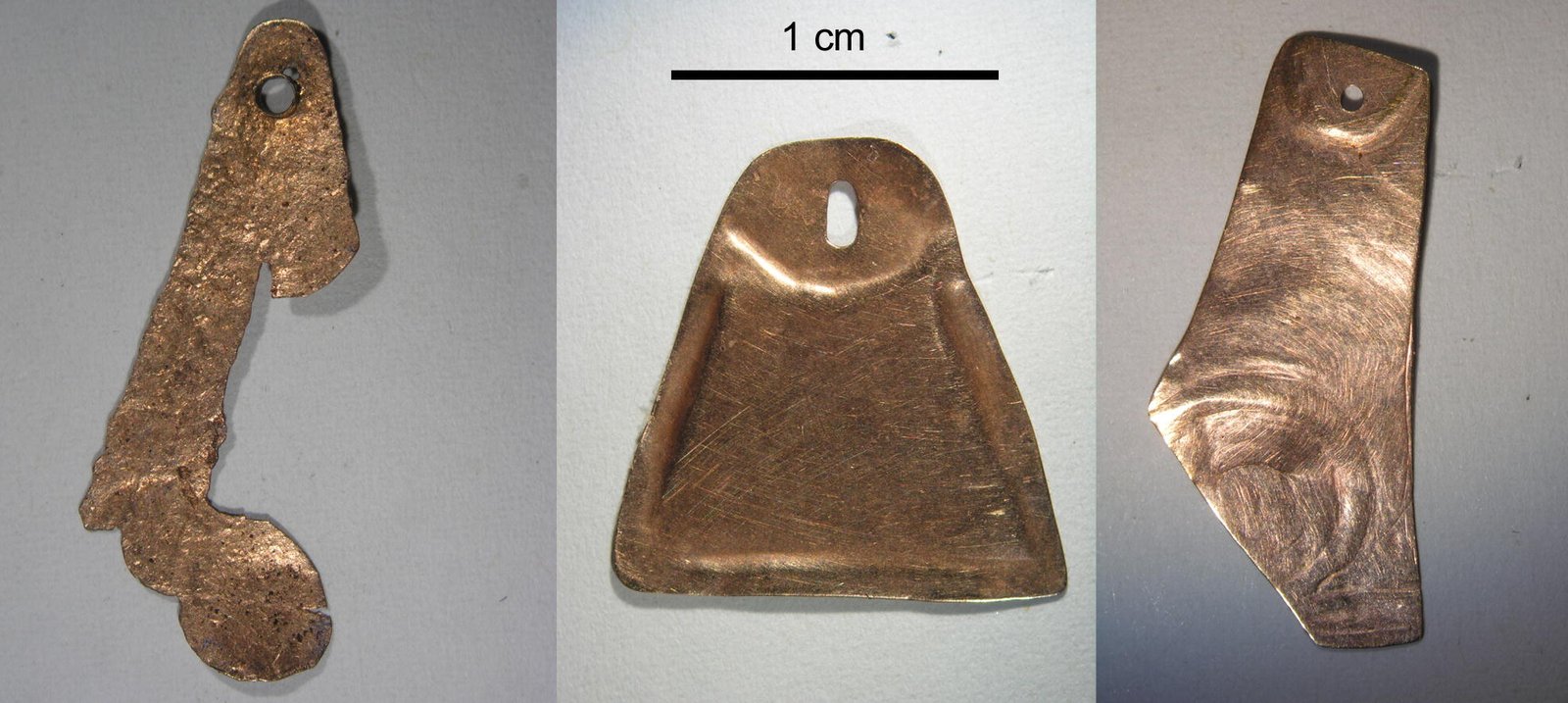
Taino and other Caribbean island communities prized a golden alloy called guanín – on islands that had essentially no workable gold or copper deposits of their own. Guanín, a gold-copper alloy sometimes brightened with a surface-enrichment technique similar to South American tumbaga, shows up in Caribbean caciques’ regalia and ceremonial objects well before European contact. The alloying tradition, and likely the raw metal itself, traces back to mainland South America, arriving via inter-island canoe trade networks stretching from the Orinoco region northward through the Lesser Antilles.
An entire island-based political and religious status system was built around a metal alloy that had to be paddled in, piece by piece, across open water. Spanish chroniclers later noted how highly guanín was valued by island elites – sometimes above pure gold – precisely because of how difficult it was to obtain. The scarcity wasn’t cultural preference. It was pure geographic reality: the islands simply didn’t have the ore. Then there’s #5, the one story on this list that doesn’t hold up.
#5 – The Aluminum Belt Buckle That Wasn’t
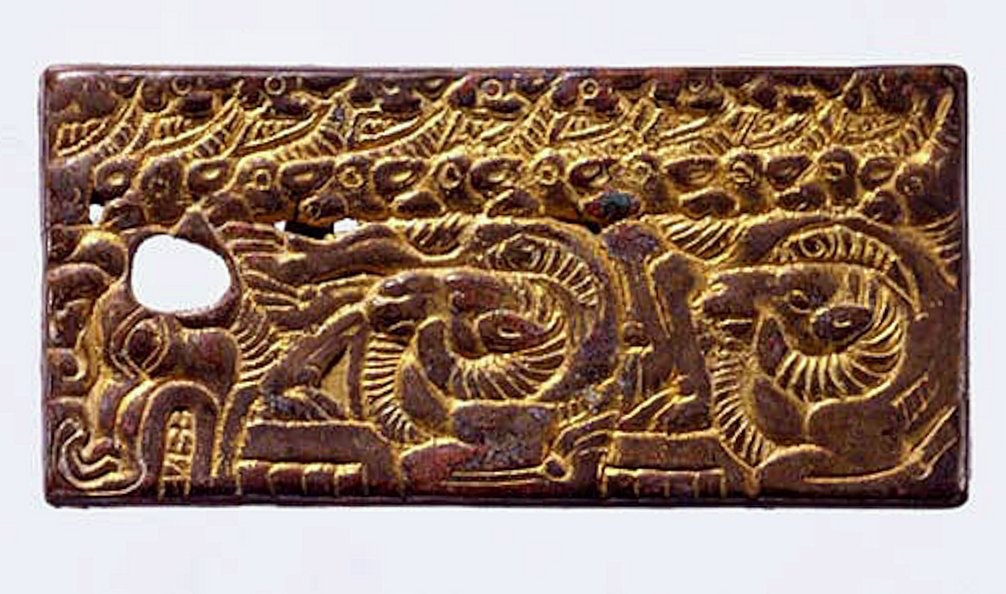
Not every “impossible alloy” story holds up, and this one is worth telling precisely because it got debunked. For years, a story circulated about a supposed ancient Chinese tomb belt buckle made of aluminum – a metal that requires industrial electrolytic refining and wasn’t isolated as a usable material until the 19th century, then wasn’t mass-produced until the 20th. The claim implied the buckle predated modern aluminum smelting by nearly two thousand years, which would rewrite metallurgical history entirely.
Subsequent scholarly scrutiny found the artifact’s dating and context were far less certain than the viral version of the story suggested, and mainstream archaeometallurgists don’t treat it as verified ancient aluminum. This one belongs on the list not as proof of an impossible alloy, but as a warning: sensational “no access to that metal” claims spread fast online precisely because they sound thrilling, and not every viral relic survives peer review. Skepticism is part of good archaeology. Back to solid ground – #4 proves this wasn’t a one-culture fluke.
#4 – Anatolia’s Royal Meteoric Dagger at Alaca Höyük
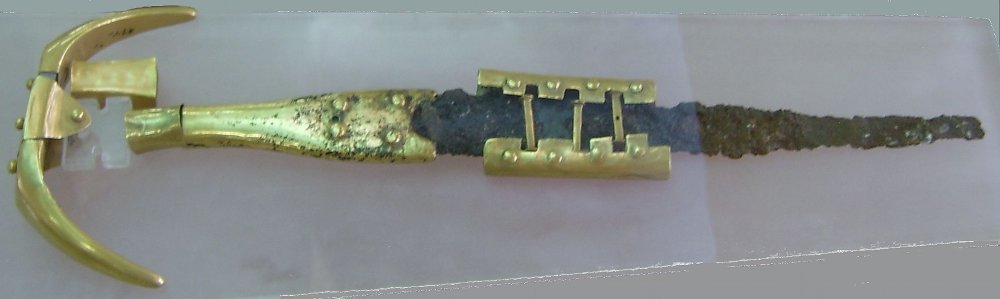
Centuries before Tutankhamun was even born, royalty in ancient Anatolia was already being buried with sky-metal blades. Excavations of the so-called “royal tombs” at Alaca Höyük in central Turkey, dating to the Early Bronze Age, uncovered a ceremonial dagger with a gold-decorated hilt and an iron blade. Metallurgical study has linked the iron’s composition to meteoritic origin rather than smelted terrestrial ore, consistent with a broader pattern across the ancient Near East where the earliest worked iron objects consistently show meteorite-level nickel content.
Quick Compare
- Predynastic Egypt: hammered meteoric iron beads, no smelting capability at all
- Bronze Age Anatolia: a ceremonial meteoric iron dagger with a gold-decorated hilt
- New Kingdom Egypt: Tutankhamun’s meteoric dagger, tested at 11% nickel
This means the practice of scavenging fallen meteorites for prestige weapons wasn’t a one-off Egyptian curiosity. It was a shared, cross-cultural workaround that appeared independently, or spread by trade, across multiple Bronze Age societies with zero smelting capability. Iron was so rare and precious in this period that it outranked gold in royal grave goods, exactly because nobody had cracked terrestrial iron smelting yet. But nothing on this list beats the floating crime scene that is #3.
#3 – The Uluburun Shipwreck’s Impossible Cargo
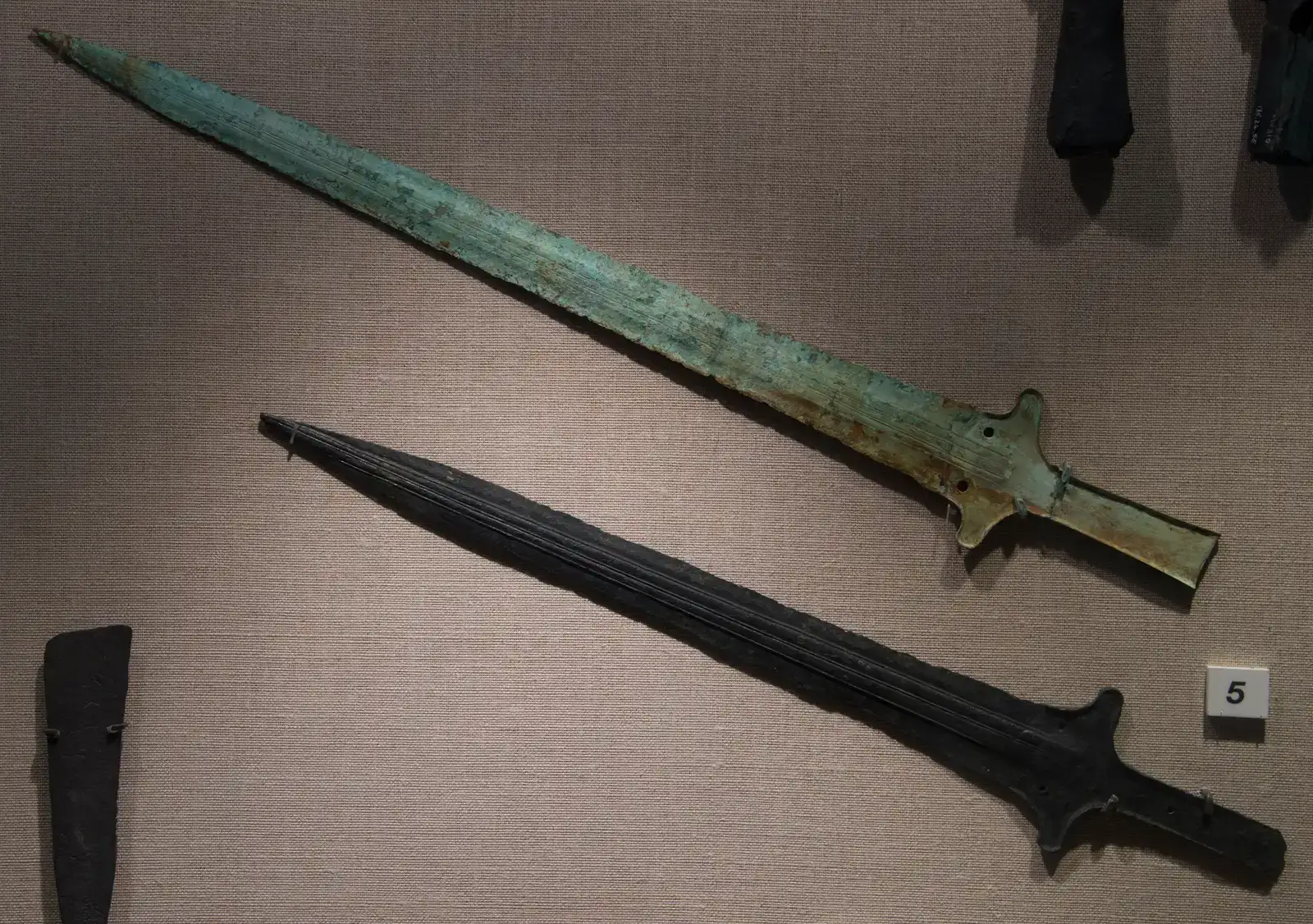
Off the southern coast of Turkey lies a single Late Bronze Age shipwreck that is, on its own, a complete crime scene for the ancient metals trade. Researchers studying tin ingots from the Uluburun wreck have called them key to understanding long-distance tin trade across the Late Bronze Age Mediterranean. The vessel carried copper ingots understood to originate from Cyprus alongside tin that researchers have spent decades trying to source, with proposed origins ranging across Central Asia and Europe.
A single sunken ship near Turkey carried the raw ingredients for bronze from at least two, and possibly three, wildly separate corners of the ancient world – none of them anywhere near where the ship went down. Numerous studies aimed at determining the sources of that tin have failed to find suitable geological fingerprints, and the origin question remains one of the genuine open mysteries in prehistoric archaeology. The wreck is the single richest physical proof that Bronze Age trade wasn’t local. It was global before “global” was even a concept. China’s own version of this mystery, #2, is just as tangled.
#2 – China’s Warring States “White Copper” Weapons
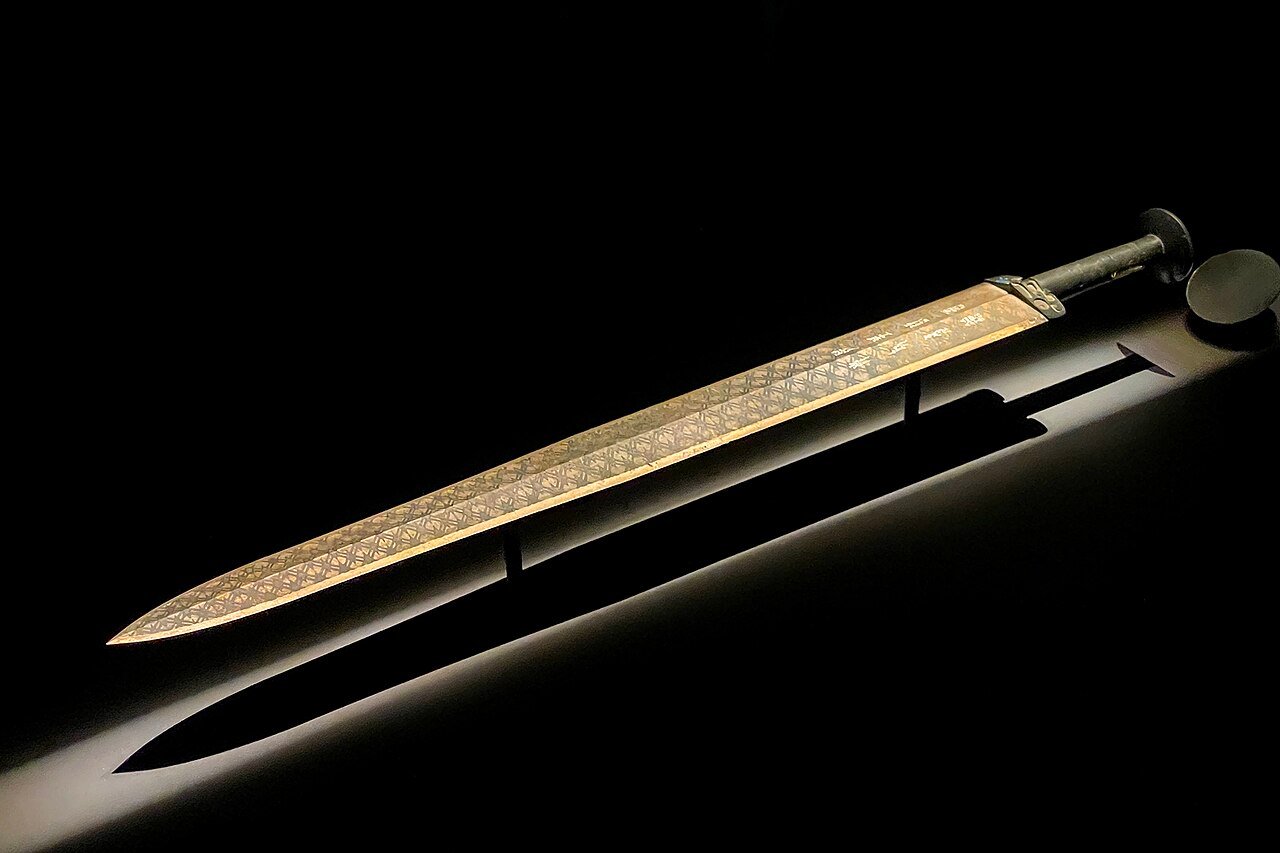
While Bactria gets credit for the first cupronickel coins, China appears to have been alloying copper and nickel even earlier, and the source of that nickel is just as murky. The cupro-nickel alloy was known to Chinese metalworkers by roughly the 3rd century BCE as “white copper,” and some weapons from the Warring States Period were cast in this Cu-Ni alloy. Chinese scholars later described the production process in detail: small pills of naturally occurring “Yunnan” ore were added to a bath of molten copper.
Why It Stands Out
- Chinese “white copper” appears by the 3rd century BCE, predating Bactria’s cupronickel coins
- The nickel ore, described as coming from Yunnan, traveled from a remote southwestern frontier to central workshops
- Some researchers argue Bactrian and Chinese nickel alloys share matching chemical fingerprints traceable to Chinese ore
Yunnan, however, sits on the far southwestern frontier – a long way from the central Chinese states producing these early weapons. That means Warring States workshops were sourcing nickel ore from a remote frontier region, refining it into a bright white alloy, and forging it into weapons centuries before nickel was even recognized as a distinct element anywhere else on Earth. Some researchers have argued the Bactrian alloys were closely similar to Chinese paktong, and of nine known Asian nickel deposits, only those in China could provide the identical chemical compositions – a theory that remains debated but underscores how tightly these two “impossible” metals were linked across thousands of miles of Silk Road terrain. And finally, the most famous impossible blade of them all.
#1 – Tutankhamun’s Meteoric Iron Dagger
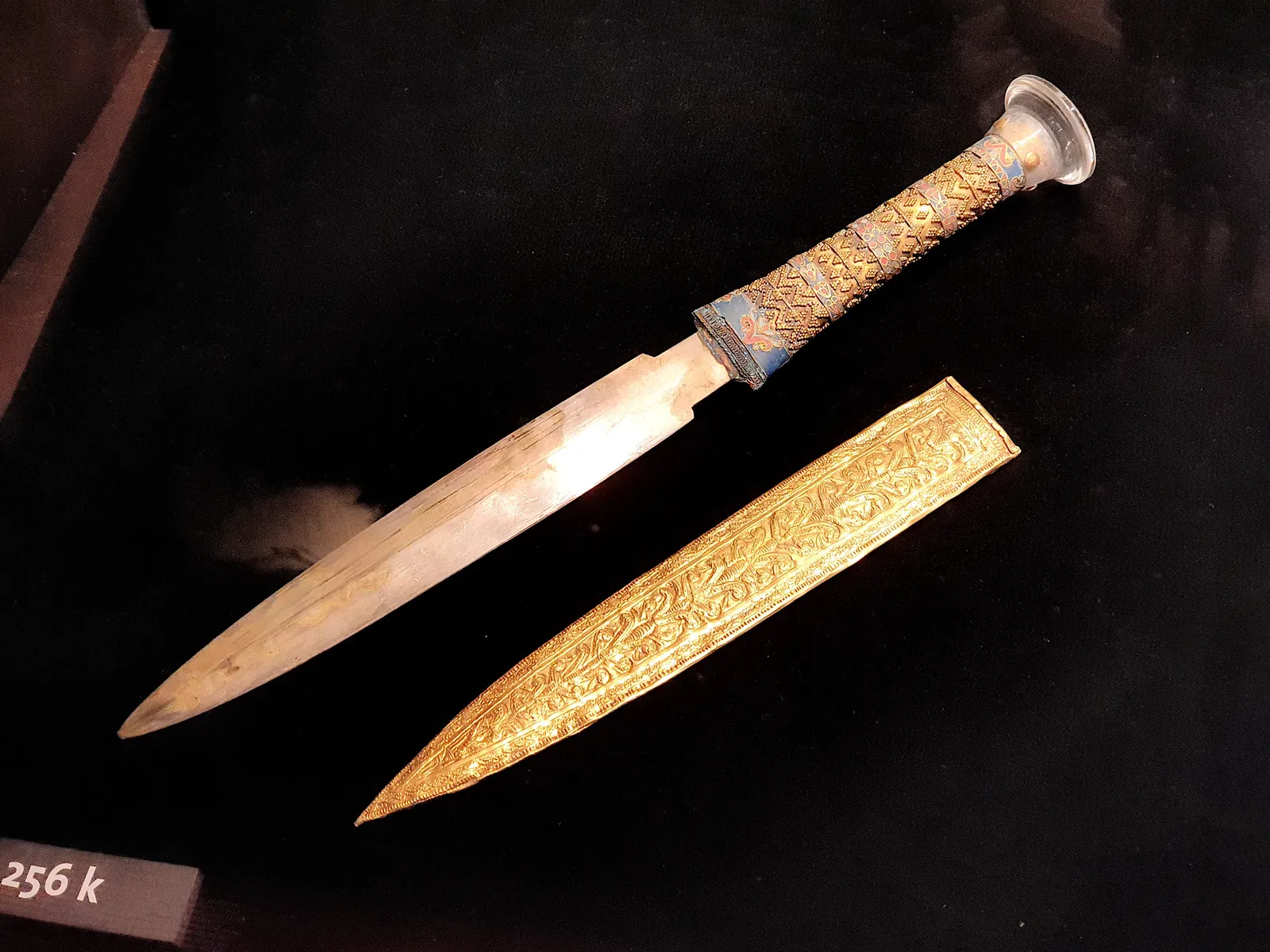
Of every alloy on this list, none has captured public imagination quite like the blade buried with Egypt’s most famous pharaoh. Tutankhamun’s meteoric iron dagger has a composition and homogeneity that closely correlate with meteorite chemistry, and X-ray fluorescence analysis showed the blade is mostly iron with 11% nickel and 0.6% cobalt – placing it within the median of 76 previously studied iron meteorites. That nickel level alone rules out Egyptian smelting entirely.
The nickel content in the bulk metal of most iron meteorites ranges from 5% to 35%, whereas it never exceeds 4% in historical iron artifacts made from terrestrial ores. At the time of Tutankhamun’s mummification, iron smelting was so rare that iron objects were reserved for artistic, ornamental, and ceremonial use only – and iron was more valuable than gold, which makes perfect sense once you realize nobody in the Nile Valley could actually produce it.
The introduction of the term iron of the sky” to describe all types of iron… suggests that ancient Egyptians attributed great value to meteoritic iron for the production of precious objects.”
Daniela Comelli, lead researcher, Tutankhamun dagger study
Egypt had gold in abundance and copper mines to spare, but the blade in Tutankhamun’s wrapped hands came from somewhere no ancient Egyptian mine could ever reach: outer space itself.
The Bottom Line
Strip away the mystery-box framing and a clear pattern emerges: ancient people were never as isolated as textbooks imply. Tin crossed oceans, nickel crossed continents, and platinum got worked without ever being melted at all.
The real headline isn’t that these alloys are “impossible.” It’s that trade, ingenuity, and sheer stubbornness moved metal further and faster than most modern readers assume – often across terrain and open water that should have made it logistically absurd. If anything, the debunked aluminum buckle deserves more attention than it gets, because it proves how easily a good story outpaces good evidence, and how badly we want ancient people to be either primitive or magical when the truth is stranger than both: they were just remarkably, stubbornly resourceful.